



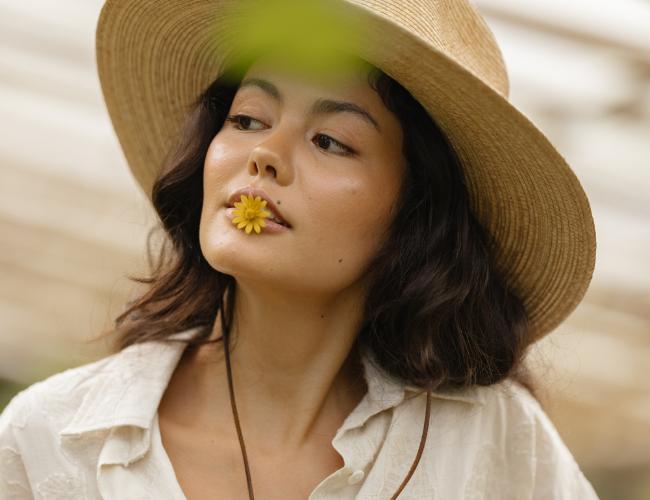

What the cloth on the head is actually for
the first thing i was taught was not a posture. it was to cover my head.
Kundalini Yoga practitioners cover the head to set the practice apart from the rest of the day and, in the tradition's own teaching, to keep the crown contained while the energy rises. A plain cotton or linen cloth is enough. No, you do not have to wear one, and nothing in the practice stops working if you choose not to.
Why do Kundalini Yoga practitioners wear turbans?
The tradition gives three reasons, and they are not the same kind of claim. Separate them before you decide.
The first is containment. The hair is left uncut and coiled at the crown, and a wrapped cloth holds it there through an hour of movement. The second is boundary. The cloth goes on before the practice and comes off after, which marks the hour as different from the one before it. The third is the crown: the tradition teaches that a firmly wrapped head holds the cranial bones steady and keeps raised energy from dissipating.
The first two are mechanics, because you can watch them work. The third is tradition, and I will say so plainly rather than dress it up as a finding.
Is a turban a Sikh article of faith or a yoga accessory?
This is the question almost no studio answers, and the one that matters most. The dastar is an article of faith in Sikhism. It carries a meaning that has nothing to do with a yoga class, and it is not a prop. Kundalini Yoga as taught in the West from the 1970s onward took the turban's form from Sikh practice and placed it inside a yoga curriculum.
So if you are not Sikh, the honest description of what you wear in class is a head covering, not a dastar. That is not a reason for shame. It is a reason to know the difference, and not to wear the thing outside practice as costume.
The tradition this practice reaches me through is also one whose founder faced serious allegations of abuse, documented in an independent investigation published in 2020. I have written separately about where my own practice sits and who taught me.
Do you have to cover your head to practise Kundalini Yoga?
No. As a teacher I will never tell you that you have to, and I would be wary of anyone who did. A head covering is an instruction inside a tradition, not a condition of entry.
What I will say is to give it forty days rather than a week. A week tests the cloth. Forty days tests the ritual, which is the thing actually on offer.
What the covering does, and what nobody can prove
There is no peer-reviewed evidence base on head covering in yoga. No trial, small or otherwise. Anyone who says otherwise is quoting a blog that quoted a blog.
Three things are observable. Long hair stays out of your face through a kriya with the arms overhead. A covered head stays warmer in an air-conditioned room, which matters more than it sounds in breath work, because the body cools as the breath deepens. And a garment worn for one purpose becomes a cue for it, which is ordinary associative learning.
The cranial claim needs care. The sutures of an adult skull are fused, so I describe the pressure teaching as tradition rather than mechanism. That does not make it worthless. It makes it a practice instruction with a reason attached, rather than a physiological fact.
What to cover with, if you choose to
Natural fibre, for the same reason the rest of this house is built on it. Cotton and linen breathe, hold a wrap without slipping, and do not sit hot against the scalp. Synthetic jersey slides and traps heat, and you will spend the hour adjusting it rather than practising.
- About two to two and a half metres of light cotton for a full wrap, cut on the straight grain rather than the bias so it holds its tension.
- A simple cotton scarf tied at the nape, which is all a twelve minute practice needs.
- Linen if the room is not air-conditioned. Cooler than cotton at the same weight, and it will not cling as you sweat.
- Nothing elasticated, and no seam sitting on the crown. An hour is long enough for a seam to become all you can think about.
How to tie one is written down here three ways already, so I will point you at them rather than repeat them: the beginner wrap for meditation, the householder style, which is the one most women settle into, and the wrap for a first class.
And why is so much of it white?
The same tradition teaches that white and undyed cloth hold a quality of expansion, which is why a Kundalini room is often a room full of white. That is tradition, at the same level of evidence as the covering itself. What holds regardless of what you believe about colour is the fibre, and our guide to clothing for Kundalini Yoga covers the garments themselves.
Frequently asked questions
Why do Kundalini Yoga practitioners cover their heads?
To contain the hair, to mark the practice as separate from the rest of the day, and because the tradition teaches that a wrapped head keeps raised energy from dissipating. The first two are mechanics you can observe. The third is tradition, not tested mechanism.
Do you have to wear a turban to practise Kundalini Yoga?
No. A head covering is an instruction inside the tradition, not a condition of practising, and no kriya or meditation depends on it. If you want to test it honestly, give it forty days rather than a week.
Is it disrespectful to wear a turban if you are not Sikh?
What you are wearing is a head covering, not a dastar, and the two are not the same. The dastar is an article of faith in Sikhism. Wearing a wrap for practice and naming it accurately is reasonable; wearing it outside practice as costume is not.
What fabric should a Kundalini head covering be?
Cotton or linen. Cotton holds a wrap without slipping and breathes through a long practice. Linen is cooler at the same weight and better in heat. Avoid synthetic jersey, which slides and traps heat against the scalp.
Is there any evidence that covering the head changes the practice?
There is no peer-reviewed evidence base and no trial has tested it. What is observable is that hair stays out of your face, a covered head stays warmer while the breath deepens, and a garment worn for one purpose becomes a cue for it.
With love from Bali,
Myrah
|
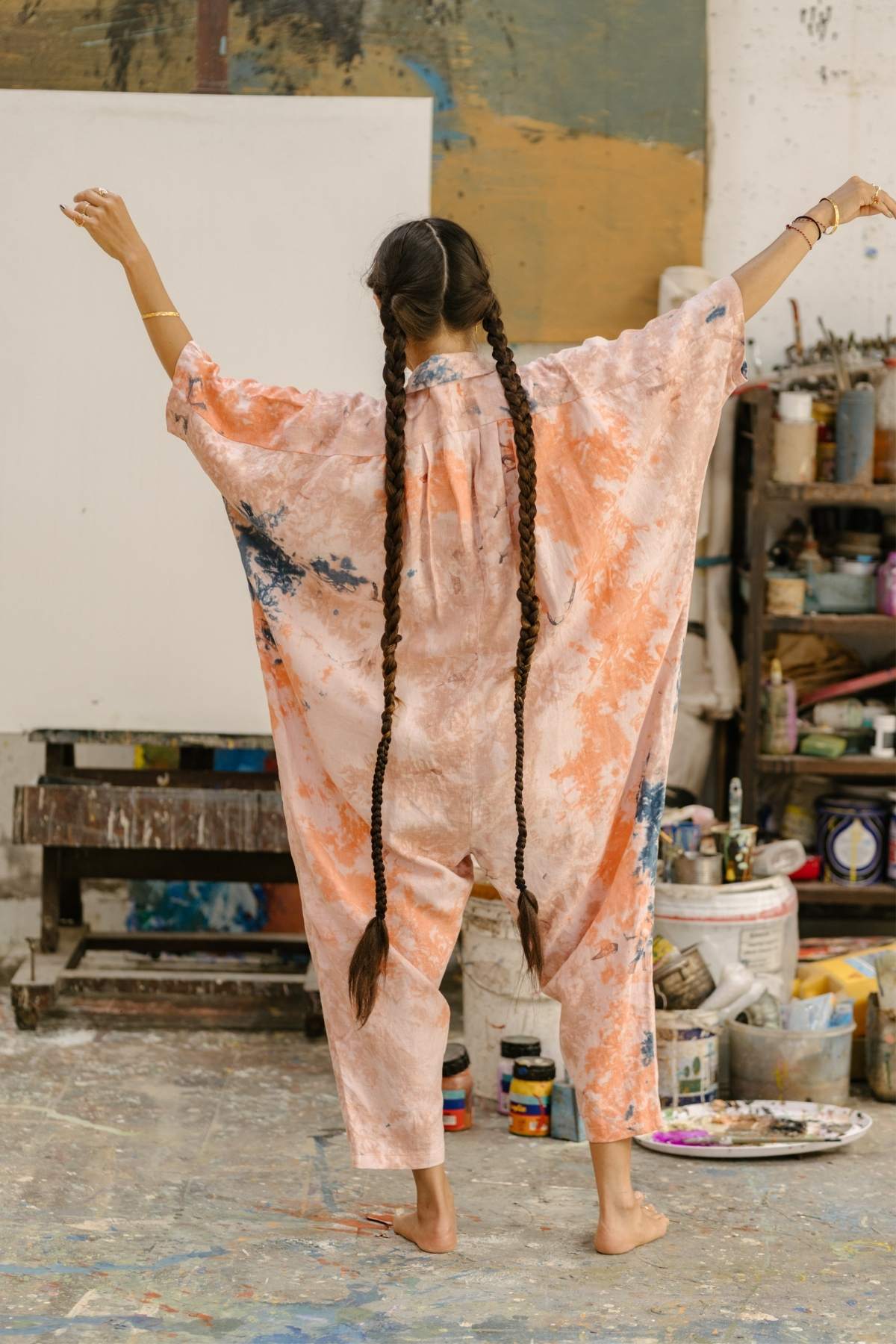
A Piece for This Threshold The Kundalini Playsuit. Shop the Kundalini Playsuit → |
|
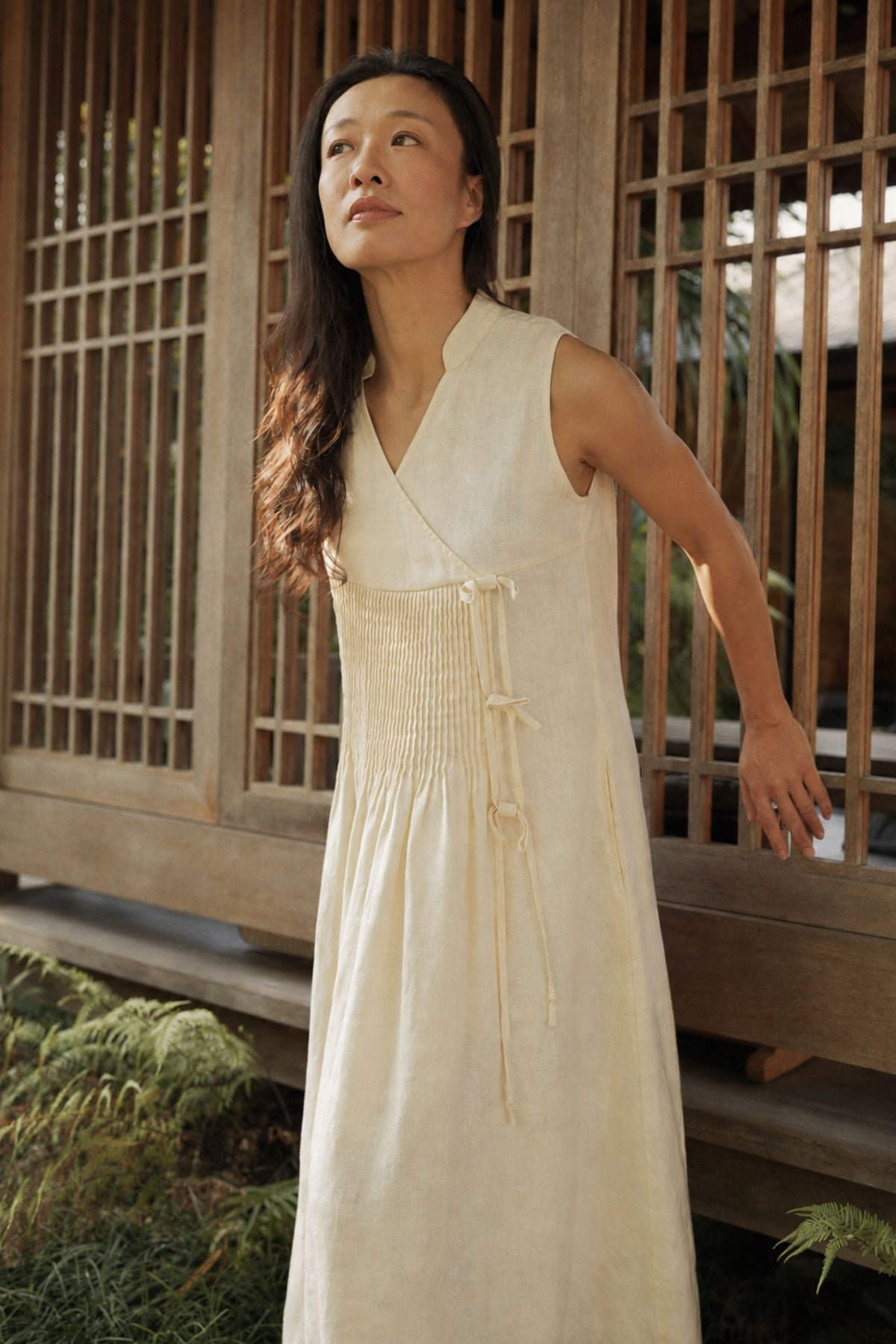
The Muse-Letter Dress for the woman you're becoming. Join the Muse-LetterUnsubscribe any time. No spam, ever. |











Leave a comment
This site is protected by hCaptcha and the hCaptcha Privacy Policy and Terms of Service apply.