


The Length We Carry
before hair becomes style, it becomes memory.

A braid passed down
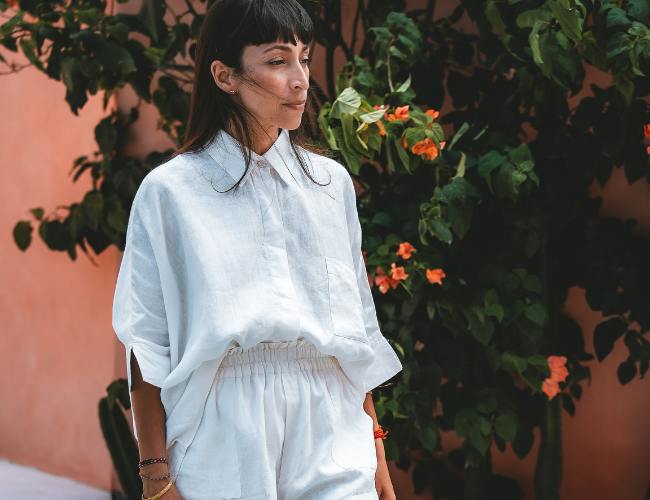
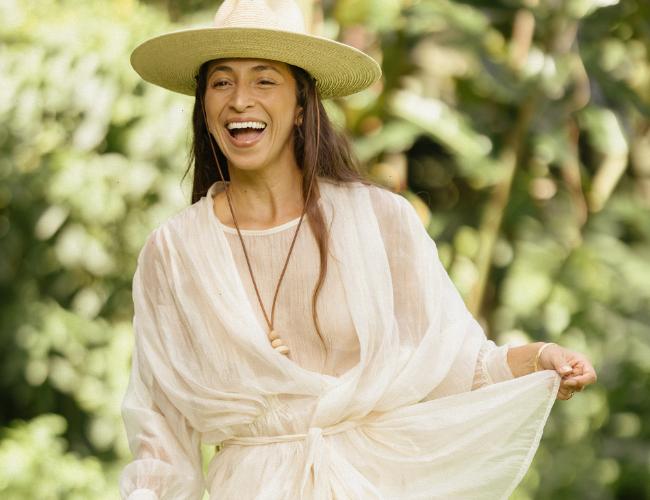
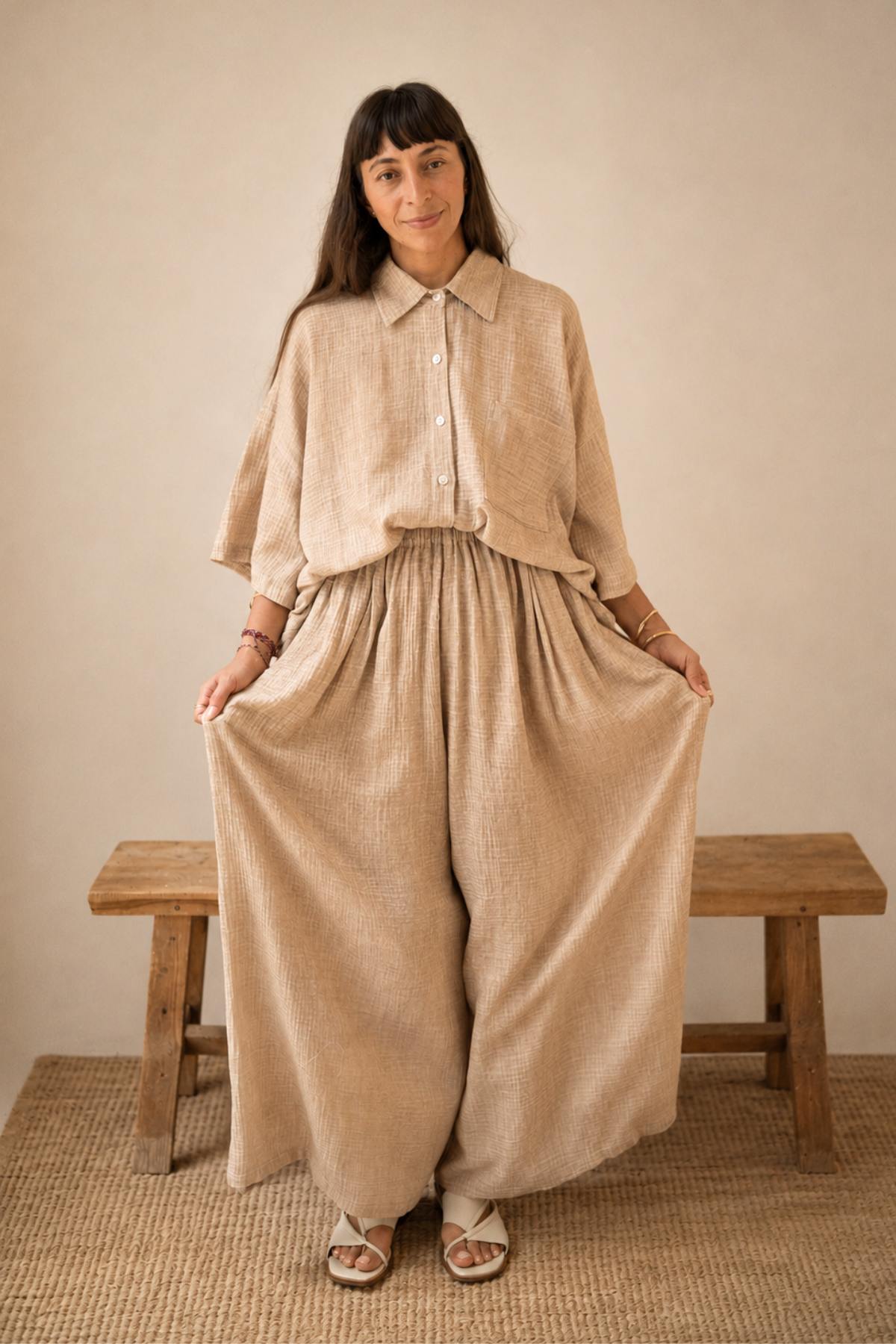
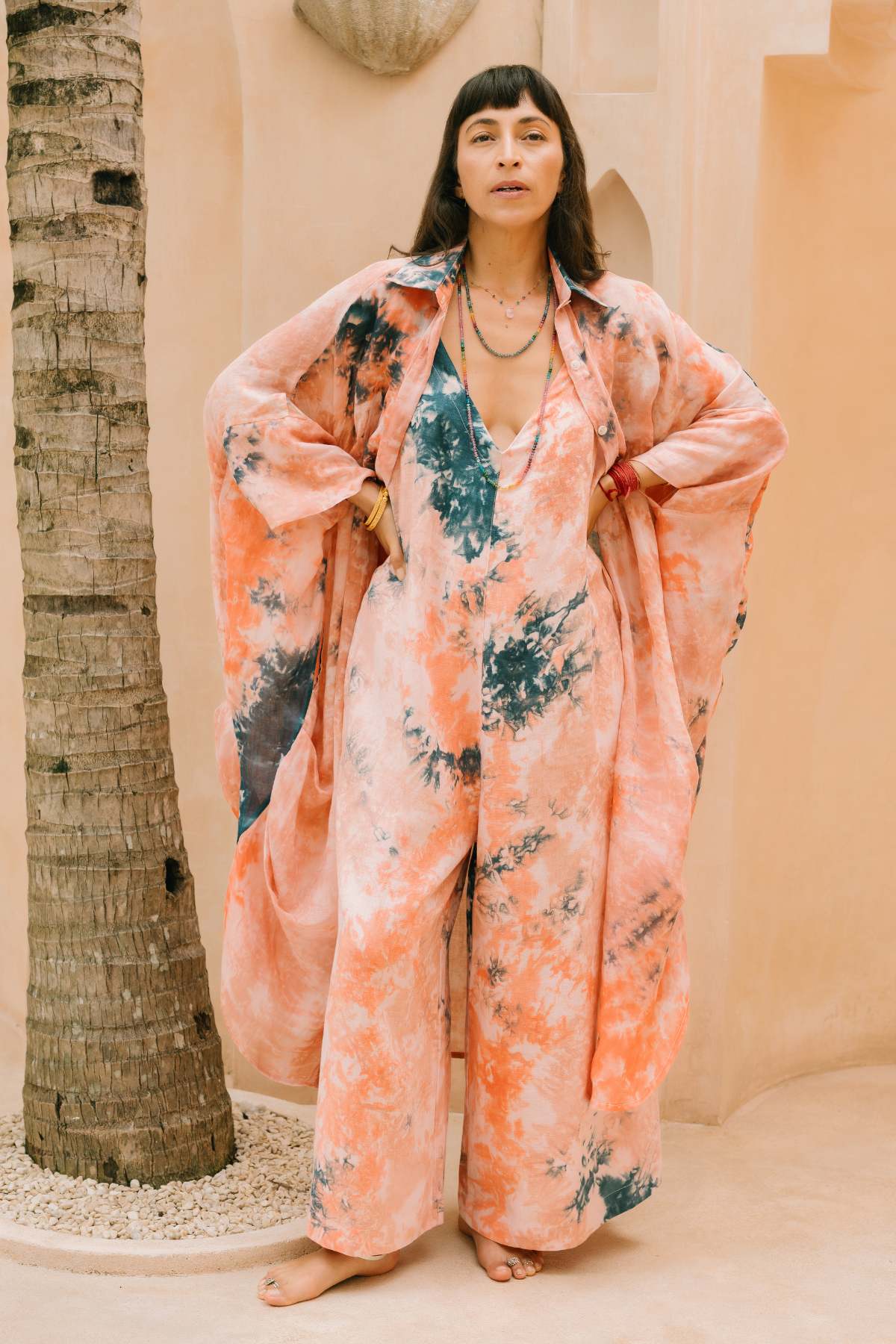
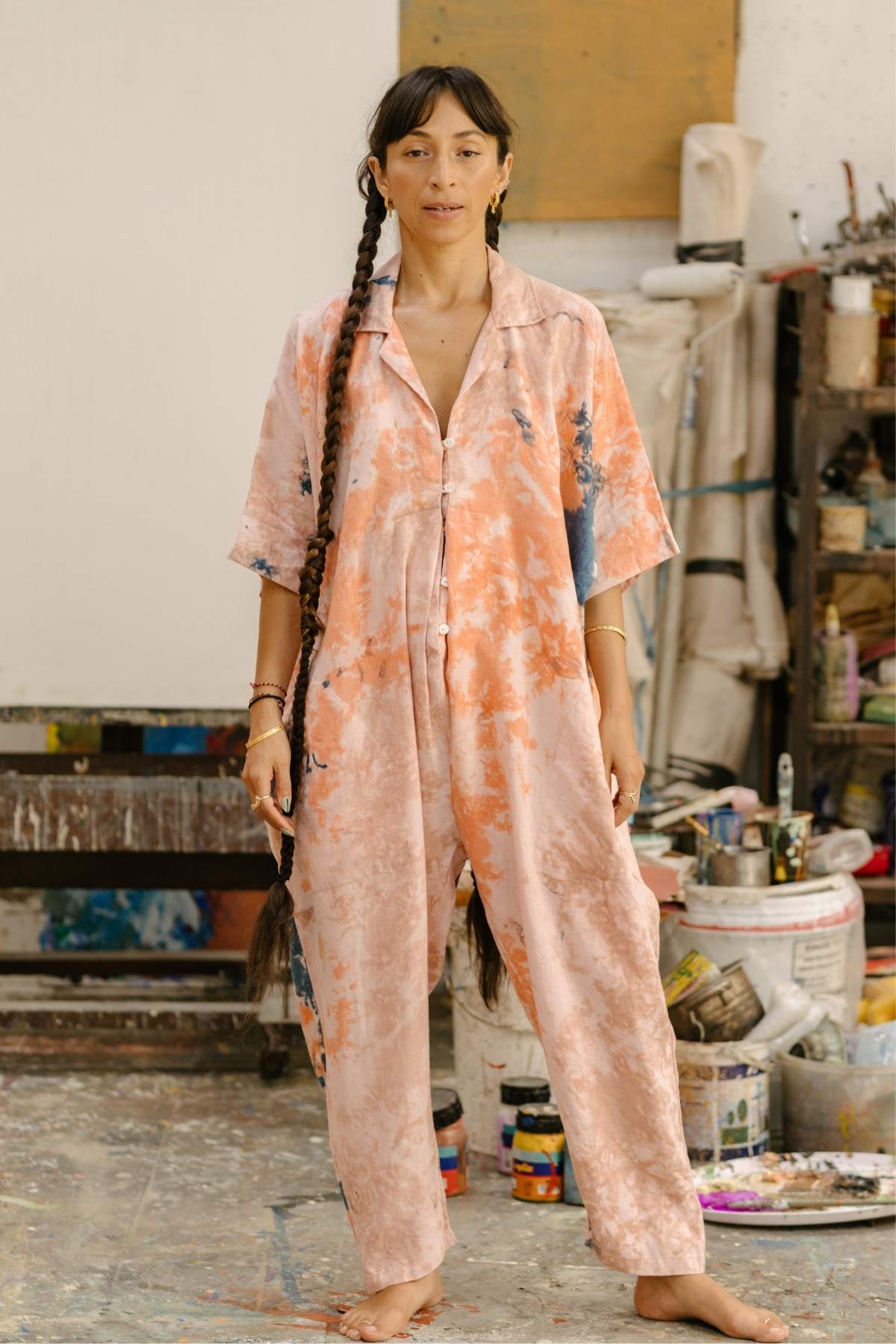
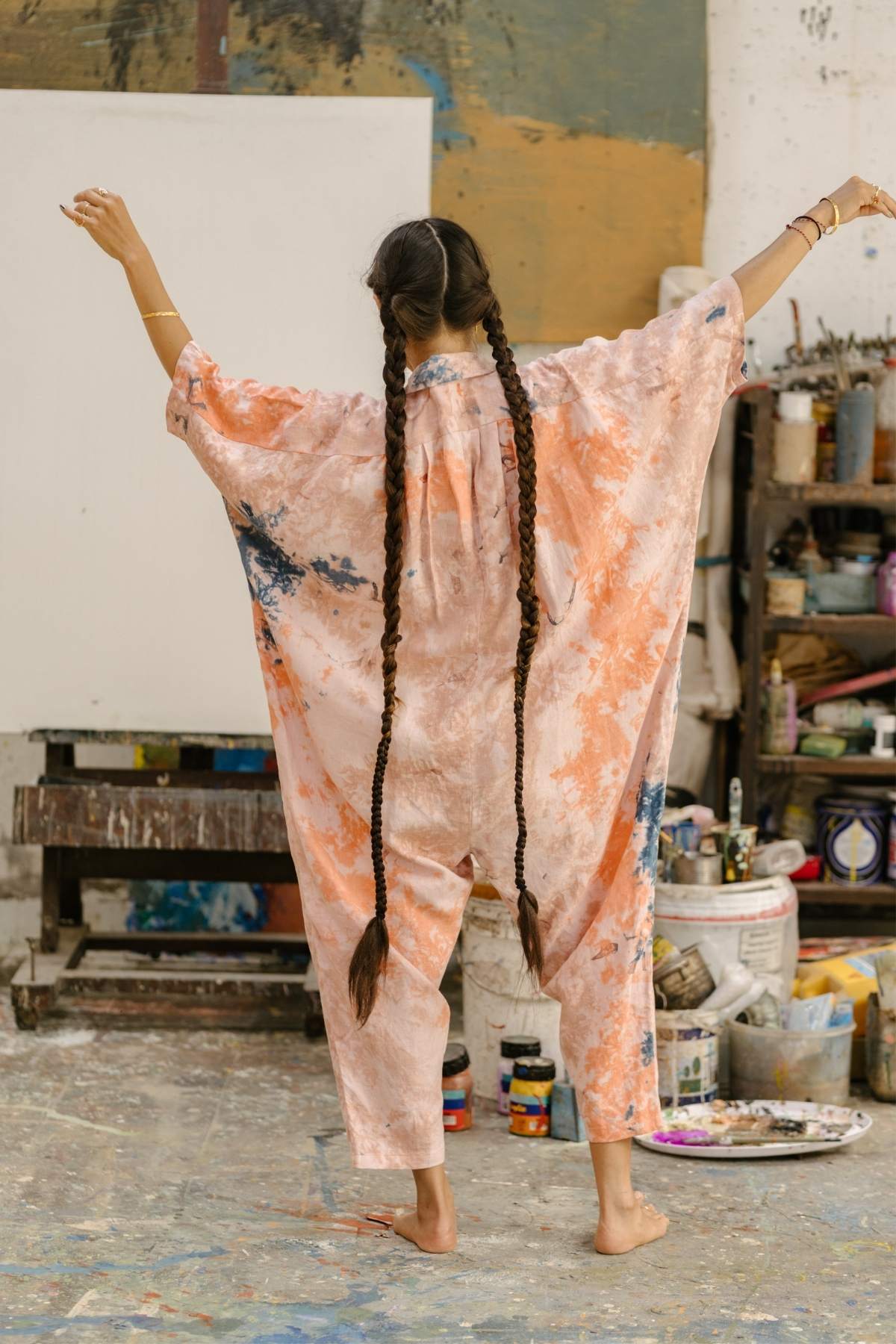
Mayra Penaloza, the designer behind this house, wears her hair the way her grandmother once wore hers: long, unhurried, nearly a form of clothing in itself. Mayra's own hair now falls close to her knees, grown out over years, never cut for convenience or for trend. She traces the habit back to her grandmother, whose hair reached all the way to the ground, thick enough to gather twice around a closed fist, tended daily with the same patient hands that had once, alone, in a forest, brought a child into the world.
That grandmother's story is not folklore softened for a magazine page. It is family memory, Indigenous in the most literal sense: a woman rooted enough in her own body and her own land to labor and deliver without walls, without permission, without anyone's help but her own instinct. Her hair, uncut for a lifetime, was one visible record of that rootedness. The wider world that shaped that instinct is the subject of the first letter in this series.
When Mayra decided, years later, to stop cutting her own hair, she wasn't chasing a trend toward natural beauty. She was returning to something her body already remembered. That kind of return is quieter than it sounds.
What hair inherits
In many Mexican households, hair care was never a solitary task. It moved through the hands of mothers, grandmothers, aunts, older sisters, comadres, each adding her own small signature: a tighter part, a looser braid, a particular way of smoothing flyaways with a bit of water and a fine comb. What gets inherited this way isn't a single technique so much as a philosophy. Hair is worth this much time. Worth sitting still for. Worth doing gently, and doing again tomorrow.
That inherited grammar shows up most clearly in the braid itself, and what it says.
For women moving past forty, that philosophy becomes unexpectedly practical. Hair changes texture, loses density, asks for more moisture and more patience than it once did. The old rituals, brushing before bed, oiling the ends on wash day, a light hand with a wide-tooth comb, favored gentleness by default, long before anyone studied porosity or moisture balance. They remain, today, some of the most effective ways to support hair that has begun to change. What that looks like in a full life closes this series.
Why memory matters
To look at hair this way is to see something larger than beauty. Hair becomes a visible record of lineage, a place where a family's habits, and its emotional textures, are quietly written and rewritten. The way your grandmother parted your hair might be the same way you now part your own, alone, in a mirror decades later.
Mayra still runs a comb through hair that reaches nearly to her knees each night, the way her grandmother once did. It is not a performance of heritage. It is simply what care looks like when it has never stopped being practiced.
To care for aging hair the way it was once cared for as a child, unhurried, attentive, without apology, is to keep a family's memory in motion. It is not nostalgia. It is inheritance, still being used.
The Making Hair-story Series
- One. Before Mexico, There Were Indigenous Hair Traditions
- Two. When Hair Became a Site of Control
- Three. The Meaning of Braids in Mexico
- Four. Natural Texture, Pride, and Reclamation
- Five. A Mexican Family's Ancestry, Carried in Hair (you are here)
- Six. Hair Care for Busy Lives, Inspired by Tradition
With love from Bali,
Myrah
|
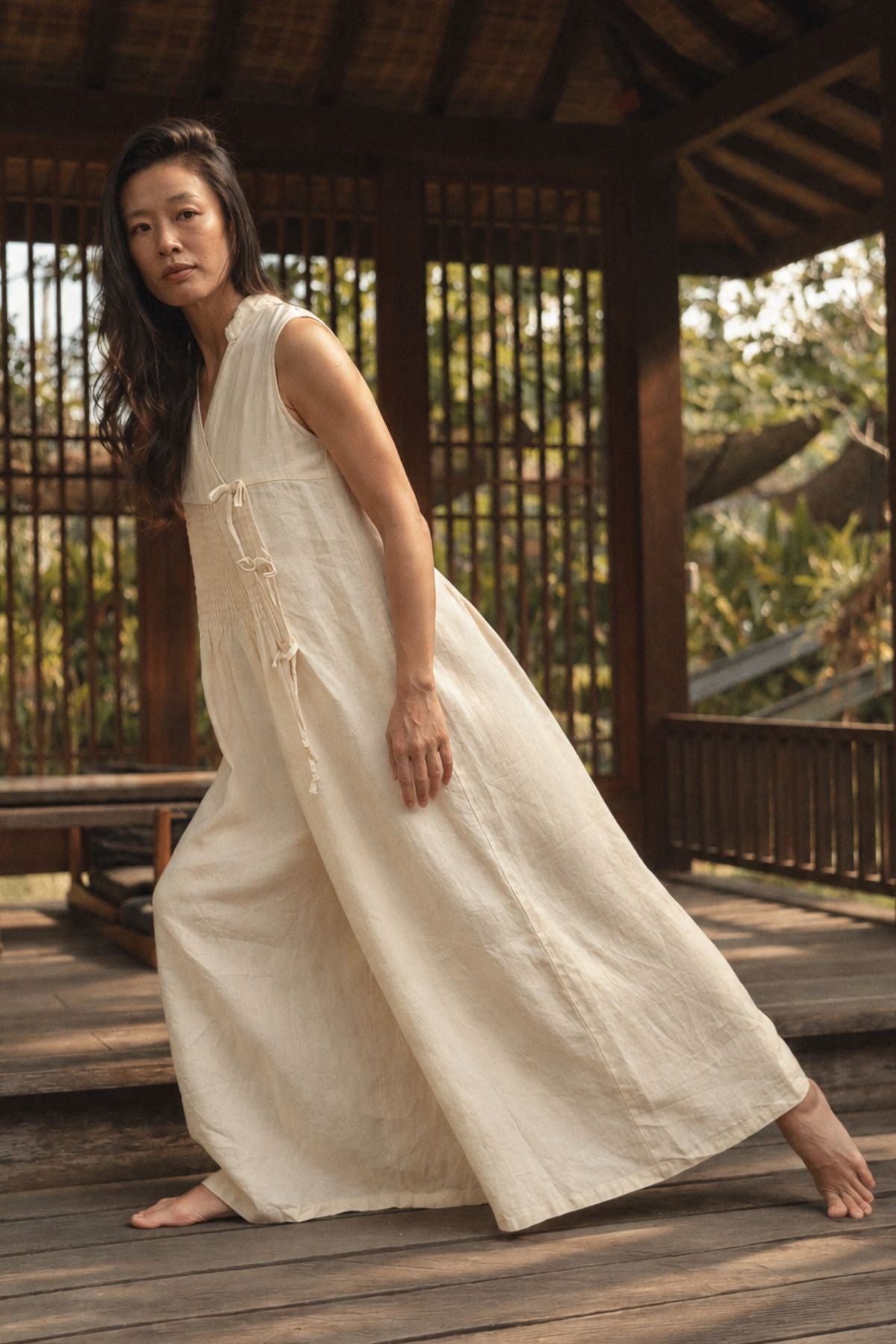
A Piece for This Threshold The Virgo Kaftan. Shop the Virgo Kaftan → |
|
The Muse-Letter Dress for the woman you're becoming. Join the Muse-LetterUnsubscribe any time. No spam, ever. |










Leave a comment
This site is protected by hCaptcha and the hCaptcha Privacy Policy and Terms of Service apply.