
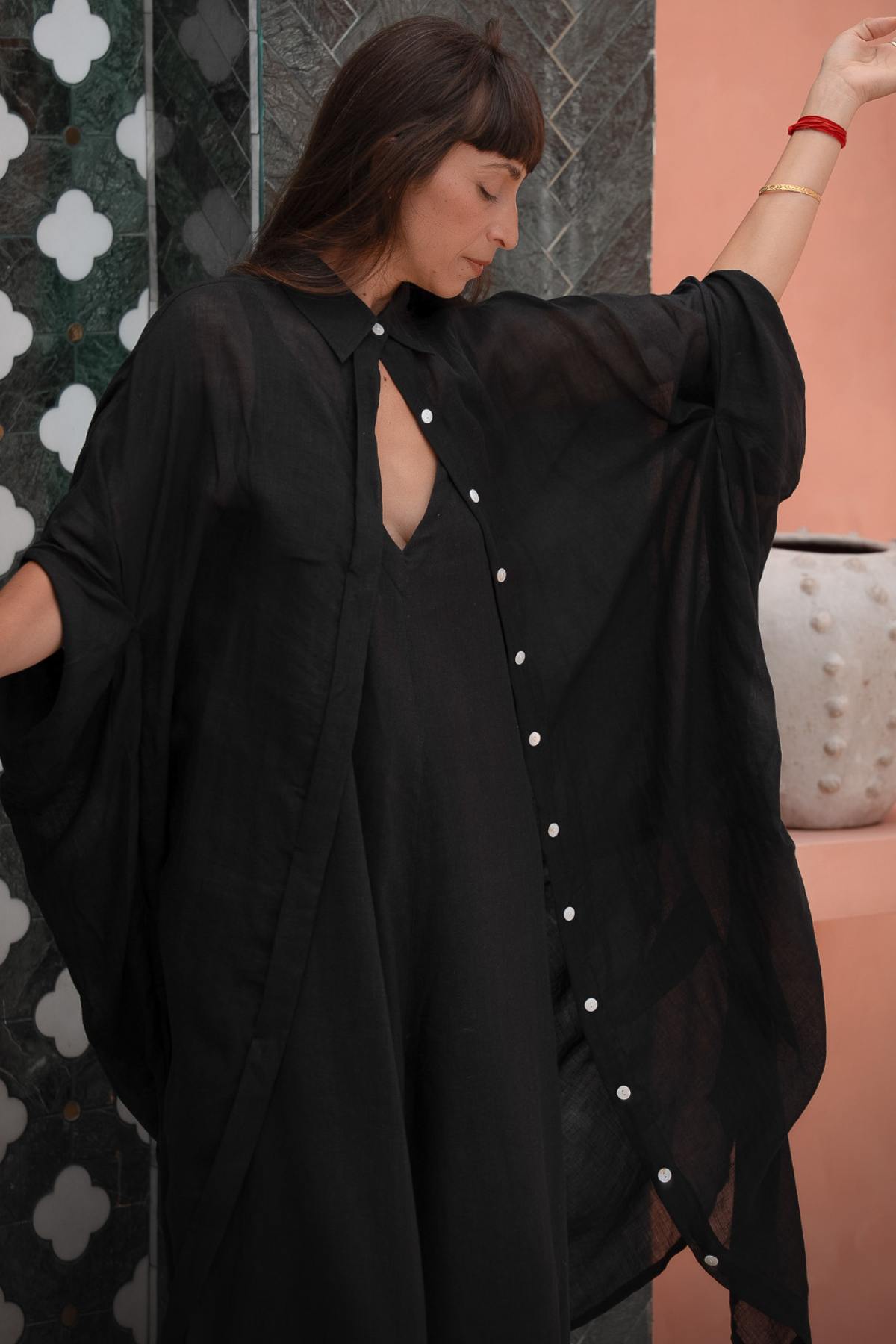
Before There Was a Nation
there was never one indigenous story about hair. there were many, and the difference matters.
Many peoples, many meanings
Long before Mexican became a national identity, the many Indigenous peoples of Mesoamerica, the Nahua, the Maya, the Zapotec, the Purépecha, the Mixtec, and dozens of others, each held their own distinct relationship to hair. It is worth saying plainly: there was never one Indigenous hair story, any more than there was one Indigenous language or one Indigenous cosmology.
What these communities shared was not a single practice but a common understanding that hair was never neutral. It could signal age, status, marital state, spiritual role, or belonging, and the specifics of how it did so varied enormously from region to region. In many Nahua communities, hairstyle marked life stage in ways anyone could read instantly. Among certain Maya groups, hair length and styling connected to religious practice and to one's place within a ritual calendar. This was not decoration layered on top of identity. It was identity, made visible.
Meaning that was never about beauty
What strikes me, looking back, is how little of this had to do with beauty in the sense we now use the word. Cutting hair could mark a rite of passage, a period of mourning, a spiritual transition. In some communities hair was believed to hold a kind of life force, which is part of why its cutting and growing and styling were treated with such specificity rather than left to casual habit.
Care work done on hair was never just grooming. It was social, spiritual, and deeply intentional. Every choice, from length to adornment, communicated something real to people who knew how to read it.
What survived
Colonization disrupted enormous amounts of this world, and that is its own letter. But not everything was lost. Certain instincts about care and reverence survived through families and regions that held onto them, often quietly, often without fanfare.
You can see traces still: the specific way some grandmothers part hair down the centre as a matter of principle rather than fashion. The insistence in some families that hair never be cut on certain days. The belief, passed down without much explanation, that hair should never be handled roughly. These are not superstitions so much as the residue of a worldview in which hair mattered enormously.
In my own family it took a very literal shape. My grandmother's hair was never cut. She delivered her own child alone in a forest, with no one to depend on but herself. Indigenous ways of inhabiting the body, rooted and self-sufficient and unafraid, did not disappear. They simply kept living inside families who never stopped practising them. That inheritance, and what it looks like three generations on, is the subject of a later letter in this series.
Something useful to carry from it
For any woman whose hair has begun to change, thinner in places, coarser in others, slower to hold a style than it once was, there is something grounding in this history. Hair has always been read as a living, changing thing, responsive to time. Treating it with ceremony rather than frustration is itself a very old practice, and a more forgiving one than trying to correct it back into a version it has already moved past.
To trace this history is not to flatten it into a single story. It is the opposite. It is to insist there were many traditions, many meanings, many ways of tending long before any nation existed to claim them. Respect looks like letting that complexity stand. Where those meanings became most legible, and most regionally specific, was in the braid.
The Making Hair-story Series
- One. Before Mexico, There Were Indigenous Hair Traditions (you are here)
- Two. When Hair Became a Site of Control
- Three. The Meaning of Braids in Mexico
- Four. Natural Texture, Pride, and Reclamation
- Five. A Mexican Family's Ancestry, Carried in Hair
- Six. Hair Care for Busy Lives, Inspired by Tradition
With love from Bali,
Myrah
|
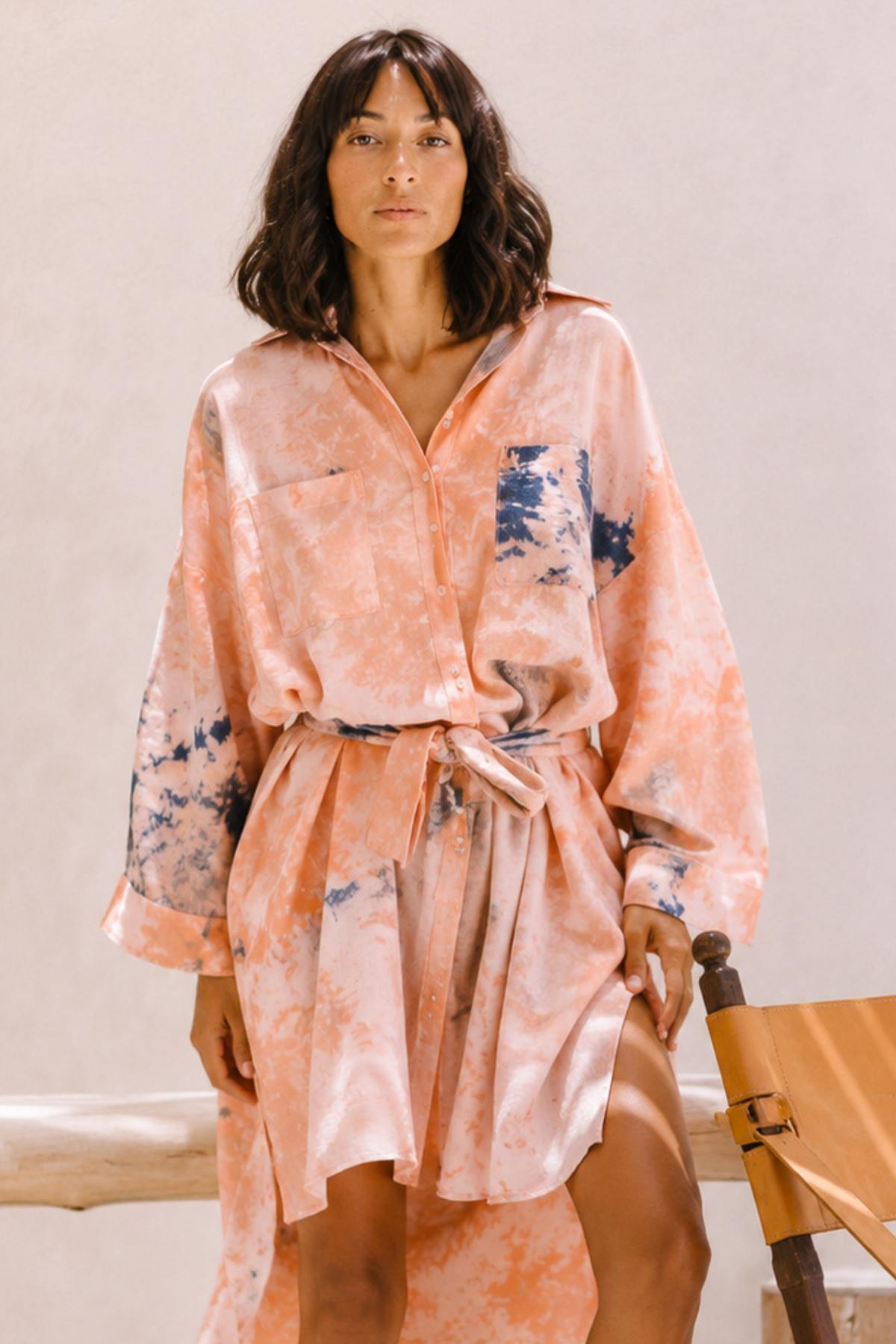
A Piece for This Threshold The Limited Edition Virgo Kaftan. Shop the Virgo Kaftan → |
|
The Muse-Letter Dress for the woman you're becoming. Join the Muse-LetterUnsubscribe any time. No spam, ever. |







Leave a comment
This site is protected by hCaptcha and the hCaptcha Privacy Policy and Terms of Service apply.