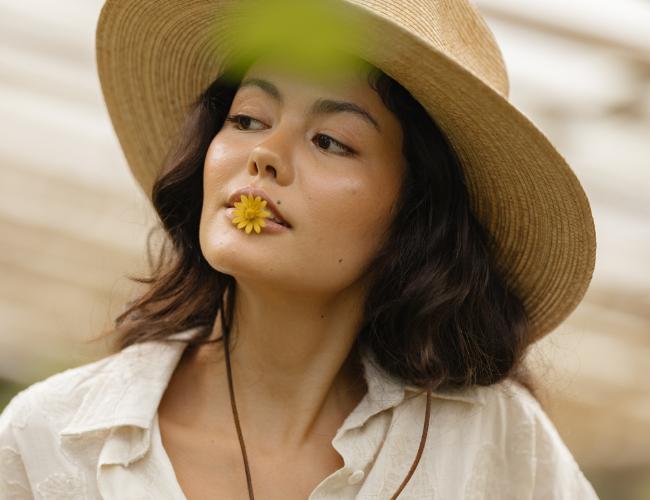

A Braid Is a Sentence
from a distance a braid looks like decoration. up close, where it comes from, it is closer to language.
Braids as cultural language
Braids in Mexico are often admired simply for their beauty, but in many Indigenous communities they have always carried more than that. A braid can mark regional identity, family tradition, life stage, or belonging, all at once, in a form that is entirely visible and deeply personal. The Indigenous traditions that preceded the nation are where that grammar was first written.
Style, placement, and adornment each carry distinct significance. A single braid down the back reads differently than two braids crossed and pinned. Ribbons woven through the plait, a practice especially associated with certain Oaxacan traditions, turn a braid into something closer to an announcement: a festival is happening, a community is gathering, an identity is being worn with pride rather than hidden. To call all of it simply Mexican braids erases the regional distinctions that give each style its actual meaning.
Oaxaca and living tradition
Oaxaca offers one of the clearest windows into braiding as living heritage rather than historical artefact. In Indigenous communities throughout the state, particularly during festivals like the Guelaguetza, elaborate braided styles incorporating wool ribbons in specific colours are worn as an active expression of community and continuity, not a costume borrowed from the past.
That distinction matters to me. These traditions were passed from women to girls in an unbroken line, and they are still meaningful to the people wearing them today exactly as they were generations ago. That they survived at all is remarkable, given the pressure placed on them.
What a braid does for hair that has changed
Here is the part I did not appreciate until my own hair asked me to. A well done braid protects hair from daily friction, helps it hold its moisture, and keeps an elegant shape without constant restyling or heat. For a woman whose hair has grown drier or finer or simply less patient than it used to be, that combination is close to ideal. It is also one of the simplest protective habits worth actually keeping.
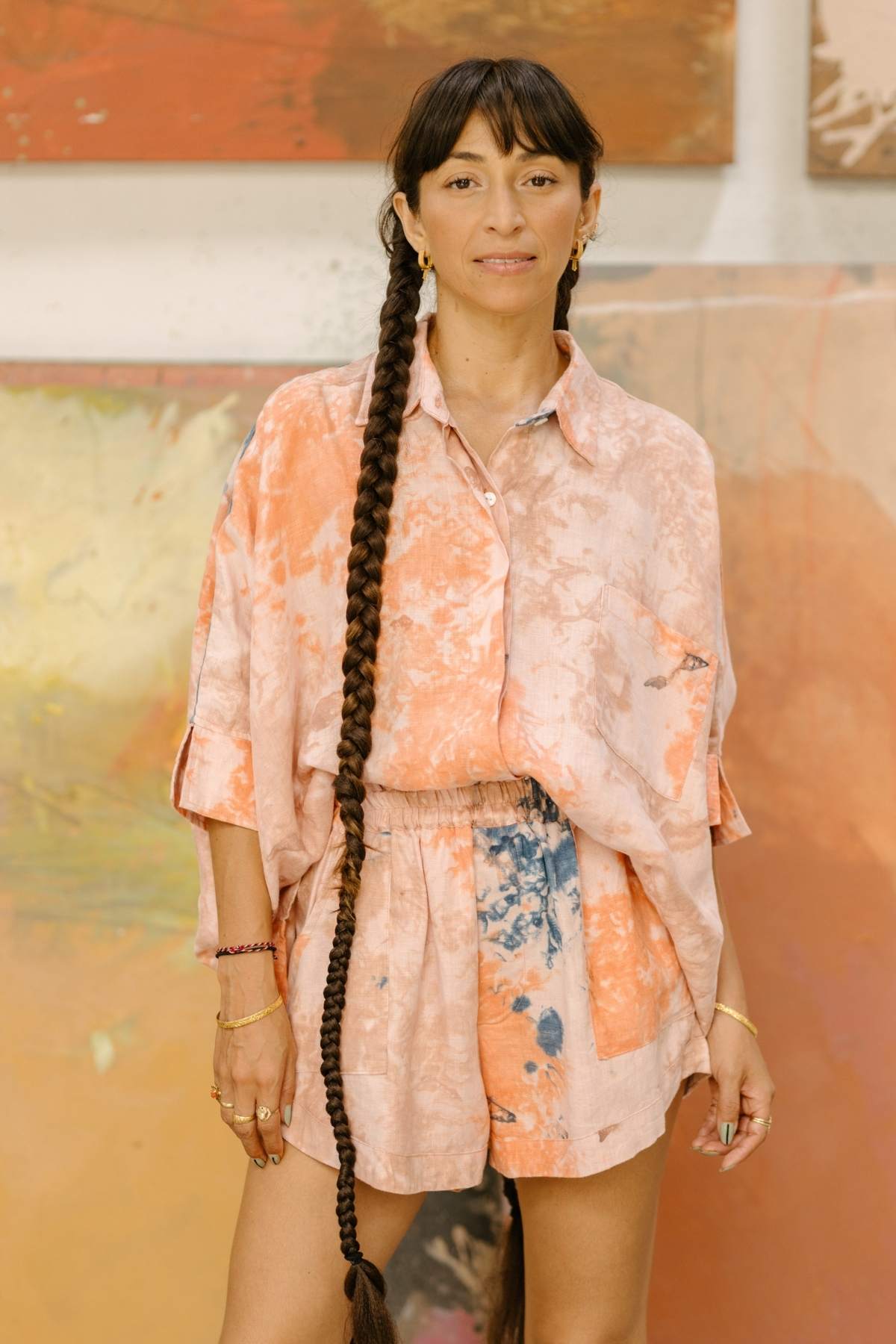
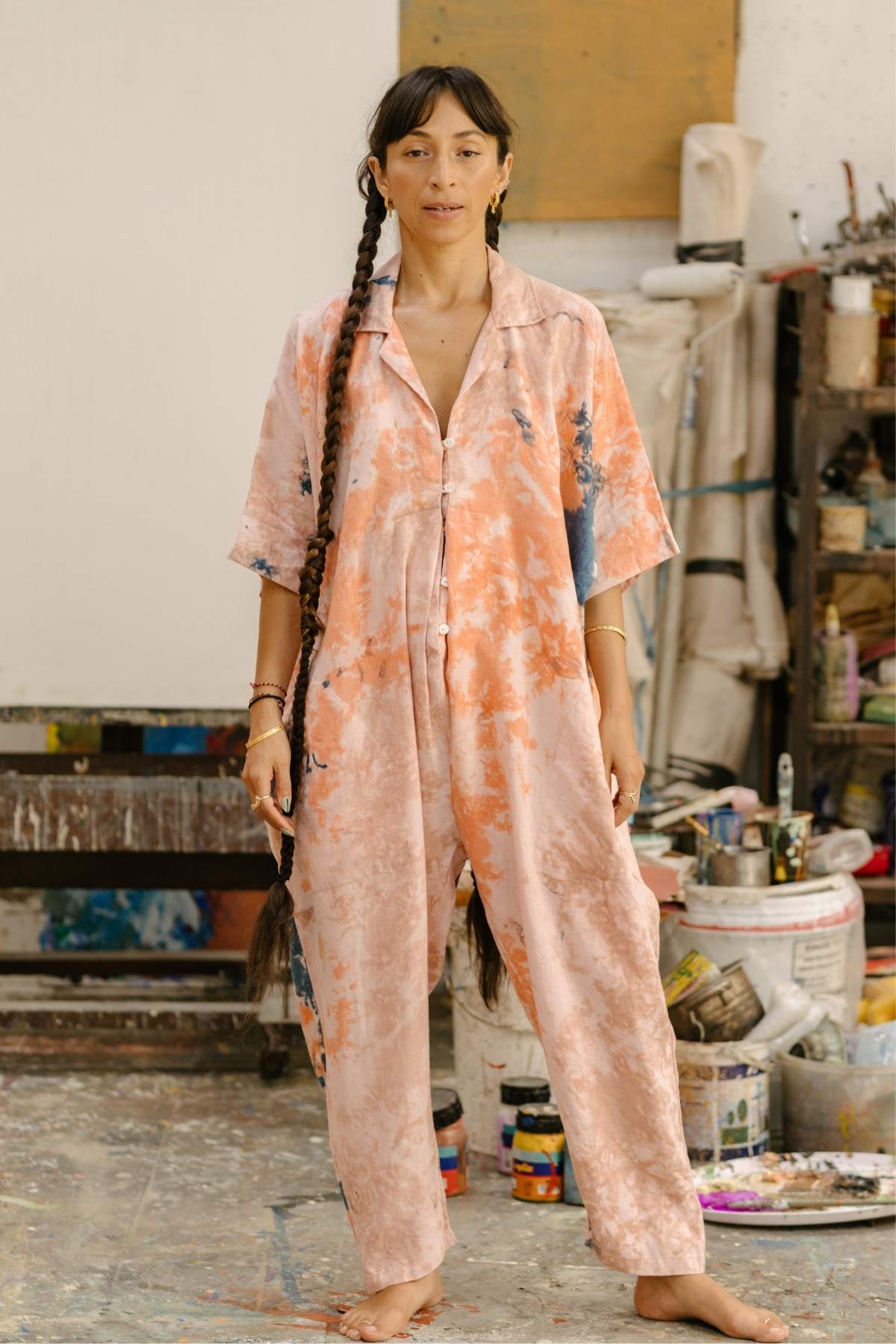
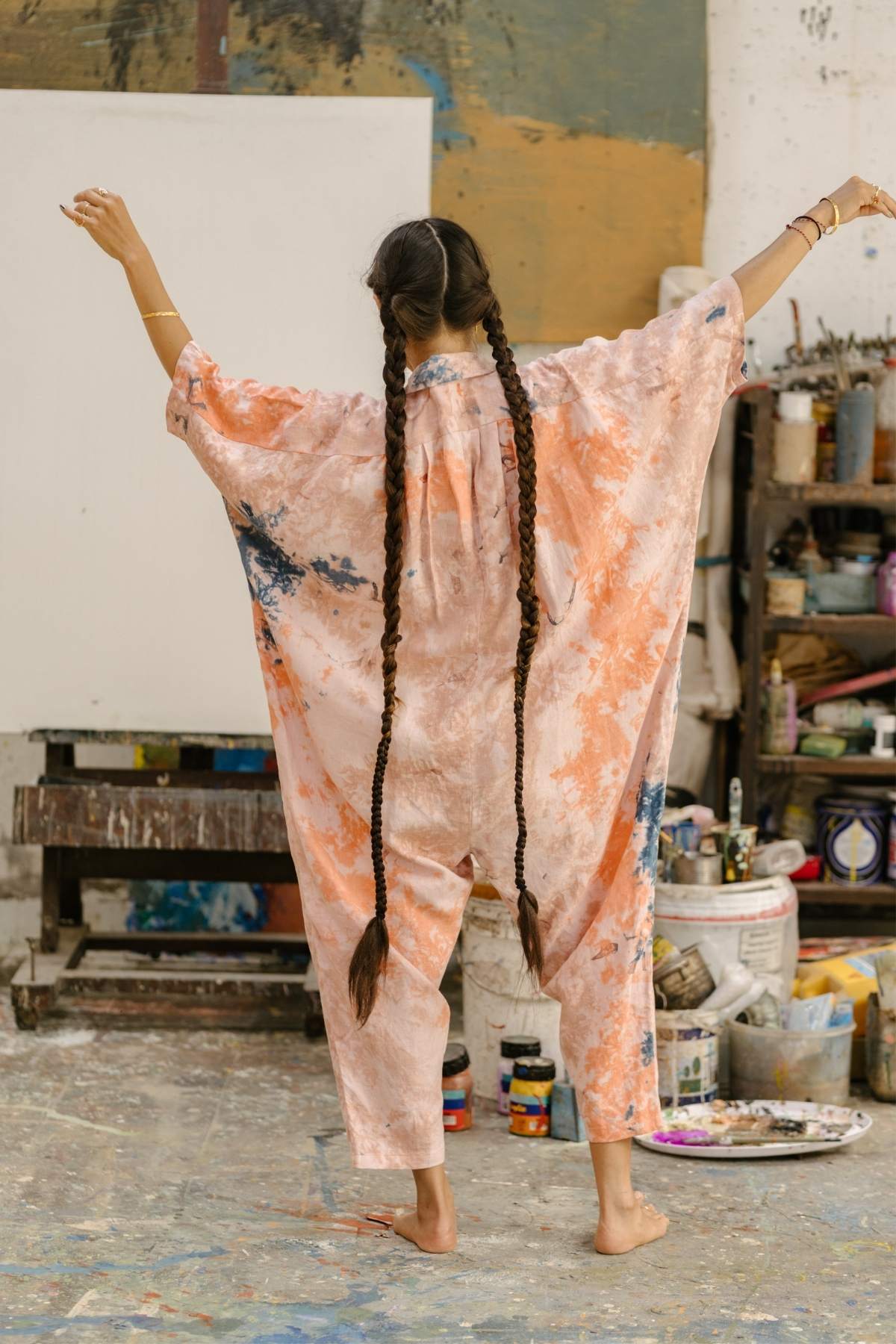
My grandmother's hair reached the ground and was rarely worn loose. It was gathered, wrapped, or braided so she could move through her day. My own hair, grown to my knees, is braided most mornings for exactly the same plain reason. Some lengths ask to be held. That inheritance has its own letter.
The part that has nothing to do with hair
The most enduring thing about braiding is not the style. It is the act of doing it together. A mother braiding her daughter's hair before school. A grandmother braiding for a special occasion. Sisters braiding each other's simply because it is Sunday and there is time. One person's hands in another's hair is care made tactile, attention turned into touch.
Braids endure for reasons that have nothing to do with trend cycles. They solve a real problem while carrying centuries of specific, regional meaning intact. To wear one well is to wear a small, quiet piece of history.
The Making Hair-story Series
- One. Before Mexico, There Were Indigenous Hair Traditions
- Two. When Hair Became a Site of Control
- Three. The Meaning of Braids in Mexico (you are here)
- Four. Natural Texture, Pride, and Reclamation
- Five. A Mexican Family's Ancestry, Carried in Hair
- Six. Hair Care for Busy Lives, Inspired by Tradition
With love from Bali,
Myrah
|
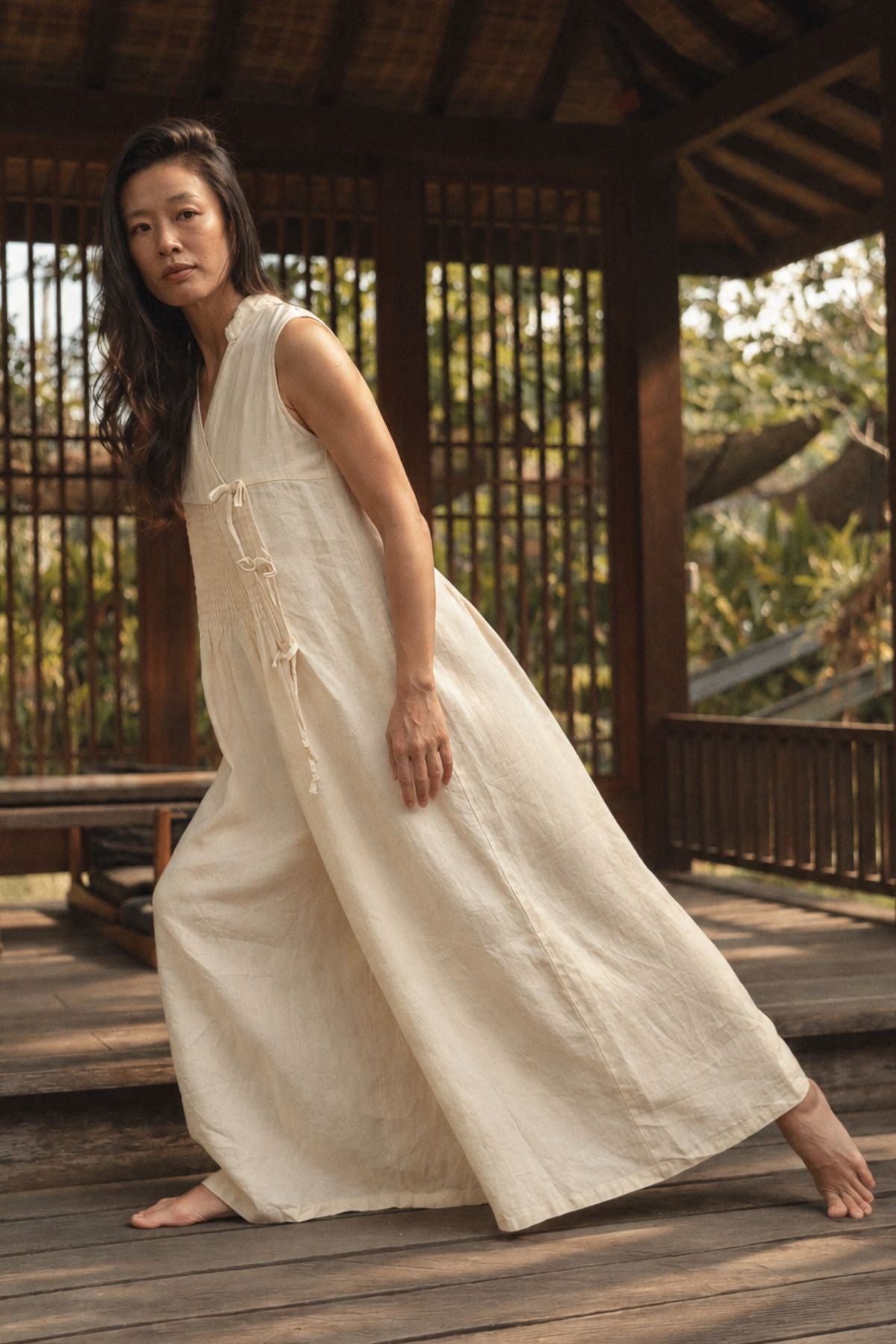
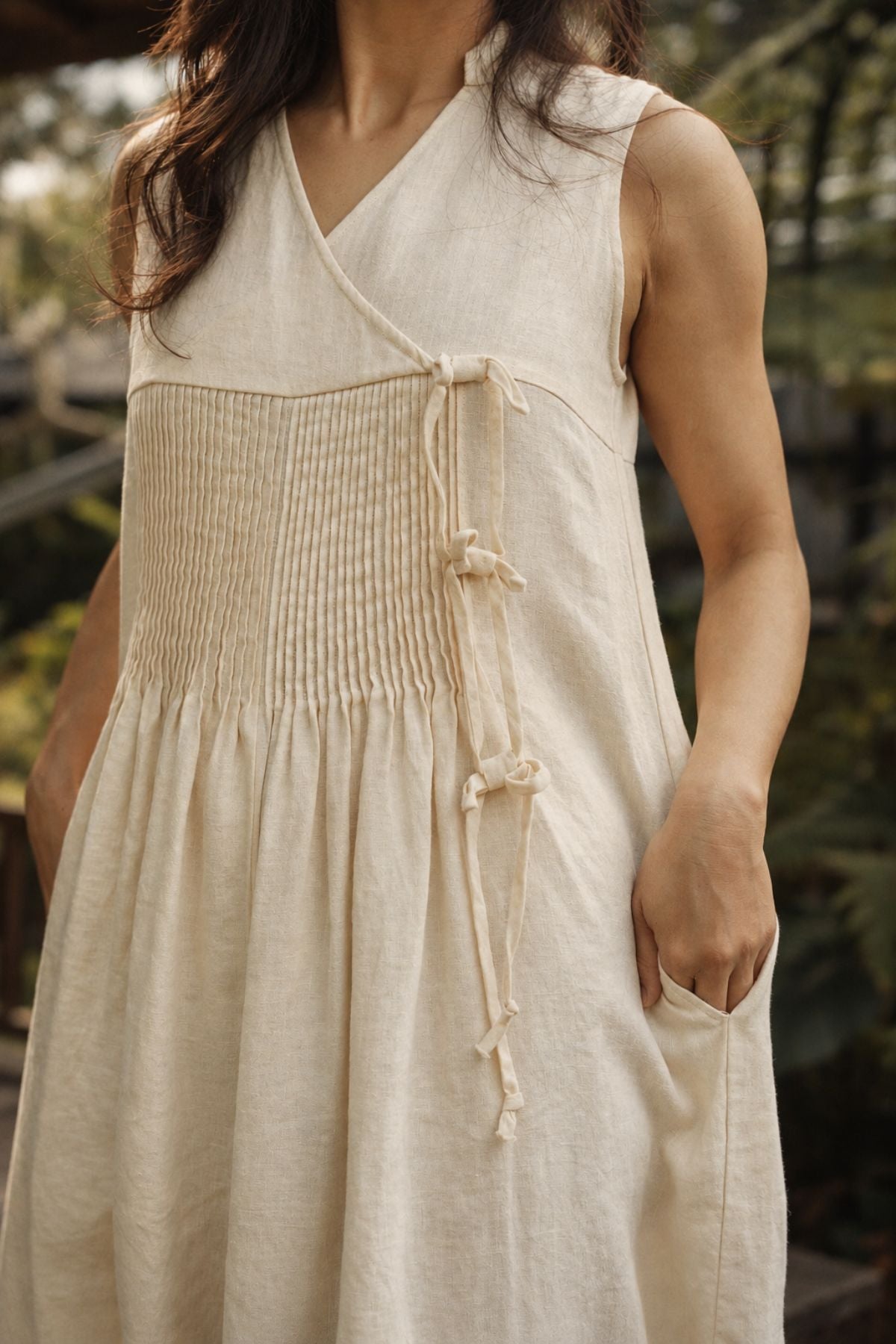
A Piece for This Threshold The Virgo Rising Gown. Shop the Virgo Rising Gown → |
|
The Muse-Letter Dress for the woman you're becoming. Join the Muse-LetterUnsubscribe any time. No spam, ever. |




Leave a comment
This site is protected by hCaptcha and the hCaptcha Privacy Policy and Terms of Service apply.