

Quieter Than It Sounds
reclamation is rarely dramatic. it usually arrives as relief.
What has actually shifted
Mexican hair culture today lives in a real tension between inherited tradition and the beauty standards that colonisation, and later global media, helped entrench. For many women, particularly those moving through their forties and beyond, the choice to wear natural texture, braids, curls, or protective styles has become more than a style preference. It has become a small ongoing decision about whose standards get to define what looks good.
The shift did not happen all at once. It moved forward through individual decisions made over and over. A woman deciding to stop straightening her hair for a job interview. Another wearing her grandmother's braiding style to her own daughter's wedding. Another simply letting grey come in without rushing to cover it. None of these are loud. Together they add up to something real.
What reclamation actually looks like
In practice it is less dramatic than the word suggests. It can be as simple as deciding your hair does not need to be fixed before you leave the house. It can be choosing a braiding style because of its history rather than in spite of it. It can be styling your hair in a way that feels true rather than performative, done for yourself rather than for an audience you have spent years trying to satisfy. The pressure being refused here has a documented history.
Letting go of inherited shame is not always easy, particularly for women who absorbed decades of messaging about which version of their hair was acceptable. But when it arrives, it tends to arrive with relief.
Beauty as plurality
Straight, curly, wavy, coily, elaborately styled, or entirely natural. None of these need to compete for a single title of correct Mexican hair. The reclamation is the opposite instinct from the one that came before it: letting many things be true at once.
This matters especially past forty, when hair is often changing in ways that make any rigid standard feel out of reach anyway. Reclamation offers something more useful than a new ideal to chase. It offers permission to work with the hair in front of you, and to call that beautiful too.
Why this house exists at all
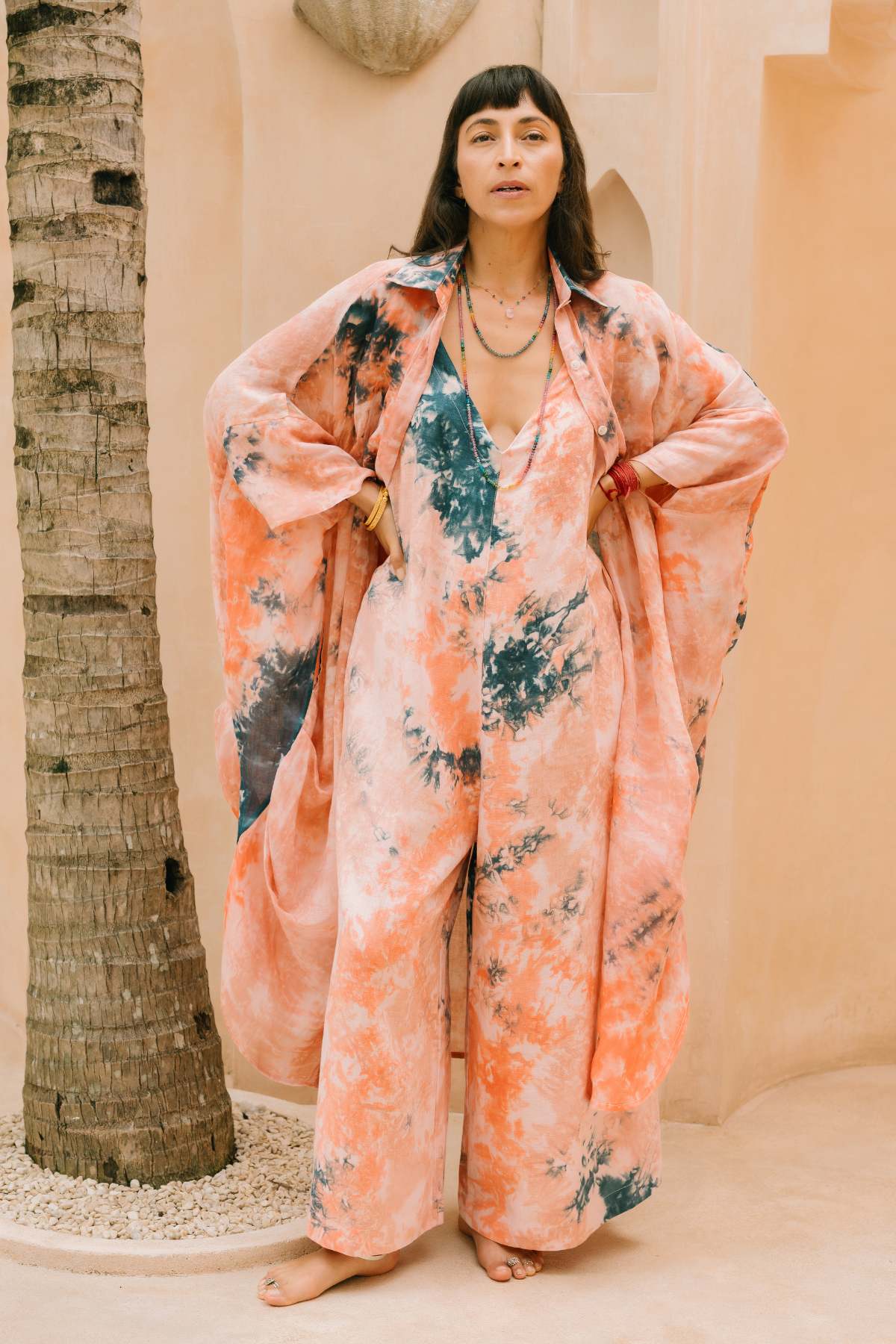
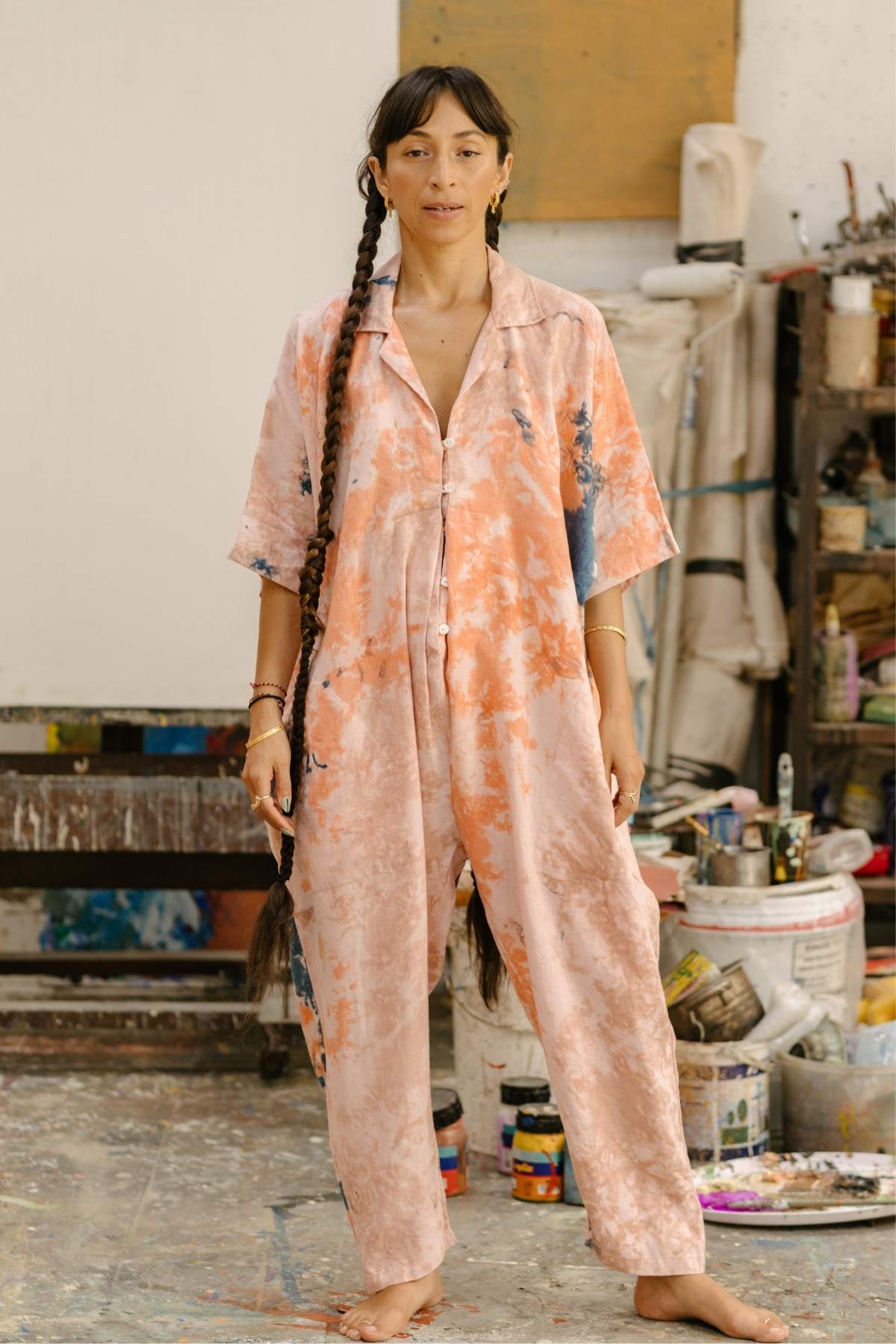
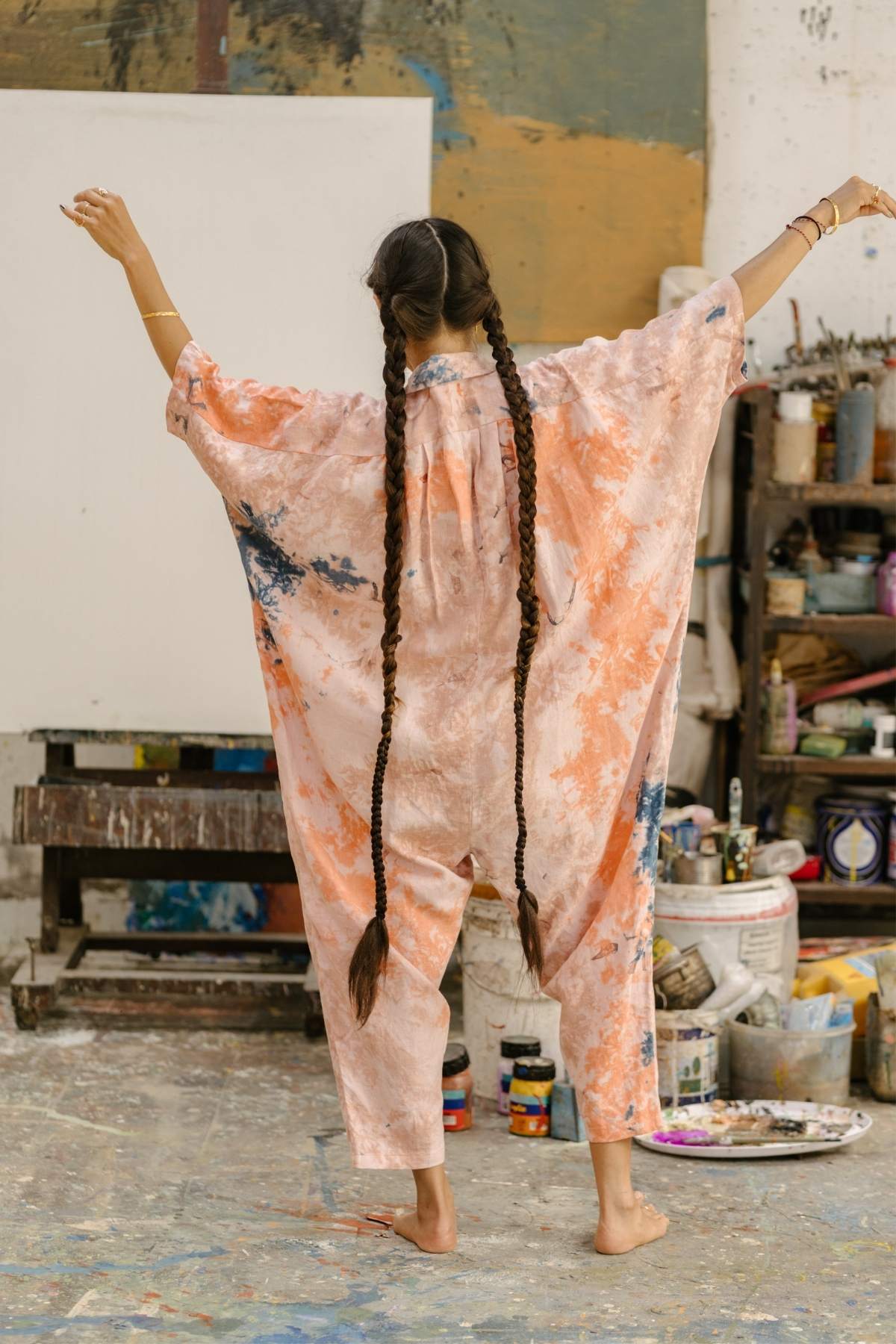
My own decision to grow my hair the length my grandmother wore hers, and to build a house around slowness and artisan hands and botanical dye where no two batches come out identical, comes from the same instinct. It was never a rebrand of heritage for an audience. It was a return to something my family had not actually stopped doing. That inheritance has its own letter.
A more honest idea of Mexican beauty was never going to arrive as one look. It arrives as room. Room for texture, for age, for regional specificity, for whatever your hair actually is right now.
The Making Hair-story Series
- One. Before Mexico, There Were Indigenous Hair Traditions
- Two. When Hair Became a Site of Control
- Three. The Meaning of Braids in Mexico
- Four. Natural Texture, Pride, and Reclamation (you are here)
- Five. A Mexican Family's Ancestry, Carried in Hair
- Six. Hair Care for Busy Lives, Inspired by Tradition
With love from Bali,
Myrah
|
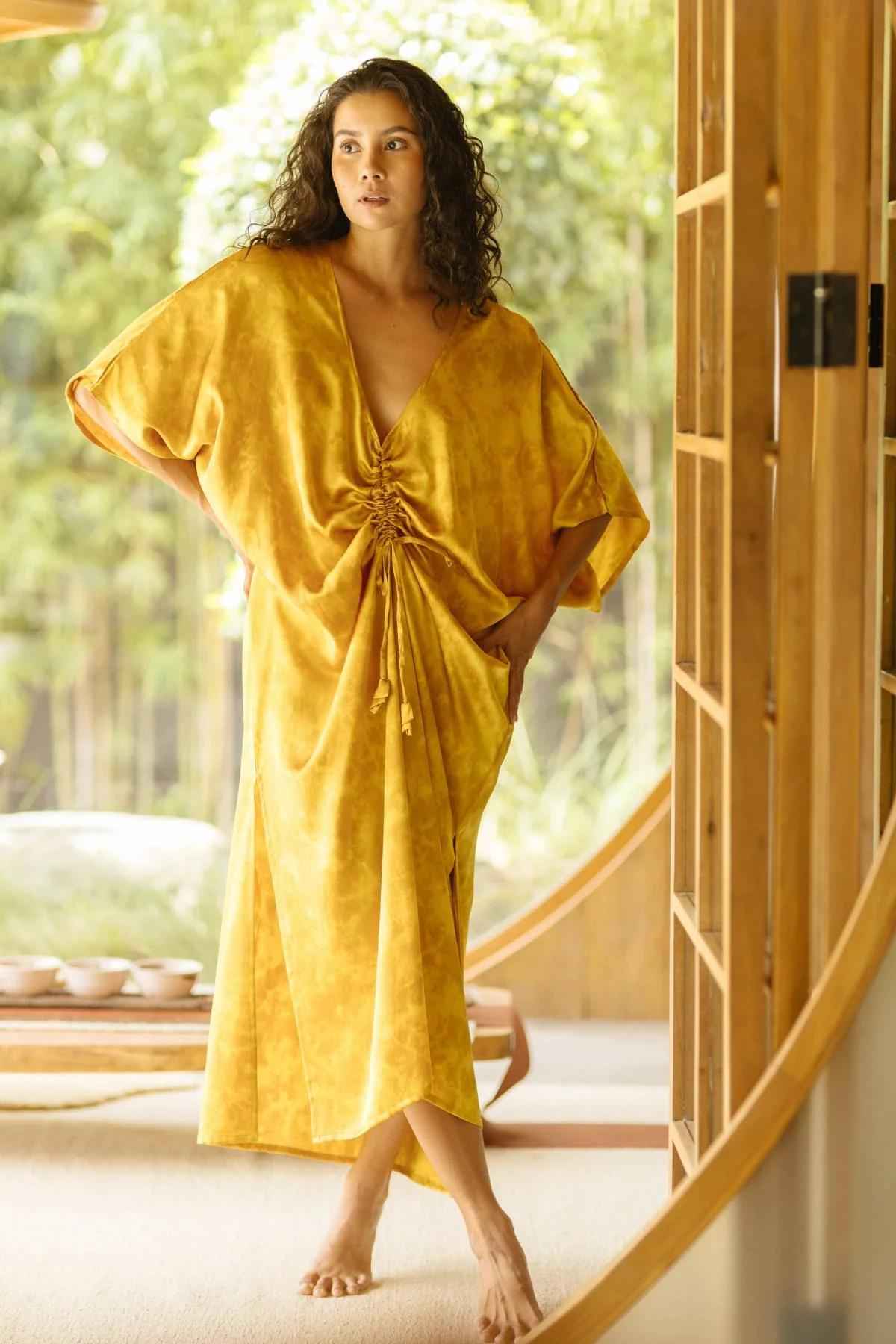
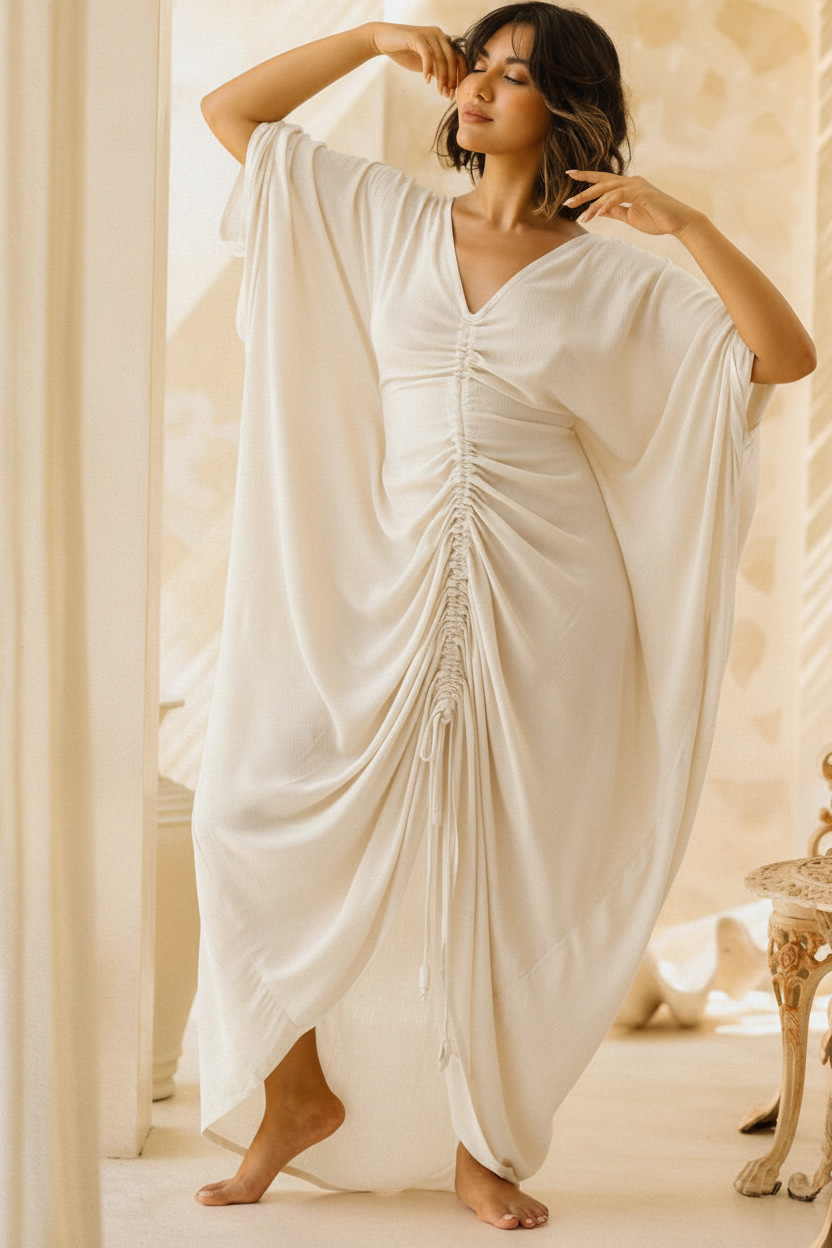
A Piece for This Threshold The Silk Virgo Kaftan. Shop the Silk Virgo Kaftan → |
|
The Muse-Letter Dress for the woman you're becoming. Join the Muse-LetterUnsubscribe any time. No spam, ever. |










Leave a comment
This site is protected by hCaptcha and the hCaptcha Privacy Policy and Terms of Service apply.