

Sacred Feminine Fashion: What It Actually Means, and How to Dress It
Sacred feminine fashion is not a colour palette, a silhouette, or a symbol printed on a hem. It is a way of choosing clothes in which how a garment was made and how it makes you feel are treated as the same question.
The phrase gets used loosely, and that is a shame, because underneath the marketing there is something specific and useful. Most of us dress in the morning without any relationship to what we are putting on. Sacred feminine fashion is the practice of restoring that relationship. This piece explains what it actually means, what separates it from costume, and how to begin without buying anything at all.
What Sacred Feminine Fashion Actually Means
Sacred feminine fashion describes clothing chosen and worn as a deliberate act rather than a default. The word sacred is doing real work here. It does not mean religious. It means set apart, treated with attention, given a place in your day that is not automatic.
In practice it rests on three ideas. First, that the body is not a problem to be corrected by a garment. Second, that the origin of a piece matters, because something made by a named person under fair conditions carries a different quality of attention than something made by nobody in particular. Third, that clothing can mark a transition, which is why every culture that has ever existed has dressed differently for a threshold than for a Tuesday.
None of this is mystical. It is simply the opposite of dressing on autopilot.
Sacred Feminine Fashion Is Not a Costume
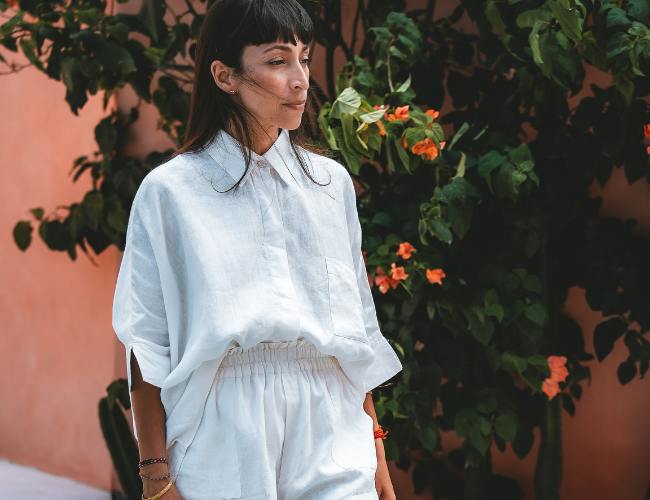
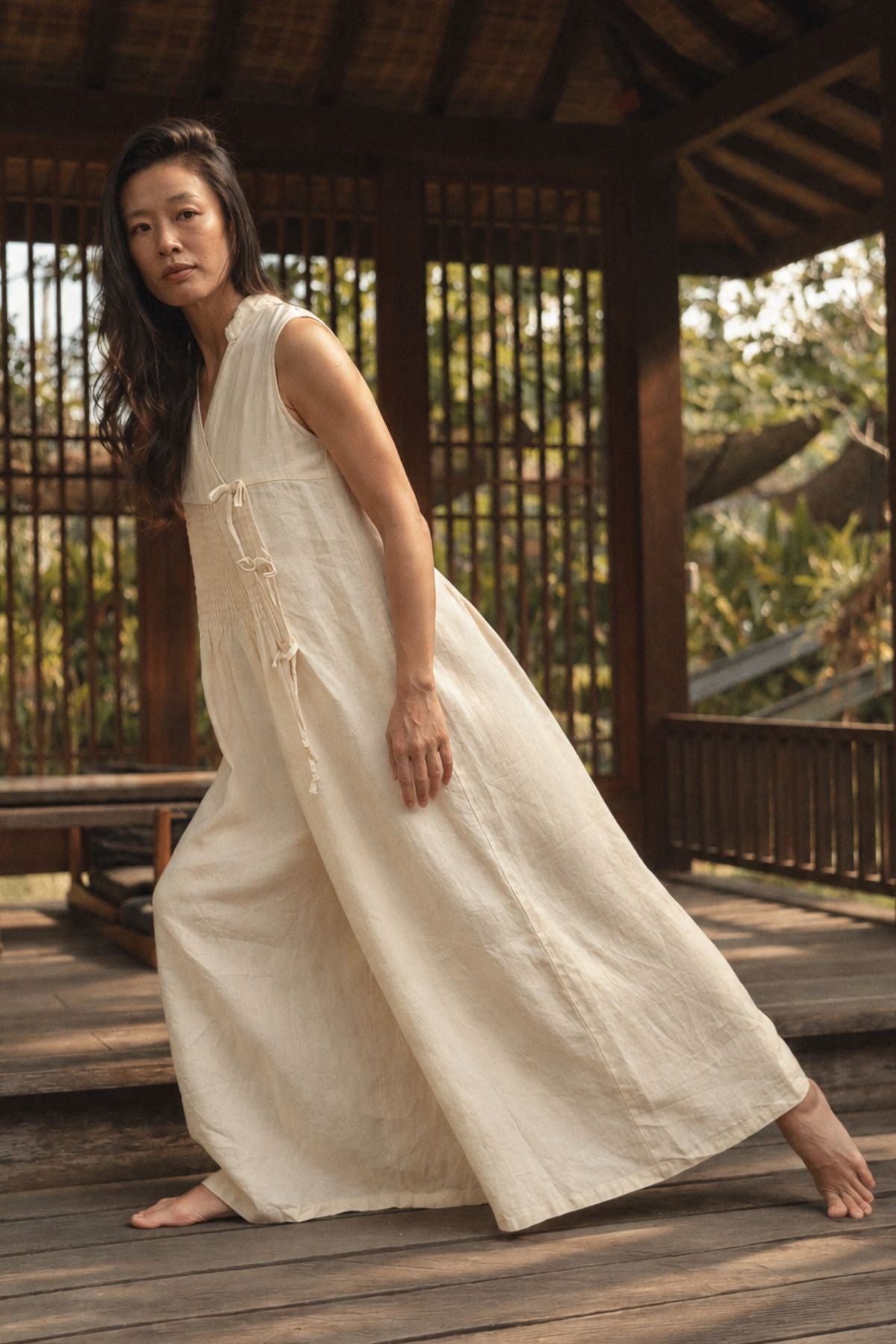
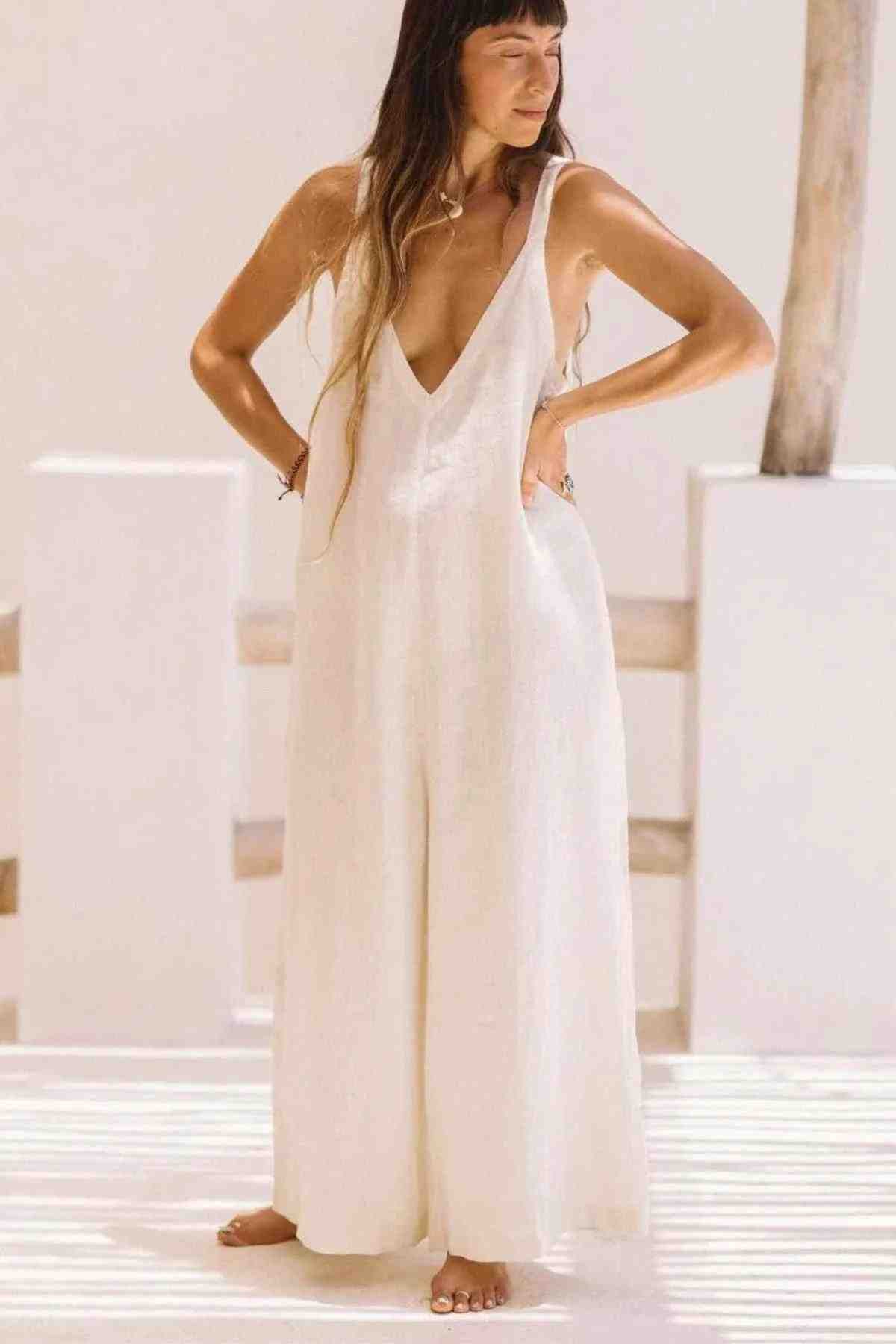
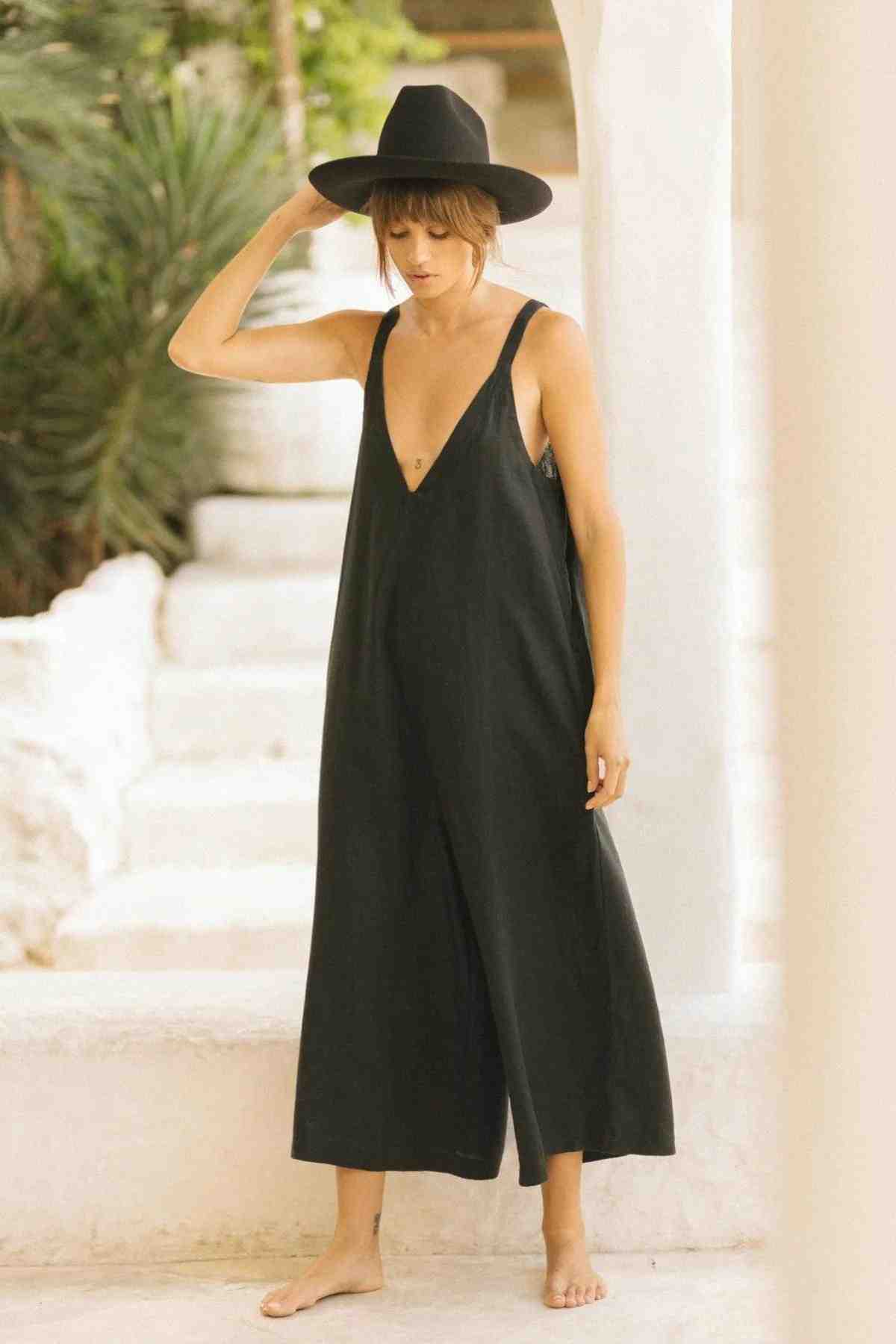
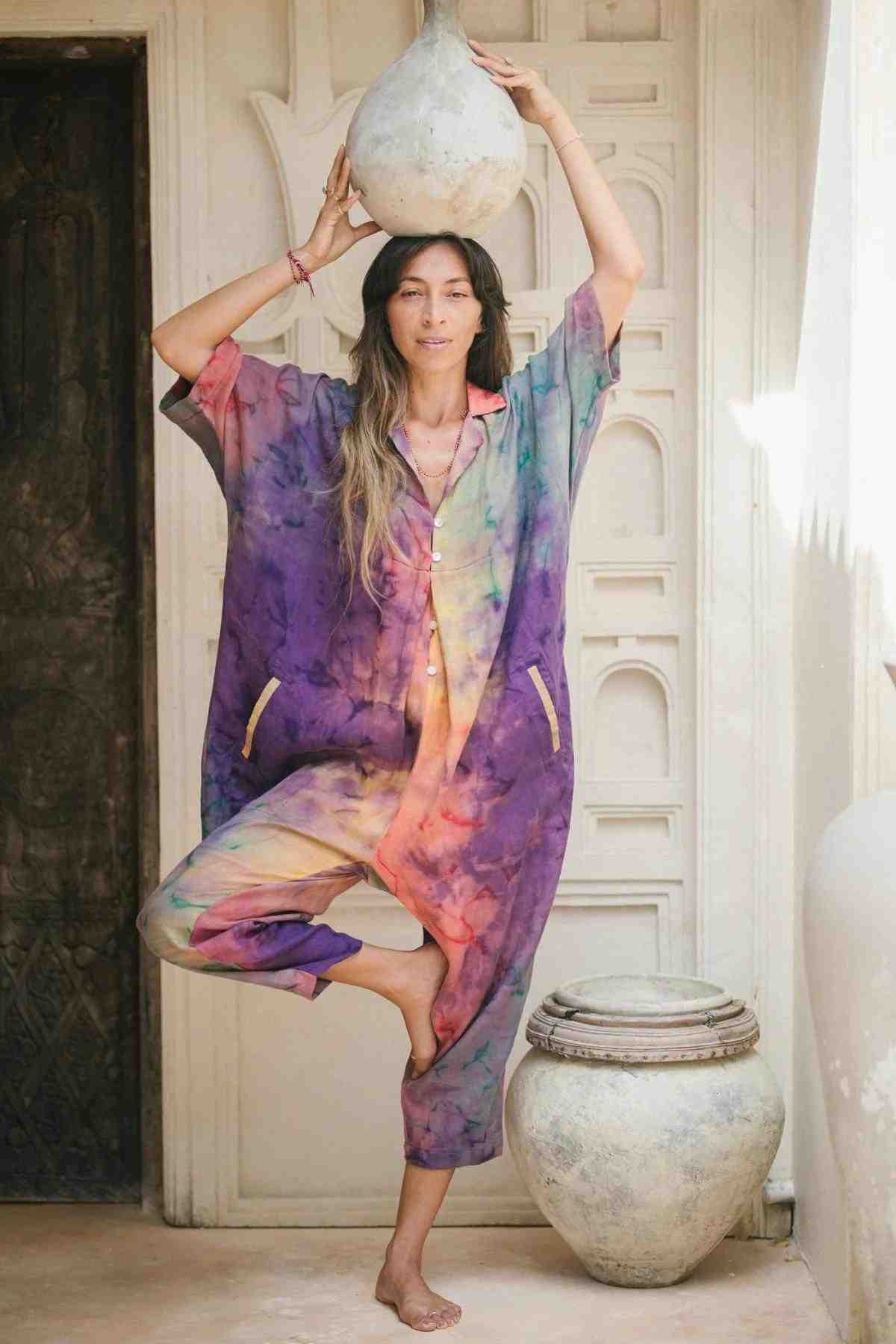
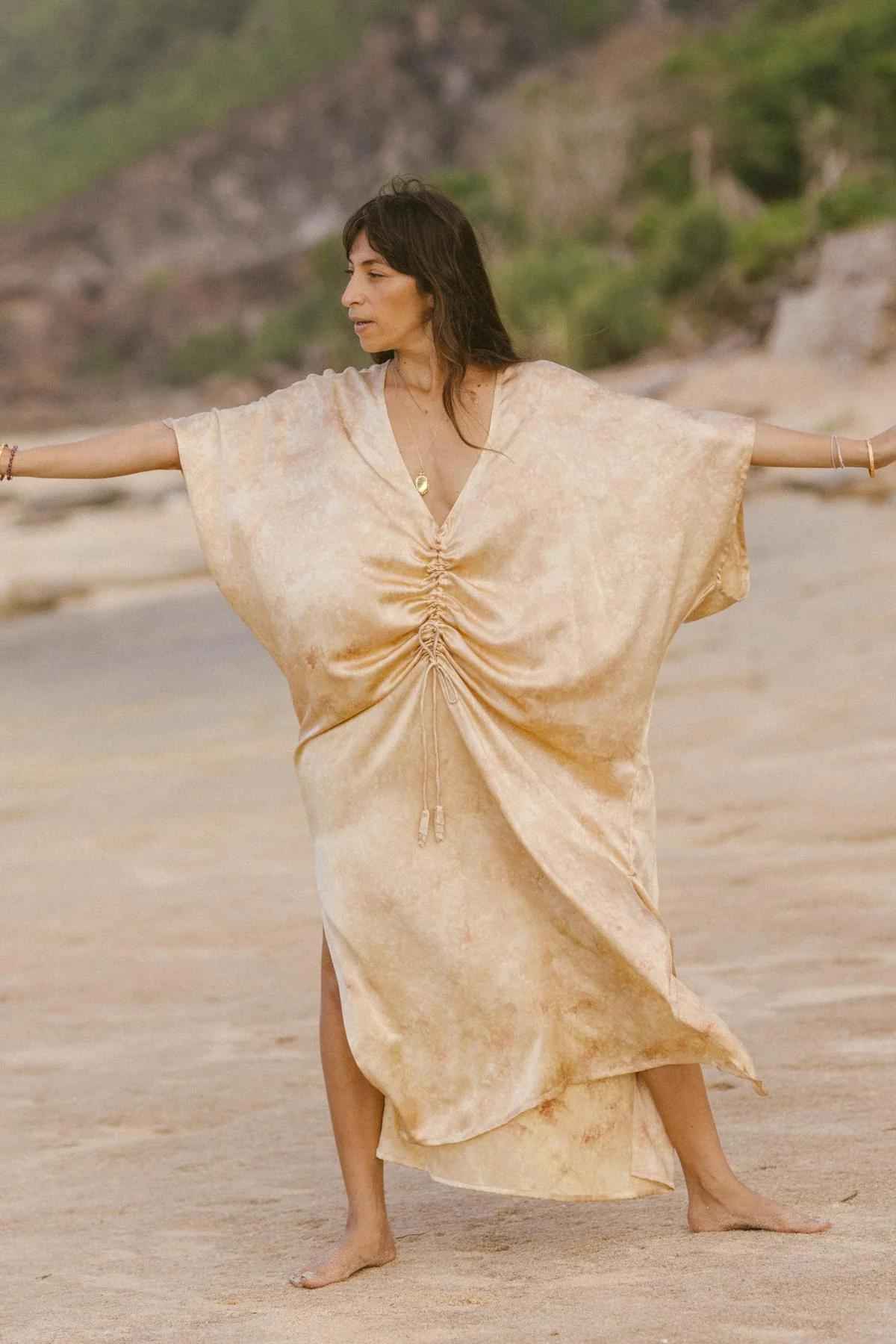
This is where the idea most often goes wrong. There is a visual shorthand that has attached itself to the sacred feminine, and you know it when you see it. Flowing white linen, a crescent moon pendant, bare feet on a beach at golden hour. None of those things are bad. The problem is when the aesthetic becomes the whole of it.
A costume is a garment that performs an identity outward. A sacred garment is one that changes how you occupy yourself inward. The same dress can be either, depending entirely on why you reached for it.
A useful test: if you would still choose the piece with nobody photographing it and nobody arriving, it is doing the second thing. If you would not, it is doing the first. Neither answer is shameful. It is just worth knowing which one you are in.
The Four Things That Make a Garment Feel Sacred
Across every woman I have made clothes for in Bali, the pieces that end up meaning something share four qualities.
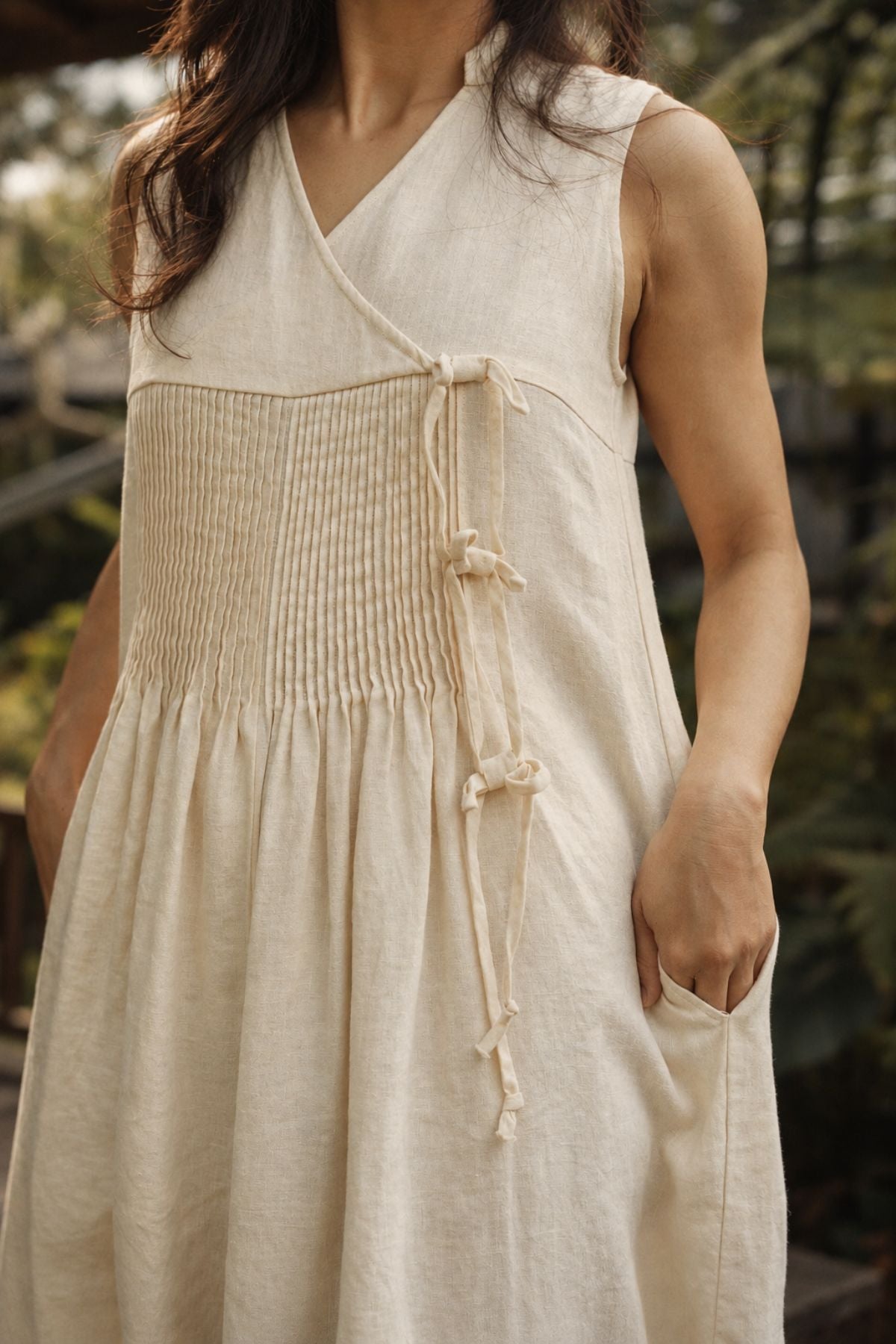
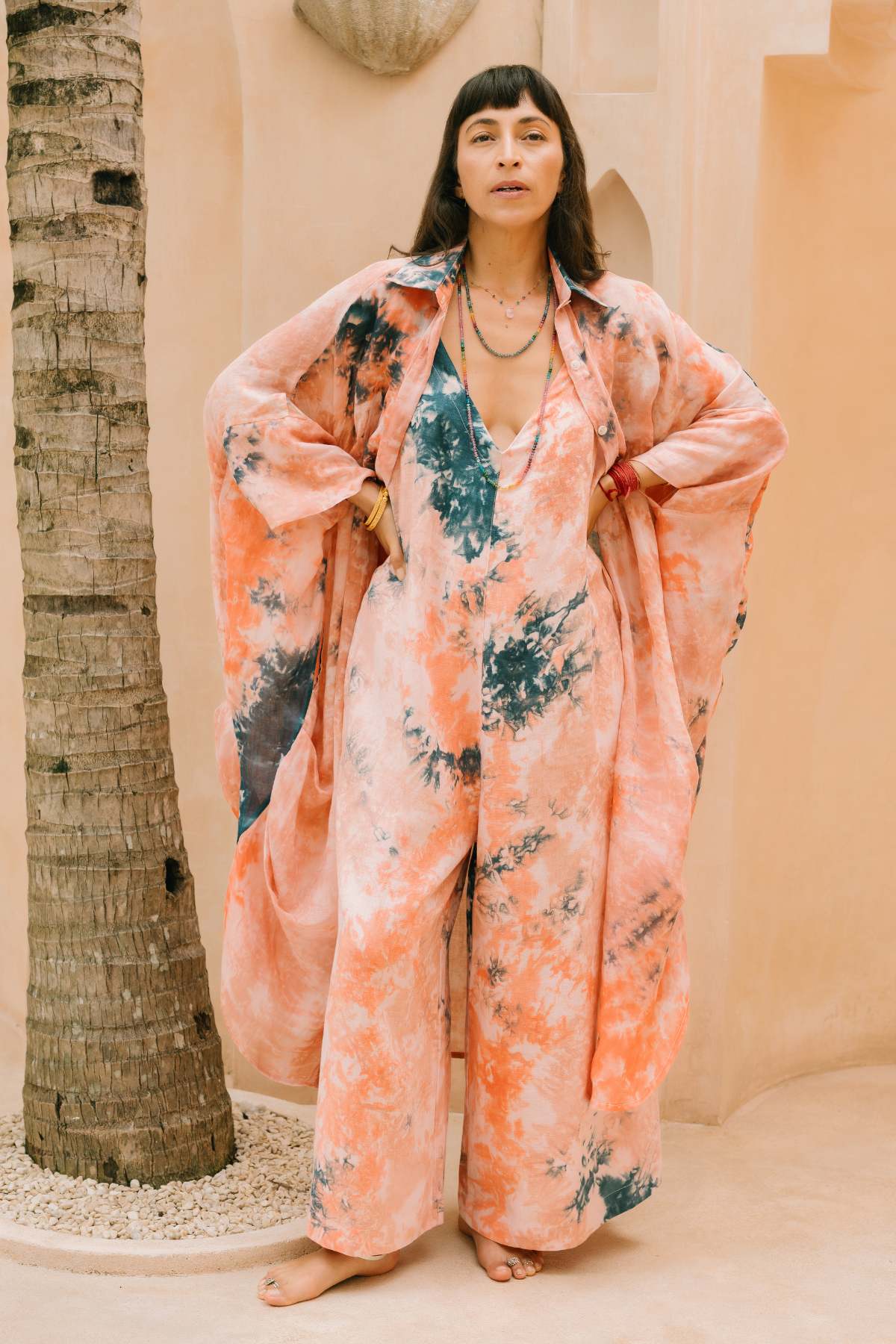
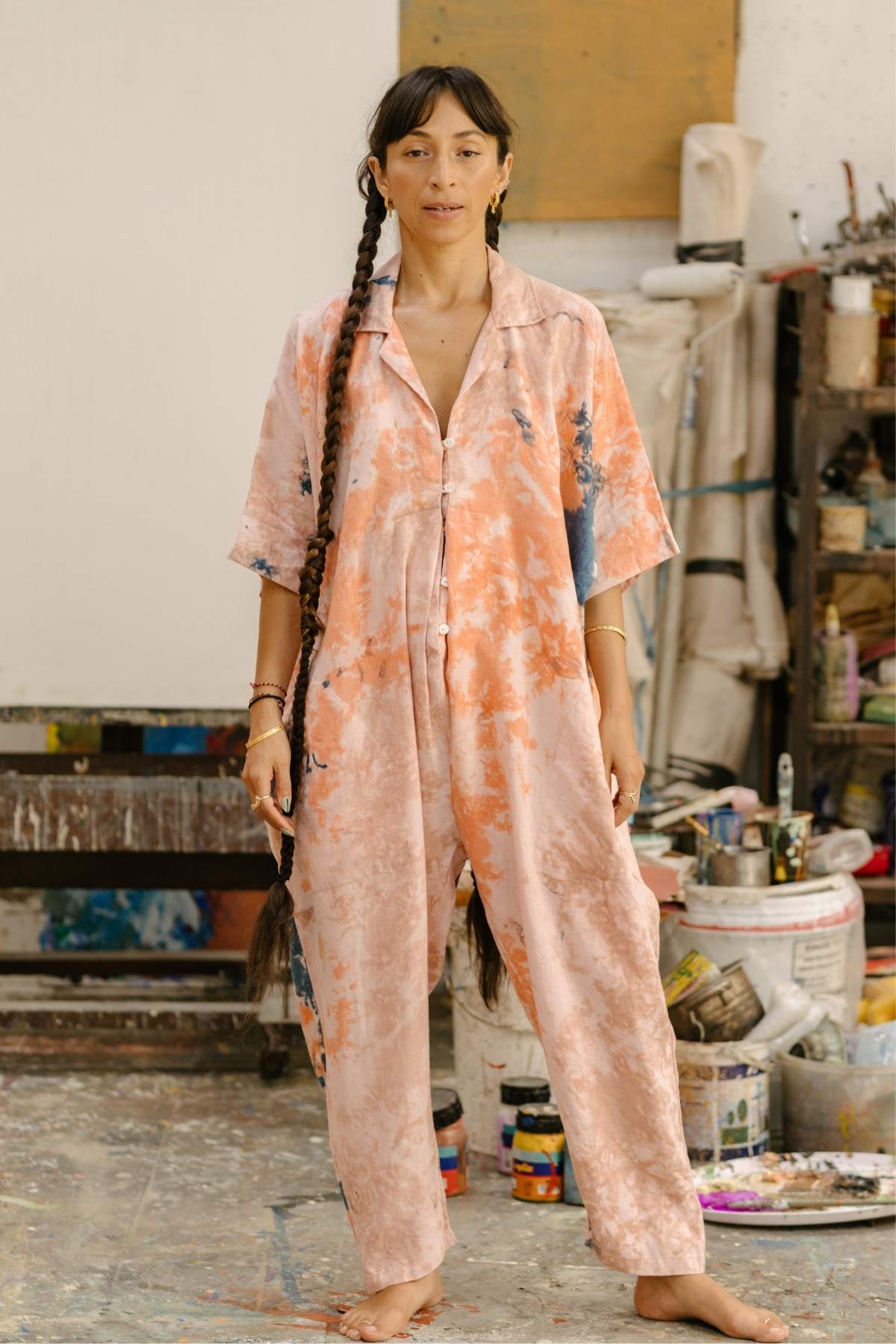
A fabric that behaves like a living thing. Natural fibres respond to heat, to humidity, to your body over hours. Linen creases where you bend and softens where you touch it, which means by the end of the day the garment has a record of the day in it. Synthetic fabric stays exactly as it began. That is engineering, and it is also why it never becomes yours.
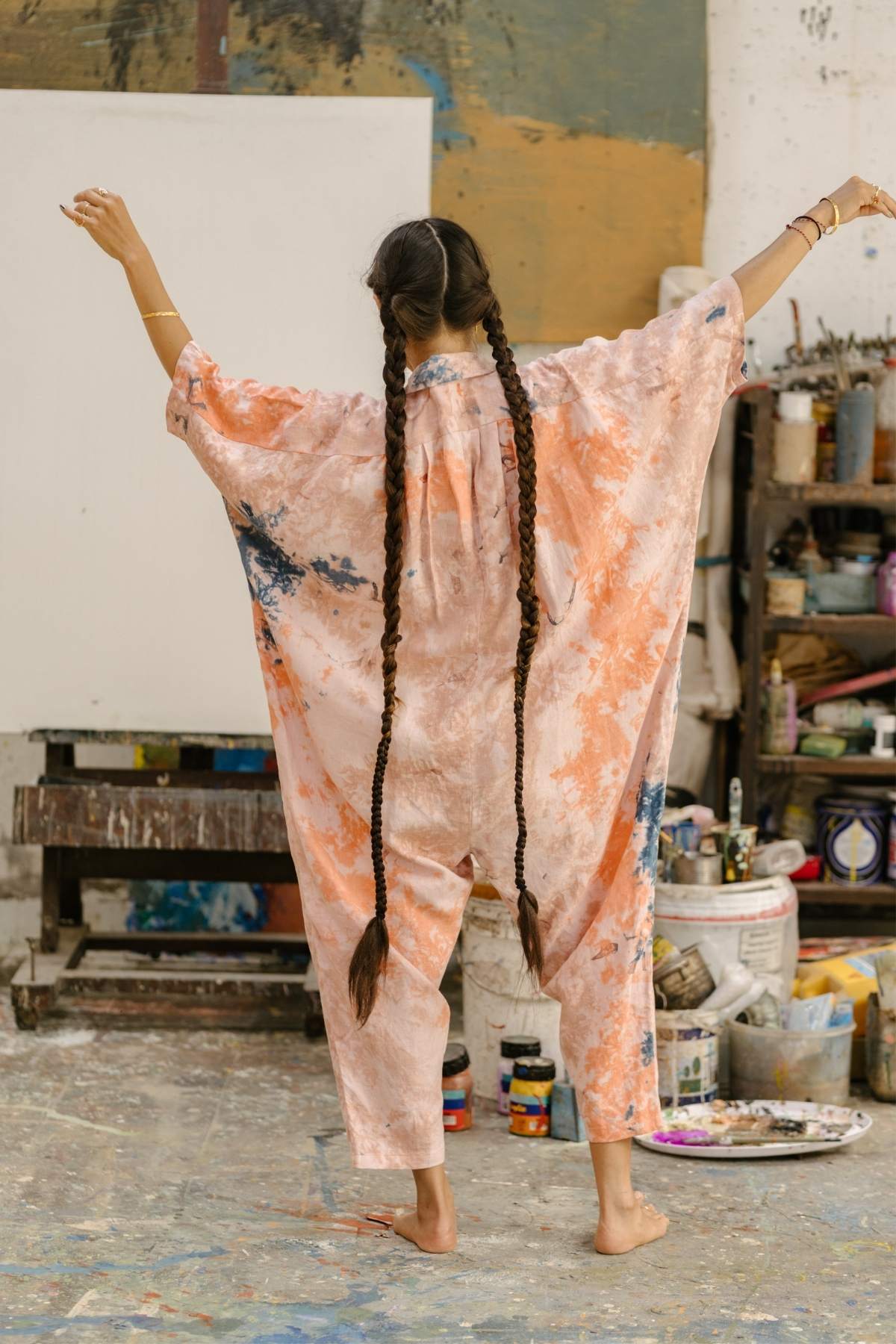
A silhouette that does not require holding. If a garment demands that you stay upright, breathe shallowly, or check a seam every twenty minutes, it is taking attention rather than giving it. The sacred feminine wardrobe is built on shapes you can forget about.
Provenance you can actually name. This is the least romantic and most important of the four. If you cannot find out who made a piece, in what country, under what conditions, then the story attached to it is decoration. Our guide to telling a real maker from a reseller covers how to check this in about five minutes, and what slow fashion actually means sets out the questions worth asking any brand.
A place in something you repeat. A garment becomes meaningful through use, not purchase. The kaftan you put on every Sunday to cook in acquires more significance than the ceremonial piece worn once.
How to Build a Sacred Feminine Wardrobe Without Buying Anything
The honest starting point costs nothing.
Open your wardrobe and find the three pieces you reach for when you want to feel most like yourself. Not the most flattering, not the most expensive. The ones that make the day easier to be inside. Look at what they have in common. It is usually fibre and cut, and it is almost never colour.
Then find the pieces you own that you never wear and be honest about why. Most of them were bought for a version of you that either has not arrived or has already left.
Only after that does buying make sense, and by then you will know what you are actually looking for. If you want a rhythm to hang this on, dressing by moon phase gives you a repeating structure without any purchase attached, and if you have already decided to buy, our buyer's guide to handmade womenswear covers where to look.
Caring for These Pieces Is Part of the Practice
A wardrobe you tend behaves differently from a wardrobe you consume. Natural fibres and botanical dyes ask for cold water, shade drying, and a little patience, and they return that care in the form of a piece that improves rather than degrades. Our full guide to caring for naturally dyed clothing comes from the people who do the dyeing.
This is the least glamorous part of sacred feminine fashion and probably the truest. Devotion is mostly maintenance.
Common Questions About Sacred Feminine Fashion
What is sacred feminine fashion? Sacred feminine fashion is the practice of choosing and wearing clothing as a deliberate act rather than a default, with attention to how a garment was made, how it lets the body move, and what moment it marks. It is a way of dressing, not a specific look.
What do you wear for sacred feminine style? Natural fibres such as linen, cotton and silk, in silhouettes that do not require adjusting, from makers you can actually name. There is no required colour or shape. The common thread is intention and traceability, not aesthetics.
Is sacred feminine fashion a religion or a spiritual practice? No. Sacred here means set apart and treated with attention, not religious. Women approach it through many frameworks and many approach it through none, treating it simply as a more considered relationship with what they wear.
How is sacred feminine fashion different from slow fashion? Slow fashion describes how a garment is produced, focusing on pace, labour and materials. Sacred feminine fashion describes how a garment is chosen and worn. They overlap almost entirely in practice, because a piece made carelessly is difficult to wear with care.
How do I start without buying anything? Identify the three pieces you already own that make you feel most yourself, and notice what they share in fibre and cut. That tells you more about your actual wardrobe than any purchase will.
The garment is never the point. It is the doorway, and the point is who walks through it.
With love from Bali,
Myrah.
|
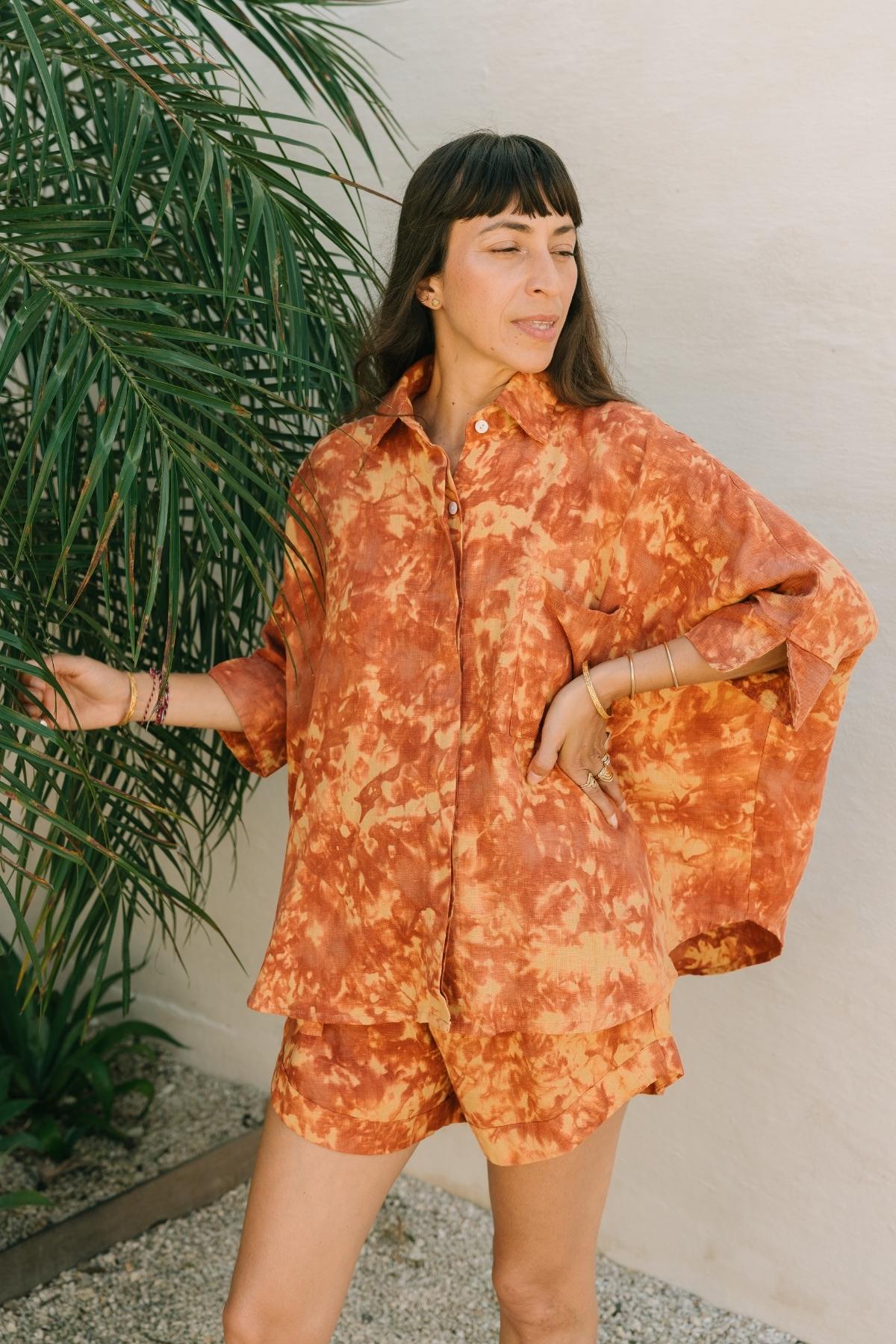
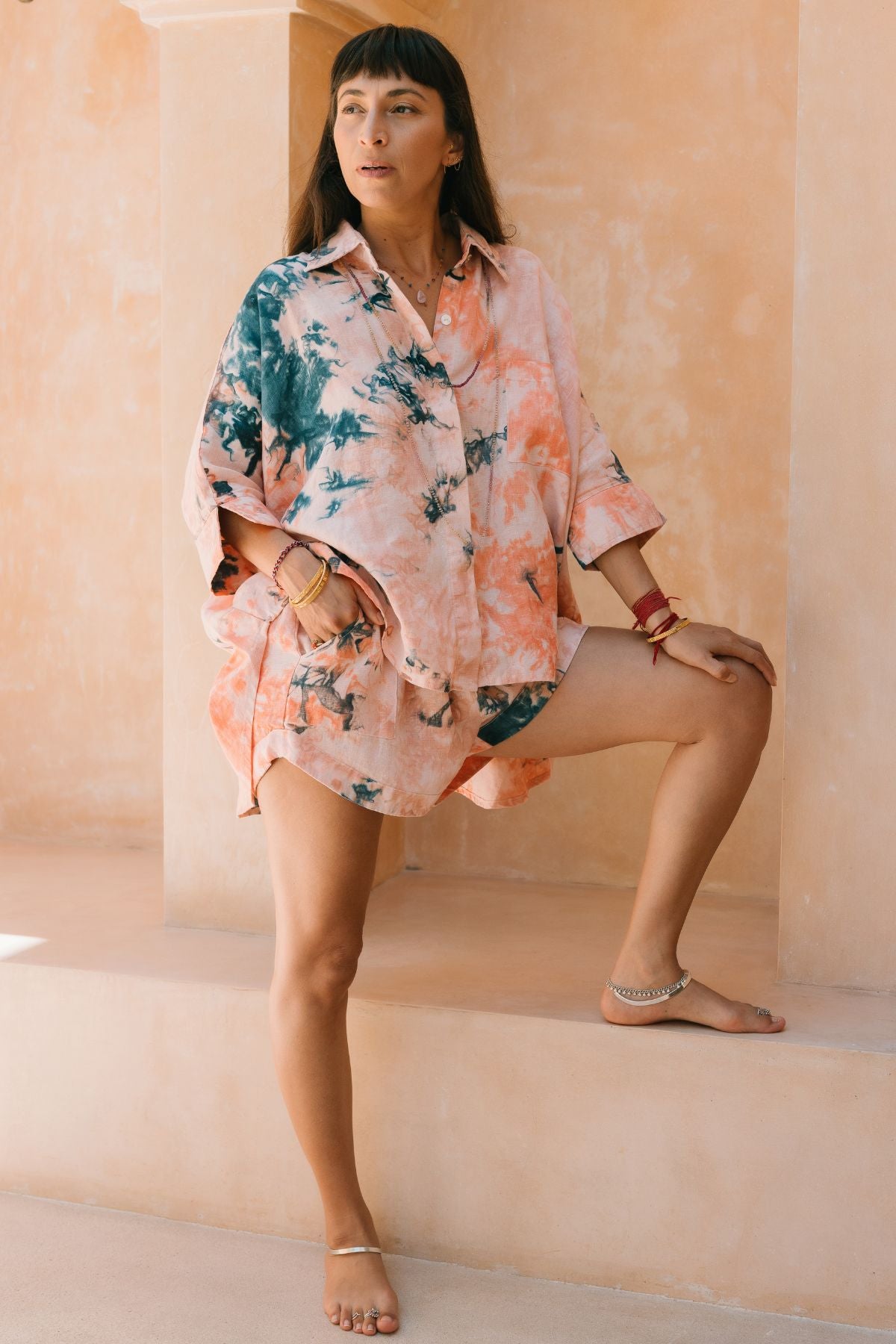
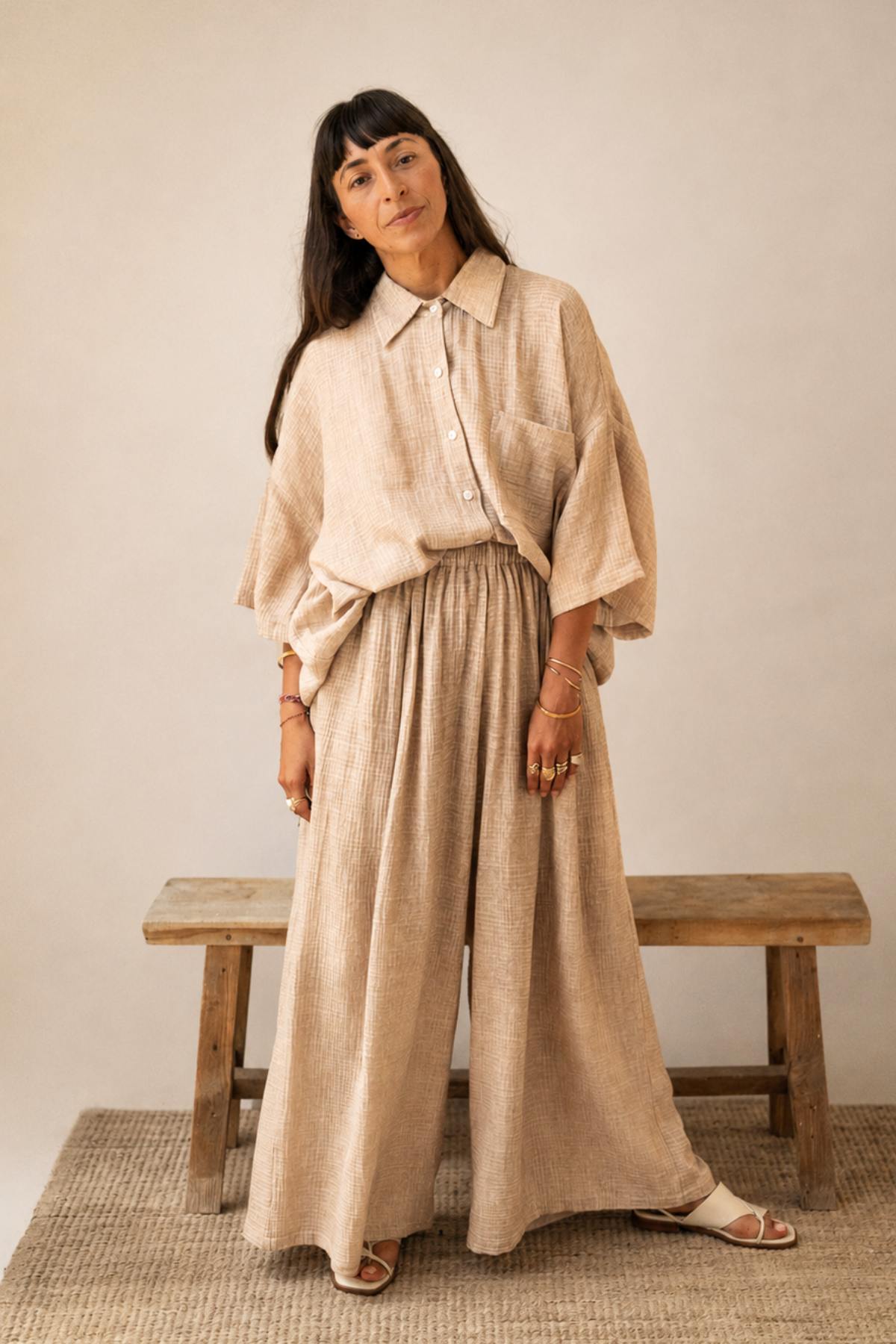
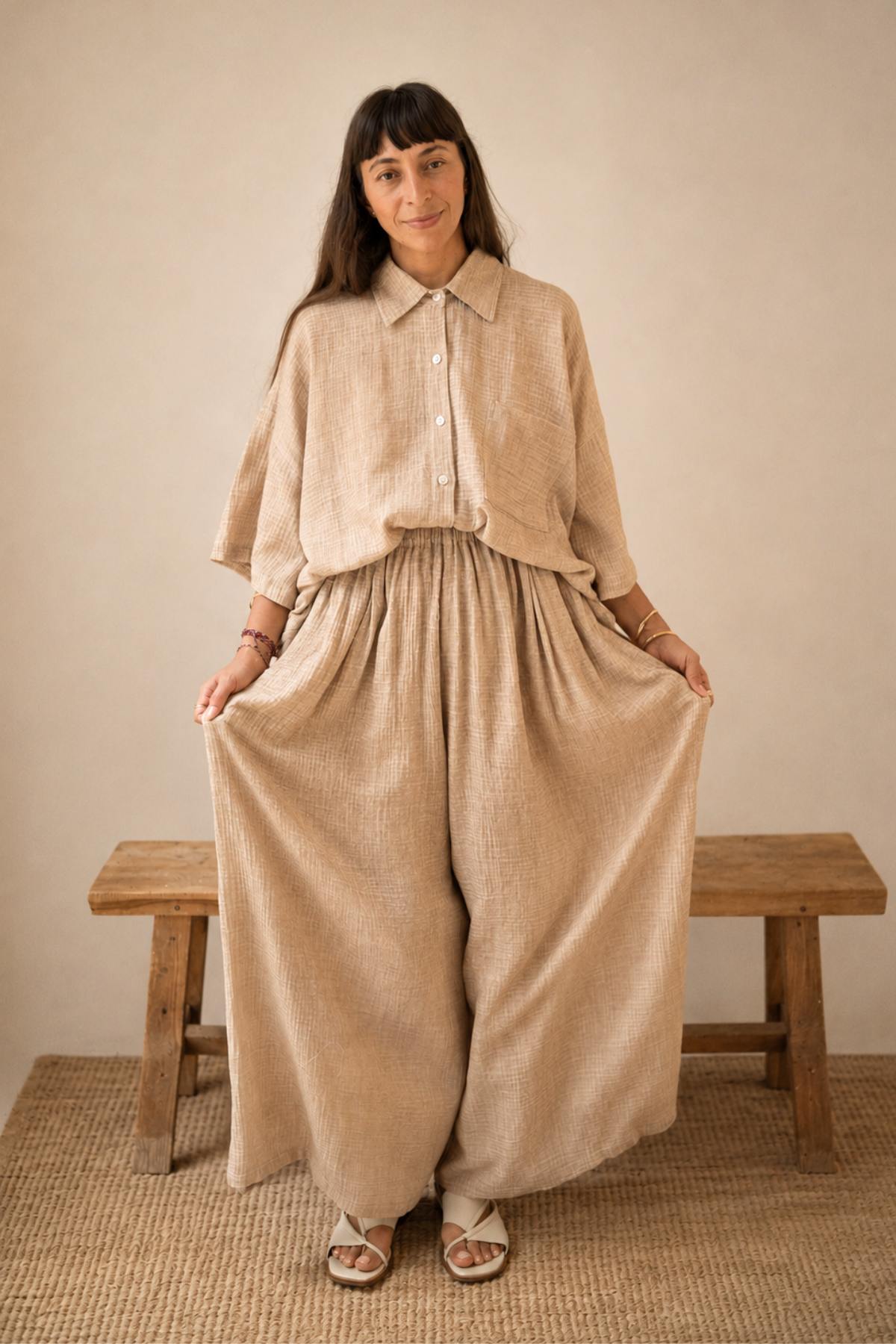
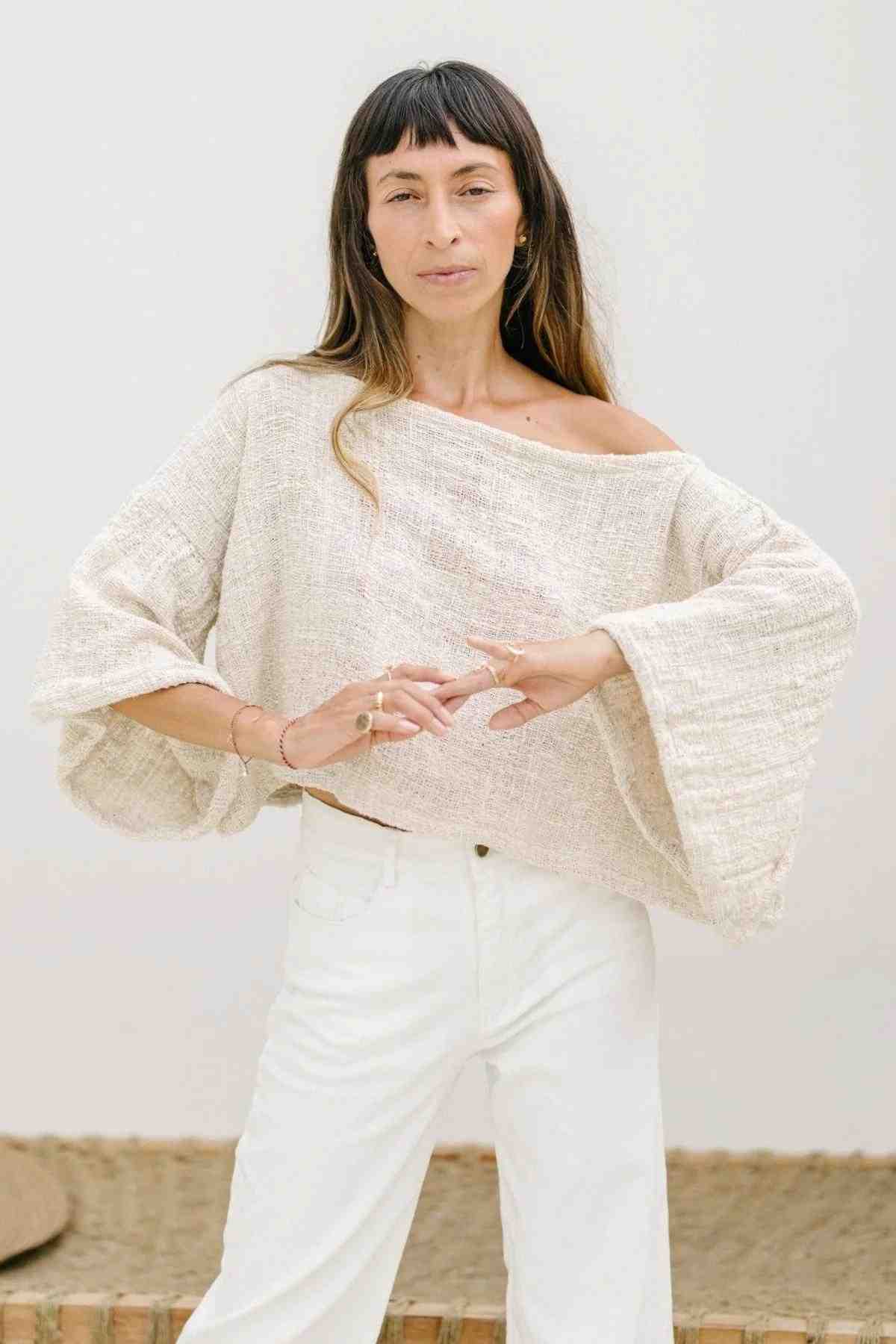
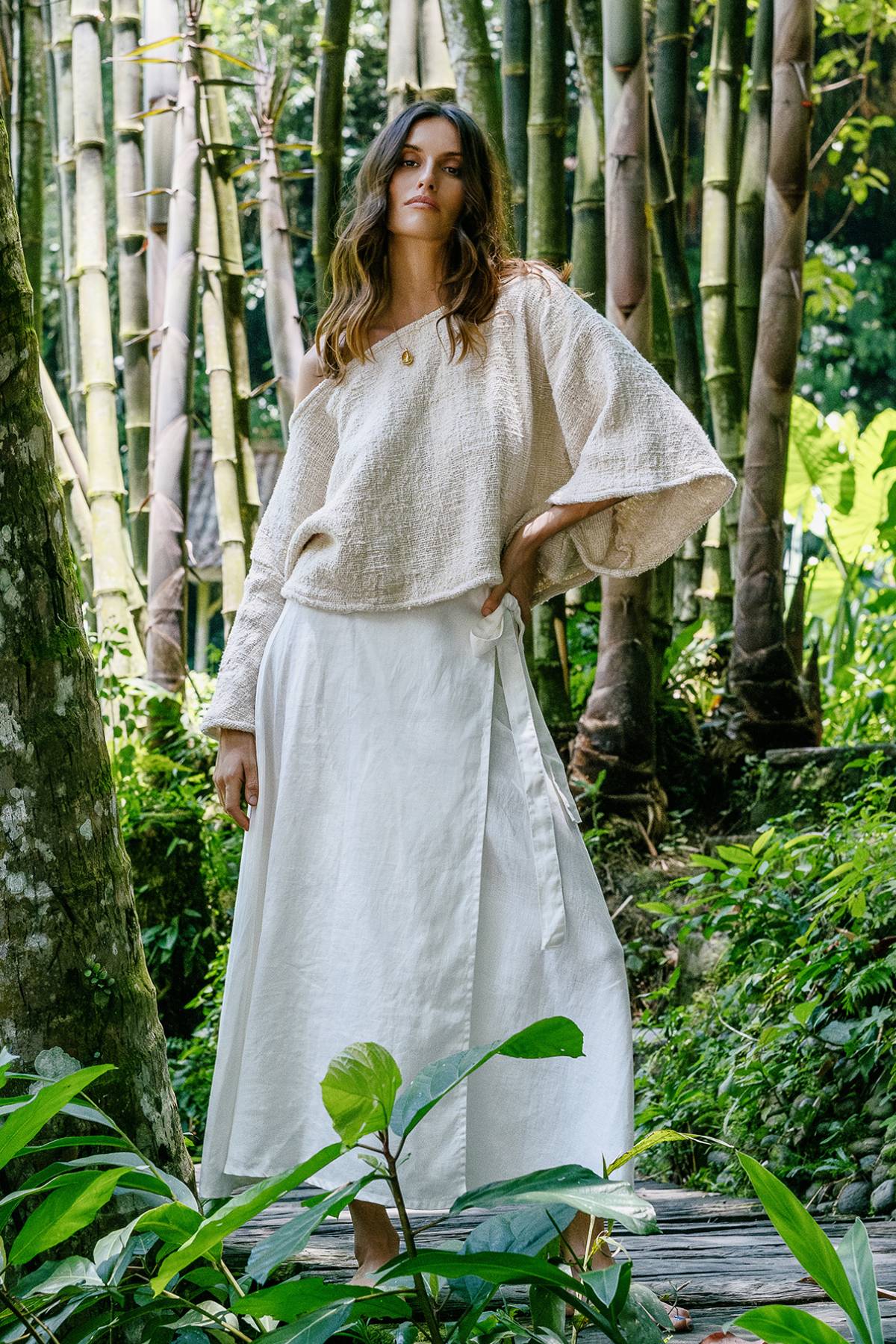
A Piece for This Threshold The Devi Sukha Linen Set. Devi means goddess, and the name was not chosen for decoration. A top and wide leg trouser in 100% French linen, made by hand in Bali after you order it and not before. For the woman who picks up a garment the way she might begin a ceremony. |
|
The Muse-Letter Dress for the woman you're becoming. Every week from Bali. Astrology, slow living, sacred feminine, and the pieces we make by hand. A letter, not a sales pitch. Unsubscribe any time. No spam, ever. |




Leave a comment
This site is protected by hCaptcha and the hCaptcha Privacy Policy and Terms of Service apply.