
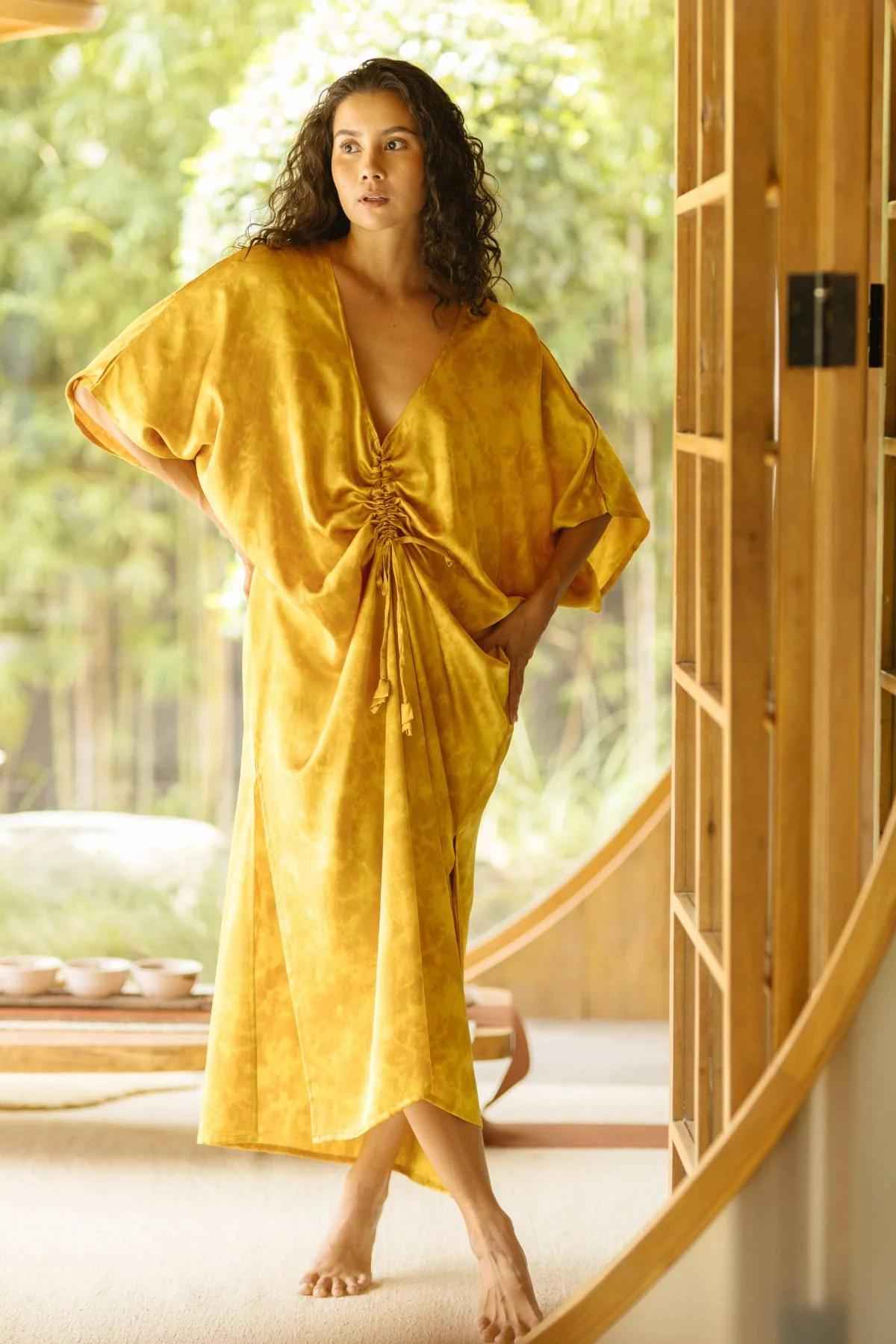
What is a kaftan
the word arrives in English through Turkish, but the garment is older than the word, and older than almost anything else still being worn.
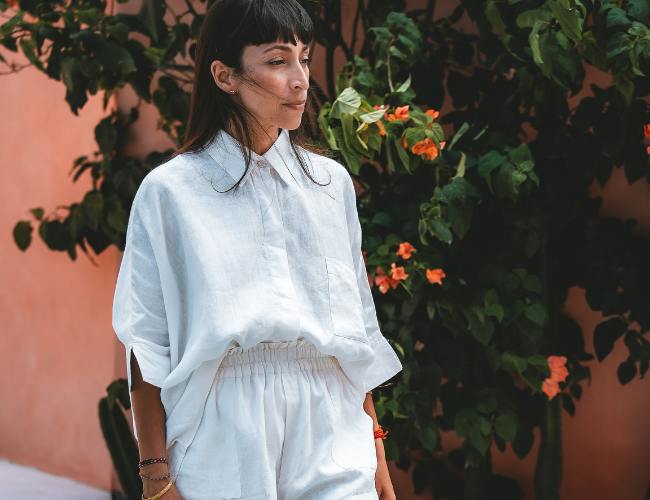
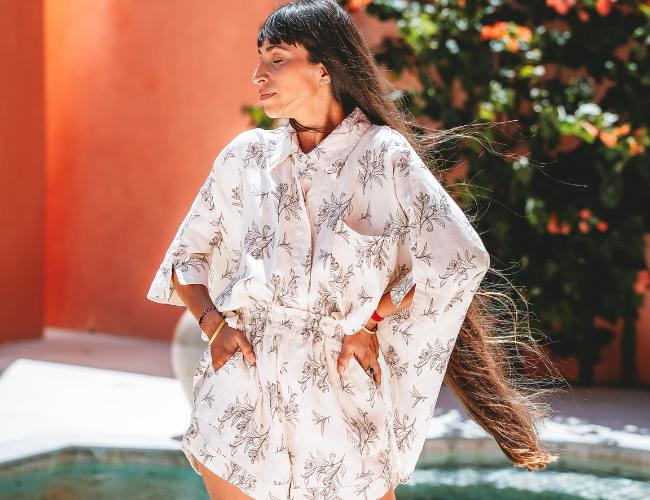
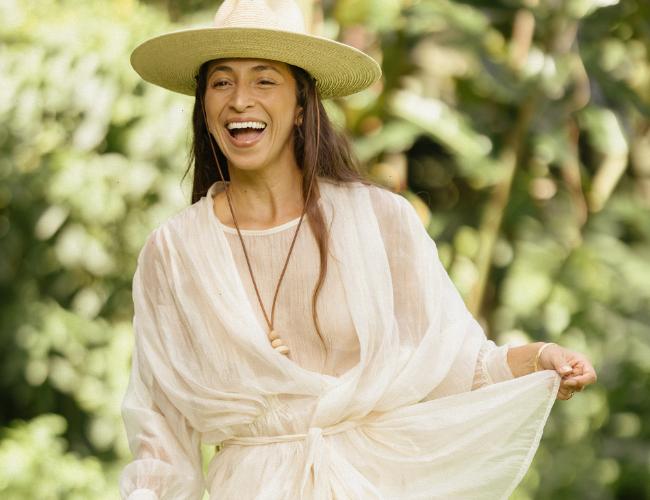
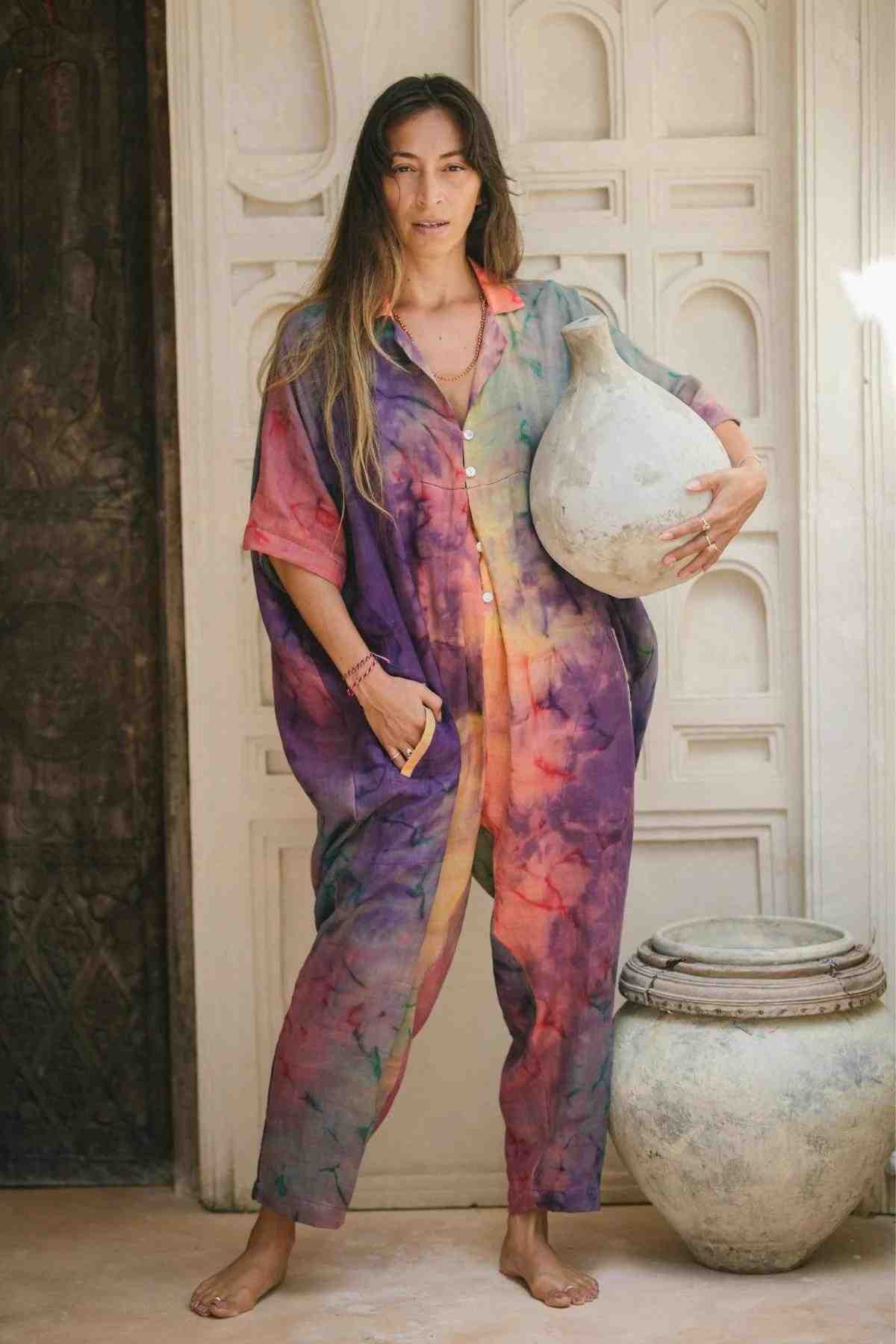
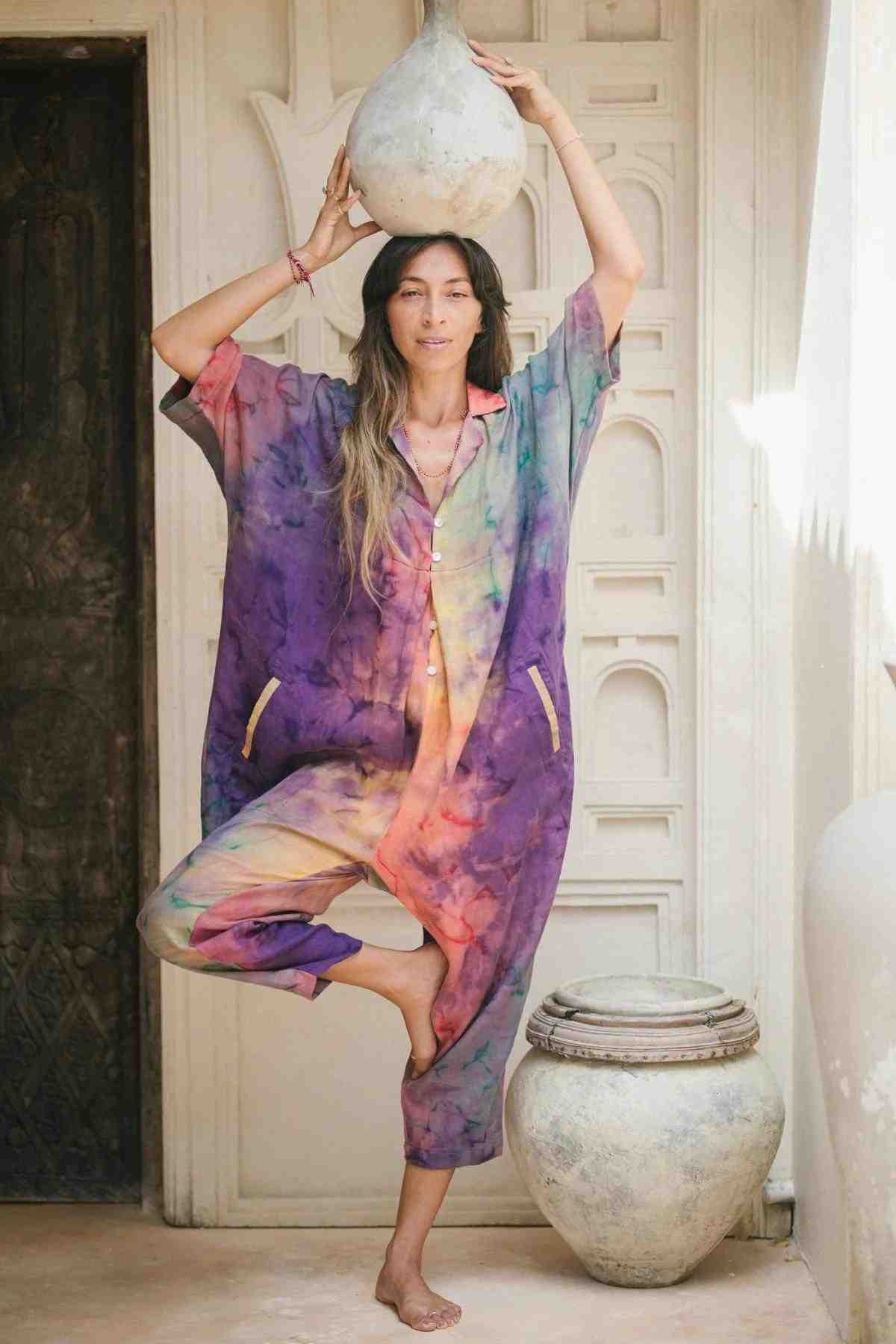
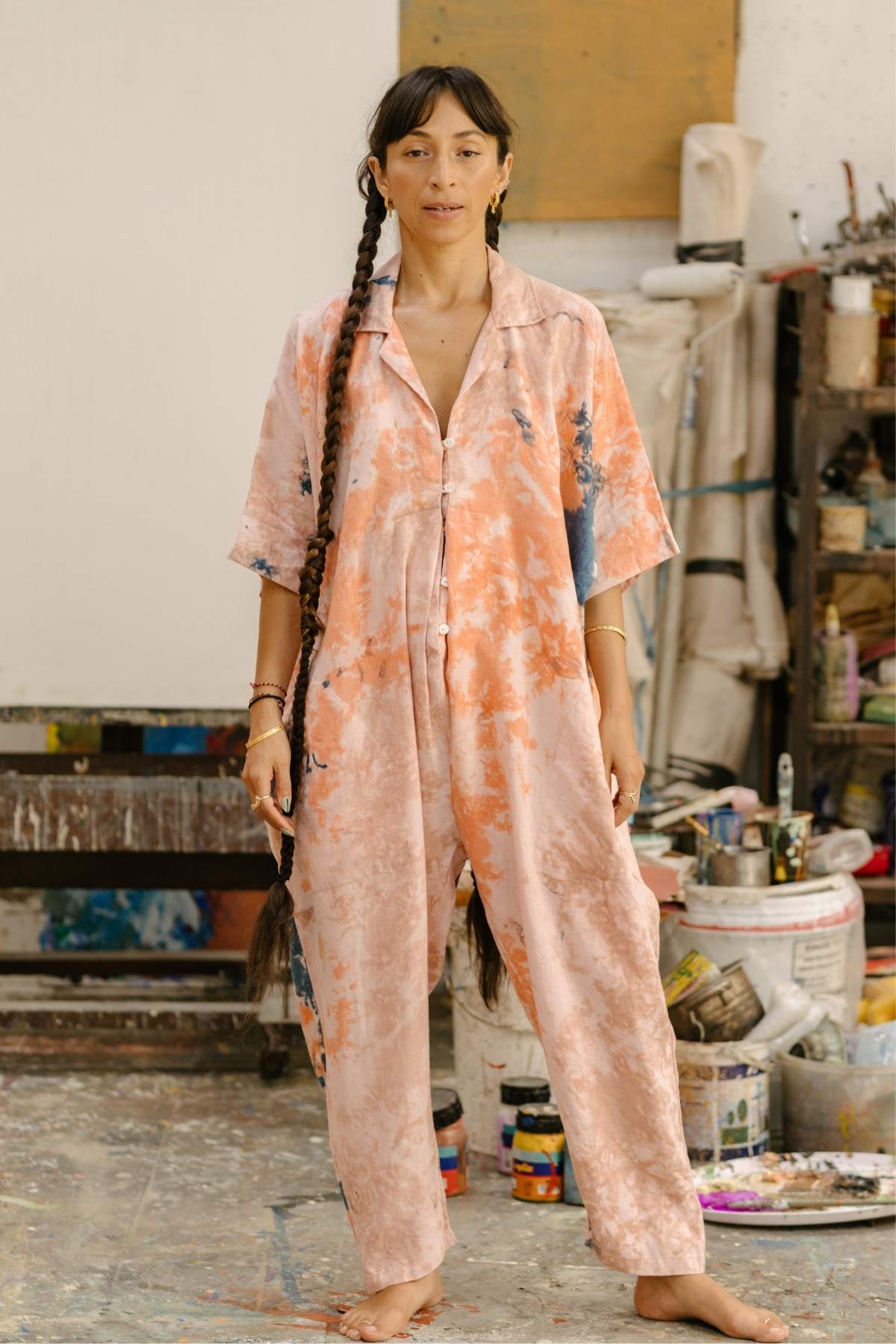
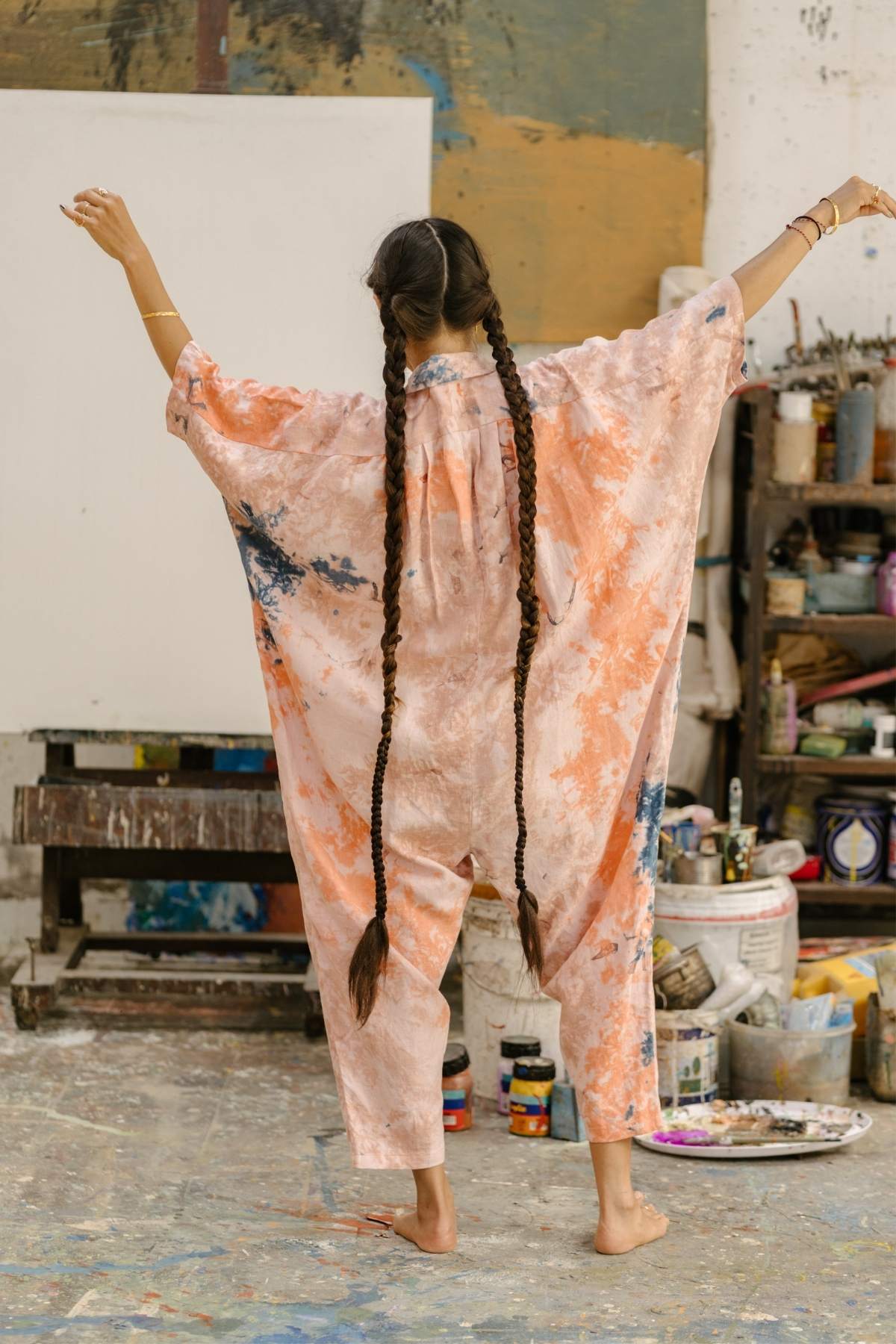
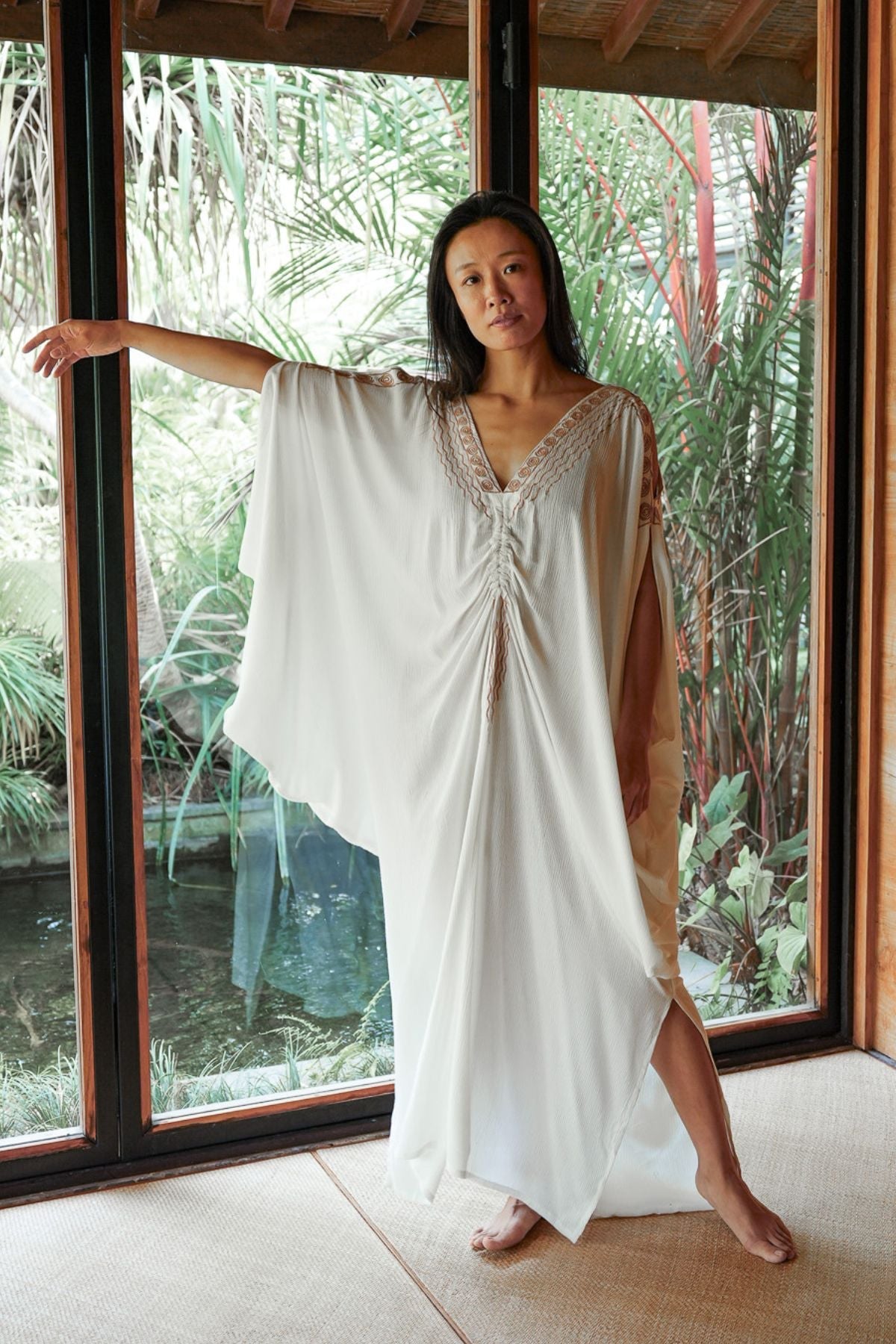
A kaftan is a long, loose robe that falls straight from the shoulder without a defined waist, usually with wide or full-length sleeves, worn open like a coat or closed like a dress. That is the whole definition. Everything else, the embroidery, the belt, the fabric, the neckline, is a regional variation on one very old idea: cloth that covers the body without gripping it.
It is the oldest garment in this shop, and the one women ask us about most.
What is a kaftan, exactly
A kaftan is a full-length tunic or robe with a straight cut, no shaping through the waist, and sleeves ranging from elbow to floor length. It is cut for movement and for heat. The body of the garment hangs away from the skin rather than following it, which is why the kaftan survives in climates where fitted clothing becomes unbearable by ten in the morning.
What separates a kaftan from a maxi dress is structure, or rather the deliberate absence of it. A maxi dress is usually shaped somewhere, at the bust, the waist, the hip. A kaftan is shaped nowhere. That is also why one size genuinely can fit a wide range of bodies, a question we answer honestly here.
Where the kaftan came from
The word travels into English through Turkish, from the Persian khaftan. The garment itself is usually traced to ancient Mesopotamia and Persia, which makes it several thousand years old in some recognisable form.
Its best documented era is Ottoman. The sultans wore ceremonial kaftans in heavy silk and brocade, and a remarkable number survive in the collection at Topkapı Palace in Istanbul. Those were not casual clothes. They were statements of rank, and the sheer quantity of cloth was part of the message.
From there the shape spread in several directions. In Morocco it became central to women's formal dress and remains so. In West Africa it developed into the boubou. In Russia it became a man's long coat. Each culture kept the silhouette and changed the meaning.
Western fashion adopted it late, in the 1960s, when Vogue under Diana Vreeland championed the shape and designers including Emilio Pucci and Thea Porter made their own versions. The image most people carry of a kaftan comes from that decade rather than from the garment's actual history.
Kaftan, abaya, djellaba: what is the difference
These get used interchangeably and they are not the same thing.
- A kaftan is the broad category. Long, straight cut, no waist, open or closed.
- An abaya is a loose over-robe worn open over other clothing, most associated with the Gulf. It functions as outerwear.
- A djellaba is North African, usually hooded, worn by both men and women.
- A boubou is West African, very wide through body and sleeve, often worn over matching trousers.
If a garment is long, unstructured and straight through the body, kaftan is a fair description. If it is hooded or worn specifically as an open outer layer, one of the other words is more accurate.
What fabric a kaftan should be
This is where most of the decision actually sits, because the shape is simple and the cloth is doing all the work.
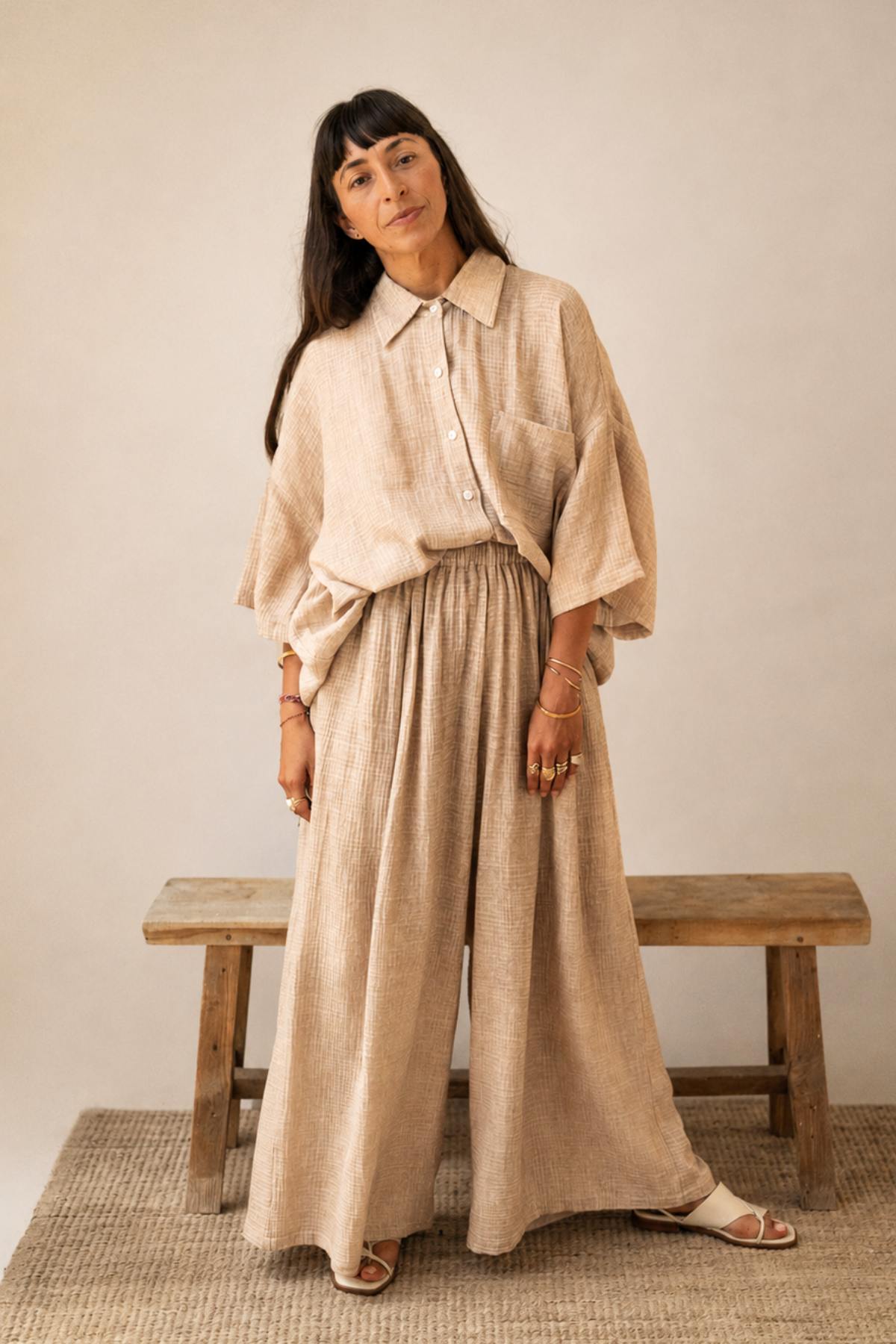
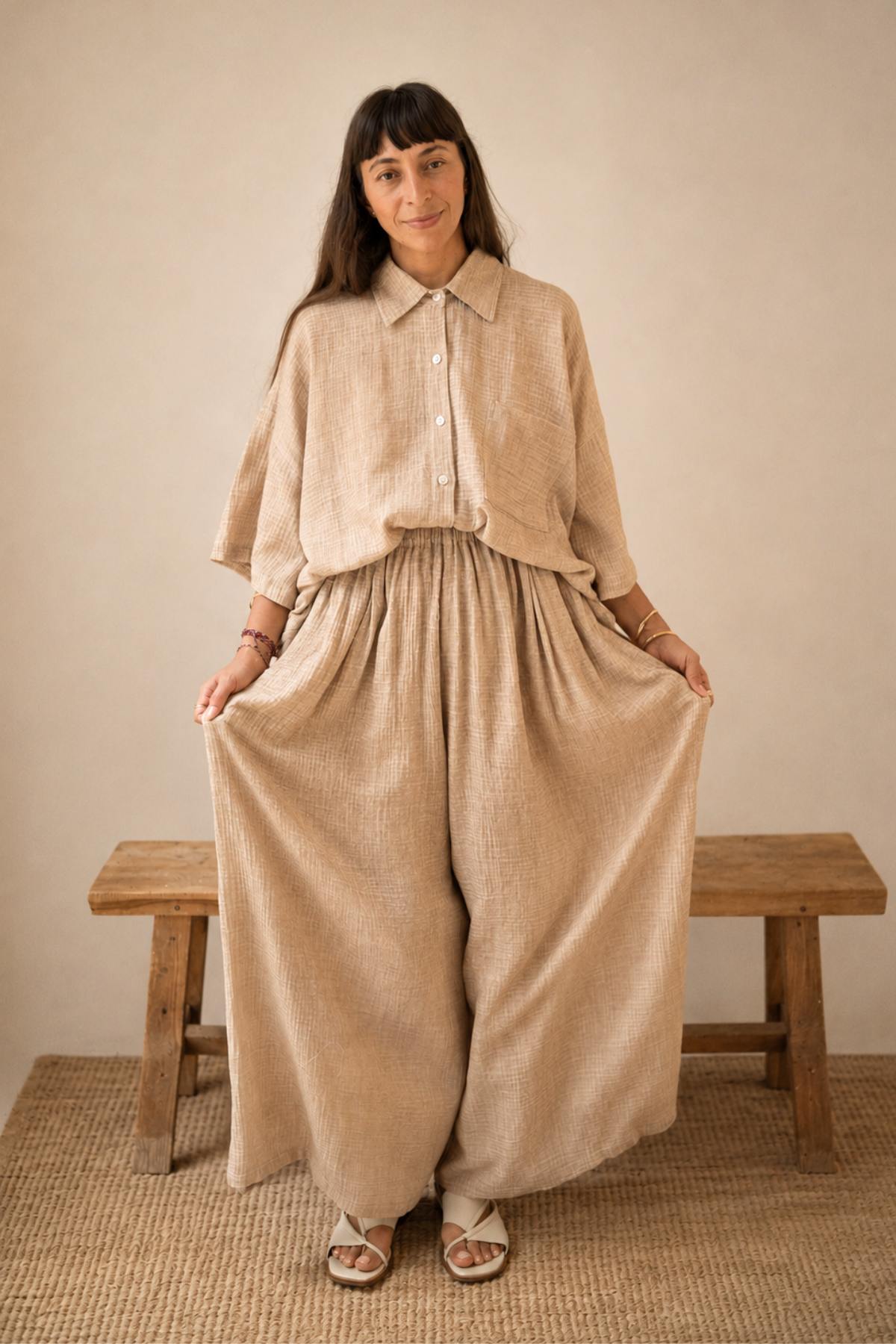
Linen is the practical answer. It breathes, it moves air rather than trapping it, and it improves with washing. A linen kaftan is the one you reach for in real heat and the one still in your wardrobe in ten years. More on how to wear linen and why good linen costs what it does.
Silk is the ceremonial answer, and the historically accurate one. The Ottoman kaftans were silk because silk is what you wore when the occasion mattered. Silk does not drape so much as flow. It asks more of you in care, hand wash, lay flat, out of direct sun, and it gives back something no other fibre does. Bamboo rayon and cotton sit between the two.
What a kaftan should not be is polyester. The whole mechanical advantage of the garment, air moving between cloth and skin, is cancelled by a fibre that does not breathe. A synthetic kaftan is a hot dress in a loose shape.
How to wear a kaftan
The mistake women make is treating it as a beach cover-up and stopping there. It is a beach cover-up, but that is the least of what it does.
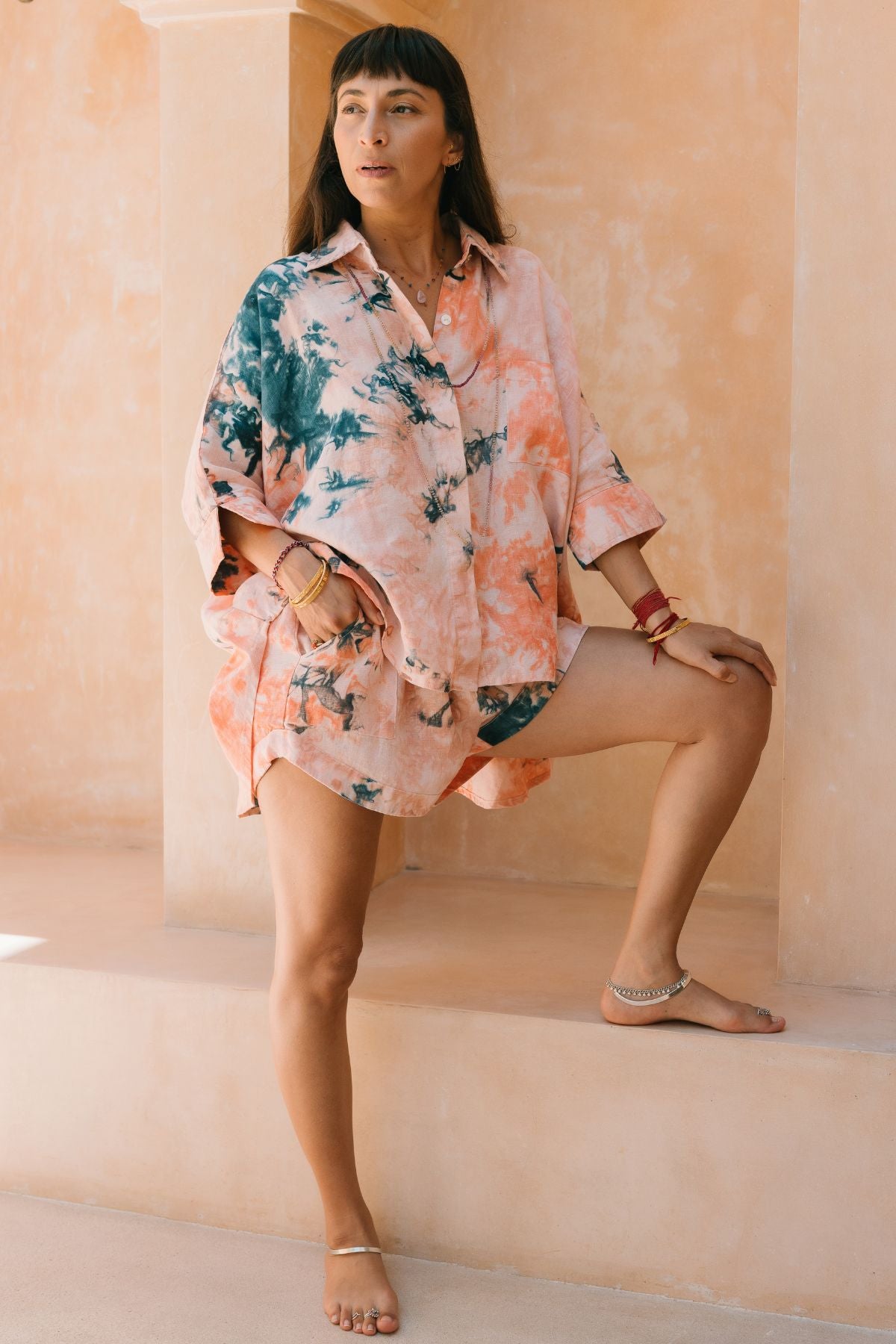
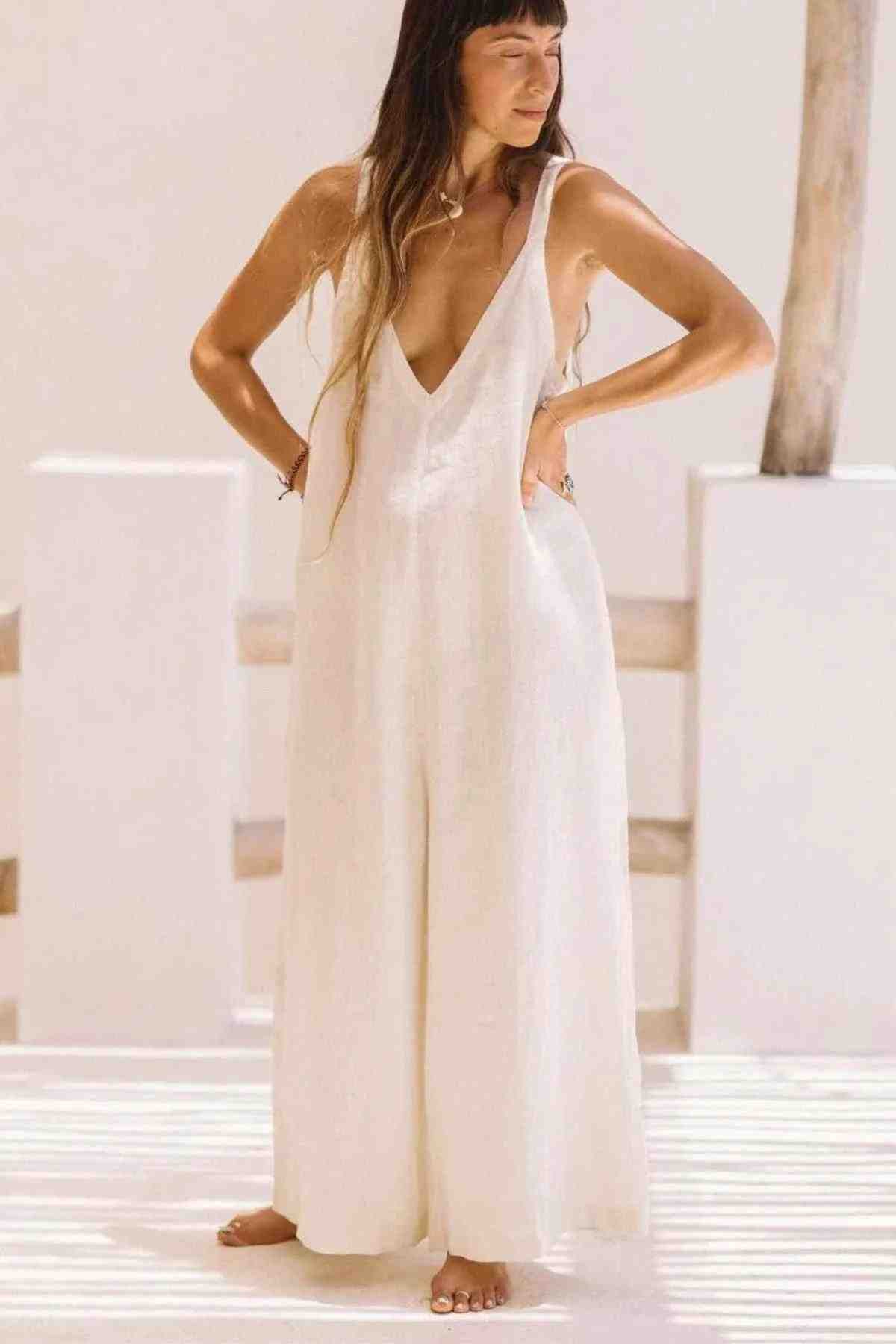
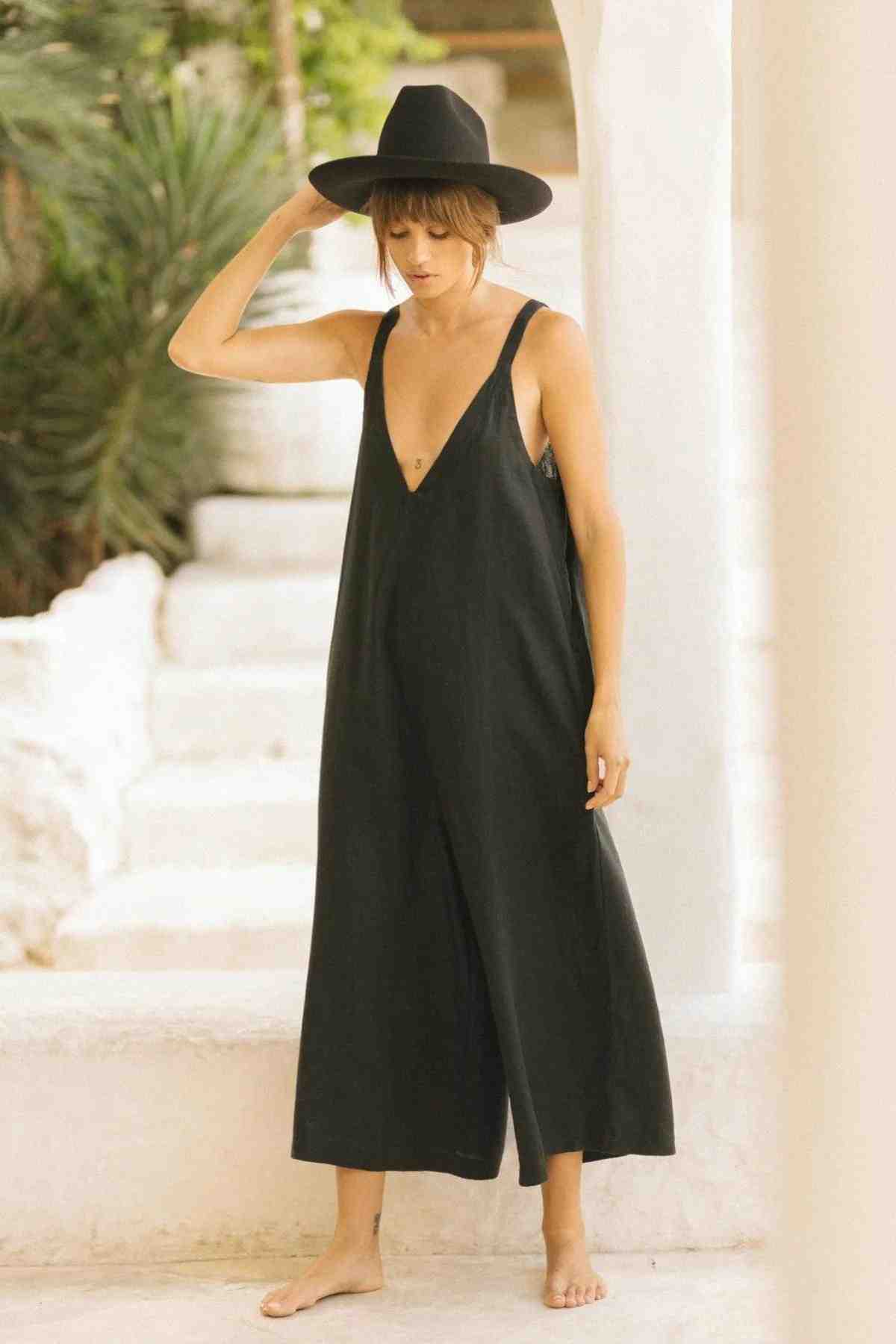
Left loose. The original way, and still the best in heat. Nothing at the waist, flat sandals, hair off the neck. This reads as ease rather than effort.
Belted. A soft leather or fabric belt at the natural waist gives the same kaftan a defined shape. Structure without changing clothes.
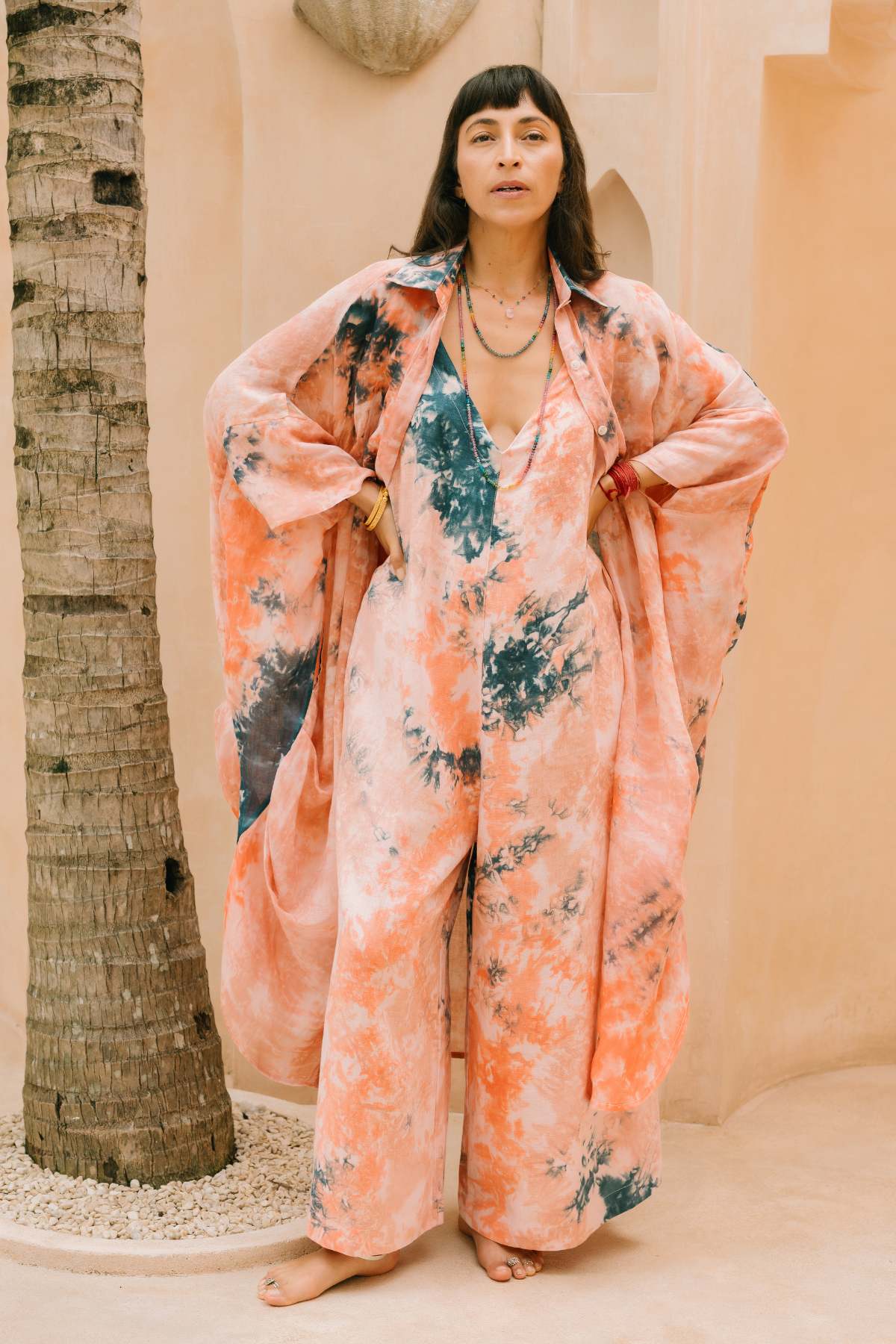
Open, as a layer. Over wide linen trousers, over a slip, over swimwear. An open kaftan behaves like a very light coat.
For ceremony. Silk, nothing at the waist, no competing pattern. This is the version that belongs at a wedding, a gathering, an evening that matters, and it is closest to the garment's own origin. More on dressing this way in sacred feminine fashion, and for the tropics, what to wear in Bali.
Frequently asked questions about kaftans
What is a kaftan?
A kaftan is a long, loose robe cut straight from the shoulder with no shaping at the waist and wide or full-length sleeves. It can be worn open like a coat or closed like a dress. The shape originates in ancient Mesopotamia and Persia and is worn today across North Africa, the Middle East, Central Asia and the West.
What is the difference between a kaftan and a caftan?
There is none. They are two spellings of the same garment. Kaftan is closer to the Turkish, caftan is more common in American fashion writing.
What is the difference between a kaftan and a maxi dress?
A maxi dress is usually shaped at the bust, waist or hip. A kaftan is not shaped anywhere. It hangs straight from the shoulder, which makes it cooler to wear and far more forgiving across different body shapes.
What fabric is best for a kaftan?
Linen for everyday heat, because it breathes and improves with washing. Silk for ceremony, which is also the historically accurate choice. Avoid polyester, which cancels the airflow that makes the shape work.
Can you wear a kaftan as a dress?
Yes. A closed kaftan in a natural fibre is a dress. Belt it at the waist for definition, or leave it loose for the traditional silhouette.
Is a kaftan only for the beach?
No. The beach cover-up is a recent and narrow use of a garment worn for ceremony and daily life for thousands of years. In silk, unbelted, a kaftan is appropriate at a wedding.
The kaftan was never designed to flatter. It was designed to let you move, in heat, with dignity. Everything else it does for you is a consequence of that.
With love from Bali,
Myrah
|
A Piece for This Threshold The Silk Virgo Kaftan. 100% botanically dyed silk, open front, full length, one size. The ceremonial version of a very old shape, in Turmeric Gold and Botanical Rose. Handcrafted in Bali by artisan families. Shop the Silk Virgo Kaftan → |
|
The Muse-Letter Dress for the woman you're becoming. Join the Muse-LetterUnsubscribe any time. No spam, ever. |


Leave a comment
This site is protected by hCaptcha and the hCaptcha Privacy Policy and Terms of Service apply.