




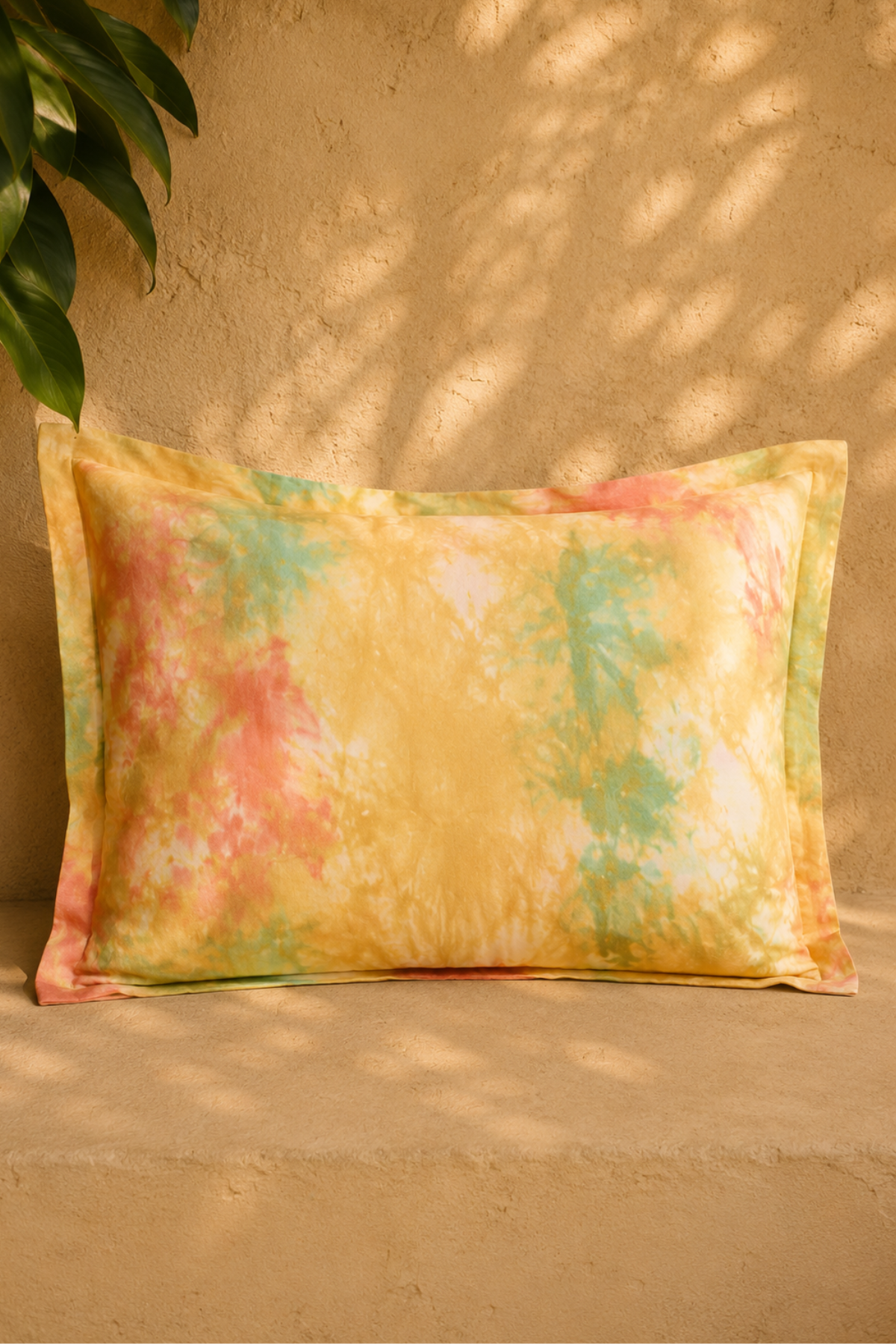
What your pillowcase does all night
i live somewhere the air stays warm and heavy most nights of the year, and it taught me something i had ignored for most of my life. the cloth under your face is doing something all night, whether you notice it or not.
Yes, linen pillowcases are good for your skin, and for most people they are one of the best choices you can make. Linen breathes, absorbs around a fifth of its own weight in moisture before it feels damp, releases that moisture quickly, and stays cooler against your face than cotton. That keeps the surface you sleep on drier, which matters for sensitive, reactive and breakout-prone skin. What linen will not do is cure acne or eczema, and it has a little more texture than silk, which matters if you are protecting very fragile hair.
Below is what a linen pillowcase actually does, what is overstated, how it compares with silk and cotton, and how to choose and care for one so it keeps working for years.
What does a linen pillowcase actually do for your skin?
You spend roughly a third of your life with your cheek pressed against one piece of cloth. Through the night that cloth collects warmth, a little sweat, the oil from your skin and hair, and whatever you smoothed on before bed. Four things decide whether it stays a kind place for your skin.
- Moisture. Flax fibre takes up around a fifth of its weight in water and still feels dry to the touch. Night sweat and damp hair are drawn into the cloth instead of sitting against your face.
- Drying. Absorbing is only half the job. Linen hands moisture back to the air quickly, so the case dries through the night. Cotton absorbs well and then holds on.
- Temperature. Linen moves heat away from the skin fast. That is the cool you feel when you turn your pillow over, and linen keeps doing it even when the fabric is slightly damp.
- What is on the fibre. Ours is 100% natural French linen, OEKO-TEX Standard 100 certified, which means the finished fabric is tested for harmful substances. It is softened by stonewashing and coloured with botanical dye.
There is some lab evidence behind the feel. In a 2022 comparison by Cetelor, a textile testing centre attached to the University of Lorraine, 100% flax linen ranked first for overall comfort and best at moving body moisture away, against cotton, viscose and polyester. It was commissioned by the European flax industry, so read it as a result about how fabric behaves, not as a sleep trial.
Are linen pillowcases hypoallergenic?
Mostly yes, with an honest note. An allergy to flax fibre itself is uncommon. When bedding irritates skin, the cause is usually something added to the fibre: resin finishes, synthetic dyes, or fragrance left behind by detergent and fabric softener. Pure, certified linen removes most of those variables.
Two things worth knowing. Botanical dye comes from plants, and plants can still bother very reactive skin, so if you react to almost everything, wash the case once before you sleep on it. And linen does not repel dust mites, whatever you may have read. If mites are your trigger, a zipped protector on the pillow itself and regular washing will do far more than any pillowcase fabric.


Stonewashed French linen, botanical-dyed in Bali. Golden Sunset, left.
Is a linen pillowcase good for acne-prone skin?
It helps with the conditions, not the cause. Breakouts do well on warm, damp, oily surfaces, and linen stays drier overnight than cotton does. But the single biggest factor is how often you change the case. If you are prone to breakouts, a fresh pillowcase every few nights will matter more than any fibre choice.
This is where a set of two earns its place. One on the pillow, one drying on the line, and you never have a reason to sleep on the same case for a week.
Linen, silk or cotton: which pillowcase is best?
Each has a real strength. The honest answer depends on whether your priority is temperature, skin or hair.
| Fabric | Moisture | Temperature | On hair | Best for |
|---|---|---|---|---|
| Linen | Absorbs around a fifth of its weight, dries fast | Cool, and stays cool when damp | Slight texture that softens with every wash | Hot sleepers, humid climates, sensitive skin, anyone who washes often |
| Silk | Absorbs little | Cool on contact, warms quickly | Smoothest, least friction | Curly, fragile or chemically treated hair |
| Cotton | Absorbs well, dries slowly | Warms and holds heat | Smooth when new, pills over time | Cooler climates and easy care |
| Polyester | Almost none | Traps heat | Smooth but static | Nothing we would put against skin |
If fragile or curly hair is your first concern, silk is kinder on friction and I would tell you so. If you sleep warm, live somewhere humid, or your skin is the priority, linen is the one. Some women keep both and choose by season.
What should you look for in a linen pillowcase?
- 100% linen. A lot of what is sold as linen-look is cotton or polyester with a slub texture. The label should name the fibre and the percentage.
- A certification you can check. OEKO-TEX Standard 100 at minimum. It tests the finished cloth, which is the part that touches your face.
- Prewashed or stonewashed. It will be soft from the first night and has already done most of its shrinking.
- Honest colour. Botanical dye varies from piece to piece. If a brand promises a perfect match to the photograph, the colour is probably synthetic.
How do you care for a linen pillowcase?
Cold wash, hang dry. Skip fabric softener entirely, because it coats the fibre and the coating is exactly what stops moisture moving through the cloth. Linen softens with every wash rather than wearing thin, so frequent washing improves it. If you ever need a hot wash, know that botanical colour will soften faster with heat.
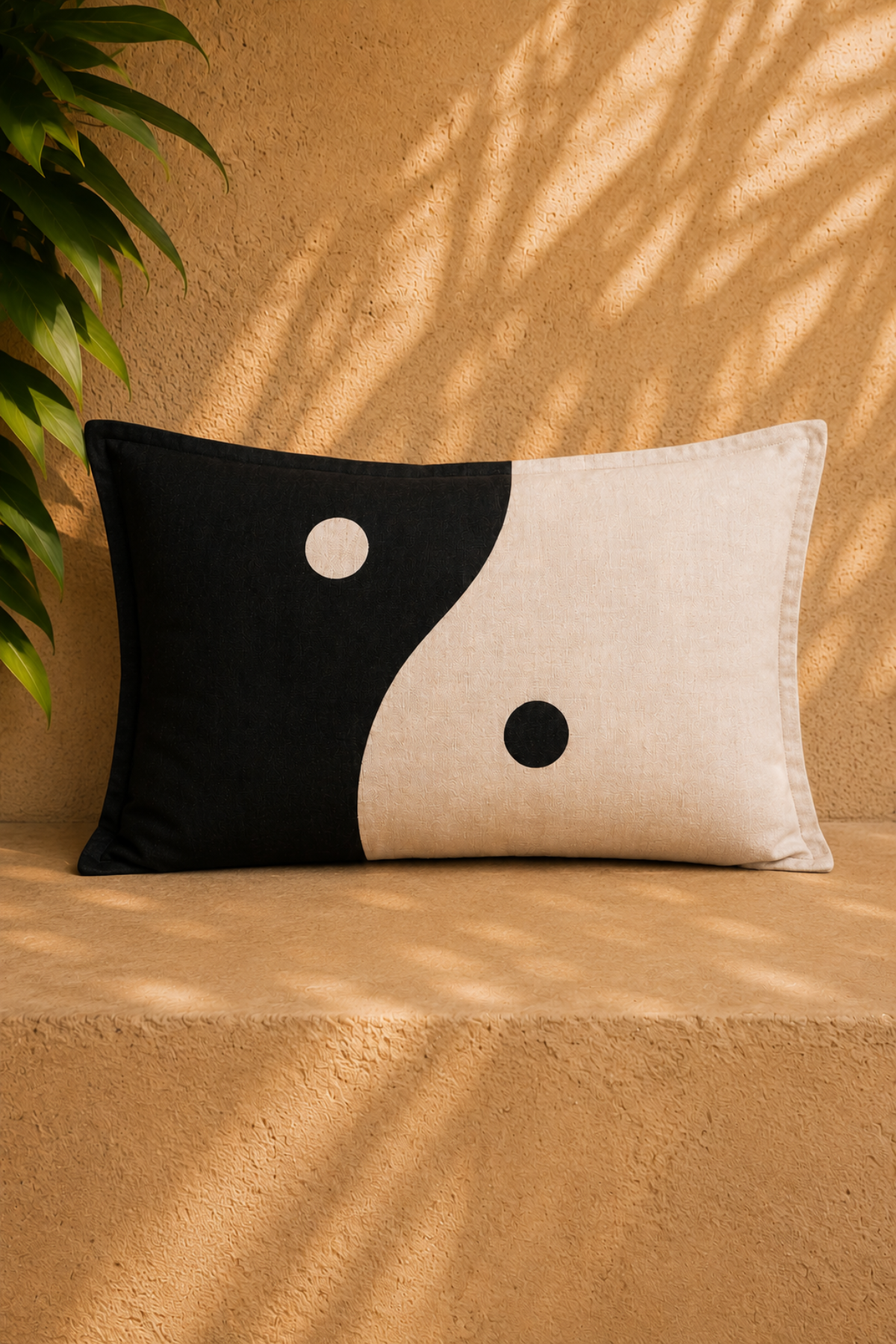
The one we make is The Bali Linen Pillowcase: 100% natural French linen, botanical-dyed and stonewashed in Bali by the same artisan families who make our clothing. It comes in four colourways, as a single ($58) or a set of two ($108). If you are choosing a colour, I wrote about each one and the linen sets they belong beside in the colour that followed me to bed.
Frequently asked questions
Are linen pillowcases good for your skin?
Yes. Linen absorbs around a fifth of its weight in moisture, dries quickly and stays cool, so the surface under your face stays drier and less warm through the night. That suits sensitive, reactive and breakout-prone skin. Choose 100% linen with a certification such as OEKO-TEX Standard 100 and change it often.
Are linen pillowcases hypoallergenic?
Largely, yes. Allergy to flax fibre is uncommon, and most bedding reactions come from finishes, synthetic dyes or detergent residue rather than the fibre. Linen does not repel dust mites, so if mites are your trigger, use a zipped pillow protector and wash regularly.
Is linen or silk better for your hair?
Silk has less friction, so it is the gentler choice for curly, fragile or chemically treated hair. Linen has a slight texture that softens with washing, and it is cooler and far more absorbent than silk. If temperature and skin matter most, choose linen. If hair breakage is your main concern, choose silk.
Do linen pillowcases feel rough?
New, unwashed linen can feel crisp. Stonewashed linen is soft from the first night, and all linen becomes softer with every wash rather than wearing thin. Ours is stonewashed after botanical dyeing, so it arrives relaxed and lived in.
How often should you wash a linen pillowcase?
At least once a week, and every few nights if you are prone to breakouts. Linen tolerates frequent washing better than almost any fibre. Wash cold, skip fabric softener, and hang to dry.
Do linen pillowcases shrink?
Unwashed linen can shrink a few percent in its first washes. Stonewashed linen has already done most of that shrinking. Wash cold and hang dry and it will hold its size.
With love from Bali,
Myrah
|
A Piece for This Threshold The Bali Linen Pillowcase. Shop the Bali Linen Pillowcase → |
|
The Muse-Letter Dress for the woman you're becoming. Join the Muse-LetterUnsubscribe any time. No spam, ever. |

















Leave a comment
This site is protected by hCaptcha and the hCaptcha Privacy Policy and Terms of Service apply.