


The Week I Stopped Apologising for the Price
A letter for the woman who makes something with her hands, and then has to say what it costs.
There is a particular silence that arrives after you say a price out loud. I know that silence intimately. For years I filled it. I would name a number and then keep talking straight through it, explaining the French linen, the dye runs, the hours of embroidery, the family who stitches in the room behind the studio, until the number was buried underneath so much justification that nobody could see it anymore. I told myself I was being generous with information. I was apologising.
"A price is not a request. It is a piece of information."
It took me an embarrassingly long time to feel the difference between those two things. A request needs someone's permission to exist. Information does not. When I give someone a number now, I am not asking her to agree that the work is worth it. I am telling her what it takes to make. What she does with that is entirely hers, and it was always going to be.
The maths nobody prints on the label
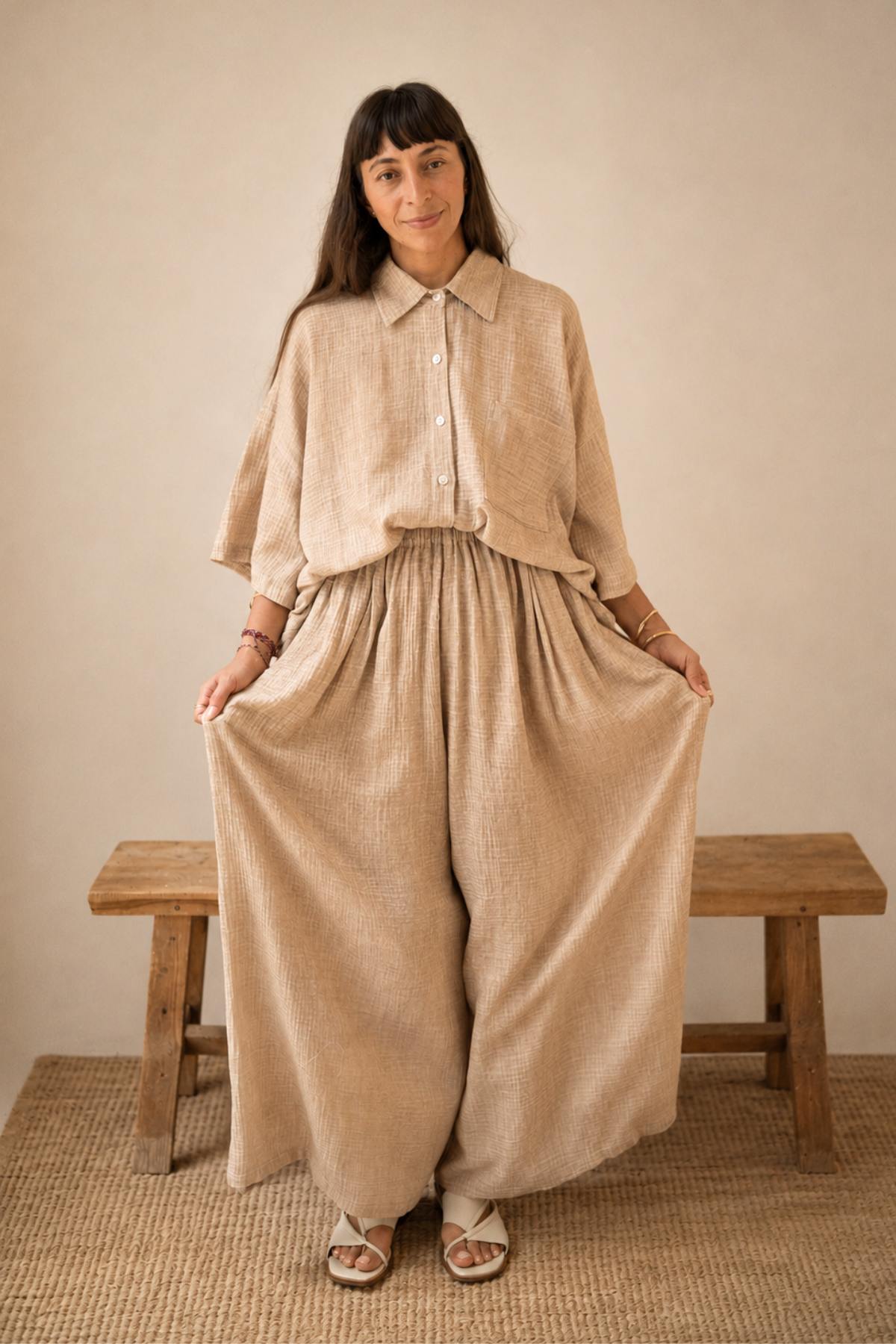
Here is what sits underneath a handmade price, and almost none of it is visible in a photograph. The linen is bought months before anything sells. The botanical dye is mixed in small batches and some runs simply fail, and the failed ones are paid for too. An embroidered top takes days, not hours, and those days belong to a woman with her own children and her own rent. She is paid when the work is done, not when the piece finally sells to someone in another hemisphere.
Then there is everything after. The pattern that was cut four times before it sat right on three different bodies. The shipping from an island. The returns. The quiet, unglamorous months.
None of that is a sob story and I am not asking anyone to feel sorry for it. I chose this, the same way I chose to stop trying to scale. But when I started saying the number without the apology, I noticed something. The people who were going to buy still bought. The people who were not going to buy left a little faster, which turned out to be a kindness to both of us.
What a nervous discount actually teaches
Every time I marked something down because a conversation had gone quiet, I taught that person something I did not mean to teach. I taught her that the first number was not true. That there is always a softer one behind it if she waits. That my prices are a negotiation rather than a fact.
A discount given from fear does not build trust. It quietly withdraws it. And it makes the next conversation harder, because now she is not asking what the piece costs. She is asking what it costs today, from me, if she hesitates long enough.
I still have sales. I plan them, I mean them, and they have a reason. What I stopped doing is inventing one in the middle of a sentence because I could not sit inside four seconds of silence.
The apology lives in the body before it reaches the mouth
This is the part I did not expect. Long before I said anything self diminishing, my body had already done it. The number came out half a tone higher than the rest of the sentence. There was a small laugh at the end of it. I would rush the syllables the way you rush past something you hope will not be examined too closely.
So the practice, for me, did not begin with mindset work. It began with breath. Say the number on the exhale. Land on it the way you would land on a Tuesday, or a shipping date, or any other neutral fact about the world. Then close your mouth.
What I practise now
Say the price. Stop. Count three unhurried seconds before I add anything else. Most of the time she speaks first, and what she says is almost never about money. It is about her sister's wedding, or whether it will suit her arms, or how long the wait will be.
The silence was never a verdict. It was just a woman thinking. I had been reading my own discomfort into it for years and calling it her judgement.
The week it changed
It was an ordinary week here. Wet season had not arrived yet, the studio smelled of turmeric from a dye run, and someone asked me what the embroidered set cost. I told her. Then I did the hardest thing I have done in business, which was nothing at all. I let the number stand in the room by itself.
She said, that sounds fair, and asked how long the embroidery takes.
Three days, I said. Sometimes four.
She bought it. But that is not the part I remember. The part I remember is that for the first time, I had told the truth about my own work without immediately taking it back.
If you are building something this week and you have to name a number, this is all I have for you. Say it plainly. Let it sit. You are not asking for anything. You are simply telling her what is true.
With love from Bali,
Myrah.
A Piece for This Threshold
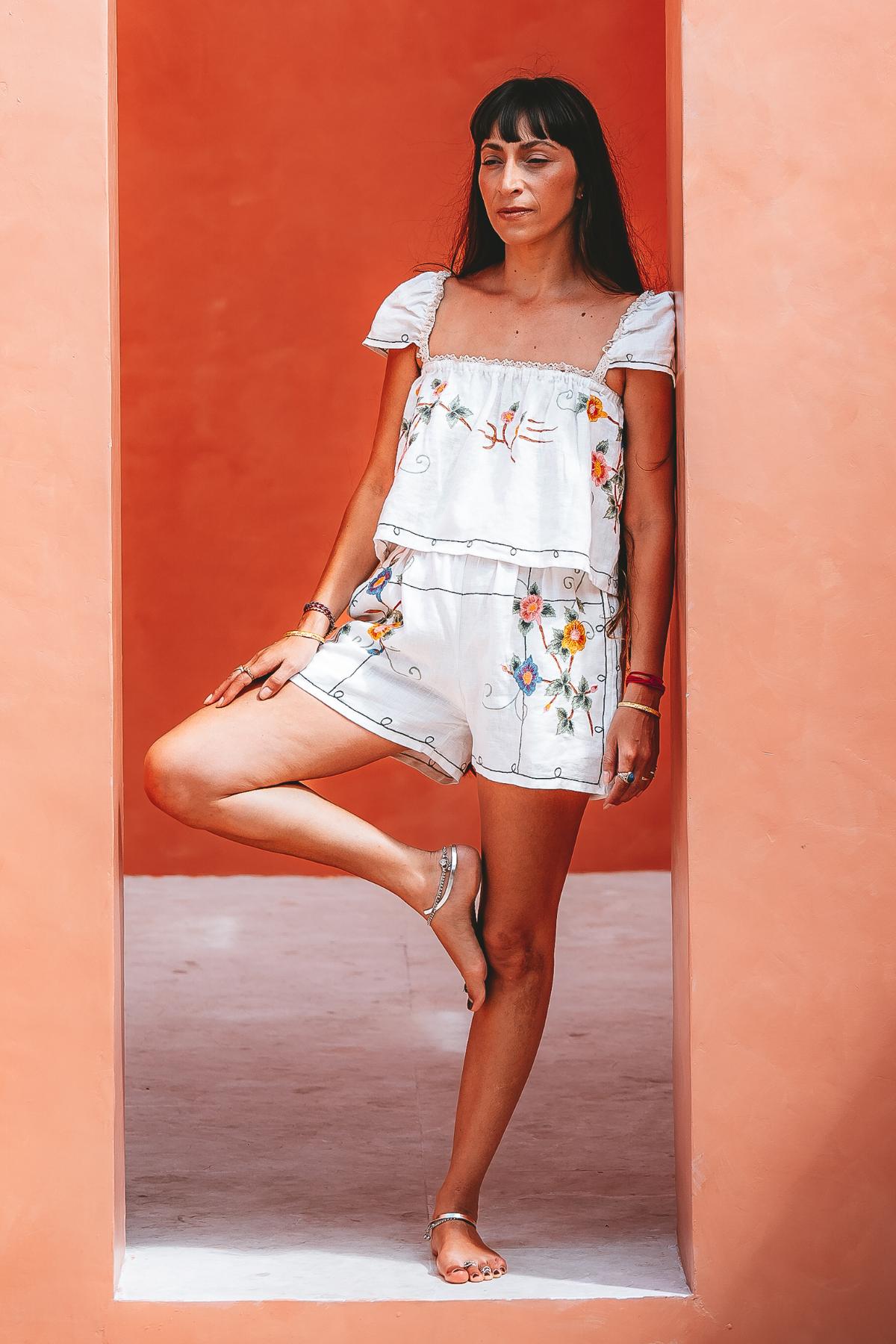
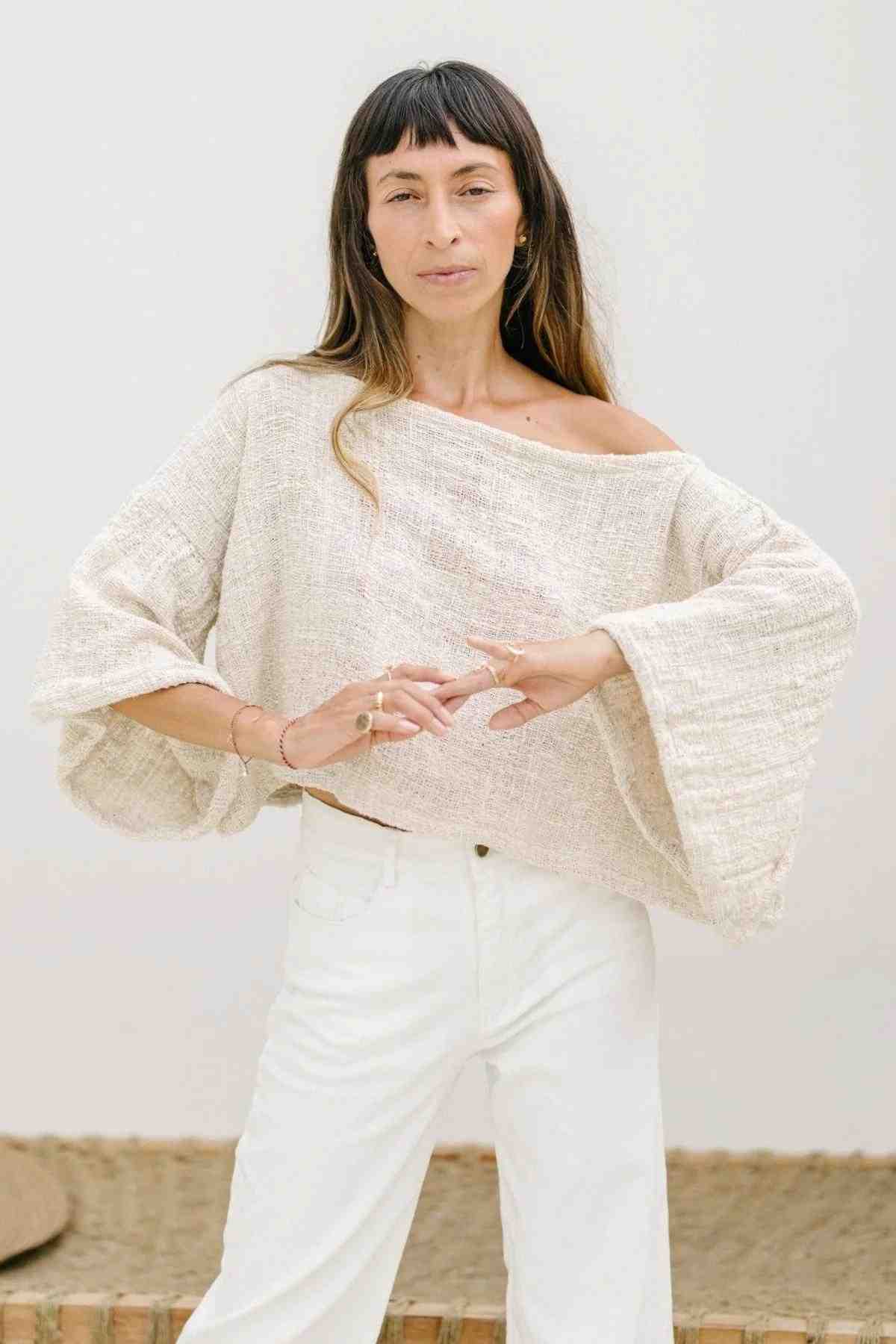
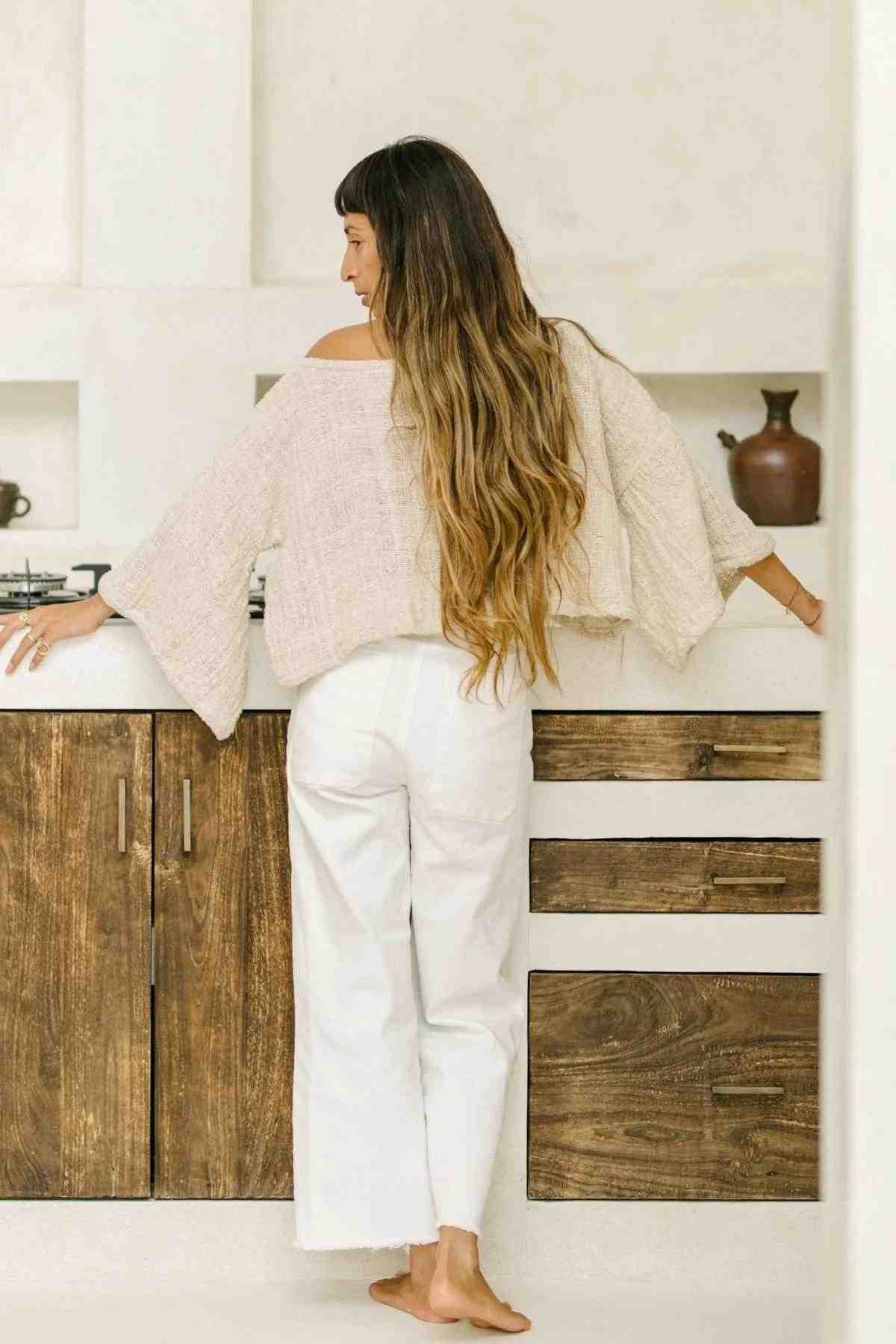
The La Flora Set
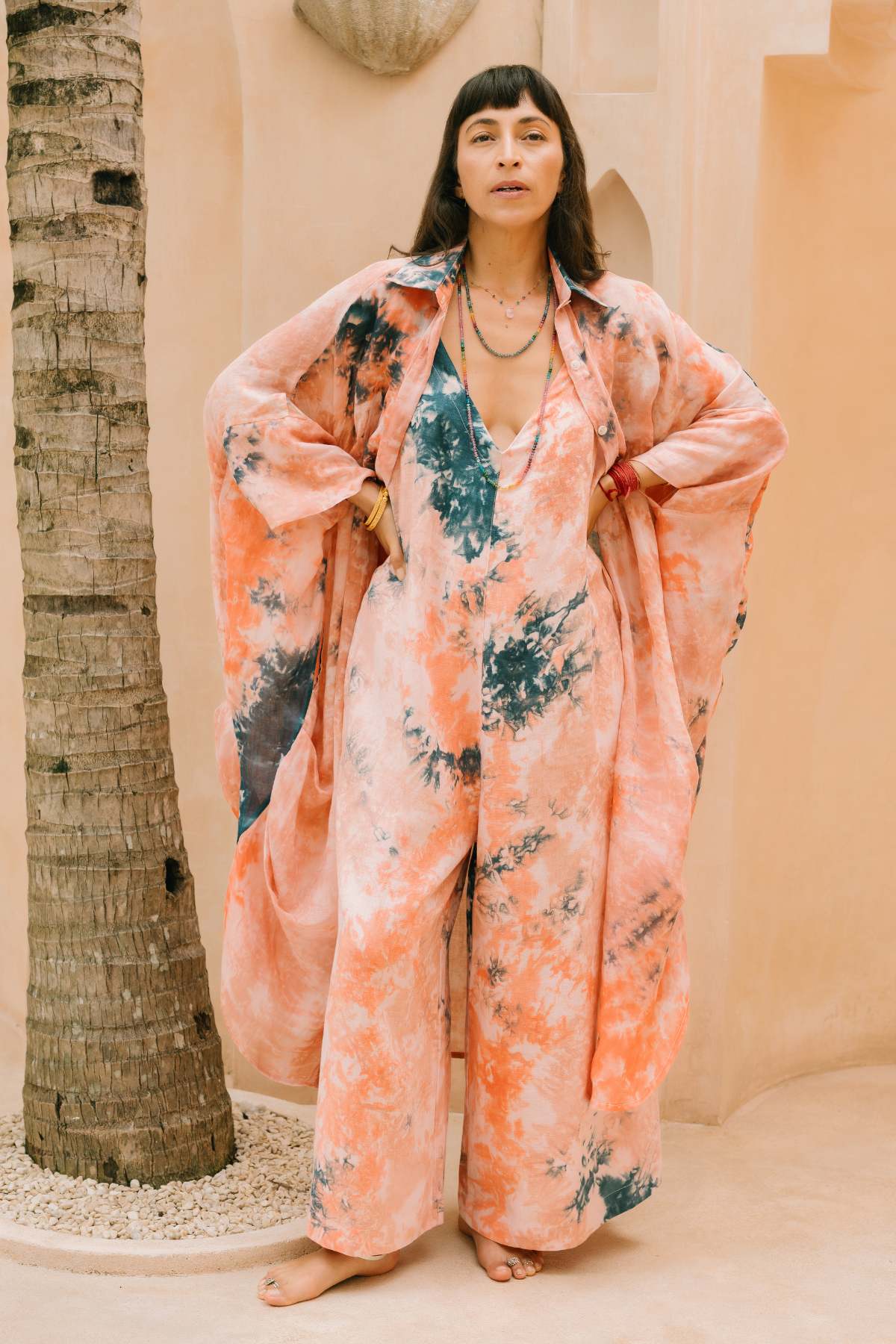
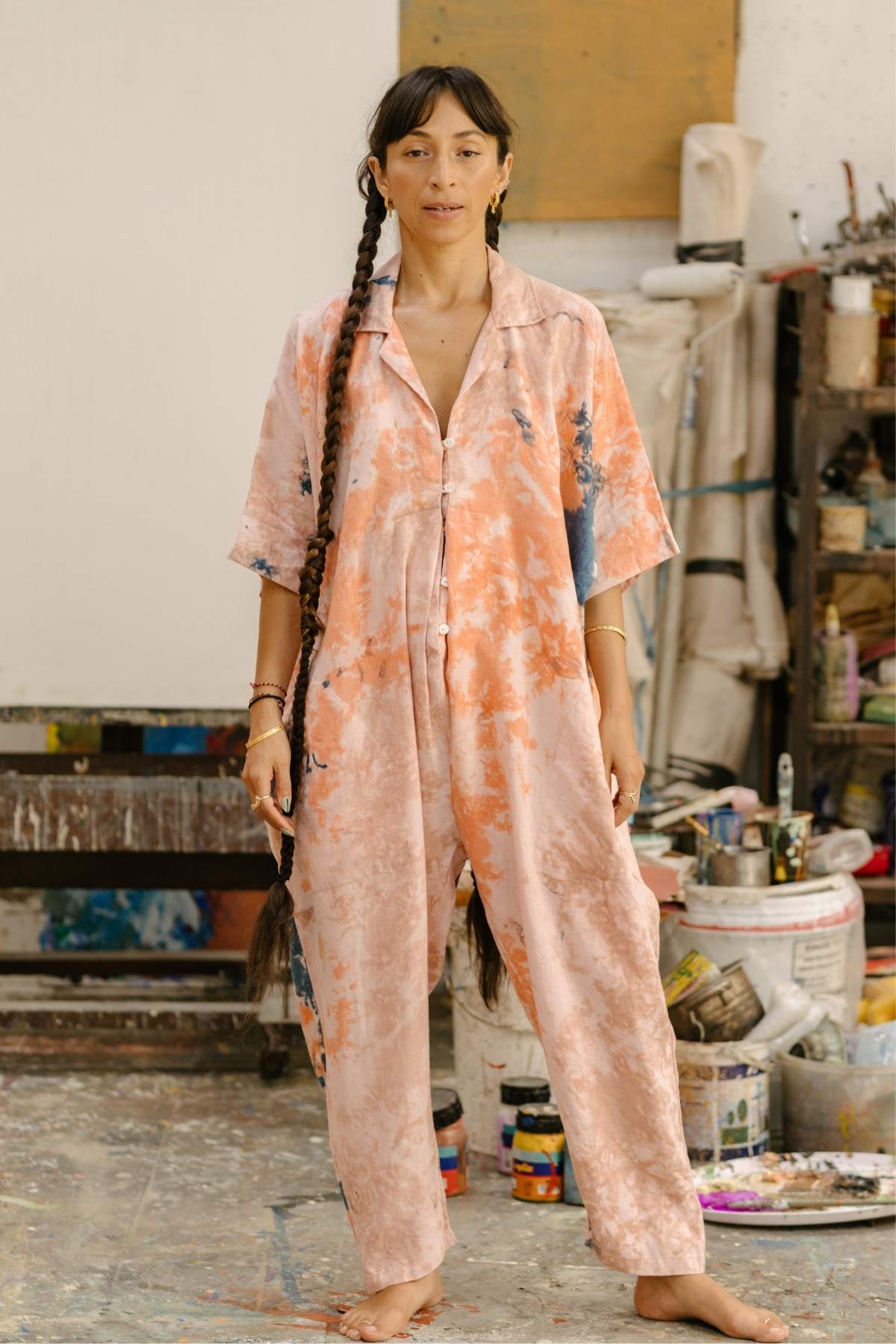
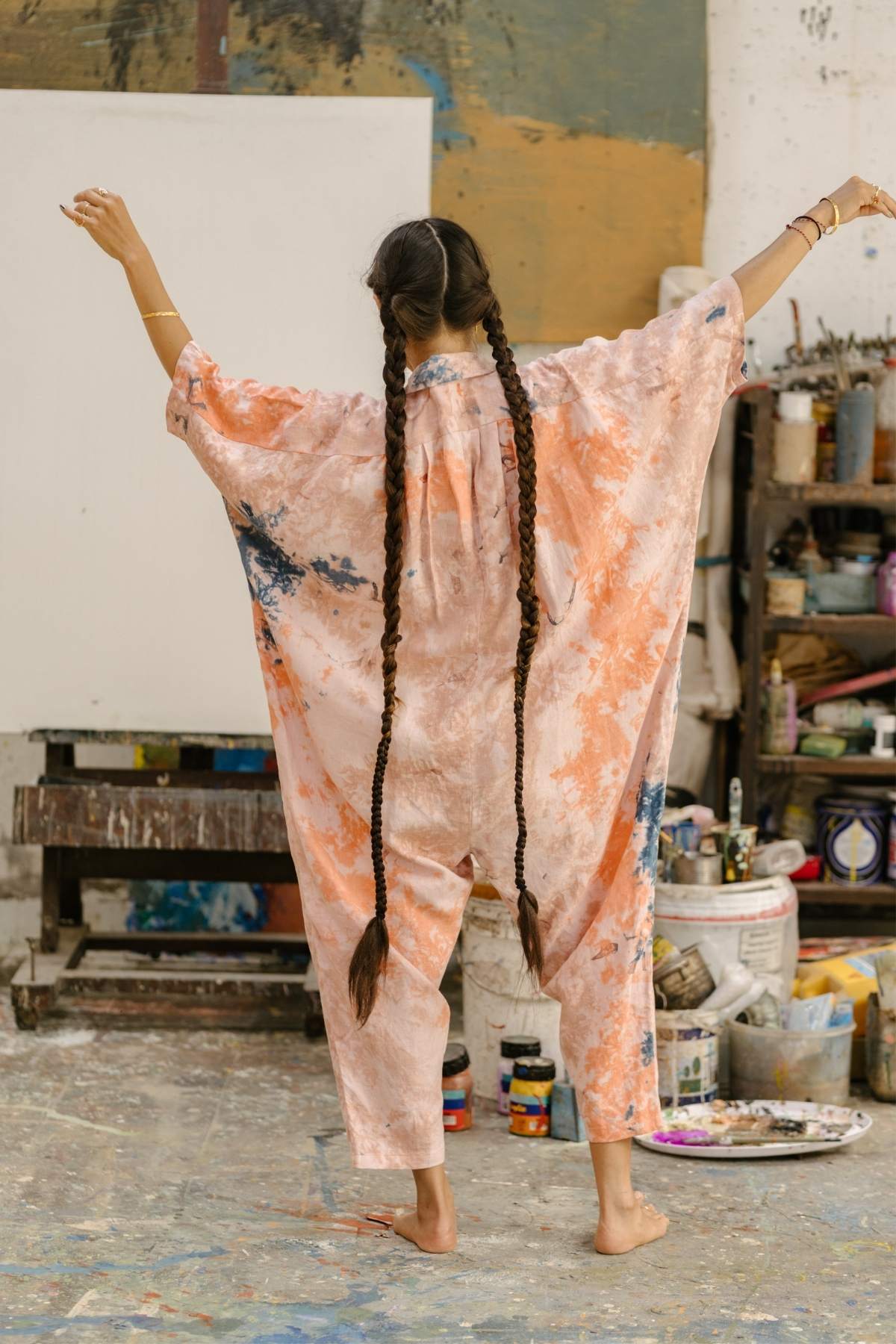
Morning glories in deep blue, roses in soft pink, gold sunbursts, stitched one thread at a time onto natural French linen by the Balinese artisan families who have made this brand from the beginning. The florals come from my father's village in Mexico, where women have always said we were here with needle and thread. Because every set is embroidered by hand, no two are ever quite the same. Made in small batches, and made after you order it.
The Muse-Letter
Dress for the woman
you're becoming.
Every week, from Bali. The cosmic weather, the threshold you're standing on, and one piece made by hand for the woman who is ready.
Join the Muse-LetterUnsubscribe any time. No spam, ever.








Leave a comment
This site is protected by hCaptcha and the hCaptcha Privacy Policy and Terms of Service apply.