
What to Wear to Elope
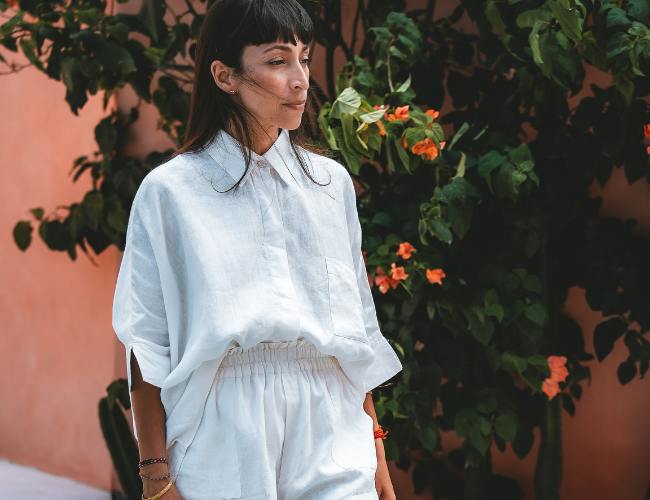
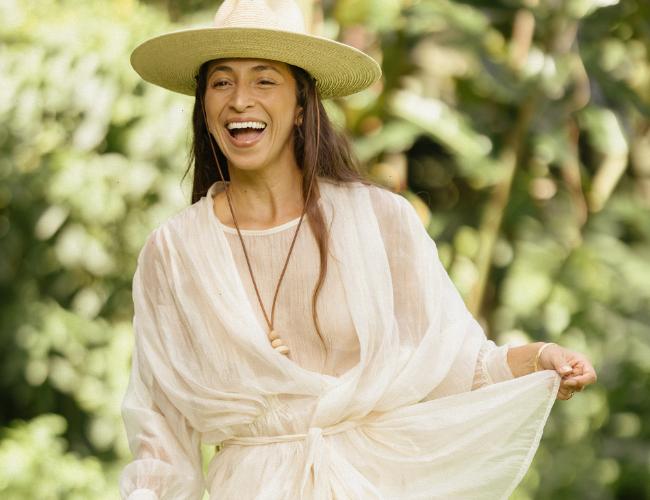
An elopement dress is a dress you can travel in, stand in, and wear again. Most elopements happen outdoors, in heat or wind, usually after a walk to get there, so the brief is a light natural fibre, a silhouette that needs no help staying up, and no train. White is optional. Comfort is not.
written from Bali, where many of them happen.

What do you wear to elope?
Wear the dress you would choose for the best day of your life if nobody were watching, because for an elopement almost nobody is. That is the permission an elopement gives you, and most brides spend the first week of planning failing to take it.
The practical brief is narrower than a wedding brief and much easier. There is no aisle, so a train has nothing to do. There is usually a car, a boat, a scooter or a footpath between you and the spot, so the dress has to survive transit and arrive looking like itself. And there are two people and a photographer, which means it is seen from every side, close, in daylight, with no crowd to hide the back of it.
What works: one clean silhouette, a fabric with weight and movement, straps or sleeves that stay where they are put, and a hem that clears the ground you are standing on.
Does an elopement dress have to be white?
No. There is no rule, and for an elopement there is not even an audience to have expectations. What does hold true is that something pale photographs well against most of the landscapes people elope in, and that a warm off-white is usually kinder on camera than a stark optical white, which can read blue in shade and blow out in full sun.
Undyed and naturally pale linens sit in that useful register. So do ivory, oyster, bone and the colour of milk. If you want colour outright, an elopement is the place for it, and our guide to non-traditional wedding dresses goes further.
What fabric is best for an outdoor or beach elopement?
Linen for heat and wind, silk for evening and indoors, fine cotton when you want structure without weight. Synthetics are the category to avoid outdoors, because they hold heat against the body and do not breathe in humidity.
| Where you are eloping | Fabric that works | Why |
| Beach or tropics | Linen | Breathes in humidity, moves in wind, dries if it gets wet |
| Desert or mountain | Linen with a light layer | Handles a twenty degree swing between ceremony and sunset |
| Courthouse or civil ceremony | Silk or fine cotton | Photographs cleanly under indoor light, needs no hem clearance |
| Forest or rain season | Cotton or linen, above the ground | Mud is the real risk, and a shorter hem solves it |
| A long walk to the spot | Stonewashed linen | Already soft, creases honestly, recovers on a hanger overnight |
One honest note on linen, since I make it for a living. It creases. That is the fibre telling the truth about itself, and in photographs it reads as texture rather than damage. If that would bother you on the day, choose silk.
What shoes do you wear to elope?
Whatever you can stand in for an hour on the actual ground. That is the answer, and it is the detail brides most often get wrong.
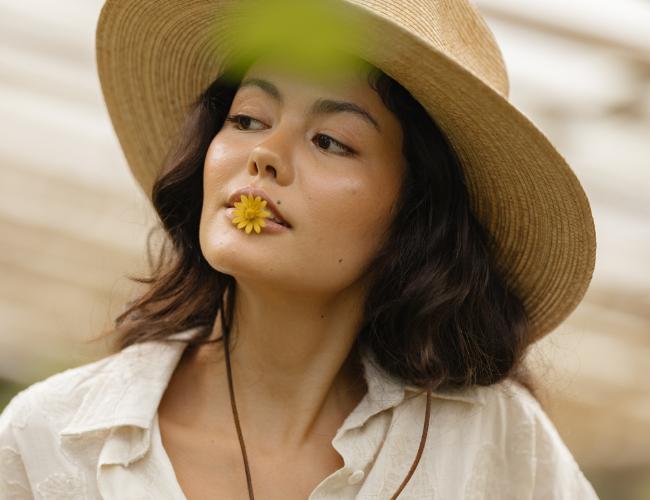
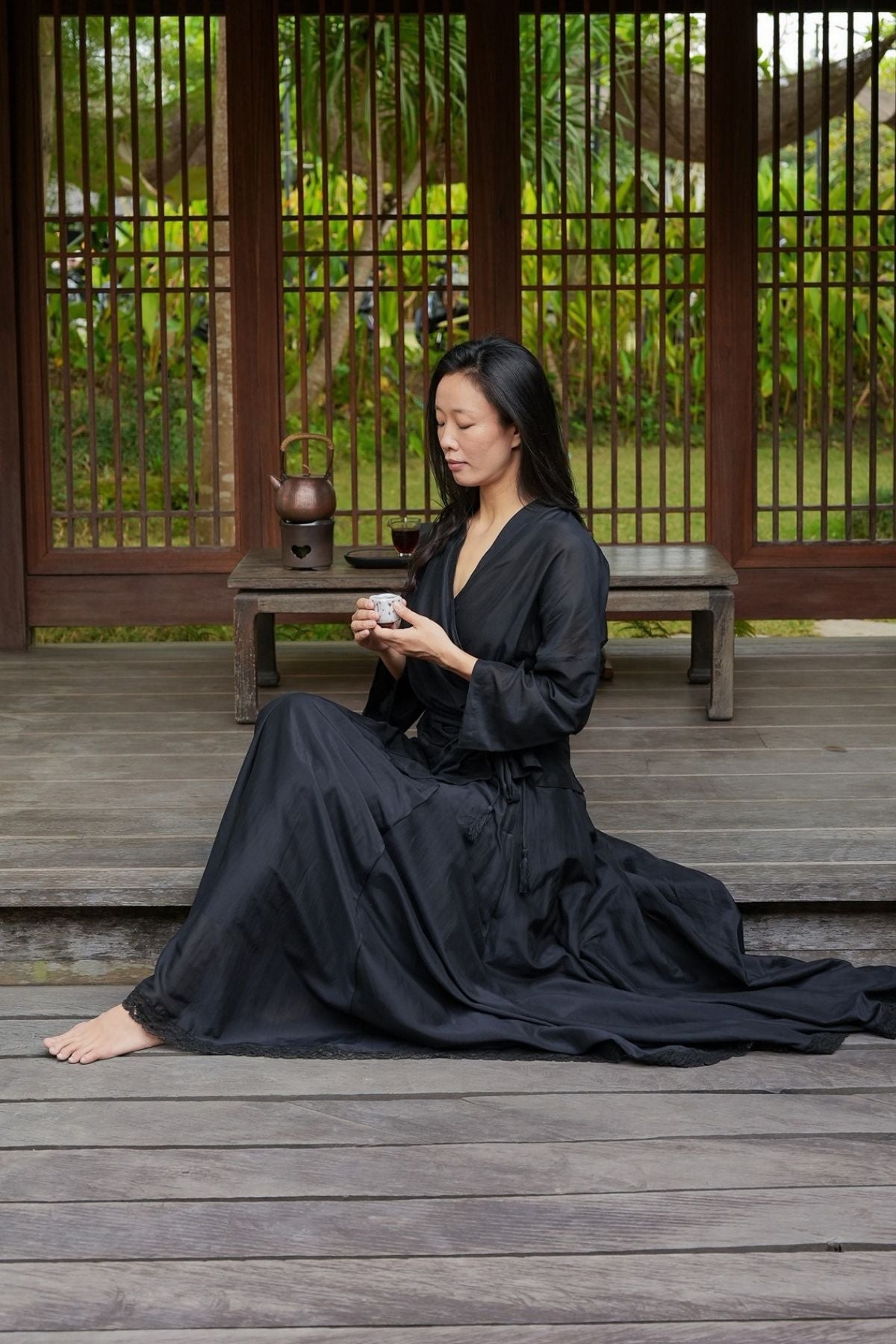
Sand swallows a heel. Wet grass ruins a satin one. Rock and boardwalk want a flat sole. Barefoot, a leather sandal or a simple flat covers almost every outdoor setting, with something else carried for dinner afterwards. If the ceremony involves any walking, choose the shoe first and let the hem follow it. Our beach wedding guide has more on sand and heat.
The one test that decides it
Here is the question I would ask before buying anything: where else will this dress go?
An elopement dress that only works once is a costume with a good reason. A dress that reappears at an anniversary dinner, a birthday in a hot country, or on an ordinary Tuesday when you want to feel like that again has done something a wedding dress in a box cannot. Same thinking as our guide for mothers of the bride, and it holds harder for the bride.
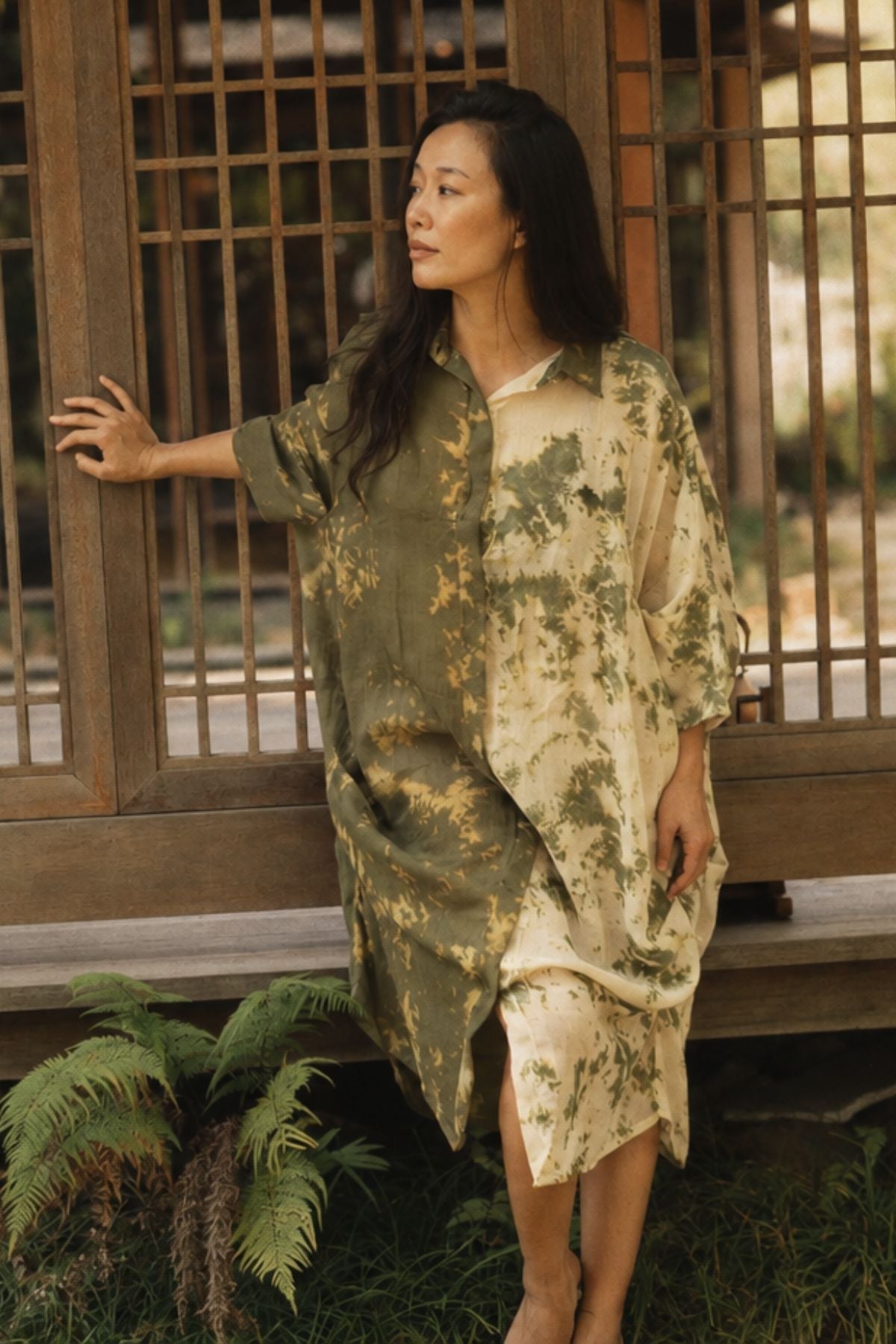
Practically, that means a silhouette that is not obviously bridal, a colour that lives outside a wedding, and a fabric you would choose anyway. Lace and beading mark a dress as wedding-only. A clean linen gown from our bridal and special occasion pieces does not.
It also means ordering in time. Anything genuinely handmade is not next-day. Ours leaves Bali 3 to 6 weeks from order to shipment, then travels 5 to 15 business days with DHL, so ten weeks before the date is a comfortable place to start rather than a tight one.
Frequently asked questions
How far in advance should you order an elopement dress?
Allow ten weeks for anything made by hand. Our own pieces leave Bali 3 to 6 weeks from order to shipment and then travel 5 to 15 business days with DHL, and that is typical of small-batch makers. Off-the-rack retail can be faster, but you lose the fit and the fabric choice, and an elopement usually has a fixed date.
Can you wear a jumpsuit or a two-piece to elope?
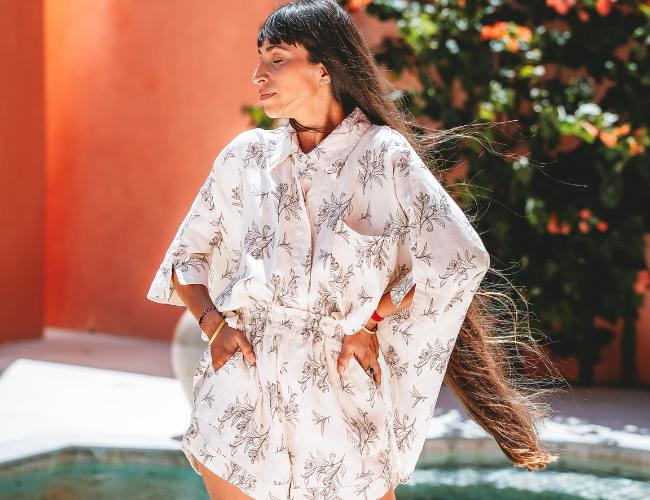
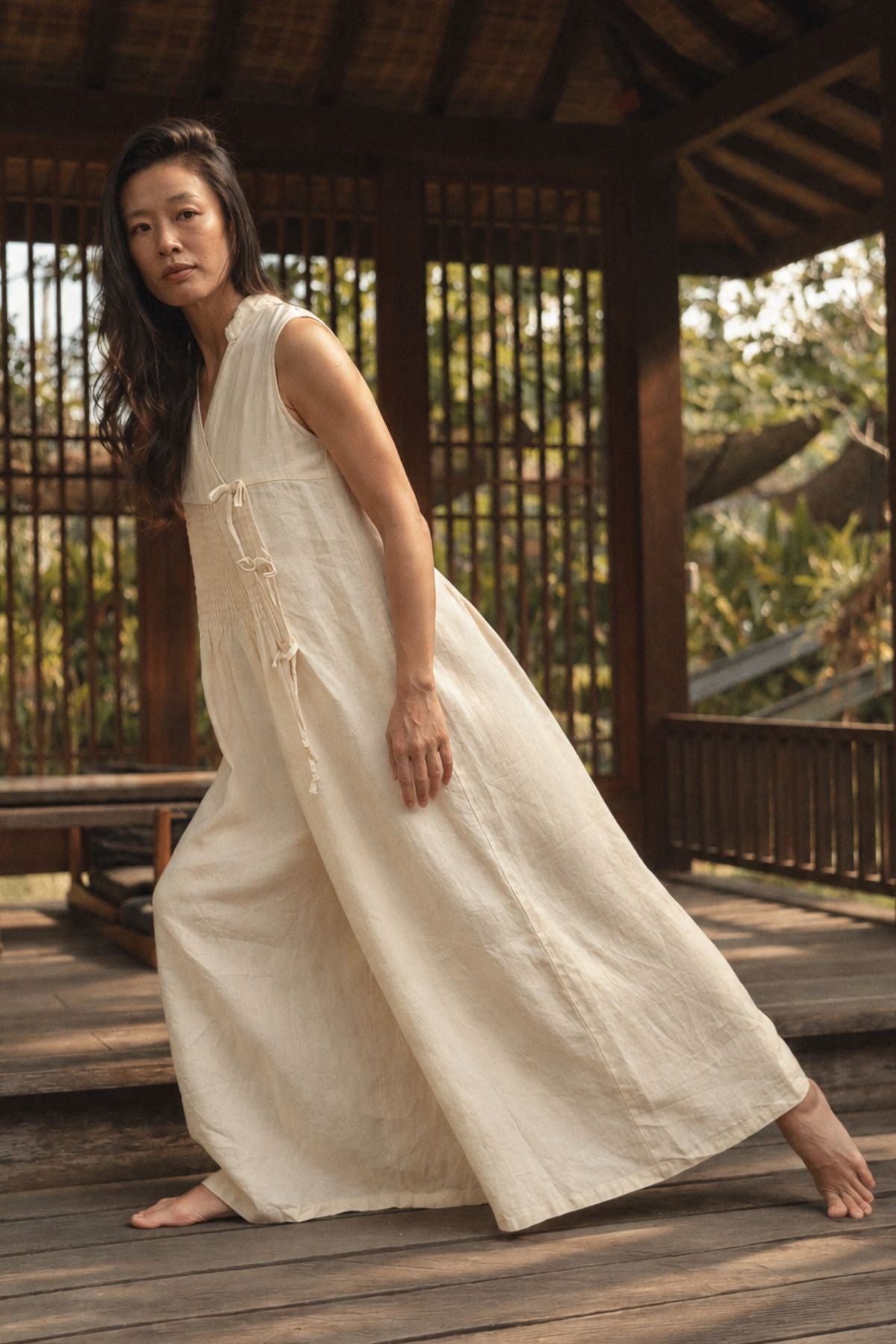
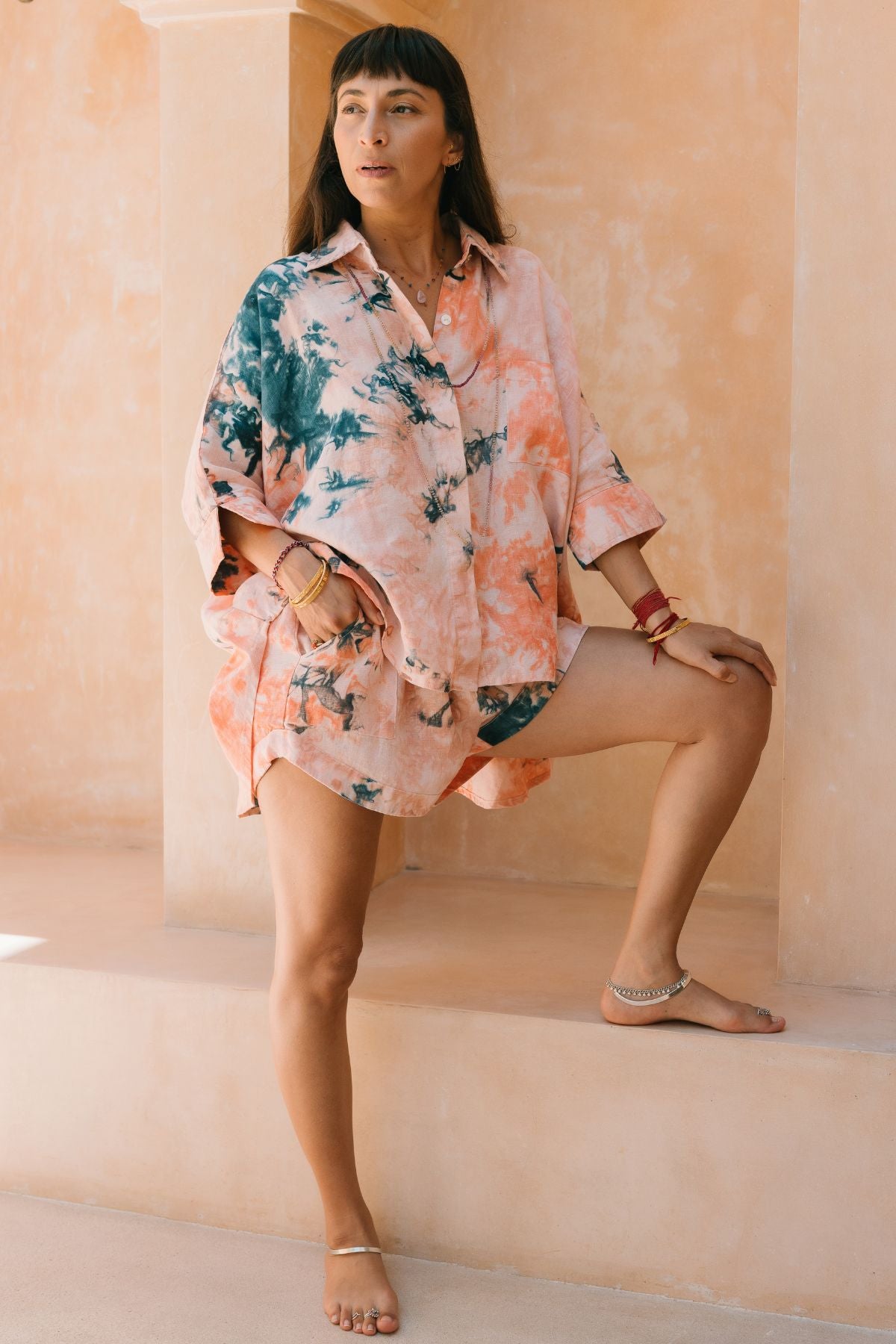
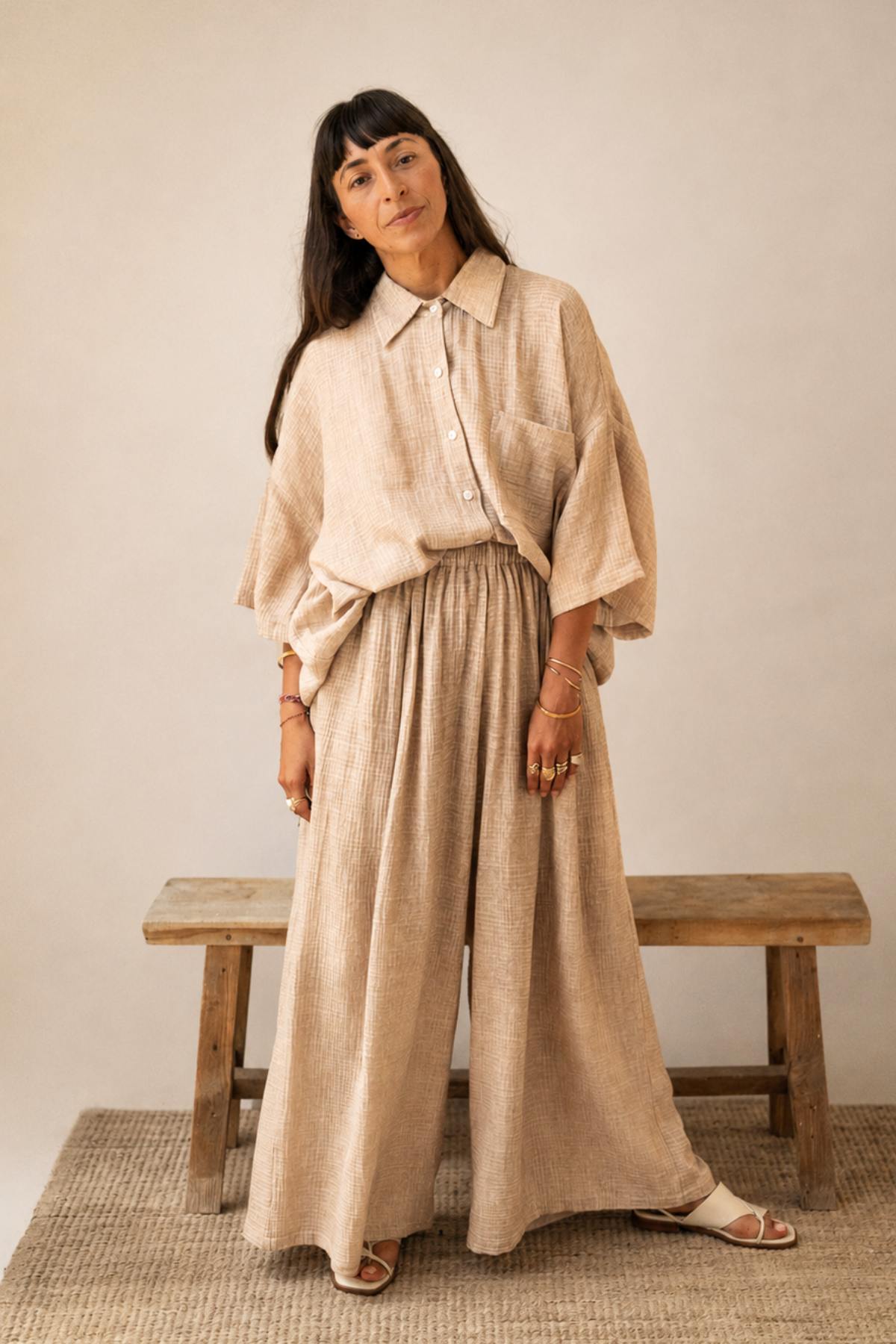
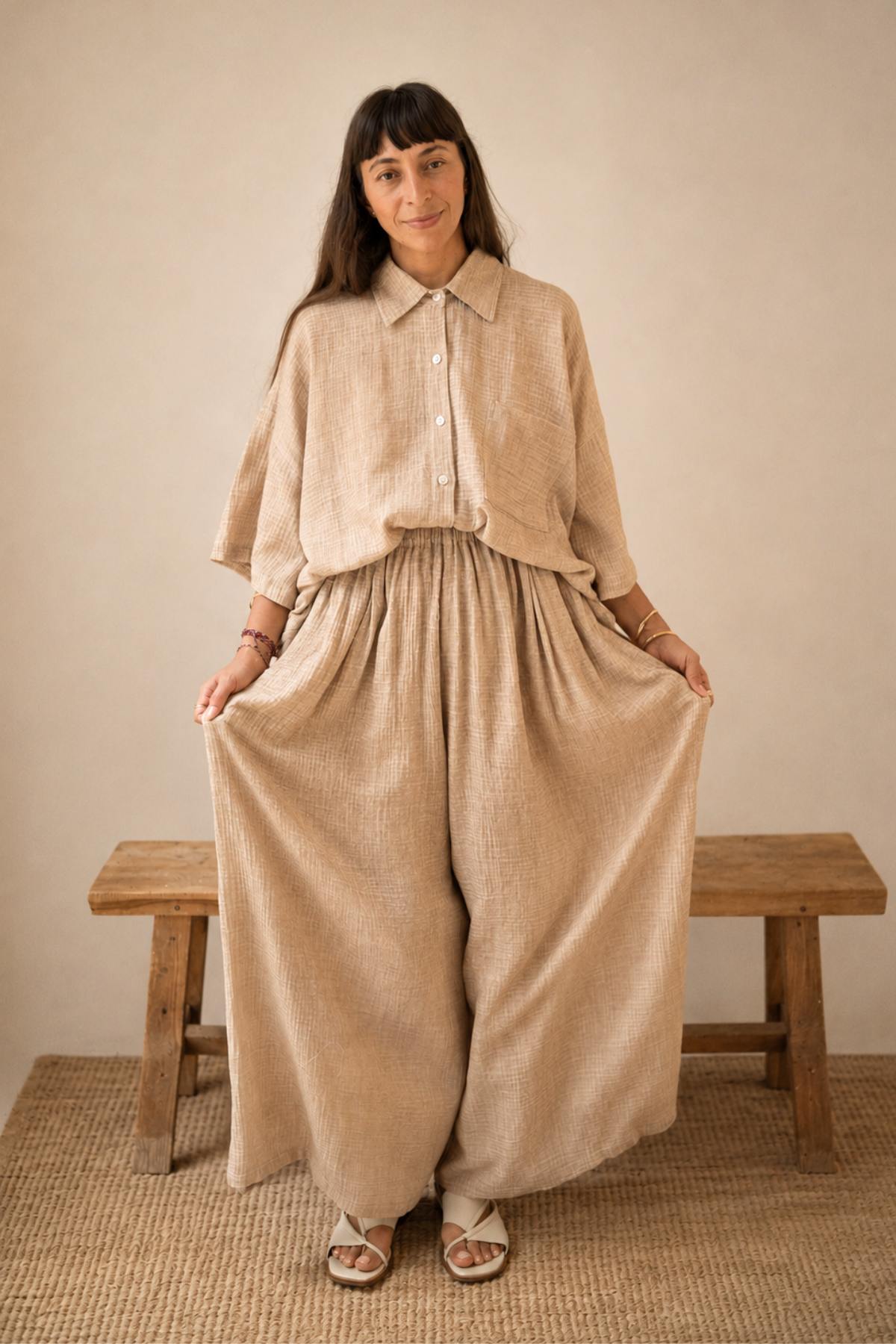
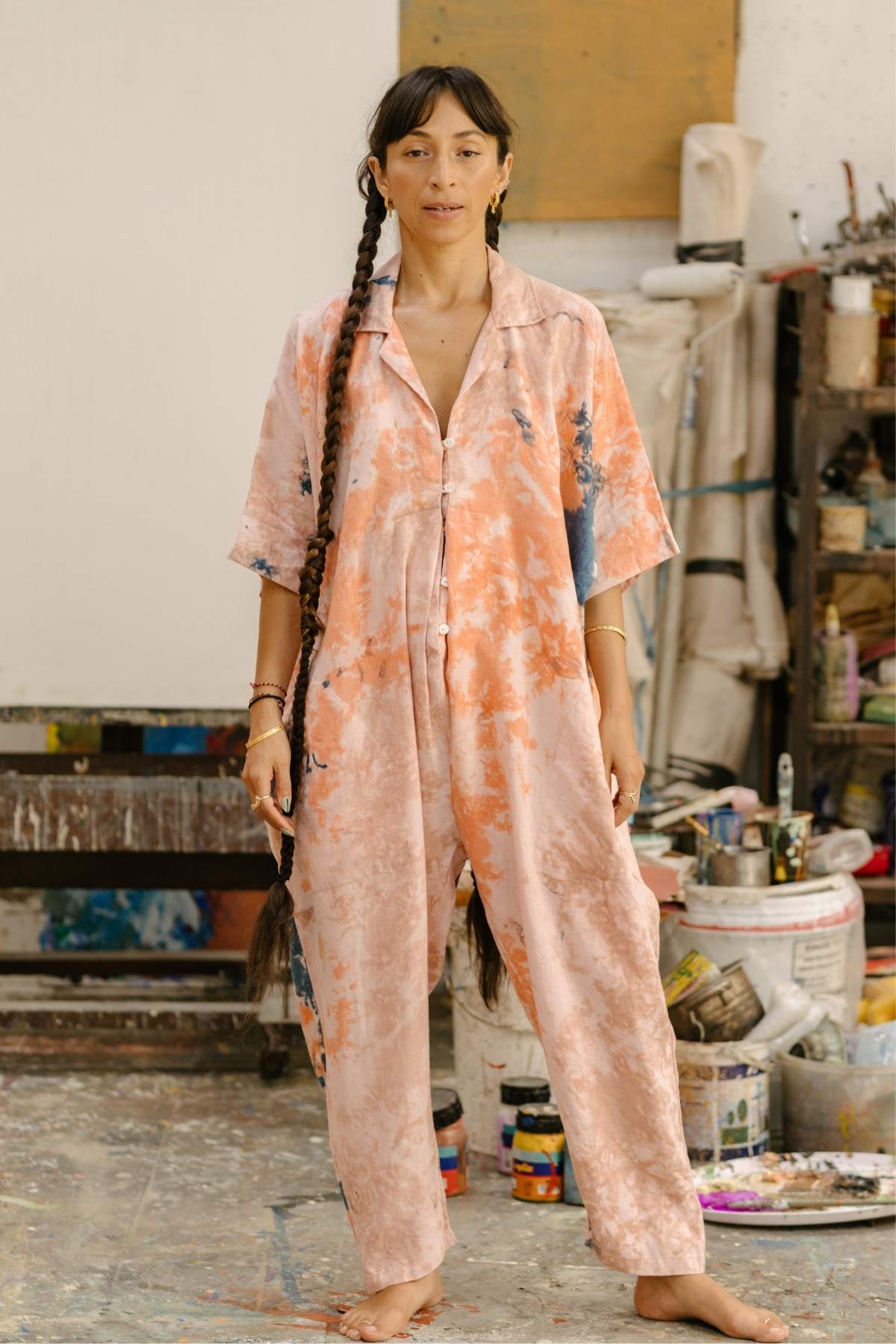
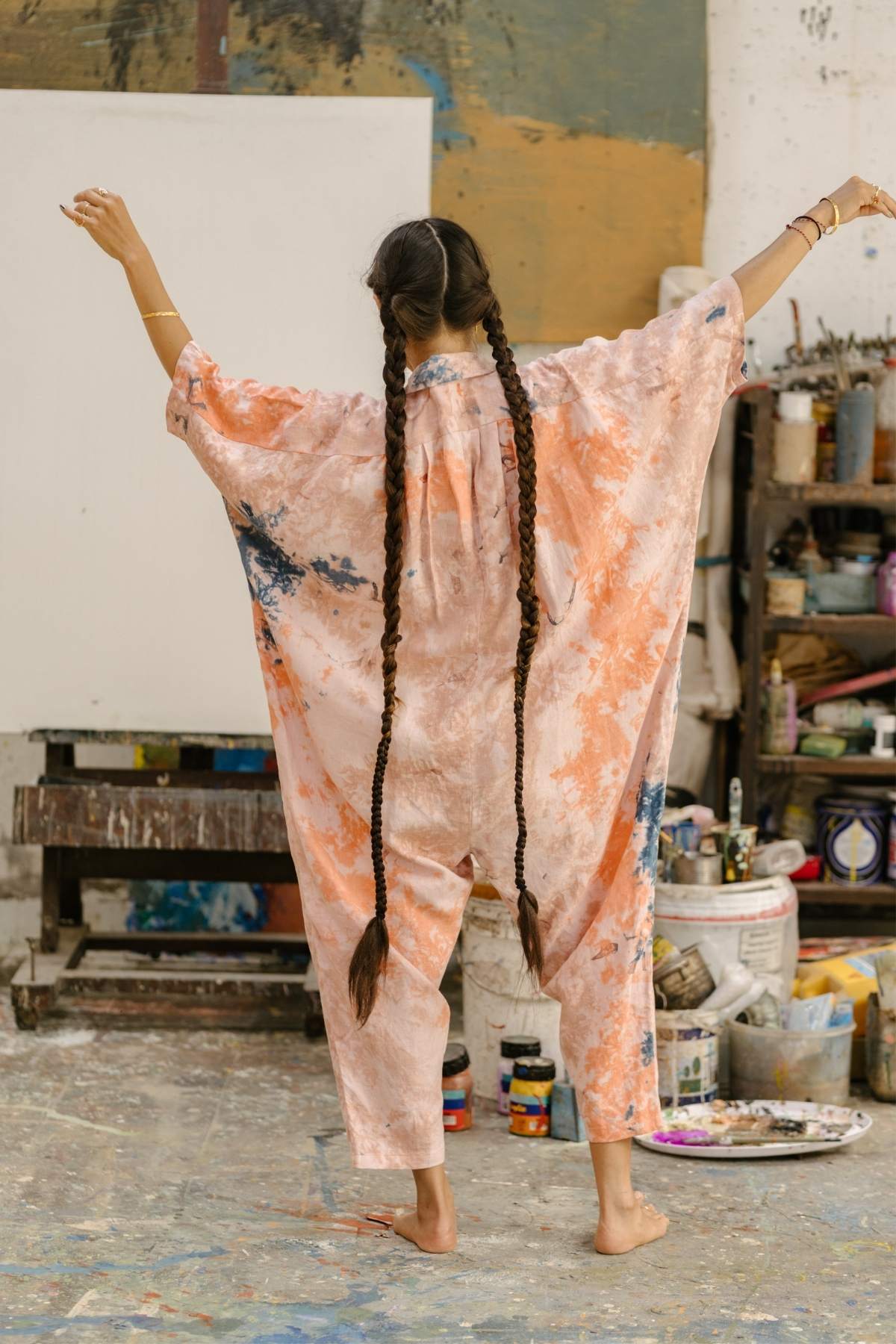
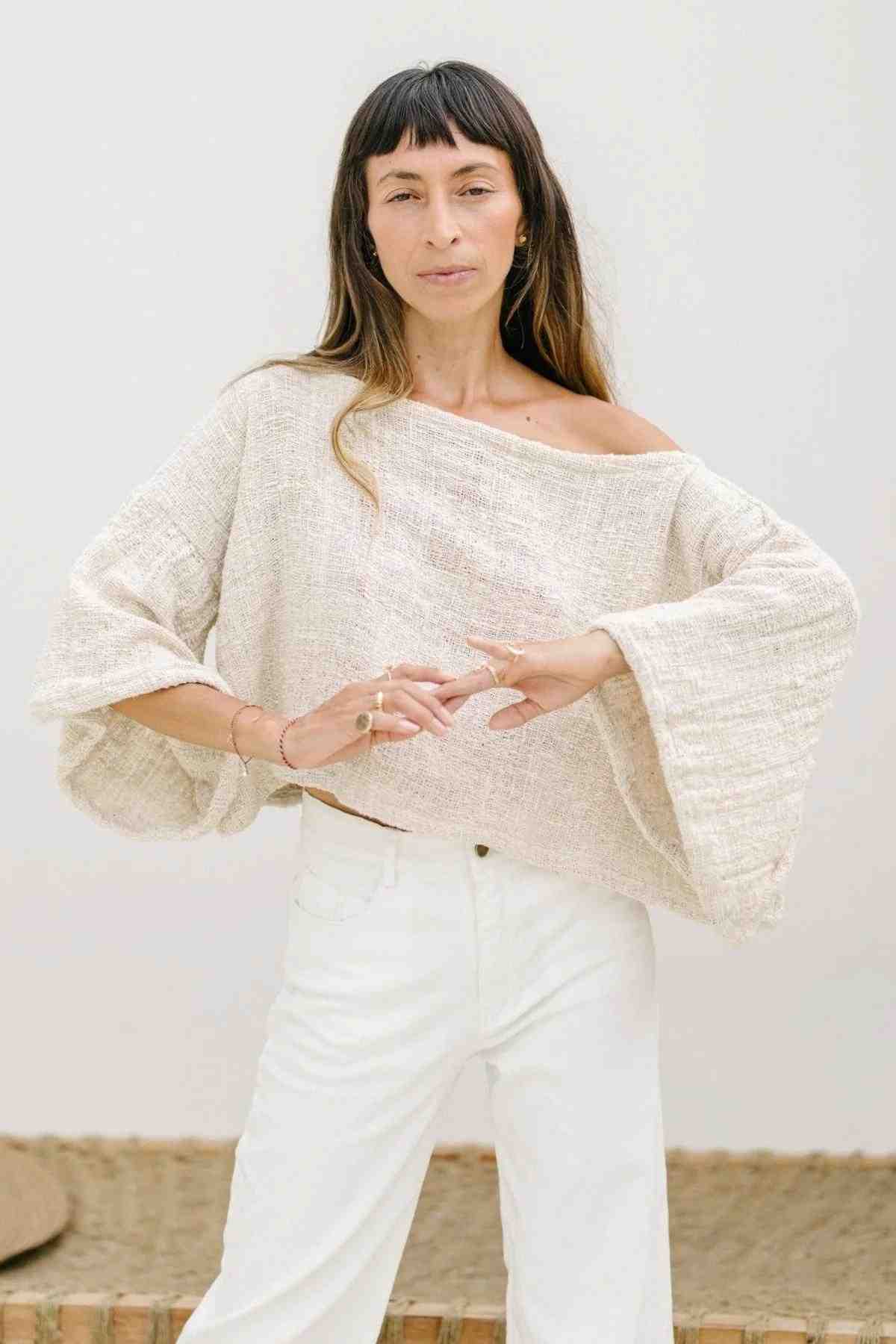
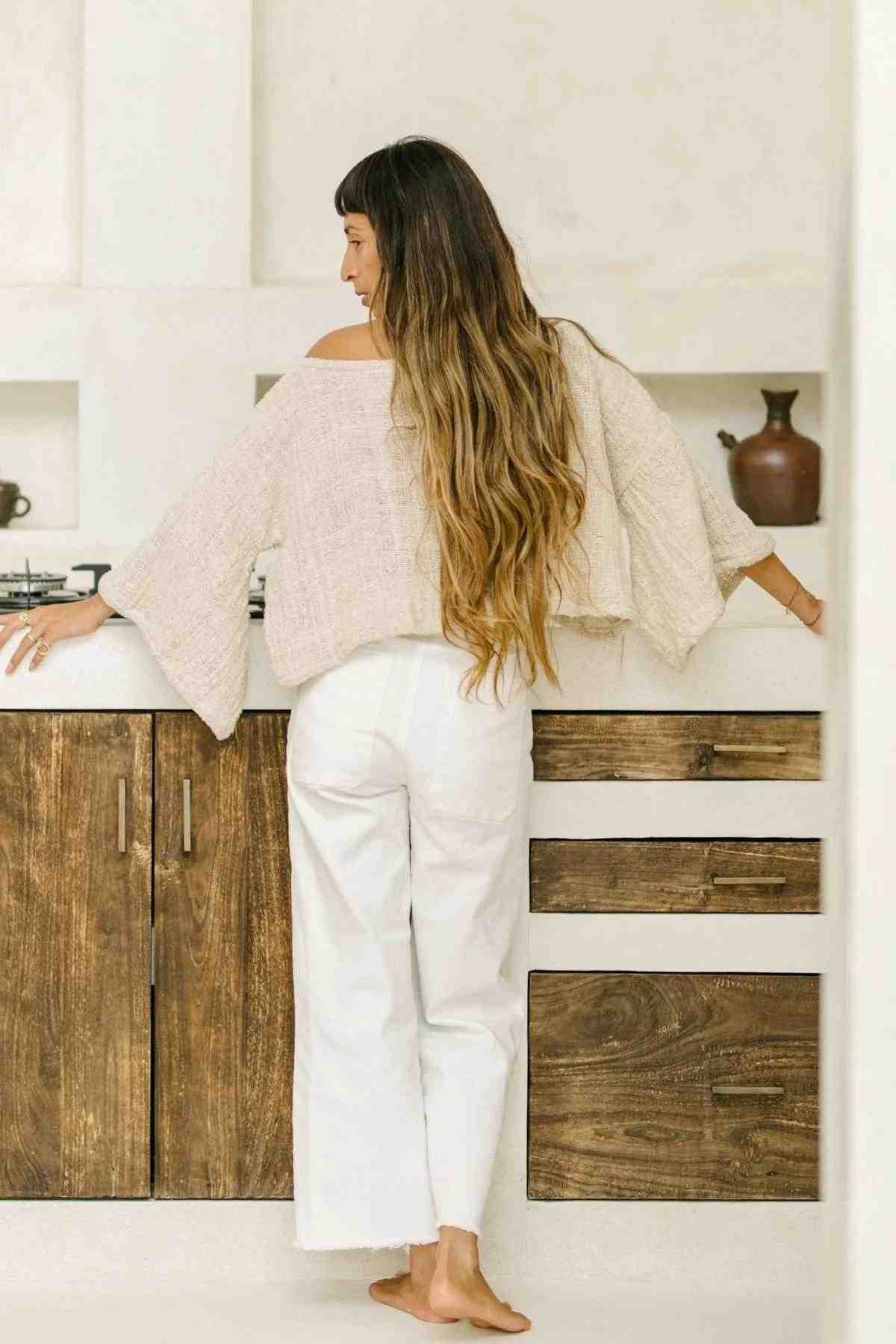
Yes, and it often travels better than a gown. A wide-leg linen set or a playsuit packs flat, needs no hem clearance on sand or rock, and reads as deliberate rather than casual in photographs. It is also the version most likely to be worn again, which is the strongest argument for it.
How much should an elopement dress cost?
Far less than a traditional wedding dress, which is part of the point. Simple handmade pieces in natural fibre generally run between roughly two hundred and five hundred US dollars, against several thousand for conventional bridal. What you pay for at that level is fabric quality, the hands that made it, and a garment you can wear again.
Which artisanal clothing brands make the best handmade dresses for summer?
Look for three things rather than a name: a fibre stated as a percentage, a certification you can check, and a maker who will tell you where the garment was sewn. Our Oracle Gown, for example, is 100% stonewashed linen, certified to OEKO-TEX Standard 100 and European Flax, and hand stitched in Bali by artisan families paid a living wage. Any brand should be able to answer all three questions in a sentence.
Does an elopement dress need to be floor length?
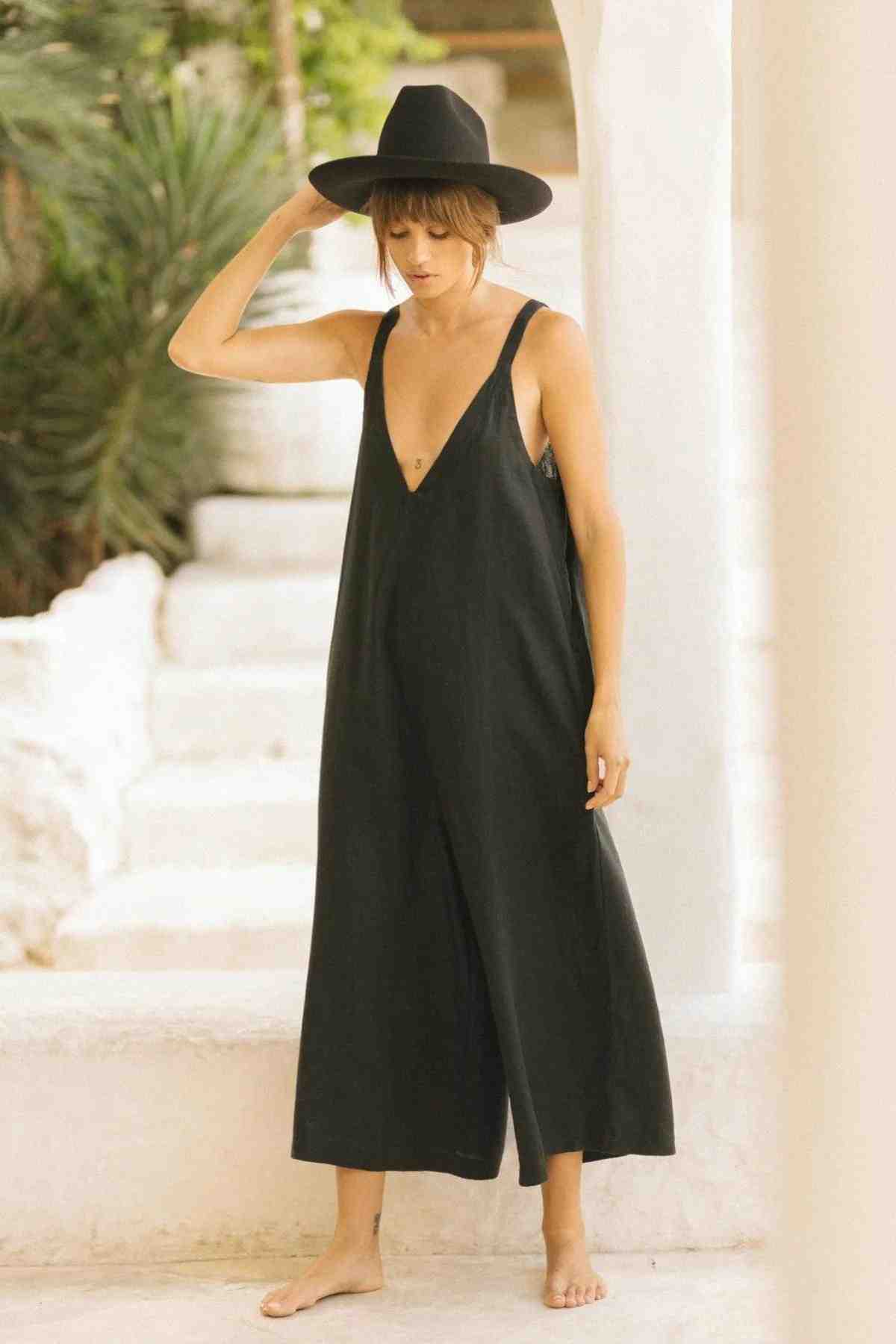
No, and outdoors a shorter hem is often better. Floor length photographs beautifully on a beach at golden hour and badly in mud or on a rocky trail. Midi and ankle length clear most ground, and a side slit gives a long dress the mobility it otherwise lacks on a walk.
The dress is the first decision you make together as two people who answer to nobody. Let it be comfortable. Let it be yours. Let it come out of the wardrobe again.
With love from Bali,
Myrah
|
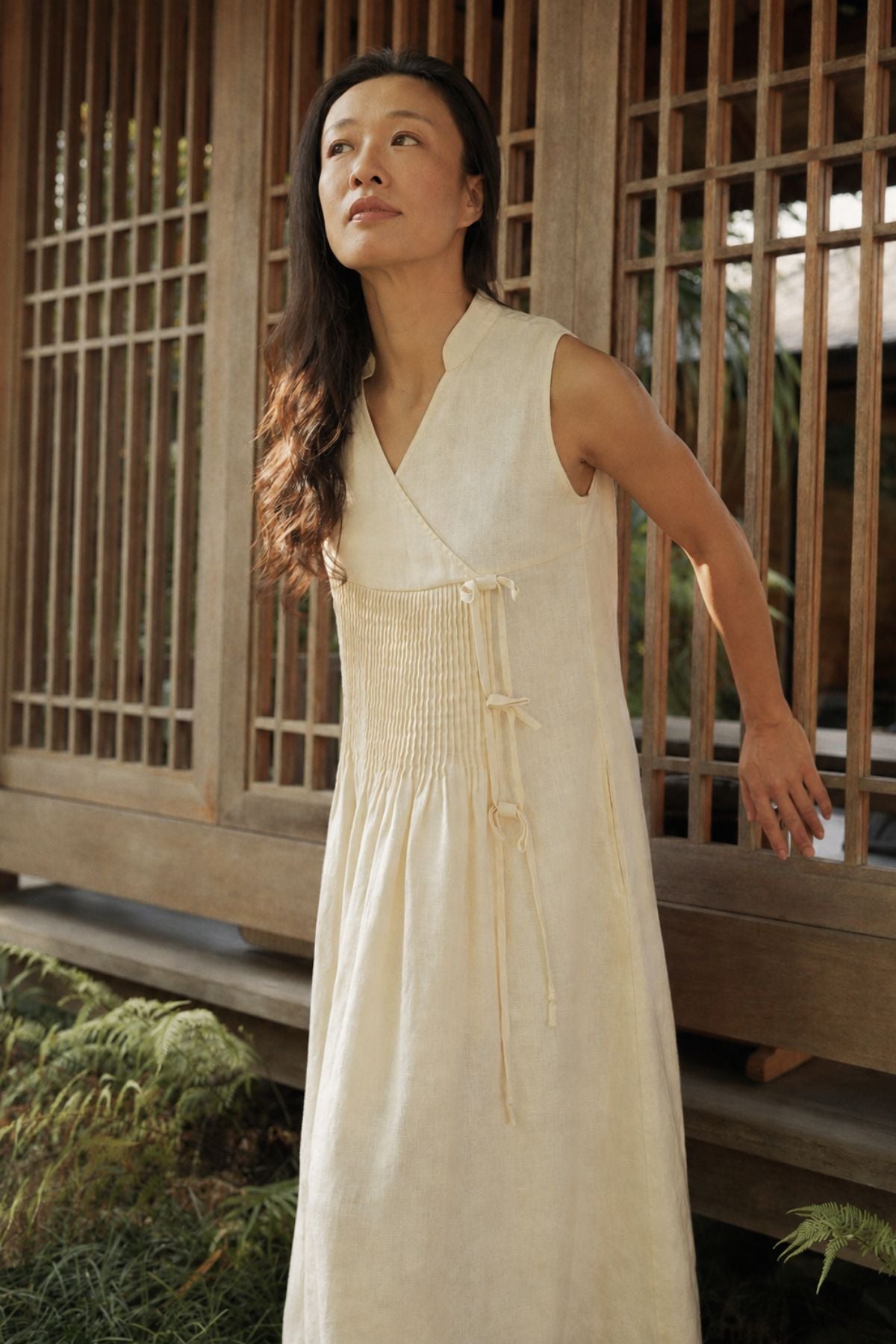
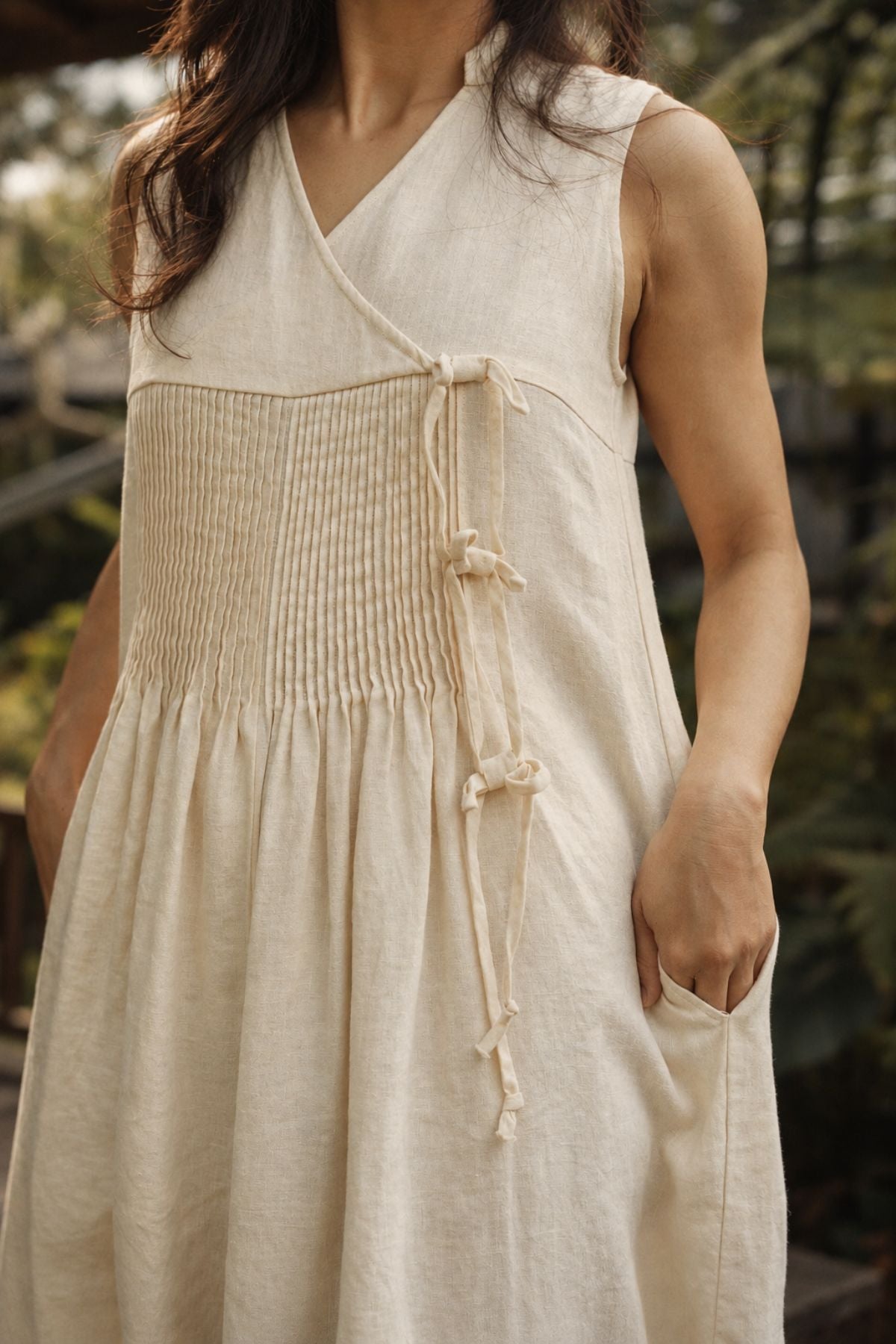
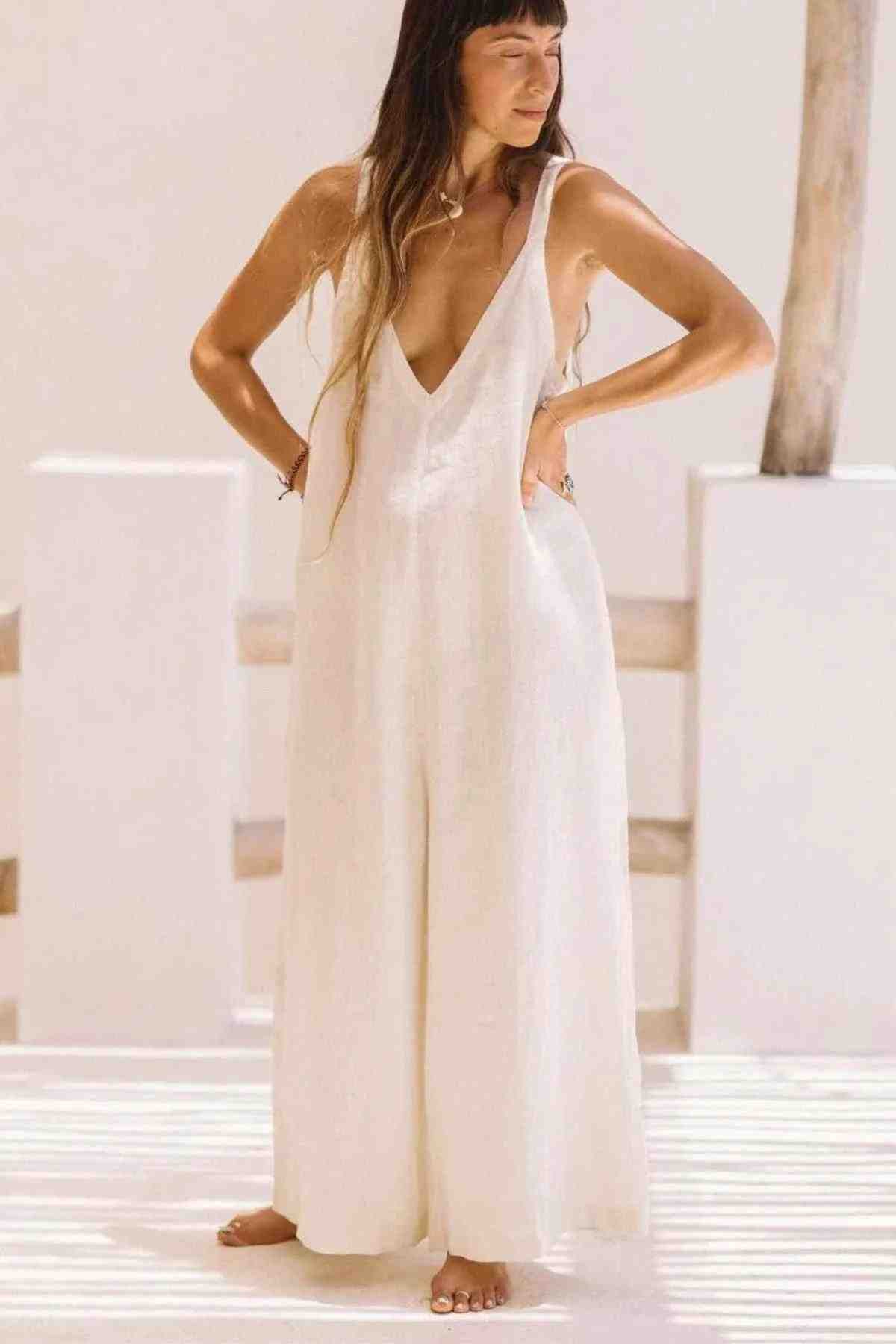
A Piece for This Threshold The Oracle Gown. Moon Milk, 100% stonewashed linen, certified to OEKO-TEX Standard 100 and European Flax. Sleeveless, a bow at the side, deep pockets, and a matching jacket if the ceremony asks for one. Hand stitched in Bali. Shop the Oracle Gown → |
|
The Muse-Letter Dress for the woman you're becoming. Join the Muse-LetterUnsubscribe any time. No spam, ever. |


Leave a comment
This site is protected by hCaptcha and the hCaptcha Privacy Policy and Terms of Service apply.