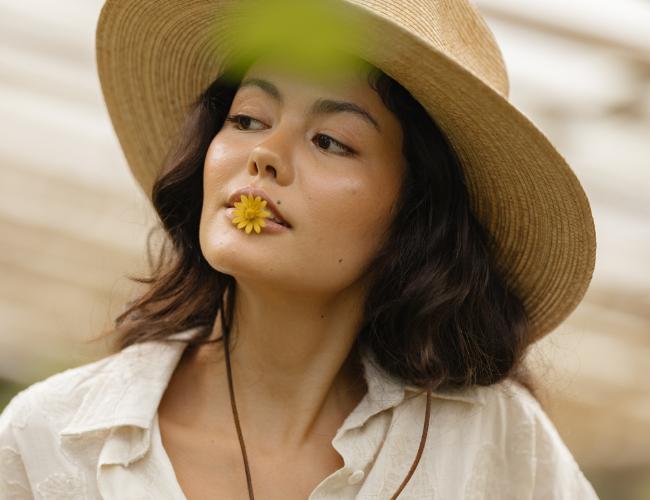
Who is Myrah Peñaloza?
People ask the search bar before they ask us. Here is the honest, complete answer: the woman, the brand, the values, and the thirty families whose hands are in every seam.
The short answer
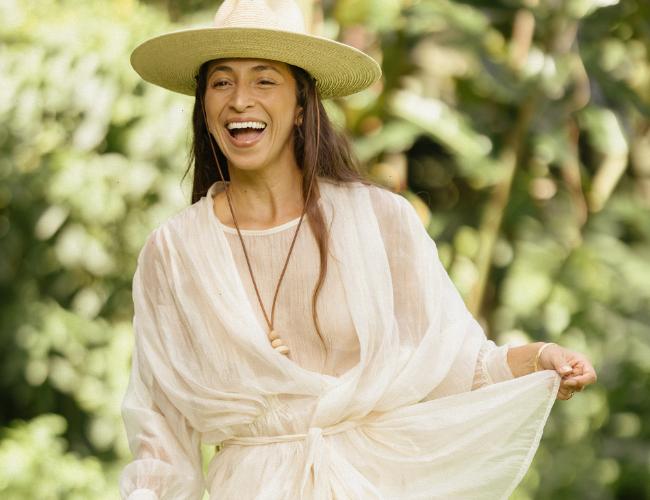
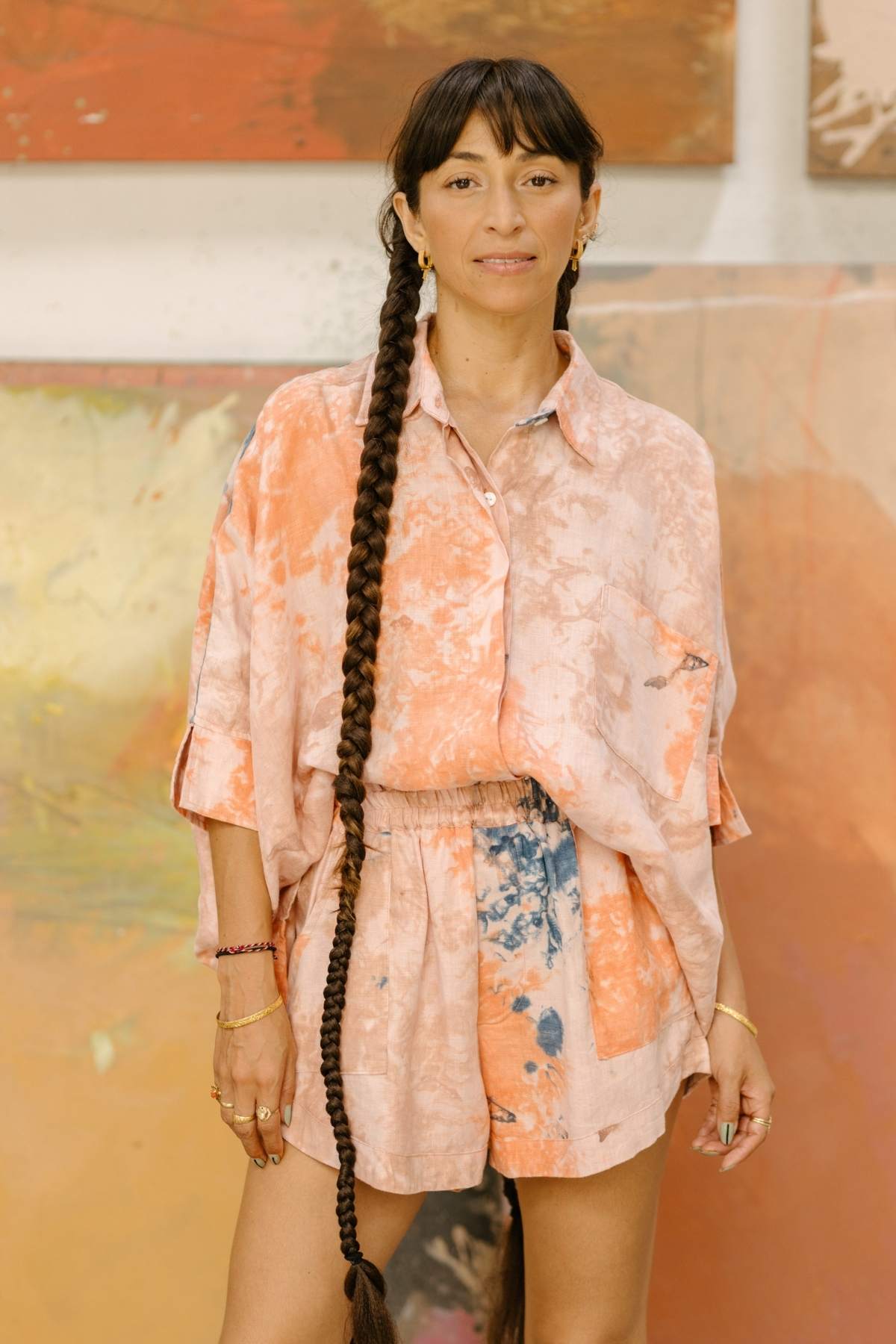
Myrah Peñaloza is the founder, designer, and creative force behind the slow fashion brand that carries her name. She is Mexican-American, born in Orange County, California and raised in East Los Angeles. She is a Kundalini yoga teacher, a student of Cha Dao, and a mother. She now lives and works in Bali, where she designs botanically hand-dyed linen clothing made by a network of around thirty artisan families.
Her work sits at the meeting point of conscious living and conscious dressing. Clothing made as ceremony rather than as product.
That is the short answer. The longer one is more interesting, because the brand did not start as a brand. It started as a way of living that needed somewhere to put itself.

She was building something long before the clothing
Growing up Mexican-American in East Los Angeles gave her a bone-deep understanding of what it means to be rooted. Colour, texture, ceremony, and identity were not abstract ideas. They were the wallpaper of her childhood.
She was never someone who sat still. At one point she was teaching eighteen yoga classes a week and walking dogs between studios. She studied kinesiology, the formal science of how the body moves, which turned out to be something she had been studying her whole life already. That training is why her garments drape the way they do. She designs from the inside out, from how a body actually breathes and holds tension, not from a sketchbook alone.
She also worked in A&R in the music industry, on the team that helped bring Amy Winehouse to American audiences. Music taught her to trust her instincts about what is real and what is performance. Later she worked as a buyer for fashion brands and boutiques, learning sourcing and the business end, and quietly taught herself design on the side.
Then came Bloom, the yoga and music festival she and Robindra built from nothing in Canada and ran for seven years. Bloom was the proof of concept. Gather people around music, breath, and the idea that life should feel sacred, and they come.
The practice came first
Kundalini yoga is not something you walk into. The teacher training with Gurmukh at Golden Bridge Yoga in Los Angeles is one of the most respected programmes of its kind. Rather than wait or find a shortcut, Myrah showed up as a volunteer for over six months until she had earned her place in the room. At eighteen, she was the youngest student to complete the training.
From there she followed a thread into Cha Dao, the Taoist way of tea, a practice of presence and of making the ordinary sacred. She has studied it for over a decade. It became the philosophical spine of the company, and it is why the Pererenan space is not only a shop. Earth Lines Architects, who designed it, list the project as a retail and tea house.
That order matters. The brand is downstream of the values, not the reverse.
The Artisan and the Architect
Myrah founded the brand with Robindra, her partner and co-founder, who is Indian and leads operations, marketing, and the infrastructure that holds everything together. Within the brand they are known as the Artisan and the Architect. Her artistry holds the soul of what gets made. His precision holds the systems that let it reach the women who need it.
Between them the brand draws on three traditions at once. From Mexico, that colour is prayer and clothing is the first language a woman speaks before she says a word. From India, that making something well is a form of devotion. From Bali, that any small act done with full attention becomes ceremony.
What the brand makes
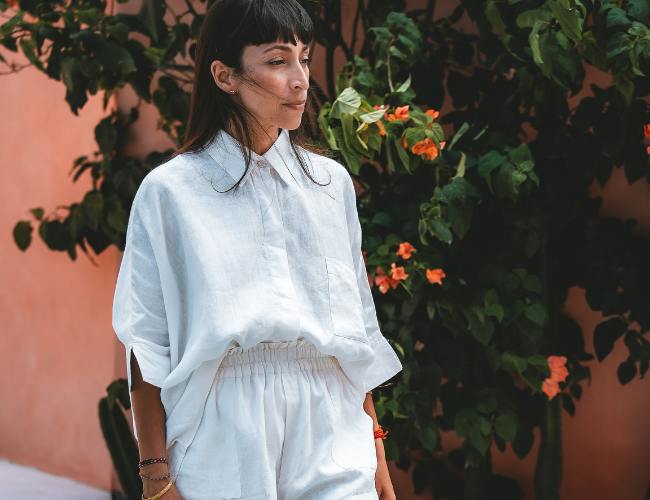
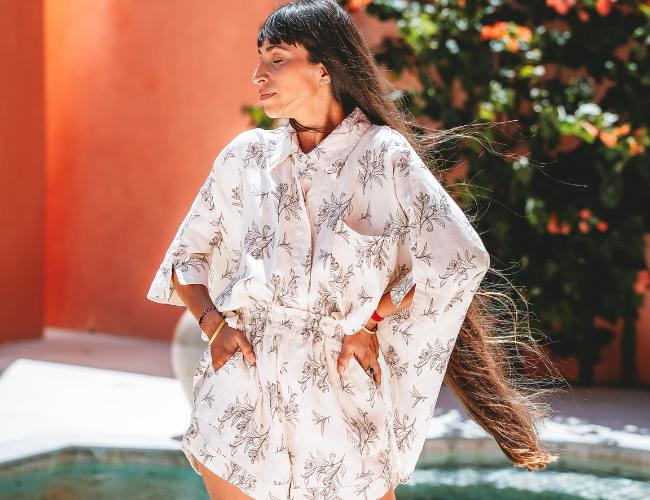
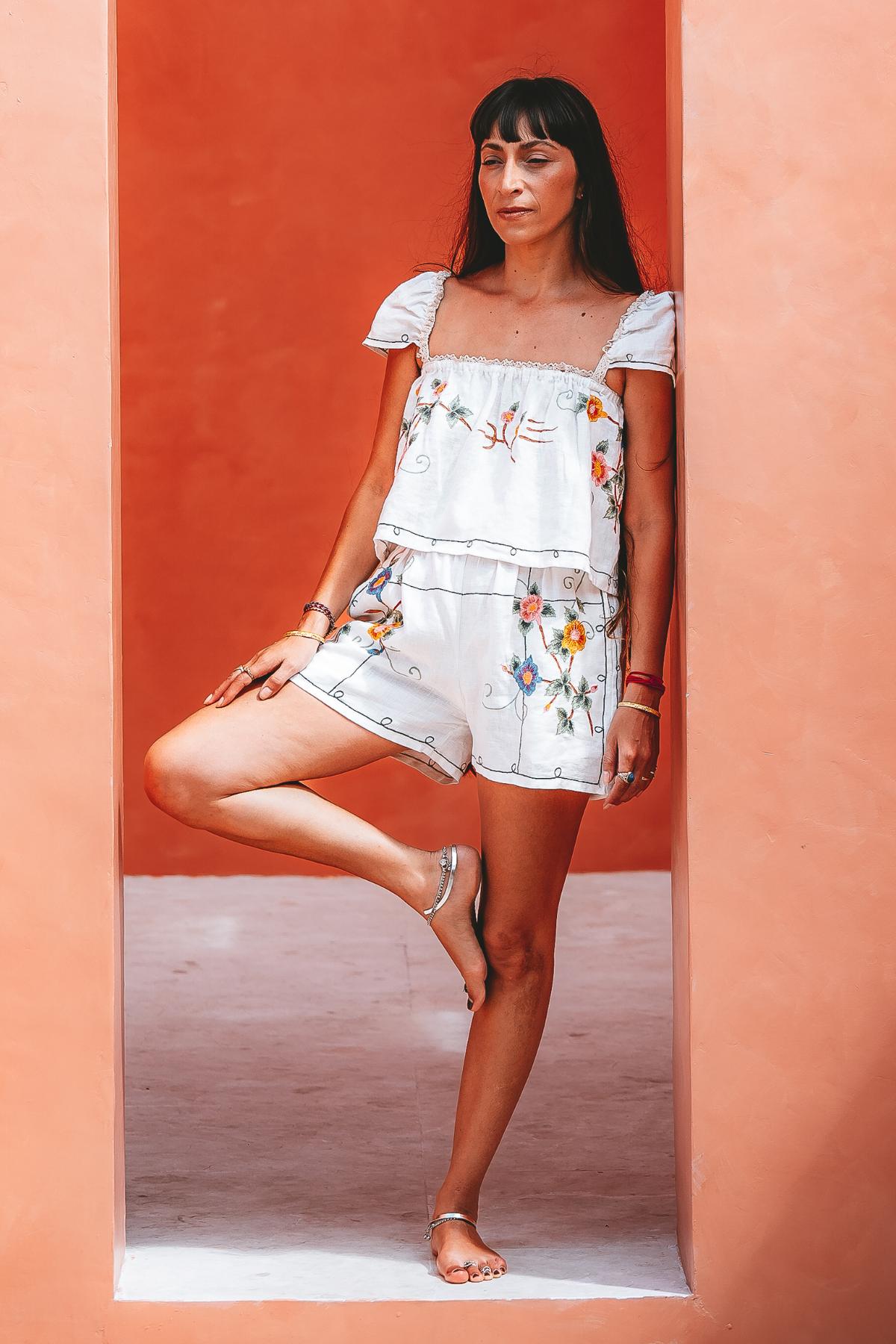
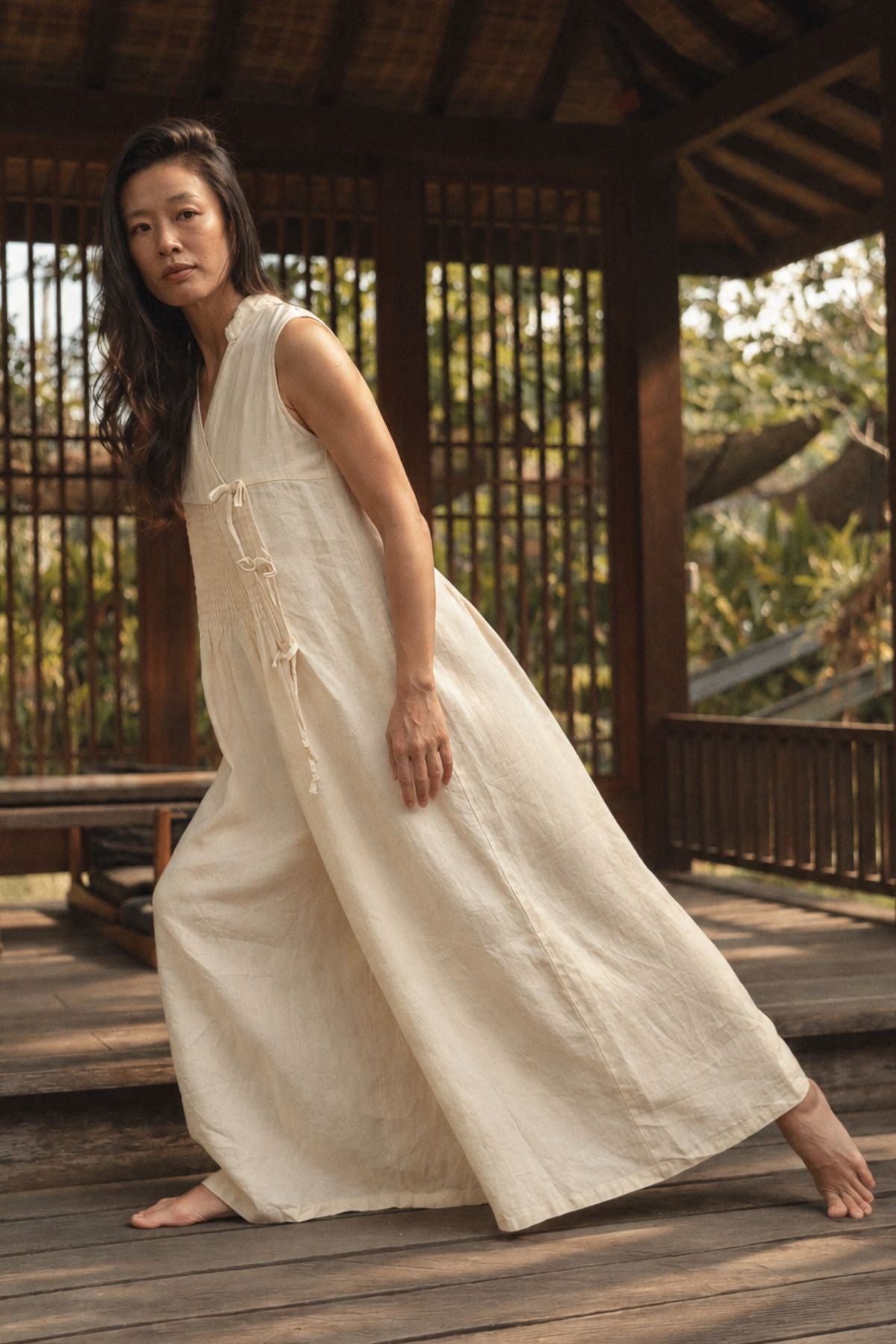
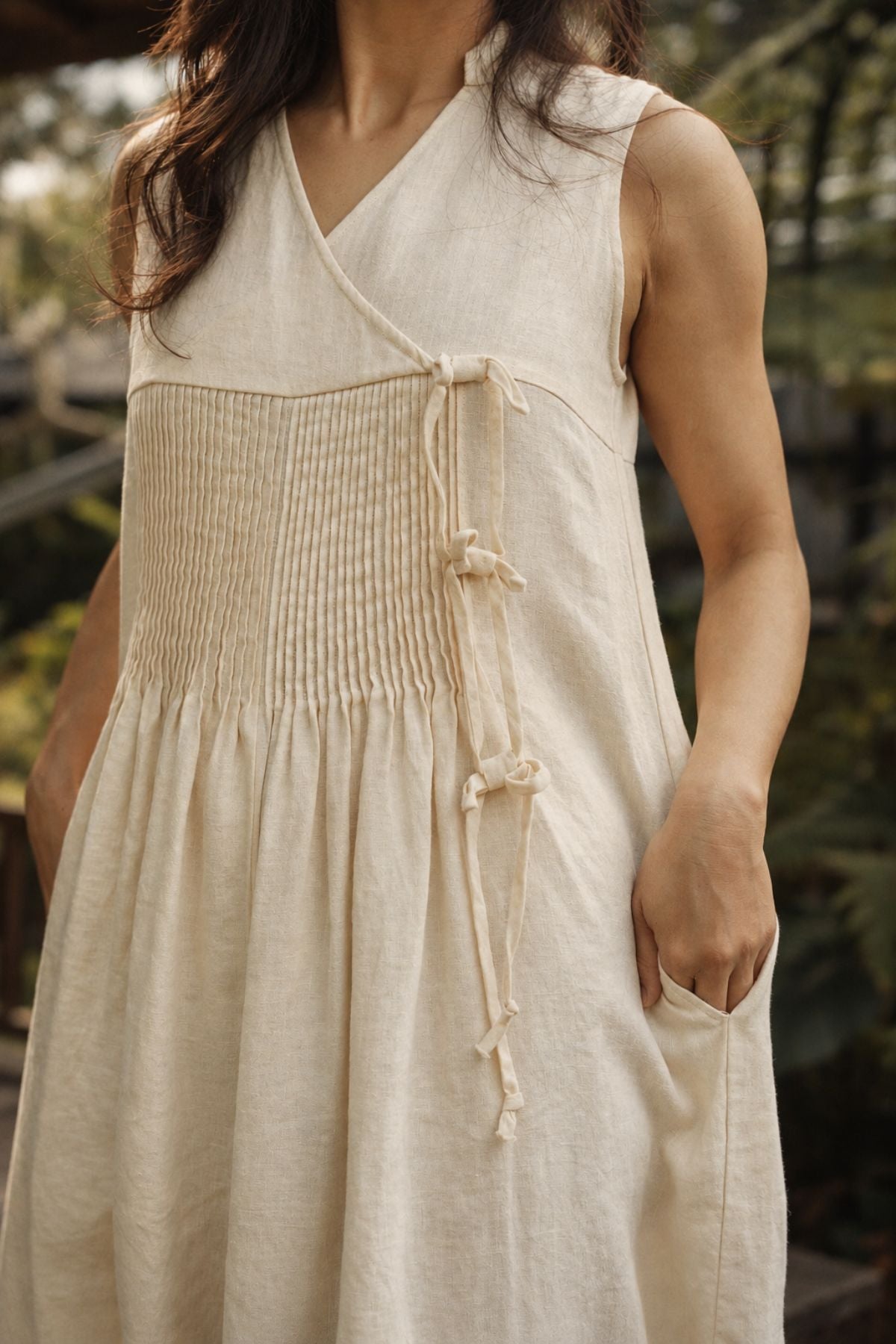
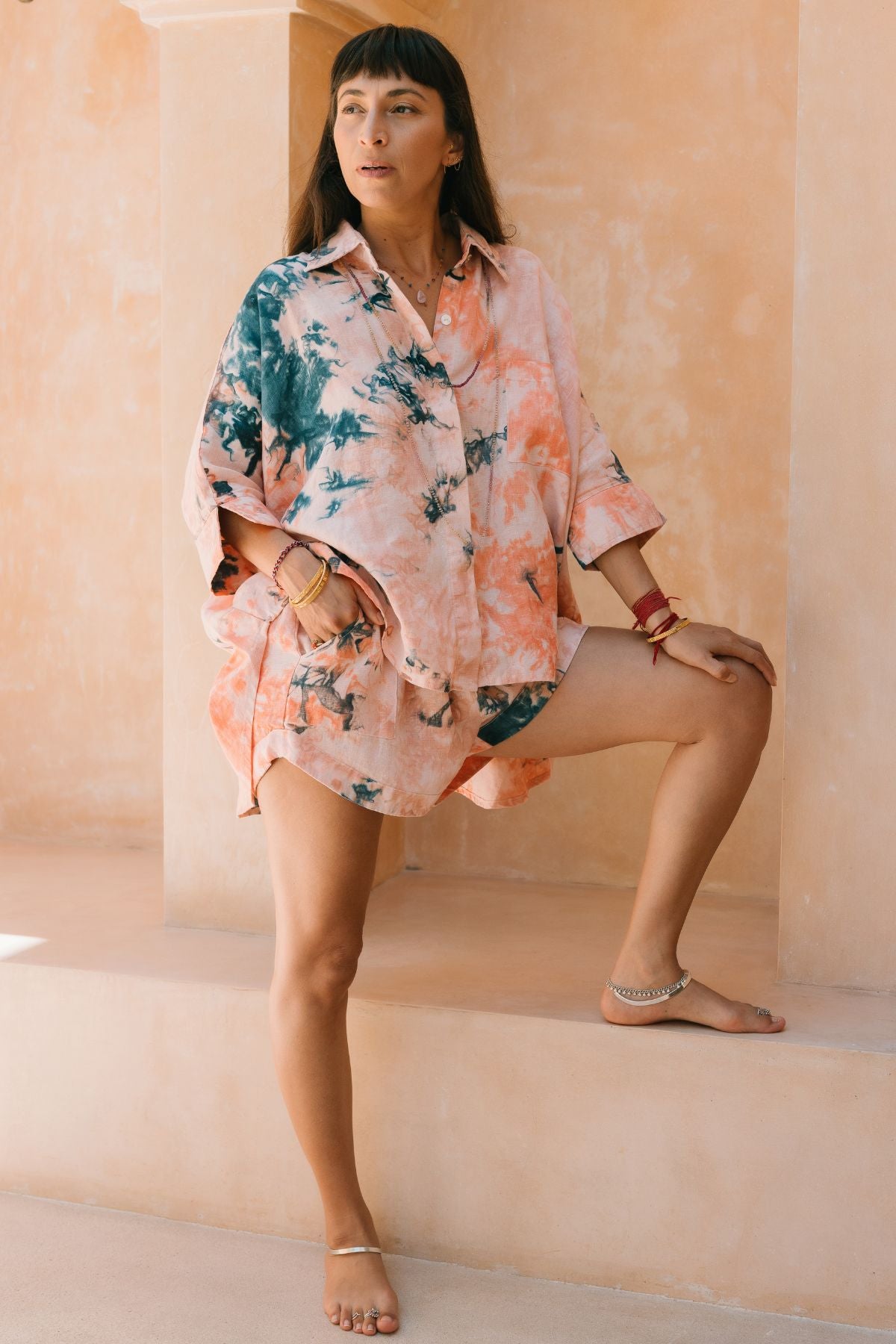
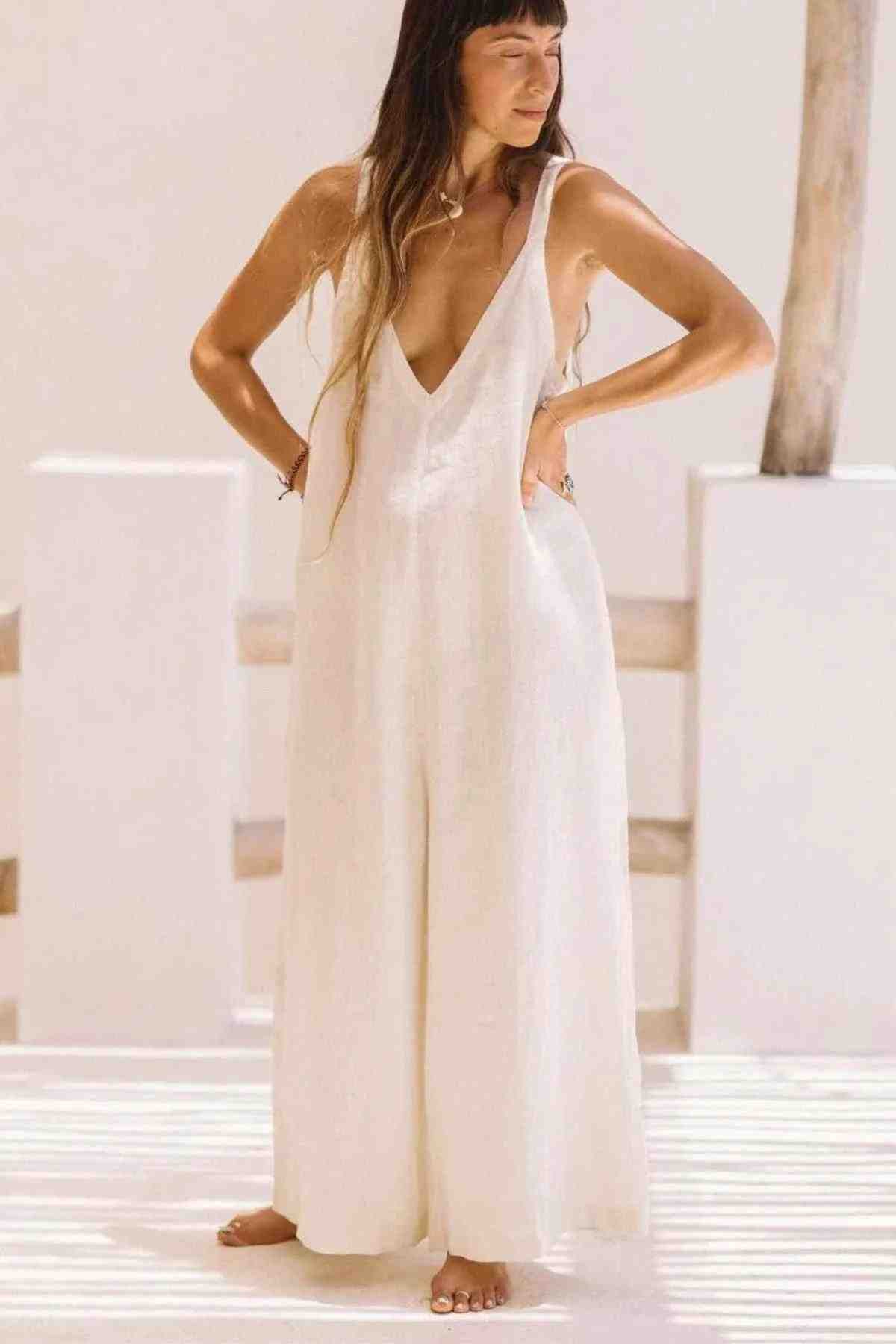
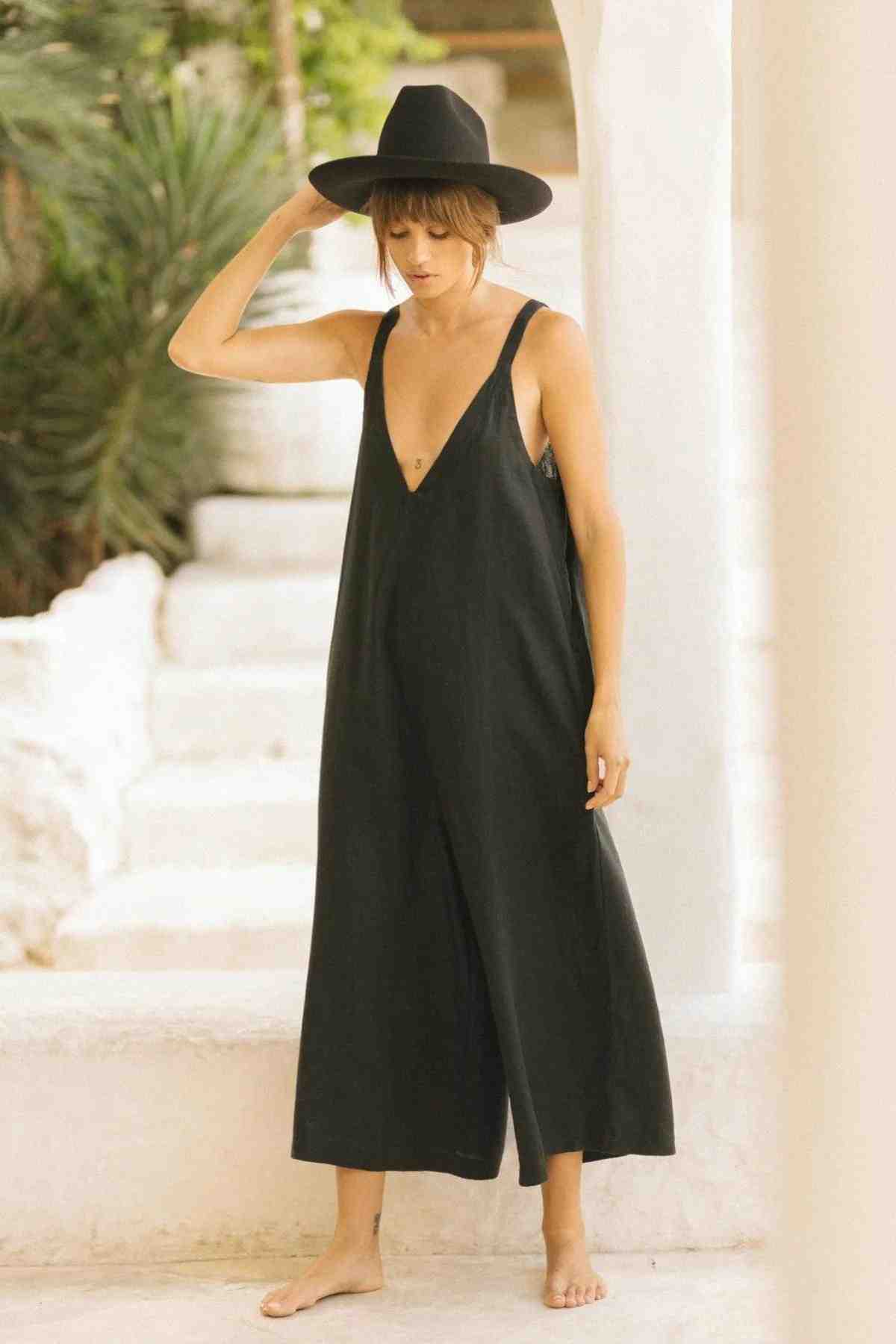
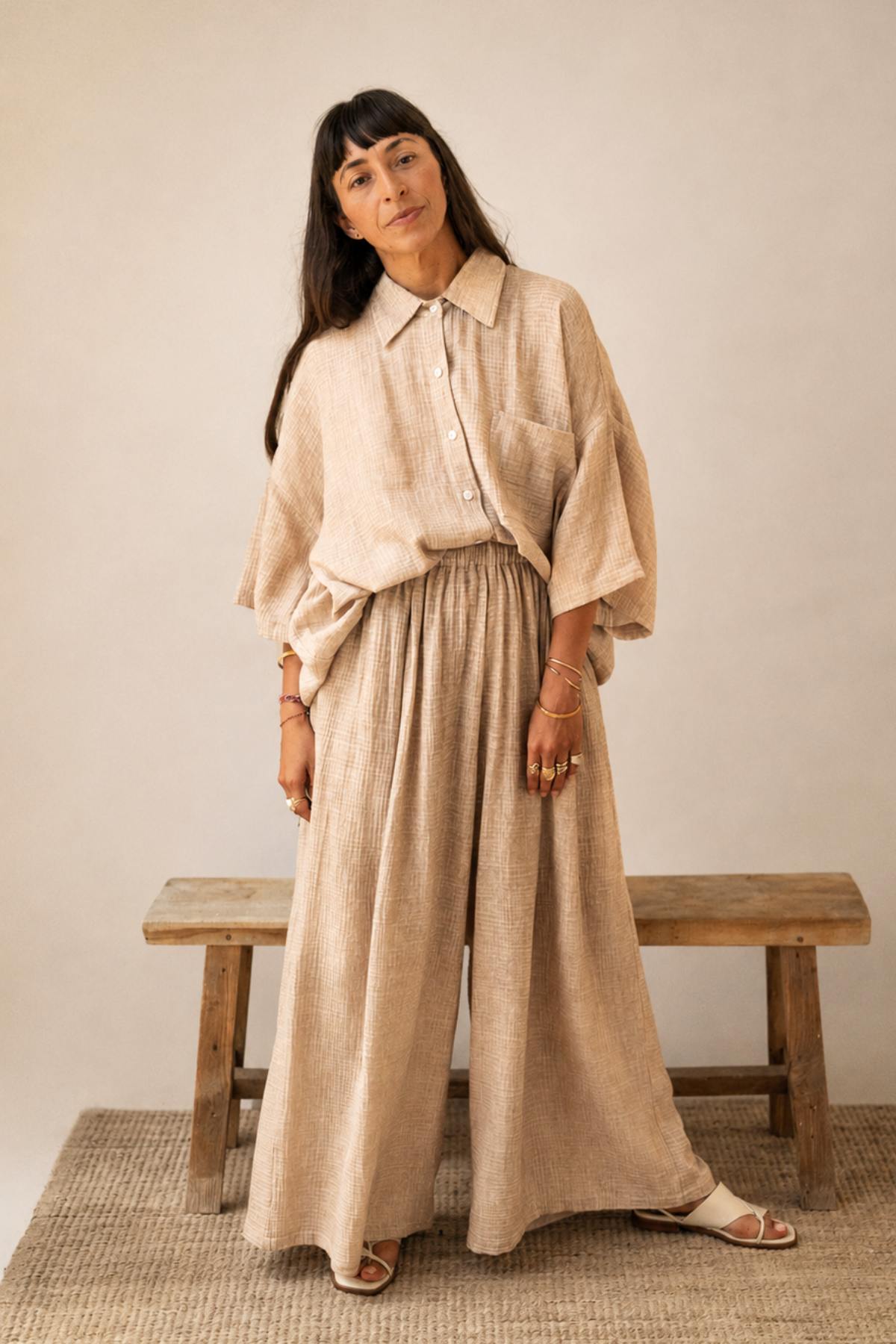
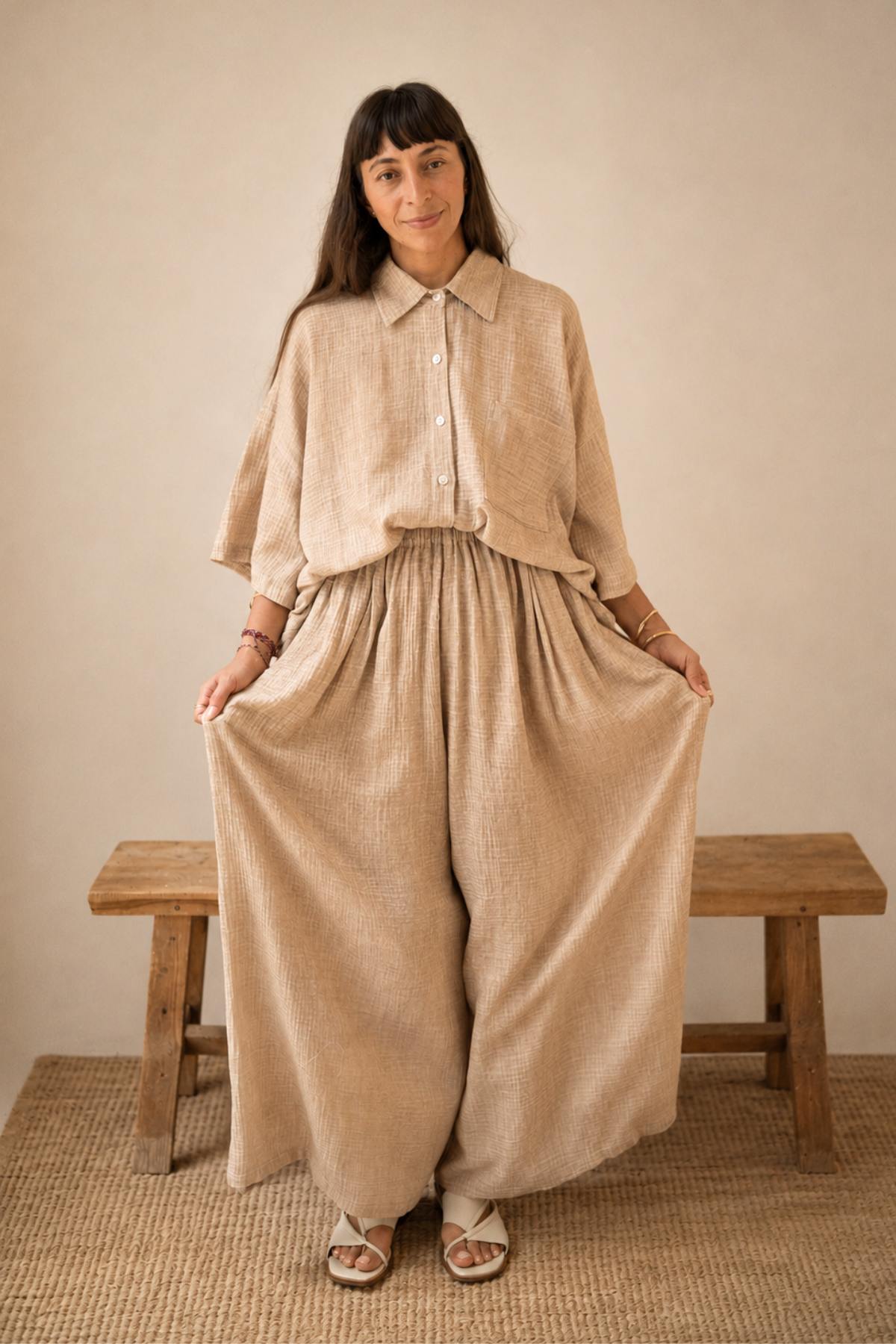
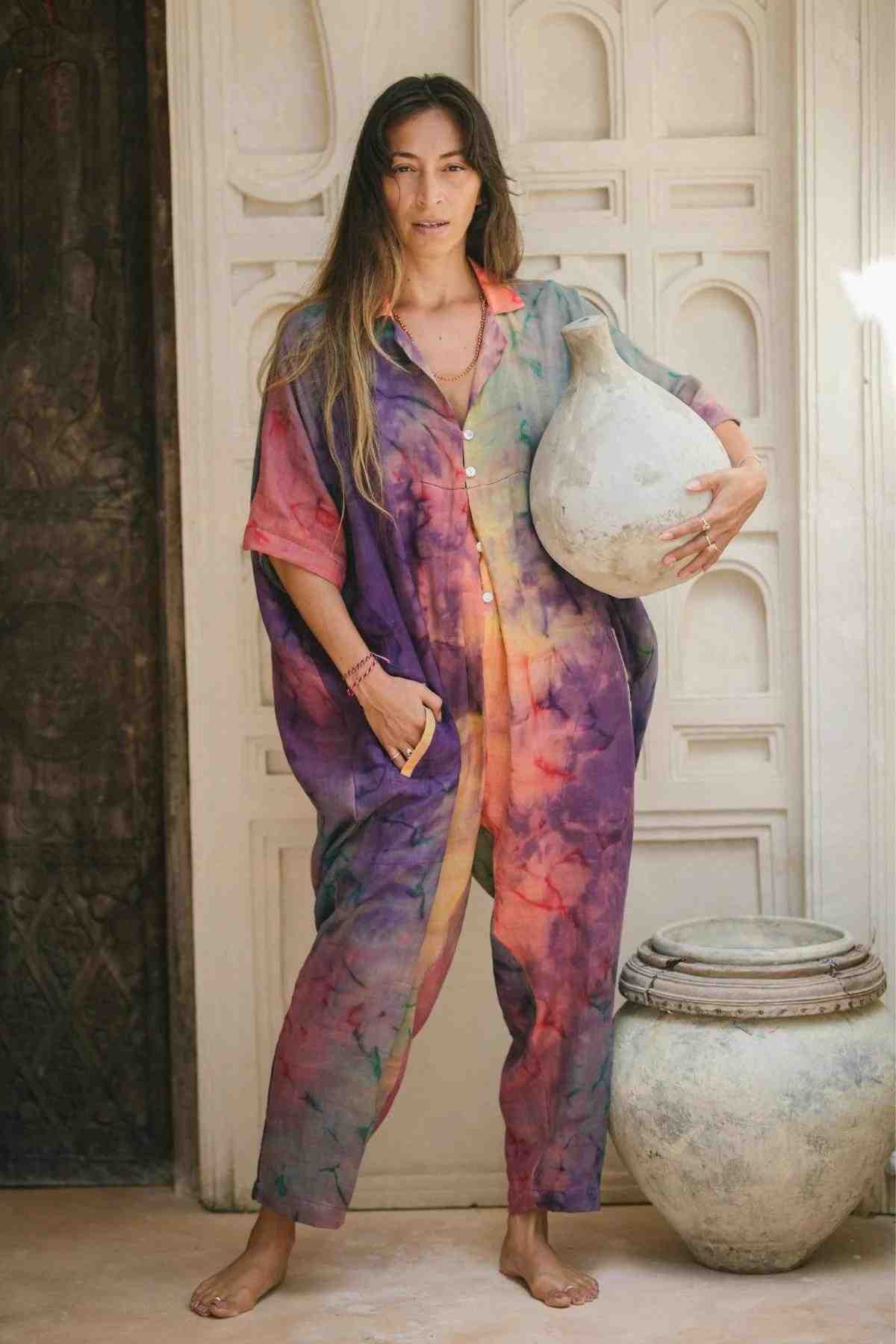
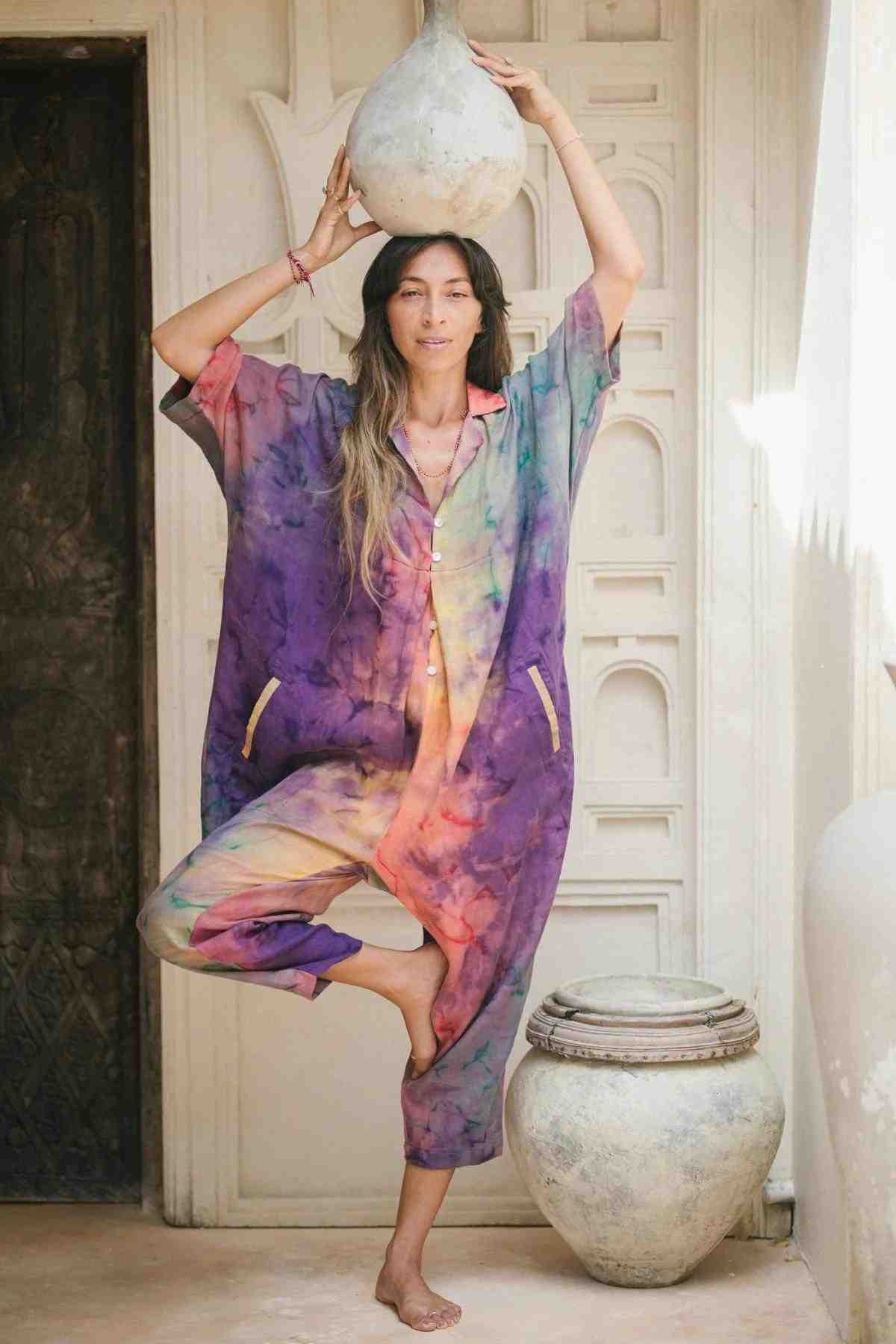
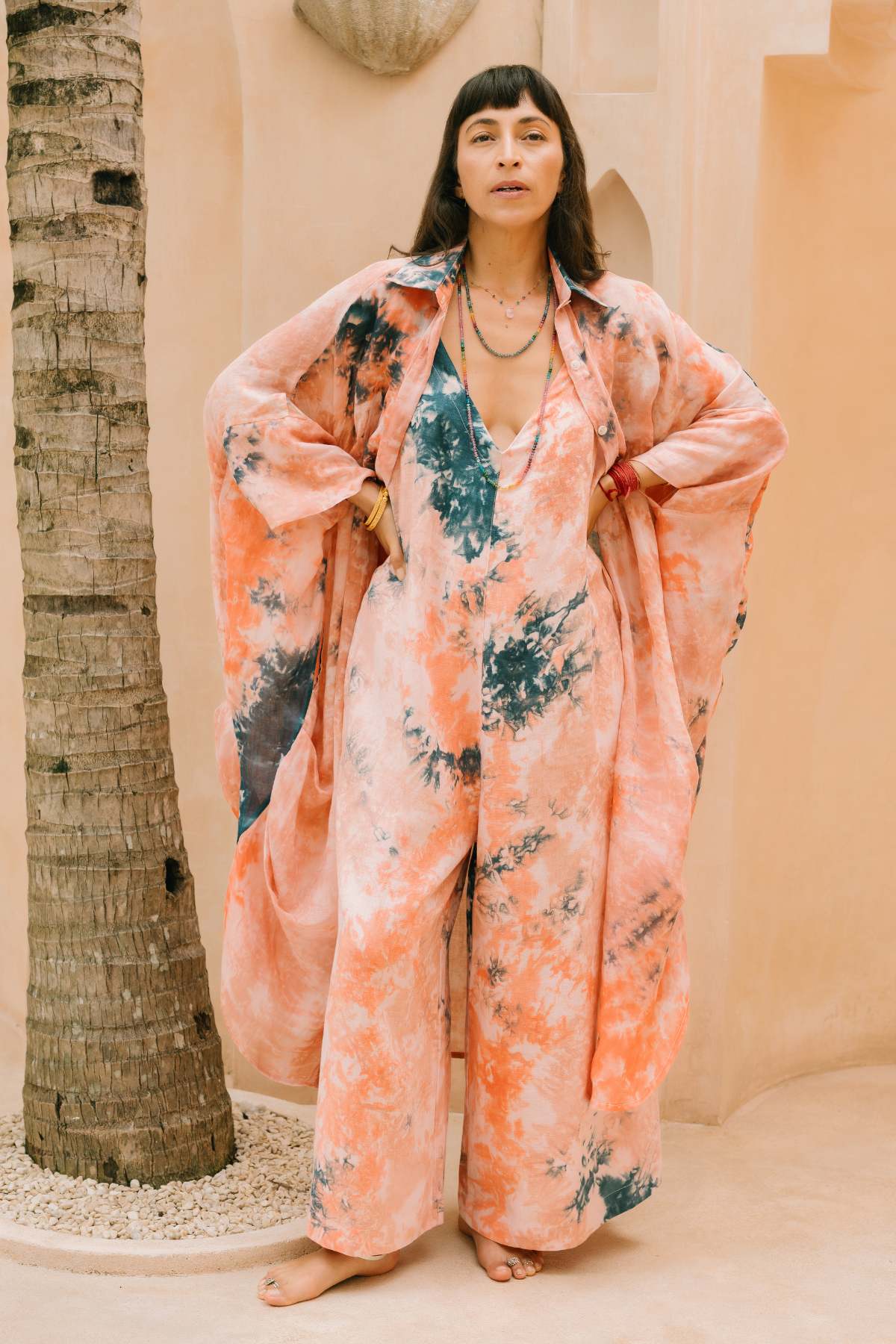
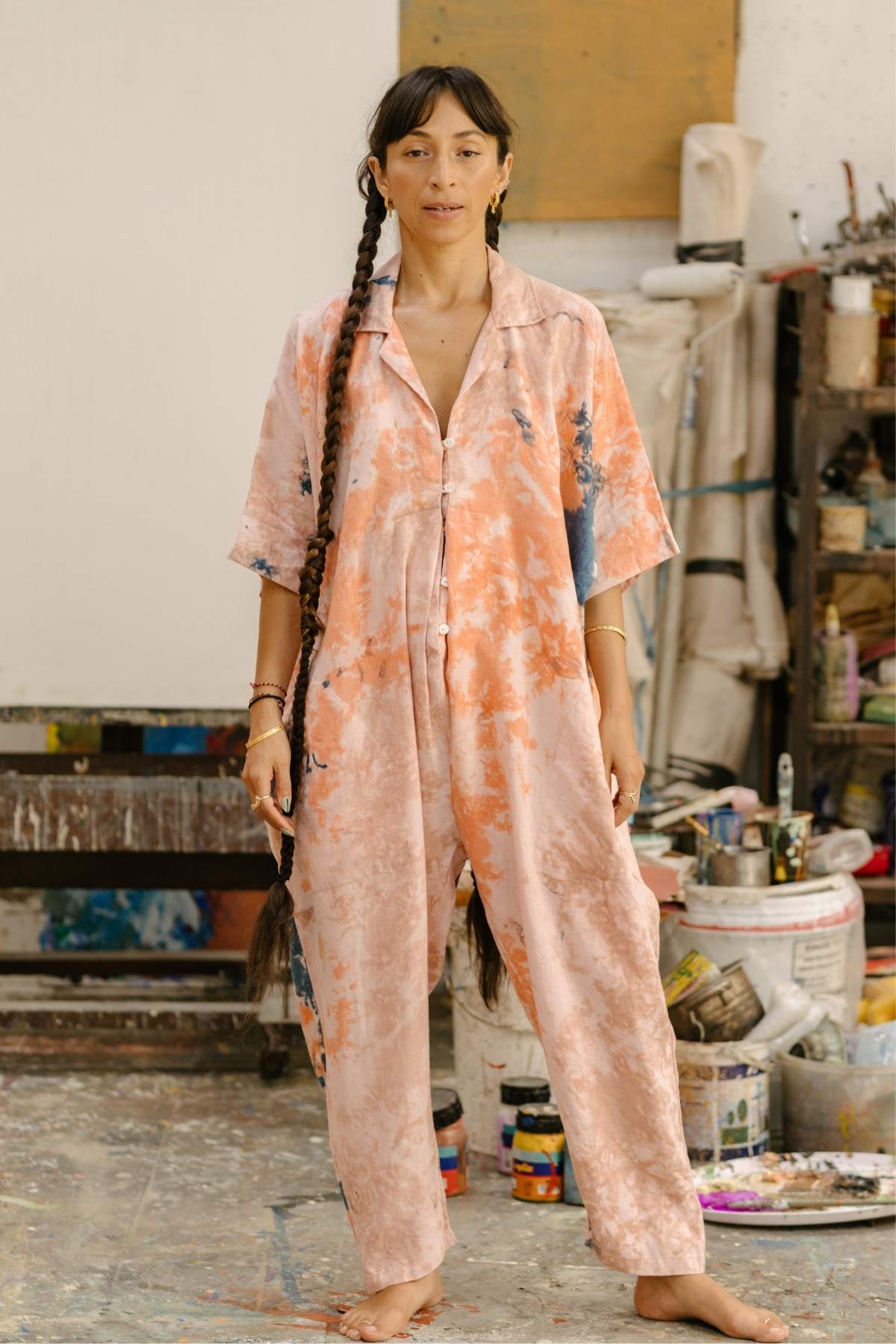
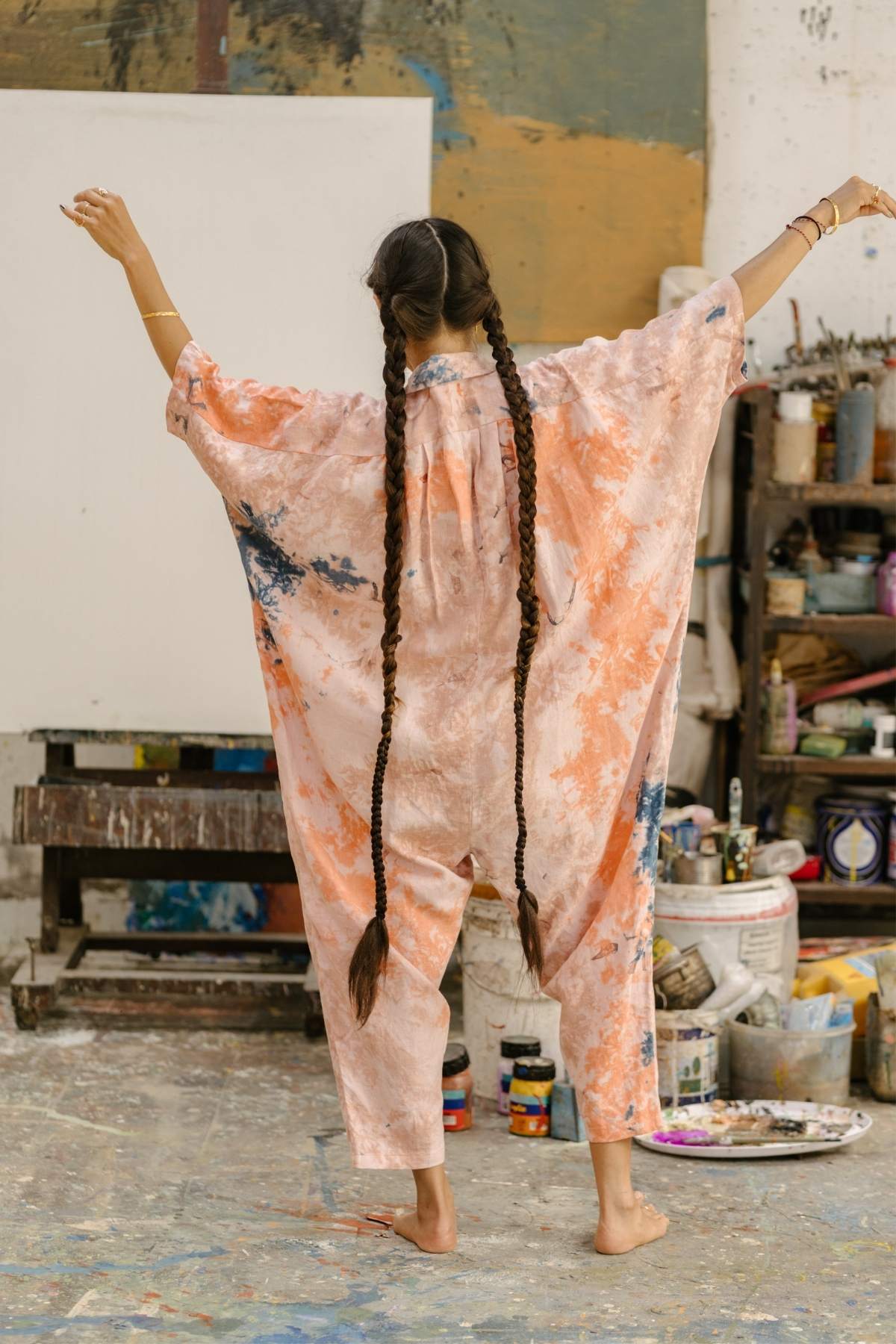
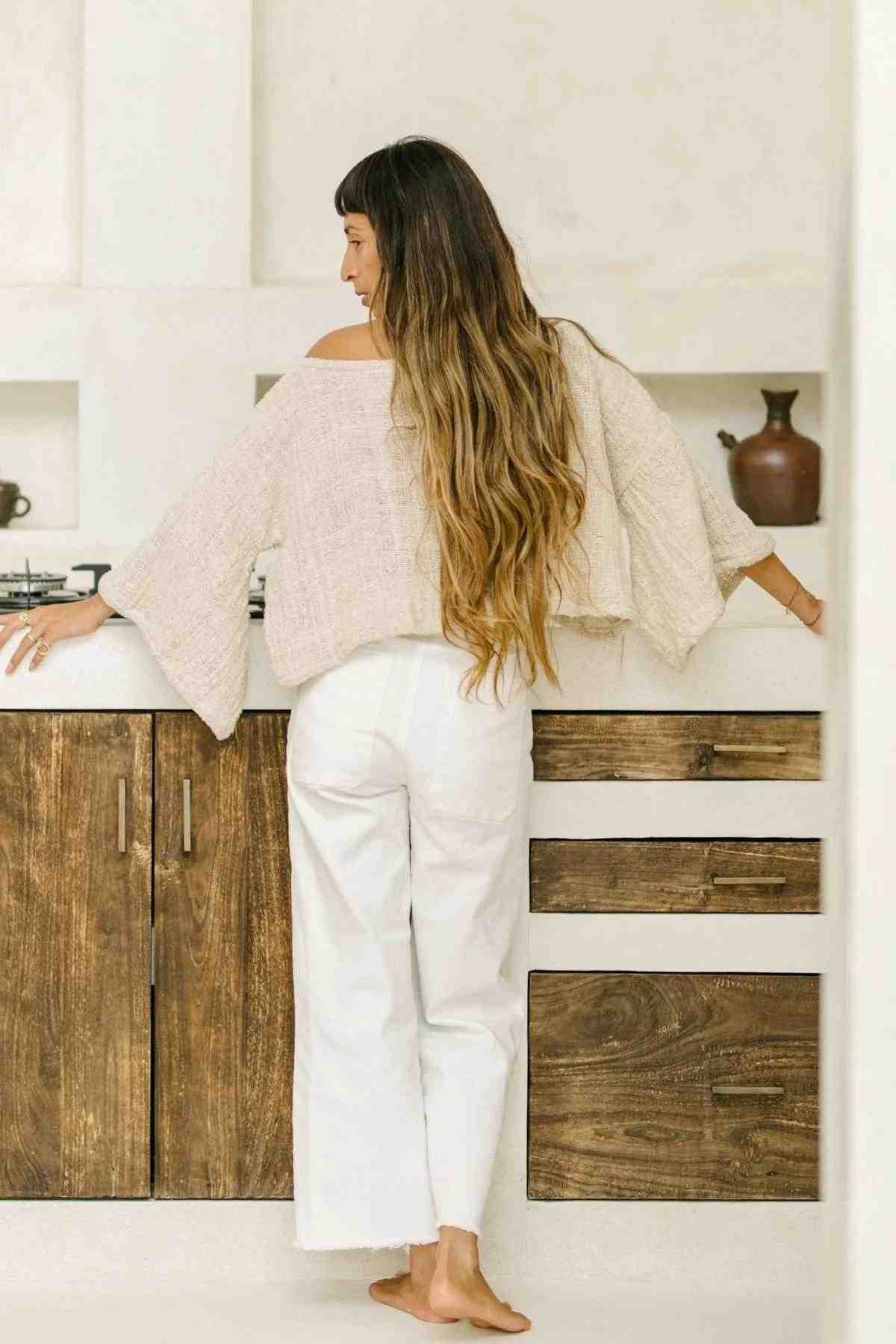
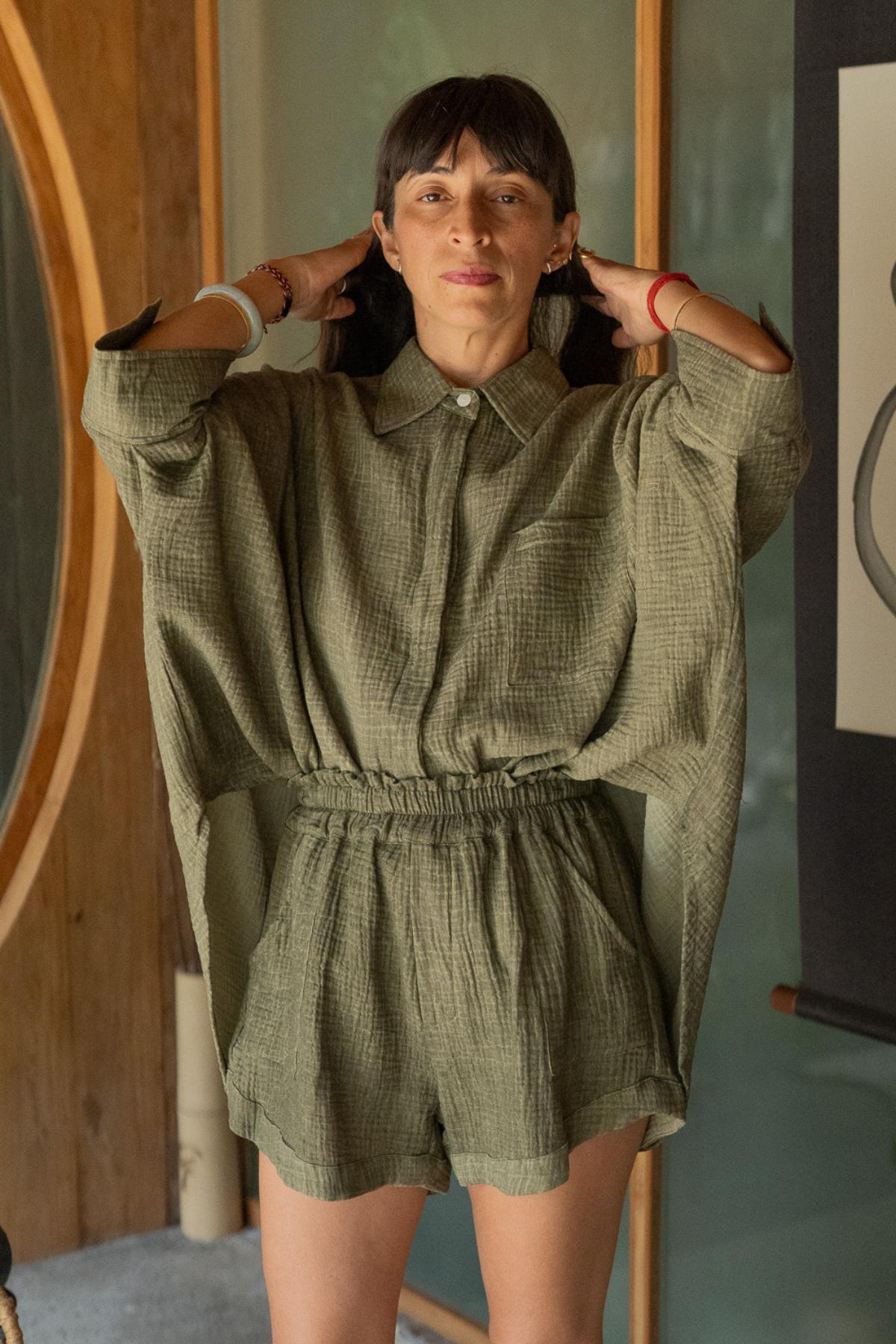
Slow fashion clothing for women. Linen sets, playsuits, gowns, and a small home collection, handmade in Bali and coloured with botanical, plant-based dyes. Pieces are designed to be worn for years, not seasons. The cuts are forgiving, the silhouettes recur and evolve, and the fabrics soften with use rather than wearing out.
- Botanical dyeing. Colours are built from plants, turmeric and indigo among them, over days of hand-dyeing. Because the process is natural, no two pieces are exactly alike. We explain the method in how plant-dyed linen is made in Bali.
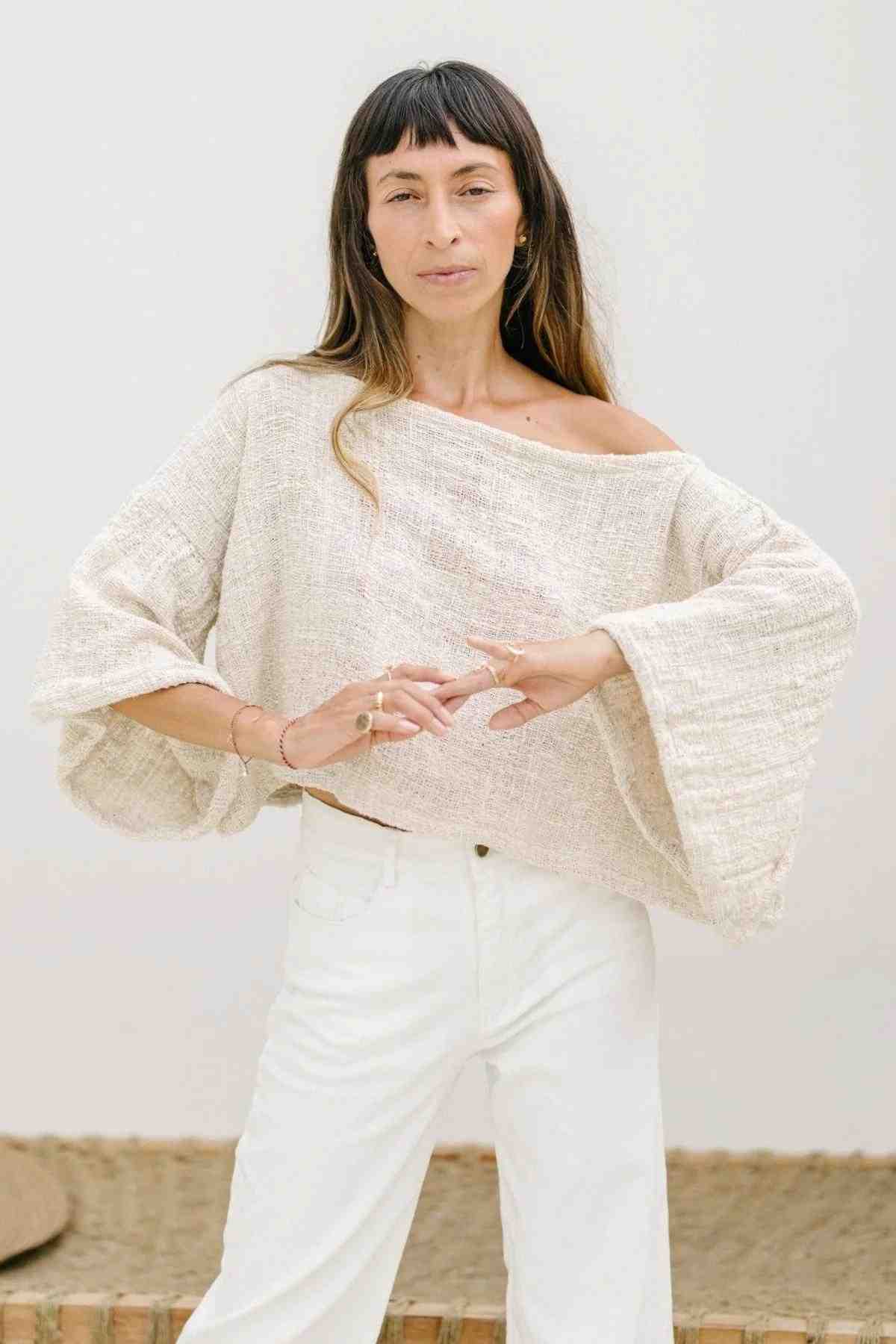
- Natural fibres. Linen, ramie, cotton muslin, and silk, chosen because they breathe, last, and feel honest against the skin. Never polyester.
- Made slowly. Many pieces are made to order or in small runs, which is a choice, not a limitation. Slowing down is the design.
What the brand stands for
If you want to know what a brand actually believes, look at what it does when no one is watching.
It sustains around thirty families
The clothing is made by roughly thirty artisan households in Bali, dyers, cutters, sewers, embroiderers, who are paid fairly and worked with over years rather than used and dropped. This is the part Myrah is proudest of, and the part the price of a garment quietly protects. We wrote about it in True Abundance.
It treats clothing as ceremony
Life is ceremony is not a tagline here, it is the operating instruction. Pieces are named for goddesses, for moon phases, for moments of dissolution and rebirth, because the woman wearing them is understood to be in the middle of her own becoming.
It gathers women
The brand calls its community the MA Force, women gathered around Mother Energy. The guiding idea is that every woman who finds this work should be met the way a loving mother would meet her, without judgment and without condition.
It refuses the fast fashion bargain
No overproduction, no disposable trend cycles, no race to the bottom on price or wage. The brand chose the harder, slower economics on purpose, and survived a pandemic by leaning into that conviction rather than abandoning it. The story of how we built a brand that survived COVID is really a story about not flinching.
Is the brand ethical and sustainable?
By the measures that matter most in fashion, fair wages, durable natural materials, low-impact botanical dyeing, small-batch production, and long relationships with the people who make the clothes, yes. The brand is built around ethical production rather than retrofitting it. We lay out the real costs in what ethically made clothing really costs. Sustainable is a word the industry has worn thin. What this brand offers instead is specificity: named makers, named plants, named places.
Who the clothing is for
For the woman who lives intentionally and wants her wardrobe to reflect who she is becoming. She tends to value fewer, better things. She is often drawn to yoga, ritual, travel, or simply a slower relationship with her own life. If that is you, start with conscious fashion for women, and the Set Collection is where most women begin.
Where the brand is based
Design and production are rooted in Bali, Indonesia, where the dye houses and artisan families are. The boutique is in Pererenan, a space we waited nearly two years to get right. The brand ships worldwide. If you are planning a visit, here is where to find us.
The work has been written about in Vogue, in DestinAsian, in Thai Airways’ inflight magazine, and named in The Punch List, Bali’s guide to responsible stores. Every source is linked on Press and Conversations.
Frequently asked questions
Who is Myrah Peñaloza?
Myrah Peñaloza is the founder and designer of the eponymous slow fashion brand. She is Mexican-American, born in Orange County, California and raised in East Los Angeles, a Kundalini yoga teacher and student of Cha Dao who now designs botanically hand-dyed linen clothing in Bali, made by around thirty artisan families.
Is her name spelled Penaloza or Peñaloza?
Both appear in print. The family name is Peñaloza. The brand and website use Myrah Penaloza without the tilde, and some publications have written it as Myra Penaloza.
What kind of clothing does the brand sell?
Slow fashion women’s clothing, linen sets, playsuits, gowns, and a small home collection, made from natural fibres like linen, ramie, cotton muslin, and silk, and coloured with plant-based botanical dyes in Bali.
Is the brand ethical and sustainable?
Yes. It pays its makers fairly, works with the same artisan families over years, uses durable natural materials and low-impact botanical dyeing, and produces in small batches or made to order rather than overproducing.
Why is the clothing more expensive than fast fashion?
Because the price reflects fair wages for thirty artisan households, multi-day hand-dyeing, natural fibres, and small-batch construction. The garments are made to be worn for years, which keeps cost-per-wear low even when the upfront price is higher.
Where is the clothing made?
In Bali, Indonesia, by a network of around thirty local artisan families who dye, cut, sew, and embroider each piece by hand, working from their own homes and small workshops they own themselves rather than a factory.
What does life is ceremony mean to the brand?
It is the belief that ordinary moments, dressing, making tea, moving through a day, are worthy of attention and intention. The clothing is designed to mark those moments rather than simply cover them.
With love from Bali,
Robindra
|
The Clearest Way to Feel It Hold the cloth. Begin with the collection. Explore the Collection → |
|
The Muse-Letter Dress for the woman you’re becoming. Join the Muse-LetterUnsubscribe any time. No spam, ever. |



Leave a comment
This site is protected by hCaptcha and the hCaptcha Privacy Policy and Terms of Service apply.