
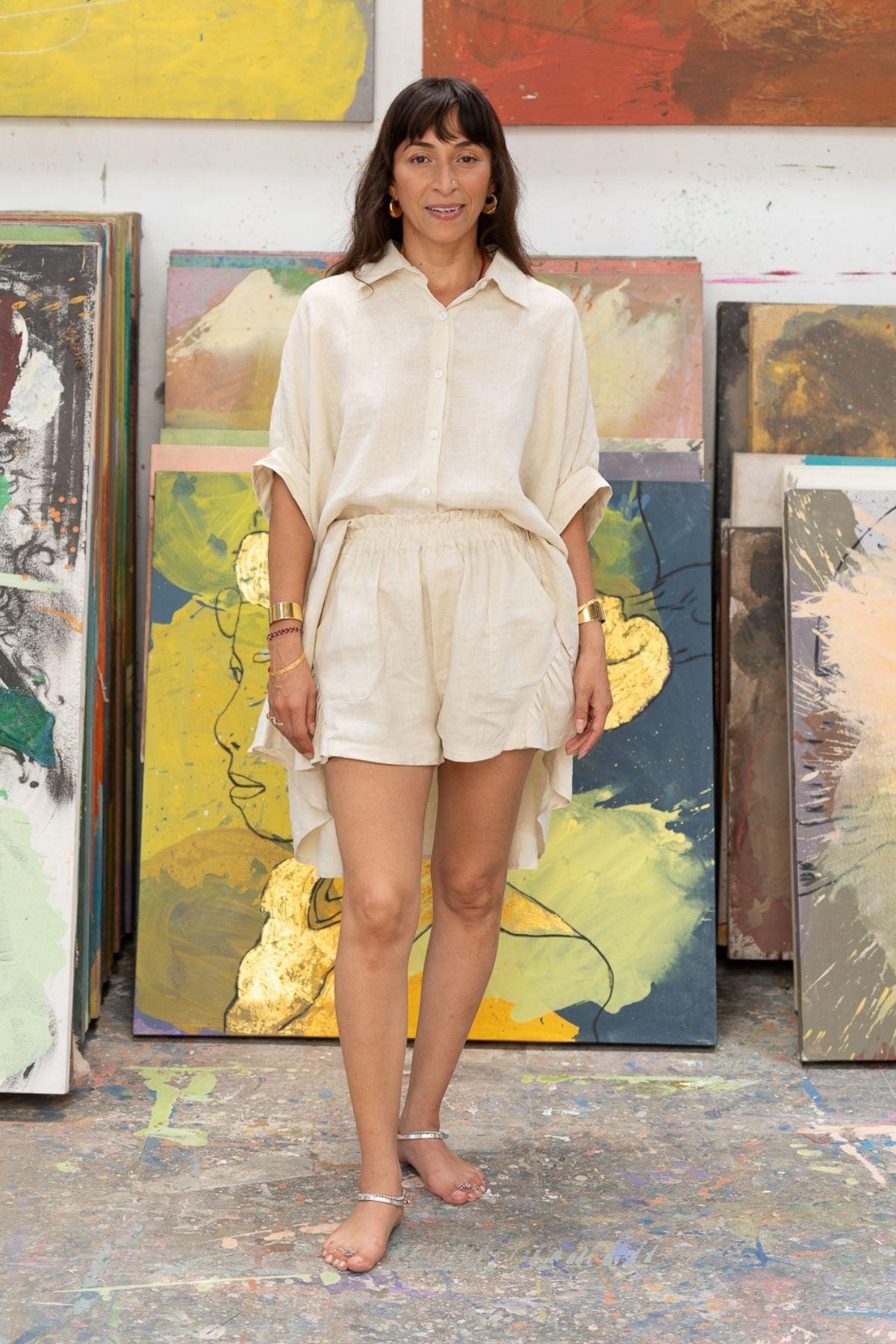
Conscious Fashion for Women: How to Build a Wardrobe That Reflects Who You Are Becoming
Most women reach a point where the wardrobe stops working.
Not because it is empty. Often because it is full of the wrong things. Full of who she was three years ago, or who she thought she was supposed to be, or who she dressed as before she understood that dressing was a choice that could be made consciously rather than reflexively.

Conscious fashion is not a movement. It is not a certification or a set of approved brands. It is the practice of making the choice deliberately. Of asking, before you buy anything: does this reflect who I am? Does it reflect who I am becoming? And then waiting for the honest answer.
What Conscious Fashion Actually Is, Beyond the Marketing
The word conscious has been adopted by enough brands that it has started to soften into meaninglessness. Conscious collection. Conscious line. Conscious choice. It appears in the marketing of companies whose supply chains would not survive thirty minutes of honest scrutiny.
Conscious fashion, when it is real, operates on two levels simultaneously. The first is the ethics of production. Where was this made? By whom? Under what conditions? With what materials? These questions have answers, and the answers matter, and a conscious fashion brand is one that can give them to you honestly and without defensiveness.
The second level is more personal. It is the relationship between you and what you wear. It is the practice of dressing from the inside out rather than the outside in. Not what the trend suggests. Not what the season dictates. What do you actually need today? What does the woman you are growing into wear? What does she reach for in the morning when she wants to feel like herself?
These two levels are connected. The woman who is asking the second set of questions is usually the woman who eventually starts asking the first set too. Because once you begin dressing with intention, you start caring about whether the intention behind the garment's making matched your own.
The Three Tiers of a Conscious Wardrobe
Building a conscious wardrobe is not about throwing everything out and starting again. It is about understanding what you have, what you need, and what you are ready to let go of.
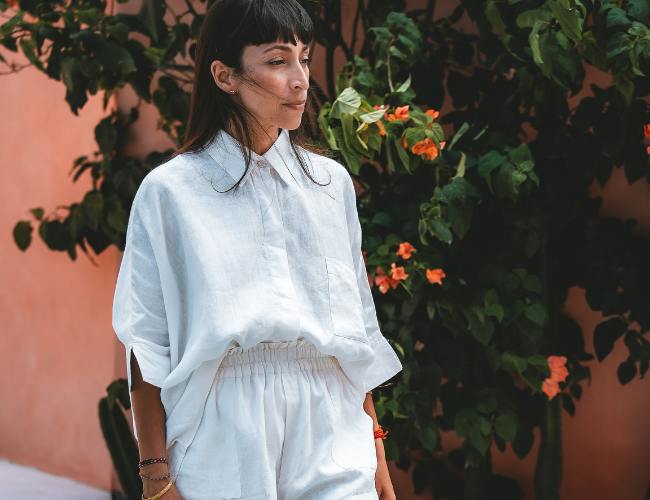
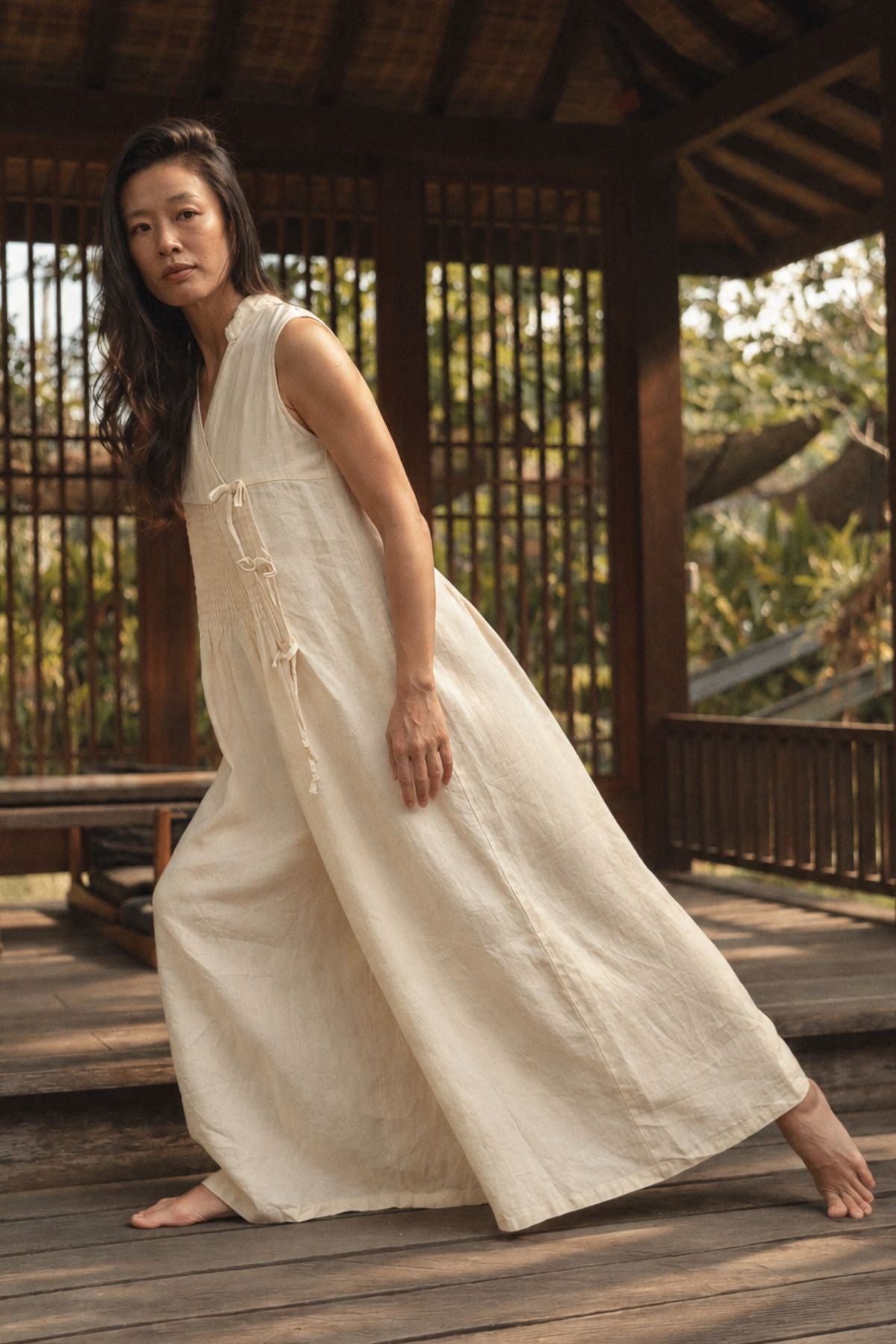
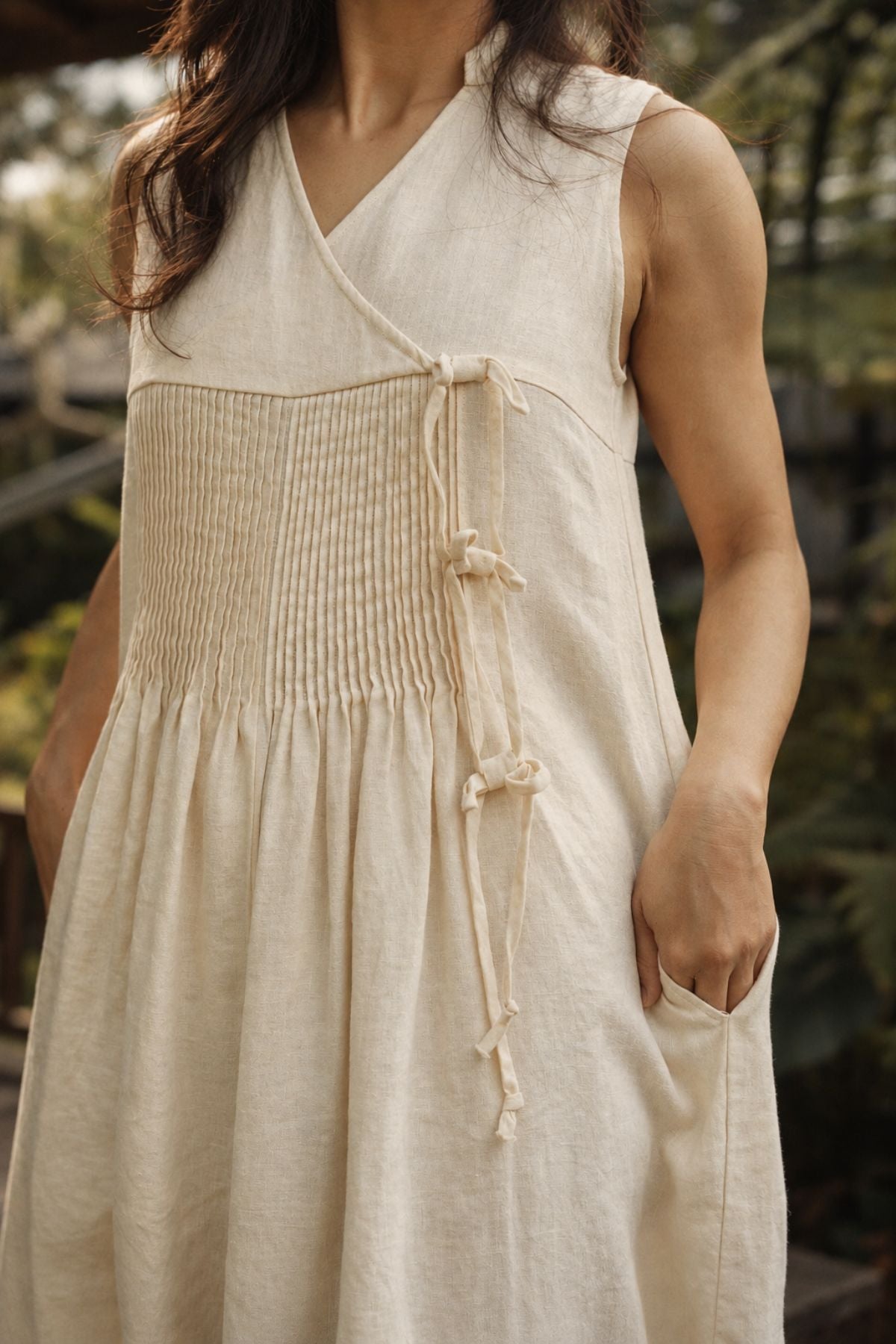
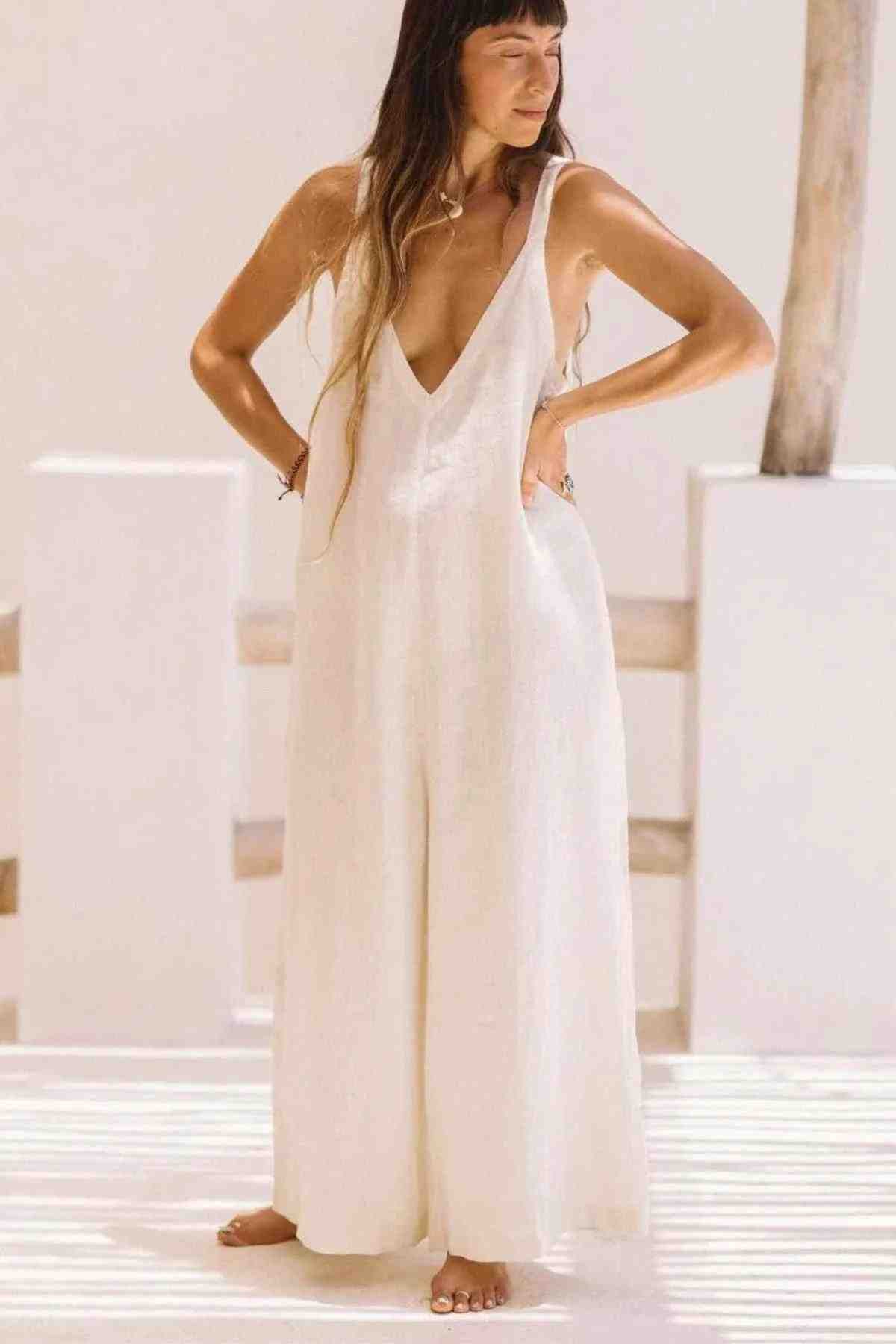
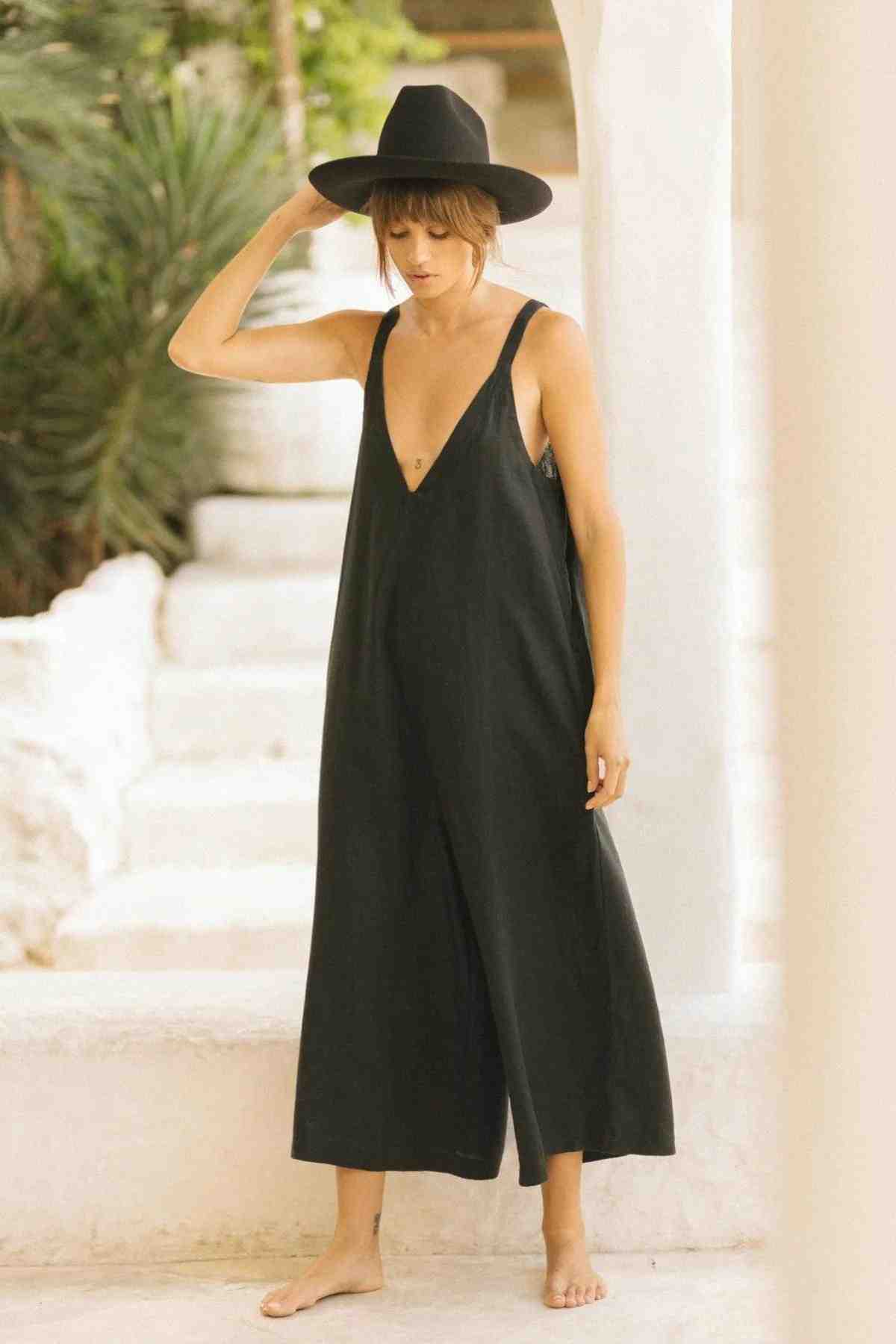
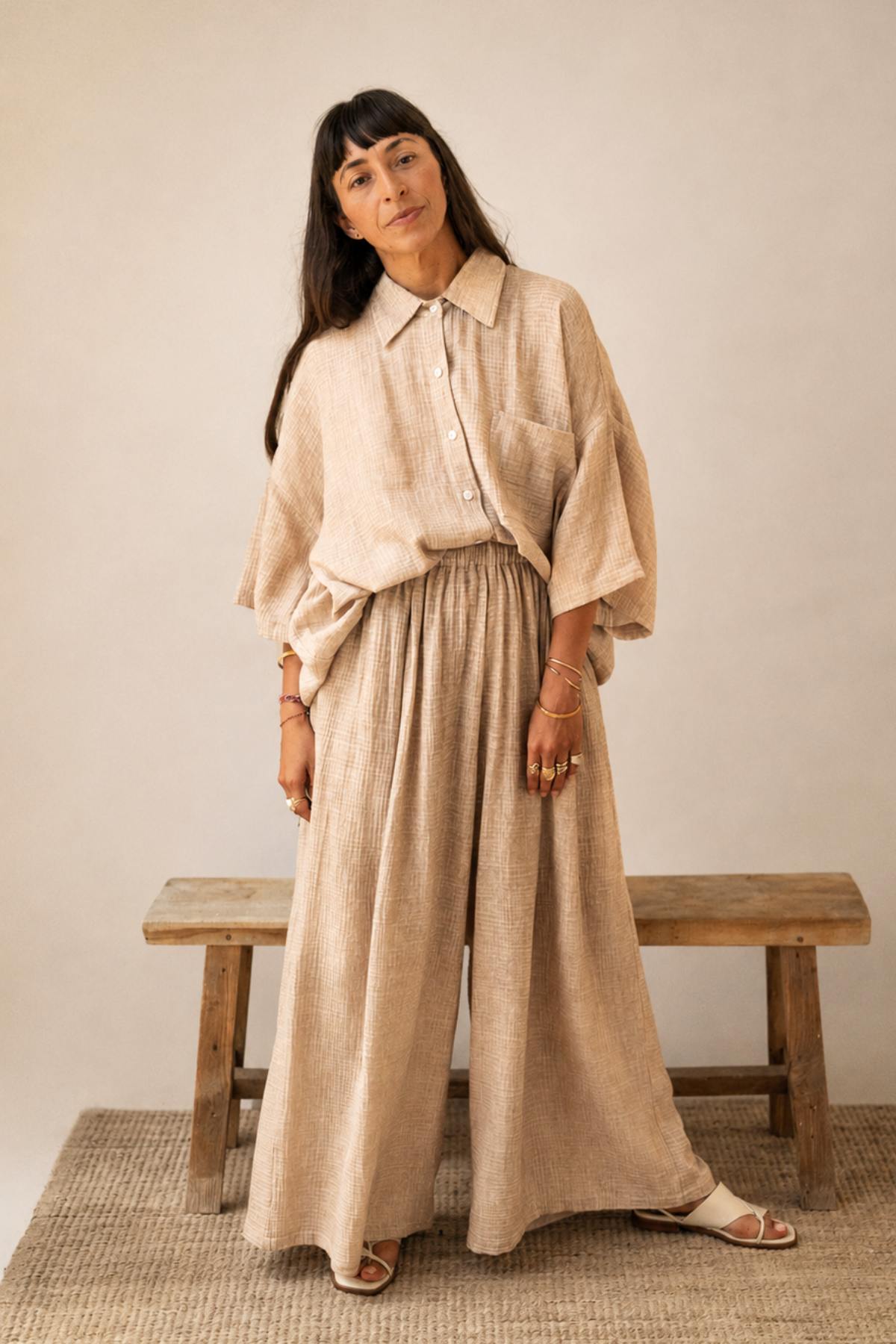
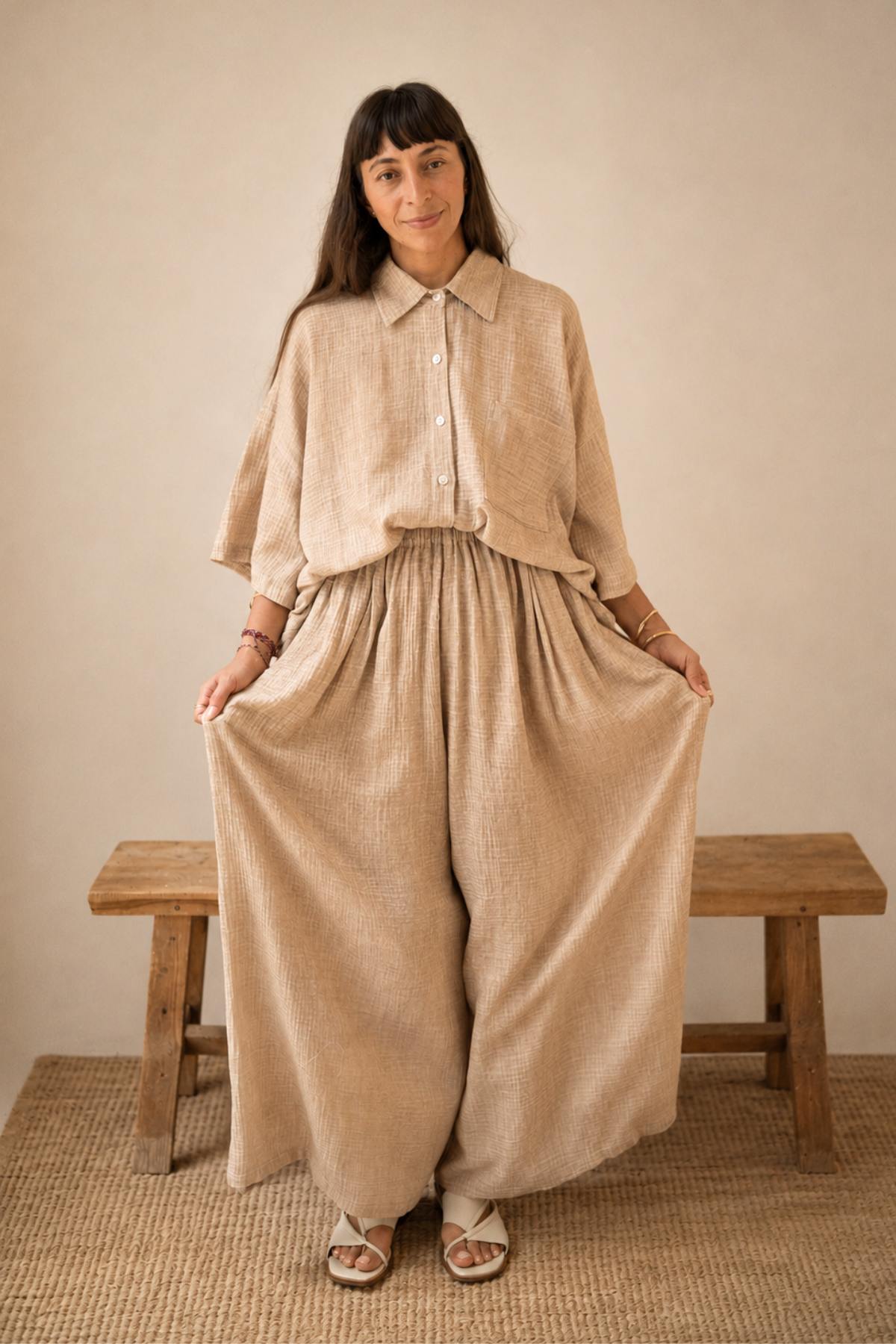
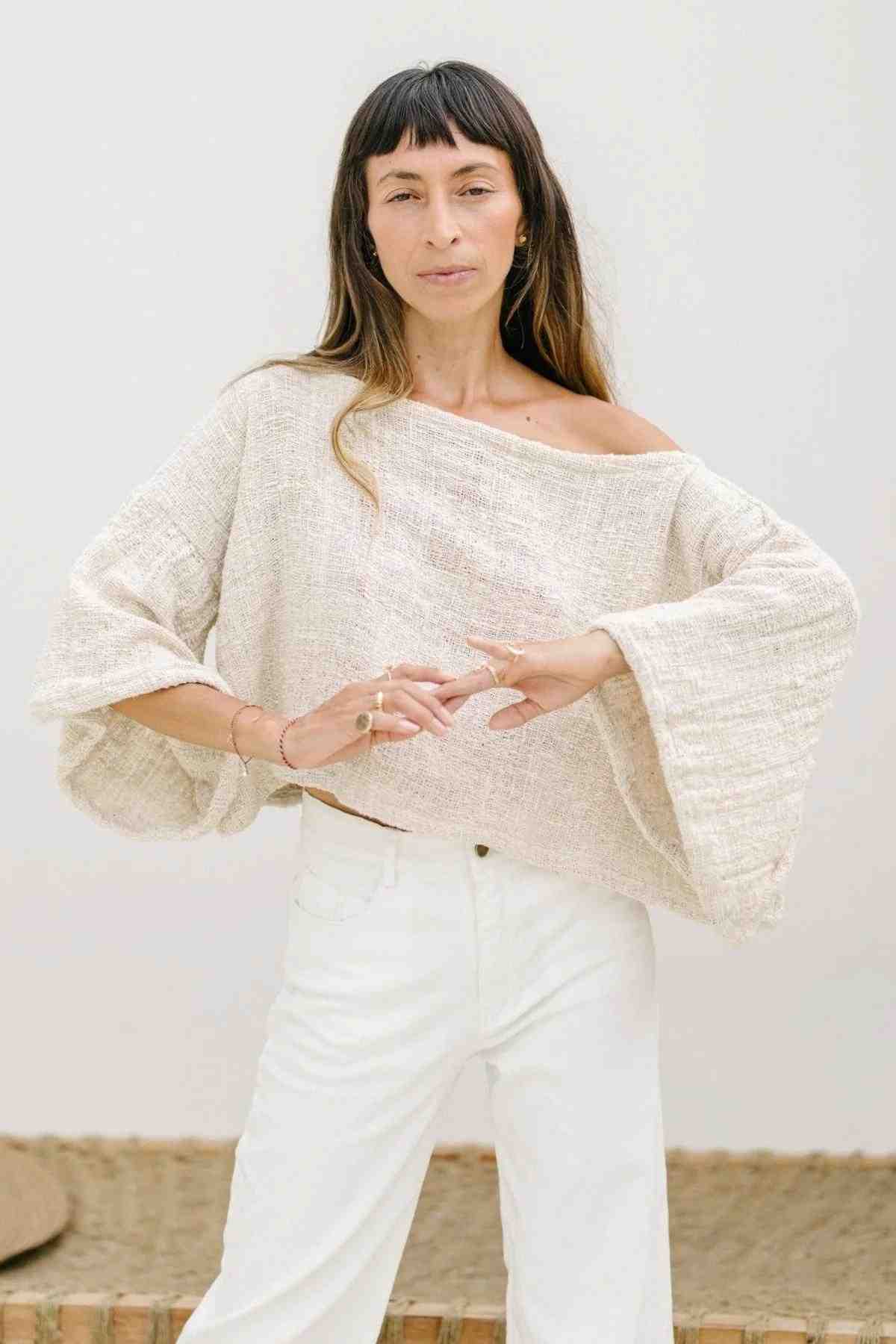
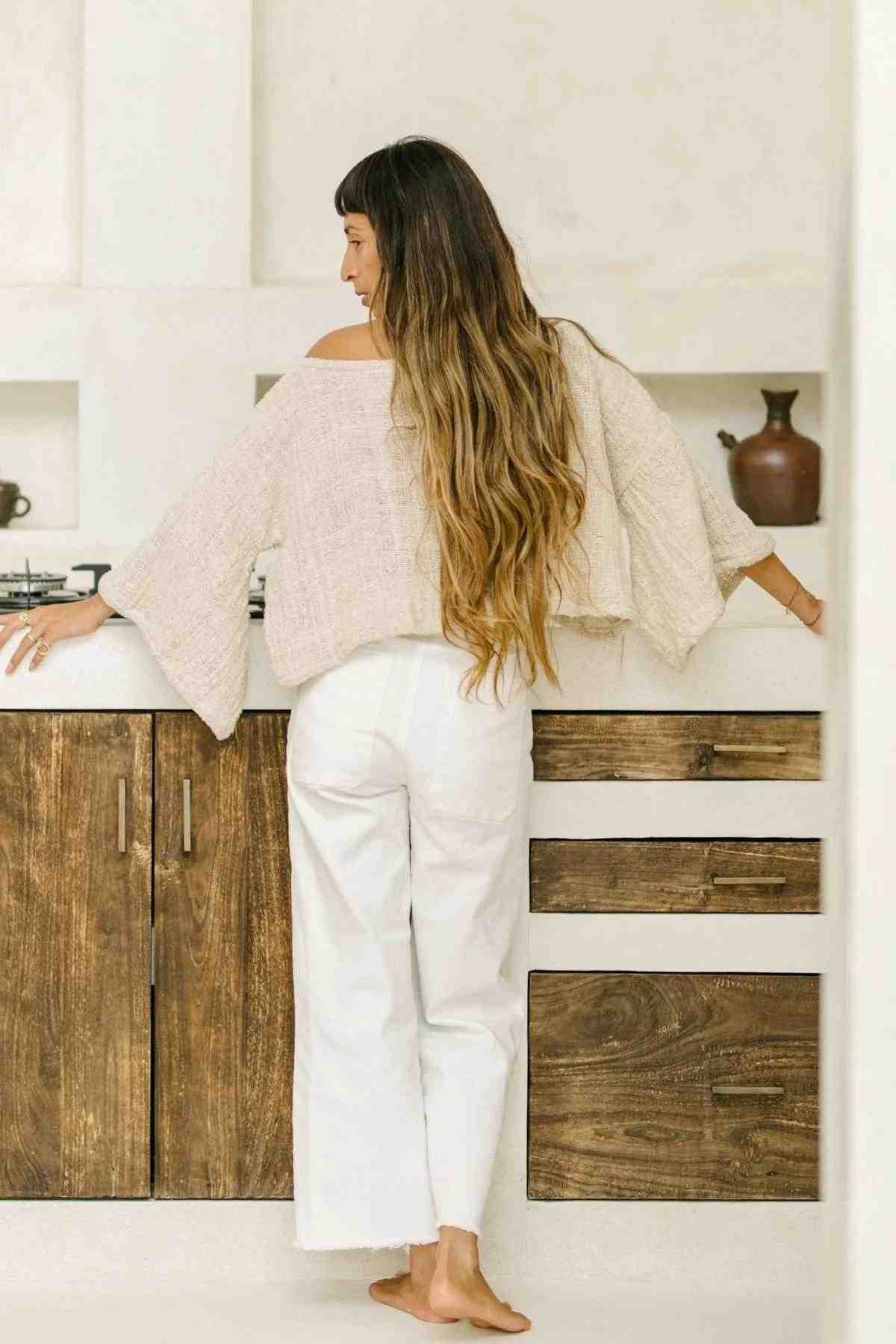
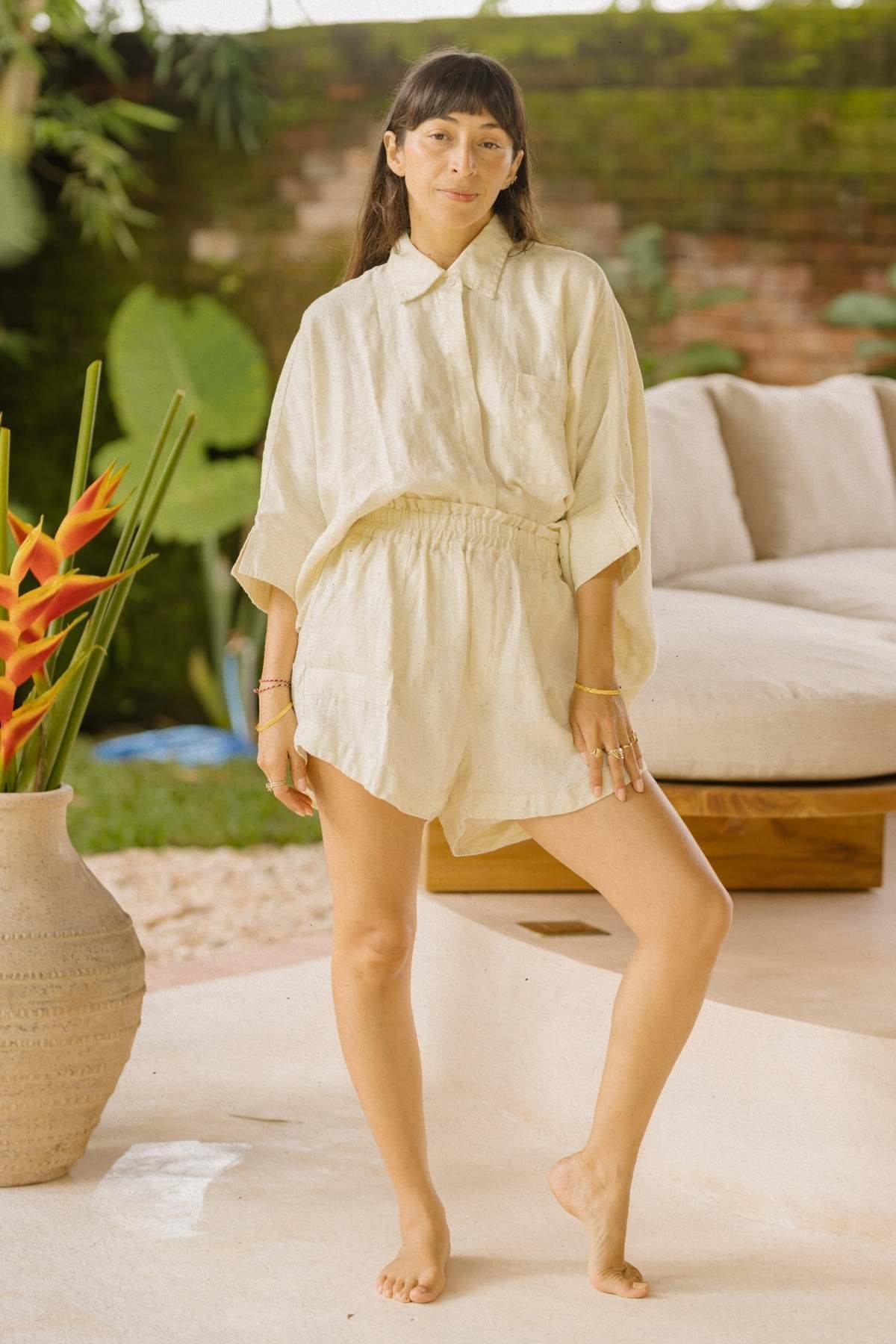
The foundation pieces. These are the garments you reach for without thinking. The linen set that has been in rotation for two years. The dress that makes you feel composed the moment you put it on. The garment that has survived every wardrobe edit because it keeps proving its worth. These are your anchor pieces, and in a conscious wardrobe, they are made from natural fabrics, by makers whose work you respect, in colors and silhouettes that are genuinely yours rather than borrowed from a trend.
The intentional additions. These are pieces you bring in with a specific purpose. Not impulse, not trend, not because it was reduced and you felt the pull of the discount. Because you identified a gap and found the garment that fills it honestly. In a conscious wardrobe, additions are slow. They are considered. They are made from an understanding of what you already have and what it genuinely needs.
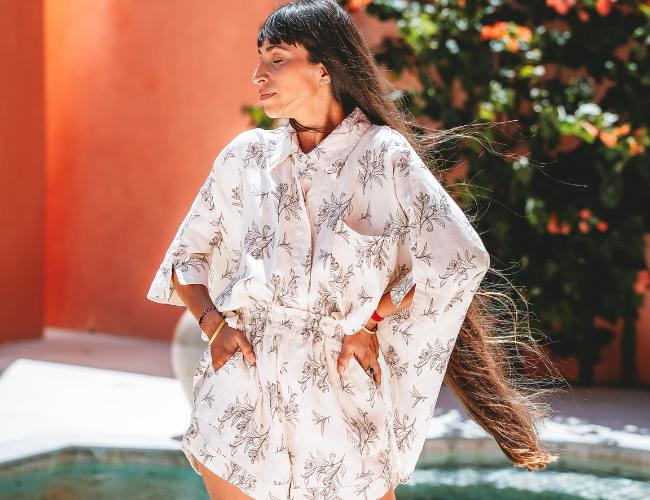
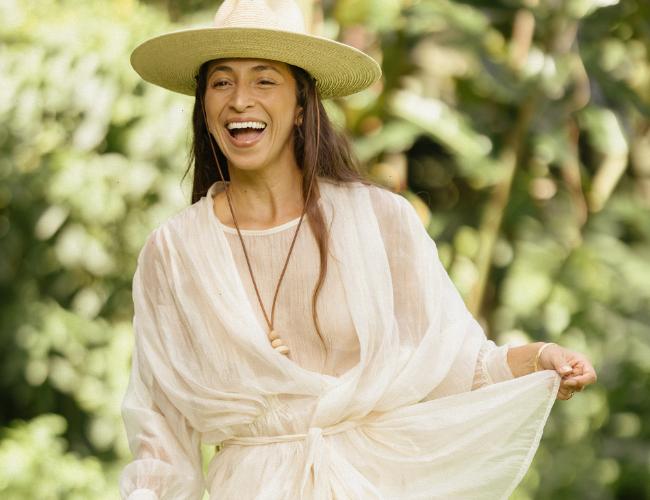
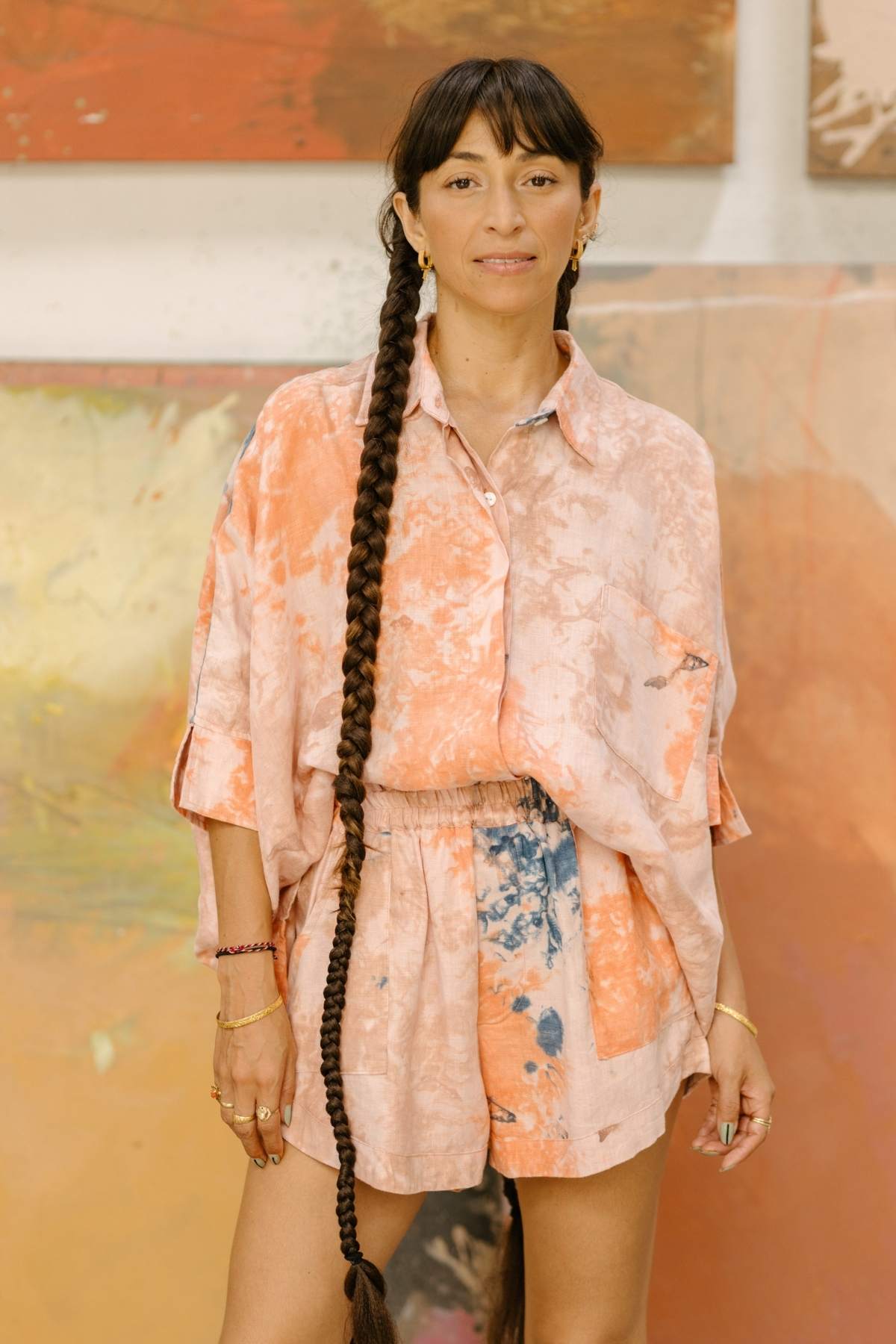
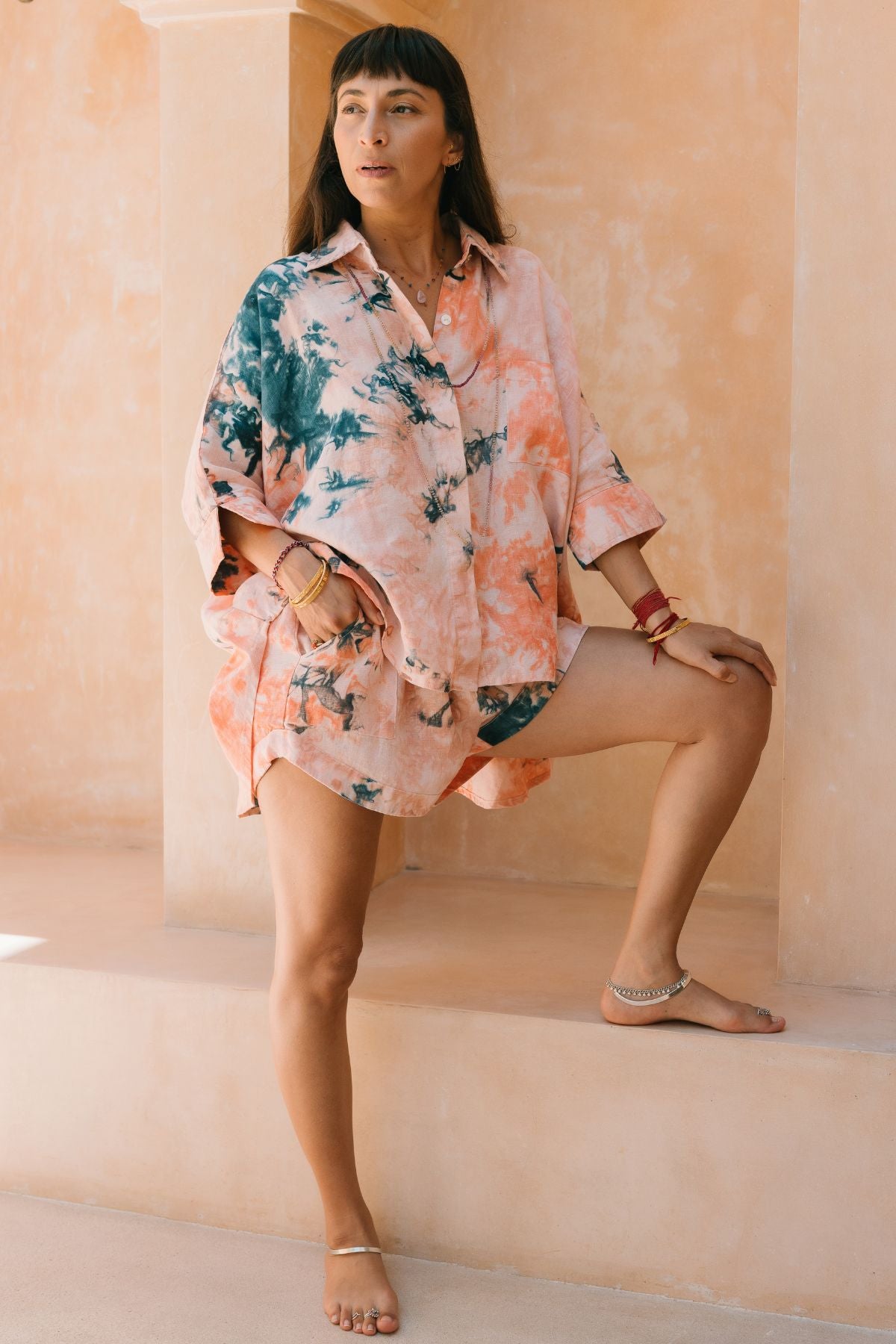
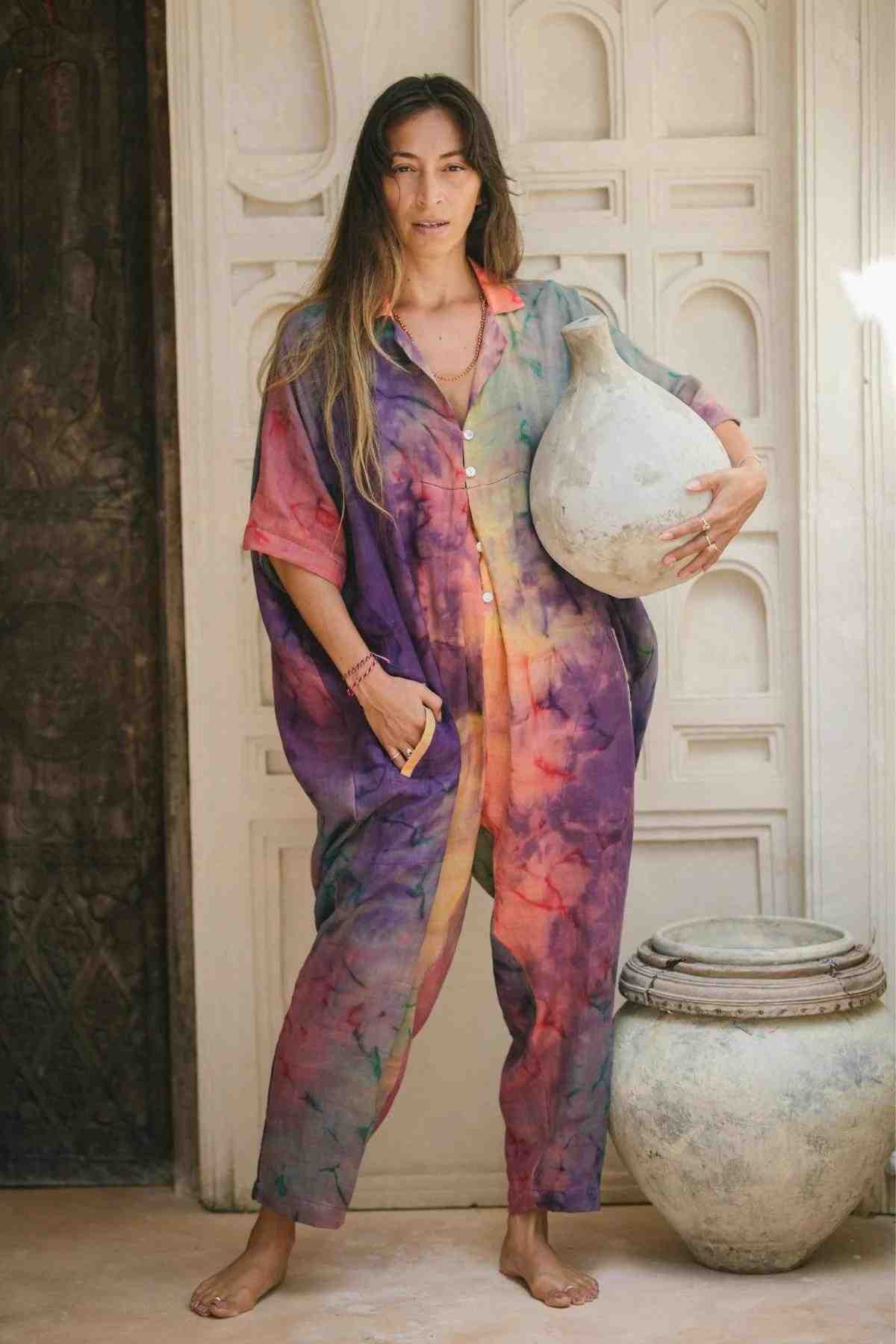
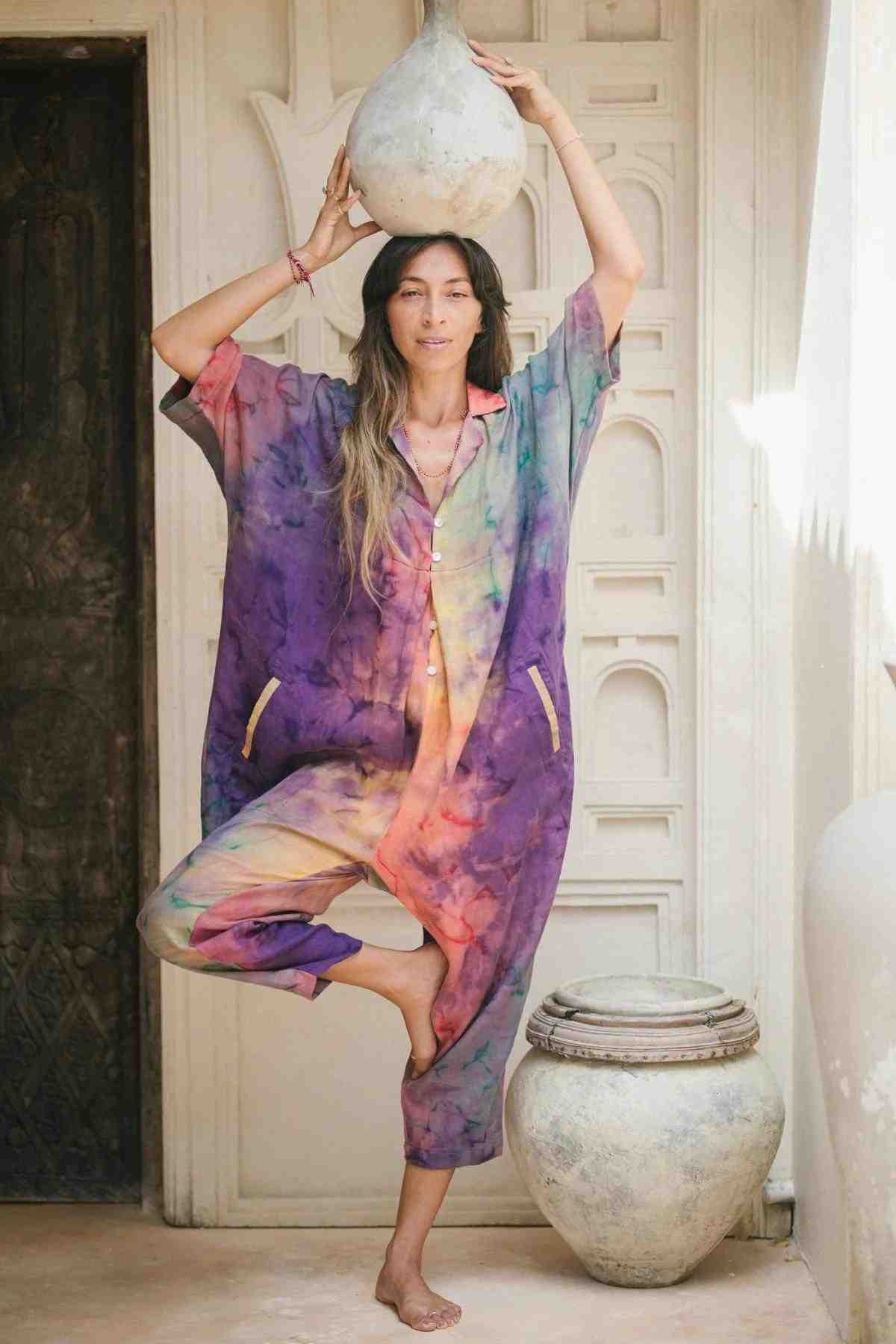
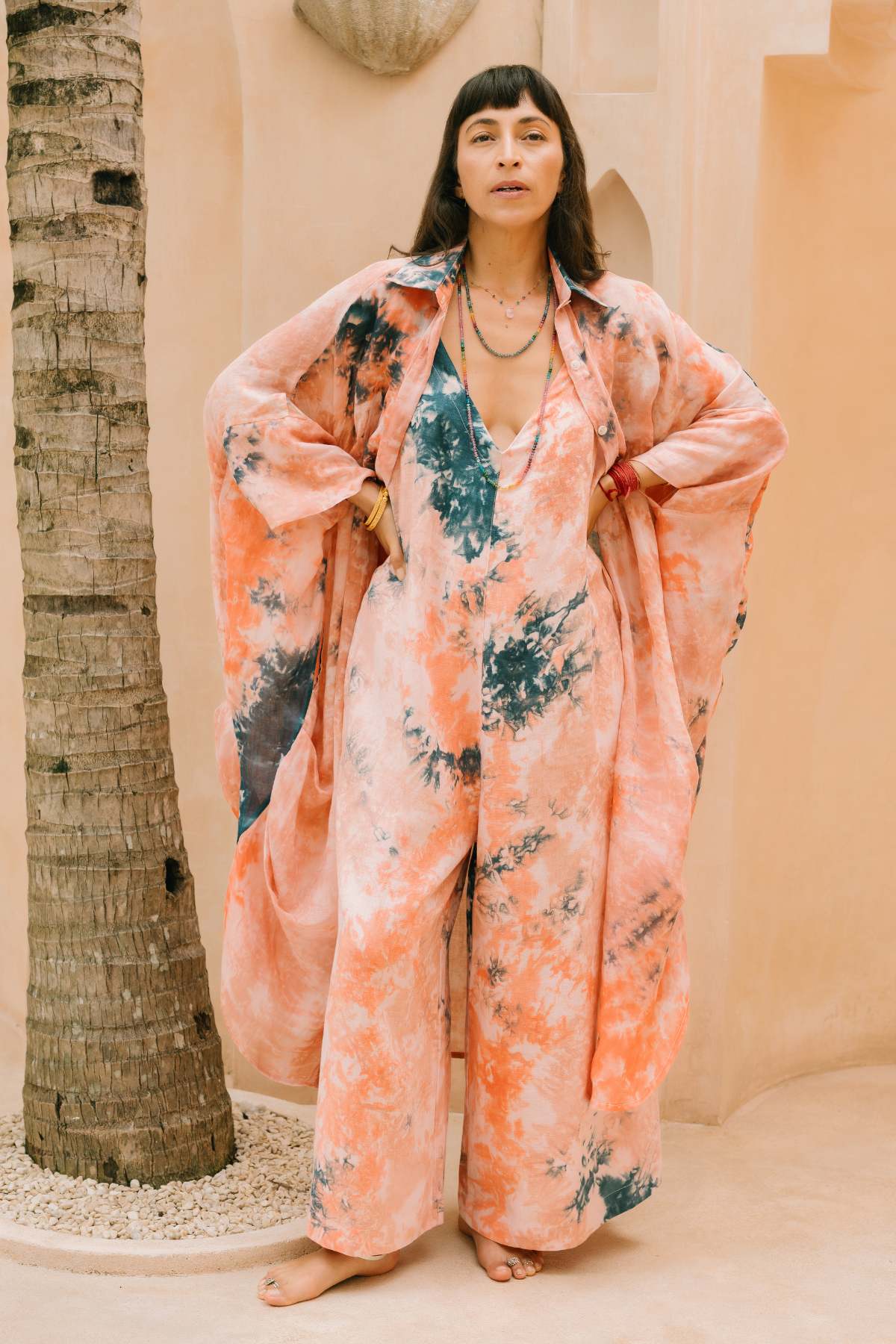
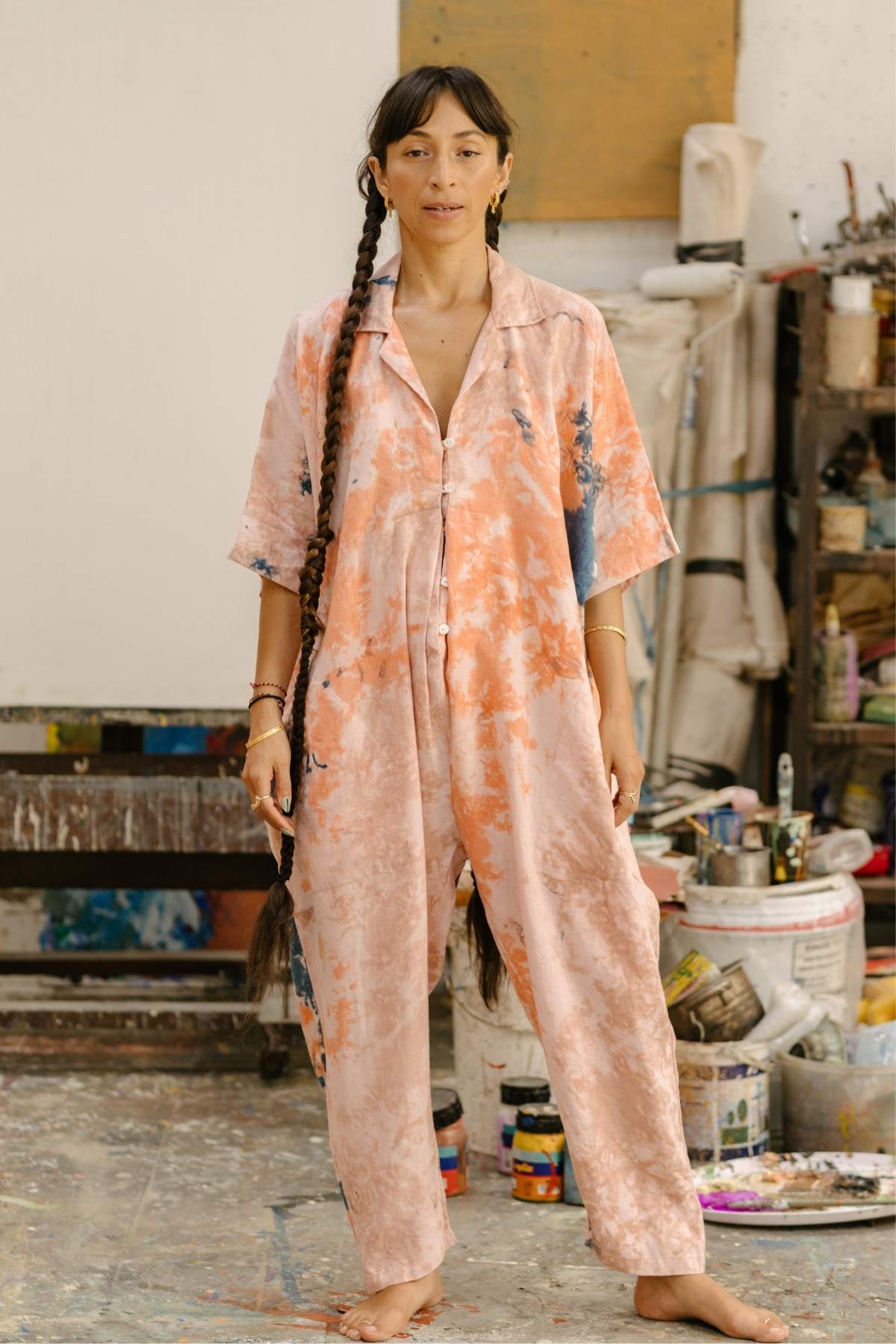
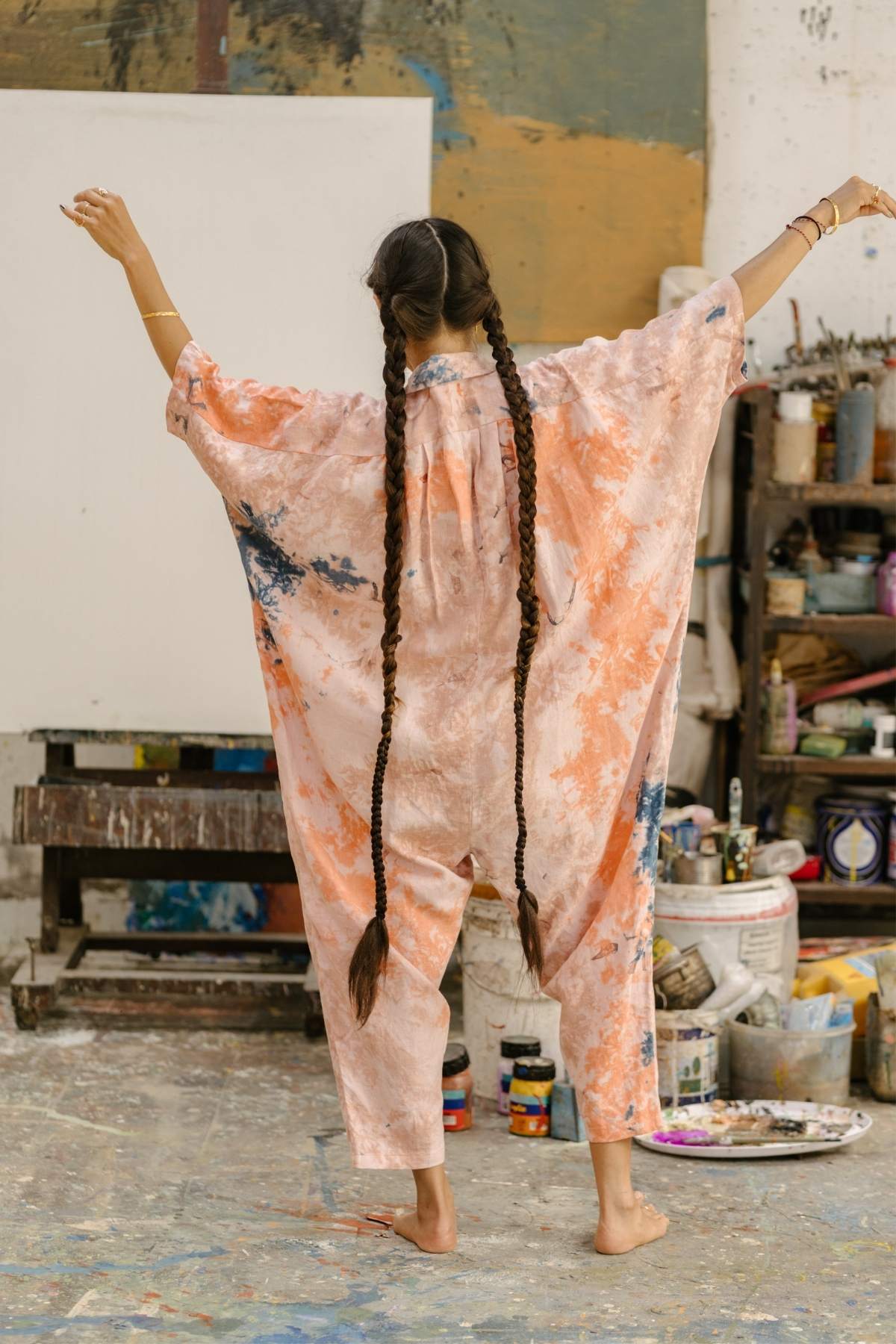
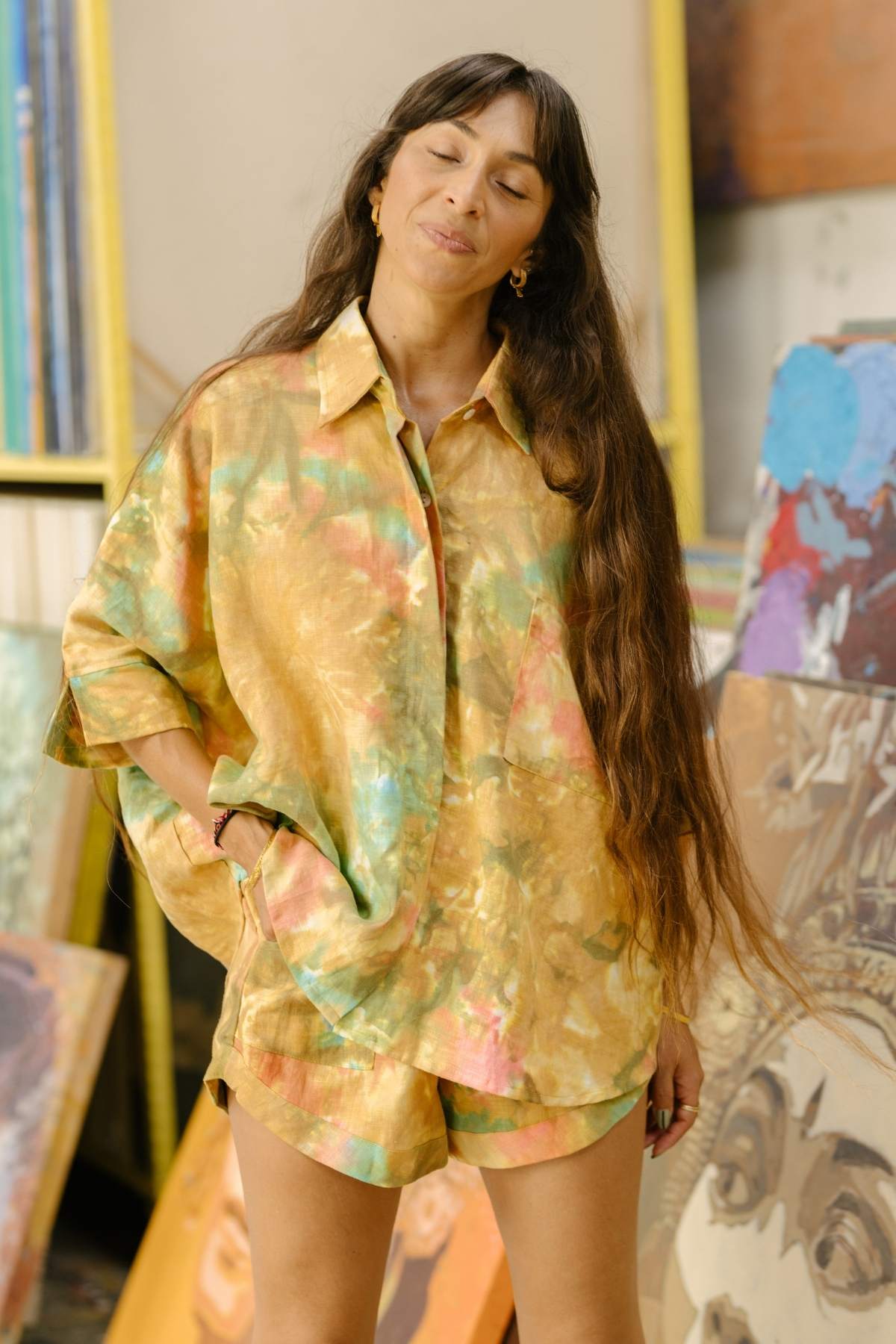
The ceremonial pieces. Every conscious wardrobe has a handful of garments that are not for every day. They are for the moments that deserve to be dressed differently. The piece you put on before something sacred begins. The garment that marks a threshold. In our range, these are often the silk pieces, the botanically dyed sets in the deepest colorways, the kaftan that transforms the quality of the room when you walk in wearing it. These pieces are not extravagances. They are the wardrobe's acknowledgment that some moments are different from ordinary ones, and that dressing for them is an act of reverence.
How to Know If a Brand Is Actually Conscious
The questions are simple. The answers either exist or they do not.
Who made this? Not which country, which specific production context. Homes or factories? Individual makers or production lines? Can the brand name the people or communities who made your garment?
What is it made from? Not just the fiber content listed on the care label. Where did that fiber come from? Was it grown conventionally or organically? Was it botanically dyed or synthetically dyed, and with what consequences to the water systems around the dyeing facility?
What were the makers paid? Not the legal minimum of the country of production. The actual wage. Is it enough to live on with dignity?
And finally: is this something the brand would hold even if it cost them growth? Ethics adopted for marketing can be quietly dropped when growth requires it. Ethics held as a founding commitment survive growth. You can usually tell the difference by how a brand answers uncomfortable questions. The ones with real commitments answer directly. The ones with marketing commitments redirect.
Conscious Fashion and the Customer Who Finds Us
The woman who finds Myrah Penaloza is usually not looking for a brand. She is looking for something honest.
She has been through the cycle. She has bought the trend pieces and watched them pill and fade. She has bought from the brands using the language of consciousness while importing their production from the cheapest available source. She has stood in front of a wardrobe full of clothes feeling like she has nothing to wear, and she has understood, slowly, that the problem is not quantity.
When she finds clothing that is genuinely handmade, by skilled artisan families who are fairly paid, from natural fabrics that breathe and age beautifully, she recognizes it. The recognition is not intellectual. It is physical. The fabric feels different. The garment fits differently. The wearing of it feels different.
She is not adopting a new philosophy. She is returning to something she already knew. That is what conscious fashion, done honestly, enables. Not a conversion. A return.
Conscious fashion is not about buying better. It is about buying from a place of knowing. Knowing who you are, knowing what you need, and knowing what your choices cost and what they give back.

|
A Piece for This Threshold The Swan Set
Botanically dyed, handcrafted in Bali by artisan families paid a living wage. The piece that earns its place in a conscious wardrobe for years, not seasons. Moonlight, Rainbeau, and Dark Moon Black. $258 USD |
|
The Muse-Letter Dress for the woman you’re becoming. Every week from Bali. Astrology, slow living, sacred feminine, and the pieces we’re making by hand. A letter, not a sales pitch. Unsubscribe any time. No spam, ever. |


Leave a comment
This site is protected by hCaptcha and the hCaptcha Privacy Policy and Terms of Service apply.