How We Built a Fashion Brand That Survived COVID
We had factories then. One in India. One in the United States. We were running the brand the way the industry expected us to. Production in one place, on someone else's clock, on someone else's floor.
This was before we moved our family to Bali. Before COVID. Before everything changed.
The Intuition That Changed Everything
When we arrived in Bali, something shifted in how we understood our own supply chain. We were living close to our work for the first time, and from inside that proximity, one thought kept returning.
Nobody wants to be in a factory.
Not the women who make our clothing. Not the tailors whose skill is in their hands, not in a production schedule. Nobody chooses to leave their children, their kitchen, the rain on their own roof, to go and sit under fluorescent lights making someone else's clothes faster than they should be made.
So we began something quietly. Without a plan beyond following what felt right.
We started building a network of artisan tailors who would work from their own homes and their own small workshops. We brought them the linen. We brought them the patterns. They set their own hours. They worked beside their children. We paid them a living wage, every time, without exception.
When the Industry Collapsed, We Were Already Ready
When COVID closed the world, the factory in India closed. The factory in the United States closed. Every fashion brand we knew was laying off workers. There were no jobs anywhere. The industry that had told itself it was indispensable discovered, in the space of a few weeks, that it was not.
But the home-based artisan network was already there. The thing we had built on intuition months earlier became the only thing still working.
And while the industry was falling apart, we expanded.
We hired more artisans. We brought on more families. We kept paying full wages through a year when most brands were cutting them, or cutting the people receiving them, which amounts to the same thing. We did not do this because we had a crisis plan. We did it because the model was already built for it. Distributed, home-based, relationship-driven. The exact opposite of fragile.
Thirty Families
By the time the world reopened, we were supporting thirty Balinese families directly through this one small fashion brand. Tailors, natural dyers, hand-weavers, and the people who support all of them.
This is not a sustainability claim we added to the website afterward to sound responsible. It is the actual structure of how this company is built. A structure that was tested by the worst year the fashion industry has ever had, and held.
Robindra has a phrase for what we built. He says true abundance is not just putting a roof over your own head. It is supporting the abundance of thirty families. Their children's school fees. Their ability to stay in their village and practice their craft, rather than migrating to a factory somewhere else.
That is not incidental to what we make. It is woven into everything we make. Literally, in some cases.
Why We Tell This Story Now
We do not tell this story to perform virtue. We tell it because the fast fashion industry spends considerable resources making its model seem inevitable, and this story is evidence that it is not.
A home-based artisan network, built on trust and fair wages, that expanded through a global pandemic. That is not an anomaly. That is what happens when the human logic of a supply chain is built around the people in it rather than around the efficiency metrics that extract from them.
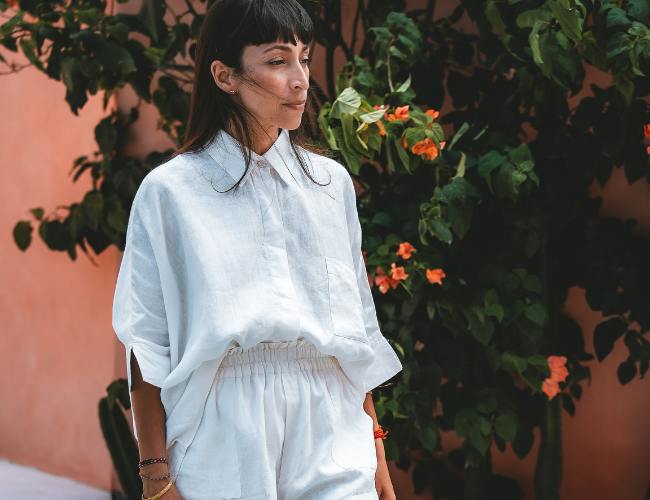
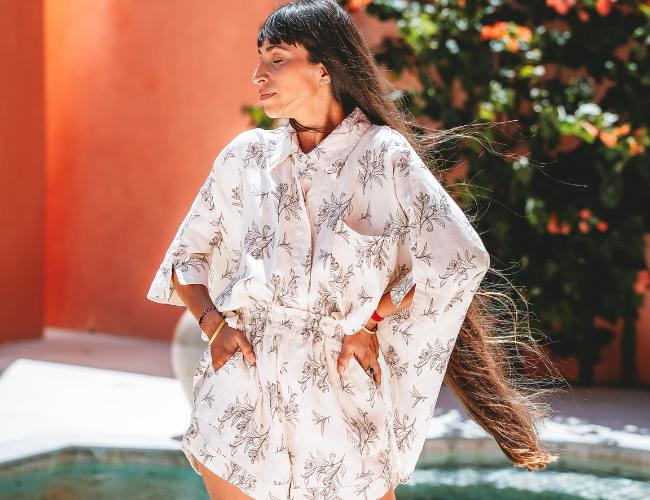
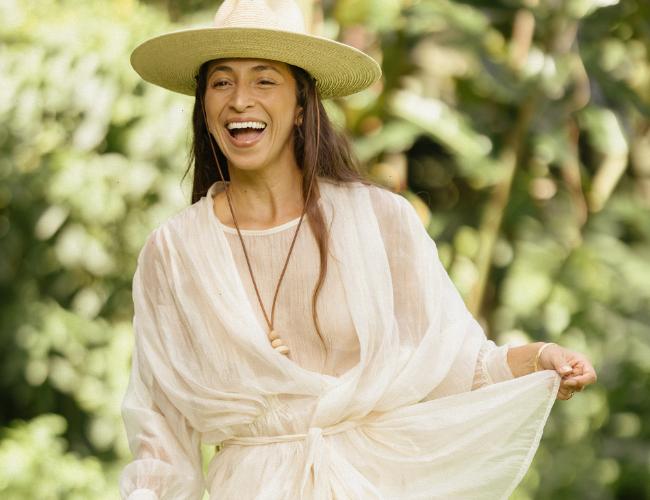
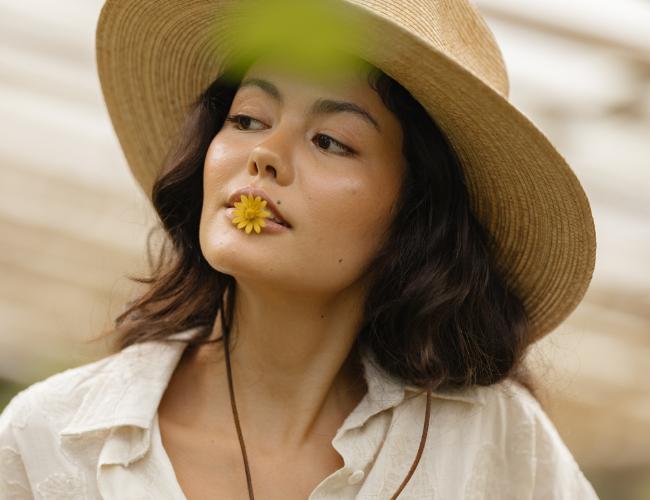
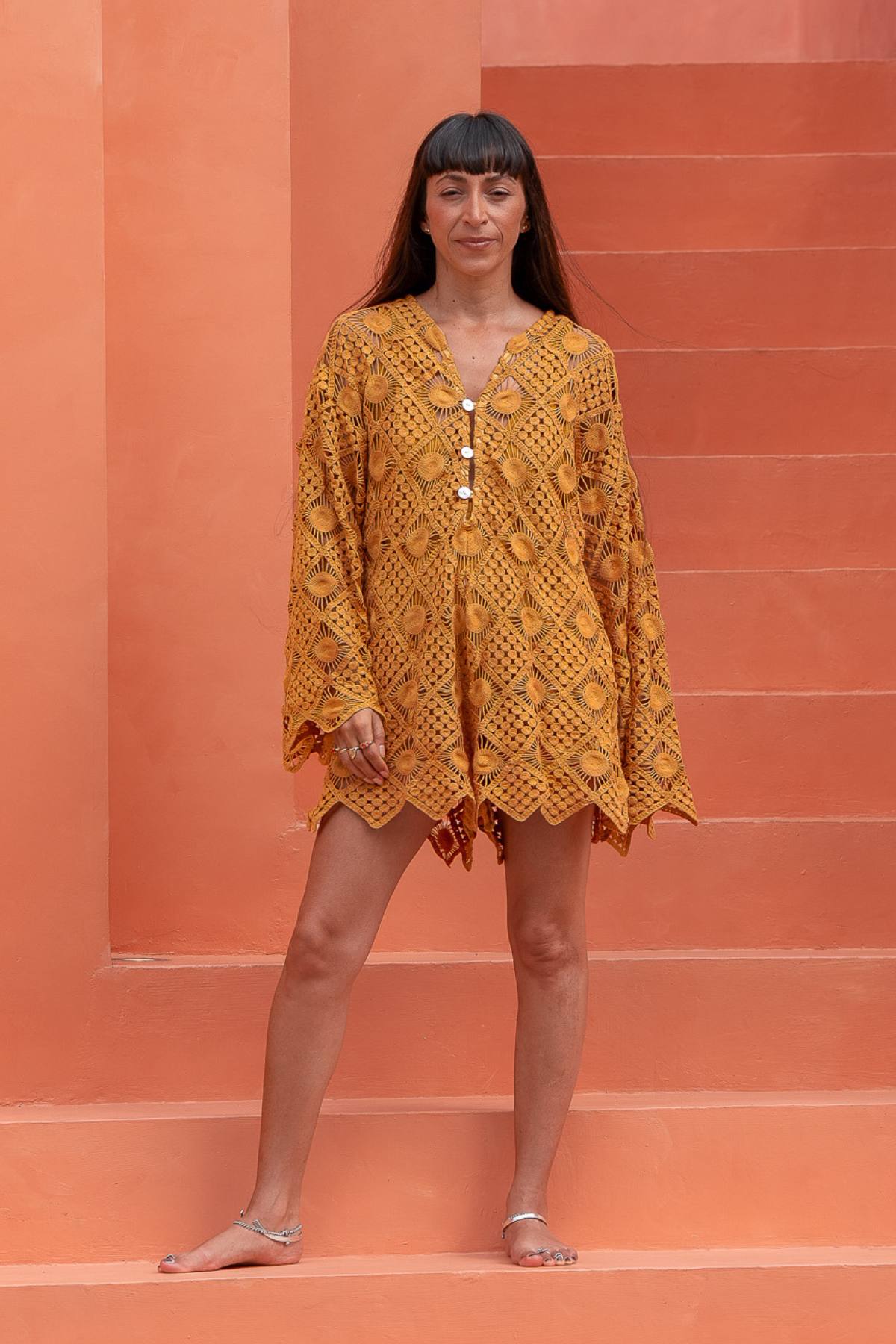
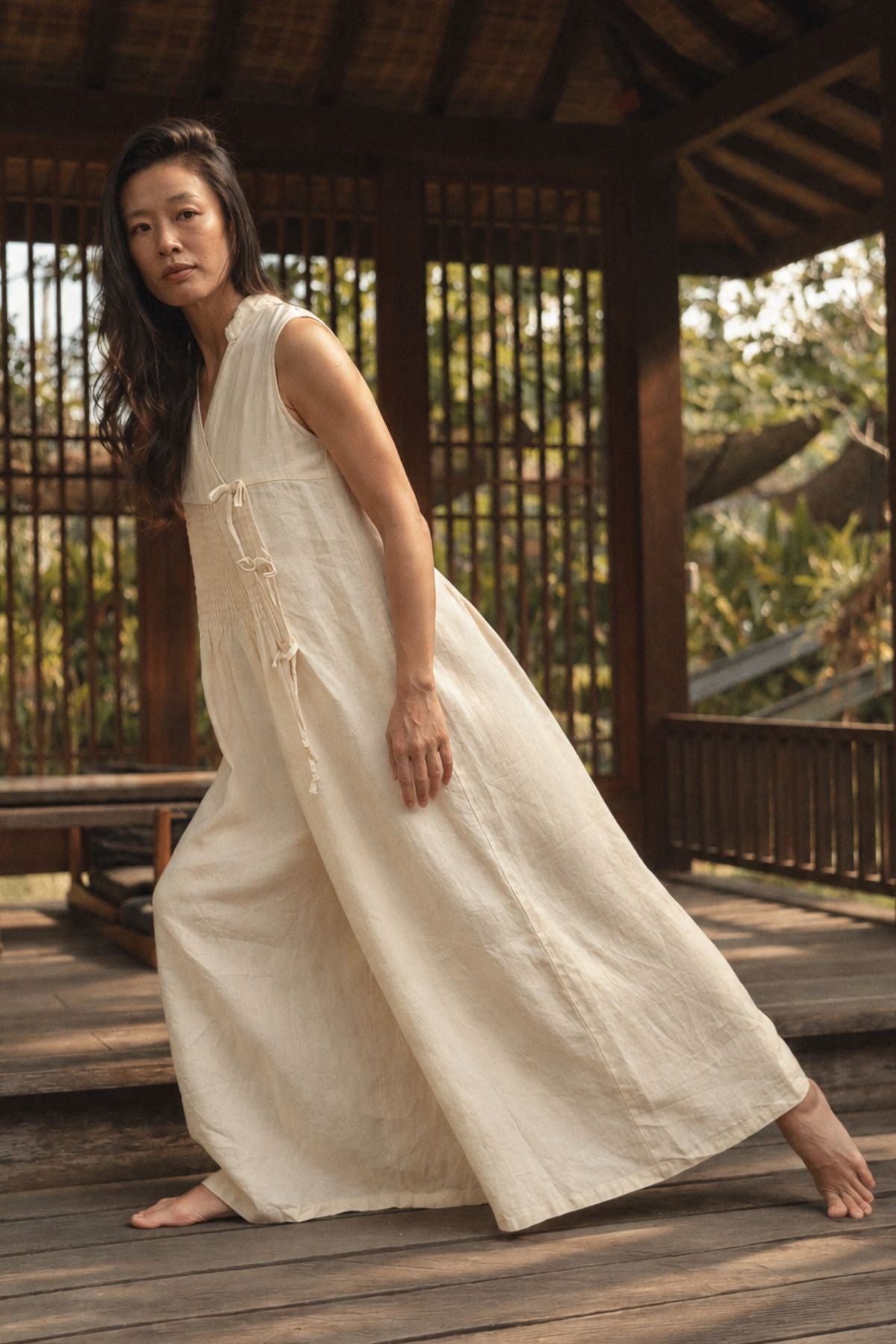
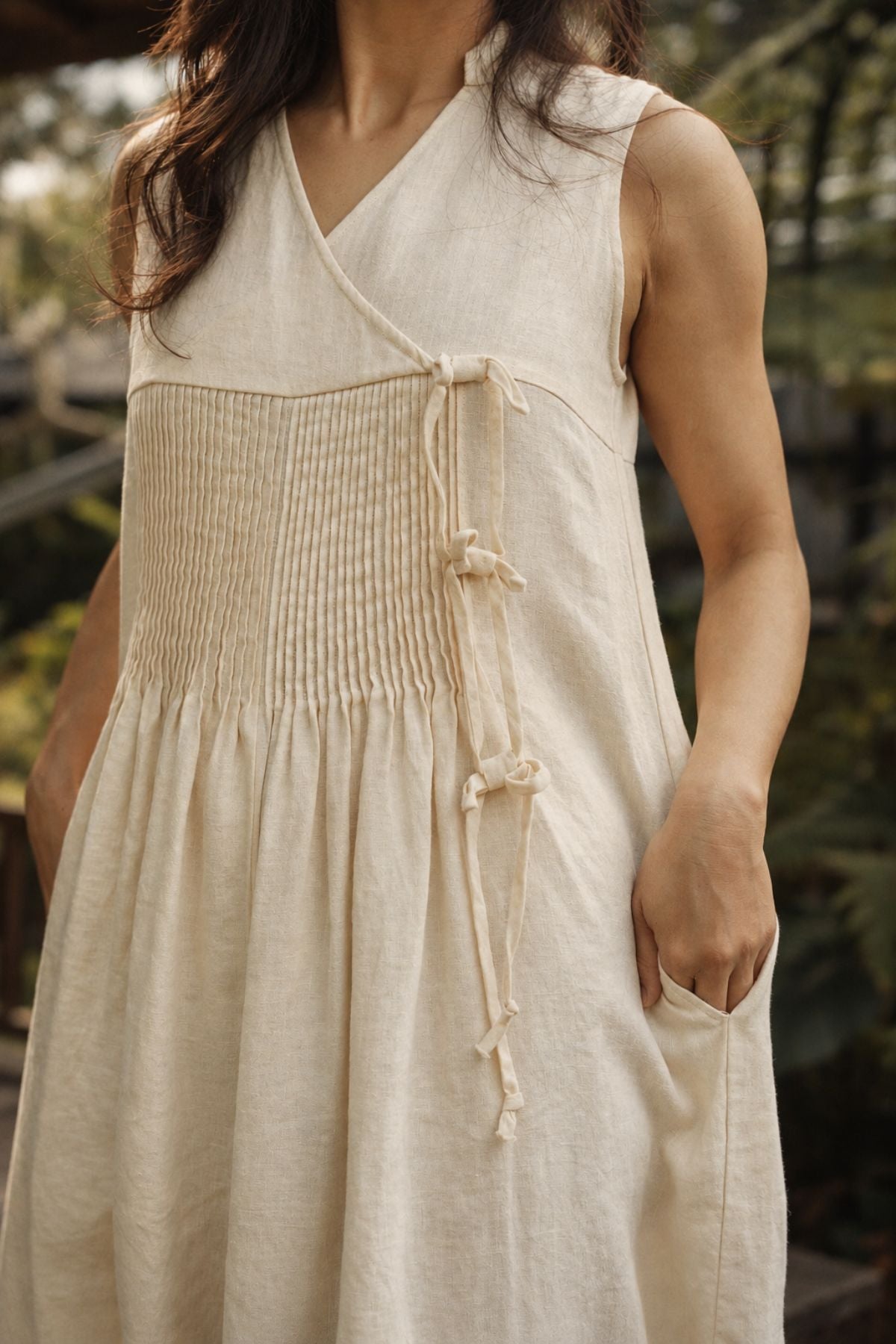
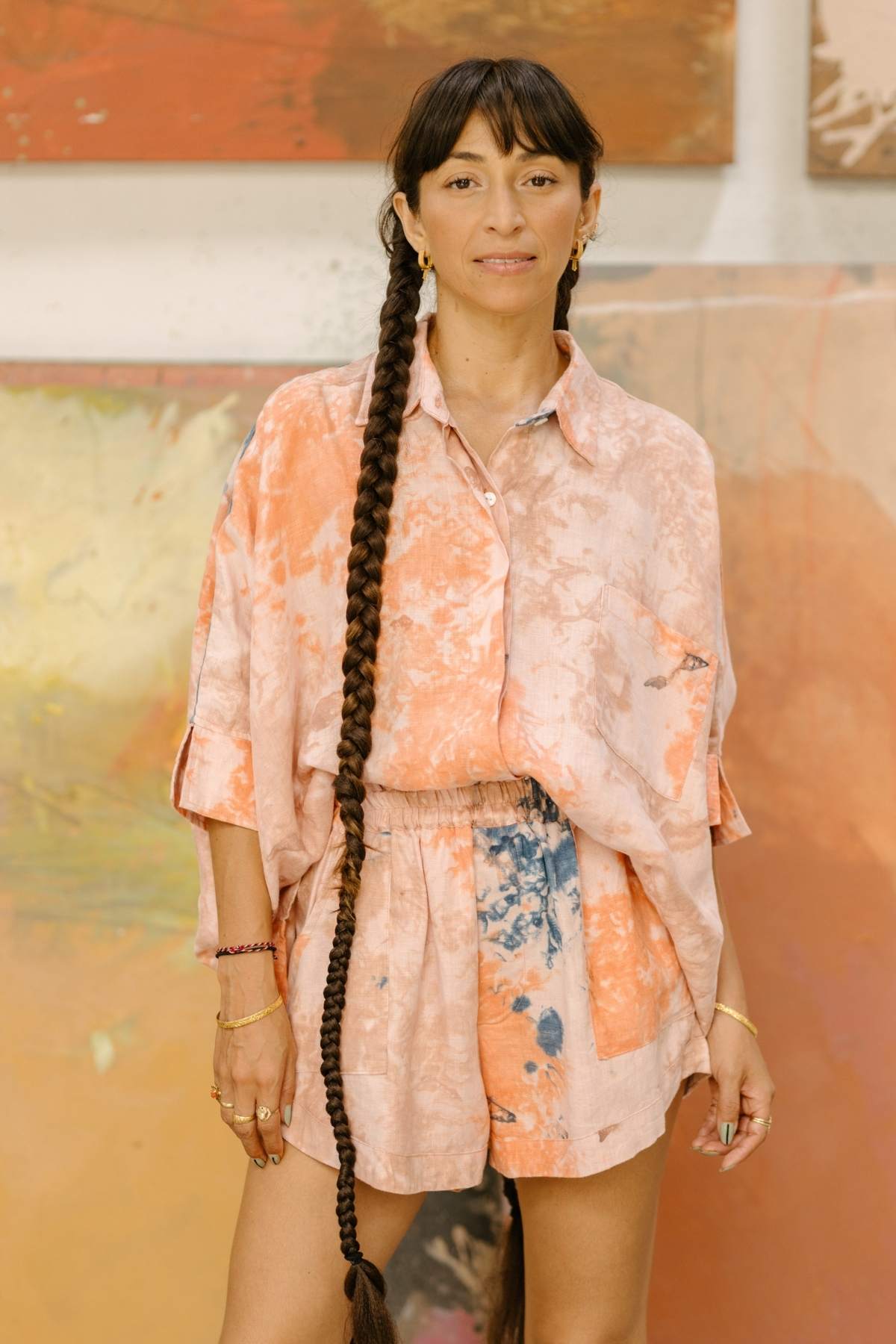
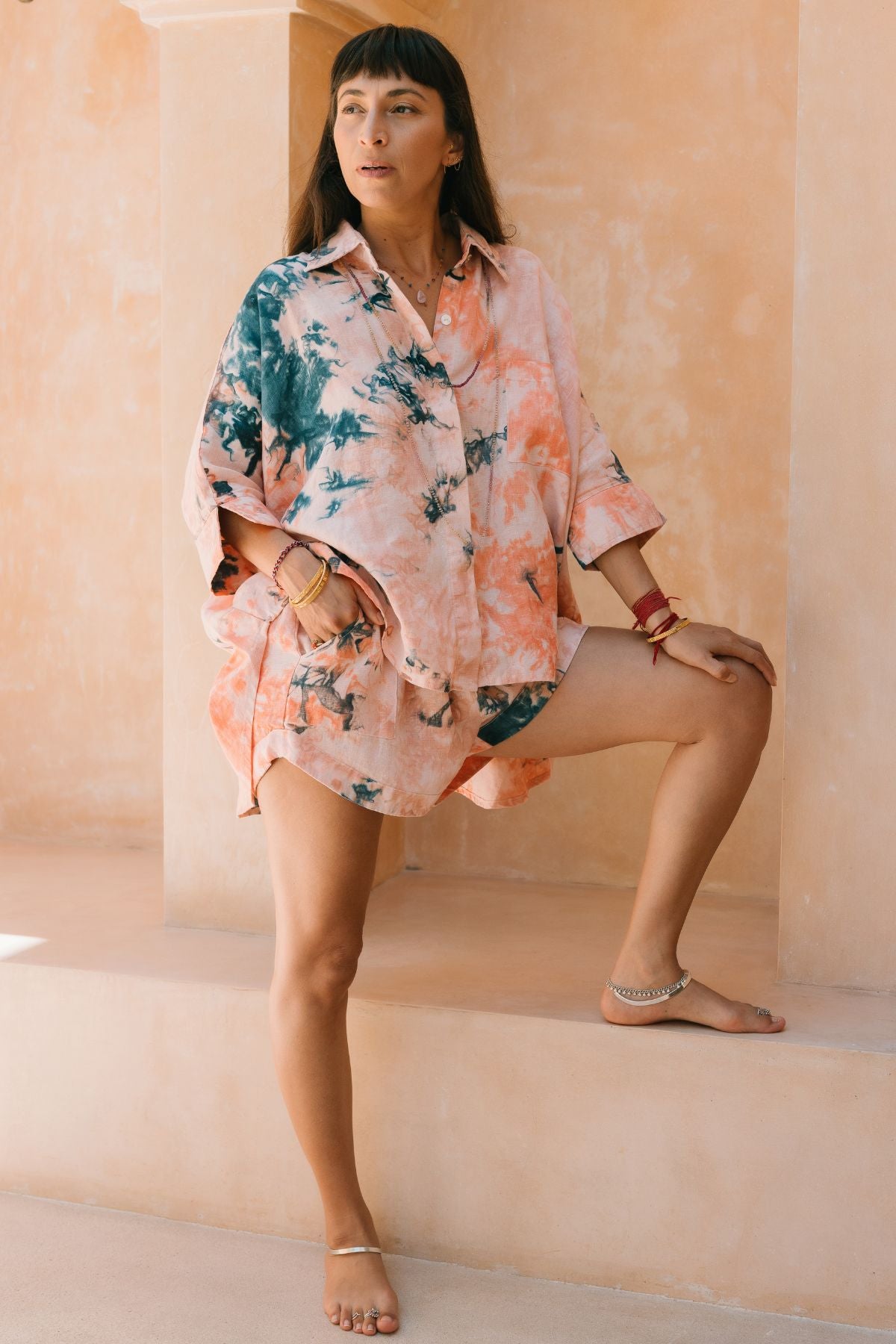
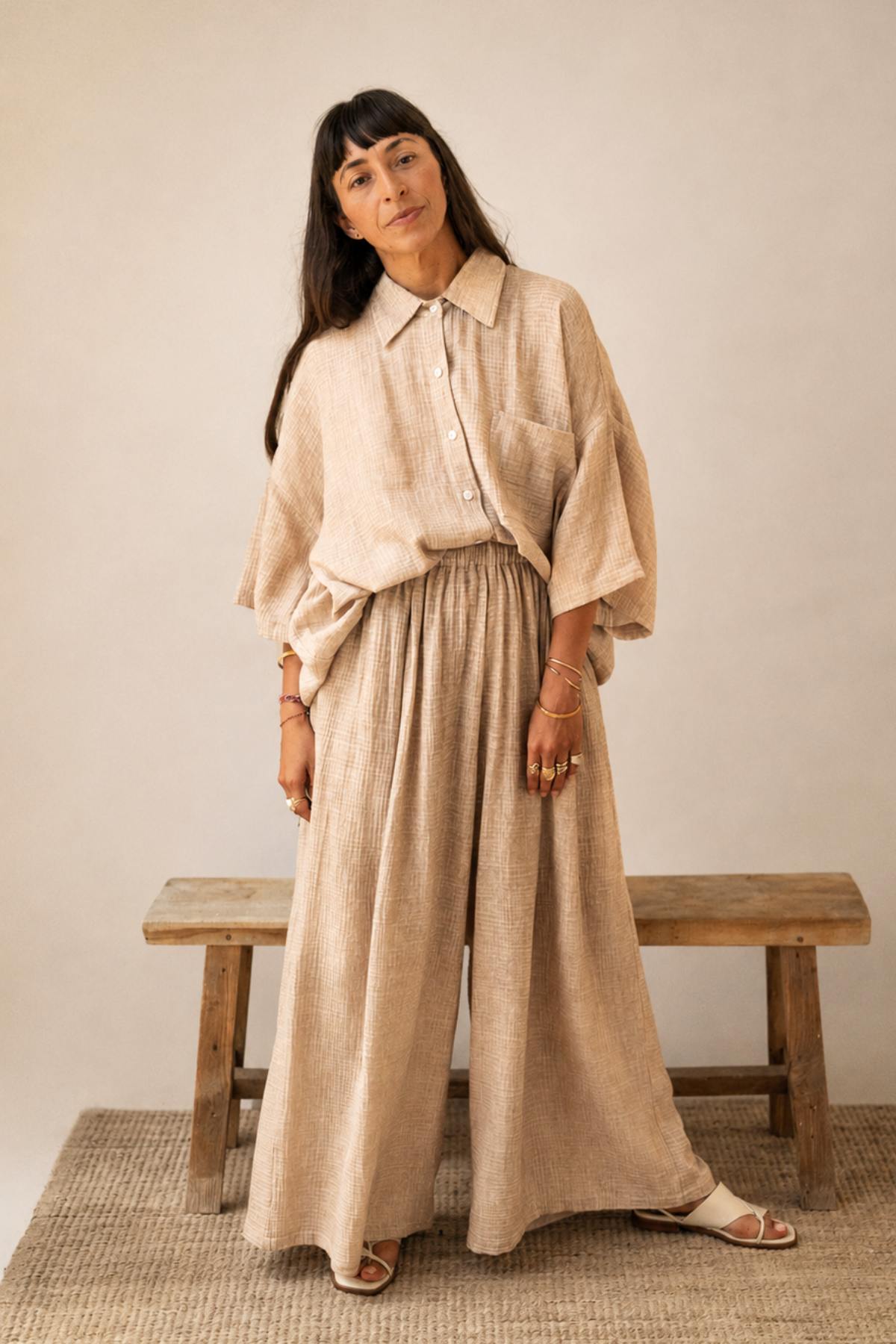
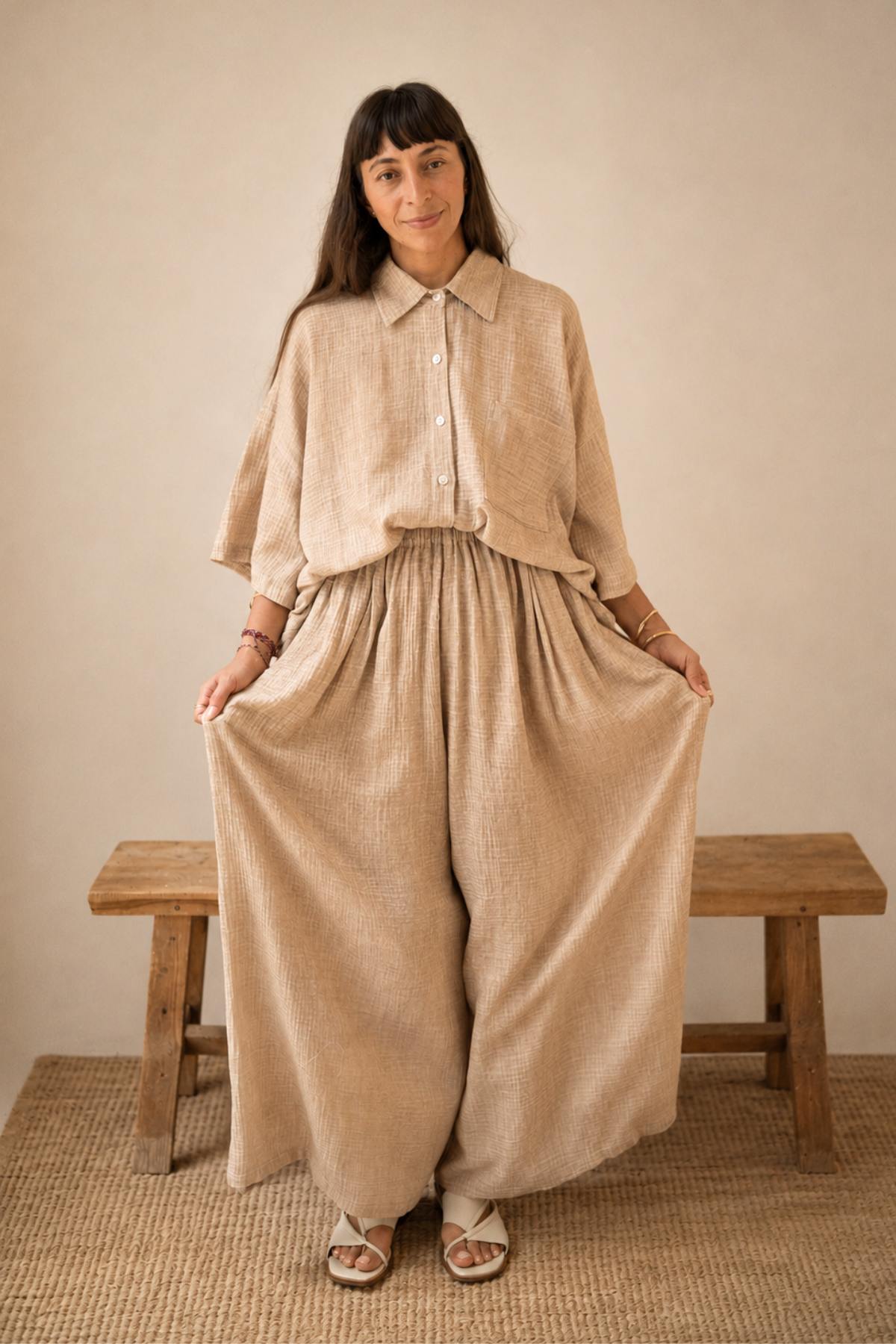
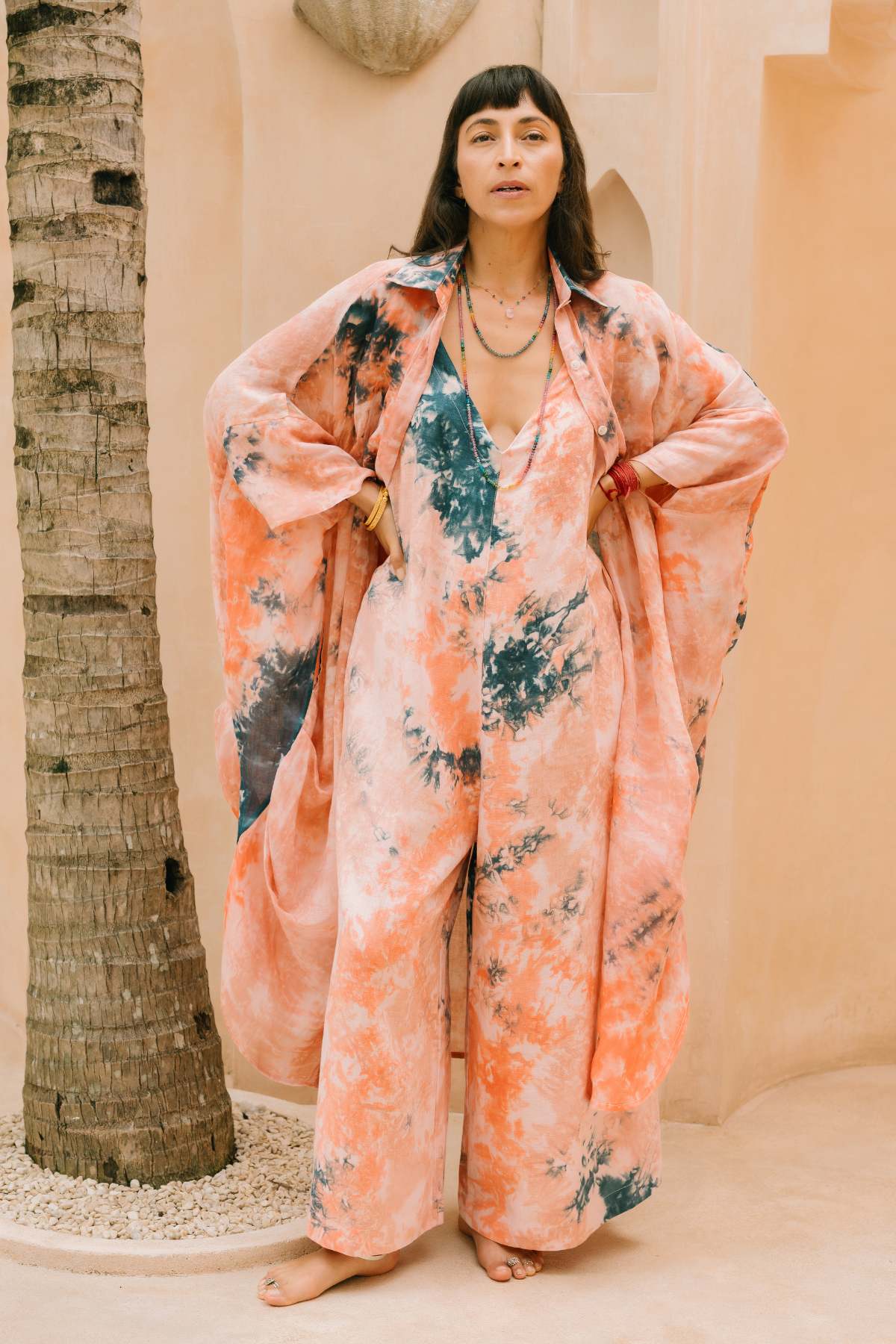
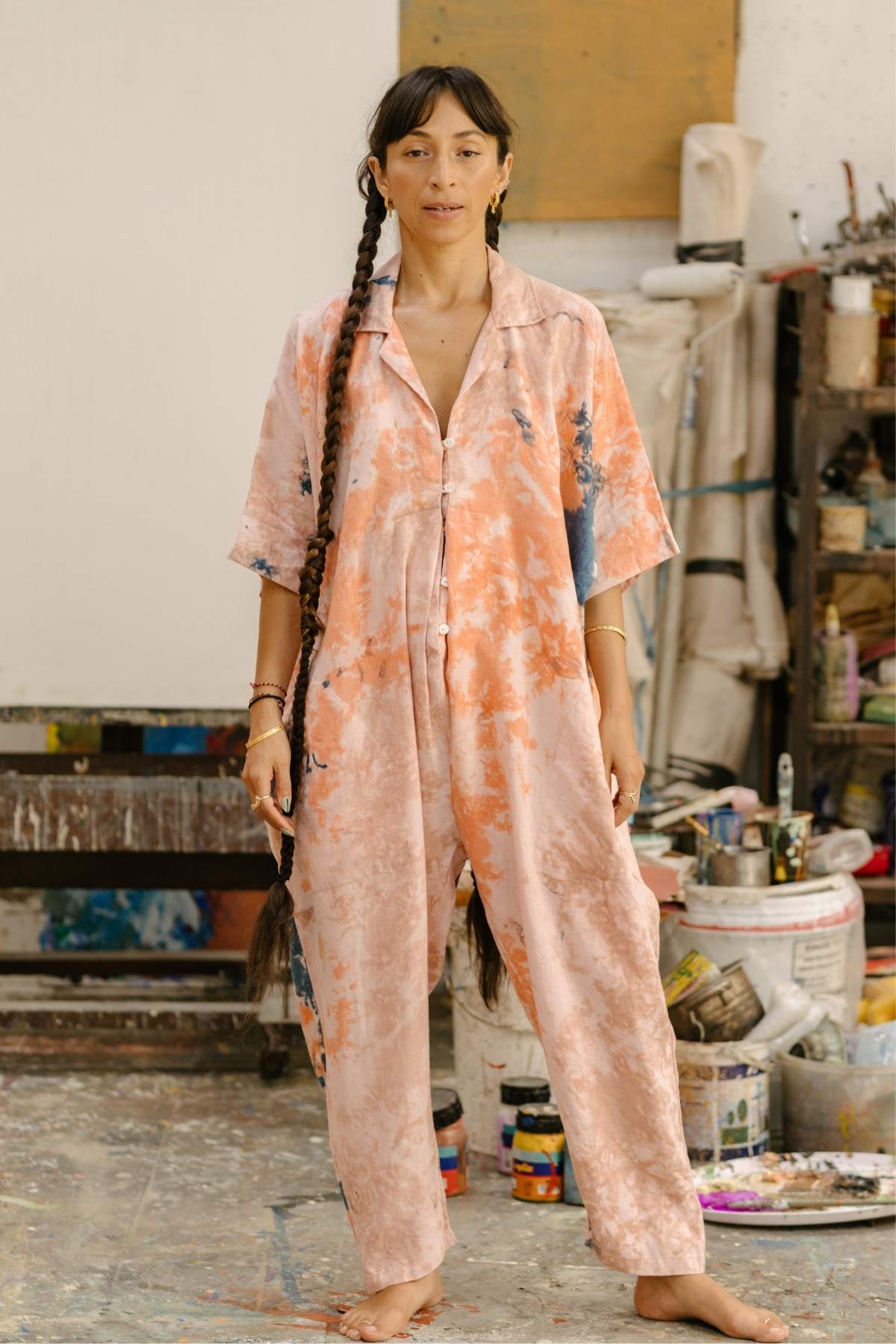
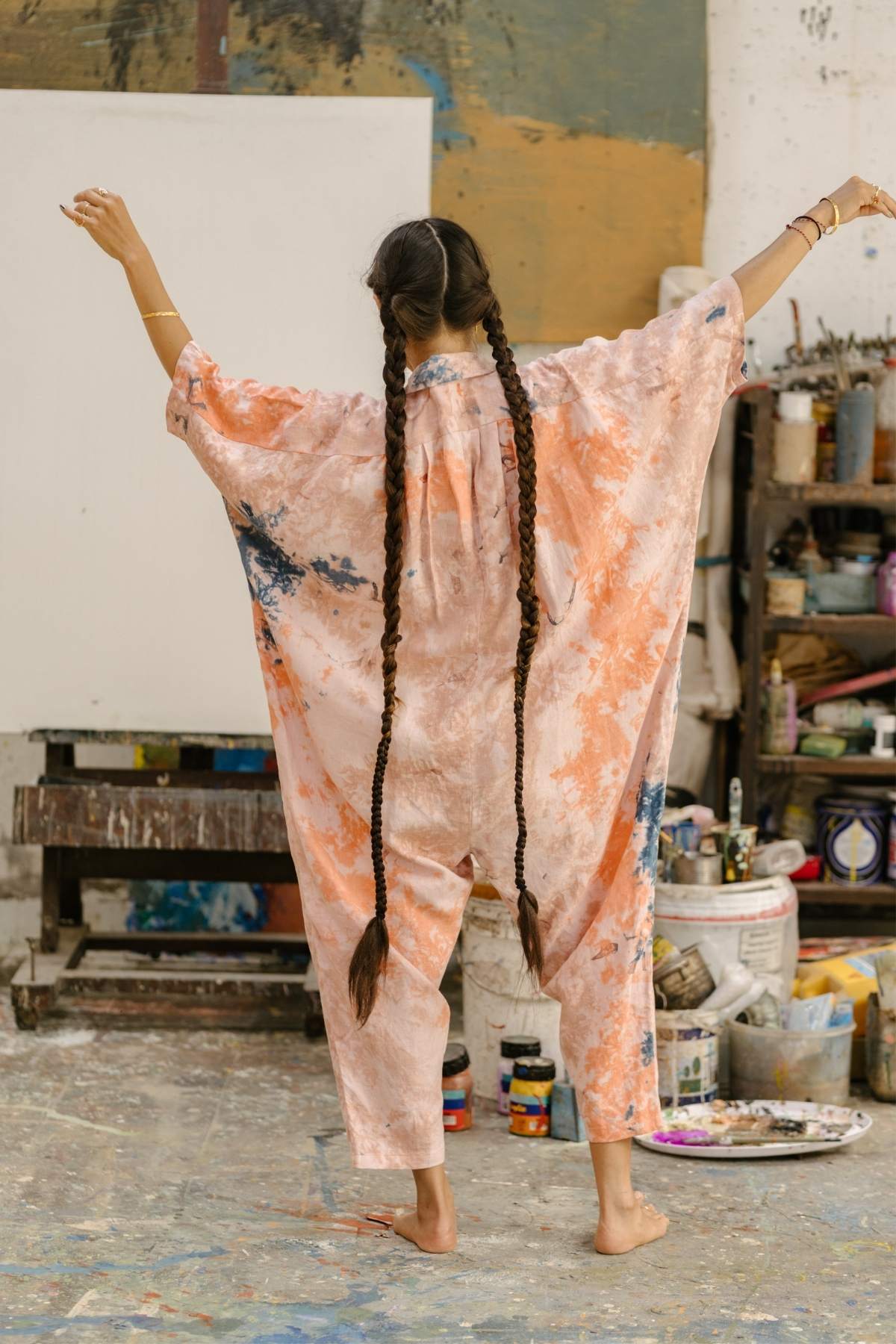
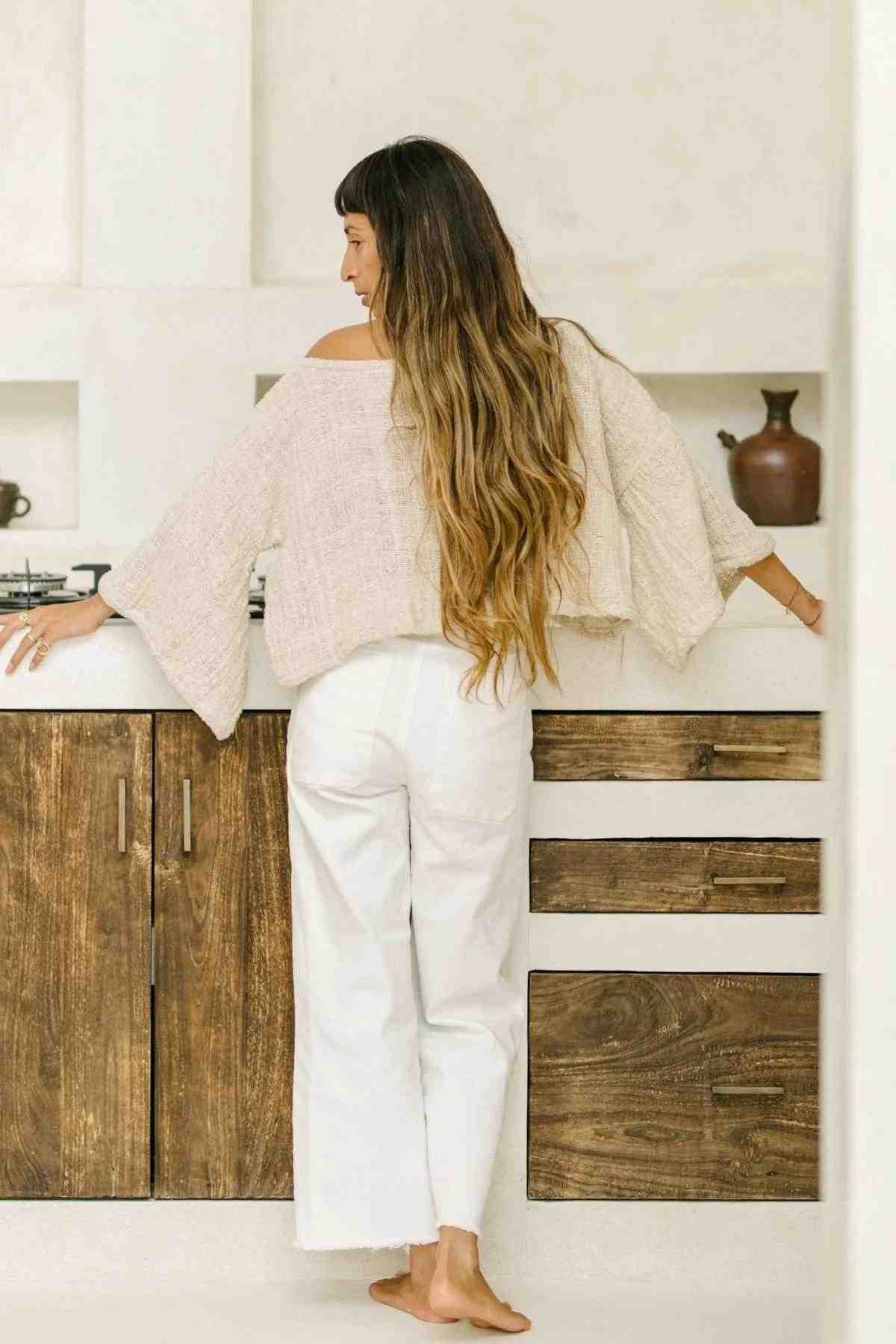
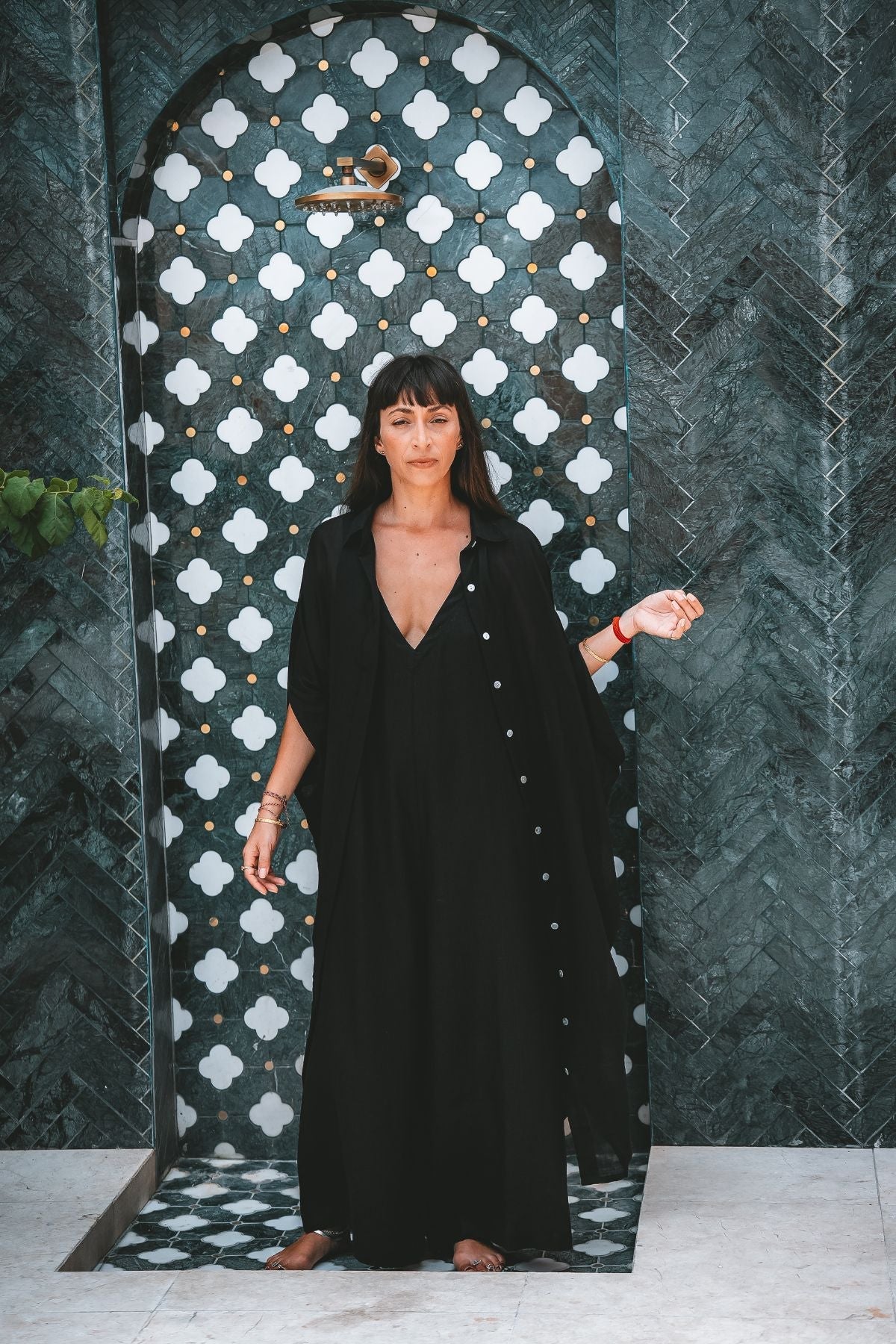
The garment you receive from us was made by someone who set her own hours that day. Who worked at home, probably with a child nearby, and took the kind of care you take when you are not being timed. That is in the fabric. You can feel it in the weight of the linen.
We did not plan for COVID to prove our model right. But it did. And that is worth saying plainly.
With love from Bali,
Myrah & Robindra
|
A Piece for This Threshold The Slow Fashion & Makers Story Read the Slow Fashion Story → |
|
The Muse-Letter Dress for the woman you’re becoming. Join the Muse-LetterUnsubscribe any time. No spam, ever. |



Leave a comment
This site is protected by hCaptcha and the hCaptcha Privacy Policy and Terms of Service apply.