

Ethically Made Women's Clothing: What It Really Costs and Why It's Worth It
There is a question behind every price tag in fashion that most brands do not want you to ask.
What did it actually cost to make this?
Not the retail price. Not the wholesale margin. Not the markup. The real cost. What did the person who made this garment earn? What did the fabric cost, and why? What does it mean that this shirt, this dress, this set costs what it costs, and what does it mean that the one next to it costs a quarter as much?
These are not comfortable questions. But they are the questions that ethically made women's clothing asks you to sit with. And once you have sat with them, you cannot quite go back to not asking.
What Ethically Made Actually Means
The phrase ethically made has been used so widely that it has begun to lose its edges. Brands apply it to garments made in certified factories with minimum wage compliance. They apply it to collections with a small percentage of organic cotton. They apply it to almost anything that sounds better than the alternative.
Ethically made, when the phrase is doing real work, means something specific. It means the person who made your garment was paid enough to live with dignity. Not enough to survive. Enough to live. It means they worked in conditions that respected their safety, their time, and their skill. It means the decision to make in the way they make was not a marketing choice but a foundational one that the brand would hold even if it cost them growth.
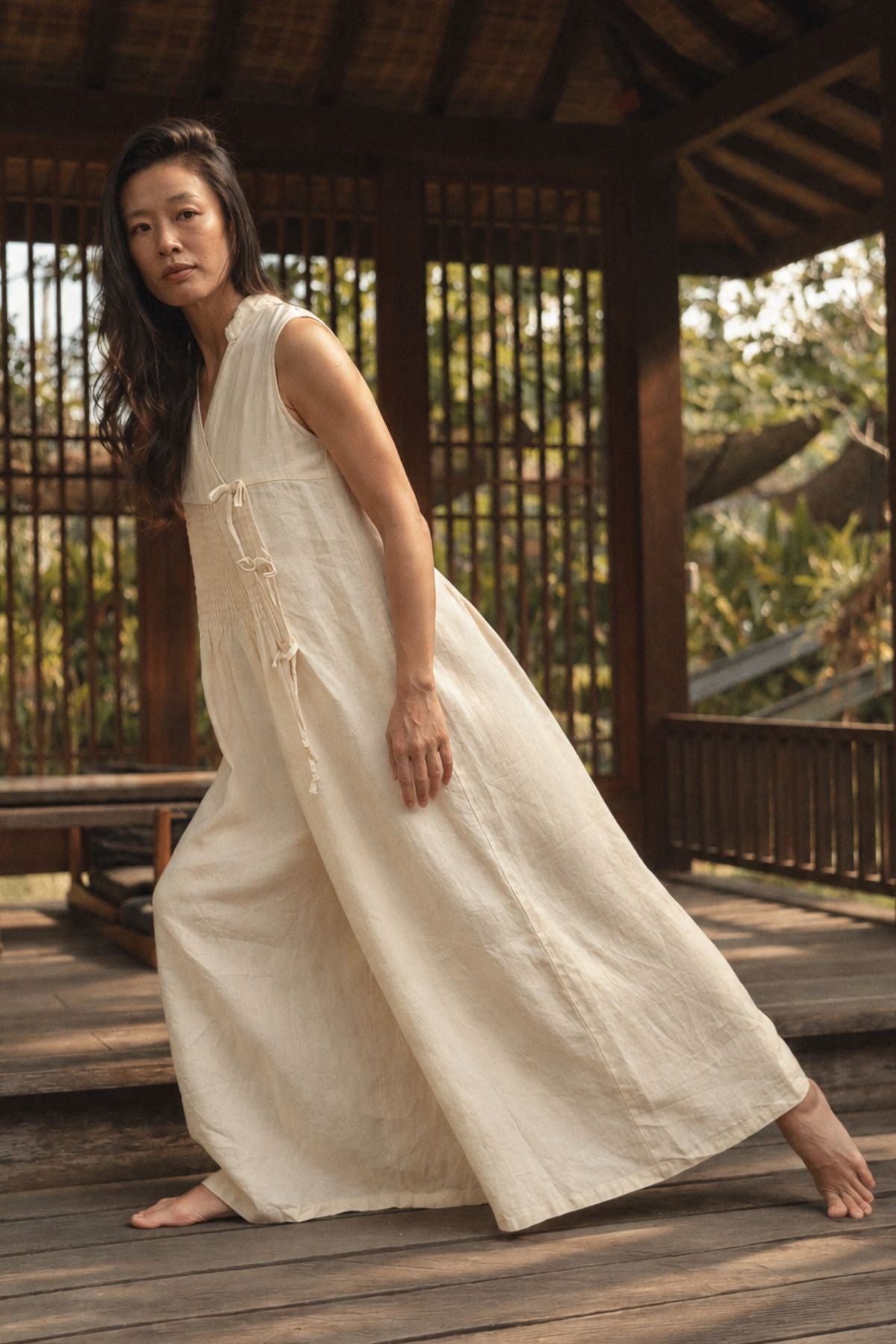
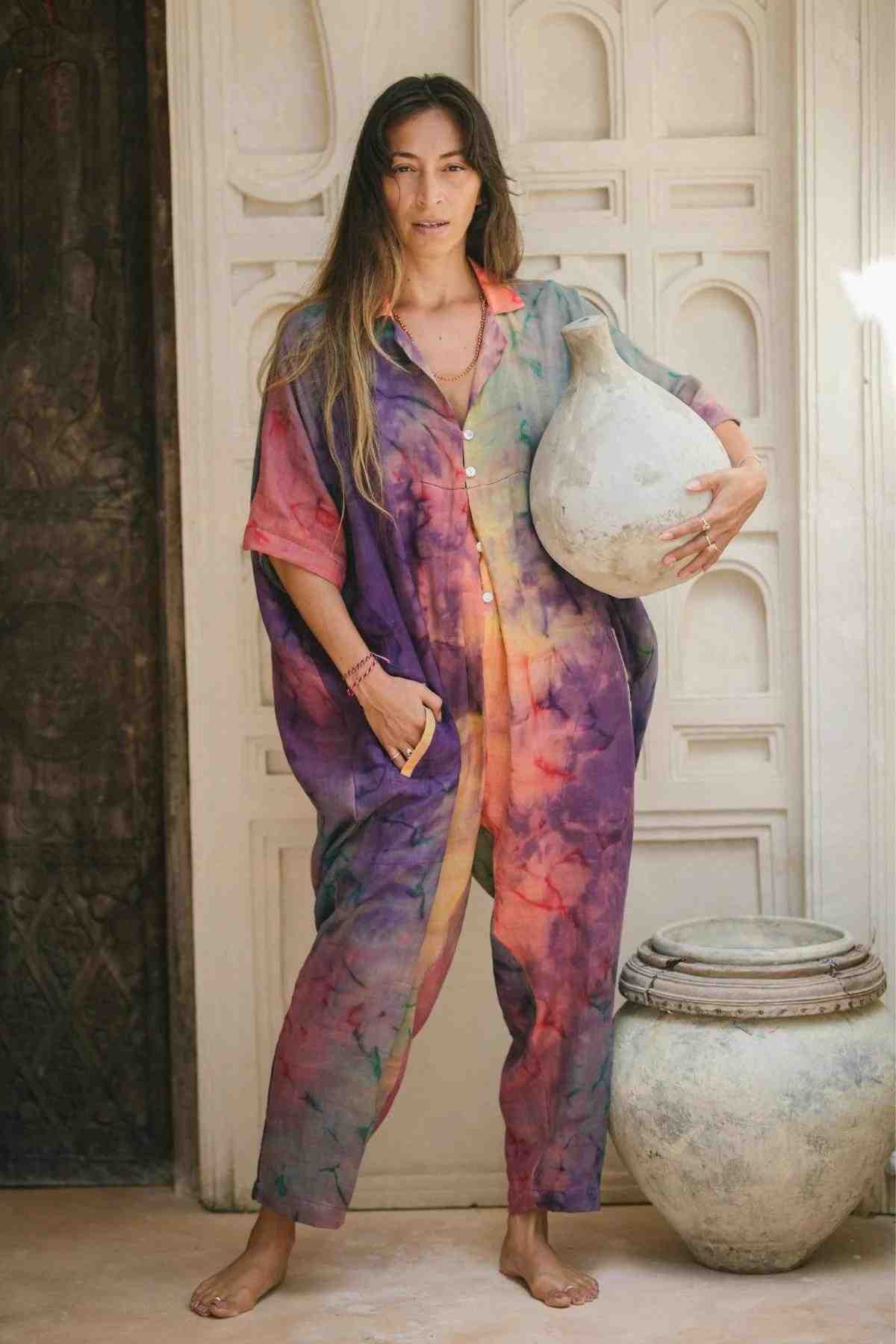
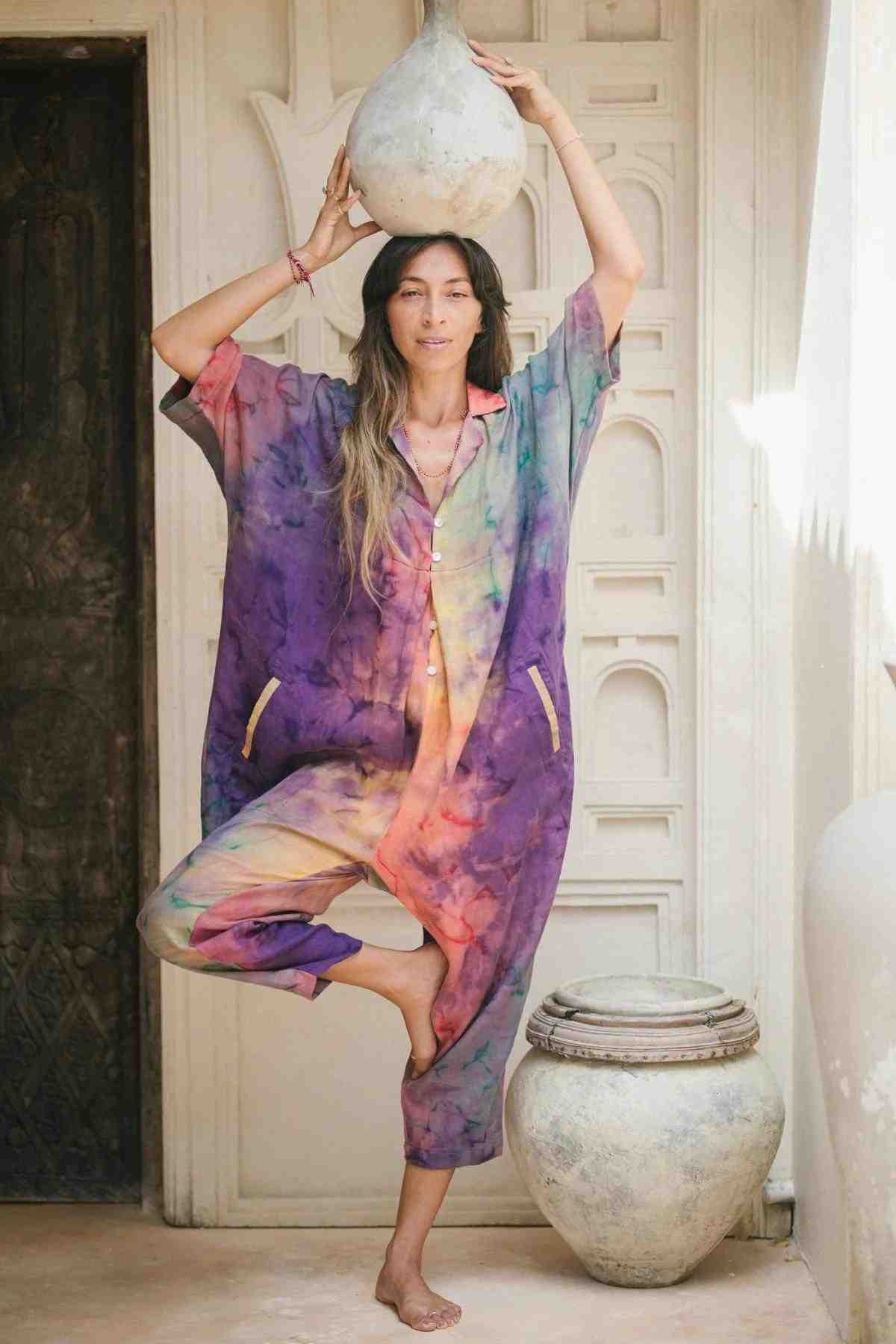
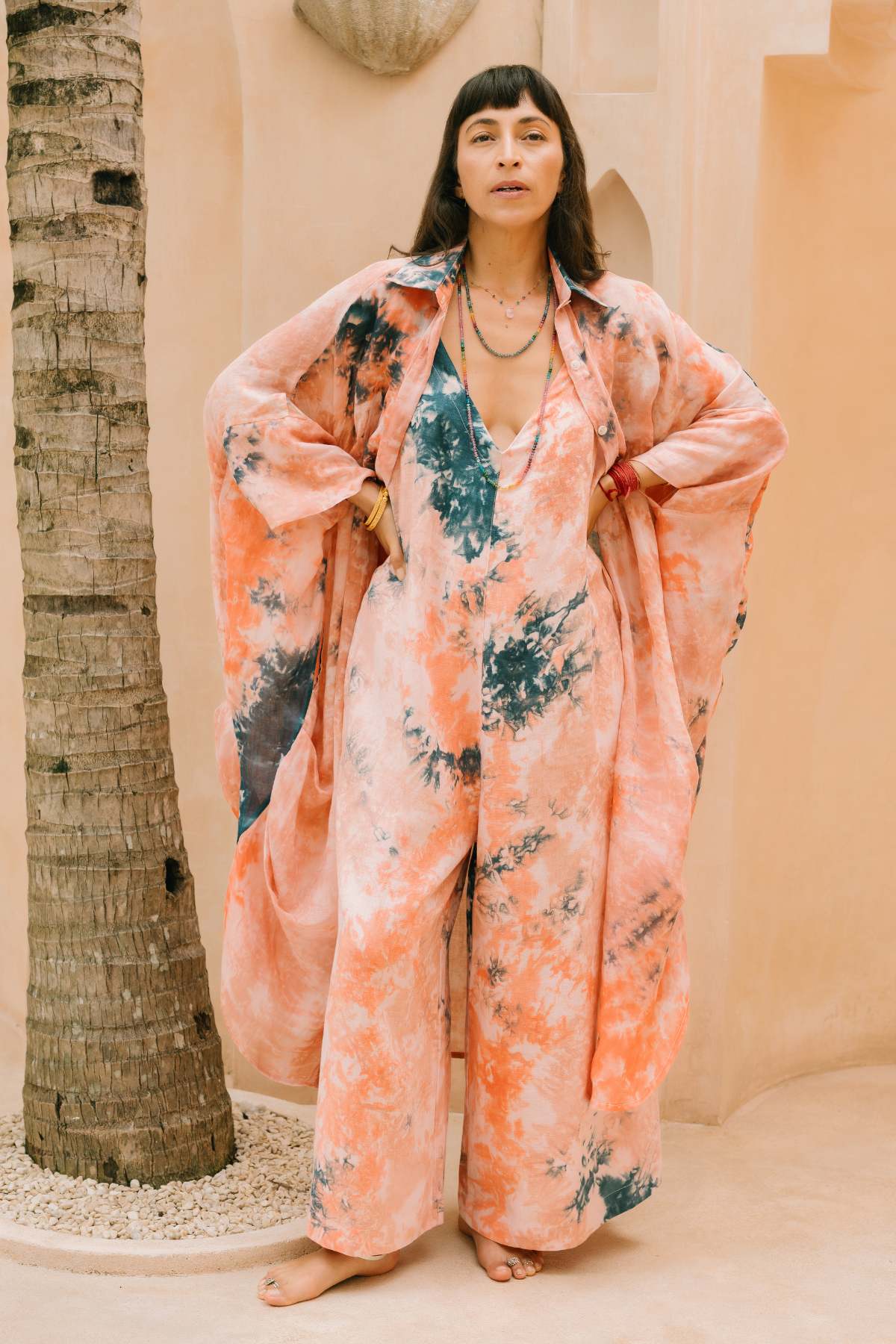
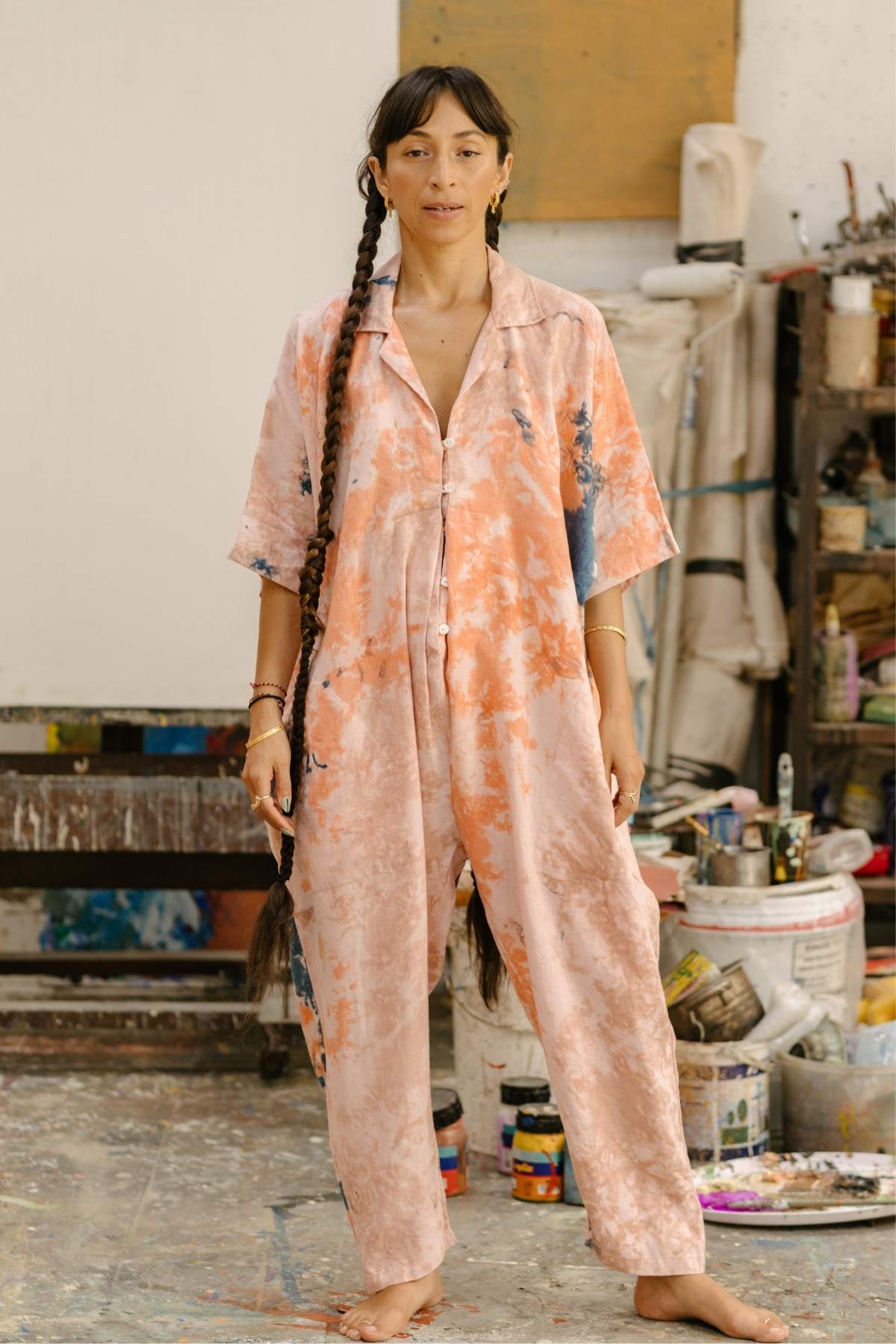
At Myrah Penaloza, ethically made means this: thirty Balinese artisan families, working from their own homes and in small workshops they own themselves, never a factory, paid a living wage on every piece they make, every time. It has meant this since the beginning. It will mean this regardless of scale.
What Living Wage Actually Means in Bali
A living wage is not the legal minimum. In most countries, including Indonesia, the legal minimum wage is set at the floor of what the law requires, not at what a life of dignity actually requires. These are different numbers. Often significantly different.
A living wage in Bali, for the families we work with, means enough to cover housing, food, education for their children, healthcare, and a margin of stability against the unexpected. It means the work of making clothing is not a desperation decision but a skilled profession that is recognized and compensated as such. It means the artisan who has been sewing for twenty years is paid in a way that honors twenty years of practiced skill.
This costs more than minimum wage. It is supposed to. The difference in cost is the price of the garment being real rather than convenient.
Why Ethically Made Clothing Costs What It Costs
The honest answer is that most clothing is cheap because someone, somewhere in the chain, absorbed a cost that the price tag did not reflect. That cost was paid by a worker earning below a living wage, by a river receiving untreated dye effluent, by soil depleted by industrial cotton farming, by an artisan tradition that died because it could not compete with machine production.
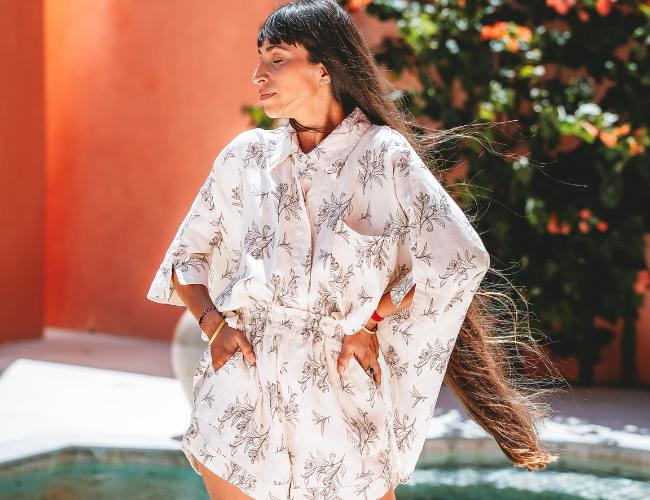
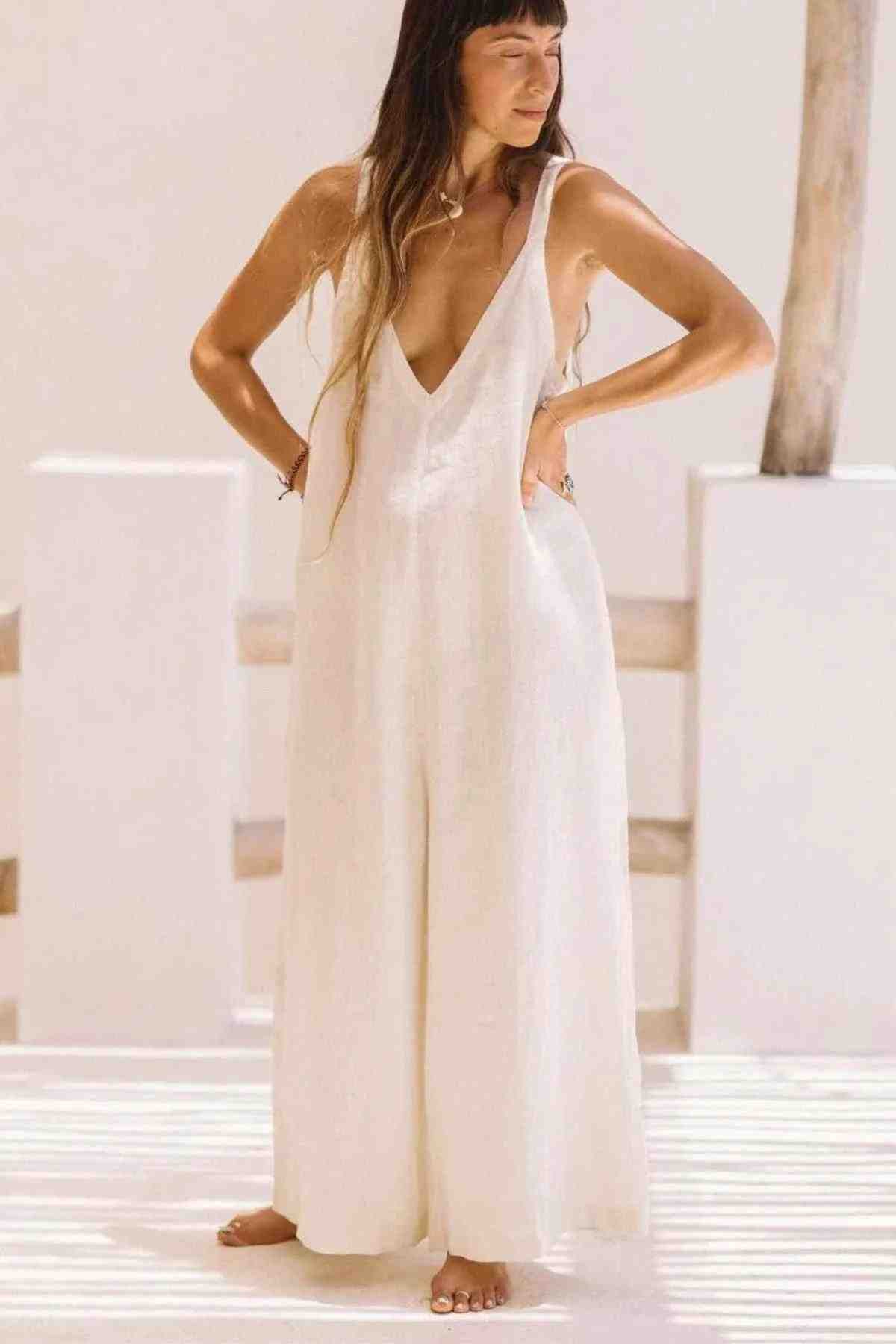
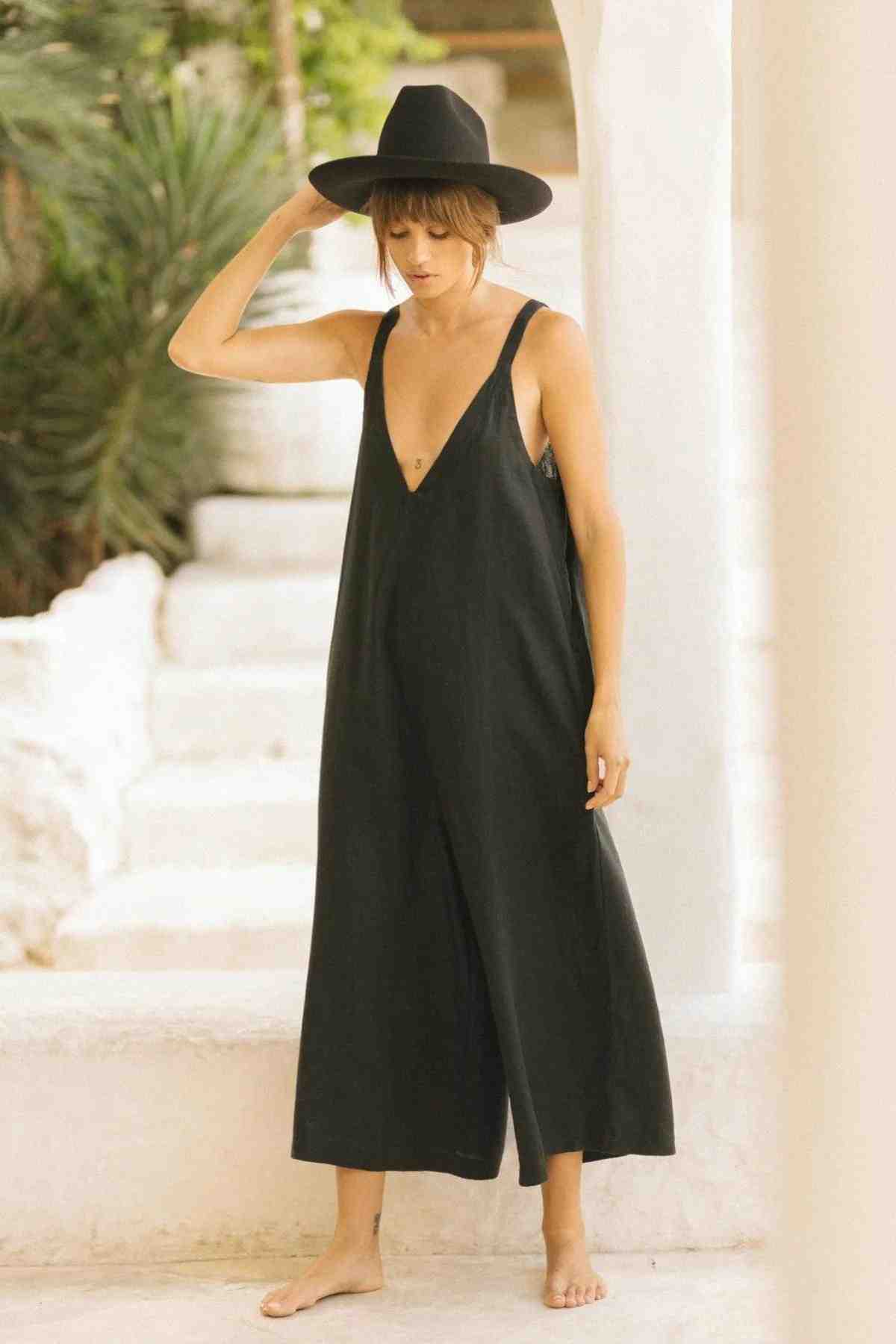
Ethically made clothing redistributes these costs. Instead of externalizing them onto workers and ecosystems, it keeps them inside the price of the garment. This is why a handmade linen dress from Bali costs more than a synthetic dress from a fast fashion brand. Not because of brand markup. Because the cost of making it well, fairly, and honestly is higher. And that cost is real, and it belongs inside the price tag.
When you buy ethically made clothing, you are not paying a premium for a story. You are paying the actual cost of what it takes to make something properly. The cheaper garment did not eliminate that cost. It just moved it somewhere you could not see.
Natural Fabrics, Small Batches, and Why They Matter
Ethical production and natural materials are not separate conversations. They are the same conversation approached from different directions.
Industrial synthetic fabrics are produced through chemical processes that generate significant pollution, shed microplastic particles with every wash, and do not decompose at end of life. Natural fabrics, linen, cotton, silk, are more expensive to grow, process, and weave. That cost reflects a genuinely different relationship between the garment and the earth it came from.
Small batch production compounds this. A garment made in a run of thirty pieces carries different economics than one made in a run of three thousand. Small batch is not a luxury positioning. It is the natural result of making by hand, in homes and small workshops, with skilled makers whose time has real value.
What Wearing Ethically Made Clothing Actually Feels Like
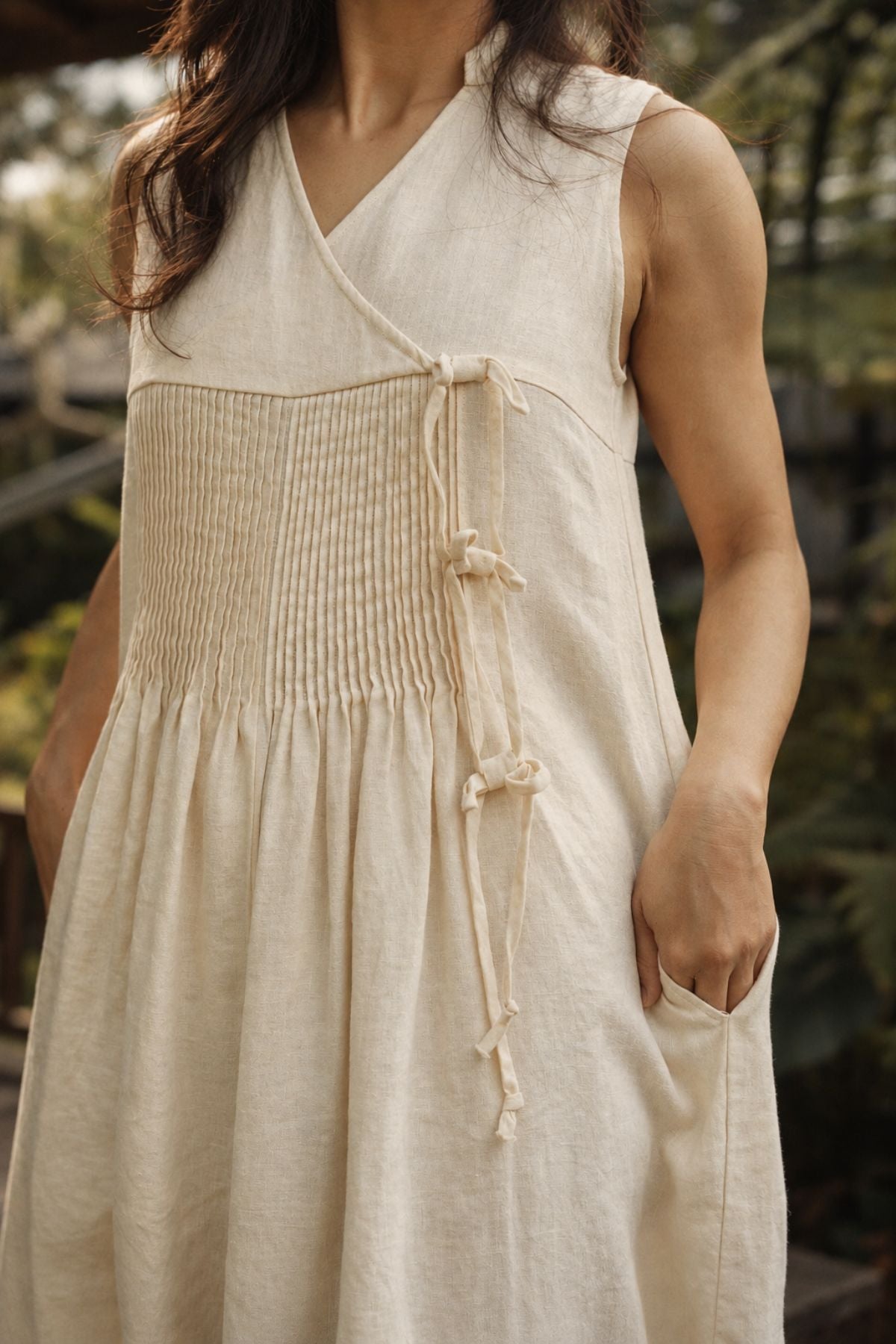
Ethically made garments, particularly those made from natural fabrics by skilled artisans, tend to be better garments. The construction is more careful. The fabric is more honest. The garment lasts longer, ages more gracefully, and holds its shape through years of washing in a way that fast fashion simply does not.
The ethical choice and the quality choice are, most of the time, the same choice. You do not sacrifice quality for values when you buy ethically made. You access quality that mass production cannot reliably produce.
You are not paying more for a story. You are paying the real price. Everything cheaper was still this expensive. You just were not the one paying it.
|
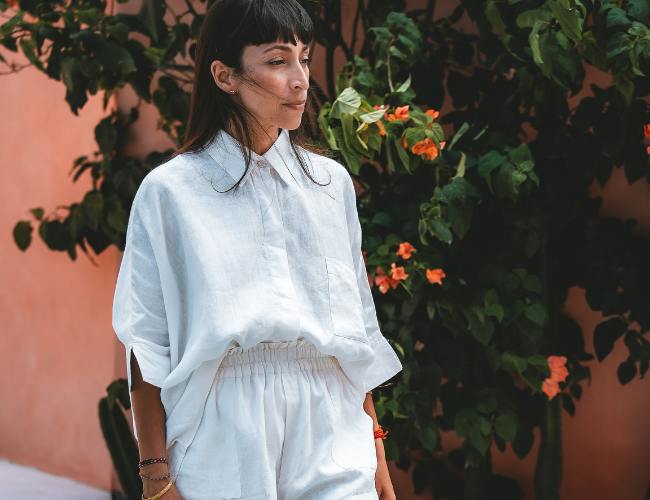
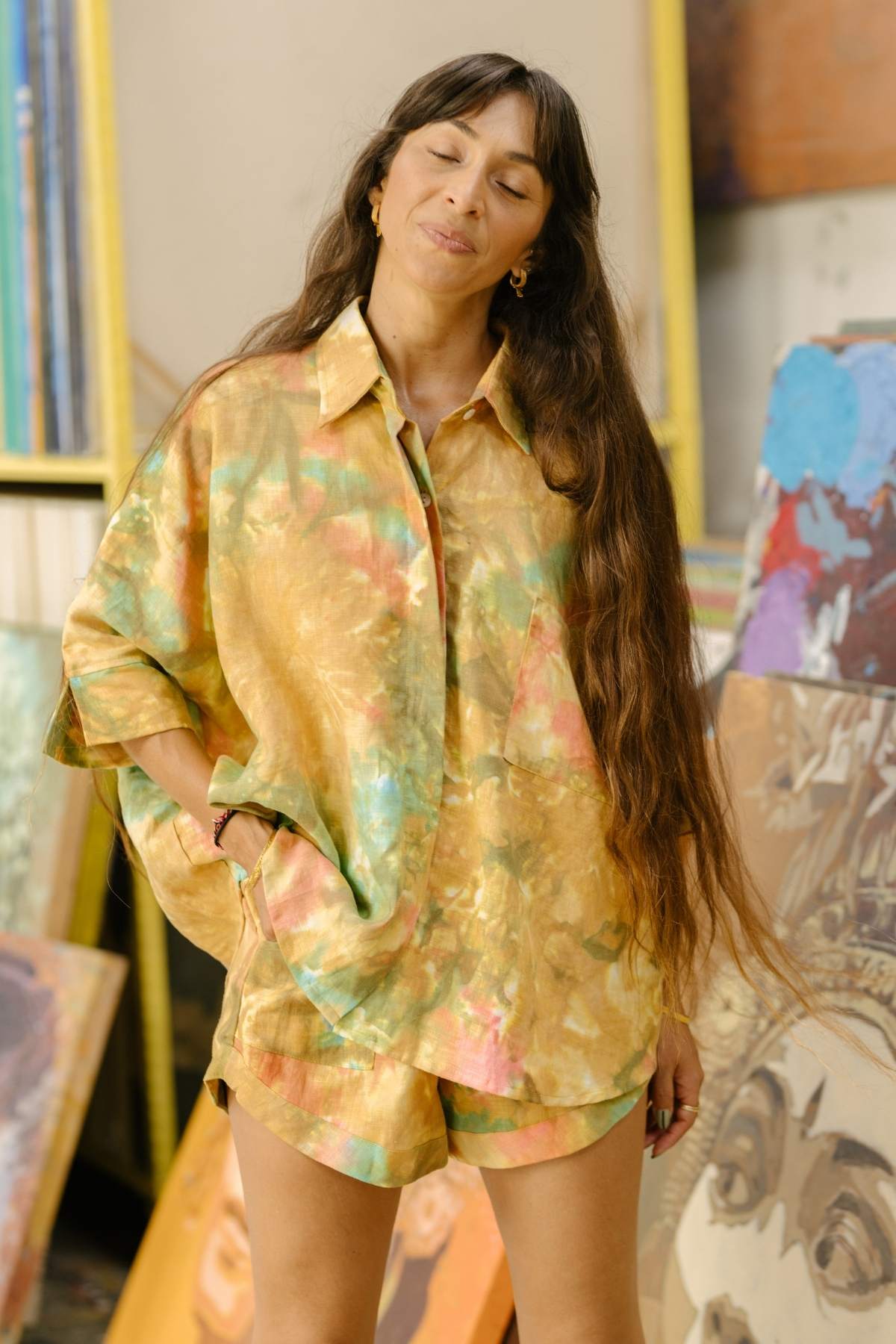
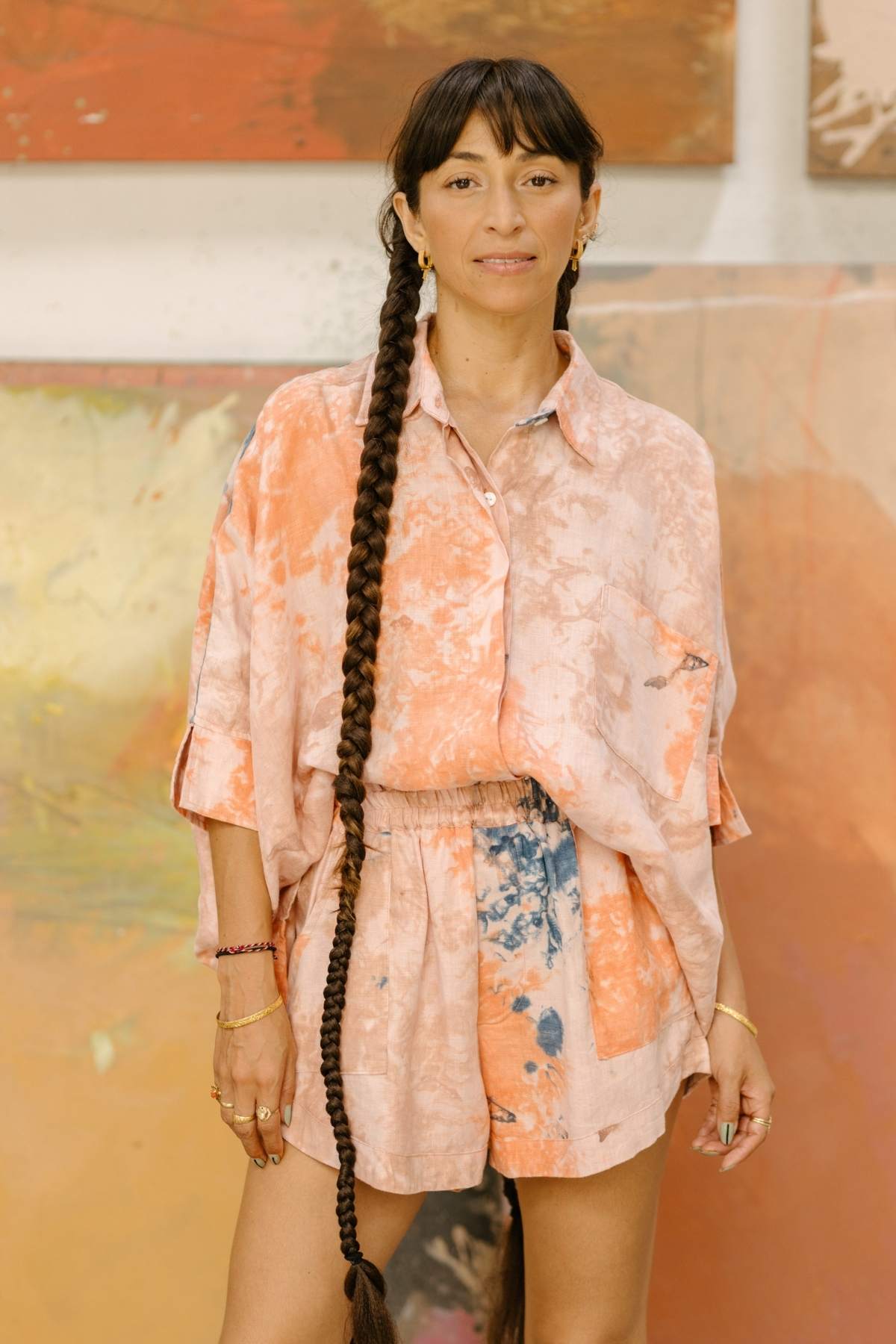
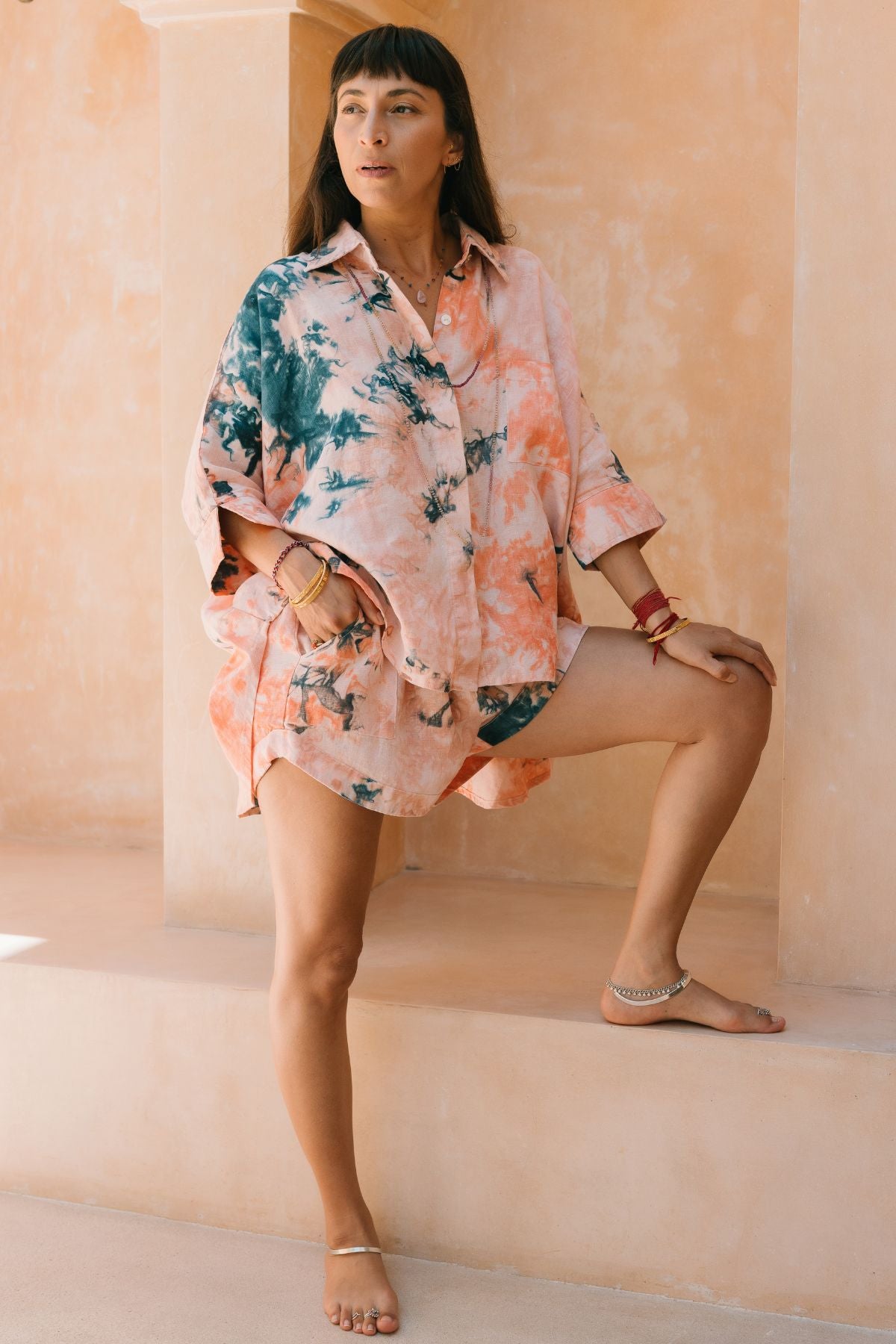
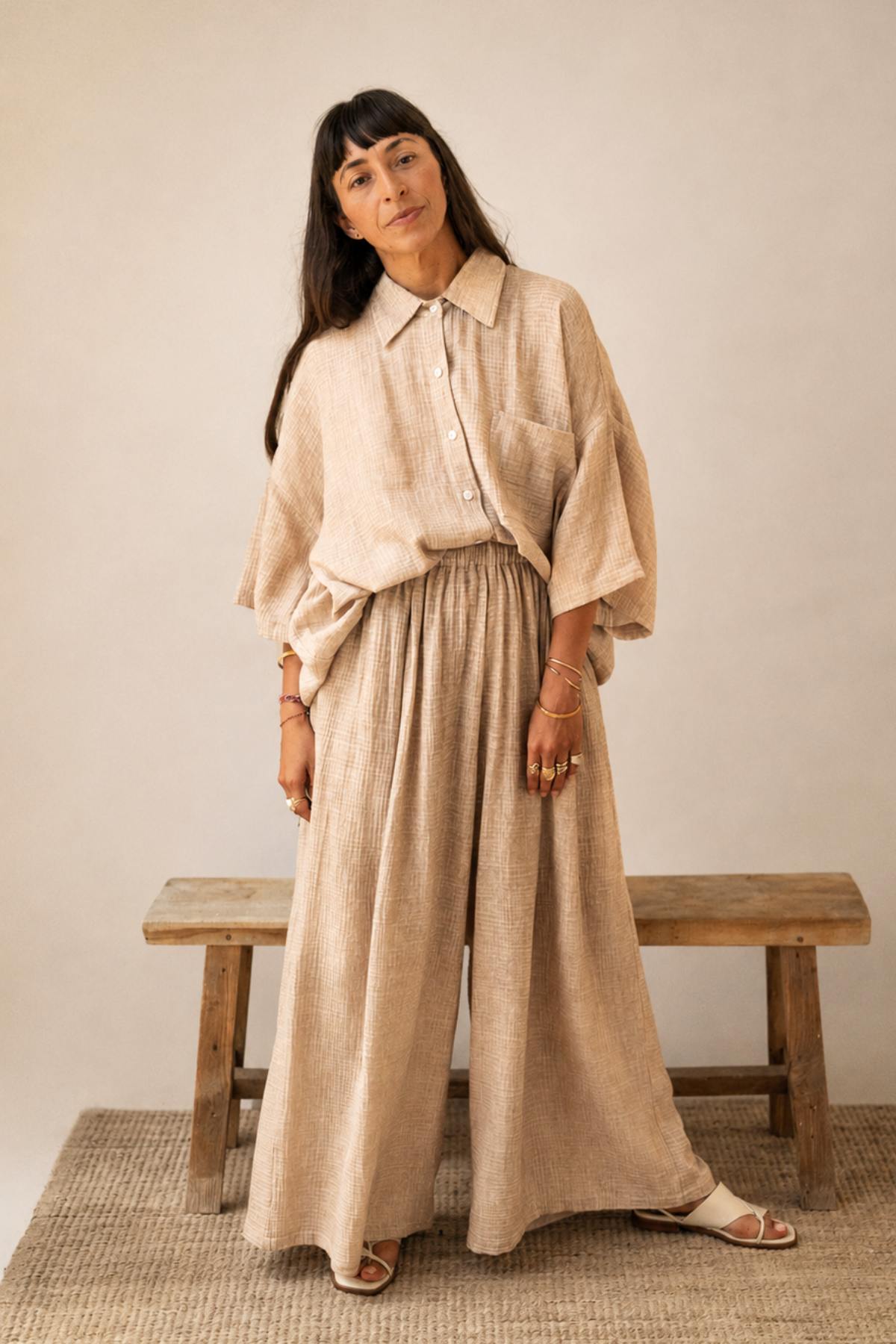
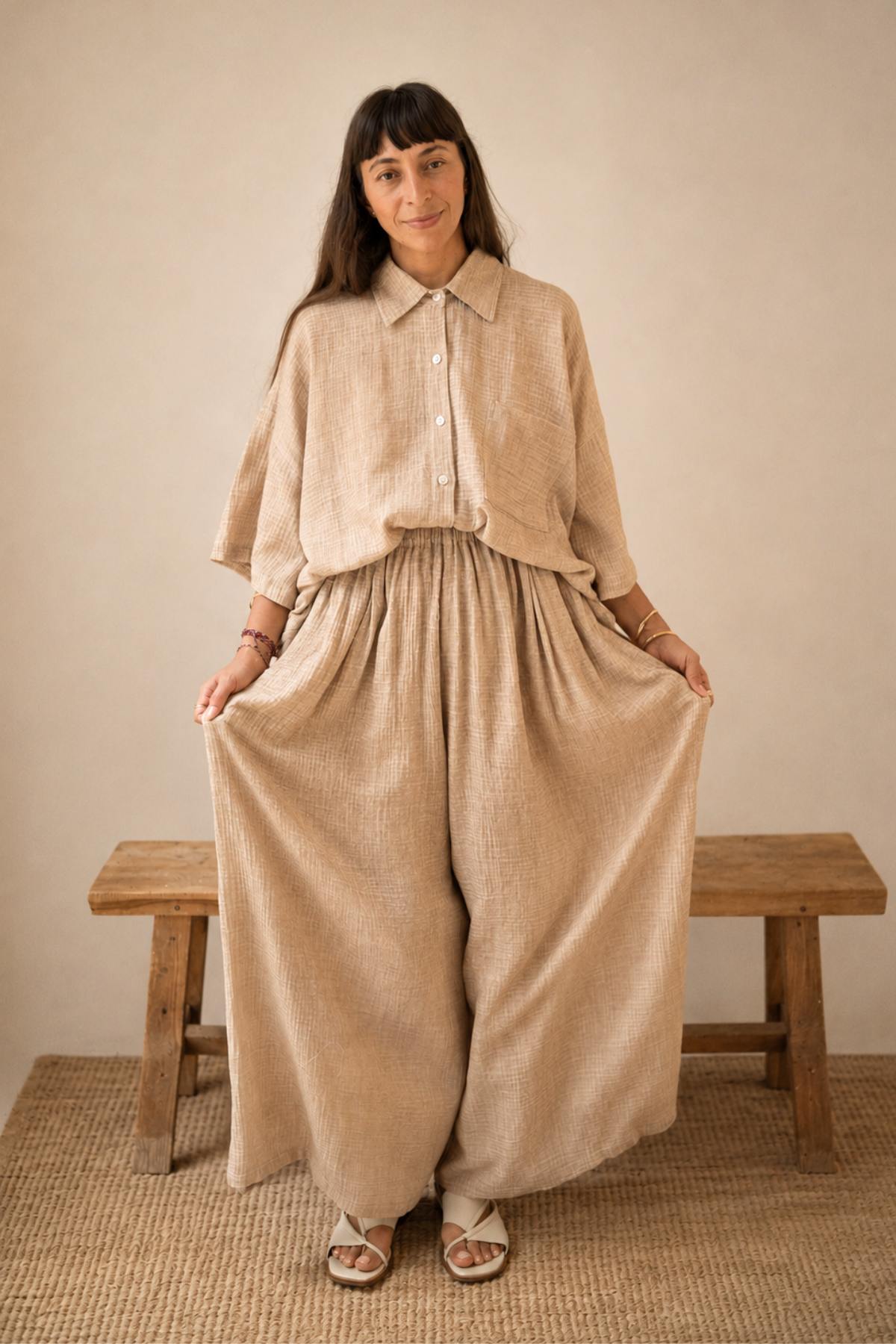
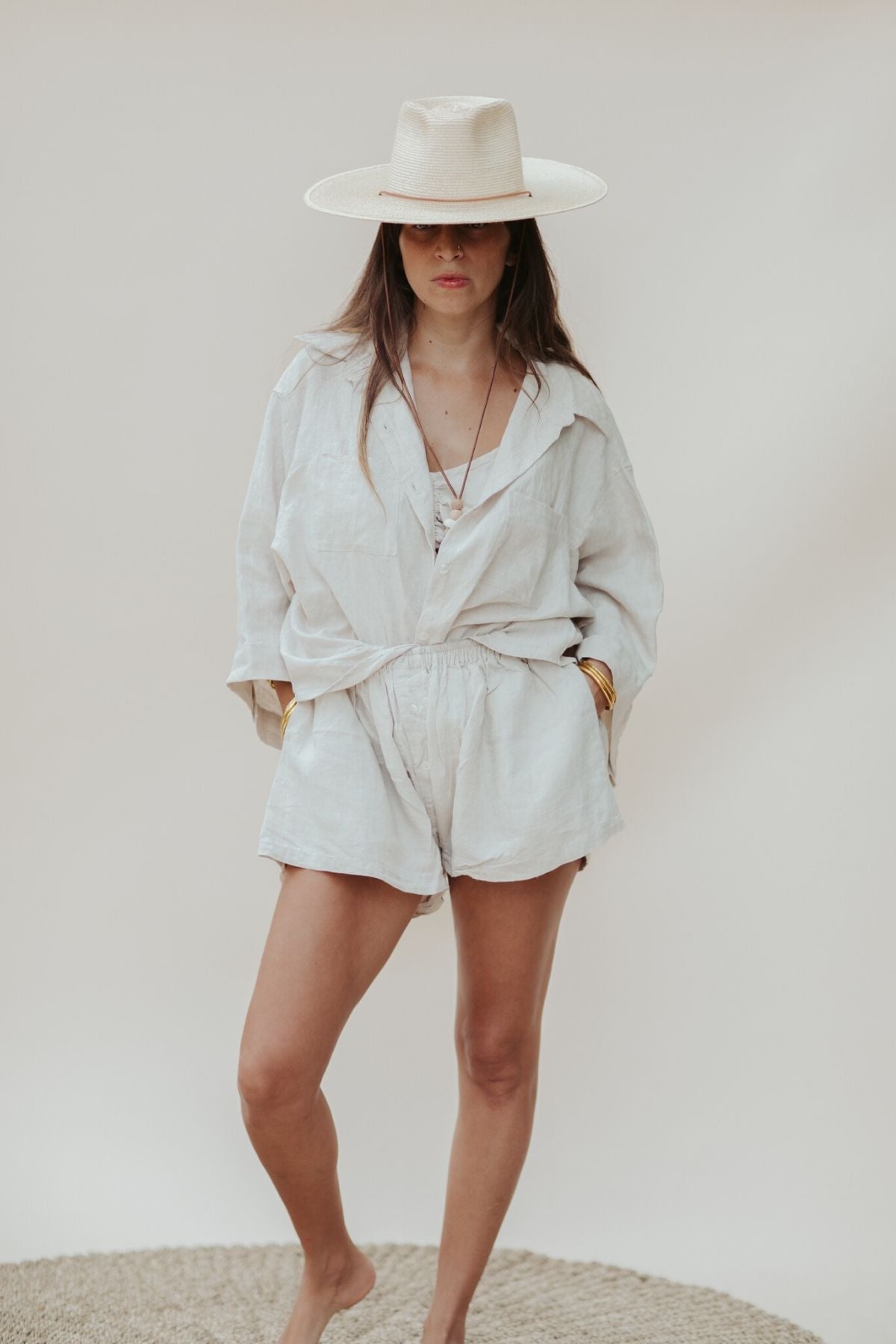
A Piece for This Threshold The Nidra Button-Down Linen Set
The one you will reach for without thinking. Button-down top, wide-leg shorts, botanically dyed in Bali over seven days. Off White, Rainbeau, Dark Moon Black, Clay, and Yin Yang. The foundation piece of a conscious wardrobe. $224 USD |

|
The Muse-Letter Dress for the woman you’re becoming. Every week from Bali. Astrology, slow living, sacred feminine, and the pieces we’re making by hand. A letter, not a sales pitch. Unsubscribe any time. No spam, ever. |




Leave a comment
This site is protected by hCaptcha and the hCaptcha Privacy Policy and Terms of Service apply.