



Article: Human Design Environment: The Six Environments, and Where You Actually Work Best
Human Design Environment: The Six Environments, and Where You Actually Work Best
Your environment in Human Design is the kind of space your body settles in. It sits in the Variable, the four arrows read from your chart, and the tradition names six: Caves, Markets, Kitchens, Mountains, Valleys and Shores. These are qualities of space rather than literal places, and they describe where you think clearly, not where you should live.
I have moved more than most women I know. East LA, then a few years of not staying anywhere long, then Bali, where I have now built a workshop, a shop in Pererenan and a life that does not fold up. It took several wrong rooms to understand that I do not work badly in some places. I work differently in them. Human Design has a name for that, and it is one of the least discussed parts of the system.
"You are not undisciplined. You may simply be in the wrong room."
What is your environment in Human Design?
It is the answer to a narrow question: in what kind of space does your body stop bracing? Not your mood, not your aesthetic. The tradition treats environment as a body matter rather than a mind matter, which is why it is read from the unconscious, Design side of the chart, and why an exact birth time is needed to see it.
If you have never looked at your own chart, start with what Human Design actually is, then walk the panels with how to read your own chart. The free tool we built explains what is being calculated underneath.
The six environments, in plain language
- Caves. Space with edges. A room with a door, a defined corner, something enclosing you. You settle when the space is contained and you can see its limits.
- Markets. Space with movement through it. People passing, a hum, exchange happening around you. The activity is not a distraction, it is the condition.
- Kitchens. Space where something is being made or transformed. Warmth, process, the heart of a house rather than its formal rooms.
- Mountains. Space with elevation and overview. Looking out, looking down, height. Perspective is what the body is after.
- Valleys. Space held by something larger. Between things, surrounded, in the fold rather than on the peak.
- Shores. Space at an edge, where two elements meet. Land and water, inside and out, a threshold rather than a middle.
Read them as the tradition offers them, as a hypothesis to test rather than a diagnosis. The useful version of this is not learning your label. It is noticing which of those six descriptions makes you think of a room where you have already done your best thinking.
How do you find your environment?
You do not derive it by hand. Any chart generator that shows Variable will label the arrow Environment and name it for you, and you need your birth date, exact birth time and birth place for it to mean anything. If your birth time is approximate, treat the whole Variable as unreliable and leave it alone. A chart built on a guessed time will still produce a confident answer, which is exactly the problem.
The second layer: who you work best around
There is a second reading of environment that most charts include, and it is the one that changed how we built this house. It is not about rooms. It is about how many people are in them.
My own blueprint is blunt about it. Solo works well, and the reason it gives is that I am self-contained. Partnership works with the right partner, with the caution that I am independent enough that the wrong one slows me down. A large group works if I am in an executive role. And then the line that explained ten years of my working life: a small group works for short periods or for the experience, but working on a small team day in and day out will be exhausting, and I may feel trapped and confined. The summary line reads: I work best alone, in partnership or in a large group, when I can be in my own creative flow.
Robindra's chart reads differently in the same panel. His says plainly that he works well in partnership or in a large group. Mine allows for solitude; his asks for company. We did not design the business around that on purpose. We simply stopped fighting it, and the house got easier to run. I cut in my own space, alone, early. The work that needs two heads happens in the room with him, deliberately, and then I leave.
That is the whole practical value of this part of the system. Not a better label. Permission to arrange your days around the conditions in which you can think.
Does any of this hold up?
Said plainly: there is no peer reviewed evidence base for Human Design, and nothing in the system has been validated by a controlled study. It is a synthesis assembled in 1987, and we have written about its claims and its origin story in is Human Design real. I use it the way I use a good question, which is to say as a prompt, not an authority. Your decision making authority and your own lived experience outrank anything a chart tells you, mine included.
What is true without any system behind it is this: most women can name the room where they think best, and most women do not arrange their lives around it. If the six names above help you notice that room, they have done their work.
Common Questions About the Human Design Environment
What are the six Human Design environments? Caves, Markets, Kitchens, Mountains, Valleys and Shores. Each describes a quality of space rather than a literal location, and each is meant to be tested against your own experience rather than taken as a rule.
Where is environment shown on a Human Design chart? In the Variable, the arrows read alongside the bodygraph. It comes from the unconscious, Design side of the chart, so an exact birth time is required. Any chart generator that displays Variable will name your environment for you.
Does your Human Design environment mean you should move house? No. It describes the quality of space your body settles in, which you can usually find inside the home you already have: a contained corner, a window with an overview, a kitchen table, a room where people move through. Treat it as a question about your desk before it is a question about your address.
Can your environment change over your life? The chart does not change, because it is calculated from your birth data. What changes is how clearly you recognise it. Most women read their environment and remember a room from years ago rather than the one they are sitting in.
Is there any scientific evidence for Human Design environments? No. There is no peer reviewed evidence base for Human Design, and no controlled study supporting the environment variable specifically. It is offered here as a tradition and a prompt for self observation, nothing more.
With love from Bali,
Myrah.
A Piece for the Room You Think In
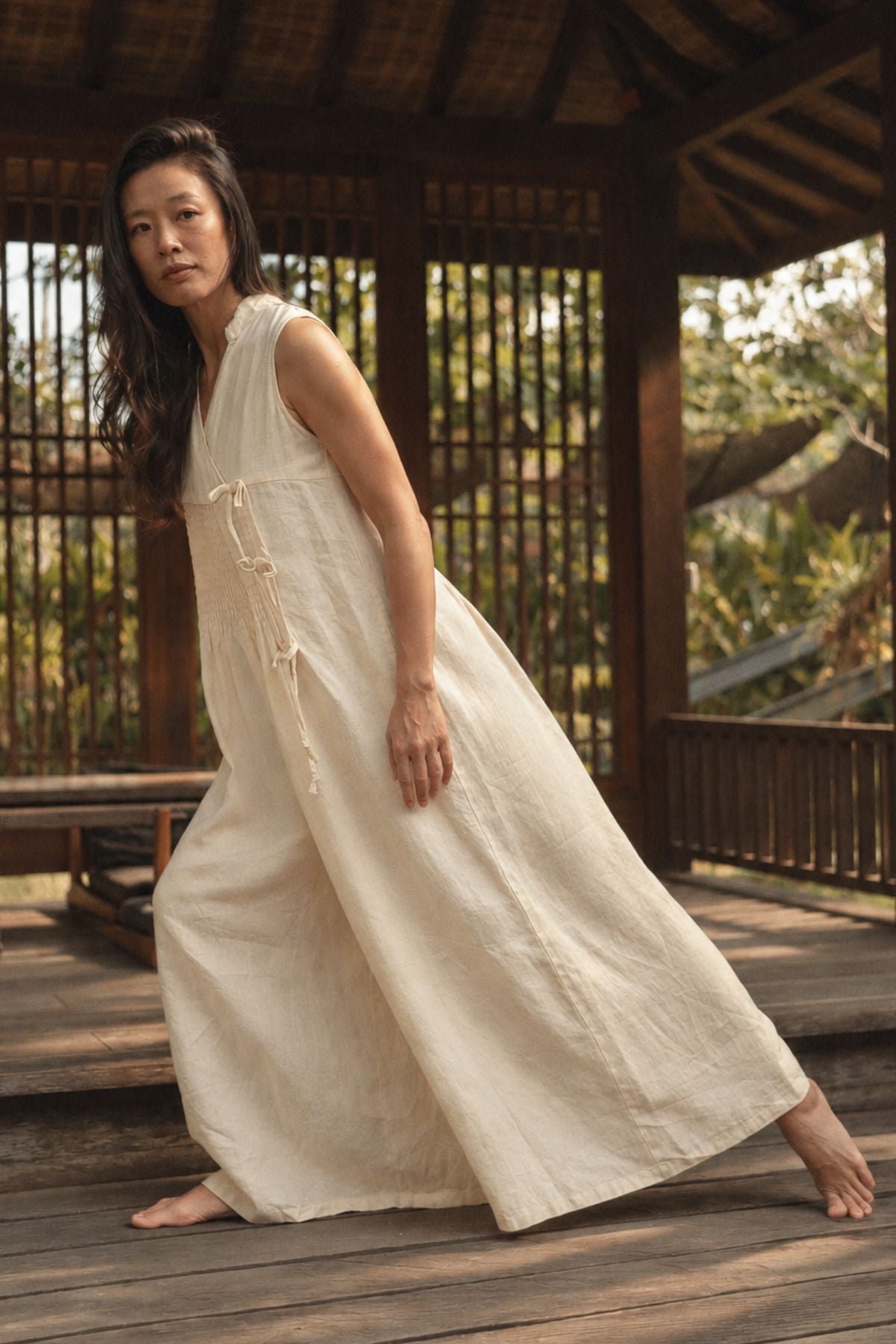
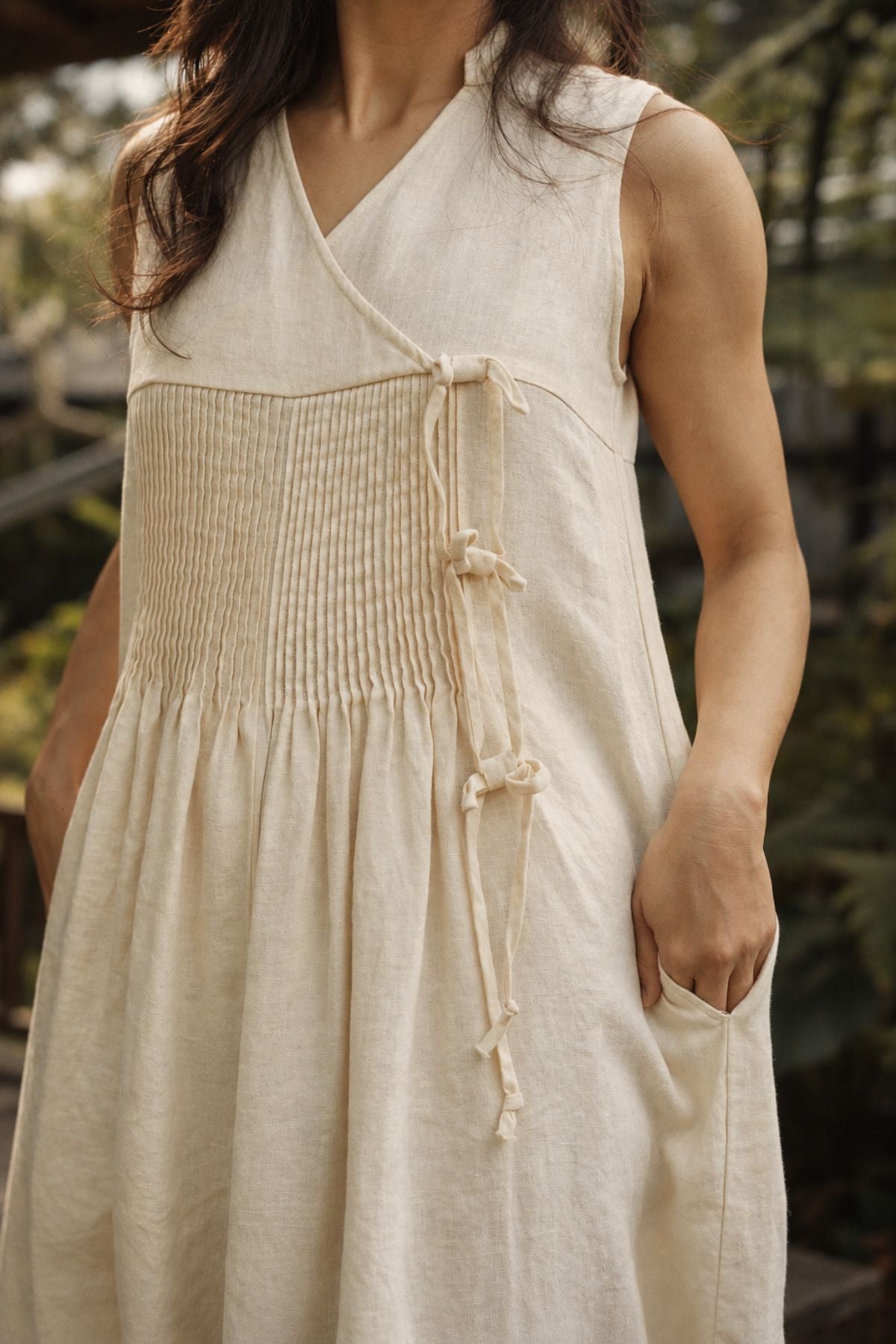
The Dharma Gown
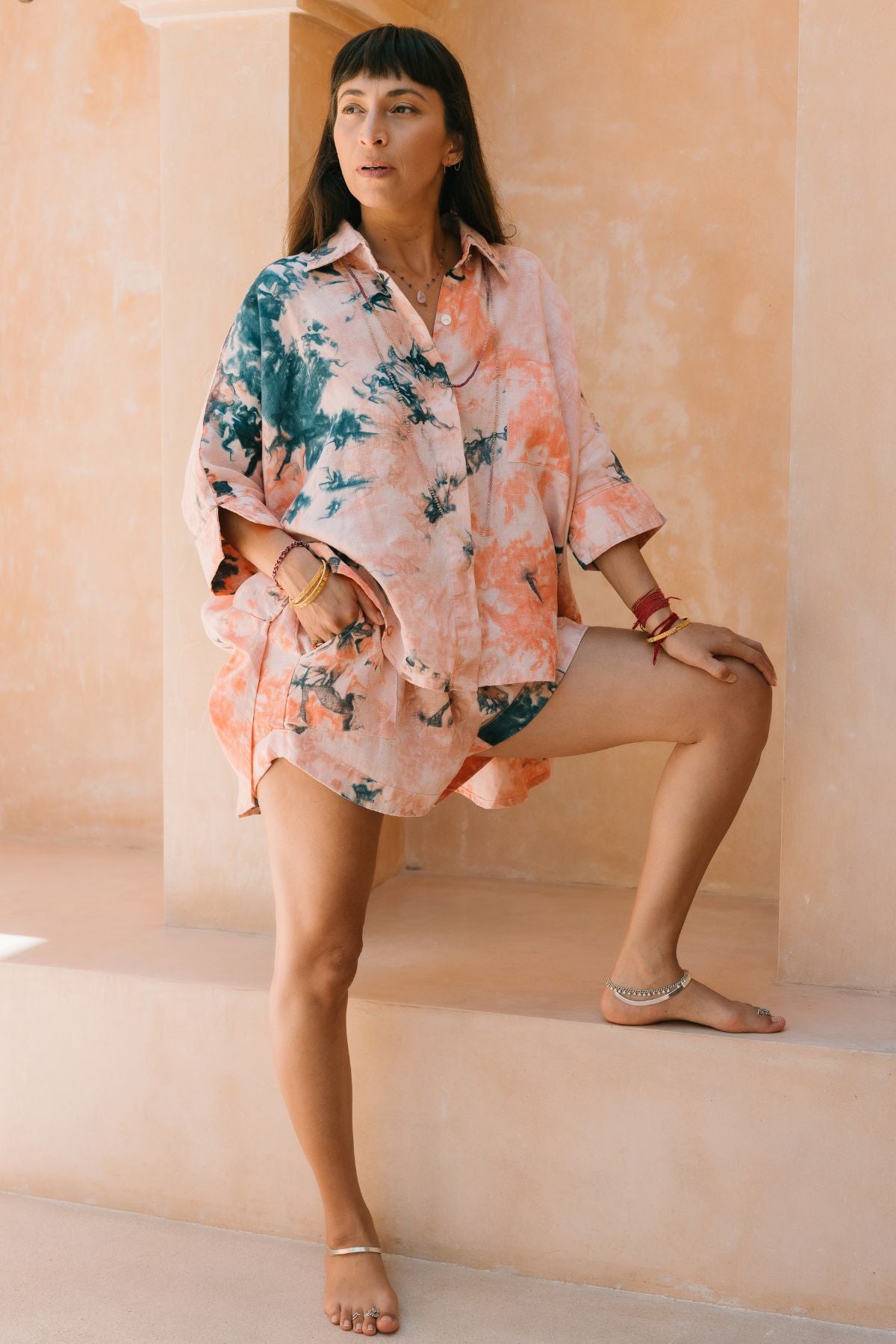
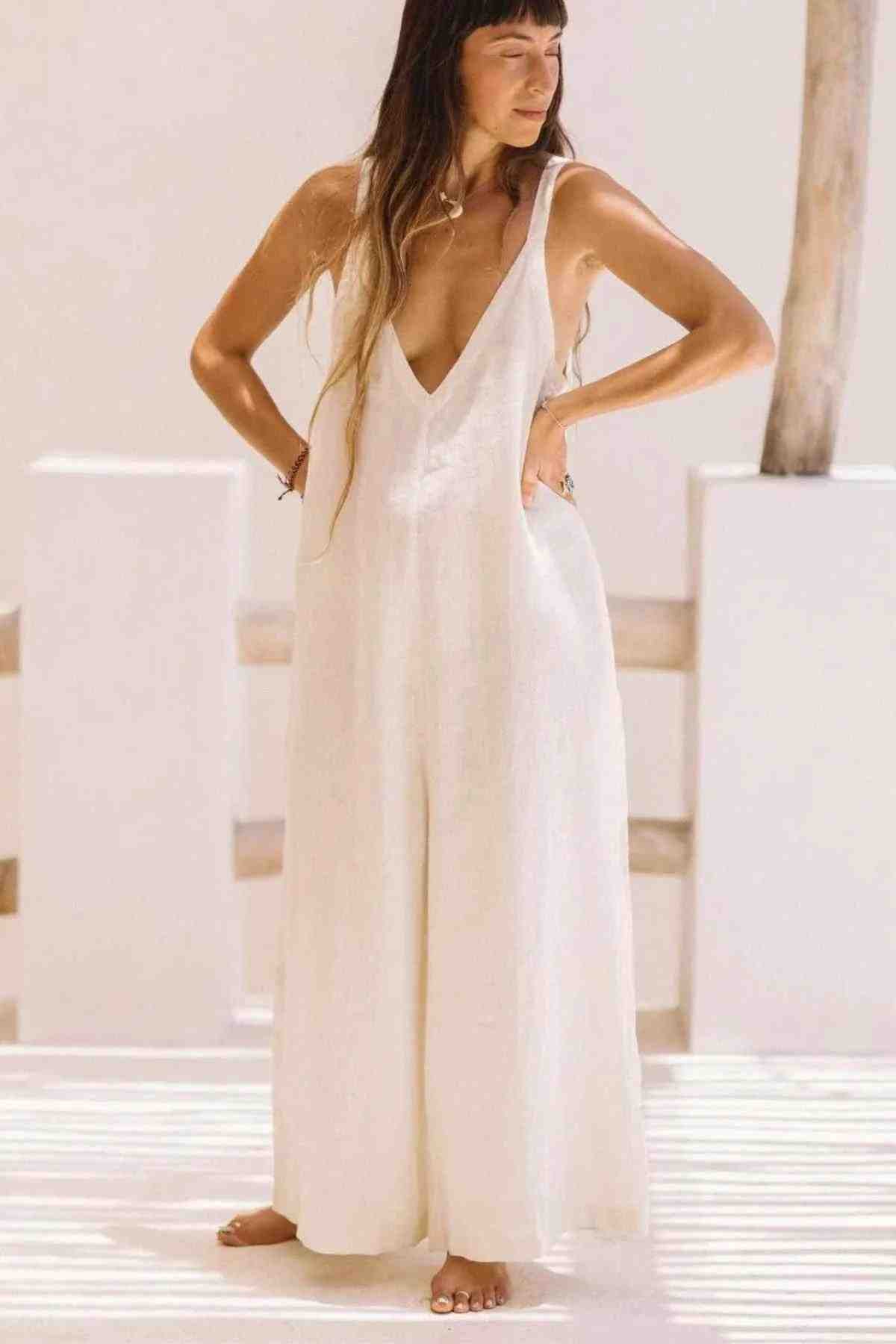
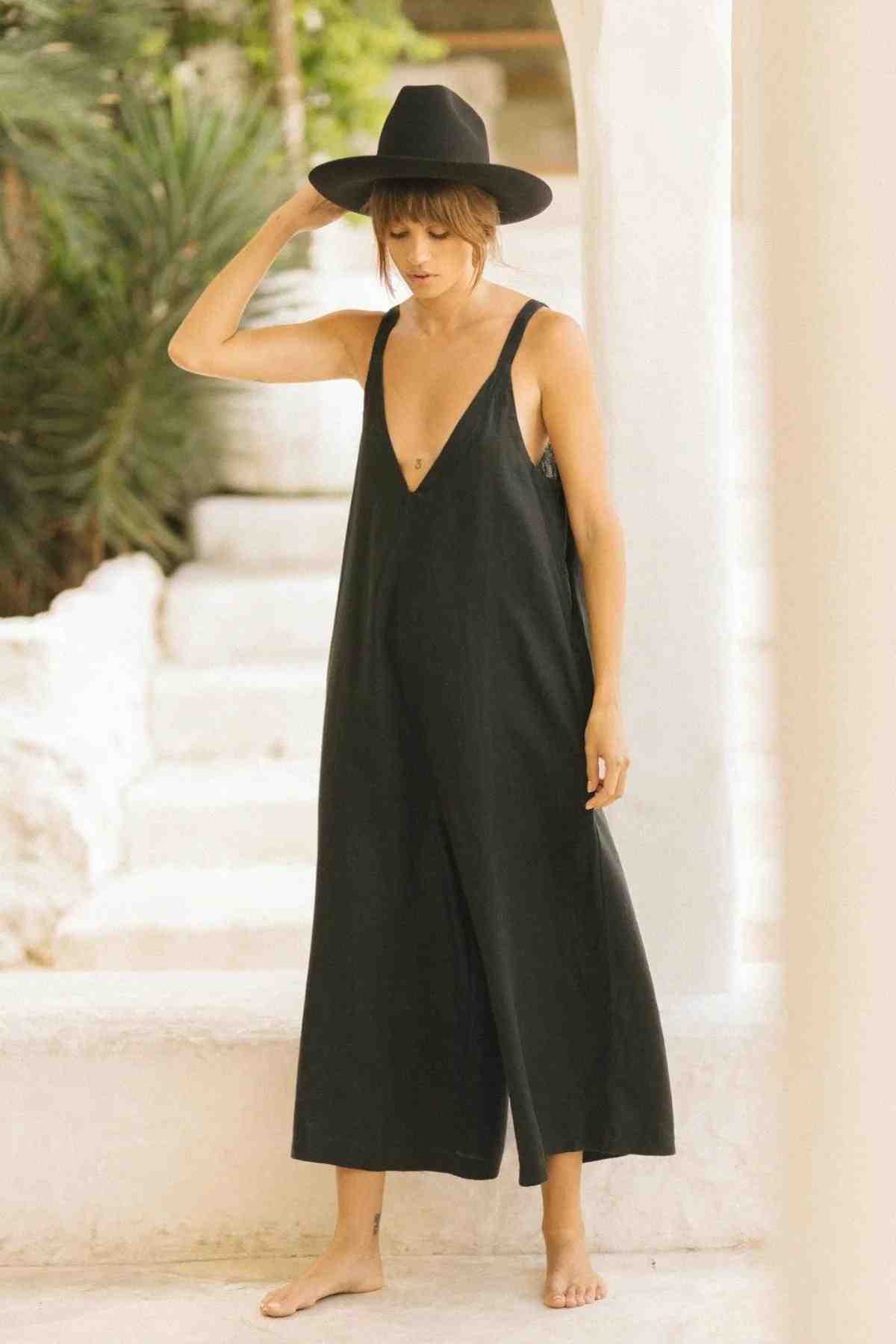
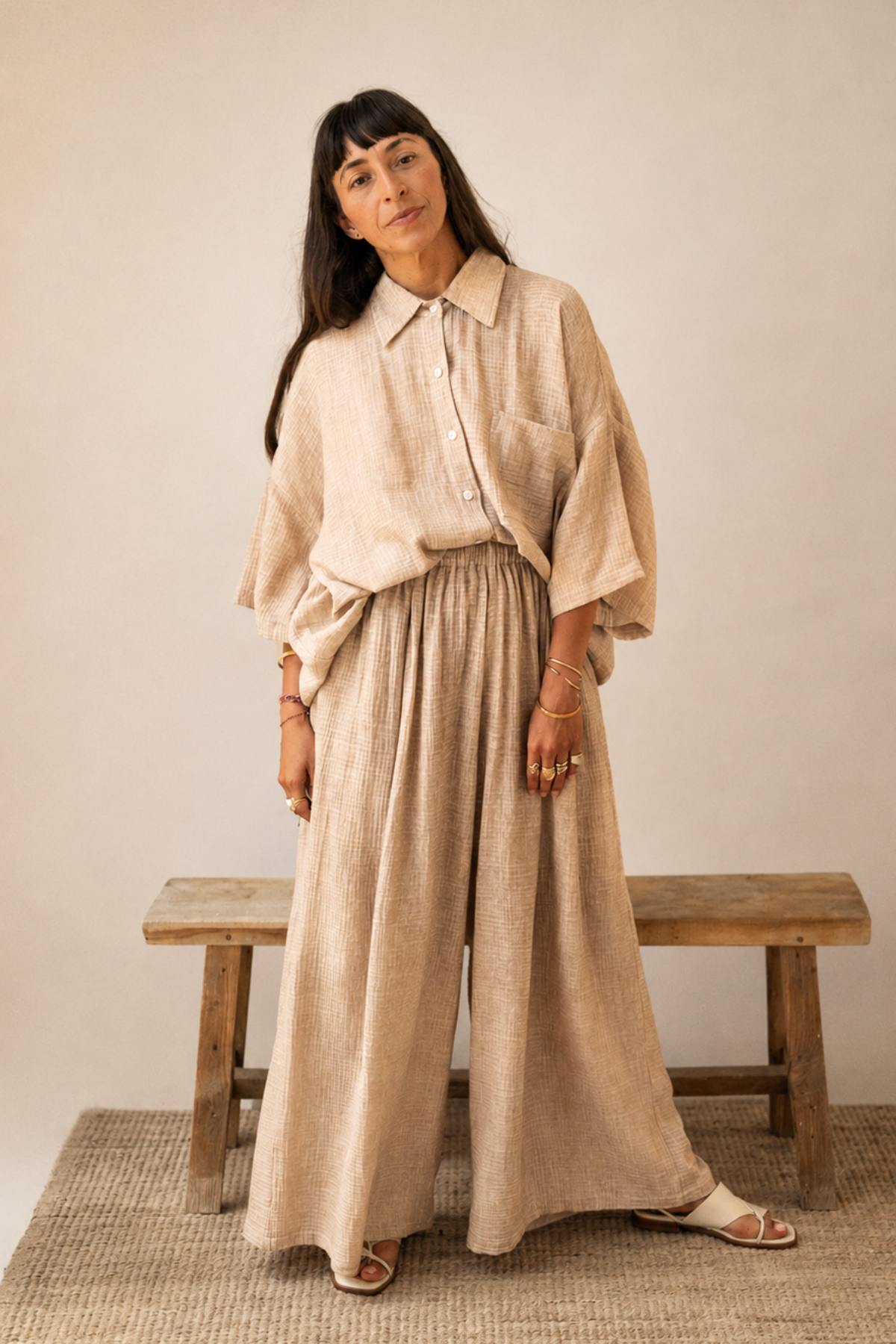
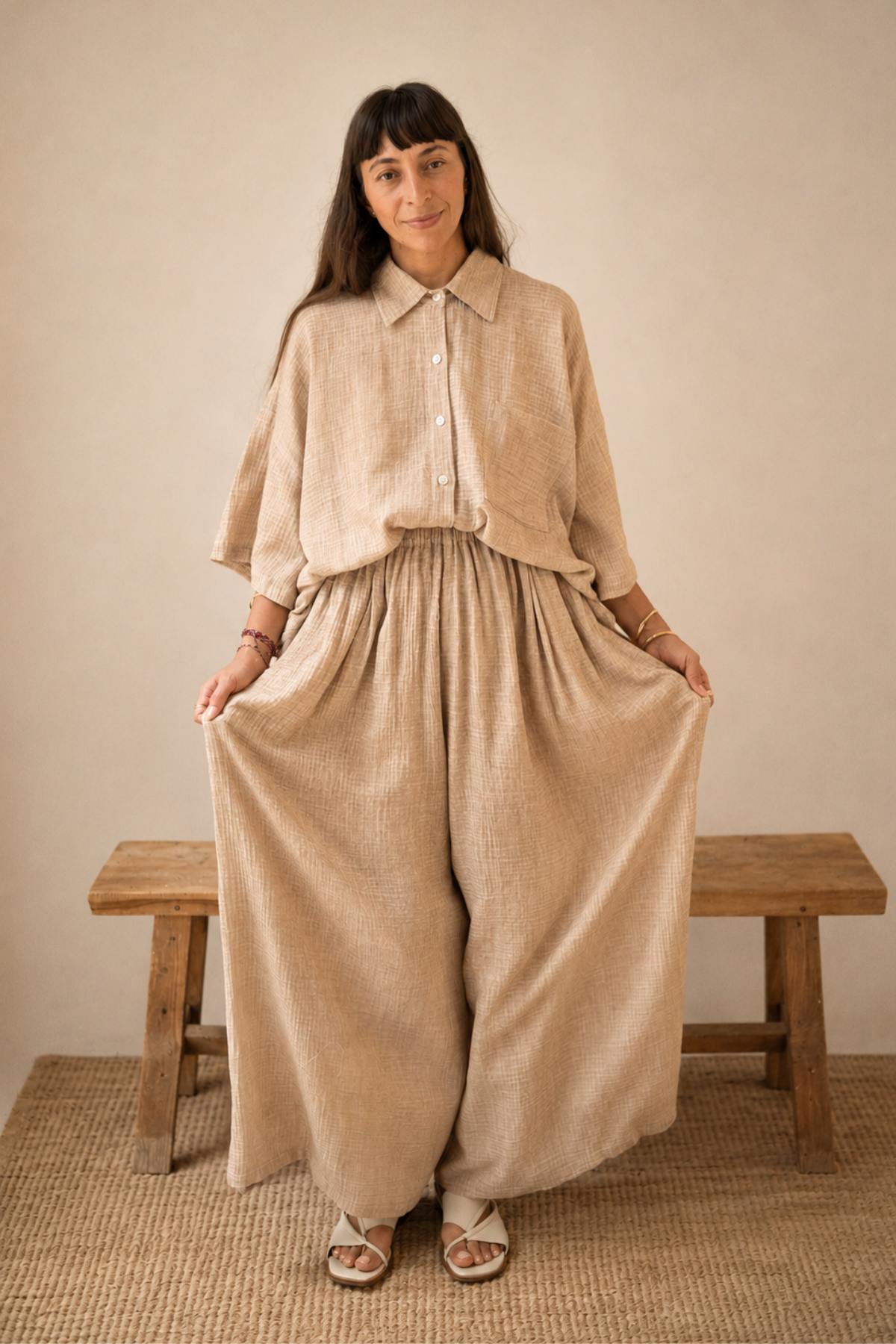
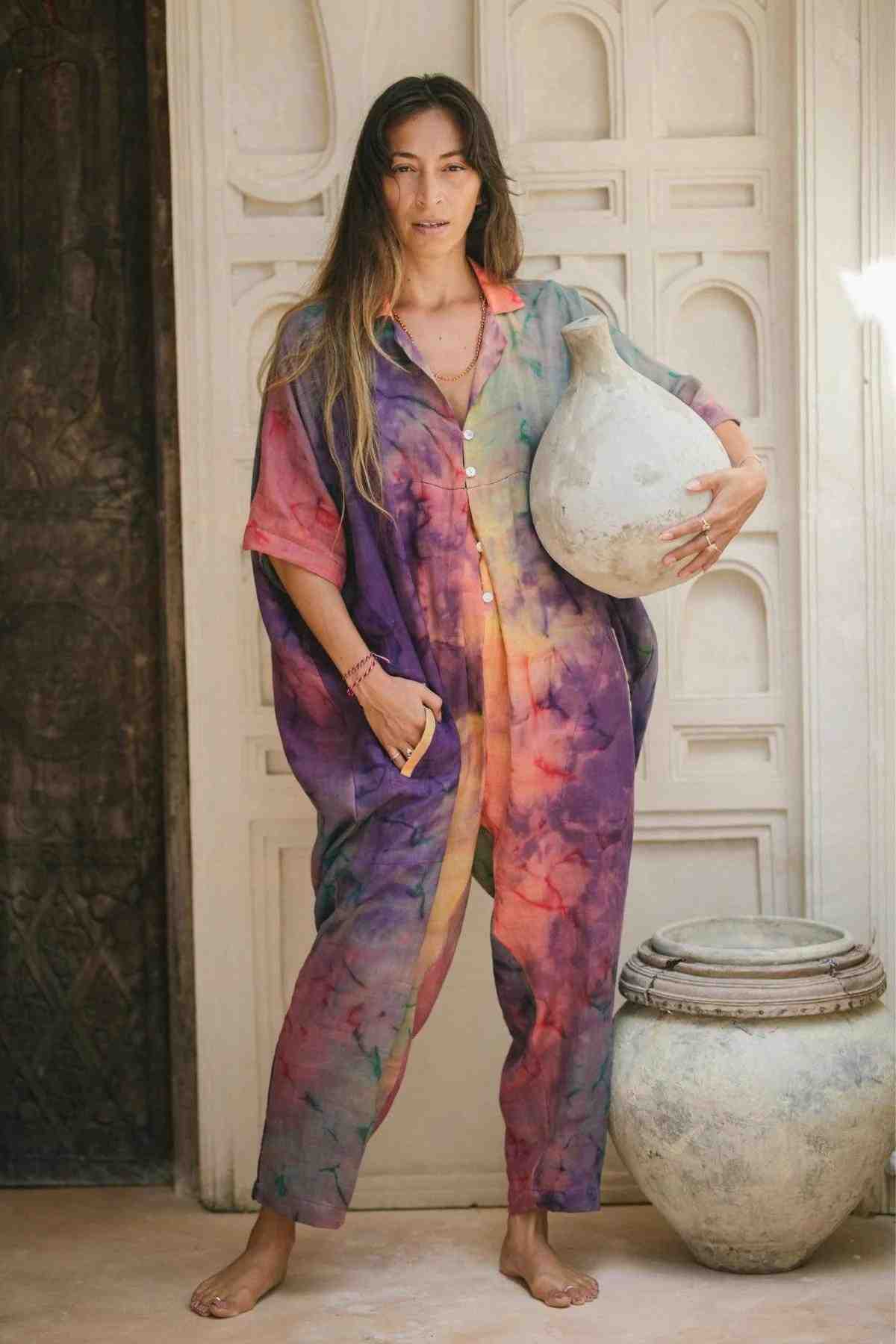
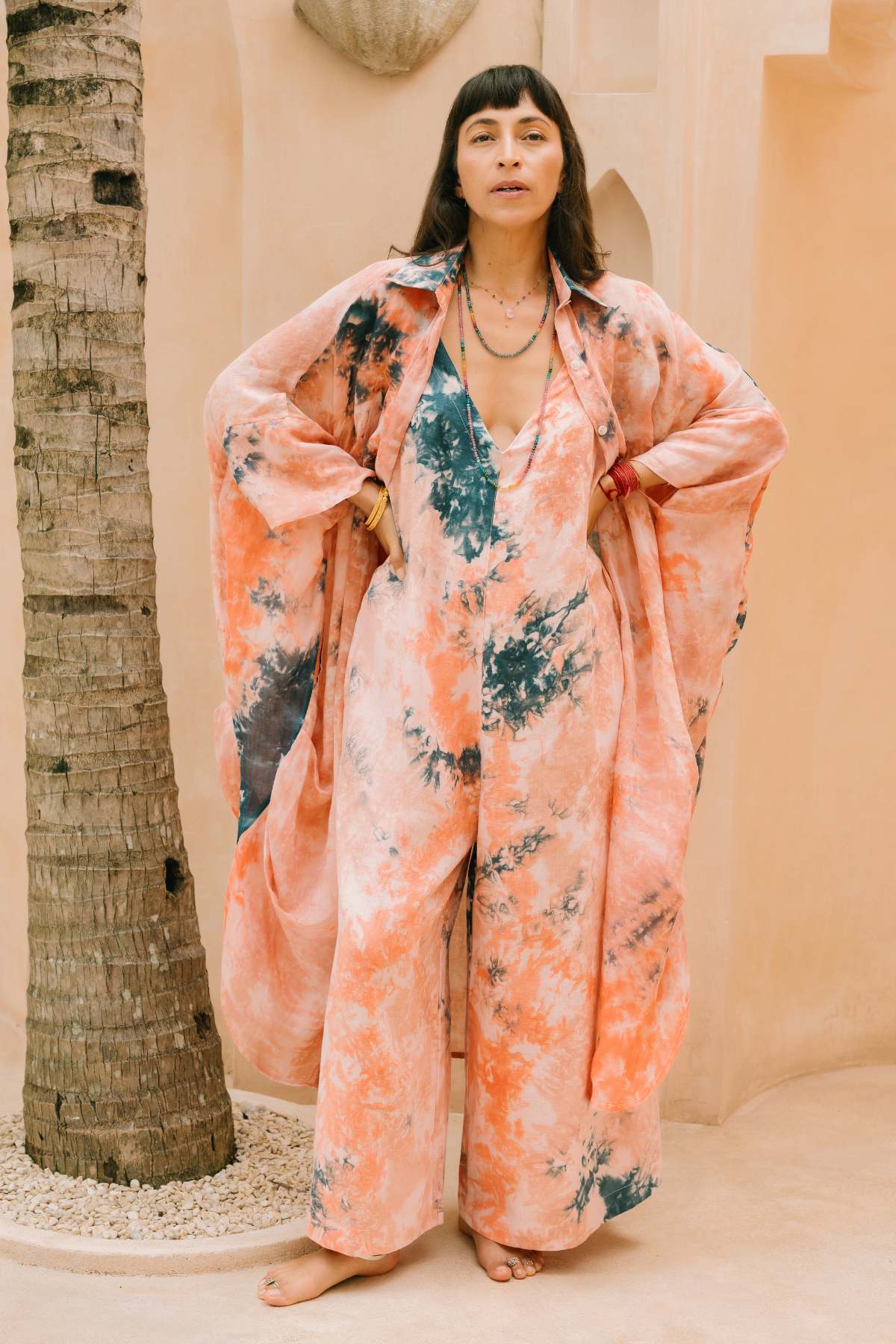
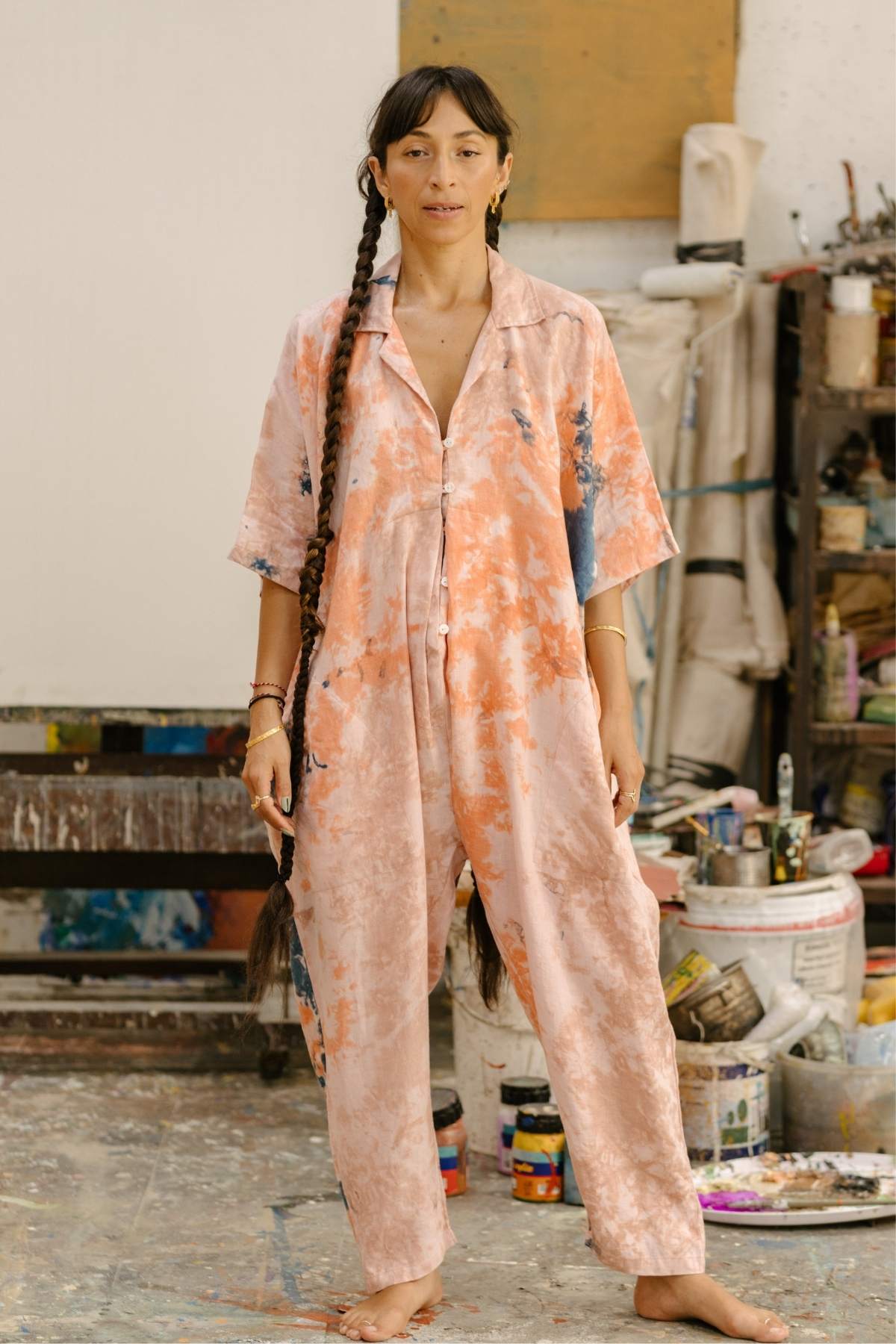
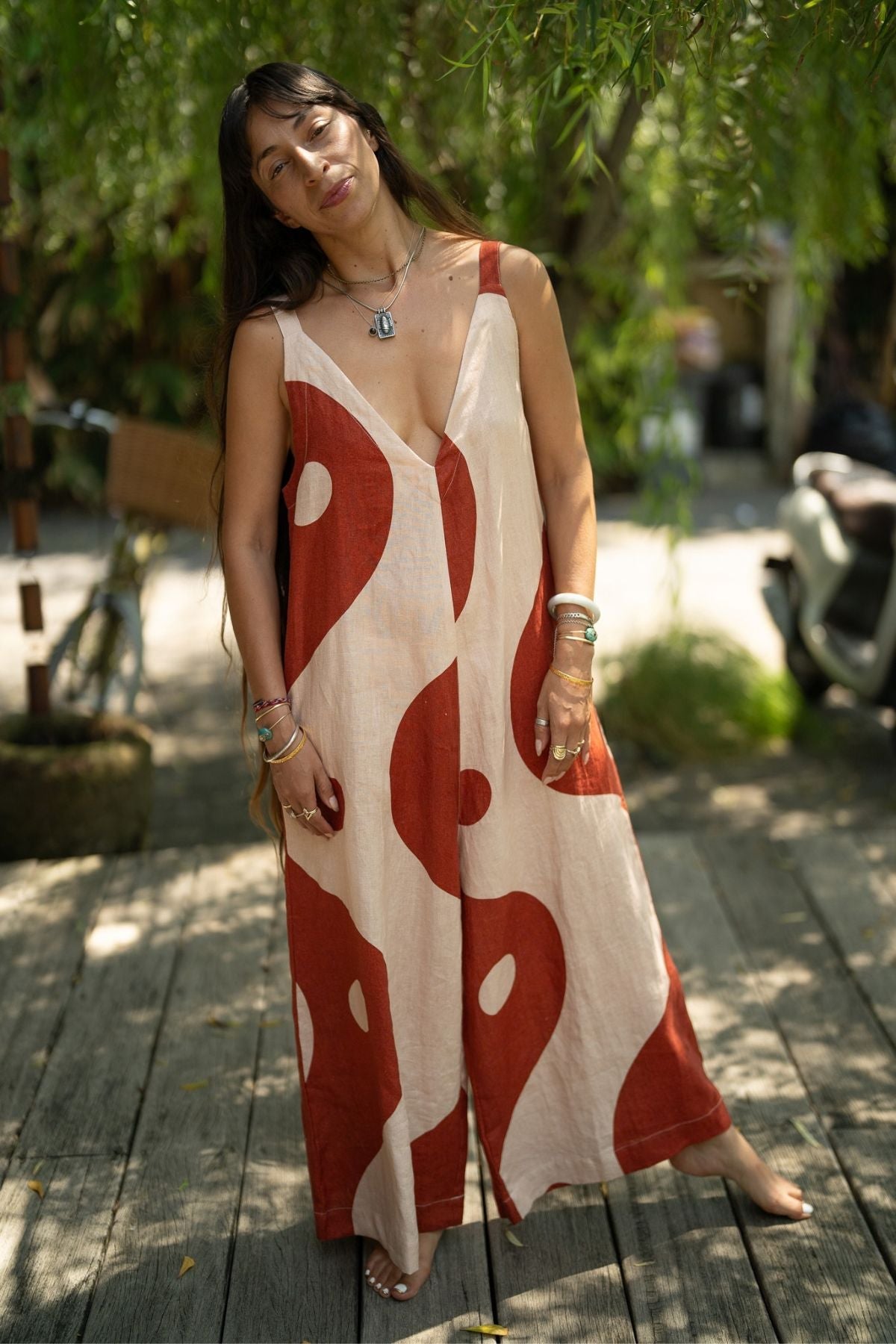
Full length, open front, 100% stonewashed French linen with side pockets, certified to OEKO-TEX Standard 100. It is the piece I put on when the morning is mine, and the one I am still wearing when the day turns into something else. One size, in Beige, Forest Green, Harvest Moon Red and Black Dark Moon.
The Muse-Letter
Dress for the woman
you're becoming.
Every week, from Bali. The cosmic weather, the threshold you're standing on, and one piece made by hand for the woman who is ready.
Join the Muse-LetterUnsubscribe any time. No spam, ever.




Leave a comment
This site is protected by hCaptcha and the hCaptcha Privacy Policy and Terms of Service apply.