


The Part of Building That Nobody Photographs
Written on a Sunday in Pererenan, with the machines quiet and nobody watching.
The workshop is closed today. I came anyway, because I wanted to sit in it while it was empty. There is a particular smell to a room where linen has been cut all week, a dry, clean, slightly grassy smell, and it is strongest on the day nobody is working. I sat on the floor near the cutting table and looked at the offcuts we had not yet swept, and I thought: this is the part nobody sees.
"The photograph is the harvest. The business is the soil."
When women write to me about starting something of their own, they almost always describe the visible part. The launch. The first sale. The moment the pieces arrive and look like the thing you imagined. And I understand it, because those moments are real and they are worth wanting. But I have been doing this for ten years now, and I can tell you honestly that the visible part is maybe four percent of it. The rest is the room on a Sunday.
Most of building is deciding the same thing twice.
Nobody warns you about this. You will make a decision, feel relief, and then discover three weeks later that the decision needs to be made again, slightly differently, because something upstream shifted. A fabric mill changes a weave. A maker has a baby. A colour that looked correct in Bali light looks wrong in a photograph taken in Madrid. For years I read this as failure, as evidence that I was disorganised or not serious enough. It is not failure. It is what a living business does. Things that are alive keep moving, and a business made by hands rather than machines is very much alive.
The quiet months are doing something.
There are stretches, sometimes six weeks, sometimes longer, where very little appears to happen. No launch. No press. Nothing to post that feels like news. I used to panic in those stretches and try to manufacture momentum, which is a polite way of saying I would create work for other people so that I could feel productive. Now I know what those months are. They are the sampling, the sourcing, the three failed dye baths that teach you the fourth. Everything I have made that lasted came out of a quiet month. Nothing I made in a panic ever did.
You are allowed to build at the speed of your actual life.
This is the one I have to relearn constantly. There is enormous pressure to build at the speed of the loudest example you can see, and the loudest examples are almost never comparable to your situation. They have different capital, different obligations, different bodies. I have a family. I live on an island where the electricity goes out. I make things with people whose ceremonies and harvests and grief are part of our production calendar, and I would not change that, because it is the reason the work has any warmth in it at all. Building slowly is not a consolation prize. For some of us it is the only honest way to build something that will still be standing in a decade.
Protect the version of it that only you can see.
Early on, before anything is proven, the idea lives almost entirely in your head. It is fragile there, and it is also completely intact there, which is a rare combination. The temptation is to describe it to everyone immediately, to gather reassurance. Be a little careful. Not secretive, just careful. Let it thicken first. Tell one or two people who will not try to make it more sensible. The sensible version of your idea is usually somebody else's idea.
What I would say to the woman at the beginning.
Keep a record of the unphotographable part. Not for anyone else. A note on your phone, a line in a notebook, the date you finally understood something. In ten years the launches will blur together and you will not be able to tell one from another, but you will remember the Sunday you sat on the floor of an empty workshop and knew, without evidence, that it was going to work.
That is the part that builds you. The rest just builds the business.
With love from Bali,
Myrah.
A Piece for the In-Between
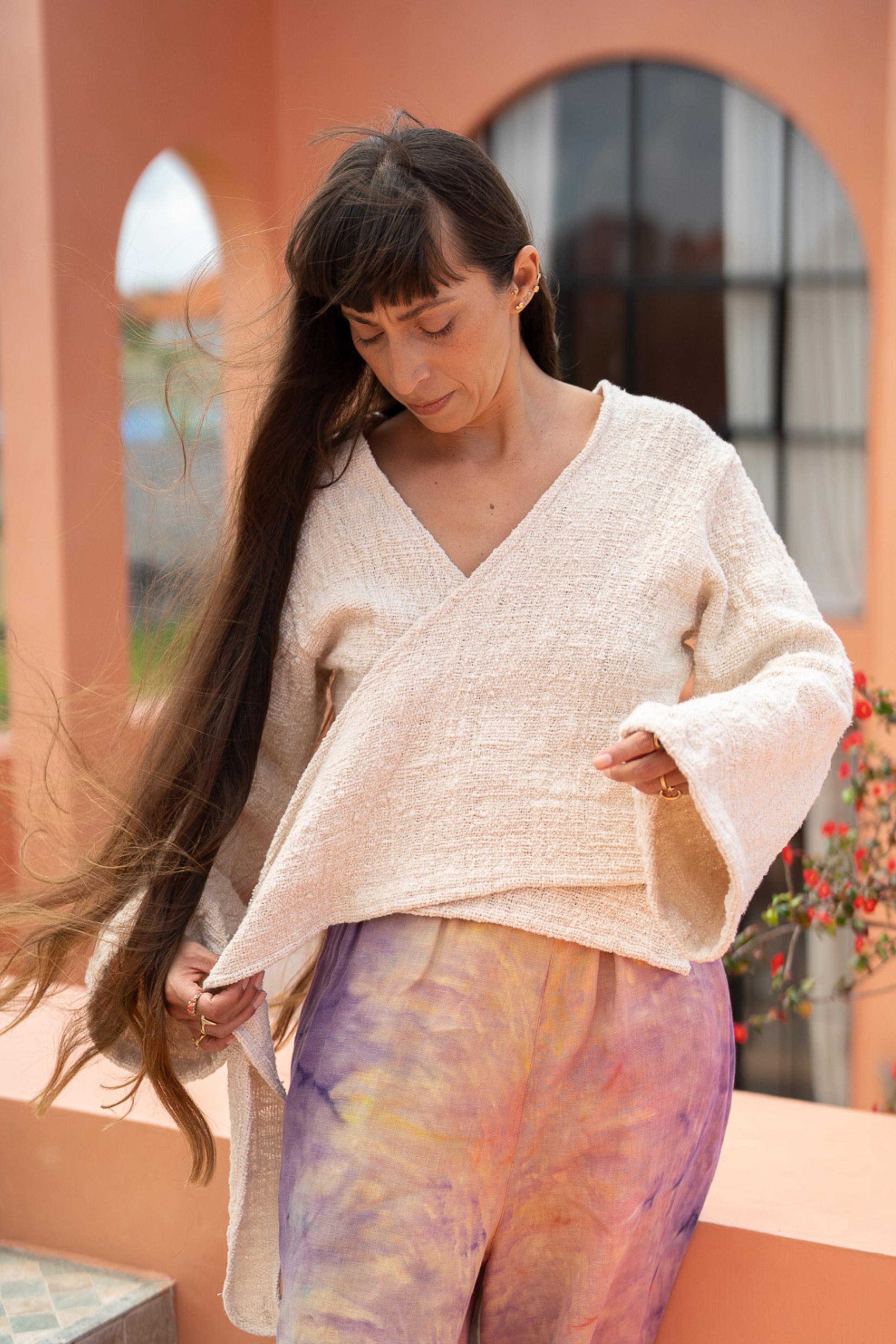
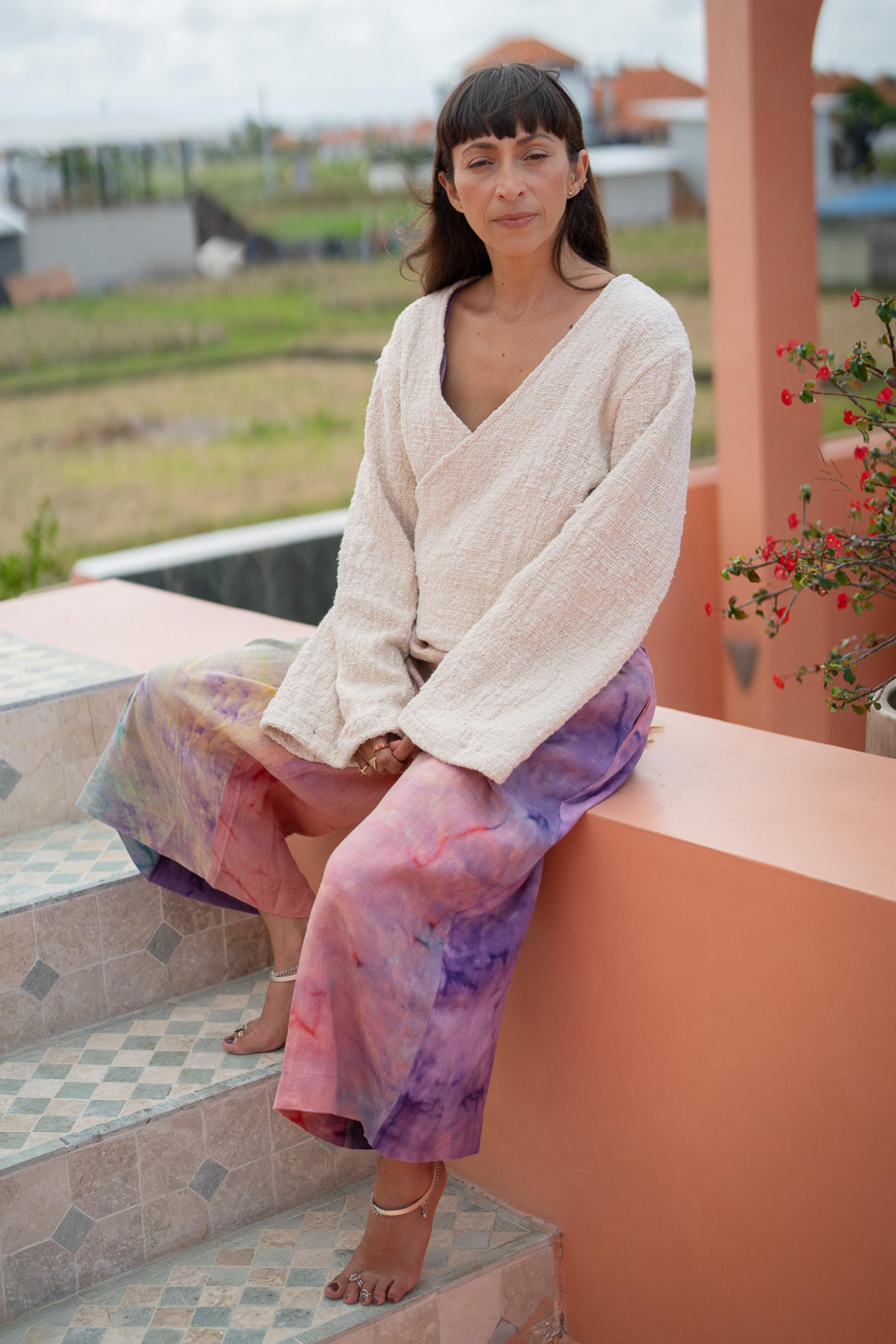
The Cocoon Wrap
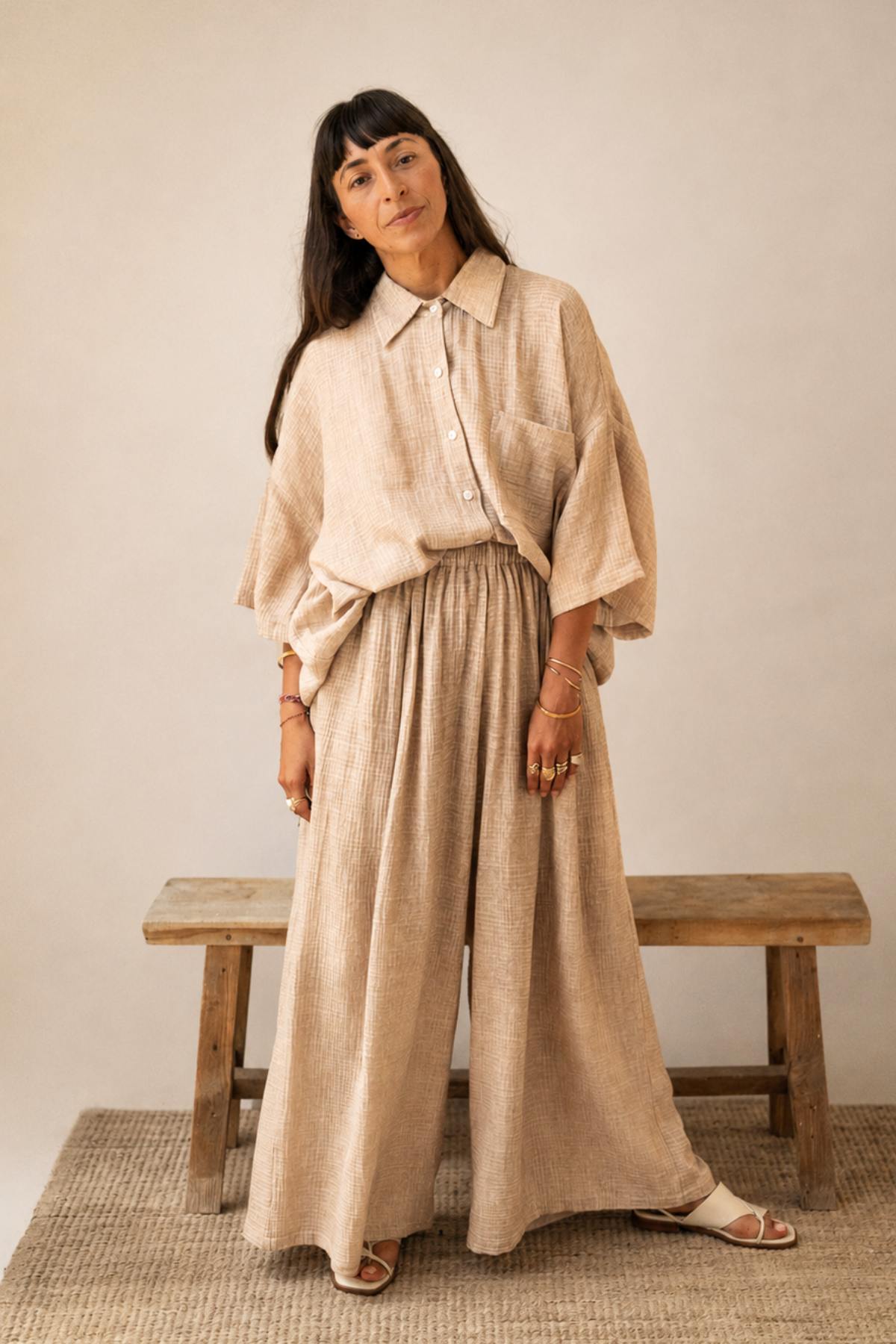
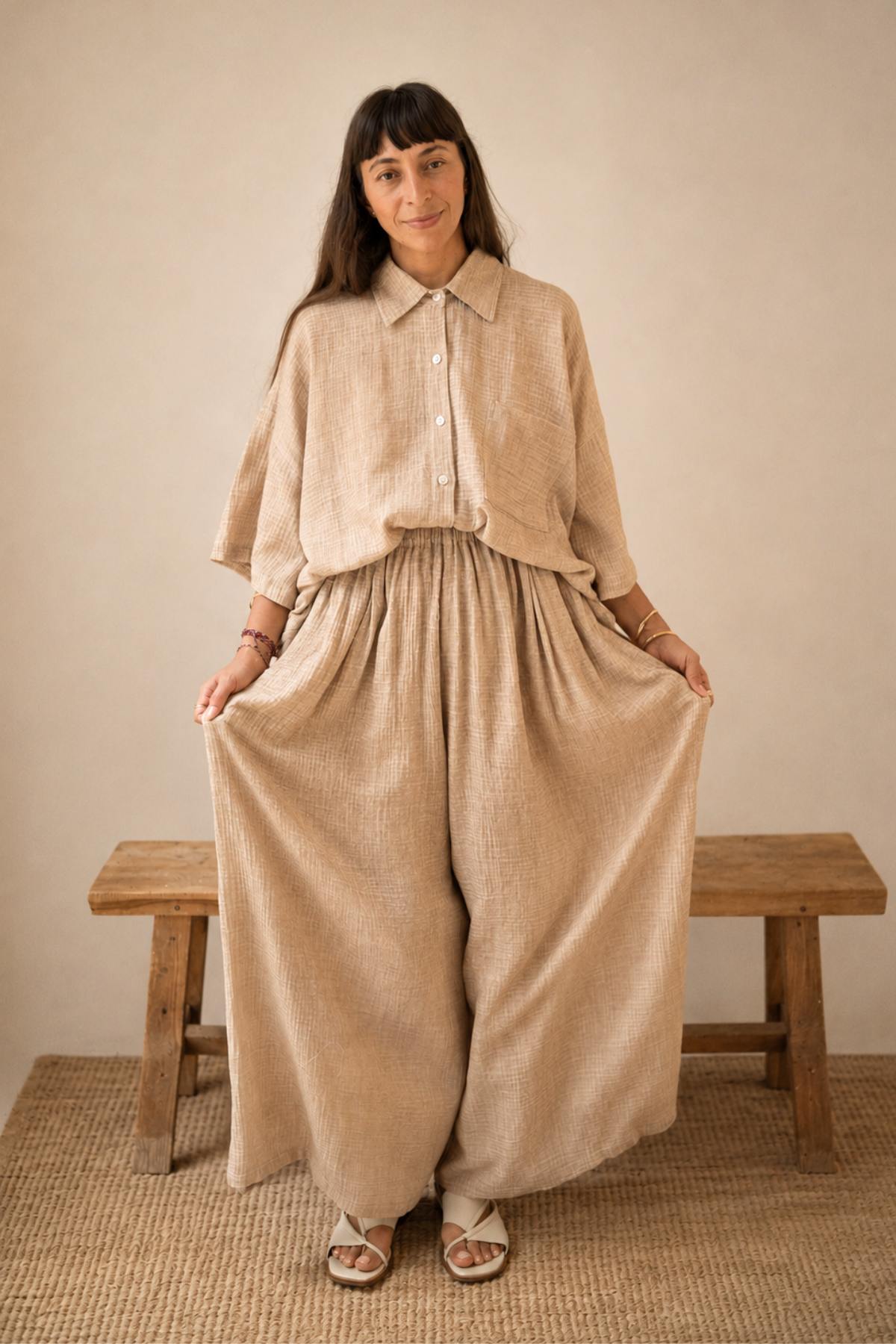
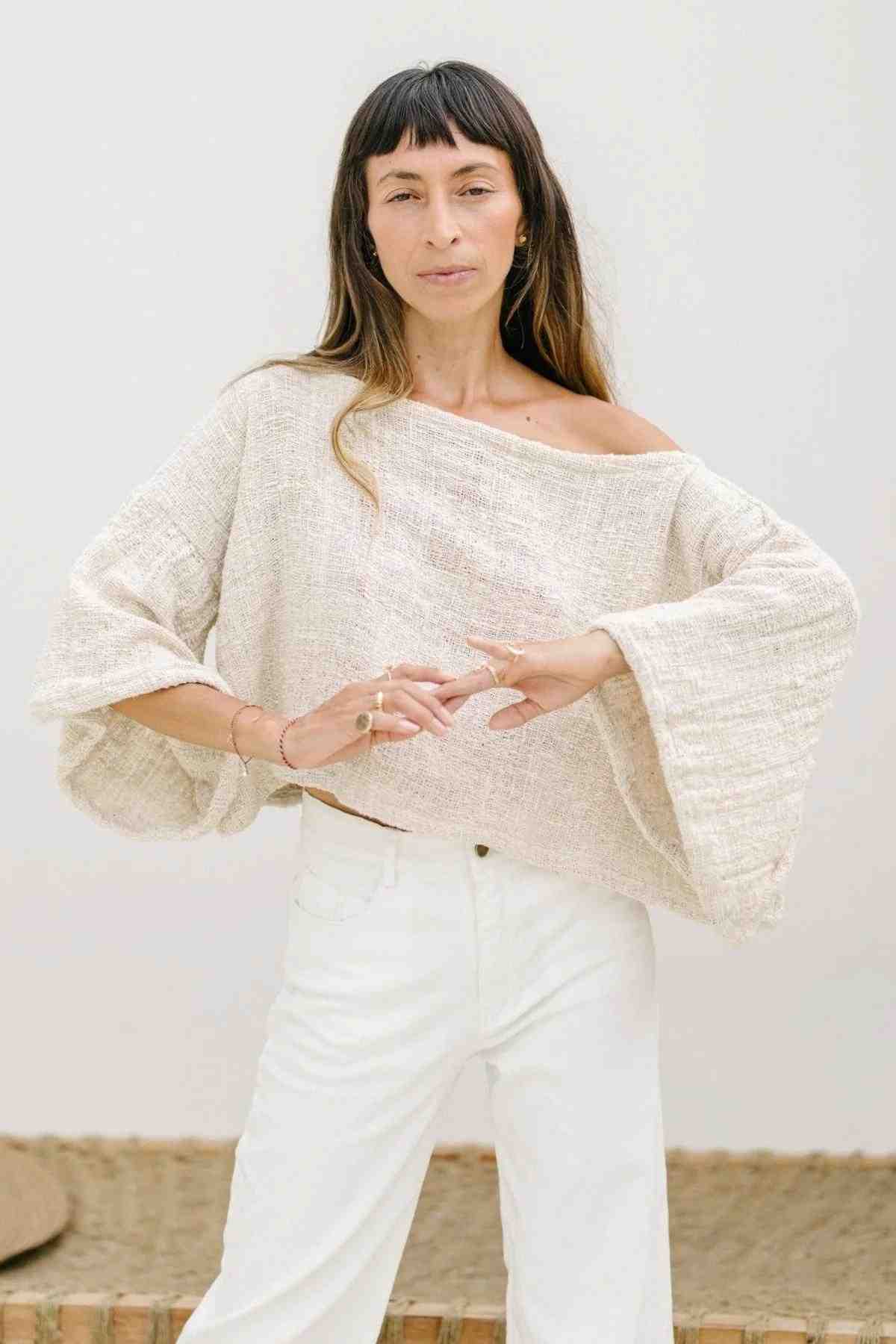
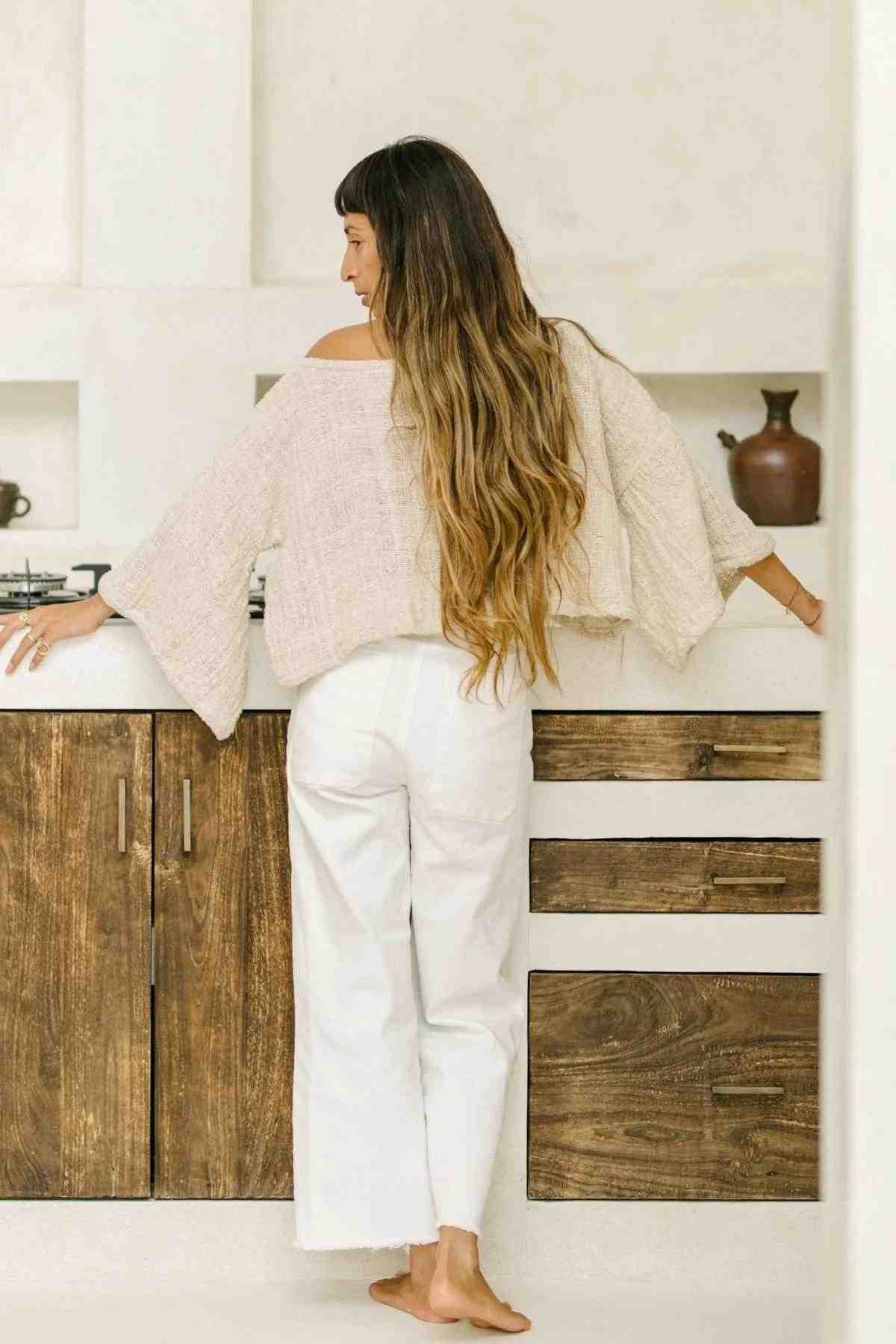
Hand-woven Tumanggal cotton, made in small batches by our Balinese artisan families. It has a grounded weight to it, the kind that says you can stop now. A relaxed wrap with statement sleeves, made for the threshold rather than the arrival.
The Muse-Letter
Dress for the woman
you're becoming.
Every week, from Bali. The cosmic weather, the threshold you're standing on, and one piece made by hand for the woman who is ready.
Join the Muse-LetterUnsubscribe any time. No spam, ever.





Leave a comment
This site is protected by hCaptcha and the hCaptcha Privacy Policy and Terms of Service apply.