
The Buttons Came From the Sea
A letter for the two quiet days before the second eclipse.
It rained early this morning and then stopped, the way it does here in the last stretch of the dry season when the sky is only rehearsing. The moon outside is nearly full. On Friday, just after midday our time, it fills completely and then slips into the earth's shadow, and that is the second eclipse of this season and the last one for a good while. Two days from now. Which means right now we are standing in the small corridor between one thing ending and the next thing not having started yet.
I have stopped trying to make this part productive.
"Stillness is not the same as doing nothing. One is something you choose. The other is what is left when you have run out."
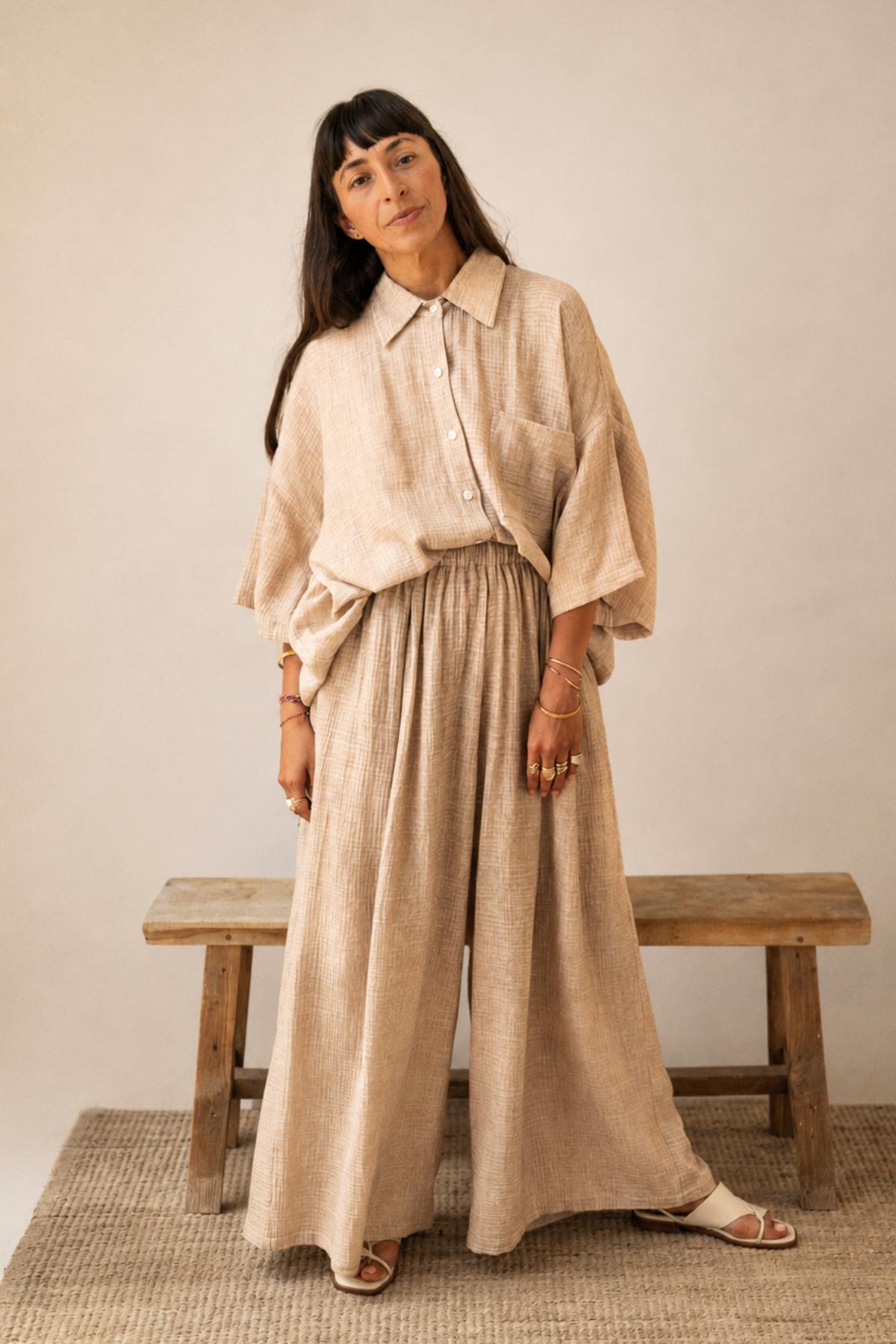
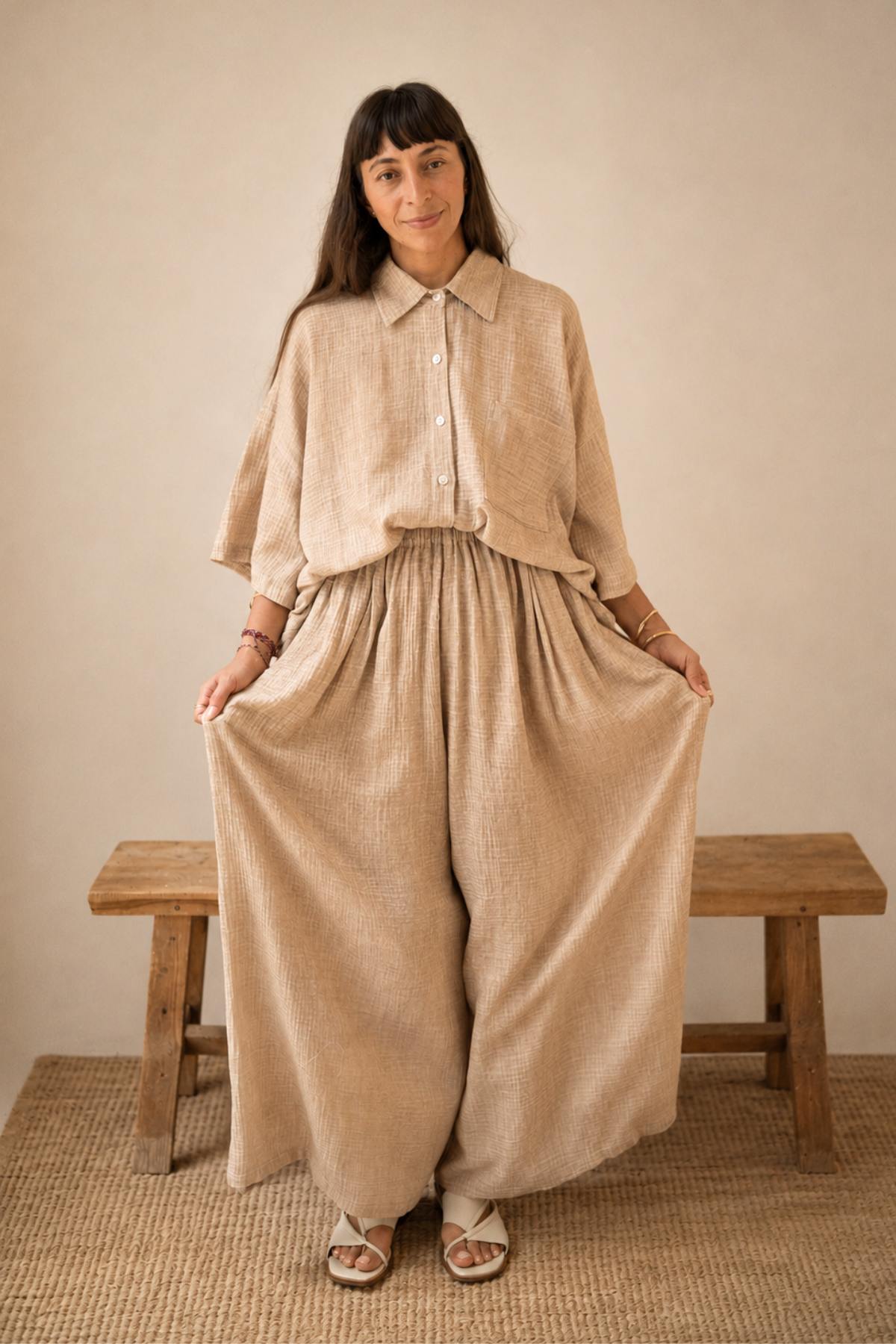
A box came up the lane on Monday and I have been slow about opening it, which is unlike me. Inside was the first run of a set we have been working on quietly for months. It is called the Hana Set, and I want to tell you about it the way I would tell you about it if you were sitting on the step with your tea, rather than the way a shop tells you about a thing.
The cloth does something I did not expect
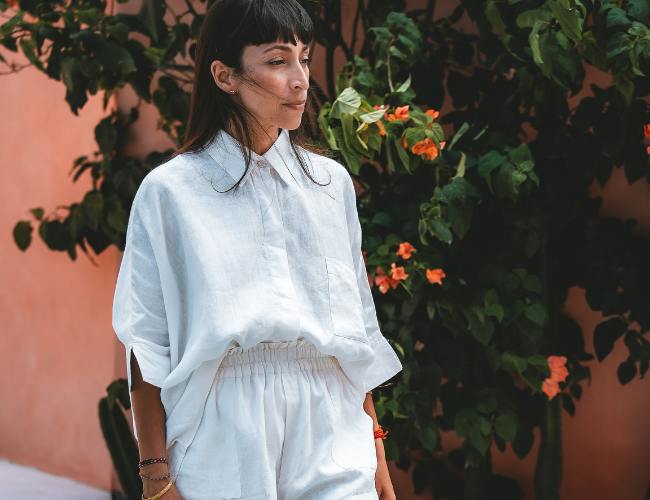
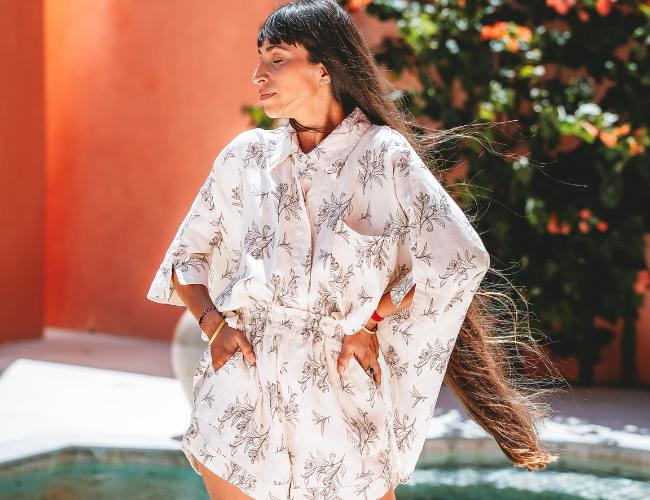
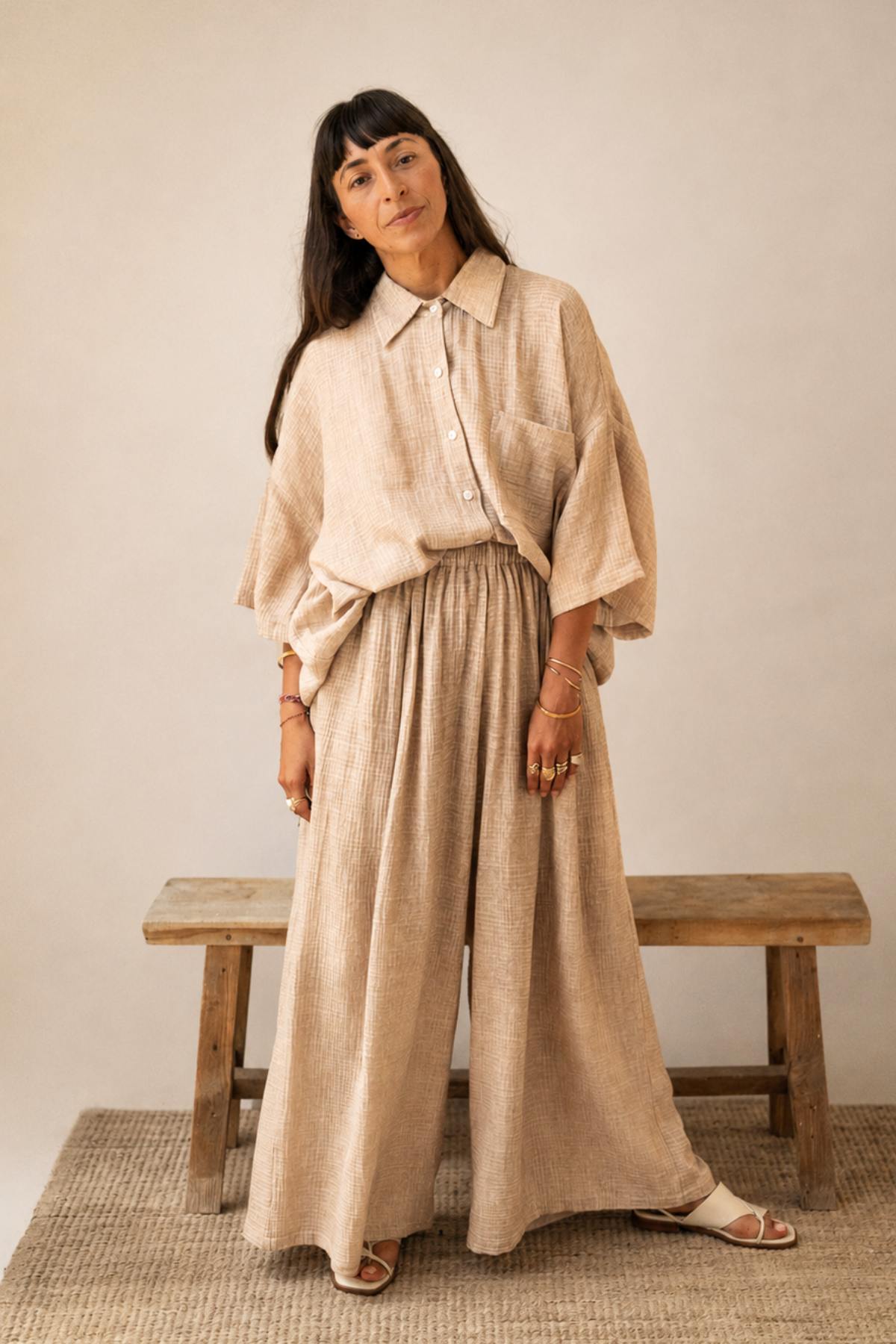
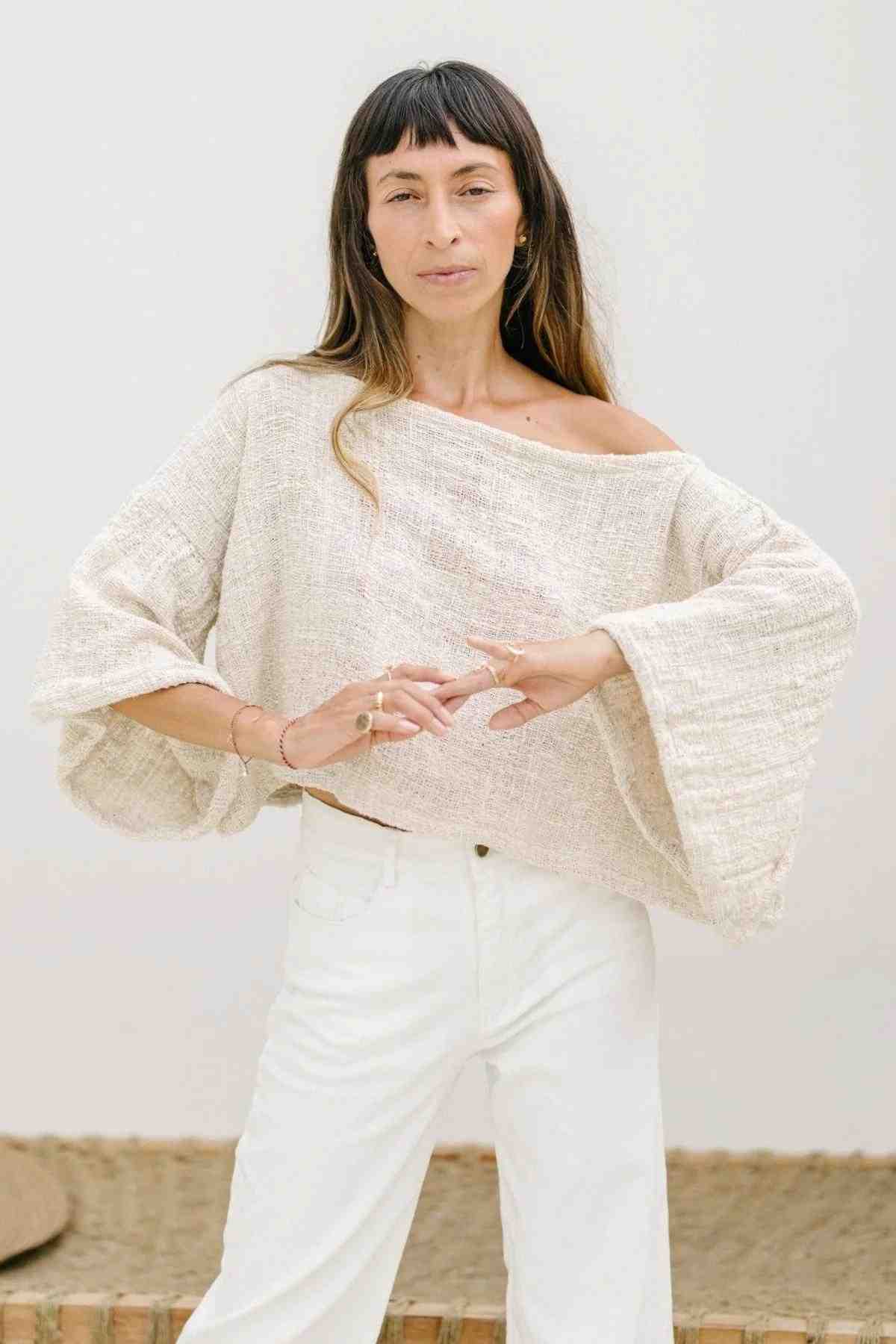
It is one hundred percent natural bubble cotton. If you have not held it, the weave is gently puckered, slightly raised under the fingers, soft without being limp. It has a texture the way a well used tea cloth has a texture. No two lengths of it come out identical, and after a decade of working with natural fibres I have stopped calling that a problem.
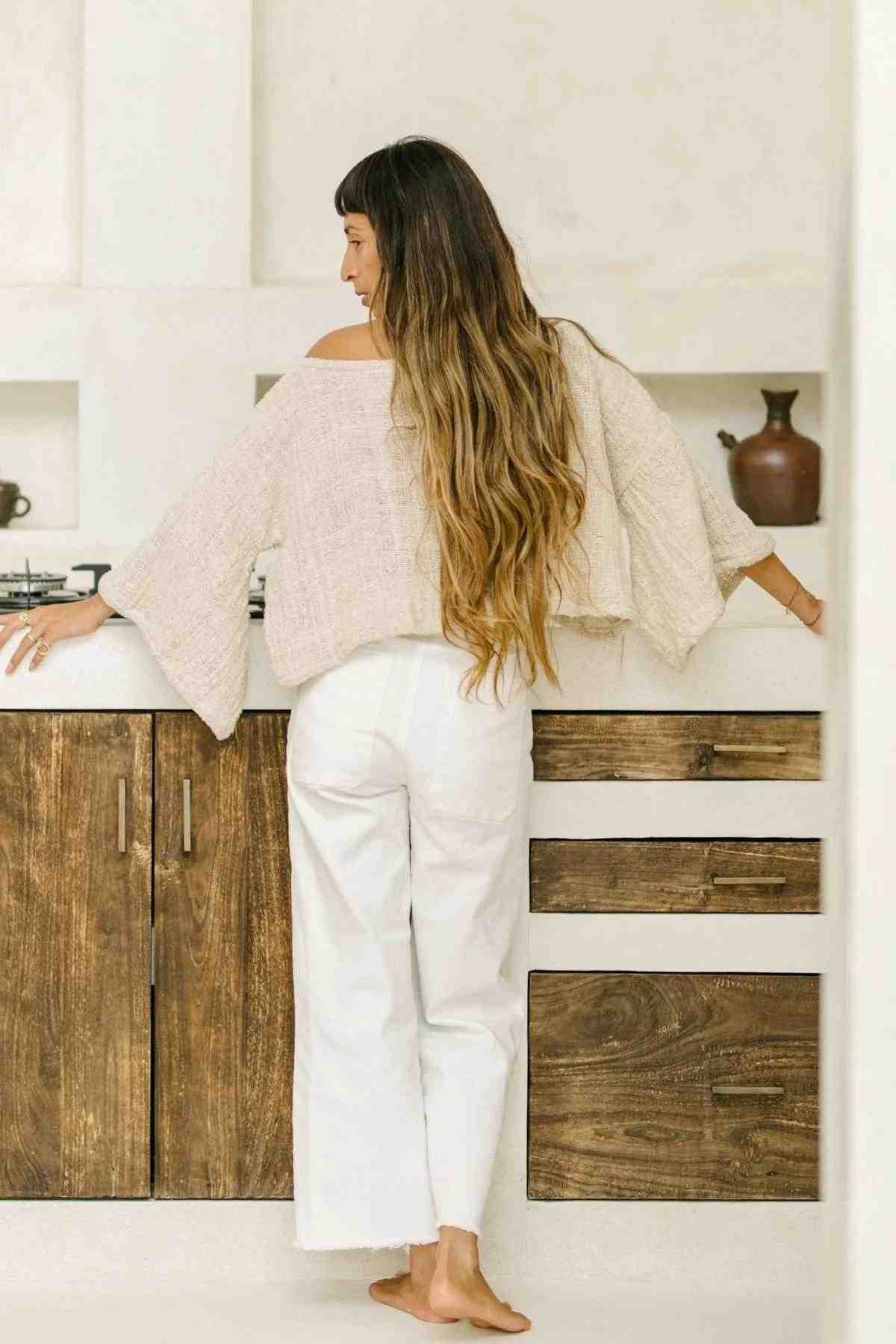
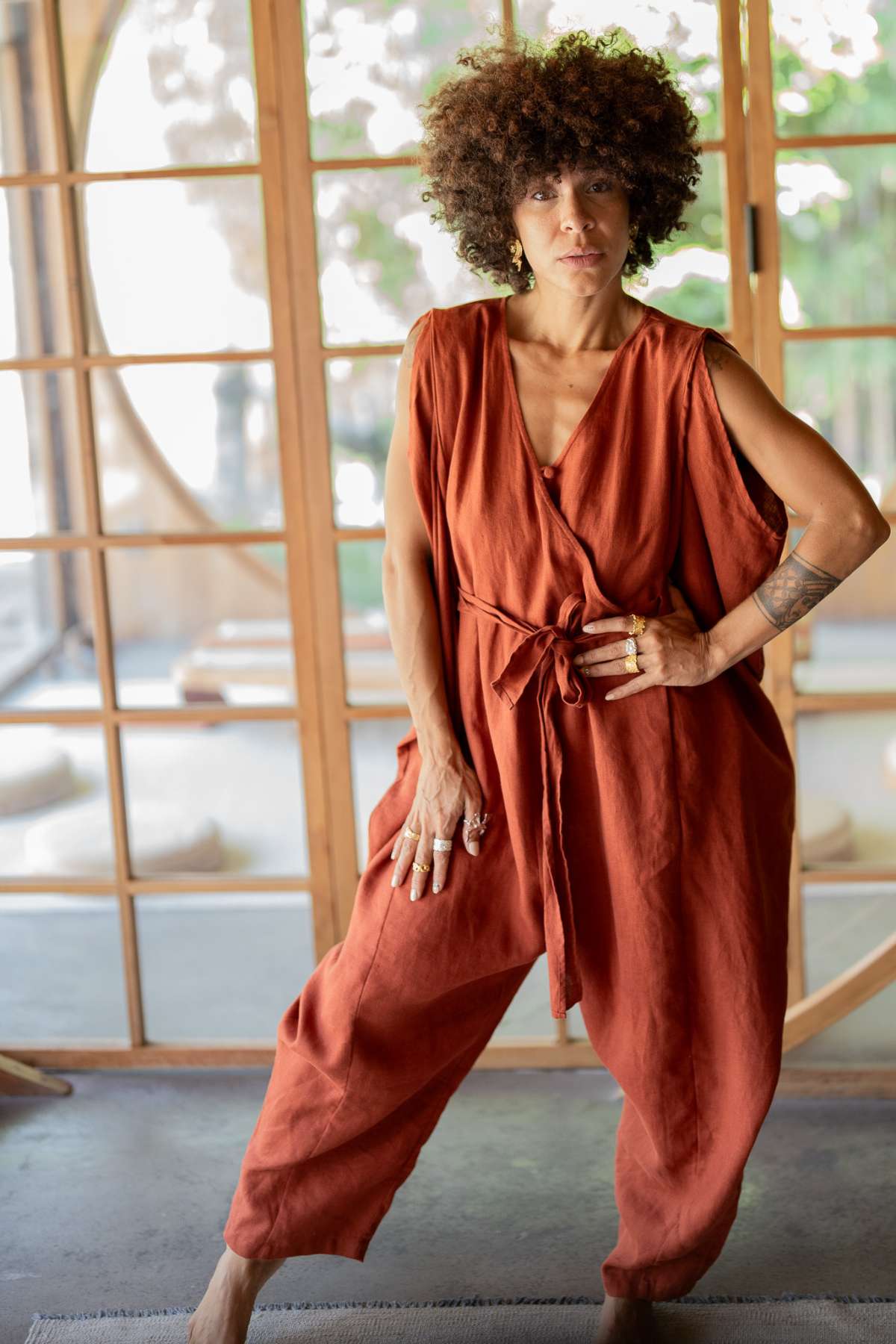
What surprised me was the sound of it. Or rather the absence of one. Some fabrics announce you when you walk into a room. This one does not. It just settles. The shirt sits loose across the shoulders so you can lift your arms without asking the fabric for permission, and the pant falls wide from an elastic waist, which is the kind of fullness that makes ordinary walking feel like a small ceremony.
The buttons came from the sea
This is the detail I keep coming back to. The buttons down the front of the shirt are mother of pearl. Which is to say they were once the inside of a shell, the smooth part, the part that took years to build up in thin patient layers because something soft needed somewhere hard to live.
They get cut, drilled, polished. And because of how they are made, no two catch the light the same way. Hold the shirt up to a window and one button will go faintly pink and the one below it will go grey blue and the one below that will do almost nothing at all.
A plastic button is quicker and cheaper and identical forever. I understand why most of the world uses them. But there is something I cannot let go of about fastening your shirt with a material that took an animal in the ocean several years to make, quietly, without anybody watching. That is the same instinct behind everything we do here. I wrote about where it comes from in what botanical dyeing actually is, if you want the longer version.
How it gets made, honestly
Cut and sewn by our artisan families here in Bali, in their homes and in small workshops they own themselves, never in a factory. There is one patch pocket at the chest. Small, useful, unfussy.
The honest part: we made a very small first run. After the first ten sell, the Hana becomes made to order in small batches, in S/M or M/L, and the lead time you see at checkout is the real one. It reflects hands working at a human pace rather than a line running at a machine's. I would rather tell you that plainly than have you wait and wonder.
What I would do with these two days
Not a ritual. Just one question, and you can answer it while you do the washing up.
What are you still carrying that was never actually yours to carry.
Not the hard things you chose. Those are yours and they are fine. I mean the other kind. The worry you inherited from your mother about money. The standard for a clean house that belonged to someone else's grandmother. The apology you have been holding on behalf of a person who has never once thought about it.
An eclipse does not remove any of that for you. Nothing removes it for you. But there is a particular quality to the days just before one, a kind of loosening, where things you have gripped for years will sometimes come away in your hand if you notice you are holding them.
So notice. That is the whole practice. You do not have to put it down yet. Just see that you are the one holding it.
Then rest. Friday will do what Friday does whether you have prepared for it or not, and I have never once seen the sky reward hurrying.
With love from Bali,
Myrah.
A Piece for This Threshold
The Hana Set
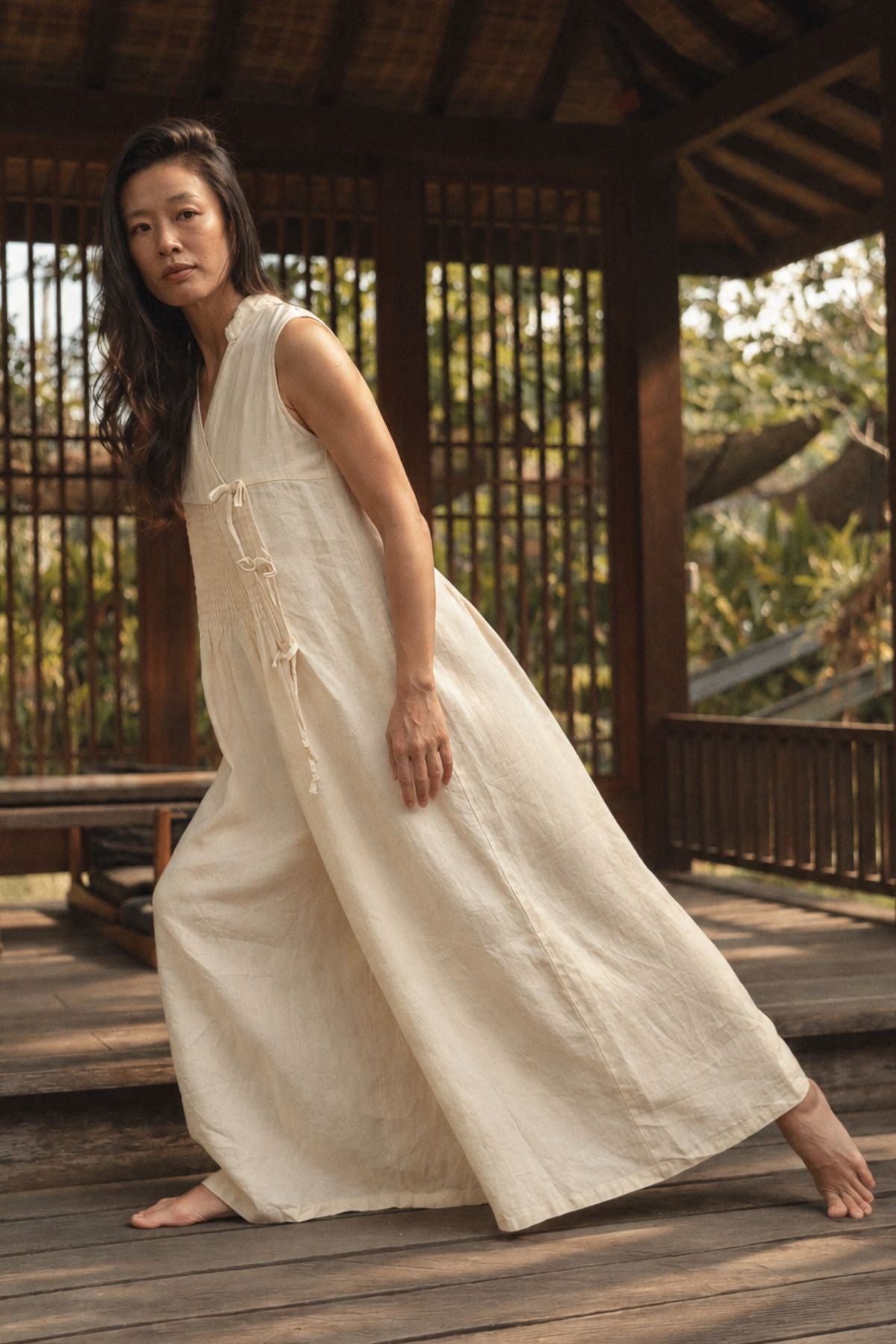
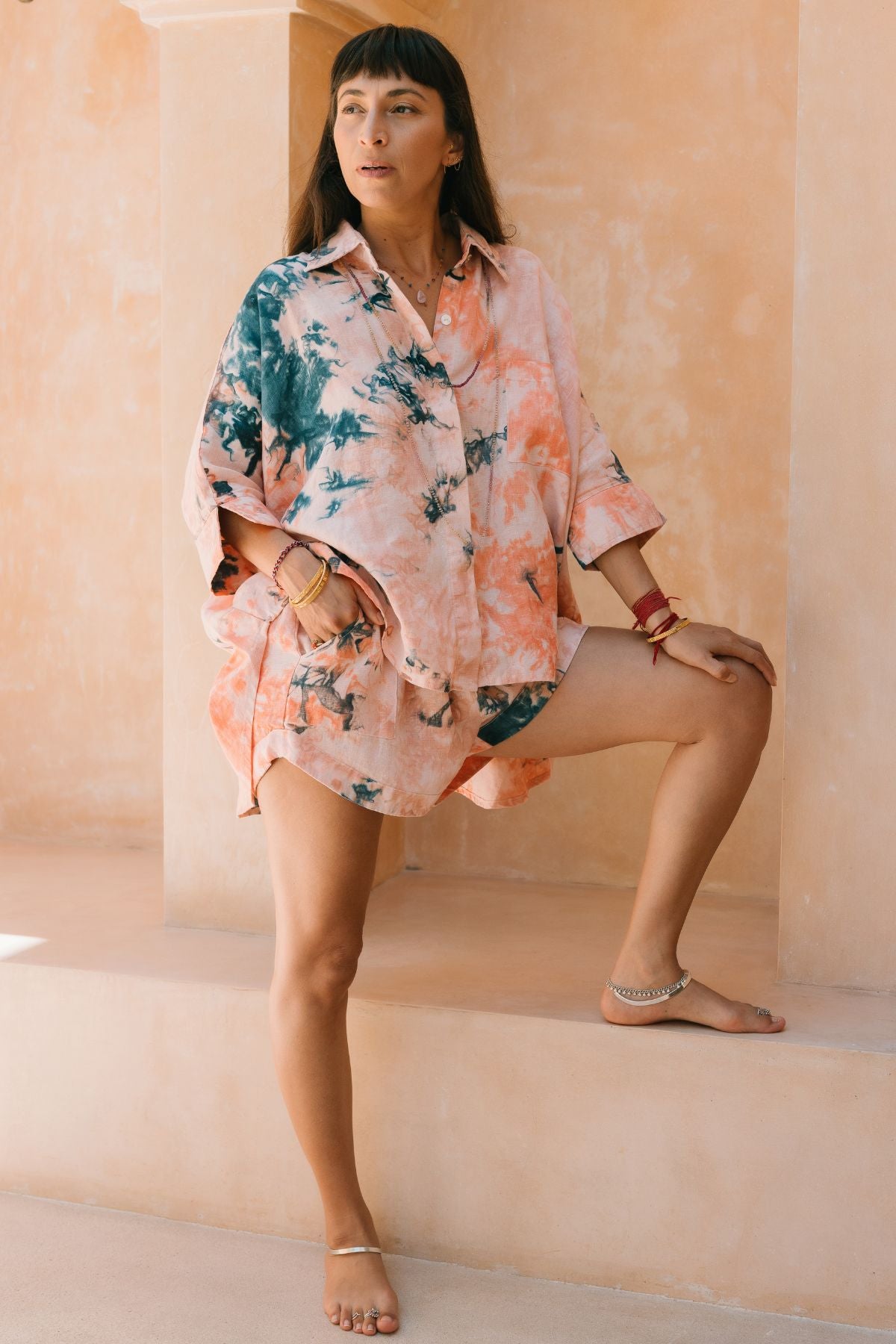
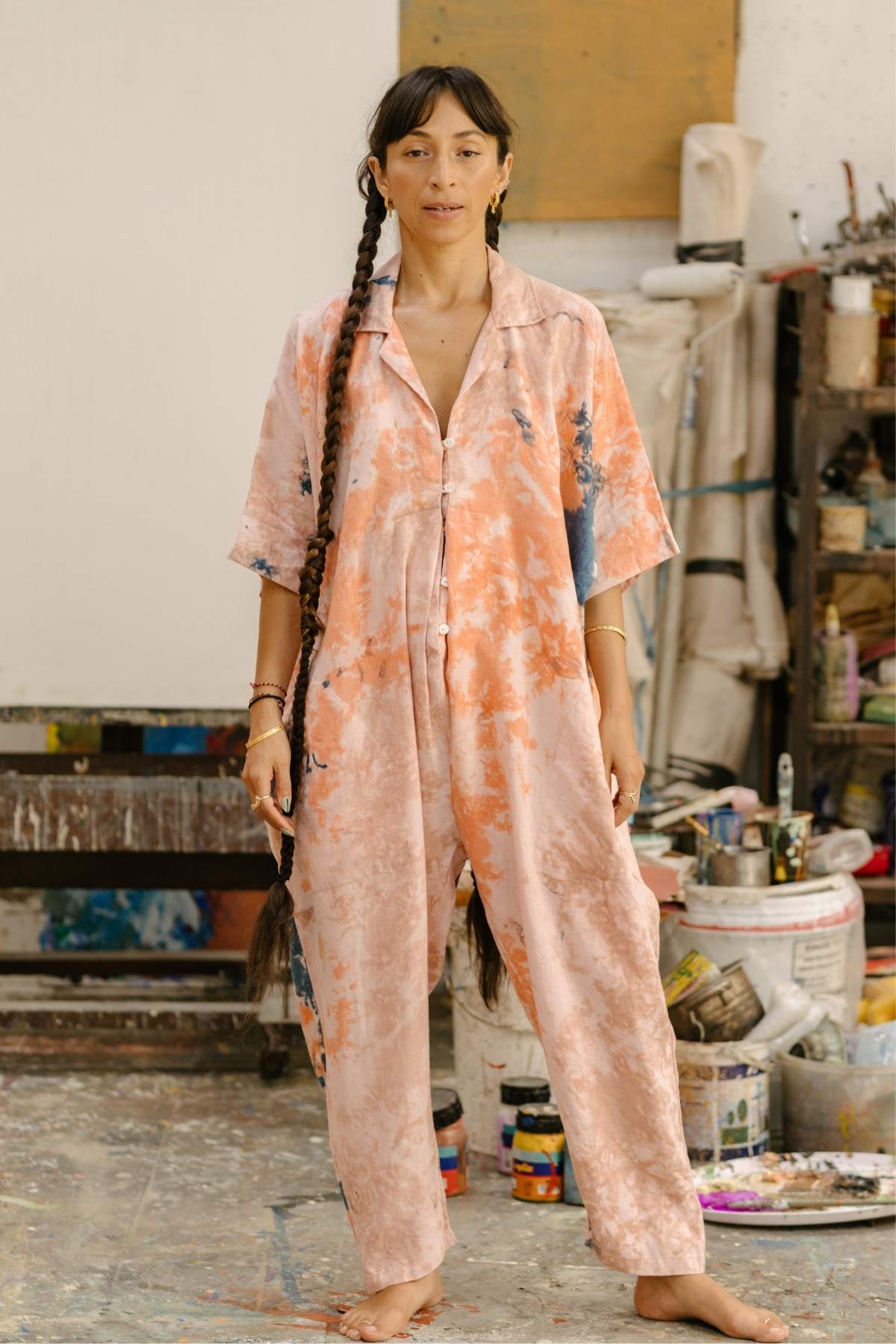
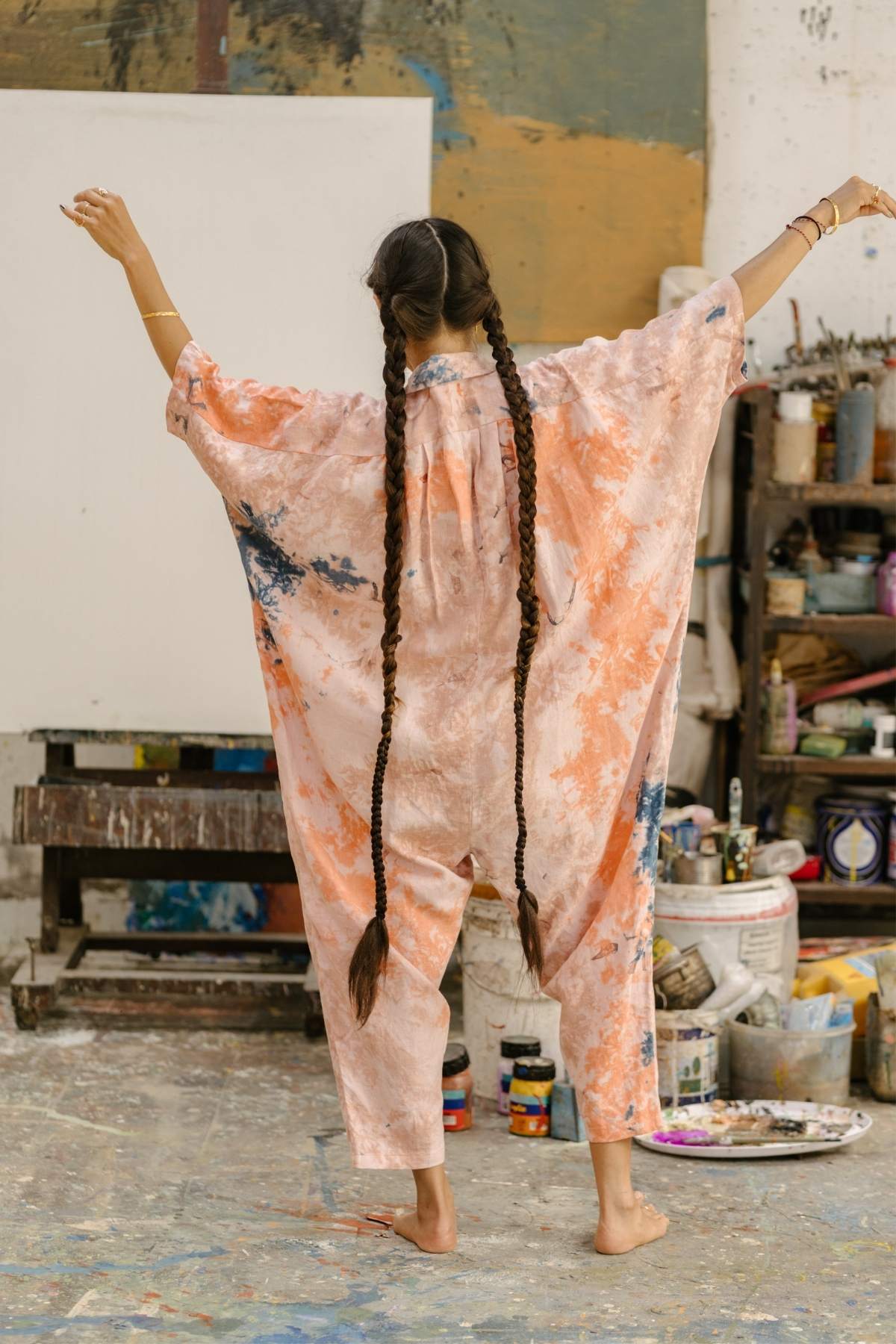
One hundred percent natural bubble cotton, cut and sewn by hand in Bali, with mother of pearl buttons down the shirt front and a single patch pocket at the chest. Loose through the shoulders, wide through the leg, oversized on purpose. Available in S/M and M/L, and made to order in small batches once this first run is gone.
The Muse-Letter
Dress for the woman
you're becoming.
Every week, from Bali. The cosmic weather, the threshold you're standing on, and one piece made by hand for the woman who is ready.
Join the Muse-LetterUnsubscribe any time. No spam, ever.


Leave a comment
This site is protected by hCaptcha and the hCaptcha Privacy Policy and Terms of Service apply.