

Ethical clothing brands, and how to check the claim yourself
The ethical clothing brands most worth knowing are Pact and Kotn for everyday cotton, Known Supply for traceability, Patagonia and Toad&Co for things that take a beating, Eileen Fisher for pieces you send back to be remade, and Myrah Penaloza for linen and silk made in small numbers. But the brand list is the smaller half of the answer. The larger half is knowing how to check a claim yourself, because the usual proof, a certification mark, measures factories, and a great deal of the most careful clothing in the world is not made in one.
I want to be straightforward about my position here. I run a clothing label. We are on this list. You should read what follows knowing that, and you should hold it to a higher standard because of it.
What a certification actually measures
When you search for ethical brands, almost every answer hands you the same three letters: GOTS, Fair Trade, OEKO-TEX. They are real. They are audited. A brand carrying them has submitted to something.
Here is the part that rarely gets said. GOTS certifies entities, not intentions. Every facility in the chain of custody has to hold its own licence, across eight stages from the farm to the final packing, and each of those facilities pays somewhere between two and six thousand dollars a year to be audited. If a brand wants to put the mark on its own hangtag, that is another fifteen hundred to four thousand a year on top.
For a company producing forty thousand units through three factories, that is a rounding error and absolutely worth doing. For a label whose clothing is sewn across thirty small sites, some of them family homes and some of them one-room workshops the tailors own themselves, the standard has no shape that fits. Every one of those sites would need to be certified as a facility. The audit would cost more than the wages.
So the mark is useful and it is narrow. Its presence is real evidence. Its absence is close to no evidence at all, particularly at the small end, where the maker and the owner sometimes know each other by name.
Four questions that work on any brand
These take about four minutes on a brand's own website, and they are harder to fake than a logo in a footer.
- Who made it, and can they tell you? Not "our partners" or "our family of makers". A number, a place, a name. Known Supply signs the actual maker's name onto the garment, which is the clearest version of this anyone has managed. If a brand cannot say who sews for them, they very likely do not know.
- Where was it made, and is that the same as where it was designed? "Designed in California" is a sentence about an office. Look for the country the sewing happened in. If the site never says, that is the answer.
- What is it made of, all of it? Read past the headline fibre. A dress described as organic cotton often has a polyester lining, polyester thread, and a nylon zip. Not automatically wrong, but a brand that discloses the whole composition is telling you something about how it thinks.
- How many were made? Volume is the quiet variable underneath all of this. Nothing produced in the hundreds of thousands is unhurried, whatever the fibre. Small runs are not a marketing angle, they are what refusing to overproduce looks like from the outside.
A brand that answers all four plainly, in its own words, on its own site, is usually doing the work. A brand that answers none of them has learned the vocabulary without changing the practice.
The brands worth knowing, by what you actually need
There is no single most ethical clothing brand, which is why that question never gets a satisfying answer. There are brands that are careful in a particular category. Here is the honest sorting.
Everyday cotton, at a reachable price
Pact works in GOTS organic cotton through Fair Trade Certified factories, and prices it like ordinary clothing rather than a statement. Kotn is a certified B Corporation building directly with Egyptian cotton farmers, and is unusually specific about the villages it works in. Everlane built its name on publishing factory information and cost breakdowns, and turned that into an expectation the rest of the industry now has to meet. If what you need is a plain shirt that was not made badly, start here rather than with anything on this page that costs three hundred dollars.
Things that get wrecked and should not be replaced
Patagonia is the reference point for a reason: Fair Trade Certified sewing, recycled inputs, and a repair operation that genuinely wants you to buy less. Toad&Co works in organic cotton, hemp and Tencel with less noise about it. Durability is an ethical property, and both of these treat it as one.
Pieces you send back rather than throw away
Eileen Fisher has done the hardest and least glamorous thing in this industry, which is to take garments back and remake them, at scale, for years, in adult sizes and shapes. Circularity is easy to announce and very difficult to operate.
Scale, and what it can and cannot give you
Quince works direct from mill to customer at prices that would otherwise be impossible, and is worth knowing for exactly that. It is also the clearest illustration of the trade-off running underneath every brand named above. At that volume, small runs are not on offer. That is not a failing. It is a different thing, and it is the right thing for a great deal of what you need to own.
The category these lists do not cover
Read back through the sorting above and you will notice what is missing. Every well-known ethical brand makes basics: tees, sweats, outdoor shells, loungewear, denim. Almost nobody in that group makes a dress you would wear to something that matters, and the ones who do tend to be small enough that no directory has found them.
That gap is where we work, so I will handle us separately rather than slide in beside the others.
Where we sit, and what our certificates cover
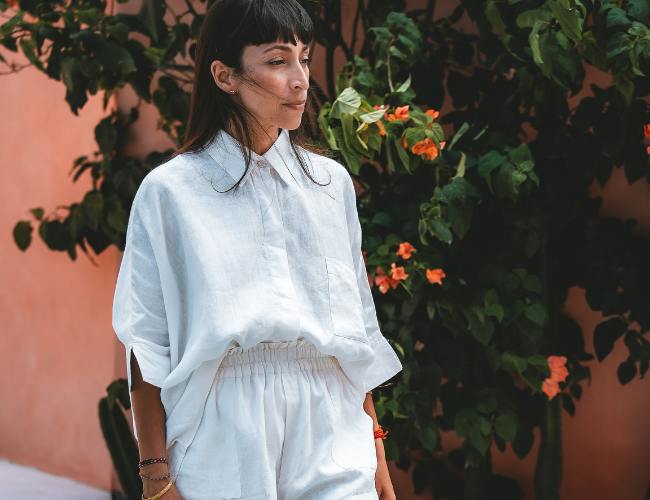
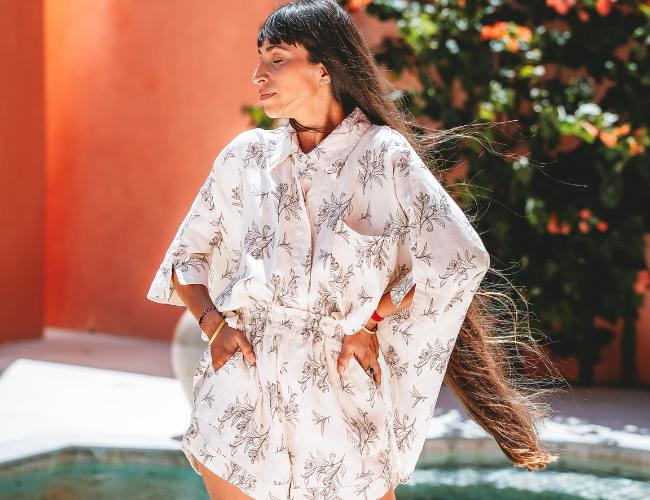
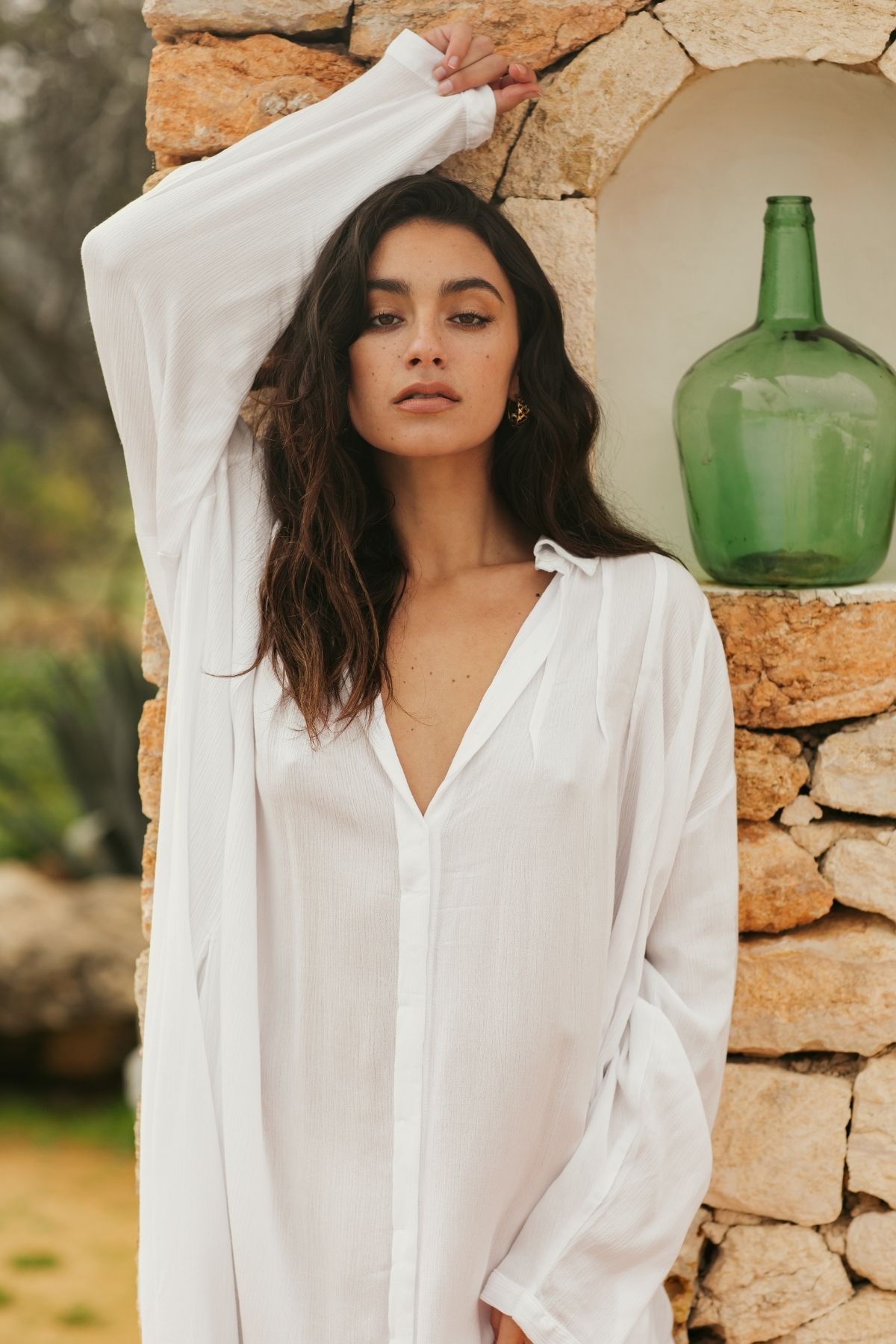
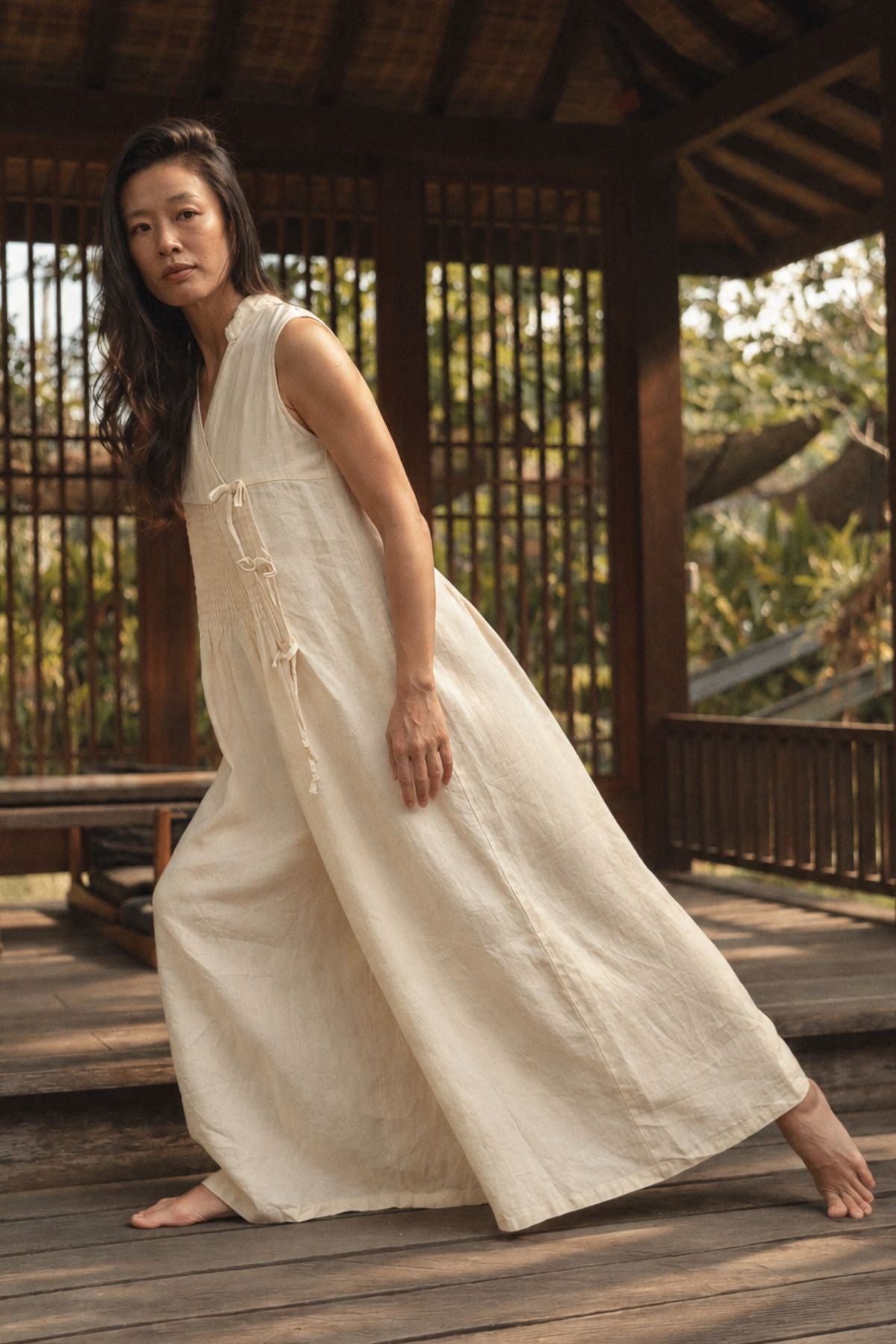
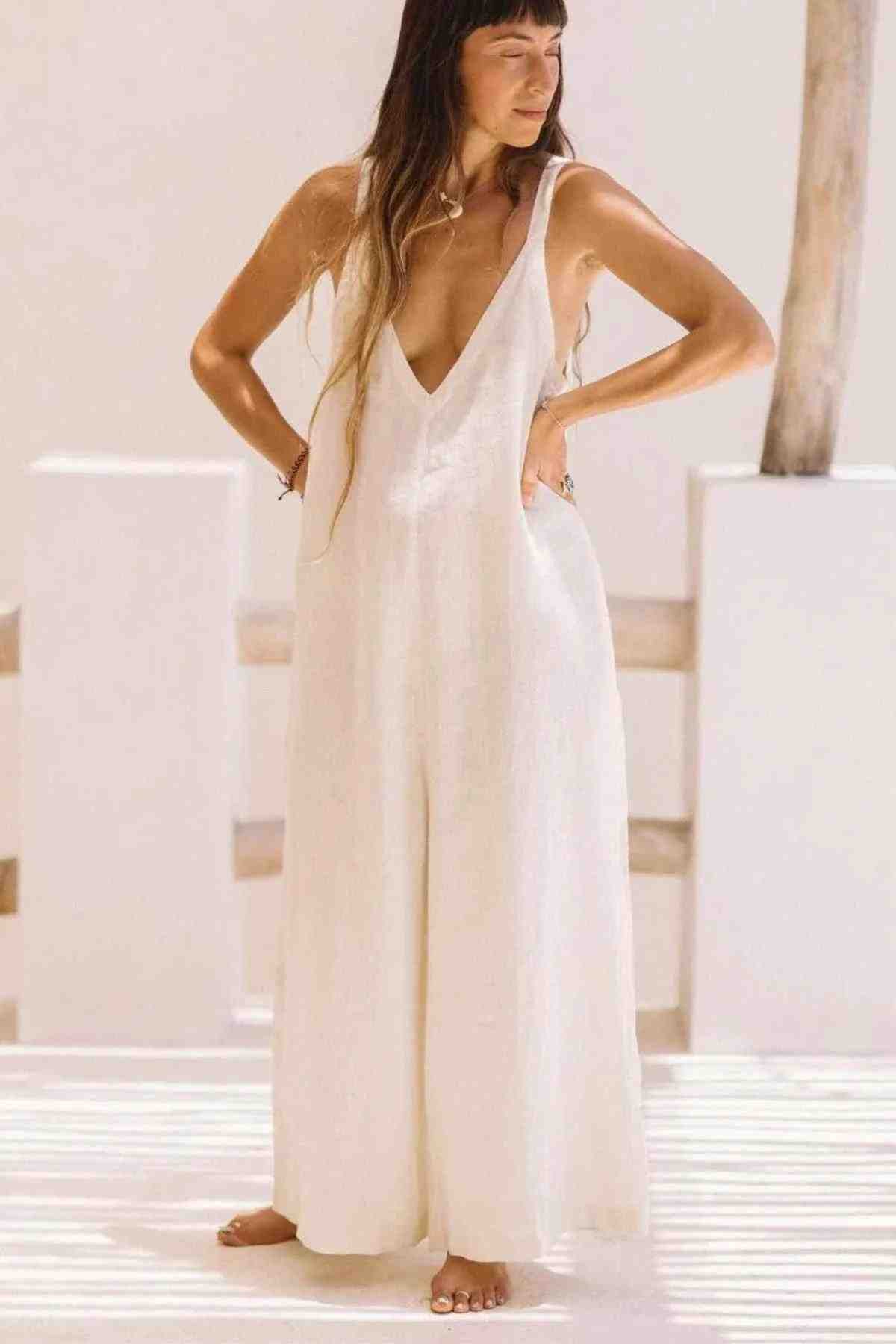
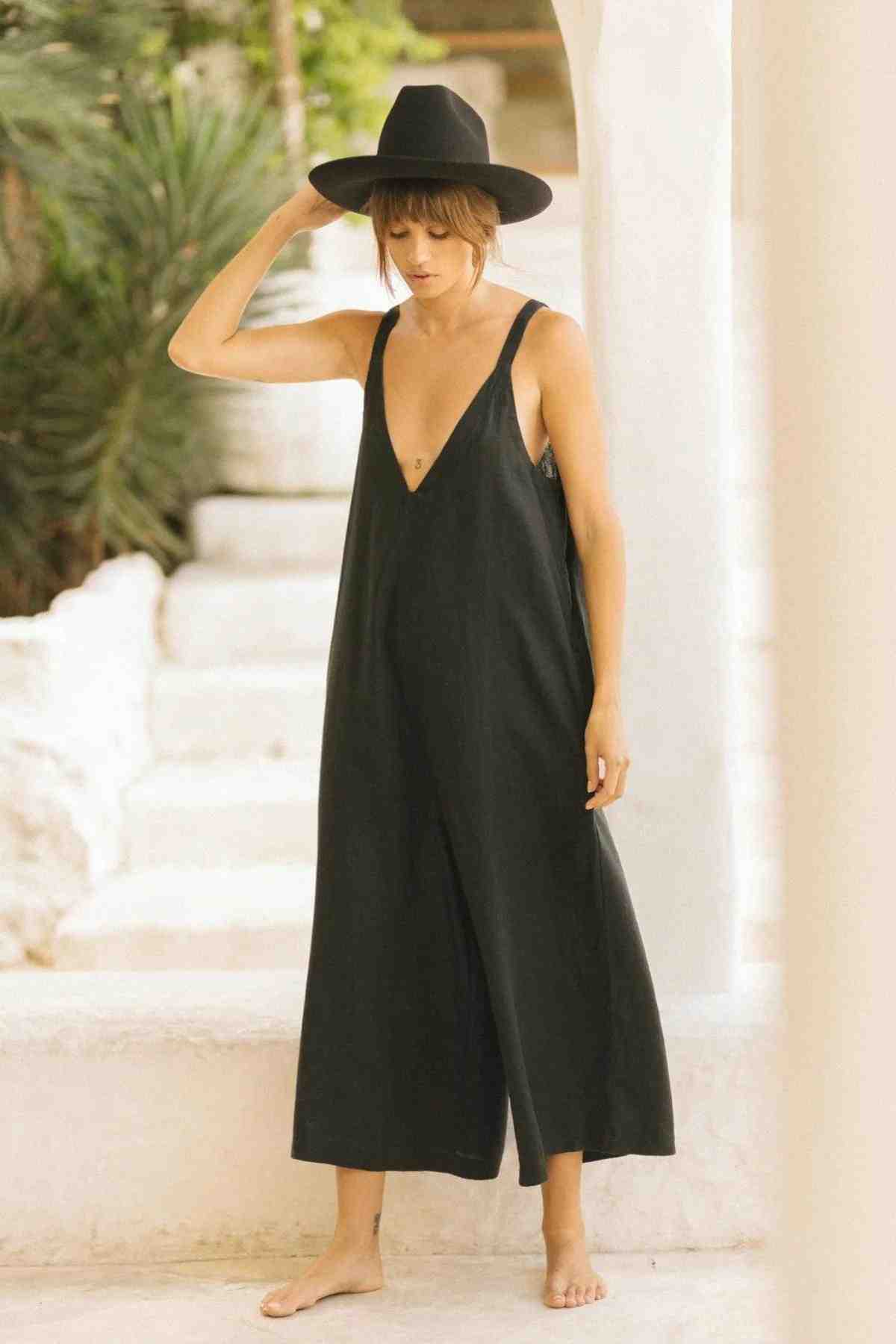
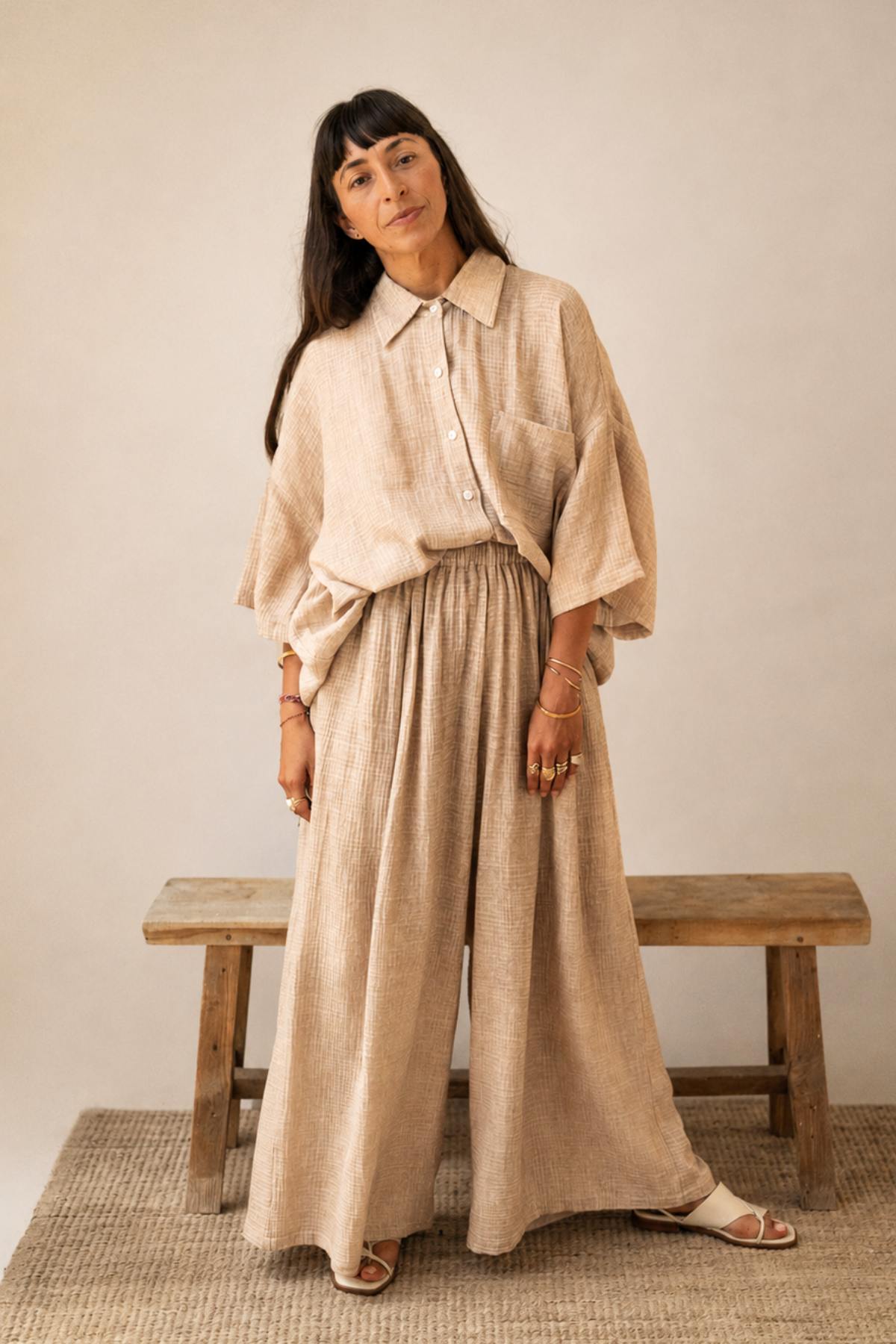
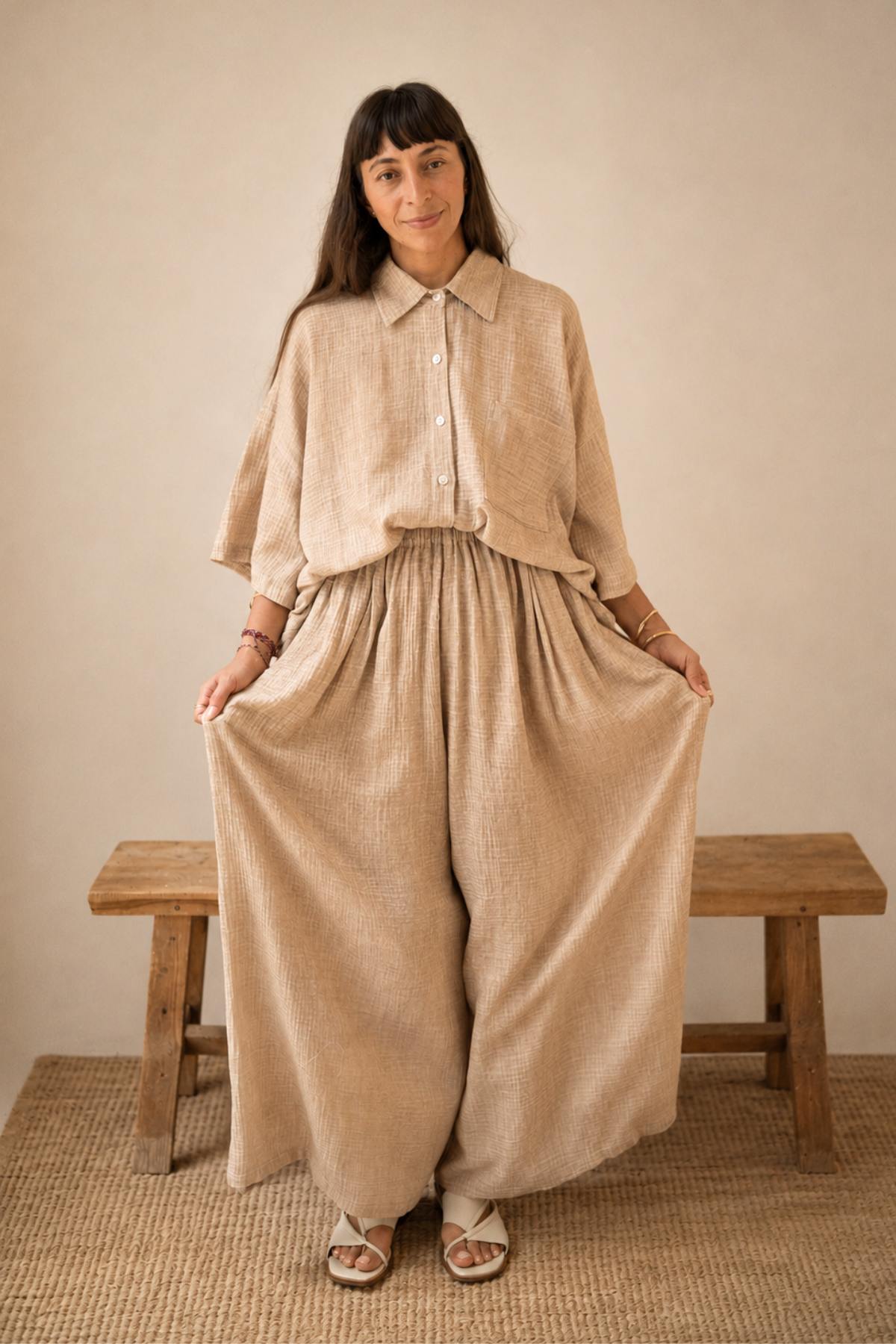
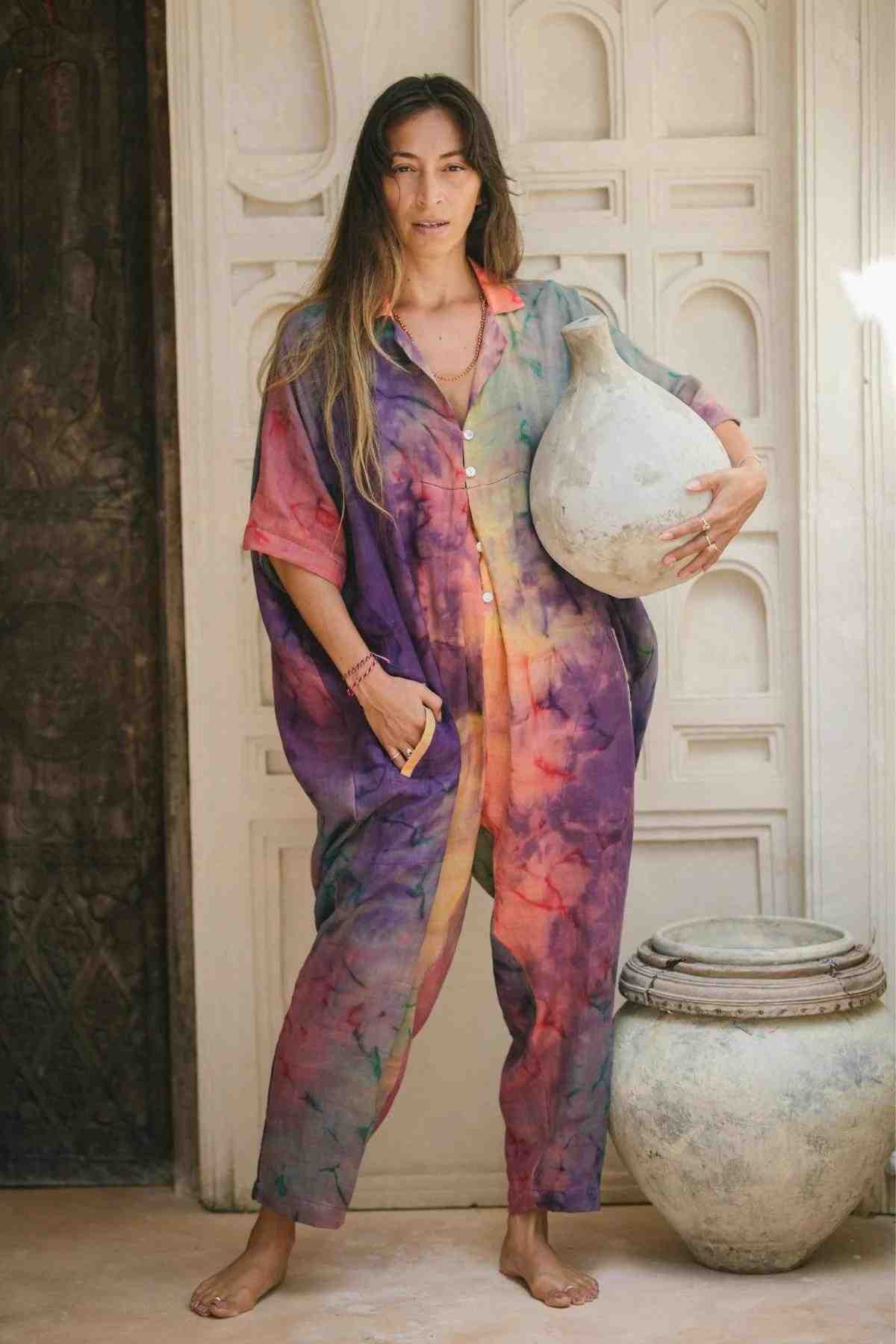
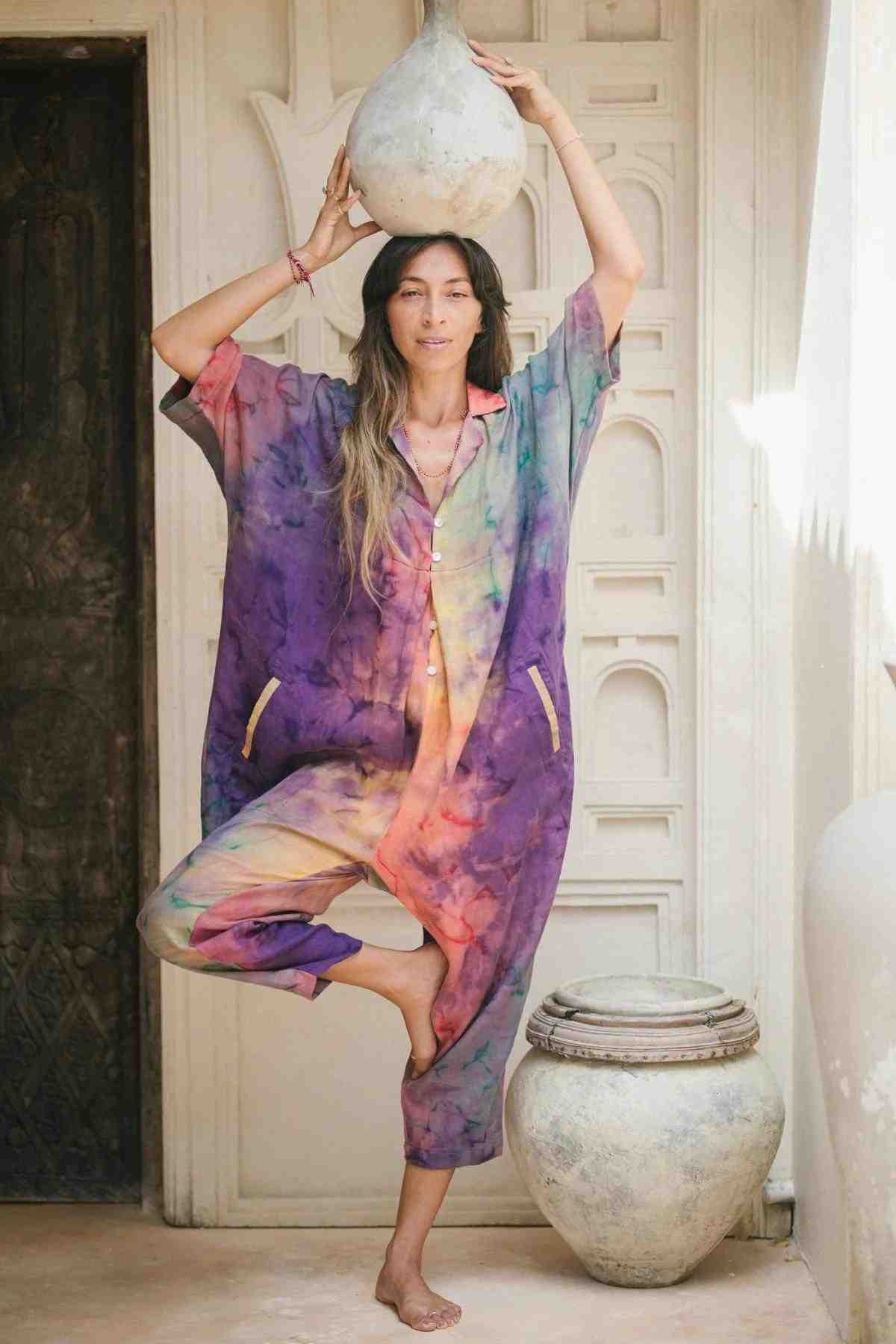
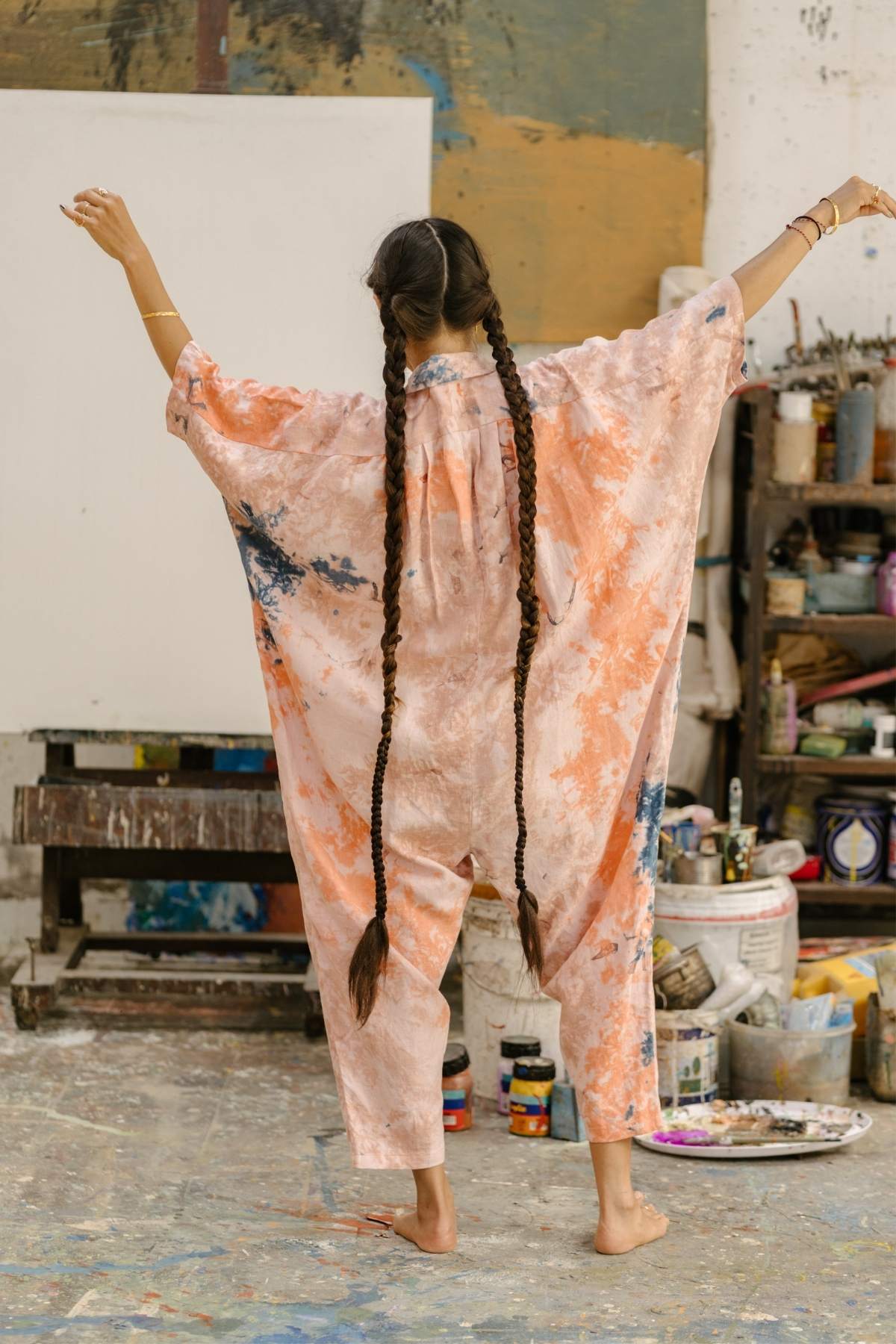
Myrah Penaloza is made in Bali by around thirty artisan families. About half of our pieces are sewn in artisan homes, where the machine sits alongside rain on banana leaves, children finishing homework, rice cooking for dinner. The other half are made in small boutique production houses that the artisan tailors own and run themselves. Neither is a factory. Neither belongs to us. Most of the makers are women, working on their own terms and their own hours.
The reason we do not use factories is not romance about home sewing. It is influence. Inside a factory you are one buyer among many, and you have very little say over the conditions on the floor. With a family, and with a small workshop the tailor owns, we are in the room. We know what the space is like, what the hours are, what is missing, and when something needs to change we can have that conversation directly with the person who can change it. A factory would buy us efficiency and cost us the only leverage that actually protects anybody.
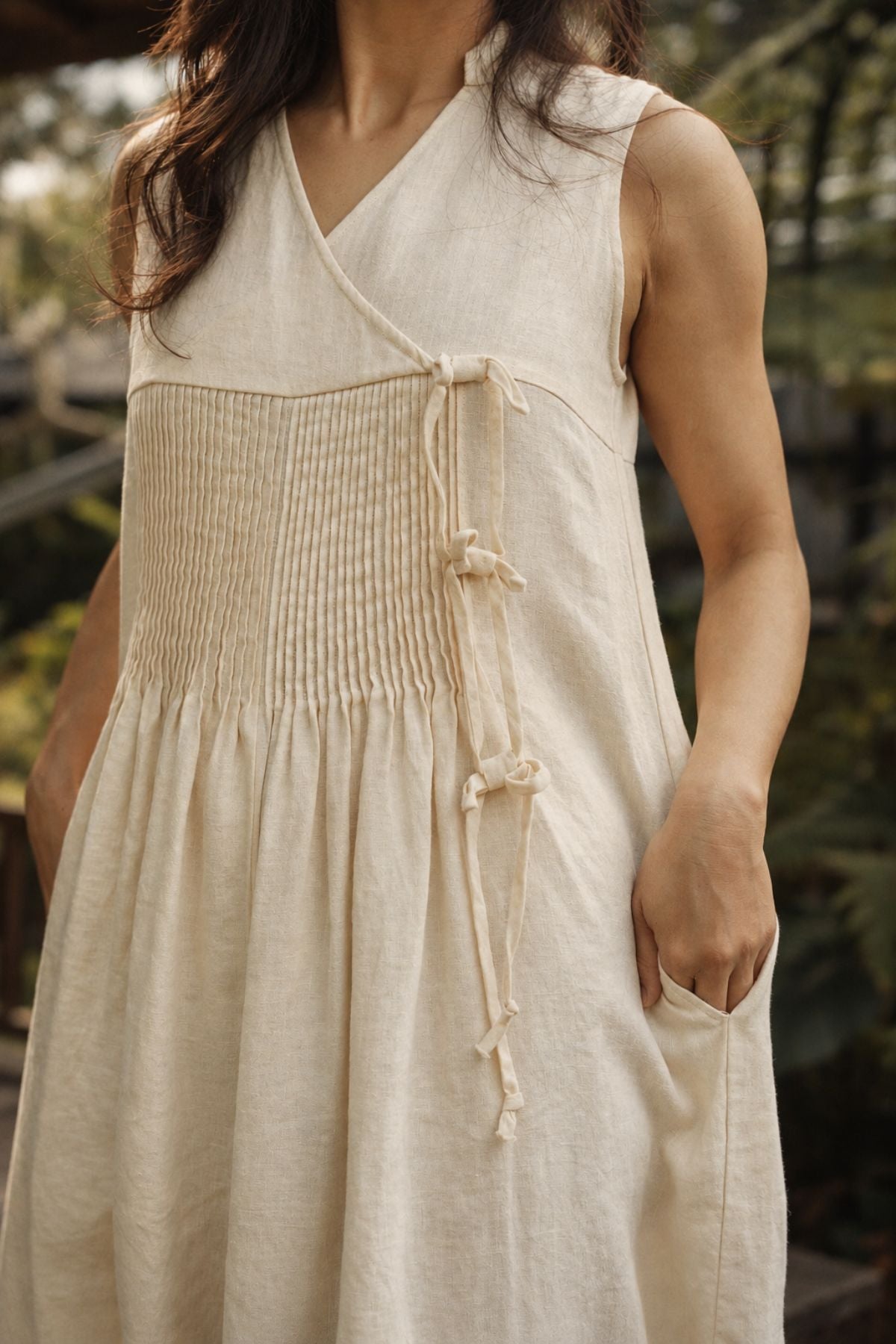
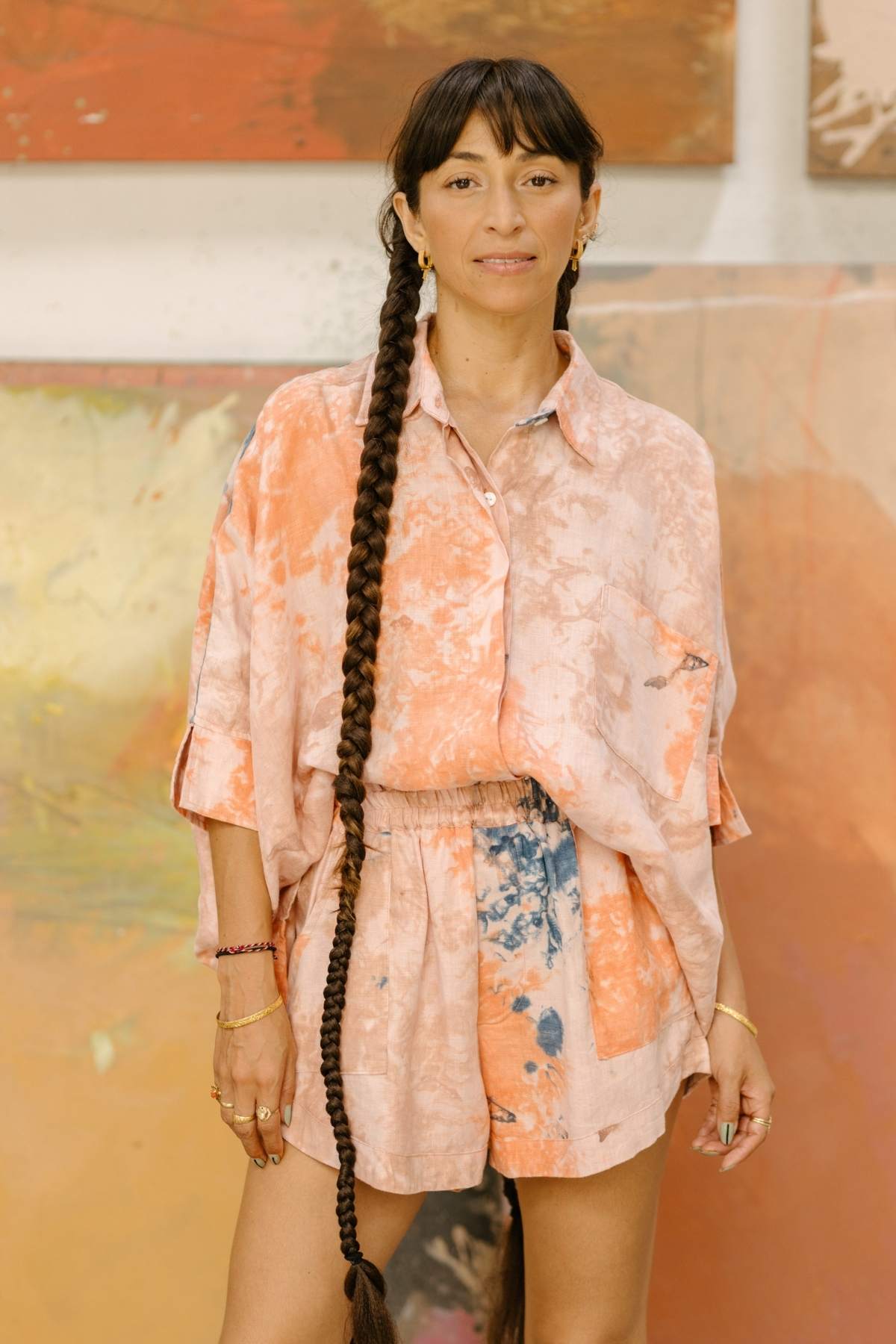
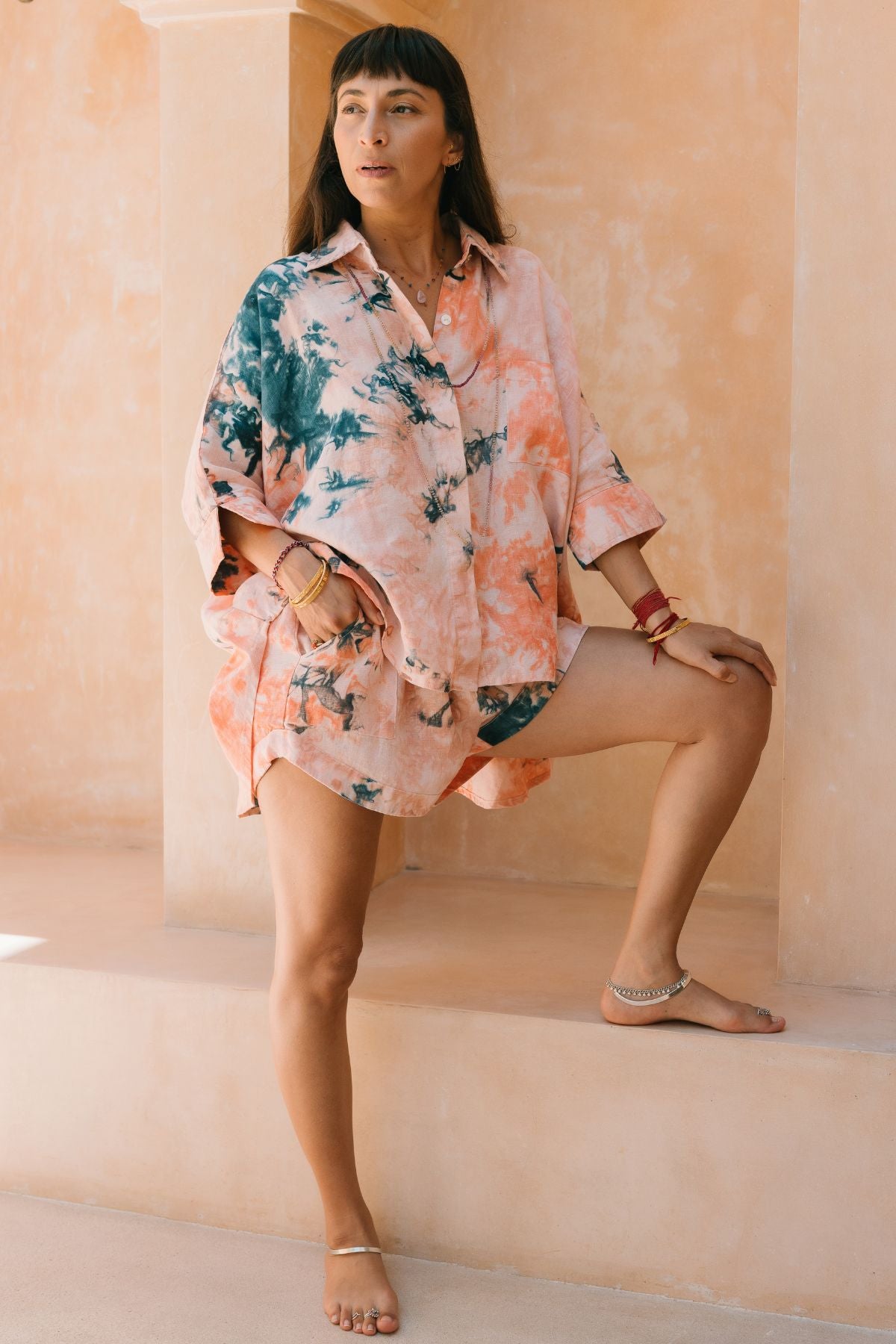
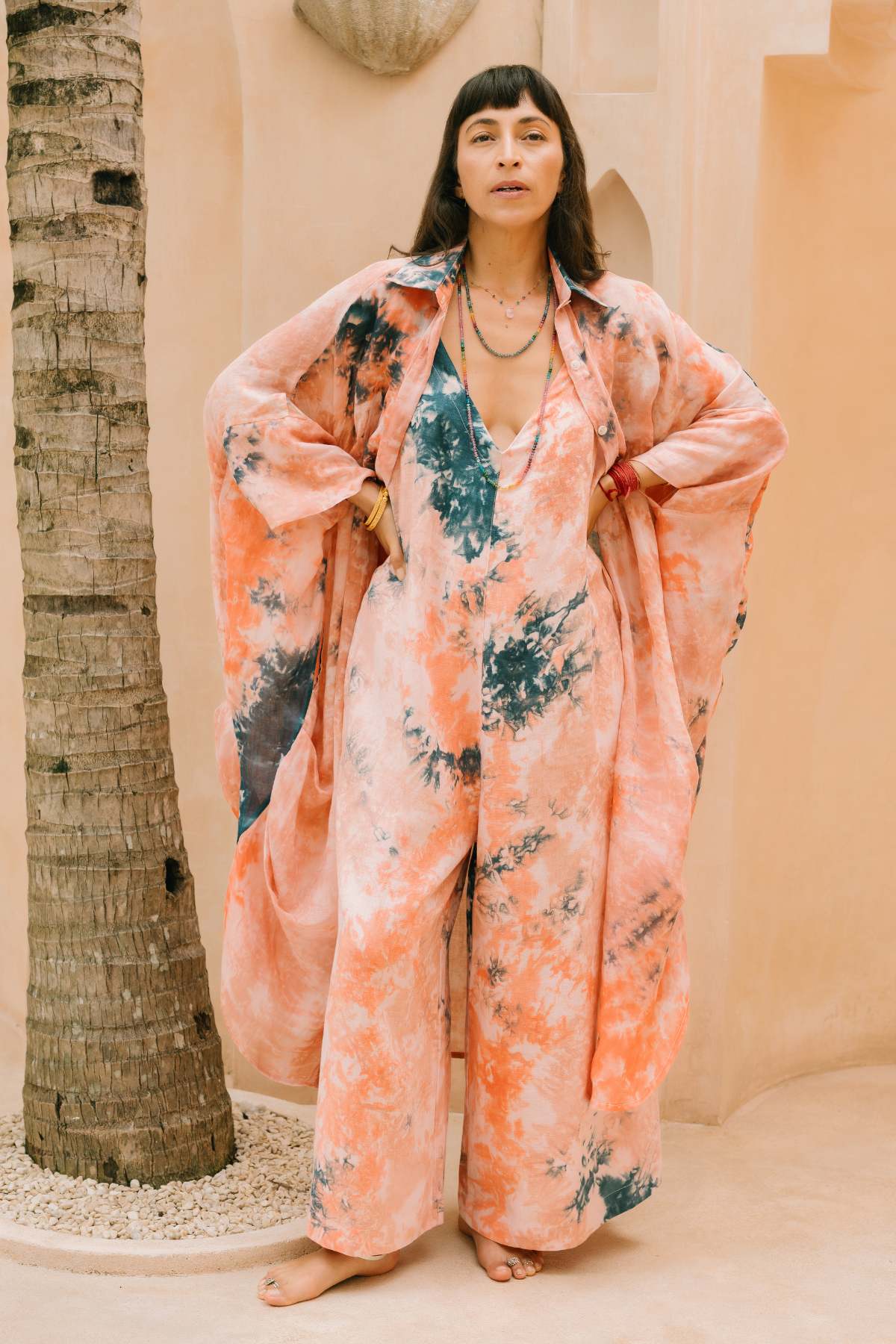
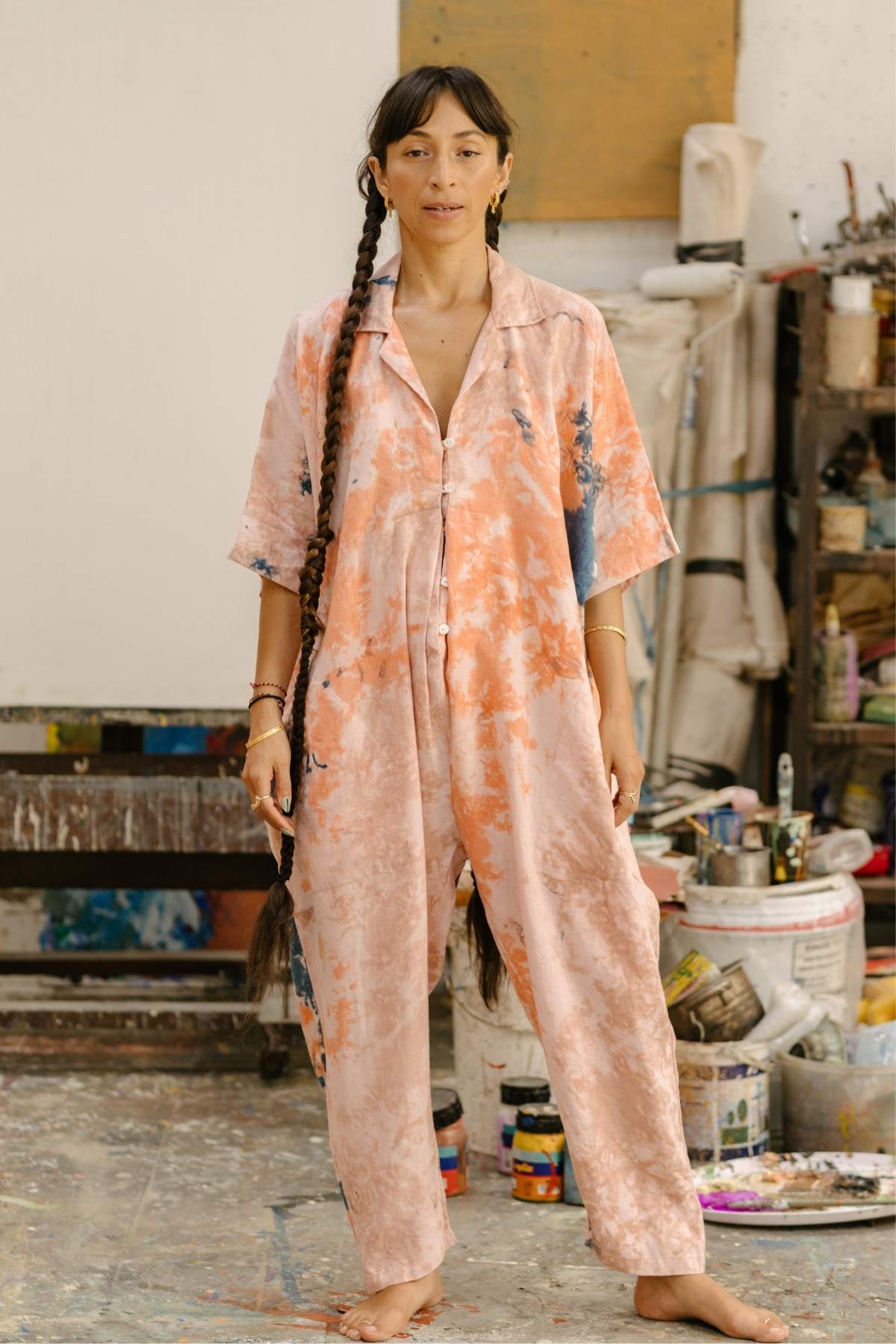
The commitments underneath that are six, and they do not move. Real wages rather than local minimums. Homes and artisan-owned workshops rather than factories. Linen, organic cotton, silk and plant fibre, with no polyester anywhere, including the thread. Small batches, sometimes a handful, and when a run ends it may not come back. Plastic-free shipping since 2020, which began a conversation among other production houses here. And botanical dyeing, plants rather than pigment, which is why no two lengths of our Rainbeau cloth are the same and why we tell you that before you order instead of after.
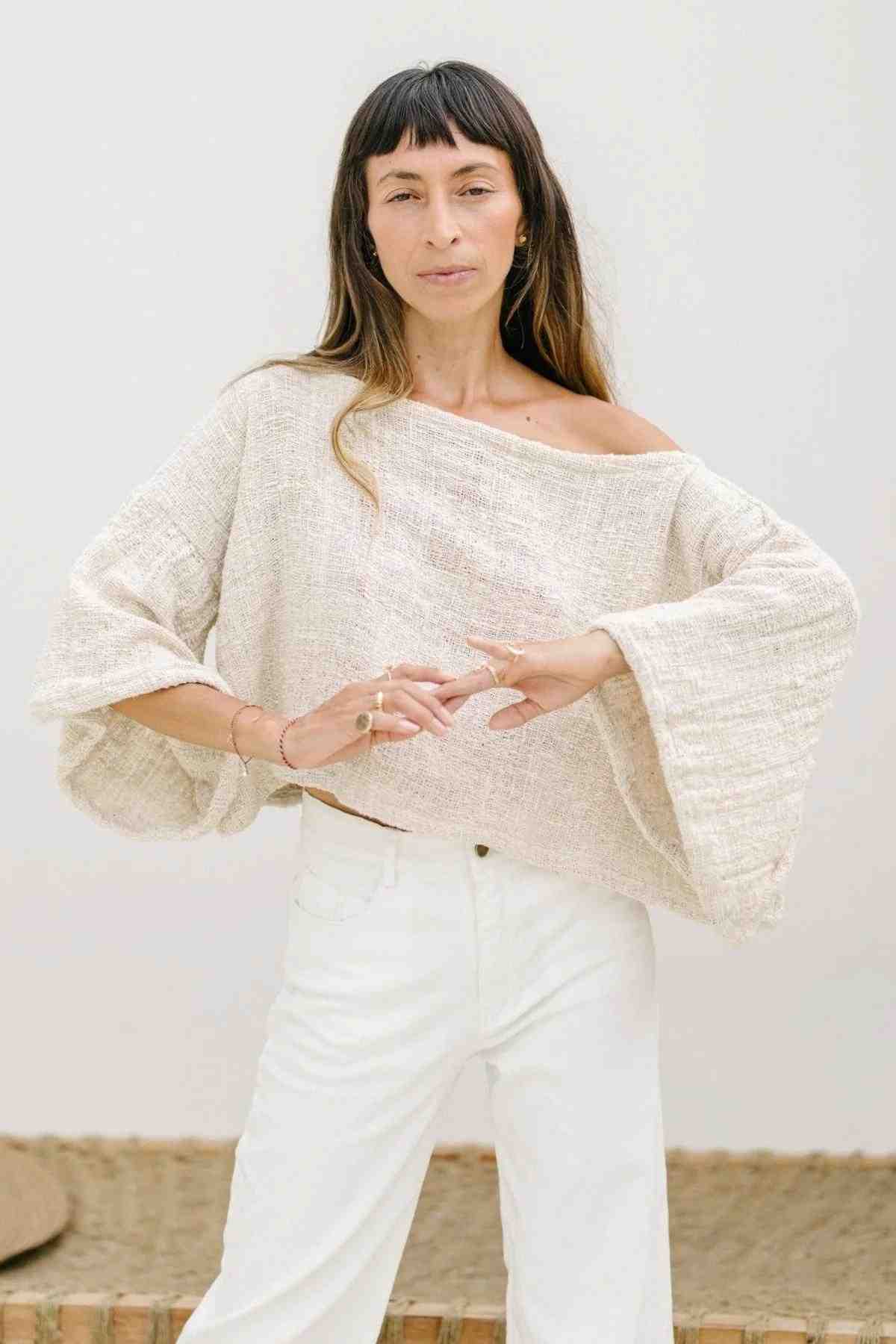
On the cloth itself, we do hold certification. Our linen carries OEKO-TEX Standard 100, which tests the finished fabric for harmful substances. It carries European Flax and Masters of Linen, which trace the flax back to the fields it was grown in. And our mills hold GOTS at fabric level. That is real, it is checkable, and it covers the fibre and the finishing.
What no certificate covers is the making. A full chain-of-custody mark would mean certifying around thirty separate micro-sites as facilities, homes and small owner-run workshops alike, each carrying its own annual audit fee. The arithmetic does not work at that scale, and the standard was never built to describe it. We could consolidate the sewing into one certified factory tomorrow and hold the complete mark by spring. It would end the arrangement that lets those tailors run their own workshops on their own terms, and it would take away the access that lets us see the conditions for ourselves. That is the actual trade, and we have chosen the side of it we can live with.
What we offer instead is the thing the certificate is a proxy for. Come to Pererenan and you can meet them. We will tell you what a piece costs to make and where the money goes. Prices run from around $118 to $490, made to order or in small runs, which is why a piece takes three to six weeks rather than two days.
The honest limits of this list
Every brand named here, ours included, is imperfect somewhere. Cotton is thirsty even when it is organic. Shipping a linen gown from Bali to Ohio burns fuel. Any label that tells you its clothing costs the earth nothing is selling you a feeling.
The useful question is not which brand is clean. It is which brand tells you the truth about where it is not. That is a thing you can test in four minutes, on any website, including this one, and it is a far better instrument than a logo.
If you want the longer version of how to read a brand, we wrote it here: what slow fashion is, and how to tell if a brand is really doing it. And if you would like to see how ours is made, that is here.
Frequently asked questions
Which is the most ethical clothing brand?
There is no single answer, because brands are careful in different categories. Pact and Kotn are strong on everyday organic cotton at reachable prices, Patagonia on durability and repair, Eileen Fisher on taking garments back and remaking them, Known Supply on naming the person who sewed the piece, and Myrah Penaloza on linen and silk pieces made in small numbers to be kept for years. Match the brand to what you actually need rather than looking for one winner.
Does a GOTS or Fair Trade certificate prove a brand is ethical?
It proves something real but narrow. GOTS requires every facility in the chain of custody to hold its own licence, across eight stages, at roughly $2,000 to $6,000 per facility per year, plus $1,500 to $4,000 for a brand to use the mark on its hangtag. That structure suits factory production. It cannot describe clothing sewn across many small artisan sites, so the absence of the mark is weak evidence at the small end, while its presence remains genuine evidence.
How can I check if a clothing brand is really ethical?
Ask four things on the brand's own website. Who made it, and can they name or number the makers. Where it was sewn, which is not the same as where it was designed. What it is made of in full, including lining, thread and fastenings. And how many were made, because volume is the variable underneath everything else. A brand that answers all four plainly is usually doing the work.
Are expensive clothing brands more ethical?
Not reliably. Price can reflect wages and small production runs, or it can reflect marketing and retail margin. The test is whether the brand can account for the price. A label that will tell you what a garment costs to make and where that money goes is giving you something a price tag alone never does.
What are ethical clothing brands for dresses rather than basics?
Most well-known ethical brands make cotton basics, so the answer is a much shorter list than it looks. The brands making dresses and gowns to this standard are almost all small enough that the large directories have not indexed them. Myrah Penaloza makes linen and silk pieces in Bali with around thirty artisan families, about half sewing in their own homes and half in small workshops the tailors own themselves, with no synthetic fibre, botanical dyeing, and prices from roughly $118 to $490.
Why do some brands have certified fabric but no full chain-of-custody mark?
Because the two certify different stages. Fabric certifications such as OEKO-TEX Standard 100, European Flax and mill-level GOTS cover the fibre and the finishing, and a small brand can hold them through its suppliers. A full chain-of-custody mark additionally requires every sewing site to be certified as a facility, at roughly $2,000 to $6,000 each per year. A label whose garments are made across thirty homes and small owner-run workshops cannot reach that, and consolidating into a single certified factory to qualify would end the very arrangement the certification is meant to protect.
With love from Bali,
Myrah
|
A Piece for This Threshold The Kundalini Gown. Shop the Kundalini Gown → |
|
The Muse-Letter Dress for the woman you’re becoming. Join the Muse-LetterUnsubscribe any time. No spam, ever. |




Leave a comment
This site is protected by hCaptcha and the hCaptcha Privacy Policy and Terms of Service apply.