





Unpacking 'What is Slow Fashion?' - A Guide to Conscious Consumption
So, you've heard the term 'slow fashion' floating around, and maybe you're wondering what it's all about. It's not just about wearing older clothes or buying less, though those are parts of it. Basically, what is slow fashion? It's a way of thinking about clothes that's the opposite of the usual fast fashion cycle. Instead of chasing every new trend that pops up, it's about choosing clothes that last, are made well, and don't hurt people or the planet. Think of it as a more mindful approach to your wardrobe, focusing on quality over quantity and making choices you can feel good about.
Key Takeaways
- Slow fashion is a mindset shift away from constant trend-chasing towards valuing durable, well-made clothing.
- It prioritizes environmental responsibility, like using eco-friendly materials and low-impact production.
- Ethical labor and fair wages are central, meaning people who make our clothes are treated and paid well.
- Building a slow fashion wardrobe means investing in quality pieces and learning to buy less but choose better.
- Being aware of greenwashing and looking for brand transparency helps you identify genuinely sustainable options.
Understanding What is Slow Fashion
So, what exactly is slow fashion? It’s not just a buzzword; it’s a whole different way of thinking about clothes. Instead of chasing every fleeting trend that pops up, slow fashion is about choosing pieces that are made well, designed to last, and produced with respect for people and the planet. Think of it as the opposite of that overwhelming feeling you get when your closet is stuffed with items you barely wear because they went out of style so fast.
The Core Principles of Slow Fashion
At its heart, slow fashion is built on a few key ideas. It’s about quality over quantity, making sure that what you buy is actually going to stick around for a while. This means looking at how things are made, who made them, and what impact that has.
- Durability and Longevity: Clothes are made to be worn, loved, and repaired, not tossed after a few wears. This means better stitching, stronger fabrics, and timeless designs.
- Ethical Production: This is a big one. It means workers get fair wages and safe conditions. No one should be exploited so we can have cheap clothes.
- Environmental Consciousness: Using materials that are kinder to the earth, like organic cotton or recycled fibers, and employing manufacturing processes that use less water and energy.
- Mindful Consumption: Encouraging people to buy less, choose well, and take care of what they already own.
Beyond Trends: A Shift in Mindset
Moving towards slow fashion really means changing how we view our wardrobes. It’s less about keeping up with the latest styles and more about developing a personal style that feels authentic and lasts. You start to see clothes as investments rather than disposable items. This shift helps us break free from the cycle of constant buying and discarding that defines fast fashion. It’s about building a wardrobe that reflects you, not just what’s popular this week. This approach is about valuing the story behind each garment, from its creation to its eventual end-of-life.
The fashion industry has a massive impact on our world, accounting for a significant portion of global emissions and water consumption. Slow fashion offers a path to reduce this burden by prioritizing thoughtful creation and consumption.
The Environmental and Social Imperative
Honestly, the need for a change in how we consume fashion is pretty urgent. The environmental toll of fast fashion is huge – think massive water usage, pollution from dyes, and mountains of textile waste. Then there's the social side: the pressure for low prices often leads to unfair labor practices. Slow fashion directly addresses these issues by advocating for more sustainable practices and ethical treatment throughout the supply chain. It’s about making choices that are better for everyone involved, from the farmer growing the cotton to the person sewing the garment, and ultimately, for the planet we all share.
The Pillars of Conscious Consumption
So, what does it really mean to consume consciously when it comes to fashion? It's not just about picking the "eco-friendly" option on a tag. It's a bigger picture thing, looking at the whole journey of a garment. We're talking about how it's made, who made it, and what happens when we're done with it. It's about making choices that are better for the planet, for the people who make our clothes, and for our own wallets in the long run.
Environmental Responsibility in Textiles
This is probably what most people think of first. Fashion has a pretty big environmental footprint. Think about the water used to grow cotton, the chemicals in dyes, and the energy needed to run factories. Slow fashion aims to cut down on all of that. It means choosing materials that don't drain resources or pollute waterways. It also means looking at how clothes are produced – are they using less water? Are they cutting down on waste? It's a whole system, not just one material.
- Low-impact materials: Opting for things like organic cotton (grown without harsh pesticides), recycled fibers (giving old clothes new life), or innovative materials made from waste products.
- Water conservation: Supporting brands that use dyeing techniques that require less water or that treat their wastewater.
- Reduced emissions: Looking for brands that power their factories with renewable energy or that focus on local production to cut down on shipping.
The fashion industry is a major polluter, responsible for a significant chunk of global greenhouse gas emissions and water consumption. Shifting to more responsible textile practices is a necessary step to lessen this impact.
Ethical Labor and Fair Wages
This is the human side of the equation, and it's just as important. Fast fashion often relies on cheap labor in countries where workers might not have safe conditions or fair pay. Conscious consumption means caring about the people who stitch our clothes together. Are they being paid a living wage? Are their workplaces safe? Are they treated with respect? It's about ensuring that our desire for new clothes doesn't come at the expense of someone else's well-being.
- Fair wages: Supporting brands that commit to paying their workers enough to live on, not just the bare minimum.
- Safe working conditions: Choosing brands that are transparent about their factories and have good safety records.
- No forced or child labor: This should be a given, but it's something to be aware of, especially with less transparent brands.
Economic Viability and Longevity
This might sound a bit counterintuitive, but conscious consumption is also about economics. Fast fashion is built on a model of constant newness and disposability, which isn't sustainable economically either. When we buy fewer, better things, we're actually investing. These are clothes that are made to last, so we don't have to replace them as often. This saves us money in the long run and reduces the constant cycle of production and waste. It's about building a wardrobe of pieces that hold their value, both in terms of quality and style.
- Durability: Investing in well-made garments that can withstand regular wear and washing.
- Timeless style: Choosing pieces that aren't dictated by fleeting trends, so they remain relevant for years.
- Repair and care: Understanding that a garment's economic life can be extended through proper maintenance and repair services.
Navigating Sustainable Materials and Processes
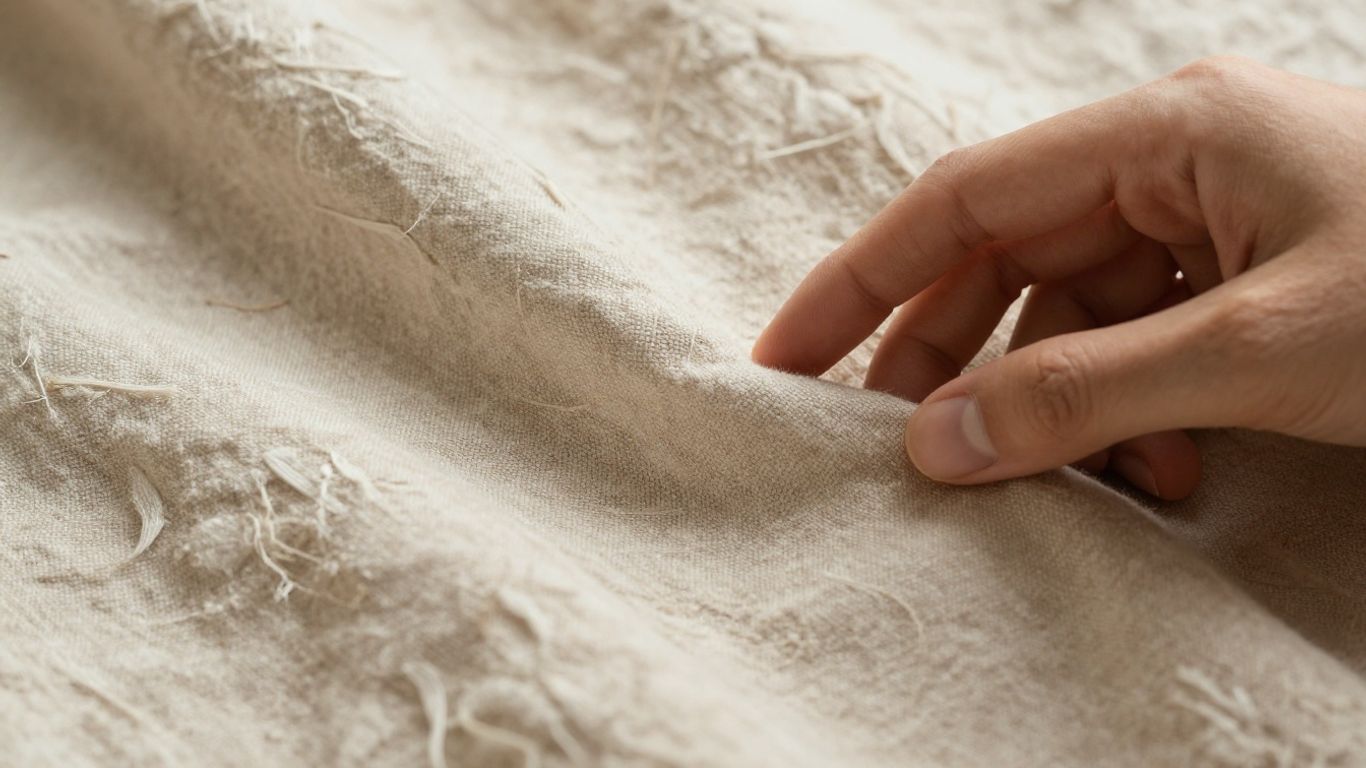
So, we've talked about why slow fashion matters, but what does it actually look like when you're picking out clothes? It really comes down to the stuff the clothes are made of and how they're put together. This isn't just about slapping a "green" label on something; it's about making thoughtful choices that have a real impact.
Eco-Friendly Fabric Choices
When we talk about materials, we're moving away from the usual suspects like conventional cotton, which drinks up a ton of water and often uses nasty pesticides. Instead, we're looking at fabrics that are kinder to the planet. Think organic cotton, which uses way less water and no synthetic fertilizers. Then there's hemp; it's a super resilient plant that actually improves soil health and needs very little water. Recycled materials are also a big deal. Using recycled polyester, for example, can cut down on energy use significantly compared to making it from scratch. It's all about giving materials a second life and reducing the demand for new resources. For a deeper look into these options, you can check out this book on sustainable textiles.
Low-Impact Manufacturing Techniques
It's not just the fabric itself, but how it's transformed into clothing. Sustainable manufacturing means brands are paying attention to their whole process. This includes using dyes that are less toxic and require less water, or even exploring natural dyeing methods. Many brands are also switching to renewable energy sources for their factories. Another area is reducing waste during production. Techniques like zero-waste pattern cutting aim to use almost every bit of fabric, cutting down on scraps that would otherwise end up in the trash. It's about being smart and efficient at every step.
Understanding Material Lifecycles
Thinking about a garment's lifecycle is key. Where does it come from? How is it made? And what happens when you're done with it? This means looking beyond just the initial purchase. For instance, a fabric might be eco-friendly in its production, but if it sheds microplastics every time you wash it, that's a problem. Or, if it's made from a blend of materials that can't be easily separated for recycling, its end-of-life options are limited. Considering the entire journey of a material, from farm to landfill (or hopefully, back into the system), helps us make more informed choices.
Here's a quick rundown of what to look for:
- Materials: Prioritize natural, organic, recycled, or innovative low-impact fibers.
- Production: Seek brands that use less water, non-toxic dyes, and renewable energy.
- Durability: Choose items built to last, not just for a single season.
- End-of-Life: Consider if the garment can be repaired, recycled, or biodegraded.
When you're looking at clothing tags, try to go beyond the basic material composition. A little digging into how and where it was made can tell you a lot about its true impact. It's about asking questions and looking for brands that are open about their practices.
| Material Type | Environmental Impact Notes |
|---|---|
| Organic Cotton | Lower water use, no synthetic pesticides |
| Hemp | Soil-enriching, low water needs, durable |
| Recycled Polyester | Reduces reliance on virgin petroleum, lower energy use |
| Tencel/Lyocell | Made from wood pulp in a closed-loop system, biodegradable |
| Linen | Requires minimal water and pesticides, durable |
| Conventional Cotton | High water consumption, pesticide use, soil degradation |
| Virgin Polyester | Petroleum-based, high energy use, non-biodegradable |
| Conventional Rayon | Can involve toxic chemicals and deforestation |
Building a Slow Fashion Wardrobe
So, you're ready to ditch the endless cycle of trends and build a wardrobe that feels good, looks good, and does good. That's awesome. It's not about having a closet bursting at the seams; it's about having pieces you truly love and will wear for years. Think of it as curating a collection, not just accumulating clothes.
Curating Timeless Style
This is where we shift our focus from what's 'in' this week to what truly suits us and lasts beyond a single season. Timeless style is less about chasing trends and more about understanding your personal aesthetic. What colors make you feel great? What silhouettes flatter your shape? What kind of clothes fit your actual lifestyle? Answering these questions helps you build a wardrobe that's both functional and a genuine reflection of you.
- Identify your core style: Are you more classic, minimalist, bohemian, or something else? Knowing this helps you make focused choices.
- Focus on versatility: Can a piece be dressed up or down? Can it be worn in multiple seasons?
- Consider your daily activities: Do you need comfortable basics for working from home, or more polished items for a professional setting?
Investing in Durable, Quality Pieces
This is probably the most significant shift from fast fashion. Instead of buying multiple cheap items that fall apart after a few washes, we're talking about investing in fewer, better things. These are garments made with good materials and solid construction. They might cost more upfront, but they last so much longer, saving you money and reducing waste in the long run. It's about quality over quantity, every single time.
Here's a quick look at what to look for:
| Feature | What to Seek |
|---|---|
| Fabric | Natural fibers like linen, organic cotton, wool, Tencel; durable synthetics like recycled polyester or nylon when appropriate. |
| Construction | Strong seams, neat stitching, reinforced stress points (like buttonholes and pockets). |
| Hardware | Sturdy zippers, well-attached buttons, quality metal details. |
| Fit | Well-tailored pieces that fit you perfectly now, not something you hope to fit into later. |
The Power of Buying Less and Choosing Well
This might sound obvious, but it's the bedrock of slow fashion. It means being more intentional with every purchase. Before you buy something new, ask yourself: Do I really need this? Do I already own something similar? Will I wear this at least 30 times? (That's a good rule of thumb!). It's about resisting impulse buys and making considered decisions. This approach not only benefits your wallet and your wardrobe but also significantly reduces your personal environmental footprint.
Building a slow fashion wardrobe is a journey, not a destination. It's about making conscious choices, learning what works for you, and enjoying clothes that are made to last. Don't aim for perfection overnight; aim for progress, one thoughtful purchase at a time.
Identifying Genuine Sustainability
It feels like everywhere you look, brands are shouting about how green they are. But how do you actually tell if a company is walking the walk, or just talking the talk? It’s a bit of a minefield out there, honestly. You see terms like 'eco-friendly' or 'conscious' thrown around, but what do they really mean? The real deal in sustainable fashion isn't just about one good deed; it's about a whole system working together.
Recognizing Greenwashing Tactics
Greenwashing is basically when a brand tries to make itself look better for the planet or its workers than it actually is. It’s sneaky, and it’s getting more common. They might highlight one small positive thing they do, like using a tiny bit of recycled material, while ignoring bigger problems like terrible factory conditions or massive amounts of waste.
Here are some common tricks to watch out for:
- Vague words: Think 'eco,' 'natural,' 'green.' If they don't explain how or why, it’s probably just fluff.
- Hidden problems: They'll brag about using organic cotton but stay quiet about the fact that the people making the clothes aren't paid a living wage.
- Outdated claims: Sometimes brands will boast about things that are already legally required, like not using certain chemicals that have been banned for years.
- Fake badges: You might see a logo that looks official, but it’s actually made up by the company itself. Not a real certification at all.
The most convincing greenwashing often sounds completely reasonable. Always ask yourself: what's the actual proof?
The Importance of Transparency
When a brand is truly committed to sustainability, they're usually pretty open about how they do things. They're not afraid to share details about where their materials come from and who makes their clothes. This transparency is a huge sign that they have nothing to hide.
Think about it: if a brand is proud of its ethical practices, they'll want you to know about them. They'll likely share information about:
- Their factories: Do they name the specific places where their clothes are made? Can you find audit reports?
- Worker wages: Do they talk about paying fair, living wages to everyone in their supply chain?
- Material sourcing: Where do their fabrics come from, and how are they produced?
Verifying Brand Claims and Certifications
So, how do you check if what a brand says is actually true? Certifications are your best friend here. These are like stamps of approval from independent groups that have checked the brand's practices.
Look out for these reputable certifications:
- GOTS (Global Organic Textile Standard): This covers everything from how the organic fibers are grown to how the final product is made, including social and environmental rules.
- Fair Trade Certified: This means workers are treated well and paid fairly.
- OEKO-TEX Standard 100: This checks that the textiles don't have harmful chemicals.
- Global Recycled Standard (GRS): This verifies that recycled materials are used and that the production is socially and environmentally responsible.
It's also a good idea to look for brands that publish annual reports with actual numbers about their impact – things like water saved, carbon emissions reduced, or waste diverted. If all you see is vague marketing speak, it's probably best to be skeptical. Ultimately, buying less and choosing well-made, durable items from transparent brands is the most powerful way to support genuine sustainability.
The Lifecycle of Garments
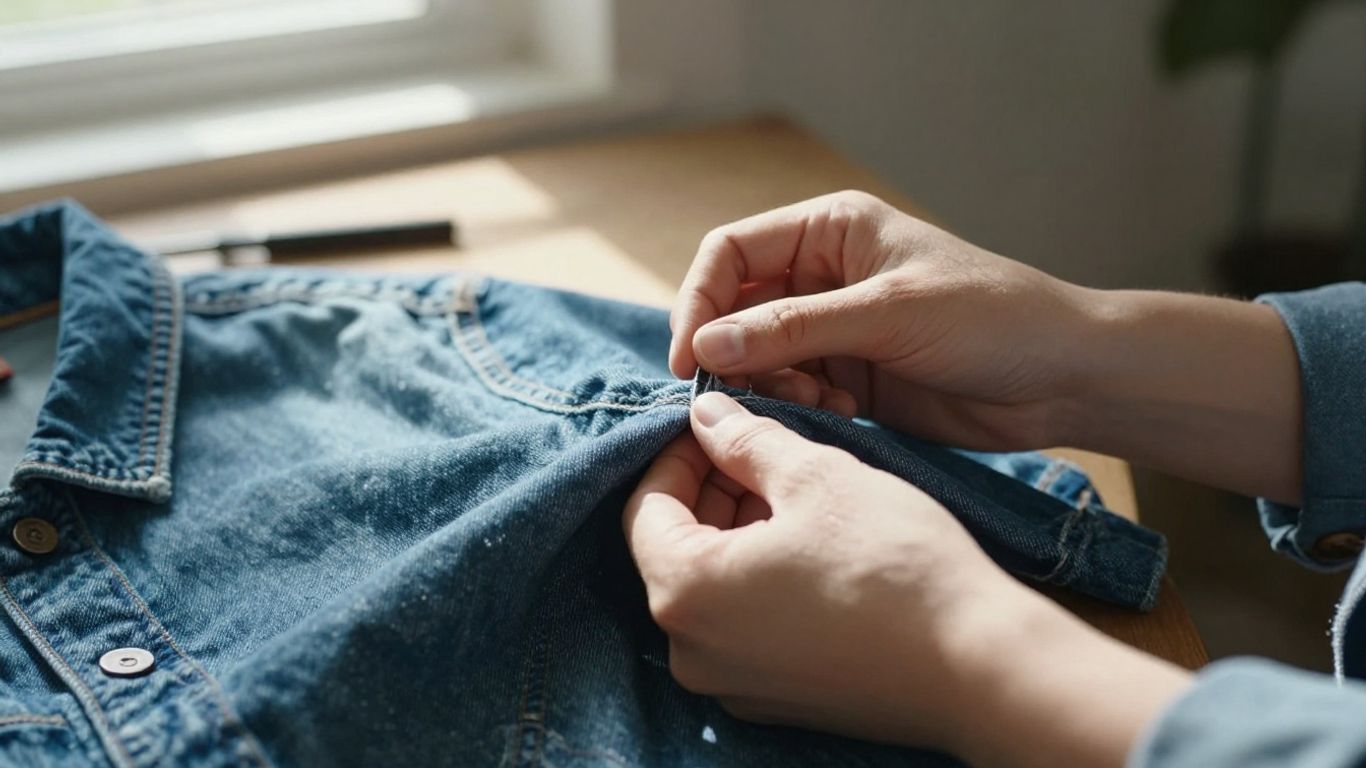
When we talk about slow fashion, it’s not just about the clothes themselves, but what happens to them from start to finish, and even after we’re done with them. Thinking about the entire journey of a garment – how it's made, how long it lasts, and what happens when it wears out – is a big part of being a conscious consumer.
Designing for Durability
This is where the idea of making things to last really comes into play. Instead of churning out items that fall apart after a few washes or go out of style in a blink, slow fashion brands focus on creating pieces that can withstand the test of time. This means using stronger fabrics, better construction techniques, and timeless designs that you won't get tired of. It’s about quality over quantity, plain and simple. Think about a well-made coat that you might wear for a decade versus a trendy top you’ll toss after one season.
Caring for Your Clothes
Once you own a garment, how you treat it makes a huge difference in how long it lasts. Simple things like washing clothes less often, using cooler water, and avoiding the dryer can extend their life significantly. Learning basic mending skills, like sewing on a button or fixing a small tear, can also save clothes from an early grave. It’s about shifting from a disposable mindset to one of stewardship. We need to see our clothes as investments, not just temporary items.
End-of-Life Solutions for Textiles
What happens when a garment is truly at the end of its wearable life? This is a question fast fashion rarely considers, but it's central to slow fashion. Instead of just tossing things in the trash, which ends up in landfills, there are better options. Some brands offer take-back programs where you can return old clothes to be recycled or repurposed. Others design garments that are biodegradable, meaning they can break down naturally. Even donating usable clothes to charities or textile recycling centers is a step in the right direction. The goal is to keep textiles out of landfills and give them a new purpose.
The journey of a garment doesn't end when you stop wearing it. Considering its entire lifecycle, from creation to disposal, helps us make more responsible choices and reduce our impact on the planet.
Making Slow Fashion Your Everyday
So, we've talked a lot about what slow fashion is and why it matters. It's not about throwing out your entire wardrobe and starting over, or only buying super expensive clothes. It’s really about making small, thoughtful changes. Think about buying less, choosing things that will last, and taking better care of what you already own. It’s a journey, not a race. Every conscious choice you make, from checking a label to repairing a seam, adds up. By shifting our mindset from constant newness to valuing what we have, we can all contribute to a more responsible and stylish future for fashion. It’s about building a wardrobe that feels good, looks good, and does good.
Frequently Asked Questions
What exactly is slow fashion?
Slow fashion is all about making thoughtful choices about clothes. Instead of buying tons of cheap stuff that goes out of style quickly, it means picking well-made items that last a long time. It's about caring for the planet and the people who make our clothes, not just following the latest trends.
Why is fast fashion a problem?
Fast fashion creates a lot of waste and pollution. It often uses resources like water very quickly and can involve factories that don't treat their workers fairly. Plus, the clothes are usually not made to last, so they end up in landfills way too soon.
What are some good materials to look for?
Look for natural materials like organic cotton (which uses less water) or hemp. Recycled materials, like fabrics made from old plastic bottles, are also a great choice because they reuse resources. The key is to choose materials that don't harm the environment as much.
How can I build a slow fashion wardrobe?
Start by buying less and choosing items you truly love and will wear often. Focus on quality over quantity. Think about building a collection of classic pieces that you can mix and match, rather than chasing fleeting trends. Learning to care for your clothes properly also helps them last longer.
What is 'greenwashing' and how do I spot it?
Greenwashing is when a company tries to make its products seem more eco-friendly than they really are. Watch out for vague words like 'eco' or 'green' without proof. If a brand only talks about one good thing they do but ignores other problems, that's a red flag. Always look for proof and real details, not just nice-sounding claims.
What happens to clothes when I'm done with them?
Ideally, clothes should be repaired, reused, or recycled. Some brands offer programs to take back old clothes. If not, consider donating usable items or finding textile recycling near you. The goal is to keep clothes out of landfills for as long as possible.














Leave a comment
This site is protected by hCaptcha and the hCaptcha Privacy Policy and Terms of Service apply.