
Quick & Easy Headwrap and Turban Style for Hair Growth and Kundalini Yoga
The turban is one of the most misunderstood accessories in the Western world. In Kundalini Yoga, in Sikh tradition, in dozens of cultural lineages across Asia, Africa, and the Middle East, covering the head is not a statement of religious identity. It is an act of energetic intention.

The crown of the head is the seat of the seventh chakra, the point of connection between the individual and the universal. Covering it, containing the energy that radiates from it, is understood across traditions as a way of consolidating your field. Of keeping what you have gathered inside you rather than allowing it to dissipate.
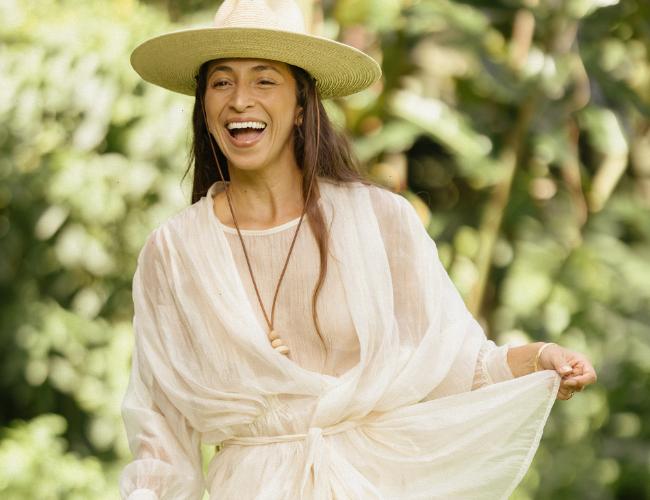
Myrah has worn turbans for years, not only in formal practice but in the kitchen, in meetings, on ordinary mornings when the act of tying the cloth is itself a ritual of preparation. She wears it because it changes something. Not performatively. In the body. In the quality of attention she brings to whatever follows.
Why Natural Fabric Matters for Your Turban
The fabric you choose matters more than most tutorials will tell you. Natural fabrics, cotton, linen, silk, allow the scalp to breathe and do not create static electricity the way synthetic materials do. Static disrupts the energetic field you are trying to consolidate. The whole point of the turban is containment and clarity. A synthetic fabric works against that.
A crinkle cotton at around three meters is a good starting length for most head sizes. It gives you enough to work with without becoming unwieldy. The width matters too. Around 60 centimeters allows you to create real volume and coverage without multiple complicated wraps.
How to Tie Your Turban: A Simple Method That Holds
Begin with your hair in a ponytail rather than a bun. If hair growth is part of your intention for wearing the turban, the ponytail allows the hair to receive the stimulation of the wrap without the compression of a bun.
Take the width of the fabric and tie a simple double knot around your ponytail at the base. This is your anchor. Then take the length of the fabric and wrap it around your hair, closing it fully before you begin the twist. The twist is where most people hesitate. Do not hesitate. Take the fabric and twist it firmly, in one direction, until it feels tight and secure. This should feel good, like a gentle pressure rather than a constriction.
Spin the twisted fabric behind you and bring it around to the front. As it comes forward, begin to open it slightly, allowing the fabric to spread and create coverage across the crown. This is the moment that makes the difference between a turban that looks beautiful and one that looks like a head covering. The spread of the fabric across the top of the head is what creates the signature silhouette.
Tuck the ends in firmly, top first, then sides. Pull the fabric down gently at the sides of your face if you want to soften the look. Adjust until it feels settled. Then test it by moving. If it holds through a forward fold, it will hold through the day.
What Wearing a Turban Consistently Does Over Time
Myrah credits her turban practice as one of the contributing factors in the significant hair growth she has experienced over years of practice. The mechanism is not fully understood by science, but the observation is consistent across traditions. The containment of energy at the crown, combined with the gentle pressure the wrap applies to the scalp, creates conditions in which the follicle thrives.
Beyond hair growth, the more immediate effect is felt in the quality of attention. Women who begin wearing a turban during their yoga or meditation practice consistently report that the practice deepens. That the mind settles more quickly. That the quality of stillness accessible during the session is different when the head is covered.
Whether you begin with your practice only or extend it into your ordinary days is your choice. Both are valid. What matters is starting. Tying it once and feeling what it does. Then deciding from that felt experience rather than from theory whether it belongs in your life.
The turban is not a costume. It is a technology. Put it on and feel the difference. That difference will tell you everything you need to know.
|
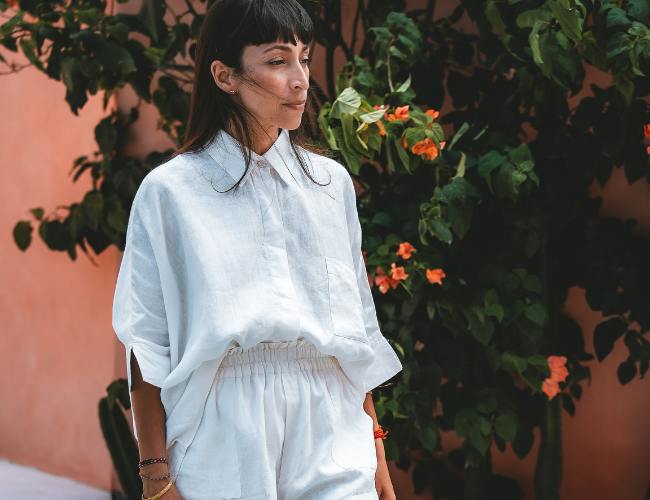
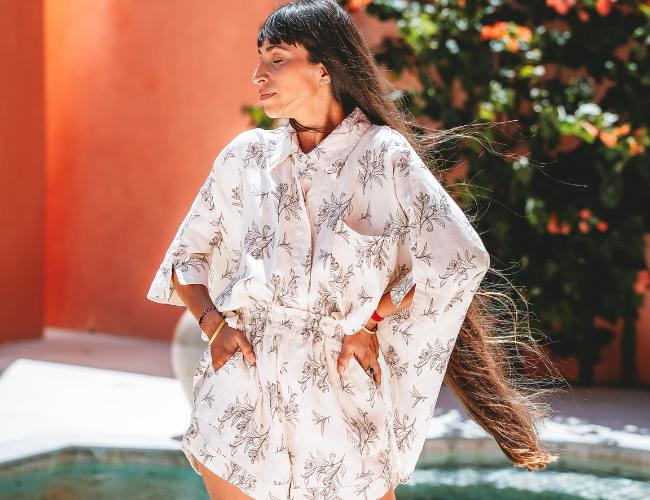
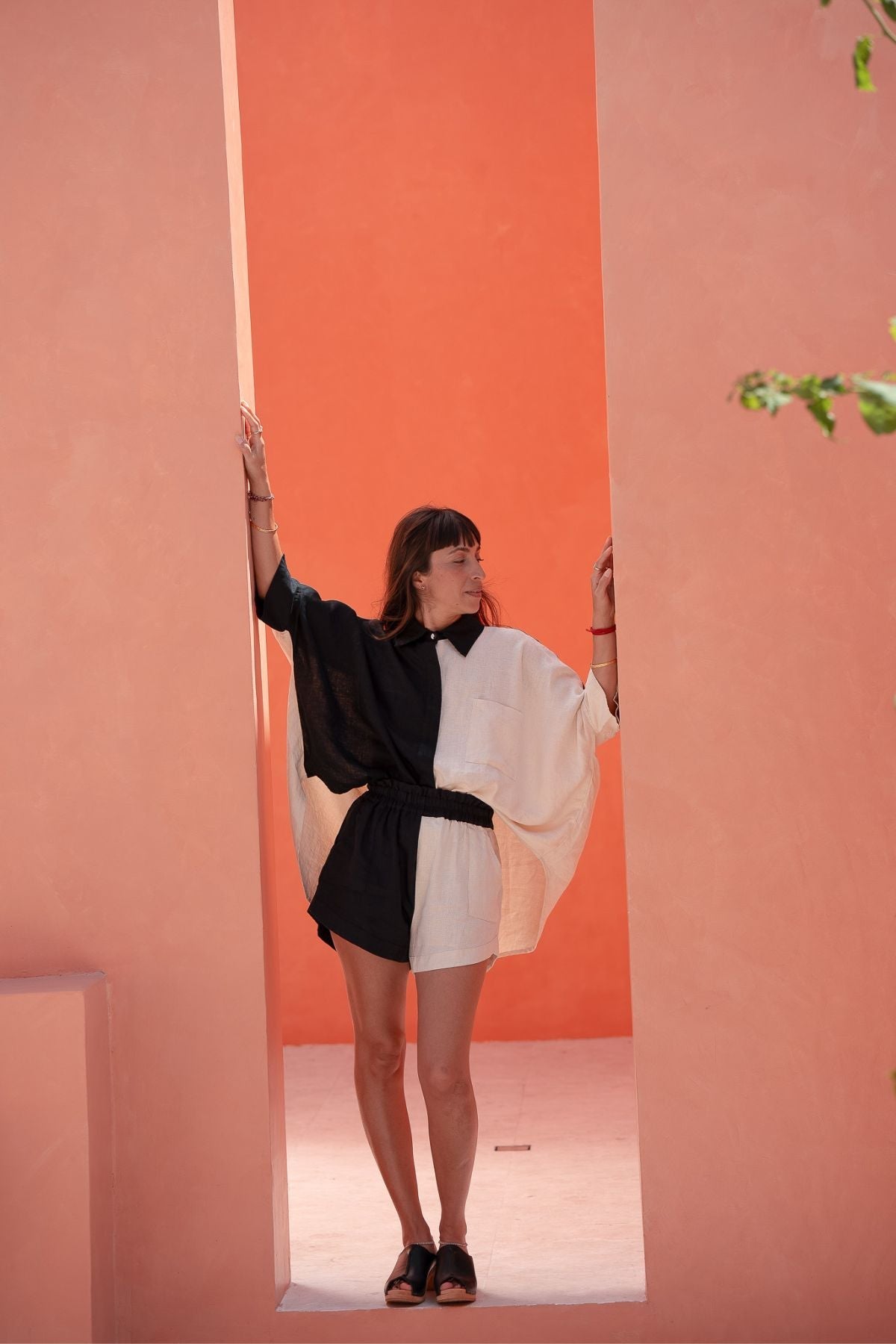
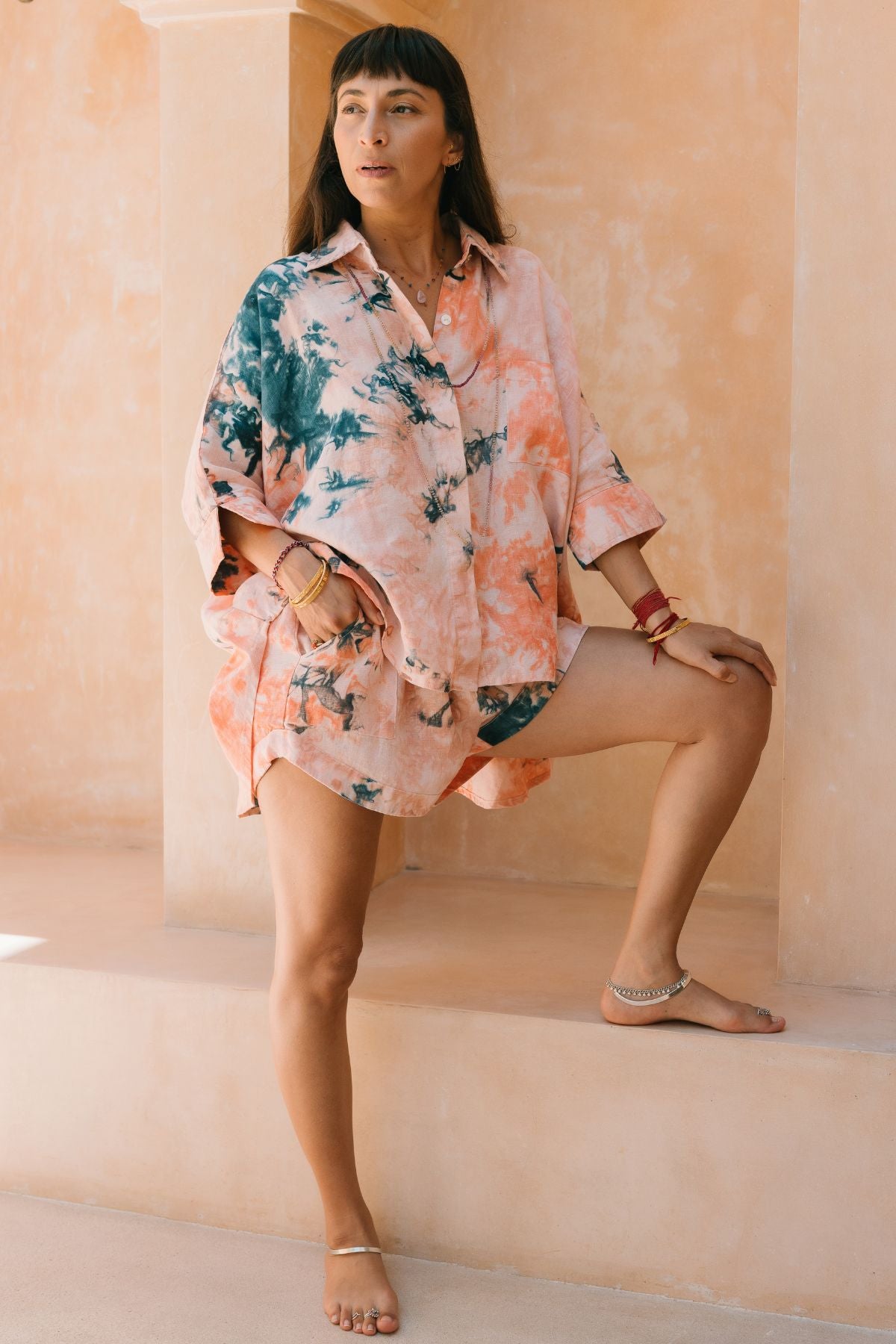
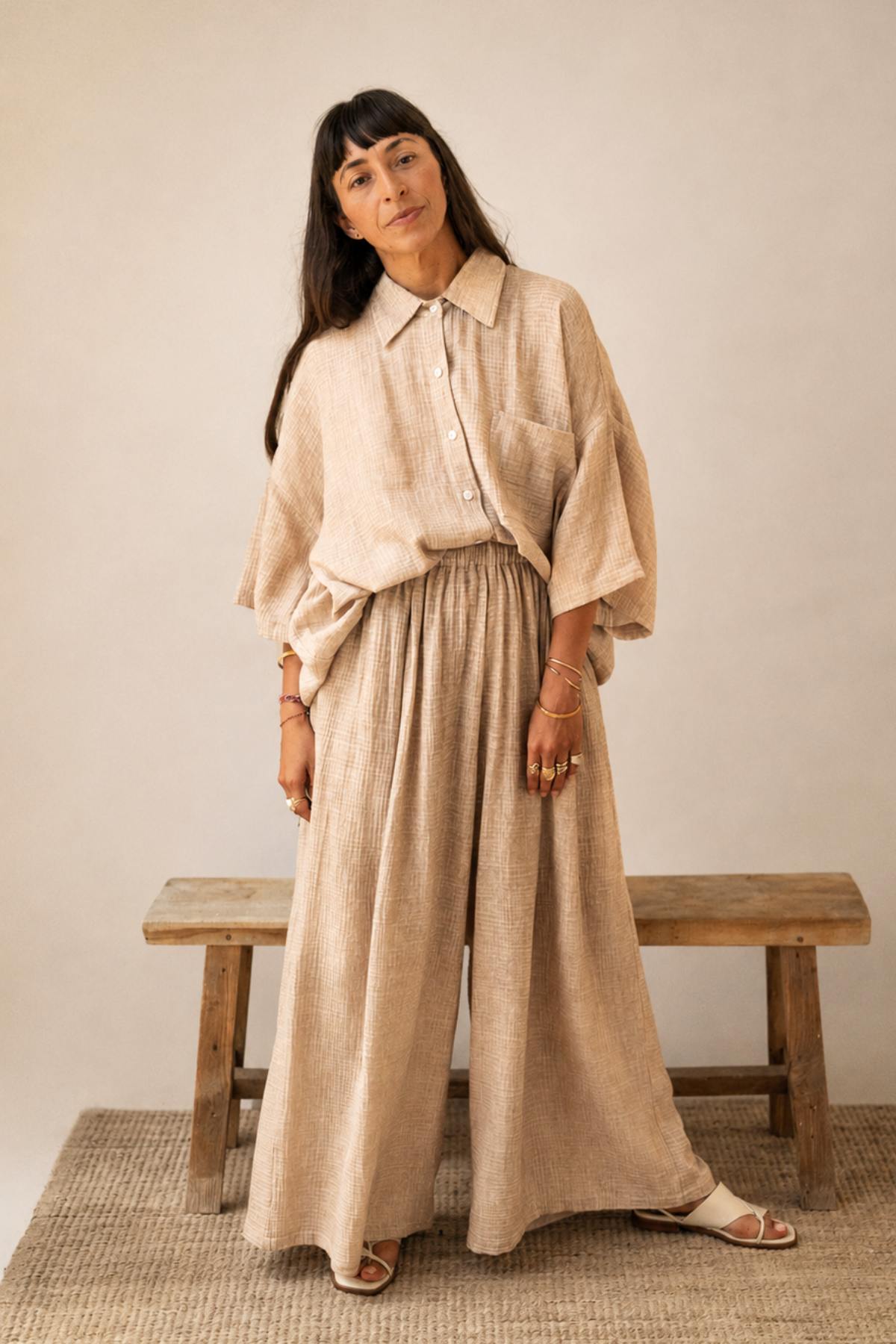
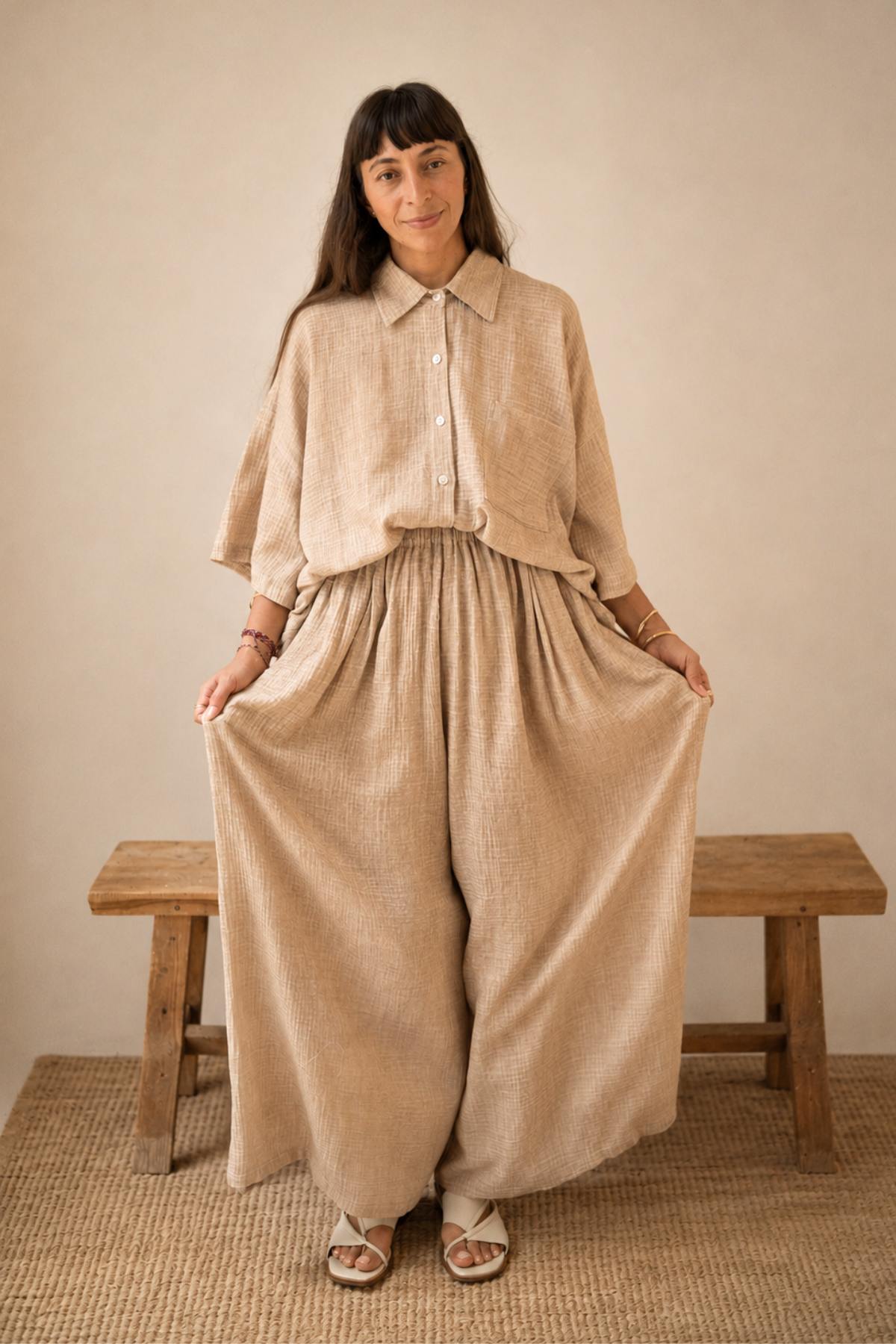
A Piece for This Threshold The Suka Linen Set Suka means ease. Wear it to your morning practice, to the kitchen after, to the moments between that are also part of the ritual. Pure linen, handcrafted in Bali. The practice begins with what you put on. Shop New Arrivals → |

|
The Muse-Letter Dress for the woman you’re becoming. Every week from Bali. Astrology, ceremony, new arrivals, and the stories behind what we make. Join the Muse-LetterUnsubscribe any time. No spam, ever. |




Leave a comment
This site is protected by hCaptcha and the hCaptcha Privacy Policy and Terms of Service apply.