


What OEKO-TEX Standard 100 Means for the Linen You Wear
What OEKO-TEX Standard 100 Means for the Linen You Wear
When we say a piece is certified, we mean something specific -- not a marketing claim, but a test result. Here is what OEKO-TEX Standard 100 actually guarantees, and why every linen piece we make carries it.
What is OEKO-TEX Standard 100?
OEKO-TEX Standard 100 is an independent certification for textile products that tests for more than 100 harmful substances -- chemicals that may be hazardous to human health, including many that are not yet legally regulated. When a finished product carries this certification, it means that every component has been tested and verified: the fabric, the thread, the buttons, the dye, the label. Nothing is exempted. The certification is issued by accredited OEKO-TEX member institutes and renewed regularly. It is not self-reported. It is tested.
All Myrah Penaloza linen products carry OEKO-TEX Standard 100 certification.
Why harmful substance testing matters in linen clothing
Linen is grown, processed, woven, and dyed before it reaches your skin. At each of these stages, chemicals can be introduced -- pesticide residues from farming, bleaching agents in processing, heavy metals or formaldehyde in dyeing and finishing. Many of these substances are not regulated under standard textile import laws, which means they can be present in clothing sold as natural or even organic without any verification that they are actually safe to wear.
OEKO-TEX Standard 100 closes this gap by testing the finished article -- the actual garment -- rather than only the raw fiber. The test accounts for substances that may accumulate across the production chain, even when each individual step appears clean in isolation. For clothing worn close to the skin all day in a tropical climate, this level of assurance matters.
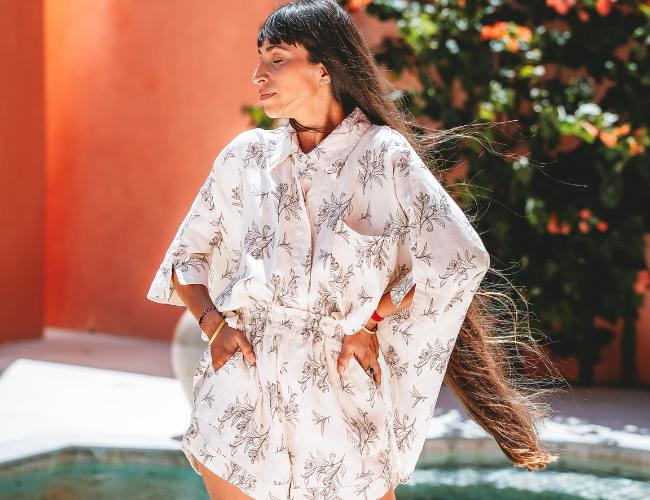
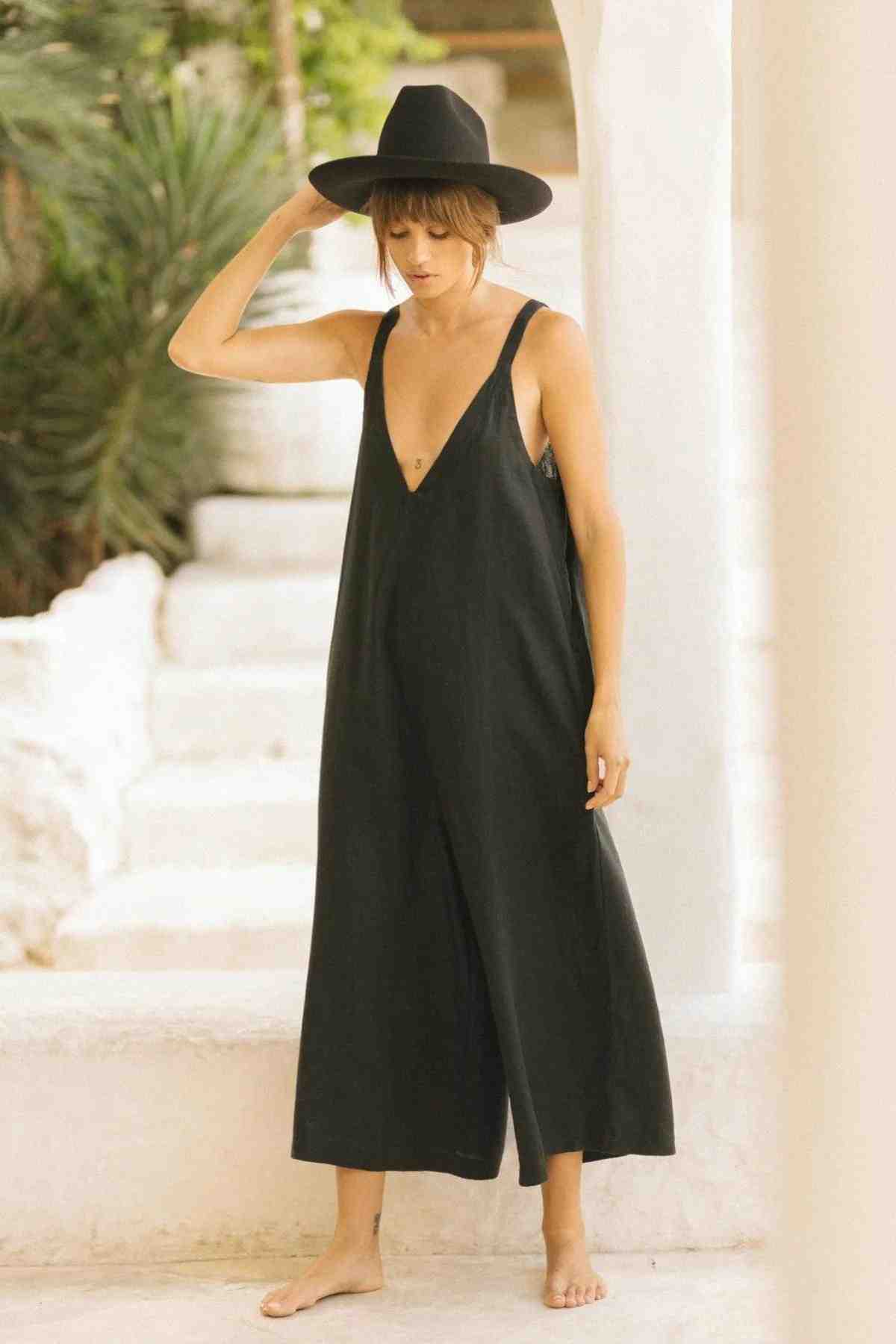
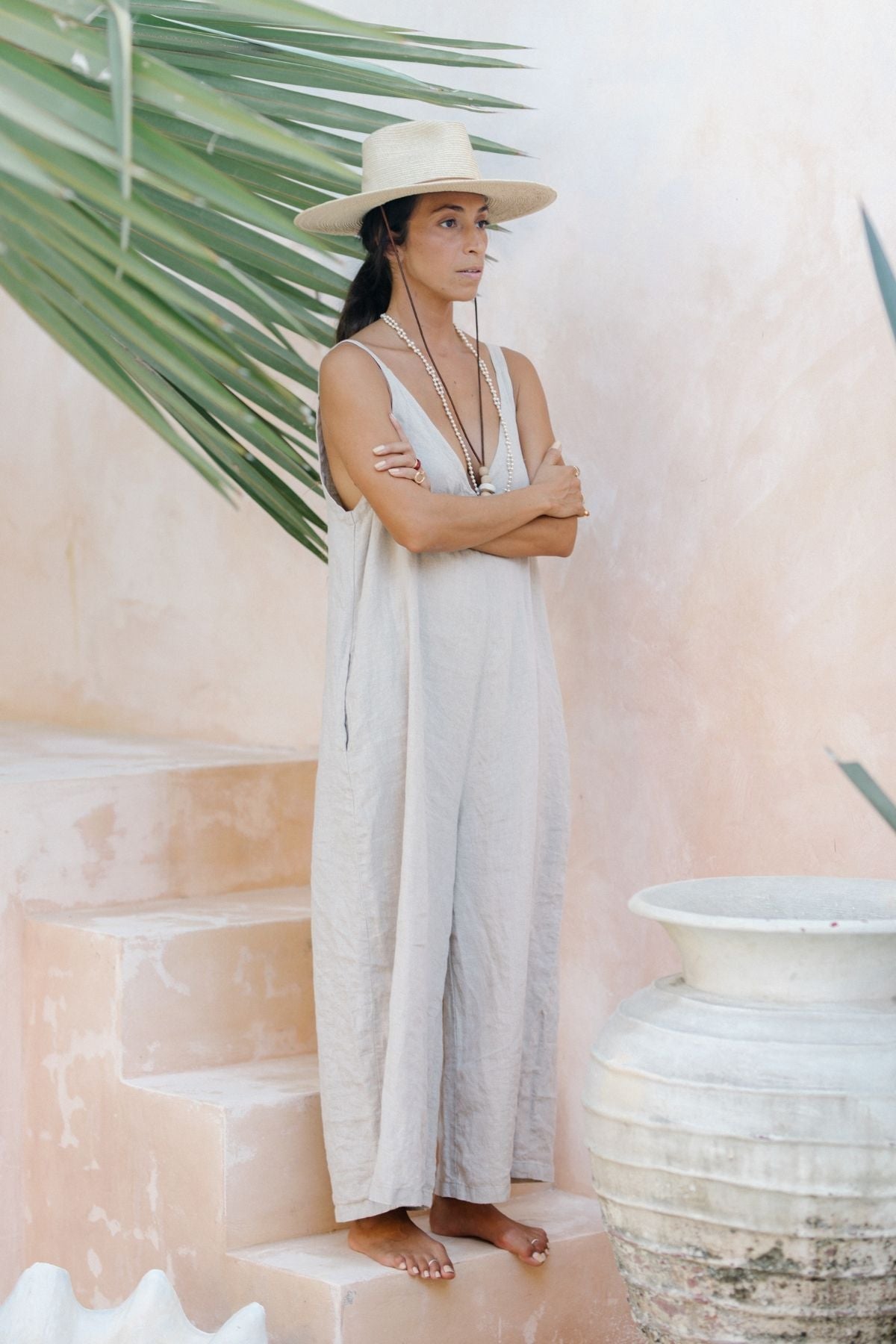
Our Kundalini Linen Playsuit -- one of our most worn pieces -- is cut wide and loose to move with the body in heat. That kind of all-day skin contact is precisely why the certification is part of our standard, not an optional extra.
What is actually tested under OEKO-TEX Standard 100
The certification covers a comprehensive list of substance categories, including:
- pH value -- skin irritation from fabric acidity or alkalinity
- Formaldehyde -- used in wrinkle-resistant finishes, linked to skin sensitisation
- Heavy metals -- cadmium, lead, mercury, chrome VI, and others that can accumulate in the body
- Pesticides and herbicides -- residues from conventional fiber farming
- Azo dyes that can release carcinogenic aromatic amines -- found in some synthetic and natural dyes
- Allergenic dyes -- substances known to trigger reactions in sensitive skin
- Biocides and preservatives -- used in packaging and some fabric treatments
Products are classified into four categories based on the intensity of skin contact -- with the strictest standards applied to items worn directly against the skin.
Our bestselling linen pieces -- all certified
OEKO-TEX certification is not applied selectively to our range. It is a baseline requirement across our linen line.
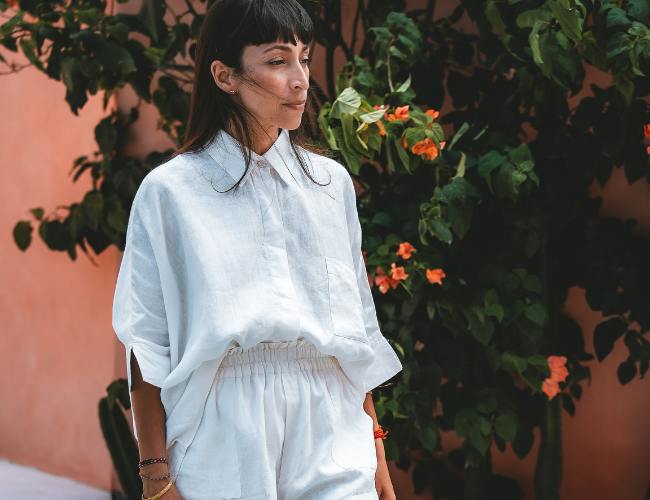
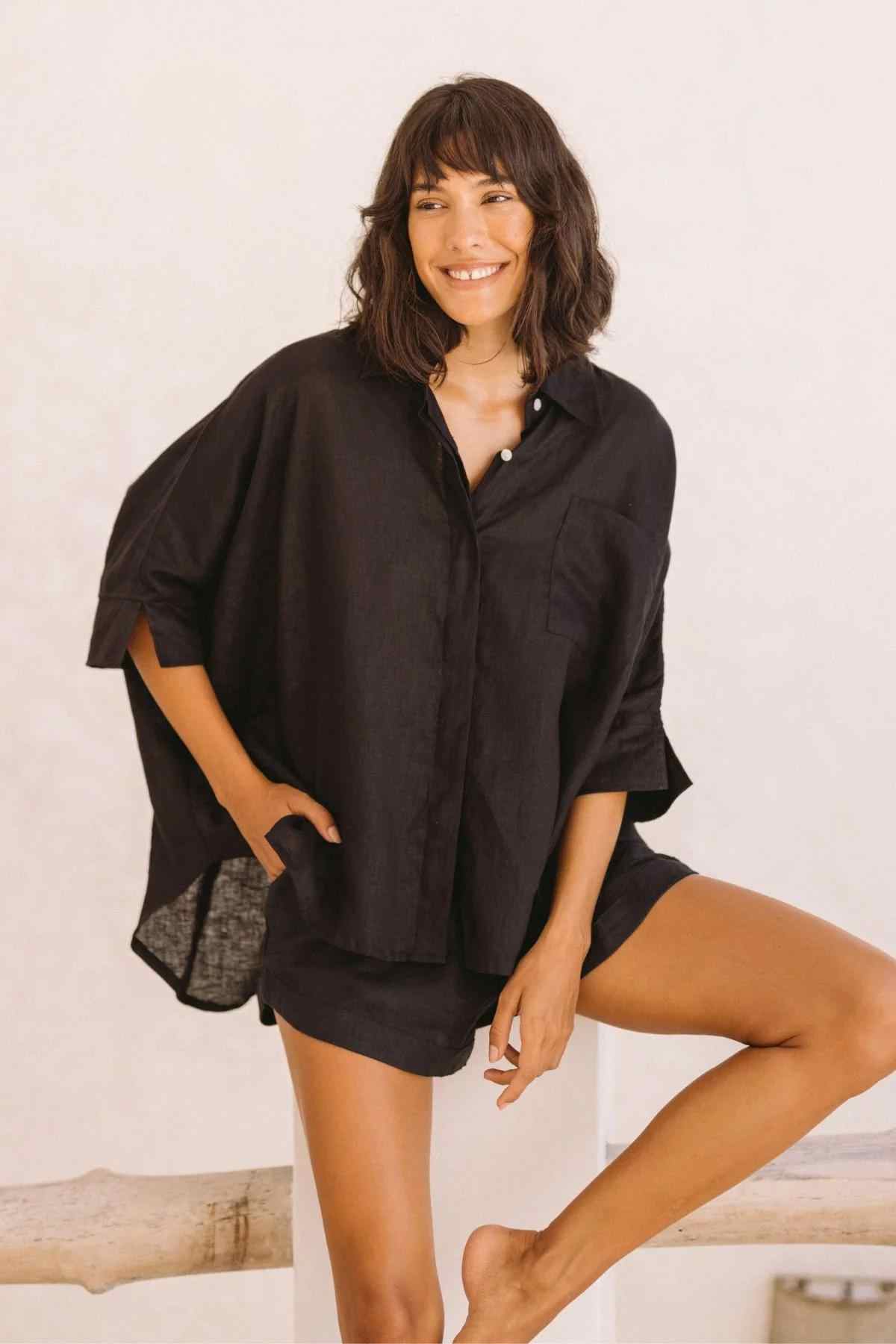
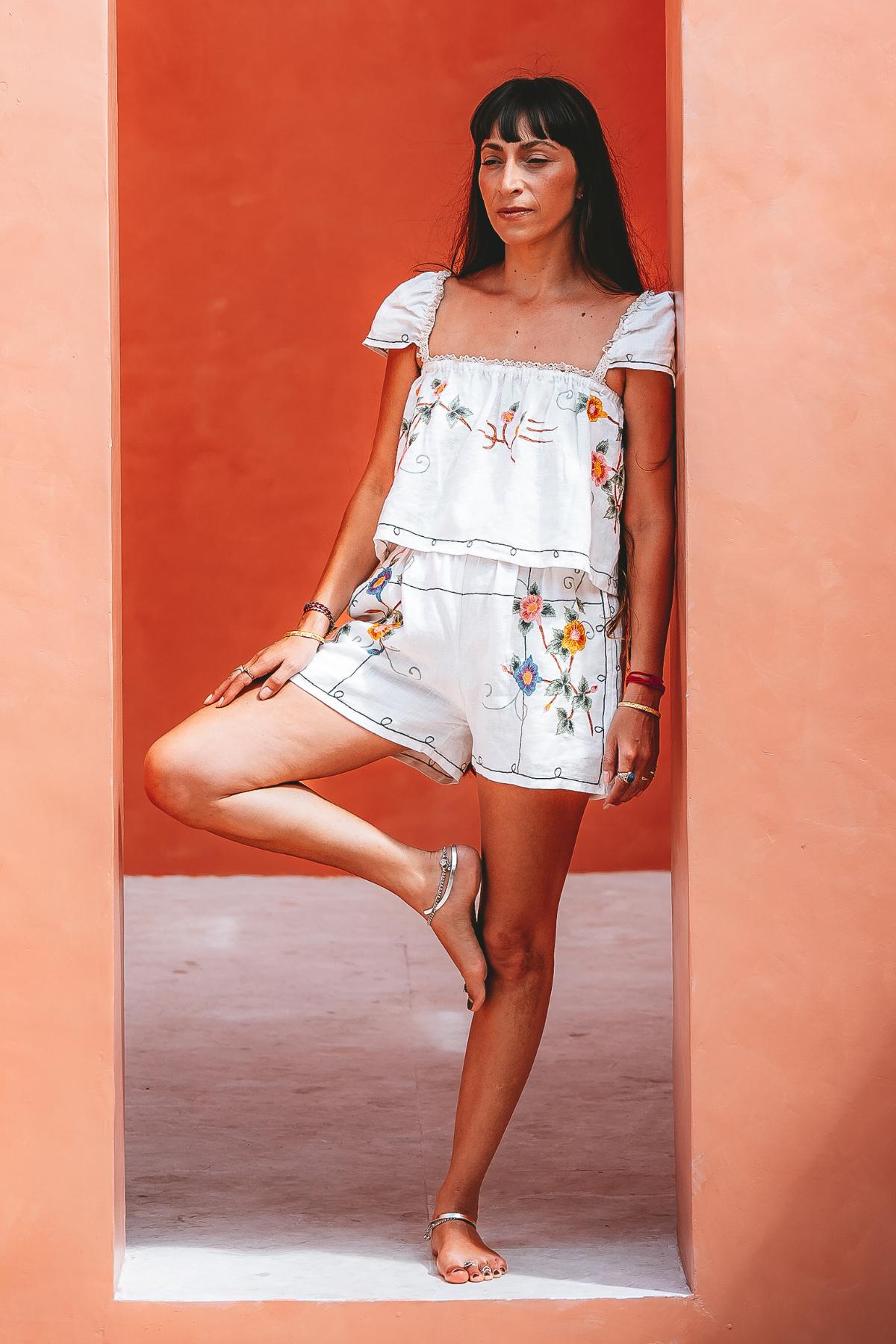
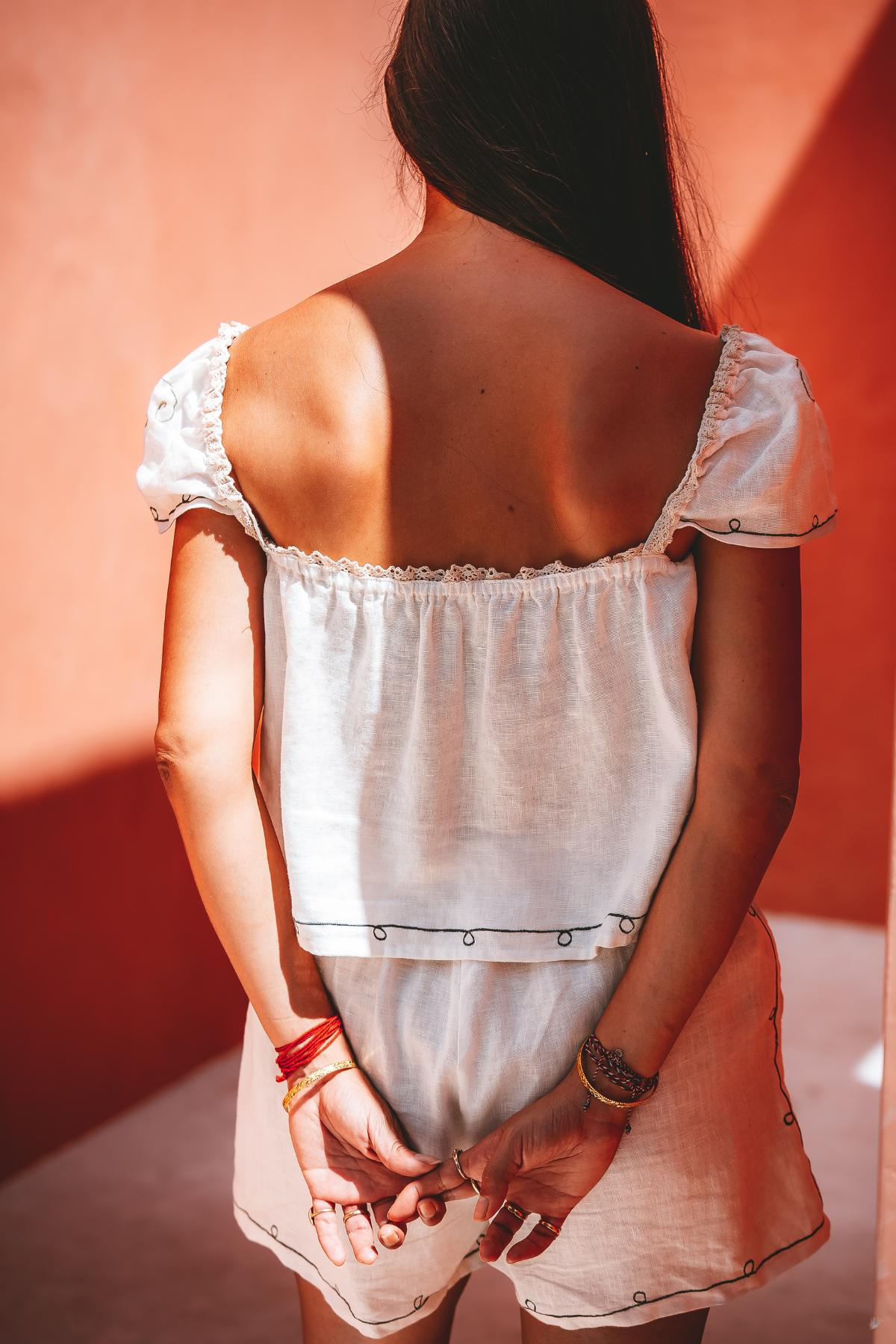
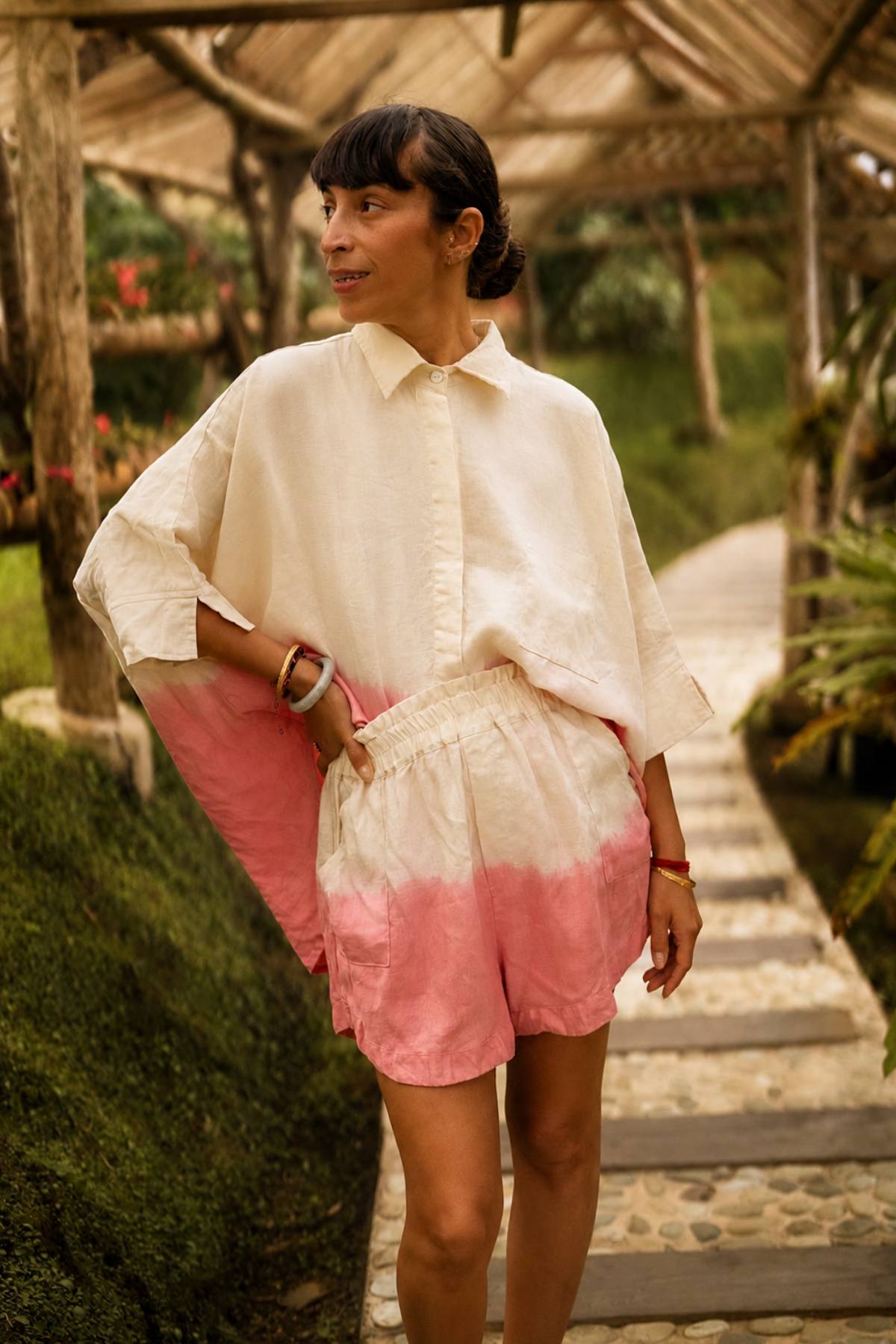
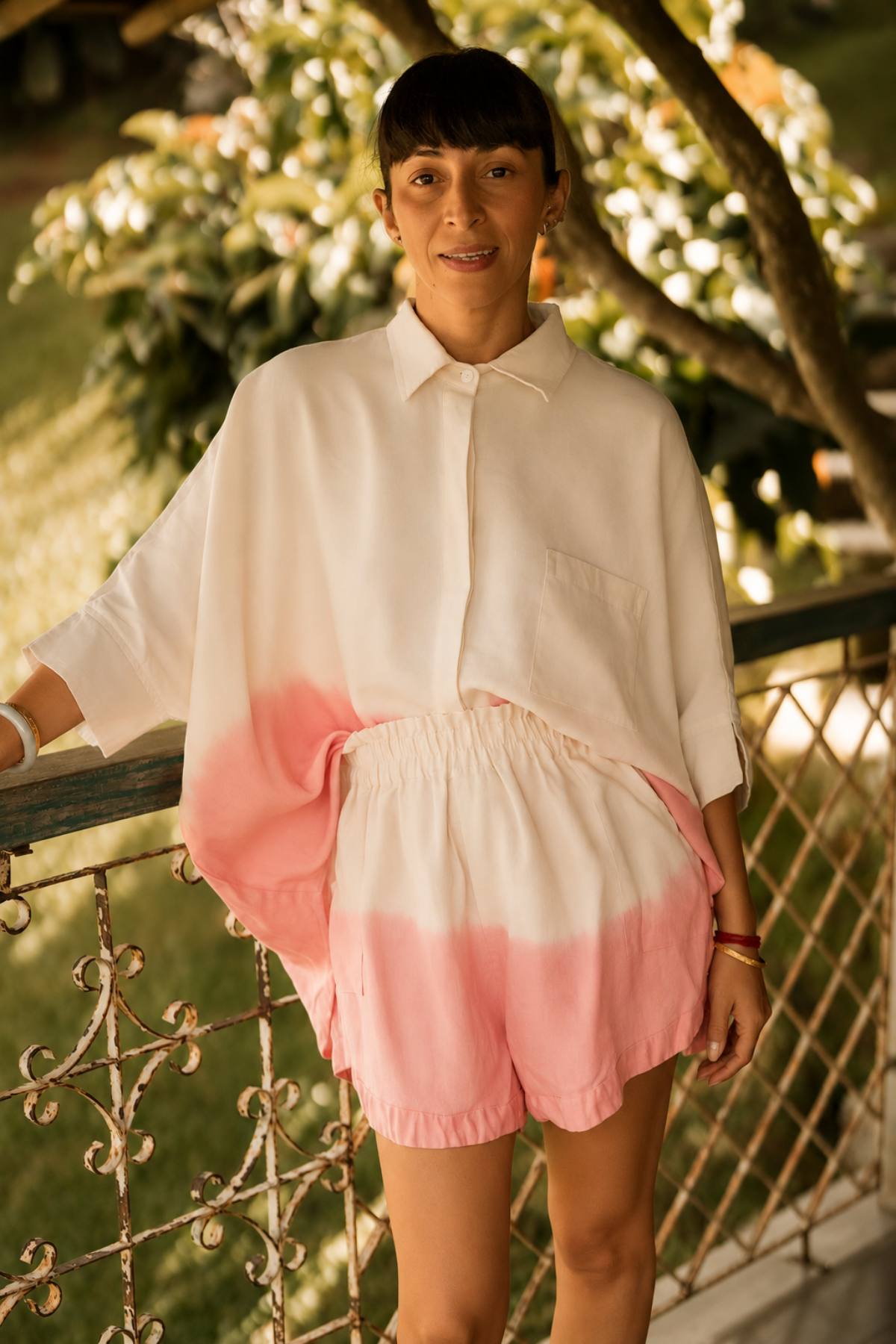
The Suka Button Down Linen Set is our most versatile piece -- worn as a full set or as separates, from morning practice through the afternoon. The fabric is lightweight stonewashed linen, tested and certified at the finished garment level.
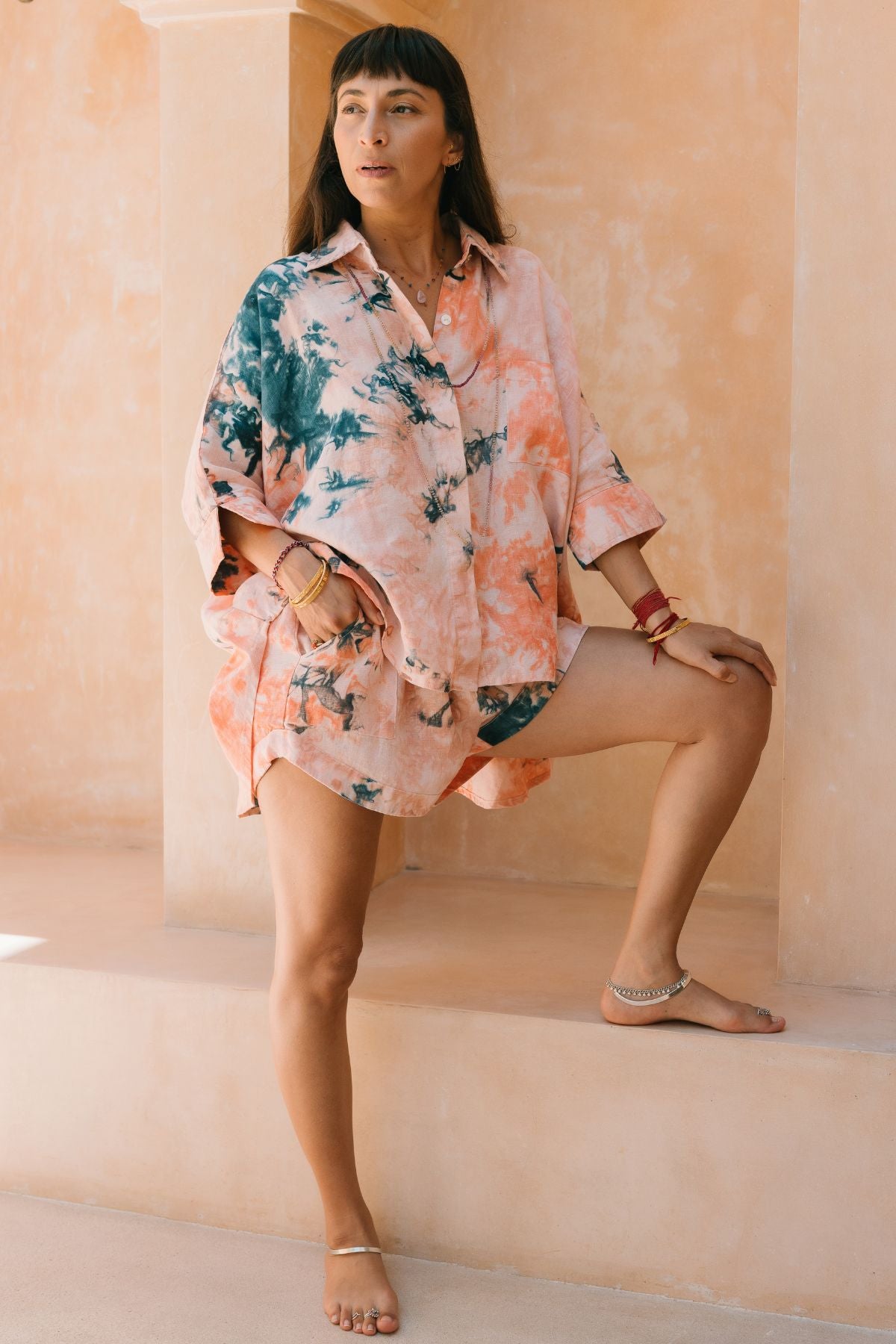
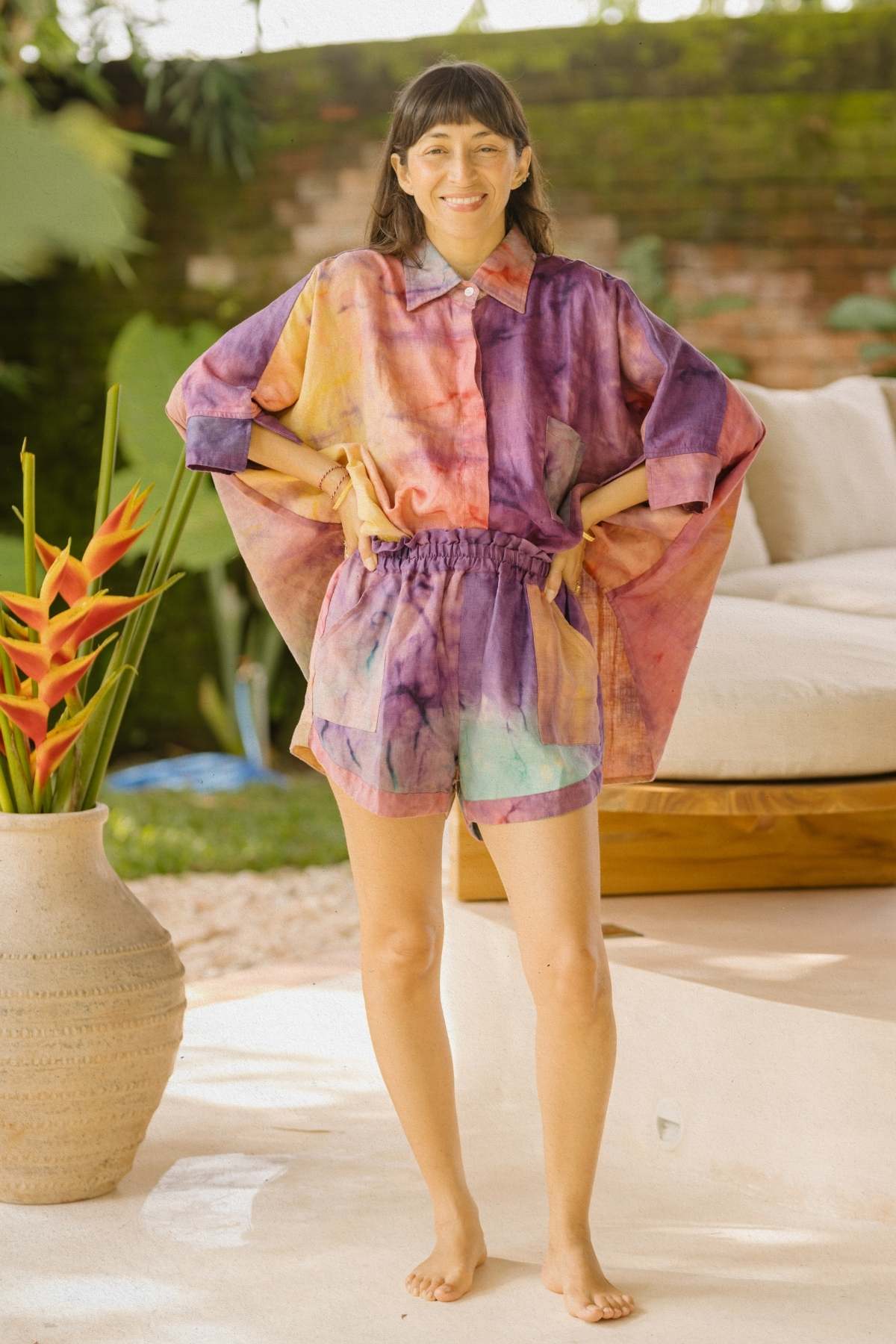
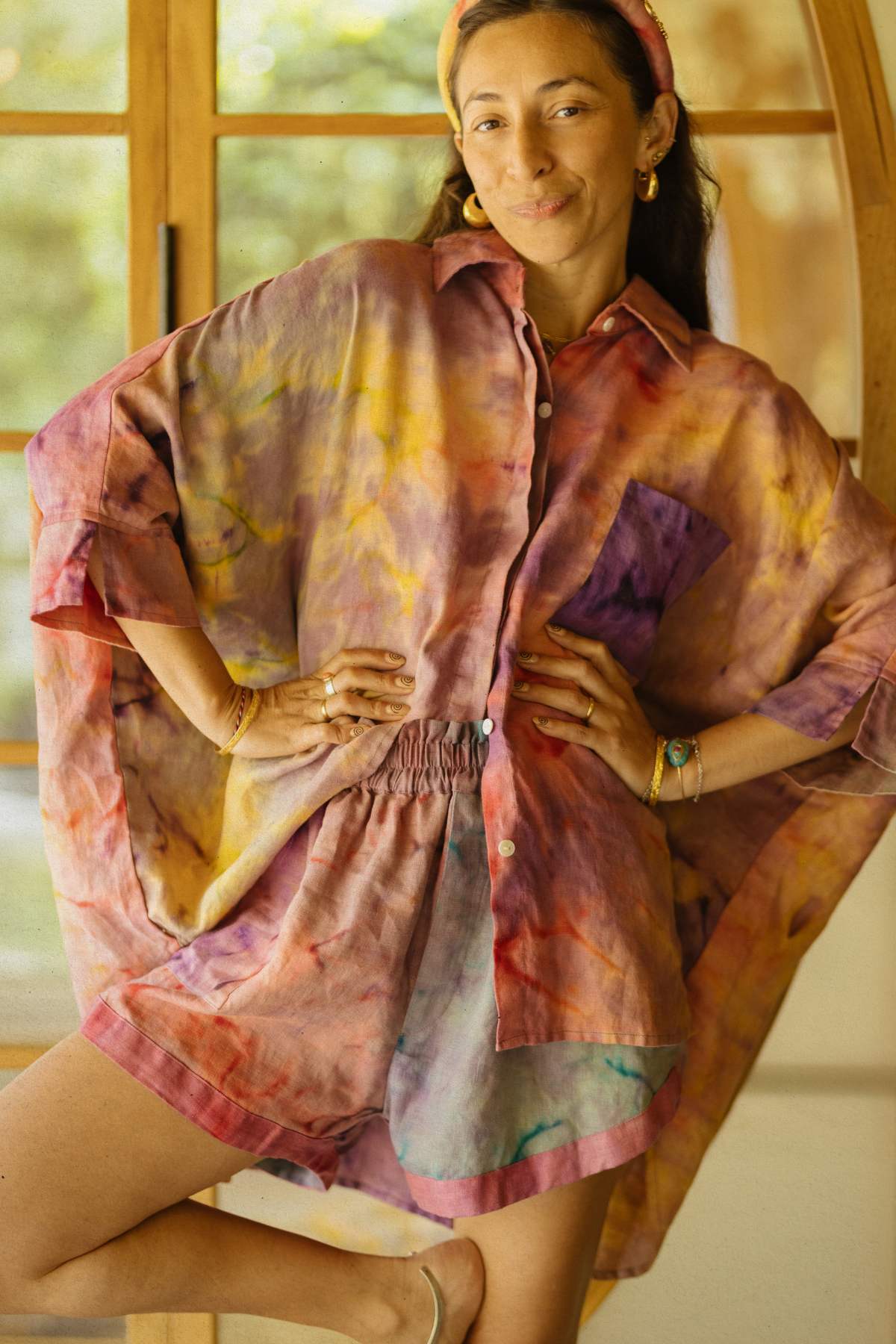
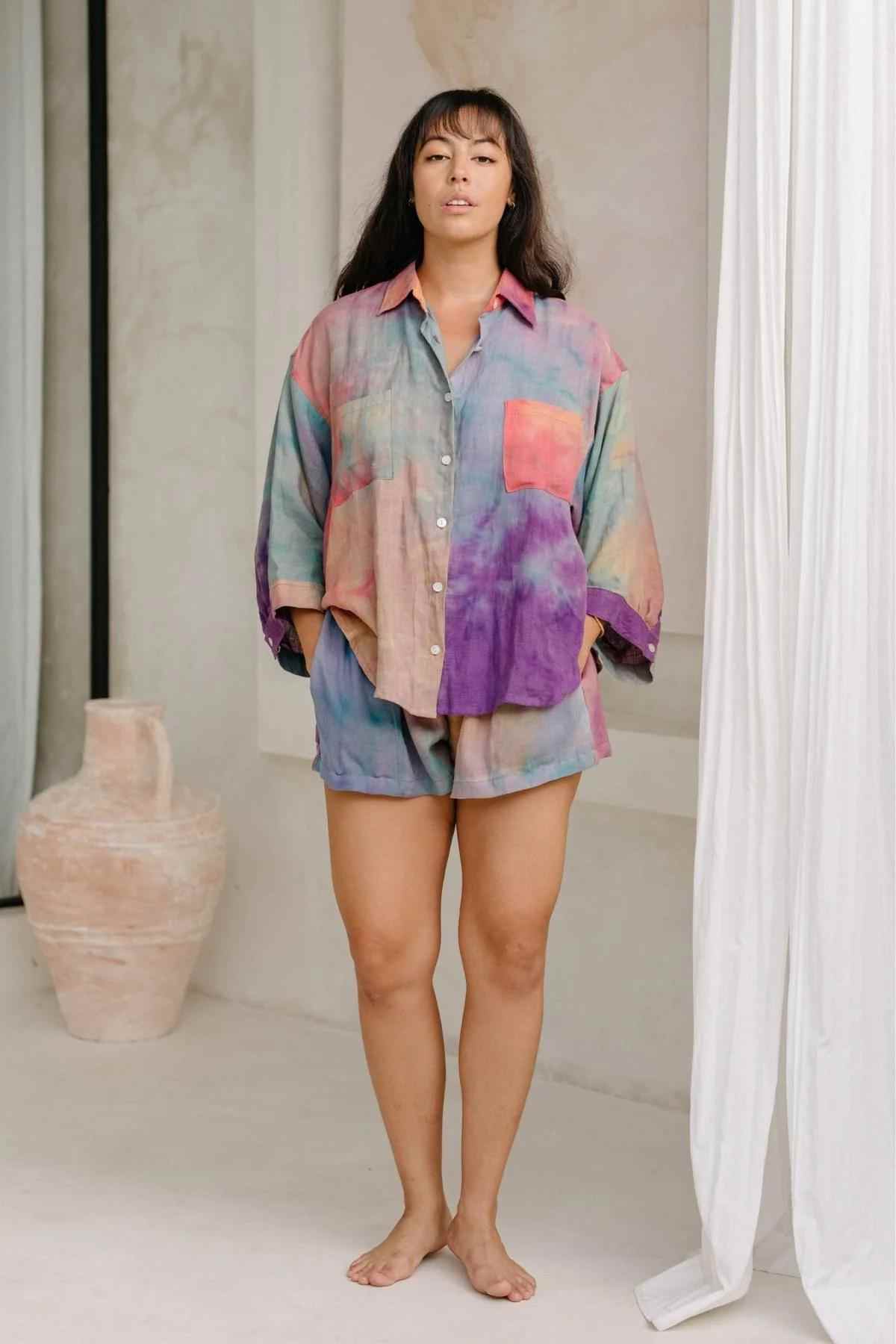
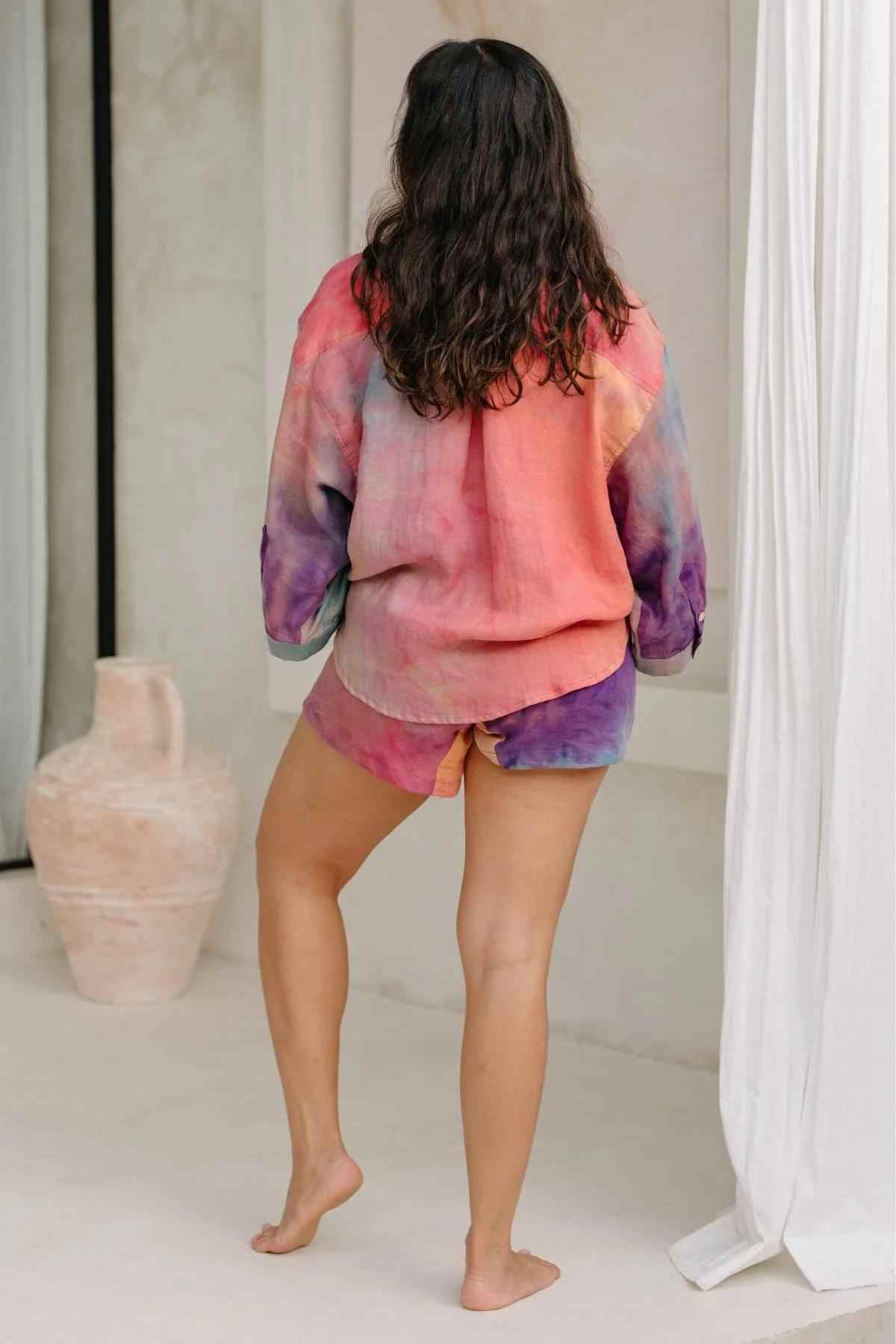
The Uluwatu Sunset Linen Suka Set is dyed in a botanical-inspired colorway that draws on the light above Uluwatu at dusk. The certification ensures that the depth of color does not come at the cost of chemical safety.
The Kundalini Linen Playsuit is a one-piece designed for the full day -- movement, practice, travel, rest. Made from 100% linen, certified from fiber to finished garment.
You can browse the full linen collection -- every piece in it meets this standard.
How OEKO-TEX Standard 100 differs from natural or organic claims
The word natural has no regulated definition in fashion. A garment can be labeled natural fiber and still contain processing chemicals that were never disclosed. Organic certification such as GOTS covers the farming stage, certifying that the raw fiber was grown without synthetic pesticides. This is meaningful, but it is not the same as testing the finished product.
OEKO-TEX Standard 100 begins where the fiber ends. It tests what is in the garment after all processing, dyeing, and finishing is complete. At Myrah Penaloza, we work with French linen that is also European Flax certified at the fiber level. OEKO-TEX Standard 100 is the finished-product layer of that same commitment.
What certification means for slow fashion
Slow fashion asks a question that fast fashion never does: what is this garment made of, and what did it cost to make it that way? Third-party certification is how that question gets answered with evidence rather than language.
We believe that conscious slow fashion -- the kind we practice in Bali with our artisan families -- includes being transparent about what is in the clothing we make. OEKO-TEX Standard 100 is one of the clearest, most rigorous ways to make that transparency legible. You do not have to take our word for it. The testing already happened.
Frequently asked questions
What does OEKO-TEX Standard 100 mean on a clothing label?
It means the finished garment has been tested by an independent accredited laboratory for more than 100 harmful substances -- including chemicals that may not yet be legally regulated. Every component of the item is covered: fabric, thread, buttons, dyes, and labels. The certificate is product-specific and regularly renewed.
Does OEKO-TEX Standard 100 mean the clothing is organic?
No. OEKO-TEX Standard 100 certifies that the finished product is free from harmful substances. Organic certification such as GOTS covers how the raw fiber was grown. Both are meaningful; they test different stages of the supply chain.
Is OEKO-TEX Standard 100 certification reliable?
Yes. The certification is issued by independent member institutes of the OEKO-TEX Association -- it is not self-reported by the brand. Tests are conducted in accredited laboratories and certification must be renewed regularly. The OEKO-TEX website maintains a public database where any certificate can be verified.
Why does fabric certification matter for everyday clothing?
Clothing worn against the skin all day is the primary route by which textile chemicals contact the body -- through absorption, especially in warm climates or during physical activity. Certification provides assurance that the fabric will not expose the wearer to chemicals that may accumulate over time.
Which Myrah Penaloza linen products are OEKO-TEX certified?
All Myrah Penaloza linen products carry OEKO-TEX Standard 100 certification. This includes the Kundalini Linen Playsuit, the Suka Button Down Linen Set, the Uluwatu Sunset Linen Suka Set, and all other pieces in the linen collection.
Where can I see the full Myrah Penaloza linen range?
The complete collection is available at myrahpenaloza.com/collections/linen-collection. Every piece listed carries OEKO-TEX Standard 100 certification as a standard.
With love from Bali,
Myrah
|
Certified Linen - Made in Bali Clothing you can wear without question. Shop the Linen Collection |
|
The Muse-Letter Dress for the woman you are becoming. Join the Muse-LetterUnsubscribe any time. No spam, ever. |







Leave a comment
This site is protected by hCaptcha and the hCaptcha Privacy Policy and Terms of Service apply.