
How to Build a Slow Fashion Wardrobe You Will Actually Wear
Most women who decide to build a slow fashion wardrobe make the same mistake in the first year. They do not buy too little. They buy too much of the wrong things, in the wrong order, from too many places, without a clear understanding of what they actually need versus what looks beautiful on a screen at eleven in the evening.

This is not a moral failing. It is what happens when the impulse to consume slowly is applied to a system that was never designed to be consumed that way. The sustainable fashion industry, for all of its genuine values, still runs primarily on the same attention-capture mechanics as the fast fashion industry. New arrivals. Limited editions. The language of urgency dressed in the clothing of ethics.
A slow fashion wardrobe built well looks entirely different from a slow fashion wardrobe built reactively. This guide is about the difference. Not what to buy. How to think before you buy anything.
What Slow Fashion Actually Means for a Wardrobe
The phrase slow fashion has come to mean many things, not all of them useful. It has been used to describe anything from genuinely handmade, artisan-produced clothing to mass-produced garments with organic cotton certifications. It has been used as a marketing positioning by brands that produce at the same volume as fast fashion but in more photogenic colours.
For the purposes of building a wardrobe, slow fashion means one specific thing: buying less, buying better, and expecting each piece to last long enough to justify the investment several times over.
The test we use at Myrah Penaloza is what we call the 30x wear test. Before we put anything into production, we ask: will the woman who buys this wear it thirty times? Will she wear it 108 times? Is it the kind of piece that becomes part of her life rather than part of her wardrobe, in the sense of a pile of things she cycles through and eventually forgets? If the answer is not clearly yes, we do not make it.
The question you need to ask before buying from any slow fashion brand, including this one, is the same question. Not just: is this ethically made? But: will I wear this thirty times? Both matter. But one you can answer honestly in the dressing room.
Start with Fabric, Not Style
The single most useful thing you can do before building a slow fashion wardrobe is to understand which fabrics work on your body, in your life, in your climate.
This sounds obvious. It is not practiced as often as it should be.
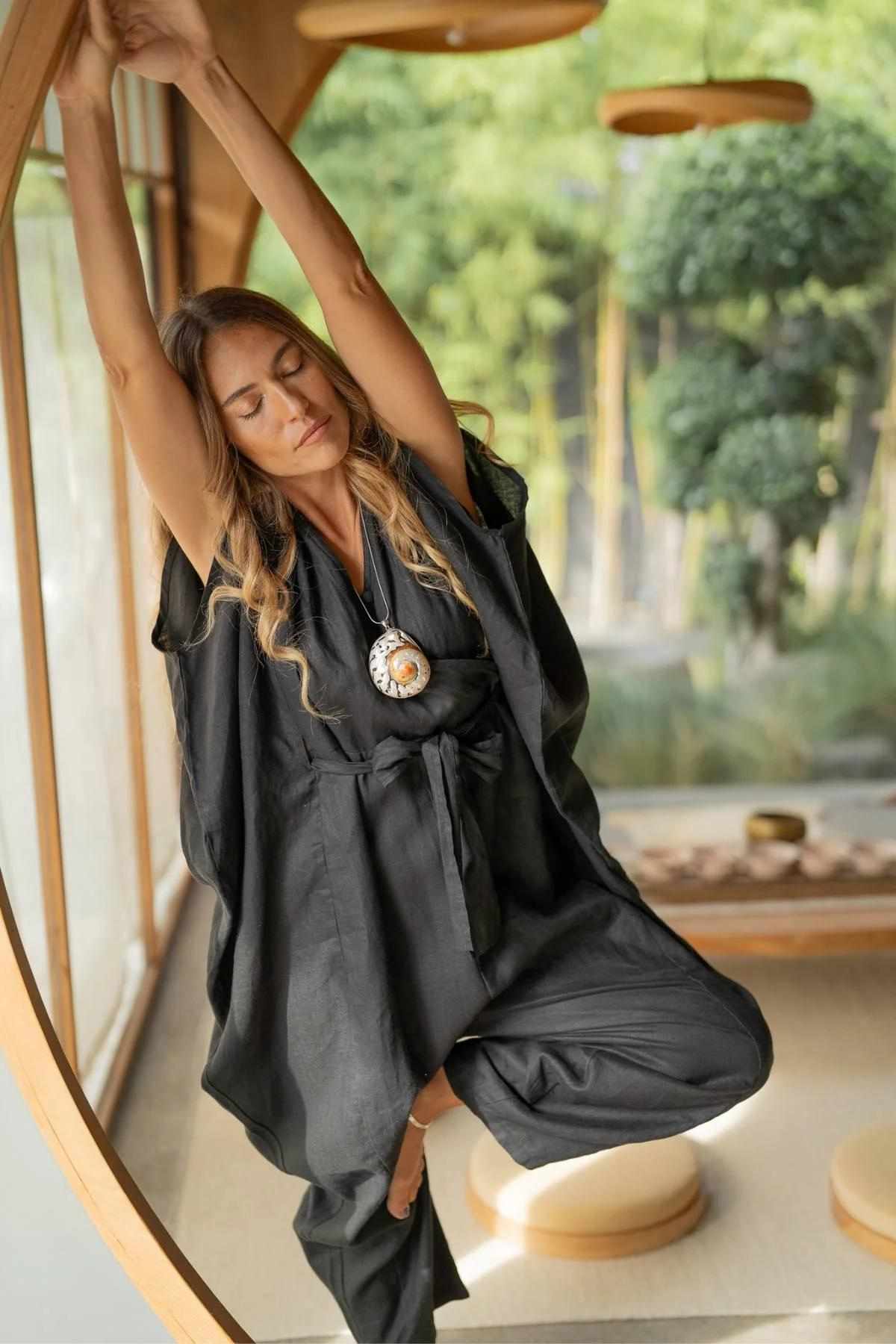
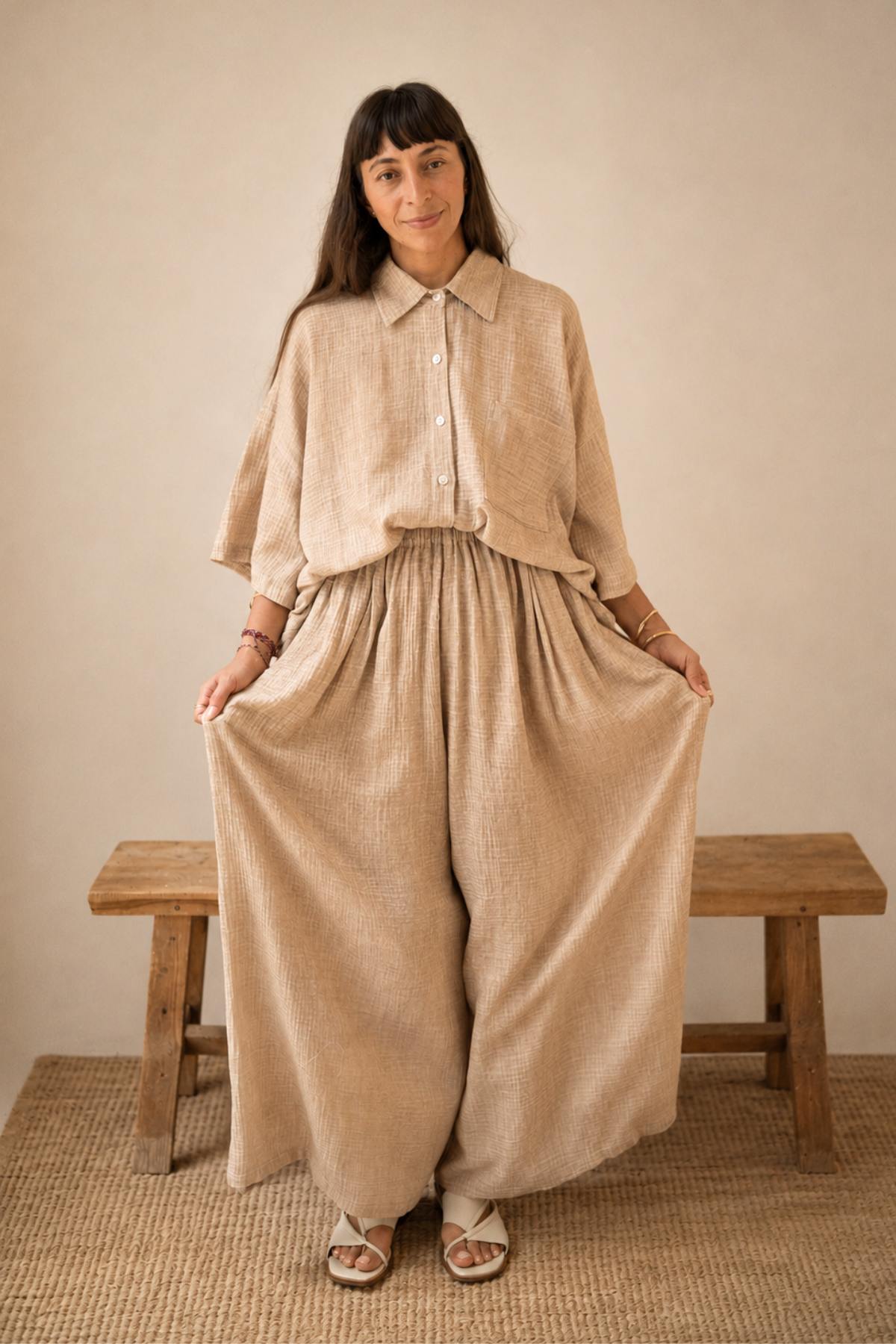
Most women know which fabrics feel good but buy garments based on how they look in photographs, which is a photograph’s job, not a fabric’s job. A silk piece that photographs beautifully may wrinkle catastrophically the moment you sit in it. A linen set that looks casual in an editorial image may be the most versatile piece you own once you understand how it moves.
The natural fabric question for a slow fashion wardrobe typically comes down to this:
Linen
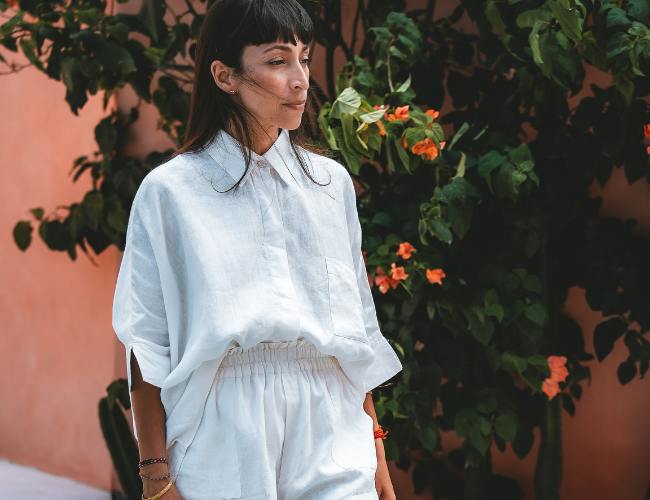
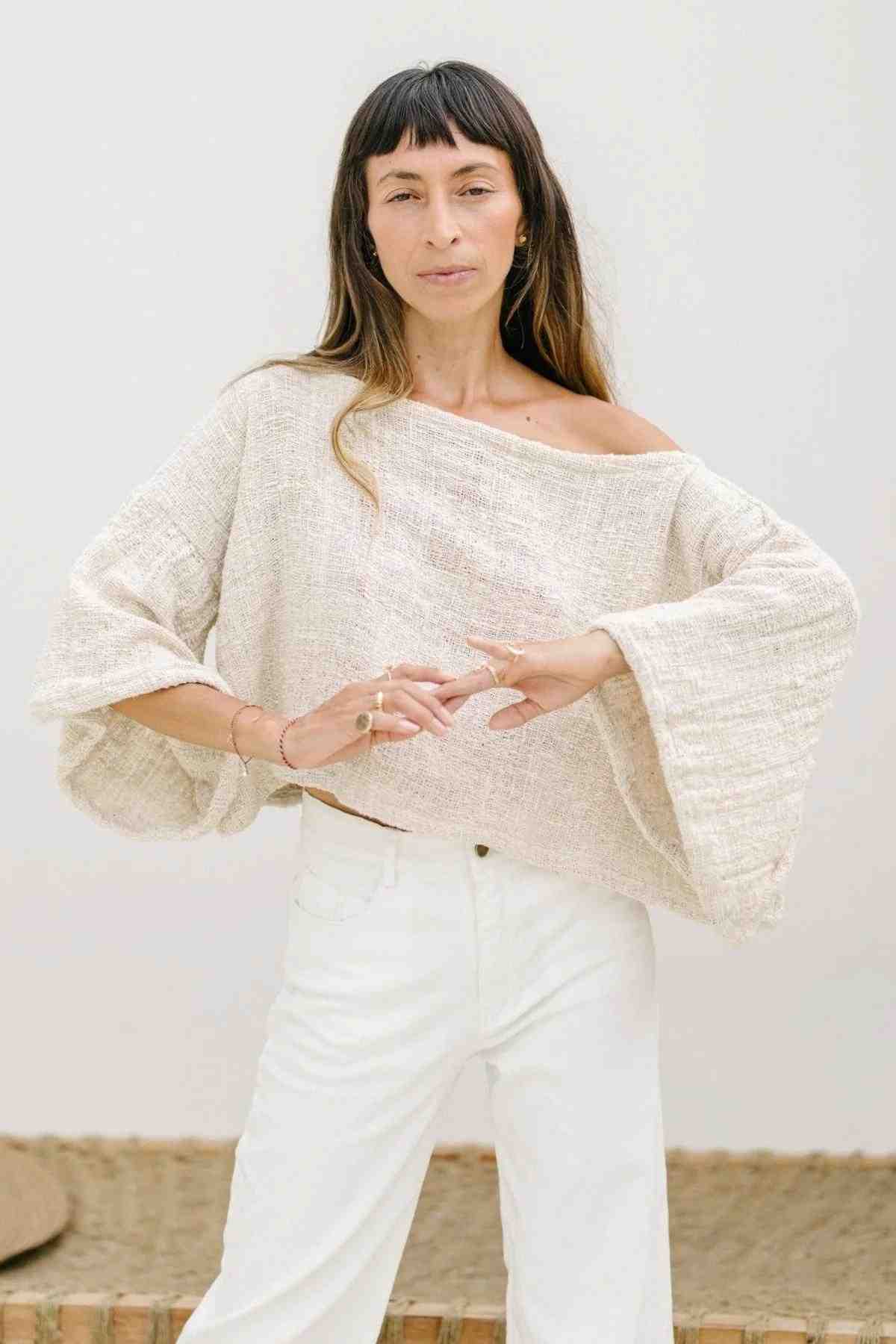
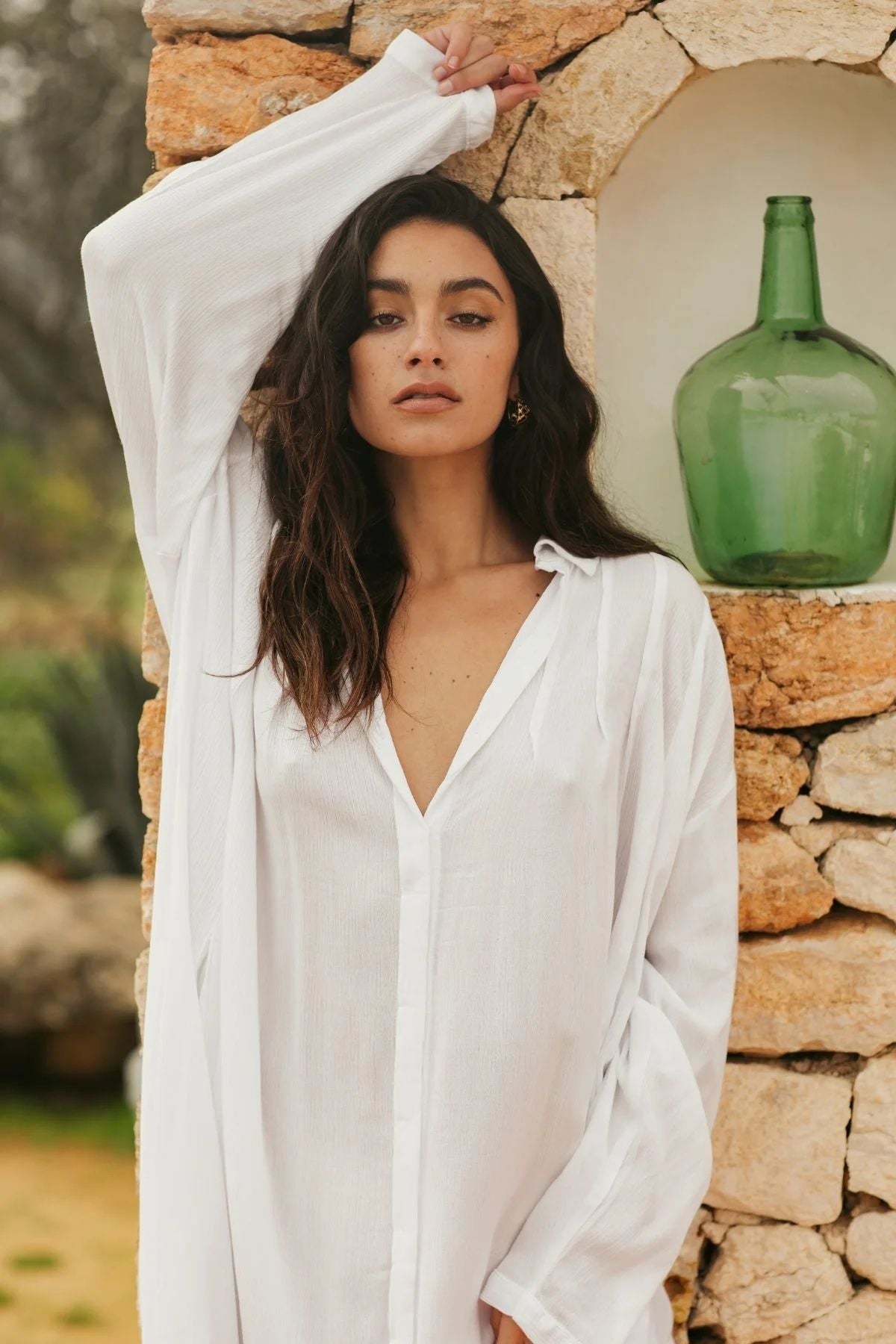
Linen is the foundational slow fashion fabric for a reason. It is made from flax, one of the oldest cultivated plants in human history, and it requires significantly less water and pesticide than cotton to grow. It is naturally antibacterial, which means it can be worn multiple times between washes without issue, which matters more than most people realize for the actual environmental impact of clothing ownership. And it softens with every wash, every wear, every year of use, becoming more rather than less beautiful over time.
Linen is a fabric that rewards patience. It wrinkles. It requires care in washing. It looks better in its second year than its first. These are not flaws. They are the evidence of a living material with a relationship to the body that synthetics cannot replicate.
Natural Cotton
Organic and handwoven cotton varieties offer a warmth and breathability that conventional cotton rarely matches. The Tumanggal hand-woven cotton we use in some of our pieces is produced in a tradition that has existed in Indonesia for generations: each piece of fabric woven on a loom by a single person, producing a textile with an irregularity and warmth that no industrial process can reproduce.
Silk
Silk is an investment fabric. It is the most protein-aligned fabric with human skin, which is why it feels the way it feels and why it has been valued across every culture that has had access to it. For slow fashion purposes, silk is the special occasion fabric, the piece that earns its price across twenty years of use, the thing you buy once and pass to a daughter.
Build Around Three or Four Silhouettes, Not Trends
A slow fashion wardrobe is not a capsule wardrobe in the minimalist sense. It does not require that you reduce to ten items and wear them in rotation. It requires only that everything in it earns its place by being worn, not just owned.
The most practical approach is to identify two to four silhouettes that you genuinely reach for, and build depth within those silhouettes rather than breadth across all of them.
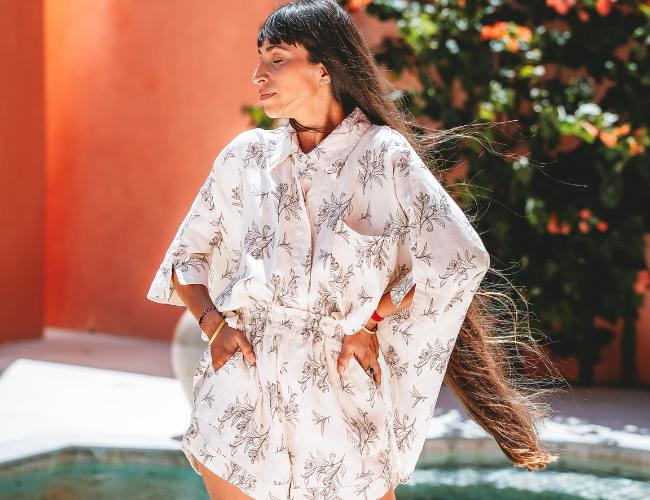
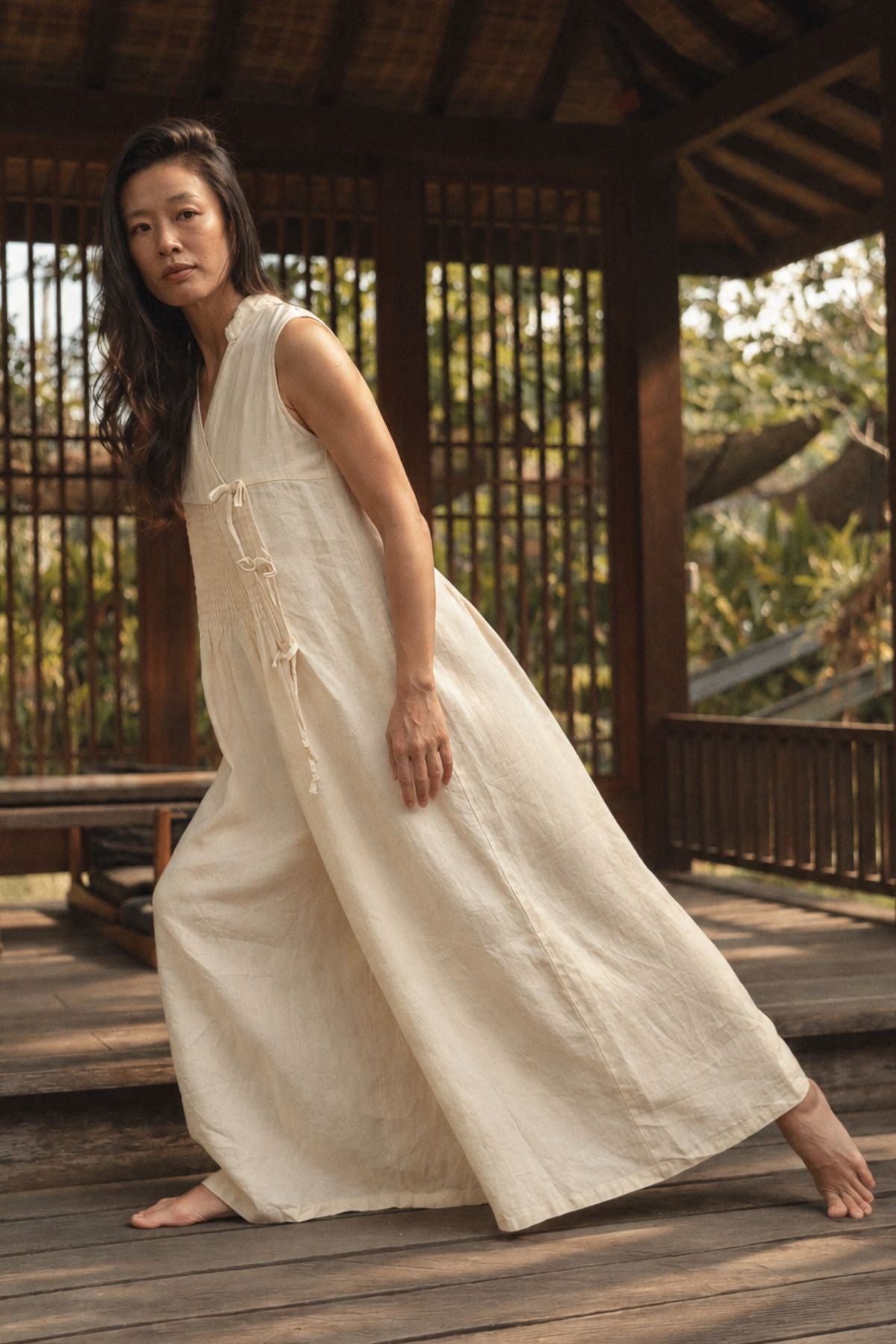
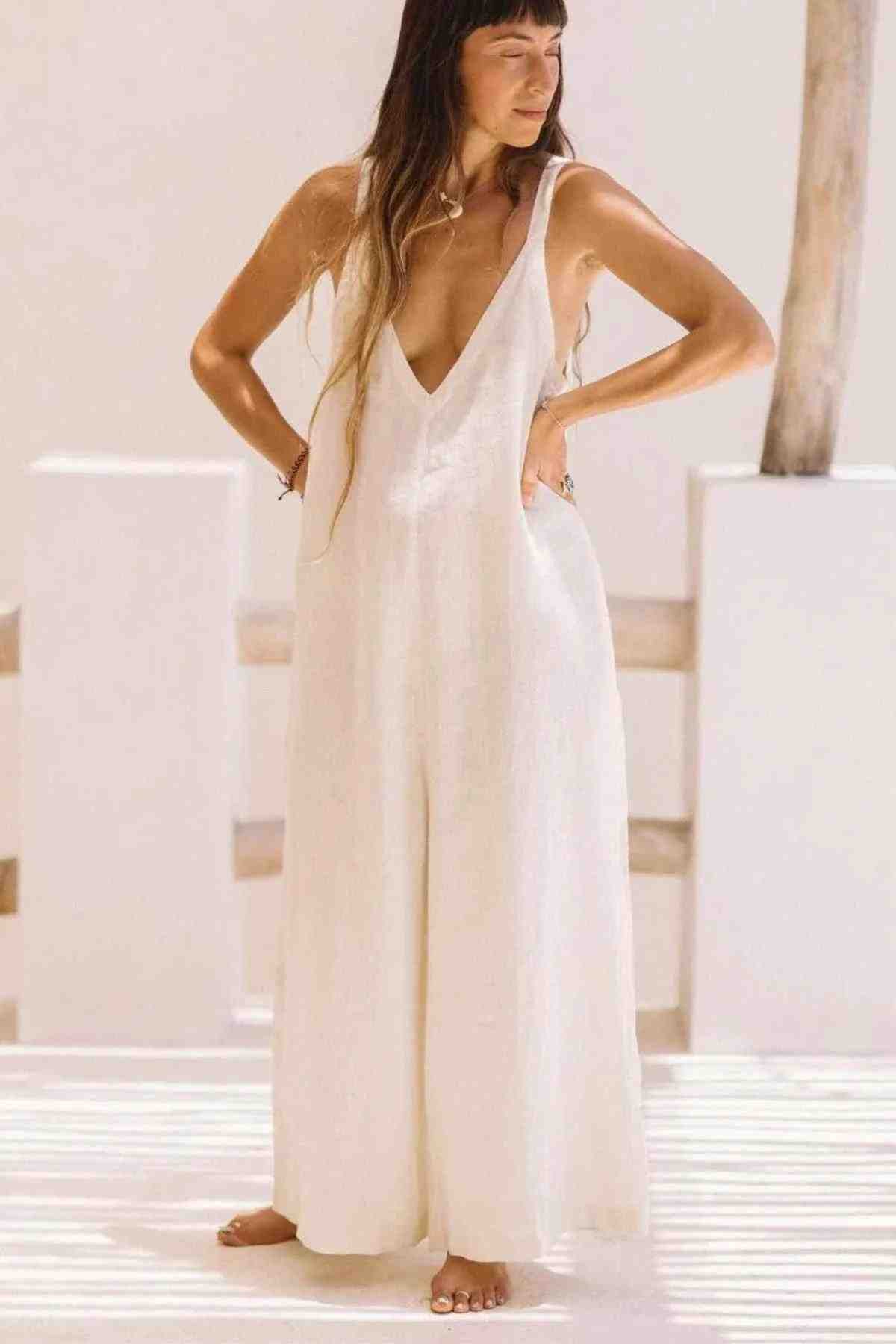
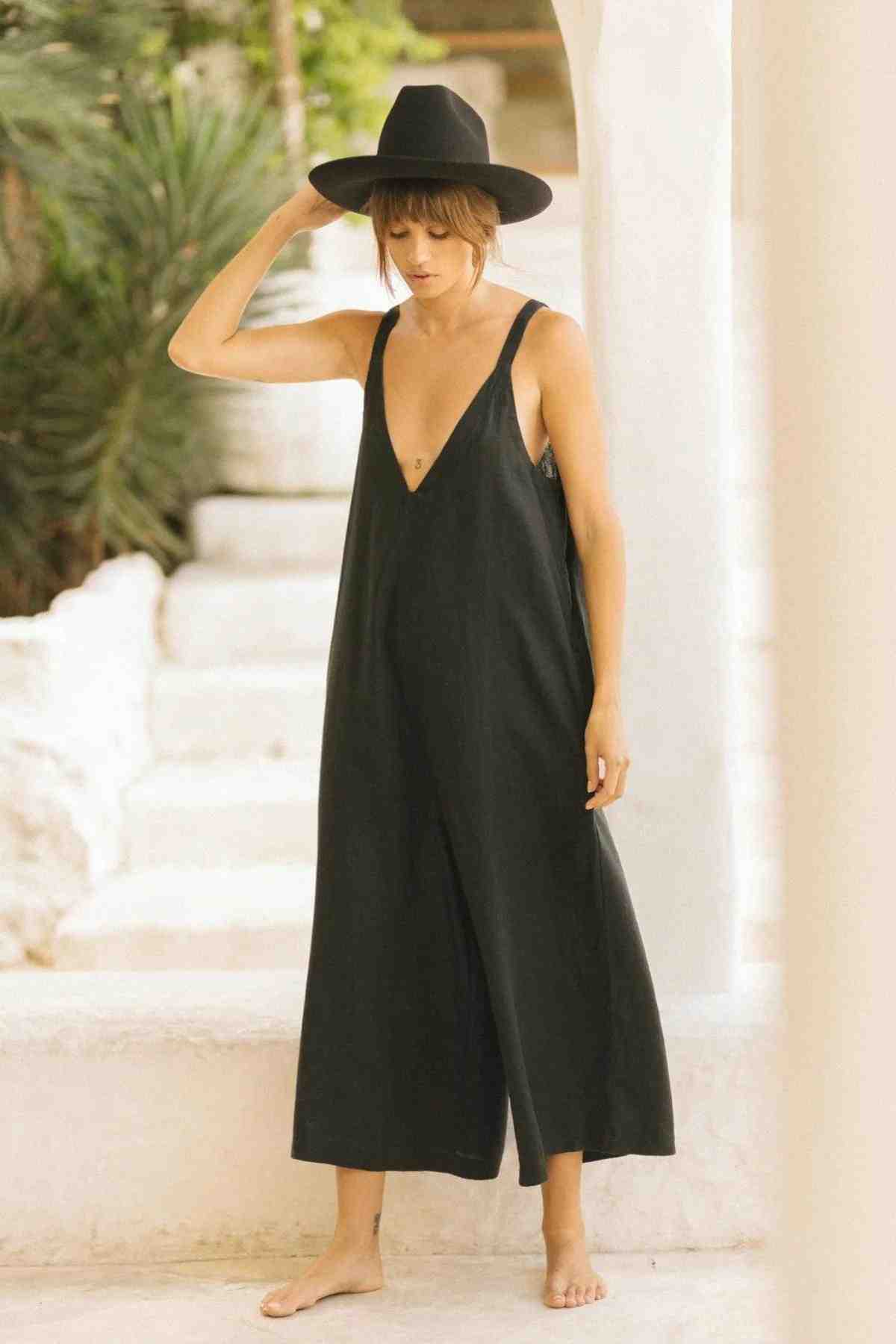
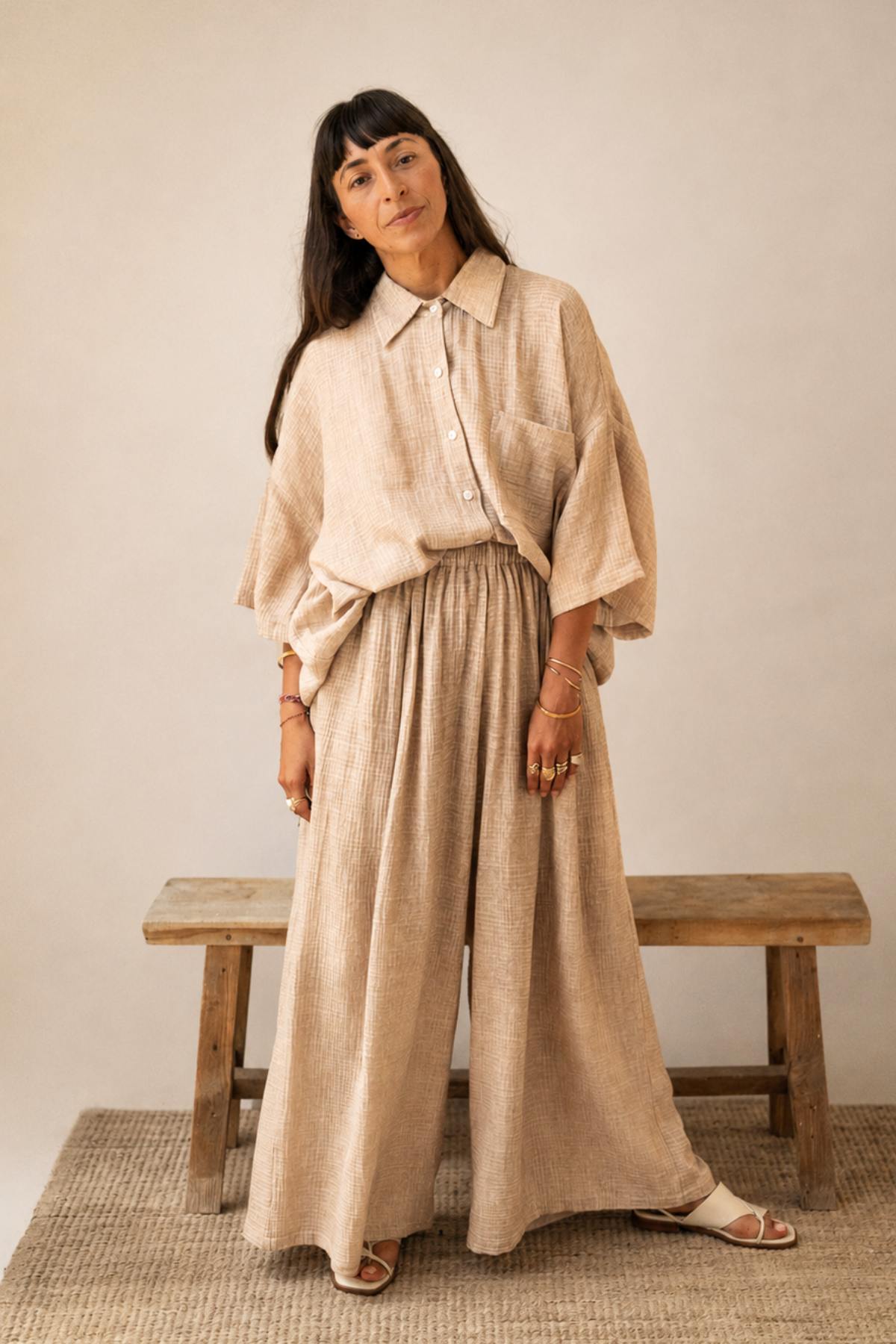
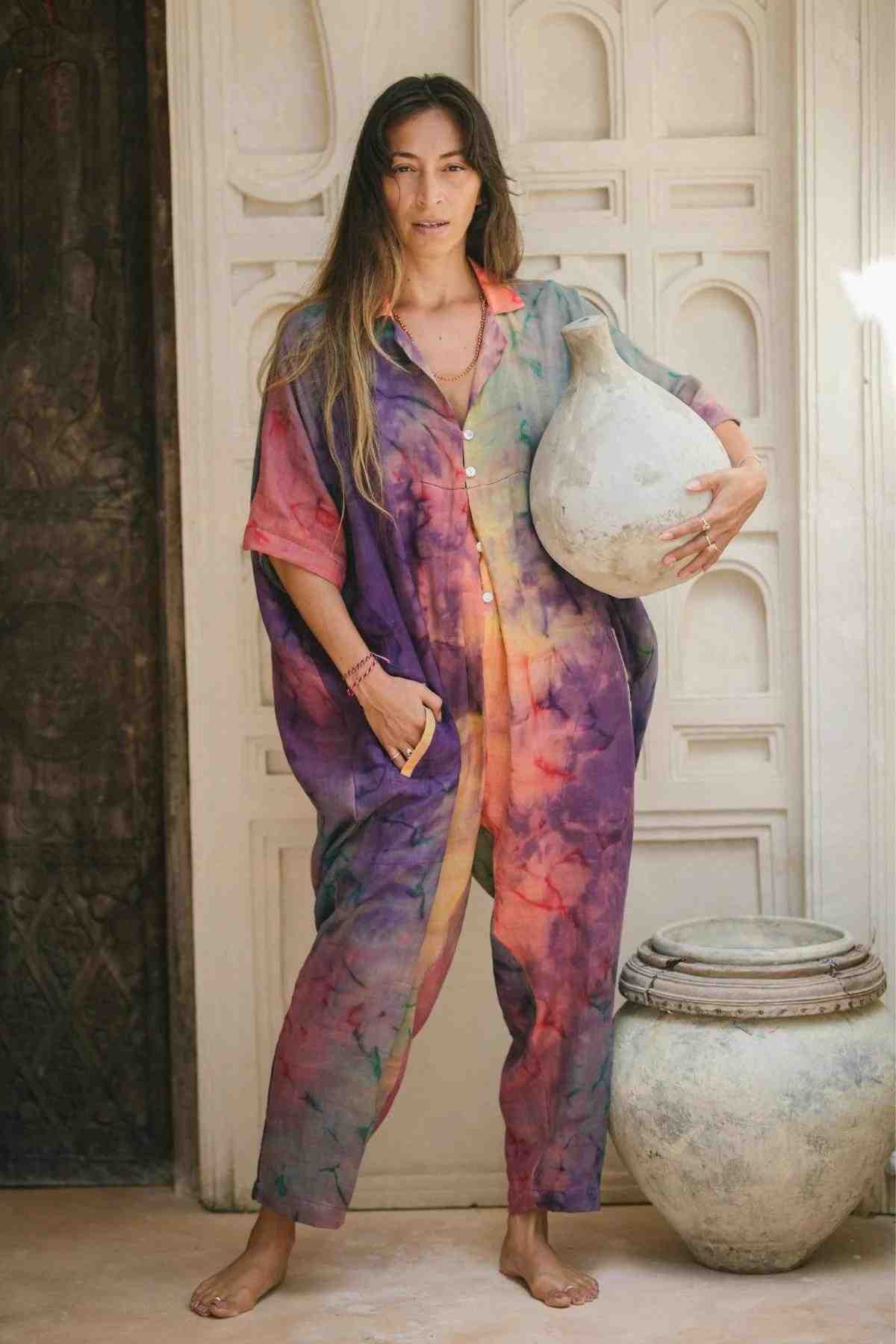
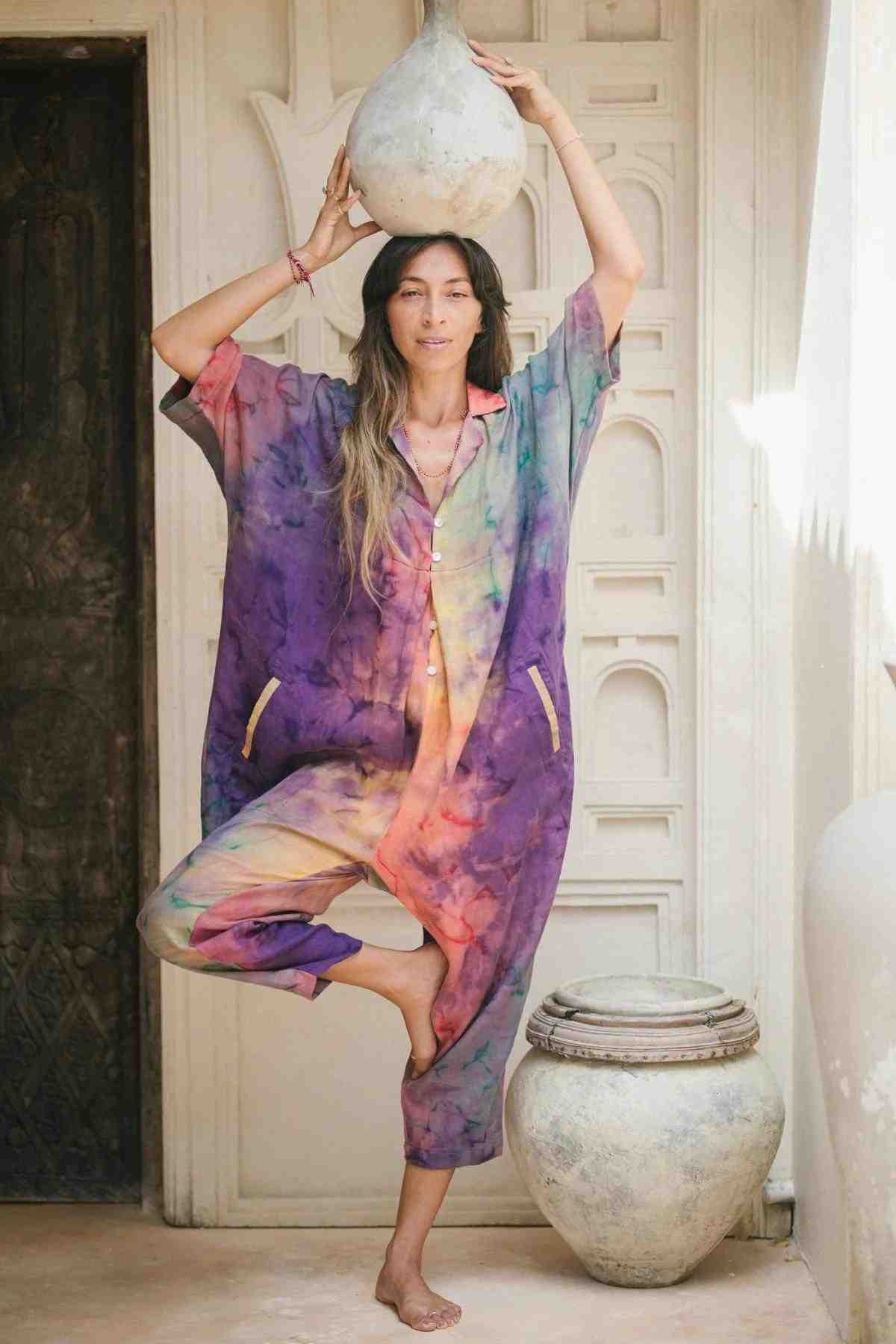
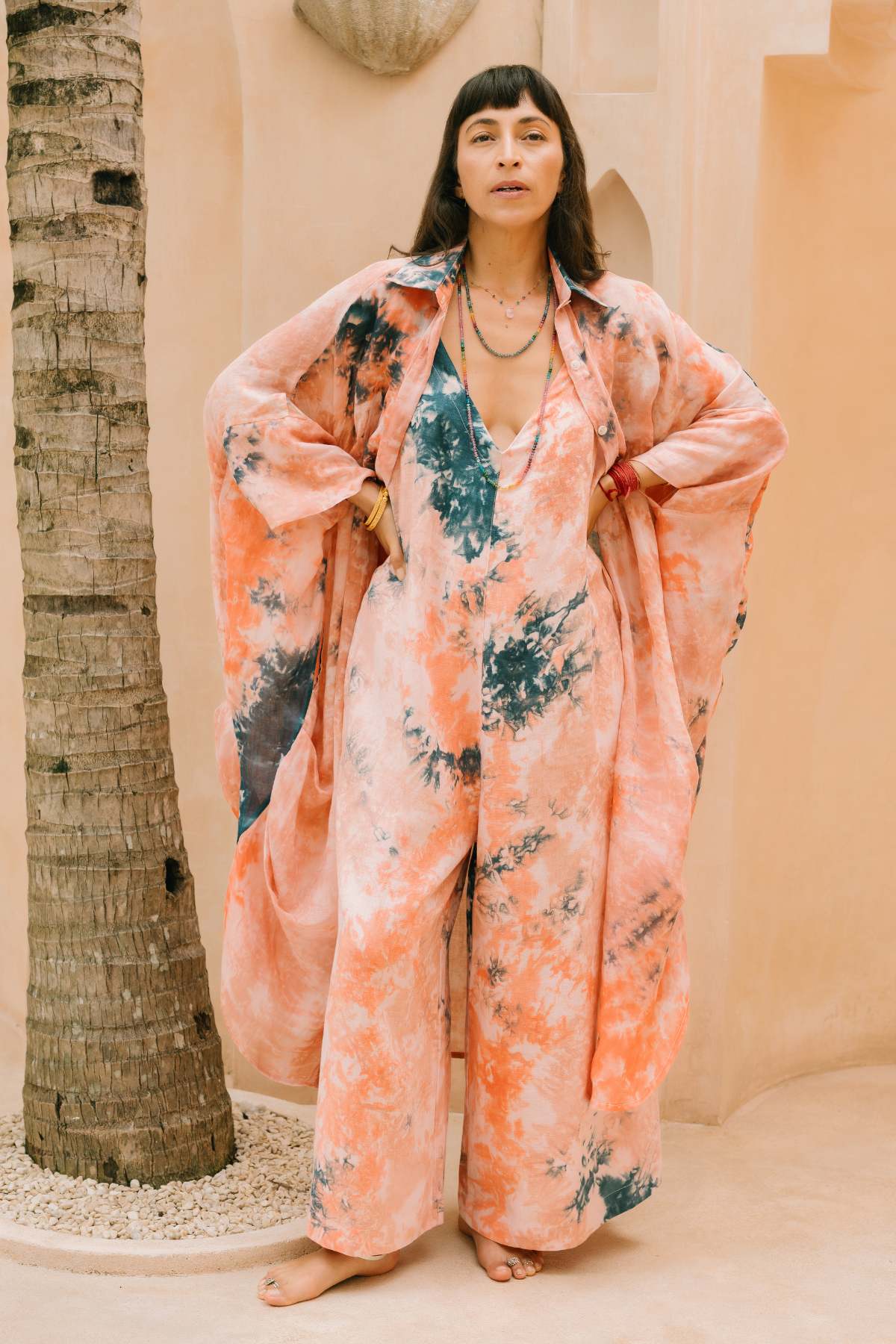
For most women in the slow fashion space, the silhouettes that emerge as genuine workhorses are variations of: a one-piece that requires no coordination (playsuit, jumpsuit, or easy dress), a two-piece set that functions as both separates and a whole, a long or midi-length piece for evenings and ceremony, and one transitional layer (a linen jacket, a wide-leg trouser, a kaftan worn open).
This is not a formula. It is an observation from years of watching how women actually dress versus how they think they will dress when they are shopping.
The Colorway Commitment
One of the least discussed aspects of building a slow fashion wardrobe is colorway coherence. Not in the sense of wearing only neutrals — but in the sense of understanding which colours you actually reach for versus which colours you find beautiful in photographs and never wear once they arrive.
The most reliable slow fashion wardrobes tend to be anchored in two or three base colorways that the owner genuinely lives in, with occasional pieces in more singular colours that are worn intentionally, for specific occasions and specific moods.
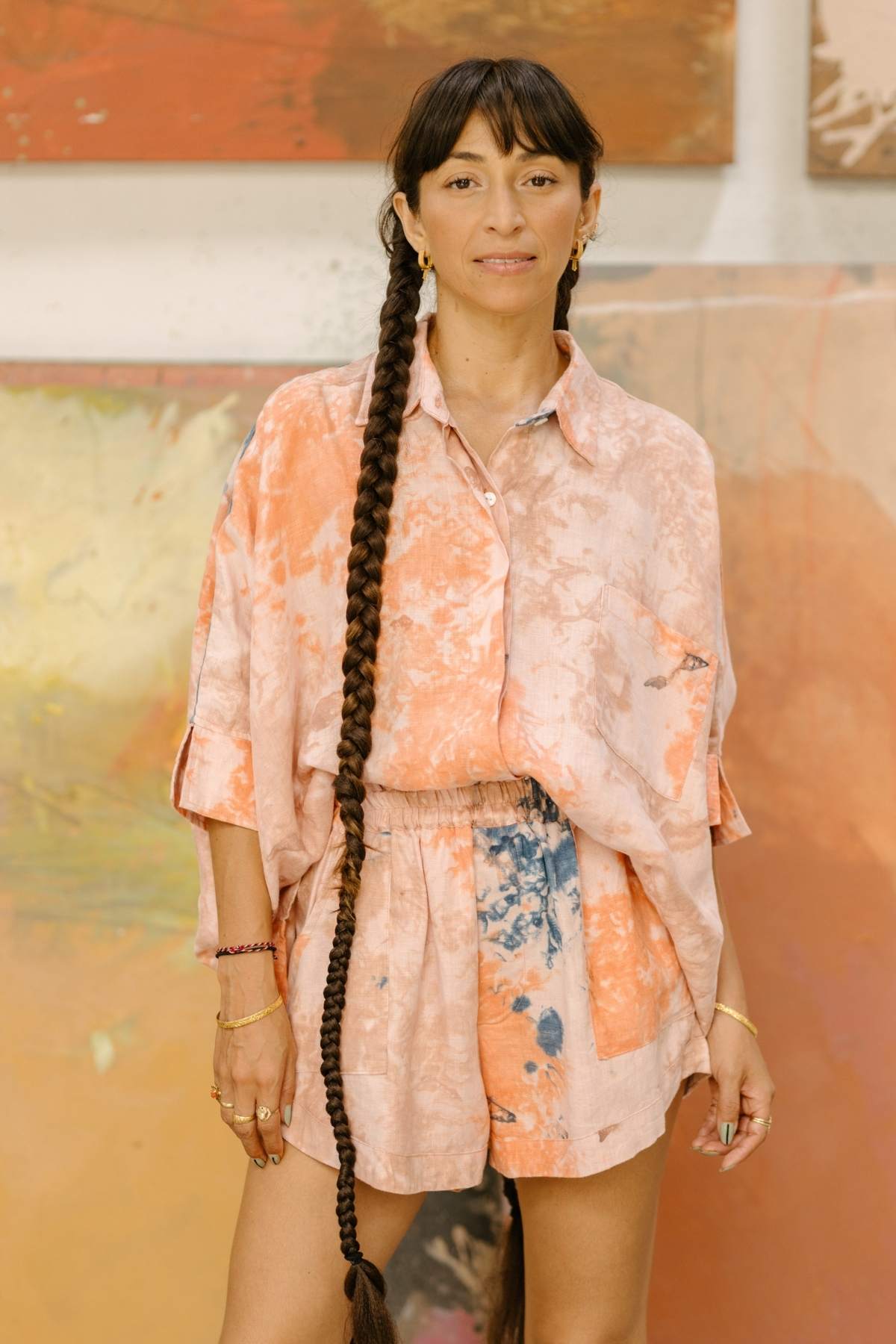
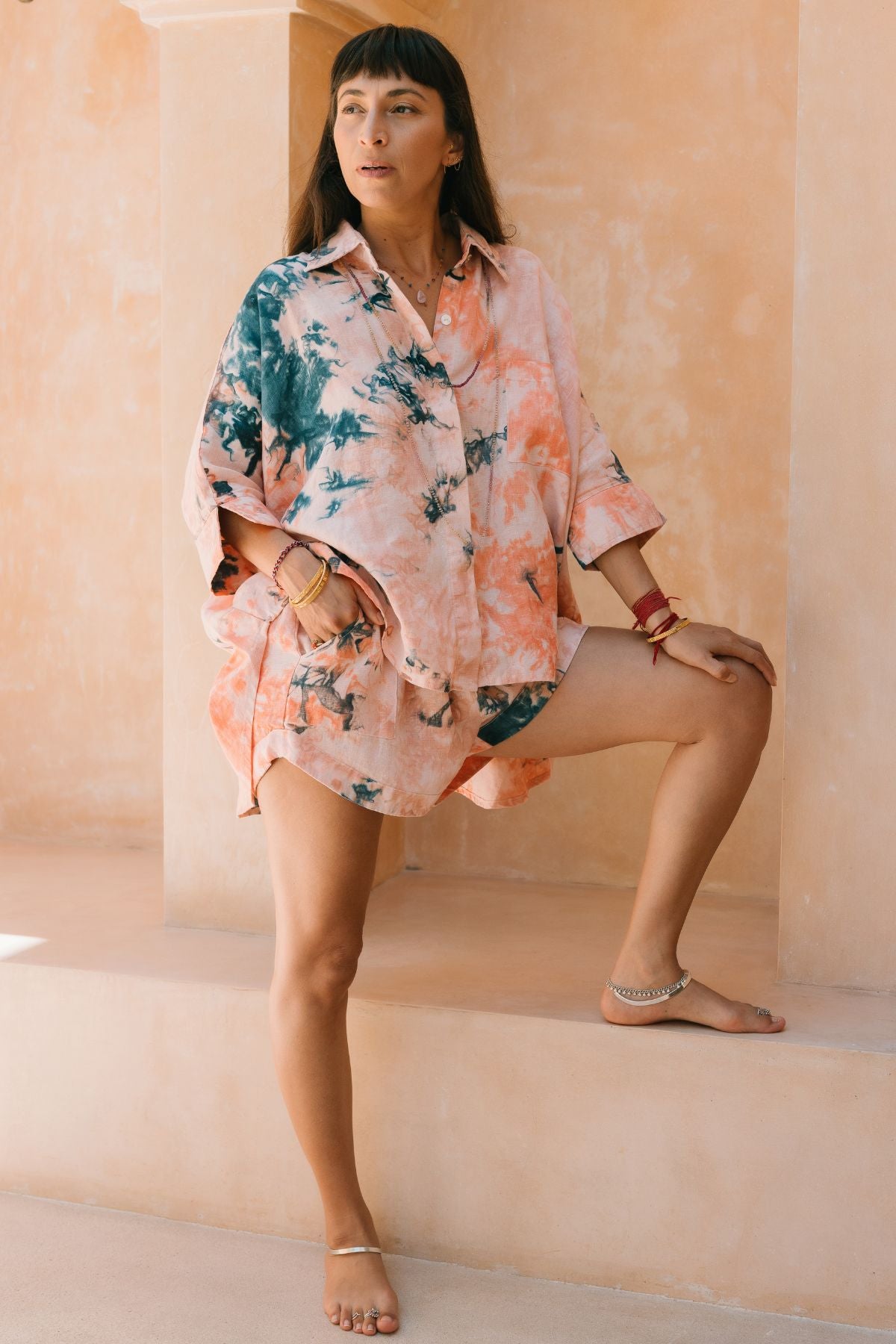
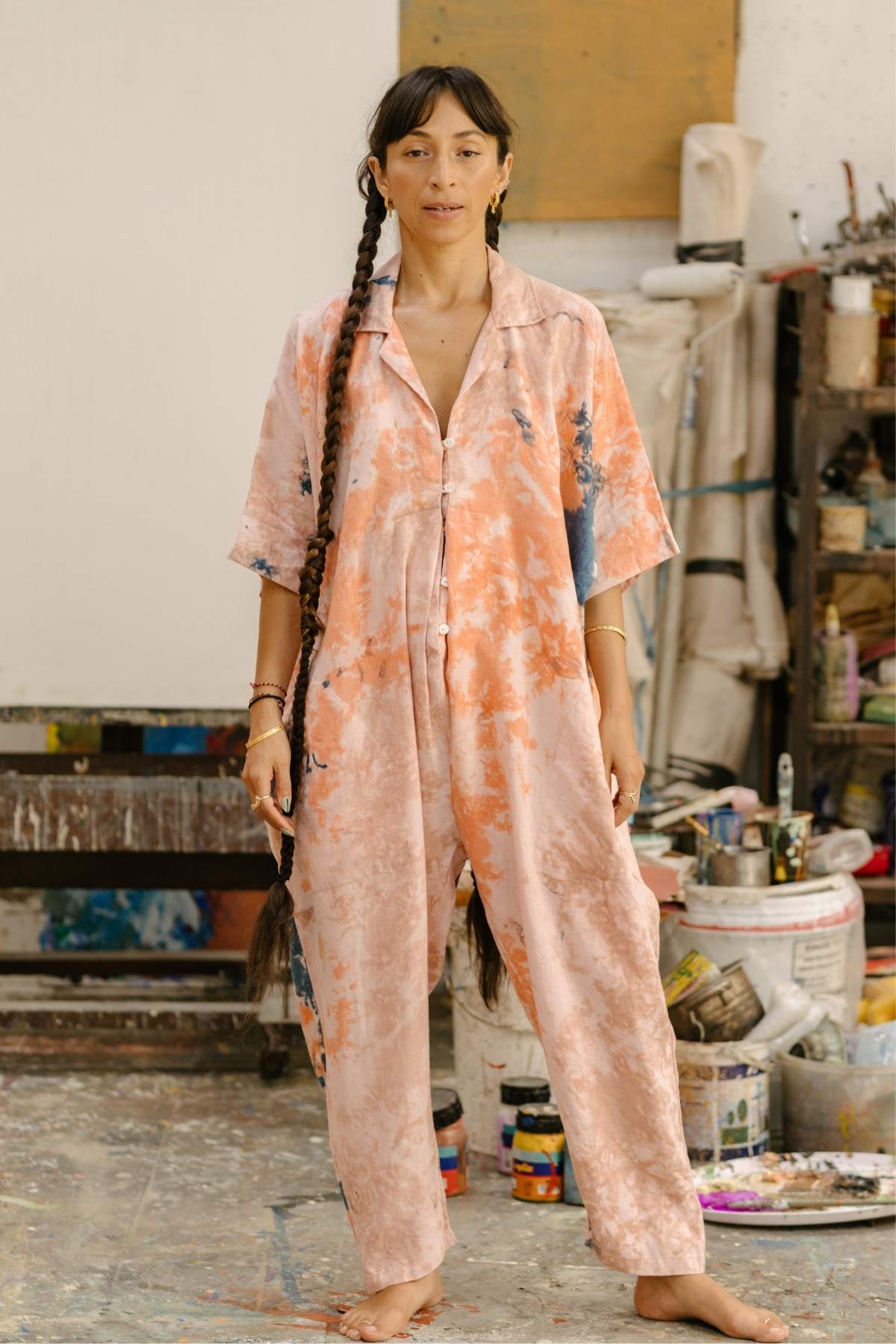
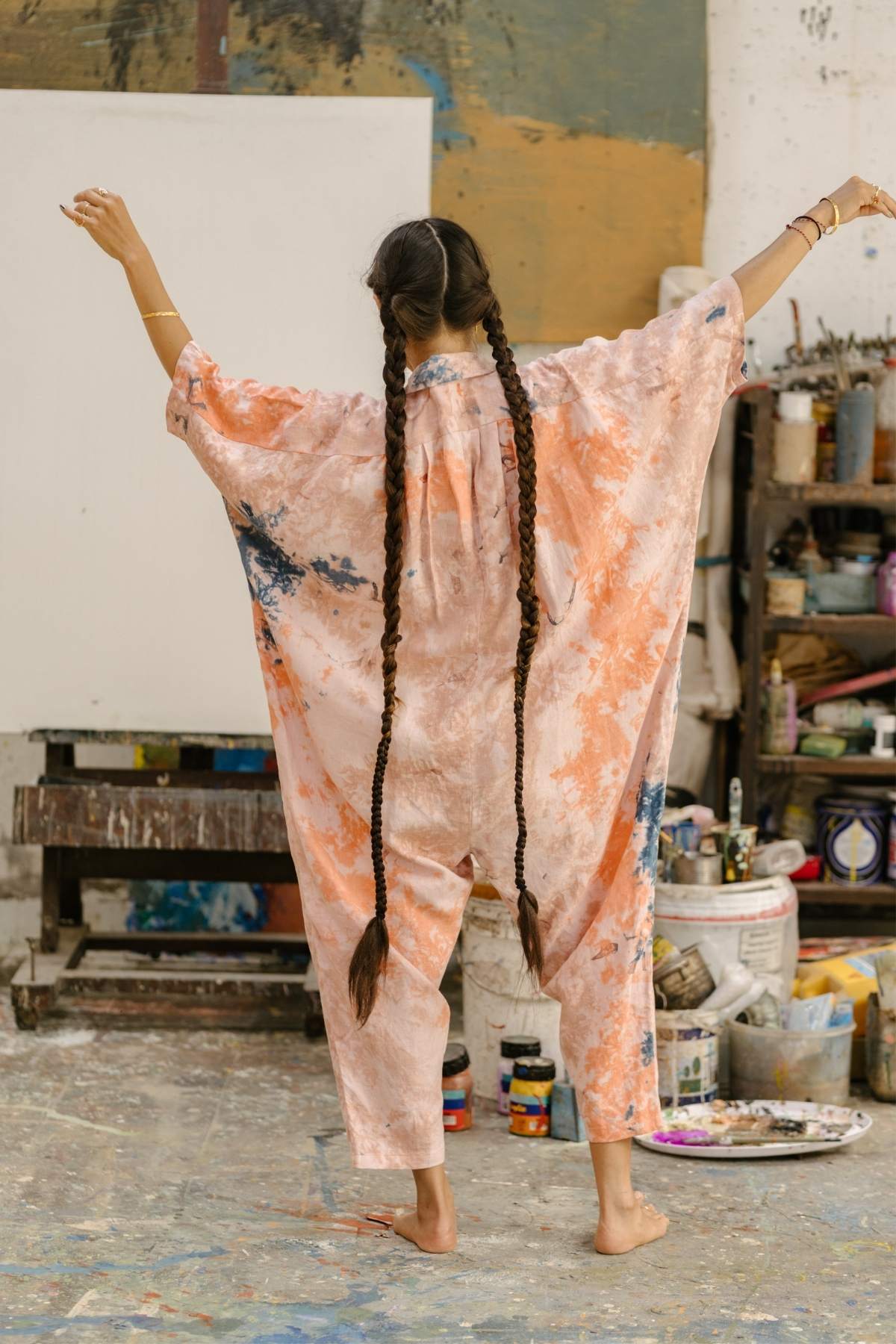
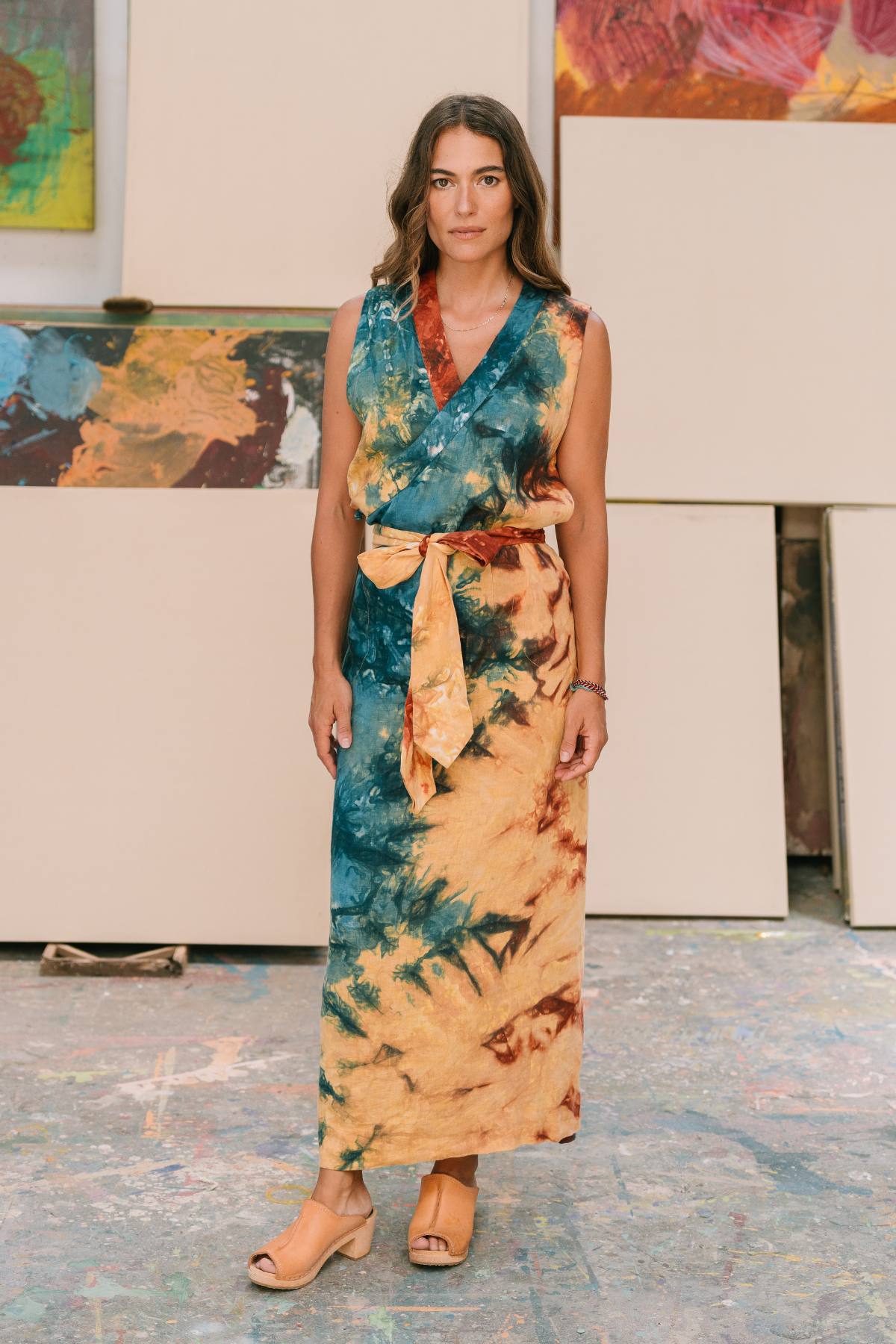
At Myrah Penaloza, our color universe is warm earth tones, natural linens, botanical darks, and the singular Rainbeau colorway that exists nowhere else because it is never exactly the same twice. Women who build wardrobes with us tend to start with one piece in a familiar colorway, Moonlight or Off White or one of the harvest tones, and then, once they understand the brand’s weight and drape and fit, they come for Rainbeau. Which is the right order. Rainbeau rewards familiarity.
The Made-to-Order Relationship
Every piece we make at Myrah Penaloza is made after you order it. This is not a production constraint. It is the central philosophical commitment of the brand: we do not make more than has been asked for. We do not maintain inventory of finished garments waiting to be bought. Each piece is made specifically for the person who ordered it, in the weeks after the order is placed, by the artisan family who will make it and nothing else at that moment.
For the woman building a slow fashion wardrobe, the made-to-order model is the most honest version of slow fashion available. It means that what you receive was never mass-produced, never sat in a warehouse, never existed as a unit of inventory. It existed, before you ordered it, only as a possibility. And then you made it real.
The wait that comes with made-to-order production, typically three to six weeks, is also not a limitation. It is the practice. If you have ordered something and you are waiting for it, you are in the same relationship to the garment that the artisan who is making it is in. You are both holding the same intention. That is not a poetic reframing of an inconvenience. It is a genuinely different relationship to clothing than the one that delivers something to your door in forty-eight hours and expects nothing of you.
What Heirloom Quality Actually Requires
The phrase heirloom quality appears constantly in conscious fashion. Like most phrases used constantly, it has been stretched to the point of near-meaninglessness. What does it actually require?
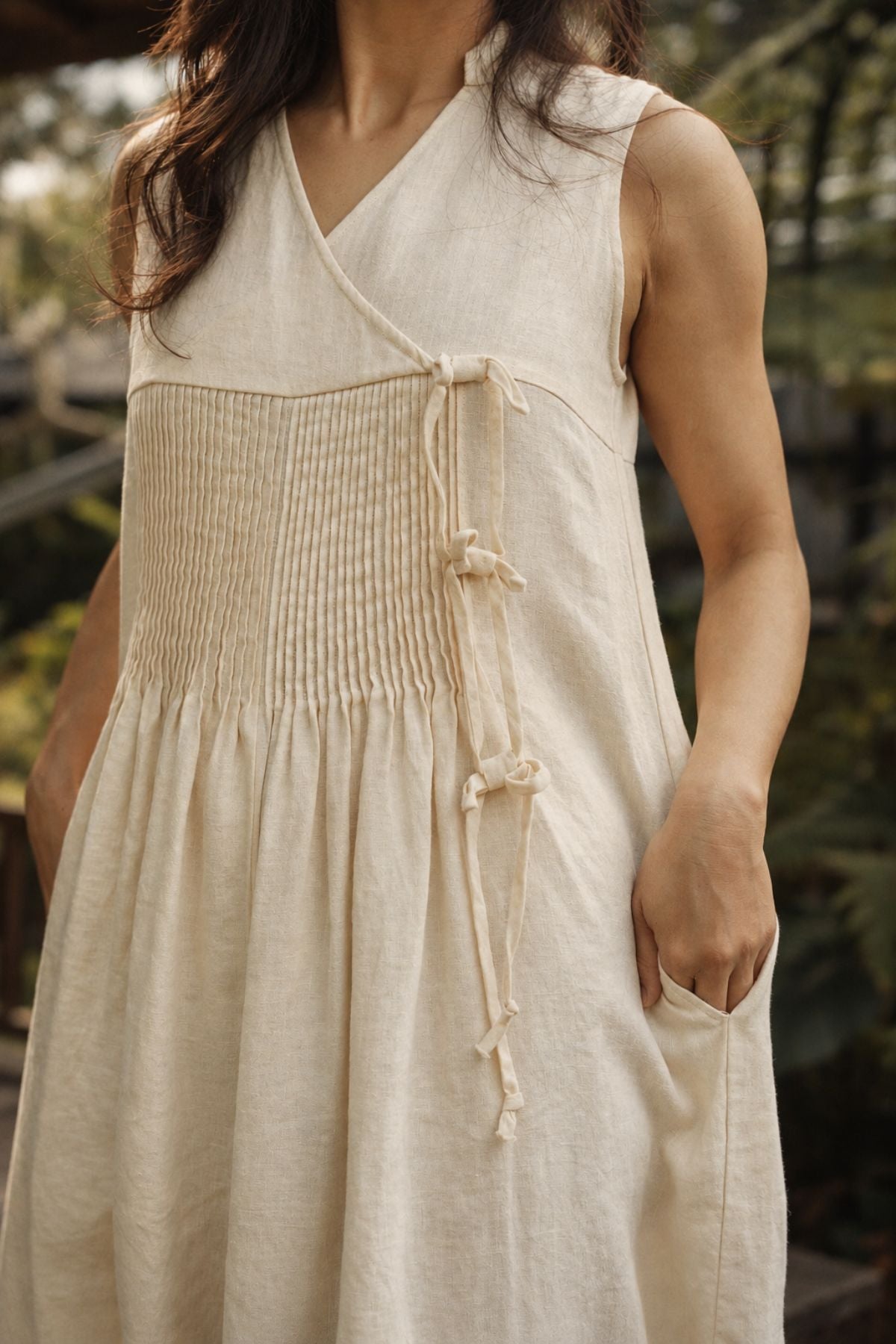
It requires fabric with enough natural integrity to hold its structure over years, not months. It requires construction careful enough that the seams do not pull, the buttons do not fail, the silhouette does not lose its shape after twelve washes. It requires care from the owner: cold wash, hang dry, iron on the reverse when needed, store away from direct sunlight, treat it as an object worth treating carefully.
And it requires that the garment was designed to be worn rather than displayed. The most durable pieces in any wardrobe are the ones that have been worn so often they have shaped themselves slightly to the body that wears them. That is not wear. That is relationship. It is what clothes become when they are chosen well and worn honestly and kept long enough to mean something.
This is the standard we build toward at Myrah Penaloza. Not perfection, because the natural materials we use and the human hands that make them are both beautifully imperfect. But devotion to the making, and faith that the woman who receives the piece will wear it long enough to find out what it becomes in her life.
A Practical Starting Point
If you are beginning a slow fashion wardrobe, or rethinking the one you have, the most useful thing is not a shopping list. It is an audit.
Take everything out. Look at what you actually wear, not what you wish you wore. Identify the silhouettes, the fabrics, the colorways that appear most often in your real getting-dressed behaviour. Then, and only then, look at what is missing — and look for it with the intention of buying one thing that genuinely fills that gap, made by people paid a living wage, from natural materials, in a quantity that means something.
One piece chosen this way is worth fifty chosen in the other way. That is not philosophy. That is the wardrobe of every woman we know who dresses beautifully, consistently, and without thinking about it too much. They bought less. They bought better. And they wear the same things, year after year, with increasing confidence, because the things they own have proven themselves and they know it.
That is a slow fashion wardrobe. Not a statement. A practice. And like all good practices, it gets easier and more natural with time.
With love from Bali,
Myrah 🤍

|
A Piece for This Threshold Most Loved: The Pieces She Returns To Shop the Collection → |
|
The Muse-Letter Dress for the woman you’re becoming. Join the Muse-LetterUnsubscribe any time. No spam, ever. |


Leave a comment
This site is protected by hCaptcha and the hCaptcha Privacy Policy and Terms of Service apply.