
Beyond Trends: Why Conscious Fashion Is a Practice, Not a Position
Conscious fashion is not a category.
It is a practice. A way of paying attention to the choices you make about what you put on your body and what that attention, over time, produces both in the garment and in the person wearing it.

The difference between conscious fashion as a practice and conscious fashion as a trend position is the difference between a woman who dresses from her own knowing and one who dresses from a curated aspiration she has temporarily adopted. The first builds something that compounds over time. The second is abandoned when the next aspiration arrives.
When It Became a Trend, It Stopped Being a Practice
The sustainable fashion movement produced something useful and something unfortunate simultaneously. The useful thing: widespread awareness that fast fashion has real, measurable costs hidden in the supply chain. The unfortunate thing: a new category of trend-following in which brands applied the language of sustainability to their marketing without fundamentally changing their production models.
You can identify the difference by asking the questions that a genuinely conscious brand can answer directly: which materials, which dye processes, which labor conditions, which production volumes. A brand that makes small batches, uses botanical dyes, pays living wages, and has worked with the same artisan families for a decade is practicing conscious fashion. A brand that has a sustainability page on its website and continues to produce at fast fashion volumes is performing it.
Performance requires an audience. Practice does not.
What the Practice Produces Over Time
The woman who practices conscious dressing for a year has a different relationship to her wardrobe than the one who adopted it as a trend position. She has fewer things and likes all of them. She reaches for what she owns rather than feeling that her wardrobe is full of things that are not quite right. She has stopped buying from anxiety, from the fear of missing something, from the momentary excitement of a reduced price. She buys from recognition, from the feeling that this specific piece is genuinely hers.
The wardrobe that results from this practice is smaller than the average and more functional. It is also more beautiful, because beauty that comes from genuine alignment with the person wearing it is a different quality than beauty that comes from following what someone else decided was beautiful this season.
The Sat Torri as an Example of the Practice Made Visible
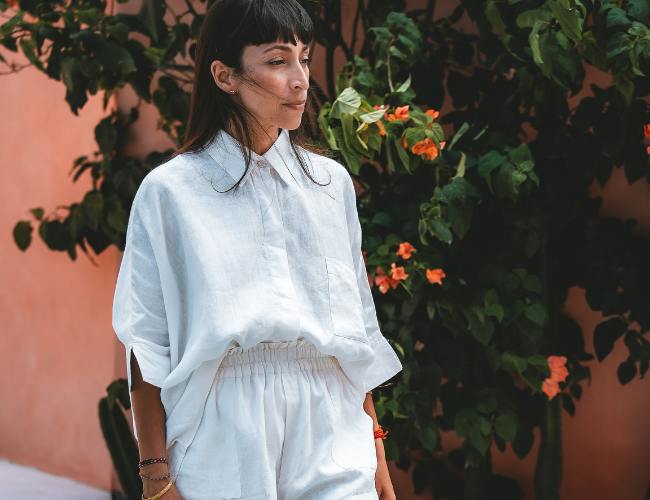
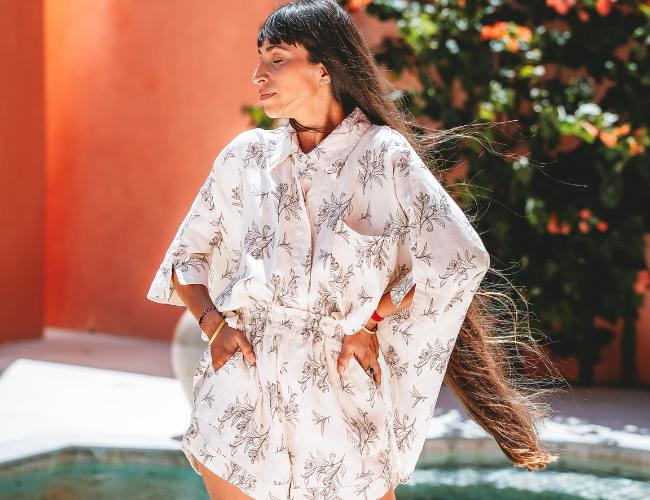
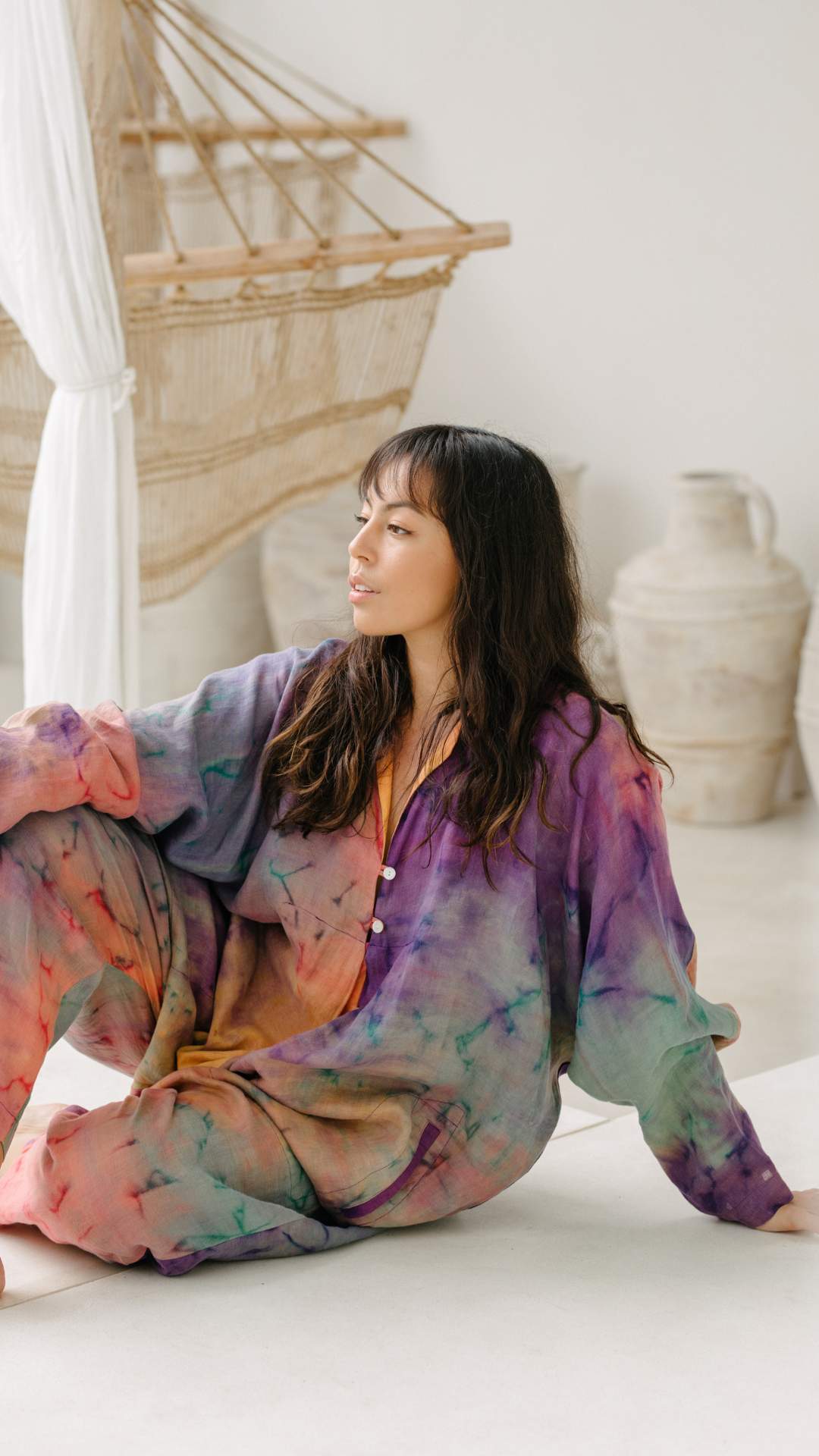
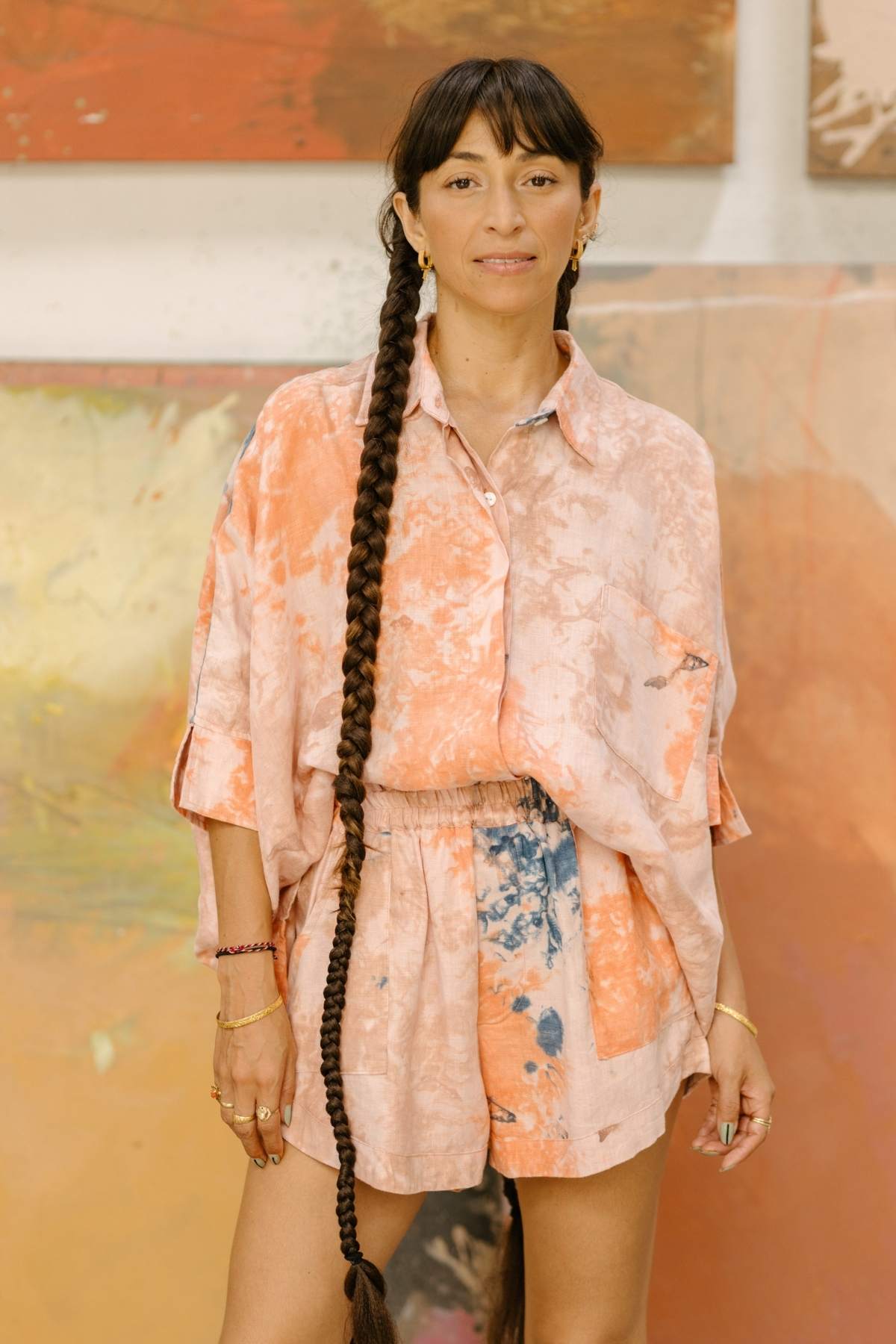
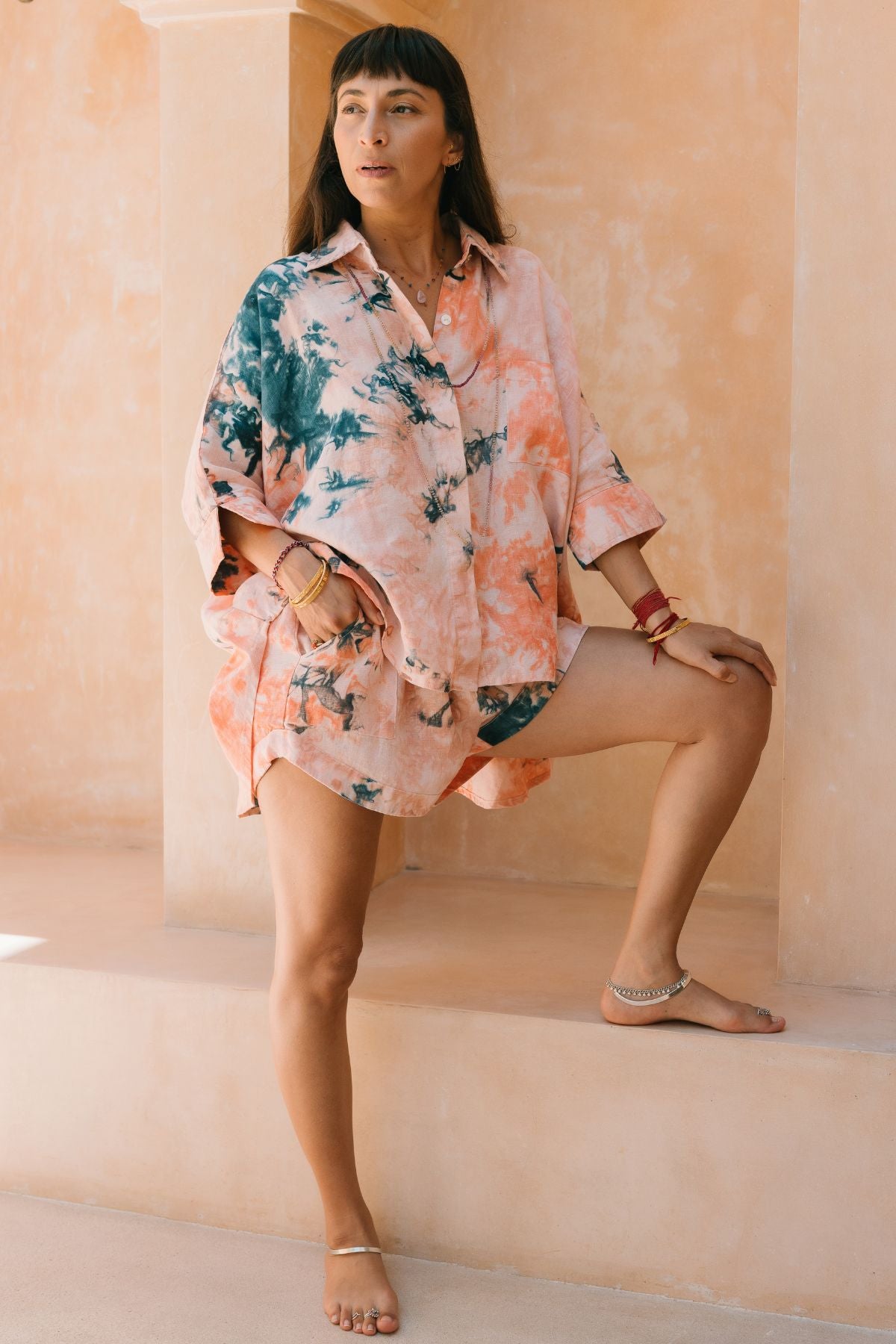
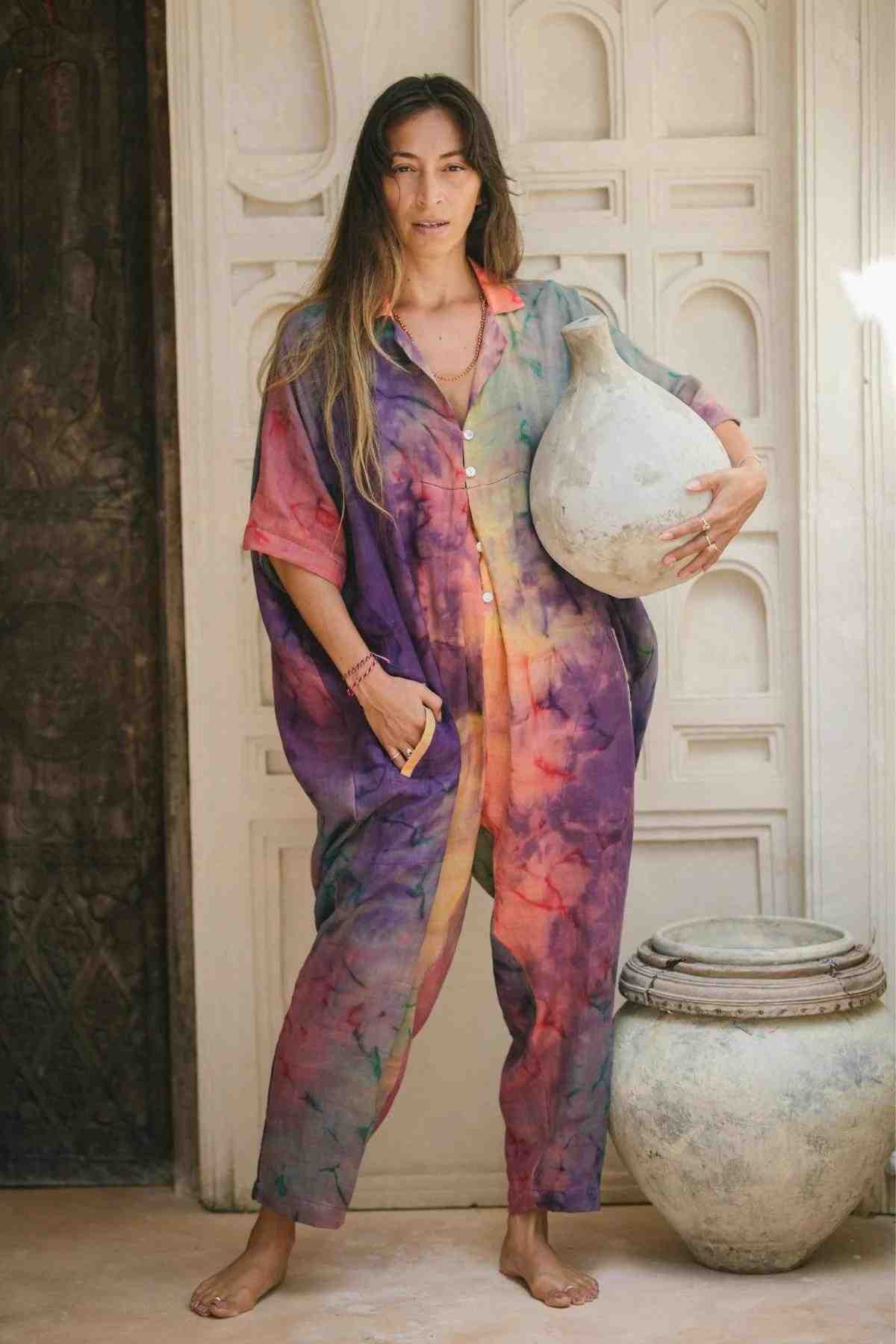
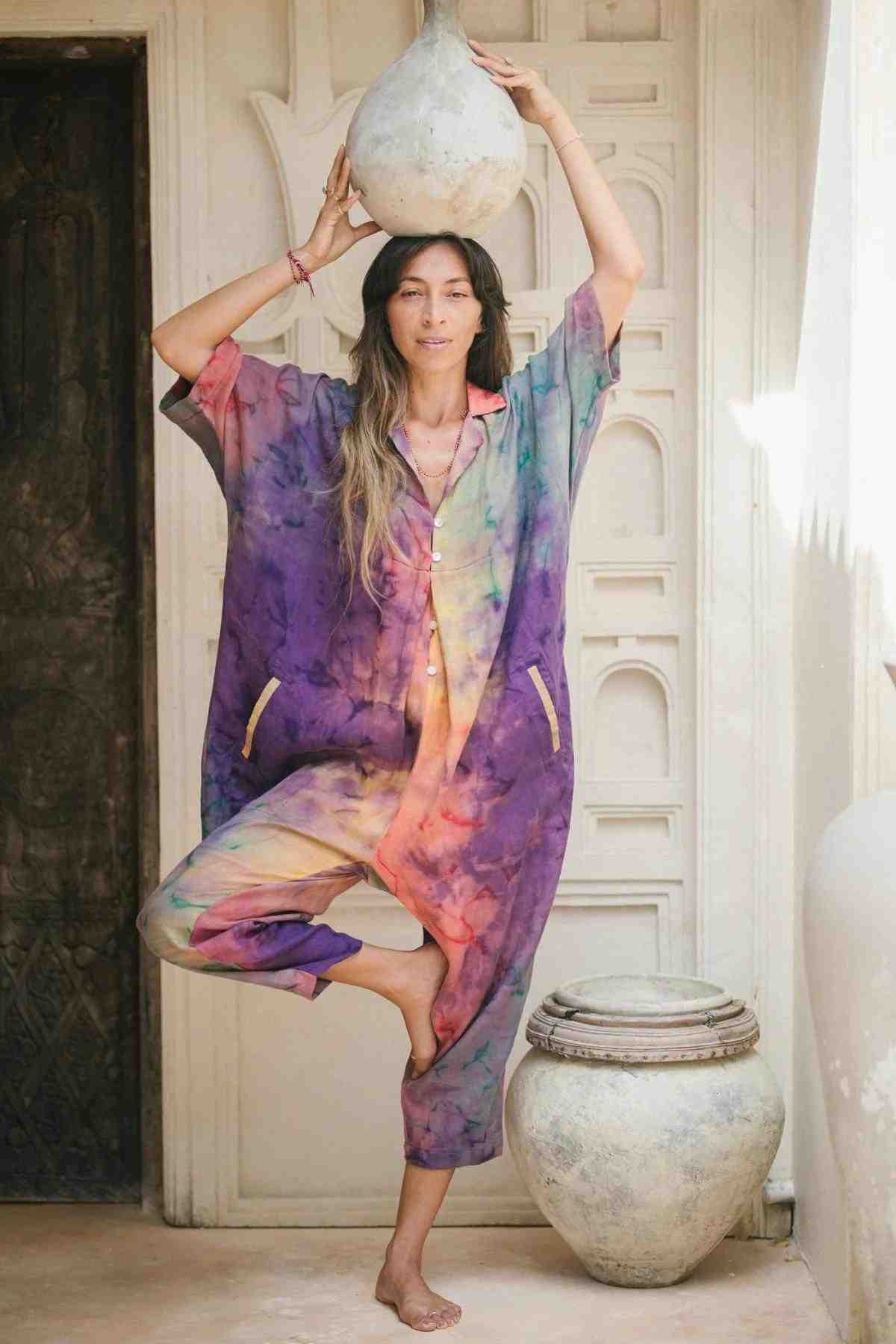
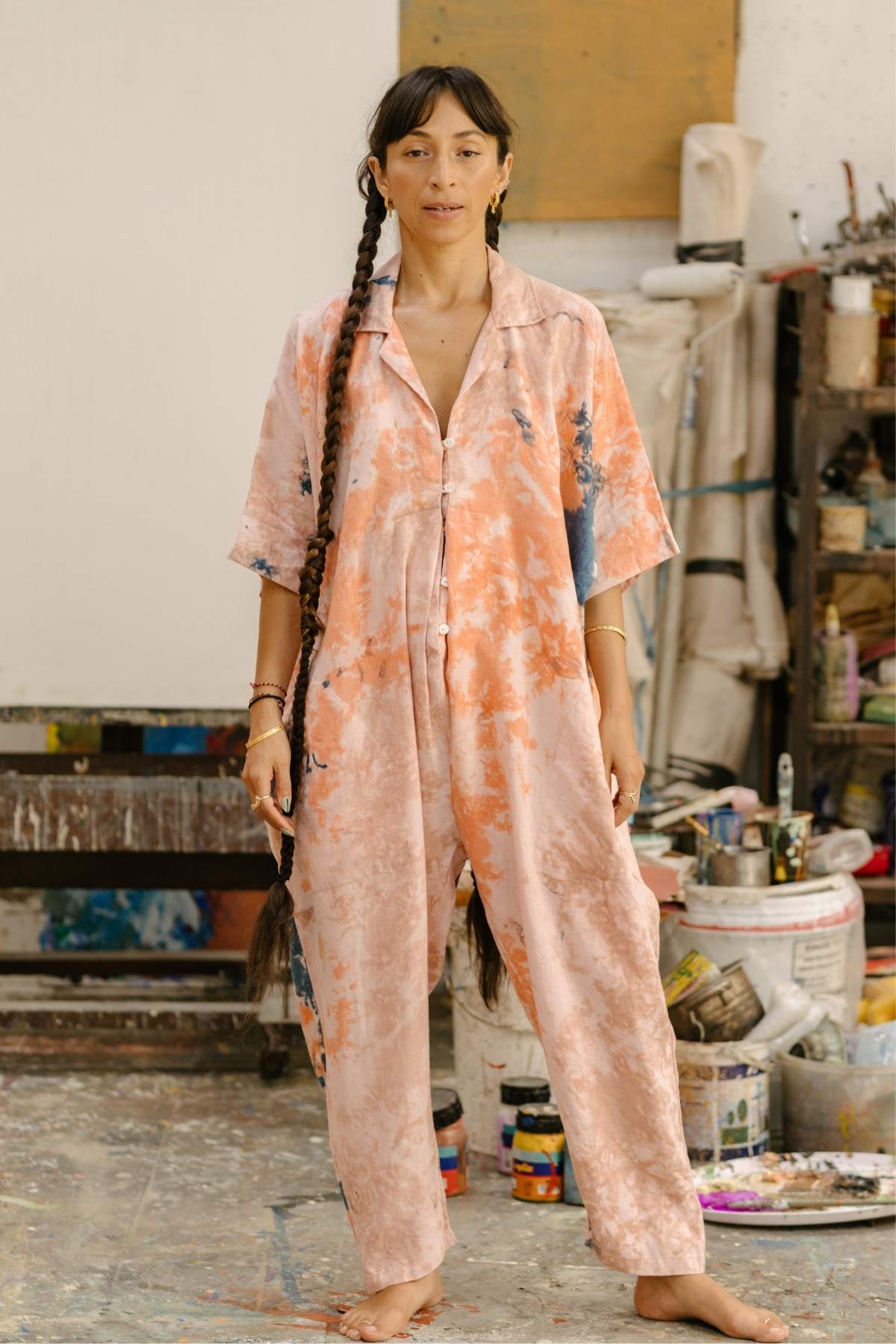
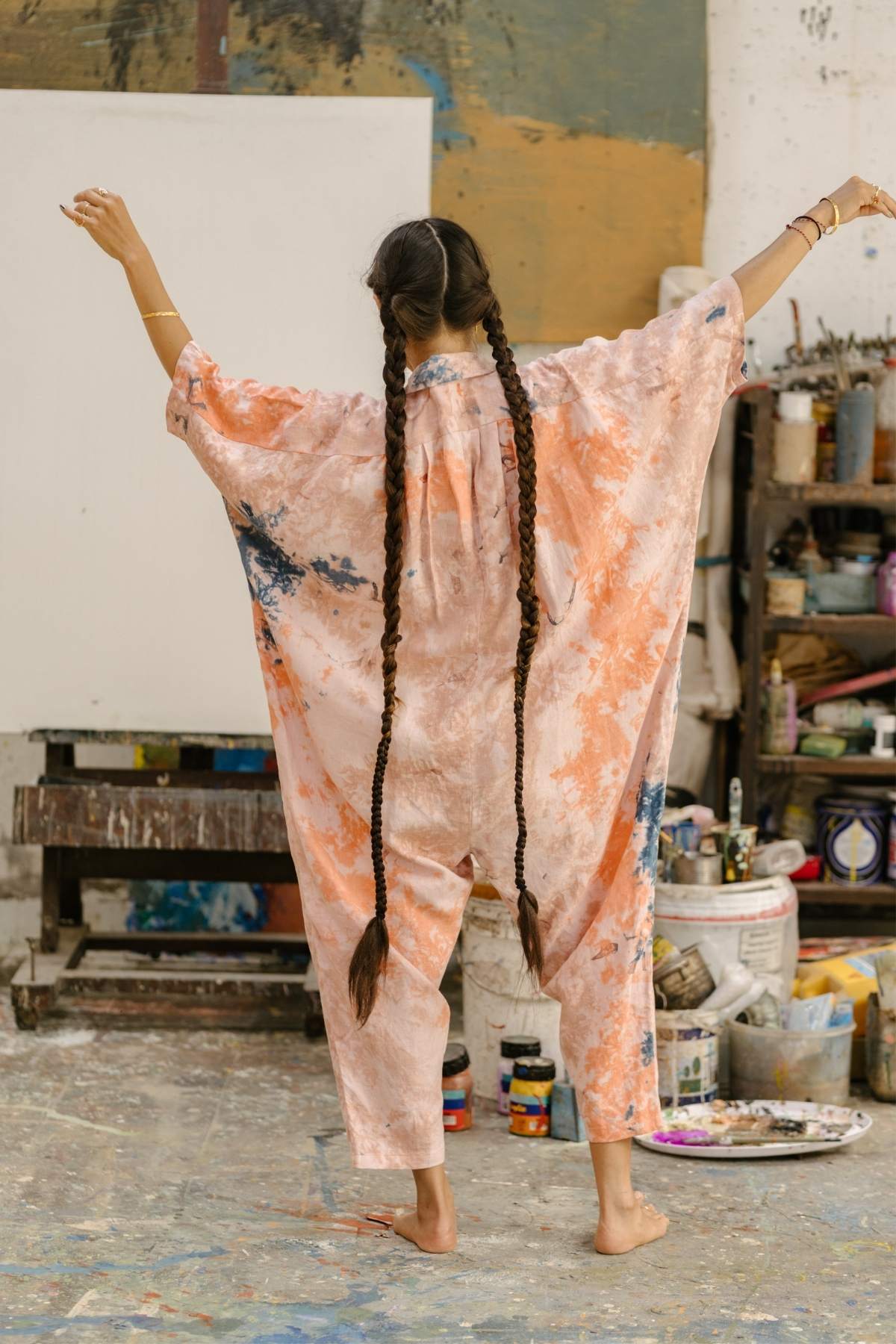
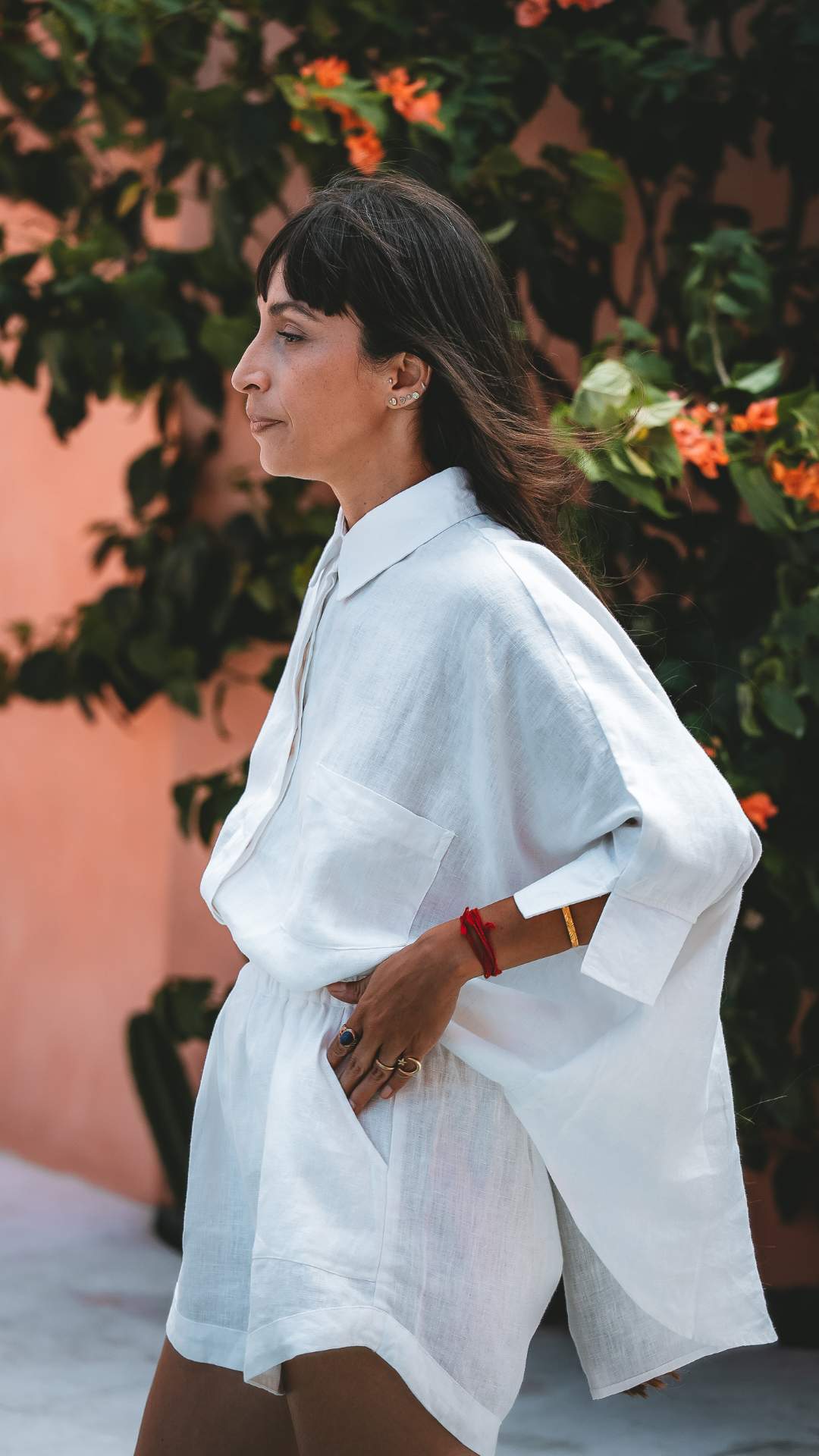
The Sat Torri Rainbeau Playsuit illustrates the practice literally. No two are exactly alike. The botanical dye process means each piece is singular, marked by the specific conditions of the dye bath it came from, the day it was made, the hands that handled it. The woman who receives one receives something that was never made for anyone else, even though the pattern is the same.
This singularity is not a sales point. It is the natural result of working with natural materials in an honest process. The variation is the evidence of the practice. A practice that could be scaled to produce consistent color across thousands of units would not be this practice. The variation is what proves it is real.
When the outside finally matches the inside, something releases. Women describe it as coming home to themselves. The piece that feels like who they already are rather than who they are trying to become. That is what conscious fashion produces when it is a practice rather than a position, not a statement but a correspondence. Between the maker and the wearer. Between what the brand believes and what the garment does. Between what the woman knows is true and what she finally allows herself to wear.
Conscious fashion is not about buying better. It is about knowing more clearly what you are buying and why, until eventually the why becomes so clear that the what takes care of itself.
With love from Bali,
Myrah.
|
A Piece for This Threshold The Sat Torri Rainbeau Playsuit. No two exactly alike. Botanical dye. Handcrafted in Bali. The piece that does not announce the practice. It is the practice, made wearable. |

|
The Muse-Letter Dress for the woman you’re becoming. Every week from Bali. Astrology, slow living, sacred feminine, and the pieces we make by hand. A letter, not a sales pitch. Unsubscribe any time. No spam, ever. |



Leave a comment
This site is protected by hCaptcha and the hCaptcha Privacy Policy and Terms of Service apply.