Sustainable Dresses That Are Actually Sustainable: What to Look For and Why It Matters
There is something so special about this brand. All the items I carry have such a peaceful, loving energy.
That is a real sentence from a real woman who owns multiple pieces. She is not describing a price point or a certification. She is describing an experience of garments that are genuinely different from everything else in her wardrobe, and she is attributing that difference, correctly, to something that precedes the aesthetics.

Sustainable dresses that are actually sustainable are rare. The word has been borrowed by so many brands that its content has been drained. What it means, stripped of marketing, is a dress whose production did not externalize its true costs onto the people who made it, the environment they made it in, or the planet that will eventually need to absorb it.
The Three Questions That Reveal Whether a Dress Is Actually Sustainable
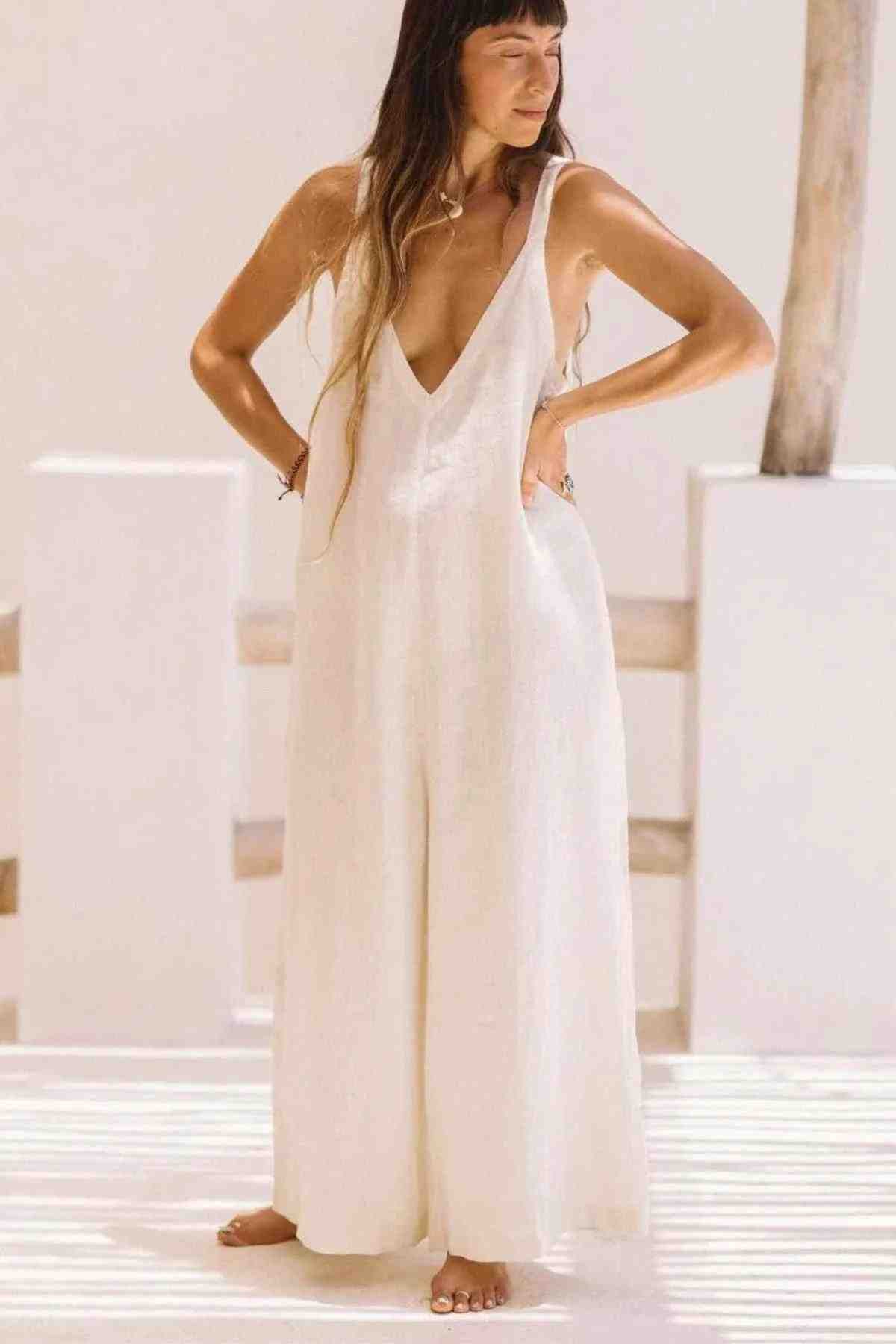
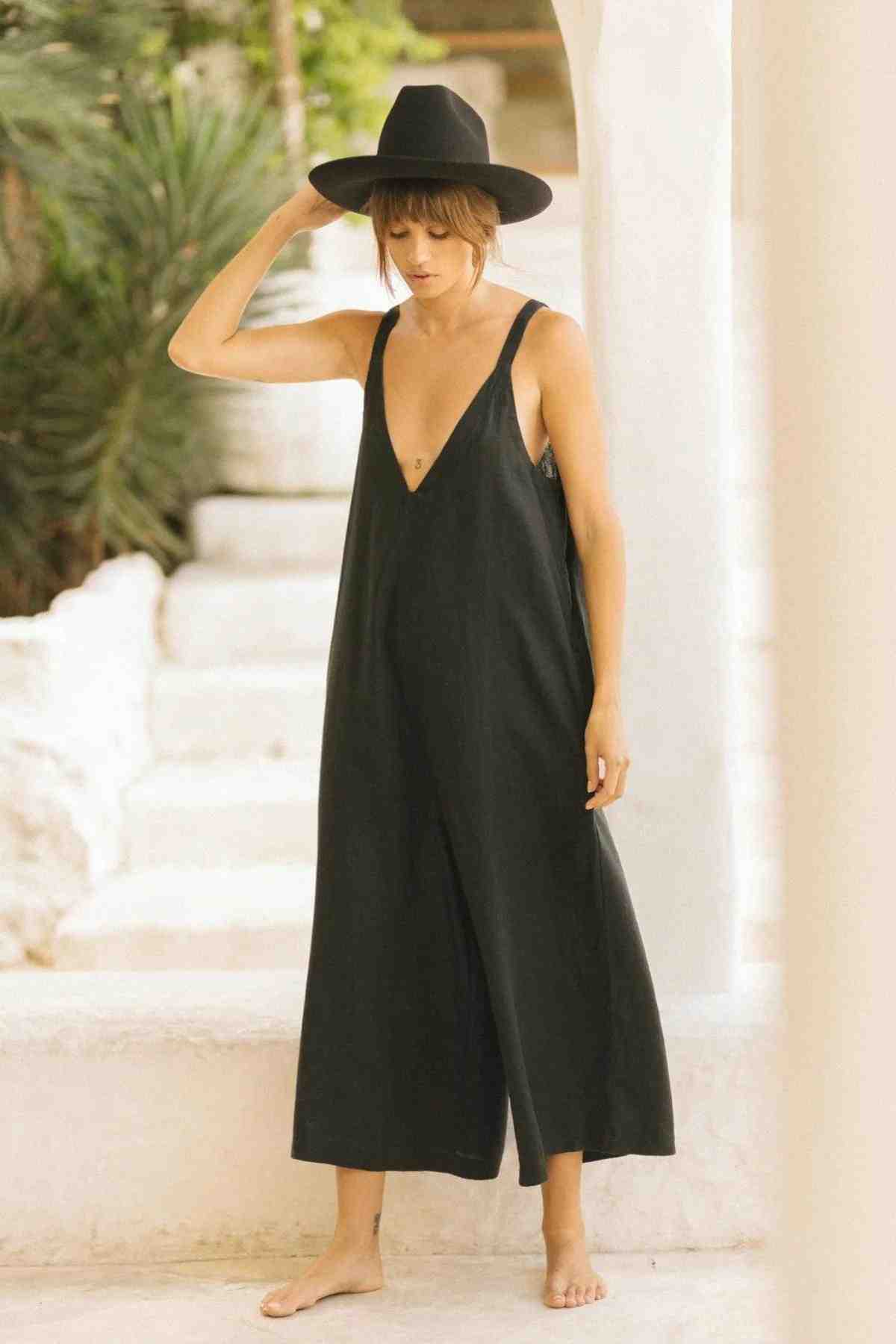
The material is the first question. Natural fiber or synthetic? Synthetic fiber is derived from petroleum. It does not biodegrade. When washed, it sheds microplastics into waterways at a rate of hundreds of thousands of particles per wash cycle. At end of life, it contributes to the textile waste problem permanently. Natural linen and cotton biodegrade. They return to the earth as cleanly as they came from it.
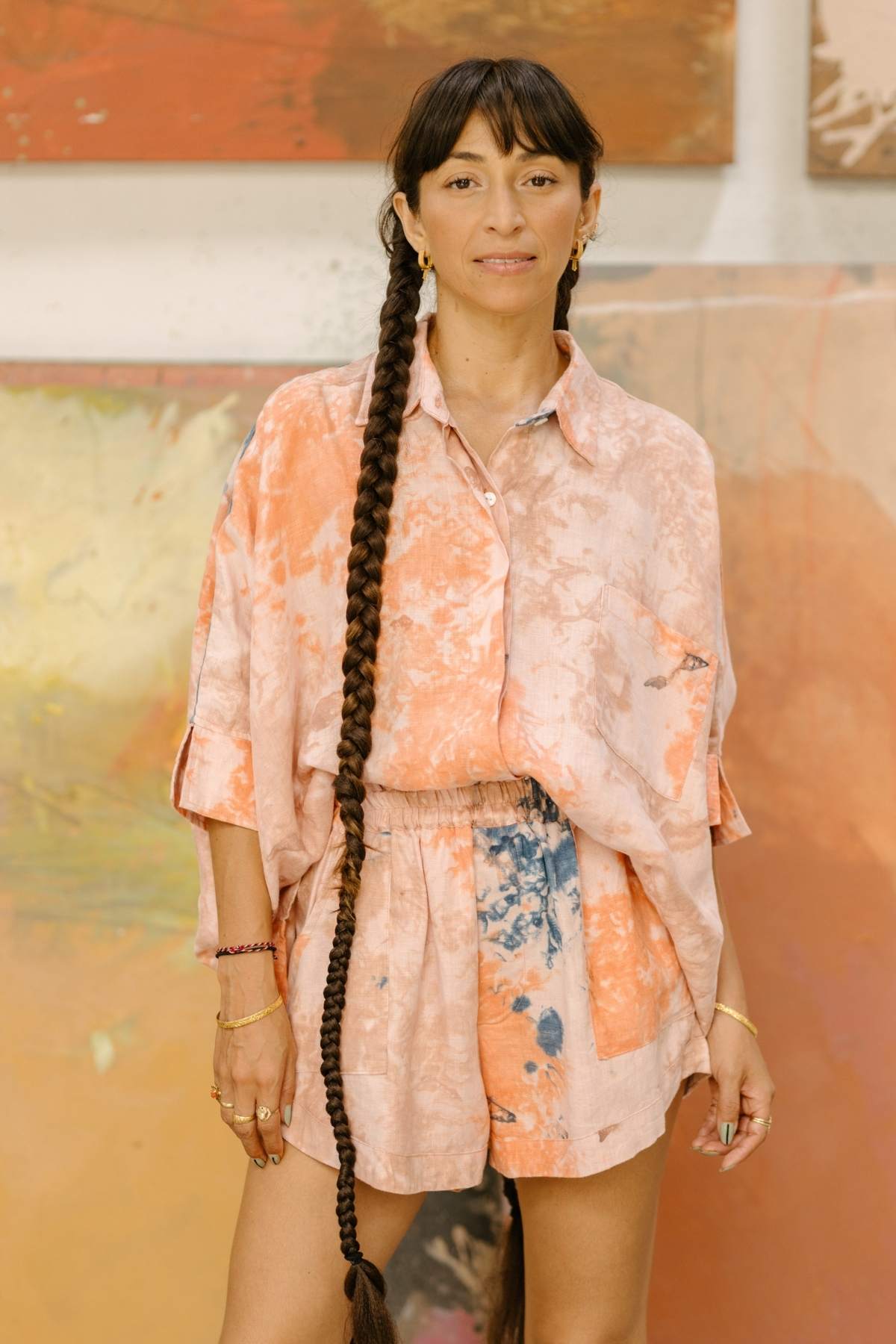
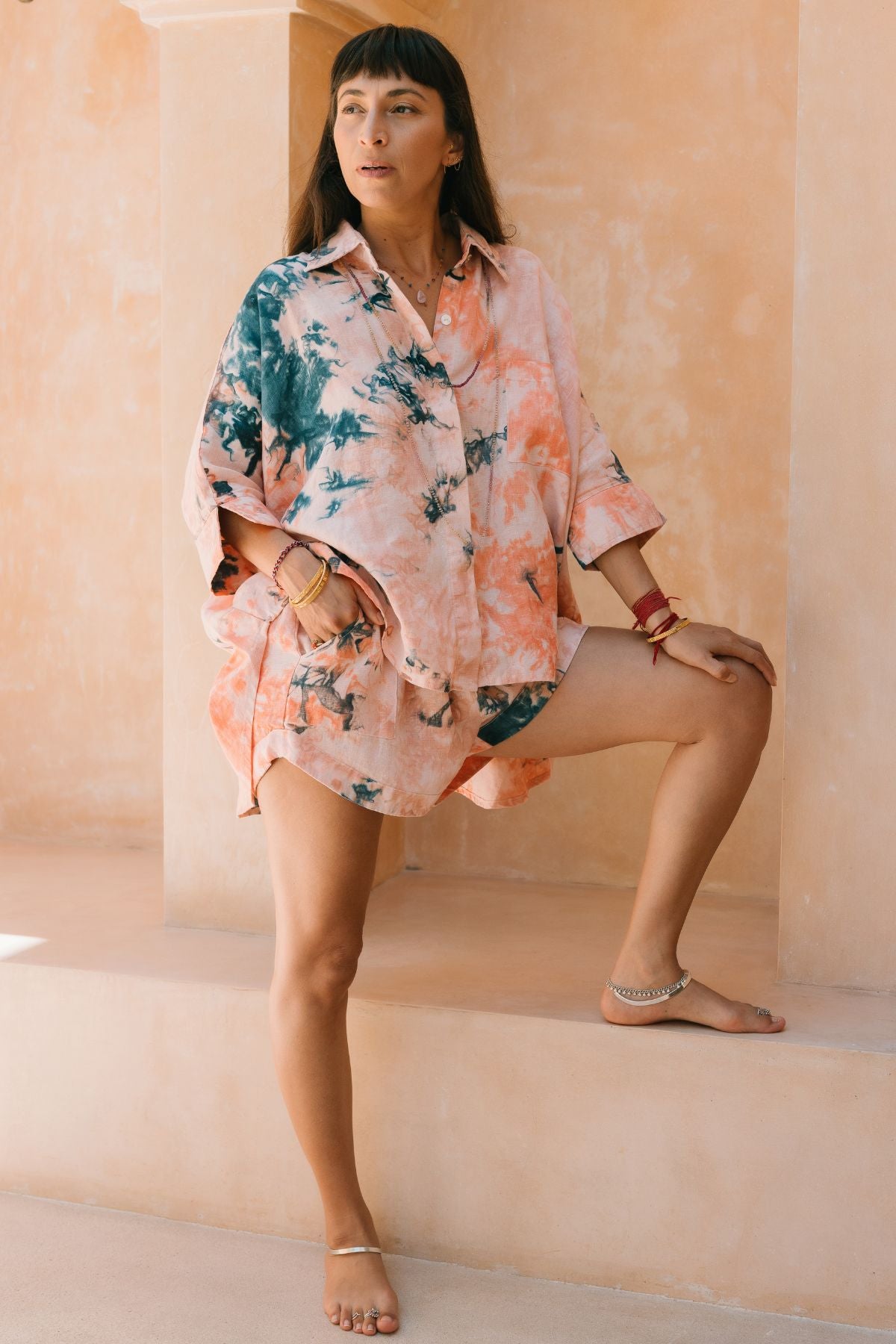
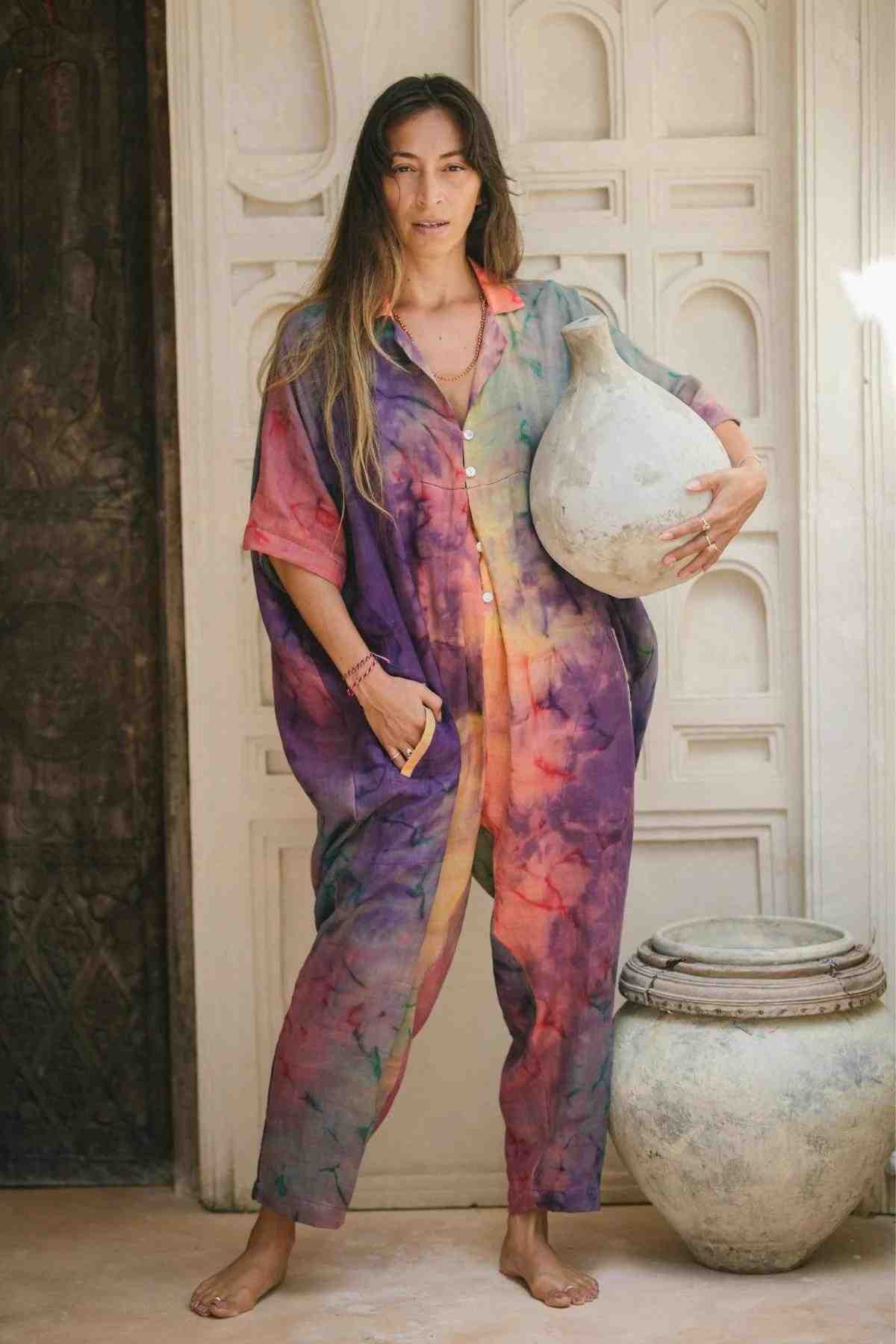
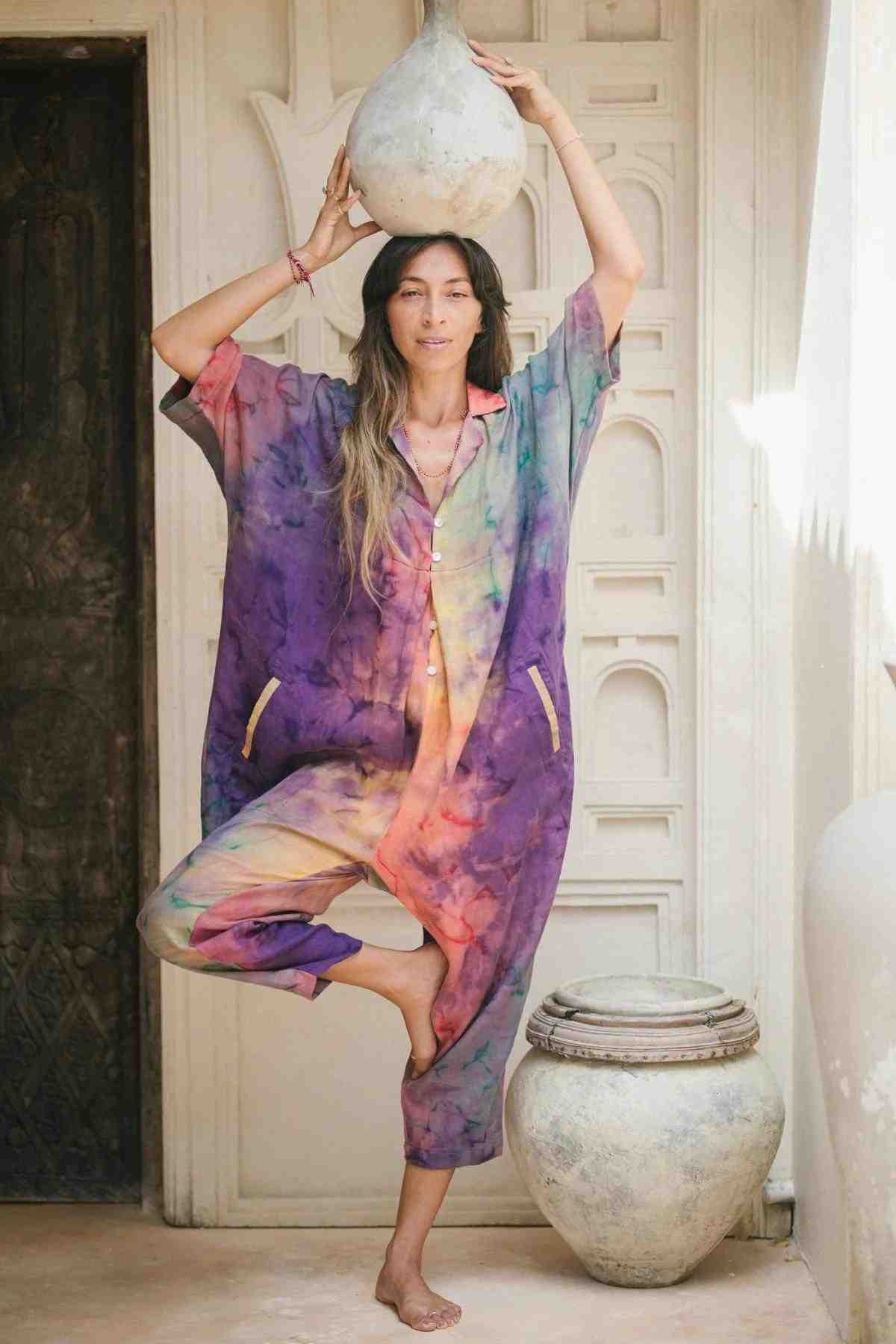
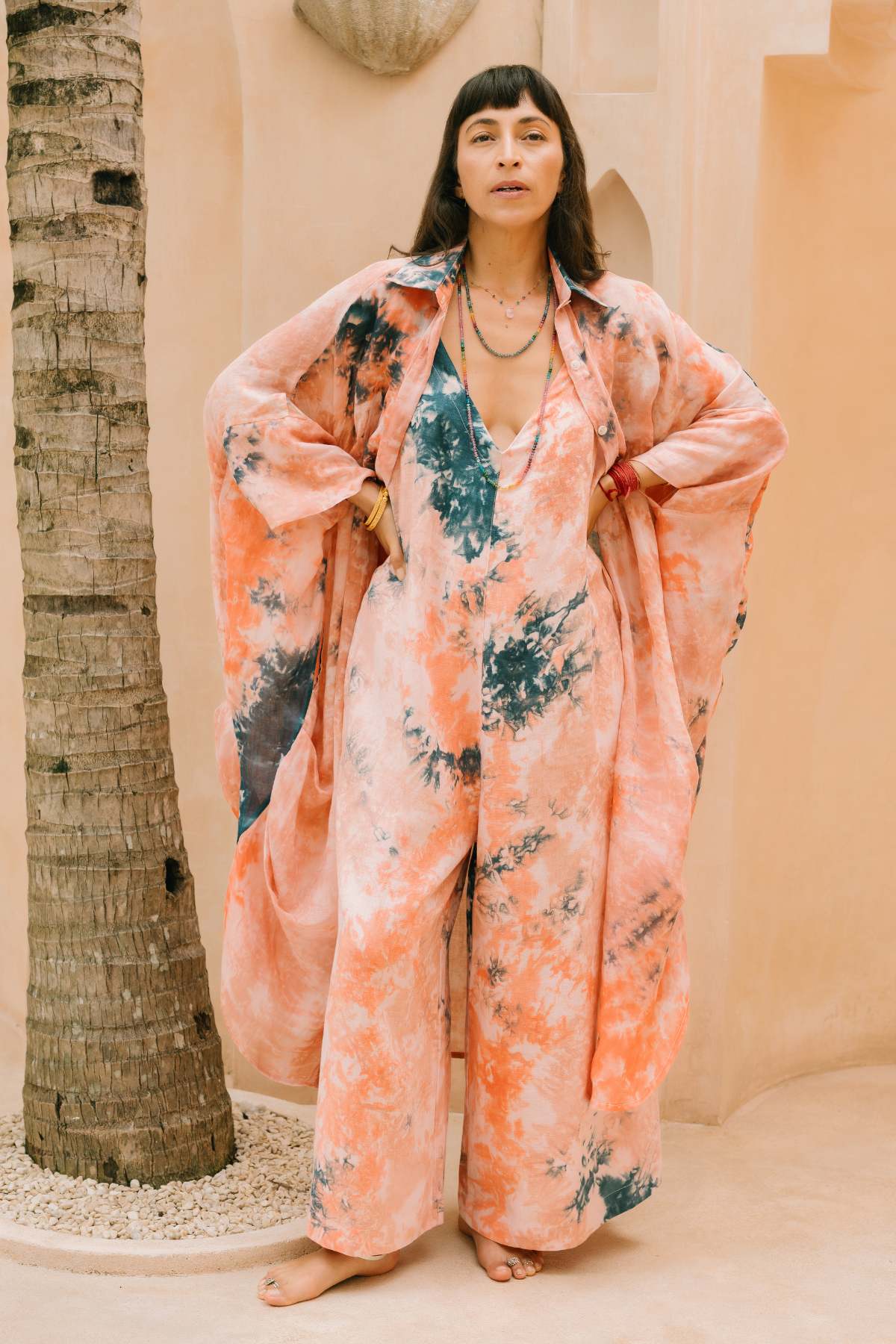
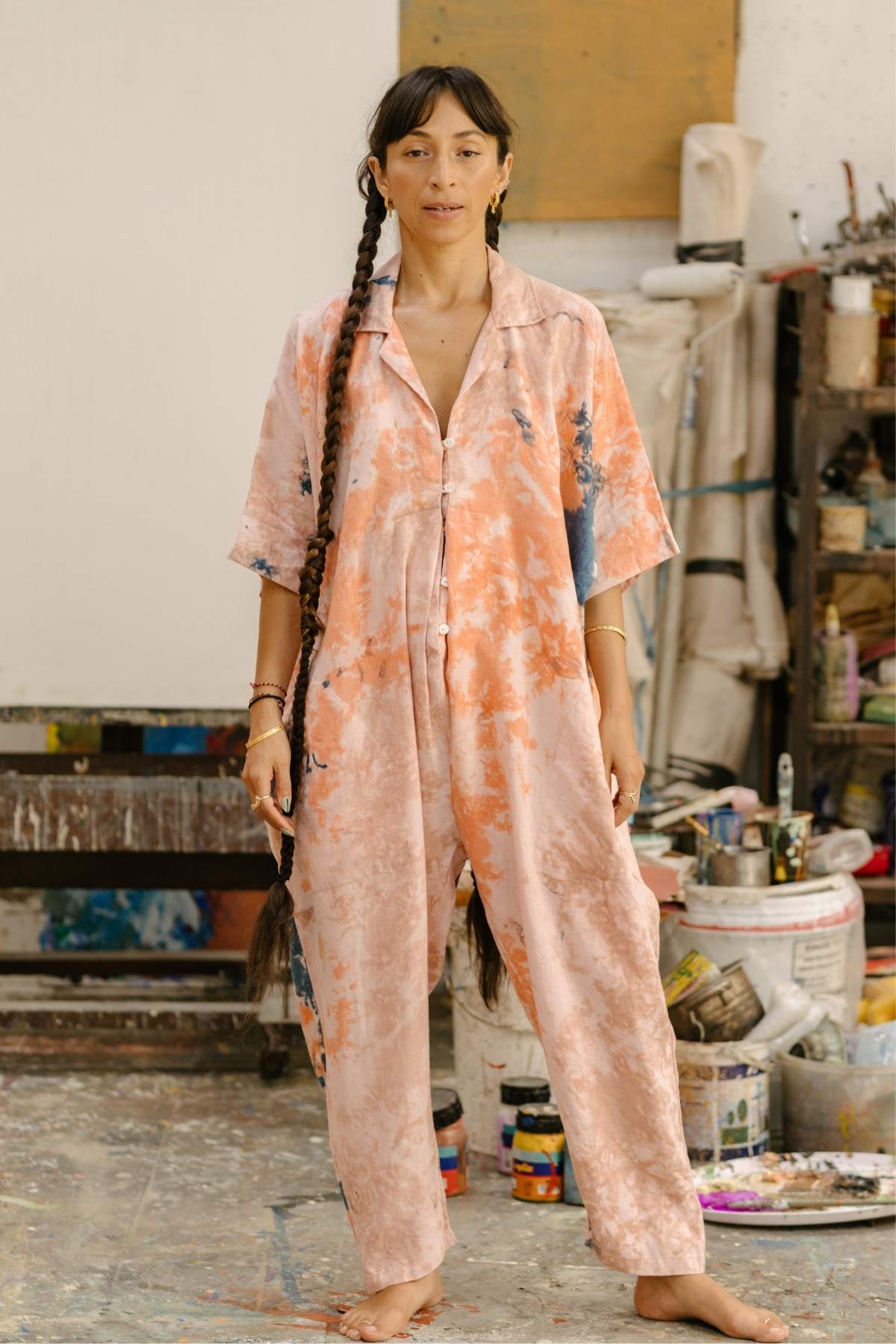
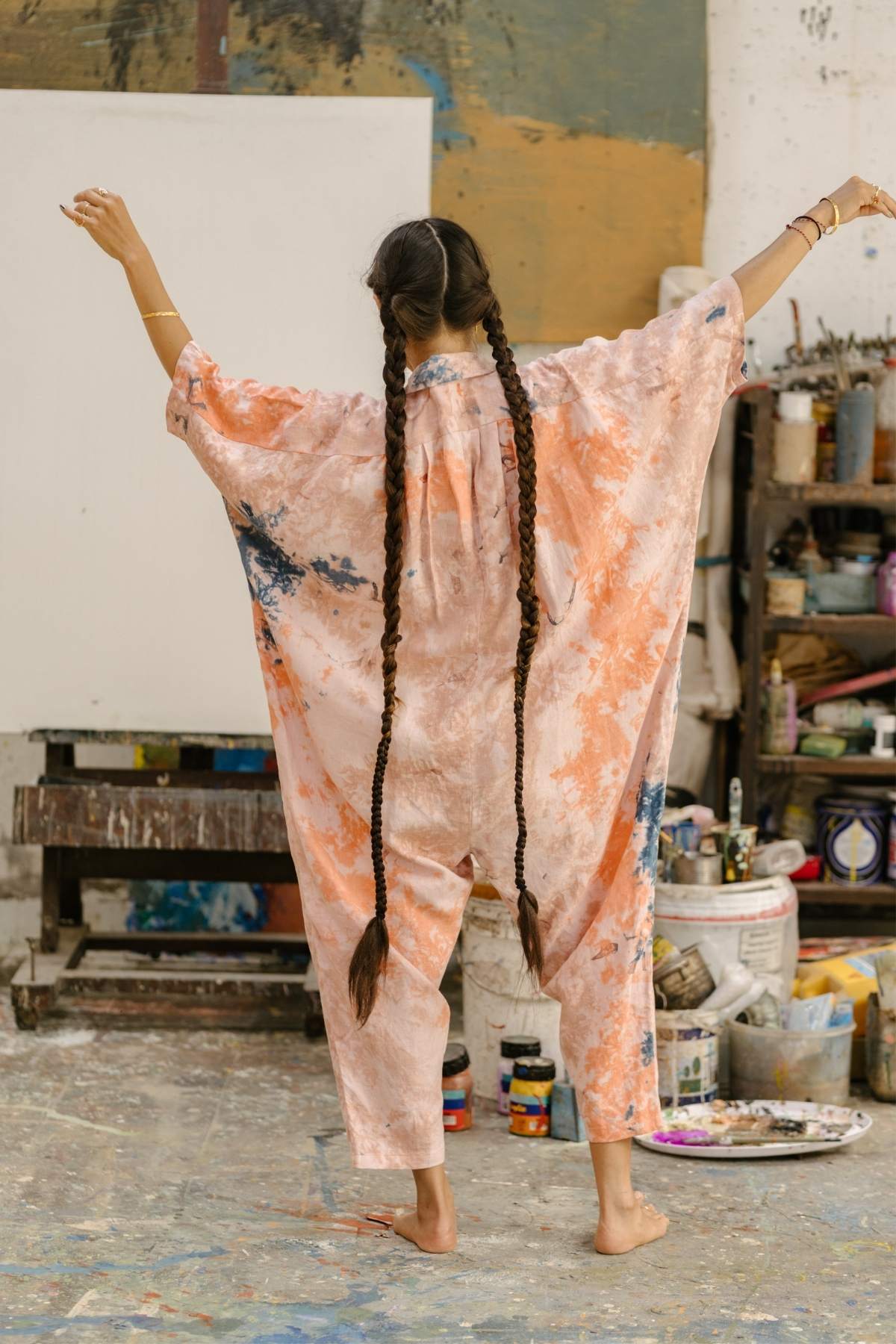
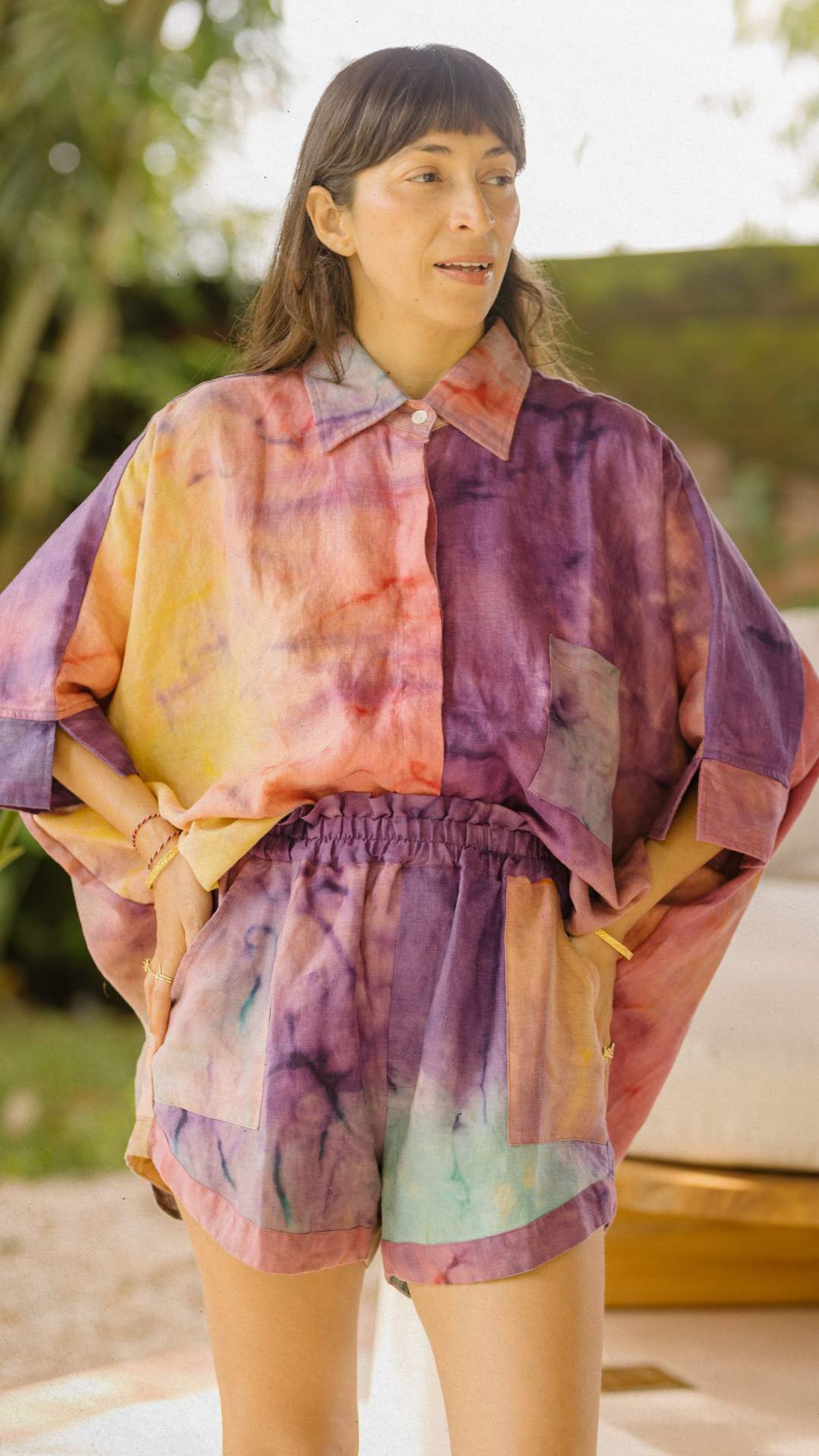
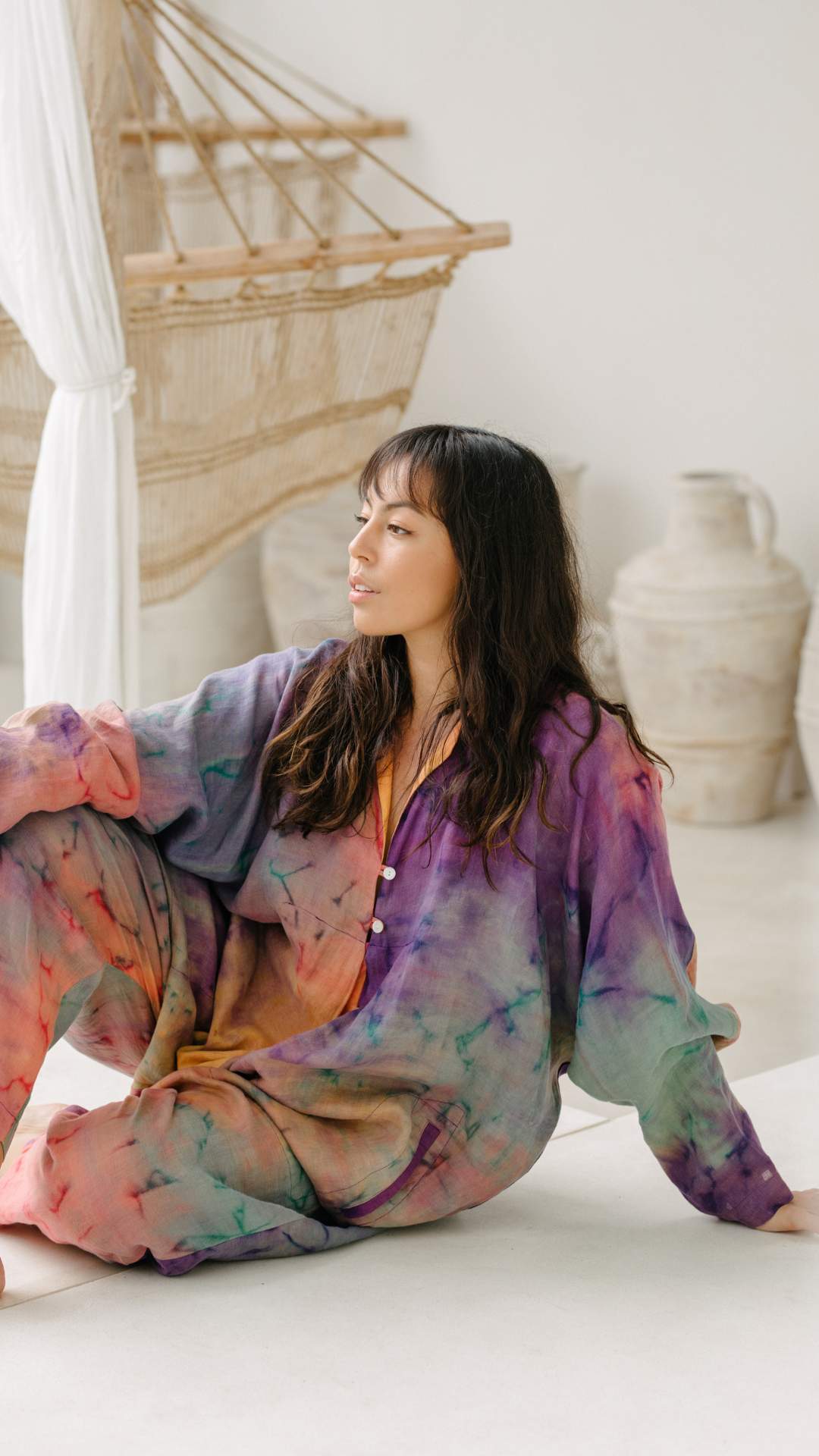
The dye is the second question. Synthetic chemical dyes are among the most toxic industrial pollutants associated with fashion production. The wastewater from synthetic dyeing operations in major textile manufacturing countries has contaminated rivers and groundwater at scale that is only now being fully documented. Botanical dyes return to the earth as cleanly as the plants they came from. The difference between a botanically dyed dress and a synthetically dyed one is not aesthetic. It is chemical, environmental, and deeply meaningful to the ecosystems adjacent to where it was made.
The labor question is the third, and it is not separable from the sustainability question. A dress made in conditions of labor exploitation is not a sustainable dress regardless of how its fiber is certified. The full cost of the garment has simply been transferred to the person who made it rather than included in the price.
What Actually Sustainable Looks Like
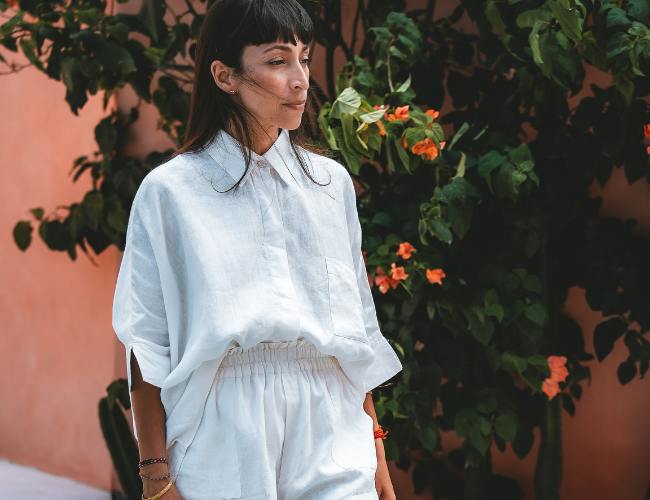
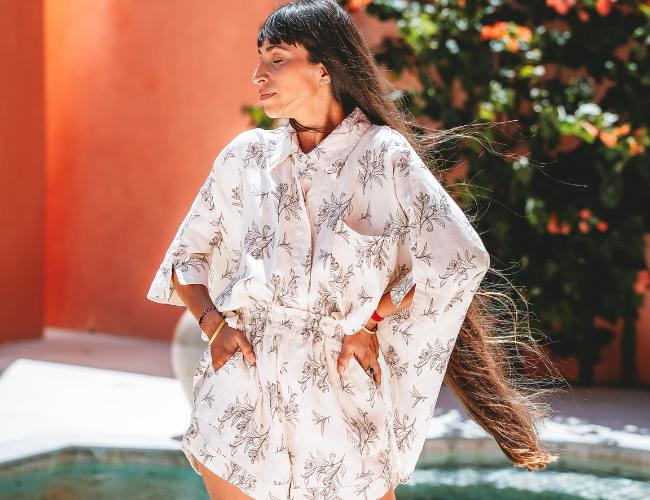
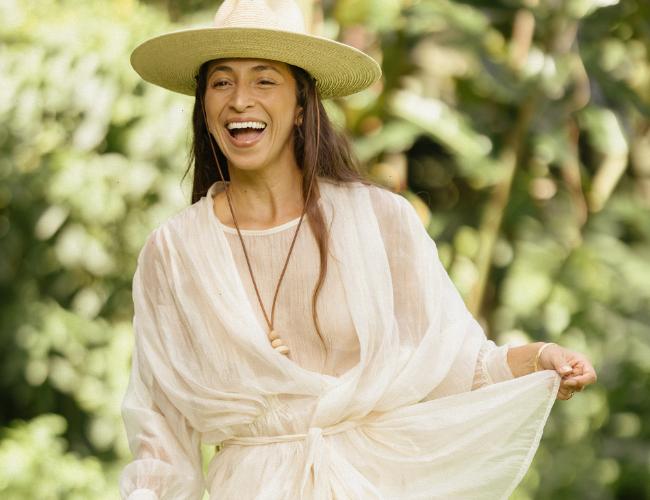
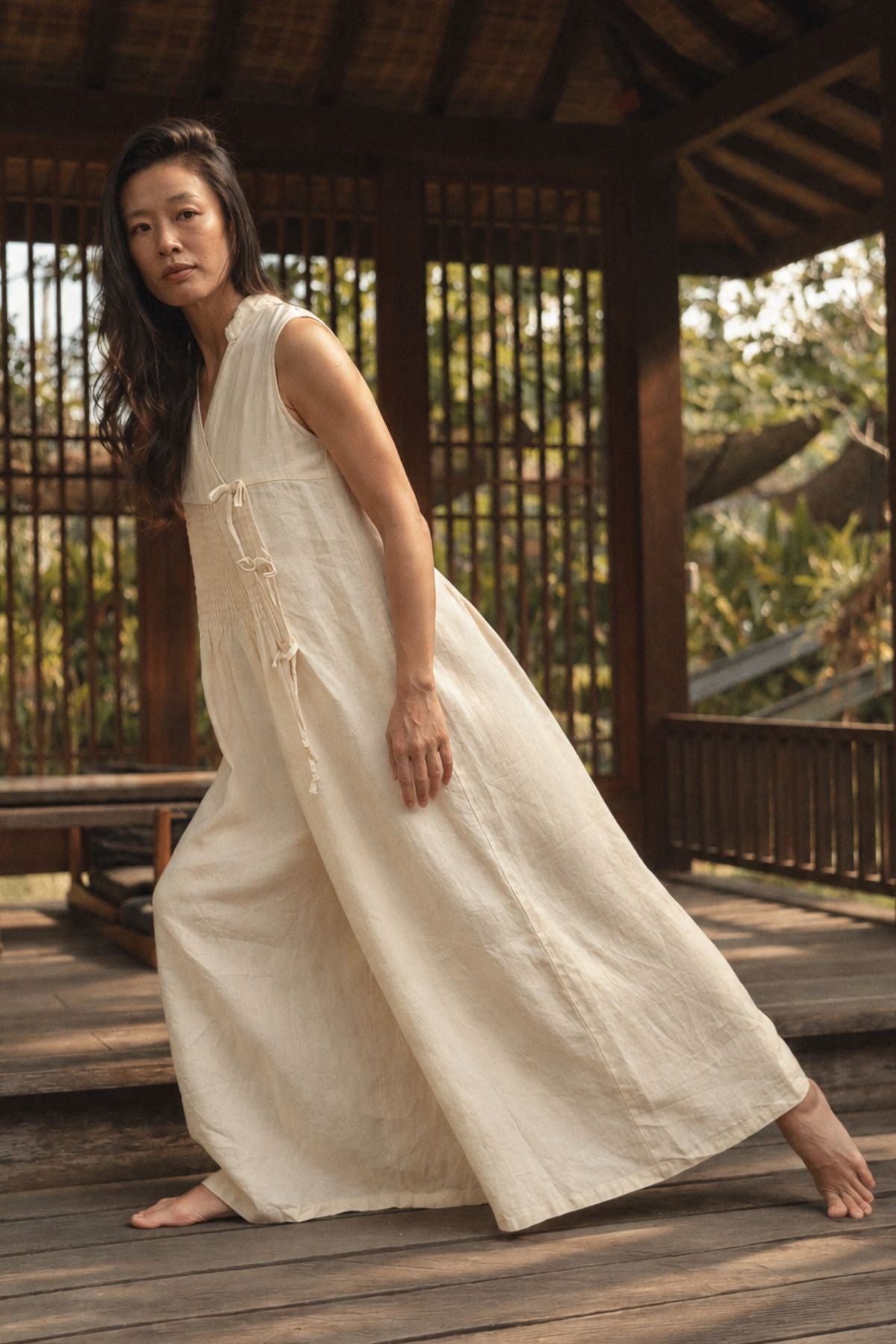
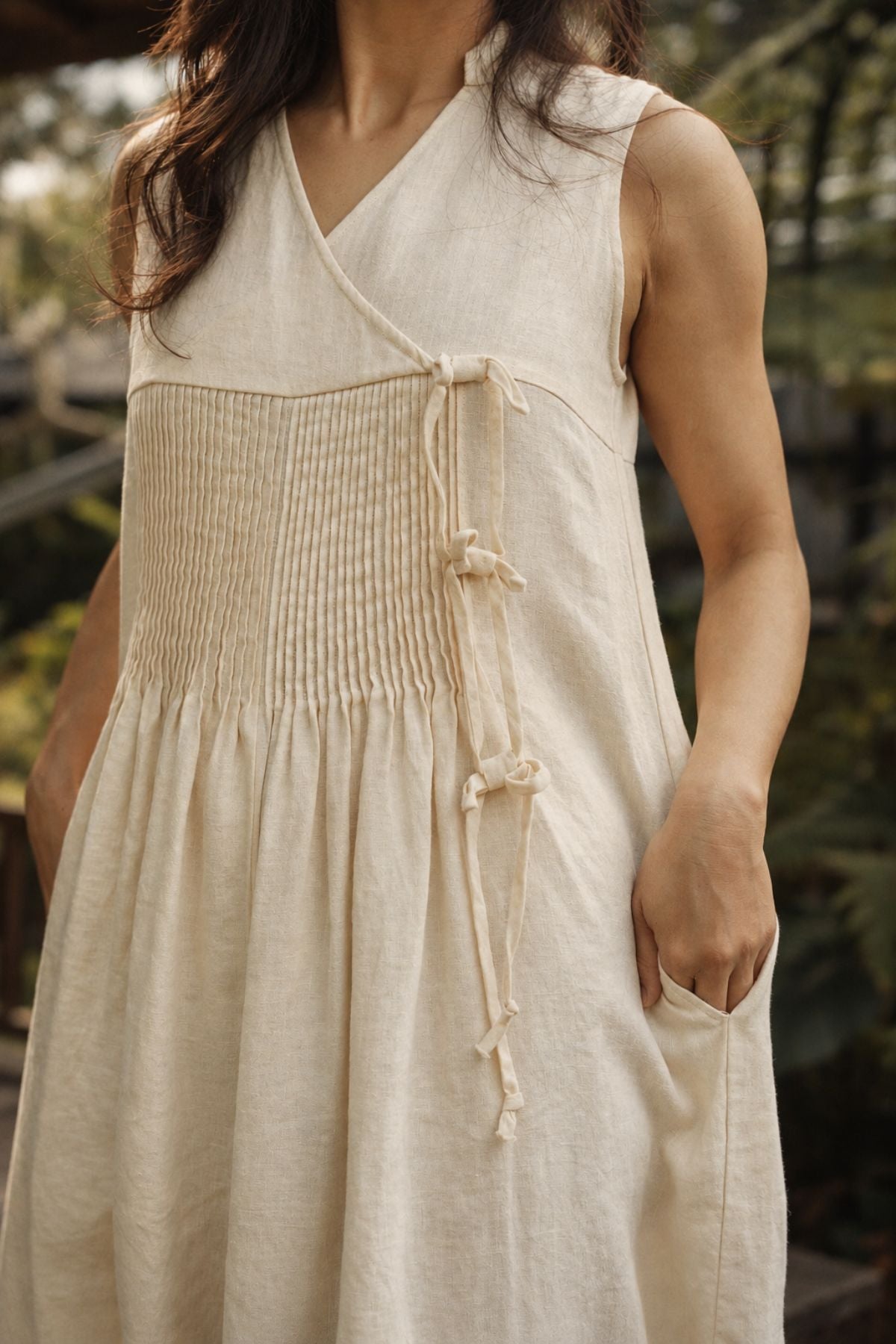
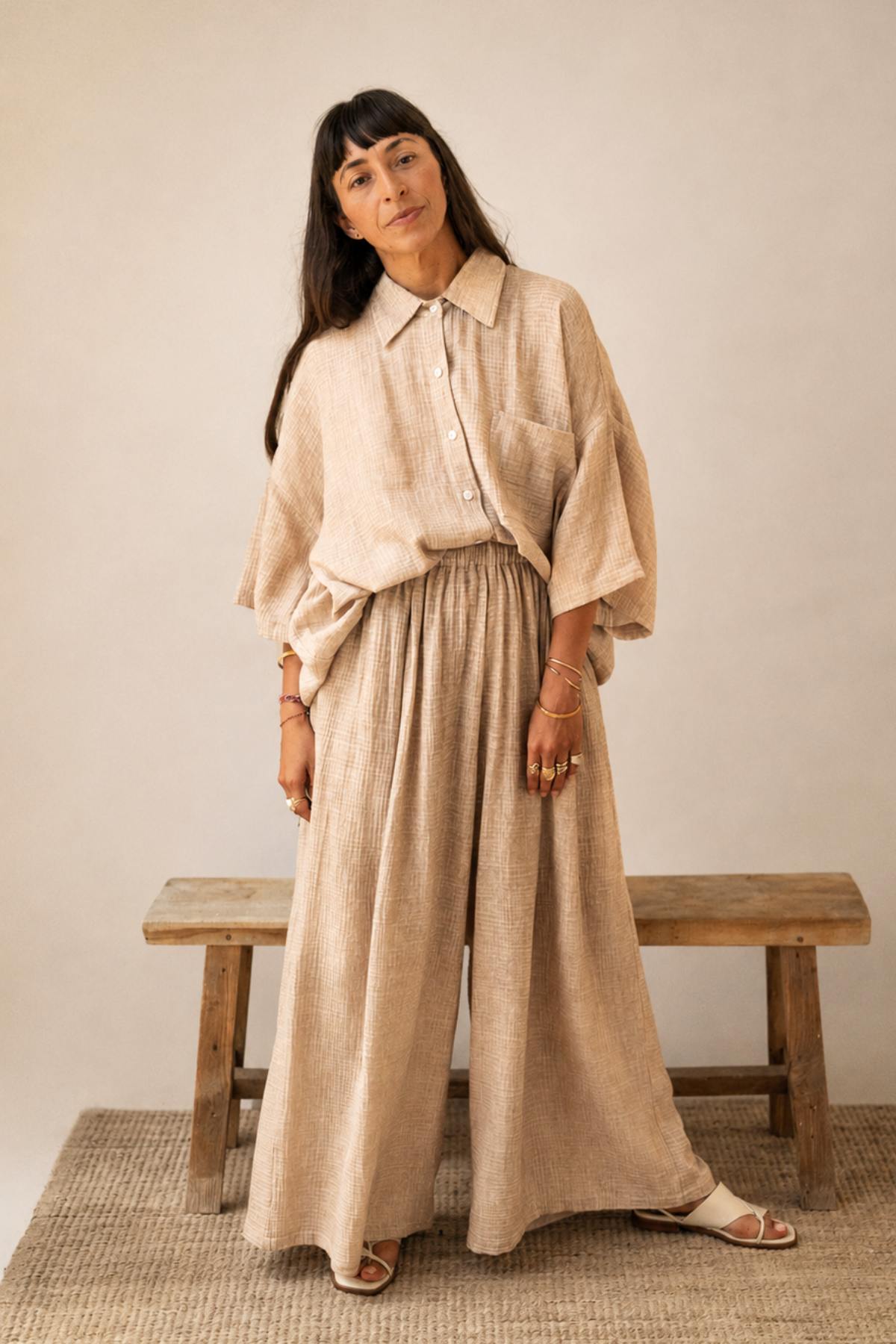
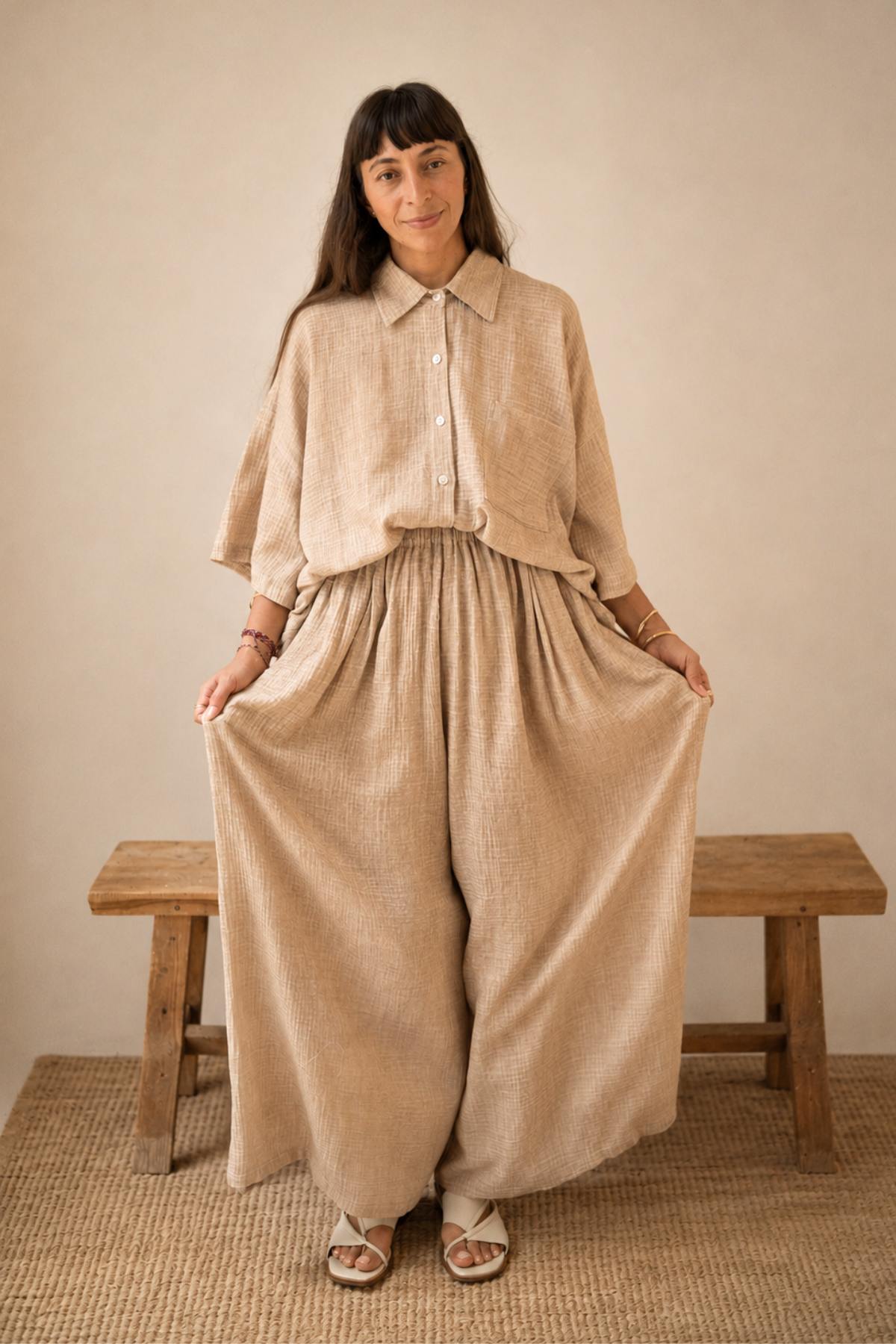
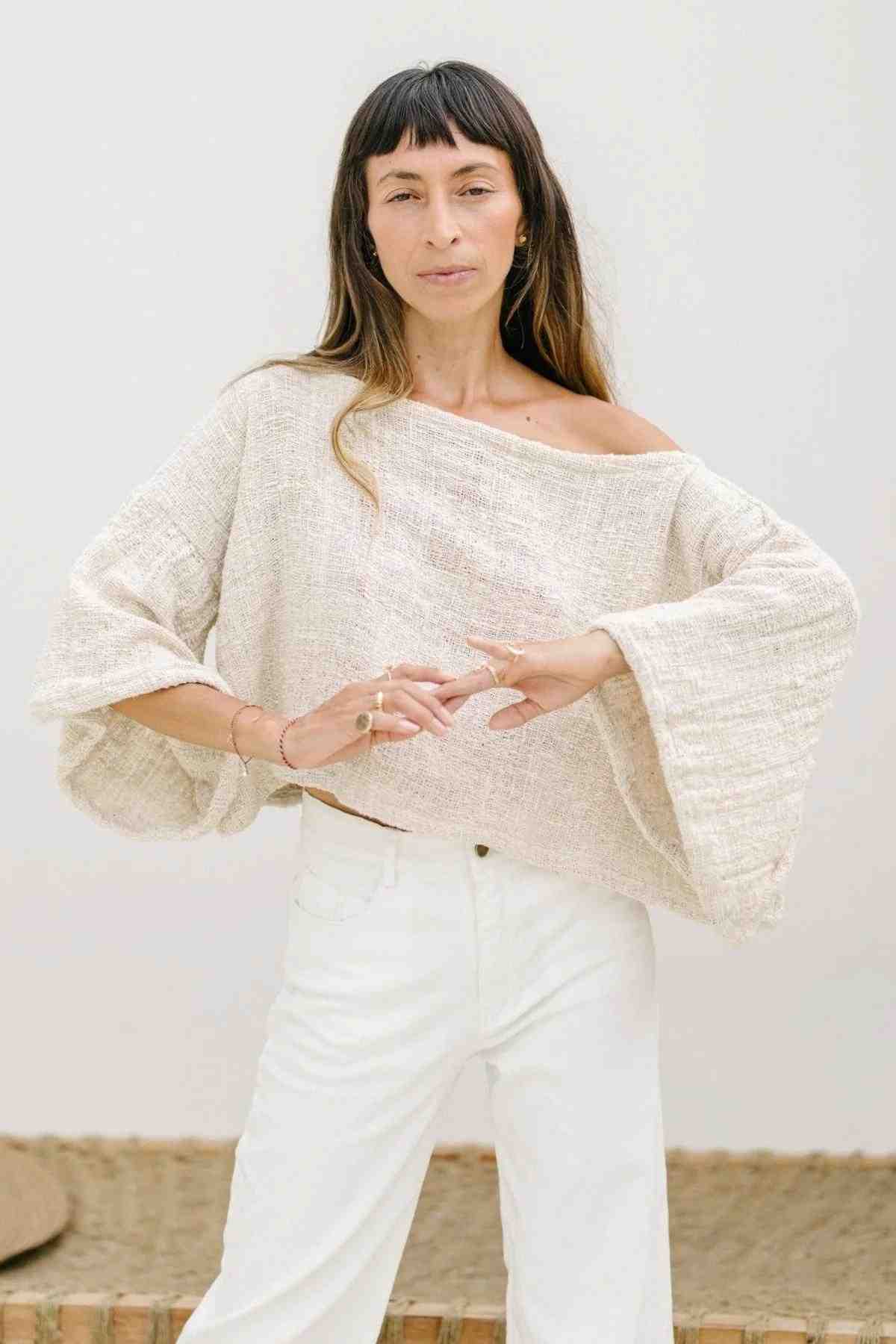
At Myrah Penaloza, the answers to all three questions are available and verifiable. Natural linen. Botanical dye. Thirty artisan families paid living wages, working from their own homes and small workshops they own, producing each piece by hand from beginning to end. The supply chain is not a certification claim. It is a set of relationships that have been built and maintained over years and that we are accountable for at every point.
The consequence of this is a higher price than what you would pay for a synthetically dyed polyester dress from a brand using the sustainability vocabulary without the substance. The difference in price is the difference between a garment that has internalized its true costs and one that has externalized them onto workers, waterways, and future landfill. Both prices are real. One of them is just honest about who is paying.
What It Feels Like When You Put It On
The women who own our dresses describe something that goes beyond fit or flattery. They describe a settling. Something in the nervous system that recognizes the material as honest and responds accordingly. Linen breathes. It regulates temperature. It is naturally antibacterial. A dress made from this fabric, by hands that cared about what they were doing, is a genuinely different experience than one made from petroleum derivatives in a production line, however beautifully both may be cut.
That difference is felt immediately by women who have developed the sensitivity to it, and discovered gradually by women who are encountering it for the first time. Either way, once felt, it becomes difficult to unfeel. The body knows what it is wearing. It has always known. Most fashion has simply asked it to ignore what it knows.
A sustainable dress is not one with a sustainability claim. It is one whose full story, from soil to seam to the skin of the woman wearing it, contains nothing that anyone involved needed to look away from.
With love from Bali,
Myrah.
|
A Piece for This Threshold The Virgo Moon Kaftan. Natural linen. The question has changed from what does this say about me to what does this do to me. The answer: it settles you. It holds you. It asks nothing and gives everything back. |

|
The Muse-Letter Dress for the woman you’re becoming. Every week from Bali. Astrology, slow living, sacred feminine, and the pieces we make by hand. A letter, not a sales pitch. Unsubscribe any time. No spam, ever. |


Leave a comment
This site is protected by hCaptcha and the hCaptcha Privacy Policy and Terms of Service apply.