
The Healing Properties of Linen: What Your Skin, Your Sleep, and Your Nervous System Already Know
There is a moment, if you have ever worn linen, when you understand something that cannot be fully explained. The fabric settles on your shoulders. Your breathing slows. Something in your nervous system, some low hum of tension you had forgotten was there, releases.

This is not marketing language. It is what happens when a material that has been grown, retted, spun, and woven without interference from petrochemicals comes into contact with a body that is made of the same earth it came from.
At Myrah Penaloza, we have been making handcrafted linen clothing in Bali since 2015. We did not choose linen because it was fashionable. We chose it because it is honest. Everything we have learned since, from our artisan families, from the women who wear our pieces, from Ayurvedic and traditional medicine texts, has only deepened that knowing.
Here is what we understand about linen's healing properties, and what your body already knows.
What Linen Actually Is (And Why That Matters)
Linen comes from the flax plant, one of the oldest cultivated plants on earth. Flax has been grown for over 36,000 years. It requires very little water. It needs no synthetic fertilizers. The entire plant is used, roots to seed, which makes it one of the most complete and waste-free crops in the natural textile world.
The fibers themselves are hollow. This is not incidental. The hollow structure is what gives linen its temperature intelligence, its ability to keep you cool when it is warm and warm when it is cool. It is not a fabric doing its best. It is a fabric built for a body.
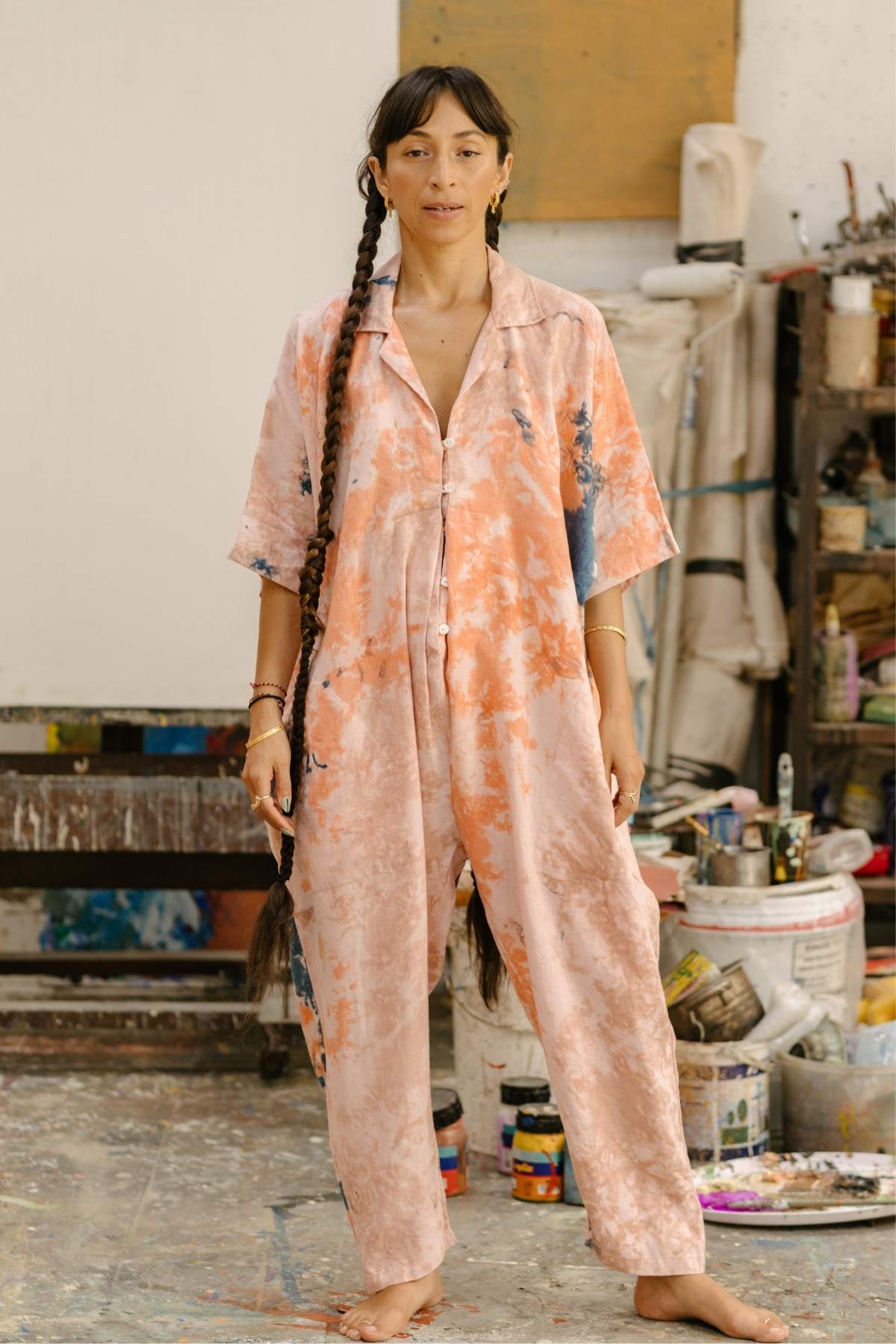
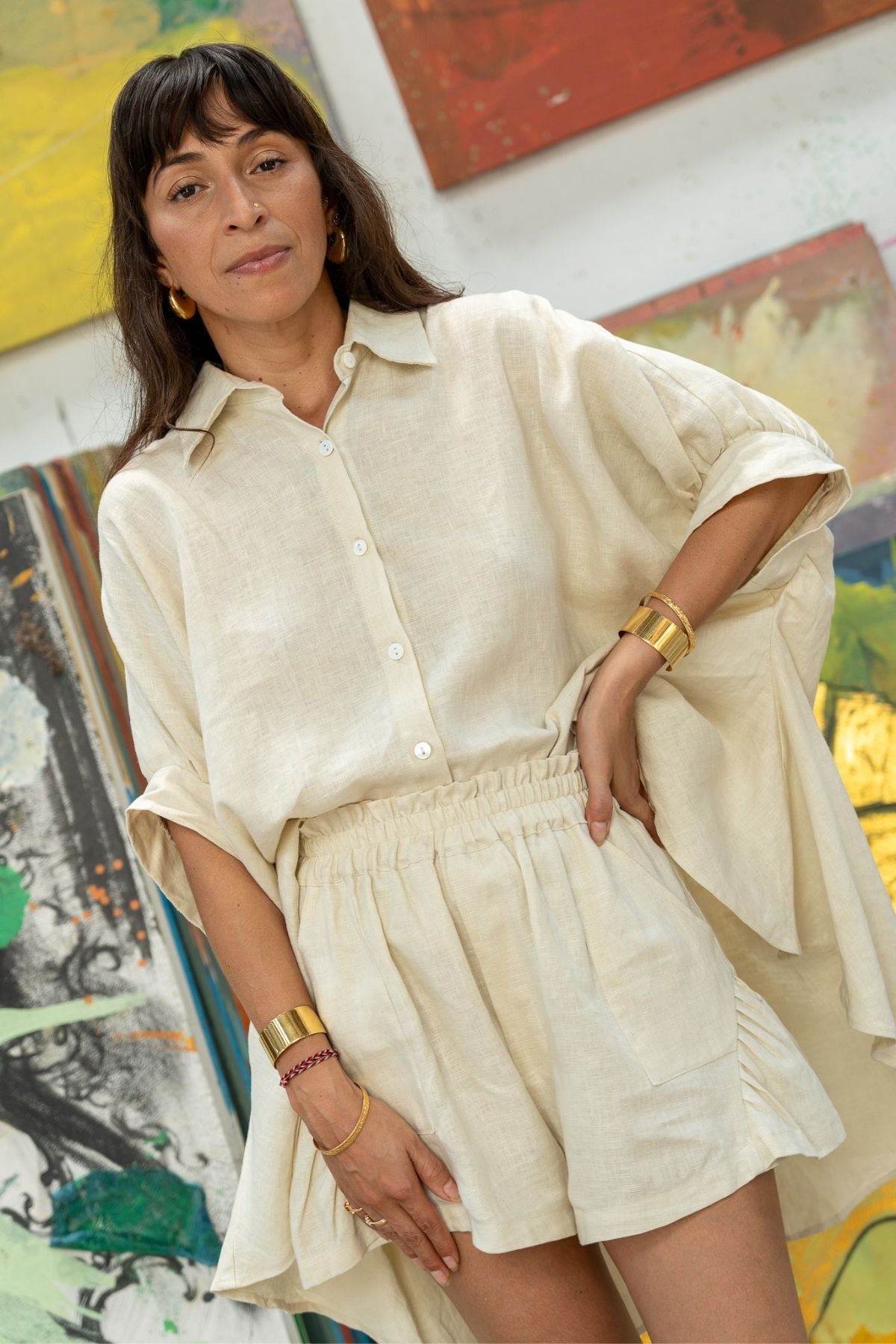
Every piece in our linen collection is made from natural, undyed or botanically dyed flax. No synthetic finishes. No chemical softeners. What you feel against your skin is what came out of the earth.
The Healing Properties of Linen: What Research and Tradition Agree On
1. Linen supports skin health at the cellular level
Linen fibers contain natural phenolic acids and flavonoids, antioxidant compounds that protect cells from oxidative stress. Studies have shown that linen fabric in contact with skin can inhibit free radical damage, the same kind of cellular wear that contributes to inflammation, premature ageing, and poor tissue recovery.
This is why linen has been used in wound care for thousands of years. Ancient Egyptian physicians used linen bandages because they observed that wounds healed faster, with less infection and less scarring. Modern research has confirmed why. Linen creates an environment where cells regenerate cleanly.
2. Linen is naturally antibacterial and antifungal
The phenolic compounds in flax fibers make linen naturally resistant to bacteria and fungi. This is not a treatment applied to the fabric. It is intrinsic to the fiber itself. Linen does not become a host for the microbes that cause odor, irritation, and infection the way synthetic materials do.
This matters especially for women who live in humid climates, who practice yoga and kundalini, who sweat through ceremony, who want to wear the same beautiful piece through a morning of movement and an afternoon of living without discomfort.
3. Linen regulates your nervous system through temperature
The hollow fiber structure means linen holds 20% of its weight in moisture before it feels damp. It wicks, breathes, and releases. In practical terms this means your body does not have to work as hard to maintain thermal equilibrium. Your nervous system spends less energy on temperature regulation and more capacity on everything else: presence, creativity, rest, repair.
Chronic low-grade thermal discomfort, the kind you stop noticing because you are always in it, is a background stressor. Wearing something that removes that stressor is a small but genuine act of nervous system care.
4. Linen is hypoallergenic in the truest sense
Not hypoallergenic in the sense that a synthetic fabric with fewer added chemicals is hypoallergenic. Hypoallergenic in the original sense: it is a natural fiber that does not trap allergens, does not emit volatile compounds, does not introduce anything the body does not recognize. For women with eczema, rosacea, hormonal skin sensitivity, or simply a body that has been asking for less chemical contact, linen is one of the most honest answers available.
5. On linen and frequency, and what is actually true
You may have read that linen measures 5,000, and that wearing it lifts the body. We repeated that number once too. When we went looking for where it came from, it led to a single set of readings from around 2003 that were never published or replicated, and frequency is not a property cloth has. What linen does do is real and is enough: it breathes, it moves moisture away from the skin, and it softens with every wash. The whole story is in Does Linen Have a Frequency?
In ancient Egypt, linen was the fabric of priests and ceremony. This reverence was not superstition. It was a sophisticated understanding, expressed in the language available, that what touches your skin touches your energy. In Kundalini yoga, we speak of the body as a field of frequency. What you put next to that instrument matters.
How the Myrah Penaloza Linen Collection Was Born
Our founder Mayra (Myrah) Penaloza began designing in Bali with a single question: what would a garment feel like if it were made with the same intention as a ceremony? Not produced. Not manufactured. Made.
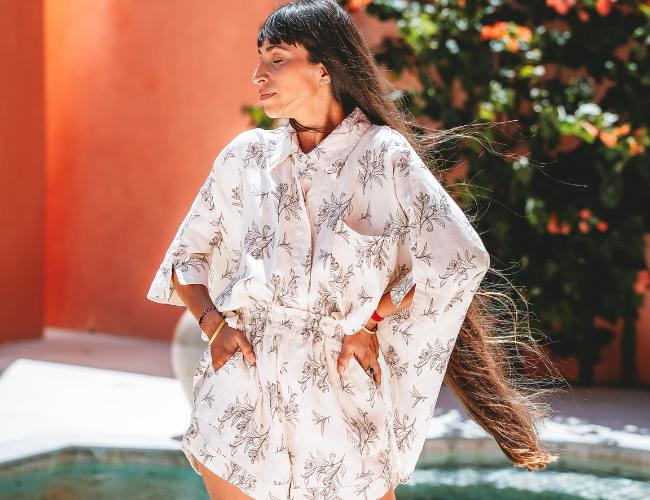
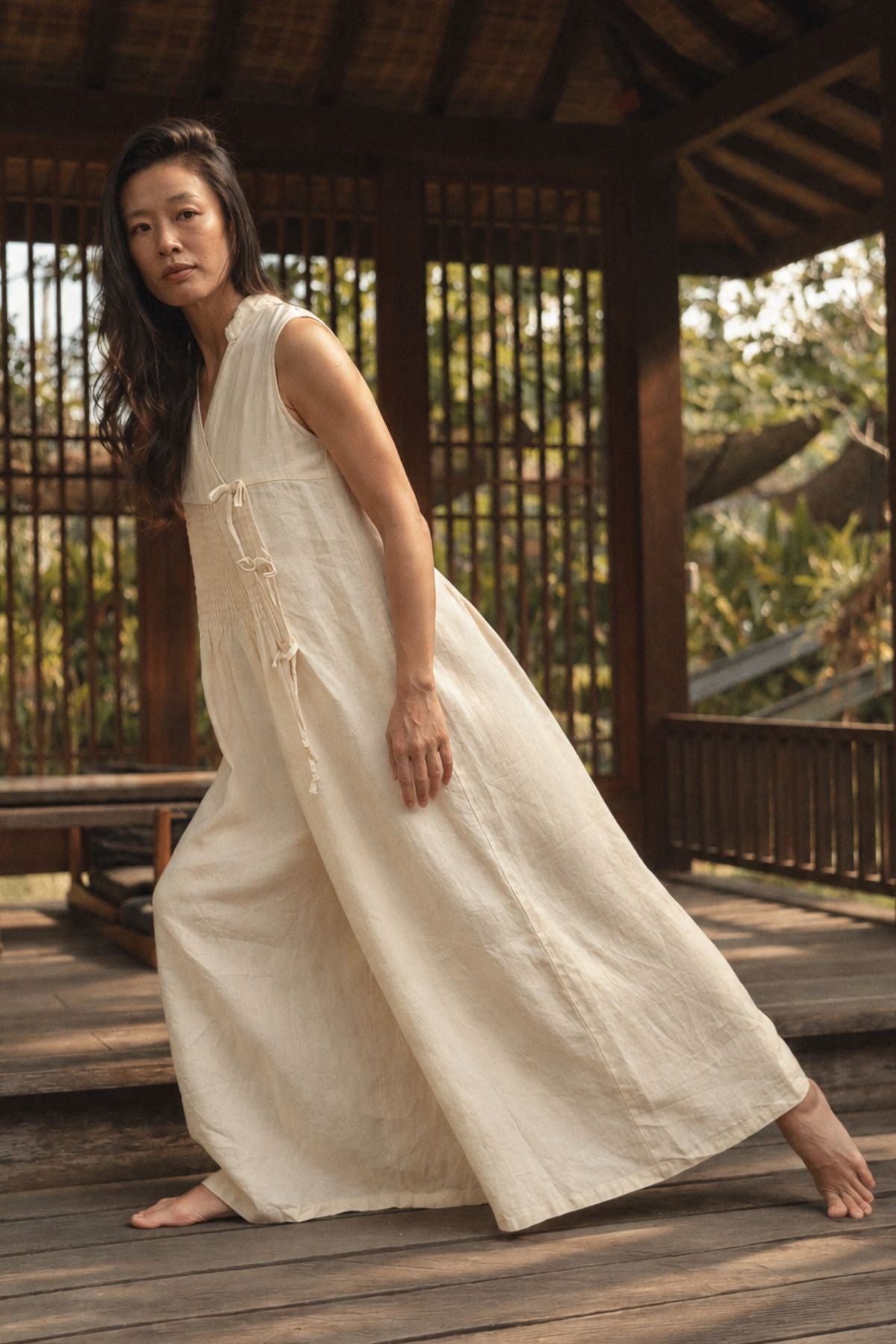
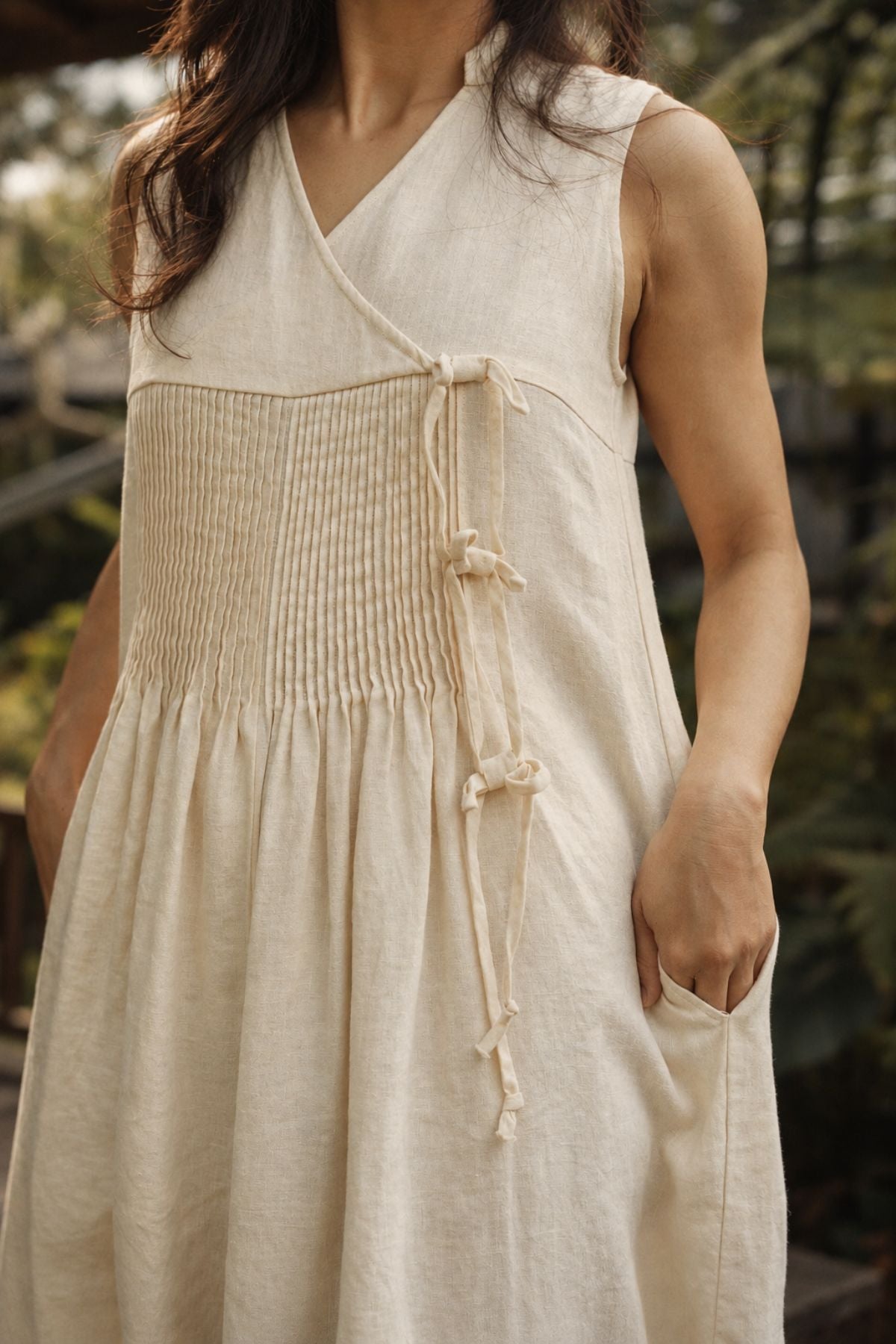
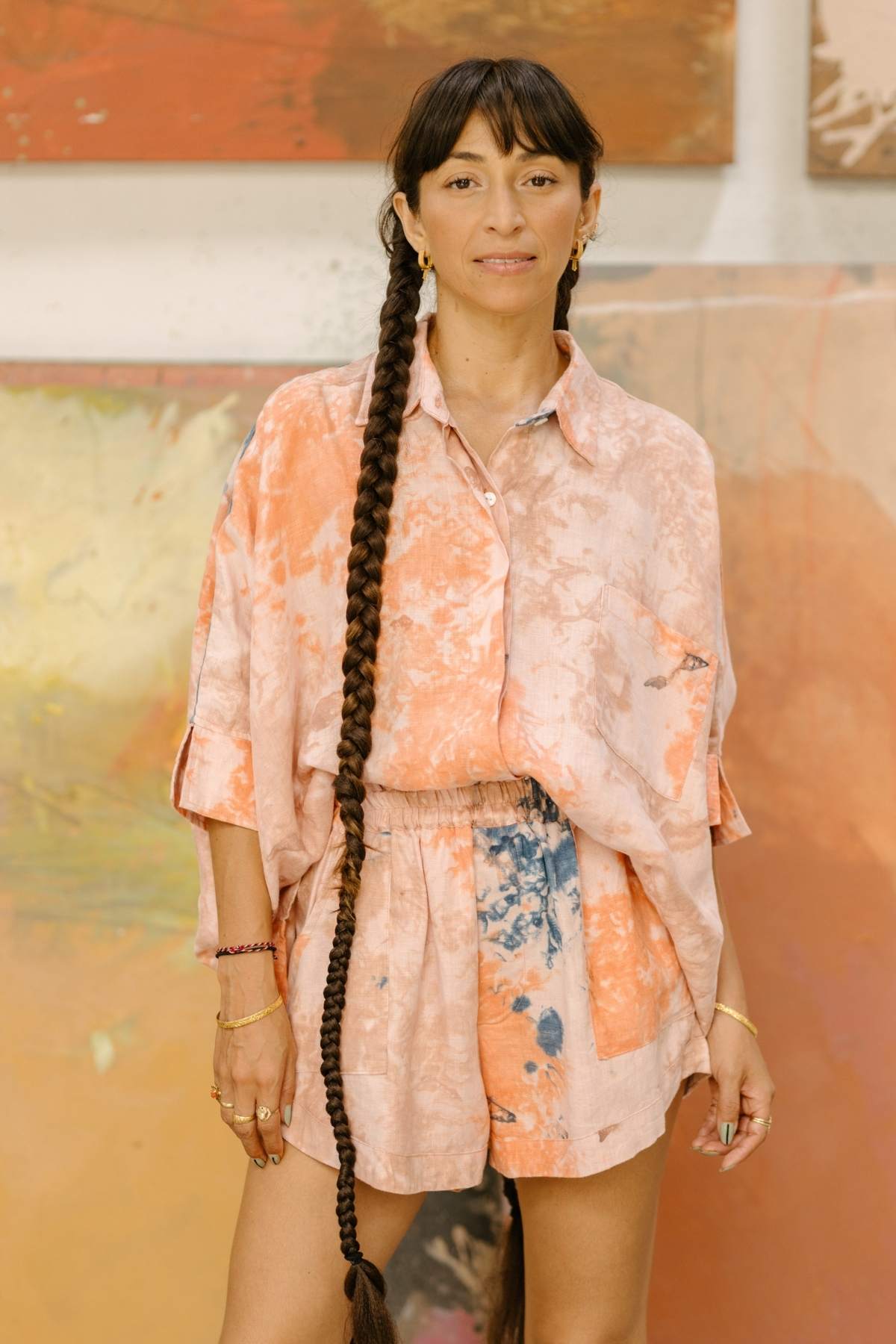
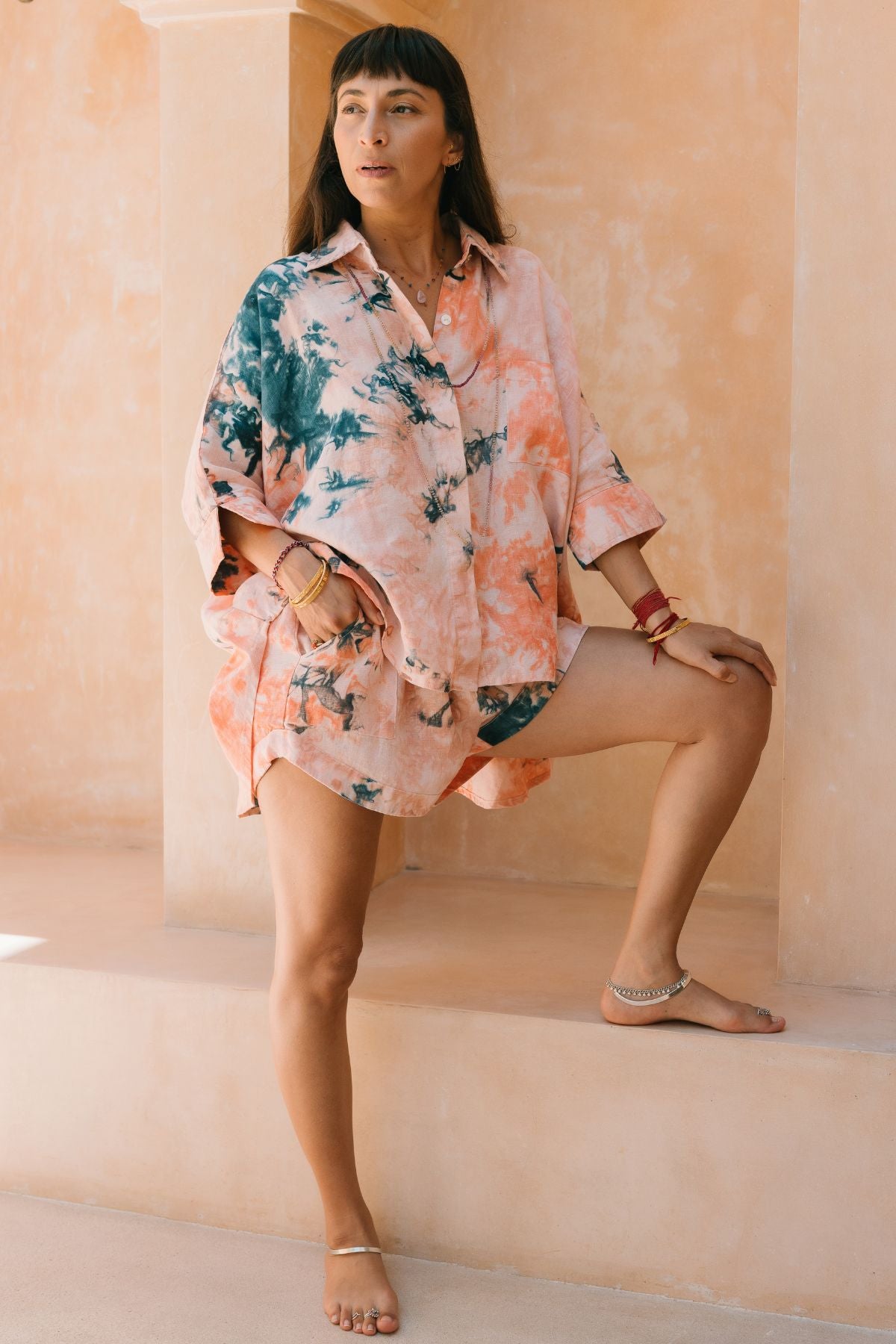
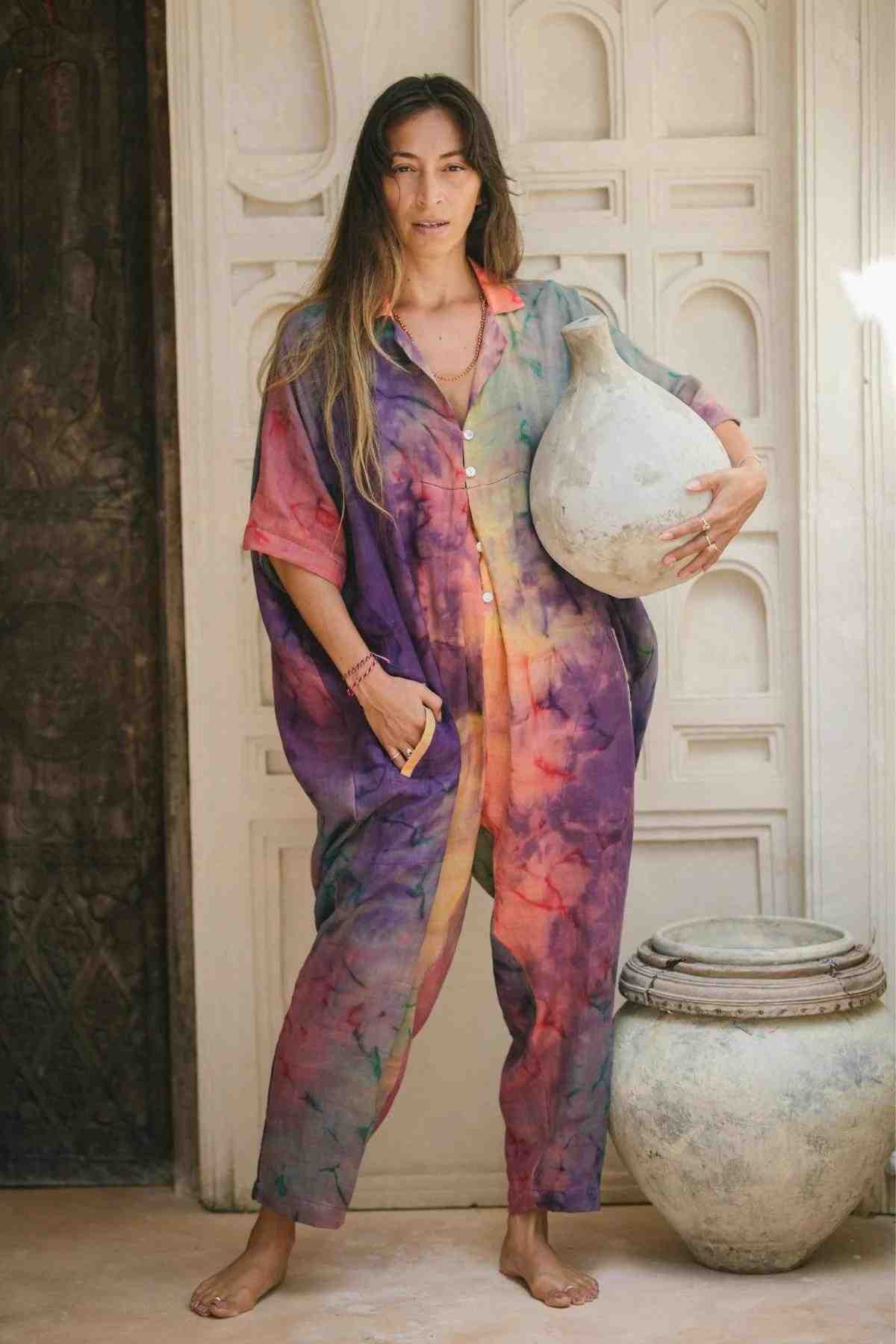
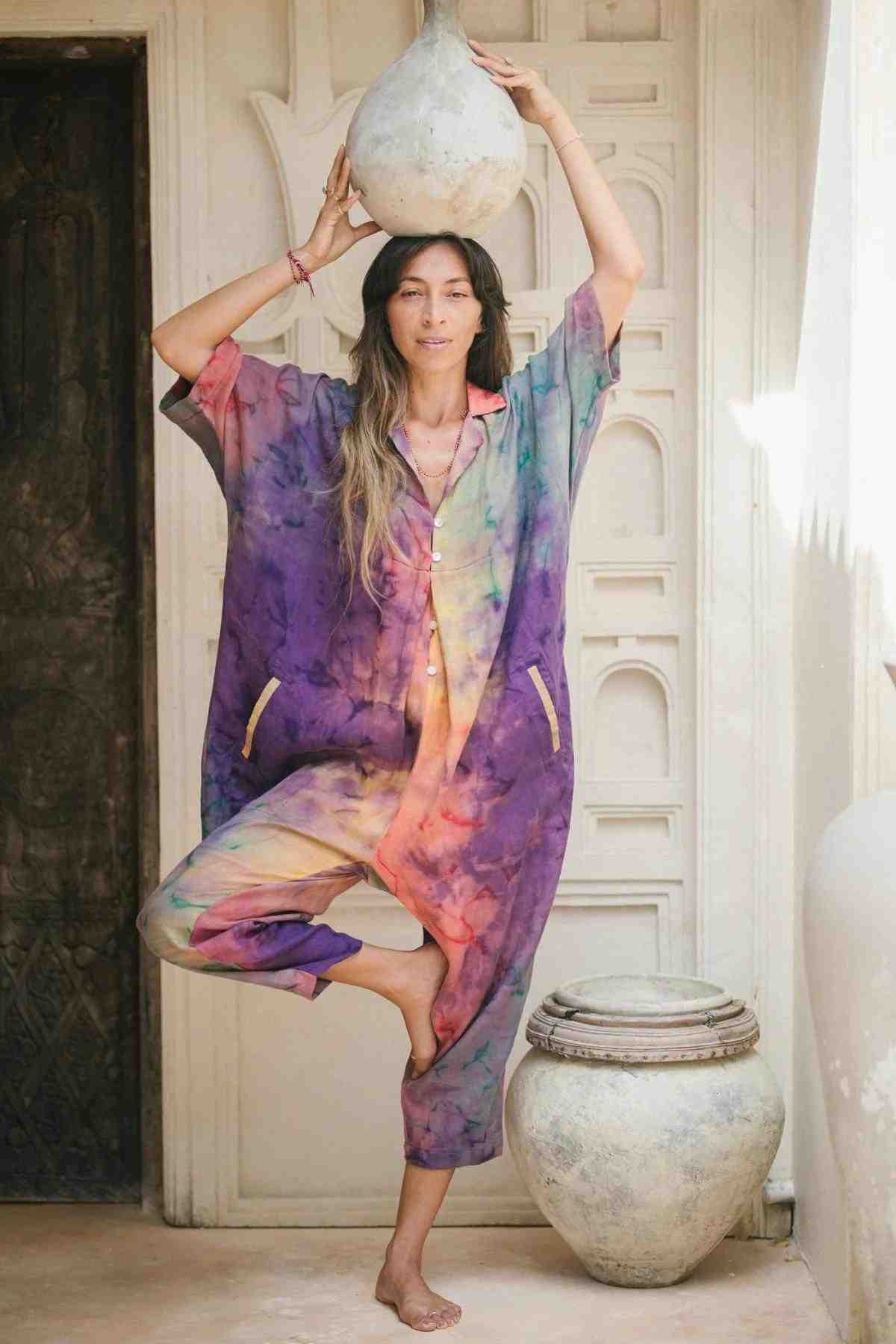
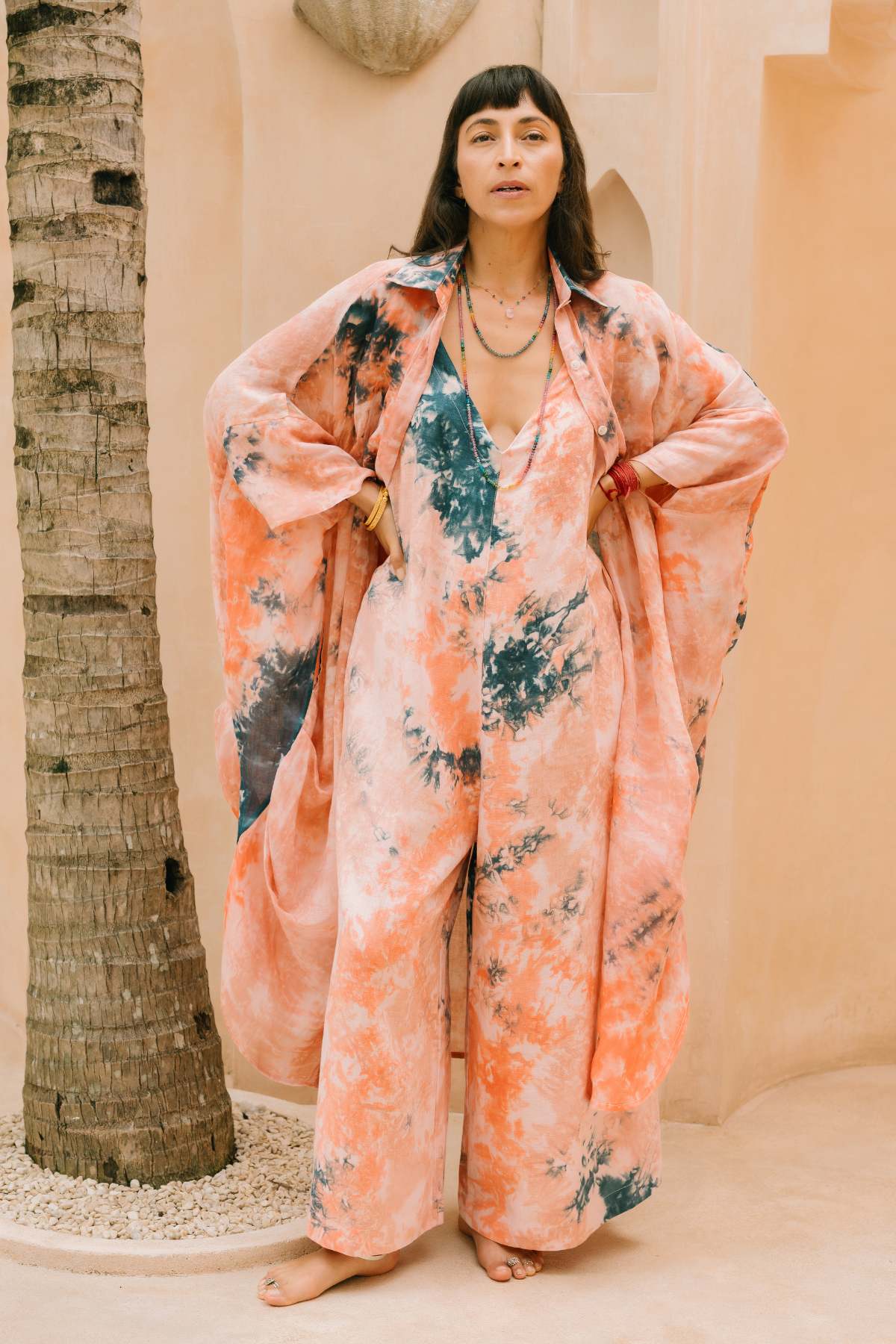
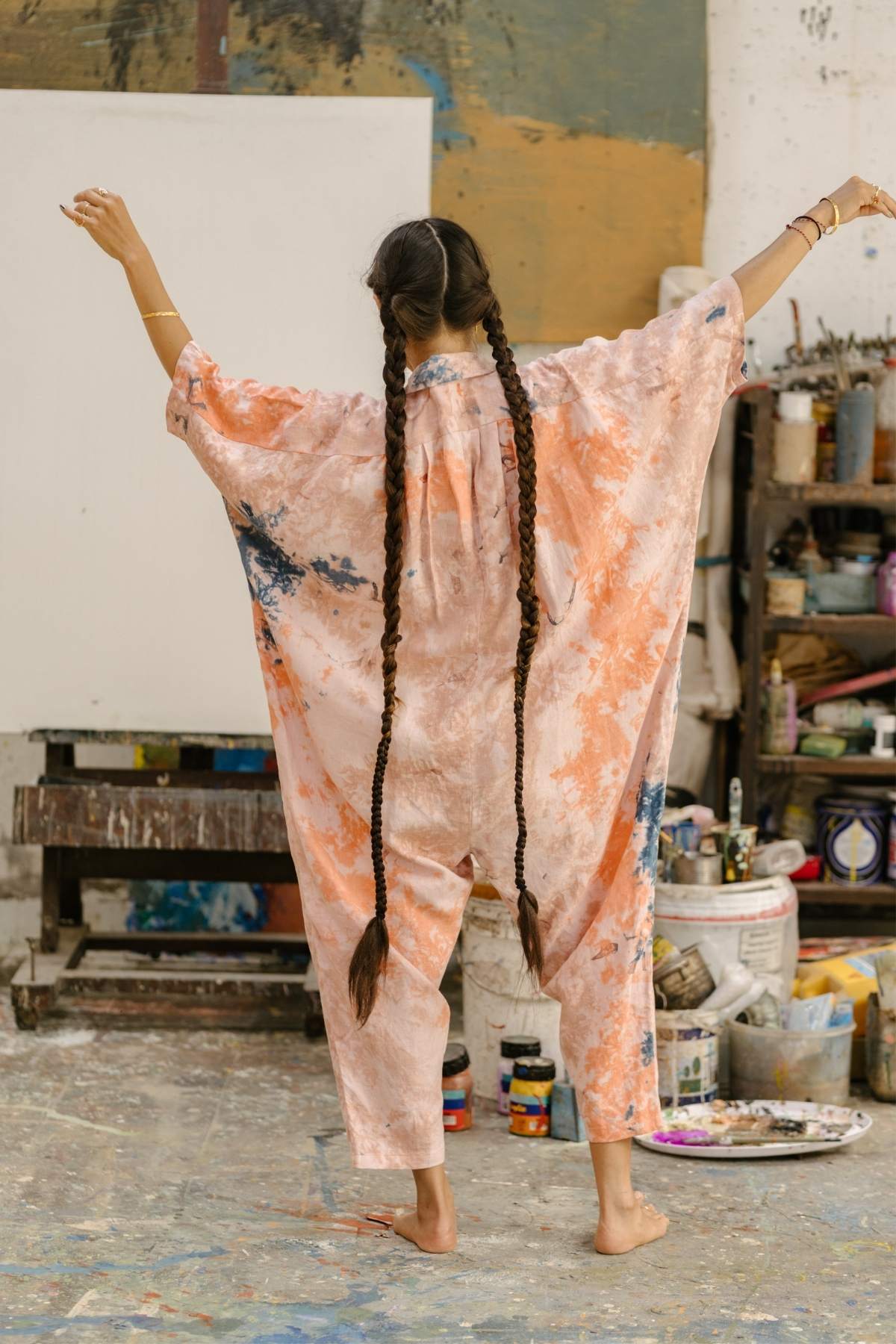
The answer was linen. Botanically dyed with plants grown in Indonesian soil. Sewn by Balinese artisan families working from their own homes and their own small workshops, at their own pace, for a living wage. Small batches. Never rushed. The fabric gets softer with every wash because nothing artificial is holding it in its initial shape. It is just becoming more itself, the way the women who wear it are.
You can read more about how everything is made on our slow fashion page, and about why we built it this way on our about page.
A Piece for This Threshold
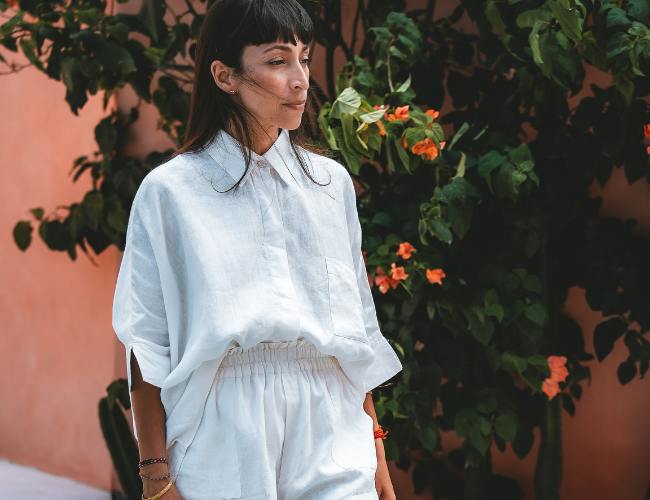
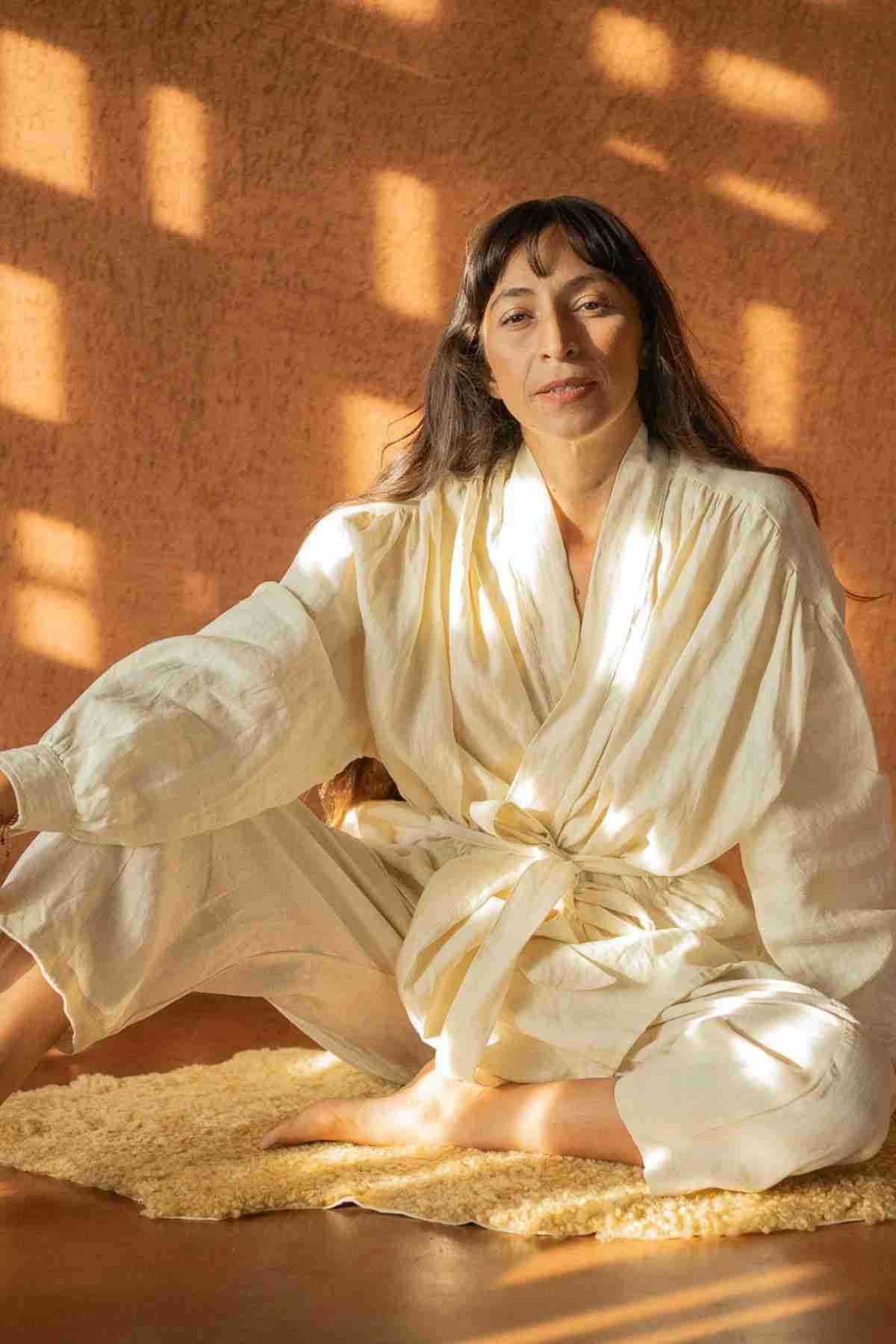
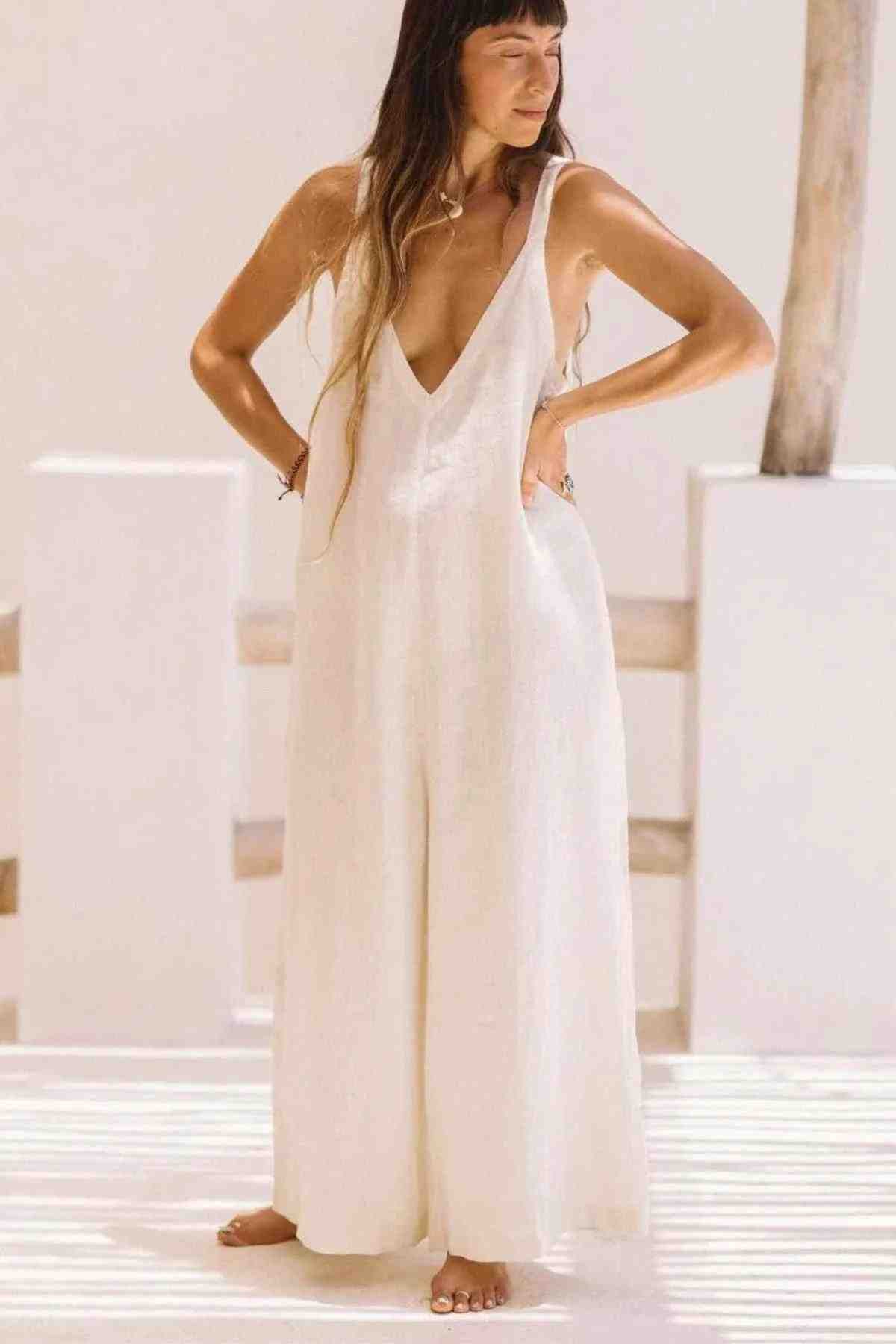
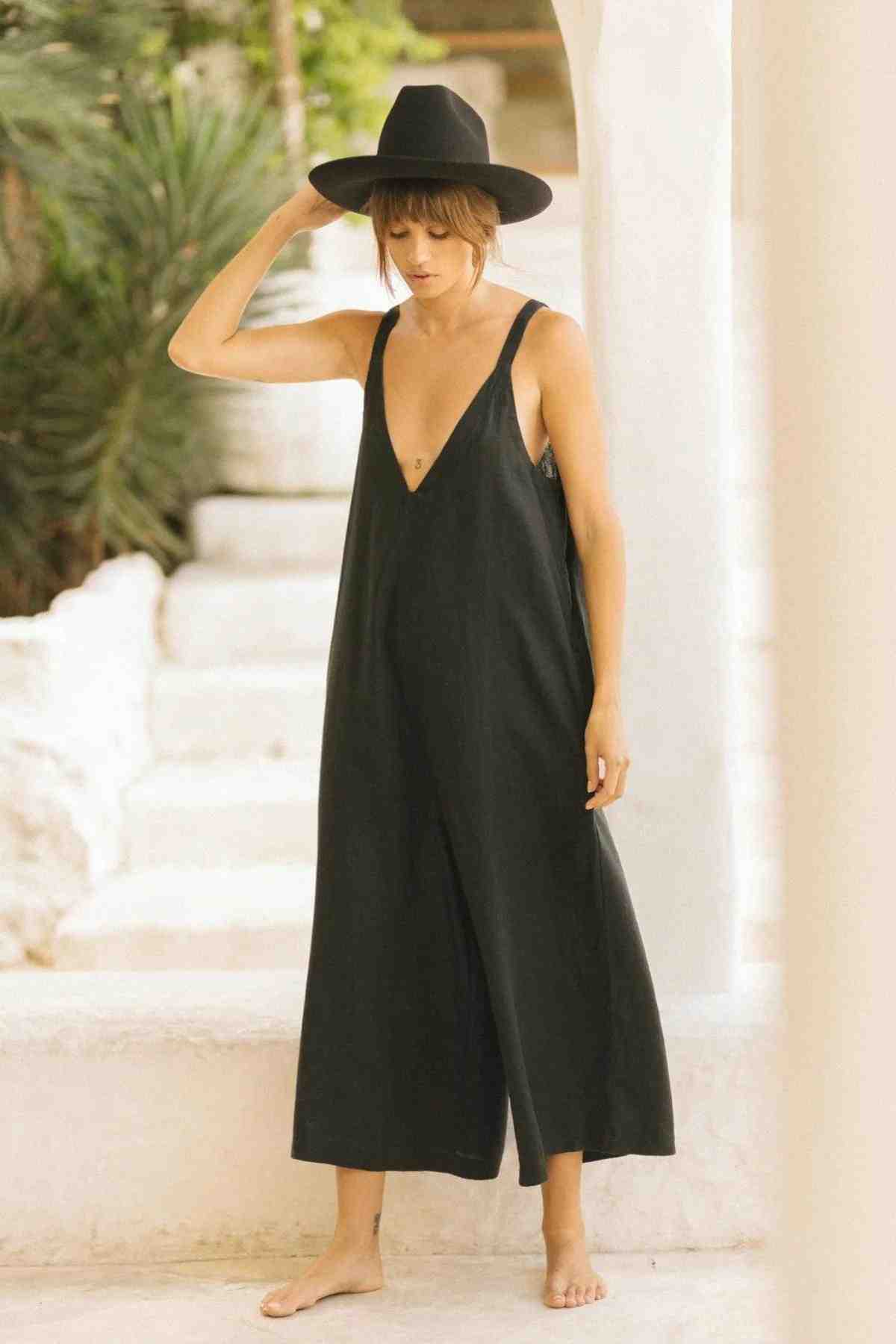
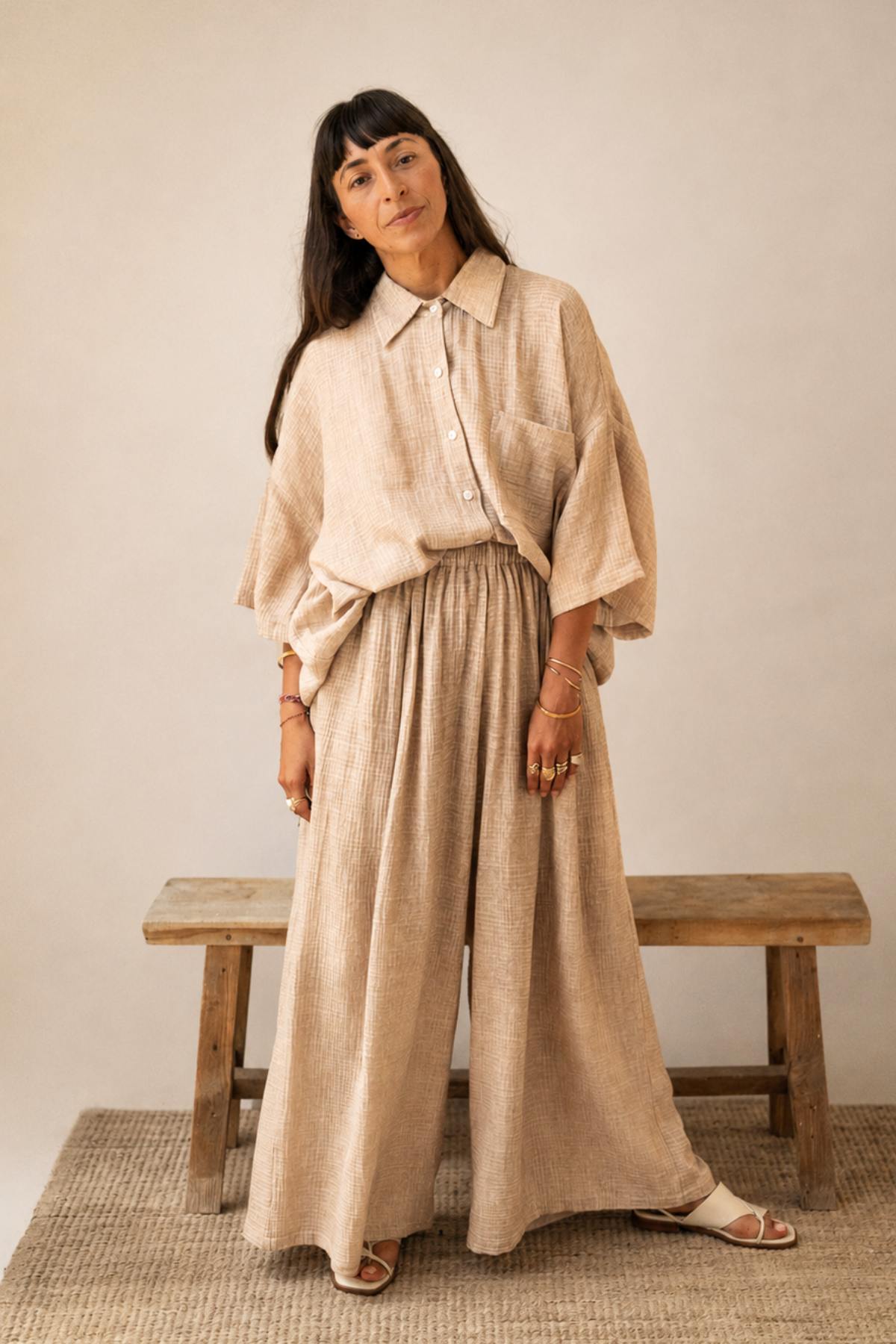
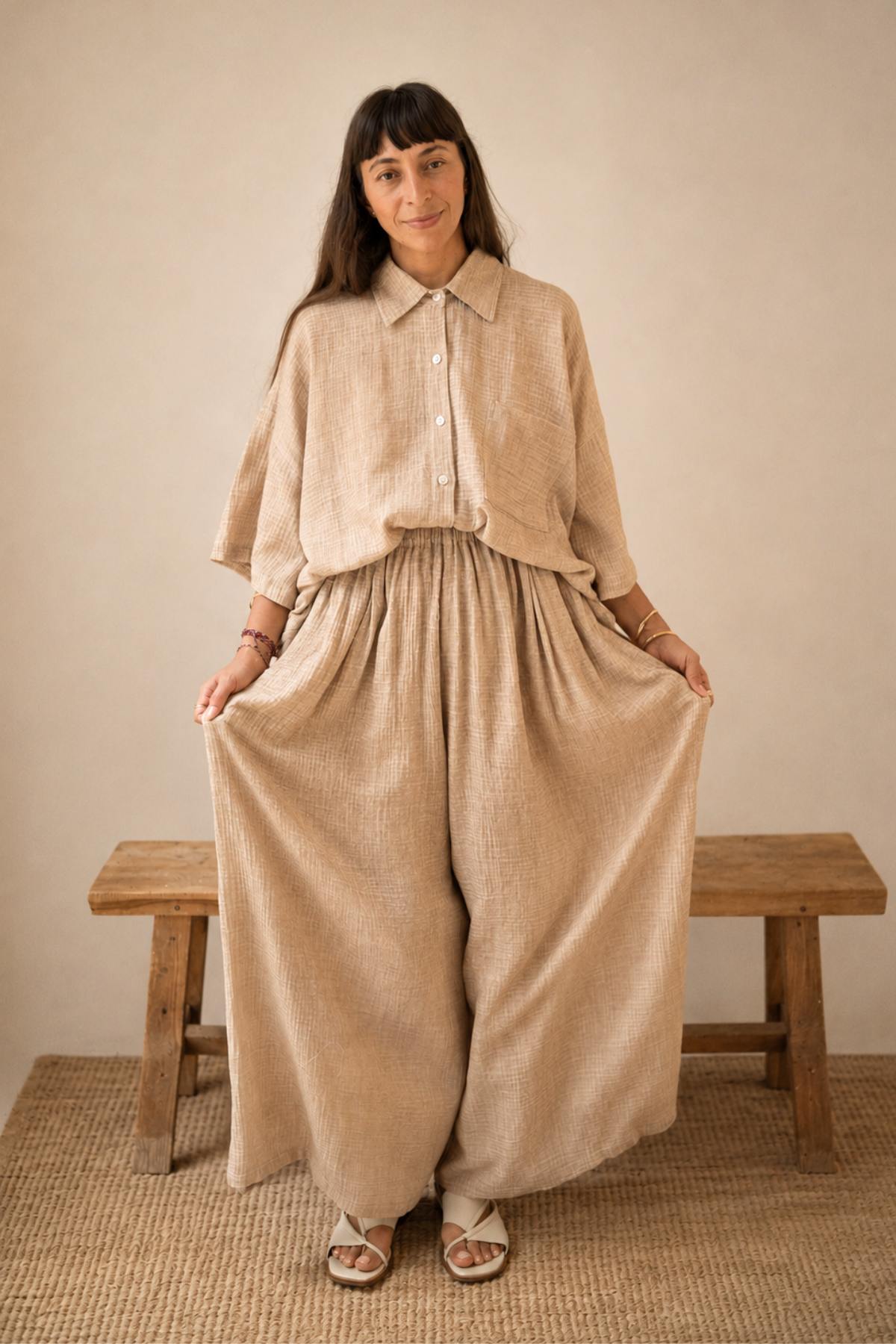
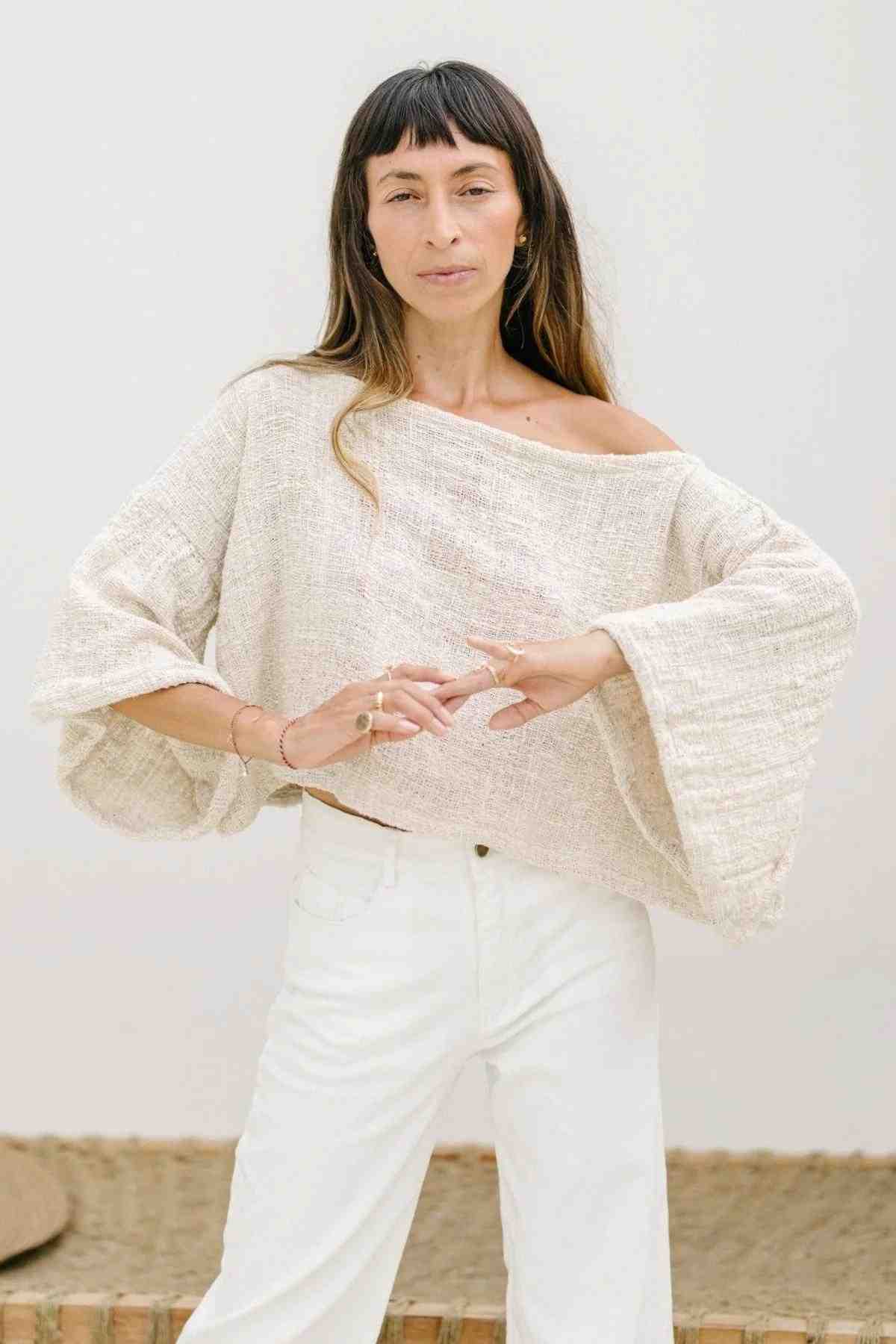
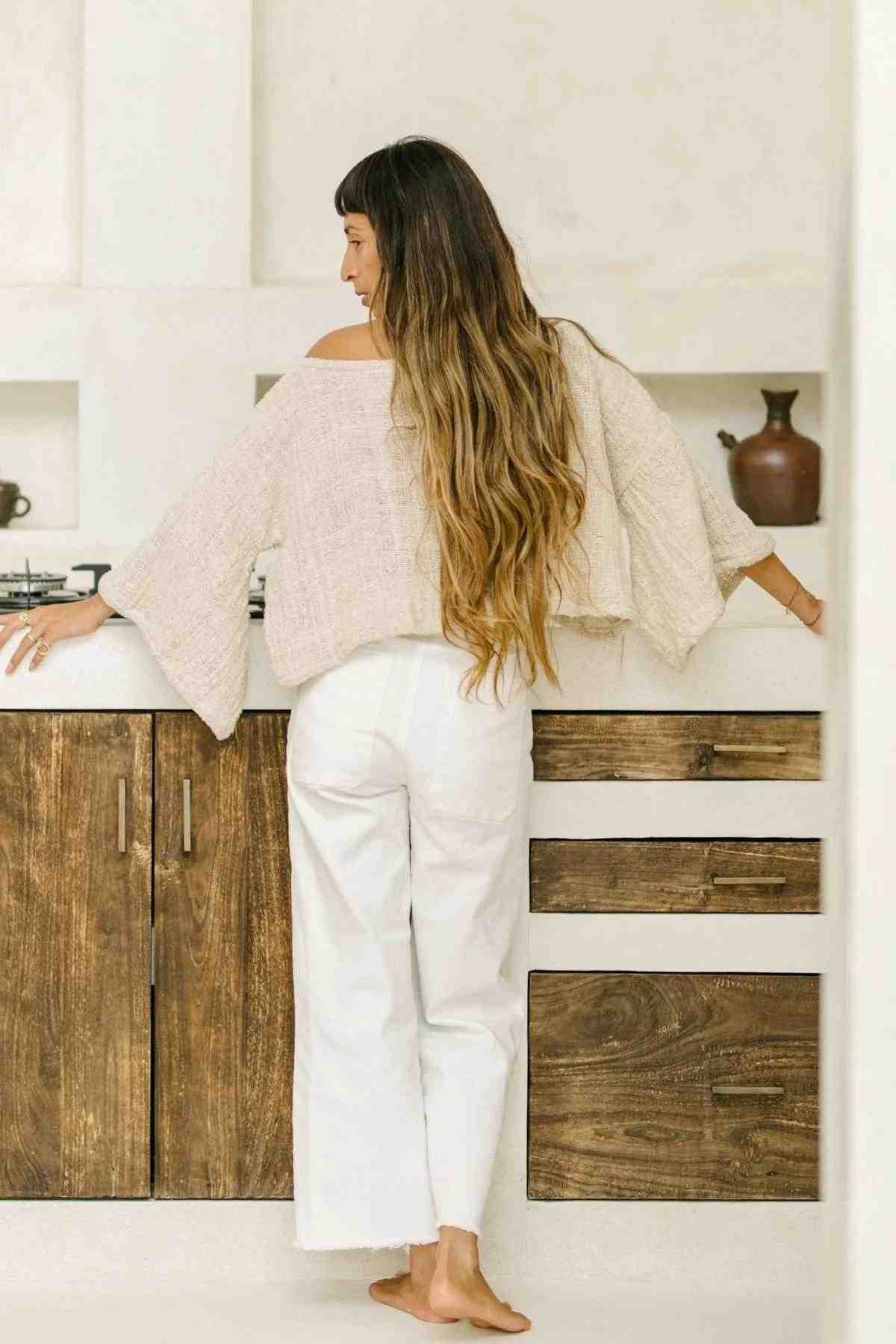
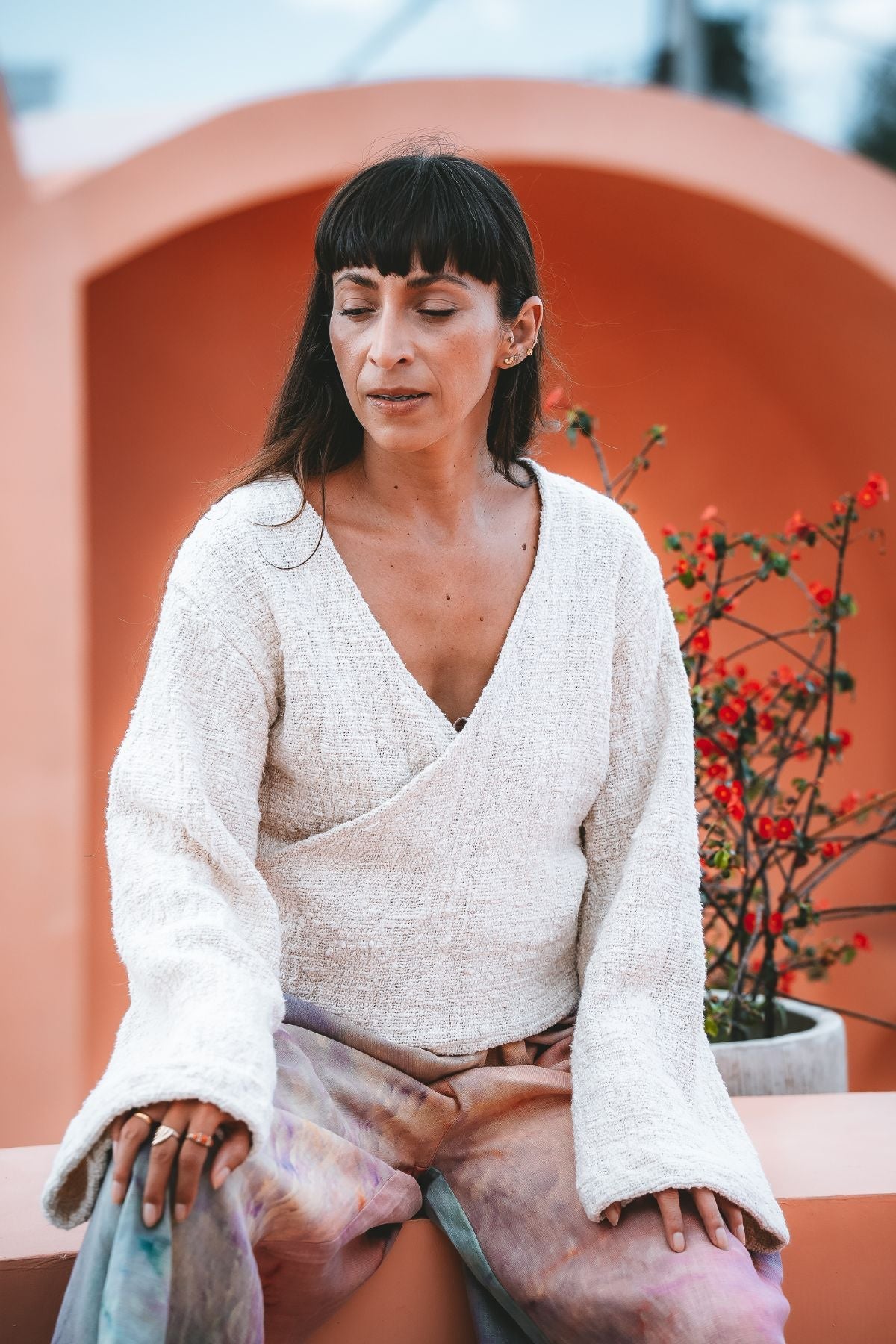
The Jasmine Set Linen is our most complete expression of what linen can do for a woman's body and presence. A kimono-inspired top. Wide-leg linen pants. Named for a flower that only opens after dark.
The kind of fabric that makes you exhale the moment it settles on your shoulders. Not becoming. Returning. This is what our customers tell us, again and again: the minute I put it on, I felt like myself.
In Moonlight, soft like an early morning before the world wakes up. In Black Dark Moon, the colour of the hour you have your most honest conversations in. Both handcrafted in Bali. Both in small batches. Both made to last.

Handcrafted in Bali · Small batches · Natural linen
If linen's healing properties are something you want to explore further, start with our bestsellers, particularly the pieces that have been in the collection longest.
The Muse-Letter
Dress for the woman you're becoming.
Every week from Bali. Astrology, slow living, sacred feminine, and the pieces we're making by hand. A letter, not a sales pitch.
Unsubscribe any time. No spam, ever.


Leave a comment
This site is protected by hCaptcha and the hCaptcha Privacy Policy and Terms of Service apply.