

Top Celebrity Sustainable Fashion Brands Making a Difference in 2026
It's 2026, and the fashion world is really changing. Gone are the days when everyone just bought whatever was cheapest. Now, lots of people, especially famous ones, are thinking more about where their clothes come from and how they're made. This shift is making a big difference, showing that looking good and doing good can actually go hand-in-hand. We're seeing more and more celebrity sustainable fashion brands and initiatives pop up, making eco-friendly choices more visible and, honestly, pretty cool.
Key Takeaways
- Celebrities are using their platforms to make sustainable fashion mainstream, influencing what we wear and how we think about clothes.
- Brands that focus on ethical production, recycled materials, and transparency are getting major attention from stars.
- Renting clothes for special events through platforms like HURR and By Rotation is becoming a popular way for celebs to be stylish and sustainable.
- Investing in fewer, well-made pieces and looking for certifications like B Corp or Fair Trade is a smart way to build a conscious wardrobe.
- The rise of celebrity sustainable fashion brands means eco-friendly choices are more accessible and aspirational than ever before.
1. Stella McCartney
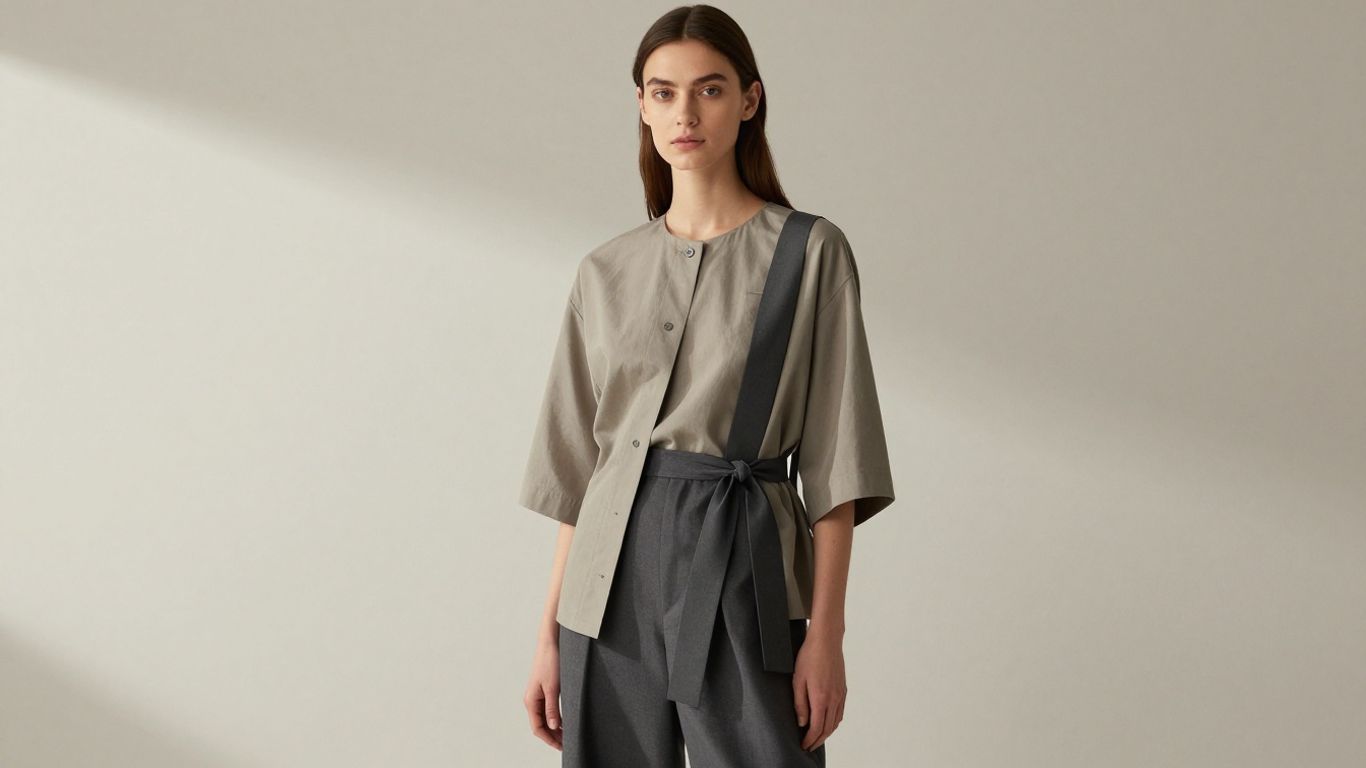
When you think of sustainable luxury fashion, Stella McCartney is probably one of the first names that comes to mind. And for good reason! She’s been doing this for ages, way before it was cool. Since launching her brand in 2001, Stella has been committed to not using any leather, fur, or feathers. It was a pretty bold move back then, especially in the high-fashion world, but she stuck with it.
McCartney is always looking for new ways to make things better. Her brand is constantly experimenting with innovative materials. Think things like Mylo™, which is basically leather made from mushrooms, or BioSequins that break down naturally. It’s pretty wild stuff, and she’s not afraid to take risks on these new fabric alternatives, even if they aren’t always easy to scale up.
Stella McCartney proves that you don't have to sacrifice style for sustainability. Her designs are proof that luxury and ethics can go hand-in-hand, making eco-conscious choices feel aspirational rather than restrictive.
She also cares about what happens after you buy her clothes. The Clevercare initiative gives you tips on how to wash and care for your garments so they last longer, which is a simple but effective way to cut down on waste. Plus, her brand was one of the first to really look at its environmental impact using a tool called Environmental Profit & Loss (EP&L). It’s all about being transparent and trying to do better. You can see her latest work and commitment to sustainable luxury fashion on her official site.
2. RÆBURN
Christopher Raeburn's namesake label, RÆBURN, has been a quiet force in sustainable fashion for years, focusing on repurposing and upcycling. They take old military surplus, deadstock fabrics, and other pre-loved materials and transform them into something entirely new and stylish. It’s not just about making clothes; it’s about telling a story with each piece.
The brand is a prime example of how creative design and environmental responsibility can go hand-in-hand. They're known for their distinctive silhouettes and attention to detail, often incorporating elements from the original garments they rework. Think jackets made from old parachutes or bags crafted from decommissioned tents. It’s a really cool way to give materials a second life and reduce waste.
Here’s a look at some of their core practices:
- Remade: This is their signature approach, where garments are deconstructed and reconstructed from existing materials, often with a military influence.
- Reduced: They focus on minimizing waste during the production process, using efficient pattern cutting and utilizing fabric scraps.
- Recycled: RÆBURN actively seeks out and uses recycled materials, giving them a new purpose in fashion.
- Reworked: This involves taking existing garments and altering or improving them to create new, unique pieces.
RÆBURN's commitment goes beyond just the materials. They're also big on transparency, letting people know where their clothes come from and how they're made. It’s a thoughtful process that really shows in the final product.
3. Chopova Lowena
Chopova Lowena is a brand that really stands out for its unique approach to sustainable fashion. They're not just ticking boxes; they're genuinely rethinking how clothes are made and what they mean. Their designs often blend traditional Bulgarian crafts with a modern, edgy vibe, which is pretty cool.
What I find most interesting is their commitment to using deadstock fabrics. This means they're taking leftover materials from other fashion houses that would otherwise go to waste and turning them into something new and exciting. It's a smart way to reduce the environmental impact of fashion.
They also focus on creating pieces that are built to last. Instead of fast fashion that falls apart after a few wears, Chopova Lowena makes clothes that feel substantial and are designed to be cherished. It’s a bit of a throwback to how clothes used to be made, honestly.
The brand’s dedication to using recycled materials and supporting traditional craftsmanship is a breath of fresh air in an industry that often feels overwhelming. They show that you can be creative and stylish while still being mindful of the planet.
Here are a few things that make them special:
- Deadstock Fabrics: Giving new life to materials that would otherwise be discarded.
- Bulgarian Craftsmanship: Incorporating traditional techniques into contemporary designs.
- Durability: Creating high-quality garments meant to be worn for years.
- Unique Aesthetic: A bold, distinctive style that blends heritage with modern trends.
4. Bethany Williams
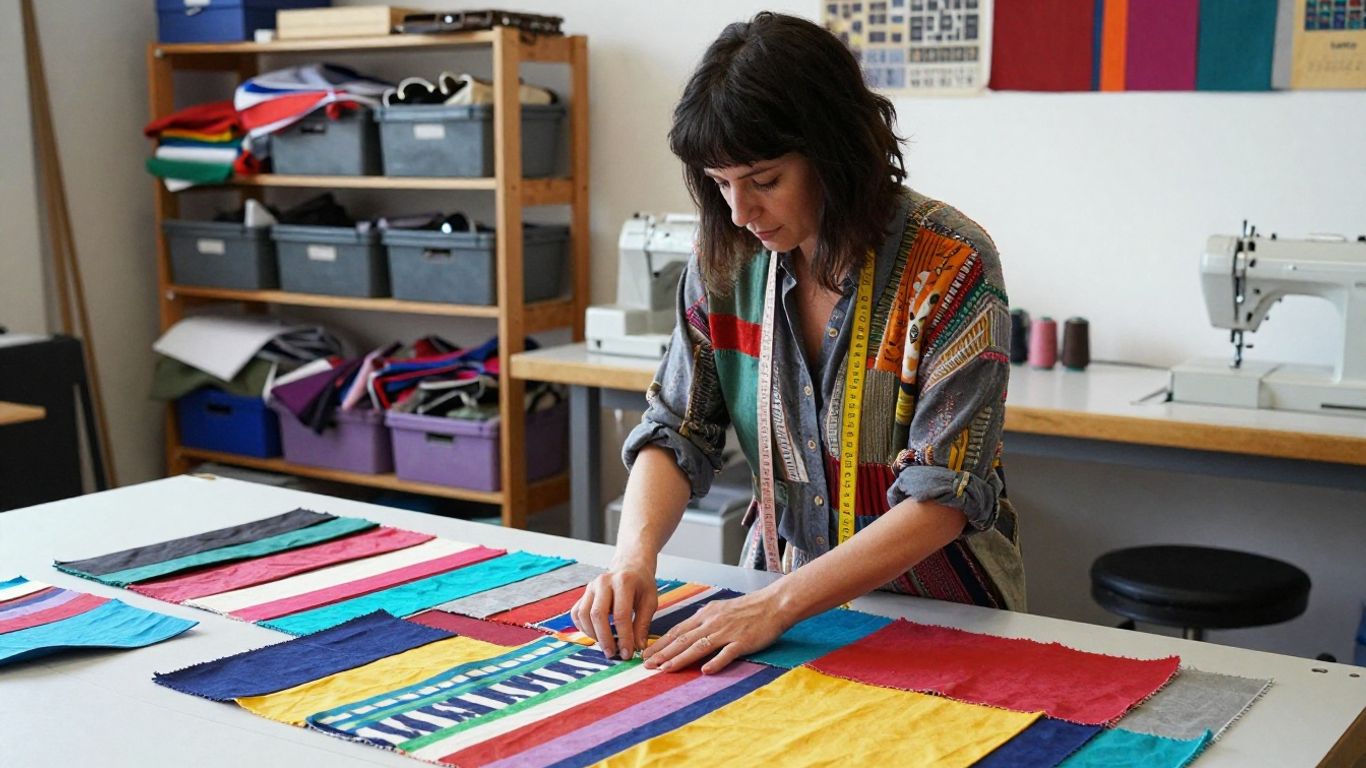
Bethany Williams is a designer who really gets it. She’s not just making clothes; she’s building a whole system around sustainability and community. Her work often involves upcycling and using waste materials, which is pretty cool when you think about how much fabric goes to waste in the fashion industry.
What sets Williams apart is her commitment to social impact. She partners with various organizations, like the UK prison system and homeless charities, to create her collections. This isn't just for show; it's about providing skills and opportunities to people who might not otherwise get them. Her designs are beautiful, yes, but they also carry a powerful message about ethical production and giving back.
Some of her key practices include:
- Material Sourcing: She actively seeks out deadstock fabrics, recycled materials, and even things like cigarette packaging to create unique textiles.
- Community Collaboration: Working with groups like the London-based homeless charity, Material_Change, she integrates their stories and skills into her collections.
- Waste Reduction: Her design process inherently minimizes waste, often using pattern-cutting techniques that utilize almost every scrap of fabric.
Williams' approach is a refreshing reminder that fashion can be a force for good, blending artistic expression with tangible social benefits. It’s about creating a circular economy where both the planet and people benefit.
She’s been recognized for her innovative approach, even being shortlisted for prestigious awards like the British Fashion Council Designer Fund. It’s inspiring to see designers like Bethany Williams pushing the boundaries of what sustainable fashion can be, proving that style and substance can absolutely go hand-in-hand.
5. Ninety Percent
Ninety Percent is a brand that really puts its money where its mouth is when it comes to sustainability. They're not just talking the talk; they're actually doing things that make a difference. Their whole model is built around transparency and ethical production.
What's cool is how they share their profits. A significant portion, 90% to be exact (hence the name!), goes to charitable causes and to the people who make the clothes. It’s a pretty radical approach that actually benefits everyone involved, from the factory workers to the planet.
They focus a lot on using sustainable materials. Think organic cotton, TENCEL™ Lyocell, and recycled fabrics. They’re really trying to cut down on waste and pollution, which is a big deal in the fashion world.
Here’s a quick look at some of their practices:
- Material Choices: Prioritizing organic cotton, recycled polyester, and TENCEL™ Lyocell.
- Ethical Production: Ensuring fair wages and good working conditions for garment workers.
- Profit Sharing: Donating 90% of profits to charities and workers.
- Transparency: Providing clear information about their supply chain and impact.
The fashion industry has a massive footprint, and brands like Ninety Percent are showing that it doesn't have to be that way. They're proving that you can create stylish clothes while also being responsible and giving back. It’s a business model that feels more aligned with what we need right now.
6. Pangaia
Pangaia is a brand that really focuses on making clothes from innovative materials. They're all about using science to create fashion that's better for the planet. You know, instead of just using regular cotton or polyester, they're experimenting with things like recycled materials and plant-based fibers. It’s pretty cool to see a brand put so much effort into the actual fabric.
Their approach is all about rethinking how clothes are made from the ground up. They don't just slap a "sustainable" label on things; they're actively developing new ways to produce textiles. This includes using dyes that are less harmful and designing garments to be more durable, so you don't have to replace them as often. It’s a whole system they’ve got going on.
Here’s a look at some of their key material focuses:
- Recycled Cotton: They take old cotton textiles and turn them into new yarns, which saves water and energy compared to making virgin cotton.
- SeaCell™: This is a fiber made from seaweed, which is rich in nutrients and supposedly good for your skin. It’s blended with other materials to create soft, breathable fabrics.
- FLOWERDOWN™: Instead of using down from birds, they've developed a plant-based alternative using wildflowers. It’s lightweight and warm, and obviously, no animals are involved.
It’s clear Pangaia is trying to push the boundaries of what sustainable fashion can be. They’re not afraid to get technical with their processes, and it shows in the final product. You can check out their latest designs and see what they're up to next on their fall 2026 collection page.
7. Reformation
Reformation has been doing its thing for a while now, and honestly, they’ve gotten pretty good at making clothes that look cool without trashing the planet. They’re all about using materials that are better for the environment, like recycled stuff and organic cotton. It’s not just about the fabric, though; they also pay attention to how things are made, trying to cut down on water and energy use.
They’ve really focused on making sustainability feel accessible and, dare I say, even a little bit glamorous. It’s easy to think eco-friendly fashion has to be drab, but Reformation proves that wrong with their trendy designs. They’re not perfect, nobody is, but they’re definitely trying to move the needle in the right direction.
Here’s a quick look at some of their efforts:
- Material Choices: They prioritize things like TENCEL™ Lyocell (made from wood pulp), recycled cotton, and organic cotton. They’re pretty upfront about what they use and why it’s a better choice.
- Manufacturing: Reformation tracks things like water usage and carbon emissions in their factories. They aim to reduce these impacts wherever possible.
- Transparency: They provide information about the environmental footprint of their garments, which is pretty neat if you’re curious about the details.
It’s a tough balance, making clothes that people want to wear while also being mindful of the planet. Reformation seems to get that, offering pieces that fit into a modern wardrobe without a huge environmental cost. They’re a good example of how brands can grow and still keep sustainability in mind.
They also have a program where you can trade in old Reformation clothes for store credit, which is a smart way to keep garments out of landfills and give them a second life. It’s a small step, but it adds up, you know?
8. People Tree
People Tree has been doing the whole sustainable fashion thing for ages, way before it was even a buzzword. They started back in 1991, focusing on fair trade and eco-friendly materials from the get-go. It’s not just about looking good; it’s about feeling good knowing your clothes didn’t harm people or the planet.
What really sets them apart is their deep commitment to the artisans and farmers they work with. They partner with co-operatives in developing countries, ensuring fair wages and safe working conditions. It’s a pretty direct way to make a difference.
Here’s a peek at what makes them tick:
- Fair Trade Certified: They are a pioneer in fair trade fashion, working with over 4,000 artisans in 14 countries.
- Eco-Friendly Materials: Think organic cotton, Tencel, and recycled fabrics. They really try to minimize their environmental footprint.
- Timeless Designs: Their clothes aren't about chasing trends; they're designed to last, which is a whole other level of sustainability.
They’ve built their entire business model around ethical practices and environmental responsibility. It’s not an add-on; it’s the core of who they are.
Honestly, it’s refreshing to see a brand that’s been consistent with its values for so long. They prove that you can create beautiful clothing while still being a force for good in the world.
9. HURR
HURR is shaking things up in the fashion rental world, and honestly, it's about time. Instead of just buying clothes that might end up in the back of your closet after one wear, HURR lets you rent designer pieces. Think of it as a super stylish, rotating wardrobe. They've got a huge selection from tons of brands, and it's a really smart way to try out trends or get that perfect outfit for a special occasion without the guilt or the massive price tag.
What's cool is how they're tackling the environmental side of things. Fashion waste is a huge problem, and renting is a big part of the solution. HURR is all about making fashion more circular. They're not just a rental platform; they're pushing for a more sustainable future in how we consume fashion.
Here's a bit about how they operate:
- Focus on Circularity: By promoting rental, they're directly reducing the demand for new production and keeping clothes in use for longer.
- Brand Partnerships: They work with a wide range of designers, from emerging talents to established names, giving you access to a diverse range of styles.
- Convenience: The whole process is pretty straightforward. You pick your item, rent it for a set period, and send it back. Easy peasy.
They're making it easier than ever to be fashionable and eco-conscious at the same time. It's a win-win, really. You get to wear amazing clothes, and the planet gets a little break.
10. By Rotation
By Rotation is shaking things up in the fashion world, and honestly, it's about time. This platform is all about renting clothes instead of buying new all the time. Think of it as a massive, shared closet where you can borrow amazing outfits for special occasions or just to try something new without the commitment. It's a super smart way to get more wear out of clothes and cut down on waste.
They've really tapped into the idea that we don't need to own everything we wear. Plus, it's a great way to support designers and brands that are already doing good work.
Here's how it works:
- Browse and Discover: Find unique pieces from independent designers and established brands.
- Rent with Ease: Securely rent items directly from other users or brands.
- Return and Repeat: Send the item back when you're done, and maybe discover your next favorite piece.
The fashion industry has a massive waste problem, and platforms like By Rotation offer a practical solution. By encouraging a circular economy, they help reduce the demand for new production and keep clothes out of landfills. It's a win-win for your wardrobe and the planet.
It's a fantastic way to experiment with trends and high-end fashion without the hefty price tag or the environmental guilt. Many UK celebrities are already getting on board with sustainable fashion choices, and By Rotation fits right into that movement [afbc]. It’s a community-driven approach that feels really fresh and accessible.
The Future is Fashionable and Responsible
So, there you have it. It’s pretty clear that the celebrities we’ve talked about aren't just wearing nice clothes; they're actually pushing the whole fashion world to do better. It’s not just about looking good anymore, it’s about feeling good about where your clothes come from and how they’re made. Whether it’s renting a killer outfit for a night out, digging through vintage racks, or just choosing brands that are upfront about their practices, we can all join in. The big names are showing us it’s possible, and honestly, it’s pretty inspiring. Let’s keep this momentum going, because a stylish future is definitely one that’s also kind to our planet.
Frequently Asked Questions
What is sustainable celebrity fashion in the UK and why is it popular now?
Sustainable celebrity fashion in the UK means famous people choosing clothes that are good for the environment and made fairly. It's a big deal in 2026 because more people know about fashion's impact on the planet, and stars like Emma Watson and Harry Styles are showing everyone how cool it is to dress eco-friendly.
Which UK celebrities are leading the way in sustainable fashion?
Some of the biggest names are Emma Watson, Stella McCartney, Harry Styles, Dua Lipa, and Adwoa Aboah. They each have their own style, whether it's wearing vintage clothes, supporting ethical brands, or using fashion rental services.
How can I dress like celebrities sustainably without spending a lot of money?
You can totally rock a celeb-inspired eco look on a budget! Try shopping at thrift stores or online marketplaces like Vinted and Depop for pre-loved items. You can also rent outfits for special events from services like HURR or By Rotation. Look for brands with certifications like B Corp or Fair Trade to make sure they're made ethically.
What are some good sustainable fashion brands that celebrities like?
Many stars love brands like RÆBURN, known for using old military fabrics, and Stella McCartney, a pioneer in luxury eco-fashion. Bethany Williams creates socially conscious clothing, Ninety Percent gives away most of its profits, Pangaia uses cool material science, and Chopova Lowena makes stylish zero-waste clothes.
How do celebrities make sustainable fashion trends popular?
When celebrities wear or talk about sustainable fashion, millions of people pay attention. Red carpets and social media posts become like a guide for what's stylish and ethical. They show that you don't have to sacrifice style to be kind to the planet, making eco-friendly choices seem cool and desirable.
Besides buying new, what are other ways to be sustainable with fashion?
You can also rent clothes for special occasions, which means you get to wear something new without owning it forever. Another great idea is to focus on building a 'capsule wardrobe' with versatile pieces you can mix and match for many different outfits. And of course, shopping second-hand is a fantastic way to give clothes a second life.


Leave a comment
This site is protected by hCaptcha and the hCaptcha Privacy Policy and Terms of Service apply.