




Your Skin Is Not Sensitive. It Is Discerning.
When my daughter was born, she told me something without words. Her skin, so new to the world, so freshly arrived from wherever babies come from before they come to us, began to react. Not to air, not to water, not to anything the world had made slowly over centuries. To synthetic fibers. To the fabric of mass-produced convenience. To the polyester in the tiny sleep suits and the blended cotton in the little dresses everyone gave us with such love and such good intention.
Her body knew before I had language for it. She was teaching me something I already believed but had not yet fully named.
The largest organ
We tend to forget that skin is an organ. Not decoration. Not the surface of a person. The largest organ of the human body, a living, breathing membrane that is in constant relationship with everything it touches, all day, every day, from the moment you are born until the moment you leave.
It absorbs. It communicates. It holds memory in ways that still humble scientists. It regulates temperature, signals danger, receives pleasure, and tells the truth about your internal world whether you want it to or not. A rash, a flush, a chill, a shiver. The skin is always speaking.
And what we press against it for twelve, fourteen, sixteen hours a day, the fabric that sits between your body and the world, matters in ways that go far beyond how something looks, or how little it costs, or how conveniently it dries.
What natural fabric actually does
Linen breathes with you. This is not a metaphor. The cellular structure of linen fiber allows air to move through it in both directions, which means your skin can do what skin is designed to do: regulate its own temperature, release moisture, and stay in communication with the world around it rather than sealed away from it inside a petrochemical shell.
Organic cotton holds softness without chemical processing. Silk, in its natural state, is one of the most biocompatible textiles ever woven, so close in protein structure to human skin that some research suggests it is functionally kind to the body in ways that synthetic alternatives simply cannot be.
These are not rare or precious materials. They are the original materials. The ones the body recognizes because it has been in relationship with them for all of recorded human history. Synthetic fabrics are, in the long arc of time, the experiment. Natural fabrics are the baseline.
We forgot this. And a great deal of what we call sensitivity is sometimes simpler than it sounds. Skin is more at ease against a fibre it can breathe through than against one that seals it in. That is not a diagnosis. It is a preference, and it is worth listening to.
What actually touches your skin all day, and how we know it is clean
The fabric against your skin for most of a day is either grown or engineered. Ours is grown, and we can show the paperwork. That part is not a feeling. It is a test result.
Here is what stands behind the cloth, and exactly what each certification does and does not prove.
| Certification | What it checks | Where it applies for us |
|---|---|---|
| OEKO-TEX Standard 100 | Tests the finished fabric for a long list of harmful substances, after dyeing and finishing | Our linen |
| European Flax and Masters of Linen | Trace the flax to European fields grown without irrigation or GMOs | Our lighter colourways |
| GOTS | Certifies organic processing at the mill | Our mills are certified. We do not hold chain of custody ourselves, and we say so |
We keep those documents, and we send them to anyone who asks. If you want the long version, we have written out what OEKO-TEX Standard 100 actually tests and why European Flax traceability changes what reaches your skin.
None of this is a claim about your body. It is a claim about the cloth, and it is one we can prove.
Why we will never build a garment out of petrochemical fiber.
This is not a policy we arrived at through market research. It is not a brand positioning decision. It is a belief we have held since before this brand had a name, that was confirmed the morning we watched my daughter's skin speak its first truth.
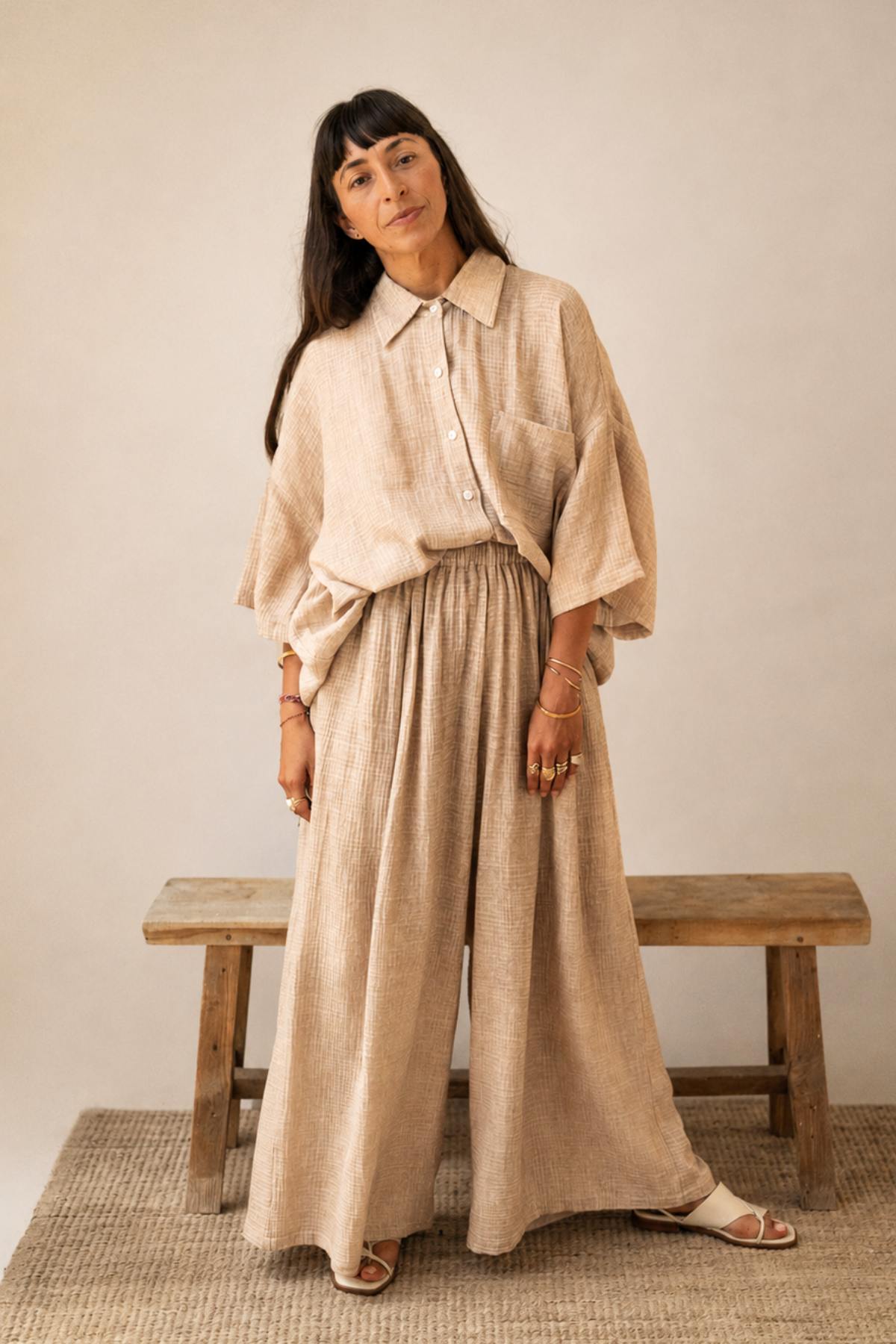
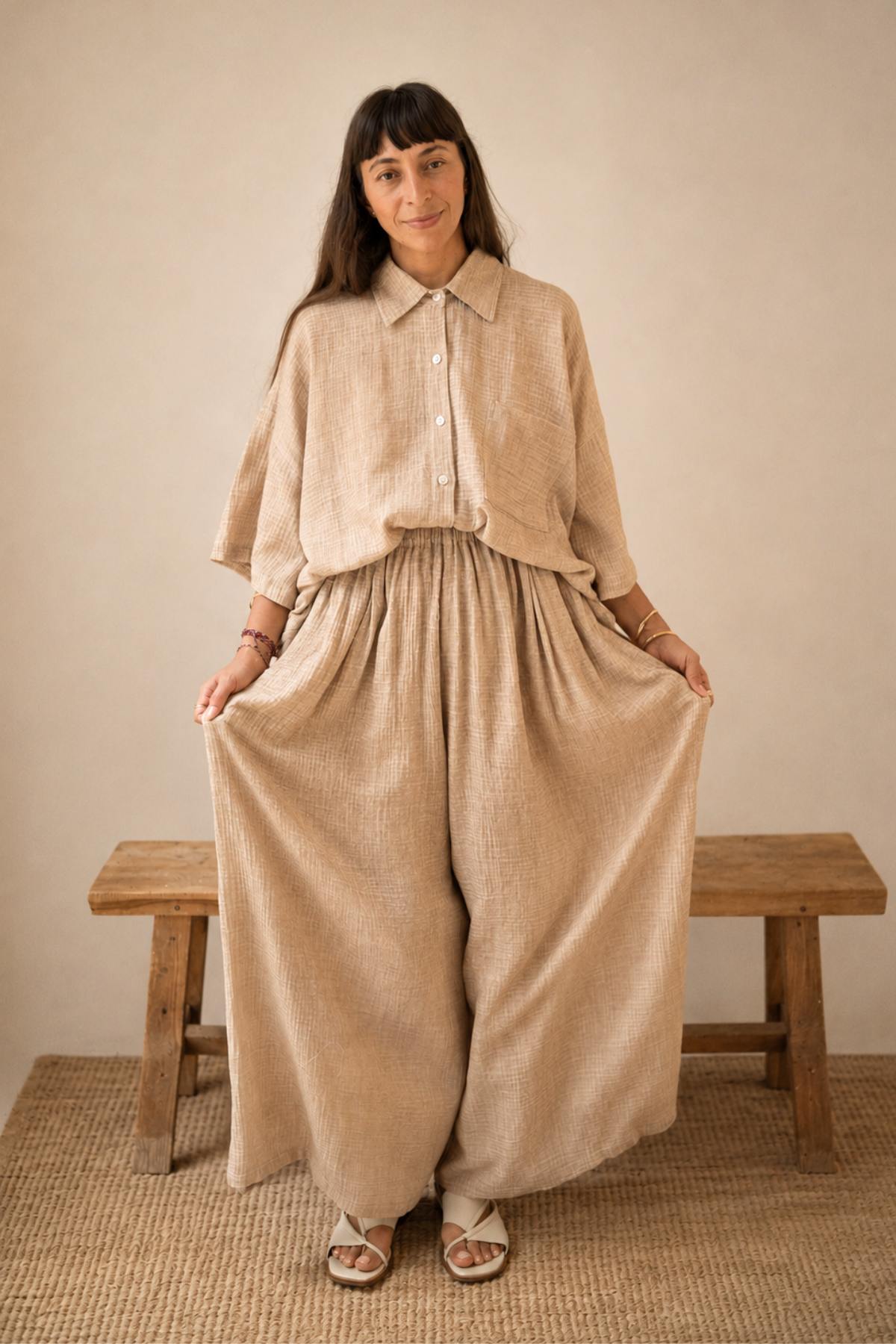
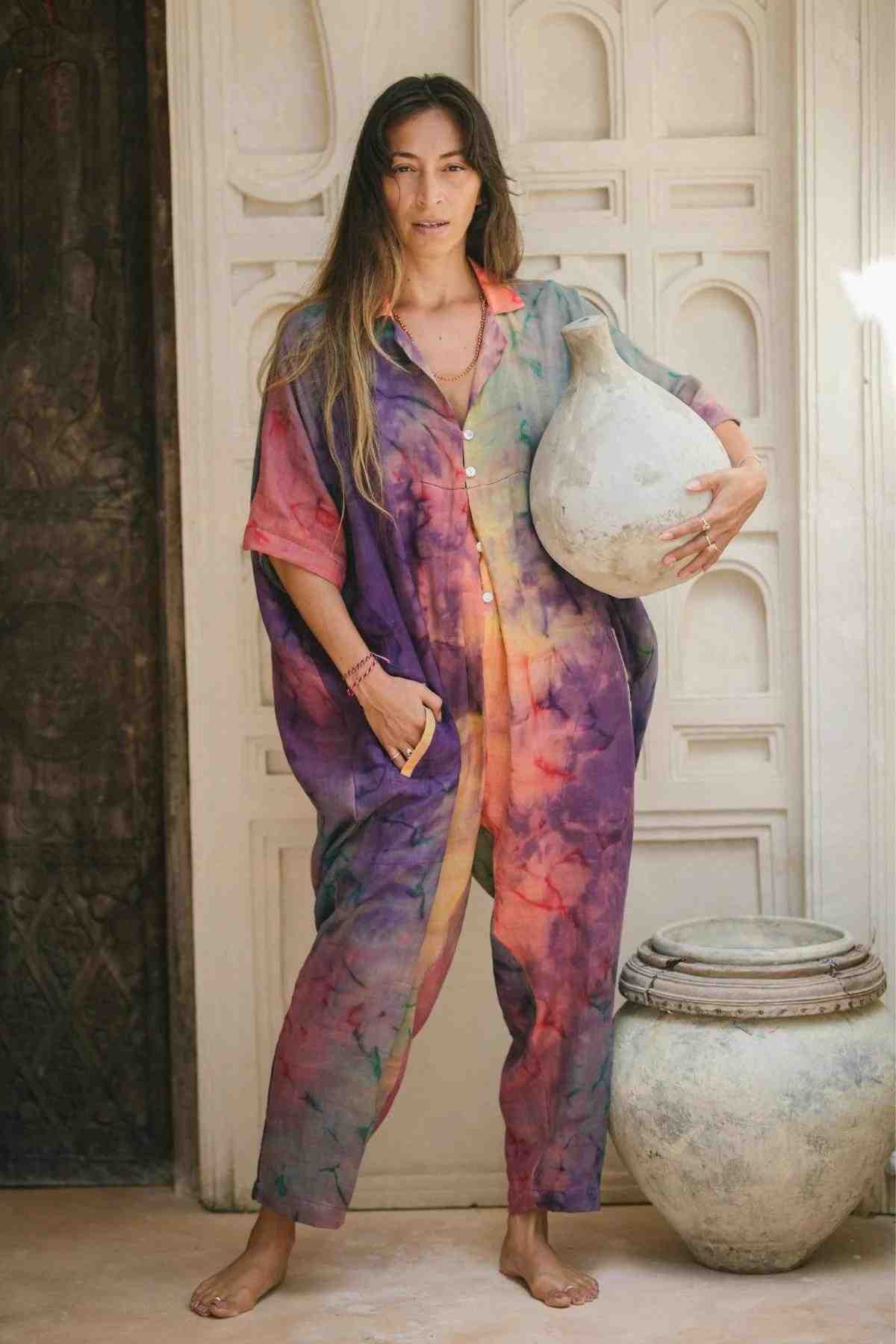
We work with linen. With organic cotton. With silk. With Tumanggal, a hand-woven cotton from the highlands of Flores, Indonesia, where the weaving tradition is older than the brand names of every fabric company in the world. With ramie, a plant-based fiber that has been worn in Asia for thousands of years. With botanical dyes made from turmeric, indigo, and the native plants of Bali that the land itself has been offering for generations.
Not because this is what a thoughtful brand is supposed to say in 2026. Because they are right. Because the women who wear our clothing deserve to have their skin met with something that understands it.
We are, in every sense of the phrase, a slow business. We mean that in every sense of the word. We work with artisans who have time. We make clothing that has intention. We choose fabrics the way you would choose what to feed someone you love, with care, with knowledge, and with the willingness to say no to the easier option.
A note to the women whose bodies have been speaking
If you have been told that your skin is difficult, reactive, or simply sensitive, I want to offer another possibility. That your body is not failing you. That it is being precise. That it knows the difference between what was grown and what was manufactured, between what was made by a living plant and what was engineered from oil, and it is simply doing what bodies do, which is to tell the truth, loudly if necessary, until someone listens.
I think a lot of what we put up with in a day is quietly fabric. The top that felt fine in the shop and hot by noon. The waistband that never quite settled. The synthetic that held the day's warmth against you instead of letting it go. None of that is a medical matter. It is the wrong material worn for hours, and it is the easiest thing on this list to change.
You deserve fabric that your skin exhales into.
Not because you have a condition. Because you are a woman with skin that is alive, and alive things deserve to be touched with intention.
The inheritance we are building
My daughter is older now. She still has opinions about what touches her skin. I am grateful for this. I hope she never loses it, this discernment that her body came in with, this clear and quiet knowledge of what is right and what is not.
I think about her every time we choose a fabric. Every time we turn down a supplier who has the better price but the worse answer. Every time we say no to something that would be easier, faster, cheaper, and less kind to the body of the woman who will eventually wear it.
The clothing we make is meant to be worn thirty times. A hundred times. And then handed to a daughter. A niece. A friend who sees it across the room at dinner and says, where is that from?
It is from intention. It is from discernment. It is from a mother who watched her newborn's skin speak its first truth, and decided that she would spend the rest of her working life making something worthy of being listened to.
Frequently asked questions
What fabric is best if synthetic materials bother your skin? Natural fibres you can breathe through: linen, organic cotton, and silk. They move air and moisture rather than trapping them against the skin, and they carry none of the finishing chemistry that synthetic performance fabrics rely on. Our linen is certified to OEKO-TEX Standard 100, which tests the finished cloth for harmful substances.
Does OEKO-TEX Standard 100 mean a fabric is safe against skin? It means the finished fabric has been tested for a long list of harmful substances and passed, at the stage that matters most, after dyeing and finishing, which is the cloth that actually touches you. It is a test of what is in the fabric, not a claim about anyone's skin.
What is the difference between OEKO-TEX, European Flax, and GOTS? OEKO-TEX Standard 100 tests the finished fabric for harmful substances. European Flax and Masters of Linen trace the flax to European fields grown without irrigation or GMOs. GOTS certifies organic processing at the mill. We hold OEKO-TEX on our linen and buy European Flax and Masters of Linen certified cloth. Our mills are GOTS certified, though we do not hold chain of custody ourselves, and we say so plainly.
Why do synthetic fabrics feel different against the skin? Polyester and nylon are made from petrochemicals and woven to seal rather than breathe, so they hold heat and moisture against the body instead of releasing it. Natural fibres do the opposite. That is a difference in how the fibre behaves, not a verdict on anyone's skin.
With love from Bali,
Myrah

|
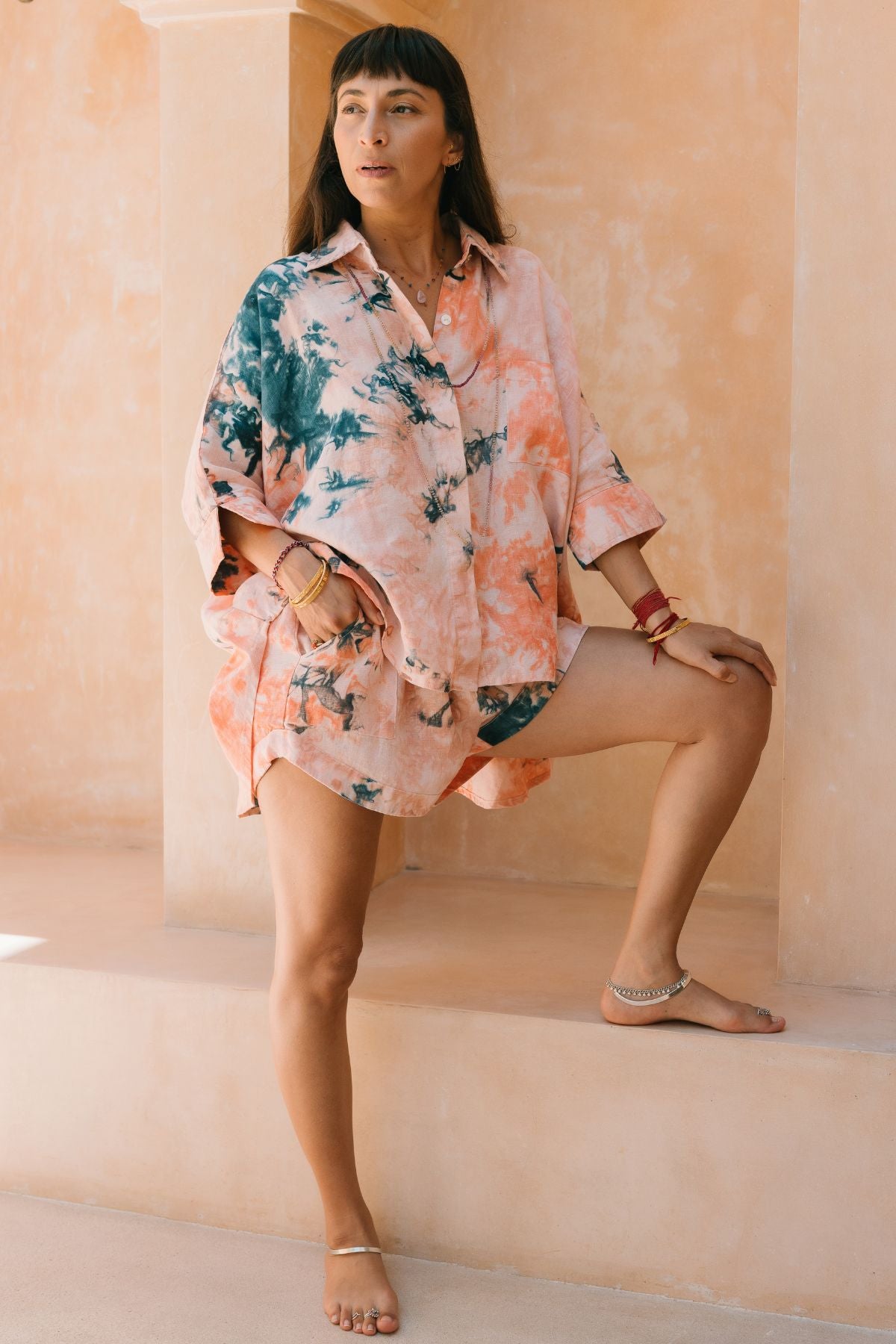
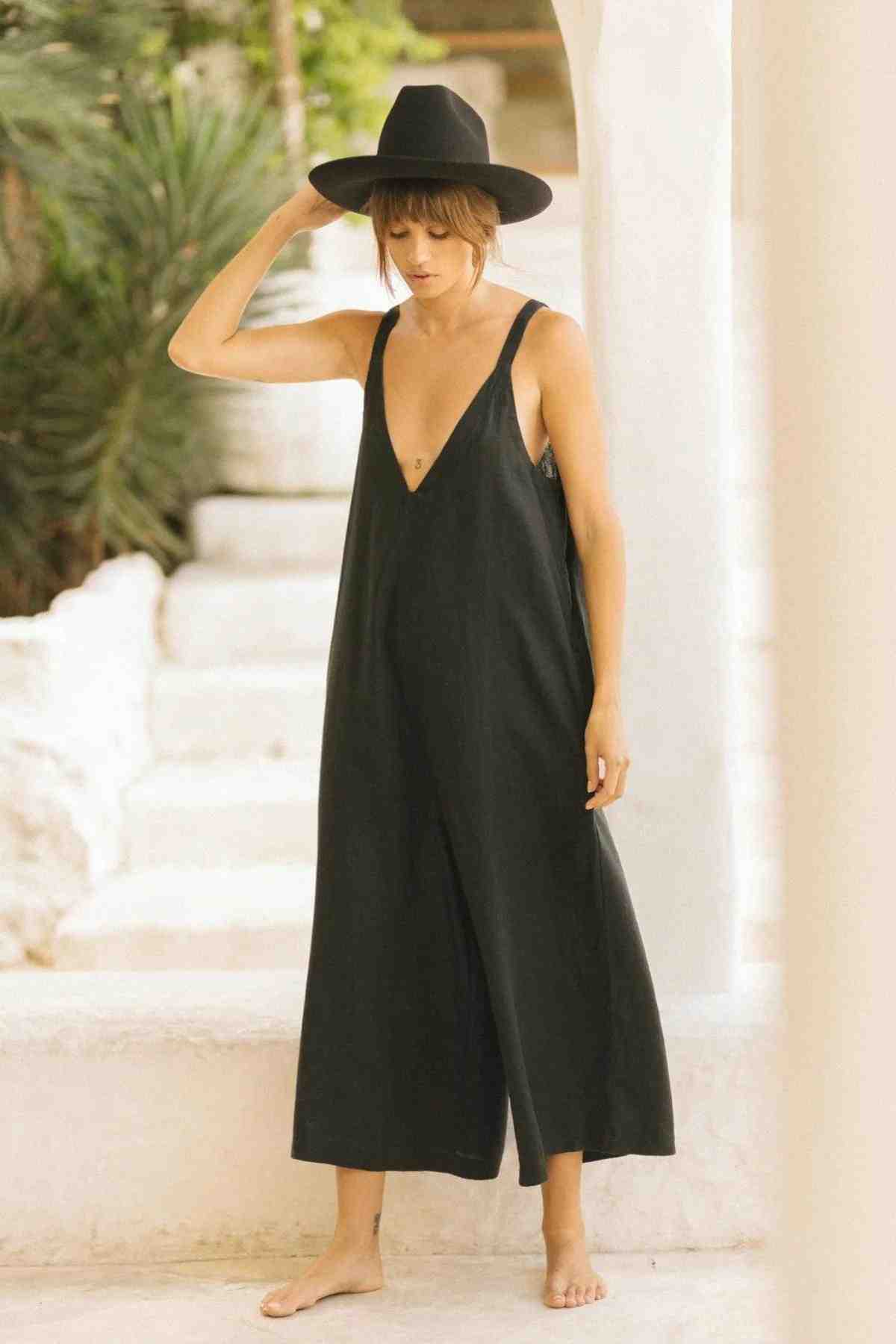
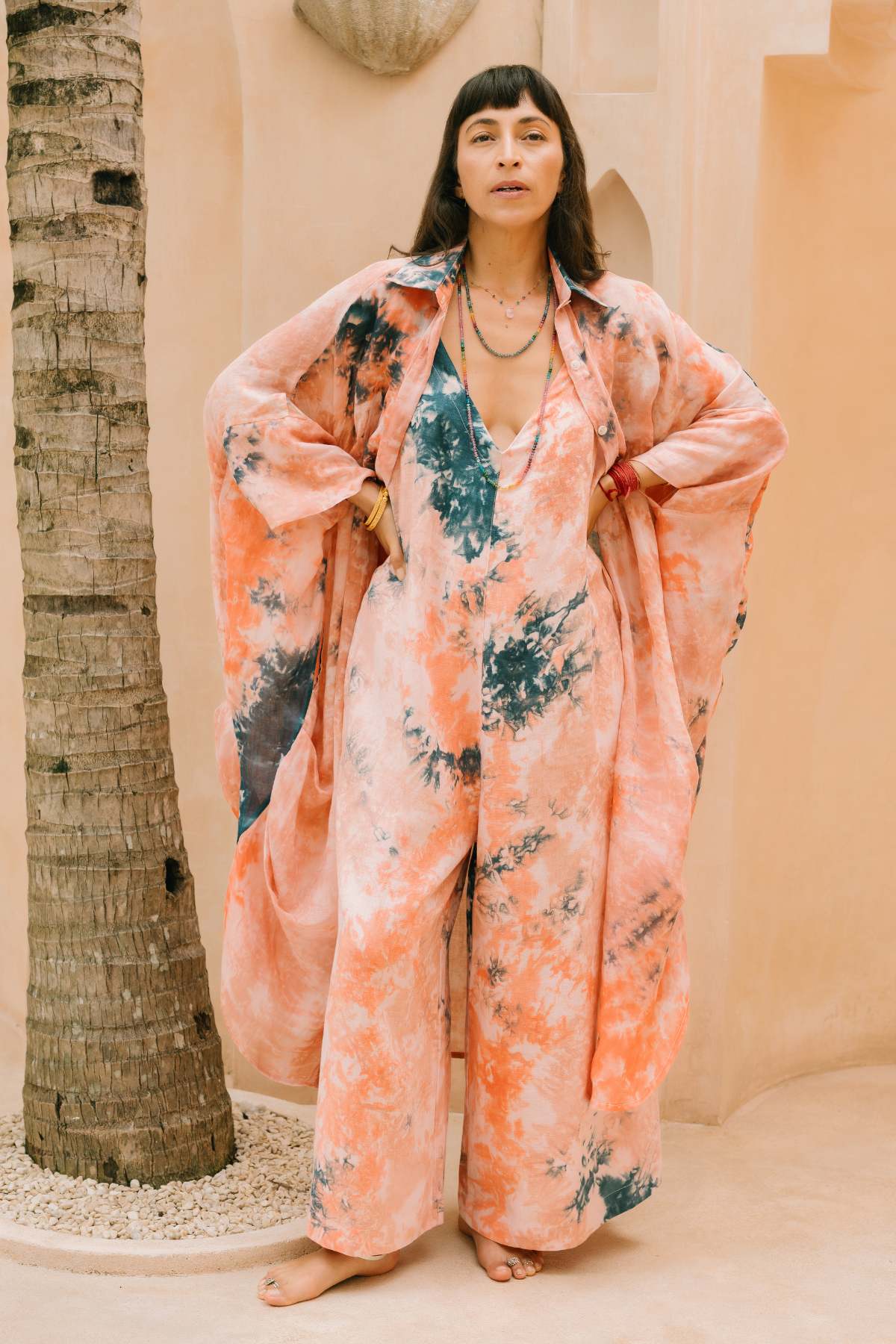
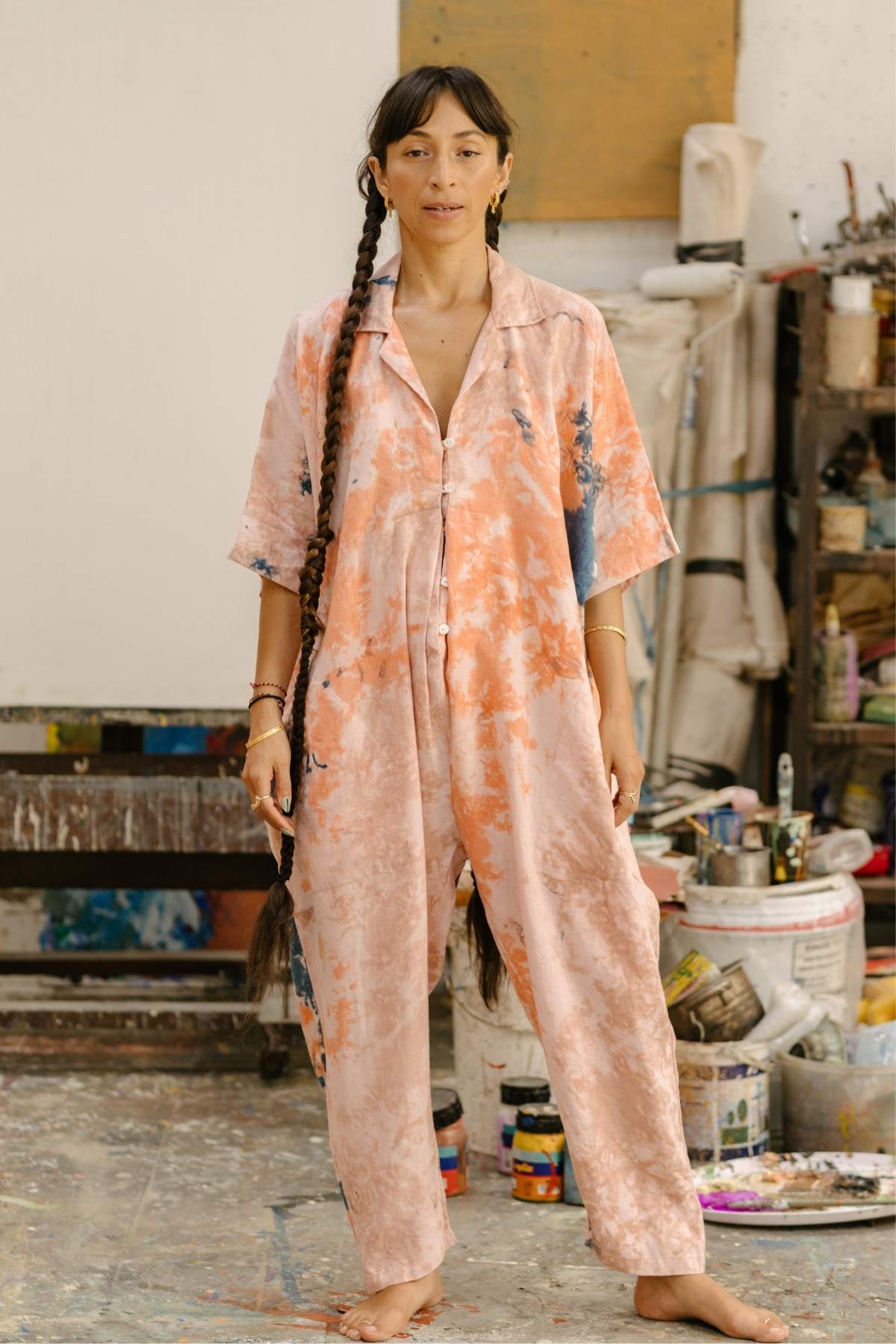
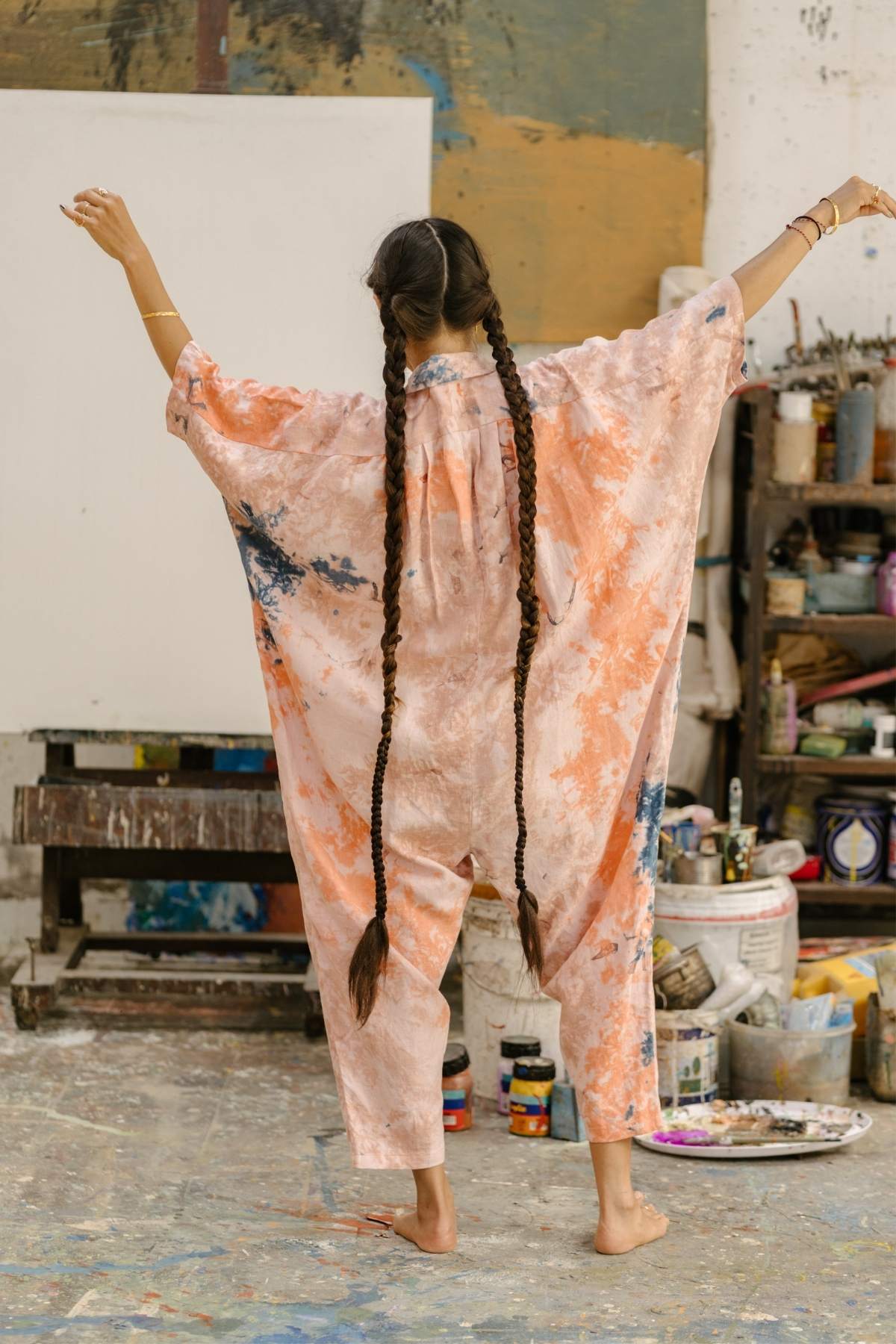
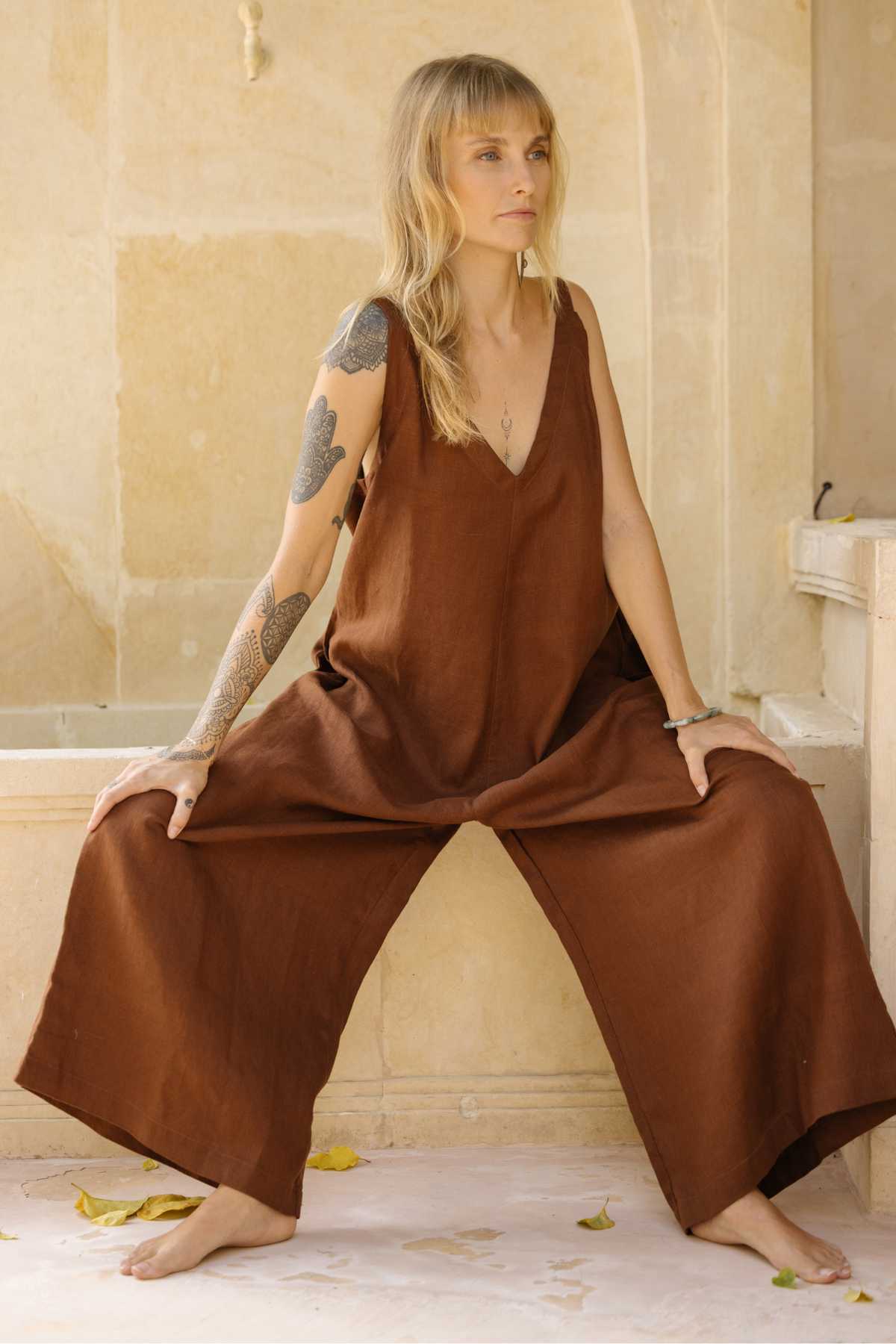
A Piece for This Threshold The Kundalini Linen Playsuit Shop the Kundalini → |
|
The Muse-Letter Dress for the woman you’re becoming. Join the Muse-LetterUnsubscribe any time. No spam, ever. |






Leave a comment
This site is protected by hCaptcha and the hCaptcha Privacy Policy and Terms of Service apply.