
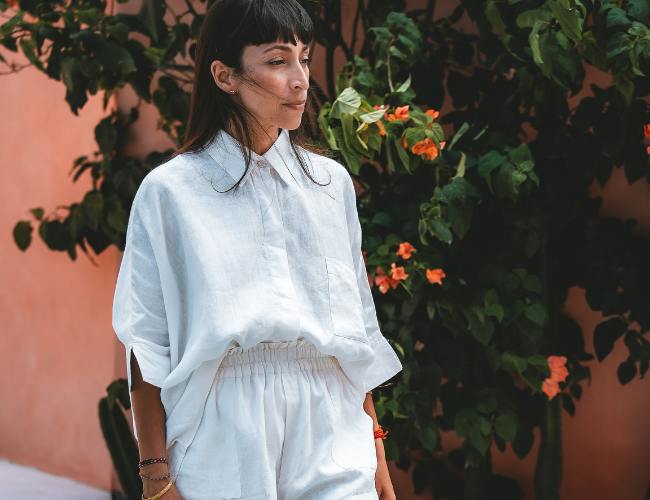
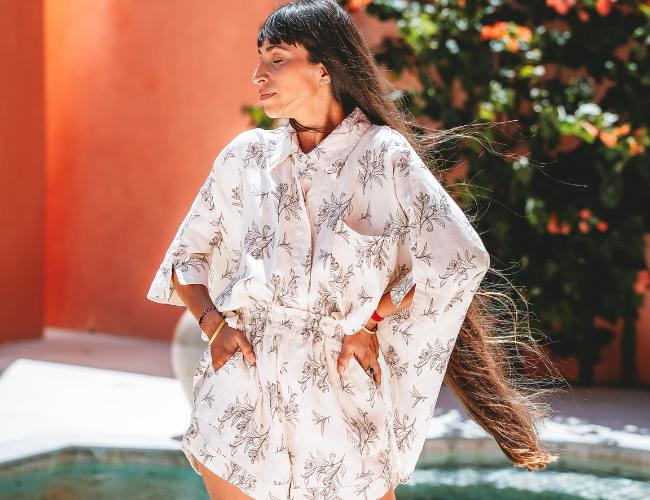


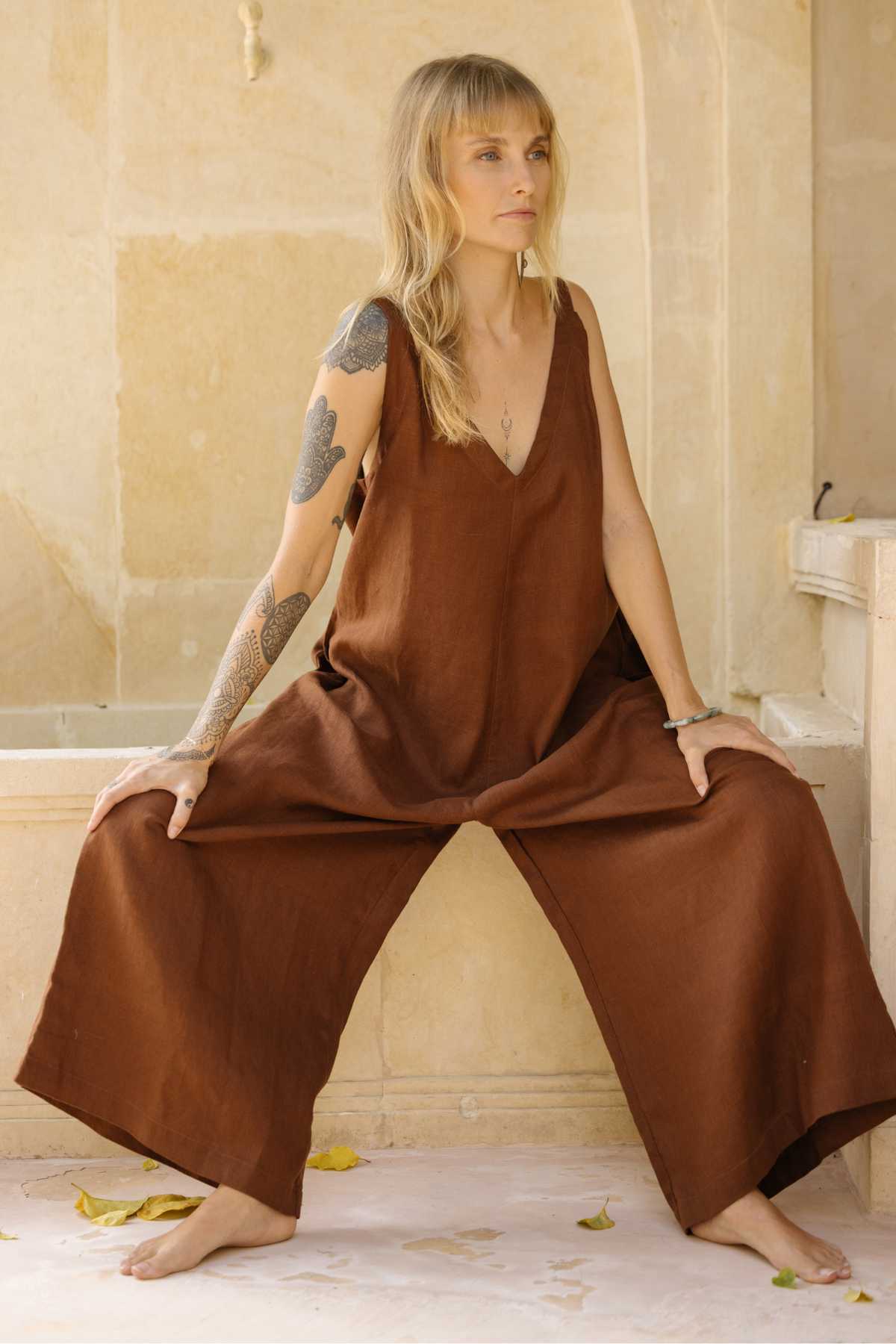
Linen Is Not a Fabric. It Is a Living Thing.
There is a moment, every time, when a woman puts on linen for the first time after years of wearing polyester blends and machine-knit synthetics. She goes quiet. Not because she is thinking something. Because her body is feeling something it has not felt in a long time, and feeling is faster than thought.
We have watched this happen. We have heard women describe it in their own words: exhale, settle, arrive, remember. We have read hundreds of reviews where customers reach for language and end up landing on the same word, over and over: alive.
We don't think this is a coincidence. We don't think it is marketing language. We think it is a woman's nervous system recognizing something it already knows.
About the 5,000 number
An earlier version of this letter carried a table. It said linen measures 5,000, that polyester measures zero, and that a healthy body sits somewhere between 62 and 70. I had read it in a dozen places, it moved me, and I repeated it.
It is not true, and I would rather say so here than leave it standing. The numbers trace back to a single unpublished set of readings described around 2003, taken on a device with no standing in physics, and never replicated by anyone. There is no measurement of a fabric frequency, in linen or in anything else, because that is not a property cloth has. The whole story of where the number came from is in Does Linen Have a Frequency?
What linen does do is real, and it is enough. It breathes. It moves moisture away from the skin. It softens with every wash. And it carries a history that needs no number to hold it up.
What the ancients already knew
The flax plant, from which linen is made, has been cultivated for longer than almost any other textile crop on earth. The oldest known woven garment in the world is linen. It is called the Tarkhan Dress, found in an Egyptian tomb, and it dates to somewhere between 3,482 and 3,102 BCE. It is over five thousand years old. And it survived.
In ancient Egypt, linen was not simply a fabric. It was a sacred material. The priests of Isis wore white linen exclusively, as a symbol of purity. The Greek historian Plutarch recorded this directly. Pharaohs were adorned in robes of the finest linen. The mummies of kings were wrapped in hundreds of yards of it, sealed against time, preserved by silica within the flax fiber that protected against decay. Egyptian linen was so finely woven that Greek historians reported it could not be distinguished from silk.
Linen also served as the world's first medical textile. The ancient Egyptian physicians dressed wounds in linen bandages and documented reduced post-surgical pain in patients who wore linen clothing during recovery. The scalpels were bronze. The bandages were linen. The two went together as naturally as the diagnosis and the remedy.
In the biblical tradition, the sacred cannot be made of anything else. The priests of the Temple in Jerusalem were instructed to wear linen garments within the inner court. The tabernacle curtains were woven from twisted linen. The message across thousands of years and multiple civilizations is the same: for anything that matters, for anything that touches what is sacred, use linen.
The fabric that heals
Linen is the only textile fiber that becomes softer and stronger with every wash. Every other fabric weakens over time. Linen strengthens. After twenty washes, thirty washes, a hundred washes, linen becomes more itself, not less. This is what a living material does.
Linen is naturally antibacterial and antifungal, properties that arise from the flax plant itself, not from chemical treatment. Linen regulates temperature in both directions. It does not hold static electricity. And linen, uniquely, is alkaline, sitting on the same side of the pH scale as healthy human skin. It does not irritate. It harmonizes.
Where our linen comes from
We source our linen from France, Italy, and China, each region producing fiber with its own character and weight. French linen is the finest in the world, grown in Normandy where flax has been cultivated for centuries. Italian linen carries a slightly warmer hand, with a natural sheen that deepens in sunlight. Our Chinese-sourced linen is chosen for its weight and structure, for the pieces that need to hold their drape through movement.
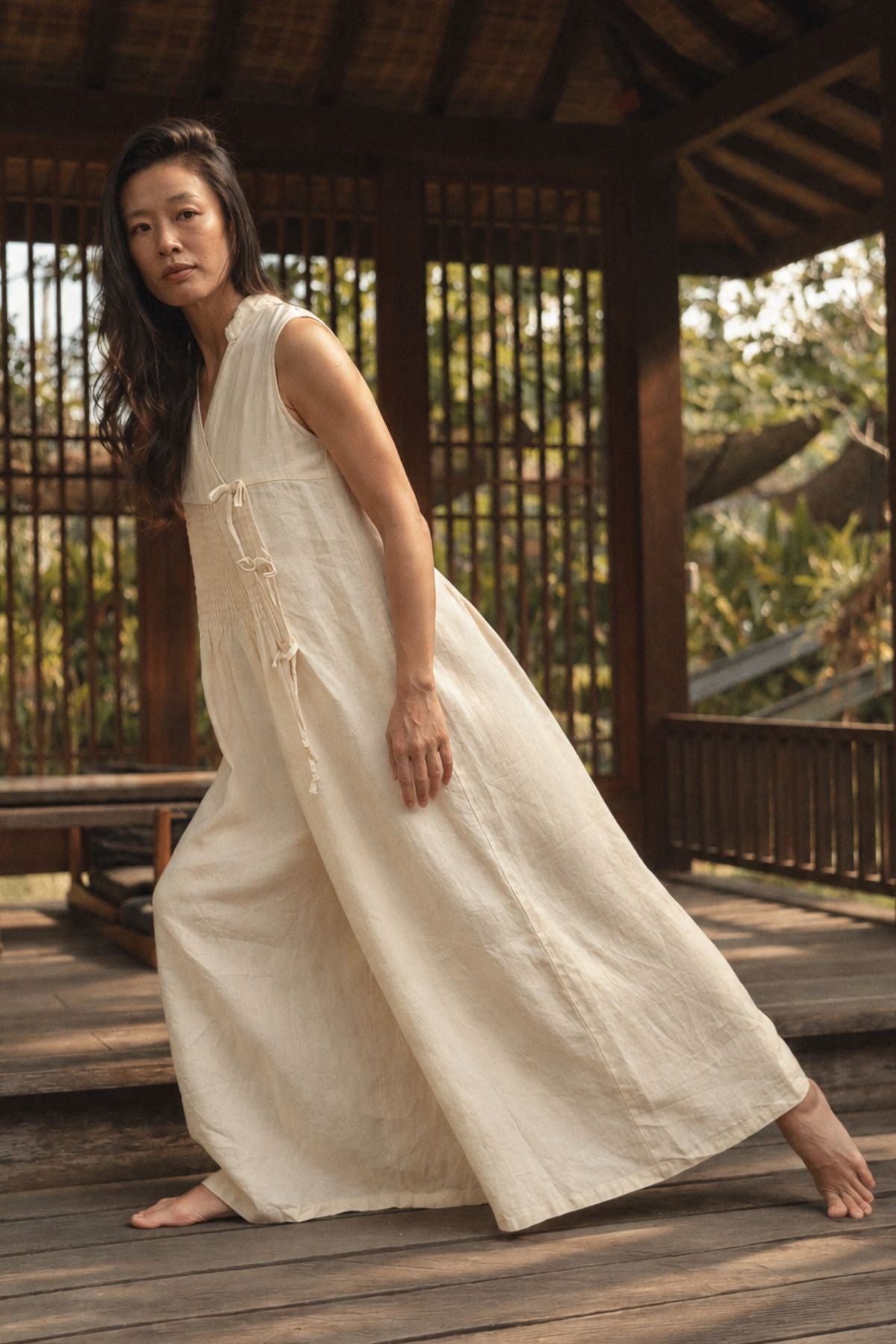
In each case, we are choosing fabrics that arrive to our Balinese artisan families already carrying something. A history of the land. A memory of the plant. A quality that the women who sew it can feel in their hands before they have finished the first seam.
What it means to dress in linen every day
If you spend ten years wearing polyester every day, you spend ten years in a fabric that holds heat and damp against the skin. You stop noticing it, the way you stop noticing a hum in a room. But your body is in constant relationship with what surrounds it.
If you spend ten years wearing linen, you spend ten years in one of the oldest fabrics on the planet. In the same material that the priests of Isis chose for their rituals. That the physicians of ancient Egypt chose for their healing. That has survived in tombs for five thousand years not as a relic but as evidence that something made with this much integrity endures.
We cannot prove to you, in the language of a laboratory, exactly what linen does to the body over time. We can tell you what thousands of women have told us: that they put it on and go quiet. That their body feels something it has not felt in a long time. That the word they reach for, almost every time, is alive.
We believe them. We have always believed them. Her body already knew.
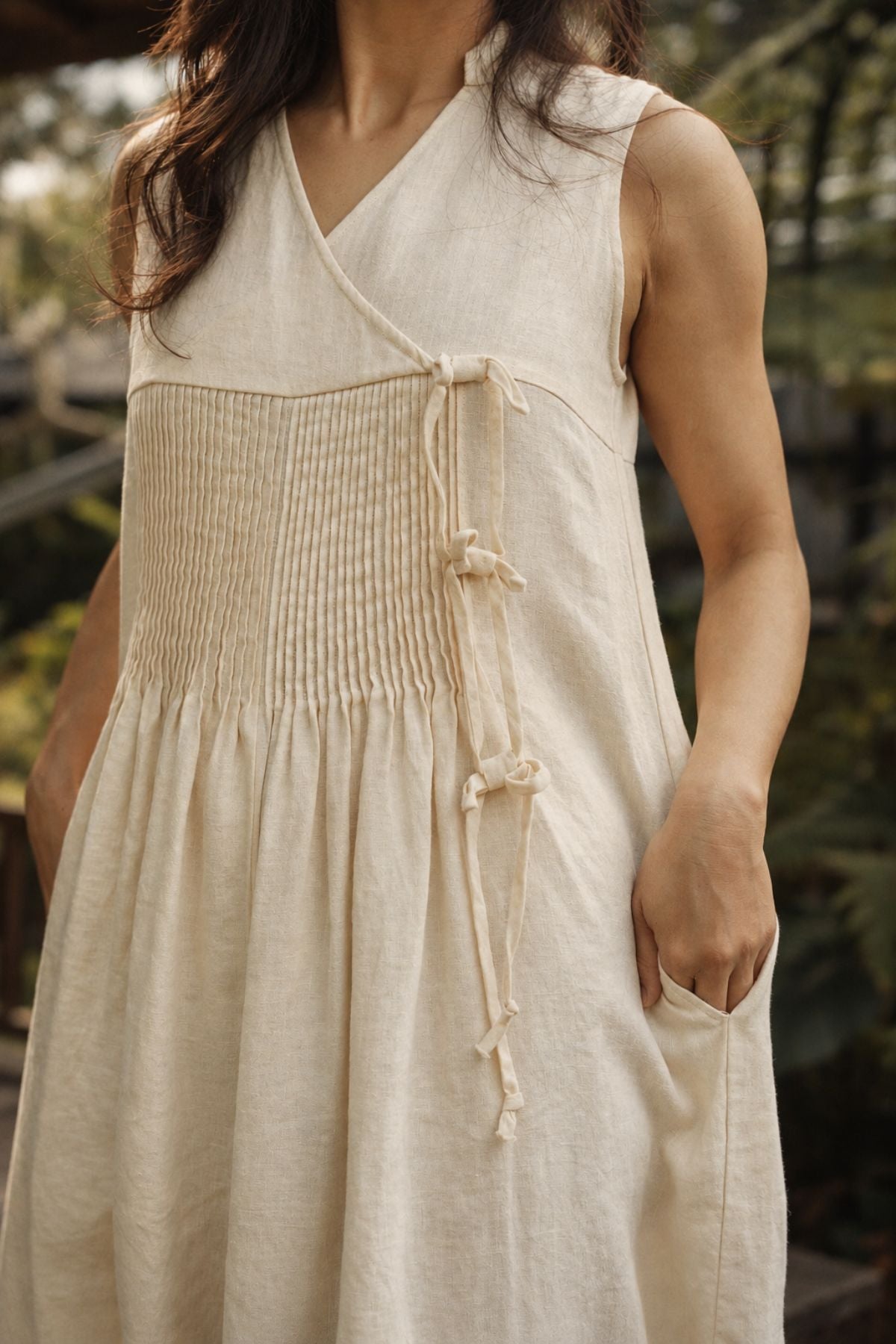
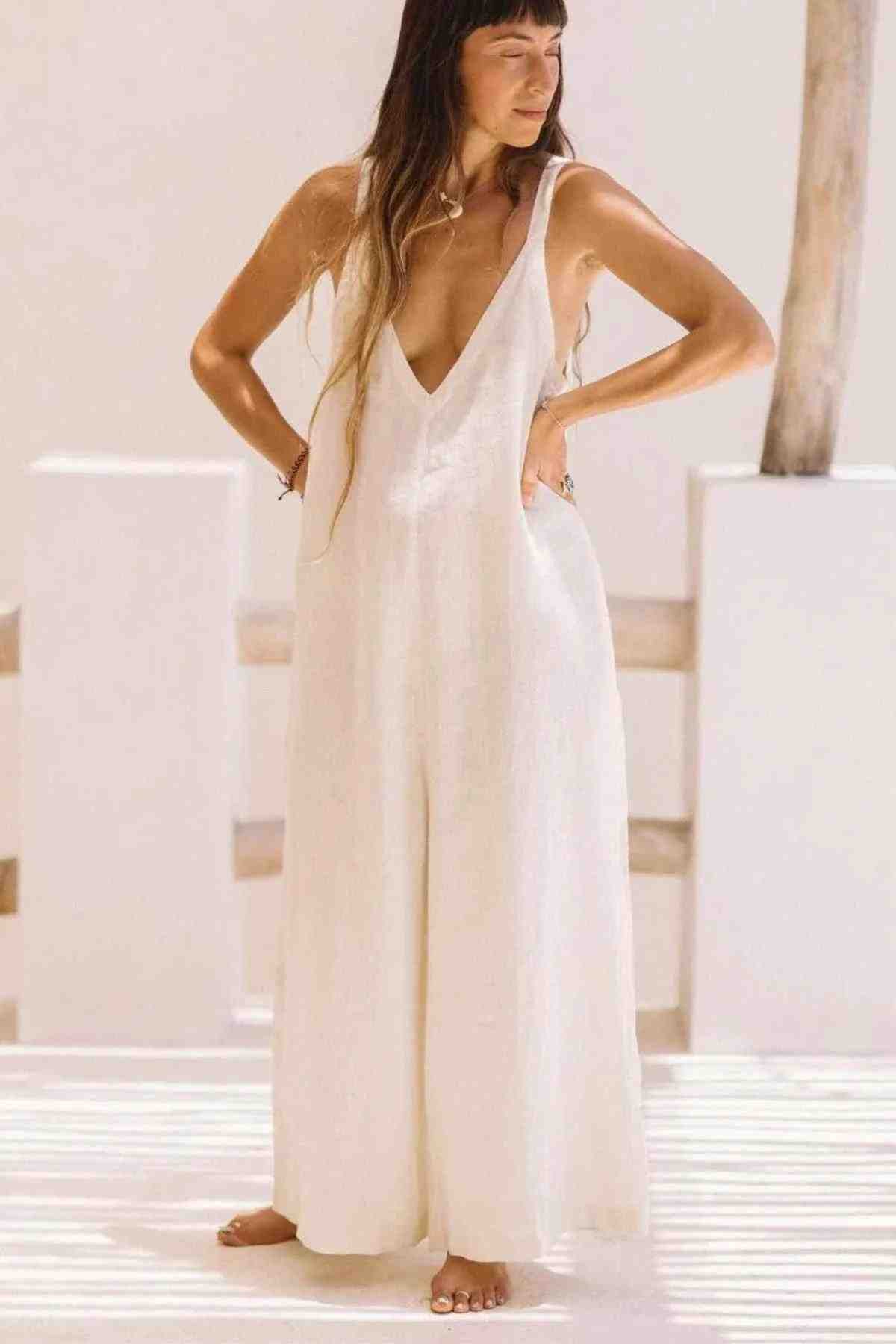
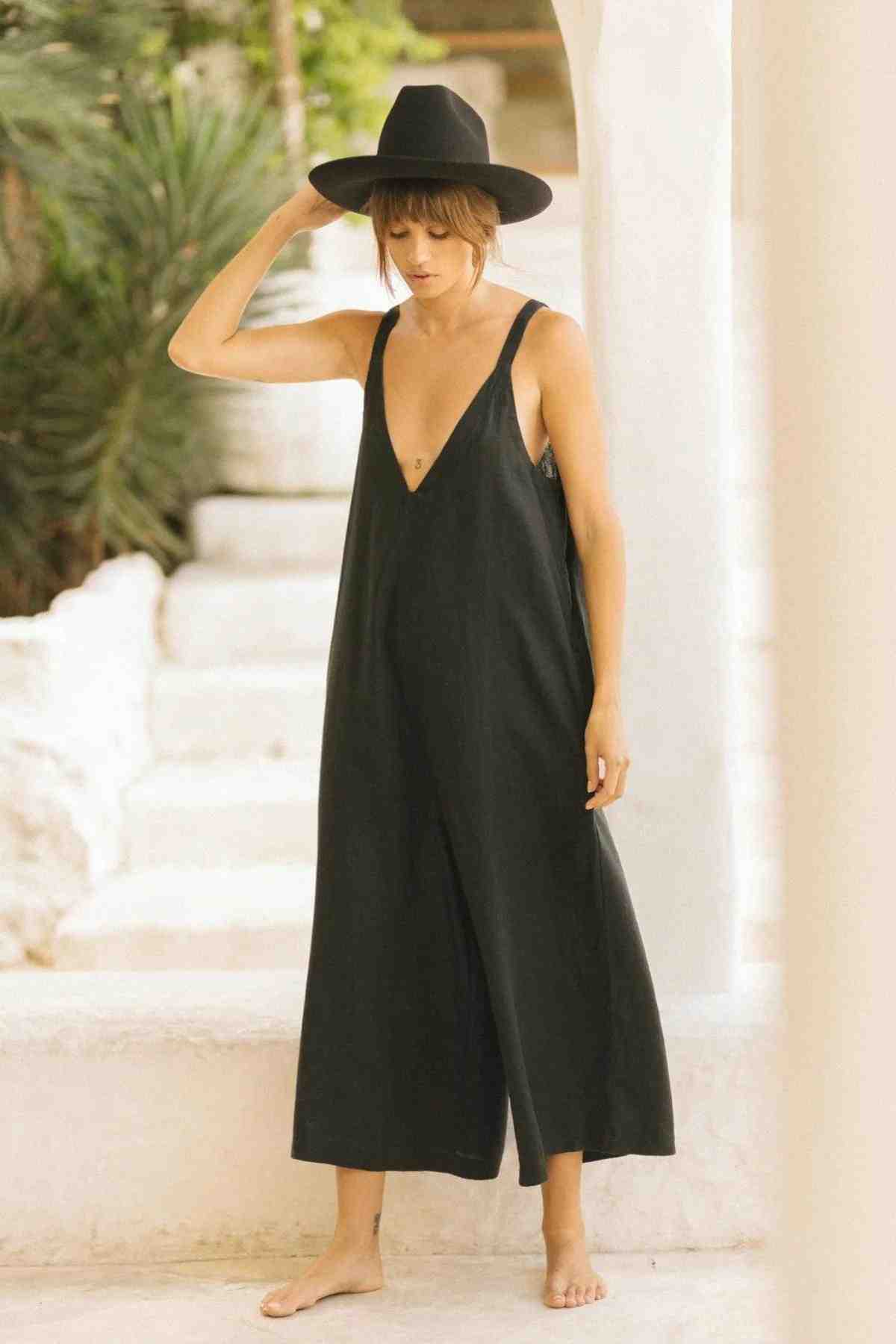
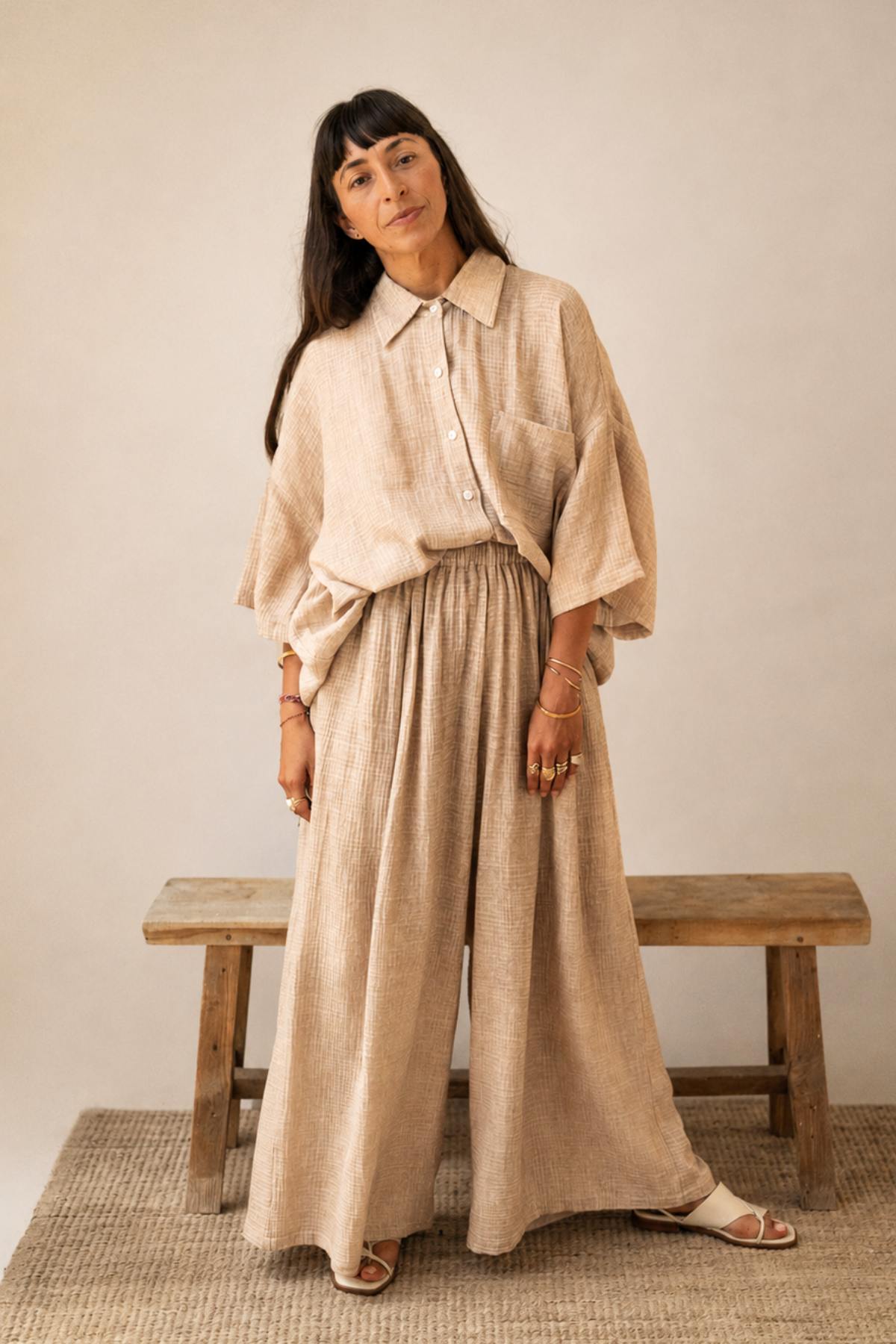
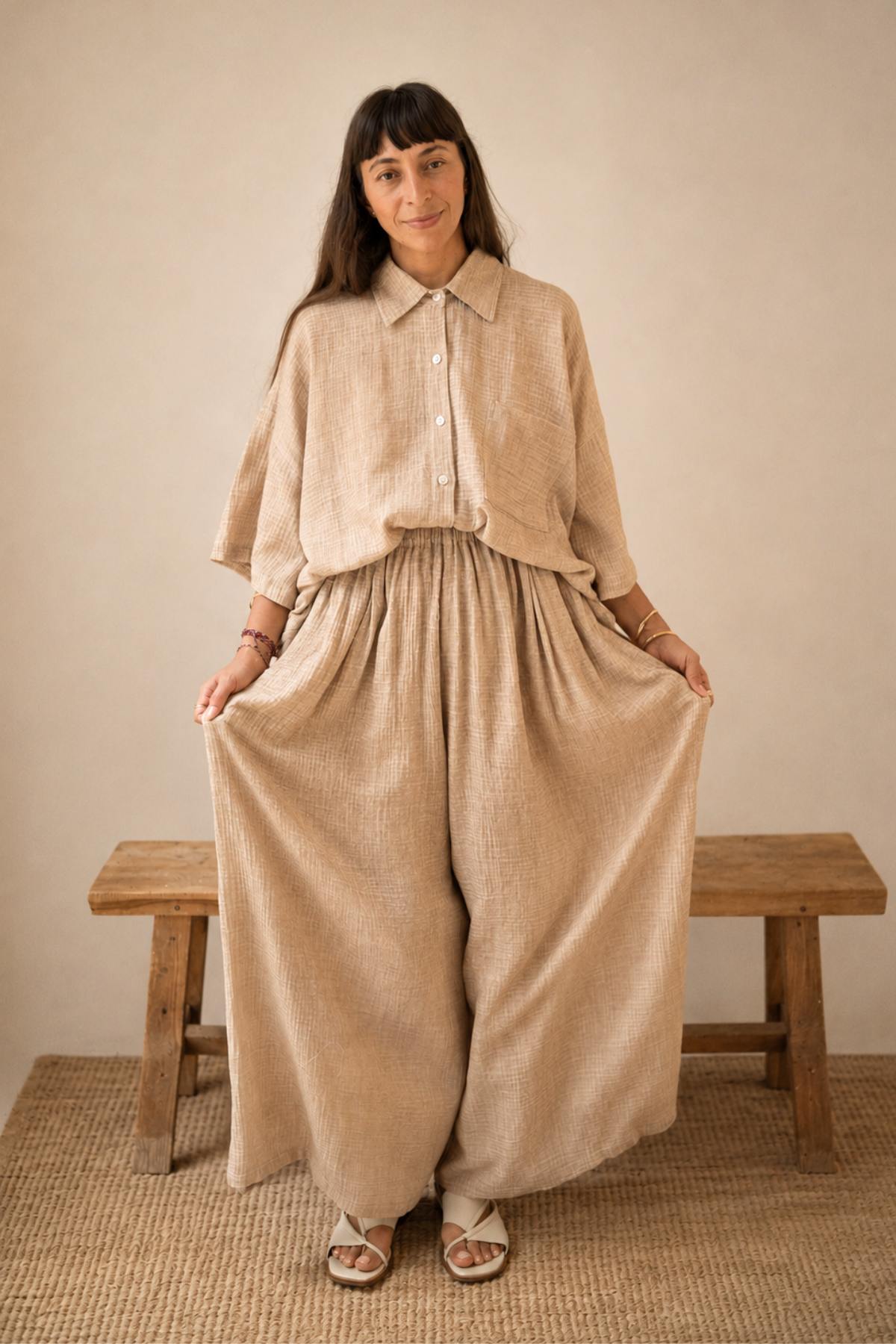
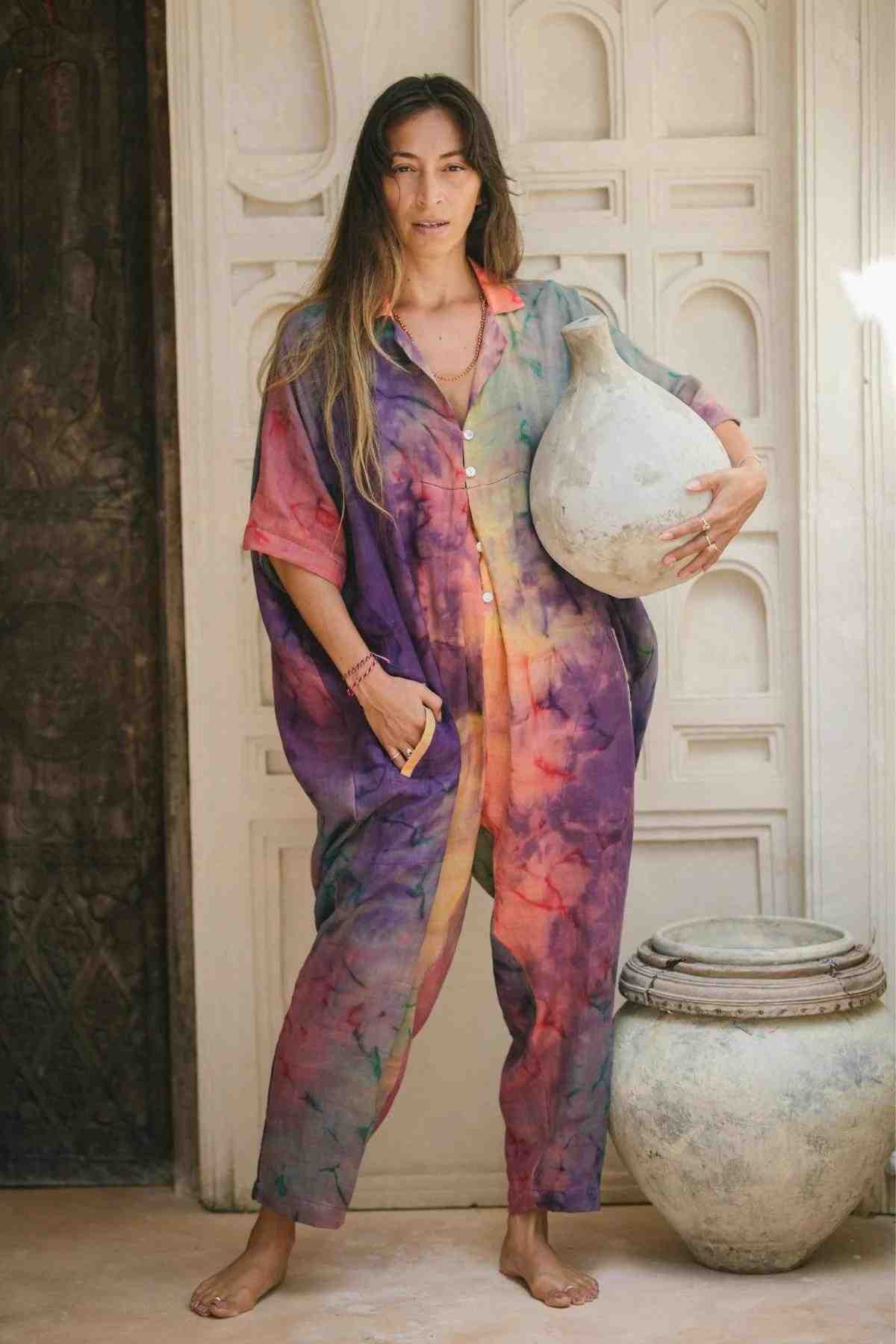
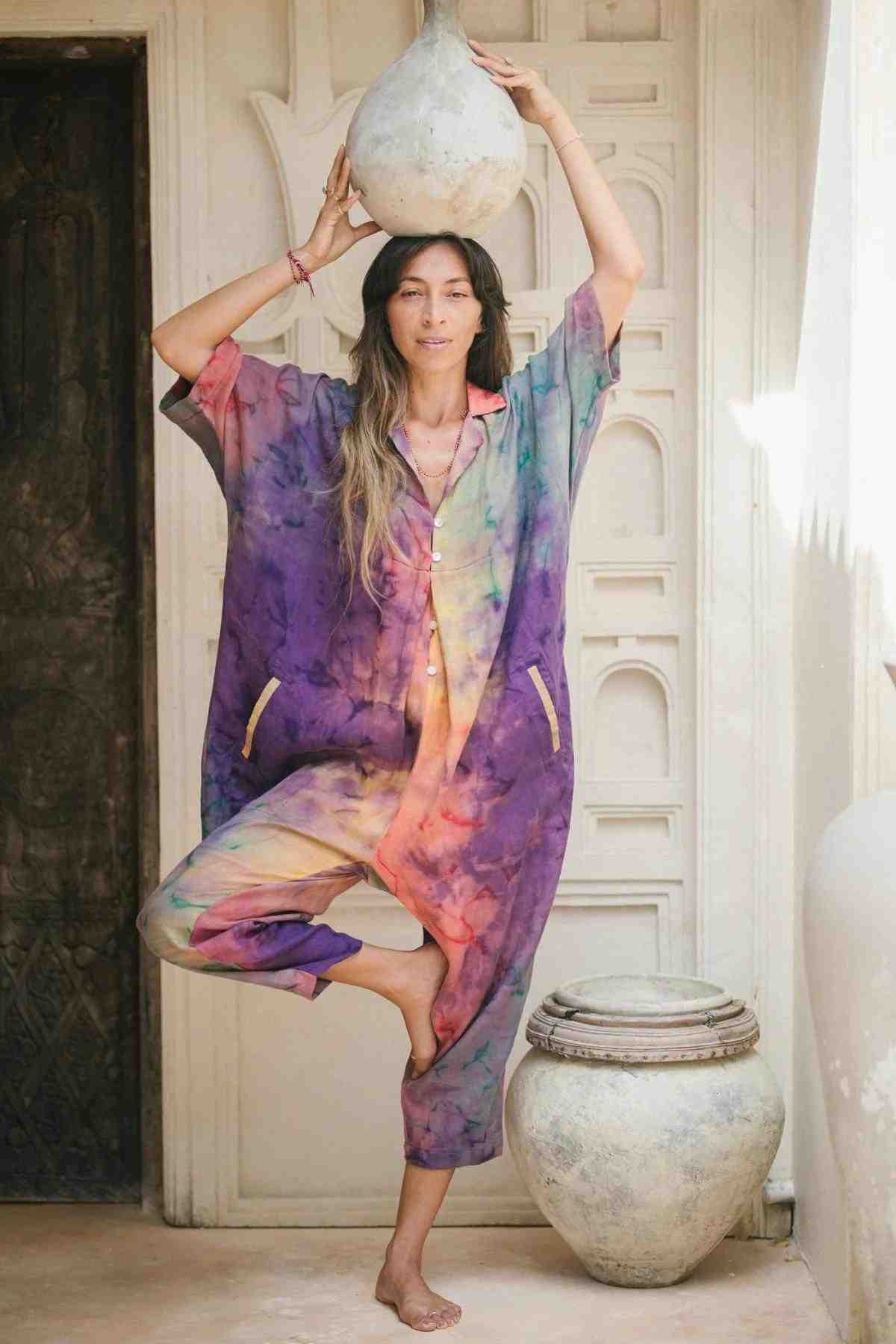
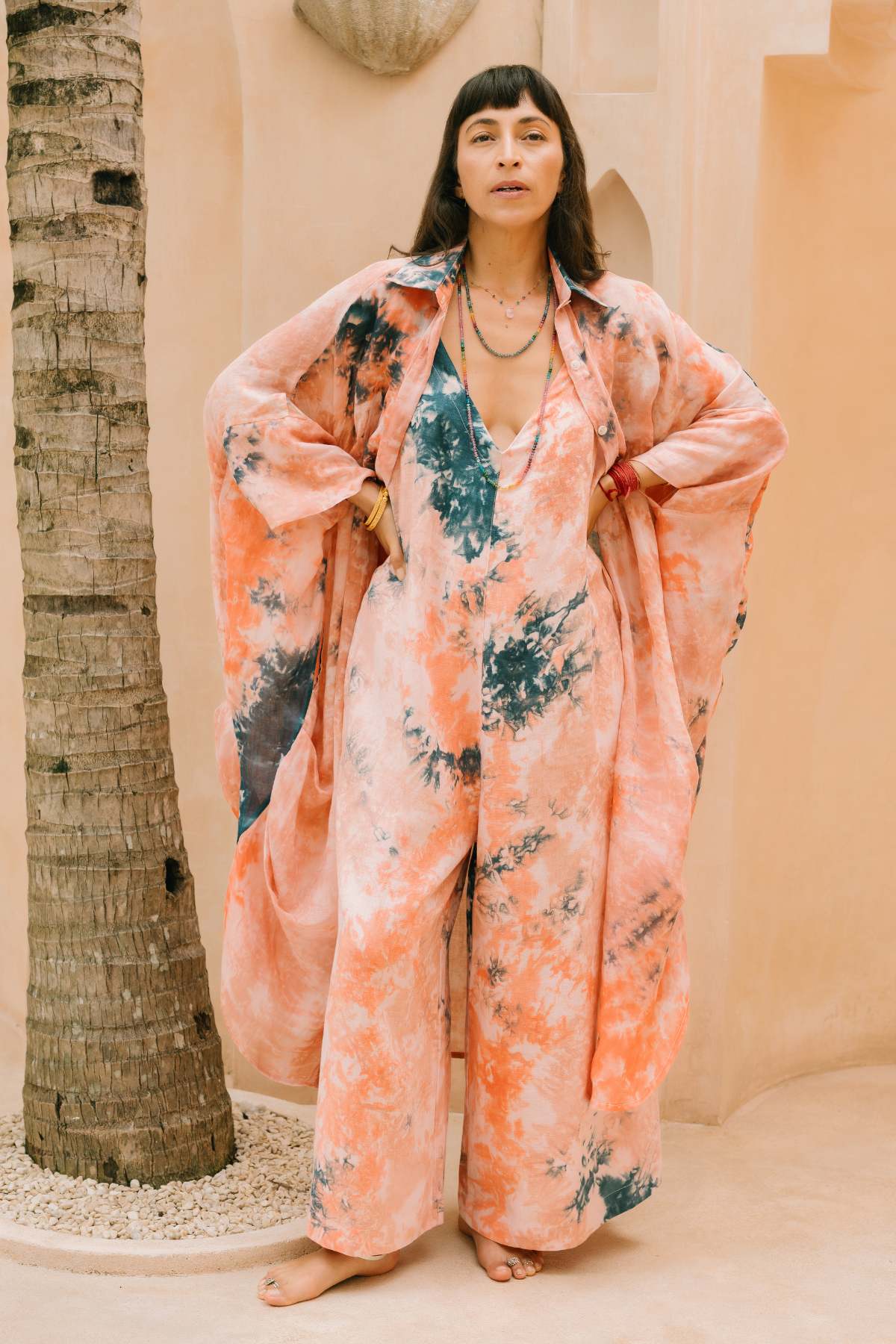
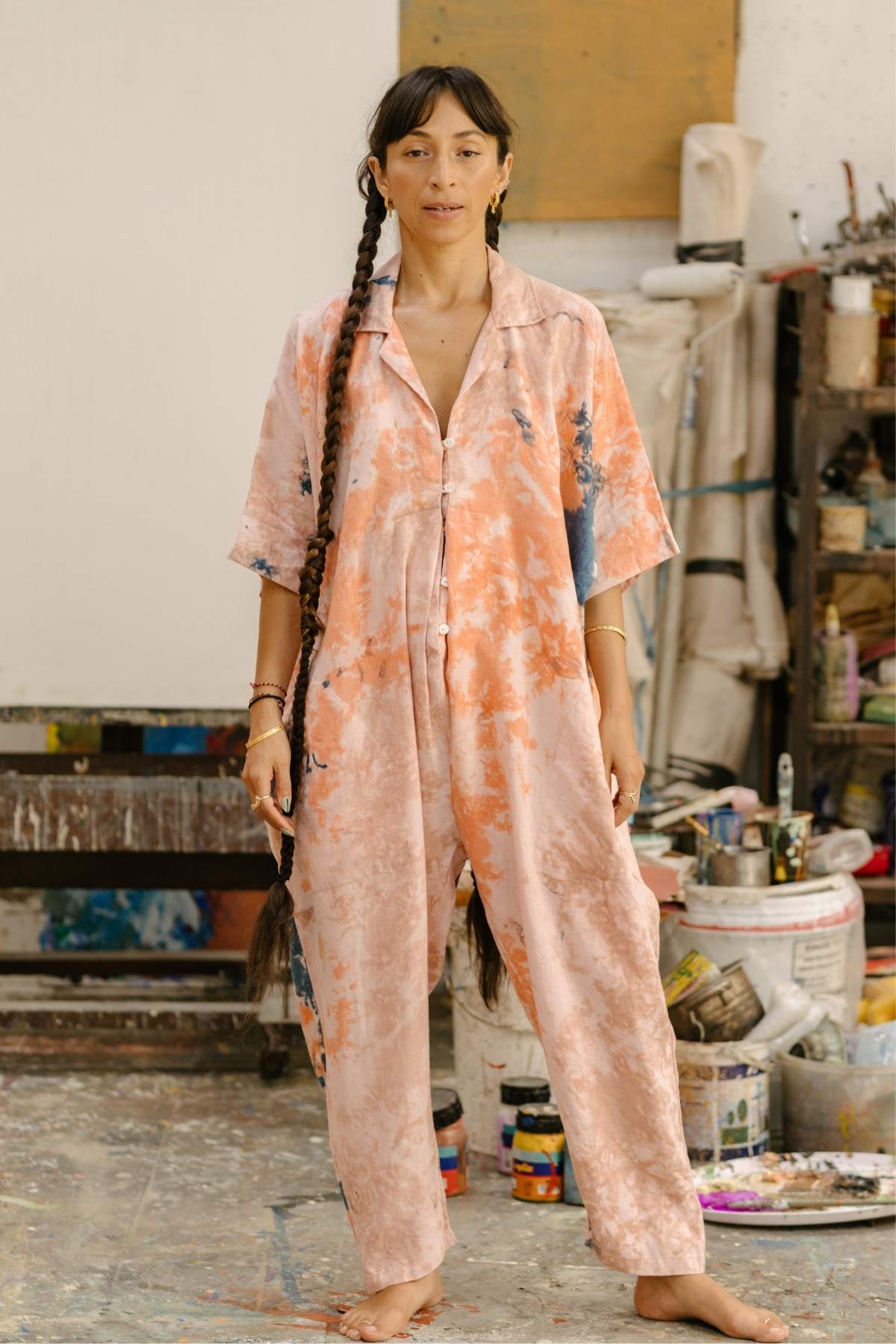
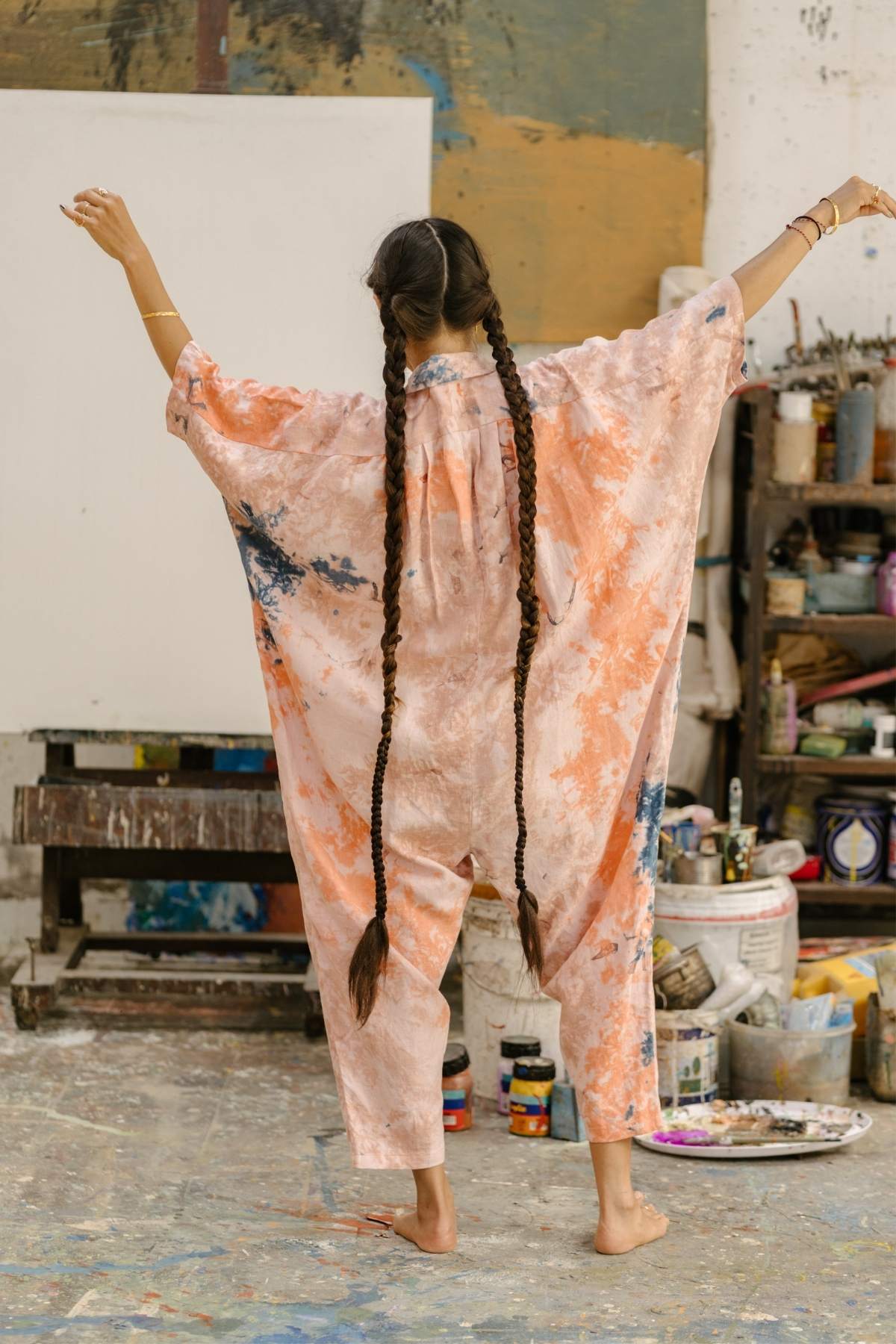
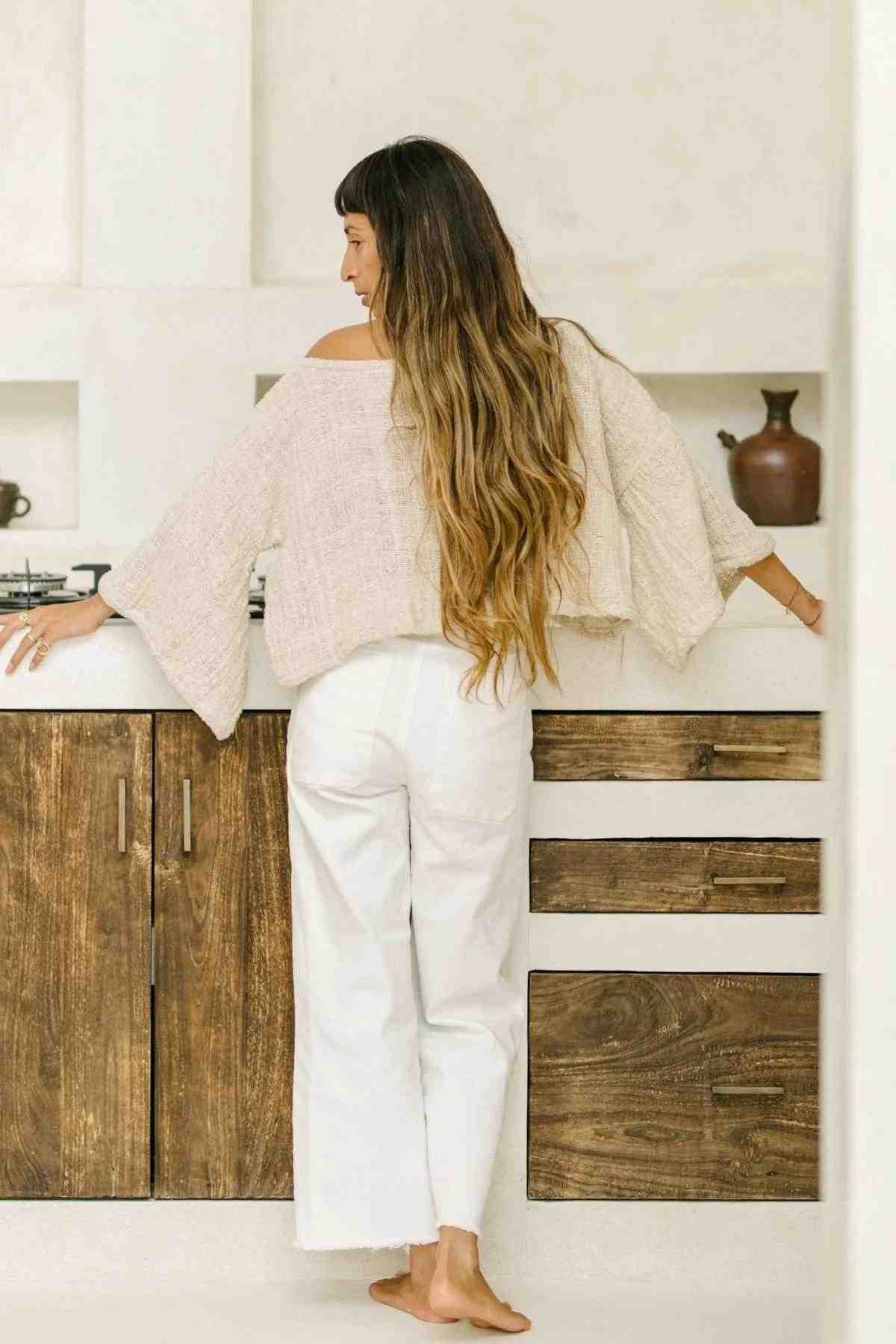
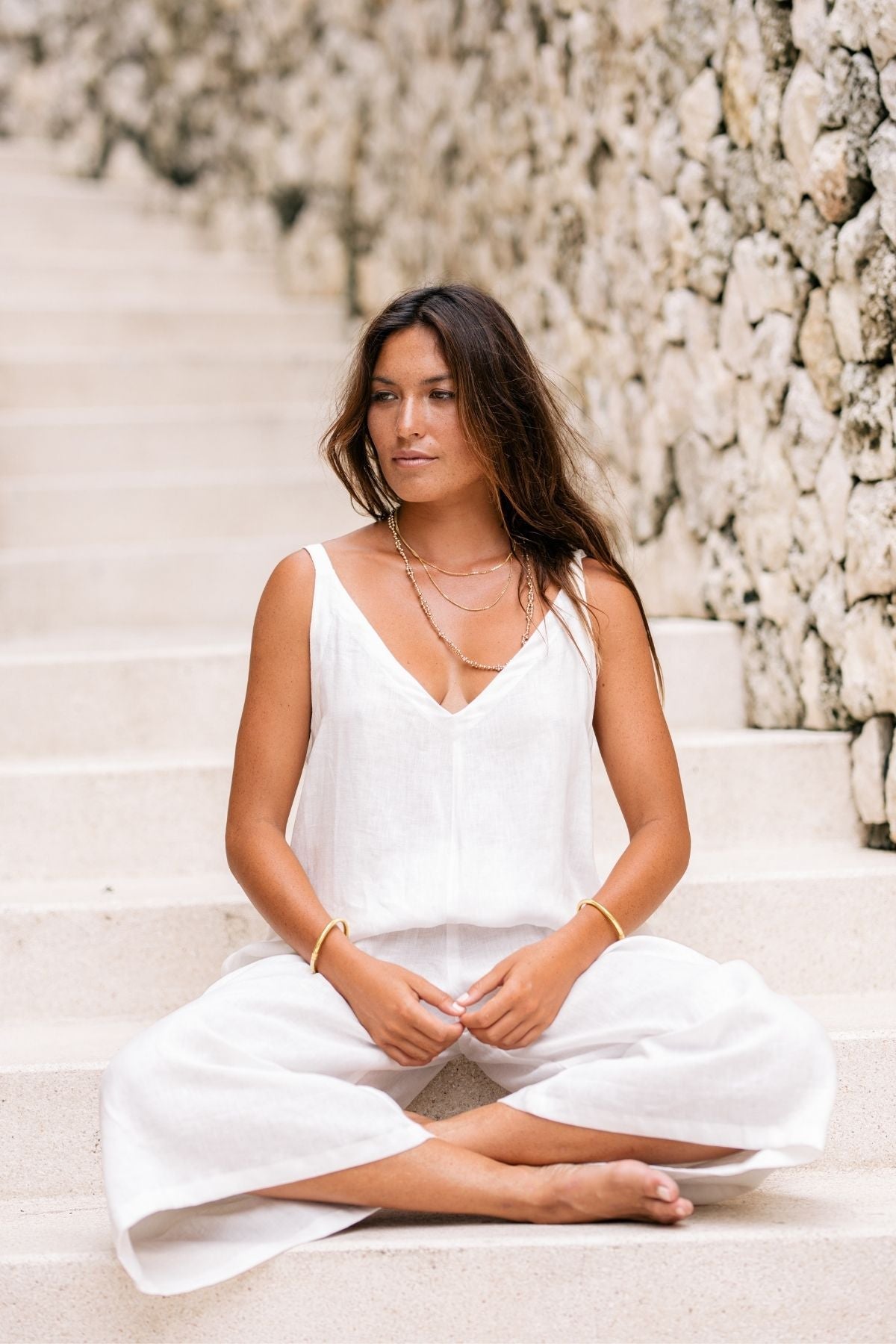
Our linen playsuits and rompers are where this ease lives most simply: one piece, put on once, done.
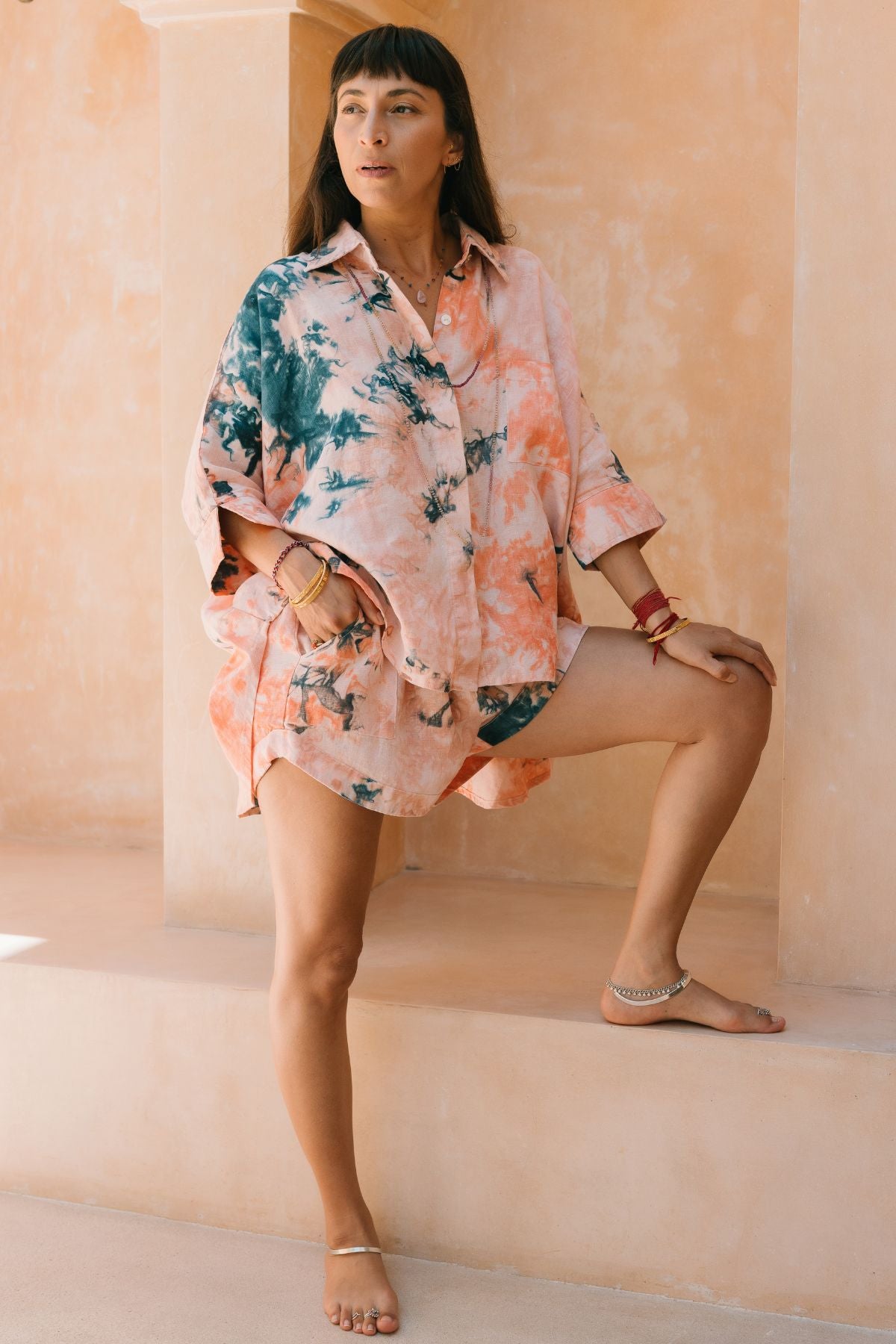
If you want to go deeper on the skin and body connection, read our companion post on why your skin is not sensitive, it is discerning. To see the linen pieces we make in Bali, start with the best linen sets for women in 2026. And if you are planning a visit to Bali, read our guide on what to wear in Bali.
With love from Bali,
Myrah

|
A Piece for This Threshold The Kundalini Linen Playsuit Shop the Kundalini → |
|
The Muse-Letter Dress for the woman you're becoming. Join the Muse-LetterUnsubscribe any time. No spam, ever. |




Leave a comment
This site is protected by hCaptcha and the hCaptcha Privacy Policy and Terms of Service apply.