
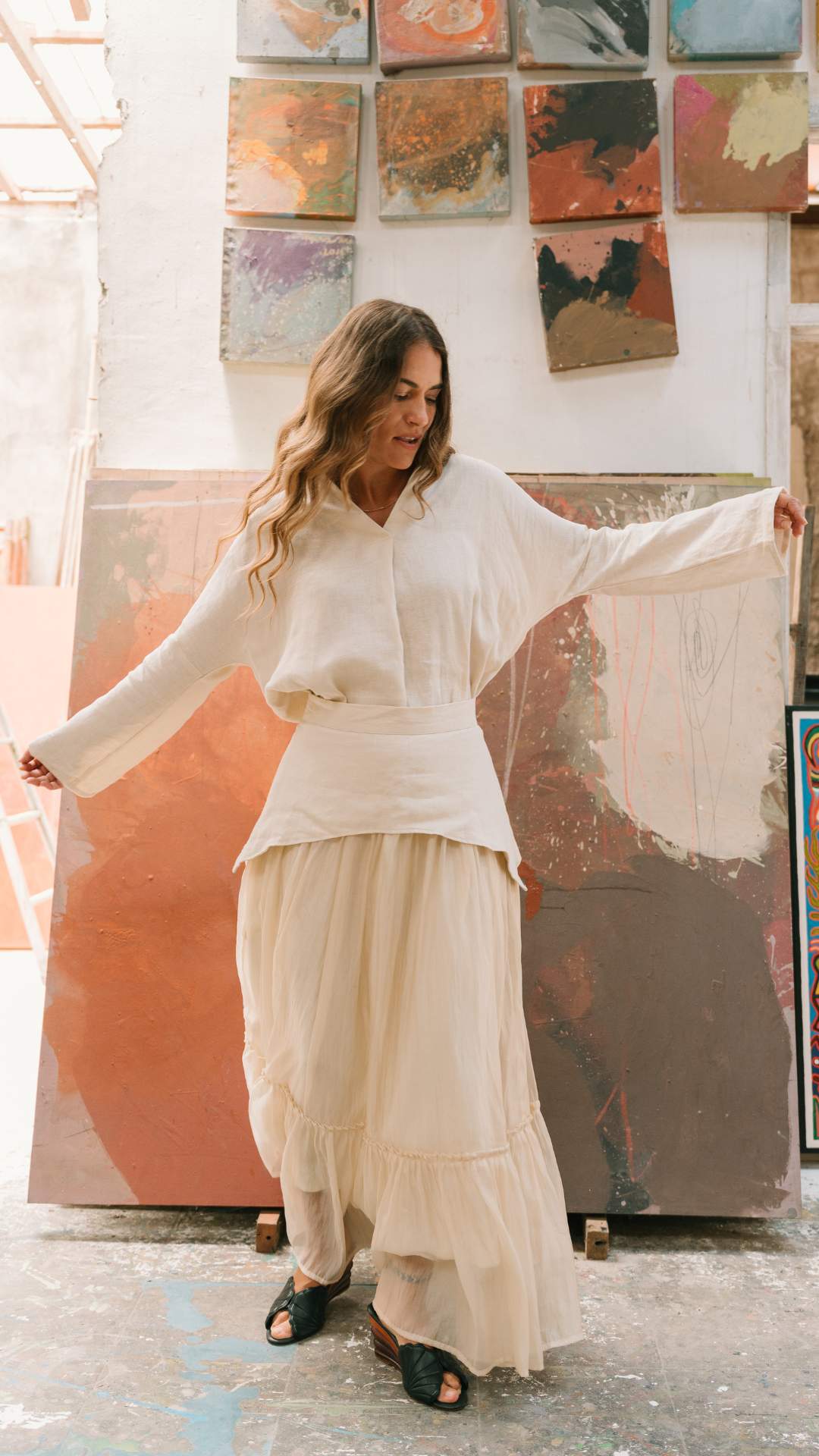
What Bali Actually Is: A Love Letter to the Island We Call Home
People ask us sometimes why we stayed.
Robindra and I have been in Bali for over a decade now. We arrived the way many people arrive, drawn by something we could not fully name. We stayed for a reason that took years to understand.
Bali is not a destination. It is a practice.

The island teaches you things that other places do not. It teaches you that ceremony is not something you do on special occasions. It is something you do every morning, at the small altar at your threshold, with the flowers you have already laid before the sun has risen. It teaches you that beauty is not decoration. It is a form of respect. That the rice offering placed at the foot of a banyan tree is not superstition. It is acknowledgment that nothing around you is separate from you.
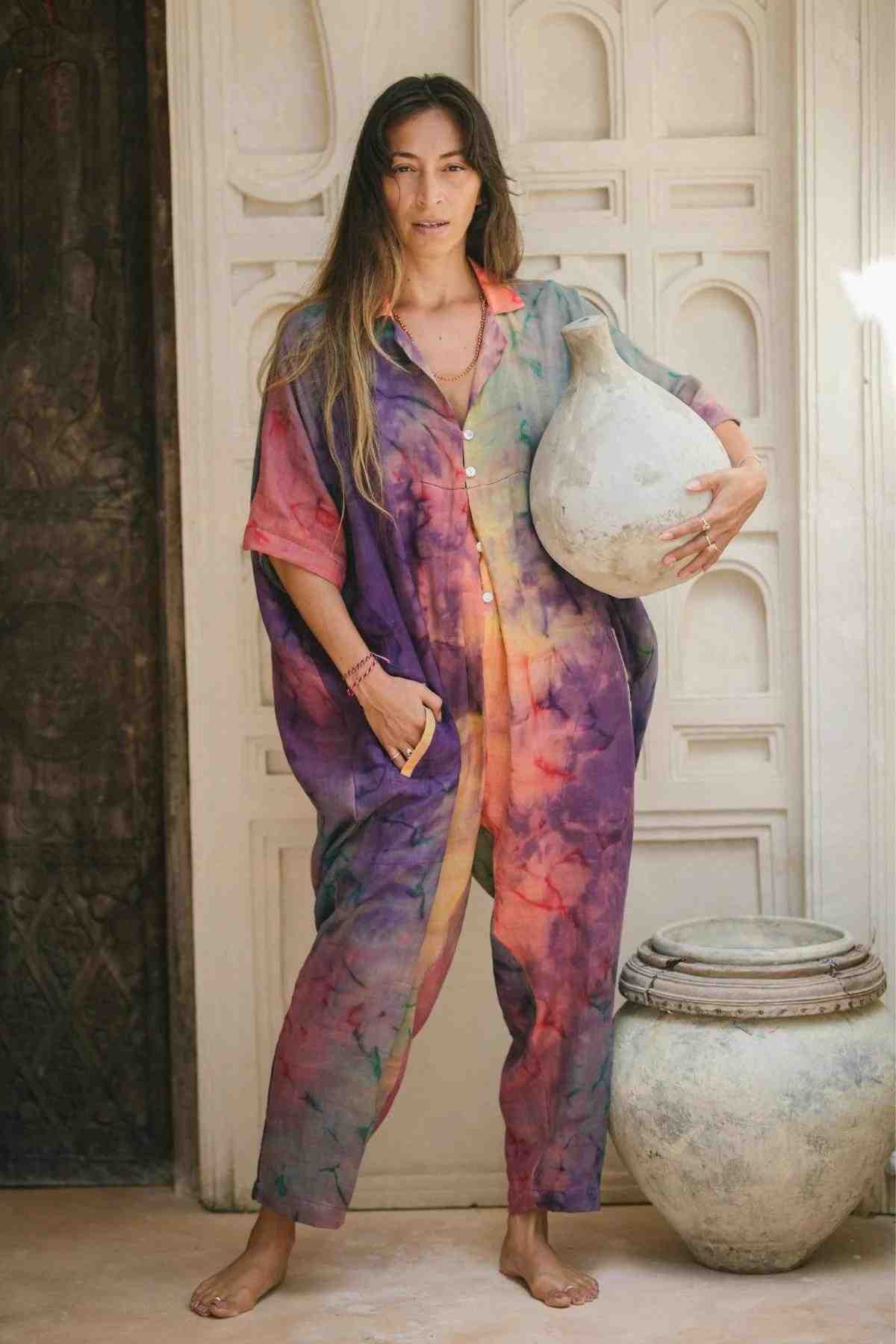
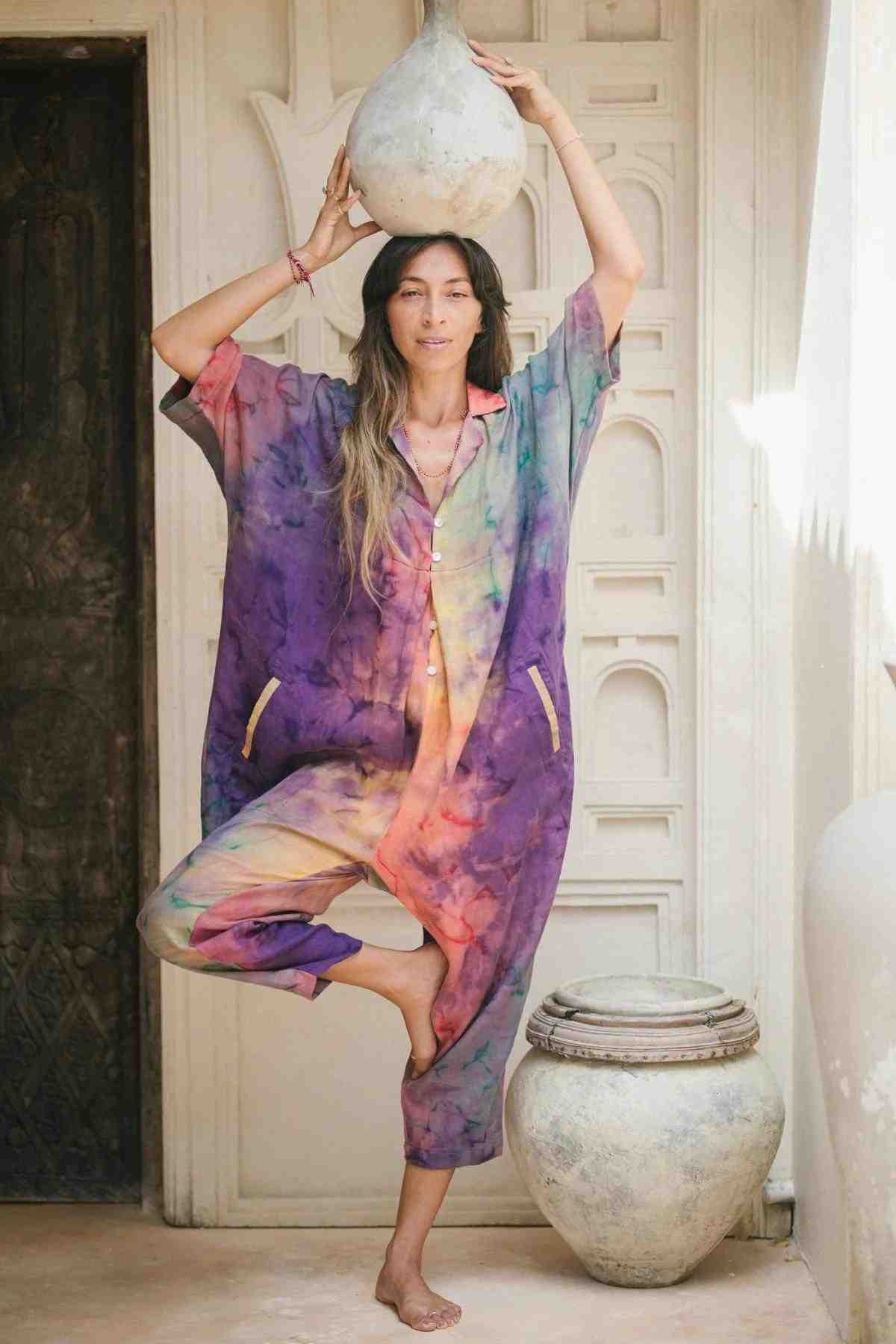
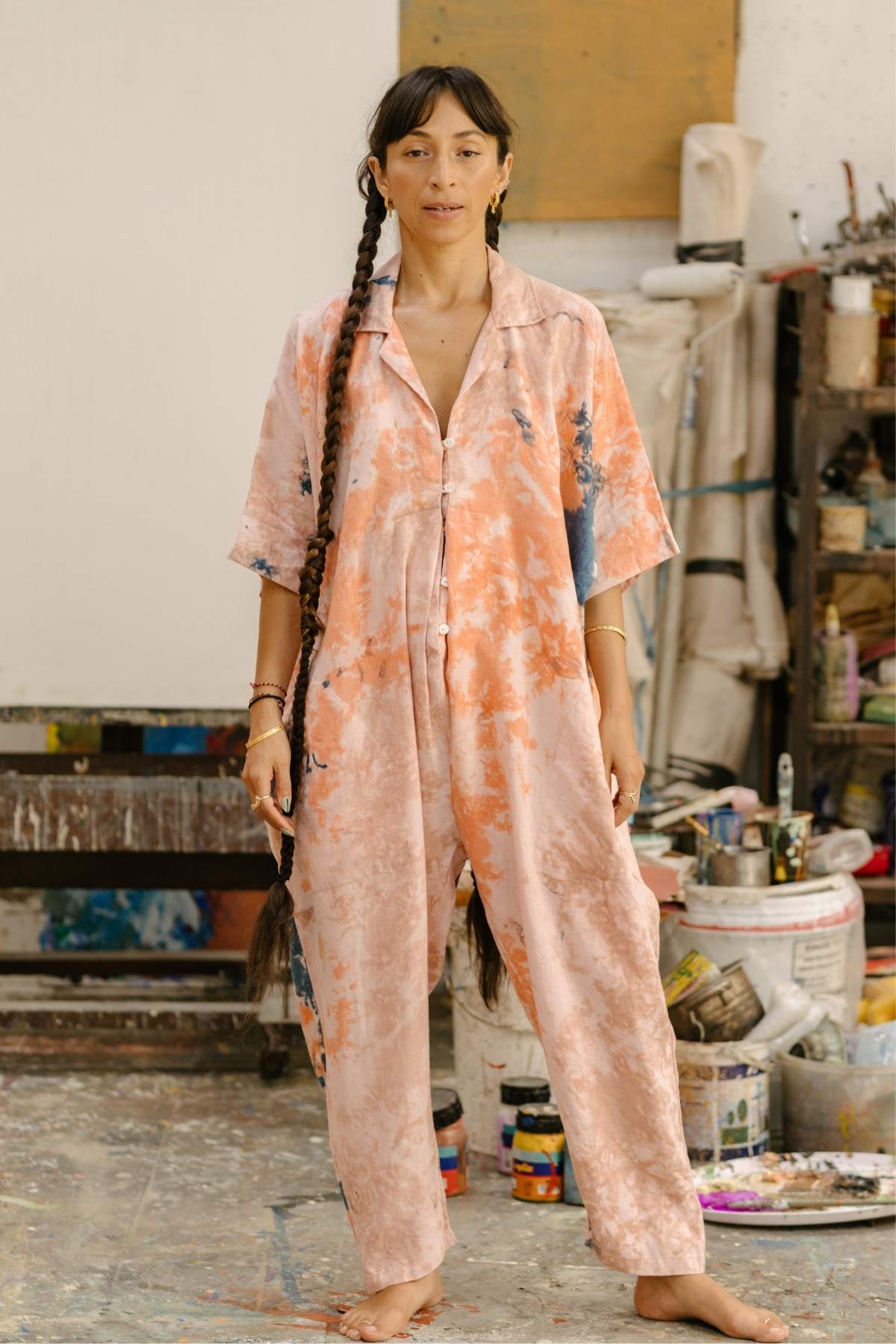
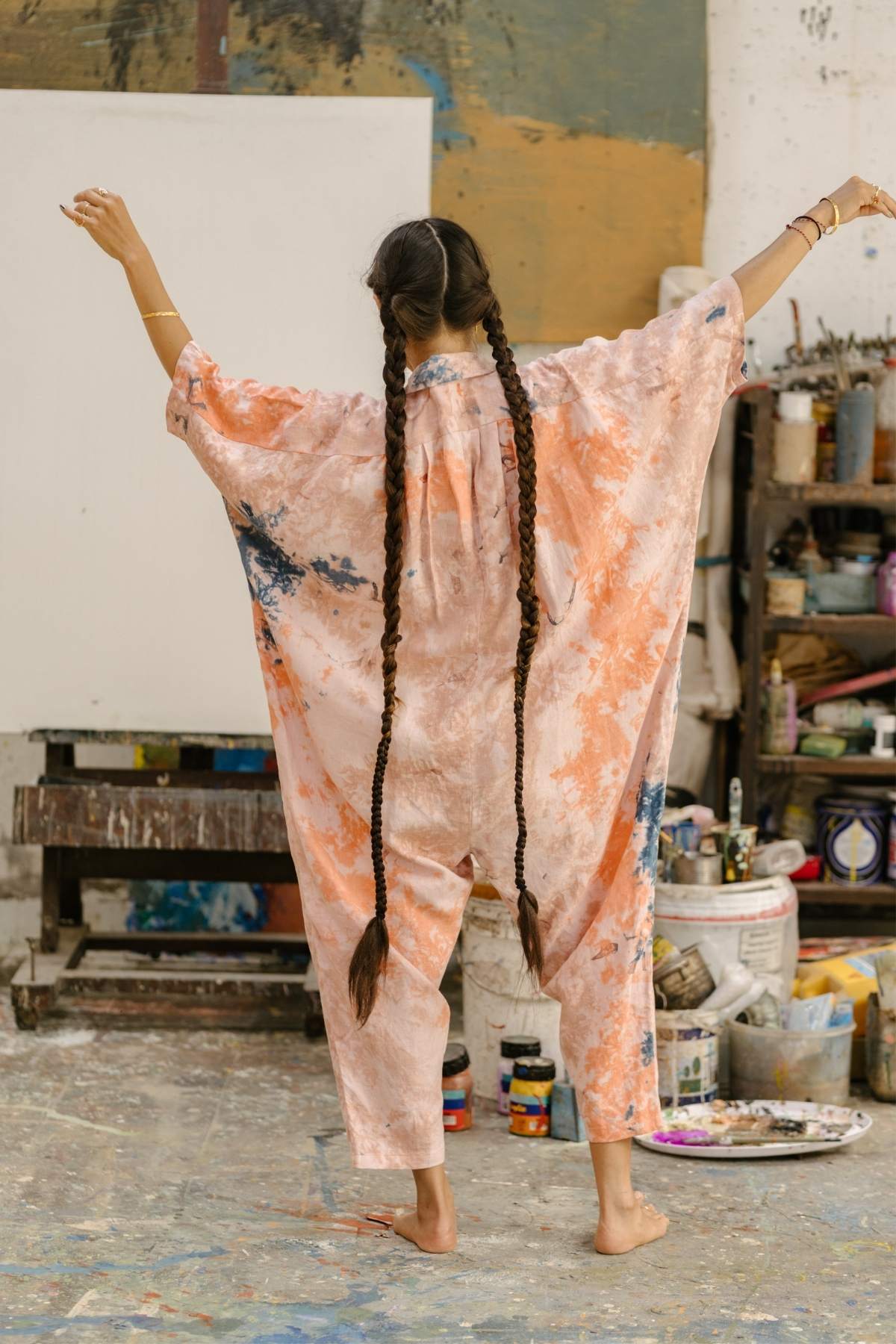
We built Myrah Penaloza here because this is the only place we could have built it. The philosophy of the brand did not come from books or business plans. It came from ten years of watching our artisan families begin each day with prayer, from learning that a garment made slowly carries something inside it that a garment made fast does not, from understanding that what you wear to ceremony matters as much as showing up to it.
The Bali We Live In
There are two Balis. There is the Bali of beach clubs and sunset cocktails, which is real and beautiful in its own way. And there is the Bali that most visitors pass through without seeing, because it does not announce itself on a menu or a booking site.
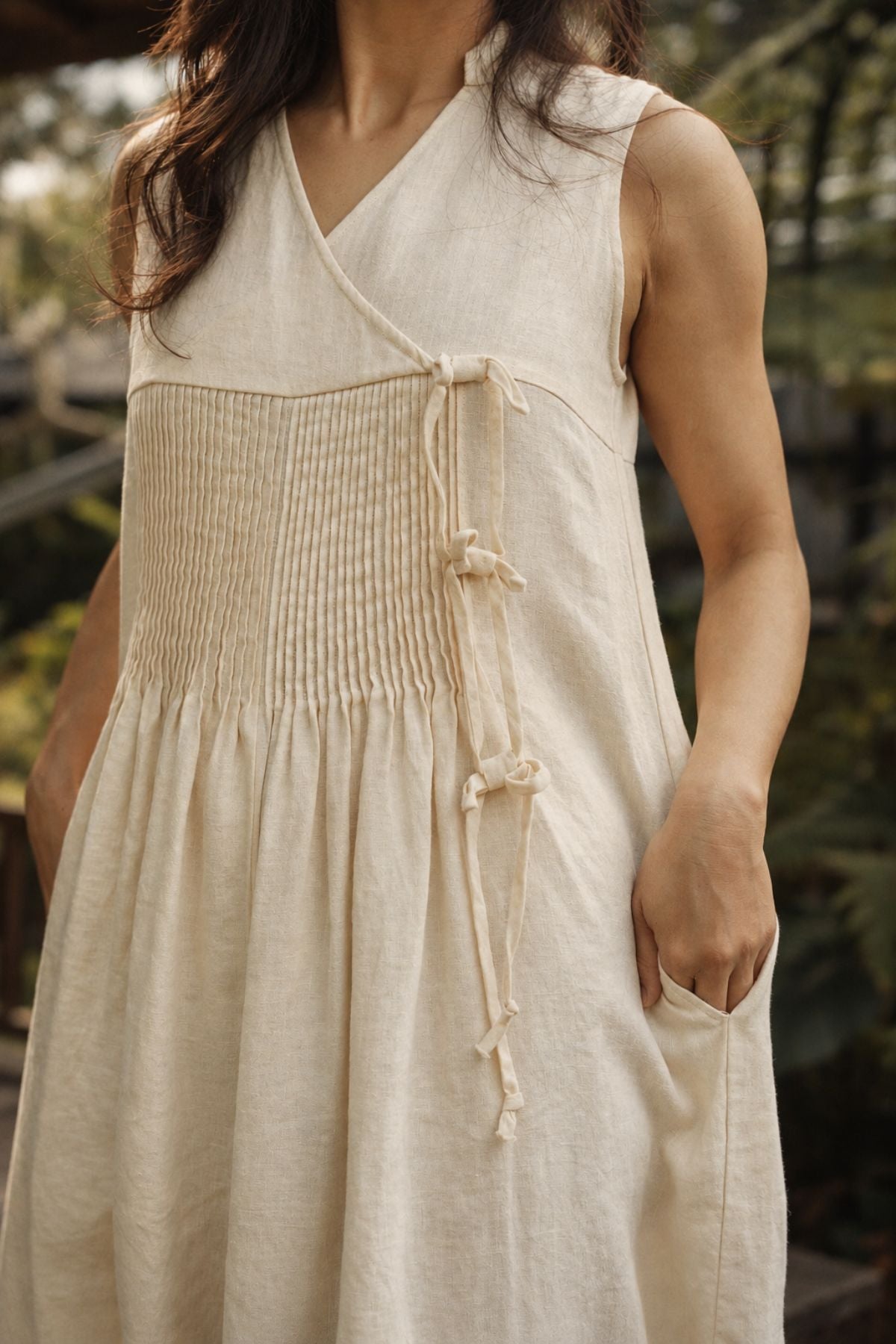
It is the Bali of the woman who wakes before dawn to make offerings. The Bali of the cremation ceremony that stops traffic for hours and fills the street with music and color and grief and celebration, all at once, indistinguishably. The Bali of the rice farmer who tends the same terraces her grandmother tended, not out of tradition but out of relationship with the land. The Bali of the artisan who stitches a seam for the fourteenth hour with the same care she brought to the first, because she learned from her mother that what your hands make carries your energy, and you want your energy to be something you are proud of.
This is the Bali we came to. This is the Bali we stayed for. This is the Bali that is woven, literally, into every piece we make.
What Bali Teaches You About Slow
Speed is not valued here the way it is valued in the places most of us come from. This is not inefficiency. It is a different understanding of what time is for.
In our slow fashion practice, the thirty artisan families who make our pieces work from their homes and from small workshops they own themselves. They set their own pace. They observe the ceremonies and the cycles that Balinese Hinduism asks of them, which are many. A piece that might take three days to complete in a factory takes a week here, and that week contains something the factory does not: a child doing homework in the next room, morning offerings at the threshold, the smell of incense and frangipani, the particular focus of hands that are not racing.
We do not describe this as a limitation of our production model. We describe it as its defining quality.
The Island and the Four Pillars
Astrology, Tea, Kundalini, Slow Fashion. The four things that shape everything we make. Bali is where they converge.
The Balinese calendar is lunar. The ceremonies are cosmological. The offerings are placed at the times prescribed by the stars. We read our own charts. Our Sunday emails track the planetary transits. The astrology is not separate from the island. It is part of the same understanding that everything is in relationship with everything else.
Tea came to us through Mayra's travels and study of Cha Dao, the way of tea. But in Bali, there is already a deep culture of sitting. Of gathering. Of the slow cup shared before the day begins.
Kundalini is the practice of the nervous system as instrument. In a place where ceremony is daily, where the body is understood as sacred, the Kundalini understanding of the physical body as a vehicle for consciousness is familiar rather than foreign.
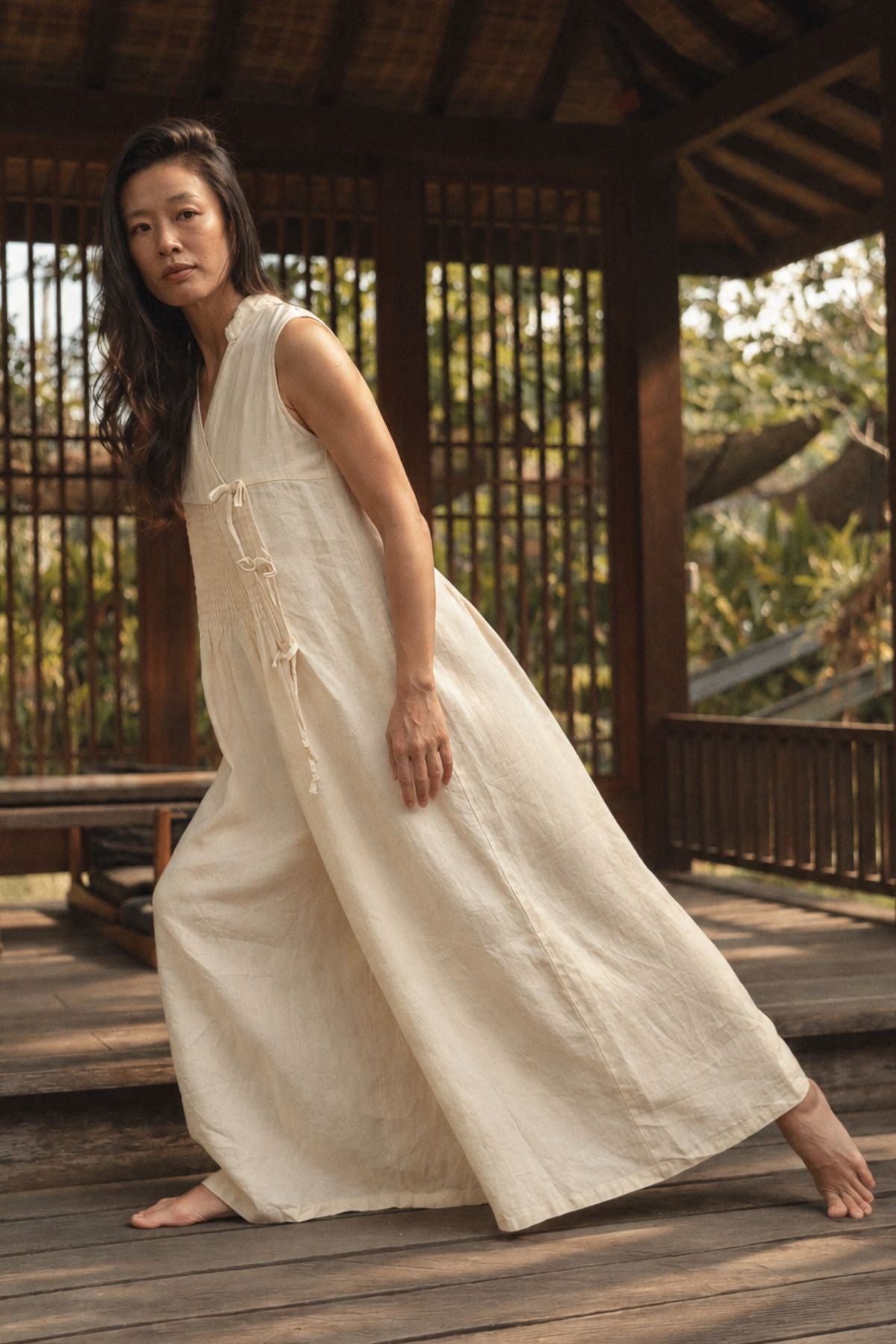
And slow fashion here is not a philosophy. It is simply how things are made when you live close to the people who make them.
What We Would Tell You If You Are Coming
If you are coming to Bali, come for at least two weeks. Stay somewhere that is not separated from the island by a gate and a spa menu. Eat at the warung at the end of the road. Sit in the rice terraces at the hour before sunset when the light makes the green almost unbearable. Find a ceremony, a real one, and stand respectfully at its edge and let yourself not understand it fully. That not-understanding is the beginning of something.
Come for the island. Let the island keep you.
A Piece for This Threshold
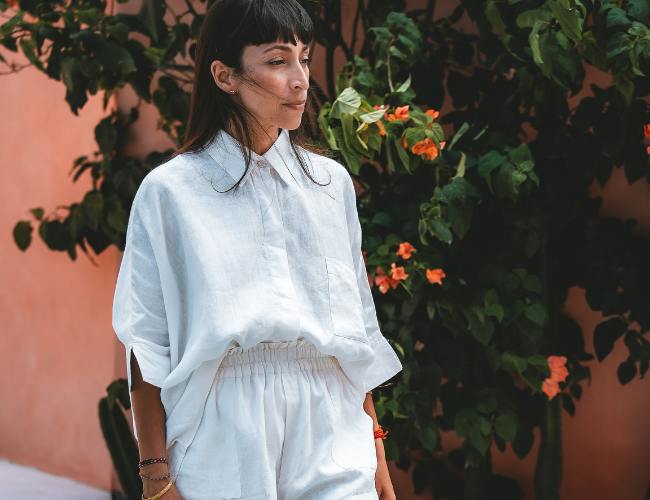
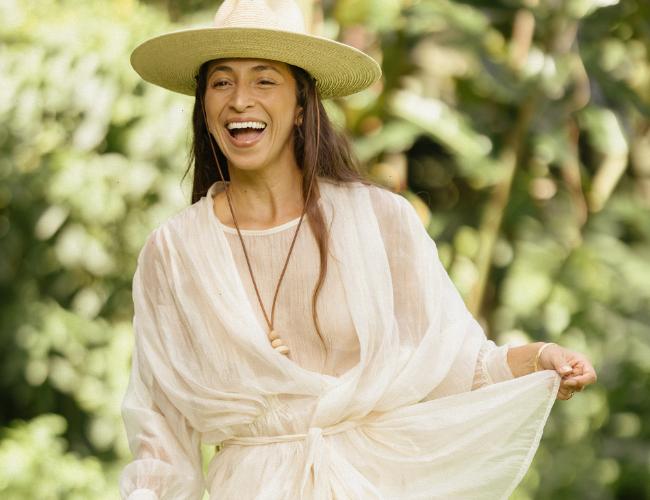
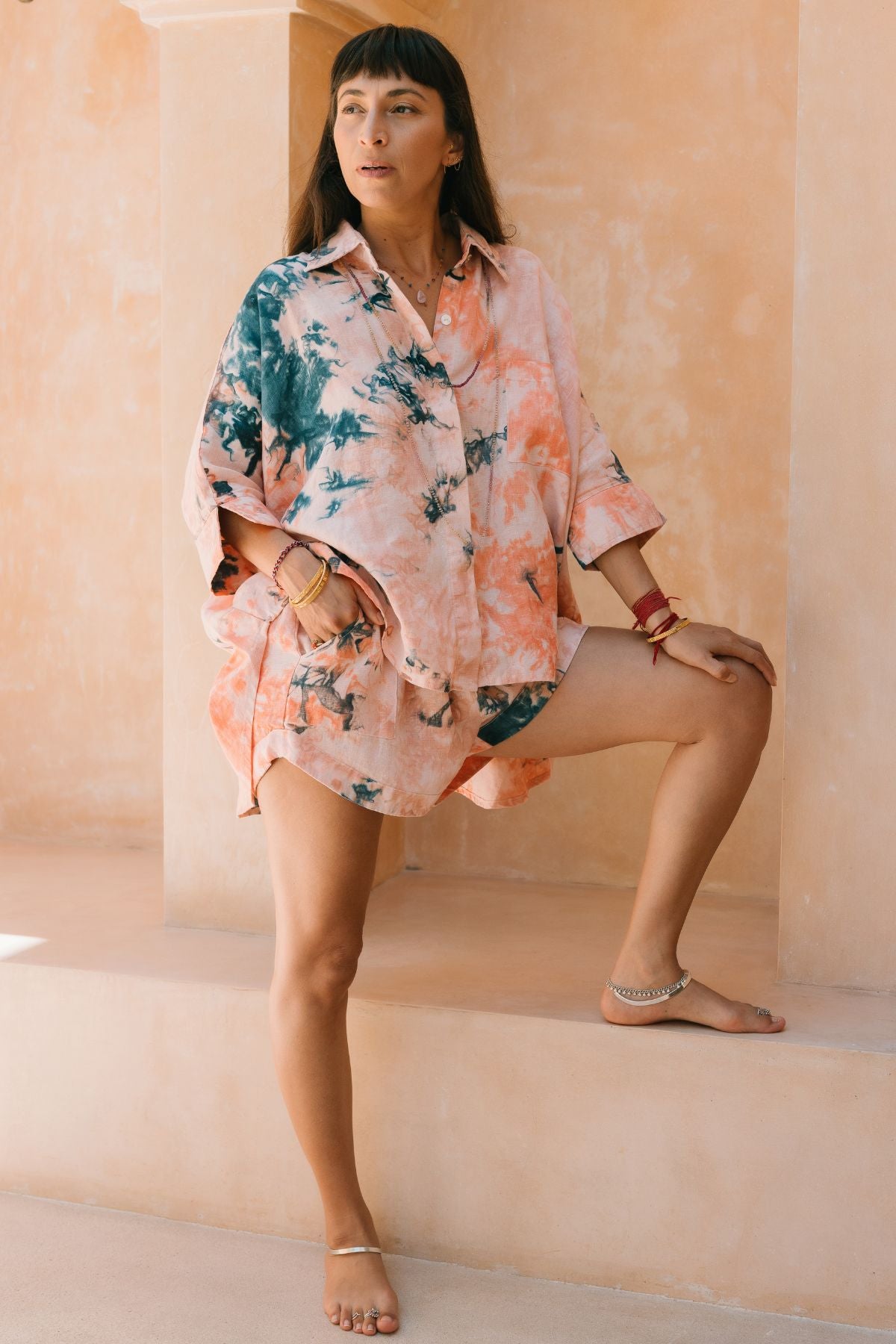
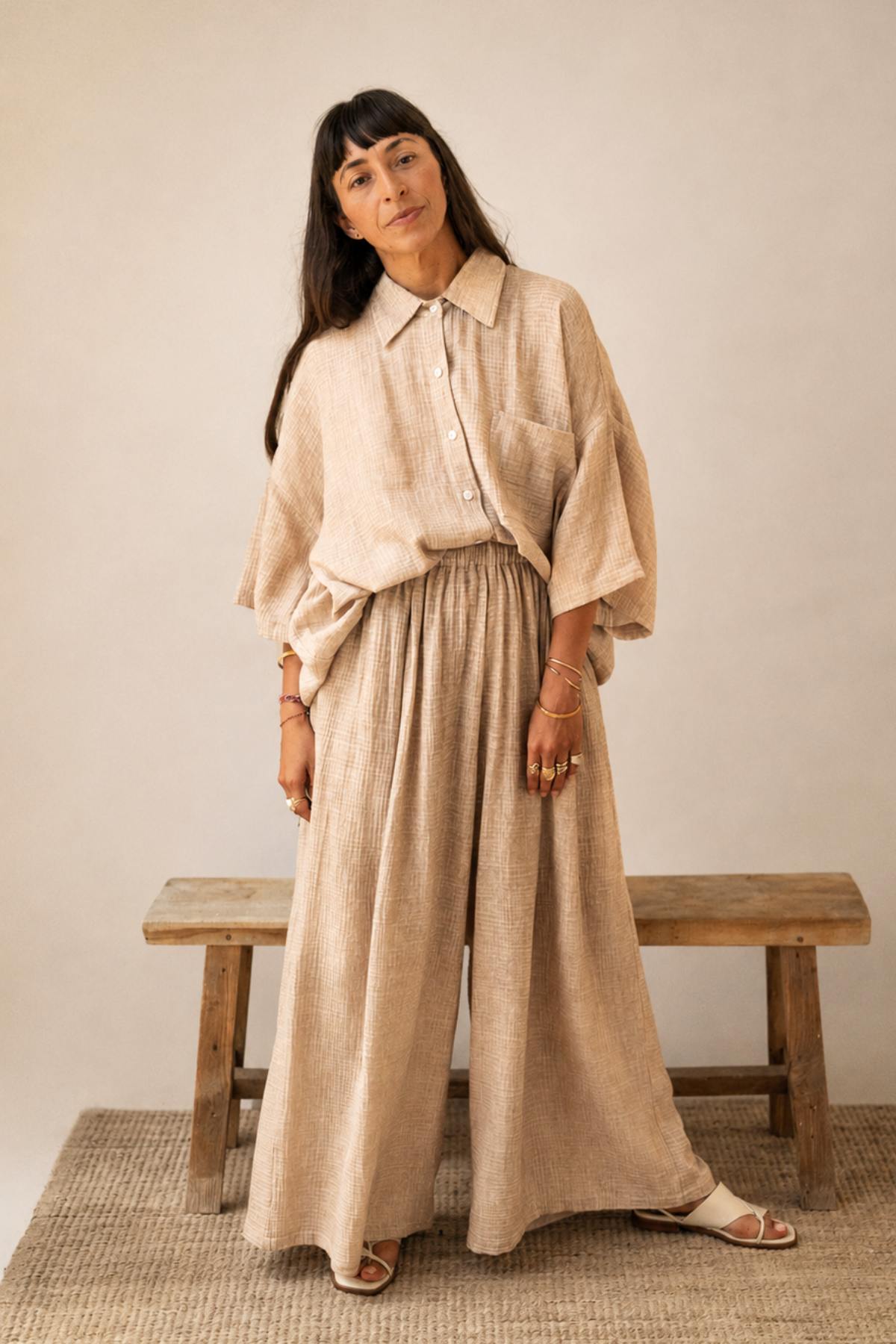
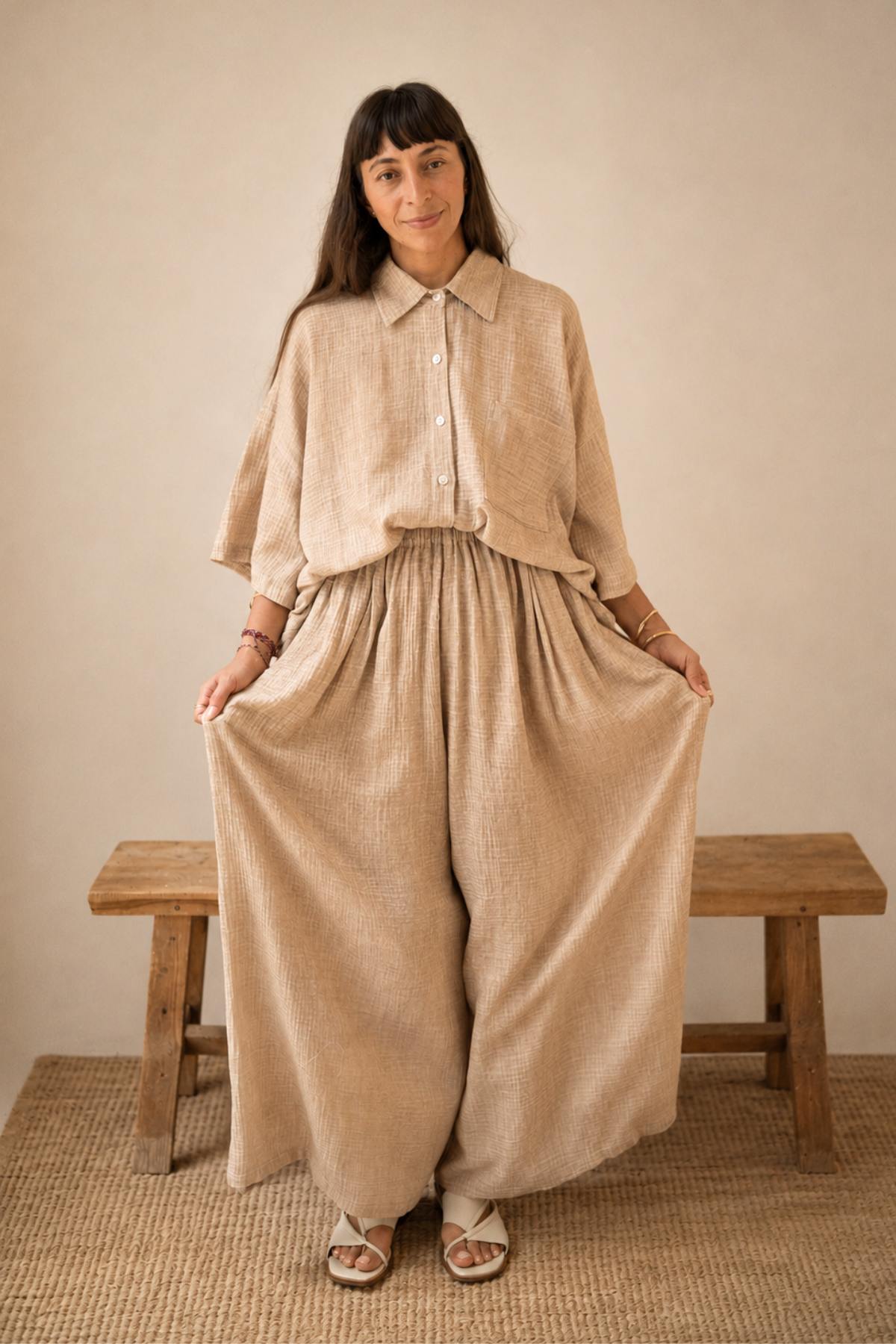
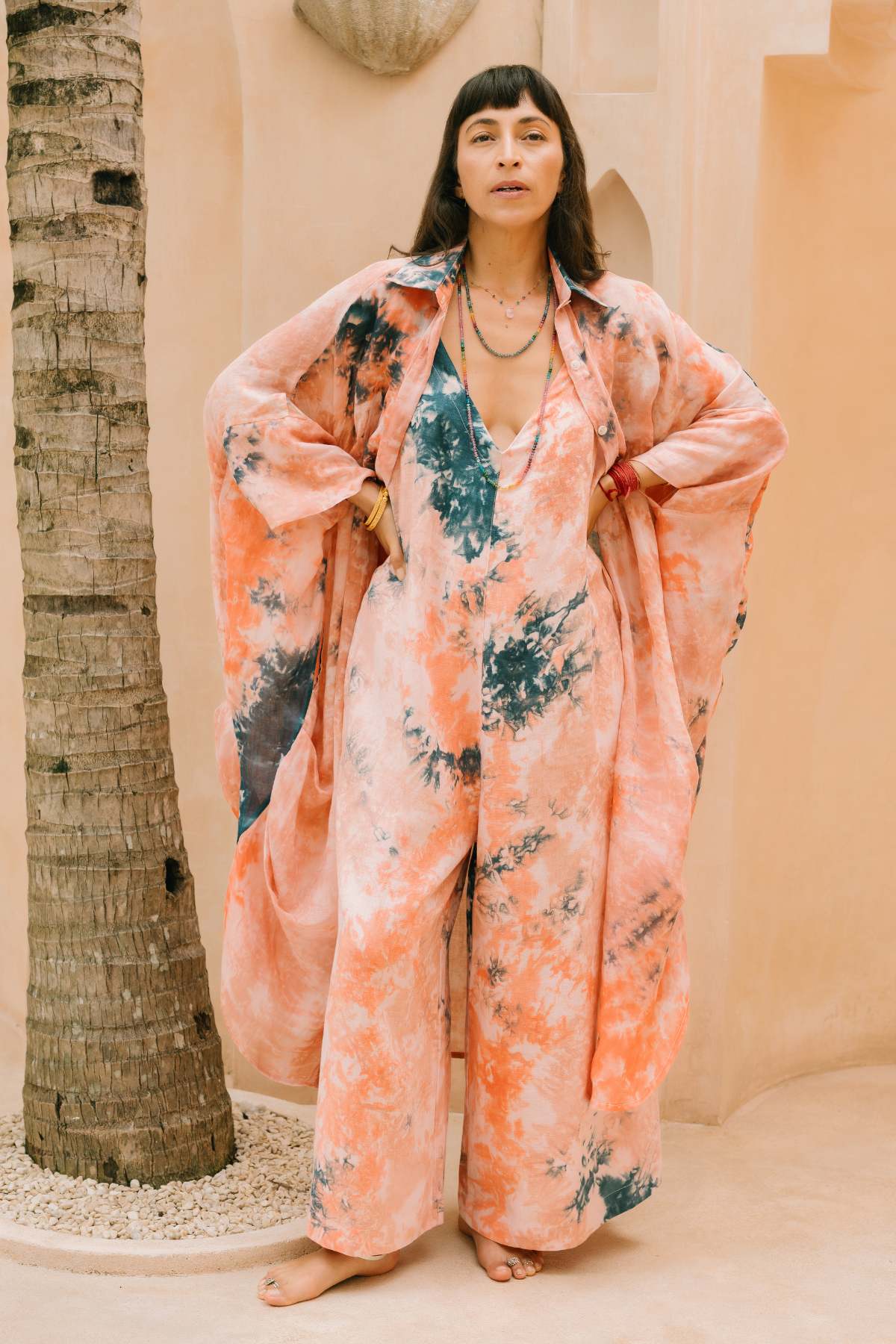
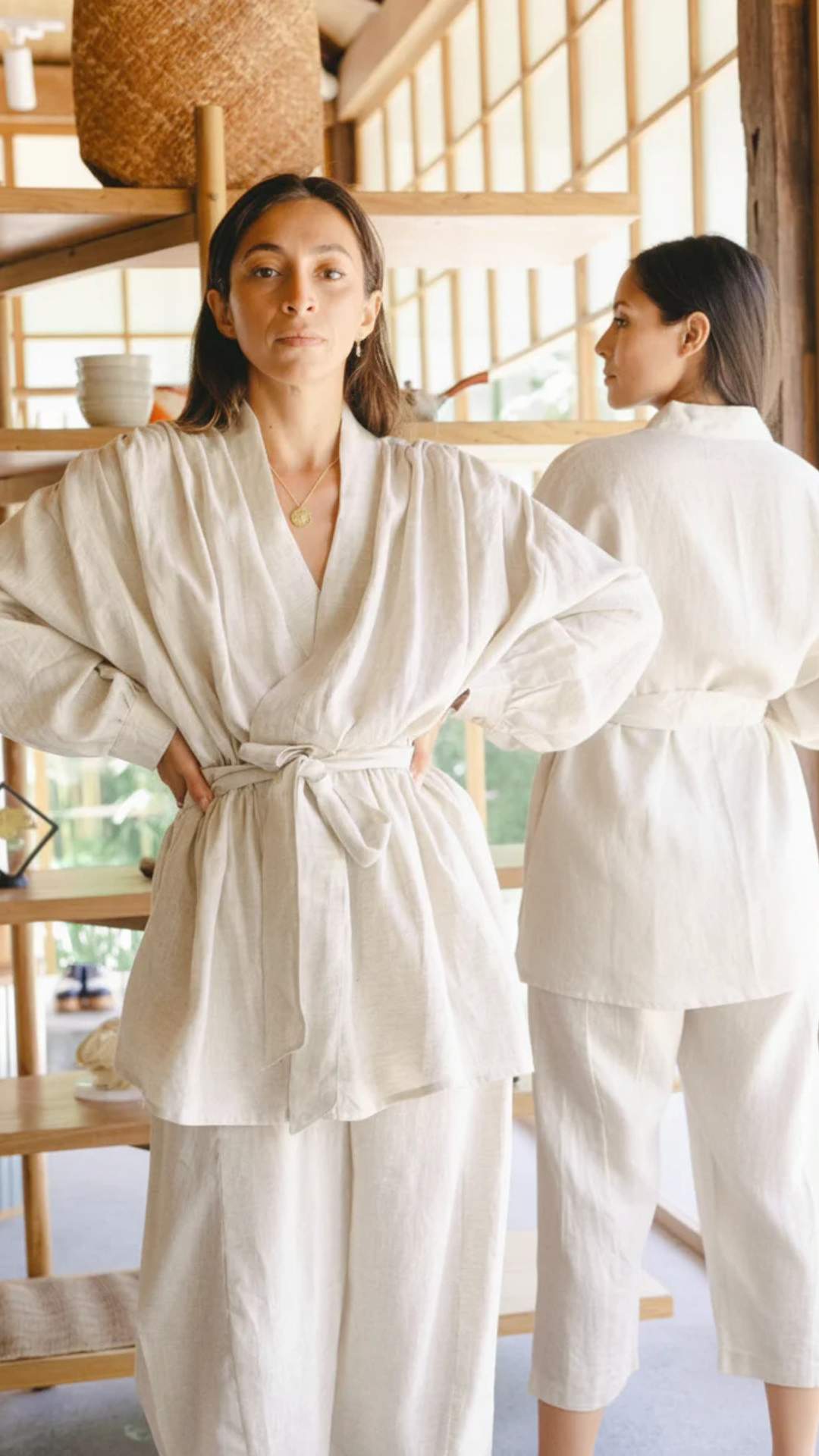
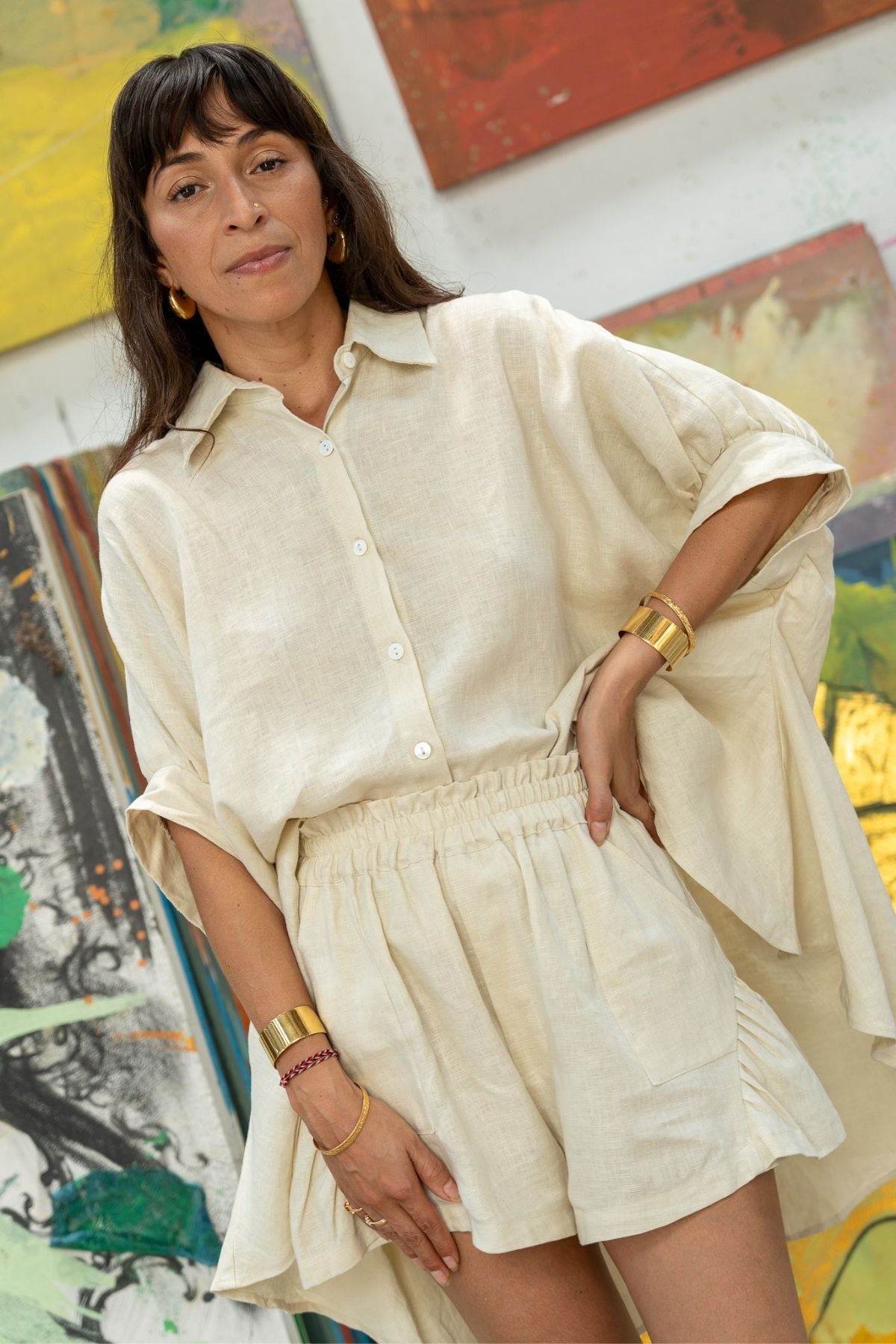
The Devotion Set was made for the woman who arrives somewhere fully. A sheer silk top. Wide, ceremonial. The kind of piece you put on before something that matters, and it understands what you are asking of it.
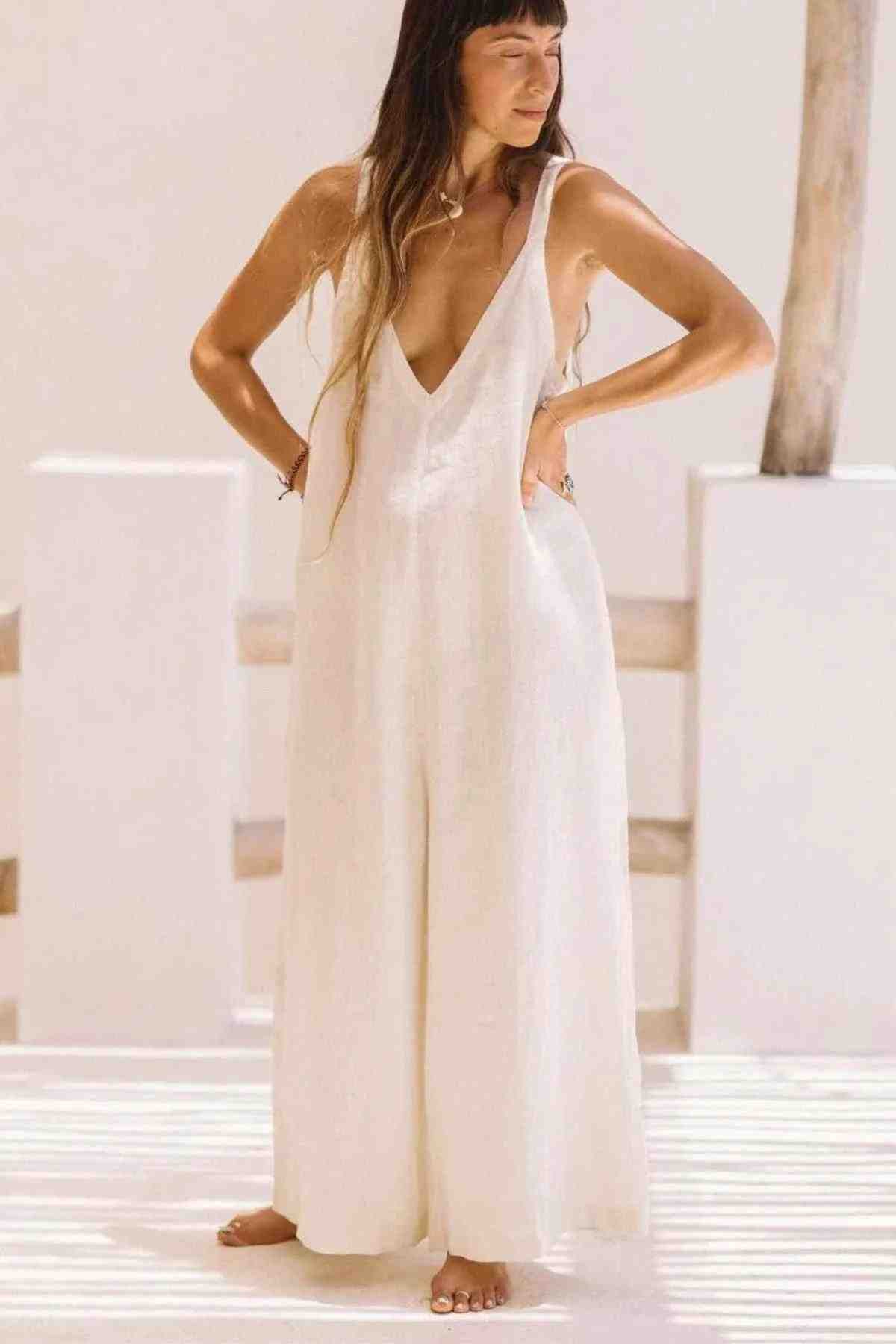
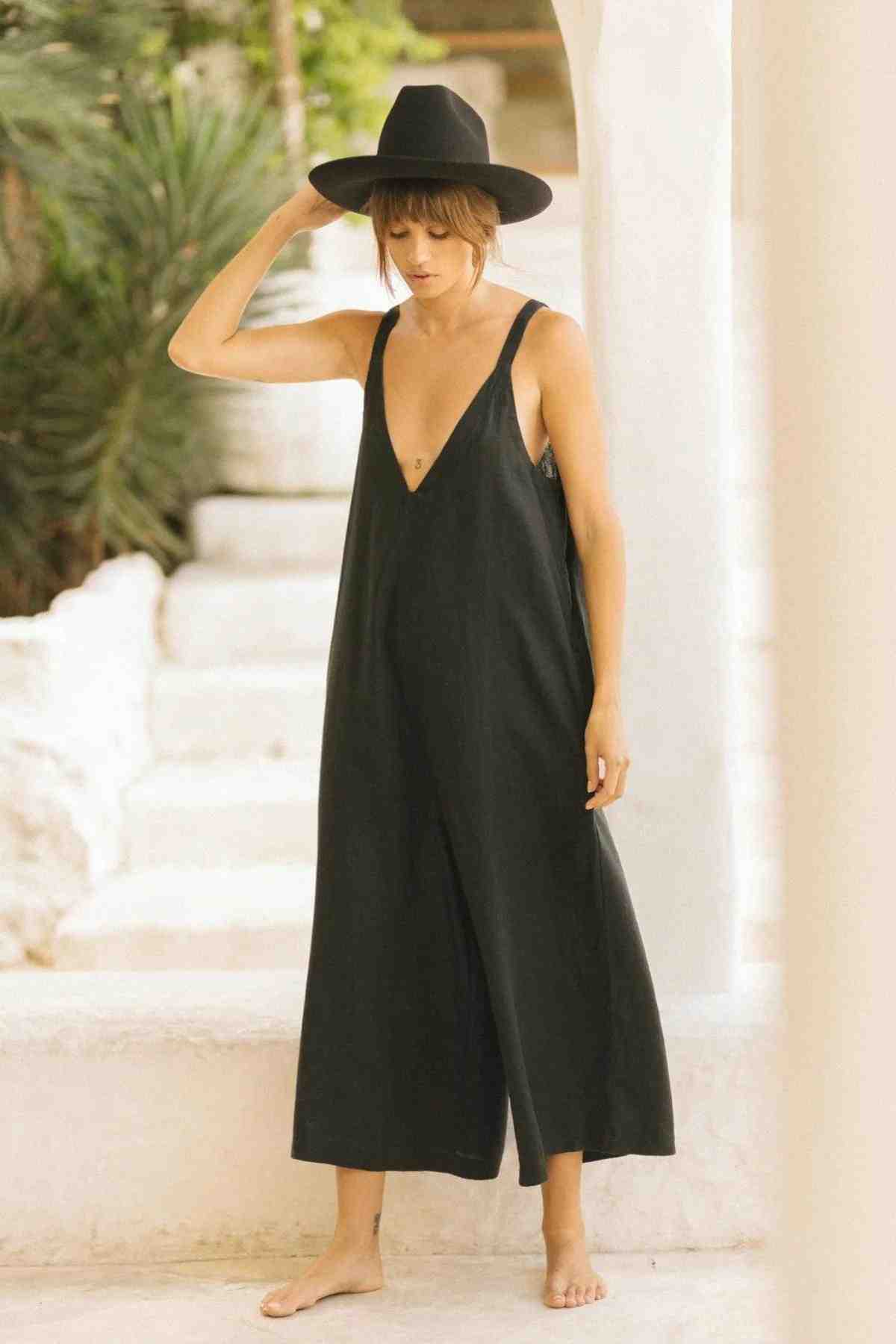
Made in Bali. In small batches. By hands that understand what devotion means as a daily practice, not a feeling you arrive at once.
Handcrafted in Bali · Small batches · Made for what matters

To explore more of what Bali makes possible, read about our story, our making practice, and our newest pieces.
The Muse-Letter
Dress for the woman you're becoming.
Every week from Bali. Astrology, slow living, sacred feminine, and the pieces we're making by hand. A letter, not a sales pitch.
Unsubscribe any time. No spam, ever.




Leave a comment
This site is protected by hCaptcha and the hCaptcha Privacy Policy and Terms of Service apply.