
Why Linen Is the Most Intelligent Fabric a Woman Can Wear in Summer (And How to Choose It)
 Most women are told to choose between comfort and style. Linen refuses that bargain. It is the fabric that breathes in 35-degree Bali heat, drapes beautifully at dinner, and actually improves with every wash — becoming softer, more textured, more itself. If you haven't yet built your summer wardrobe around linen clothing for women, this is the guide you need.
The global interest in linen has surged alongside the slow fashion movement for good reason: it is one of the most breathable, durable, and sustainable natural fabrics available. Made from the flax plant, it uses significantly less water than cotton, is biodegradable, and gets better with age. But not all linen is created equal — and knowing how to choose it changes everything.
Why Linen Is the Smartest Fabric for Women’s Summer Wardrobes
Linen’s thermoregulatory properties are not marketing language — they are physics. The hollow structure of the flax fibre allows air to circulate and moisture to evaporate, keeping the body up to five degrees cooler than synthetic fabrics. For women living in or travelling to warm climates, this is not a luxury. It is a necessity disguised as elegance.
The other quality that sets linen apart is its tensile strength. Linen is one of the strongest natural fibres in the world — it actually grows stronger when wet, which means it holds its shape through washing, wear, and the kind of life that doesn’t stop to be careful. A well-made linen garment is an investment that compounds. You buy it once. You wear it for years. It softens, it settles, it becomes yours in a way that fast-fashion polyester never can.
How to Choose High-Quality Linen Clothing
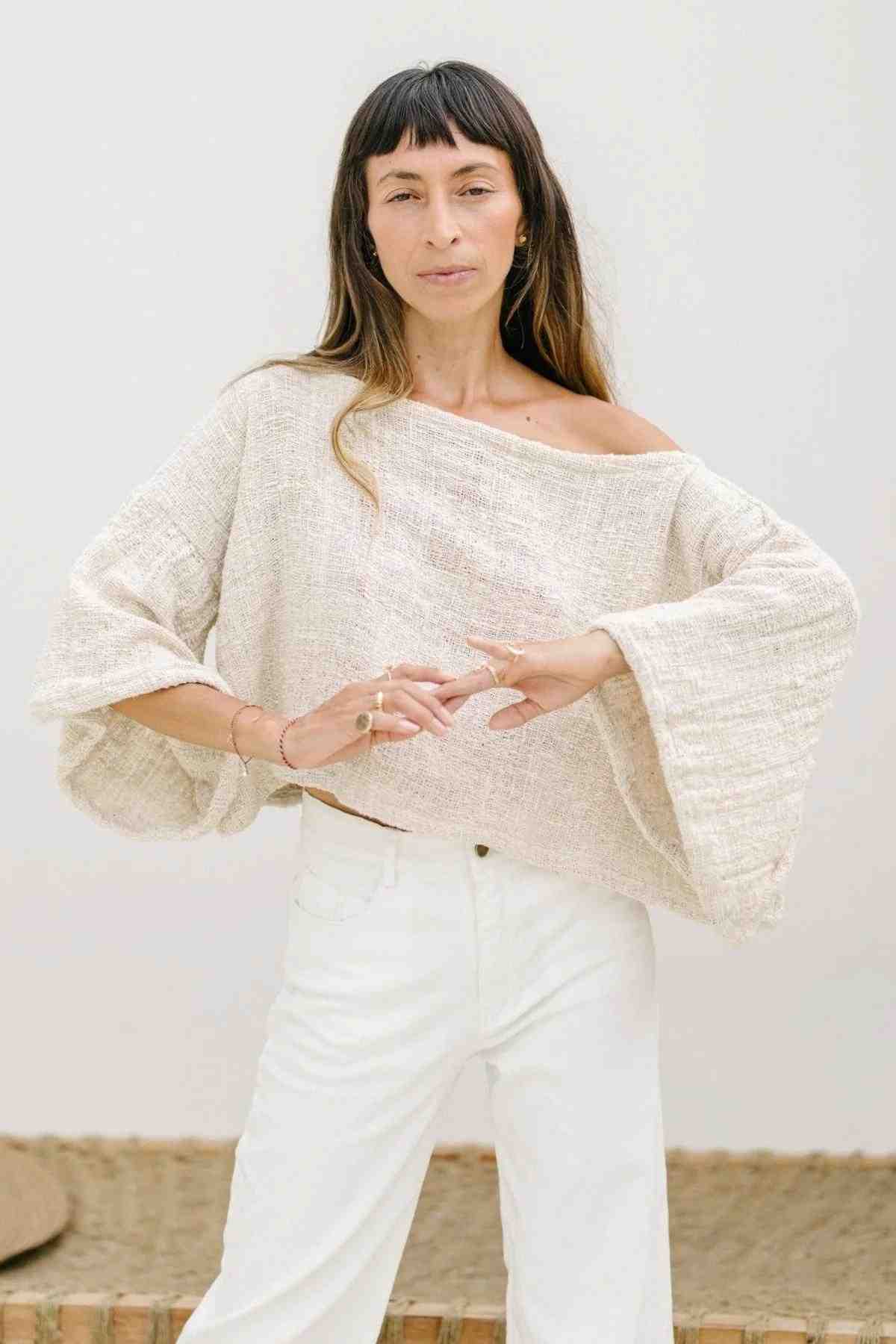
Not all linen feels the same at first touch. Lower-quality linen is rough, stiff, and bleached — it softens eventually, but it starts uncomfortable. High-quality linen has a natural warmth to its weave and a slight texture that indicates the flax has been minimally processed. Run your fingers across it: it should feel alive, not cardboard.
Look for linen with a thread count between 80 and 150 per square inch — dense enough to hold structure, open enough to breathe. Handwoven linen carries additional irregularity in the weave that is not a flaw. It is evidence of human hands. Of hours. Of intention. In Bali, where many of the world’s finest handwoven linen pieces are still made by family workshops, this irregularity is the signature of authenticity.
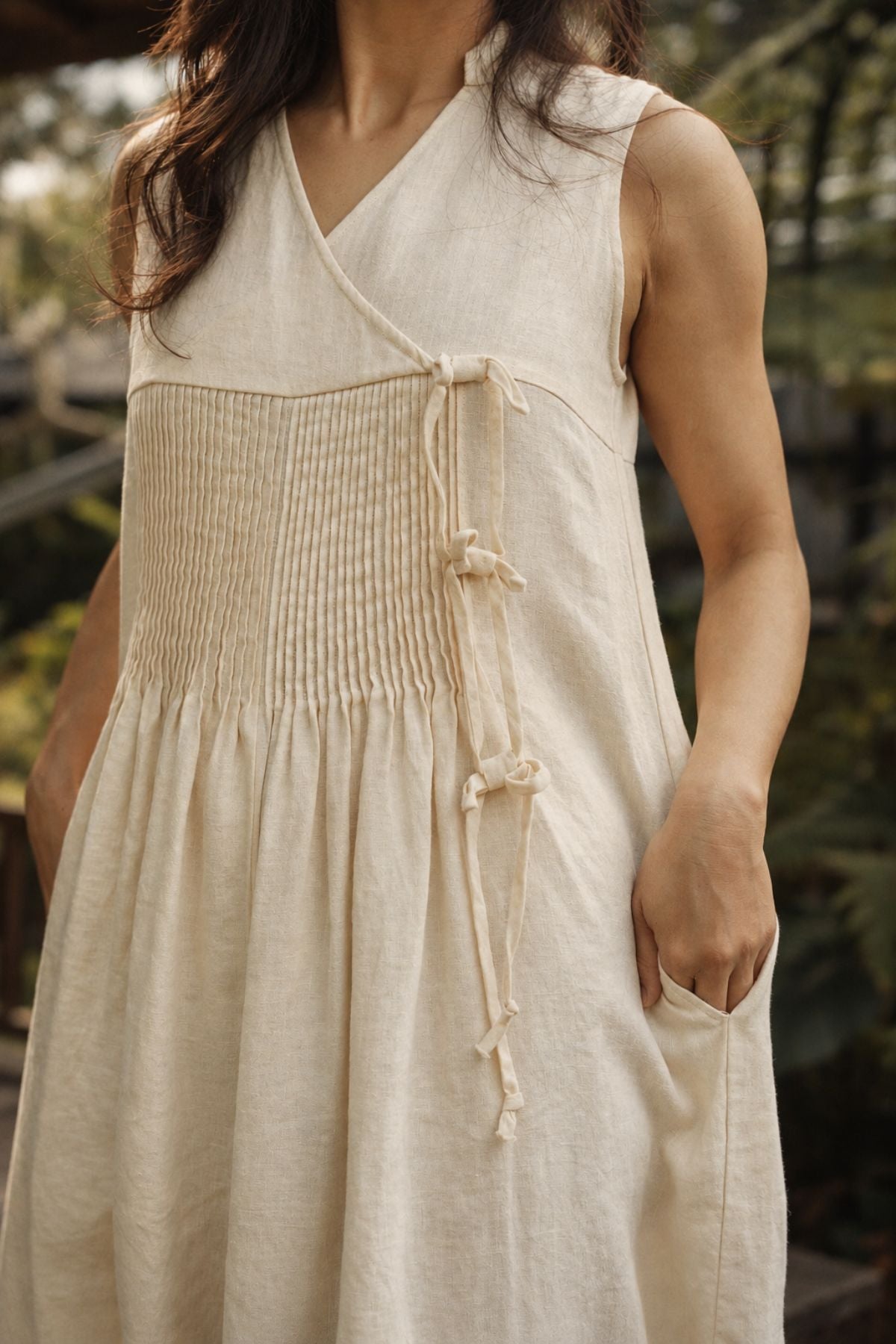
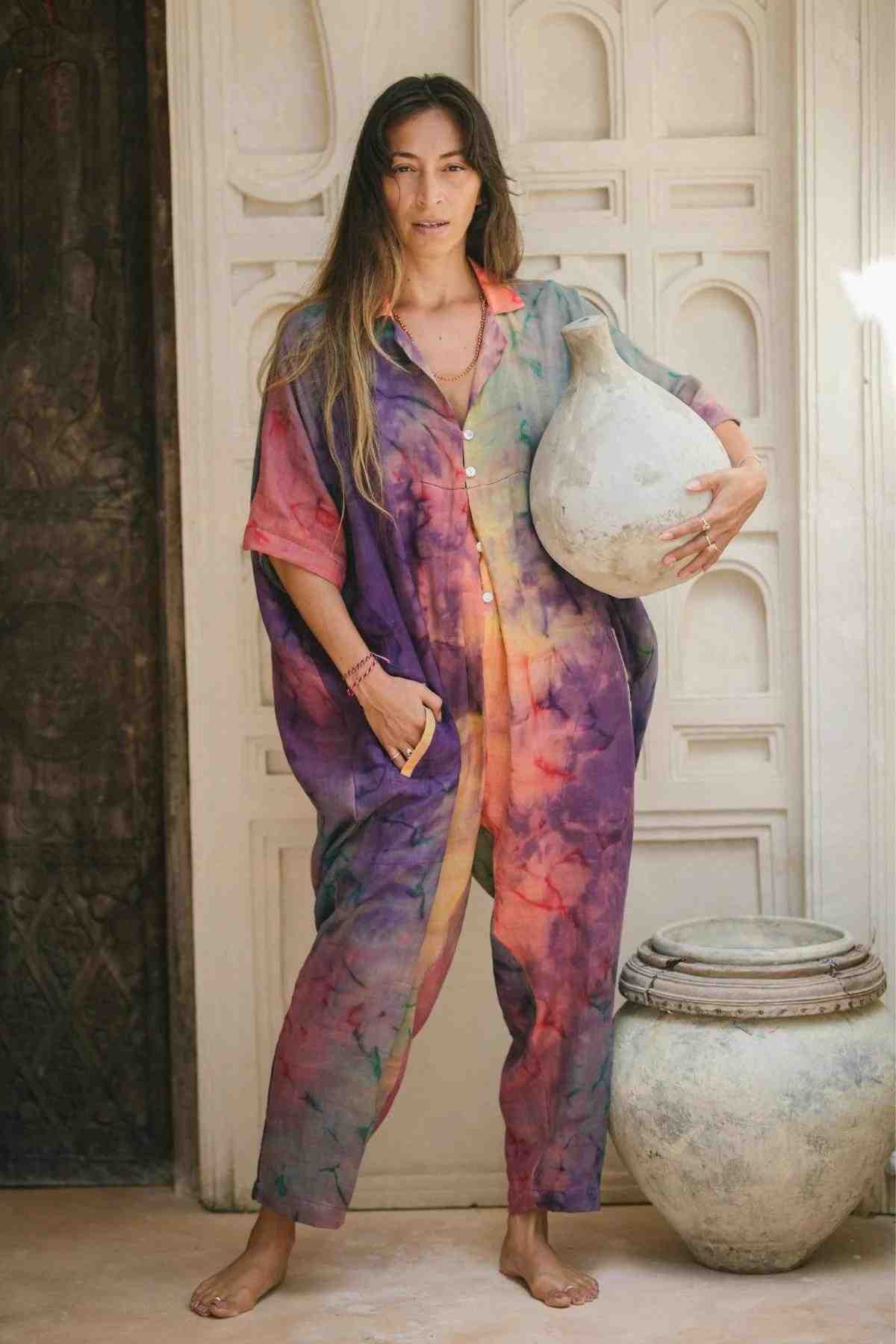
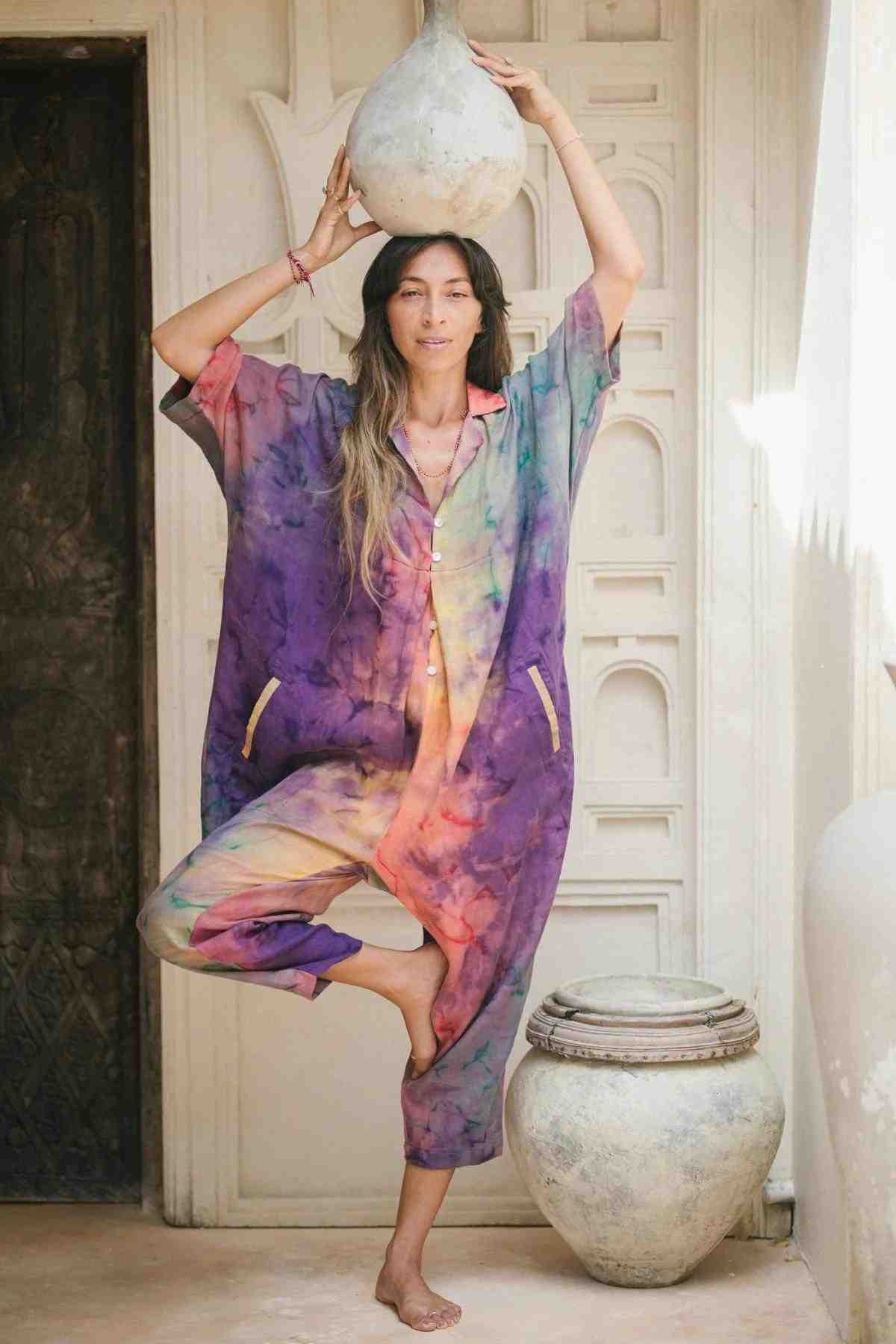
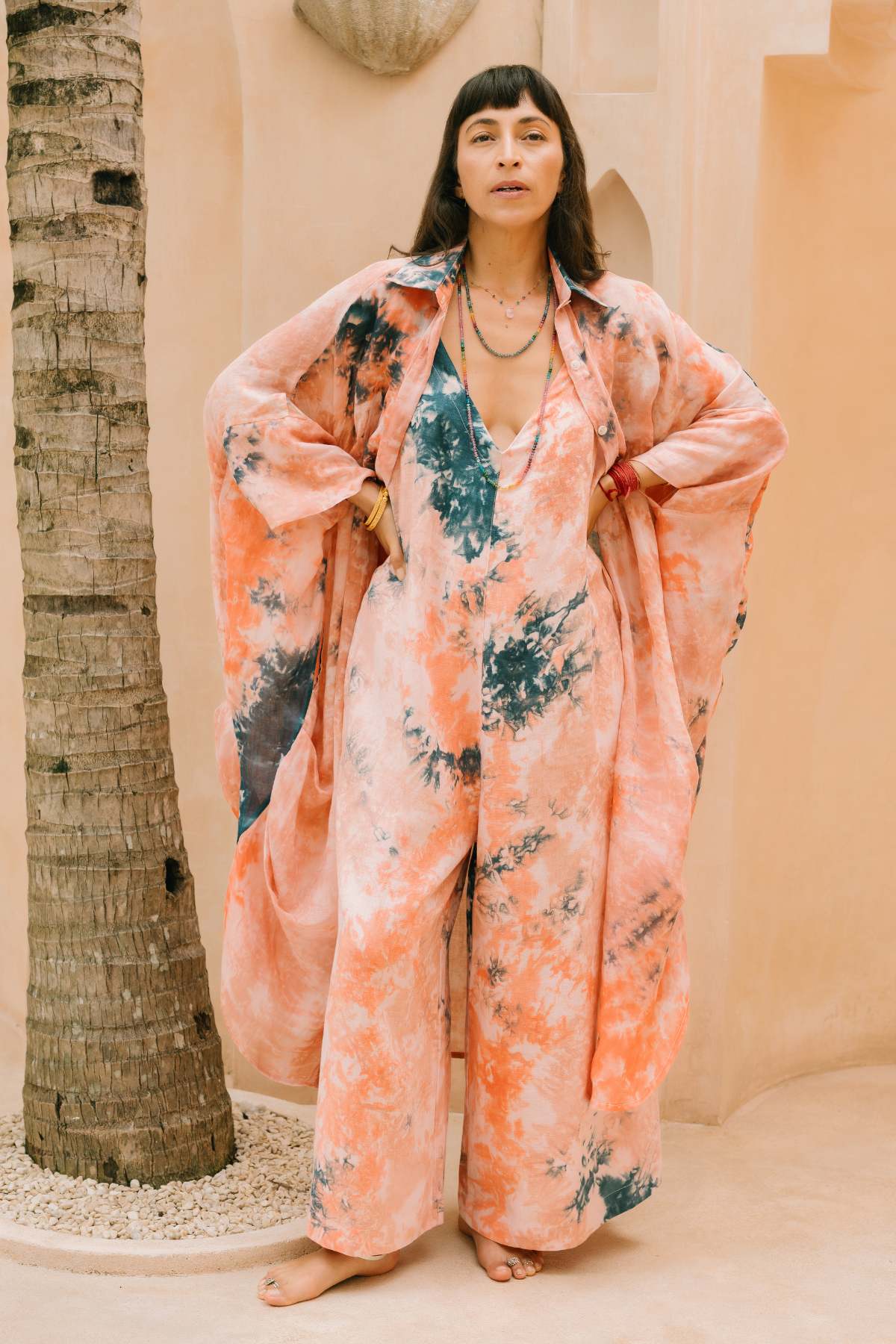
Colour is another signal. Natural linen comes in a range of undyed or plant-dyed tones — off-white, clay, flax, forest green. Garments in these tones have not been stripped and re-dyed through heavy chemical processes. They are, in their way, closer to the earth they came from. They are also, not coincidentally, the tones that look most beautiful against every skin tone that walks this planet.
Linen as Sustainable Fashion: What the Research Shows
The fashion industry accounts for approximately 10% of global carbon emissions annually, with fast fashion contributing disproportionately to water waste and textile pollution. Linen offers a direct counter-current: flax cultivation requires no irrigation in most climates, uses minimal pesticide when grown organically, and produces zero waste — every part of the flax plant is used in manufacturing. A linen garment worn for ten years has a fraction of the environmental cost of a synthetic piece replaced each season.
This is not virtue signalling. It is arithmetic. The woman who invests in quality linen clothing for women is not just dressing well for today — she is building a wardrobe that does not participate in the cycle of extraction and disposal. That distinction matters, particularly as consumers become increasingly literate about supply chains and fabric origins. The question is no longer just “do I love this?” but “who made this, and from what, and at what cost?” Linen, when sourced well, answers all three with integrity.
Styling Linen: The Rules That Don’t Apply
Linen wrinkles. This is not a problem to be solved. It is a characteristic to be embraced. The natural crinkle of worn linen is part of its beauty — it speaks of real wear, real movement, a real day lived. Women who have worn linen long enough stop ironing it entirely. They shake it out, let it breathe on a hanger overnight, and understand that the texture is not imperfection but personality. The wrinkle is the garment saying: I have been worn by a woman who had somewhere to go.
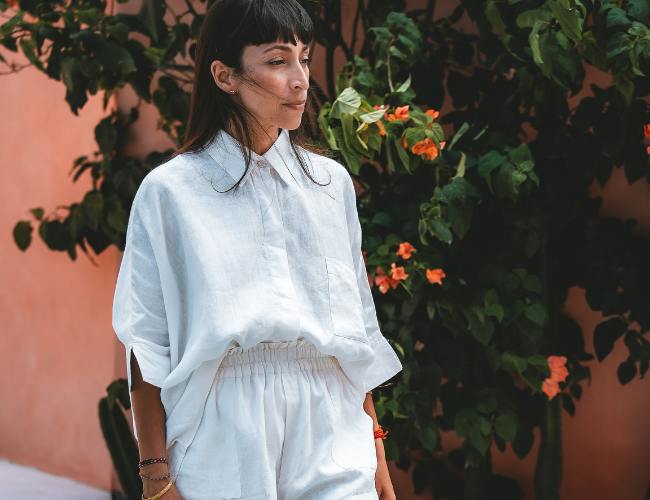
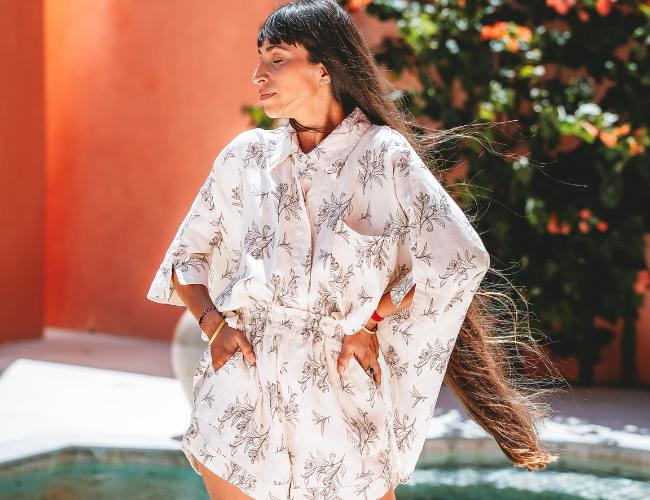
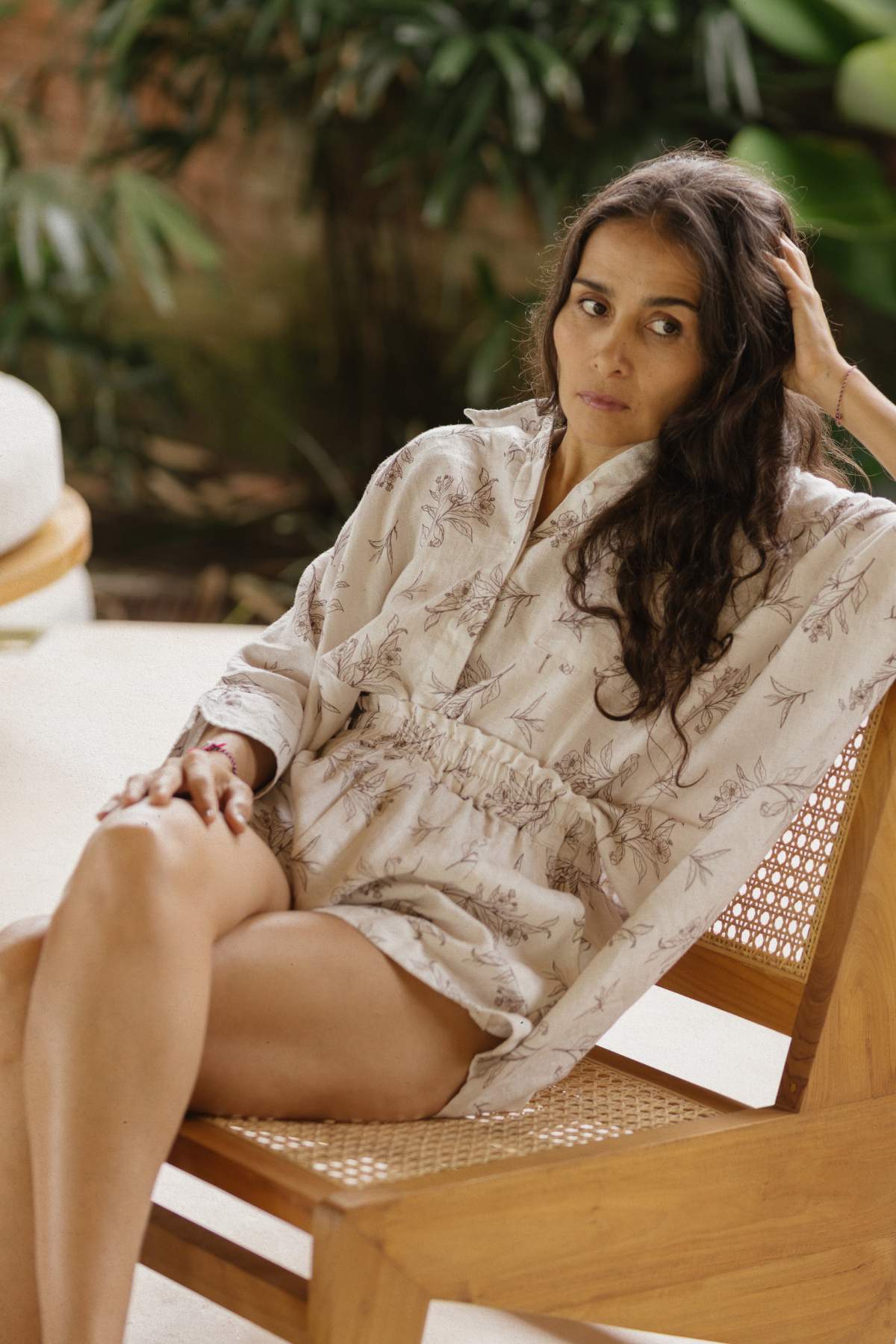
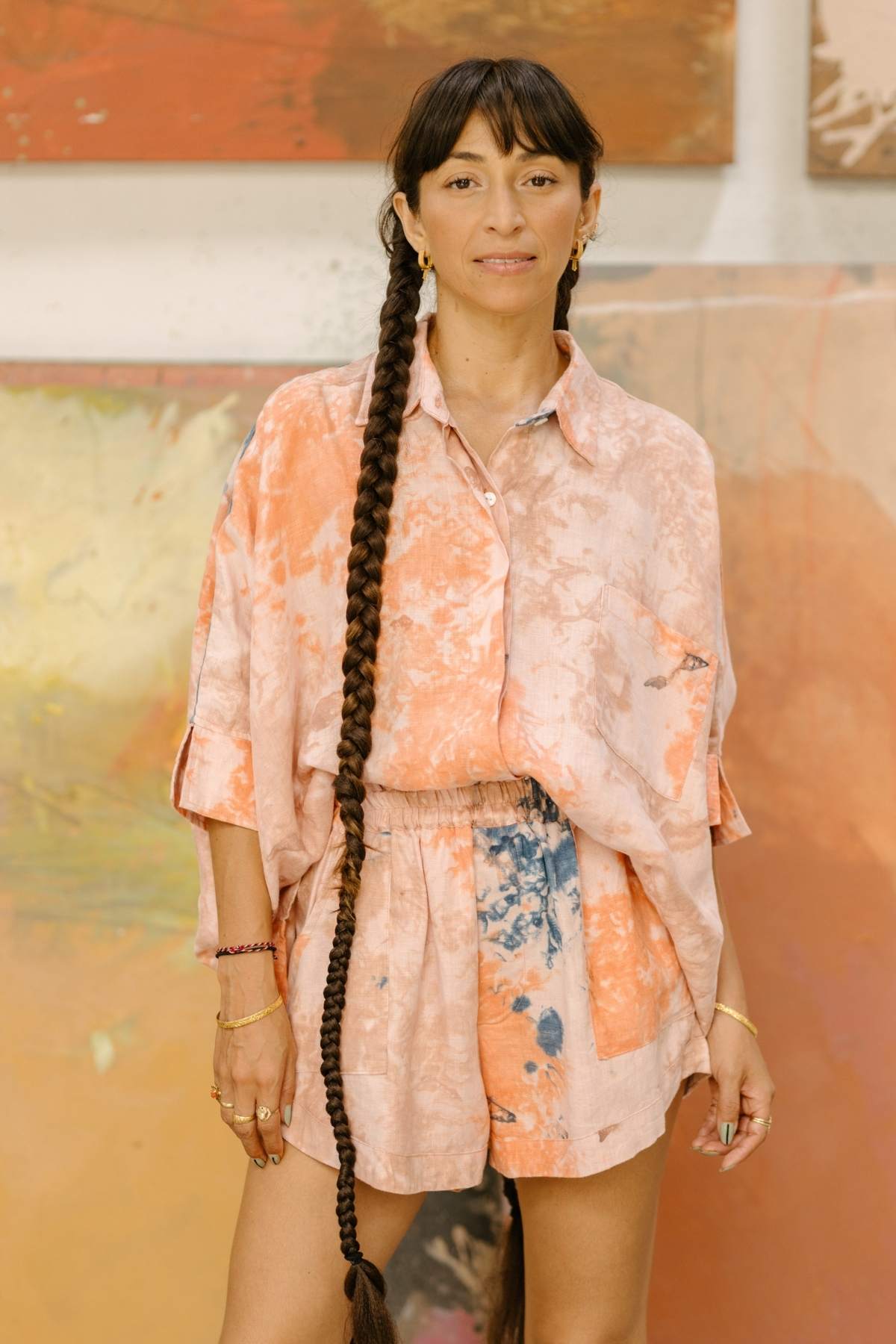
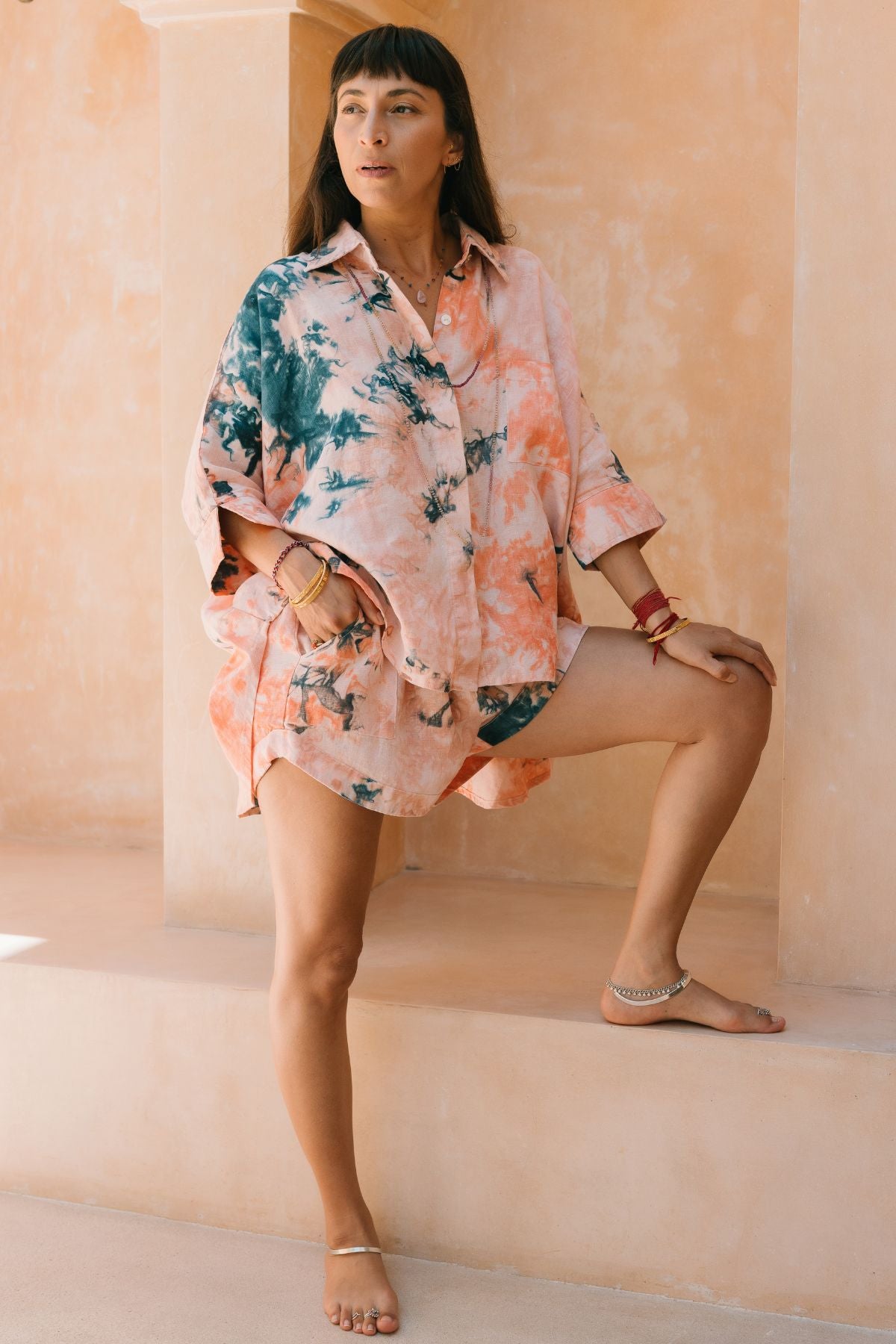
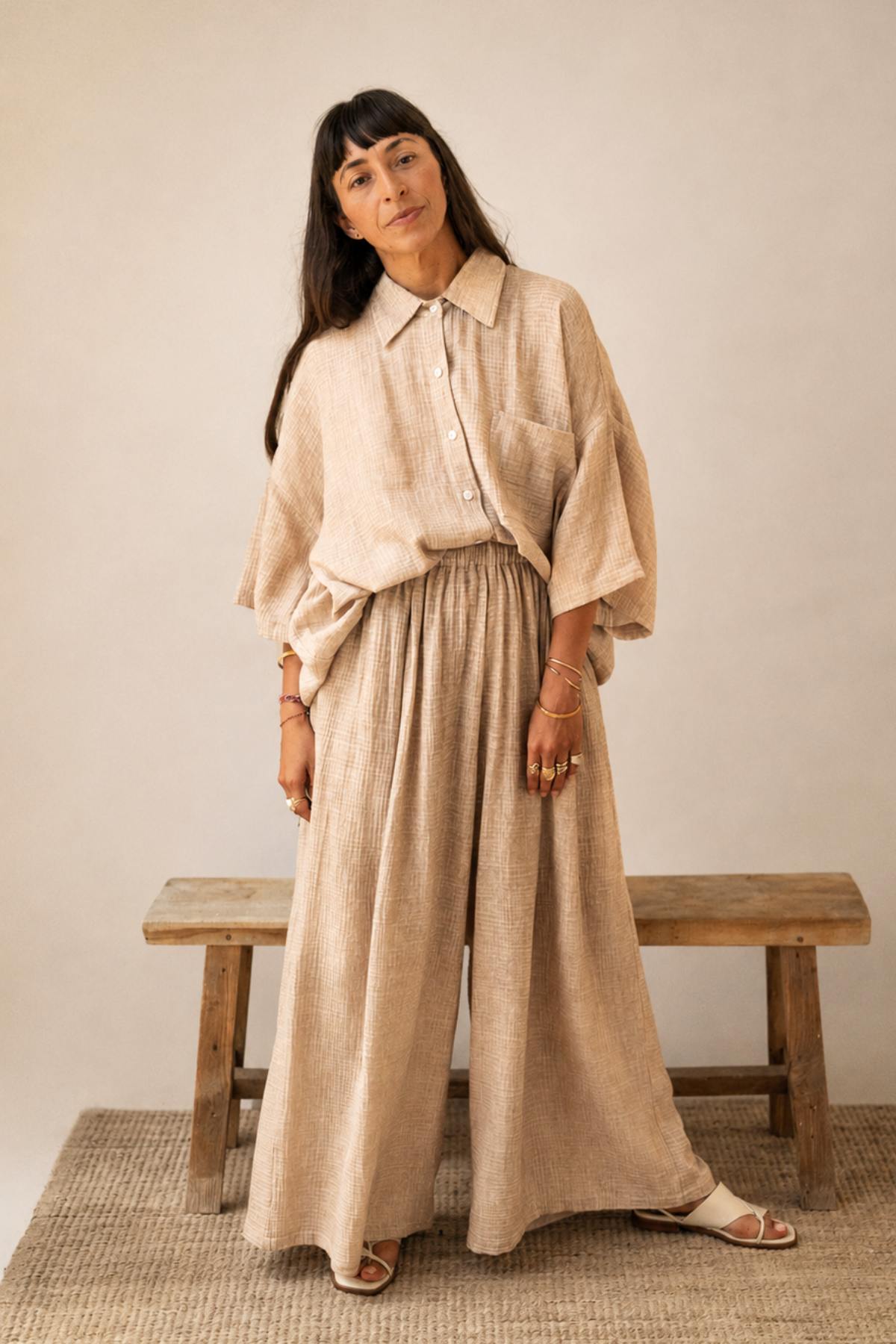
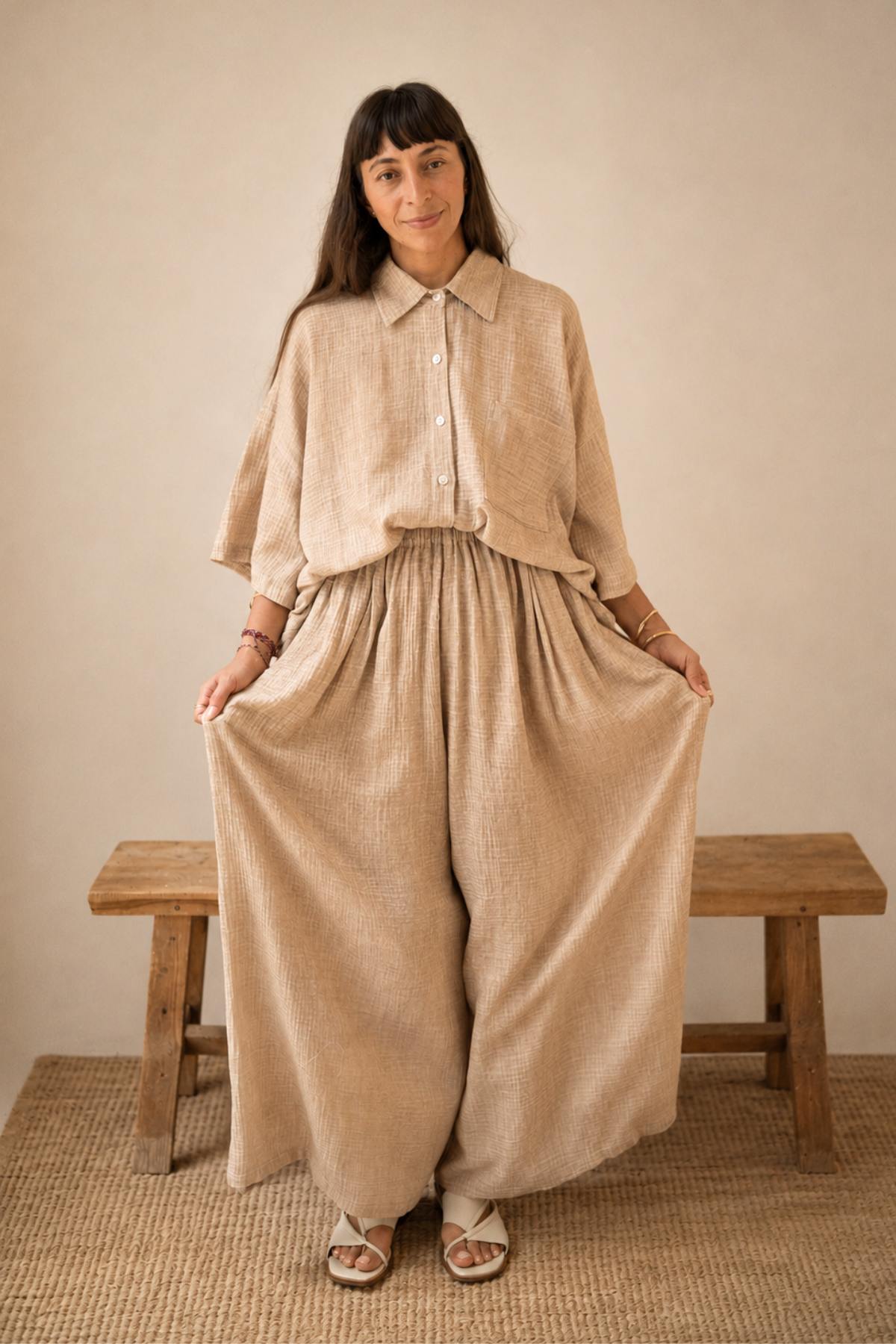
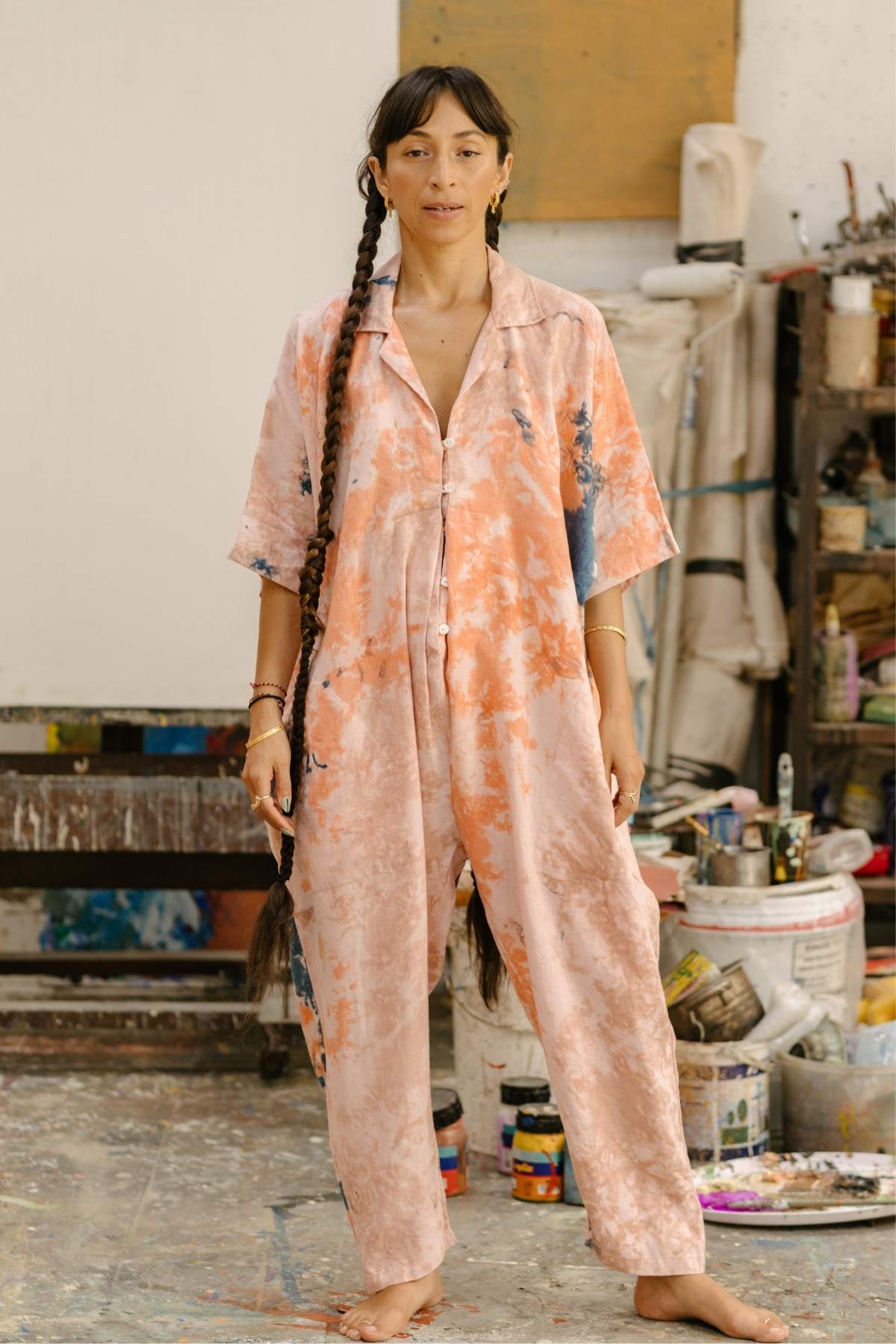
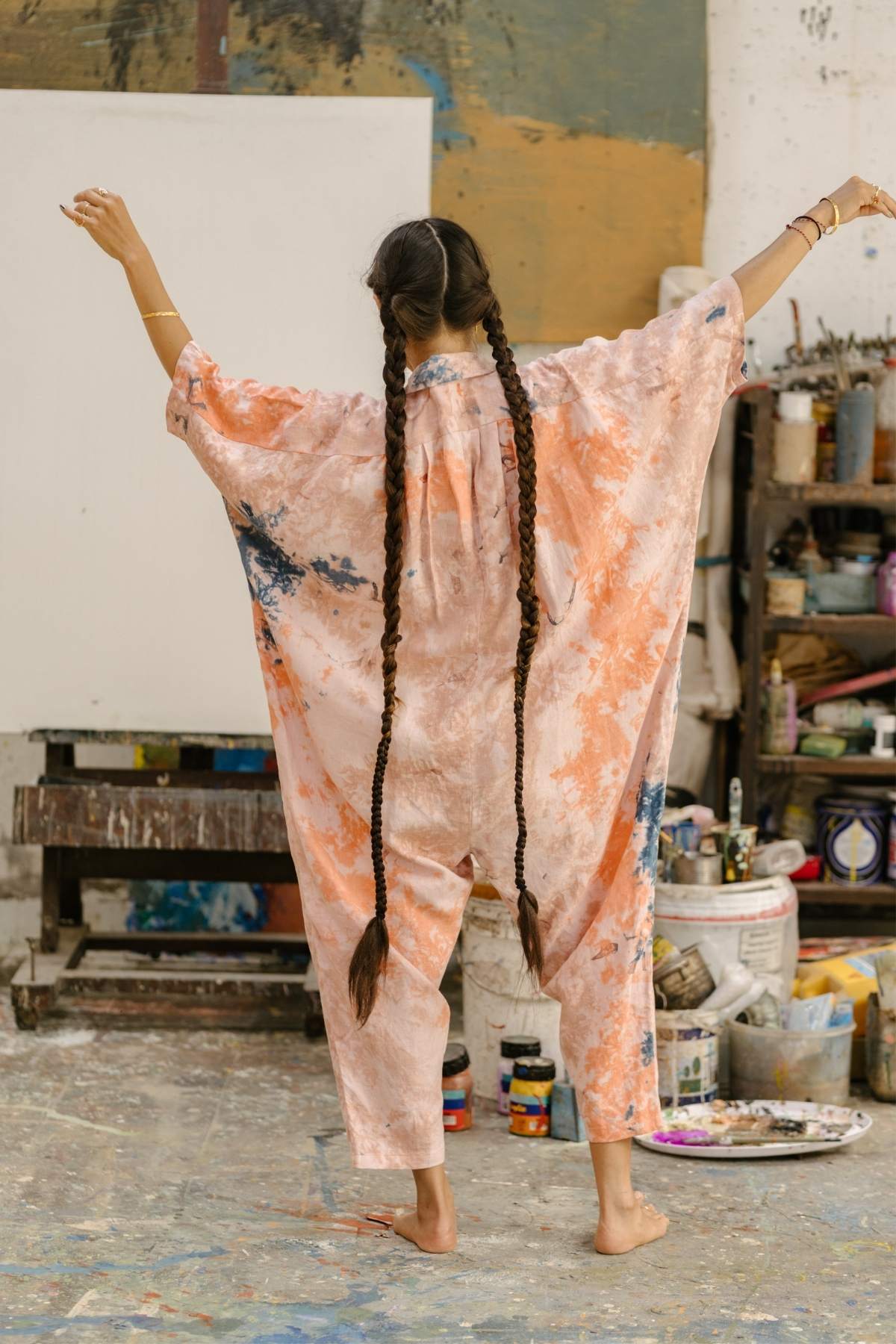
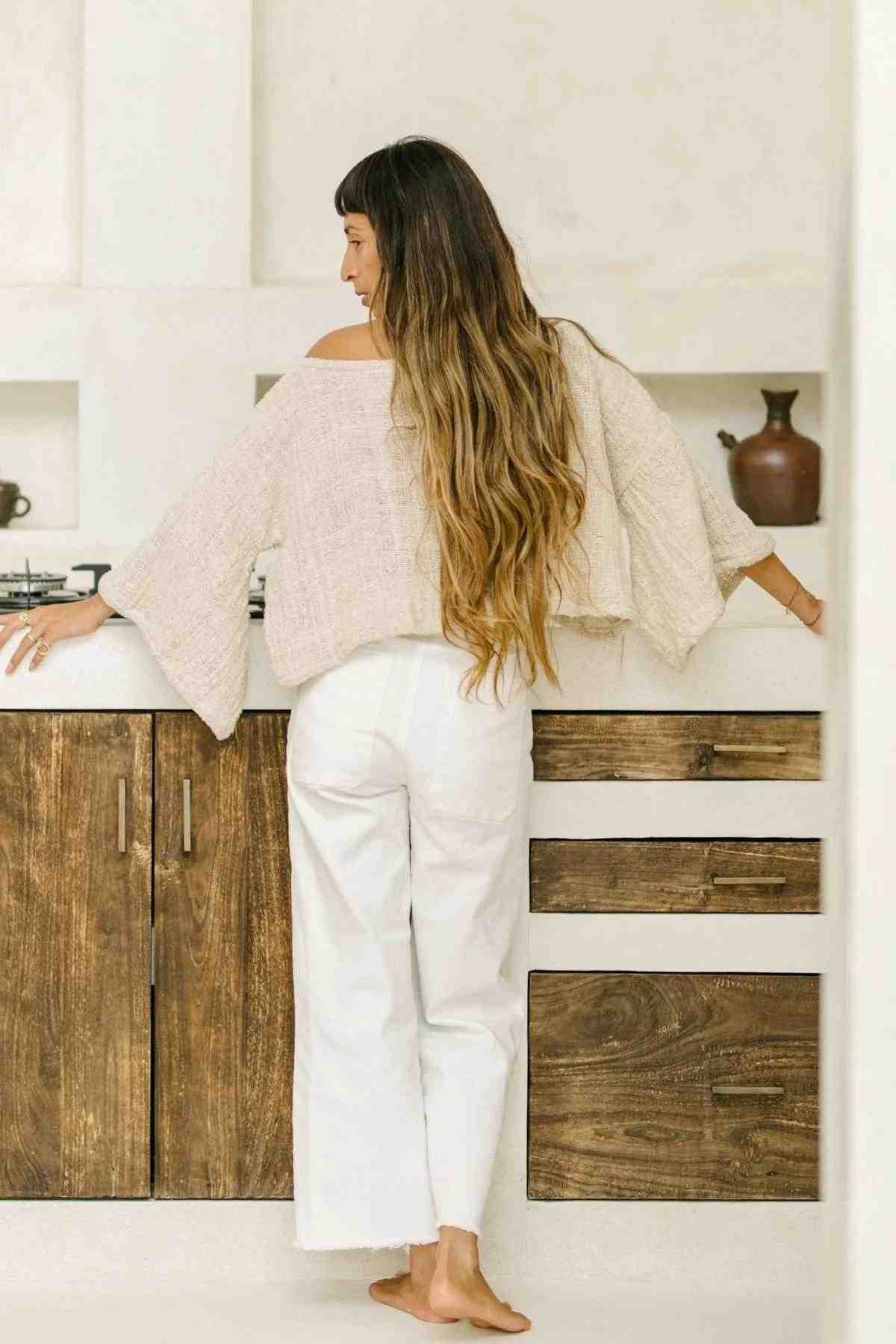
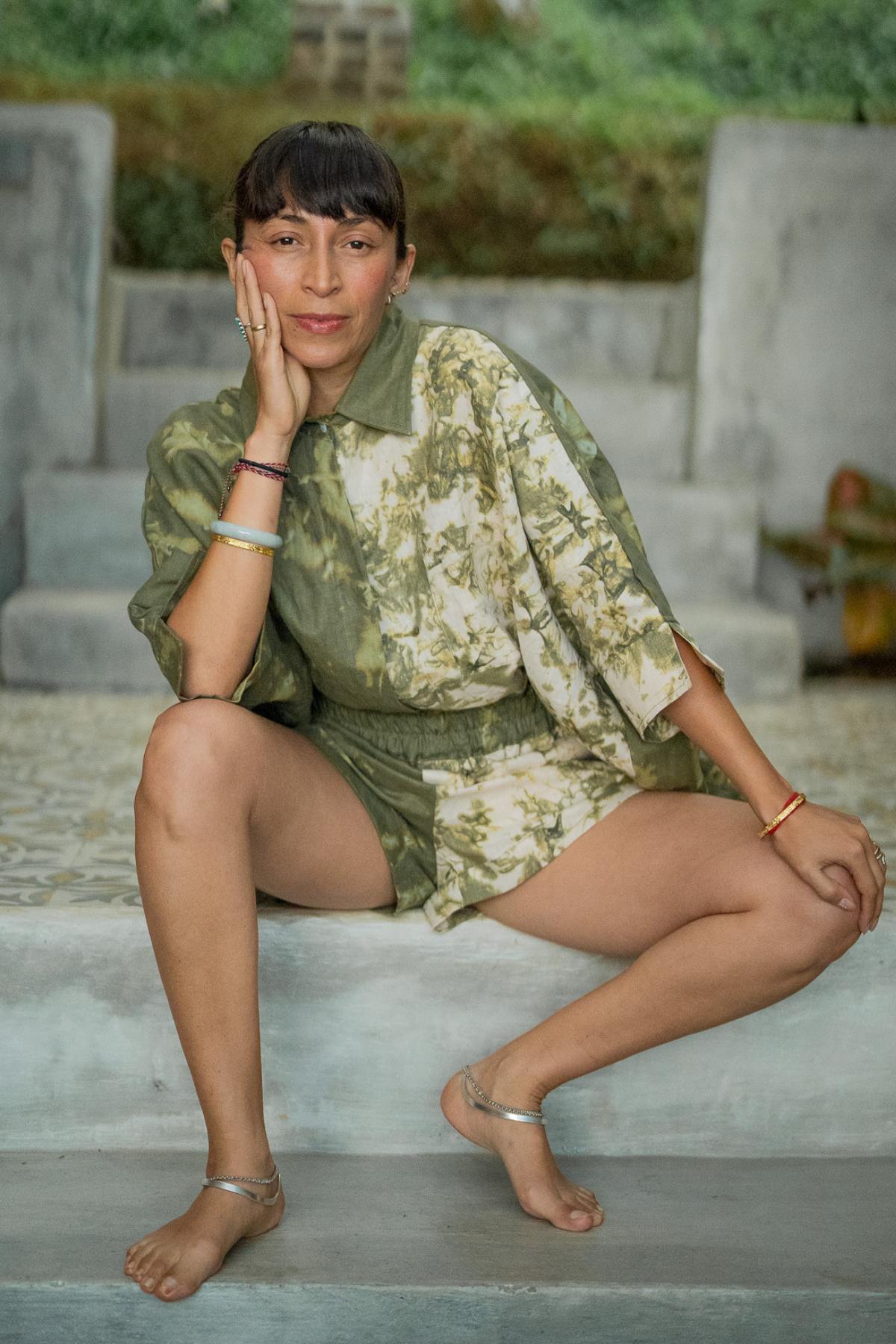
For warm-weather dressing, a linen set — a coordinated top and short or trouser — is the most considered and effortless choice available. One decision. Complete. No outfit anxiety. No mixing and matching at 7am. Just fabric, intention, and the quiet confidence of a woman who has stopped overthinking her clothes. The Suka Button Down Set Linen from Myrah Penaloza is exactly this: a coordinated set handwoven in Bali, available in Dark Moon and natural tones, that moves from a morning of work to an evening at dinner without a change of clothes or a change of intention.
Building a Linen Wardrobe That Lasts
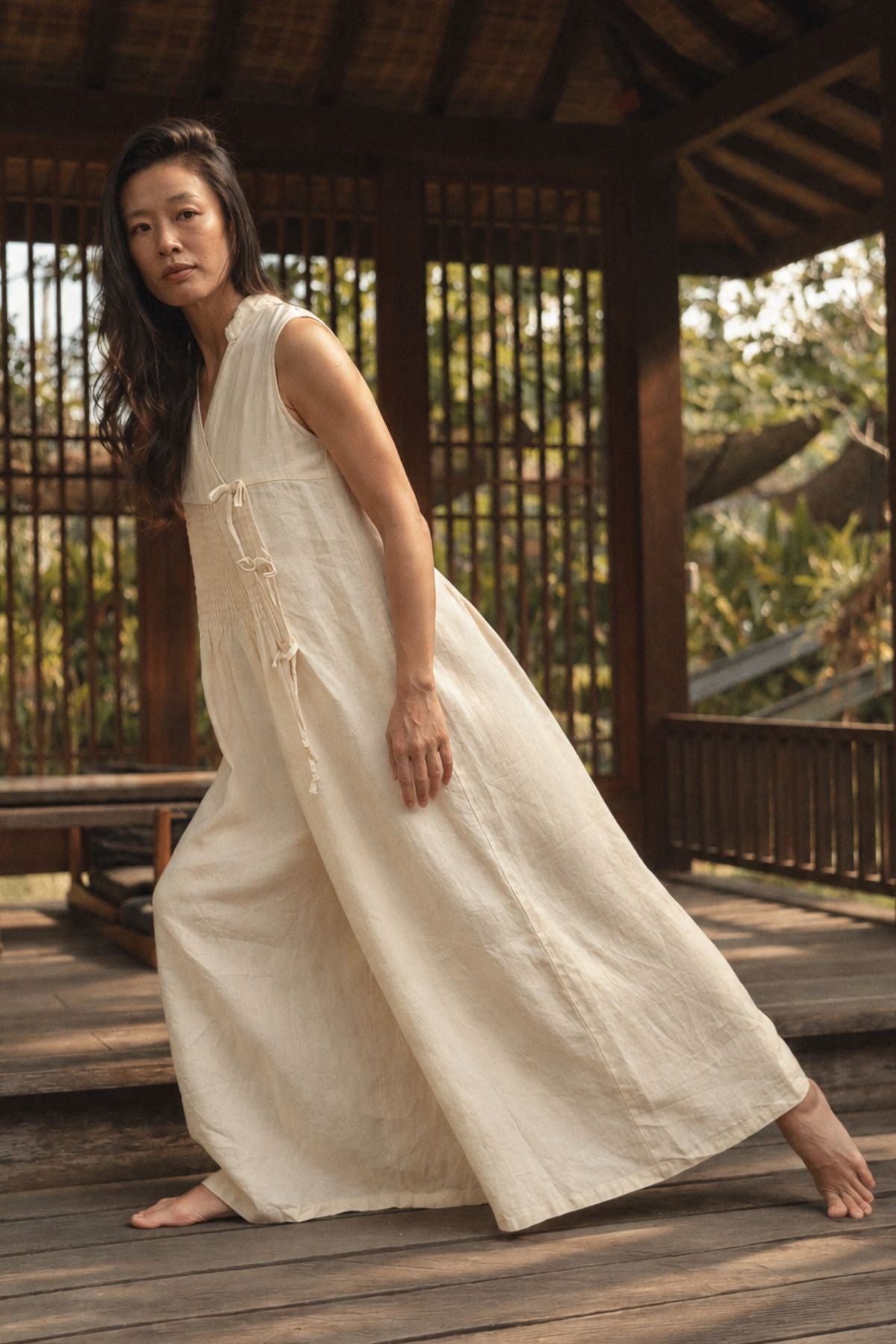
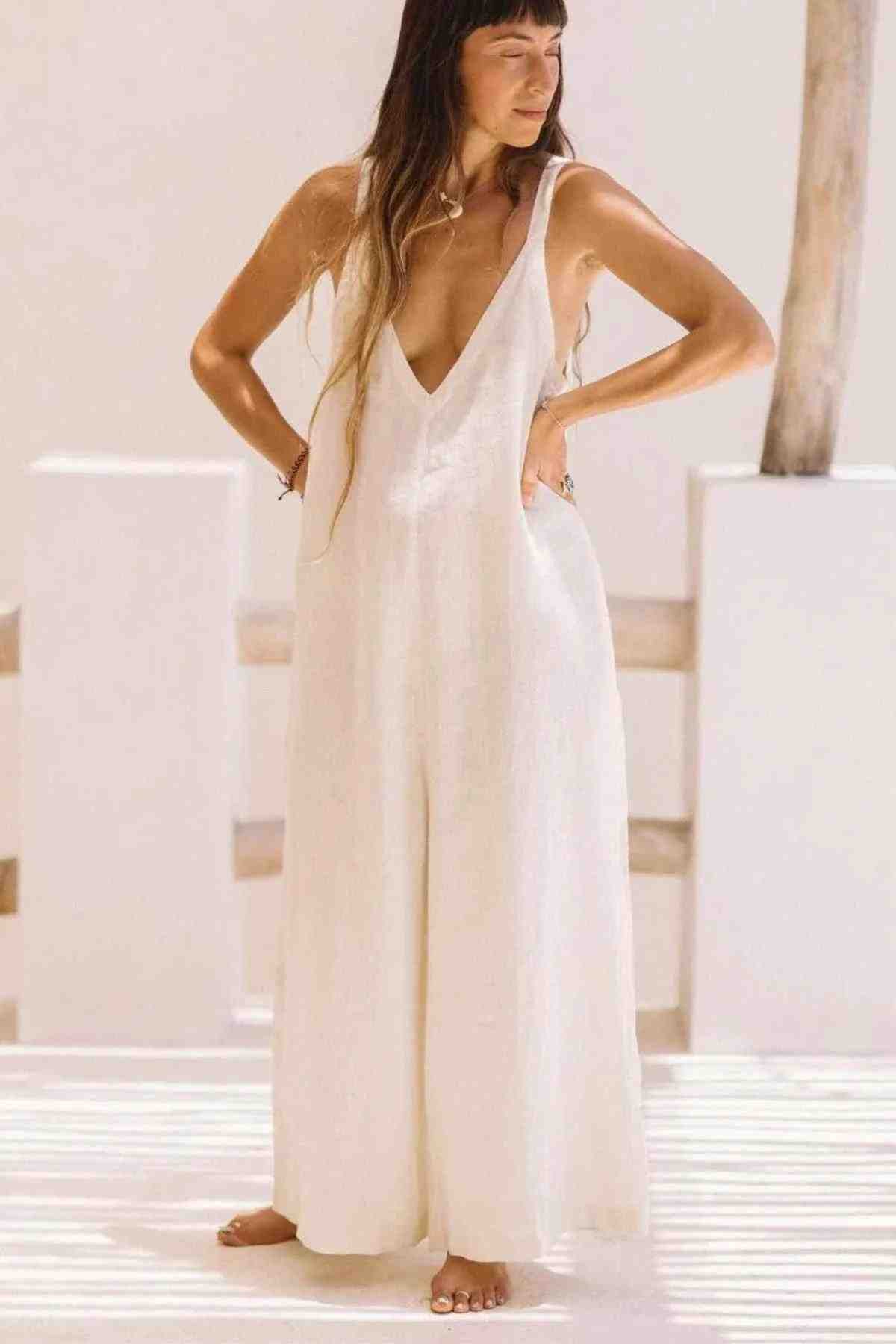
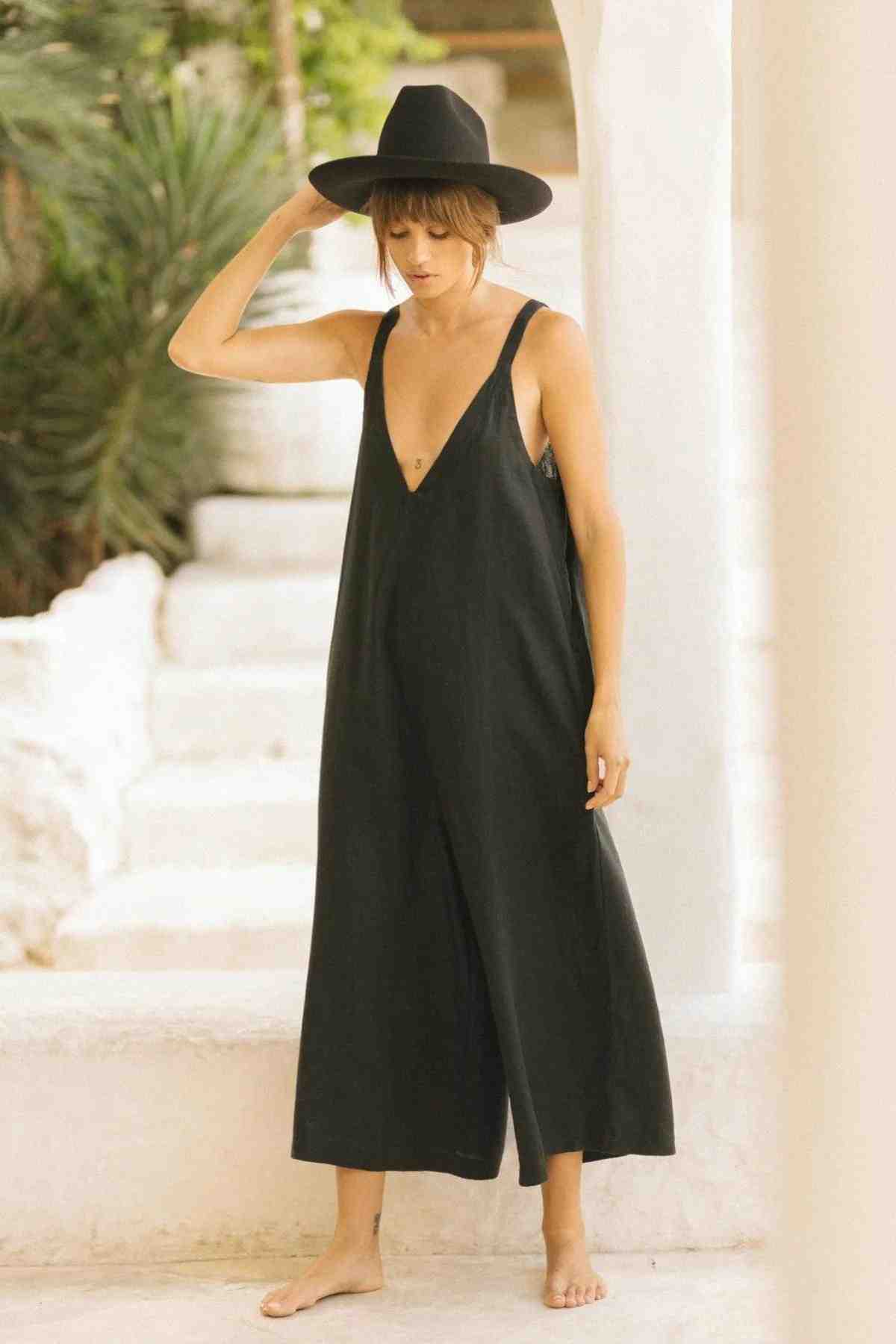
The sustainable linen wardrobe is built around a small number of deliberate pieces, not a large number of disposable ones. Start with one or two silhouettes that you actually live in — a playsuit, a set, a gown — and wear them until they become yours. Wash in cold water. Air dry. Do not fear the wrinkle. Over time, the linen will soften to a quality that no new garment can replicate. This is slow fashion in its most practical expression: not a philosophy, but a wardrobe that holds its value precisely because you valued it.
The most intelligent summer wardrobe is not the largest or the most varied. It is the one built around a few pieces that do everything — comfort, beauty, longevity, and a quiet refusal to contribute to the cycle of disposable fashion.
With love from Bali,
Myrah.

|
A Piece for This Threshold Suka Button Down Set Linen. Handwoven in Bali. A complete outfit in one decision — a coordinated linen top and short that moves from morning to evening without compromise. Available in Dark Moon and natural tones, made by hands that know what they are doing. |
|
The Muse-Letter Dress for the woman you’re becoming. Every week from Bali. Astrology, slow living, sacred feminine, and the pieces we make by hand. A letter, not a sales pitch. Unsubscribe any time. No spam, ever. |



Leave a comment
This site is protected by hCaptcha and the hCaptcha Privacy Policy and Terms of Service apply.