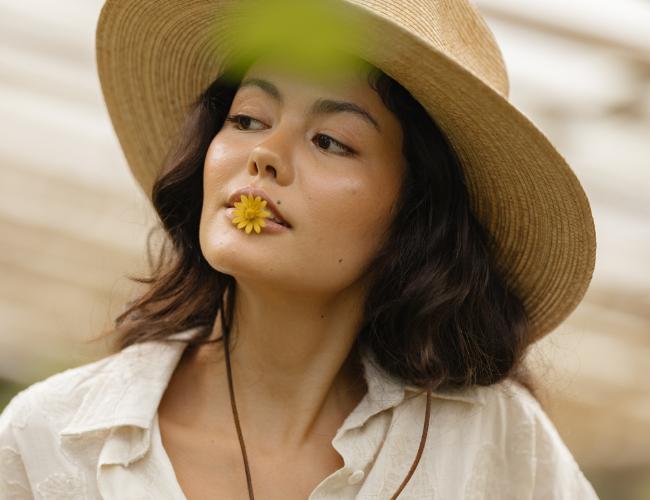

The Science and Soul of Linen: Why This Ancient Fabric Is the Smartest Wardrobe Choice in 2026
Linen has been worn for more than 10,000 years — longer than cotton, longer than silk, longer than nearly every other fabric on earth. And in 2026, as conversations about skin health, sustainable fashion, and conscious consumption continue to reshape how women dress, linen is not just relevant. It is essential.

This is not a trend. It is a reckoning with what fabric can do when it is given the space to be exactly what it is: breathable, durable, beautiful, and made from one of the most sustainable crops on the planet. If you have been curious about linen clothing benefits — and whether building a natural-fiber wardrobe is right for you — this is everything you need to know.
What Makes Linen Different From Every Other Natural Fabric
Linen is made from the fibres of the flax plant — one of the oldest cultivated crops in human history, and one of the most environmentally efficient. Flax requires far less water than cotton to grow, uses minimal pesticides, and almost every part of the plant is used in production, creating near-zero agricultural waste. The resulting fabric is two to three times stronger than cotton, which is why linen garments last for decades when properly cared for. That durability is itself a form of sustainability: a piece worn for fifteen years is fifteen fewer pieces in a landfill.
The fibre structure of linen is uniquely hollow, which gives it its signature breathability. Air moves through linen the way it moves through open space — which is why women who wear it in hot climates consistently describe feeling cooler than they do in cotton or synthetic alternatives. For anyone with sensitive skin, linen's naturally hypoallergenic and antibacterial properties make it one of the gentlest choices available.
Linen Clothing Benefits for Sensitive Skin and Hot Climates
If you live somewhere warm — or travel somewhere warm, as more of us intentionally do — the thermoregulating properties of linen are not a minor comfort. They are a daily quality-of-life upgrade. Linen is hygroscopic, meaning it actively wicks moisture away from the skin, absorbing up to 20% of its own weight in water before it even begins to feel damp. It releases that moisture quickly into the air, keeping the skin dry even in high humidity.
For sensitive skin specifically, the texture of linen changes with wear. Brand-new linen can feel slightly structured, but it softens with every wash and every wearing, eventually becoming one of the most skin-friendly fabrics in existence. The natural fibres do not trap heat against the body the way synthetic fabrics do, which means less irritation, less inflammation, and — for those prone to hormonal skin responses — less reactivity. Many dermatologists recommend natural fibres, linen chief among them, for women managing eczema, rosacea, or any skin condition that worsens with heat and synthetic contact.
Why French Linen Is Considered the Gold Standard
Not all linen is equal. The term French linen refers to linen woven from flax grown in the Normandy and Brittany regions of France, where the damp Atlantic climate creates ideal conditions for producing the finest, longest flax fibres in the world. These fibres yield a fabric with a finer hand, a more refined drape, and a longer lifespan than linens produced from shorter-staple crops grown elsewhere.
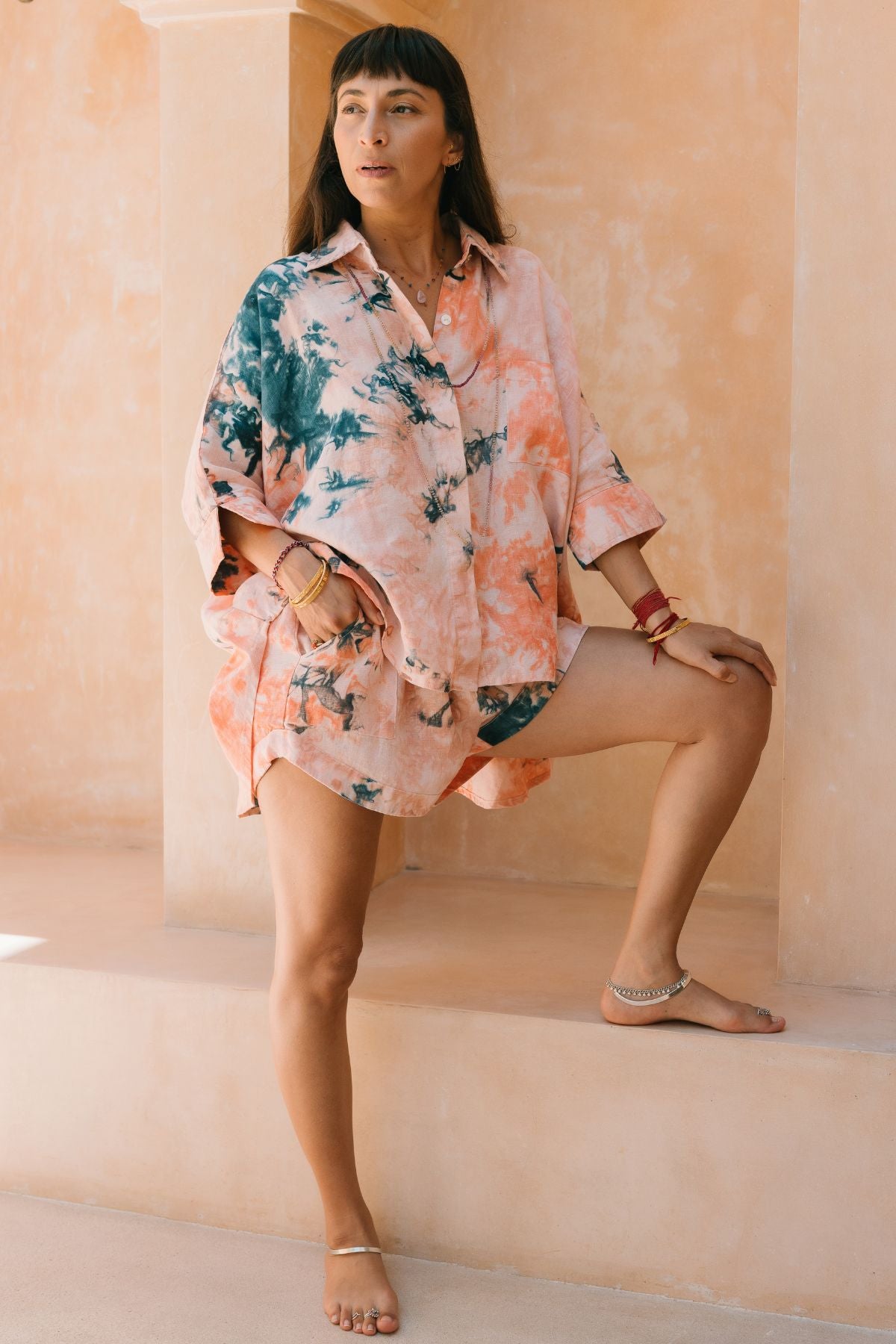
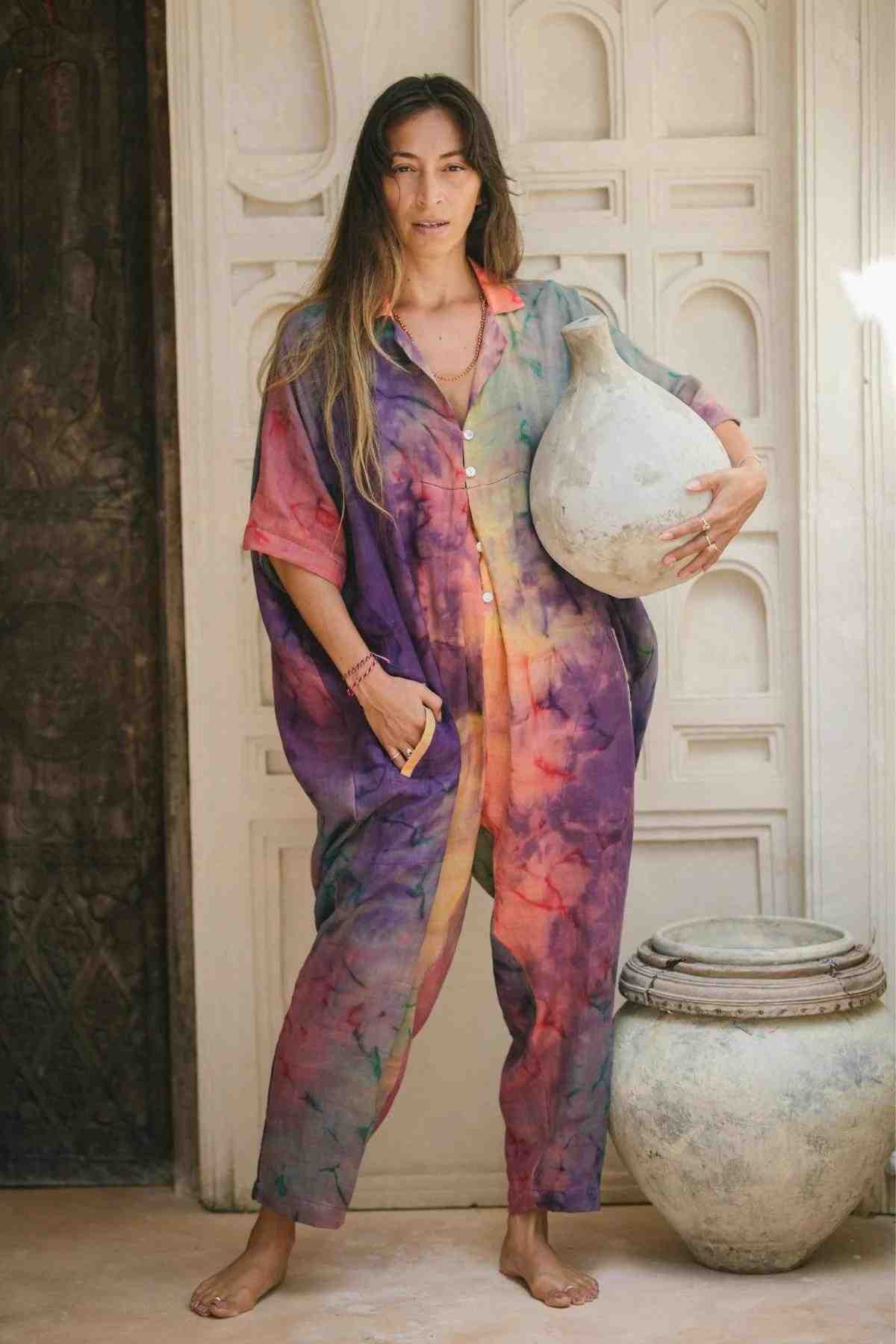
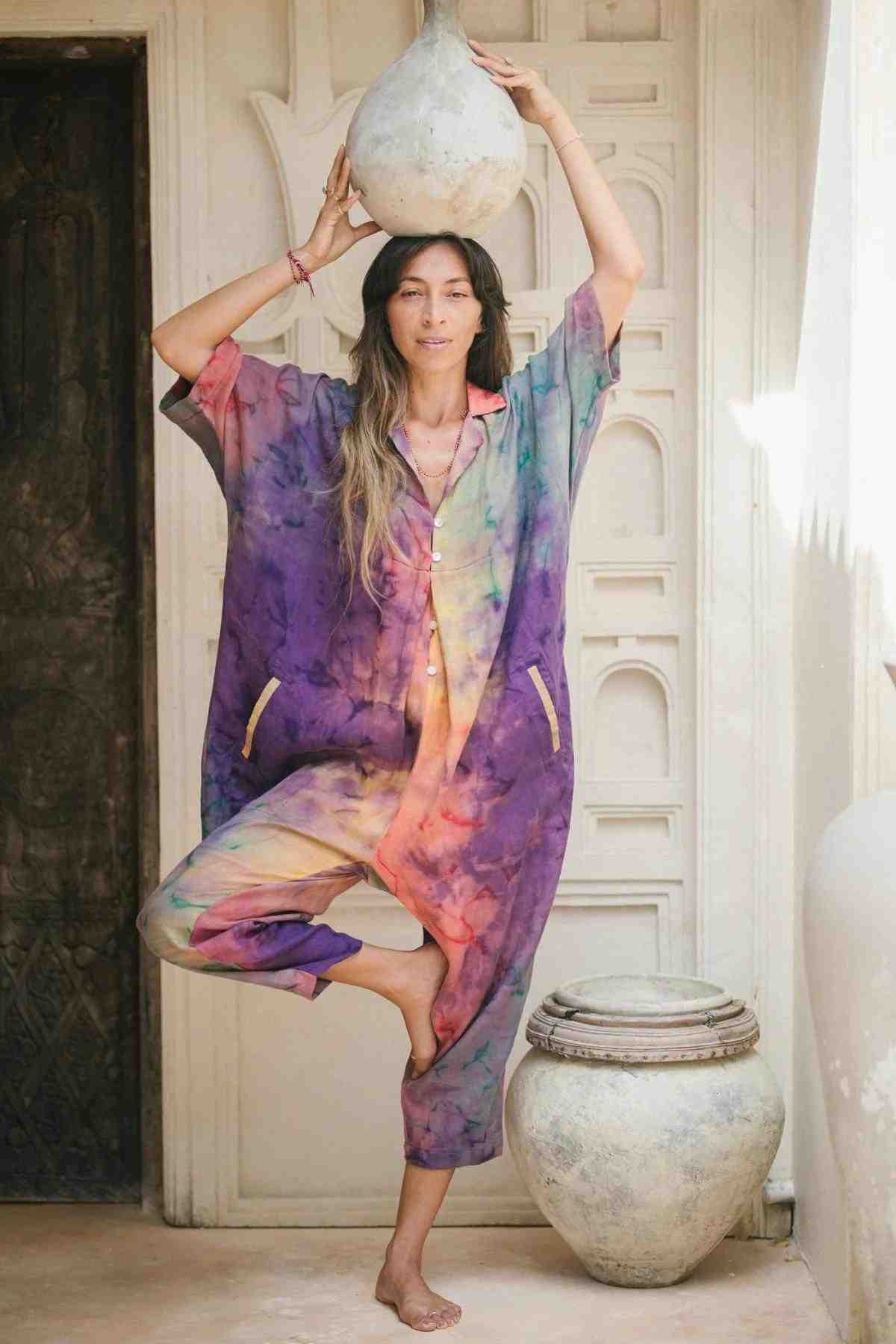
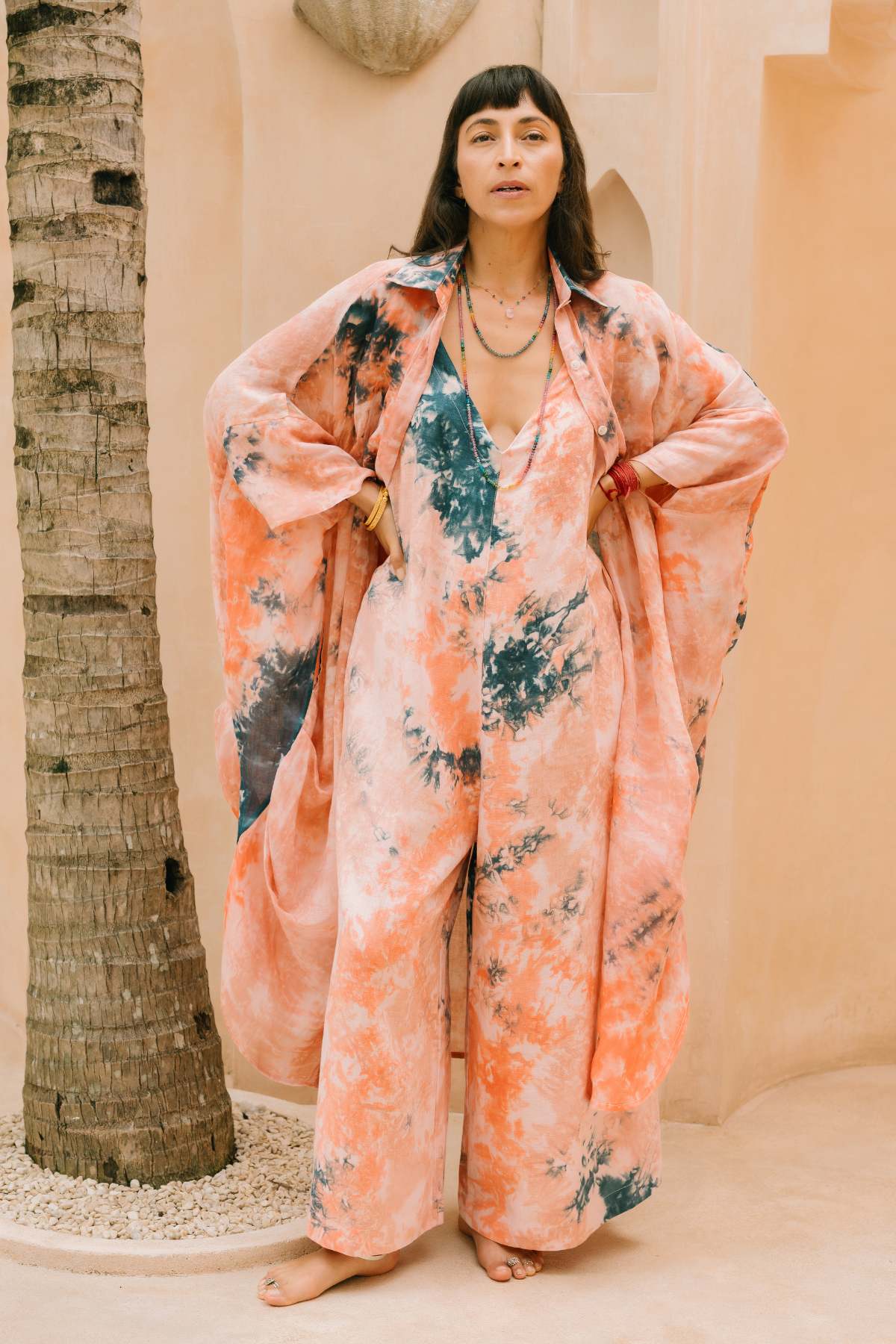
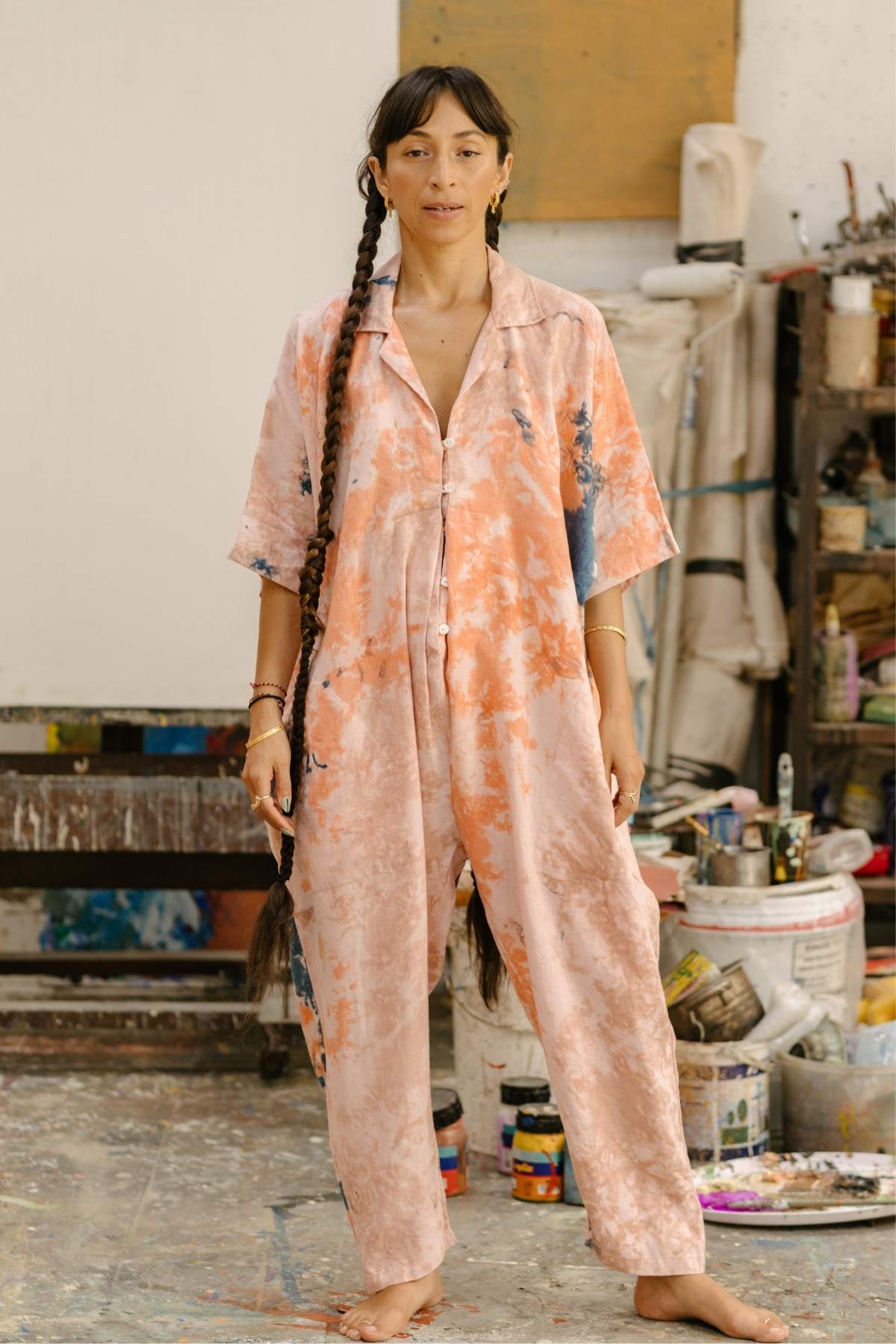
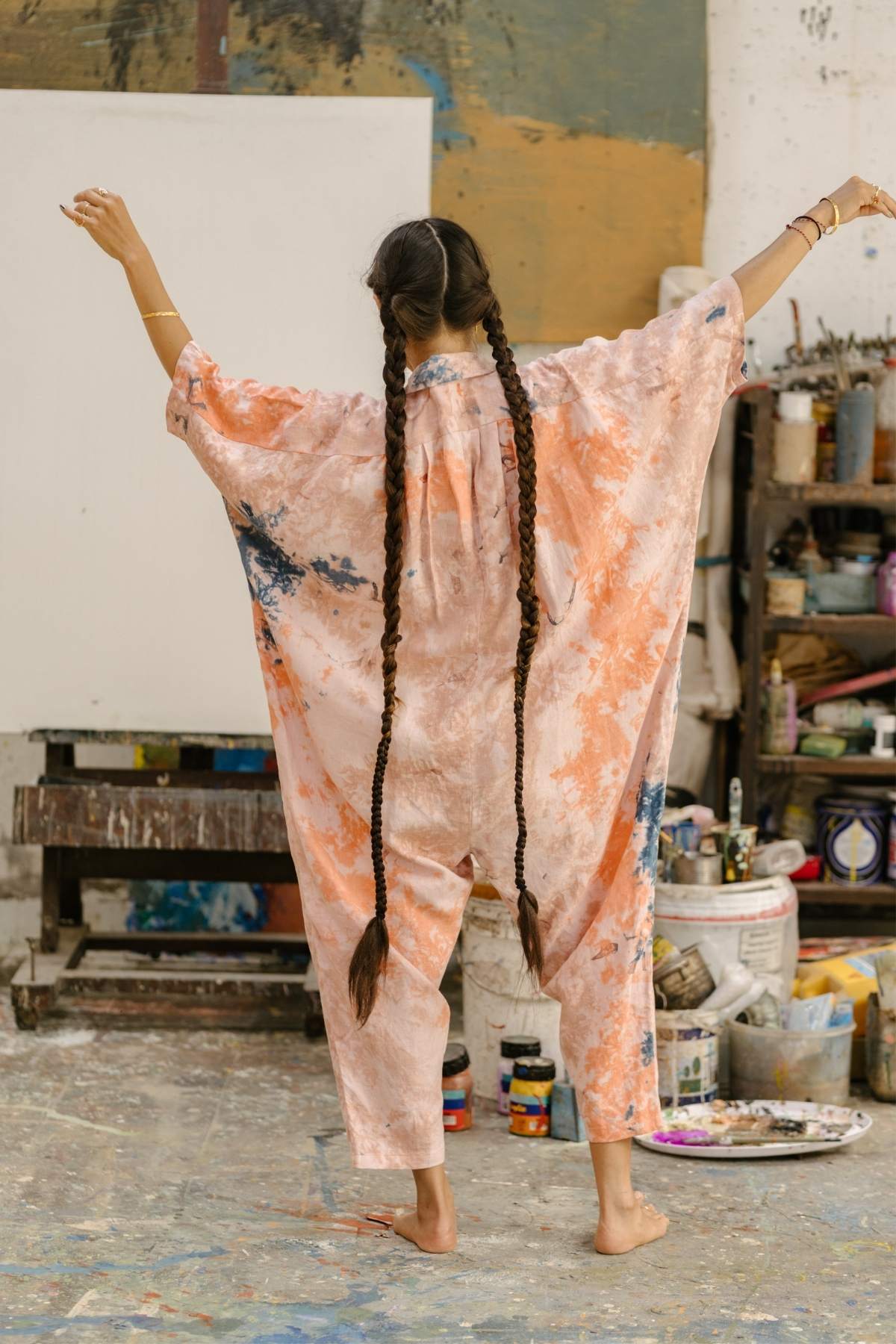
French linen also takes natural and botanical dye beautifully — a quality that matters deeply to us, as many of our pieces are hand-dyed in Bali using traditional plant-based techniques. The fibre's natural porosity means it holds botanical colour in a way that synthetic fabrics simply cannot replicate. The result is garments that hold memory: of the dyeing, of the wearing, of the woman who chose them.
How to Care for Linen So It Lasts Decades
One of the most common reasons women avoid linen is the fear of wrinkles. And yes — linen wrinkles. But this is not a flaw. It is a feature. The casual, lived-in drape of worn linen signals something that synthetic fabrics never can: that the garment is real, natural, alive. If you prefer a more pressed look, linen responds beautifully to a warm iron applied while slightly damp.
For longevity, wash linen in cool or lukewarm water on a gentle cycle. Avoid high-heat dryers — hang your linen in shade to dry, and it will last for years. Do not store linen in plastic; it needs airflow. Folded in a breathable drawer or hung in a garment bag, linen actually improves with age, becoming softer and more characterful with every season it is worn.
Linen and the Slow Fashion Movement in 2026
The broader conversation around slow fashion and intentional consumption has moved from niche to essential, and linen is at its centre. Women are increasingly choosing fewer, better pieces — garments that tell a story, are made by hand, and will not end up in a landfill eighteen months from now. Linen, by its very nature, is the slow fashion fabric. It takes longer to produce, costs more to make well, and rewards the woman who chooses it with something that only improves with time.
This is the philosophy that drives every piece we make here in Bali. Every silhouette is considered. Every fabric is chosen not just for how it looks today, but for how it will feel in ten years. The most sustainable thing you can do is fall in love with what you own — and linen makes that easy.
Linen is not just a fabric. It is a philosophy of slowness — of choosing quality over quantity, longevity over trend, the body's comfort over the eye's immediate approval. In a world that moves faster than ever, wearing linen is a quiet, deliberate act of resistance.
With love from Bali,
Myrah.
|
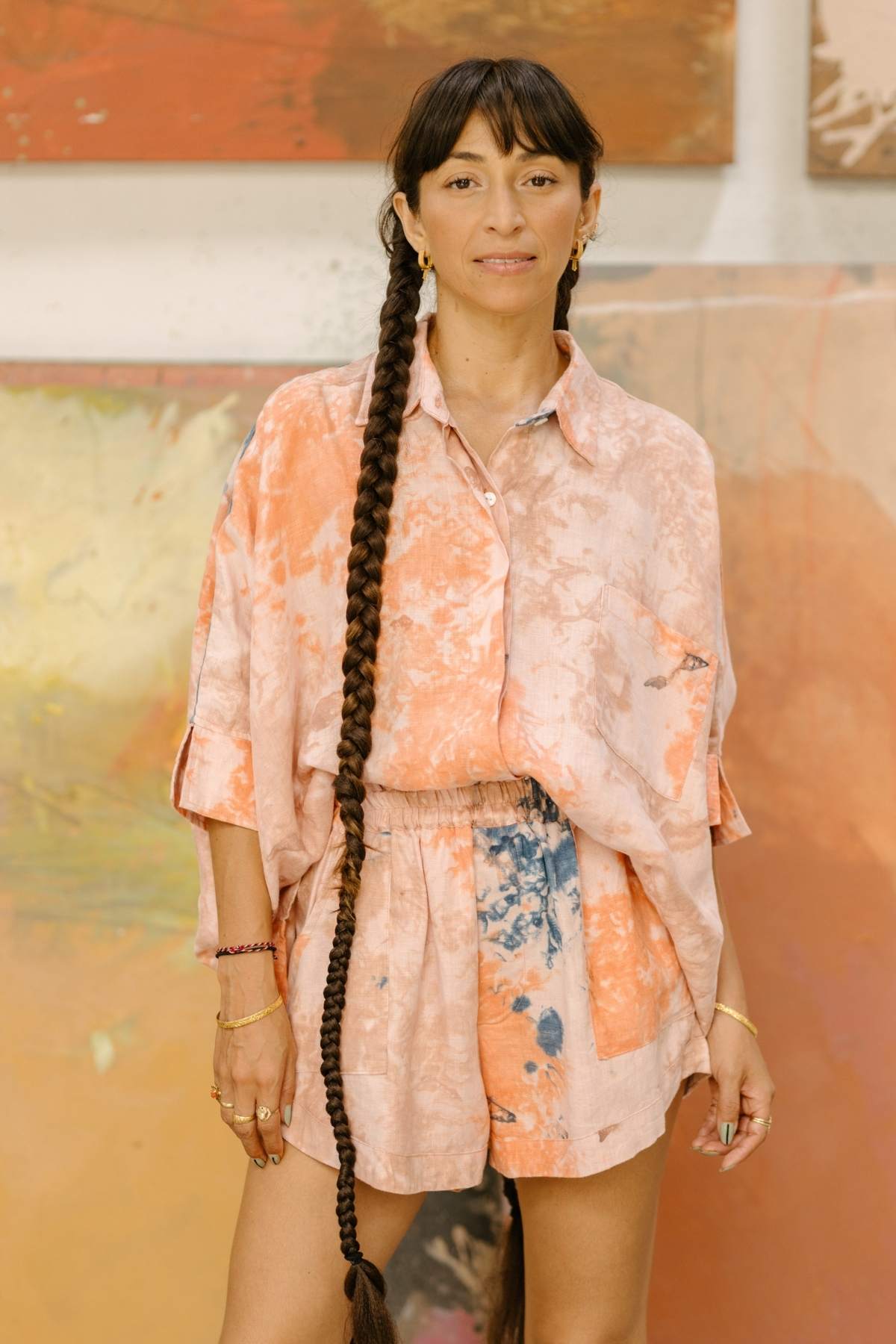
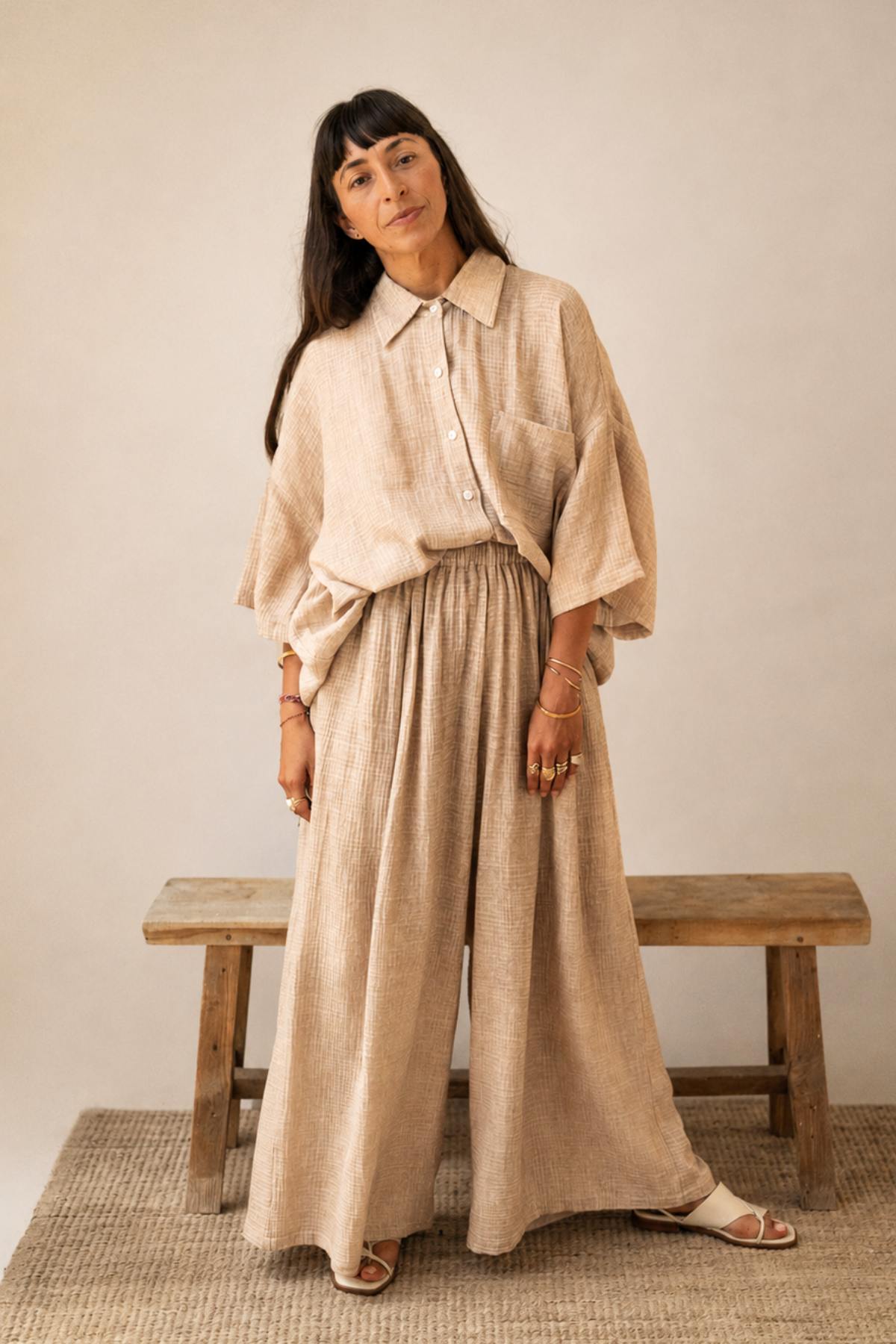
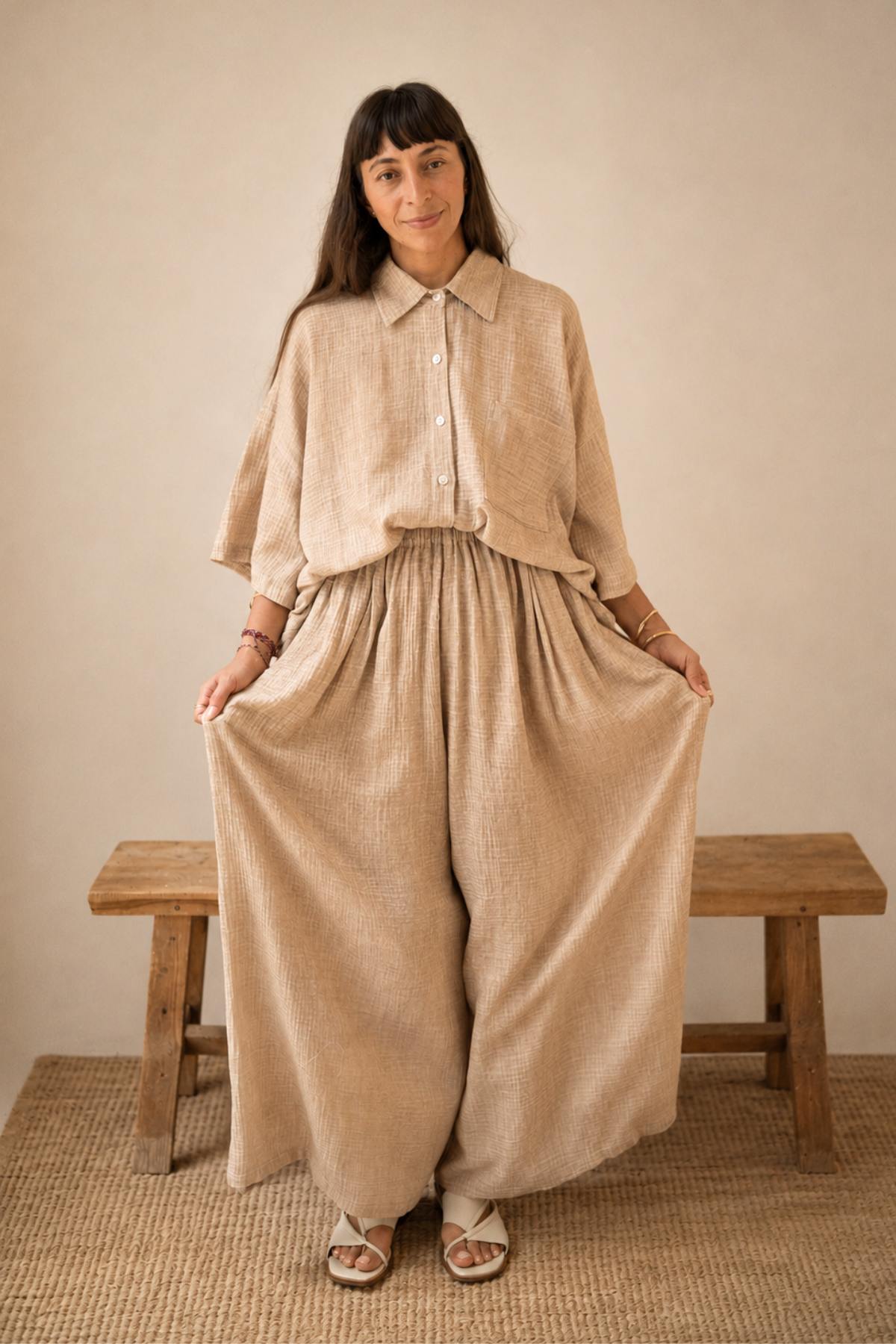
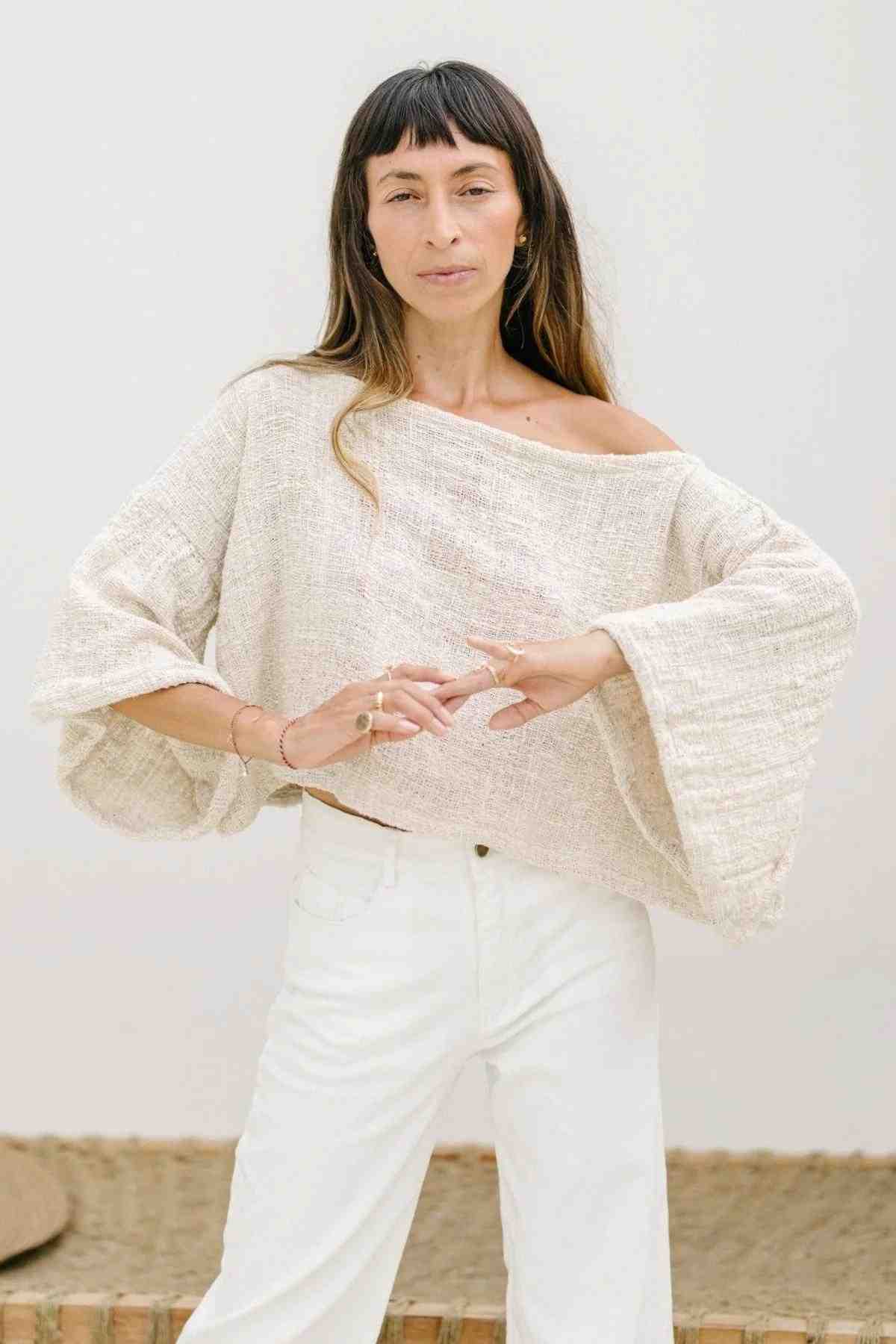
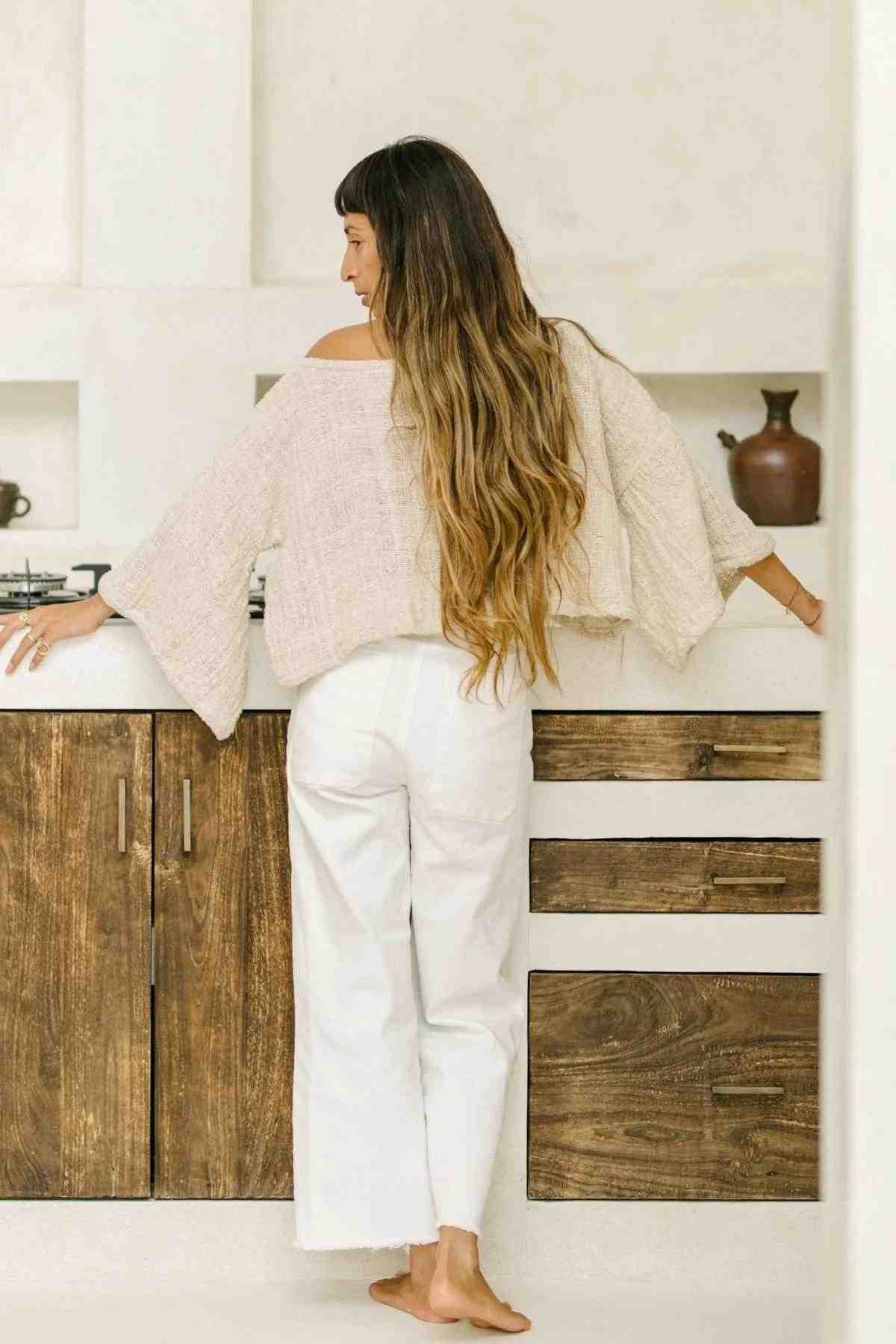
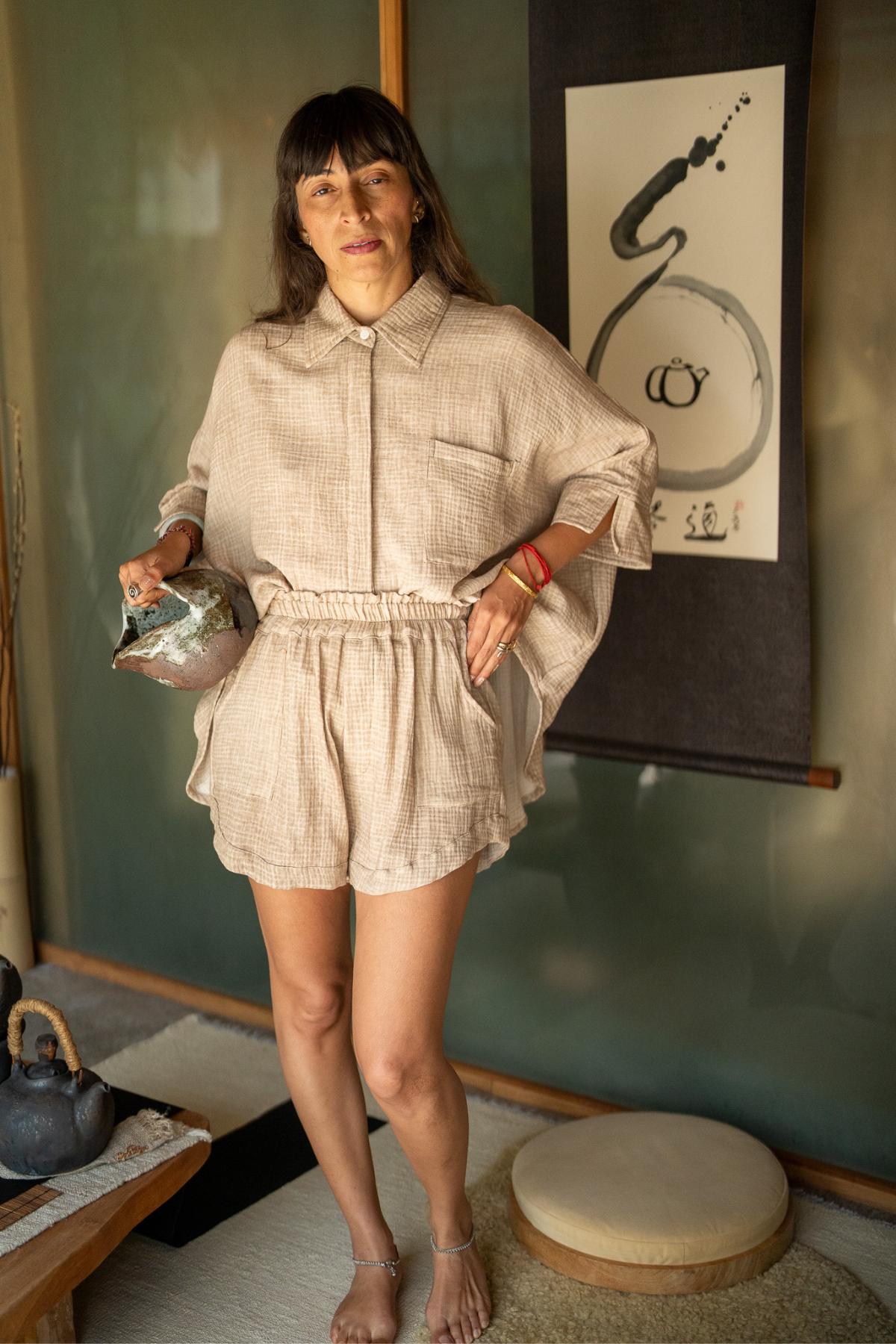
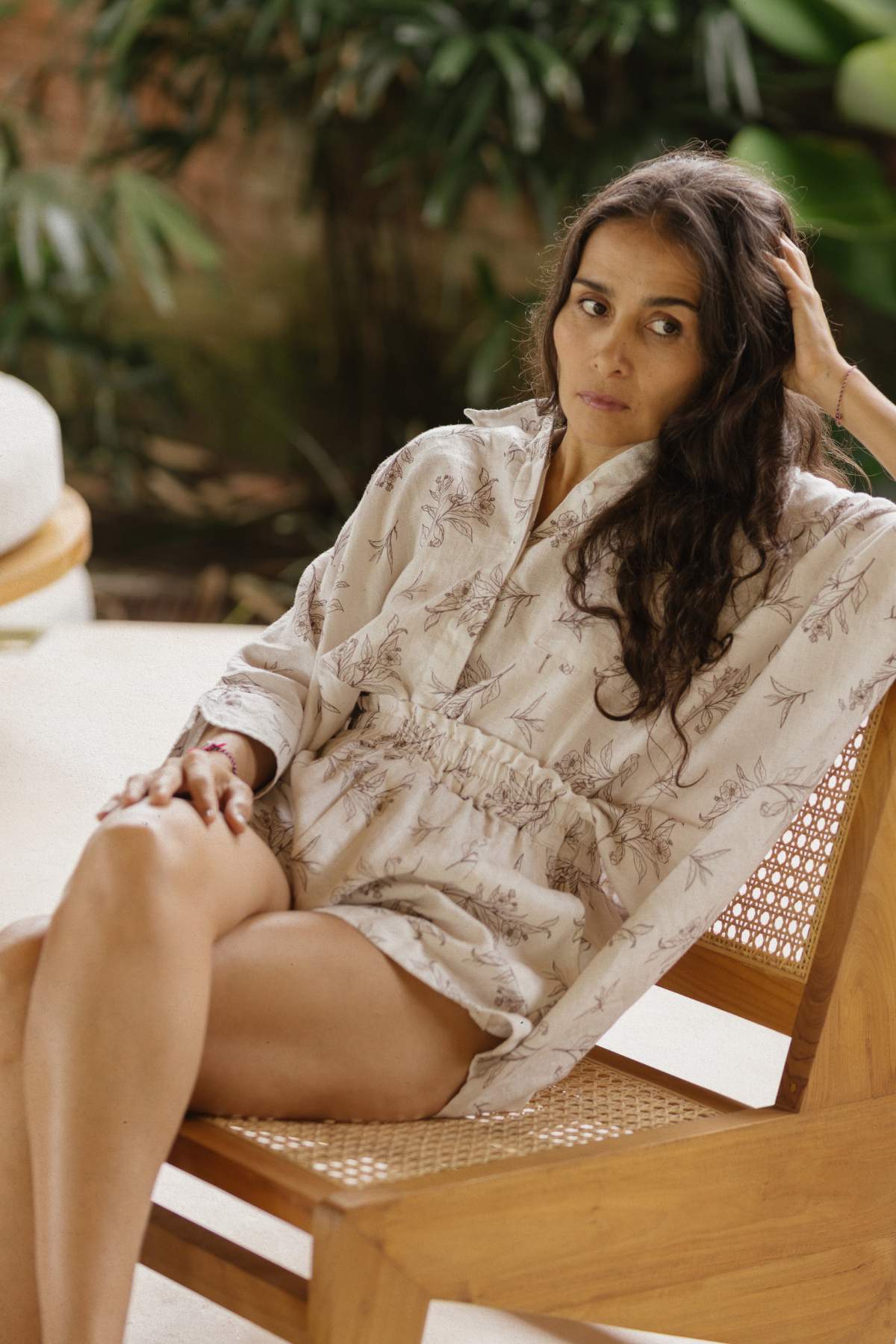
A Piece for This Threshold Solana Suka Set. There is a moment just before the sun touches the water — the sky moving from pale to gold to something warmer than either. This set holds that moment. Linen-gauze with a dip-dye finish in Dusty Pink, Soleil Yellow, or Clay. Made to order. Made to last. |
|
The Muse-Letter Dress for the woman you're becoming. Every week from Bali. Astrology, slow living, sacred feminine, and the pieces we make by hand. A letter, not a sales pitch. Unsubscribe any time. No spam, ever. |


Leave a comment
This site is protected by hCaptcha and the hCaptcha Privacy Policy and Terms of Service apply.