


What to Actually Pack for Bali: A Slow Packer’s Guide to Dressing Well on the Island
We have lived in Bali long enough to watch thousands of women arrive with bags that are too heavy and leave with something they bought here that became the only thing they wore. The suitcase full of options from home stays folded. The one piece found on the island, made by someone local, in a fabric that actually breathes, gets worn every day until the flight home and mailed back from baggage claim when it gets left behind by accident.
This is not a coincidence. Bali changes what you think you need. The heat teaches you. The humidity teaches you. The pace of the island teaches you. What to pack for Bali is, in the end, a question about what you actually need rather than what you think you might want.
Understand the Climate First
Bali sits just eight degrees south of the equator. The temperature ranges from around 24°C at night to 33°C during the day, year-round, with the wet season running roughly November through March bringing daily afternoon rain, and the dry season from April through October offering clear mornings and warm evenings. The humidity is constant. It does not relent in the dry season. It simply becomes slightly more manageable.
What this means practically: synthetic fabrics become genuinely uncomfortable within an hour of wearing them. Polyester traps heat and moisture against the skin. Even high-quality synthetic blends that feel fine at home will feel like a second, unwanted layer in Bali’s climate. Natural fabrics, linen above all, do the opposite. They wick moisture away from the skin. They breathe. They soften as the day warms. They were made for this climate because people in this climate have been wearing them for thousands of years.
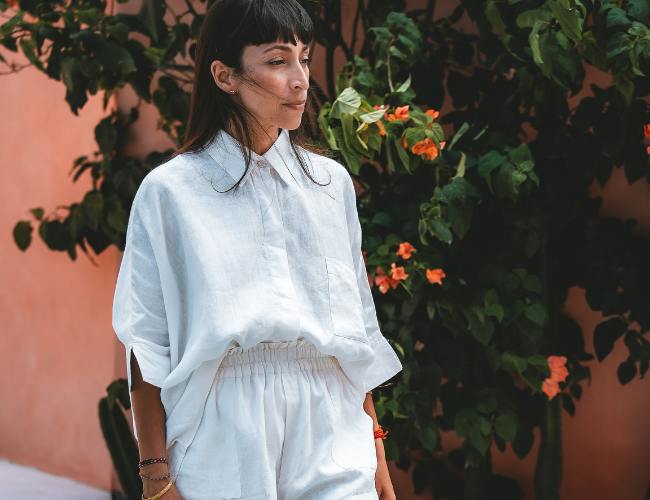
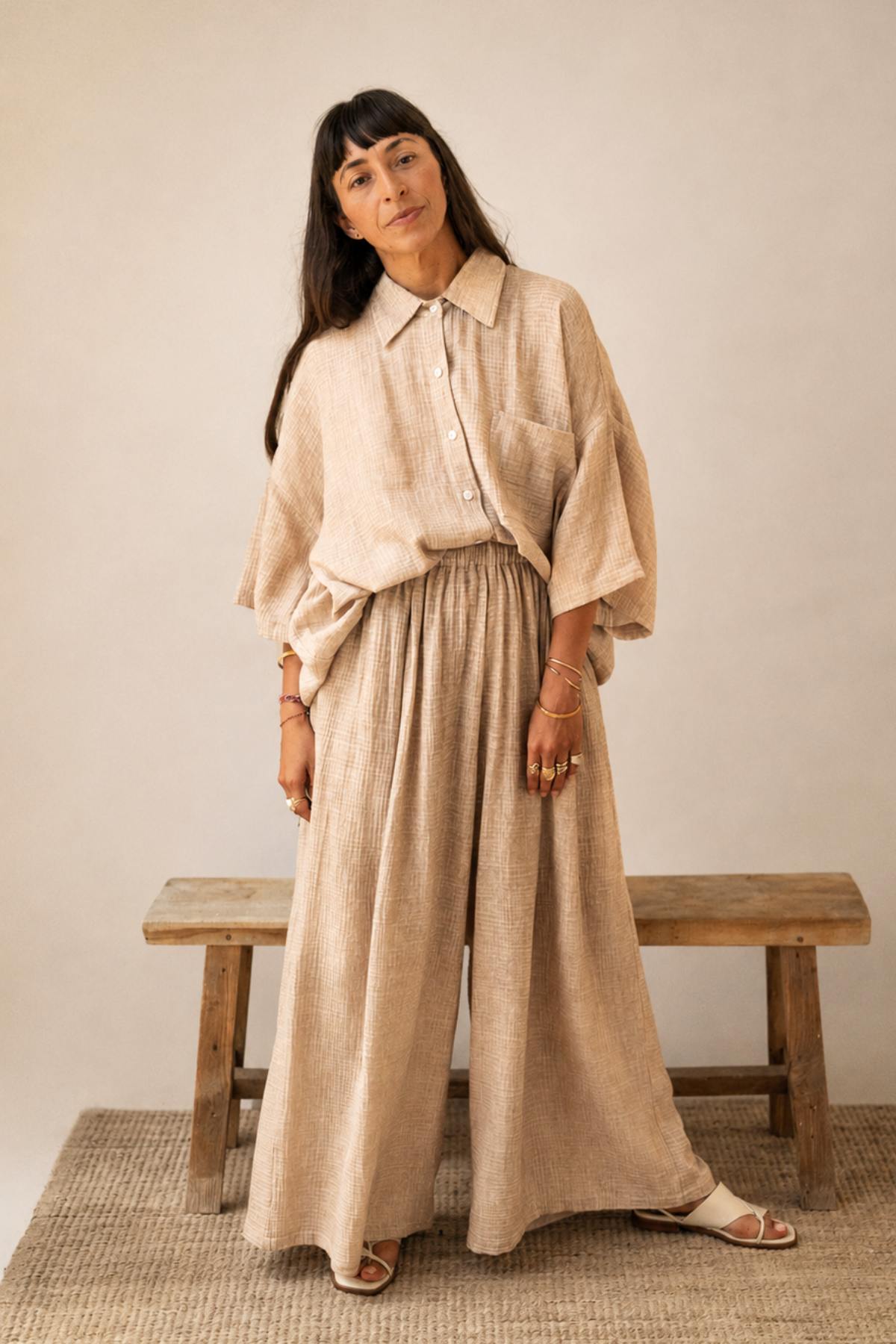
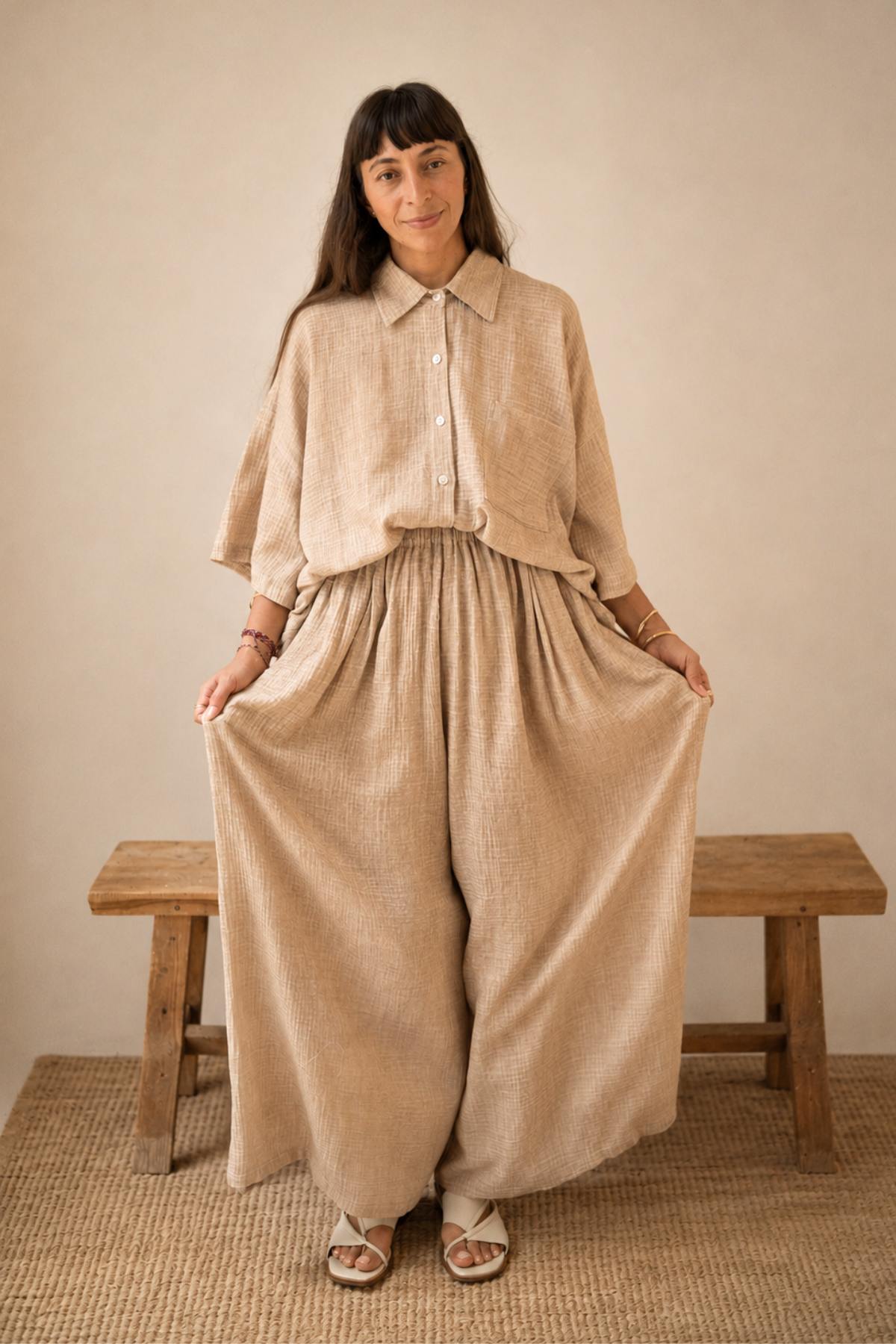
If you are wondering what to wear in Bali, the answer almost always begins with linen. Our entire linen collection is made here in Bali, by Balinese families who understand intuitively how a garment should move in this heat. That knowledge is in the cutting and the construction, not just the fabric.
What Not to Bring
Leave the structured blazers. Leave the denim (heavy, slow-drying, hot). Leave anything that requires ironing before it looks right, because linen that wrinkles and recovers is beautiful, but cotton-polyester that wrinkles and holds is just uncomfortable. Leave the high heels for everything except one dinner if you must. Bali’s roads and temple steps and rice terrace paths were not made for them.
Leave most of your shoes. Two pairs cover almost everything: a sandal that can walk and a sandal that can dress up. Ubud’s streets are narrow and sometimes slippery. The temples require covered feet or removing footwear at the entrance. A simple flat that you can slip off easily is the most useful shoe you can bring.
Leave the evening separates. In Bali, a beautiful dress or a well-made playsuit reads as dressed up in a way that a blazer-and-trouser combination never quite does. The island has its own dress code, and it leans toward flowing, natural, and considered rather than formal.
The Temple Question: What to Wear in Ubud and Sacred Sites
Every temple in Bali, and there are thousands of them, requires covered shoulders and a sarong below the waist. Many rent sarongs at the entrance for a small fee, but having your own is both more comfortable and more respectful. A long wrap skirt or a full-length dress satisfies the requirement without needing anything additional.
Our Shanti Wrap Skirt was designed with exactly this in mind. It wraps and ties at the waist, accommodates any body, and works over a swimsuit, over shorts, or on its own as a full look. Women who travel with it tell us they wear it to temples in the morning and to dinner in the evening without changing. That kind of flexibility is what you want from every piece you bring to Bali.
The Five-Piece Bali Wardrobe
Five pieces, worn in rotation, cover two weeks in Bali without repeating an outfit in any way that feels repetitive. The key is choosing pieces that mix freely rather than pieces that each require their own specific companion.
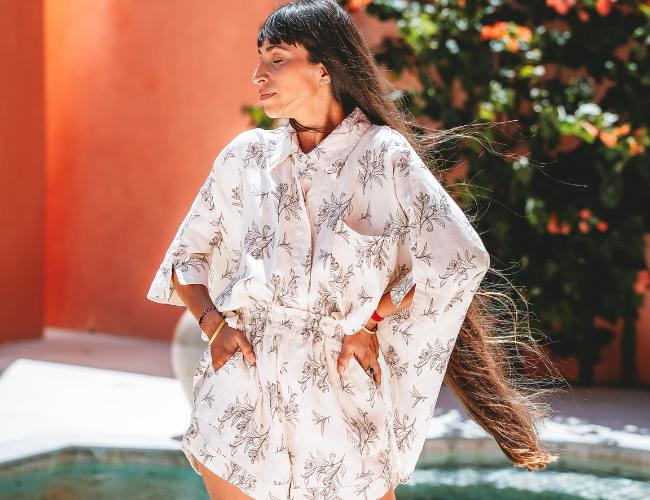
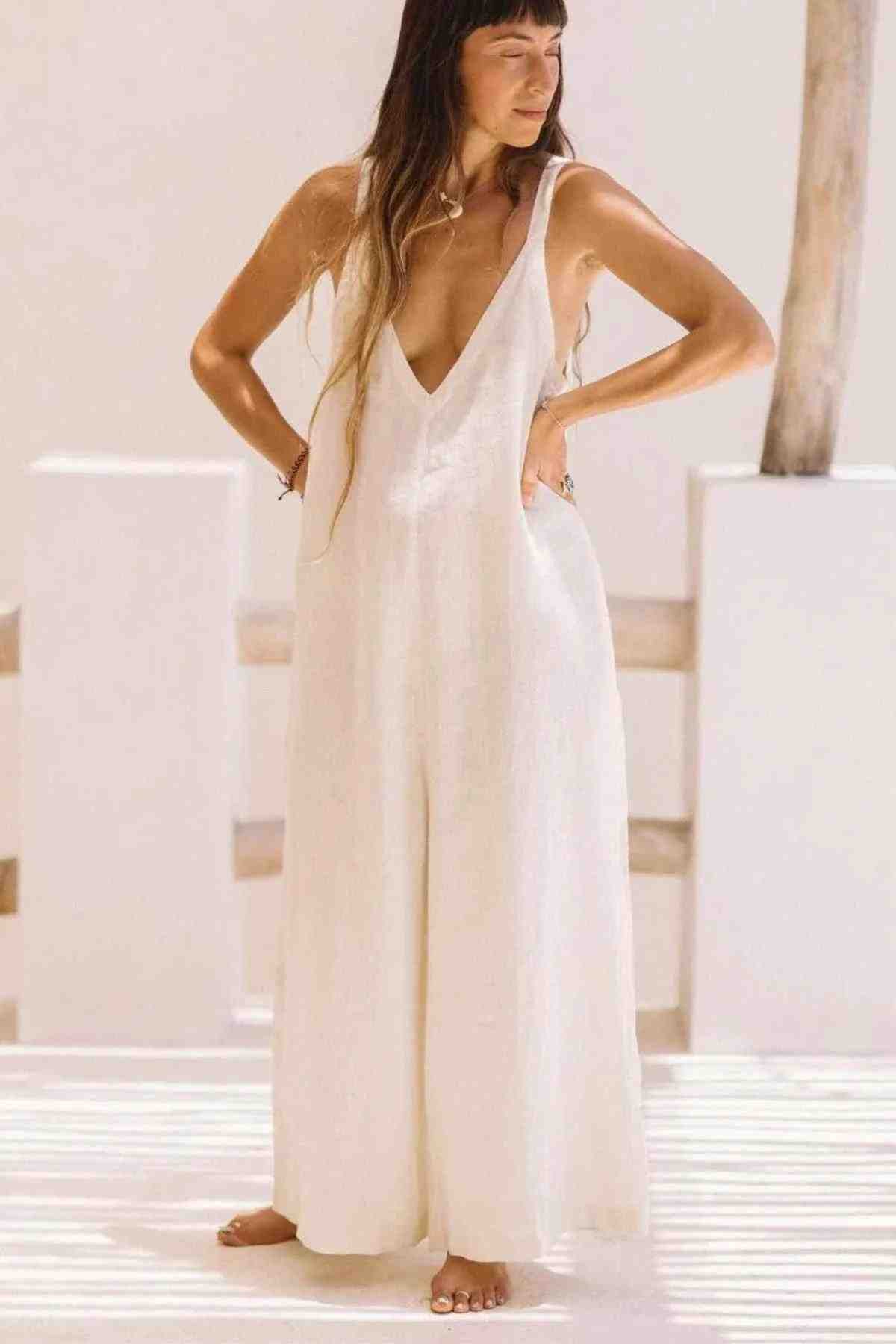
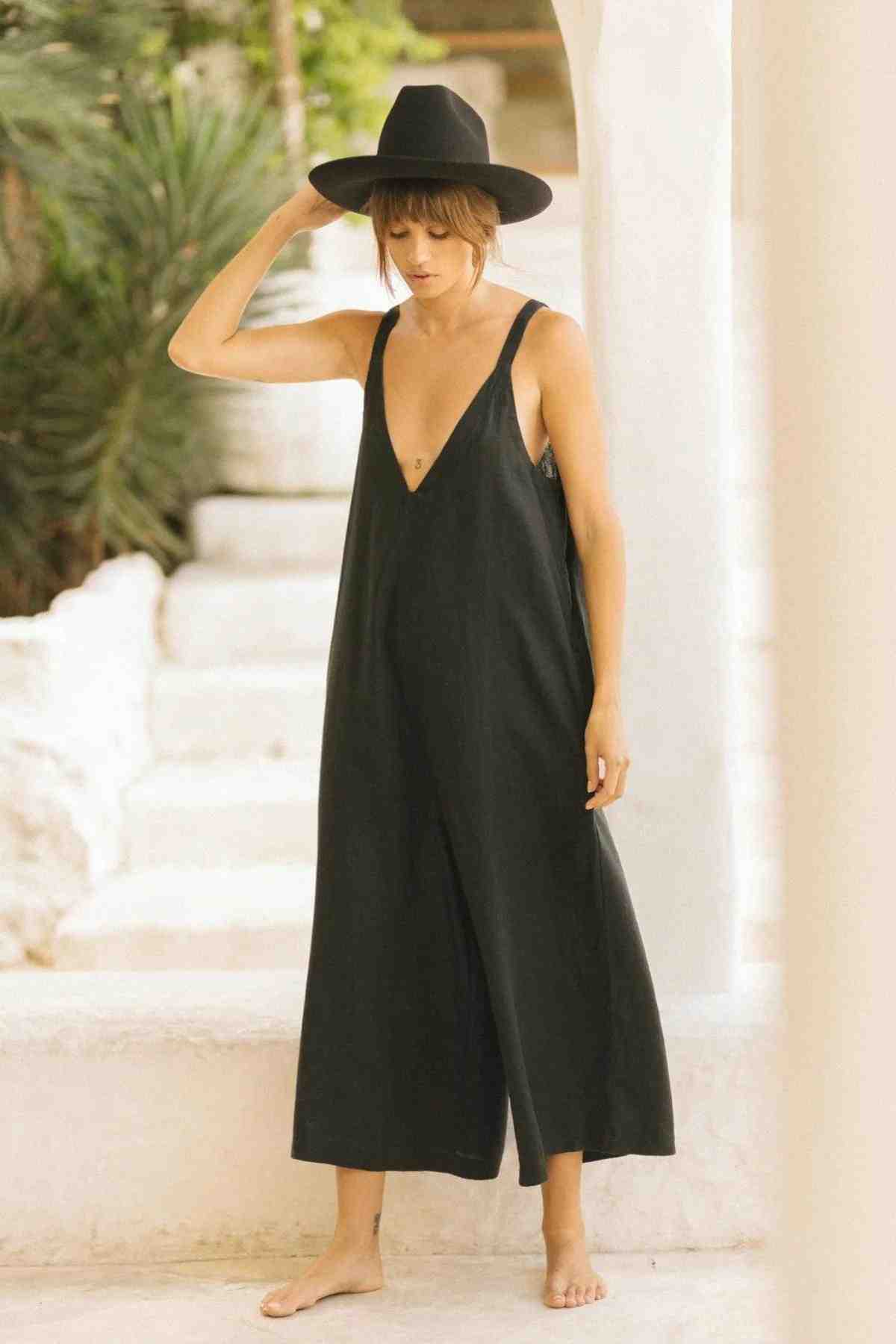
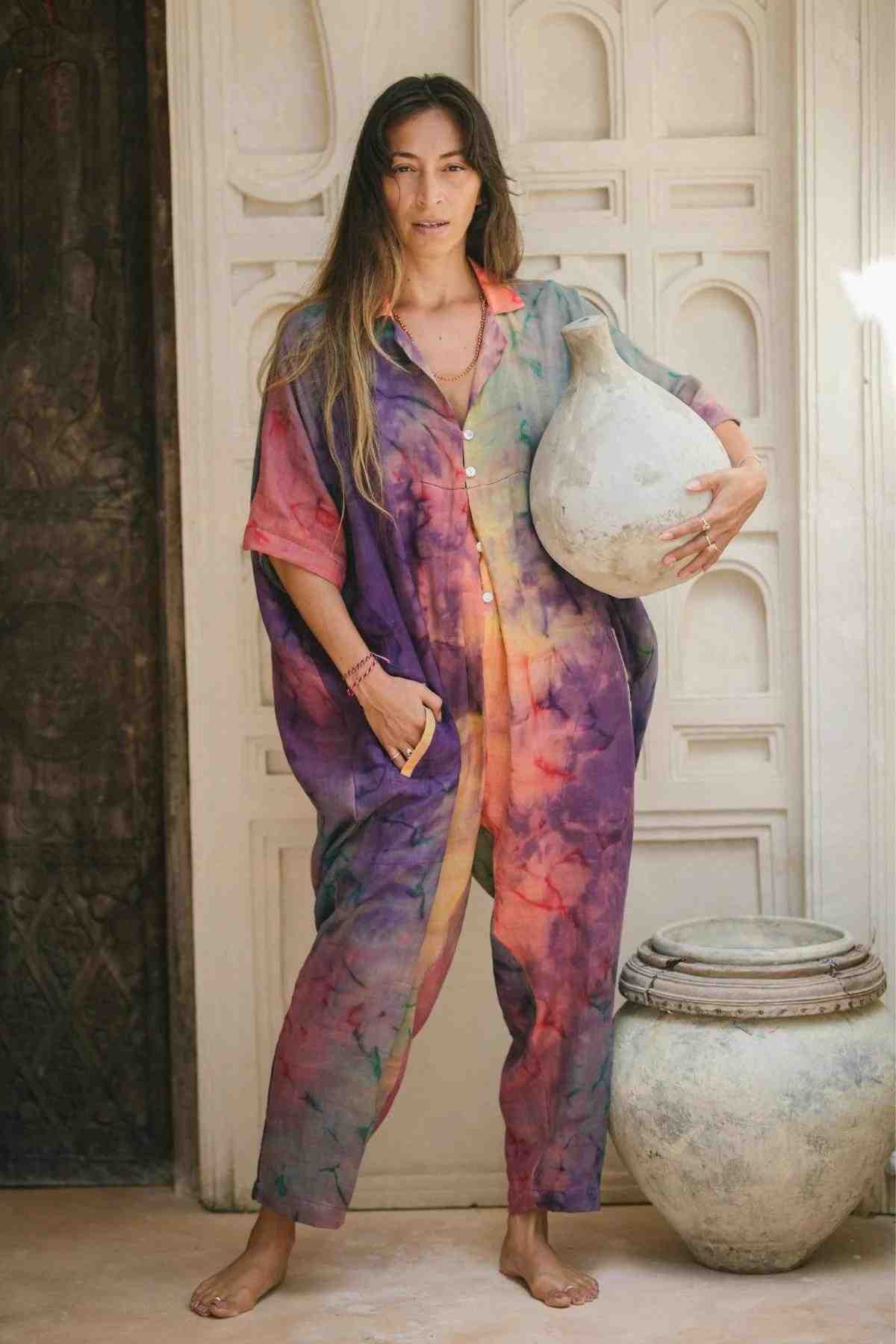
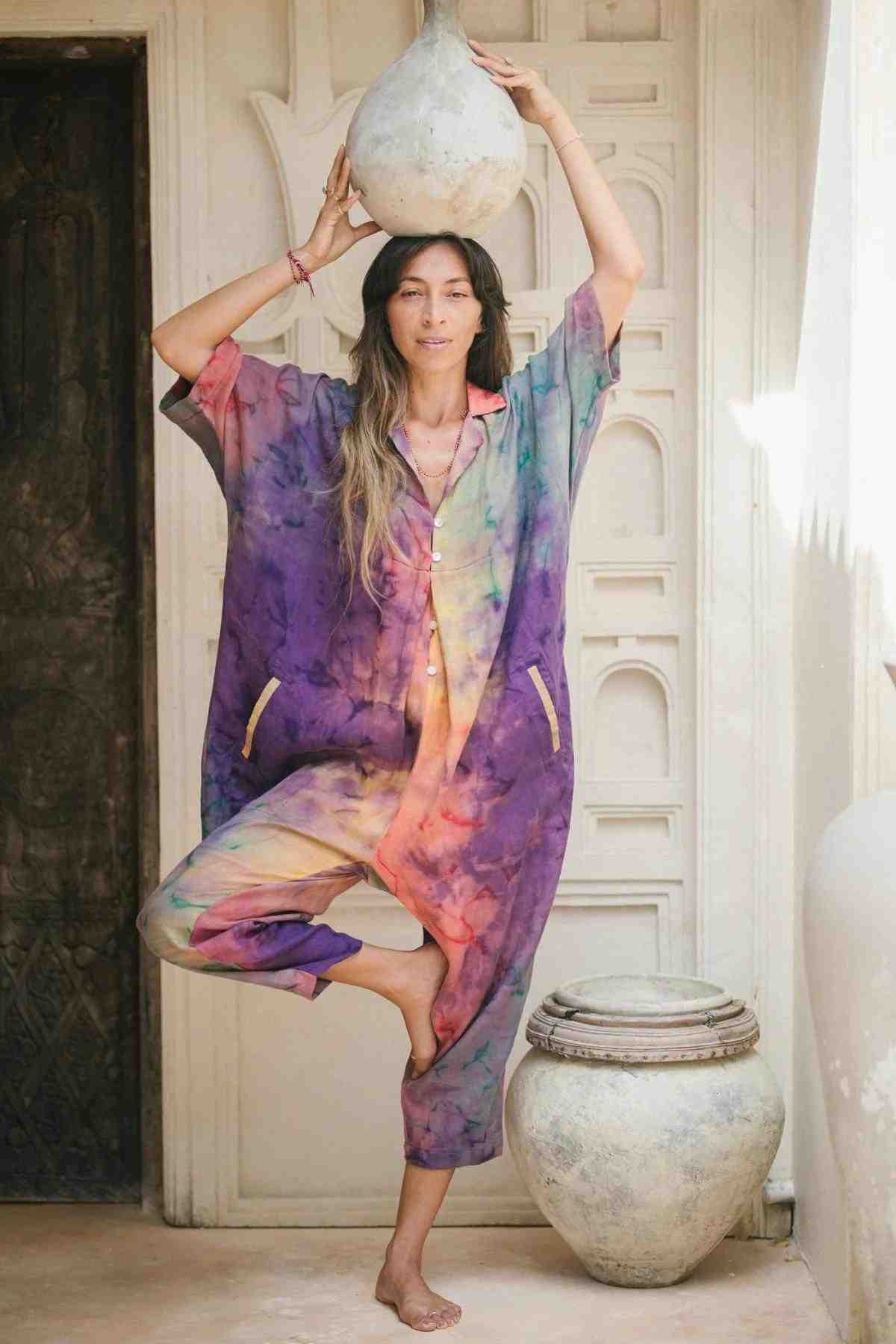
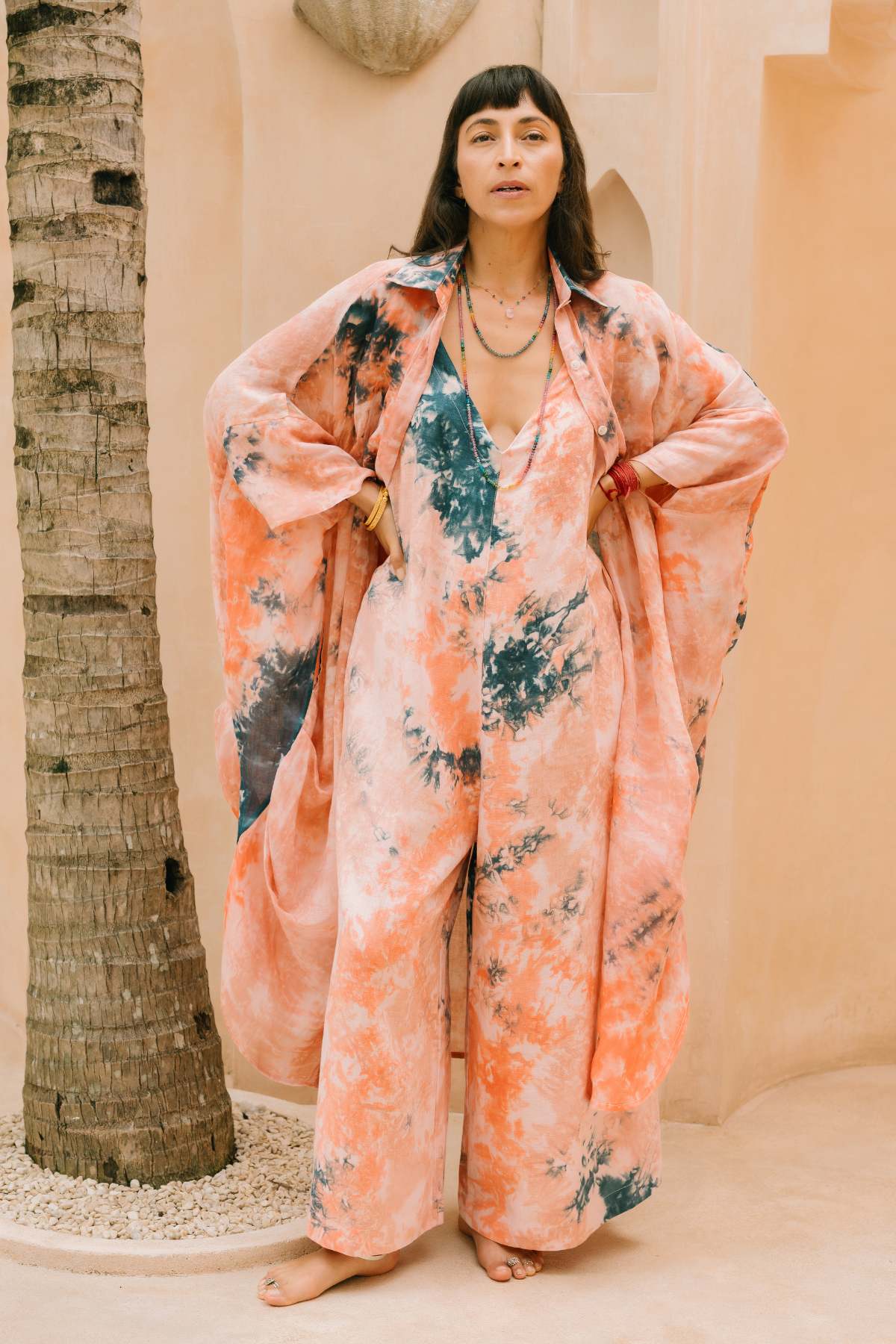
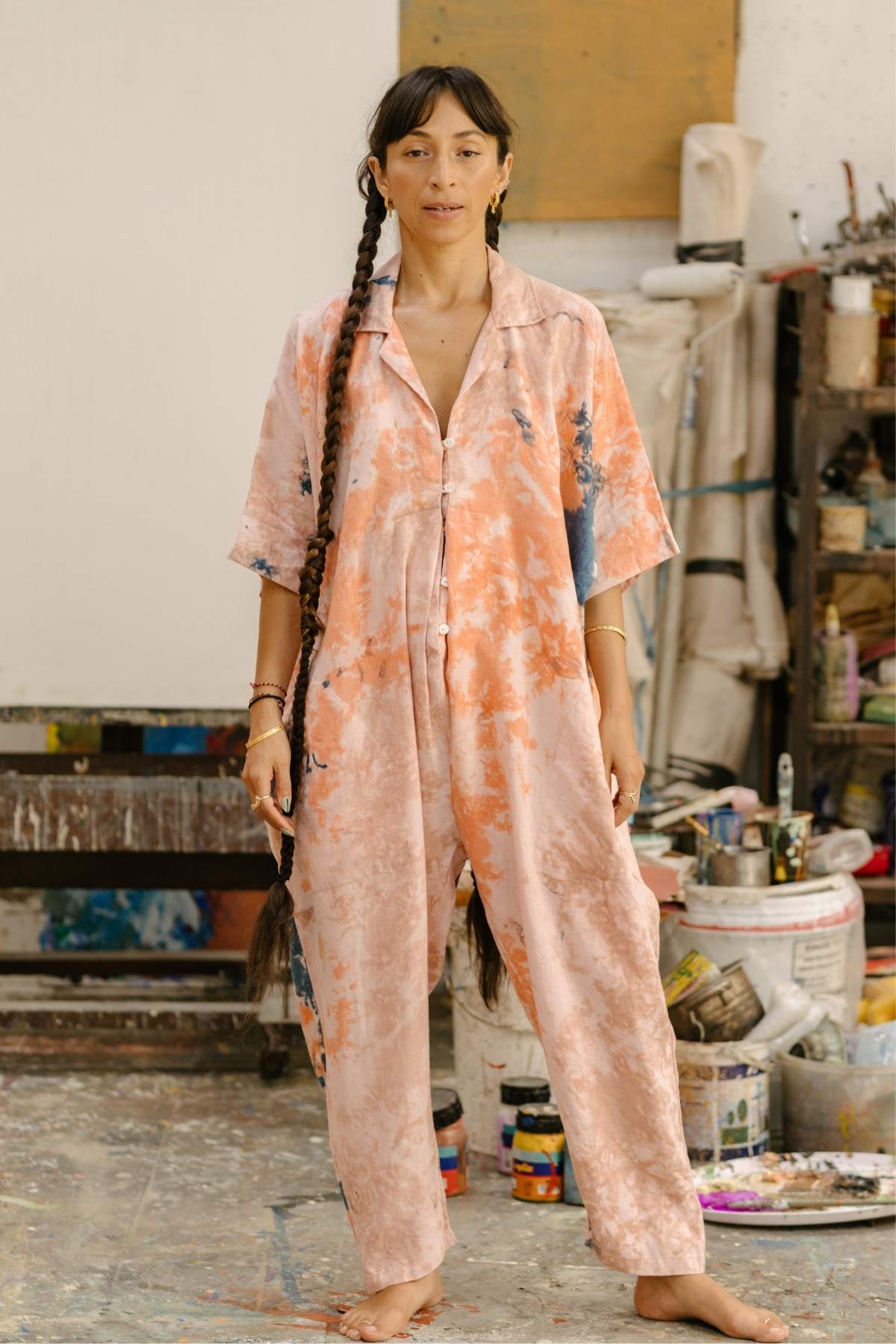
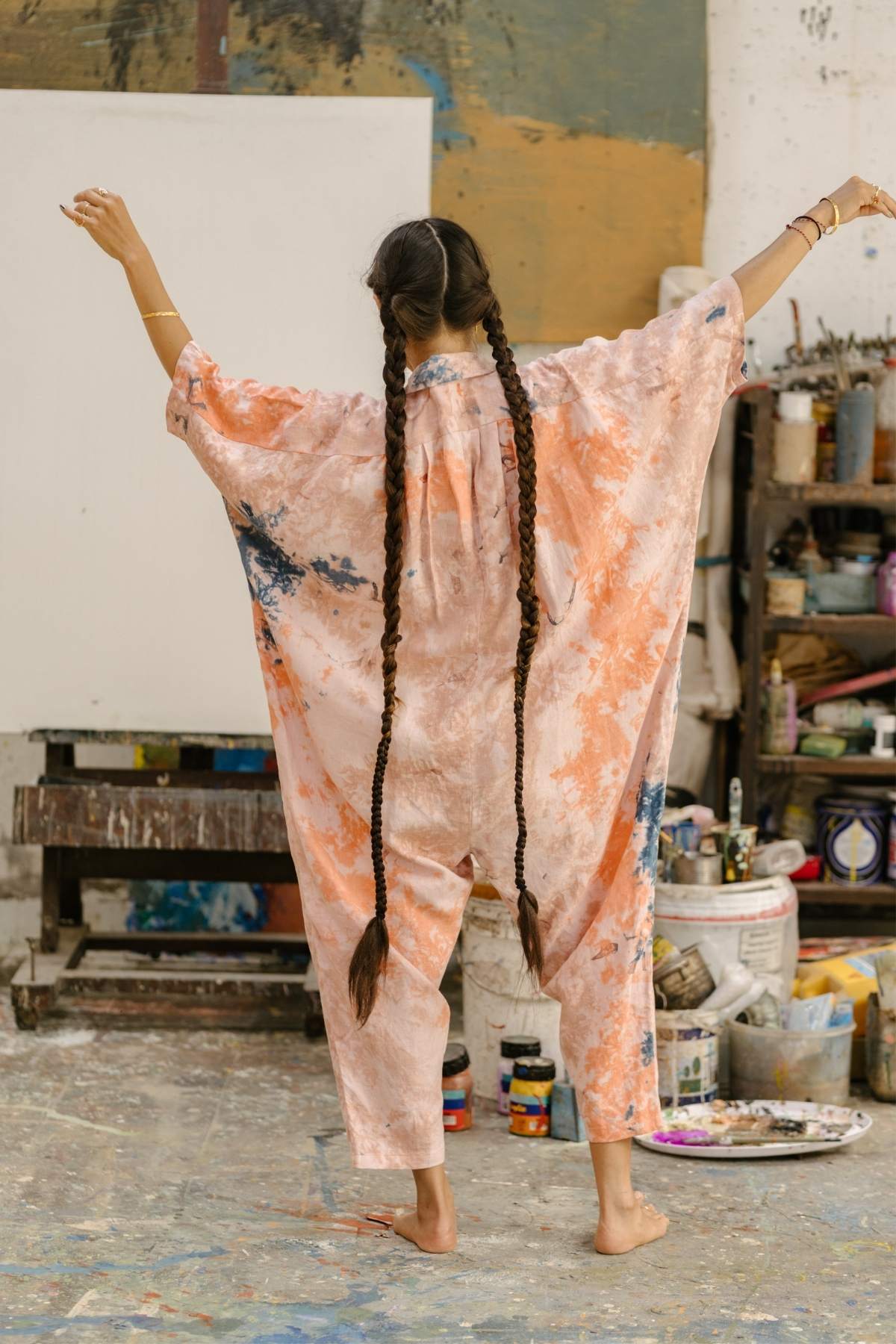
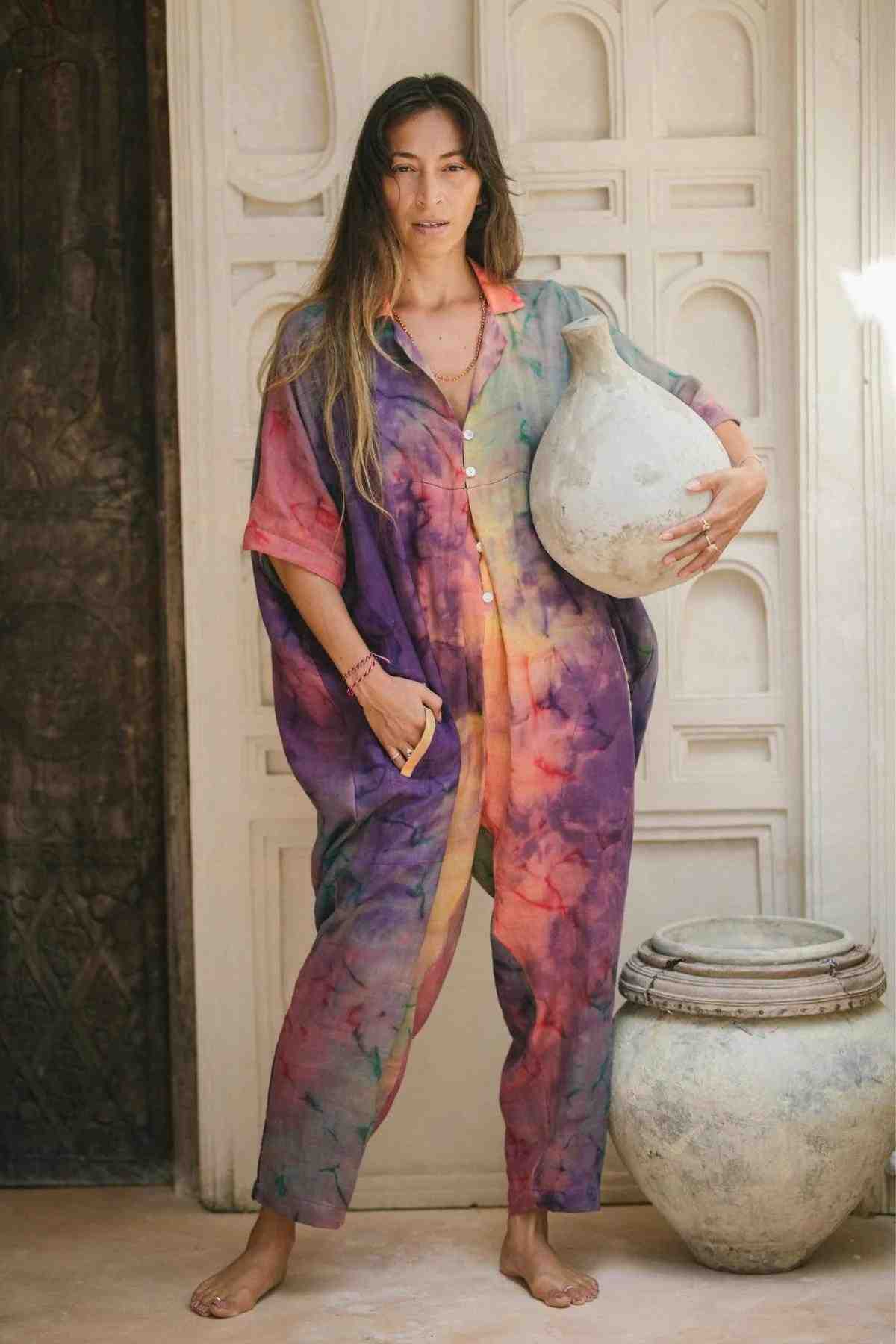
One: a linen playsuit or jumpsuit that functions as a complete outfit on its own. Worn to breakfast, to a temple (with the wrap skirt over it), to a beach club, to a casual dinner. The Kundalini Playsuit in any neutral colorway does this across all of those settings.
Two: a wrap skirt. As described above. Temple-ready, beach-ready, dinner-ready. Ties differently each time you put it on.
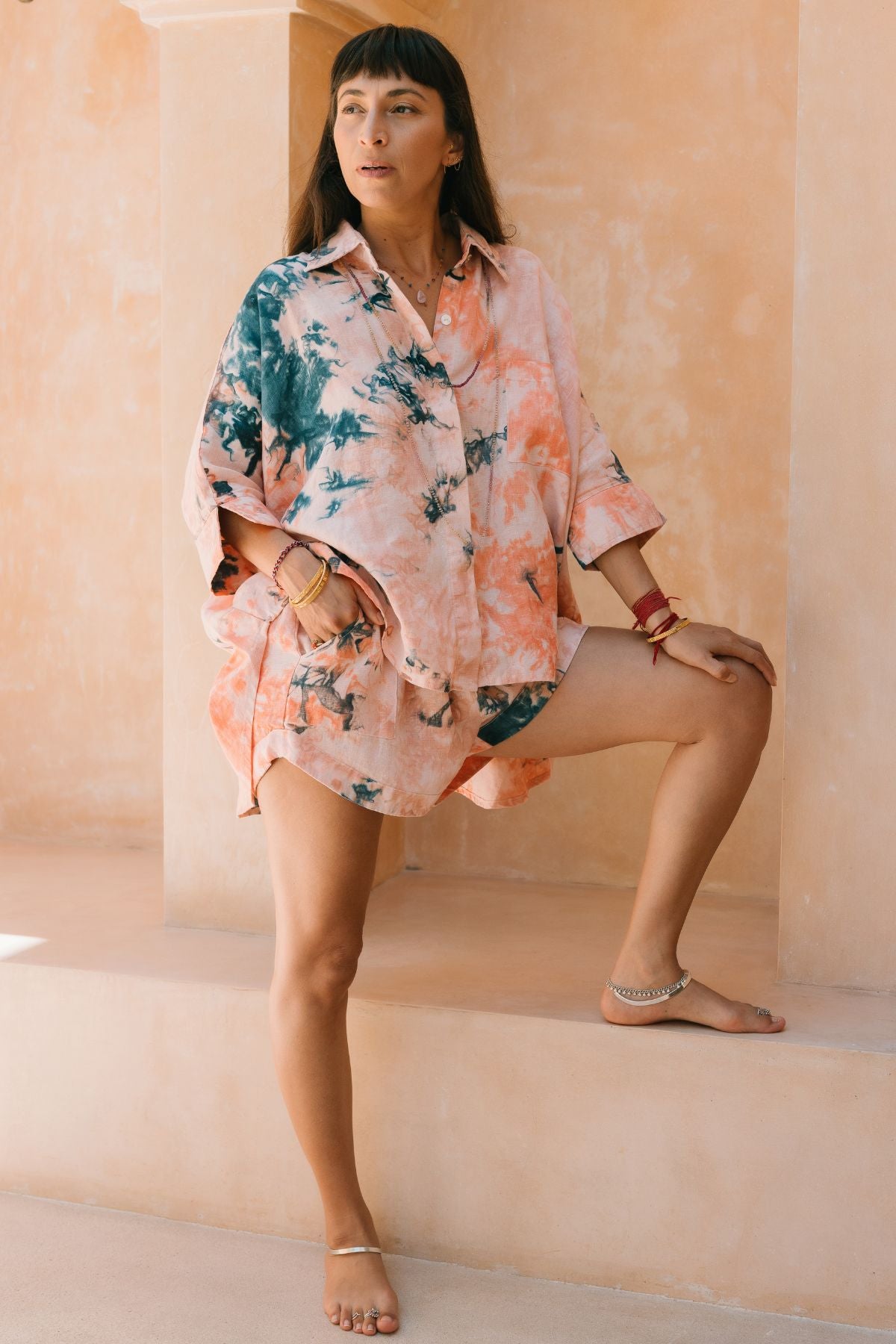
Three: a linen set, a matching top and trouser or short, that separates. The top works with the wrap skirt. The trouser works with something bought on the island. You packed two pieces and suddenly have five combinations.
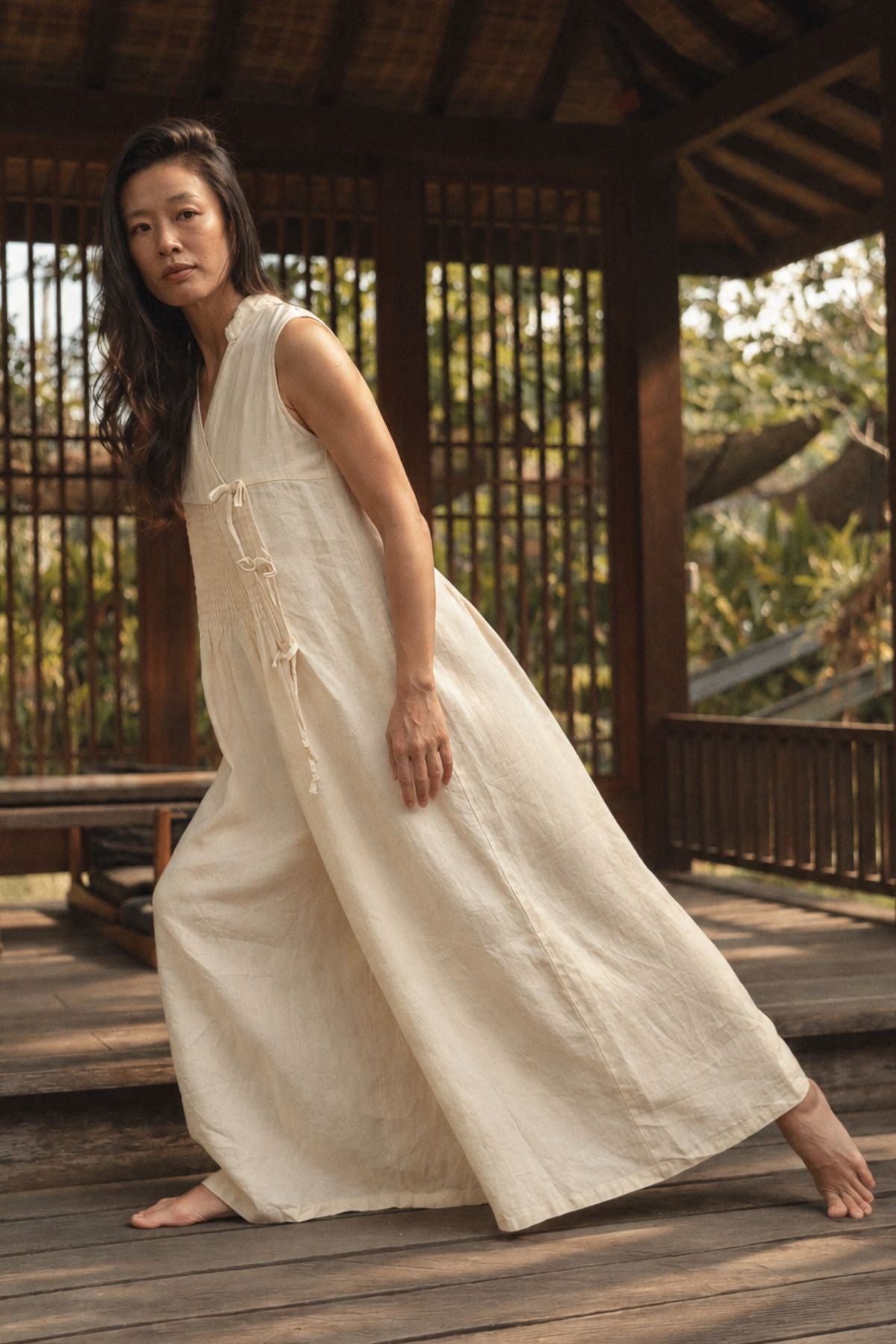
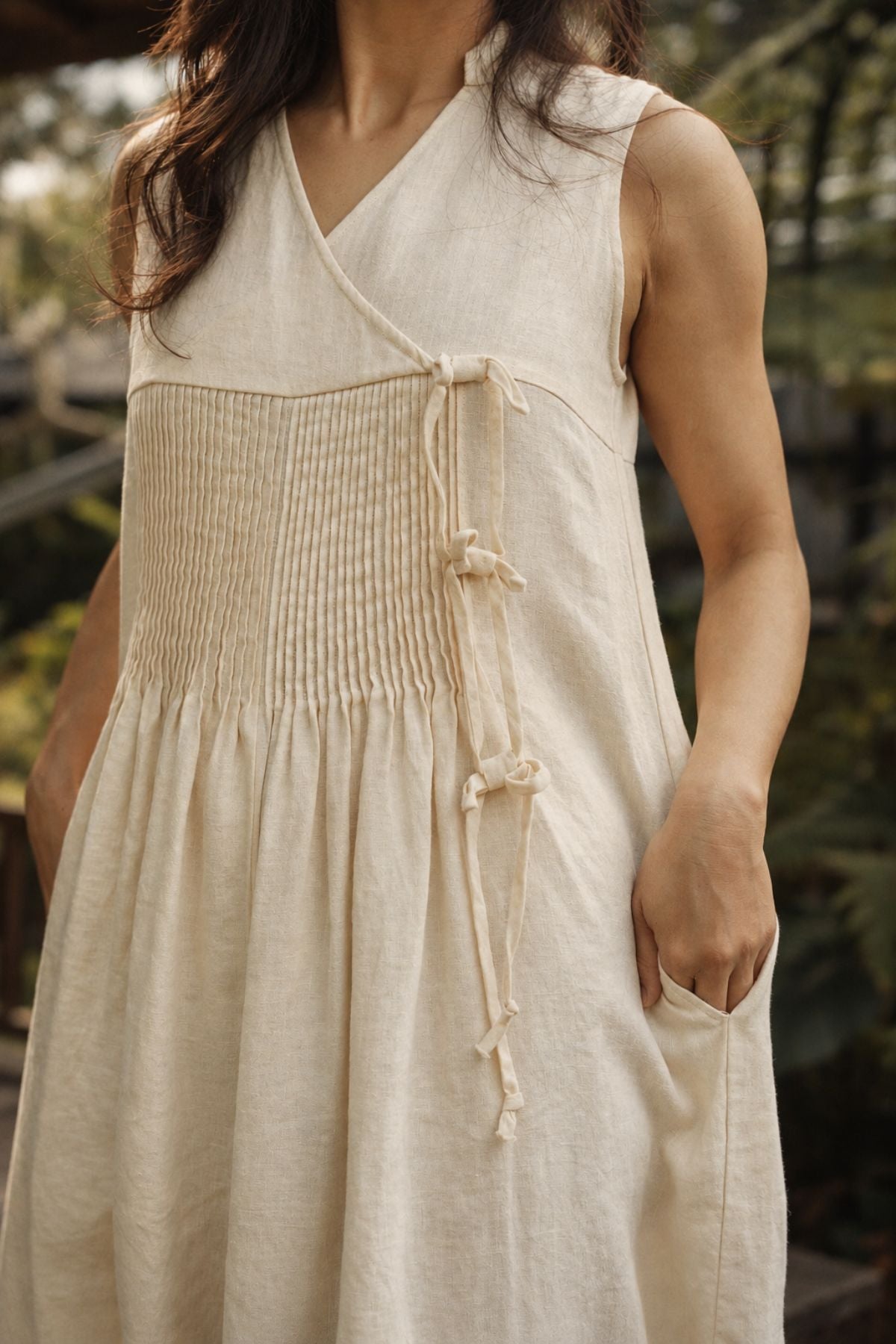
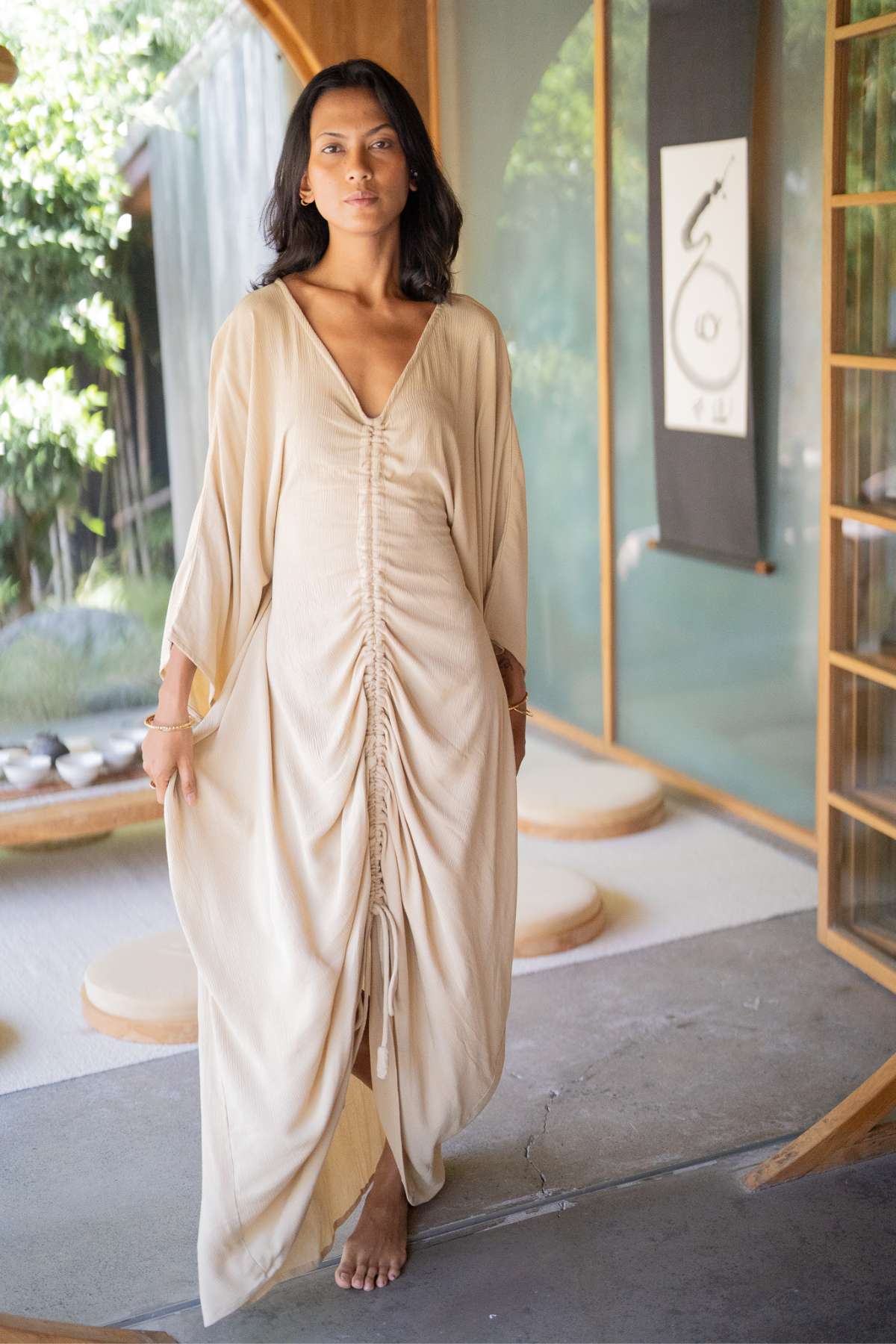
Four: one dress. Floor-length, preferably, because it is the most versatile length for the climate and the culture. A dress that works with a belt for daytime and without for evening.
Five: a light layer. Bali’s air-conditioning is aggressive. Restaurants, cars, and spas are often cold. A light linen shirt or a kimono-style cover-up worn over any of the above pieces handles the transition from outside heat to inside chill without adding bulk to your bag.
Buying Clothing in Bali: What to Look For
Bali has a remarkable textile culture. Batik, hand-woven ikat, natural dyes, and handmade construction are all genuinely available here, not only in tourist-facing boutiques but in the workshops and home studios of the families who make them. The challenge for visitors is knowing the difference between what is genuinely handmade and what is mass-produced to look handmade.
Signs of genuine handcraft: slight irregularities in the weave or print that are evidence of a human hand rather than a machine. Natural dyes that are slightly uneven in their saturation, the way our Rainbeau botanical dye colorway always varies between batches. Stitching that is close and even but not identical from seam to seam. The weight of the fabric, natural fibers have a different hand than synthetics even when they look similar on the rack.
At Myrah Penaloza, every piece is made by one of thirty Balinese families, in their homes and in small workshops they own themselves, using natural fabrics and small-batch production. Our approach to slow fashion means that nothing in our collection was made quickly, for a cycle, or in a factory. When you buy from us, whether from Bali or from anywhere in the world, you are getting the genuine thing.
A Note on the Return Journey
The women who travel with the fewest pieces tend to return with the most interesting wardrobes. Not because they bought more in Bali, necessarily, but because the constraints of slow packing force a clarity about what actually belongs to you. You learn, across two weeks, which pieces you reached for and which ones stayed folded.
That knowledge is worth something. It is the same knowledge a Venus retrograde is trying to give you, a clearer picture of what you actually want rather than what you thought you wanted when you packed. Bring less than you think you need. Trust that Bali will provide whatever was missing. It always does.
With love from Bali,
Myrah

|
A Piece for This Threshold The Kundalini Playsuit Made in Bali, for women who travel with intention. 100% natural linen, seven colorways, handcrafted to order. Shop the Kundalini Playsuit → |
|
The Muse-Letter Dress for the woman you’re becoming. Join the Muse-LetterDispatches from Bali, astrology, new arrivals. Every Sunday. Unsubscribe any time. |





Leave a comment
This site is protected by hCaptcha and the hCaptcha Privacy Policy and Terms of Service apply.