


What Slow Fashion Really Looks Like in Bali
Slow fashion Bali is not a marketing category. It is a supply chain you can actually walk through — from the flax field to the artisan's table to the piece hanging in your closet — and that walkability is exactly what separates it from the "sustainable" label slapped on fast fashion racks everywhere else.

If you've spent any time searching for what slow fashion in Bali actually looks like, you've probably run into a lot of vague language: conscious, mindful, intentional. Beautiful words, short on specifics. So this is the specific version — what slow fashion Bali means in practice, how it's made, who makes it, and how to tell the real thing from a green-washed imitation wearing the same vocabulary.
What Slow Fashion in Bali Actually Means
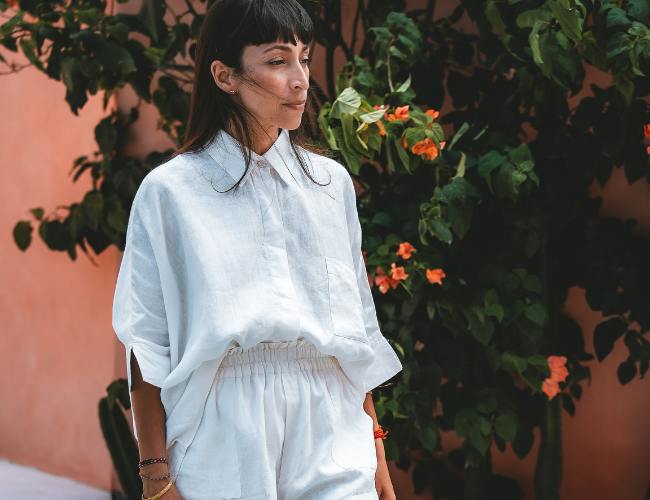
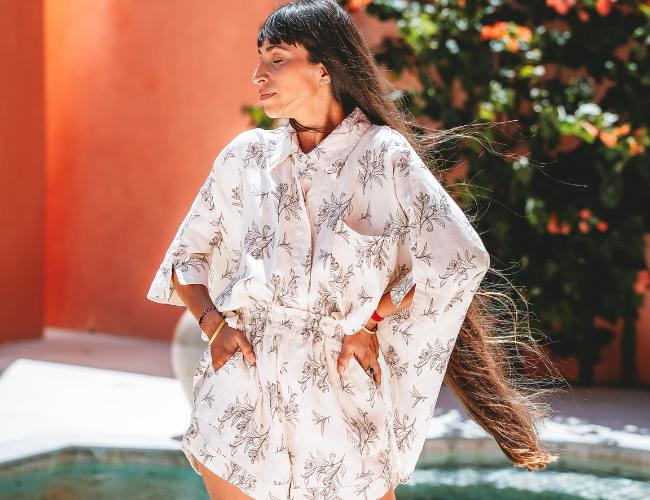
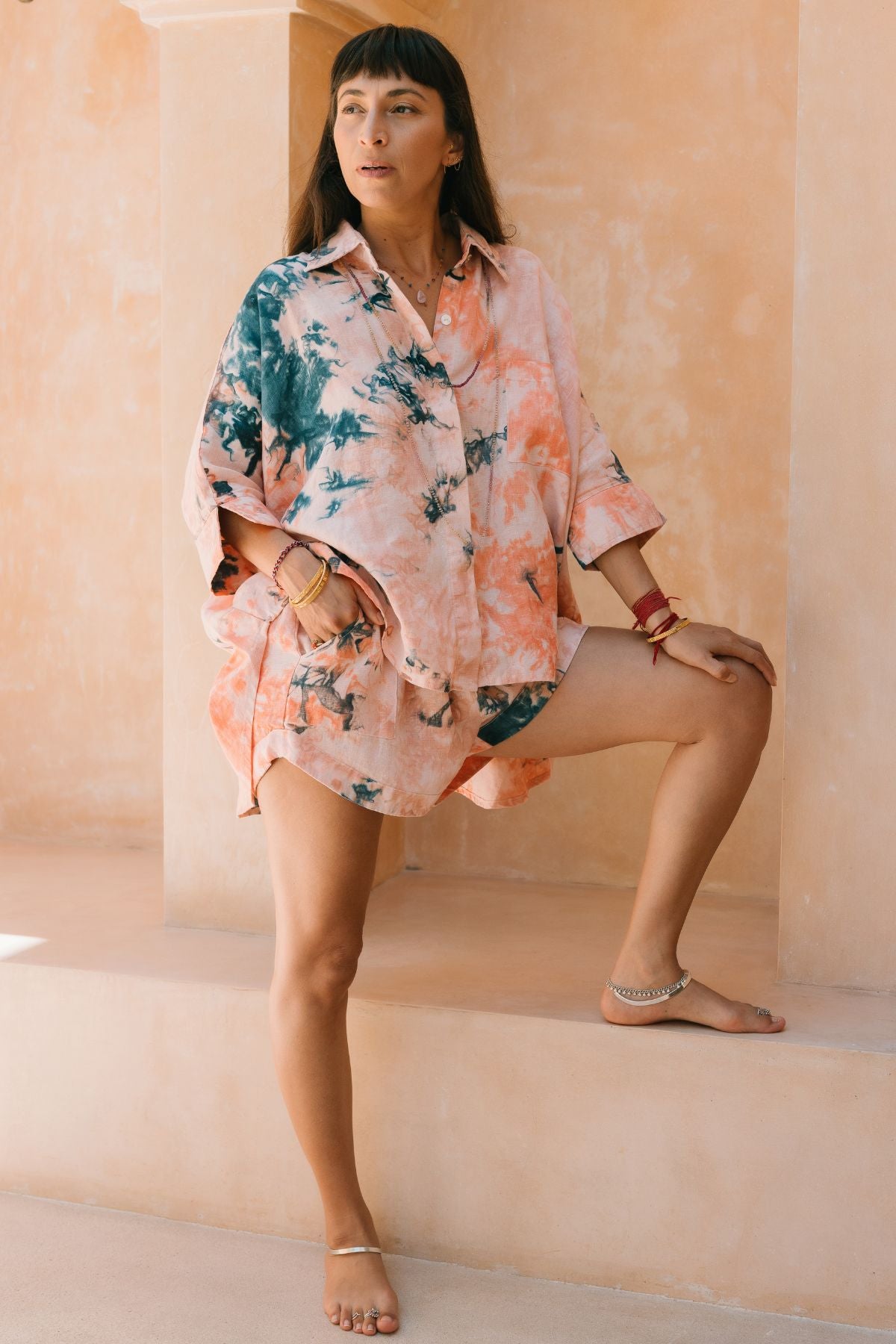
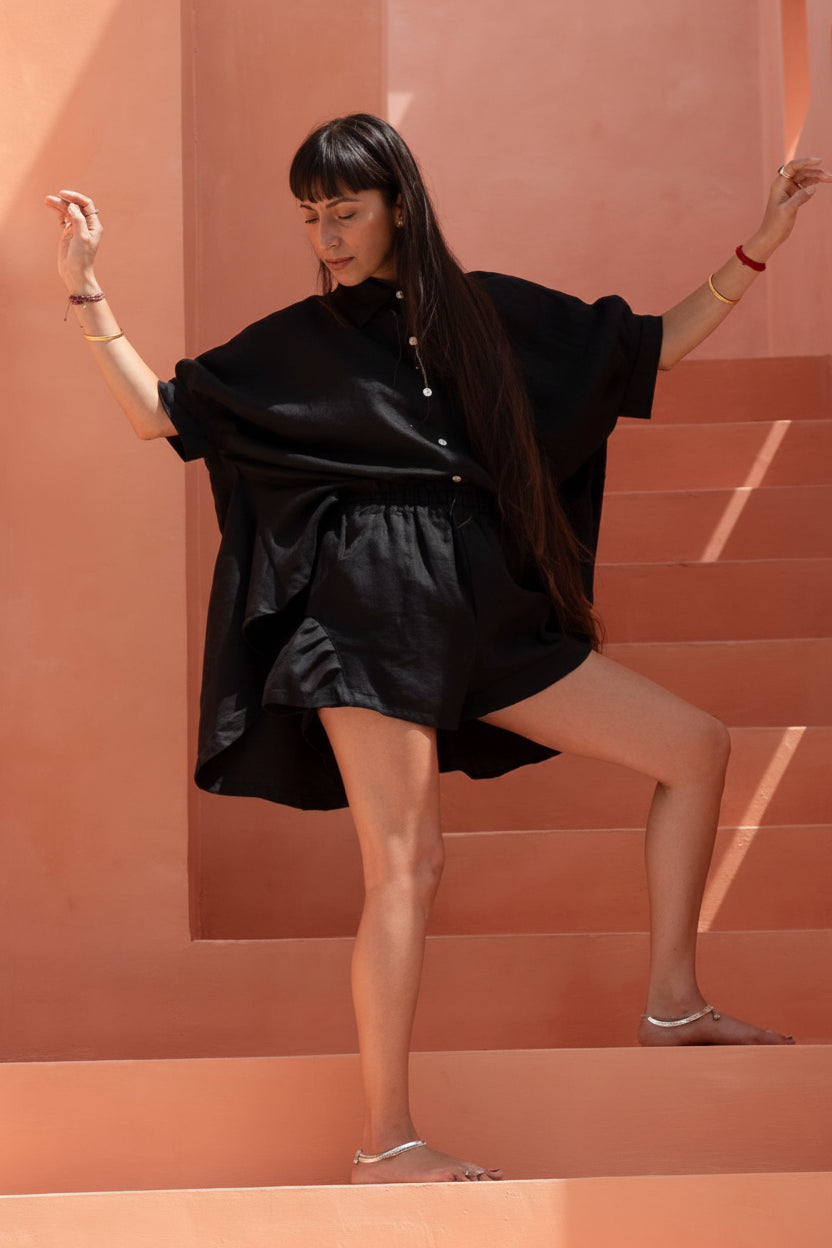
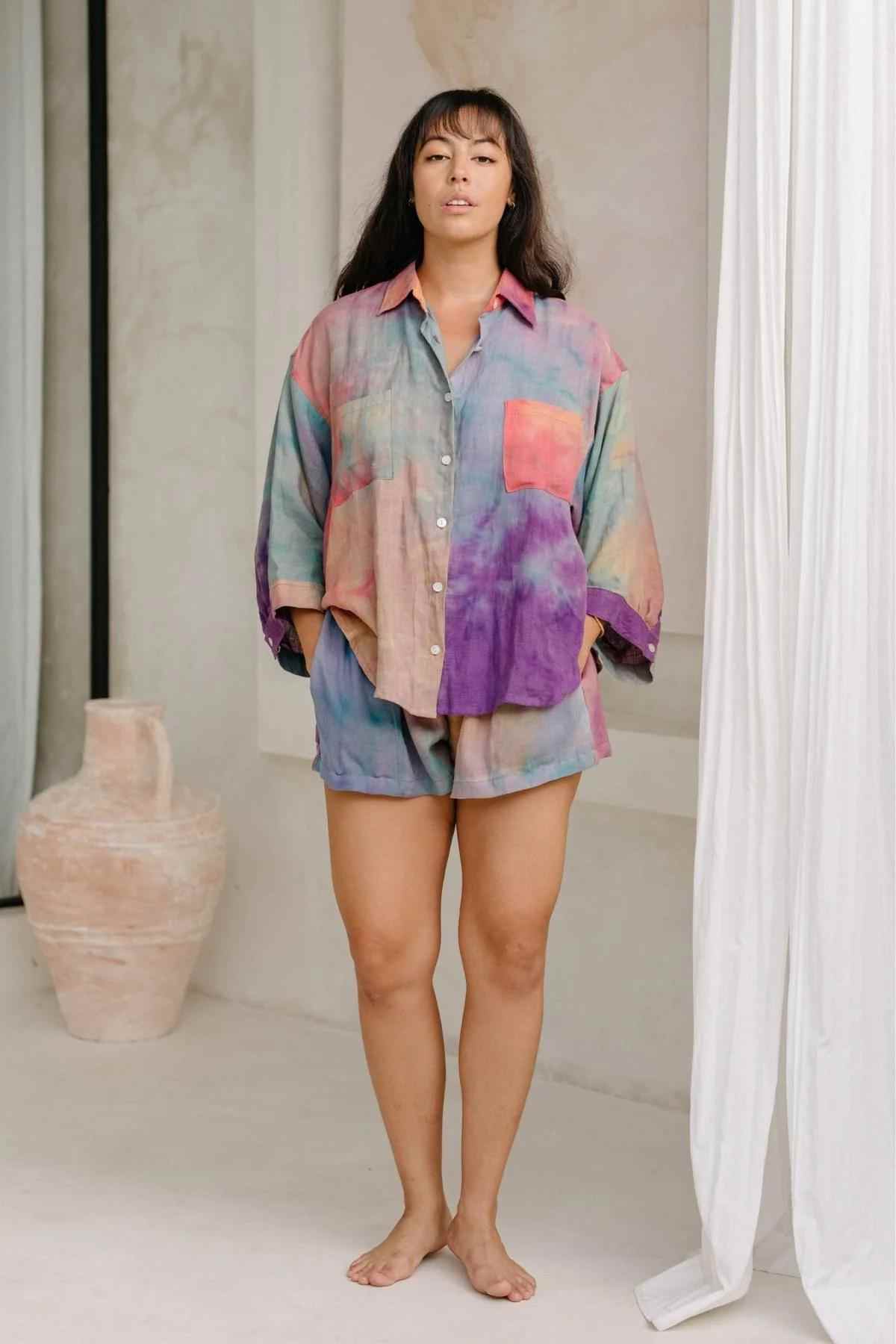
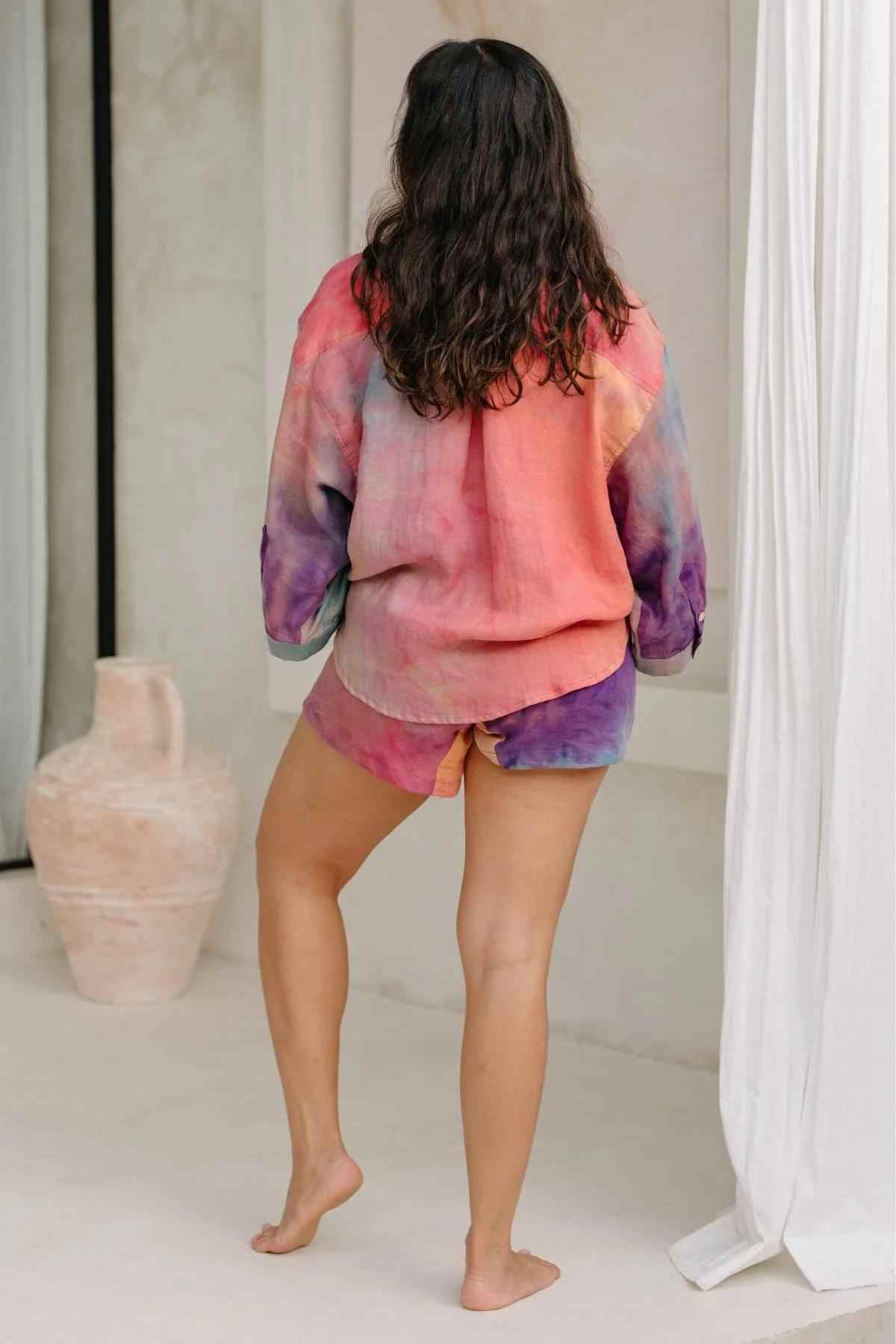
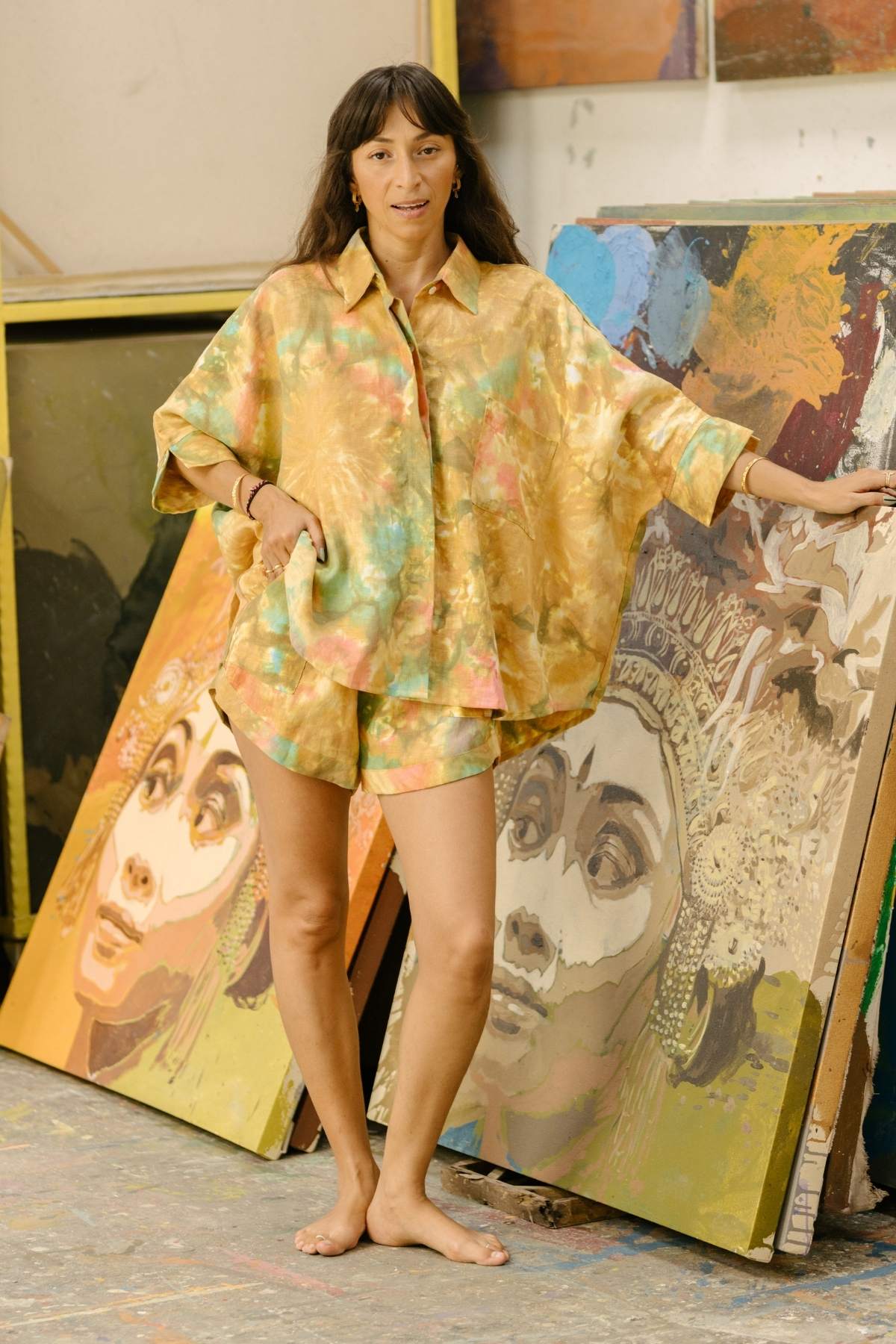
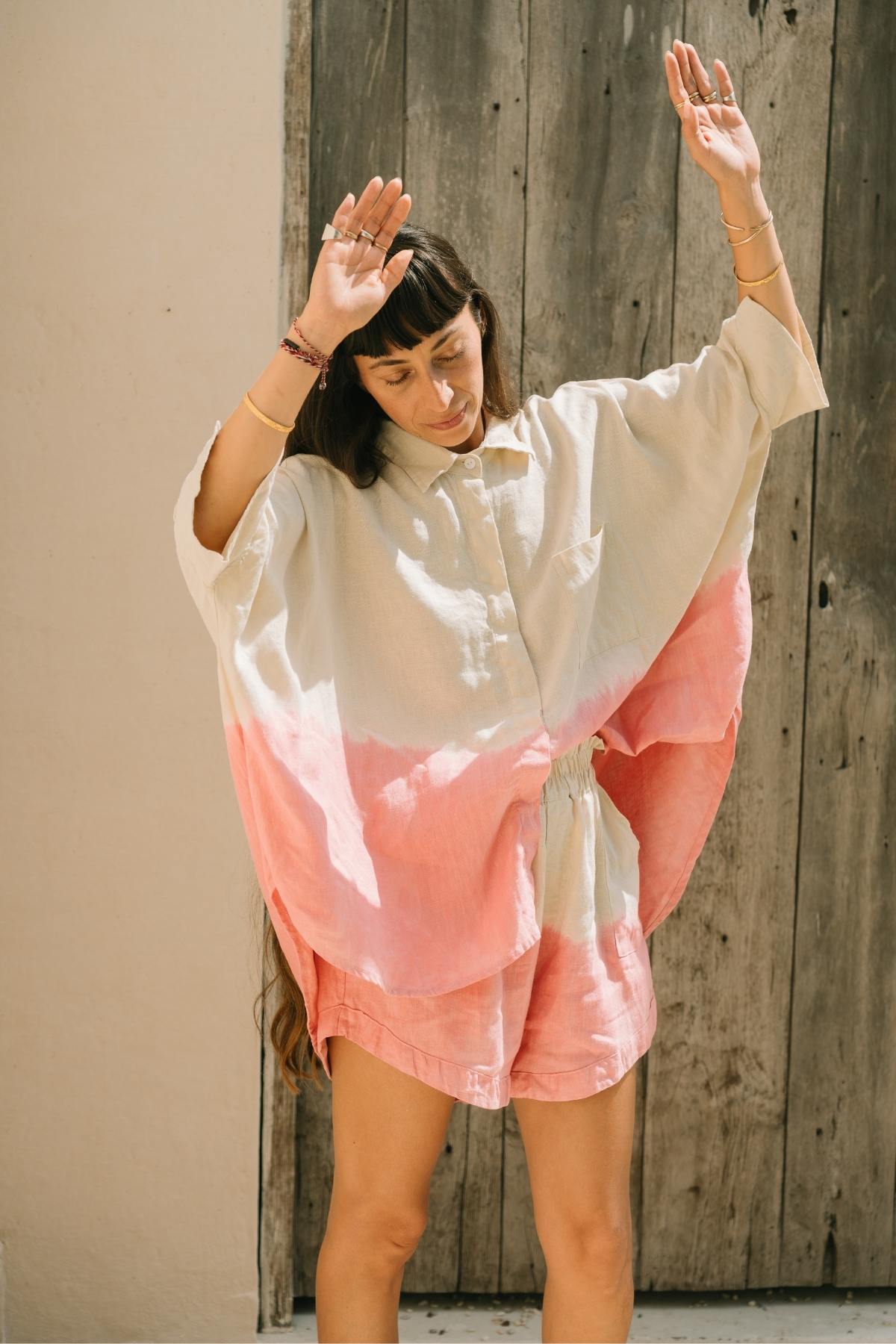
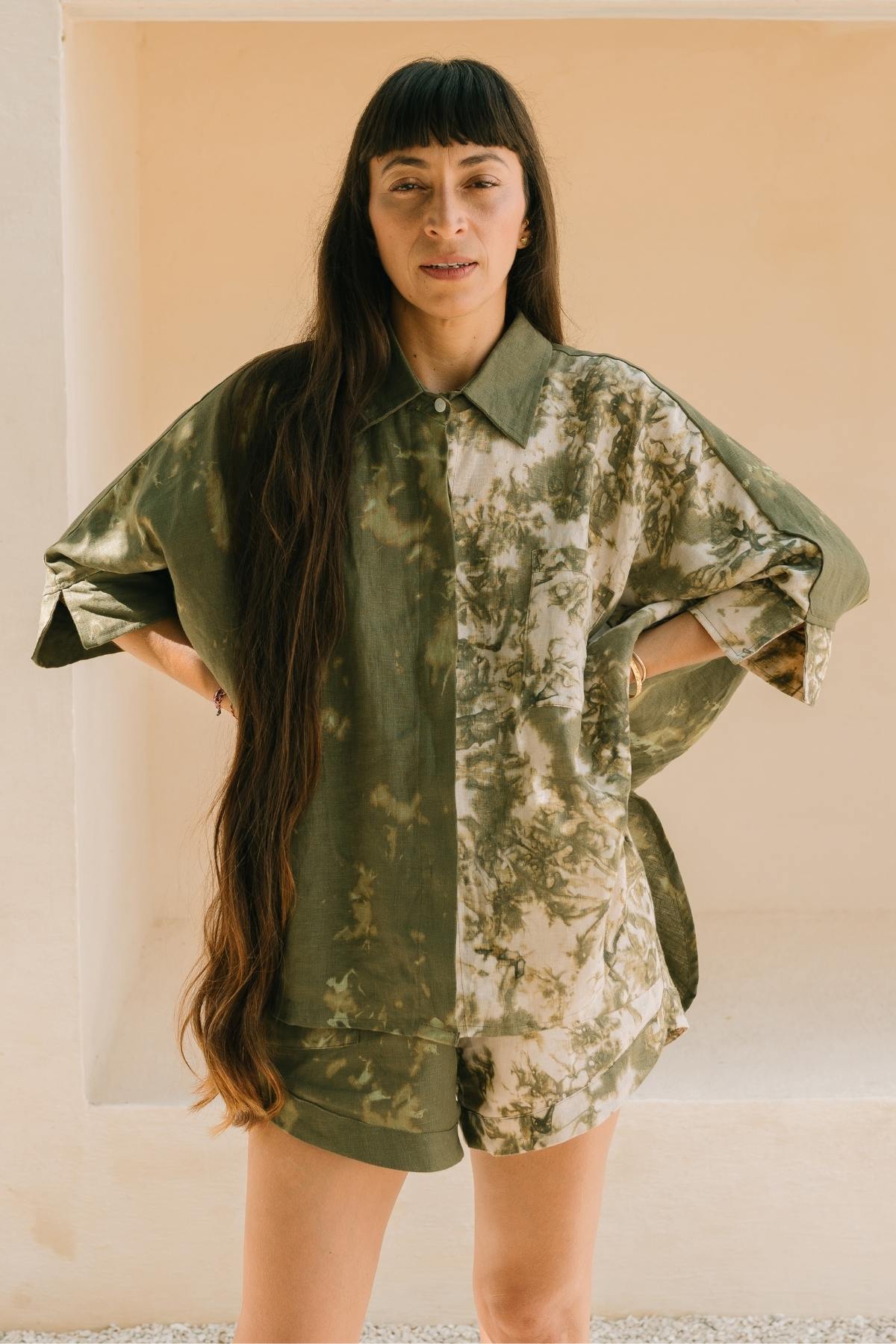
At its simplest, slow fashion is the opposite of the speed that built fast fashion: instead of a garment moving from design to shelf in two weeks, a slow fashion piece in Bali might take three to five weeks from order to shipment, because it's cut and finished by hand, one at a time, by a specific artisan family rather than a factory line. That's not a romantic exaggeration — it's a production timeline. When you order a linen set from a small Bali studio, you're often waiting for a real person to sit down at a real table and make your specific piece.
Slow fashion Bali also means small batches by design, not by supply shortage. Limited runs mean a piece won't be reproduced endlessly once the linen or the dye lot runs out, which changes the entire relationship between maker and garment. Nothing is made to be discarded quickly, because nothing was made quickly to begin with.
The Artisan Families Behind Bali's Slow Fashion Movement
What doesn't show up in most "shop sustainable" roundups is that Bali's slow fashion scene is built on multi-generational artisan relationships, not anonymous factory contracts. The families cutting and stitching linen in Ubud and Canggu studios today are often the same families who did this work five, ten, fifteen years ago — which means the skill compounds instead of resetting with every new supplier search.
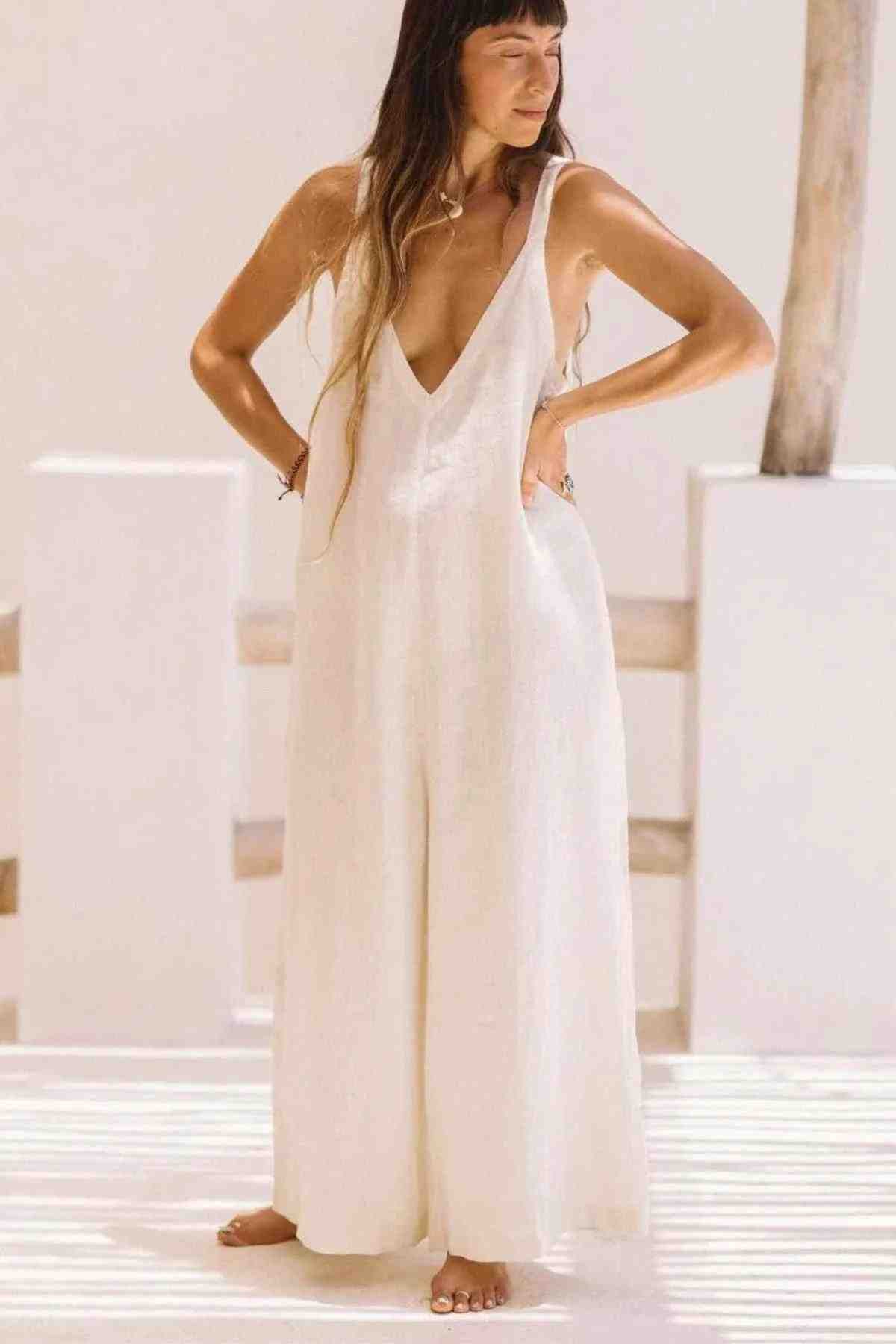
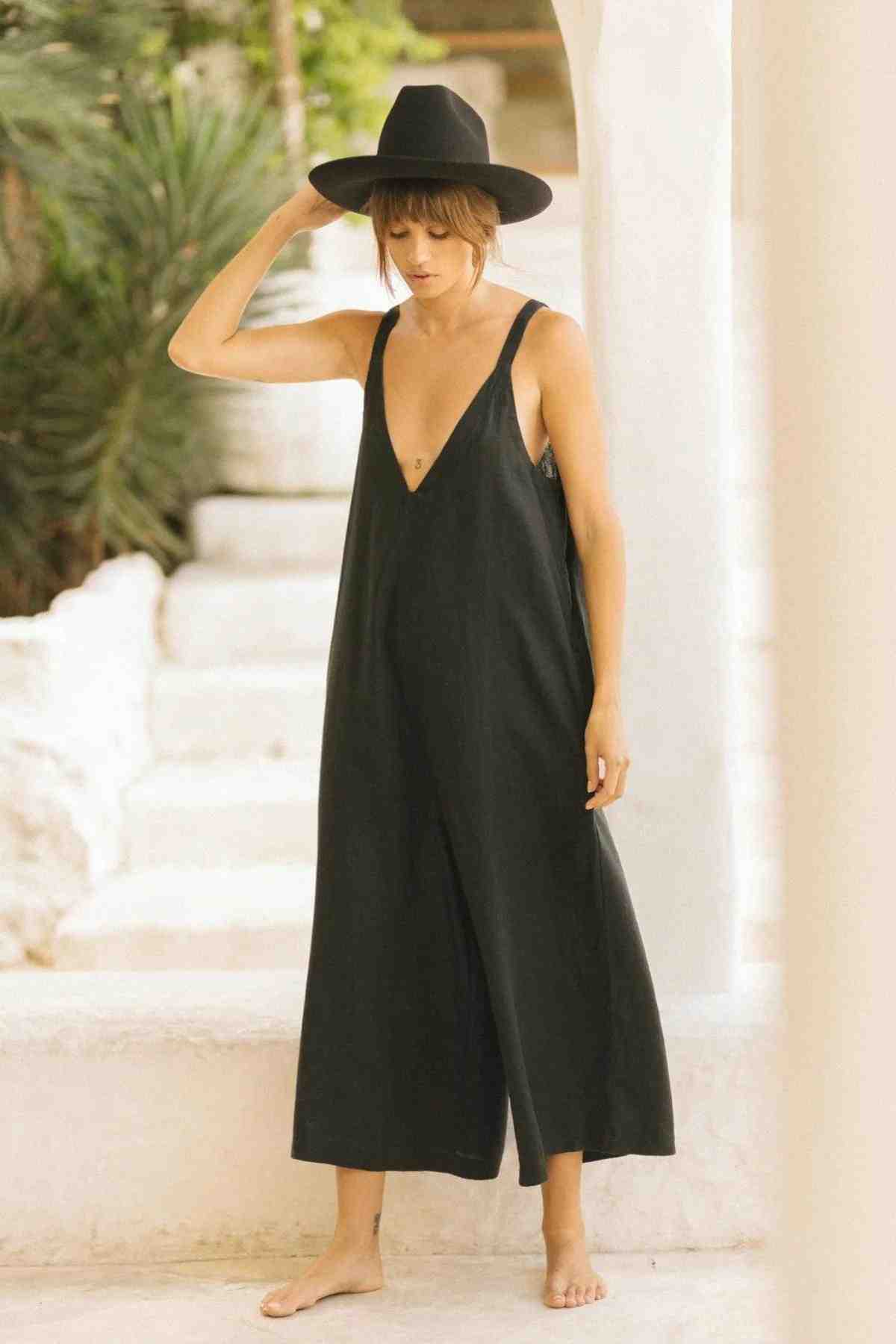
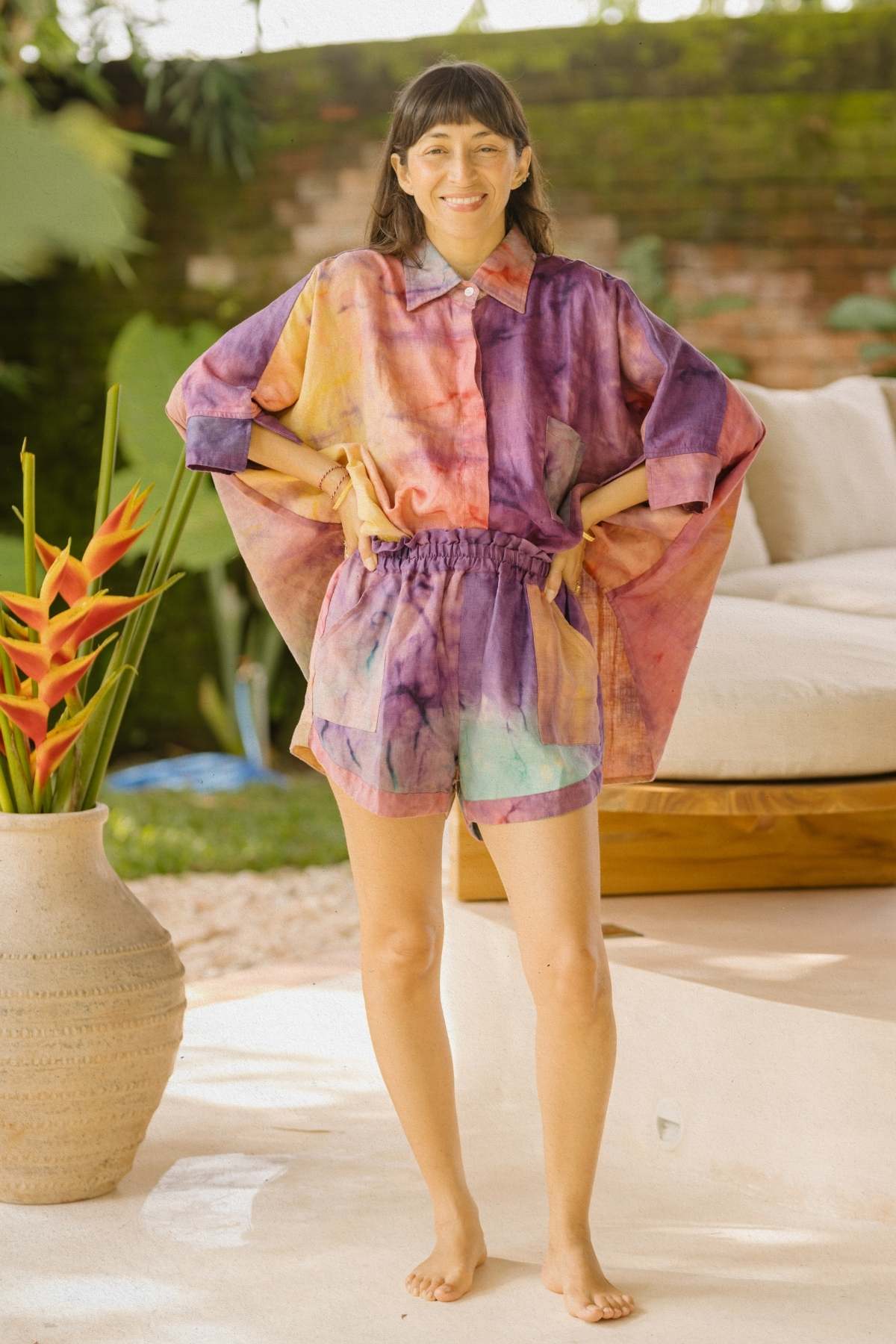
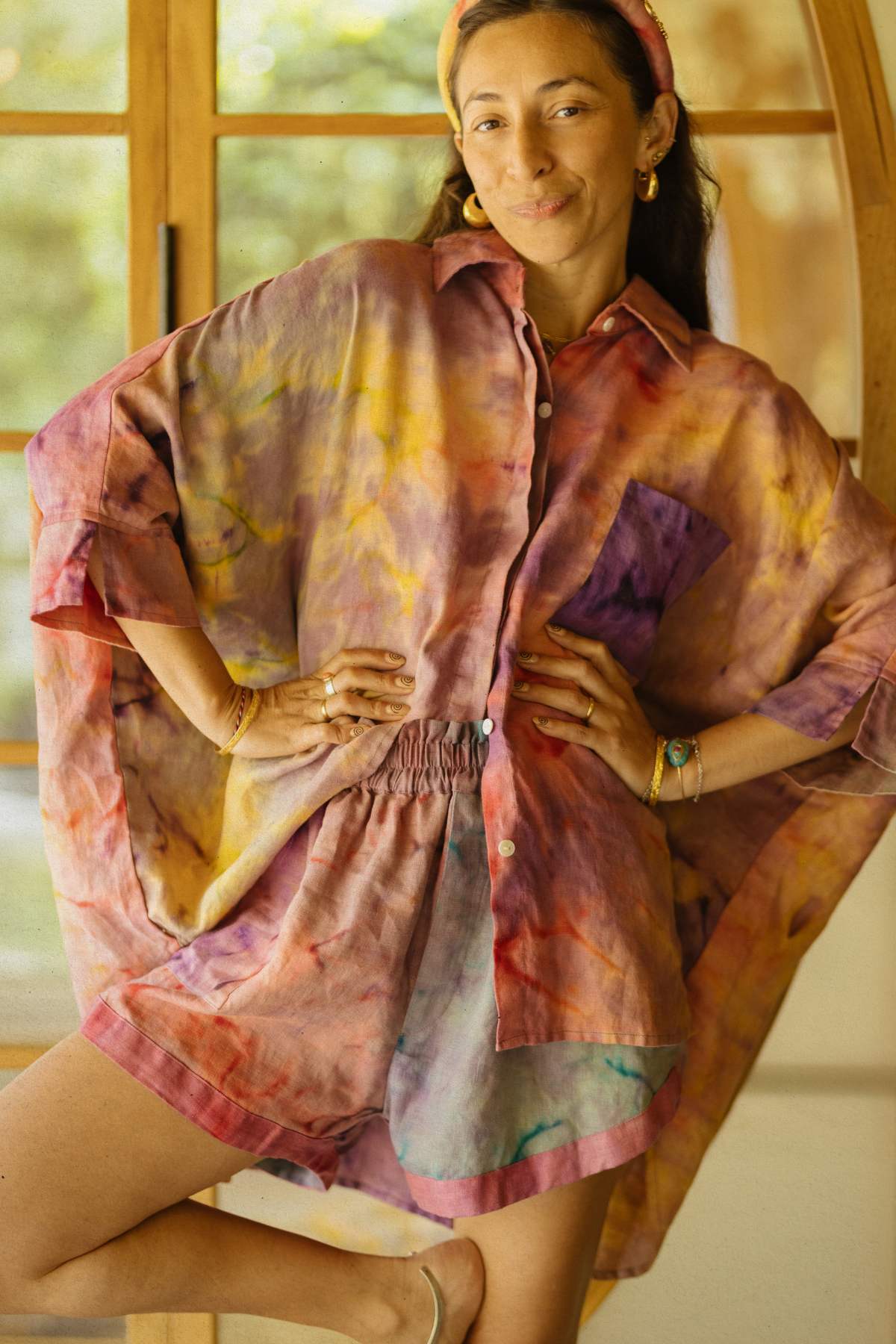
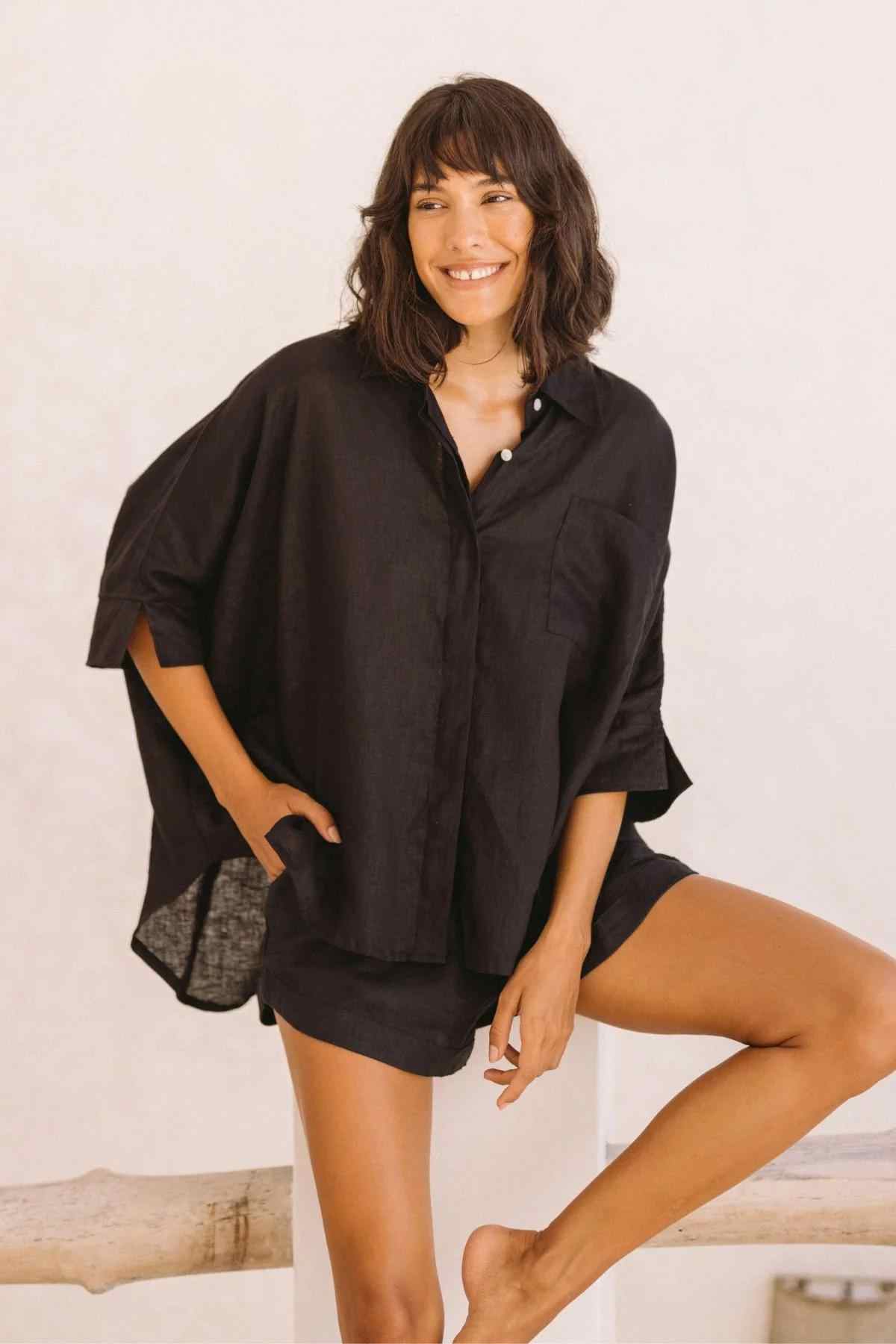
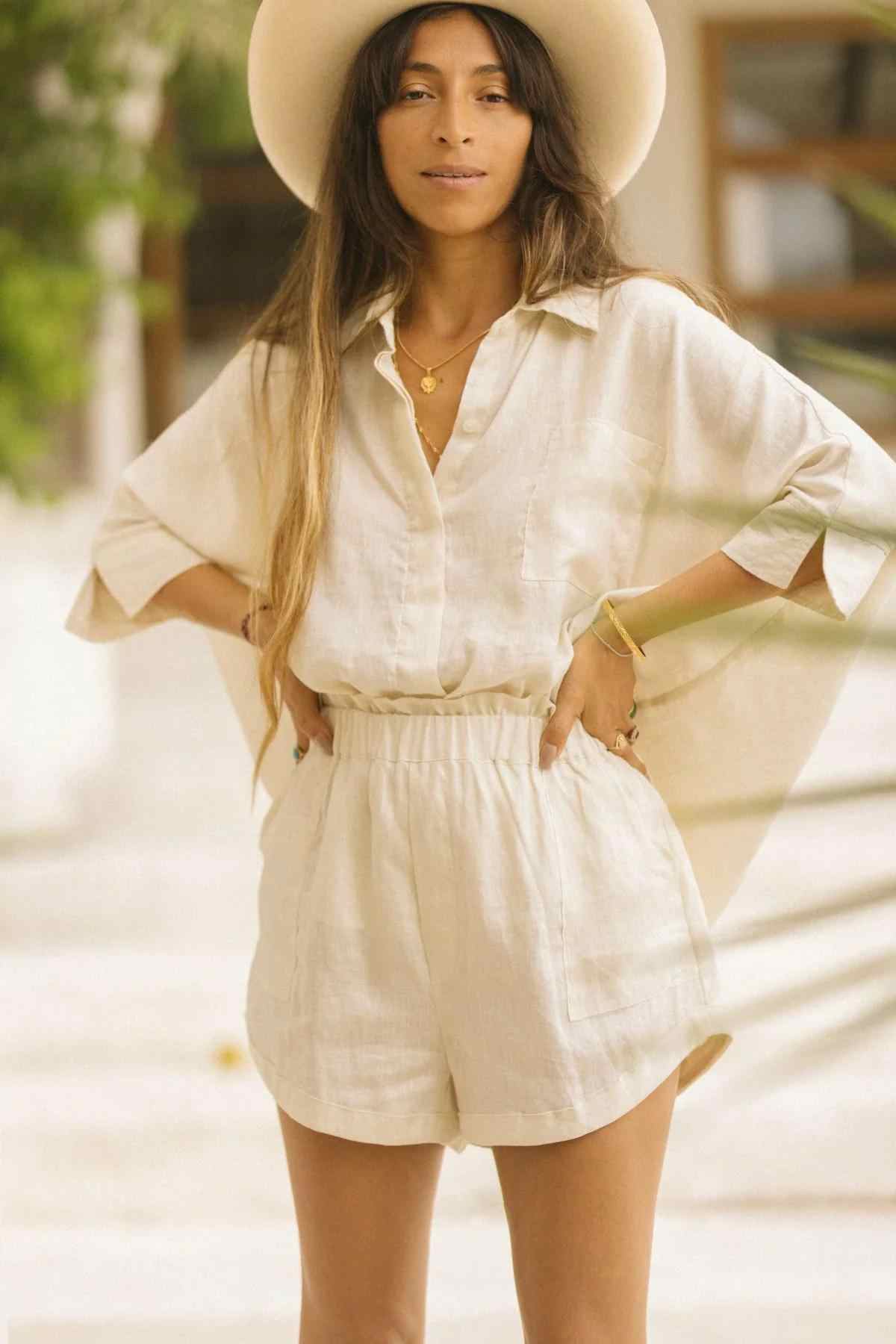
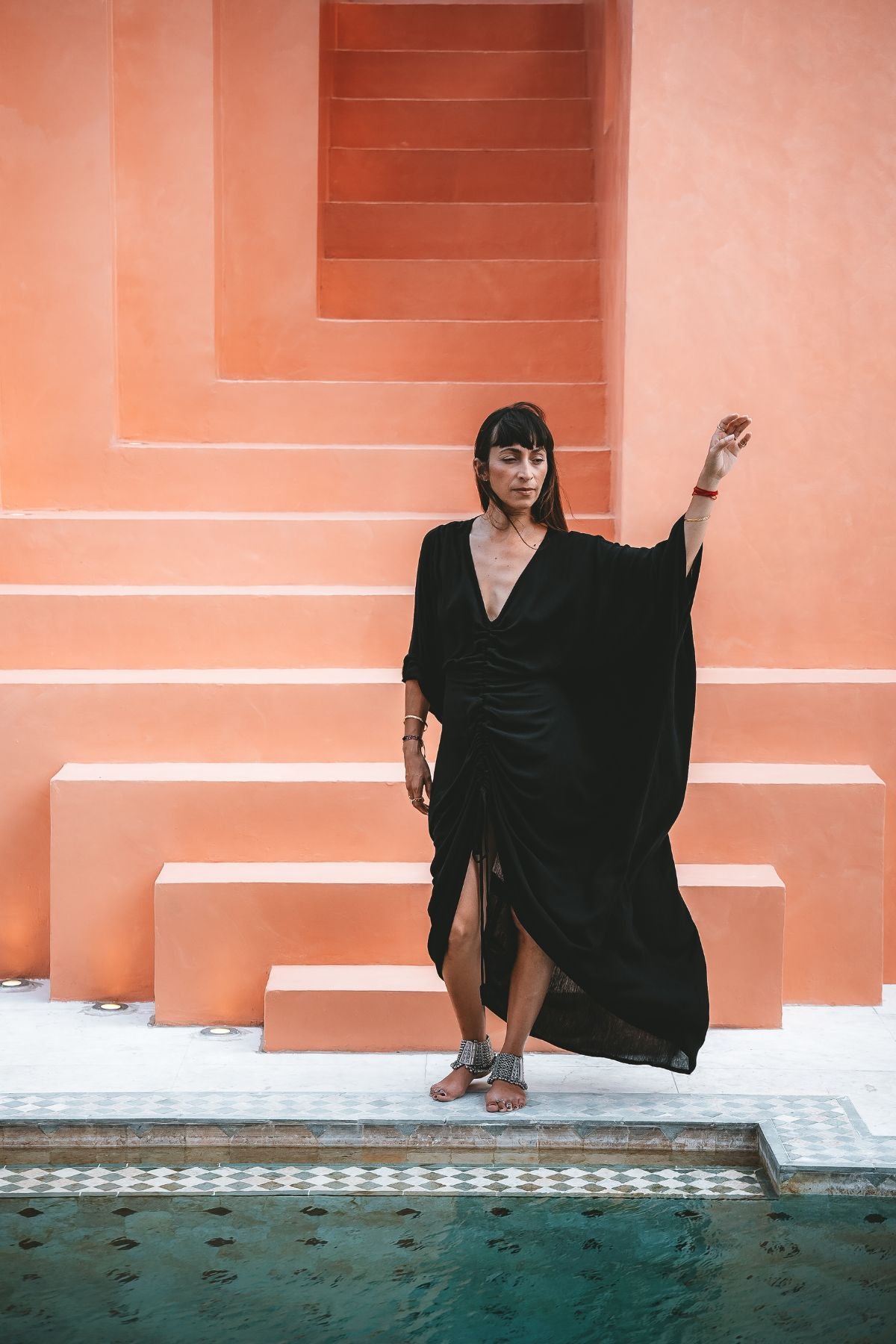
This matters for quality in ways that are easy to underestimate. A crinkle-textured linen blend, for instance, behaves differently depending on how it's cut and finished — it needs no ironing, it improves with wear, and it drapes differently morning to evening once it's been shaped by someone who understands the fabric's particular temperament. That kind of knowledge isn't written into a spec sheet. It lives in hands that have done the work long enough to know it.
How to Spot Real Slow Fashion in Bali (Not Just the Aesthetic)
Bali's visual language — rattan, linen, earth tones, palm trees in the background of a product photo — has become so recognizable that plenty of brands borrow the look without the substance behind it. A few questions cut through that fast:
Can they tell you where the fabric came from? Real slow fashion brands can usually name the fiber's origin specifically — French linen grown without irrigation in Western Europe, for example — rather than a vague "natural materials" claim. Certifications like OEKO-TEX® Standard 100 or European Flax® aren't decoration; they're traceability you can verify.
Is there a production timeline, and is it slow? If a piece labeled "handmade" ships in 48 hours from a warehouse, something doesn't add up. Genuine made-to-order slow fashion in Bali typically runs two to five weeks, because that's how long it actually takes a person to make a garment well.
Are the batches actually limited? Ask whether a colorway or style will be restocked indefinitely. If the answer is yes, every time, at scale — that's not slow fashion. That's fast fashion with a Bali backdrop.
Why Slow Fashion Bali Feels Different to Wear
There's a quieter argument for slow fashion that has nothing to do with ethics and everything to do with how a piece actually feels on the body. Fabric that's been cut by hand, considered piece by piece, tends to fit and move differently than something mass-produced to a single averaged pattern. Linen especially rewards this kind of attention — it's a fiber with a mind of its own, and it needs a maker willing to work with that instead of against it.
Women who wear slow fashion often describe the same thing: the clothes stop feeling like something to manage and start feeling like something that moves with them. That's not marketing language. That's the practical result of fewer, better-made pieces replacing a closet of things bought quickly and discarded just as fast.
What Slow Fashion Bali Costs — and Why the Price Makes Sense
One honest thing about slow fashion in Bali: it is rarely the cheapest option in a search results page, and it shouldn't be. A hand-cut linen piece from a small studio typically runs somewhere between $150 and $400, depending on complexity, and that number reflects actual paid labor hours rather than a factory rate spread across ten thousand identical units. Fast fashion keeps its price low by keeping everything else — wages, fabric quality, longevity — low along with it.
Cost-per-wear is the more useful way to think about it. A well-made linen set worn for years, that softens rather than deteriorates with each wash, ends up costing less over its lifetime than five fast fashion replacements bought to fill the same gap in a closet. Slow fashion Bali asks for more upfront and less over time. Fast fashion does the opposite, and the difference shows up in landfills, not receipts.
Slow fashion in Bali was never really about speed at all. It was about attention — the kind that shows up in the seams, whether or not anyone's looking.
With love from Bali,
Myrah.
|
A Piece for This Threshold Crinkle Linen/Cotton Virgo Kaftan. Cut from a crinkle-textured linen-cotton blend that moves the way water moves — on its own terms. Made to order, by hand, in Bali. No two wears look quite the same. |

|
The Muse-Letter Dress for the woman you're becoming. Every week from Bali. Astrology, slow living, sacred feminine, and the pieces we make by hand. A letter, not a sales pitch. Unsubscribe any time. No spam, ever. |




Leave a comment
This site is protected by hCaptcha and the hCaptcha Privacy Policy and Terms of Service apply.