How to Build a Slow Fashion Wardrobe: What Ten Years of Making Teaches You
The question we get asked most often is not about sizing or shipping. It is: where do I start?
You are standing at the edge of your closet and something has shifted. Maybe it was reading something that made fast fashion's costs visible in a new way. Maybe you wore a piece of linen that made your shoulders drop and you started wondering why everything else you own does not feel like that. Maybe you are simply tired of having a full closet and nothing to wear, which is always a symptom of having bought for trends rather than for truth.
Whatever brought you here, this is where we would begin.

Start With What You Already Own
Before you buy anything, look at what you have. Pull everything out. Actually out, not mentally catalogued but physically in front of you. Make three piles. The first: things you wear regularly, that fit the woman you actually are right now, that you would replace if they disappeared. The second: things you like but that need something, a repair, an alteration, a different way of wearing them. The third: everything else.
The third pile is information. It tells you where your money went when you were buying for who you thought you should be rather than who you are. Do not judge it. Use it. Let it shape every future purchase.
After this exercise, most people discover they have more than they thought. The slow fashion wardrobe is not built by addition. It is built first by subtraction, until what remains is the true foundation.
The Capsule Wardrobe Is Not a Trend
The idea of a small, curated collection of pieces that work together in every combination has been called a trend many times. It is not a trend. It is simply the most rational response to the problem of dressing. Fewer decisions. Less friction. More presence for everything that matters more than what you are wearing.
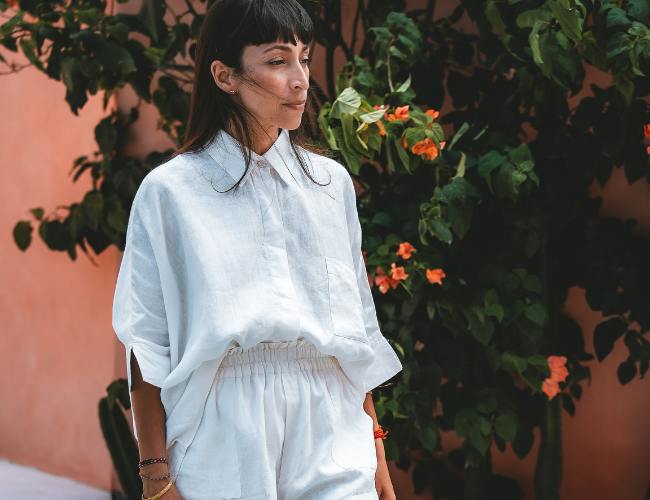
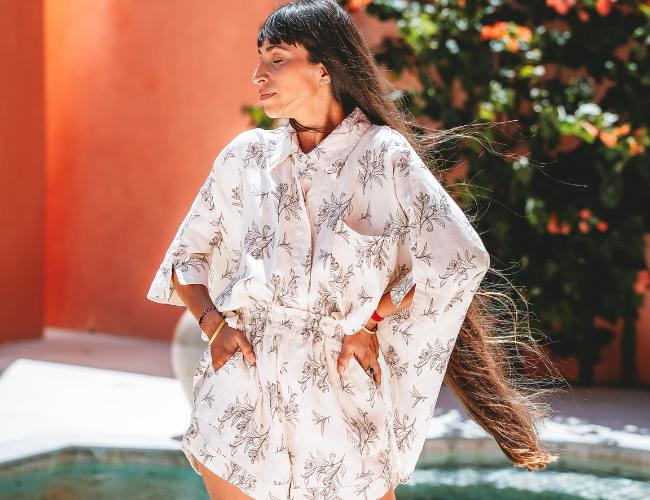
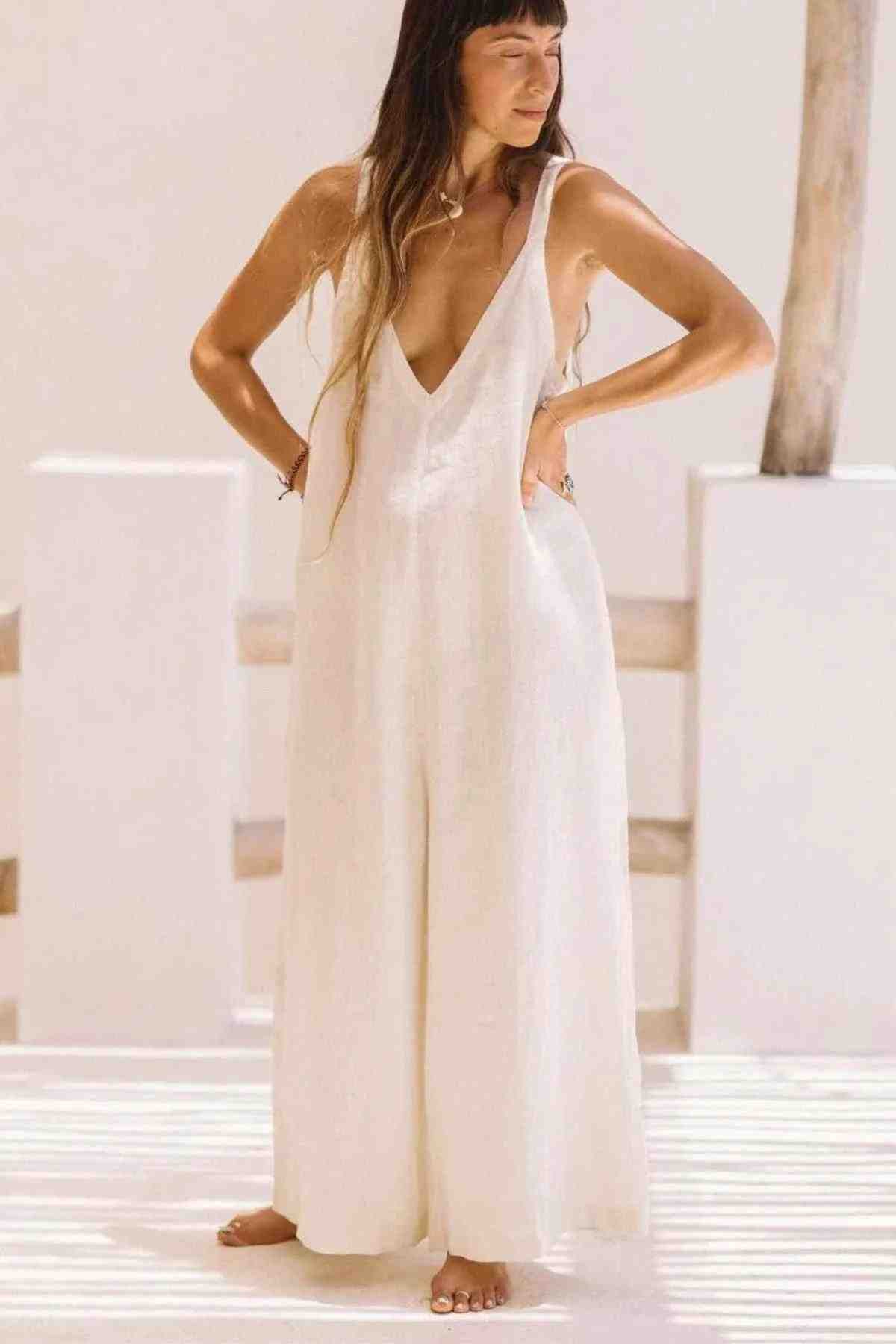
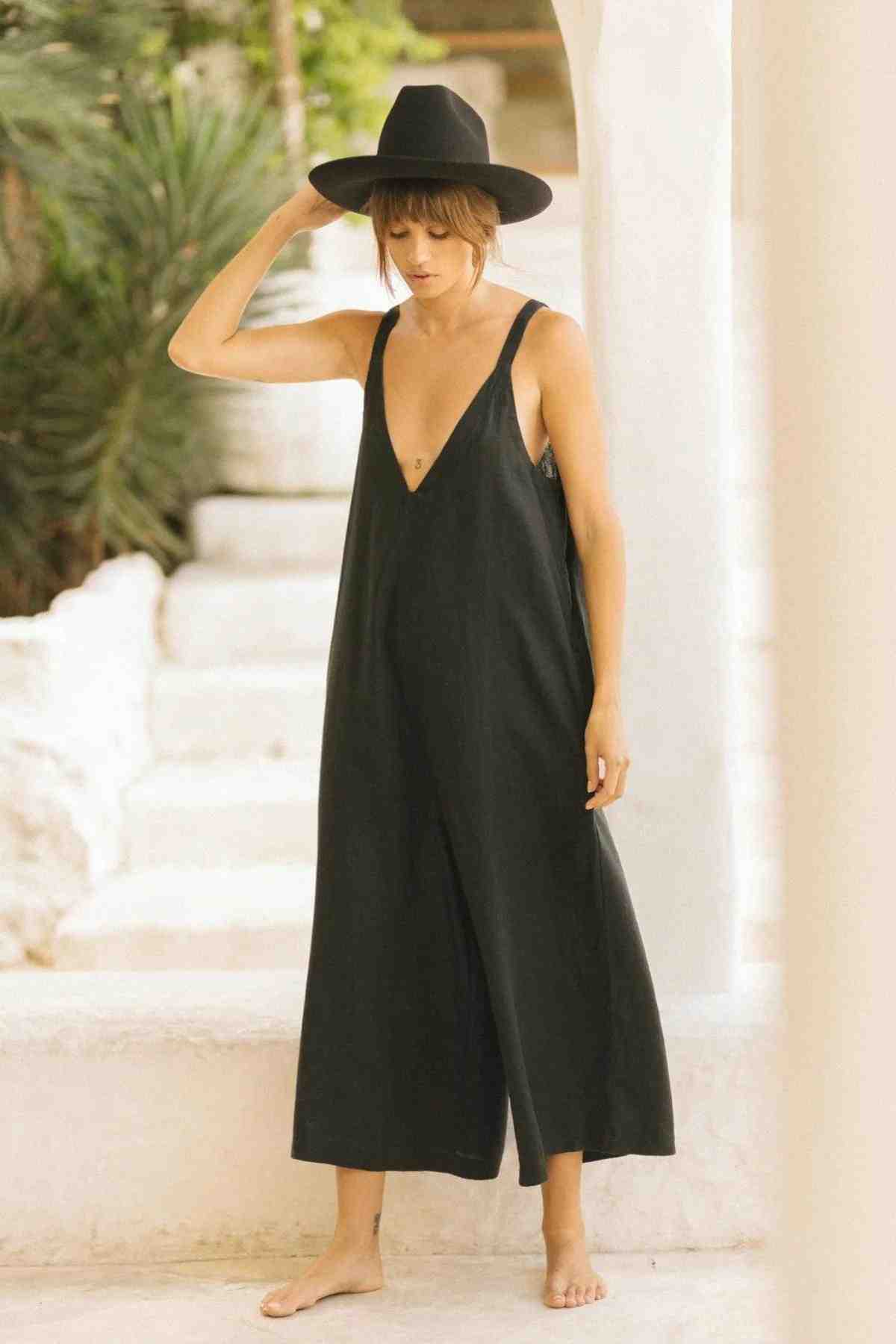
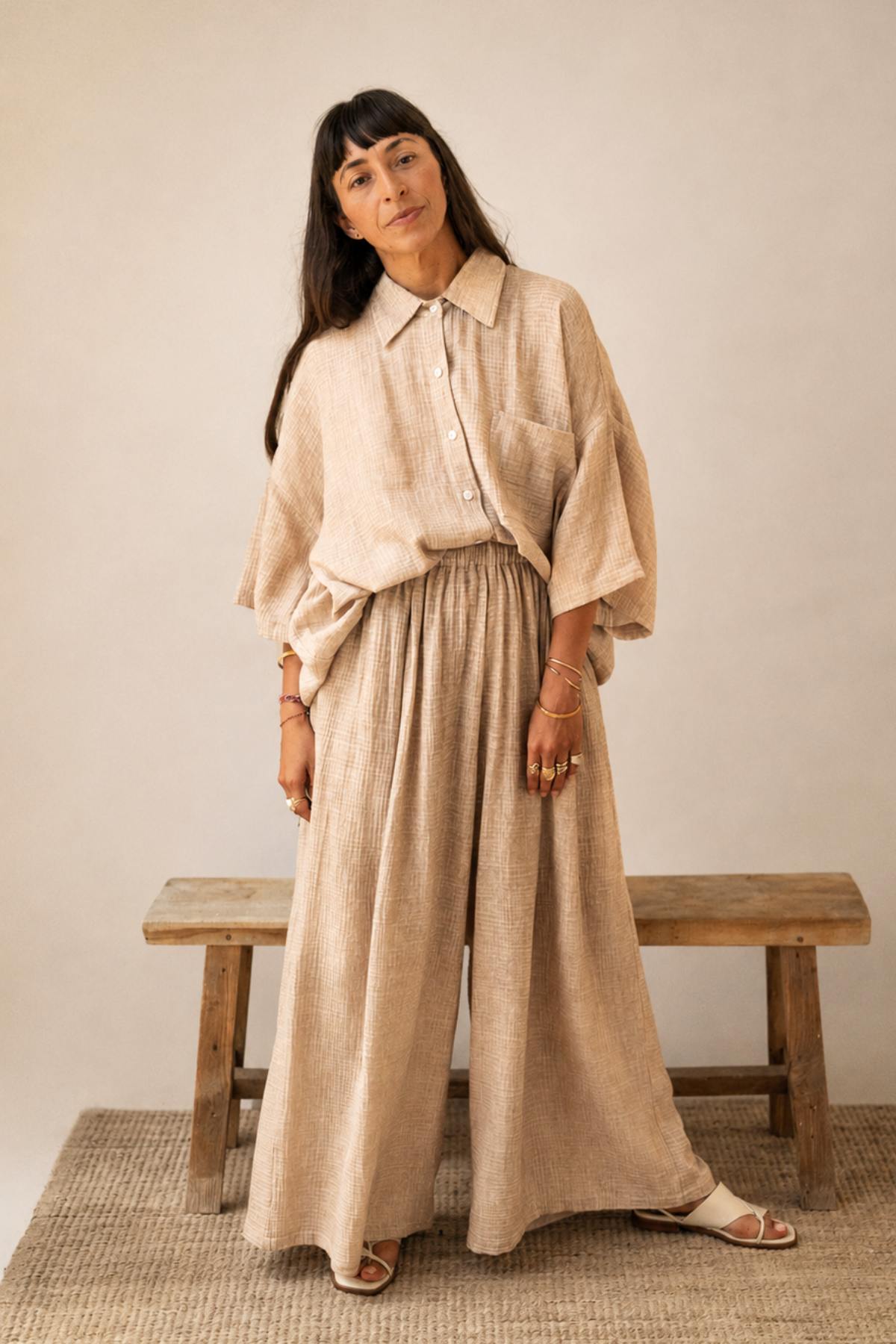
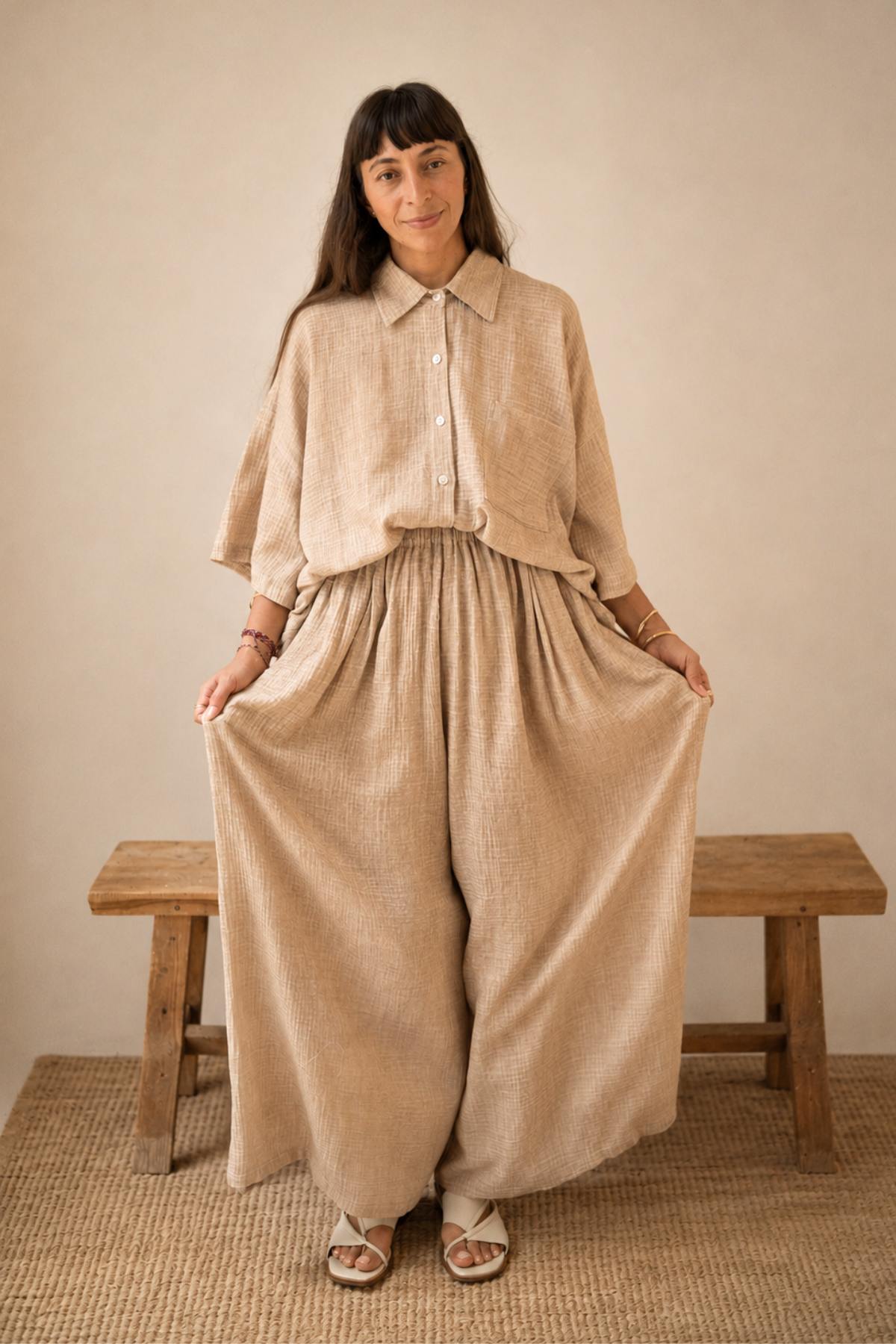
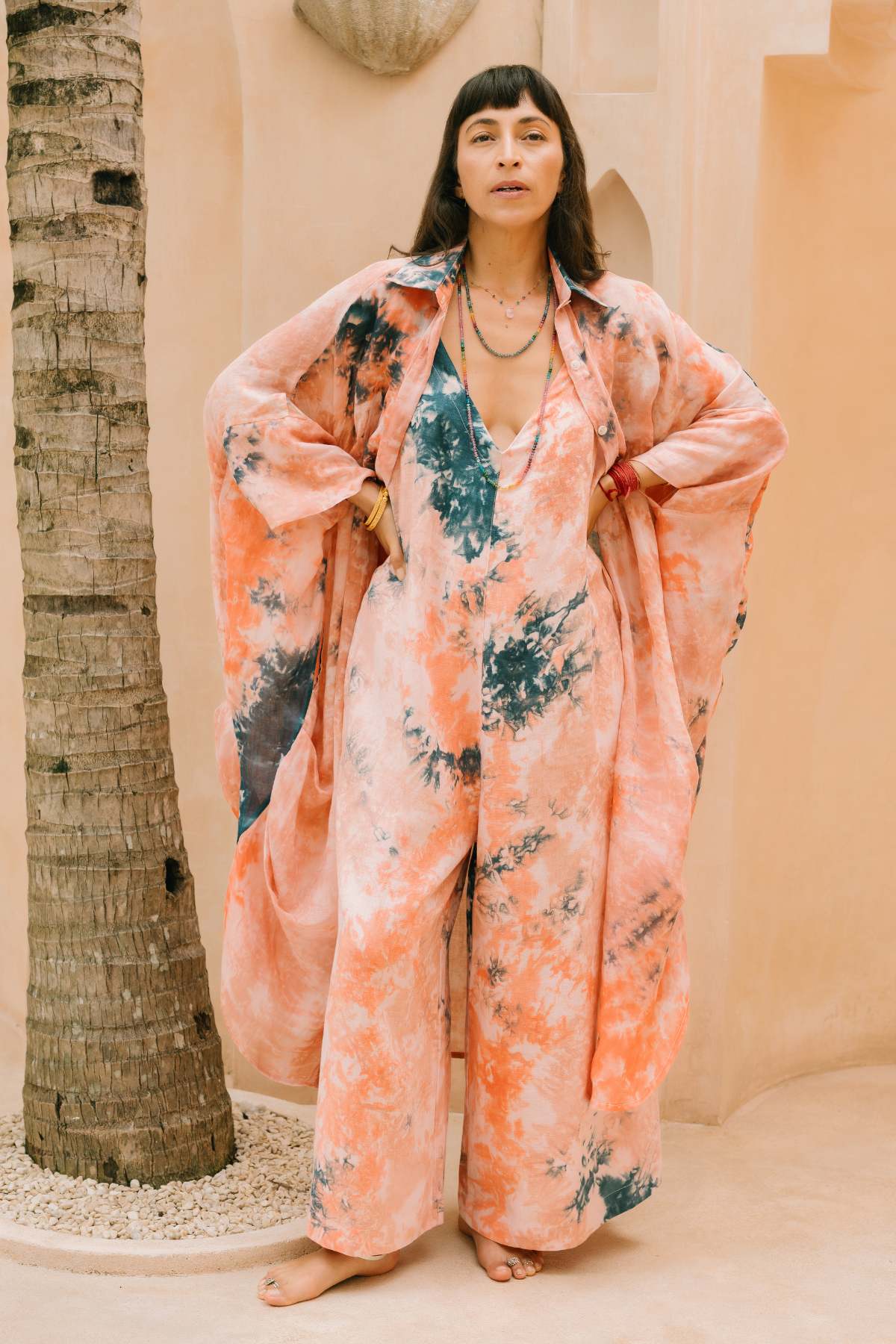
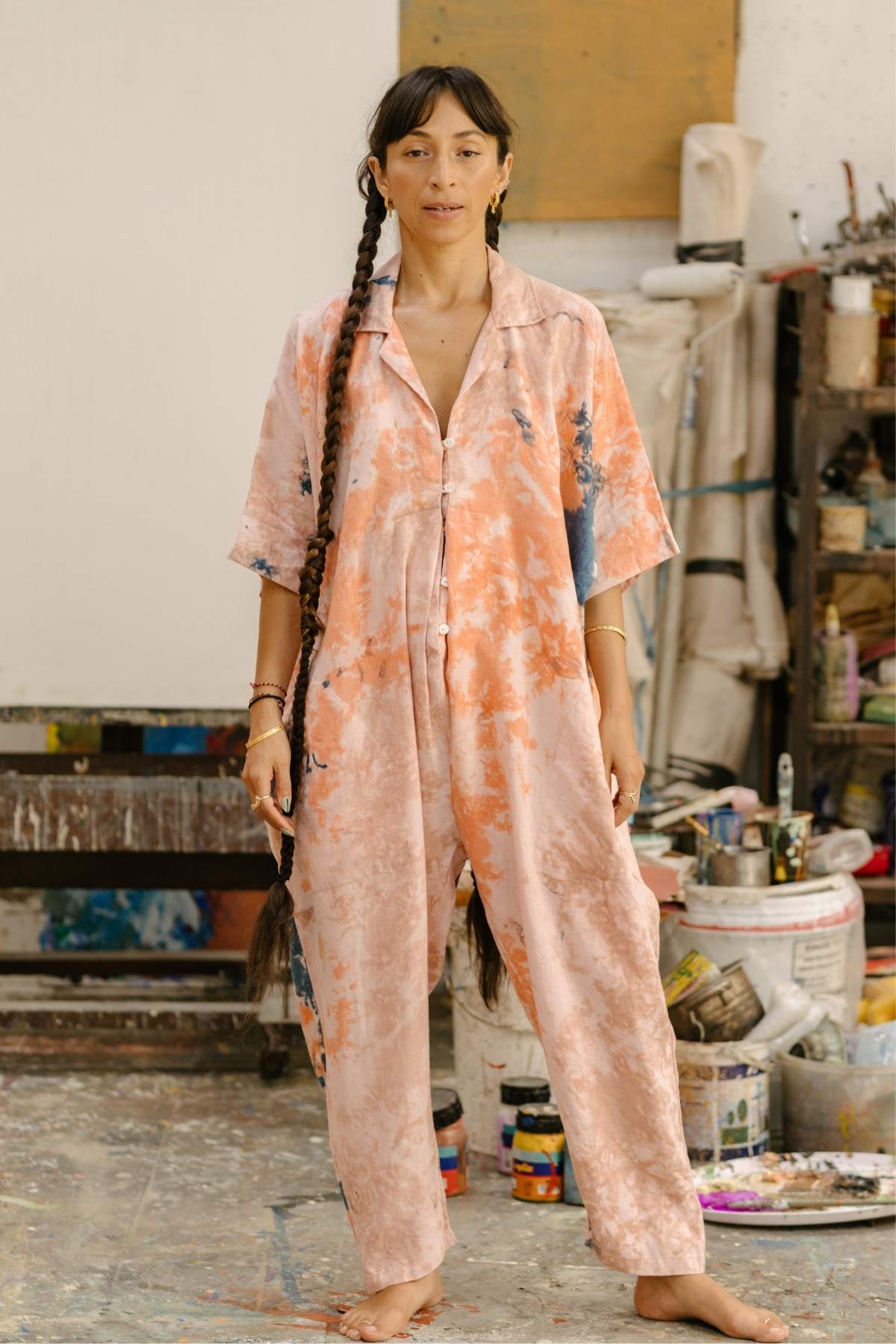
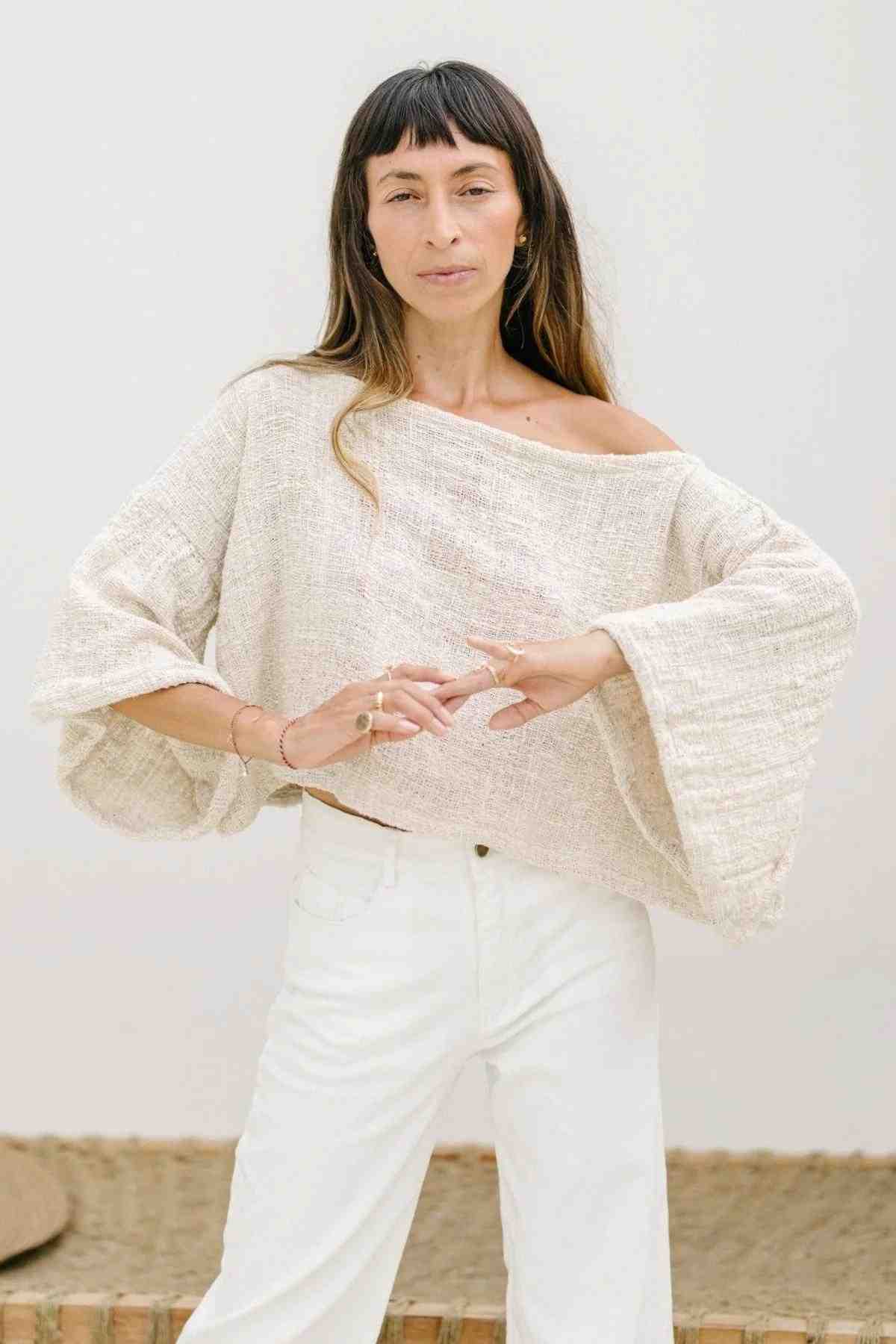
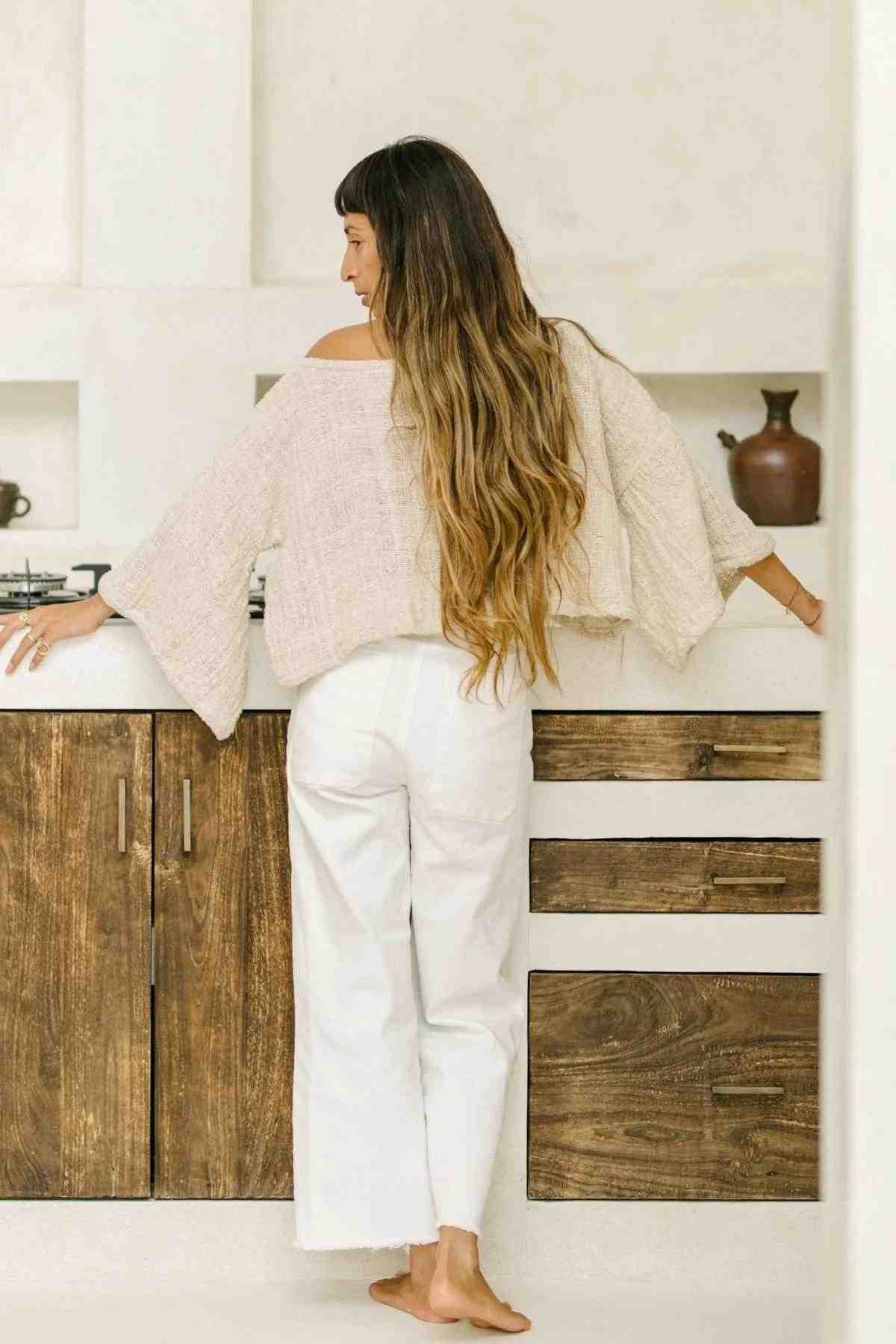
At Myrah Penaloza, every piece we make is considered in relation to the others. A Suka Set top that works with the matching shorts but also with the wide-leg linen pants from a different set. A playsuit that is complete on its own but which layers under a kimono for the cool morning and the evening after. The pieces talk to each other because they were designed to.
What to Prioritize When You Buy
Natural fiber first
Linen, cotton, silk, wool. Not because synthetics are always harmful to wear but because natural fibers behave differently against skin. They breathe, wick moisture, manage temperature, and carry no electrostatically disruptive qualities. Read more about why on our slow fashion page.
Provenance you can trace
Who made this? Where? Under what conditions? A brand that cannot answer these questions in specific terms is a brand that has something to obscure. The brands that can answer them are worth the higher price point, because the higher price point is what makes the honest answer possible.
Small batches over mass production
A piece made in a run of forty is fundamentally different from a piece made in a run of forty thousand. Not just in rarity. In the quality of attention available to each individual garment.
The cost-per-wear test
A $280 linen set worn 150 times over four years costs less than $2 per wear. A $45 synthetic dress worn eight times before it pills costs over $5 per wear. Before you buy, ask: do I believe I will wear this a hundred times? If the answer is no, the lower price is not a bargain. It is a deposit against future landfill.
The Emotional Connection Is Not Sentimental
The women who own our pieces and come back for more tell us that the connection they feel to what they wear is different from anything they experienced with fast fashion. Not just because of how it fits or feels. Because they know where it came from. Because the story is not obscured.
I am converting my whole wardrobe to Myrah. A real customer. Describing a process of return, a decision to fill her life with things that feel honest rather than things that filled the gap in a hurried moment.
A slow fashion wardrobe is not an aesthetic project. It is a clarity project. You are deciding what your daily life deserves to be surrounded by. That is not sentimental. That is an act of self-knowledge.
A Piece for This Threshold
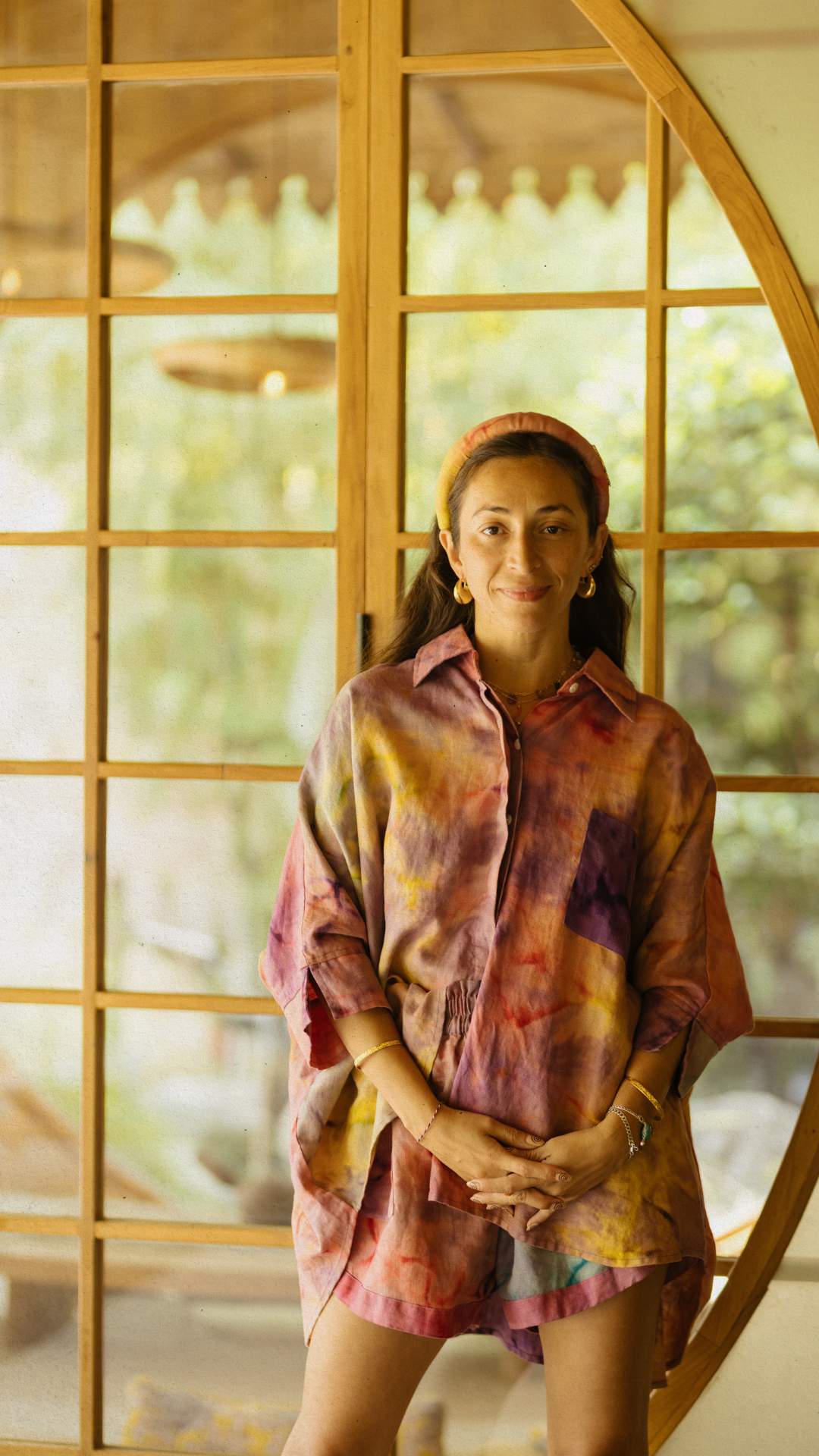
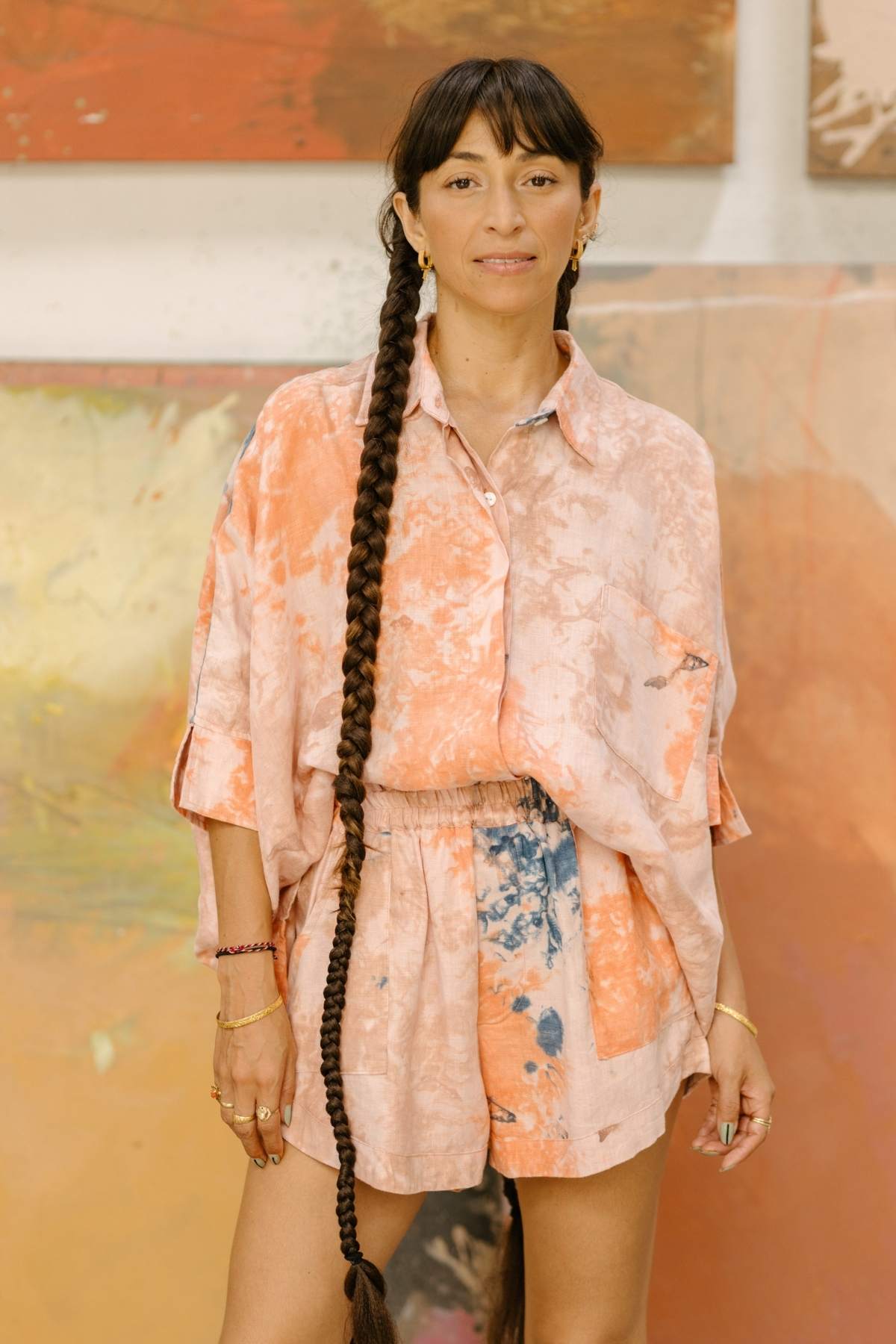
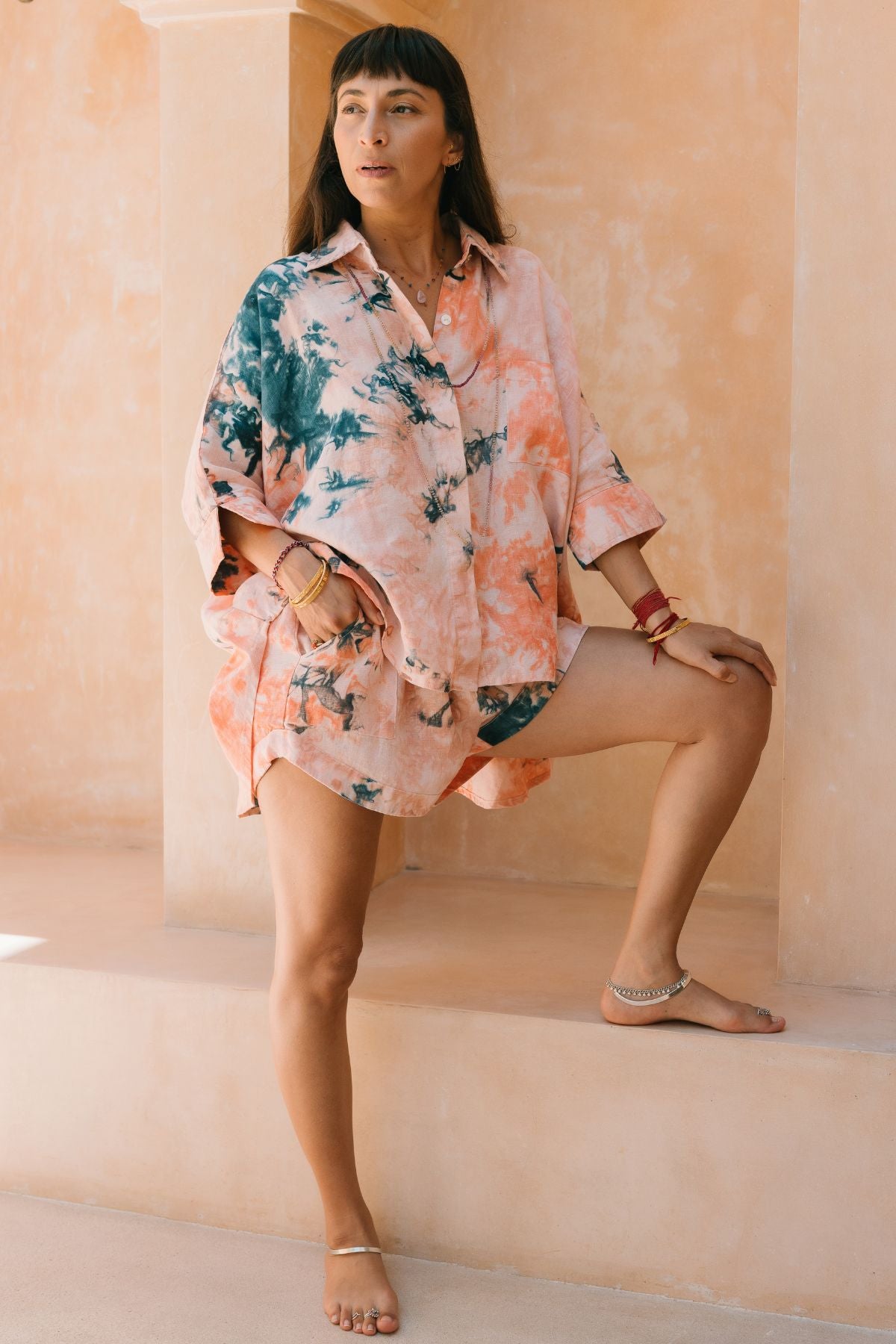
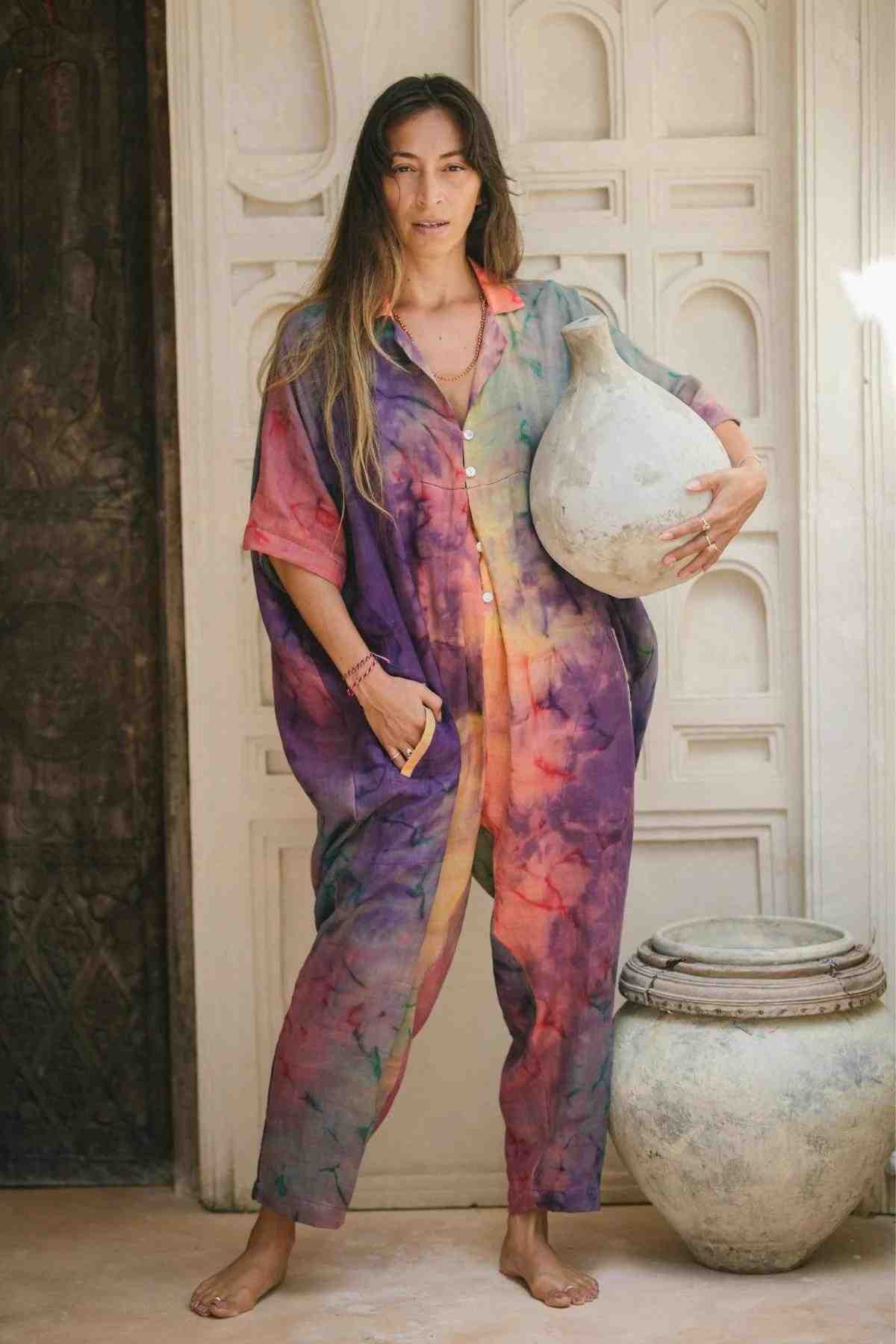
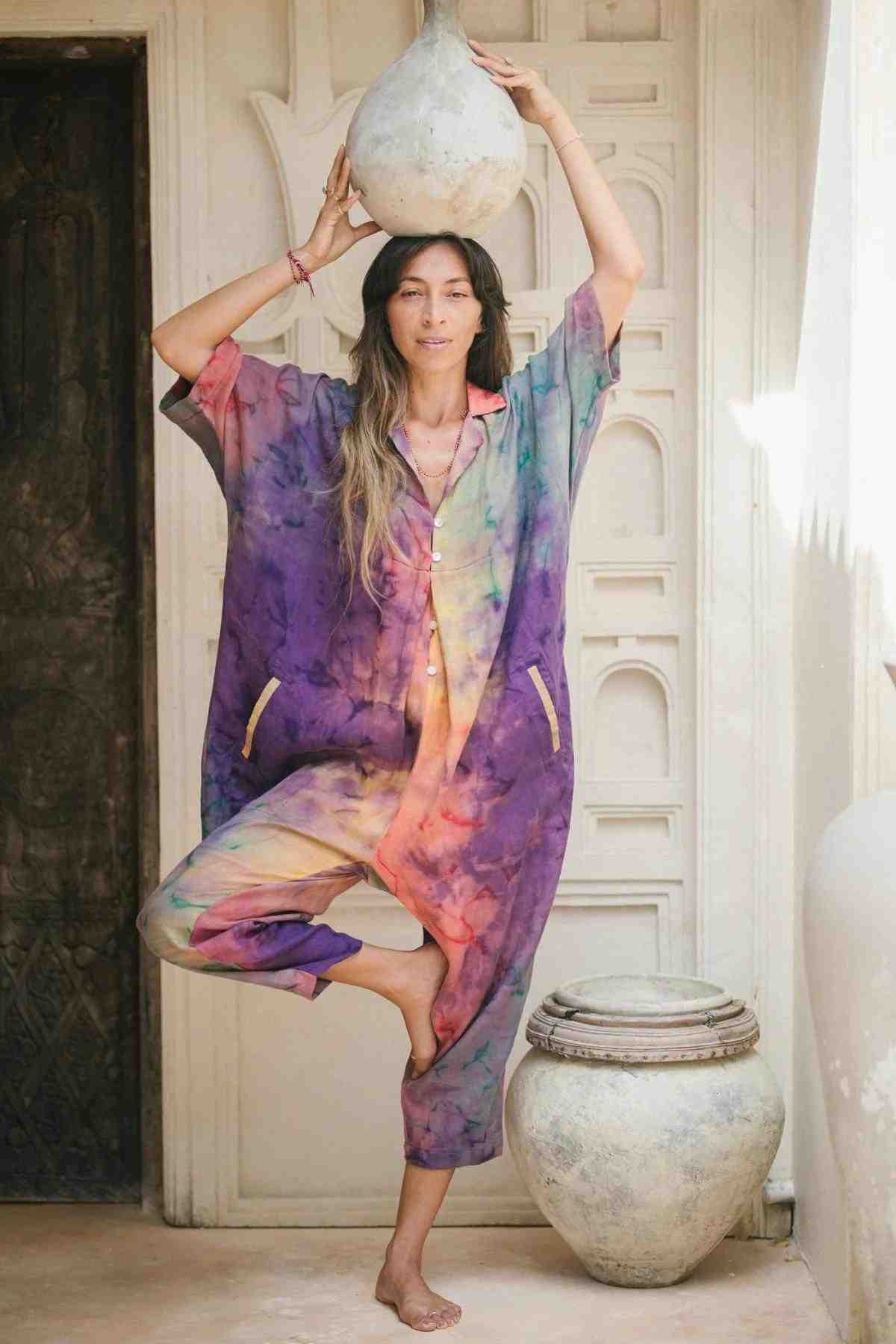
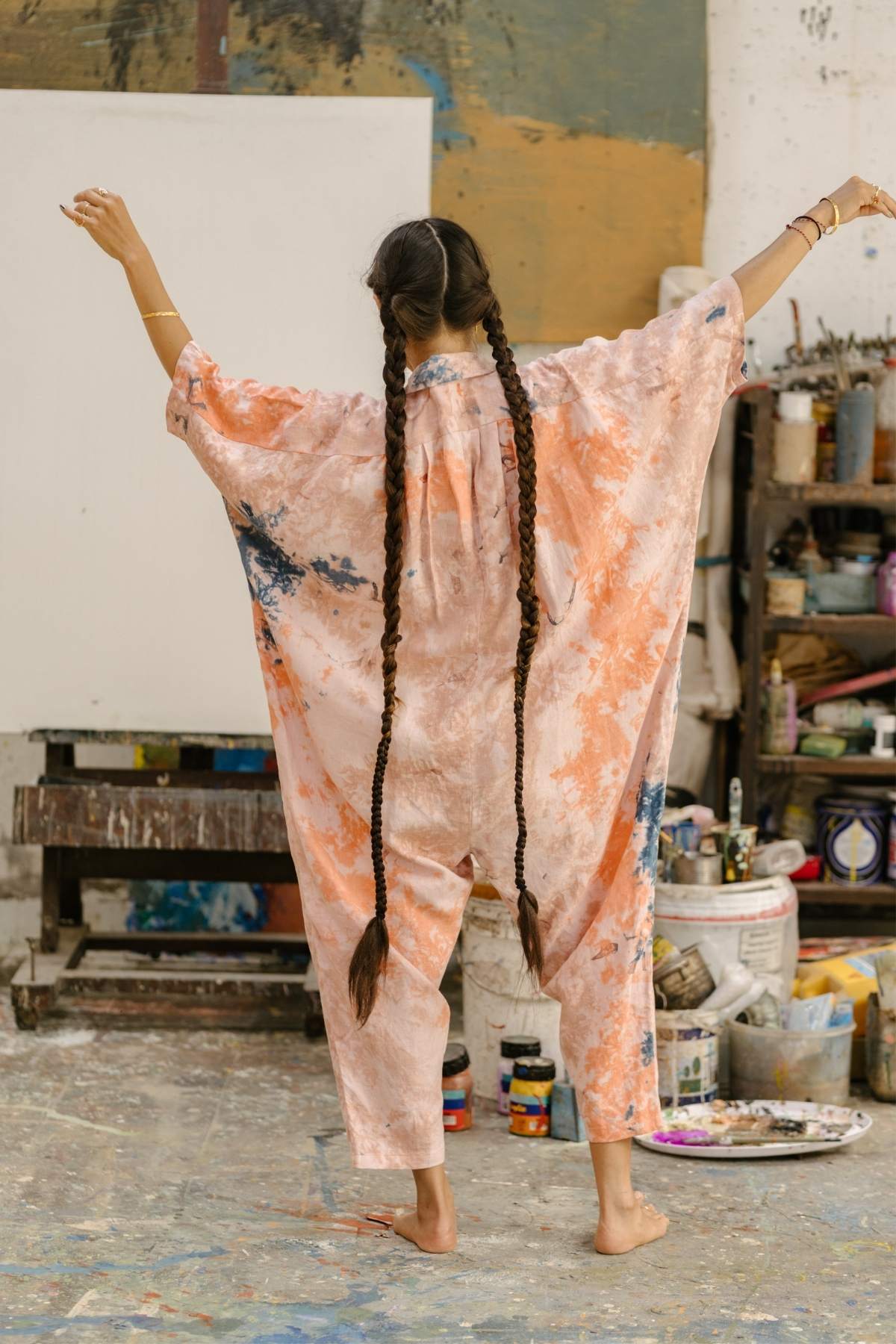
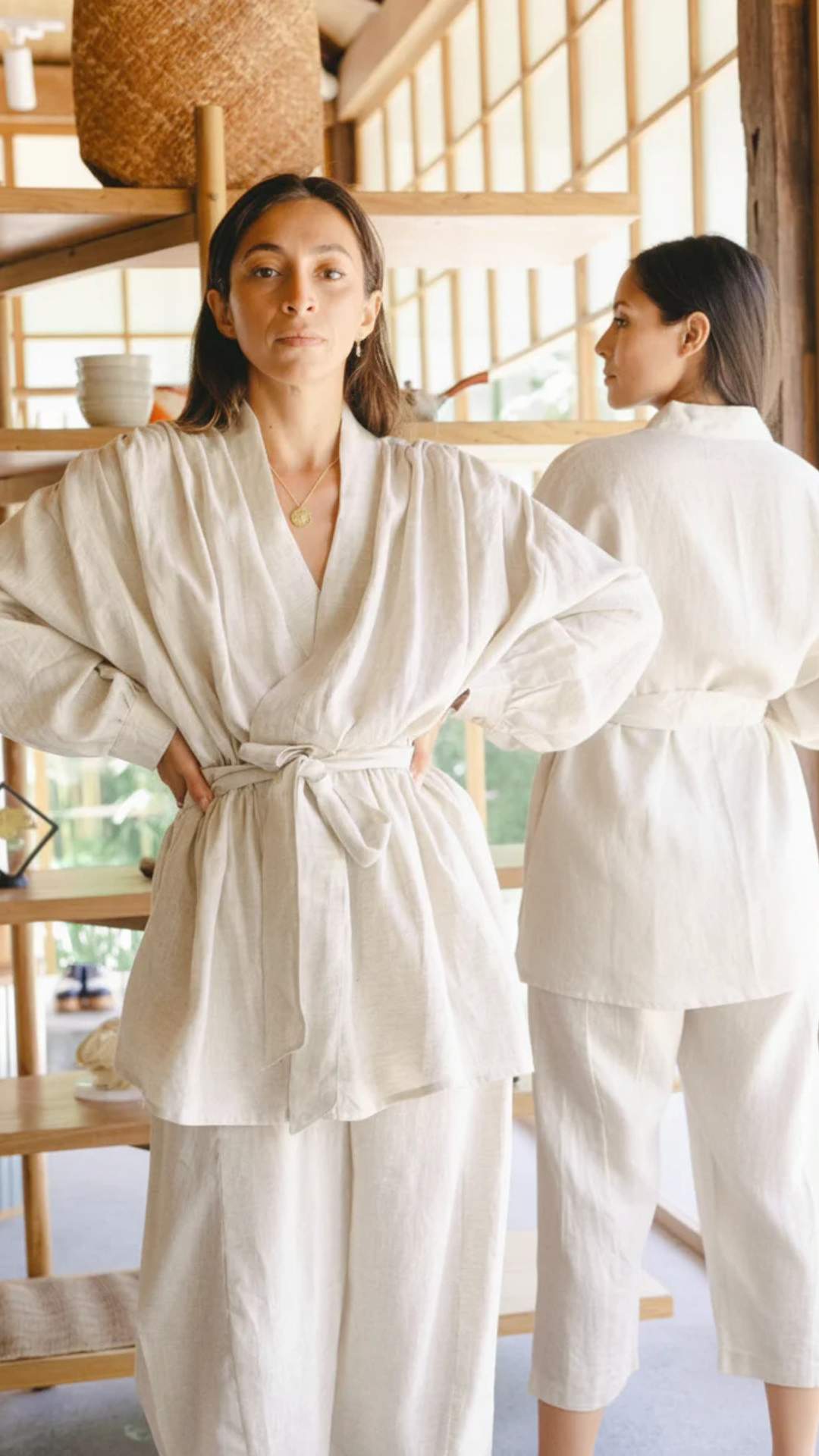
The Rainbeau Linen Suka Set is our most-worn piece by the women who own it. In our signature Rainbeau colorway, the colour of the sky the morning after everything broke open. Natural linen. Botanically dyed. Handcrafted in Bali.
Start here. Or start wherever feels true. The slow wardrobe builds itself over time, and the building is part of the practice.
Natural linen · Rainbeau botanical dye · Handcrafted in Bali

To browse our full range: new arrivals, bestsellers, and the slow fashion page.
The Muse-Letter
Dress for the woman you're becoming.
Every week from Bali. Astrology, slow living, sacred feminine, and the pieces we're making by hand. A letter, not a sales pitch.
Unsubscribe any time. No spam, ever.


Leave a comment
This site is protected by hCaptcha and the hCaptcha Privacy Policy and Terms of Service apply.