The Color Is the Prayer: Understanding Botanical Dye as Sacred Practice
Color is not decoration. It is medicine. It is expression. It is a way of being.
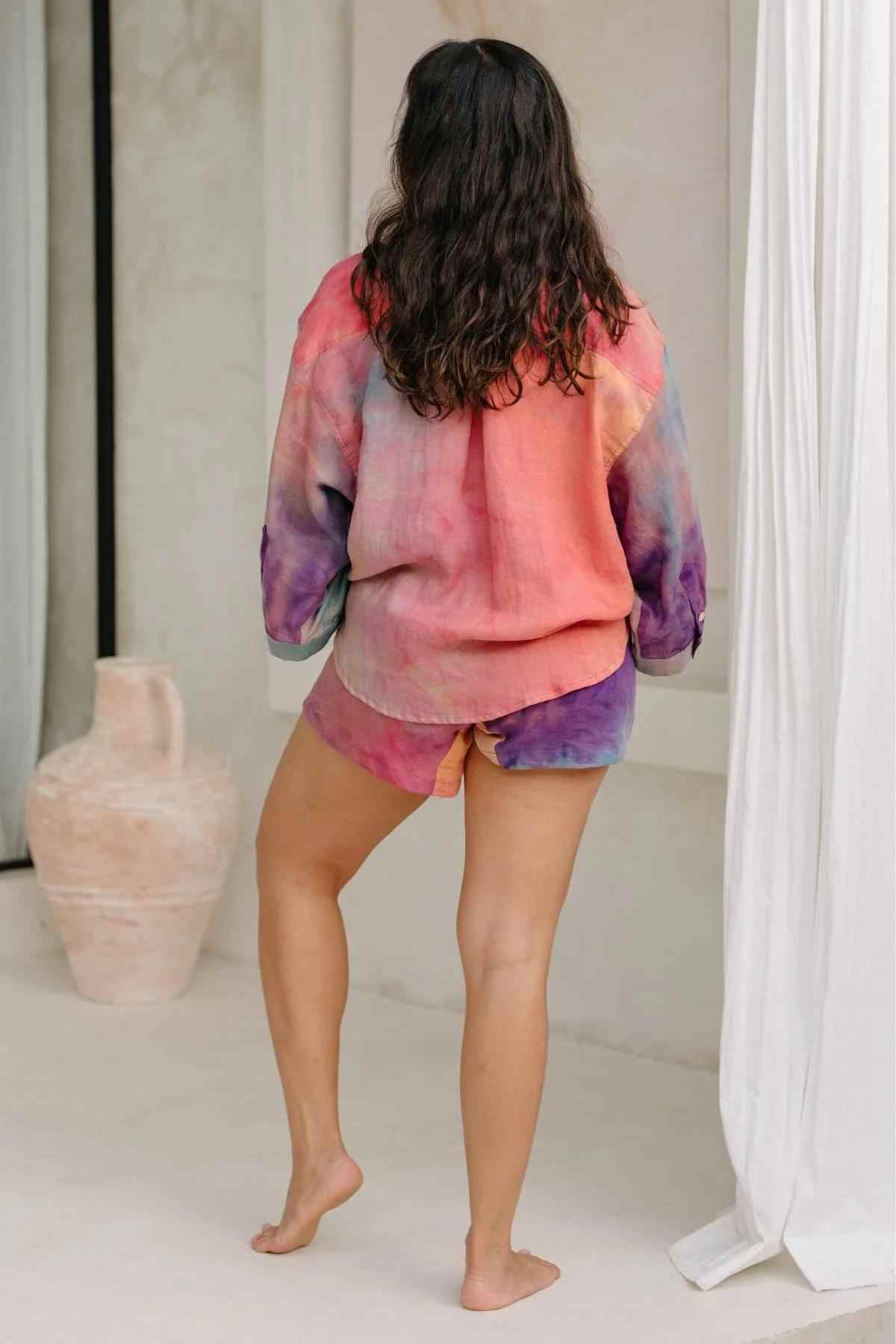
Myrah wrote that on a Tuesday in March, standing in the studio in Bali, introducing the Kuan Yin Playsuit in its Devi palette. It was not a marketing line. It was the most accurate description she could find for what she had been trying to articulate for the better part of a decade.

The botanical dye practice at Myrah Penaloza did not begin as a sustainability strategy. It began because the alternative was impossible. How do you make clothing that carries an intention of healing if the color you are putting on it was derived from petroleum? How do you talk about the body as a sacred vessel if the dye touching that vessel is a synthetic chemical compound?
What Botanical Dye Actually Does to Color
Synthetic dyes produce a color that is fixed, stable, and consistent. The color does not change with washing. It does not respond to light. It is chemically inert.
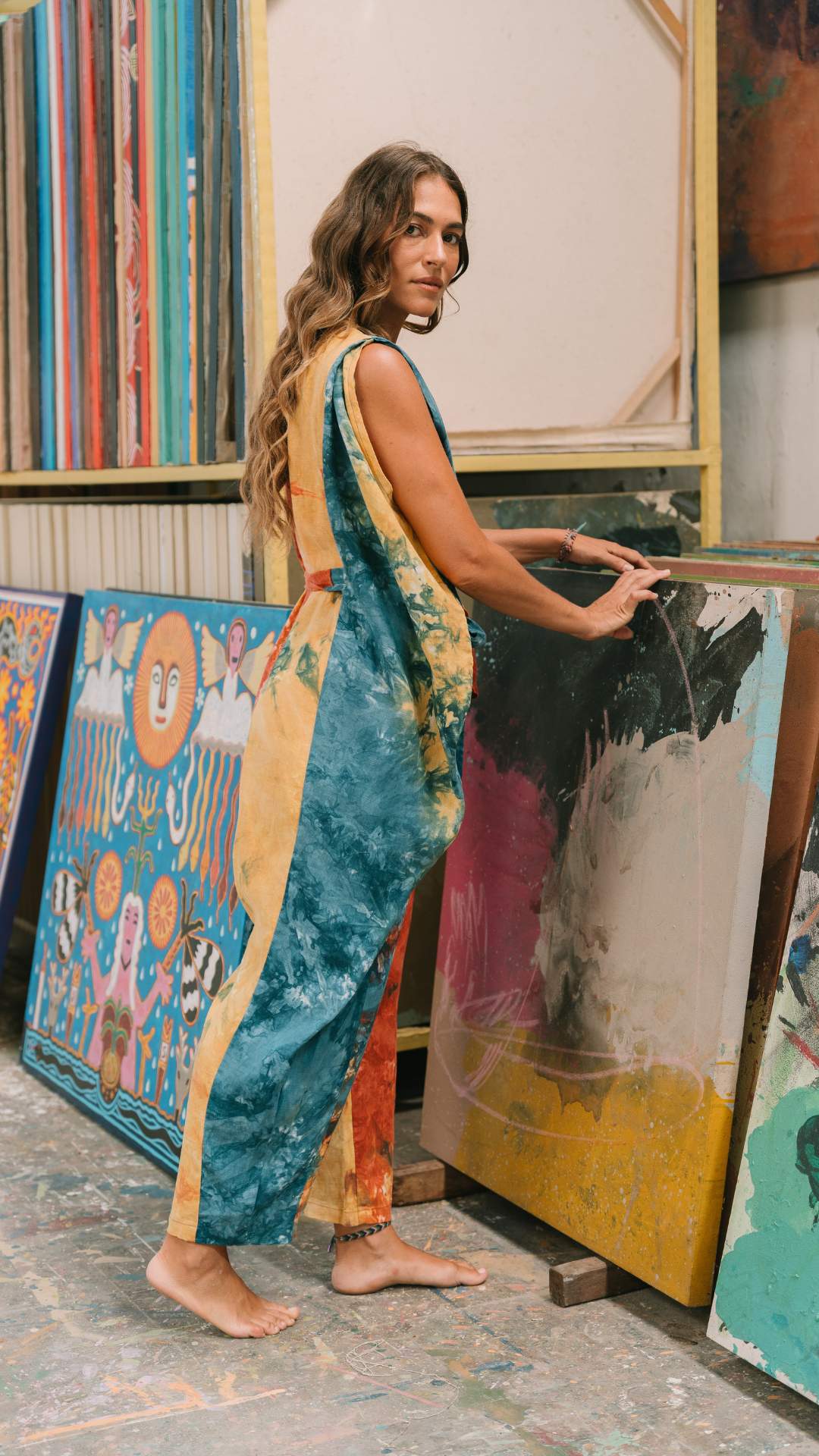
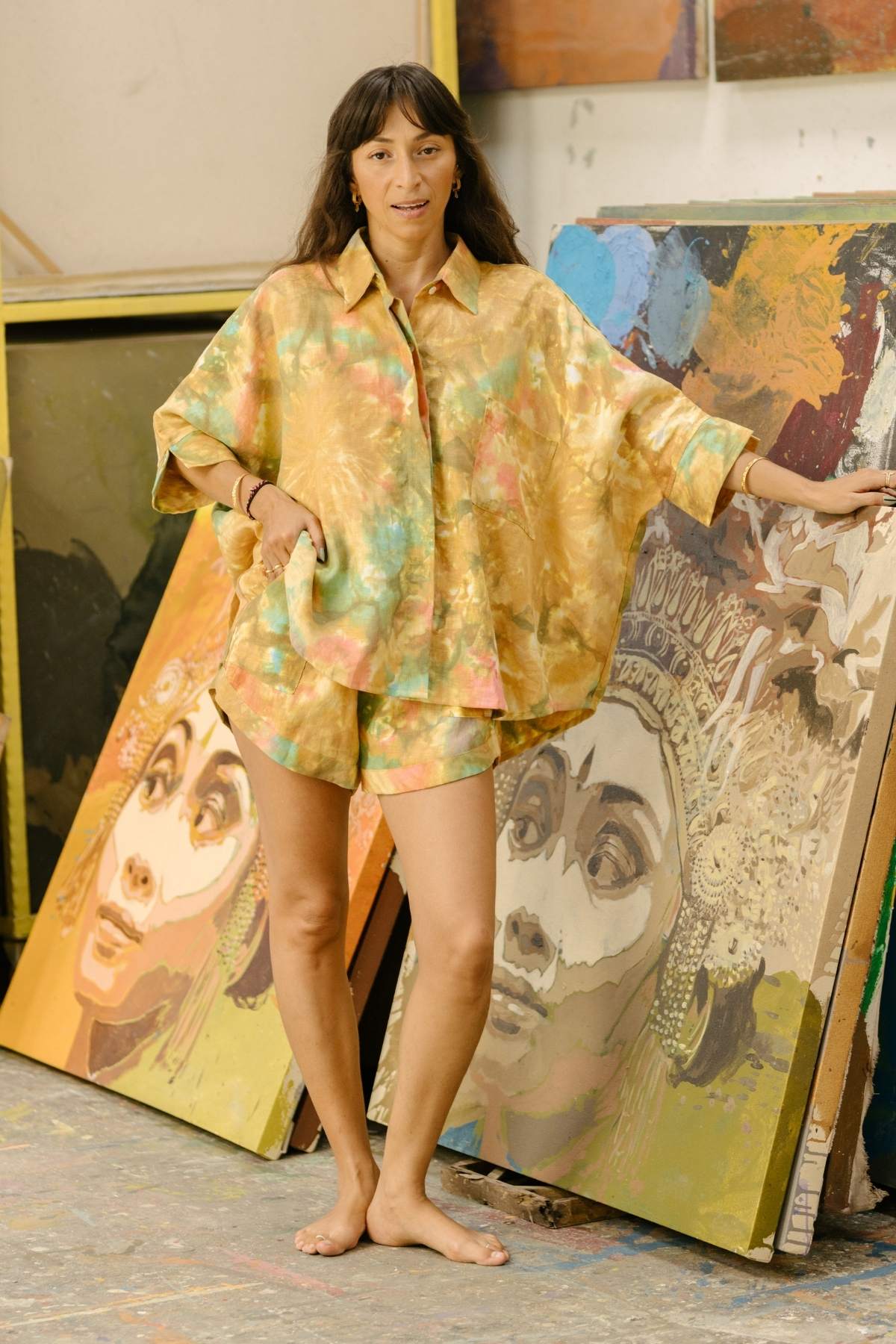
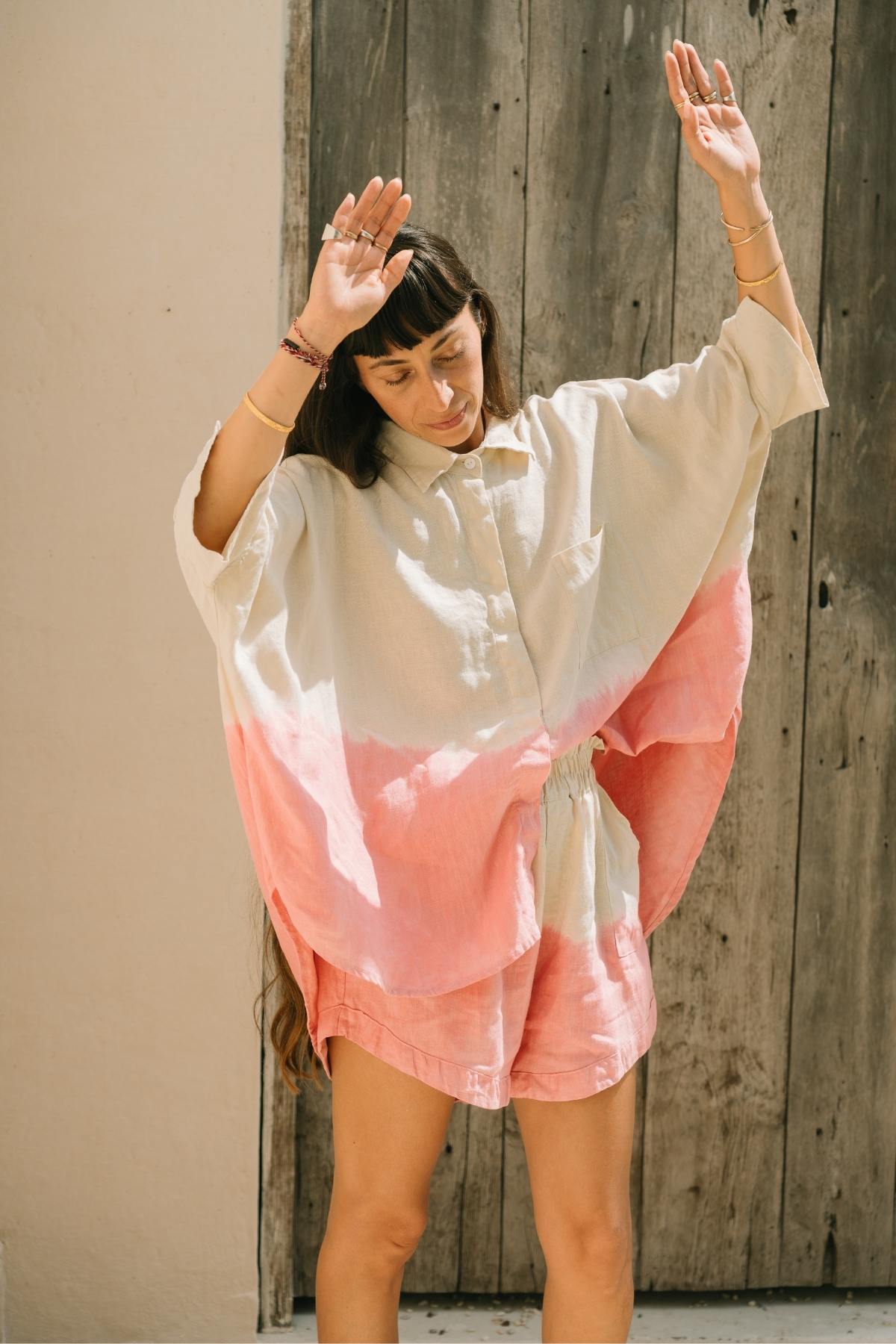
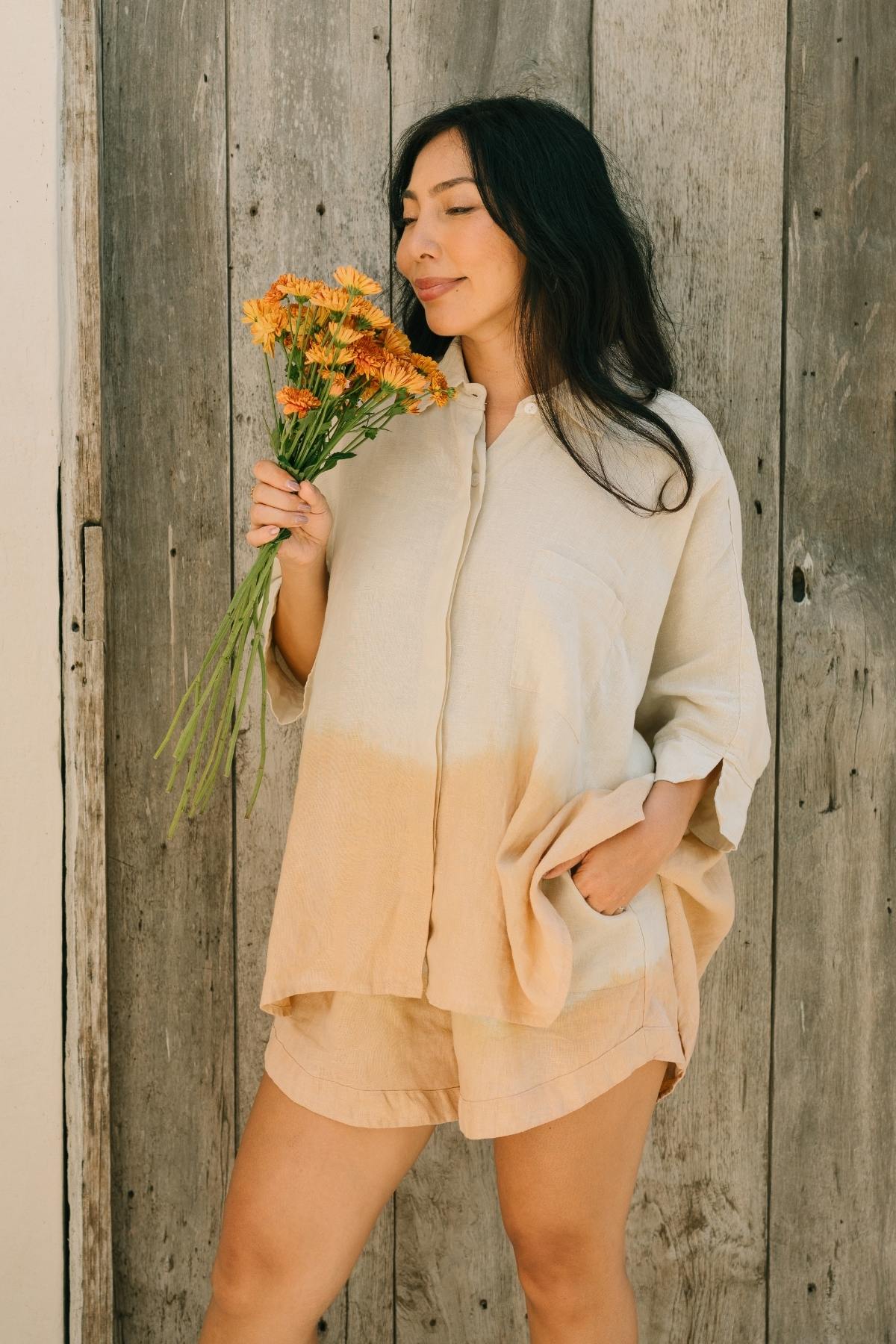
Botanical dyes produce a color that is alive. The indigo that produces our deepest blues was grown in Indonesian soil. The turmeric that gives us warm gold was harvested from rhizomes in the same region. When these pigments bond with linen fiber at the molecular level, they become part of the material. They respond to light differently at different hours of the day. They soften and deepen with washing.
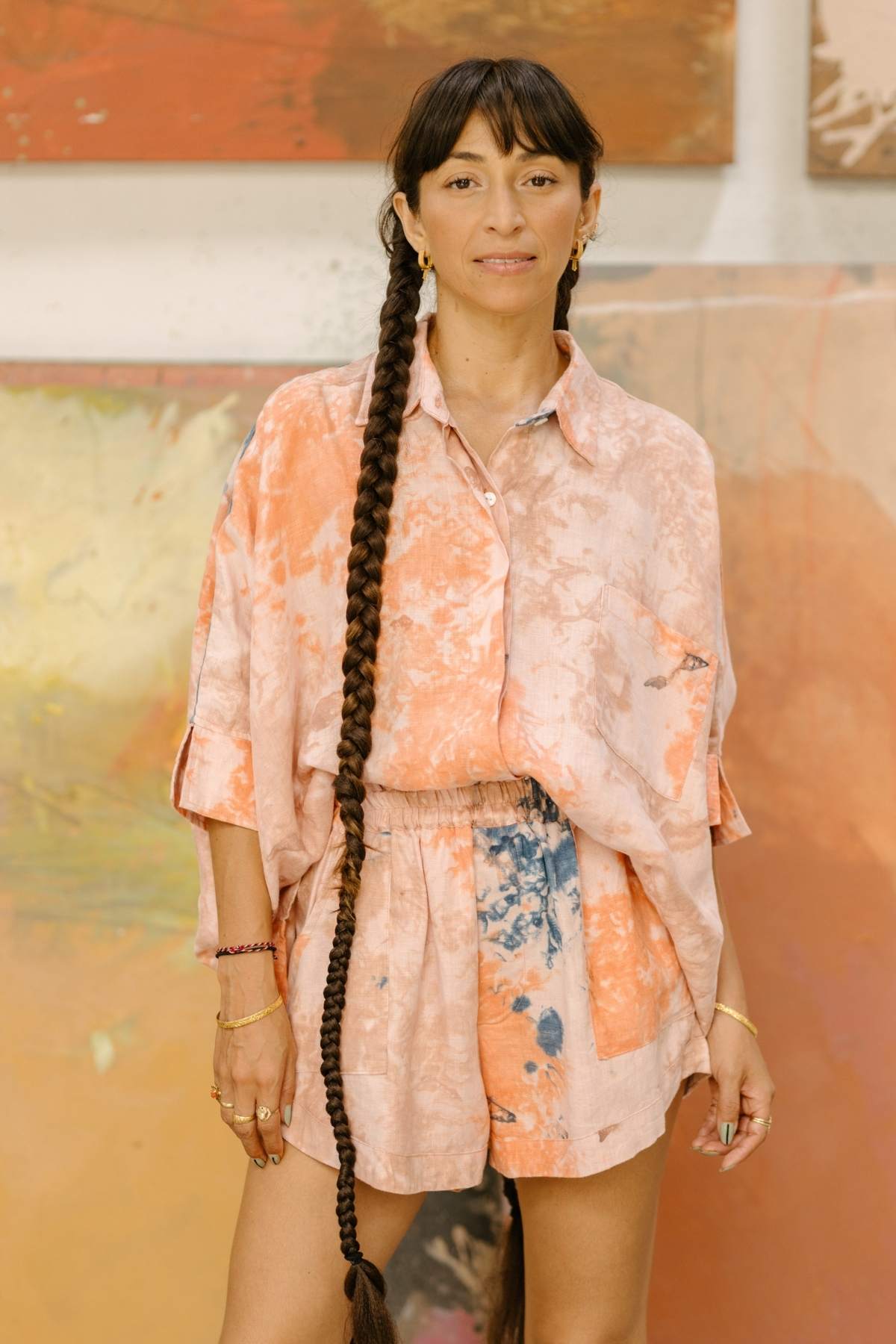
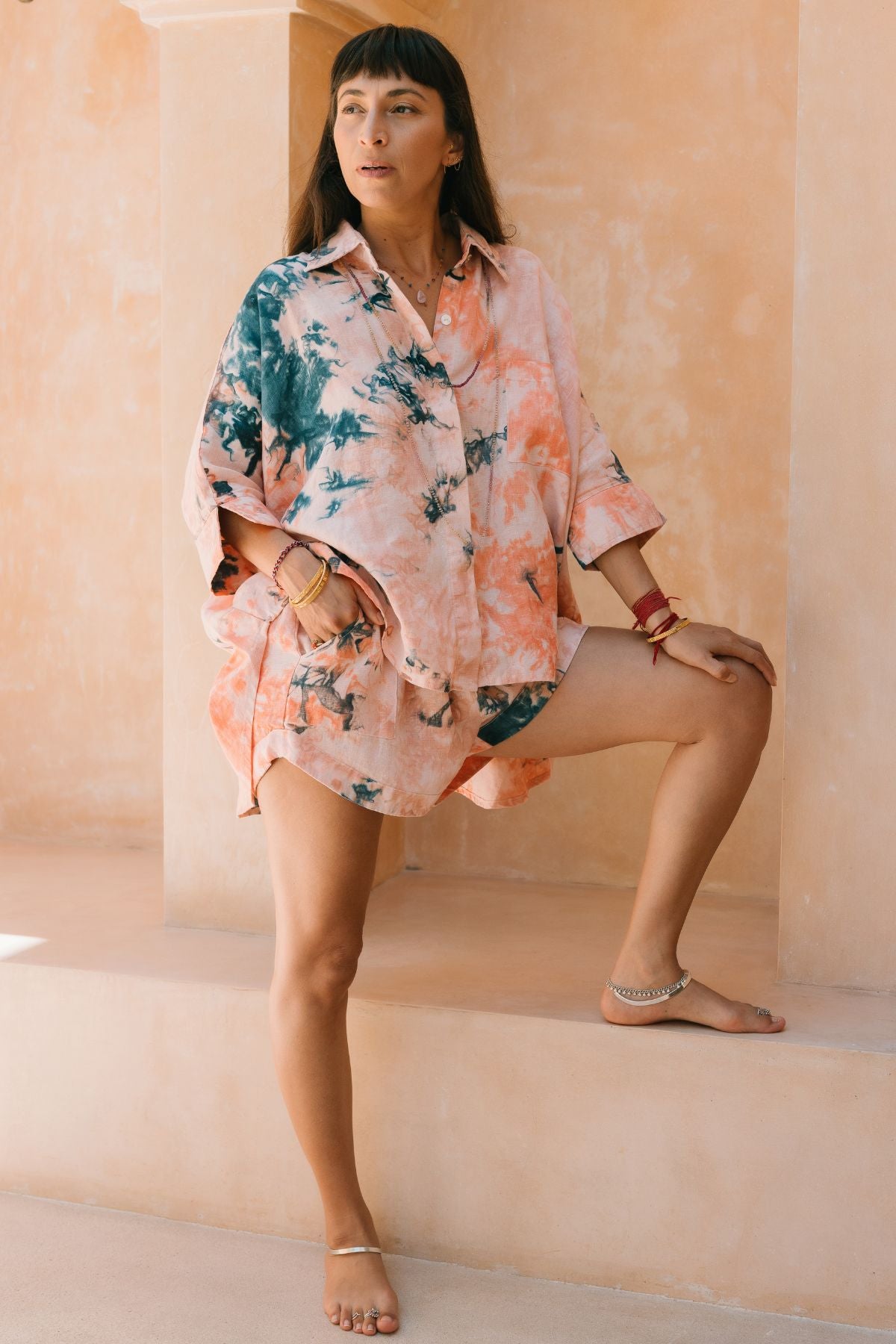
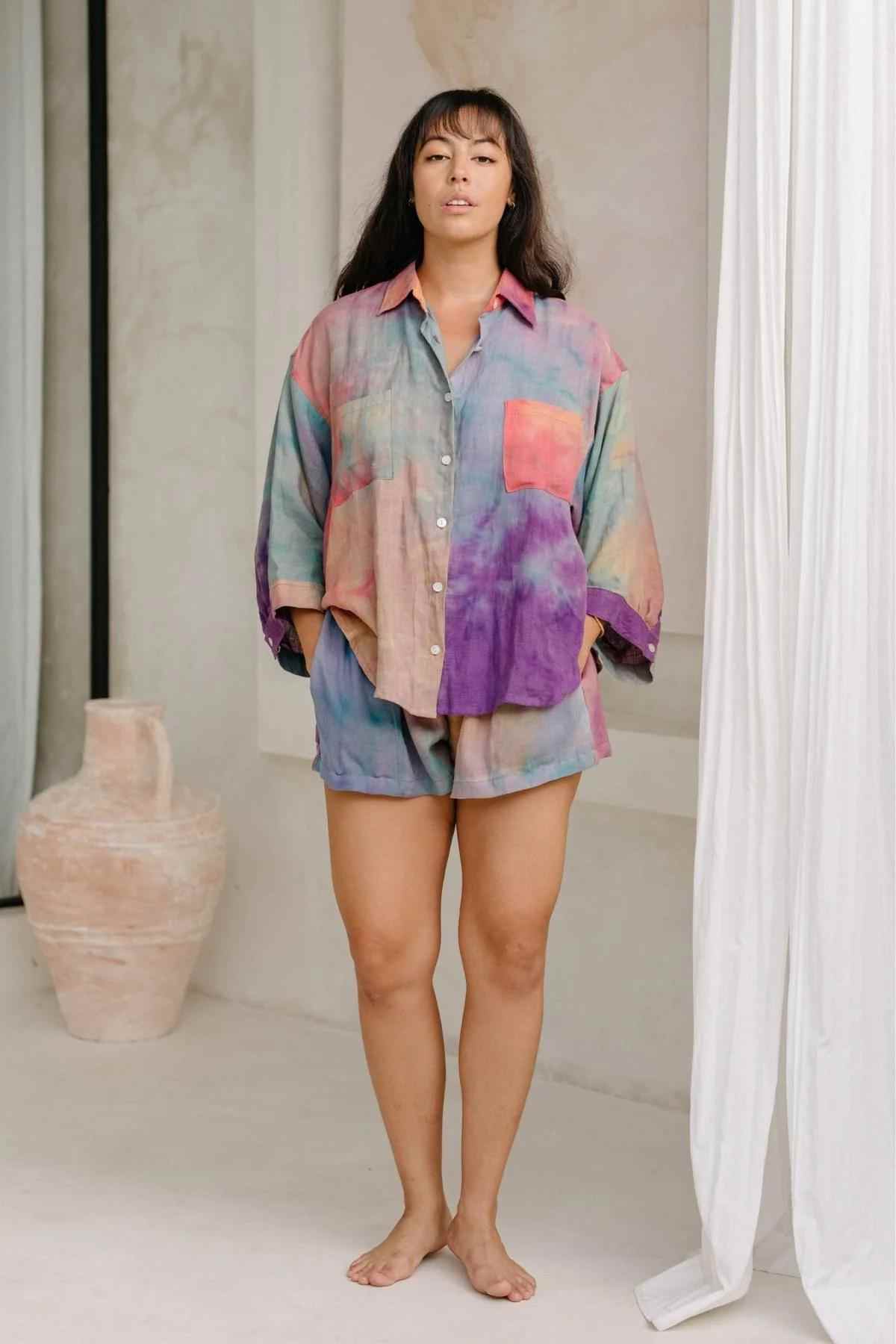
Each piece is slightly different from the last because each dye batch is slightly different. Every Rainbeau piece, the colour of the sky the morning after everything broke open, is singular. No two are exactly alike. That is not a caveat. That is the point.
The Sacred Dye Plants and Their Lineage
The plants we use are not neutral. In the Ayurvedic tradition, in traditional Indonesian healing practice, and across centuries of botanical medicine, these plants carry specific energetic and medicinal properties.
Turmeric is anti-inflammatory. Indigo has been associated in traditional Chinese and Japanese medicine with cooling and detoxification. Saffron carries associations with purity and the dissolution of ego. We do not wear these associations as costume. We recognize them as a living tradition, and we choose to honor that tradition by working with the same plants it used.
The Making of a Colorway
When we develop a new colorway at Myrah Penaloza, it does not begin with a Pantone chart. It begins with the season, with what is available, with what the current moment seems to be asking for.
The Uluwatu Sunset colorway came from the actual sunsets over the cliffs of Uluwatu. The Devi palette came from Mayra's meditations on the goddess energy she was working with during a period of creative expansion. The dye team receives this intention and works with the available plants to come as close to it as the natural materials allow.
You can read more about the full making process on our slow fashion page.
Why What You Wear in Color Matters
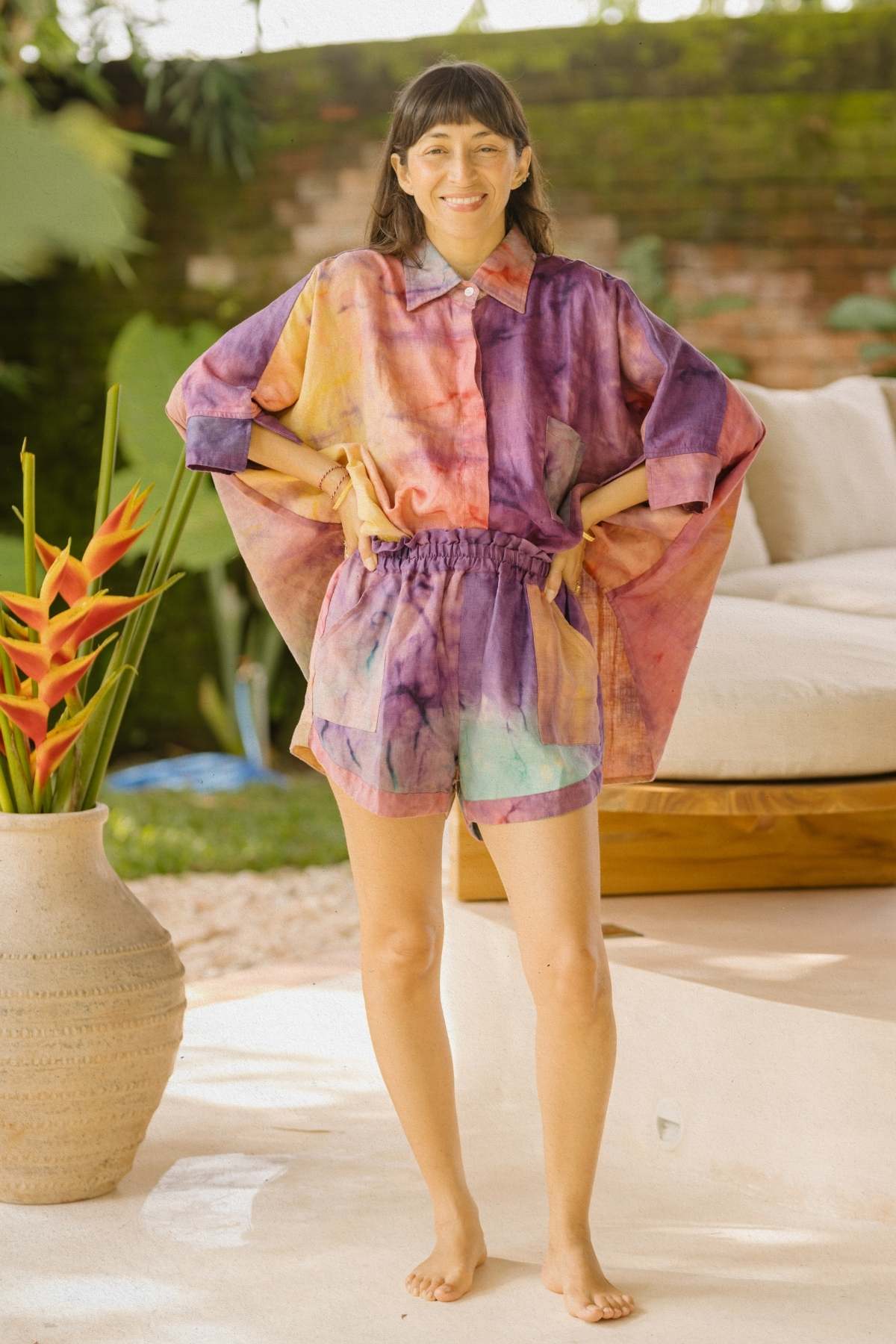
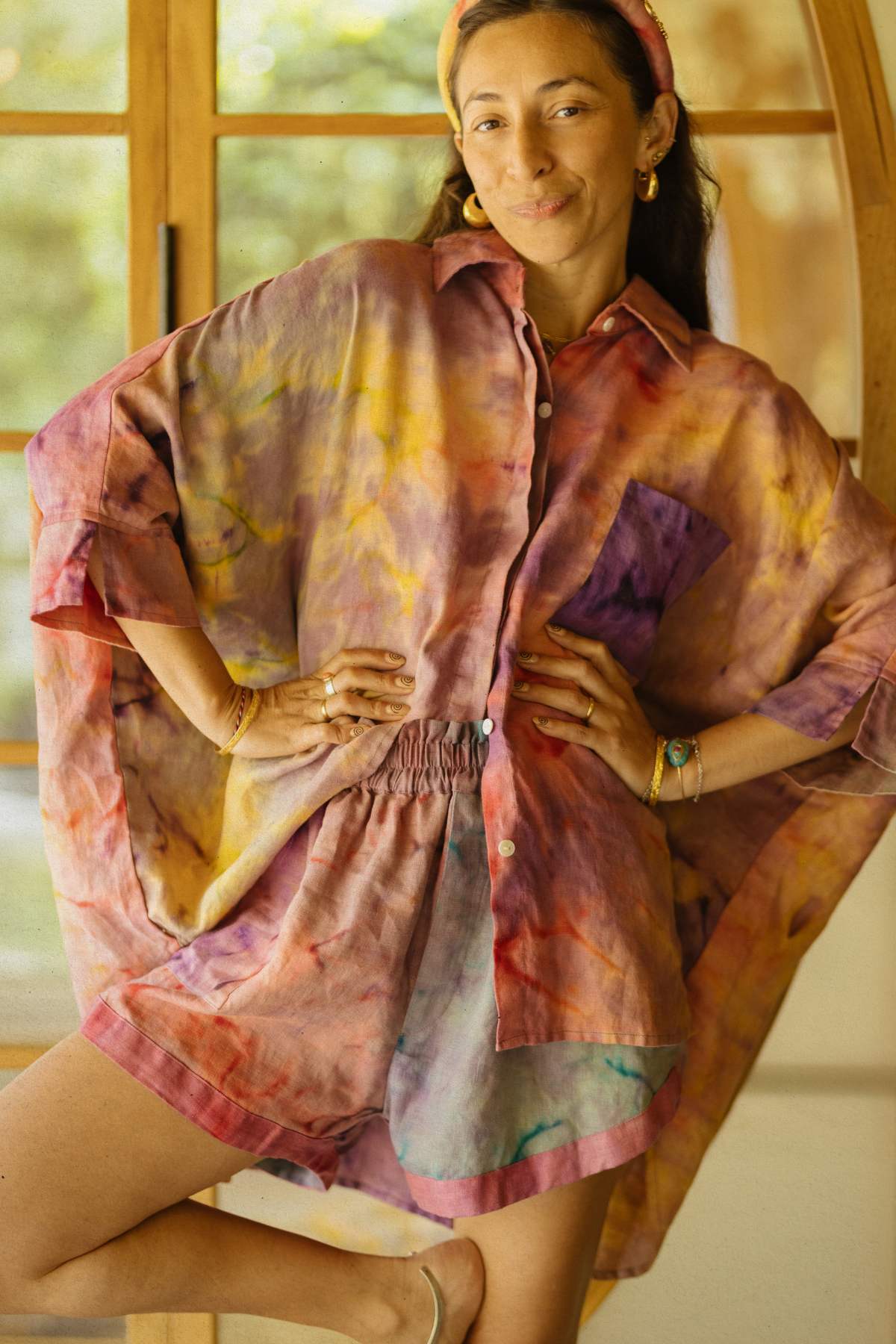
The Devi palette carries a burst of joy. A burst of culture. A living thread back to the roots that made this brand what it is. These colors don't whisper. They celebrate. They remember. They honor.
This is what botanical dye does that synthetic dye cannot. It puts you in relationship with the living world. The color you are wearing came from a plant that was growing in soil that was receiving the same rain you were. That connection is not metaphysical. It is botanical. It is real.
A Piece for This Threshold
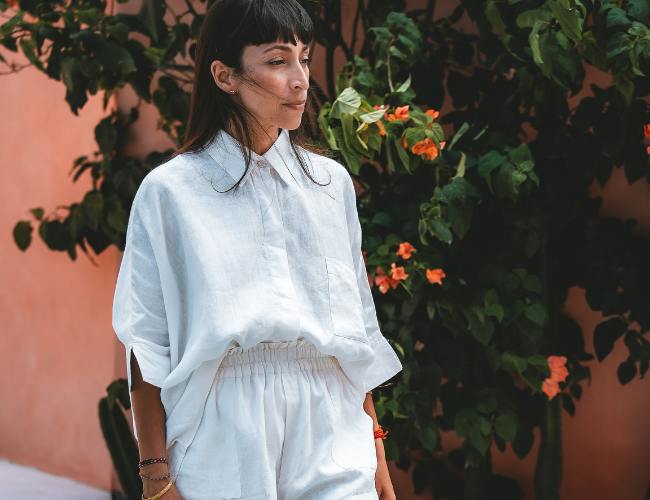
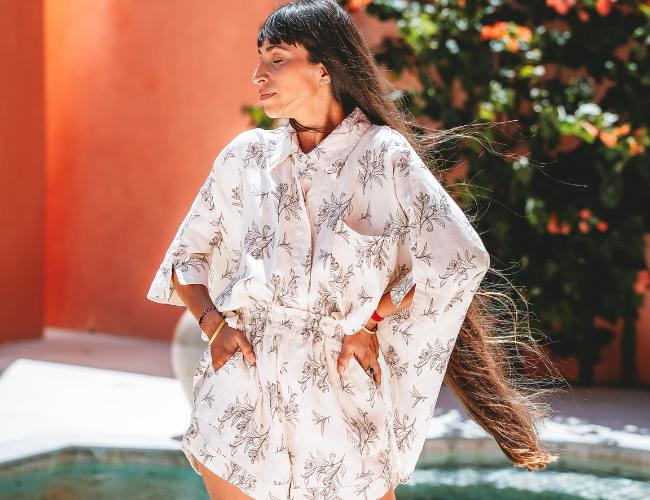
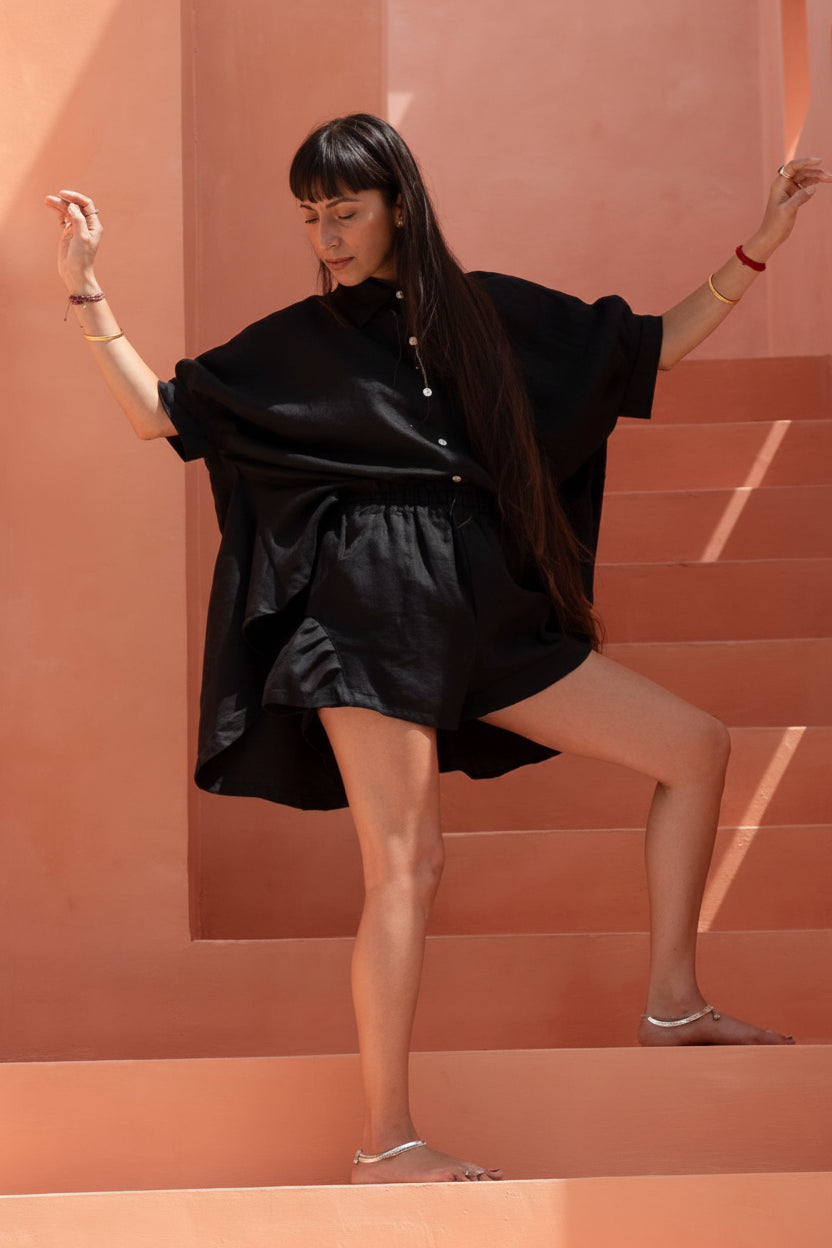
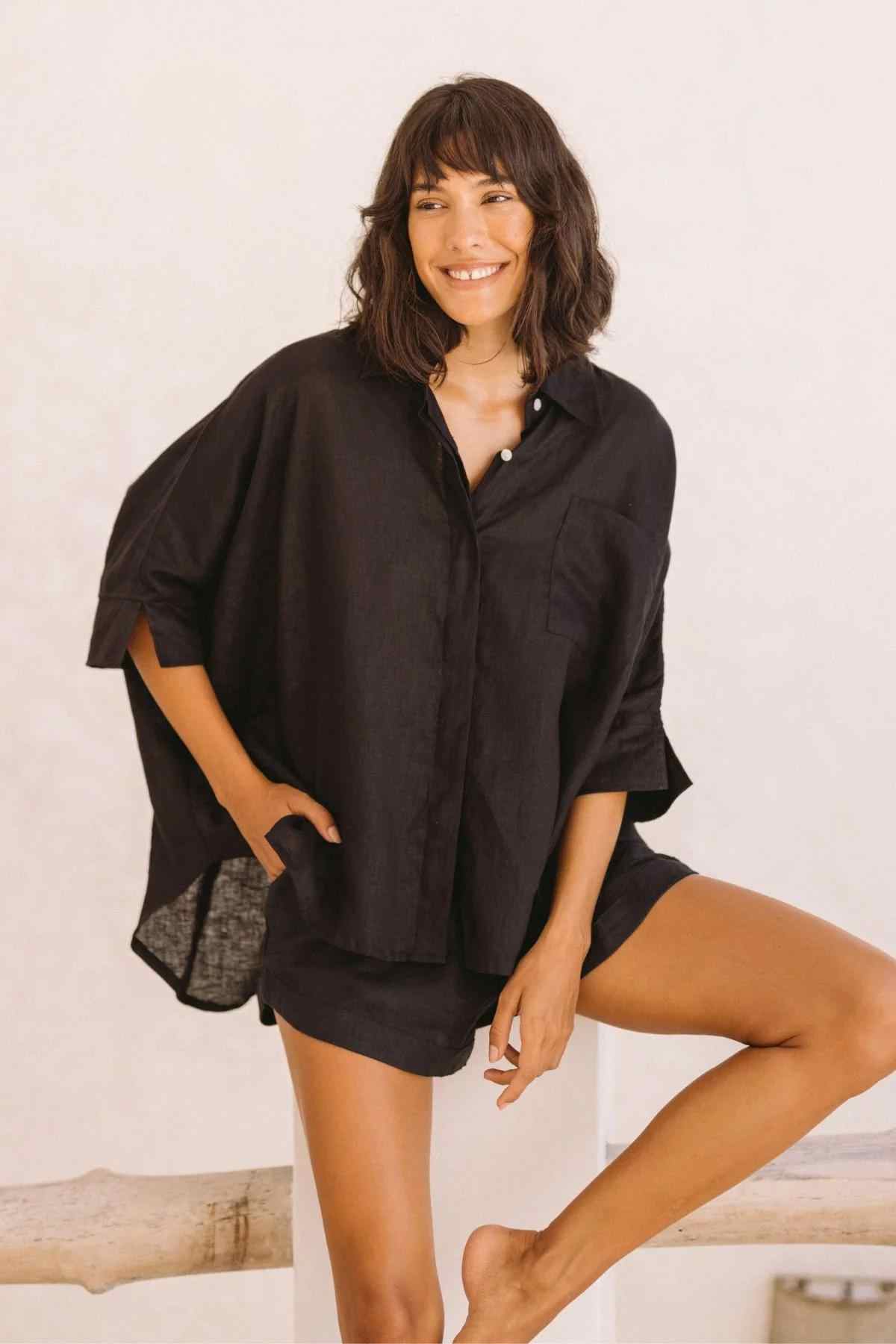
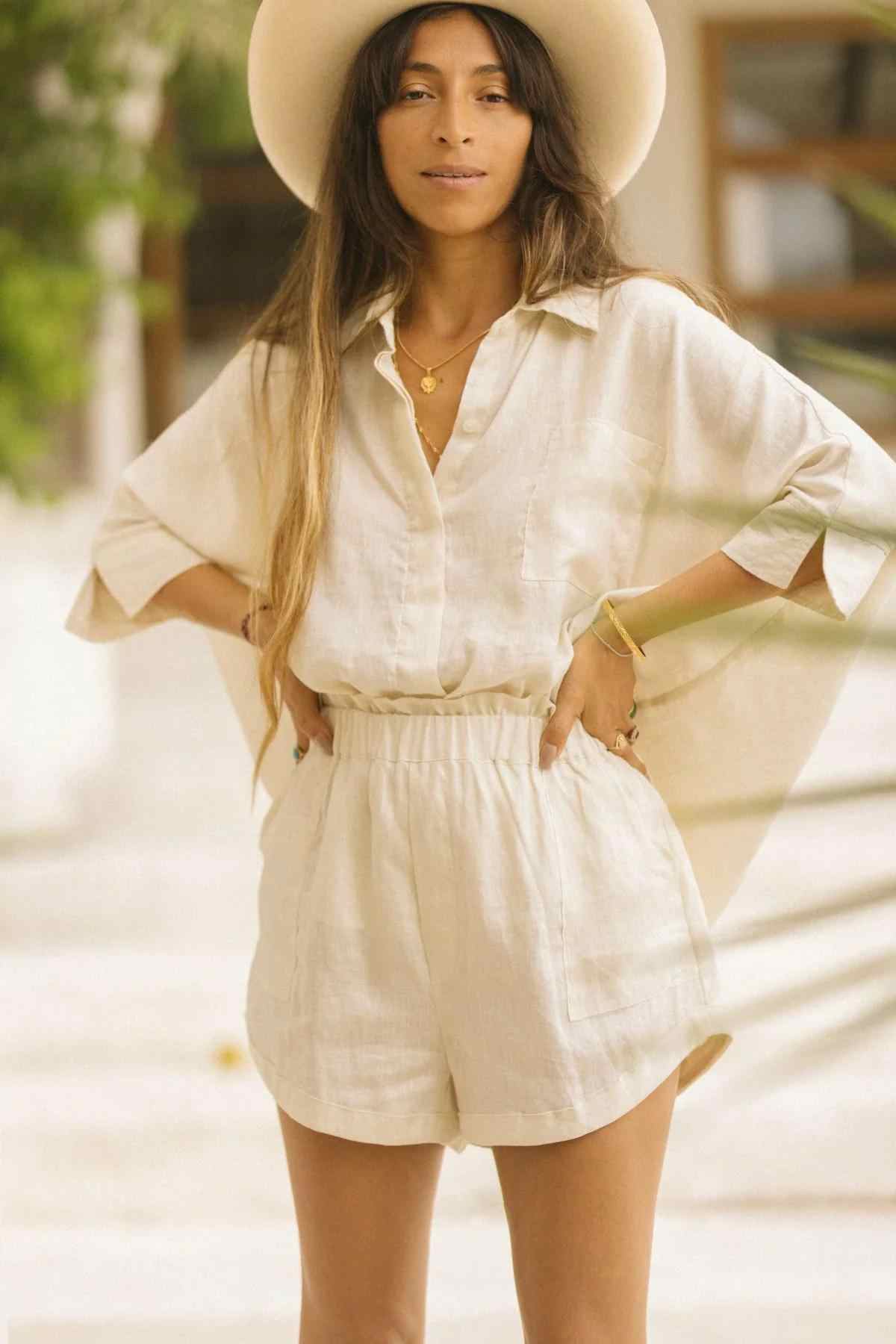
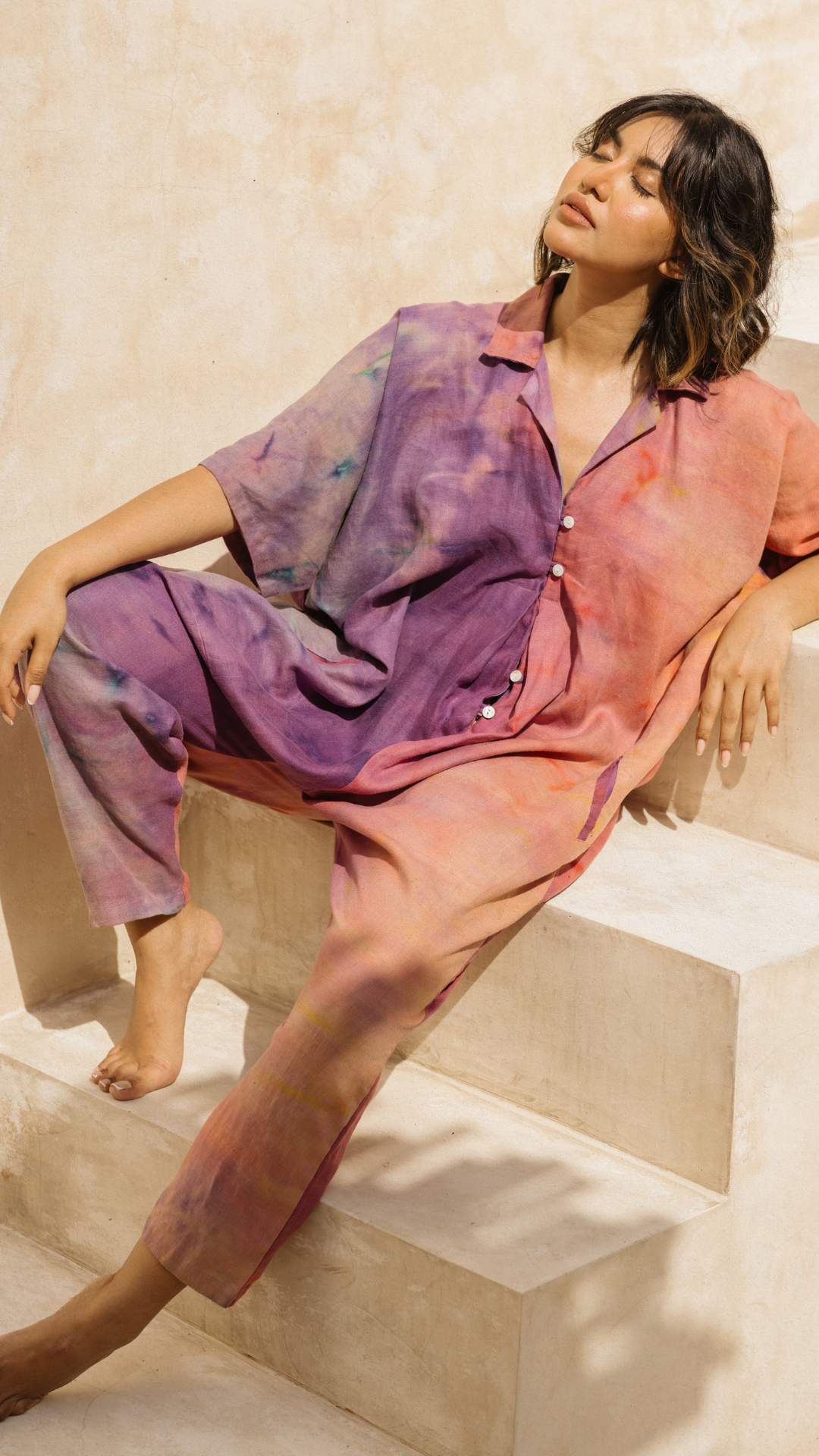
The Kuan Yin Playsuit. Named for the goddess of compassion. Made in the Devi palette, which was born from the understanding that color is not decoration. It is medicine. It is expression. It is a way of being.
Botanically hand-dyed in Bali. Natural linen. Each piece individually crafted over five to seven days. What arrives at your door is truly, entirely yours.
Botanical dye · Natural linen · Devi palette · Handcrafted in Bali

To explore all our botanical dye colorways, visit our new arrivals and our bestsellers.
The Muse-Letter
Dress for the woman you're becoming.
Every week from Bali. Astrology, slow living, sacred feminine, and the pieces we're making by hand. A letter, not a sales pitch.
Unsubscribe any time. No spam, ever.



Leave a comment
This site is protected by hCaptcha and the hCaptcha Privacy Policy and Terms of Service apply.