
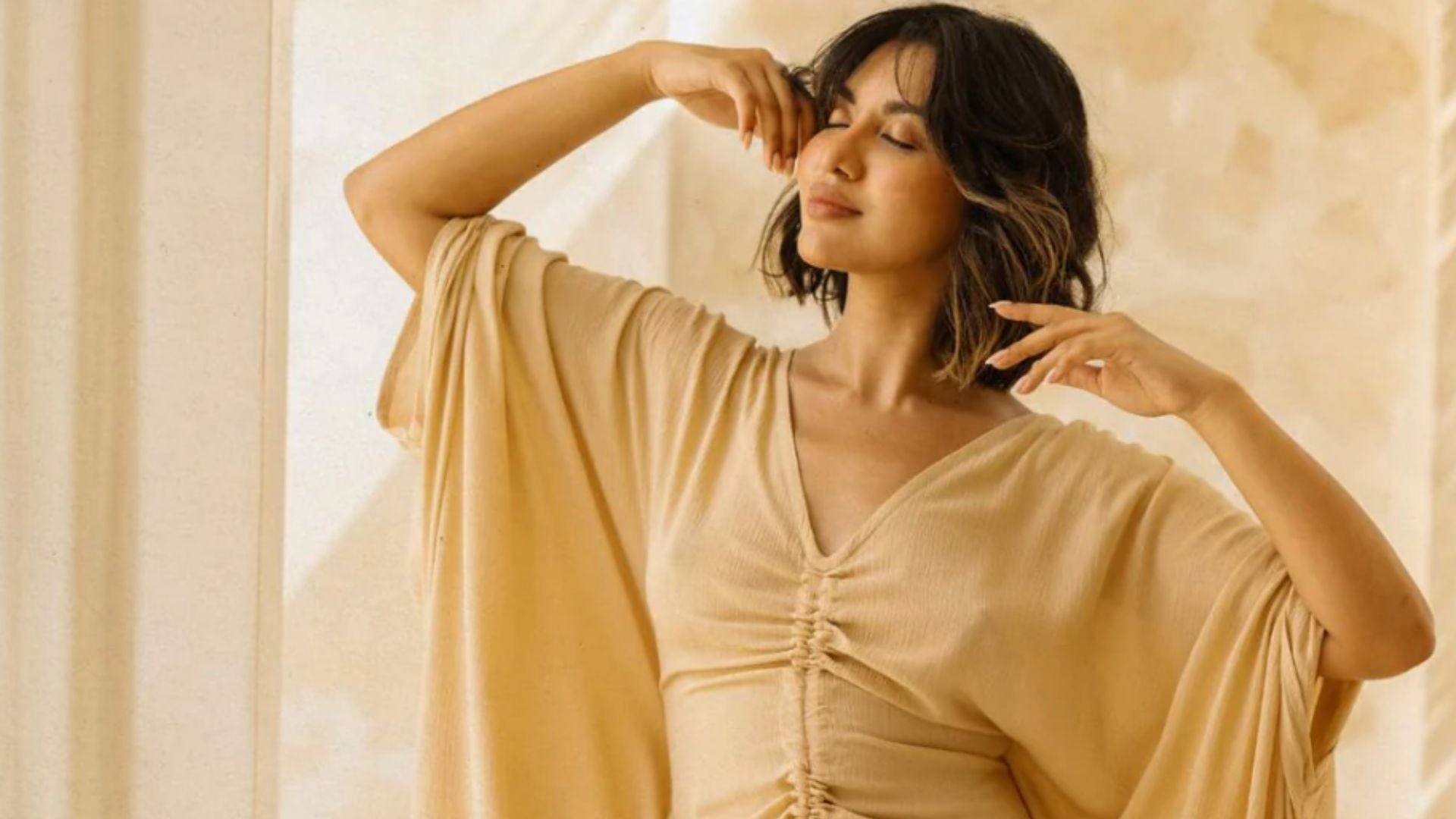
The Kaftan: On the Oldest Silhouette in Conscious Women's Dressing
The kaftan has been with us for four thousand years.
That is not a marketing claim. That is history. The kaftan appears in Mesopotamian records from 2000 BCE. It traveled through the Persian empire, the Ottoman courts, the North African trade routes, the sacred textiles of Hindu and Buddhist traditions. It arrived on women in Bali long before it appeared on a Western runway.
Every time fashion discovers the kaftan, it describes it as a trend. Every time, the kaftan remains after the trend passes. Because the kaftan is not a trend. It is a solution. A deeply intelligent solution to the problem of how to clothe a body beautifully, comfortably, and with full dignity across an enormous range of contexts.
Why the Kaftan Works Across Every Body and Every Season of Life
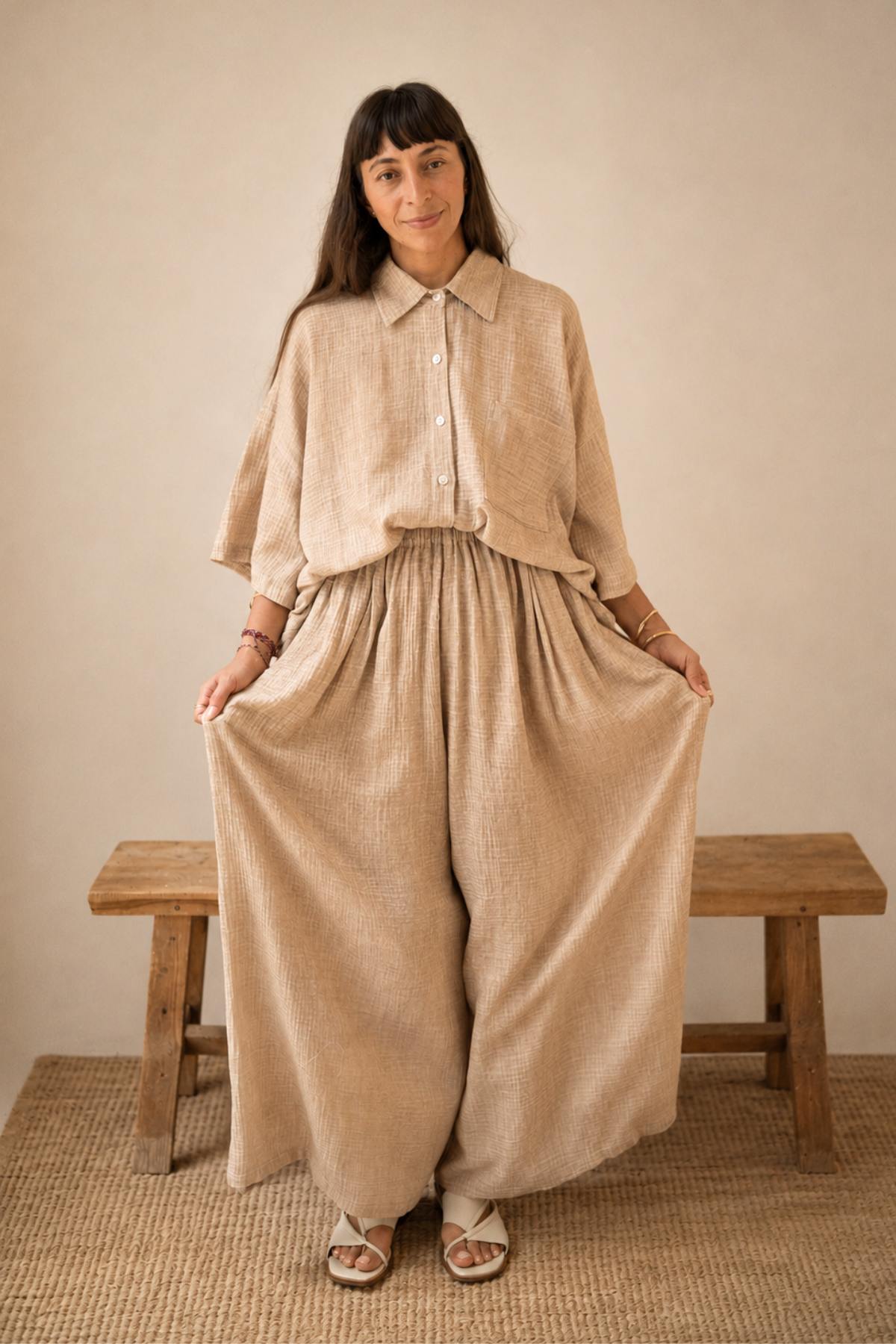
The kaftan works because it does not negotiate with the body. It does not ask the body to conform to a silhouette. It creates a silhouette that moves around the body, holding it loosely, giving it space, allowing it to breathe and shift and expand without the garment reporting on any of it.
In Bali's heat, this is practical. The loose weave of the linen and the generous cut allow air to move through in a way that fitted garments simply cannot. In a ceremony context, the kaftan is inherently respectful. It covers without constraining. It carries presence without requiring effort. In an evening of moving between dinner and conversation and perhaps dancing and then sitting quietly under stars, it handles all of it without asking you to think about it.
The kaftan is one of the few silhouettes that does not require a particular body type, a particular age, or a particular season of life to work. It has housed grieving women and celebrating women. It has been worn the morning after childbirth and to the birthday dinner of a woman turning seventy. It has held women who are at the beginning of something and women who are at the end. It makes no comment on any of it. It simply holds.
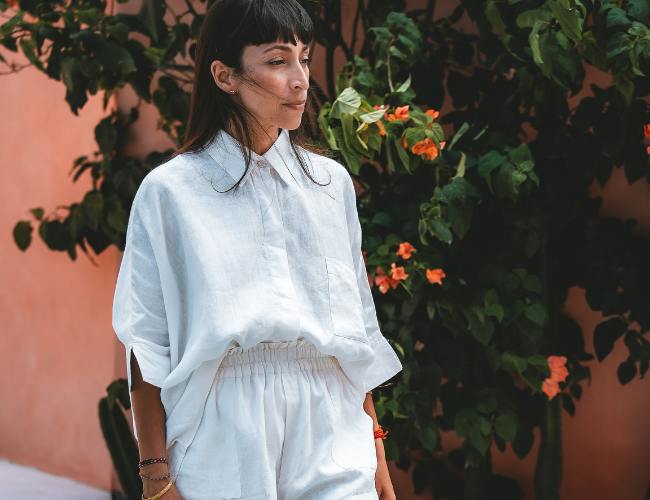
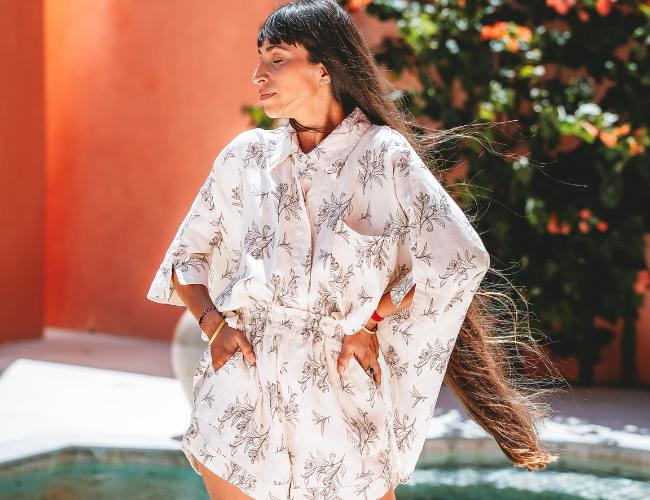
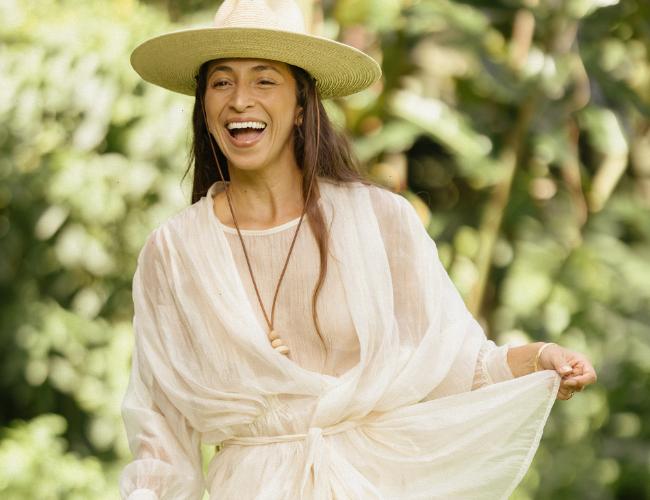
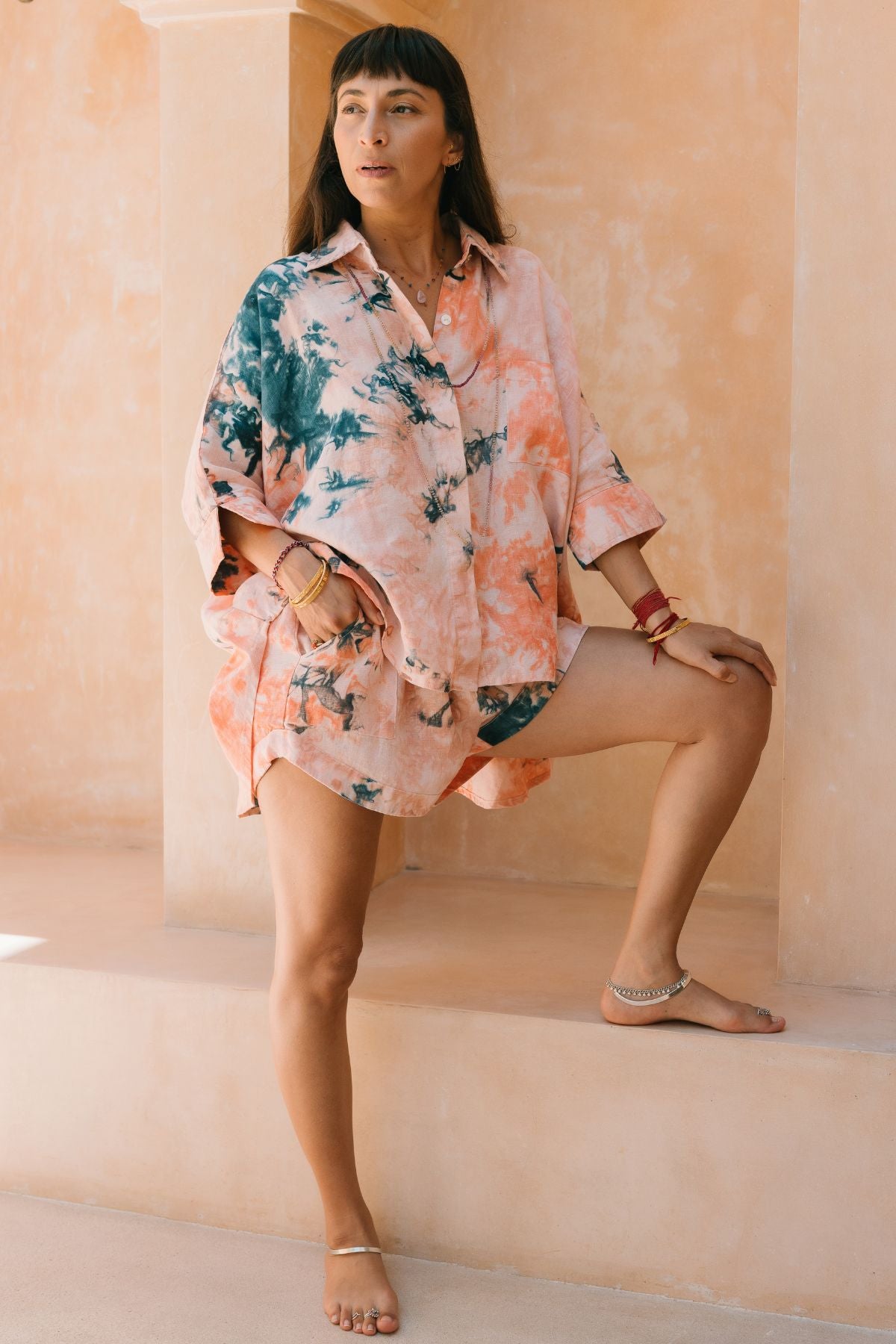
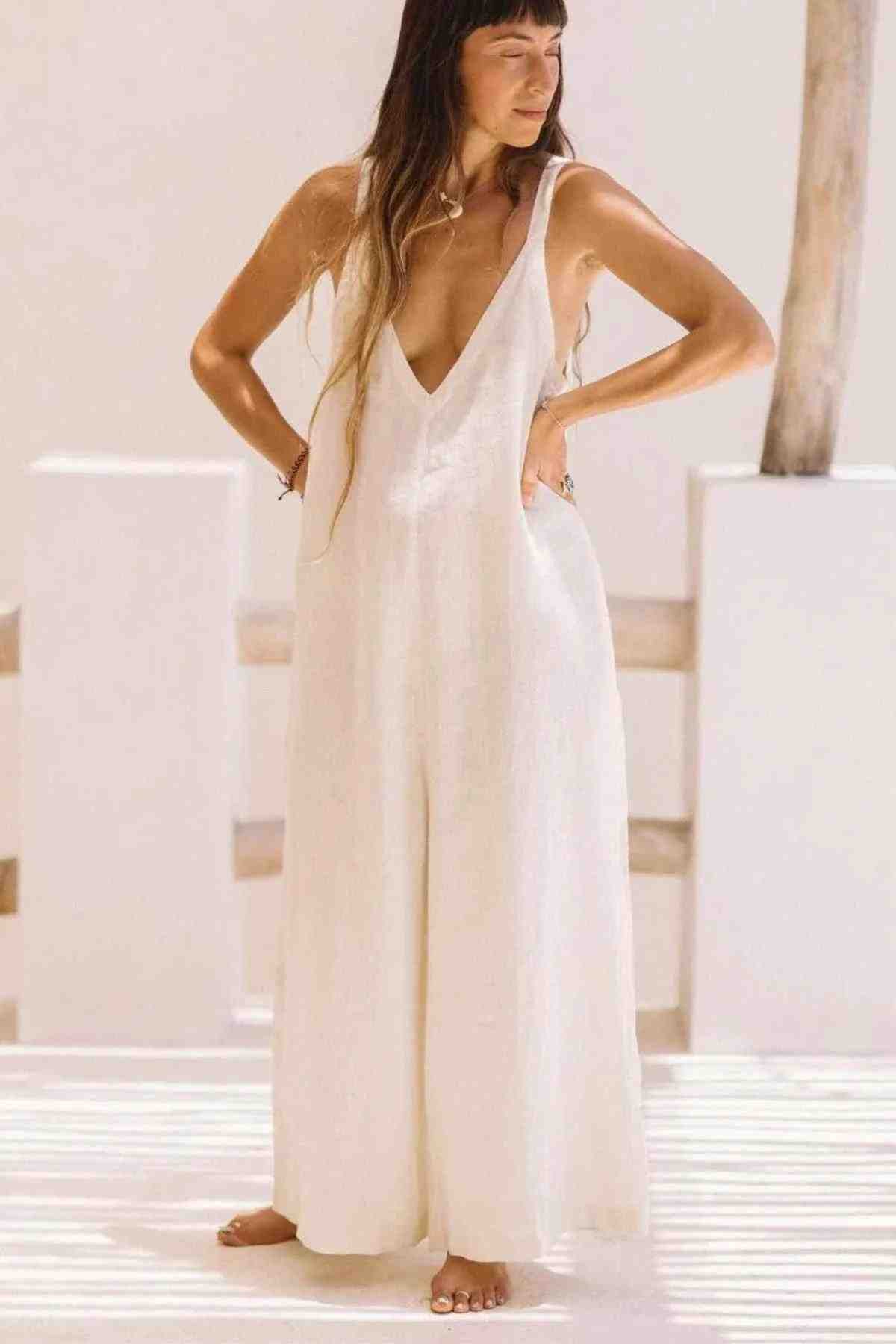
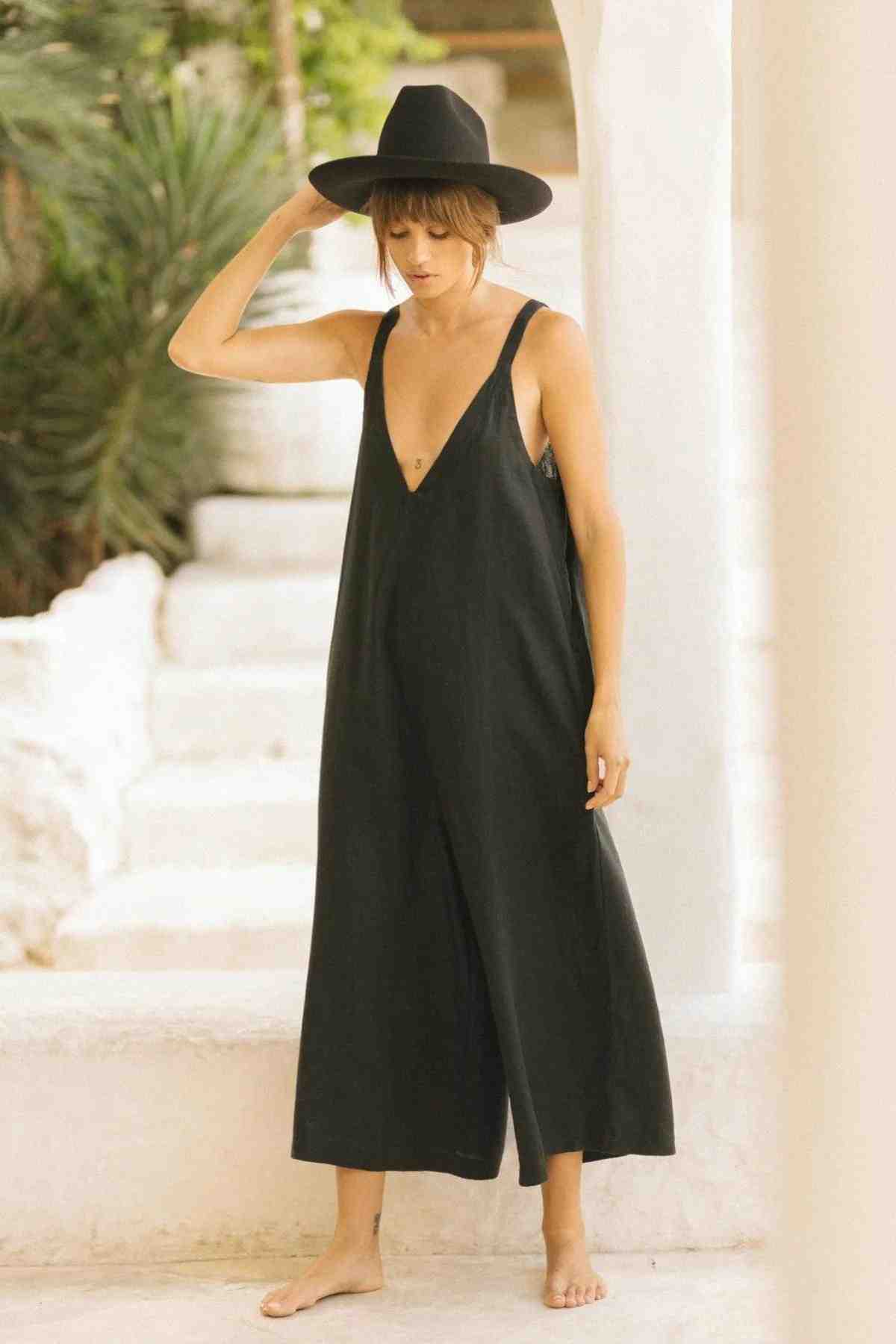
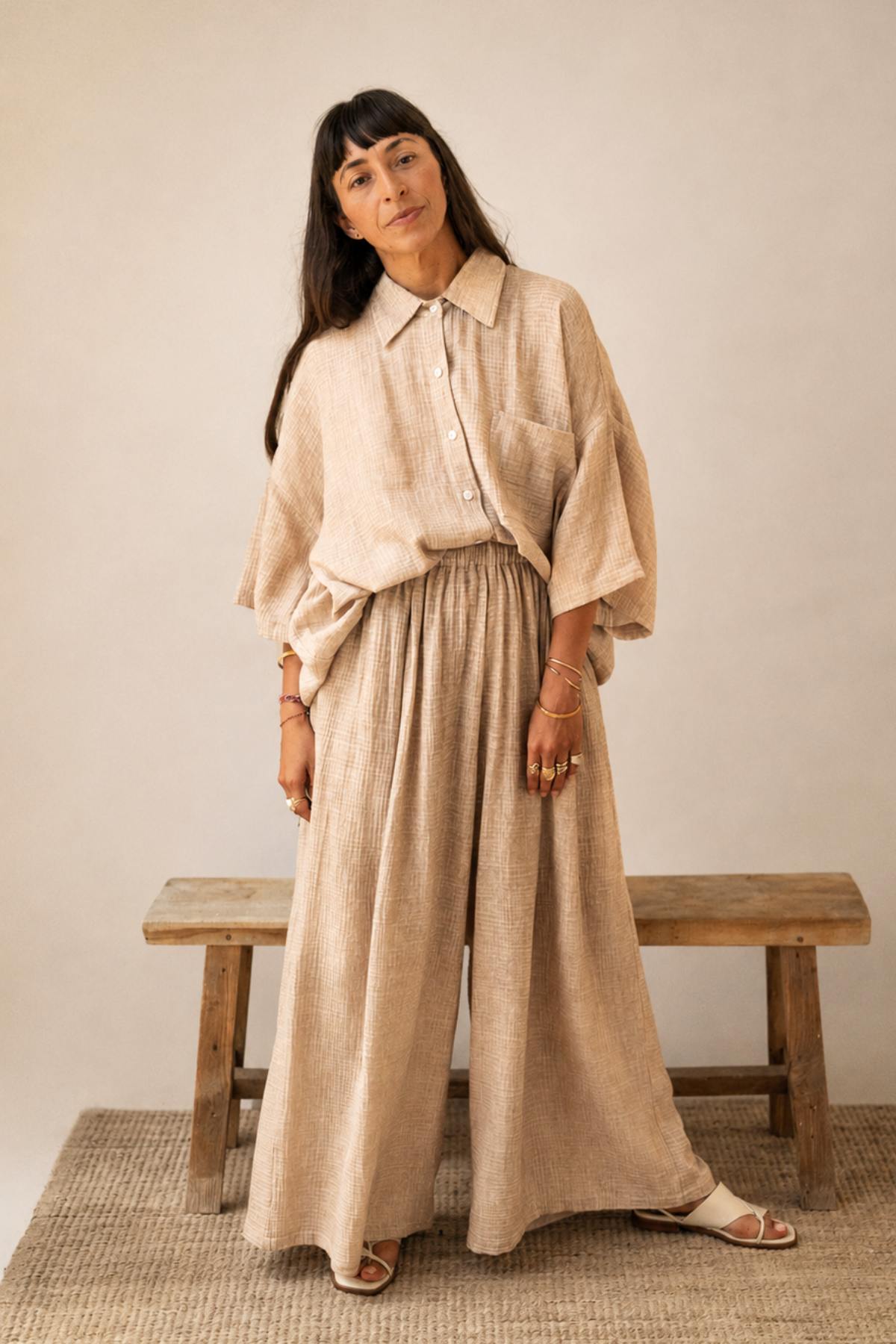
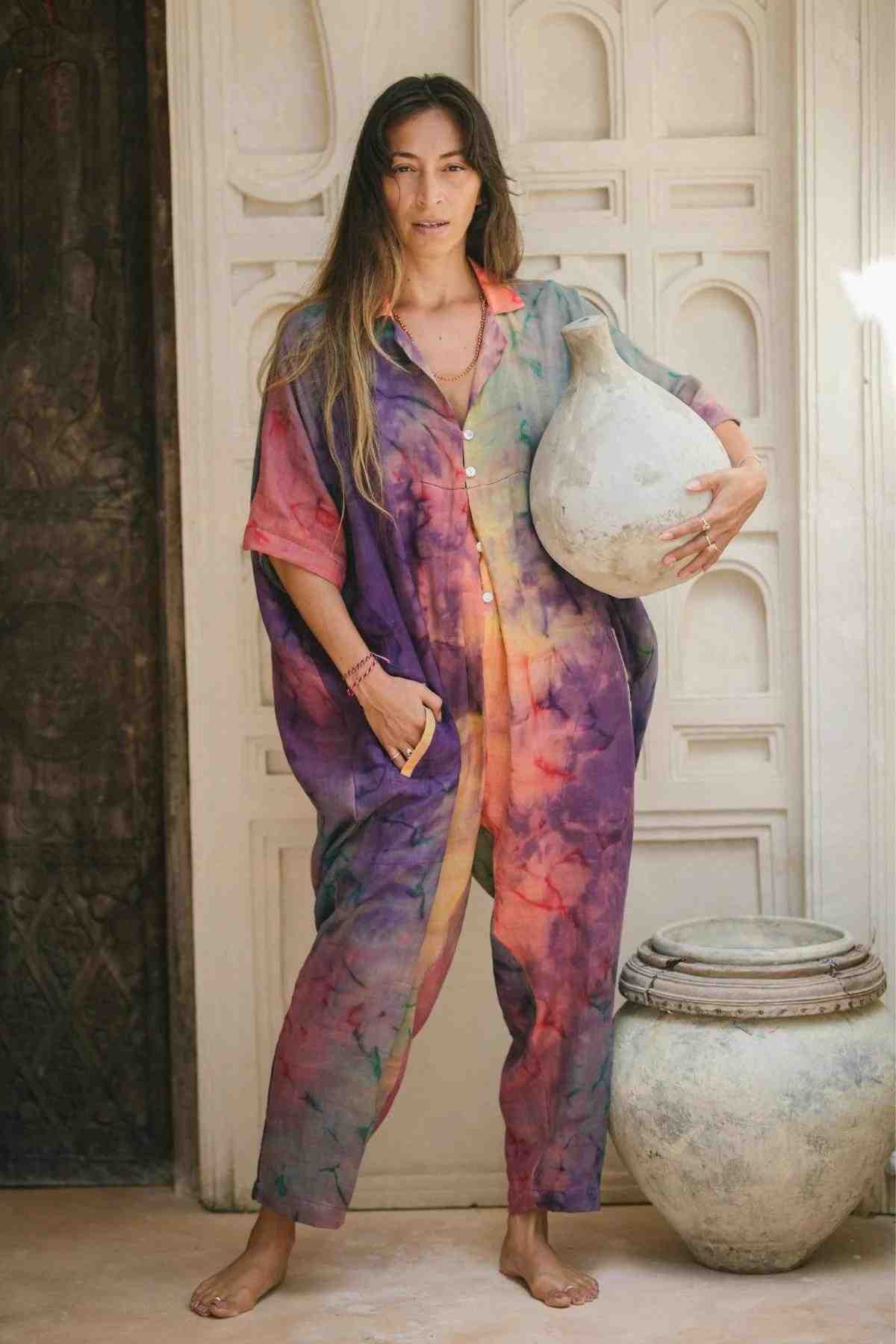
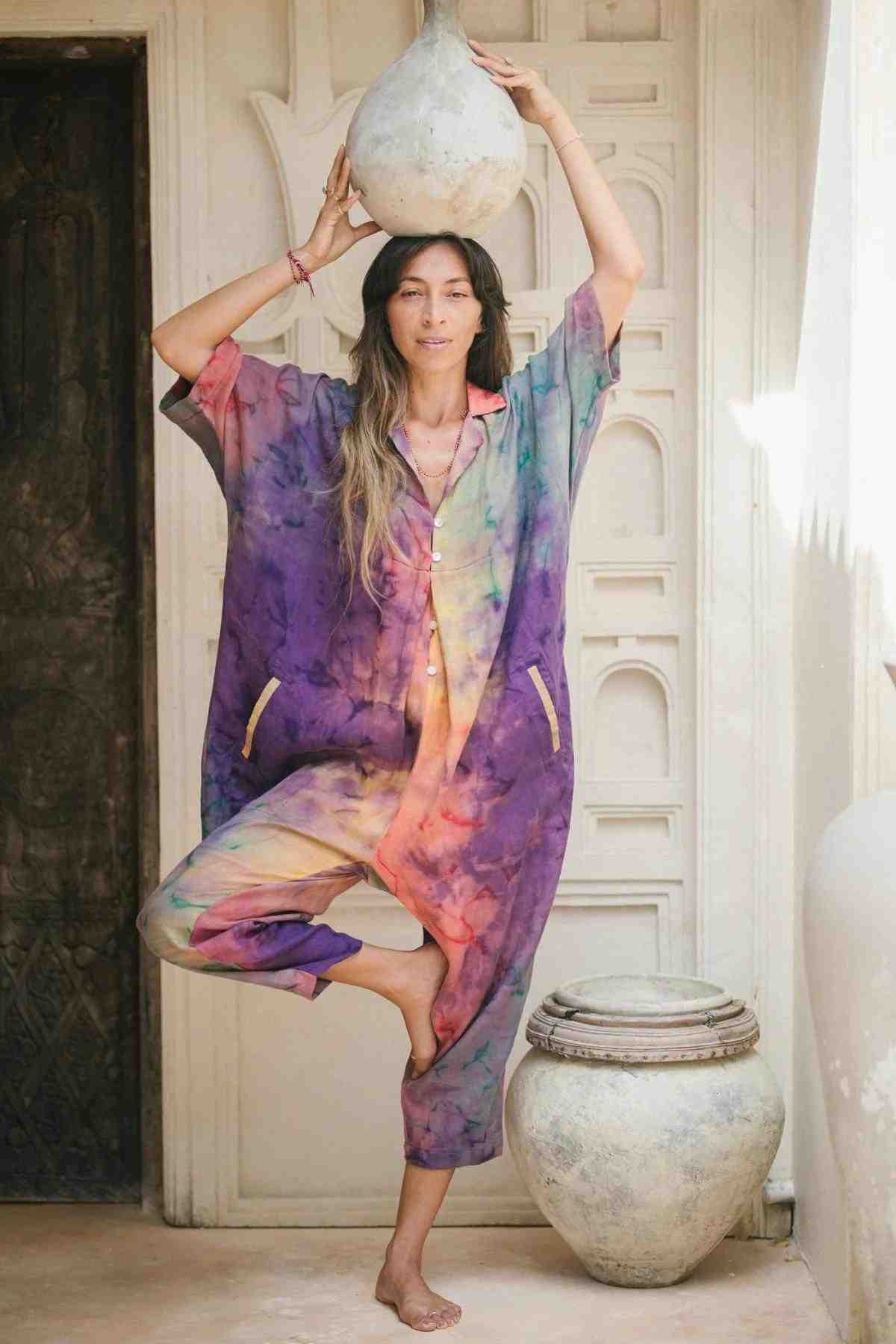
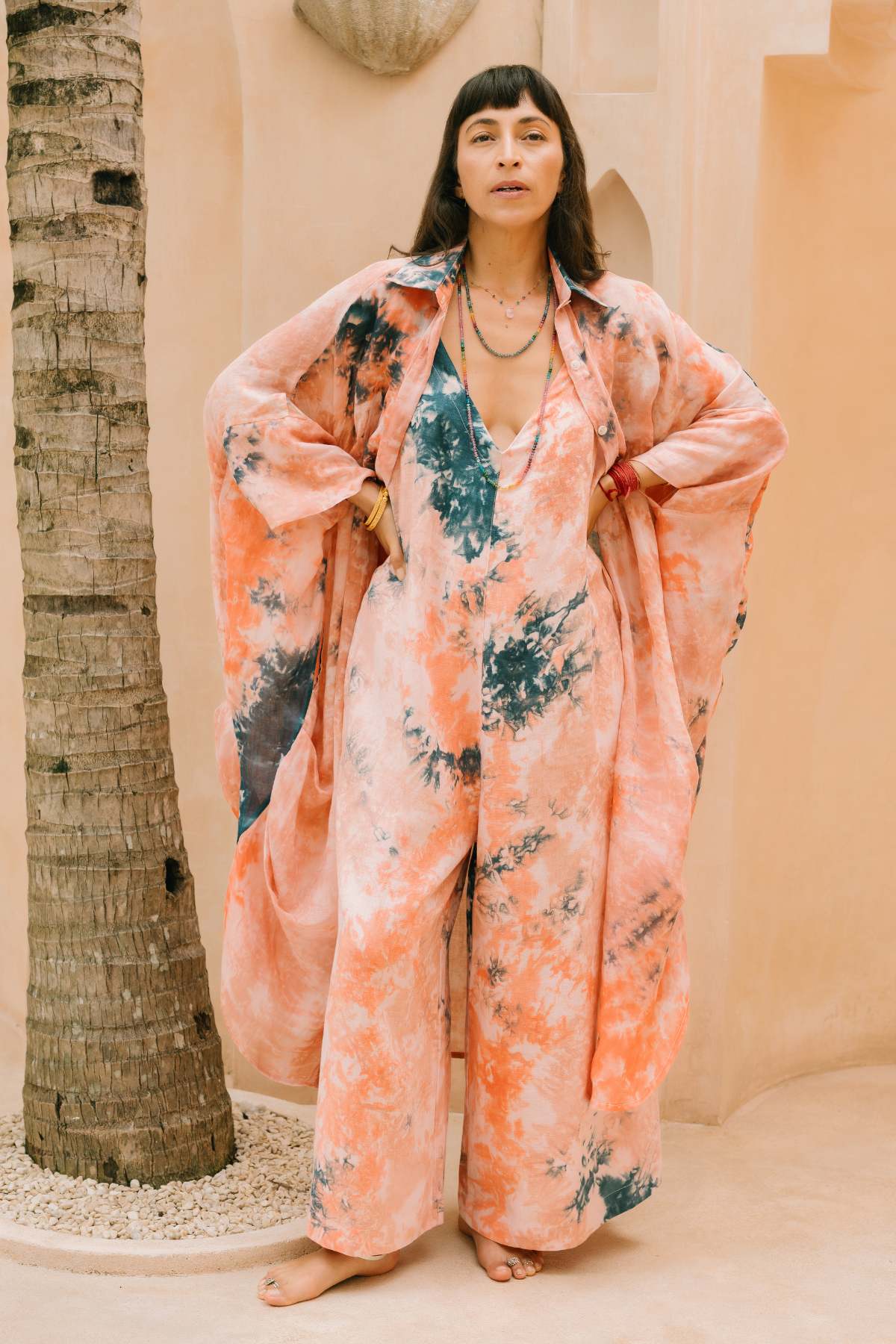
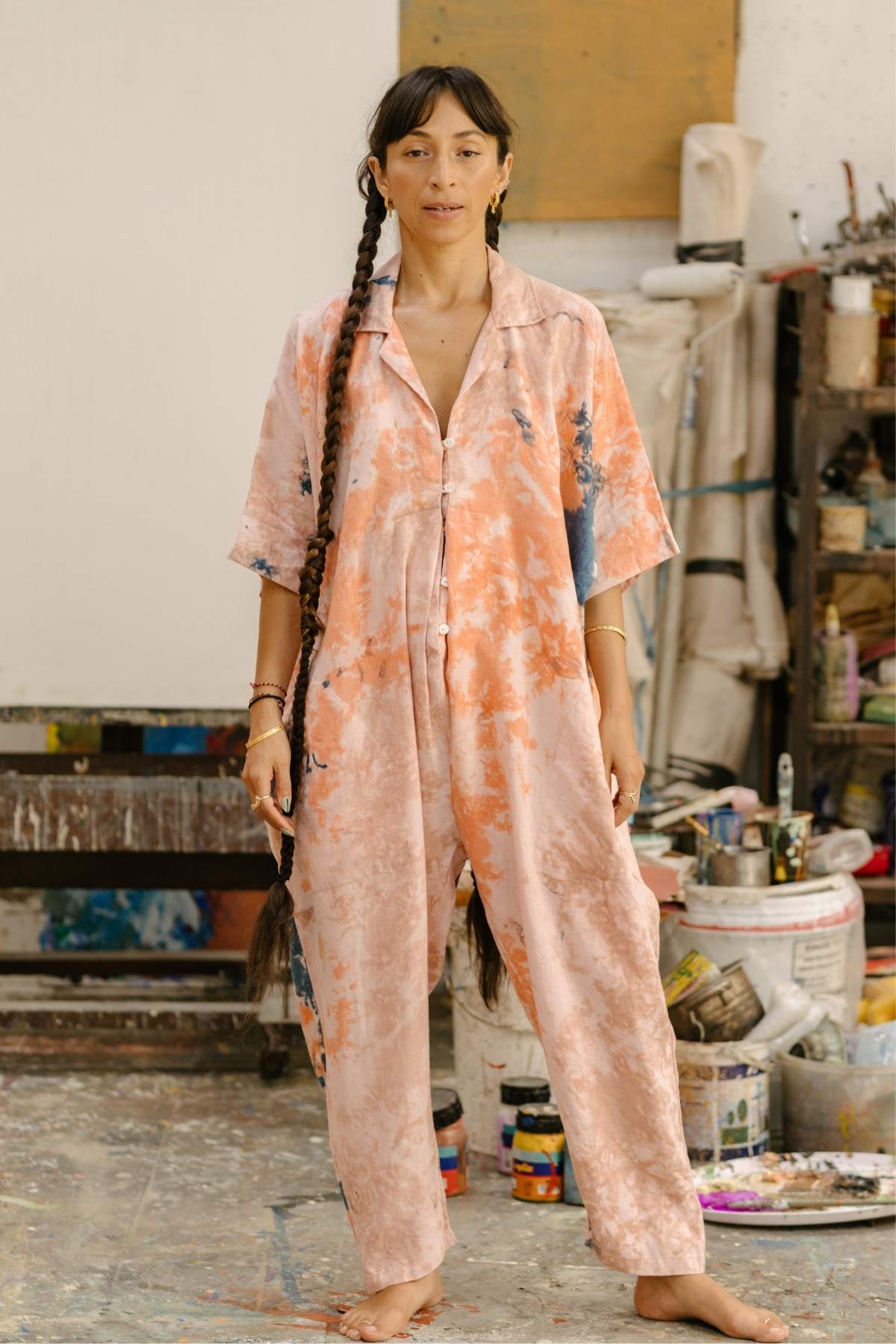
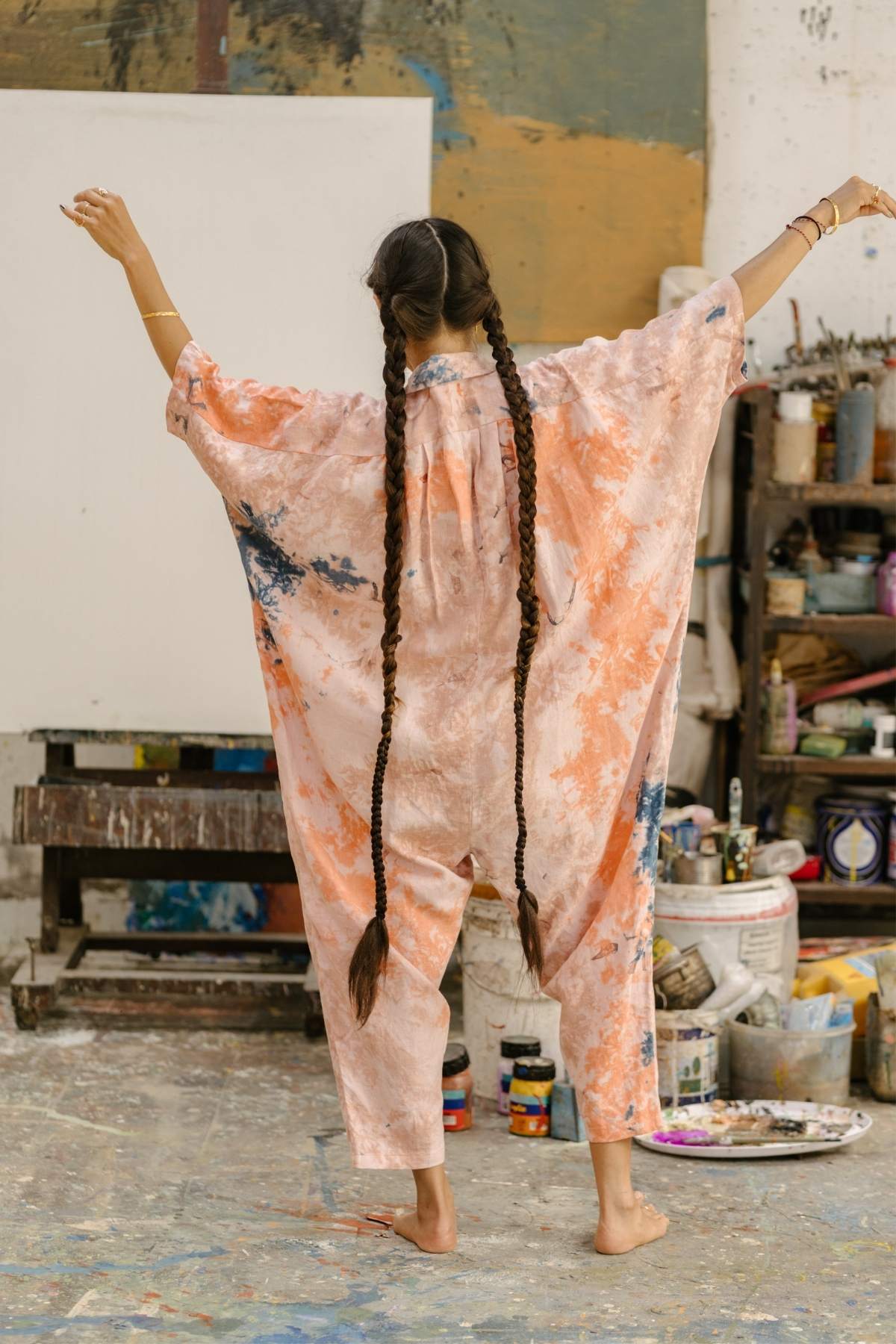
The Virgo Moon Kaftan: What I Have Watched It Do
I have made the Virgo Moon Kaftan in half a dozen colorways now. I have watched women put it on in our studio in Pererenan and go very quiet. Not because they are politely waiting for a verdict from the mirror. Because they have found something.
I have watched women put on the Virgo Moon Kaftan and visibly change. Not perform. Change. Something behind the eyes settles. The shoulders release, not because of the cut, though the cut helps, but because the garment is asking nothing of them and they have not encountered that invitation in a while.
The Virgo Moon is named for the sign that governs precision, honesty, and the kind of beauty that comes from things being exactly what they are. The kaftan honors this. It is exactly what it is. Pure linen, botanical colorways, made by hands that have been working with linen for years. No decorative complexity. No unnecessary detail. The beauty is in the honesty of the materials and the quality of the making.
How to Wear a Kaftan With Full Intention
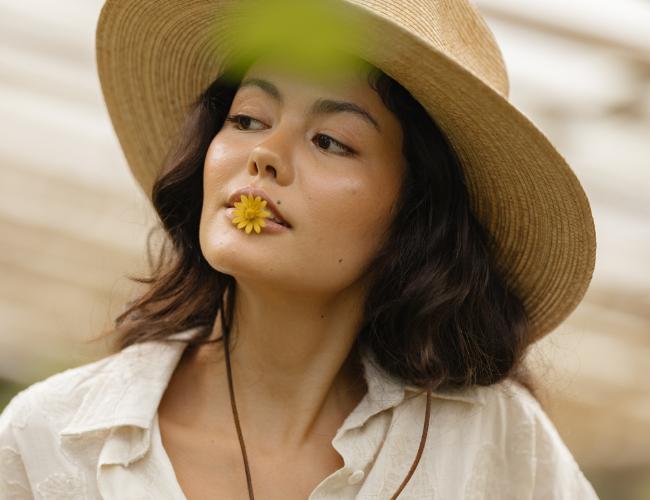
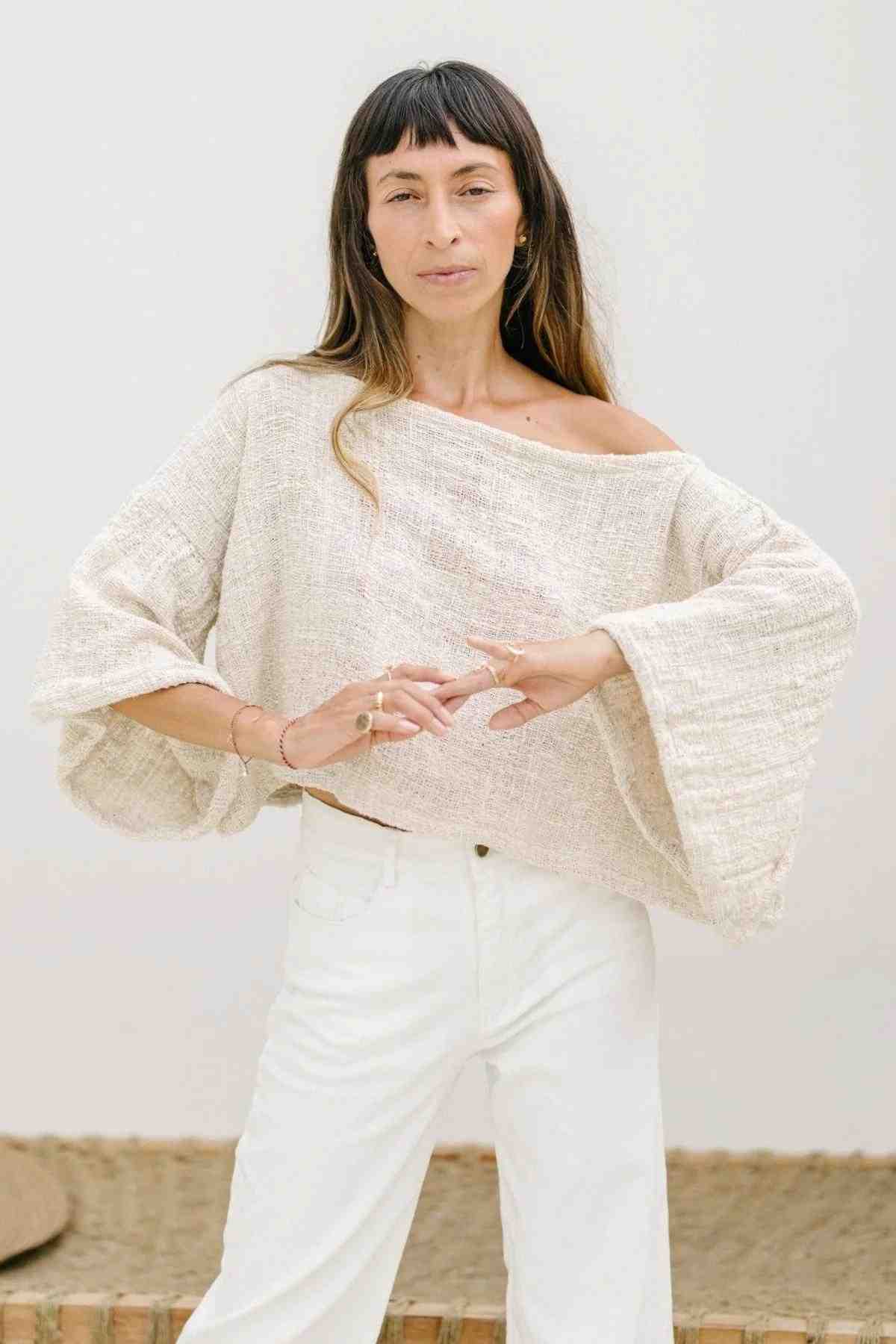
The kaftan rewards simplicity in everything that surrounds it. One piece of jewellery, not three. Bare feet or a single sandal. Hair natural or simply done. The more you add, the more you obscure what the kaftan is trying to do, which is to make you look like yourself, completely and without effort.
For travel, the kaftan is unmatched. It folds flat, takes up almost no space, arrives unwrinkled because linen's relationship with wrinkles is that they disappear when you wear it, and works for every context from the plane to the temple to the dinner table. It is not a compromise. It is intelligence.
For ceremony, whether that is a wedding you are attending, a ritual you are holding, or simply the ceremony of an ordinary evening when you decide to treat the day as sacred, the kaftan is the natural garment. It was made for this. Four thousand years of human history agree.
The kaftan is the silhouette of full permission. Of saying: I am here, entirely as I am, and I have found something beautiful to be here in. For the woman who is already her. Not becoming. Returning.
With love from Bali,
Myrah.
|
A Piece for This Threshold The Virgo Moon Kaftan. Four thousand years of human intelligence about how to clothe a woman with dignity. Made slowly in Bali, in linen, by hands that understand what they are making. |
|
The Muse-Letter Dress for the woman you’re becoming. Every week from Bali. Astrology, slow living, sacred feminine, and the pieces we make by hand. A letter, not a sales pitch. Unsubscribe any time. No spam, ever. |


Leave a comment
This site is protected by hCaptcha and the hCaptcha Privacy Policy and Terms of Service apply.