




Your Essential Bali Travel Guide for the Ultimate Yoga Retreat Experience in 2026
Thinking about a yoga trip to Bali in 2026? It's still the place to be for anyone wanting to deepen their practice or become a yoga teacher. The island, often called the "Island of the Gods," has this special vibe that's hard to match. This guide will walk you through the best spots, how wellness is growing there, and why Bali Yogpeeth is a top choice for yoga teacher training. Get ready for your ultimate Bali travel guide yoga retreat experience.
Key Takeaways
- Bali remains a top spot for yoga and wellness in 2026, embracing regenerative travel and its deep spiritual roots.
- Key yoga hubs include Ubud for spiritual depth, Canggu for a blend of surf and wellness, and Uluwatu for clifftop tranquility.
- Planning involves setting a budget and retreat goals, choosing the best time to visit (considering dry, shoulder, and wet seasons), and booking flights and accommodation wisely.
- Crafting your itinerary means balancing yoga with island exploration, cultural immersion, and prioritizing rest for rejuvenation.
- Essential packing includes comfortable yoga attire, climate-appropriate clothing, and items for cultural respect, while practicalities like visa requirements and airport transfers are important for a smooth trip.
Why Bali Remains The Ultimate Yoga Destination
Bali has cemented its status as a top spot for anyone looking to deepen their yoga practice or even become a teacher. It’s more than just pretty beaches and rice paddies, though it certainly has those in spades. The island has this special vibe, a kind of energy that’s hard to pinpoint but you feel it the moment you arrive. It’s a place where you can really disconnect from the daily grind and reconnect with yourself. Plus, the whole island seems to be geared towards wellness these days, which makes planning a trip so much easier.
Embracing Regenerative Travel in 2026
In 2026, Bali is really leaning into the idea of regenerative travel. This means your visit isn't just about you getting a great experience; it's also about making sure your trip helps the local communities and the environment. Think eco-friendly resorts, locally sourced food, and activities that support Balinese culture. It’s a way to travel that feels good, both for your soul and for the island itself. It’s a refreshing change from just being a tourist.
Bali's Deep Spiritual Heritage
What sets Bali apart is its deep spiritual roots. The island’s yoga scene isn't just a modern trend; it's woven into the fabric of Balinese life, influenced by traditions like Tri Hita Karana. This philosophy focuses on maintaining harmony between people, nature, and the divine. You’ll find this reflected everywhere, from the daily offerings you see on the streets to the peaceful atmosphere in the yoga studios. It adds a layer of authenticity to your practice that you just don't find everywhere.
Diverse Yoga Styles for Every Practitioner
No matter your level or what style you’re into, Bali has you covered. Whether you’re drawn to the flowing movements of Vinyasa, the stillness of Yin, the foundational poses of Hatha, or the dynamic Ashtanga, you'll find excellent teachers and studios. Many places cater to all levels, so even if you're just starting out, you can find a beginner-friendly yoga retreat that fits. It’s a great place to explore different styles and see what works best for you.
Modern Amenities for the Digital Yogi
While Bali is steeped in tradition, it also keeps up with modern needs. Many yoga centers and accommodations offer reliable Wi-Fi, making it easy for those who need to stay connected for work or personal reasons. You’ll also find plenty of cafes and restaurants serving healthy, organic food, often with farm-to-table concepts. It’s the perfect blend of spiritual escape and practical convenience for the modern traveler.
Discover Bali's Premier Yoga Havens
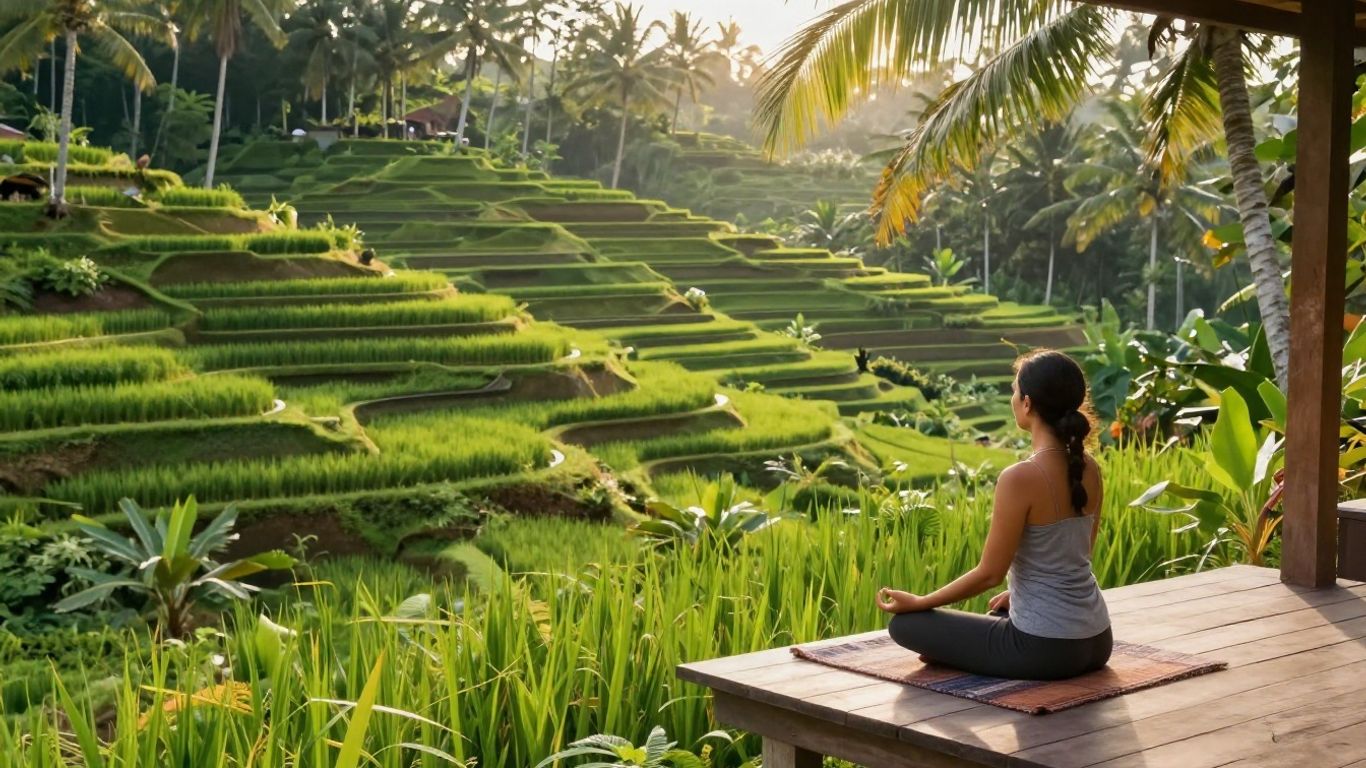
Bali, often called the "Island of the Gods," isn't just a pretty place; it's a global hub for anyone looking to deepen their yoga practice. The island offers distinct vibes depending on where you choose to set up your mat. Each area has its own charm, catering to different types of yogis and retreat-seekers.
Ubud: The Spiritual Heart of Bali
If you're picturing lush rice paddies, quiet temples, and a deep sense of peace, Ubud is likely calling your name. This is where Bali's yoga scene really took root, and it still feels like the spiritual core of the island. It's surrounded by vibrant green landscapes, including the famous Tegallalang rice terraces, making it a perfect spot for introspection and connecting with nature. The vibe here is tranquil and profoundly spiritual, making it ideal for longer retreats or intensive Yoga Teacher Training programs.
- Vibe: Tranquil, nature-focused, deeply spiritual.
- Best For: Extended stays, self-reflection, Yoga Teacher Training (YTT).
- Activities: Meditation, temple visits, nature walks, traditional Balinese healing.
Canggu: The Modern Yogi's Playground
Canggu offers a different kind of energy. It's where surf culture meets a trendy wellness scene. Imagine starting your day with a revitalizing yoga session and then heading out to catch some waves in the afternoon. This area is known for its lively atmosphere, cool cafes serving healthy food, and a strong sense of community. It's a great place if you want to combine your yoga practice with other activities and meet like-minded people.
- Vibe: Trendy, social, energetic, beach-focused.
- Best For: Yoga and surf retreats, connecting with others, vibrant social scene.
- Activities: Surfing, beach yoga, exploring local cafes, sunset watching.
Uluwatu: Clifftop Serenity and Ocean Breezes
For those who find peace listening to the ocean, Uluwatu is a dream. Perched on dramatic cliffs overlooking the Indian Ocean, this area offers breathtaking views and a more relaxed pace of life. The sound of the waves crashing below provides a natural soundtrack to your practice. It's a place where you can truly soak in the natural beauty of Bali while dedicating time to your yoga journey.
- Vibe: Relaxed, scenic, ocean-centric, peaceful.
- Best For: Stunning views, quiet contemplation, yoga with an ocean backdrop.
- Activities: Cliffside yoga, exploring beaches, watching sunsets, visiting the Uluwatu Temple.
Choosing the right spot in Bali really comes down to what you're looking for in your retreat. Whether it's the deep spiritual roots of Ubud, the lively surf-and-yoga mix of Canggu, or the dramatic ocean vistas of Uluwatu, each location offers a unique path to rejuvenation and self-discovery.
Planning Your Transformative Yoga Retreat
Defining Your Budget and Retreat Goals
Getting ready for a yoga retreat in Bali is exciting, but a little planning goes a long way. First things first, you need to figure out how much you can spend and what you really want to get out of this trip. Your budget will shape where you can stay and what activities you can do, while your goals will point you toward the right kind of retreat. Think about everything: flights, where you'll sleep, food, getting around, and any extra fun stuff you want to do. Bali has options for all sorts of budgets, from simple guesthouses to fancy villas.
What are you hoping for? Maybe you want to get better at your yoga poses, try new styles like Vinyasa or Yin, or just find some peace and quiet away from everything. Some people go to connect with others, while some want to learn more about Balinese culture. Knowing this helps you pick the perfect spot.
Here are some common goals people have:
- Deepen Yoga Practice: Focus on daily classes, workshops, and maybe even one-on-one coaching.
- Relax and Recharge: Look for retreats with spa treatments, meditation, and plenty of downtime.
- Learn New Styles: Seek out places that offer a variety of yoga types and experienced teachers.
- Connect with Community: Choose retreats that have group activities and a welcoming atmosphere.
Choosing the Right Time to Visit Bali
Bali is pretty great year-round, but timing your visit can make a difference. The island has a wet season and a dry season. The dry season, usually from April to September, is popular because you get lots of sunshine, which is perfect for exploring and outdoor yoga. It can get a bit busier and prices might be a little higher during this time, especially in July and August.
The wet season, from October to March, brings rain, often in short, heavy bursts, usually in the afternoon. This means fewer crowds and often lower prices. Don't let the rain put you off; the island is still beautiful, and you can find plenty of indoor activities or enjoy the lush greenery that the rain brings. Plus, the humidity can sometimes make for a more intense yoga practice!
Securing Flights and Ideal Accommodation
Once you have your dates and budget sorted, it's time to book your travel. Flights to Denpasar (DPS) are your main option. It's a good idea to book these a few months in advance, especially if you're traveling during peak season, to get better prices. Keep an eye on flight comparison websites and consider flying mid-week if you can, as it's often cheaper.
For accommodation, Bali has tons of choices. You can find dedicated yoga retreat centers that often include meals and classes in their packages. These are great if you want a fully immersive experience. Alternatively, you could book a hotel or villa and arrange your yoga classes separately. This gives you more flexibility to explore different studios and areas. Think about what kind of vibe you want – a quiet, secluded spot or something closer to the action. Reading recent reviews can really help you get a feel for a place before you commit.
Crafting Your Perfect Bali Itinerary
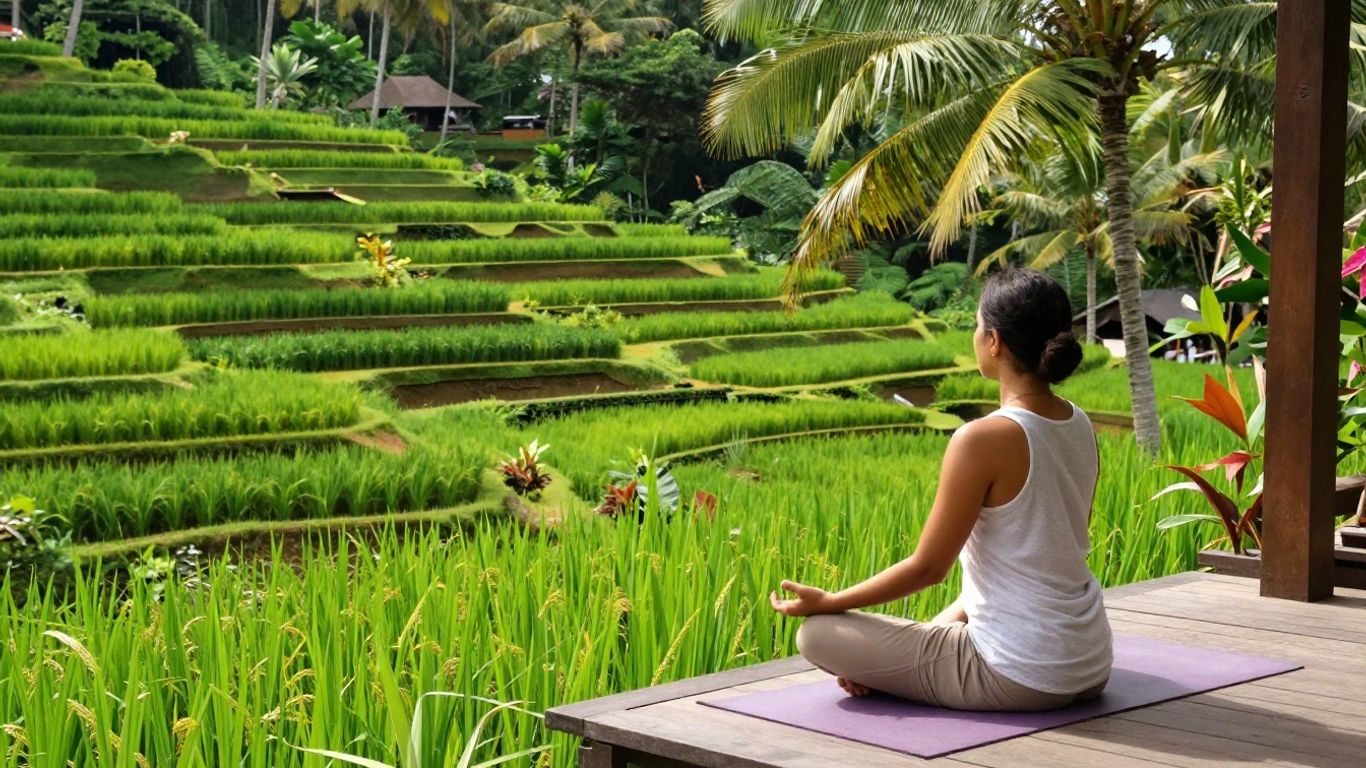
So, you've picked your spot, maybe it's the spiritual heart of Ubud or the breezy clifftops of Uluwatu. Now comes the fun part: actually planning what you'll do. It’s easy to get carried away with all the amazing things Bali has to offer, but remember, this is a yoga retreat. The goal is to find a good balance, not to run yourself ragged trying to see everything.
Defining Your Budget and Retreat Goals
Before you even think about booking flights, sit down and figure out what you actually want from this trip. Are you looking to deepen your yoga practice, maybe explore specific styles like Vinyasa or Yin? Or is it more about disconnecting and finding some inner peace? Your goals will really shape where you stay and what activities you choose. And, of course, there's the budget. Bali can be as affordable or as luxurious as you make it. Think about flights, accommodation, food, local transport, and any special activities or workshops you might want to join. It’s good to have a rough idea of costs so you don’t get any nasty surprises.
Choosing the Right Time to Visit Bali
Bali is pretty much a year-round destination, which is great! The weather is generally warm and humid no matter when you go. However, if you're looking to avoid the biggest crowds and potentially snag better deals on flights and places to stay, aim for the shoulder seasons. Think April to June, or September to November. The peak times are usually July, August, and around the Christmas holidays. If you’re after a quieter, more reflective experience, avoiding these busy periods is a smart move.
Securing Flights and Ideal Accommodation
Once you know your dates and budget, it's time to book. Look for flights into Denpasar (DPS). Booking in advance usually gets you better prices, especially if you're traveling during those peak times. For accommodation, Bali has everything from simple guesthouses to fancy villas. Many yoga retreats include accommodation, but if you're planning your own, consider what kind of vibe you're after. Do you want to be right in the middle of the action, or somewhere more secluded? Websites like Airbnb and Booking.com are good places to start looking, but don't forget to check out local retreat centers that might offer packages.
Balancing Yoga Practice with Island Exploration
This is where the art of itinerary planning really comes in. You don't want to spend your whole trip on the yoga mat, but you also don't want to miss out on the magic of Bali. A good approach is to dedicate your mornings to yoga and meditation, when your energy is highest. Afternoons can be for exploring. Maybe visit some rice terraces, check out a local market, or just find a quiet spot to read. Remember to schedule in downtime. Seriously, just doing nothing is a valid and important part of a retreat!
Immersive Cultural Experiences
Bali is so much more than just yoga. To really get a feel for the island, try to incorporate some cultural activities. This could be anything from taking a Balinese cooking class to visiting a local temple (remember to dress respectfully!). Attending a traditional dance performance or even just chatting with locals can be incredibly rewarding. These experiences add a whole other layer to your trip, connecting you to the spirit of Bali beyond the yoga studio.
Prioritizing Rest and Rejuvenation
Ultimately, a yoga retreat is about coming back to yourself. Don't pack your schedule so tight that you don't have time to simply be. Build in plenty of opportunities for rest. This might mean an extra nap, a long walk on the beach, or simply sitting with a cup of tea and watching the sunset. Listen to your body and your mind. If you need a day to just relax, take it. That's what rejuvenation is all about.
Essential Packing for Your Bali Yoga Journey
Comfortable Yoga Attire and Props
When you're heading to Bali for a yoga retreat, packing the right clothes is pretty important. You'll want things that let you move freely and feel good, especially when you're on the mat. Think lightweight, breathable fabrics that can handle the tropical heat. A few pairs of comfortable yoga pants or leggings are a must, along with some shorts if that's more your style. Don't forget a few supportive sports bras. For tops, lightweight tanks and t-shirts made from quick-drying material are your best bet. They'll keep you cool during practice and are easy to wash and dry.
While many retreat centers provide mats and props, it's always a good idea to check beforehand. If you have a favorite mat that you can't live without, bring it along. Otherwise, you can usually rent or buy one there. A light cardigan or long-sleeved top is handy for cooler evenings or air-conditioned spaces. A sarong is incredibly versatile – use it as a cover-up, a meditation blanket, or even a makeshift towel.
Climate-Appropriate Clothing and Essentials
Beyond your yoga gear, you'll need clothes for exploring and relaxing. Bali is warm year-round, so pack light. Think sundresses, comfortable shorts, and loose-fitting tops. A couple of pairs of long, lightweight pants are good for evenings or visiting more conservative areas. You'll also want a swimsuit or two for the beach or pool. A light rain jacket is a smart addition, just in case you hit one of those tropical showers. Don't forget comfortable walking shoes or sandals for getting around.
Other bits and bobs to consider: a reusable water bottle is a lifesaver for staying hydrated and reducing plastic waste. Sunscreen is non-negotiable, and look for reef-safe options to protect the ocean. Natural insect repellent is also a good idea, especially for evenings. A small daypack will be useful for carrying your essentials when you're out and about.
Items for Cultural Respect and Documentation
When visiting temples or other religious sites in Bali, it's important to dress respectfully. This usually means covering your shoulders and knees. A sarong works perfectly for this, or you can pack a lightweight scarf or a long skirt. It's always better to be prepared. A journal and pen are great for jotting down thoughts, reflections, or any insights you gain during your retreat. And of course, bring your camera or phone to capture the beautiful scenery and memories. Make sure you have the right chargers and adapters for your electronics. A small first-aid kit with basics like band-aids, antiseptic wipes, and pain relievers is also a wise precaution.
Packing smart means you can focus on your practice and enjoying the island, rather than worrying about what you've forgotten. Think layers, comfort, and practicality. Bali is a place where you can truly disconnect, but having your essentials sorted makes the experience smoother.
Embarking on Your 200-Hour Yoga Teacher Training
Thinking about taking your yoga practice to the next level, maybe even becoming a teacher yourself? Bali is still the place to be for this kind of journey in 2026. It's got this special vibe, you know? From the green rice fields to the ocean views, the island just feels different. And when it comes to teacher training, Bali Yogpeeth is a name that keeps popping up. They blend the old-school Indian yoga traditions with the chill Balinese atmosphere, which sounds pretty cool.
The Bali Yogpeeth Difference
What sets Bali Yogpeeth apart? Well, their instructors are a mix of experienced teachers from India and Bali itself. This connection between where yoga started and the island's spiritual energy is something they really focus on. It's not just about getting a certificate; they aim for a real personal transformation. This training is designed to be a deep dive into yourself and the practice.
What to Expect in Your YTT Program
Their 200-hour Yoga Teacher Training (RYT 200) is a 21-day program. It's open to pretty much anyone, whether you're just starting out or have been practicing for a while and want to polish your skills. The program is registered with Yoga Alliance USA, so you'll get credentials that are recognized globally. You'll get into:
- Traditional Curriculum: Expect to study Hatha and Ashtanga Vinyasa styles.
- Anatomy & Philosophy: Learn how the body works and explore the deeper spiritual side of yoga, like the Yoga Sutras.
- Meditation & Pranayama: Daily sessions to help you focus and control your breath.
- Shatkarma: These are traditional yogic cleansing techniques to help you feel refreshed.
Why Choose Bali Yogpeeth for Certification
Choosing where to get your certification is a big deal. Bali Yogpeeth offers a program that feels authentic. They provide nutritious, vegetarian/vegan meals daily, which is great because Bali is known for its amazing plant-based food. Plus, they can arrange airport pickups, making that first step a bit easier. It’s a place that seems to really care about the whole experience, not just the teaching part. They aim to give you a solid foundation so you can confidently teach yoga anywhere in the world.
Navigating Your Bali Travel Logistics
Understanding Visa Requirements for 2026
Getting your paperwork sorted before you even think about packing is a smart move. For most visitors planning a yoga retreat in Bali, a Visa on Arrival (VOA) is usually the way to go. This typically allows for a 30-day stay and can often be extended for another 30 days. However, rules can change, so it's always best to check the official Indonesian immigration website or your country's embassy for the most up-to-date information closer to your travel date. Don't leave this to the last minute; visa stuff can be a headache if you rush it.
Estimating Your Bali Retreat Costs
Figuring out your budget is key. Bali can be surprisingly affordable, but costs add up. Here's a rough idea of what to expect:
| Category | Estimated Cost (USD) | Notes |
|---|---|---|
| Flights (Round Trip) | $800 - $1500 | Varies greatly by origin and booking time |
| Accommodation (Retreat) | $700 - $2000+ | Depends on luxury and duration |
| Visa (VOA) | $35 - $50 | Subject to change |
| Food | $15 - $40 per day | Local warungs are cheapest |
| Activities/Excursions | $20 - $100 per day | Depends on what you choose to do |
| Local Transport | $5 - $20 per day | Scooters, taxis, ride-sharing apps |
| Travel Insurance | $50 - $150 | Highly recommended |
Remember, these are just estimates. Your personal spending habits and the specific retreat you choose will influence the final cost. It's always wise to add a buffer for unexpected expenses.
Seamless Airport Transfers to Your Retreat
Landing at Denpasar International Airport (DPS) is just the first step. Many yoga retreats will offer airport pick-up services, which is often the easiest option. If yours doesn't, or if you prefer more flexibility, you can arrange a taxi at the official counter in the arrivals hall. Ride-sharing apps like Gojek and Grab are also popular and can be more affordable, but you might need to walk a short distance from the terminal to meet your driver. The drive to popular areas like Ubud or Canggu can take anywhere from 1 to 2 hours, depending on traffic. Pre-booking a transfer through your accommodation or a reputable local service is often the most stress-free way to start your journey.
Planning your trip involves a bit of homework, but it's totally worth it. Think about what you want from your retreat – is it pure relaxation, deep spiritual work, or a mix of both? Knowing this helps you pick the right place and budget. Bali is amazing, and getting the logistics right means you can just focus on soaking it all in when you arrive.
Ready for Your Bali Yoga Adventure?
So, there you have it. Bali in 2026 is still the place to be if you're looking to really connect with your yoga practice or even start teaching. Whether you're drawn to the quiet jungles of Ubud or the surf vibes of Canggu, the island has a special kind of magic. We've covered a lot, from picking the right spot to packing your bags, and hopefully, this guide makes planning your trip a little less daunting. Remember, it's not just about the yoga poses; it's about the whole experience – the culture, the food, and the chance to just breathe. Go ahead, book that flight, and get ready for a journey that might just change things for you.
Frequently Asked Questions
Is Bali a safe place for someone traveling alone in 2026?
Yes, Bali is generally very safe for solo travelers. People there are usually respectful. Just remember to use common sense, like you would anywhere else.
Do I need to be a super experienced yogi to join a teacher training program?
No way! Most teacher training programs are made for anyone who loves yoga, whether you're just starting out or have been practicing for a while. They want to help you grow.
How much does a typical yoga class cost in Bali?
You can expect to pay around $9 to $12 for a single yoga class. Some might be a bit more or less, depending on the studio.
Can I teach yoga in Bali after I get my certification?
Getting certified is one thing, but teaching legally in Bali requires special papers. Many people who train in Bali end up teaching back home or online.
What are the must-have items to pack for a yoga trip to Bali?
Definitely pack comfy yoga clothes that let you move easily. Also, bring a reusable water bottle, sunscreen that's good for the ocean, and maybe a light scarf or shawl for visiting temples.
Is the food at Bali yoga retreats usually vegan-friendly?
Totally! Bali is famous for its amazing plant-based food. Many retreats, especially yoga ones, offer delicious vegetarian and vegan meals that are healthy and tasty.



















Leave a comment
This site is protected by hCaptcha and the hCaptcha Privacy Policy and Terms of Service apply.