

What is cotton muslin?
Cotton muslin is a lightweight, loosely woven cotton fabric known for its breathability and softness. The open plain weave lets air pass through the cloth freely, which is why muslin has dressed people in hot climates for centuries, and why it is often washed before sewing until it reaches a softness people compare to a baby blanket. That comparison is not an accident. Baby swaddles are usually muslin.

Where muslin comes from
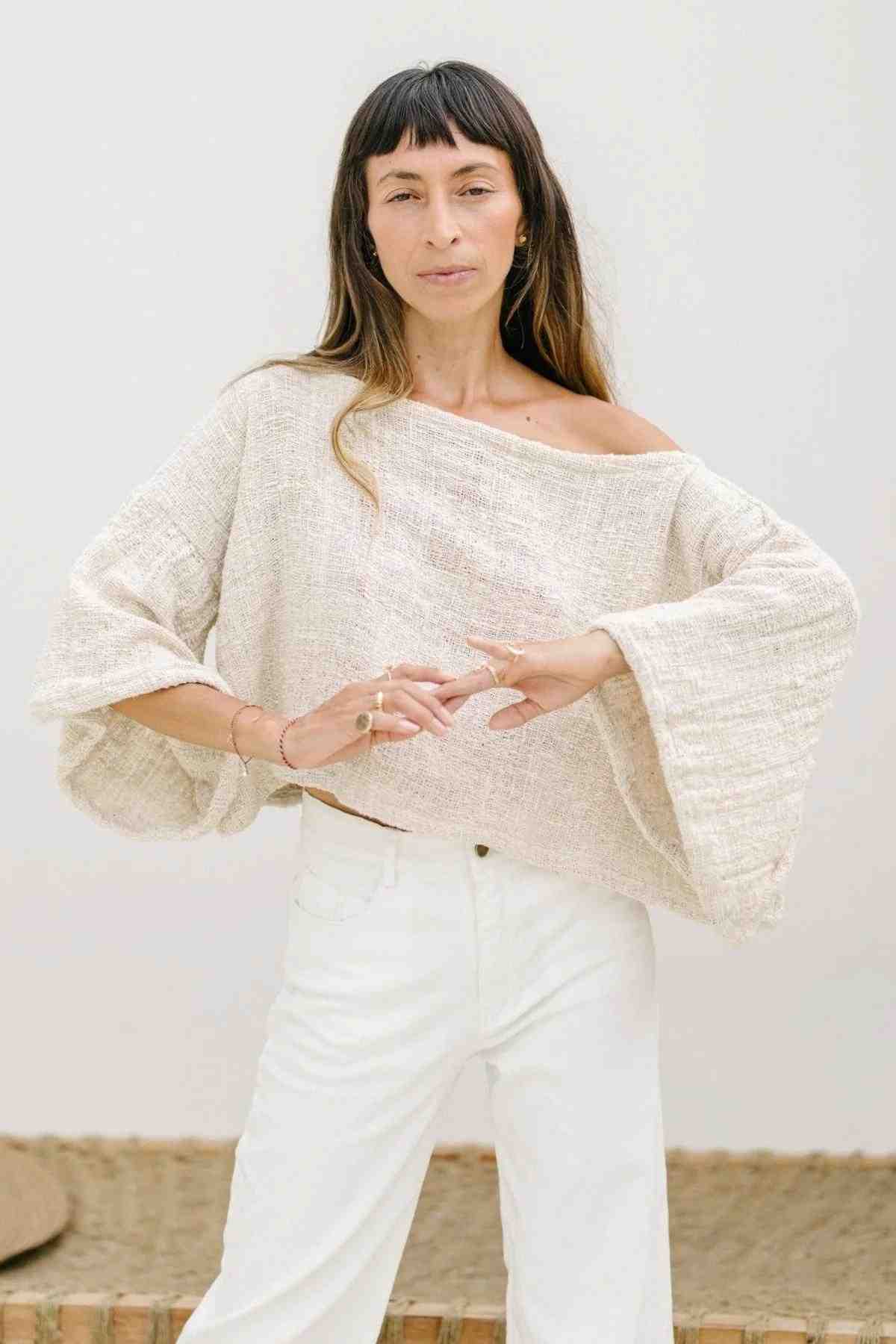
Muslin is one of the oldest fine fabrics in the world. The most legendary muslins were hand woven in Bengal, around Dhaka, centuries ago, so fine that a full dress length could reportedly pass through a ring. Traders carried it along the same routes that carried tea and spice. The muslin we work with today is sturdier than those museum-grade cloths, but it keeps the qualities that made the fabric famous. Light weight. Open weave. Air moving through it constantly.
Why muslin feels so soft
Two reasons. The first is the weave. Because the threads sit loosely against each other, the fabric has nowhere to be stiff. The second is the washing. Good muslin is washed, and washed again, before it is ever cut. Each wash relaxes the cotton fibres a little more. Our muslin arrives at the families already baby-soft, and then it keeps going. Every wash you give it at home continues the work.
Muslin vs linen: which is better for hot weather?
We make clothing in both, so we can be honest here. Both are natural, breathable, and at home in heat. The difference is in how they touch you.
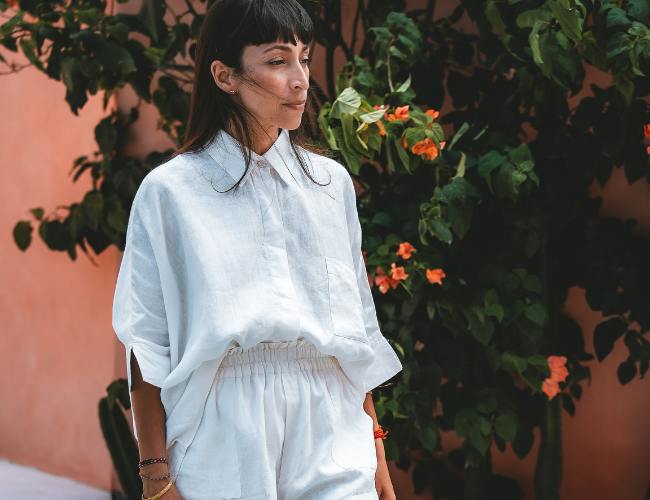
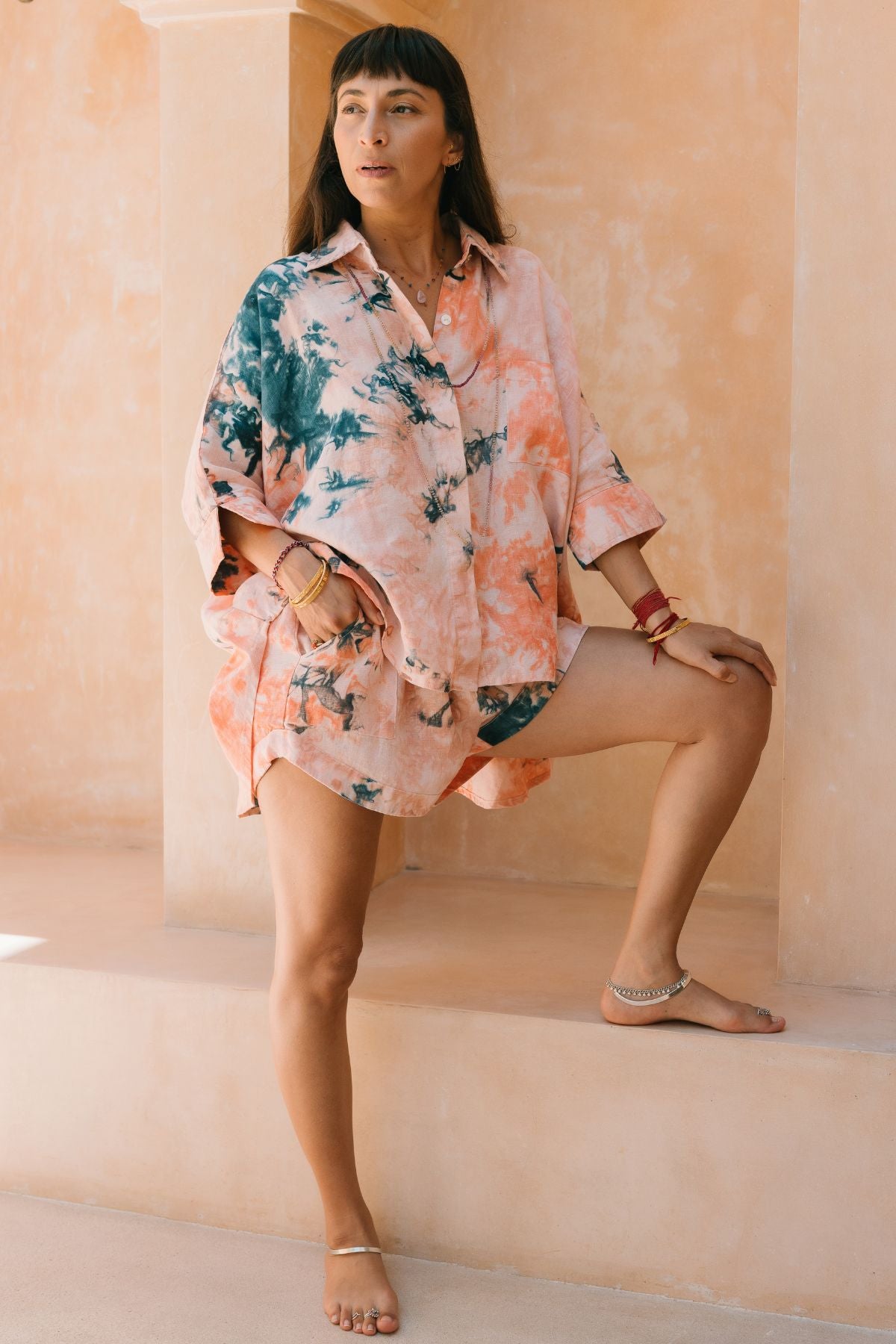
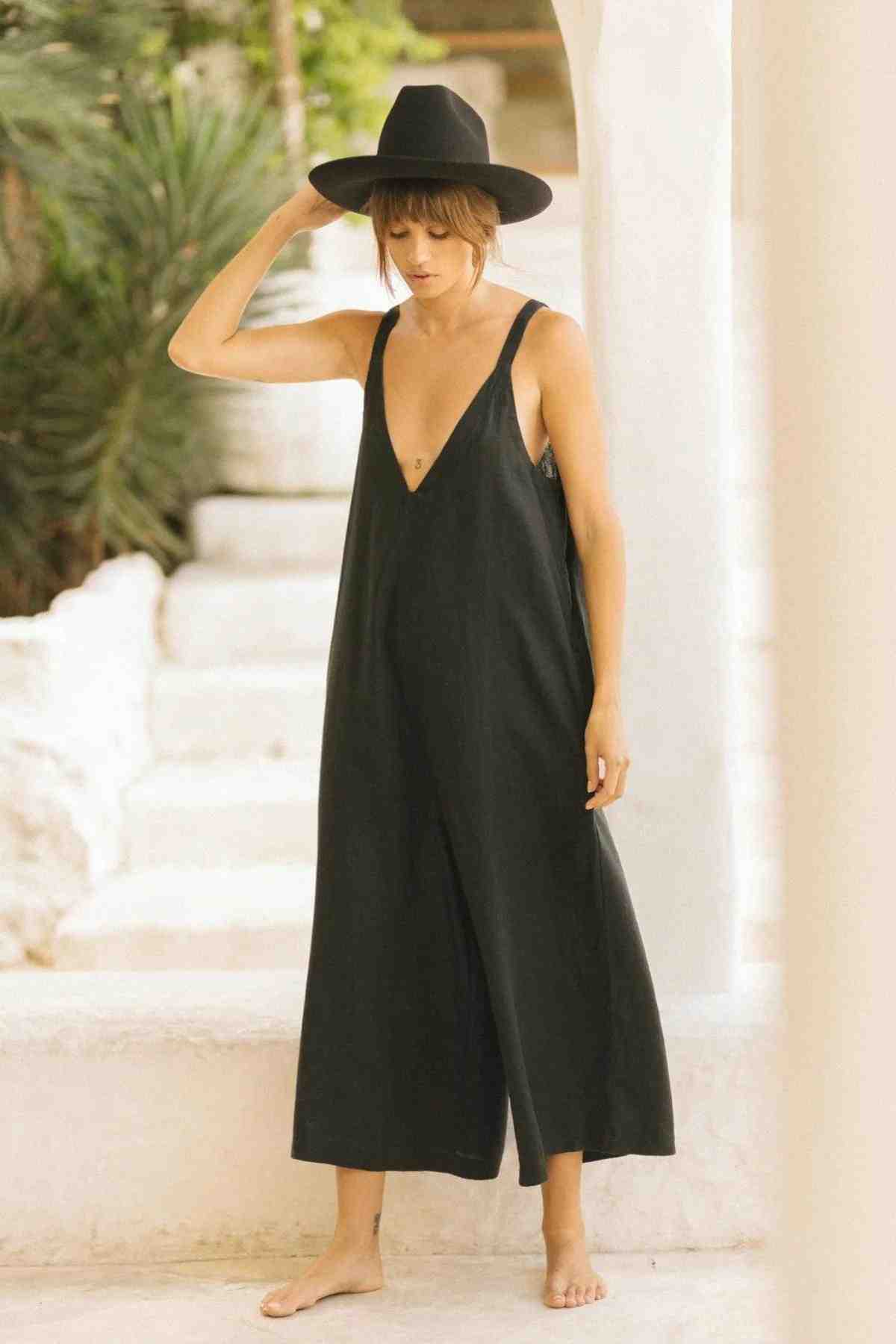
Linen has body. It holds a silhouette, drapes with weight, and gets softer over years rather than weeks. It is the fabric of structure and longevity, and it is why the original Suka Button Down Set has lived in linen for four years.
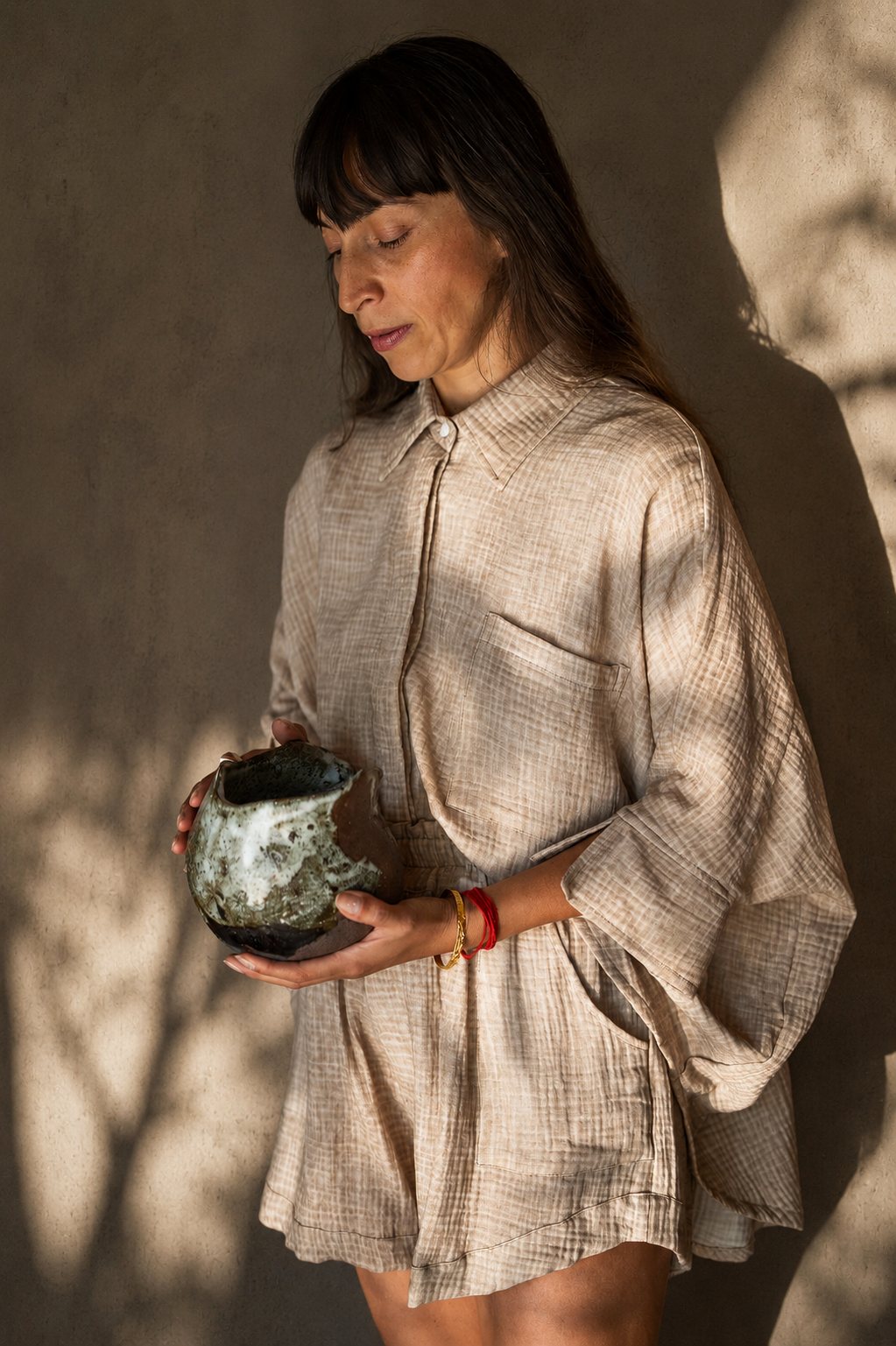
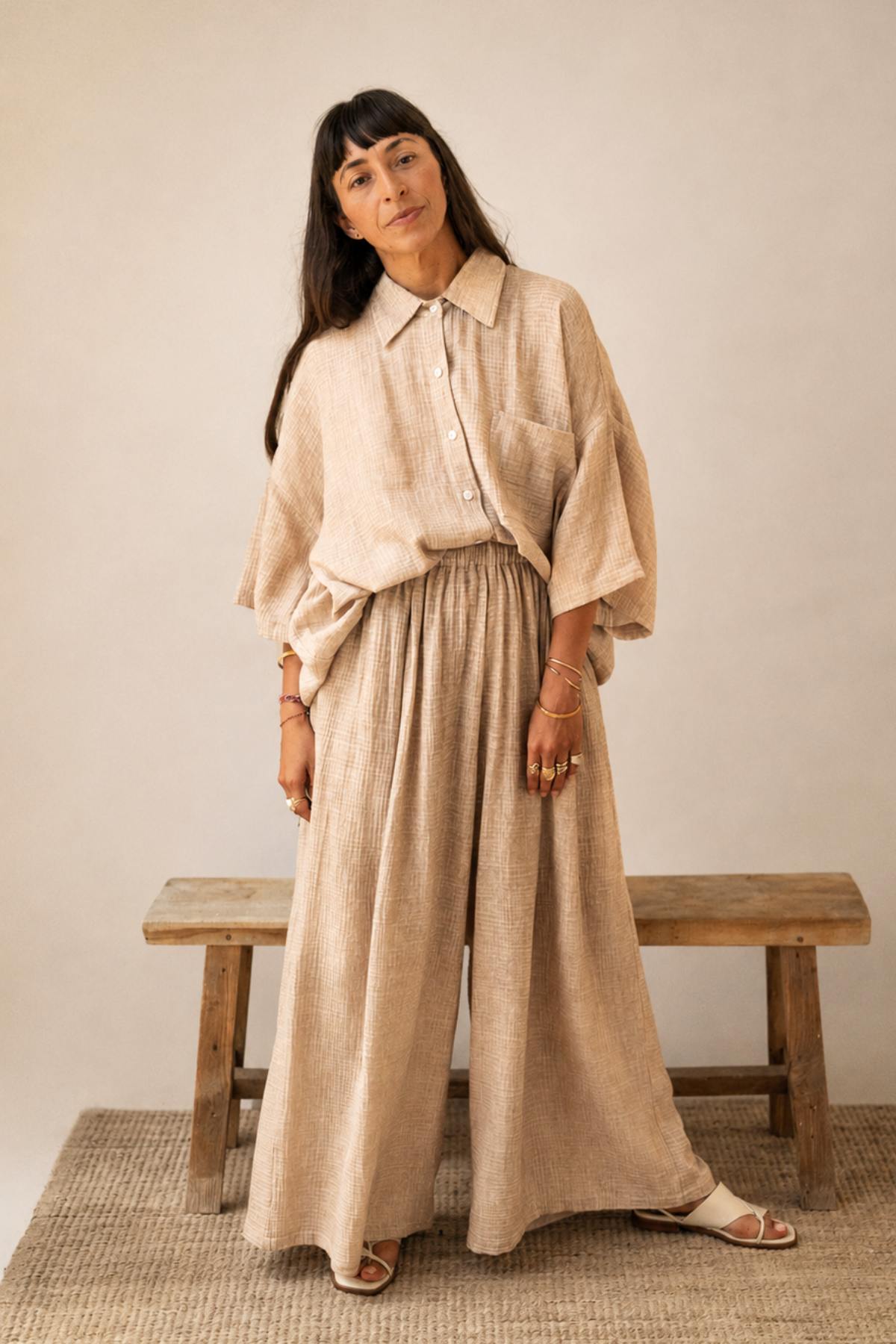
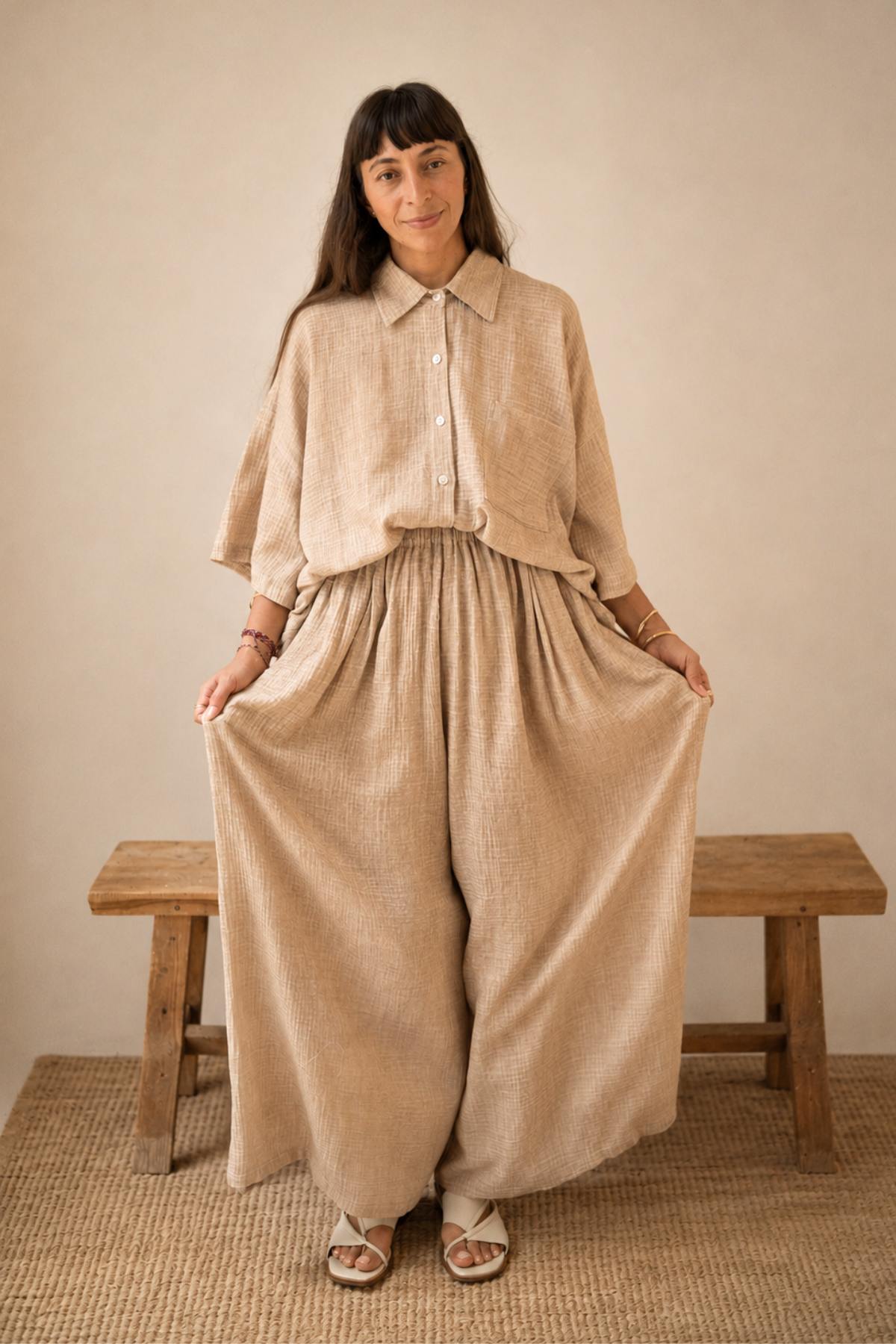
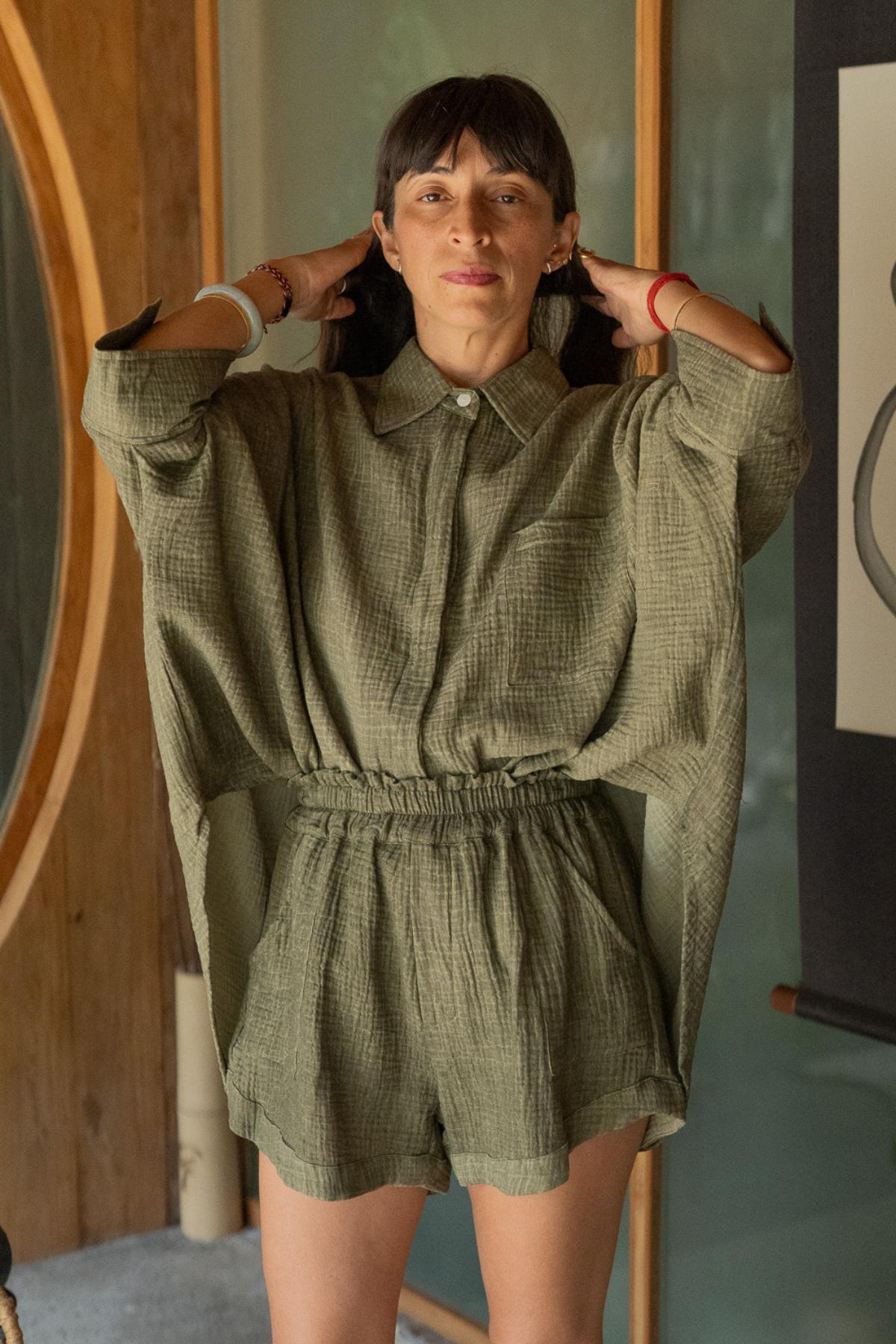
Muslin barely touches you. It is lighter, airier, and quicker to dry. On the hottest days of the year, when even linen feels like a presence, muslin feels like a breeze that happens to be wearing you. That is why we chose it for the Tea Ceremony Suka Set, our first Suka in cotton muslin.
Neither is better. Linen is the year-round companion. Muslin is the summer one.
How to care for cotton muslin
- Wash cold, by hand or on a gentle machine cycle.
- Dry in shade. Muslin dries quickly on its own and direct sun is unkind to any natural fibre.
- Skip the dryer. Heat is where shrinkage happens.
- Welcome the crinkle. Muslin creases softly as you wear it. That is the weave breathing, not a flaw to iron away. If you prefer it smooth, a cool iron or steamer works.
Frequently asked questions
Is cotton muslin good for summer?
Yes. The open weave makes muslin one of the most breathable cotton fabrics there is. It moves air, dries fast, and weighs almost nothing, which makes it ideal for hot and humid climates.
Does cotton muslin shrink?
Pre-washed muslin, washed cold and air dried, will not shrink meaningfully. Hot water and tumble drying are where shrinkage happens, so avoid both.
Is muslin see-through?
Very fine muslin can be sheer. Garment-weight muslin, like the cloth we use, is woven densely enough to be opaque while keeping its lightness.
Is muslin the same as cheesecloth or gauze?
They are relatives, not twins. Cheesecloth and gauze are far looser and more open. Garment muslin is woven tighter, soft and airy but made to be worn.
How is Myrah Penaloza's muslin made?
Our cotton muslin pieces are cut and sewn by hand in the homes and small workshops of approximately 30 Balinese artisan families, never factories, with every maker paid a real living wage. Like everything we make, the batches are small. If a colorway sells through, it may not return.
The fabric in ceremony
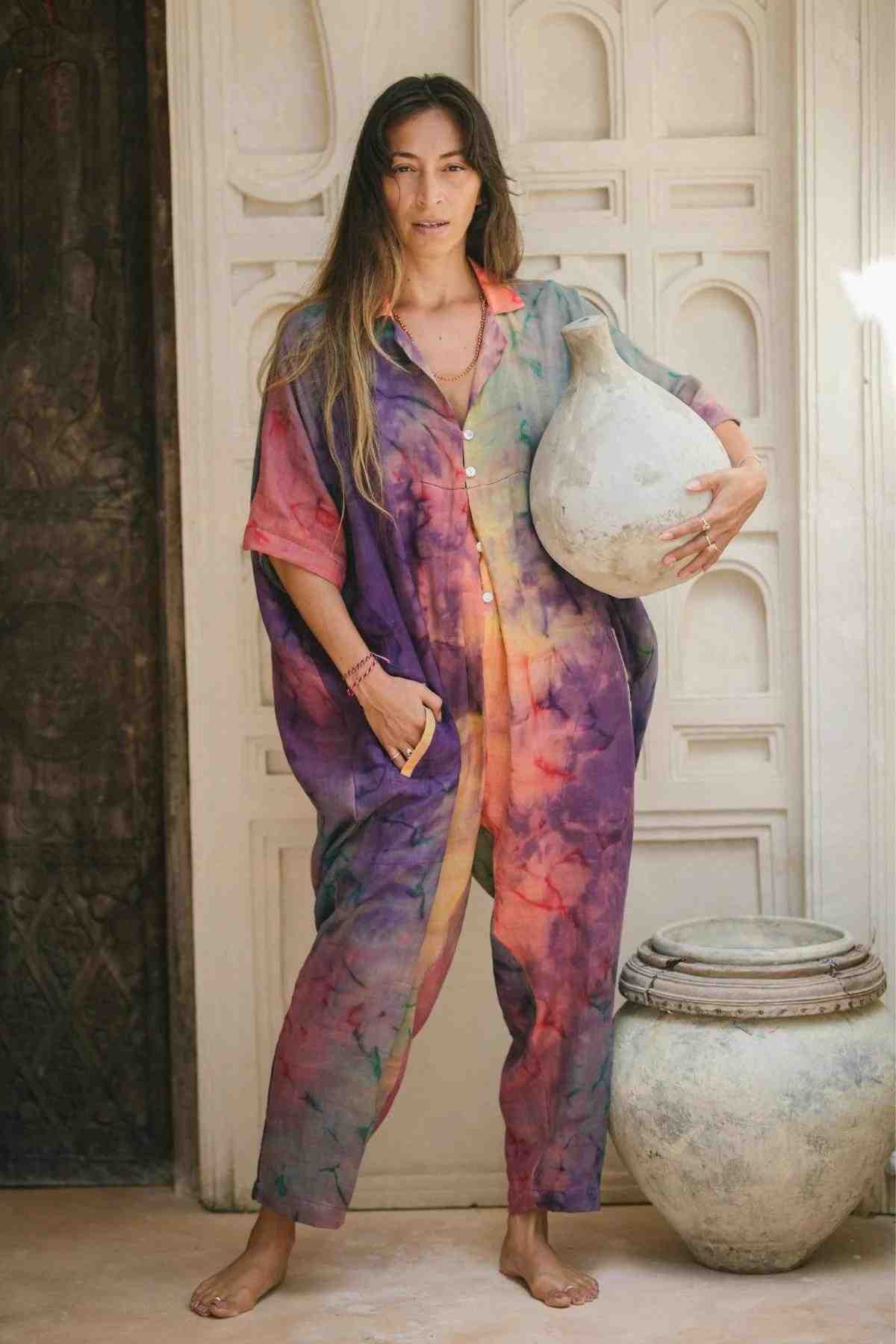
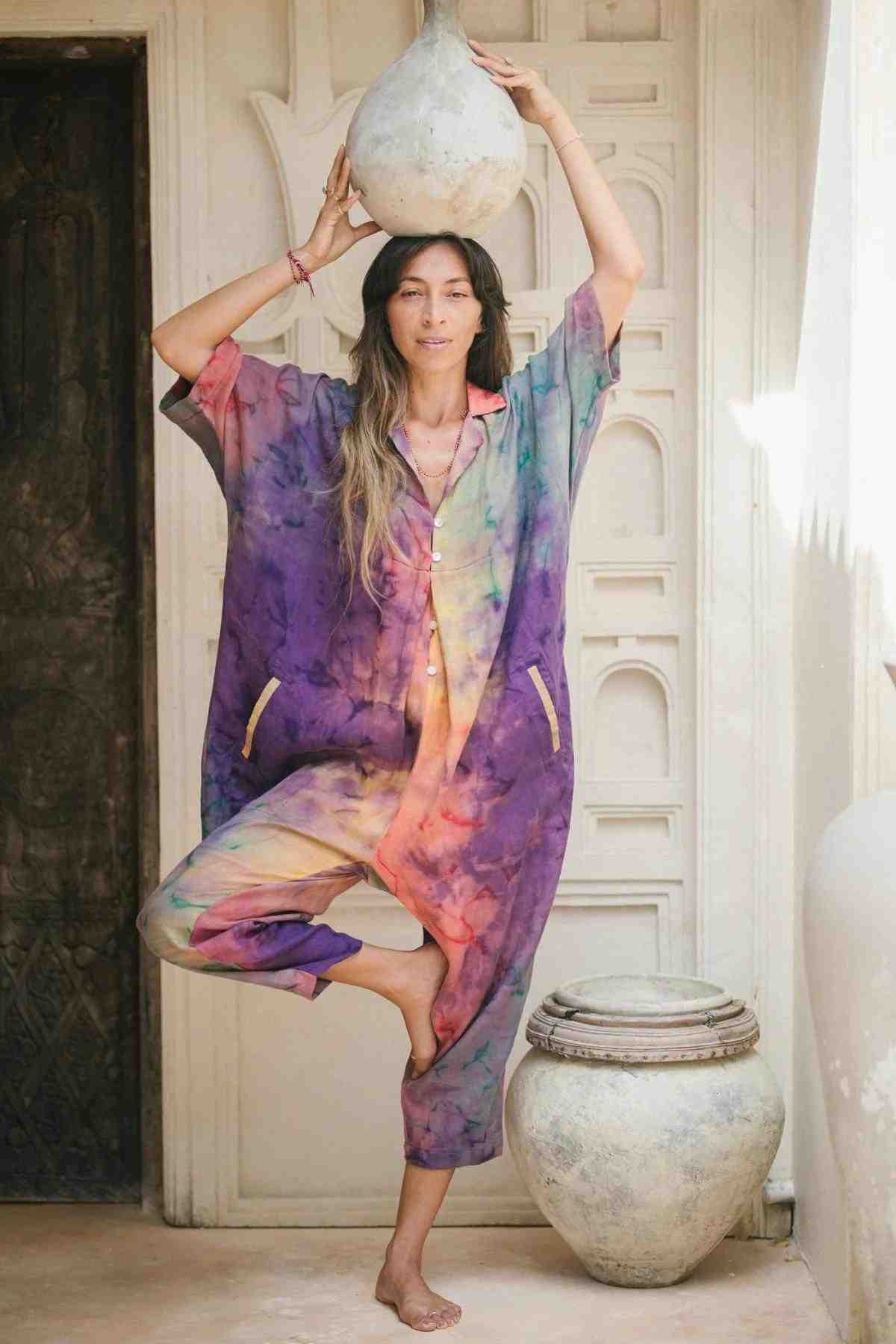
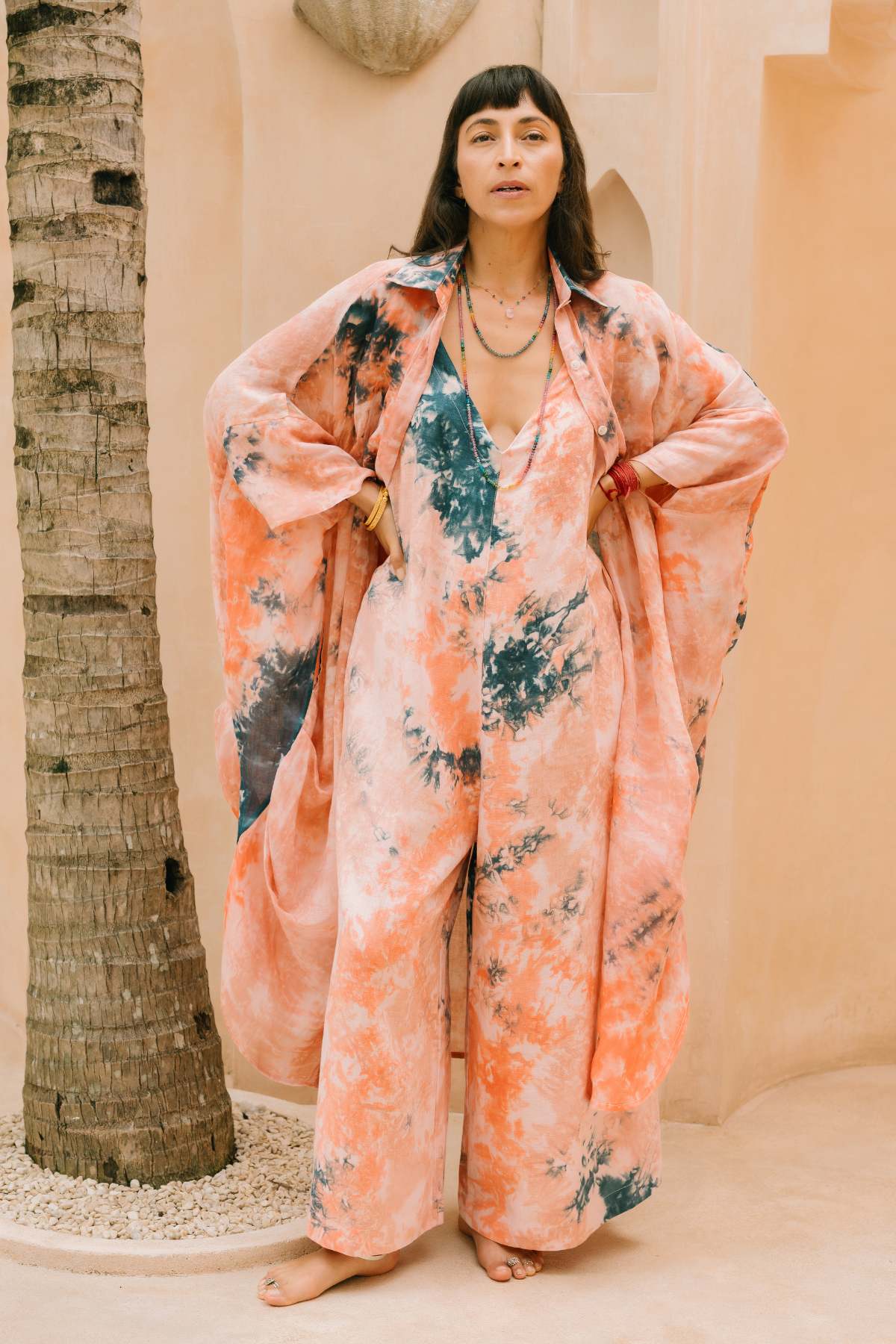
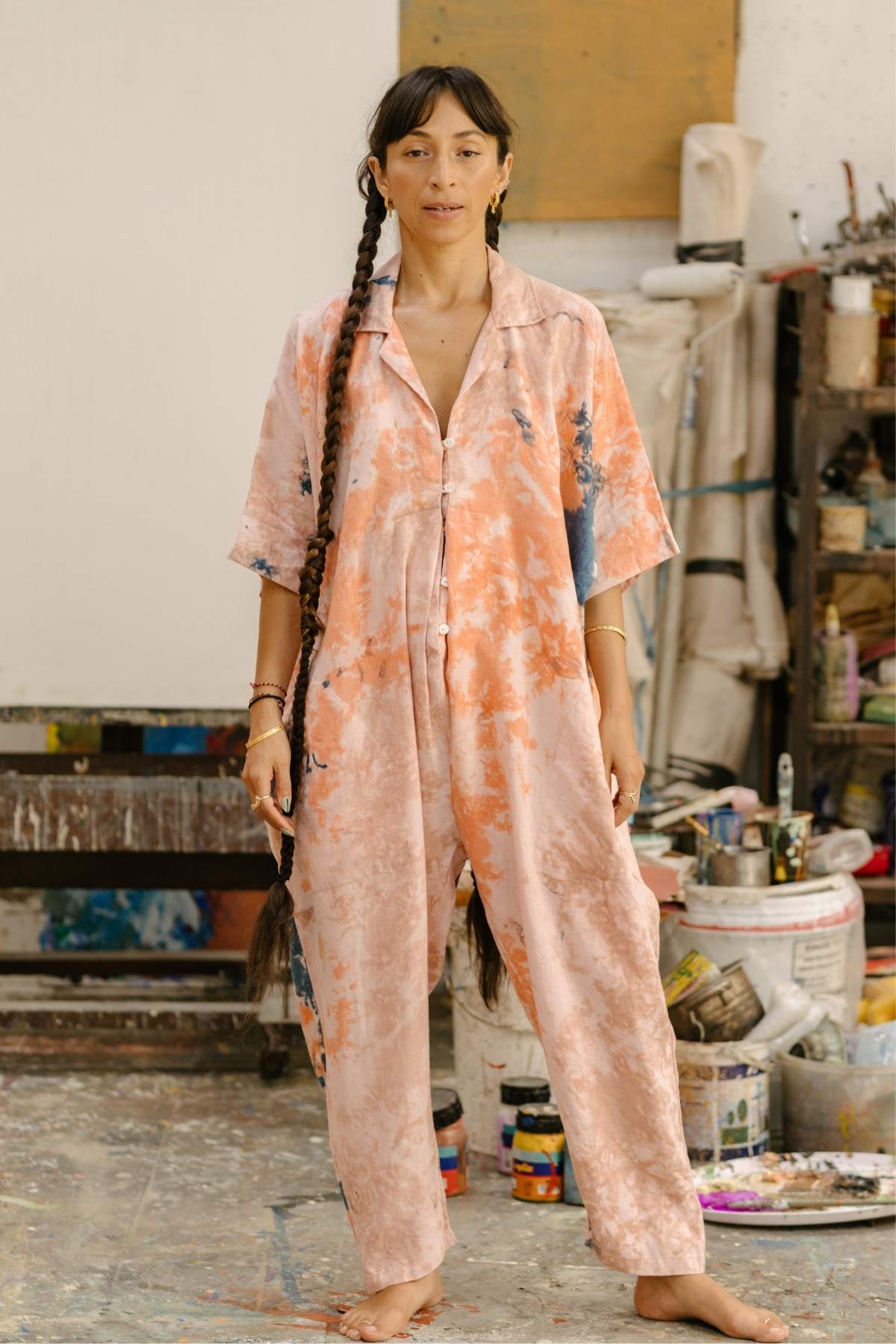
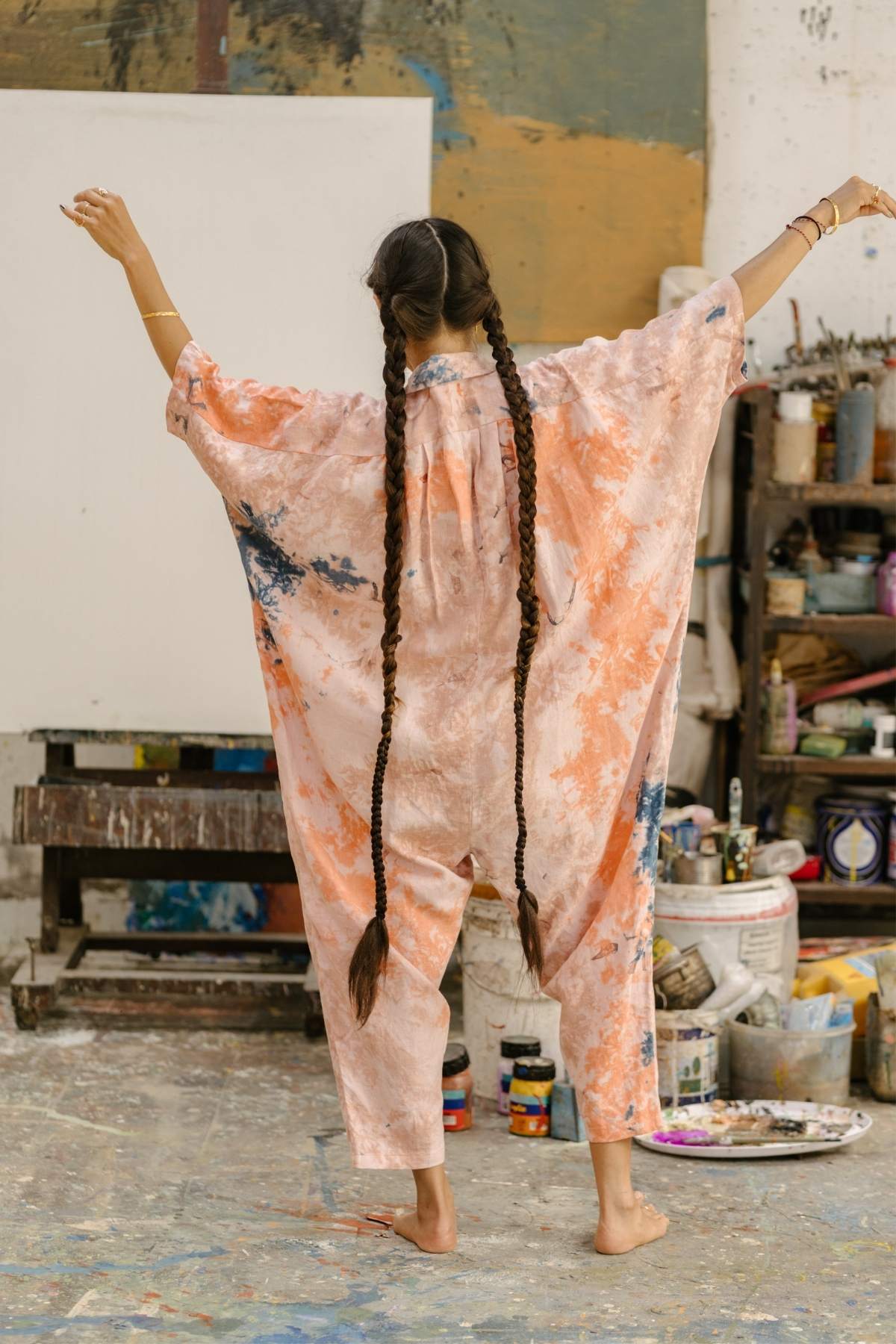
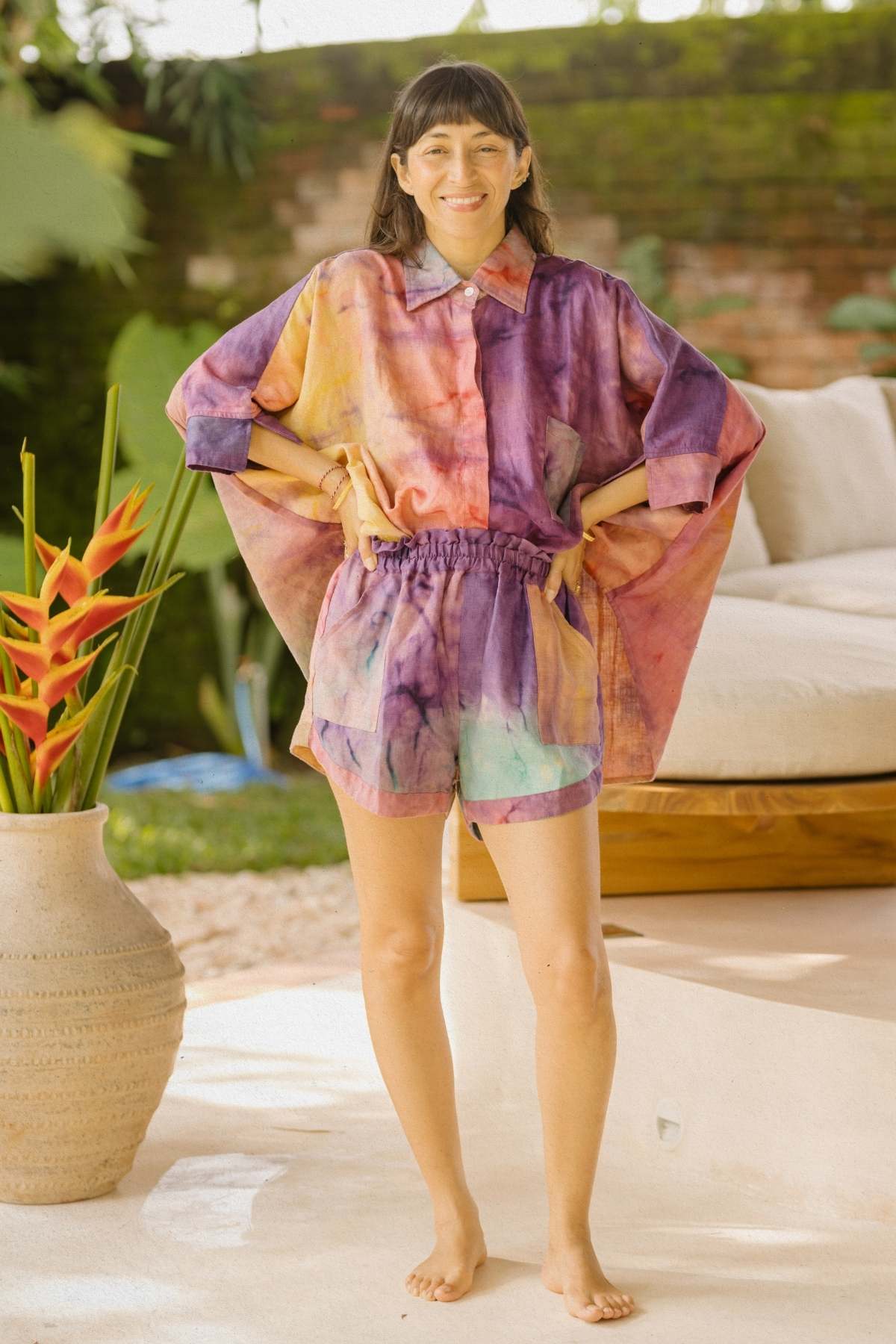
We believe how you dress is ceremony, and ceremony asks for materials that respect the body and the earth. Muslin earned its place in our collection the same way linen did. It is honest, it is natural, and it gets better the longer you live with it. If you want to see what it becomes in our hands, meet the Tea Ceremony Suka Set, in London Fog, Sencha, and Clay. And if you are curious how we colour our cloth, read how botanical dyeing works.
With love from Bali,
Myrah
|
A Piece for This Threshold The Tea Ceremony Suka Set Shop the Tea Ceremony Suka → |
|
The Muse-Letter Dress for the woman you’re becoming. Join the Muse-LetterUnsubscribe any time. No spam, ever. |




Leave a comment
This site is protected by hCaptcha and the hCaptcha Privacy Policy and Terms of Service apply.