
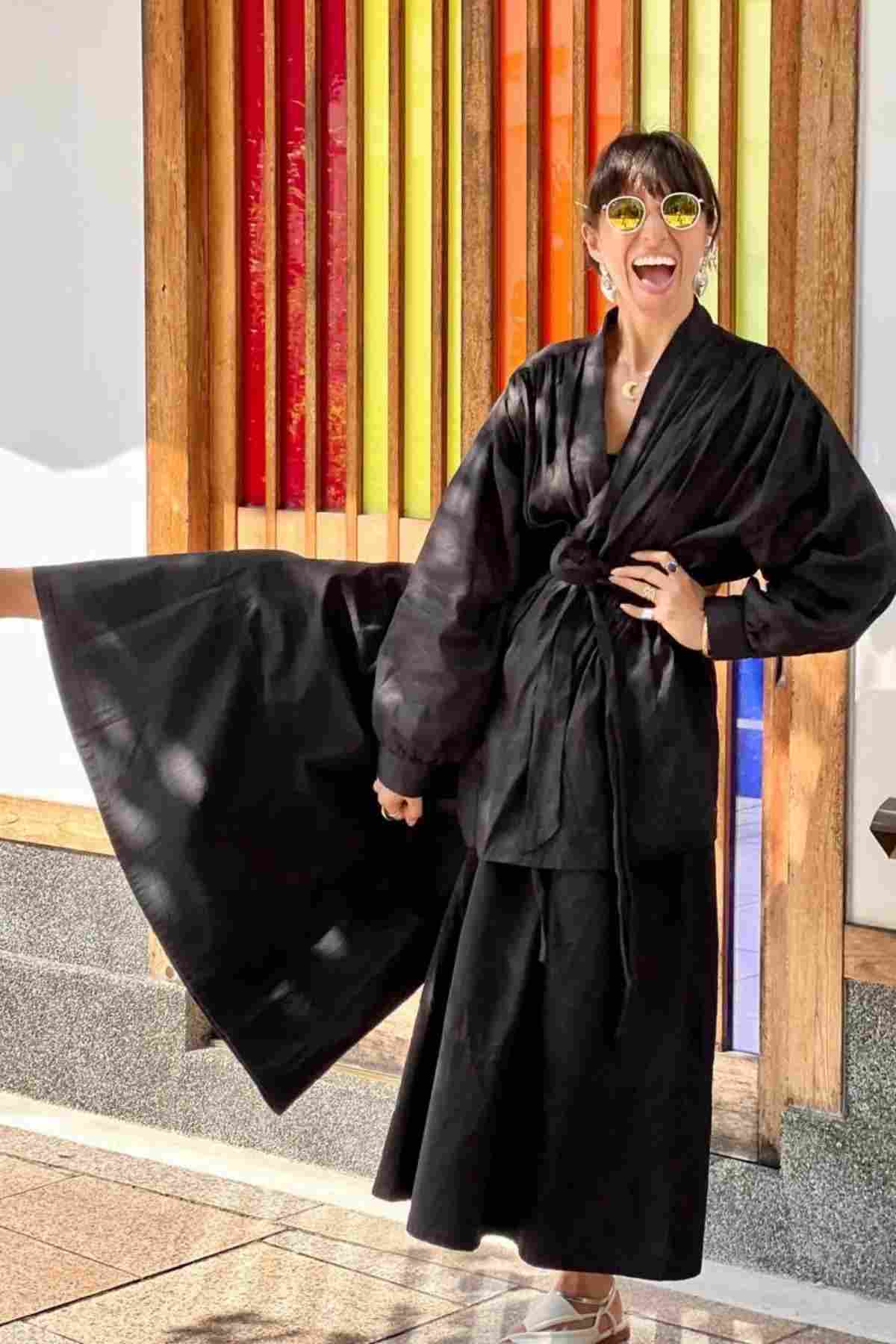
Tea as Transmission: Myrah Penaloza on Cha Dao, Spiritual Ceremony, and Why Bali Is the Perfect Place to Listen
Earlier this year, a 15-year-old student studying fashion and ritual reached out to Myrah Penaloza with a handful of questions about tea ceremony. What followed was one of the deepest conversations this brand has ever put into words. We share it here, unedited, because it deserves to be read slowly — like tea itself.

Do you see tea ceremonies as spiritual experiences? Why?
Yes. Tea is a doorway to the Dao that cannot be named.
When I sit with the leaves, I am not the doer — I am being done. The water heats, the leaf unfurls, the breath slows, and something ancient enters the room. It is not my ceremony. I am just a servant to it.
Sitting with a 90-year-old mother tea tree in Taiwan, I felt it clearly: this is not beverage, this is transmission. One sip and the Great Mystery pours me, not the other way around.
That is what spiritual means to me — to be emptied so the Dao can fill the cup.
"Tea is a doorway to the Dao that cannot be named. I am not the doer — I am being done."
How do tea ceremonies connect people together?
In silence, we remember we were never separate.
The Dao moves through one pot into many bowls, yet the source is unbroken. Words fall away. Status falls away. What remains is shared breath and steam rising like a single prayer.
Tea does not create connection. It reveals the connection that was always there. We sit as many leaves, but the water knows us as one.
This is why the tea table is one of the most honest spaces I know. You cannot perform here for very long. The leaves see through it.
How does Balinese culture influence the way Cha Dao is practised here?
Bali already bows.
Tri Hita Karana — the Balinese philosophy of harmony with the unseen, with each other, and with the earth — is the Dao wearing a Balinese sarong. When Cha Dao arrived here, it did not arrive as a foreigner. It recognised itself.
The offerings, the incense, the temple bells, the knowing that spirit lives in stone and tree — it is the same river, different name. Bali teaches tea to be devotional, not performative. The island itself is the altar.
This is one of the reasons our boutique in Pererenan houses a Tea Sanctuary alongside the clothing. The two practices belong together here in a way that would be harder to explain anywhere else. In Bali, it simply makes sense.
"Bali already bows. Tri Hita Karana is the Dao wearing a Balinese sarong."
Why is Bali a good place for tea culture and mindfulness practices?
Because Bali still listens to the niskala — the unseen world. The land is alive and the people remember.
Volcano, ocean, jungle — all of it is Guru, all of it demands reverence. You cannot rush here without the island correcting you. So mindfulness is not a technique in Bali. It is obedience to what is.
Tea belongs here because tea is the same teaching: bow, wait, receive. This land cultivates stillness the way it cultivates rice — patiently, in rhythm with heaven and earth.
When visitors come to our Tea Sanctuary in Pererenan, many of them say they felt something shift the moment they sat down. I believe them. It is not us. It is the island working through the leaves.
What is the most important lesson tea ceremonies have taught you?
The lesson: cease striving. The Dao is already steeping.
The leaf does not rush to become tea. It surrenders to hot water and reveals its nature. So too with us.
Tea keeps us present because it is a tyrant for the senses. Heat on the hands, vapour in the nose, bitterness turning to sweet on the tongue — the body is summoned back from ten thousand thoughts. You cannot sip and be elsewhere.
Each bowl is a koan: Where are you? Drink, and you will find out.
This is also why the practice of dressing consciously and the practice of tea are so closely linked. Both ask the same question: are you present? Are you here, in this body, in this moment, choosing what touches your skin with full awareness? Or are you somewhere else entirely?
"The leaf does not rush to become tea. It surrenders to hot water and reveals its nature. So too with us."
Why do humans create rituals like tea ceremonies?
Because we forget we are holy. Ritual is how we remember.
In the face of the Great Mystery, we build small, repeatable gestures — a bow, a pour, a sip — so we can touch what has no edge. We create tea ceremony to practise dying before we die: the leaf gives itself, the water receives, something new is born, and then it is gone.
Ritual trains us to meet impermanence without flinching. To serve, to witness, to empty.
Like that mother tree in Taiwan — 90 years of standing still, giving without asking. We make ritual to become like her: rooted in the Dao, offering without end.
This is what I hope women feel when they wear something from this brand. Not just dressed. Rooted. Offering. Present.
A Piece for This Threshold
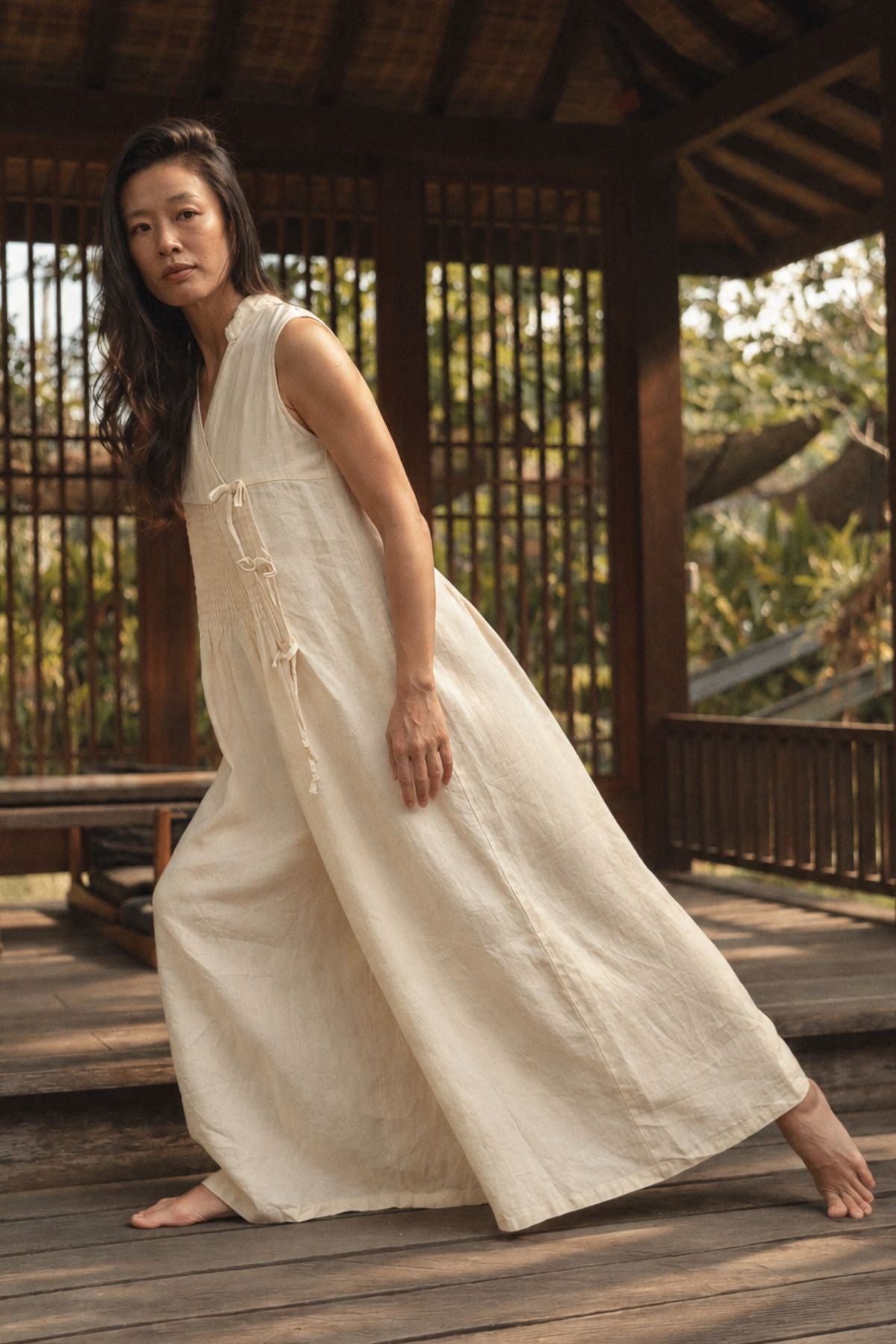
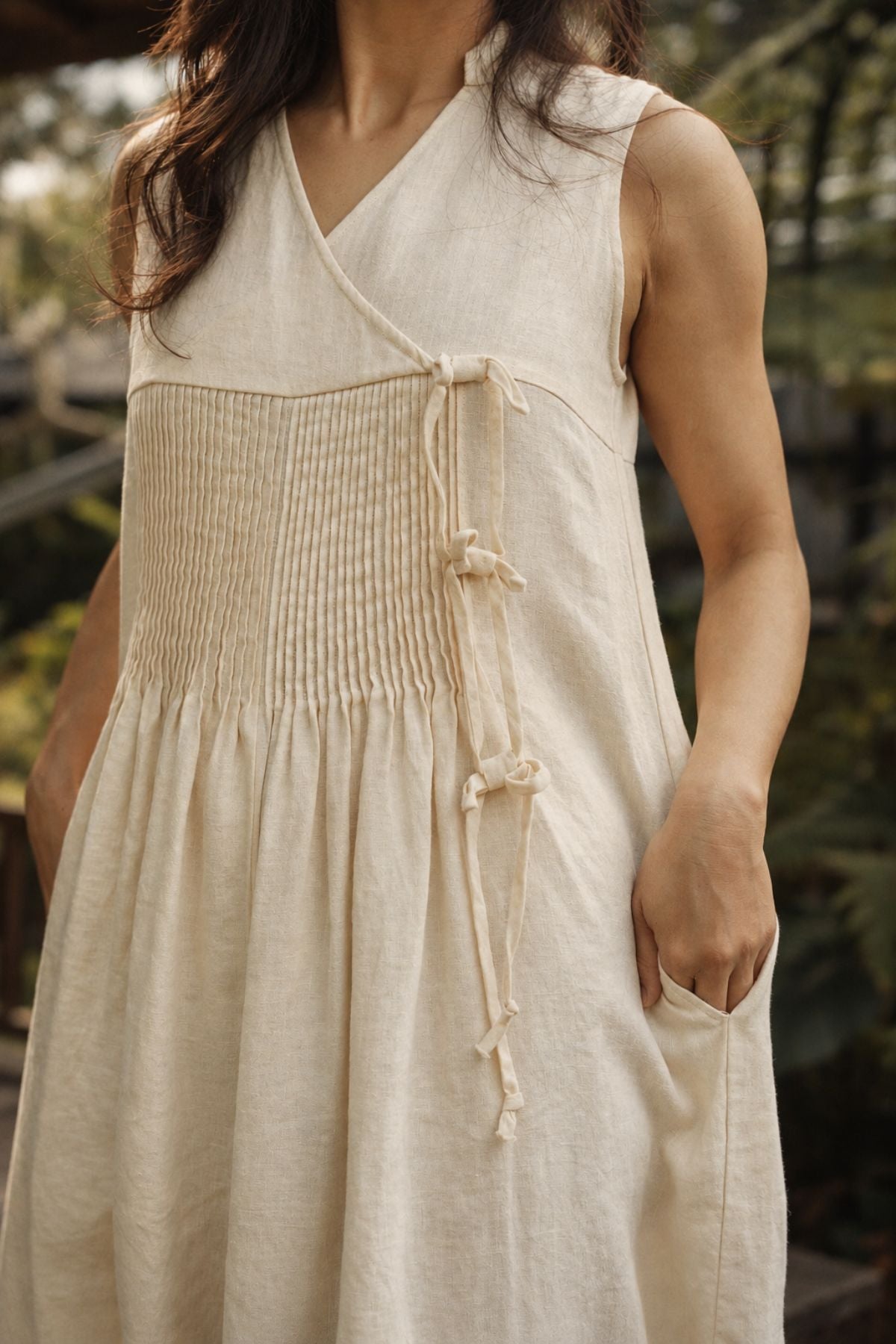
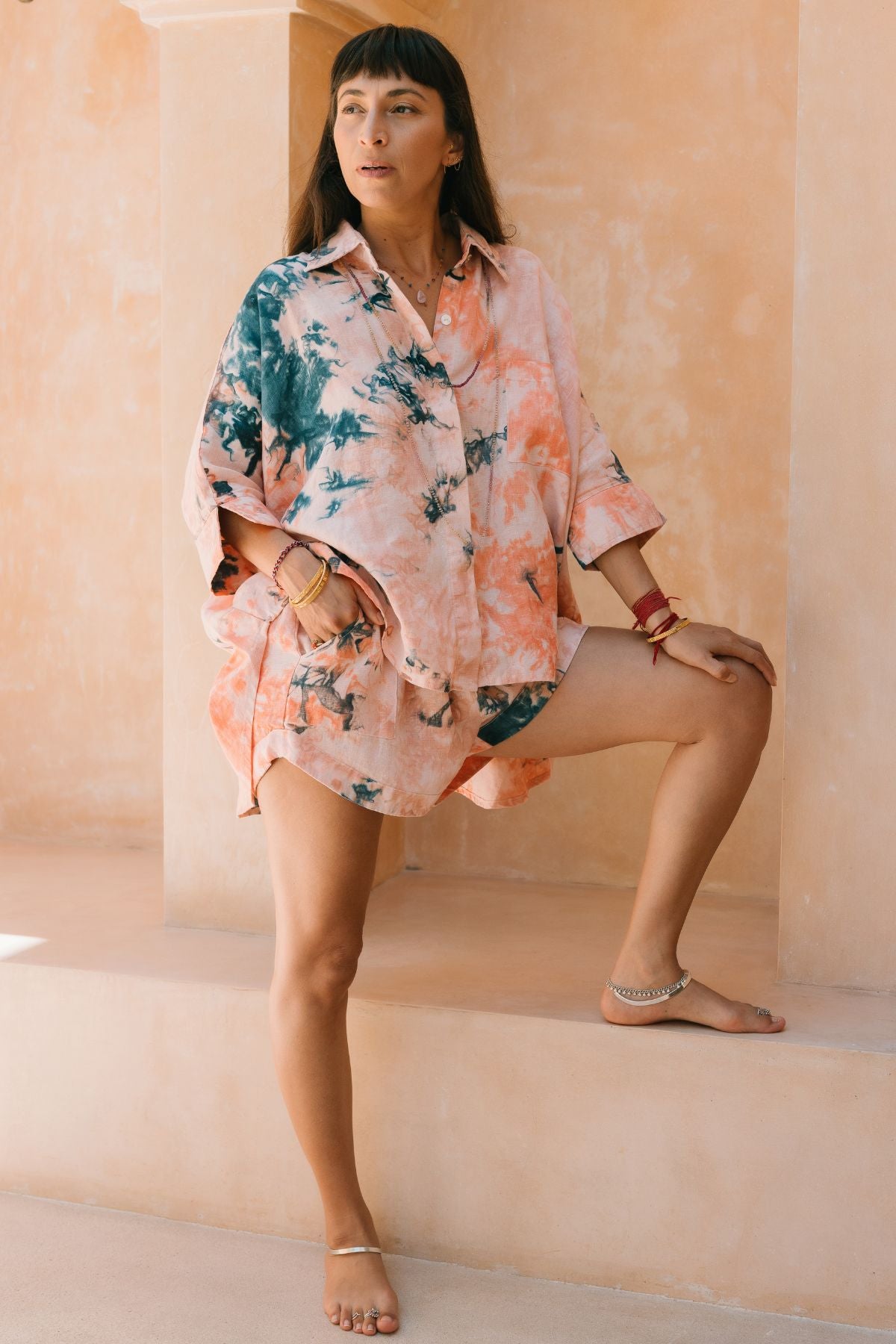
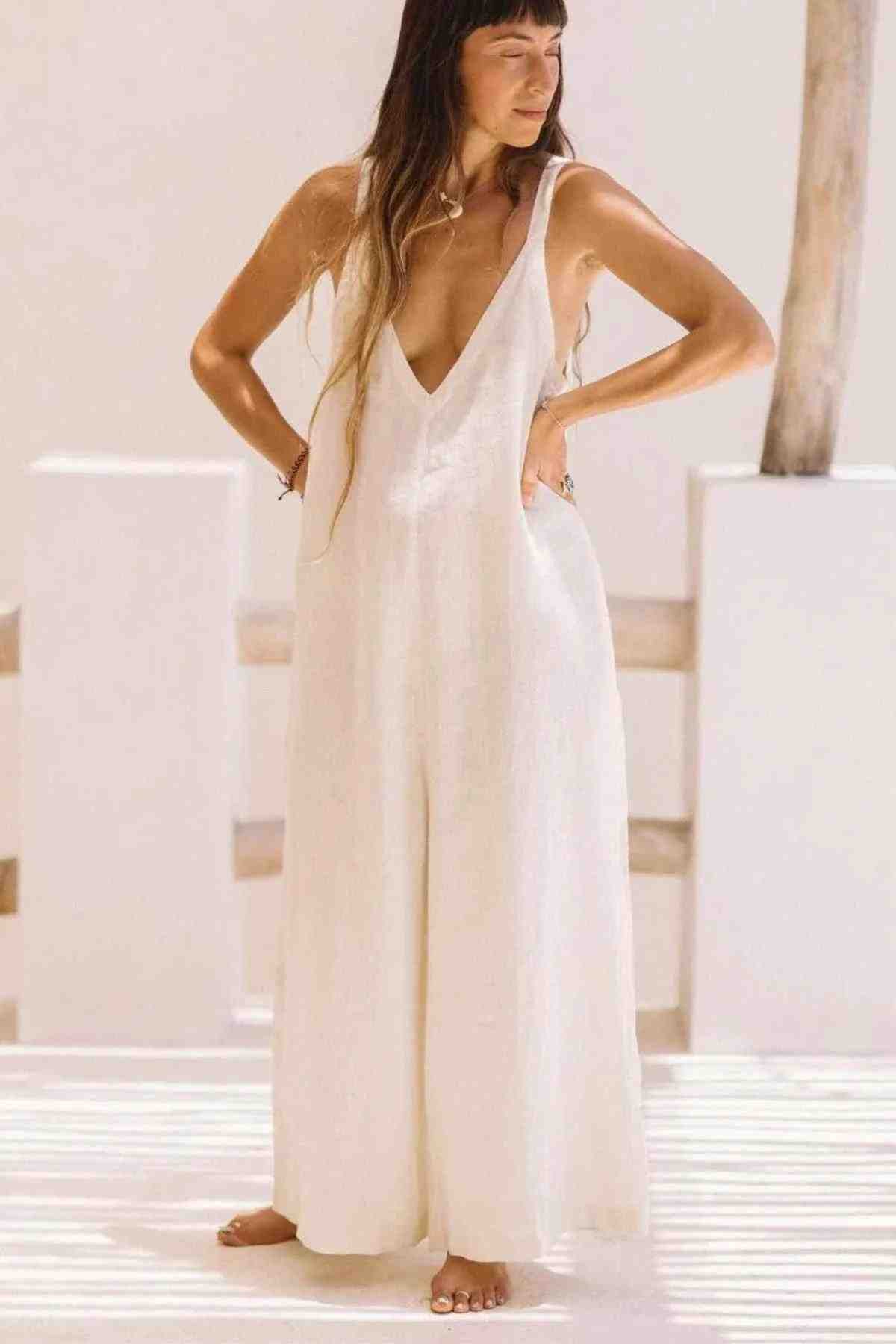
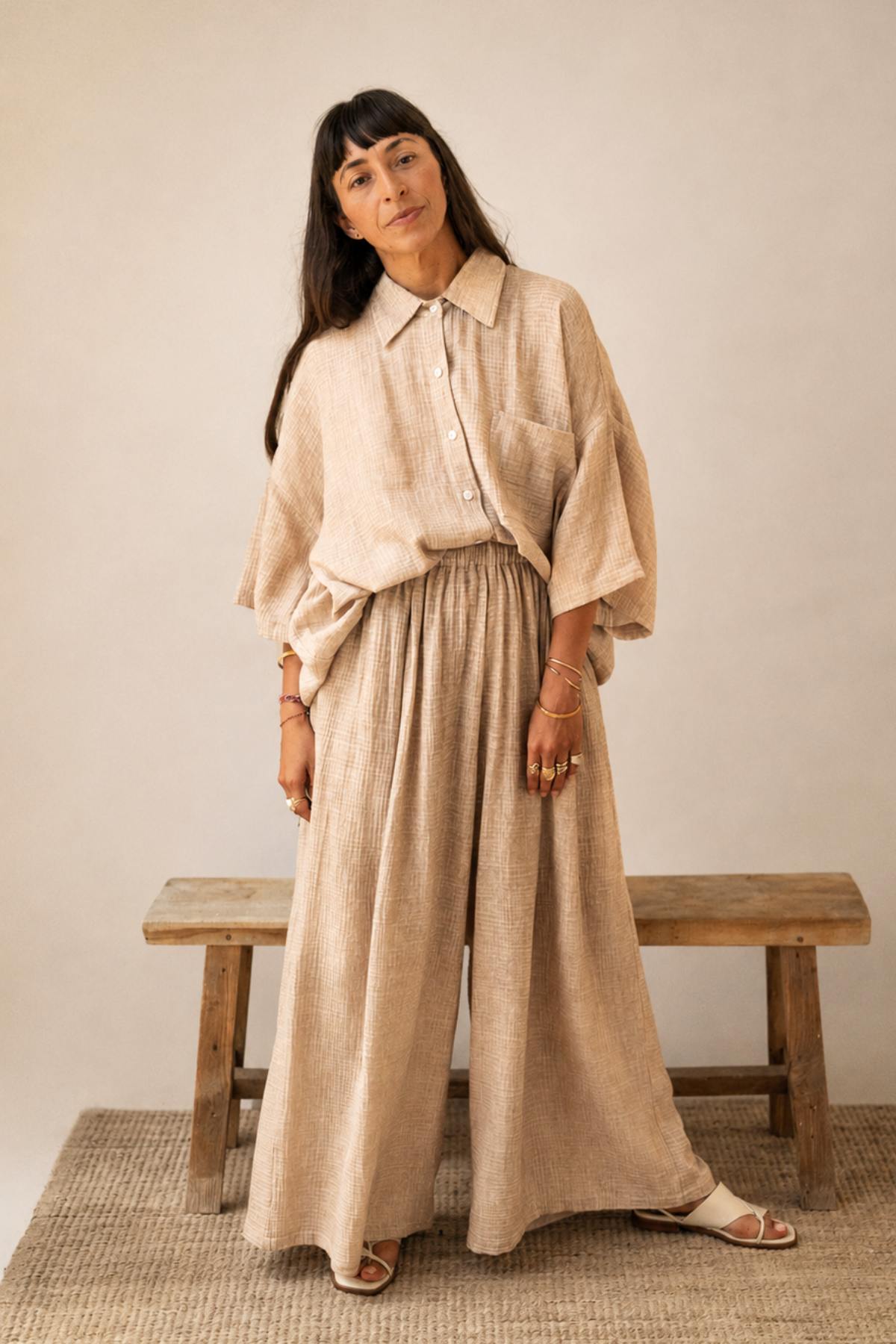
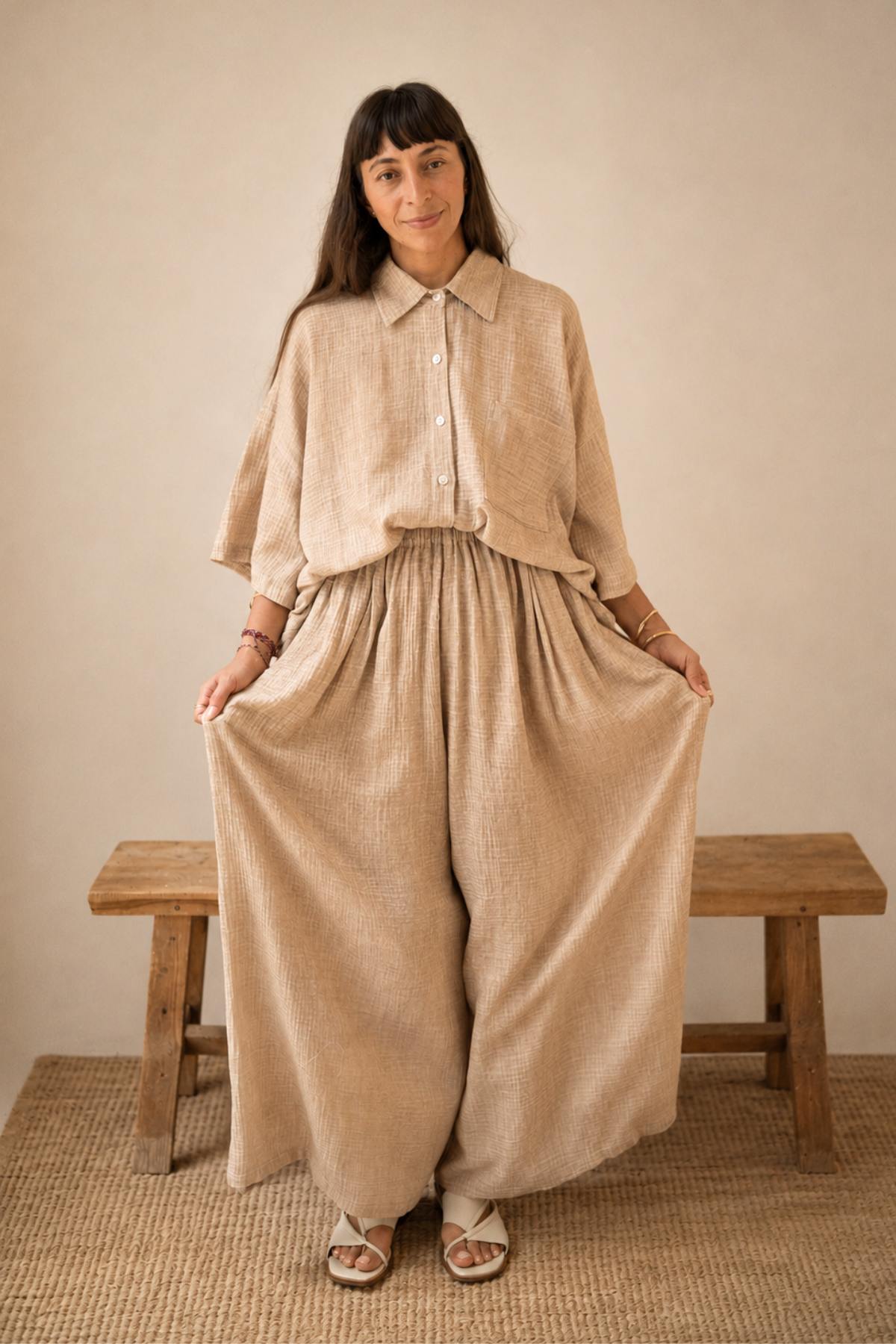
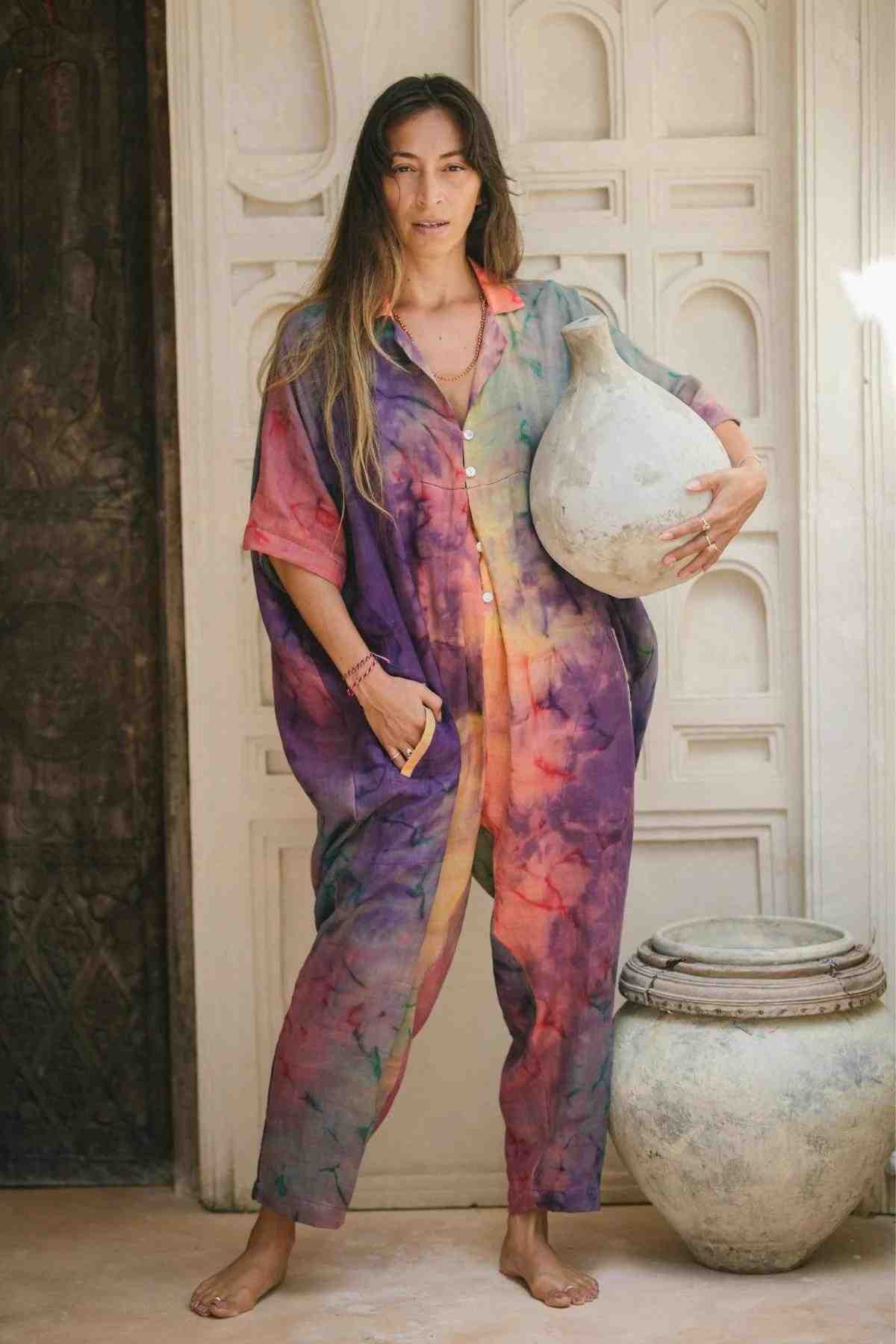
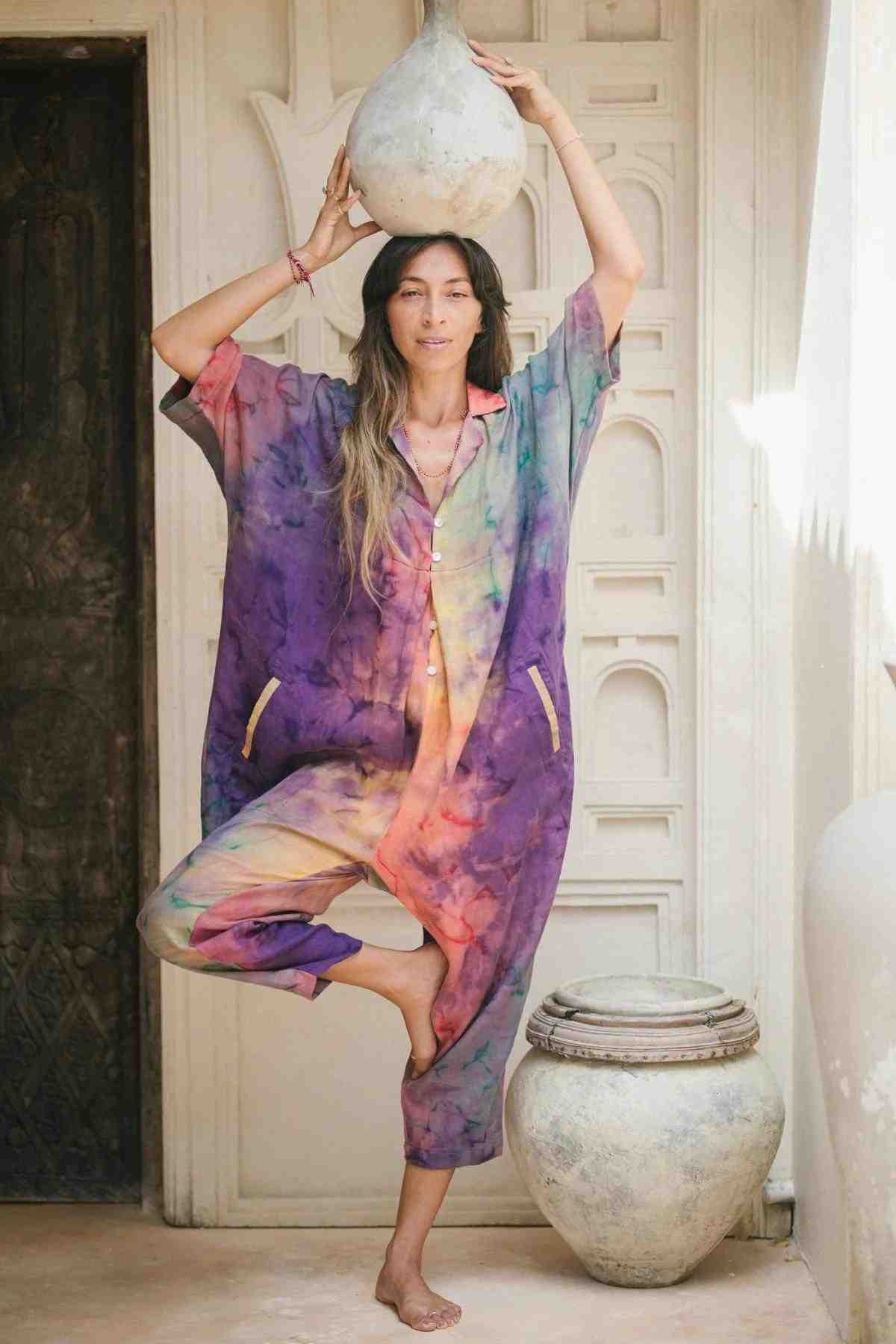
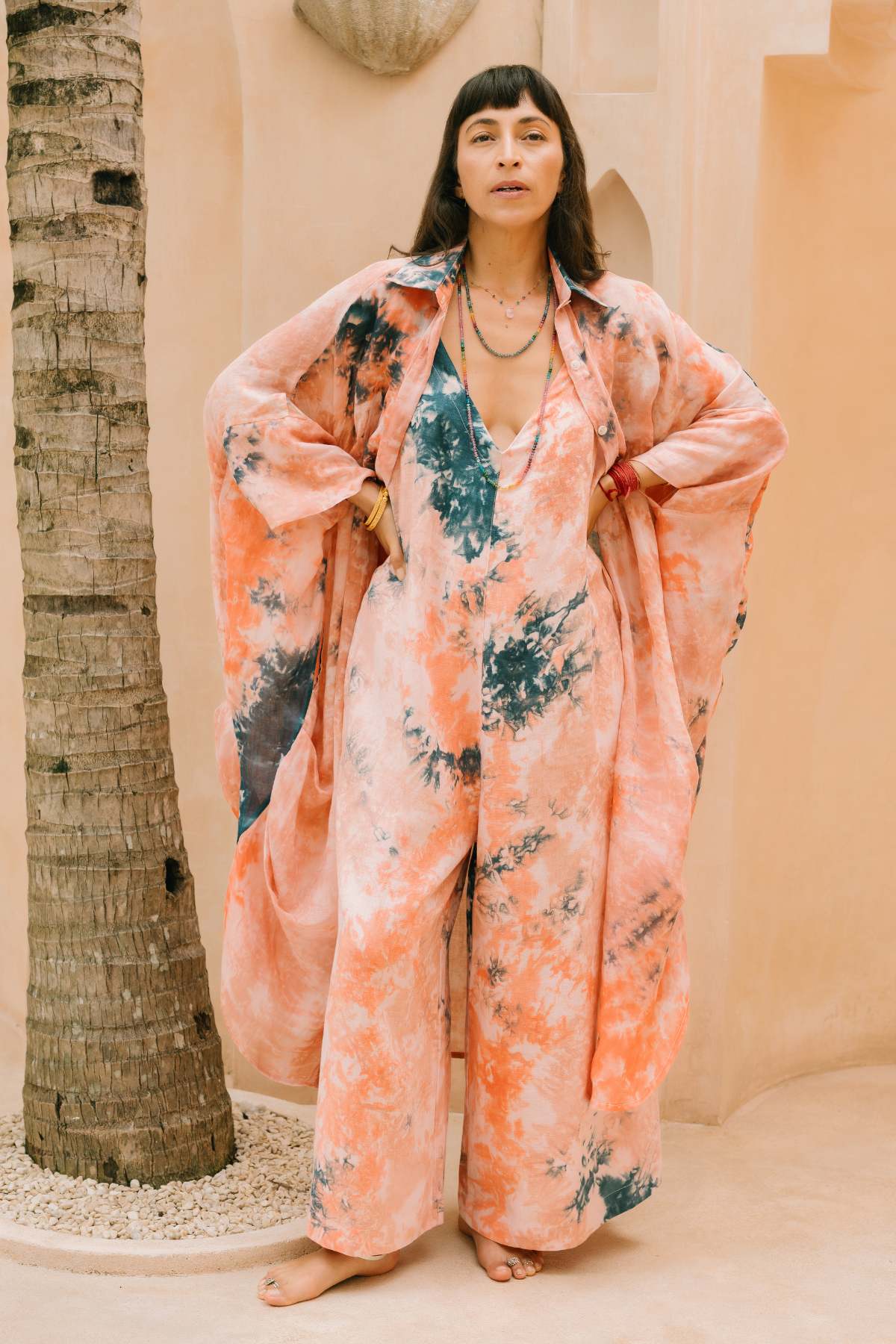
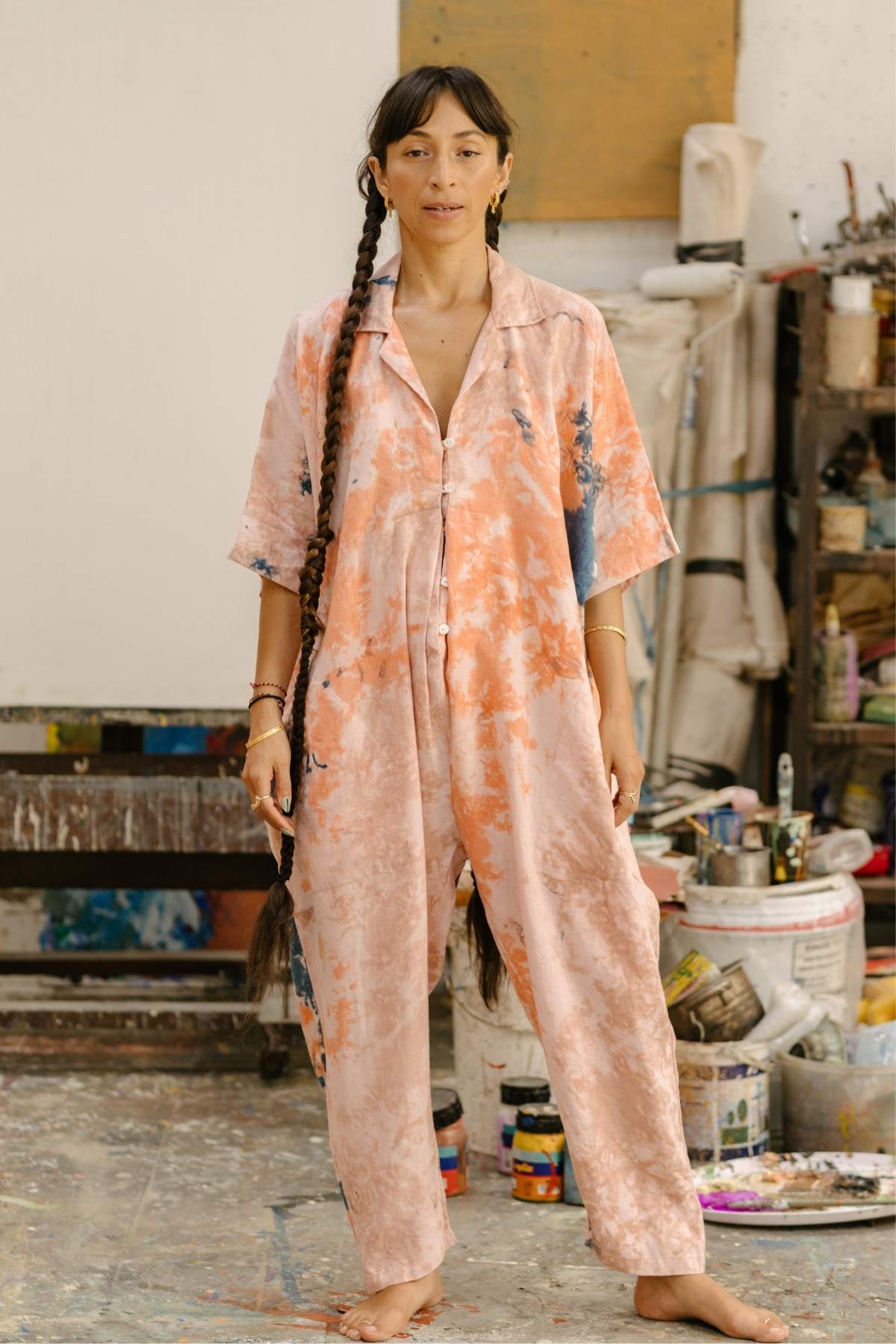
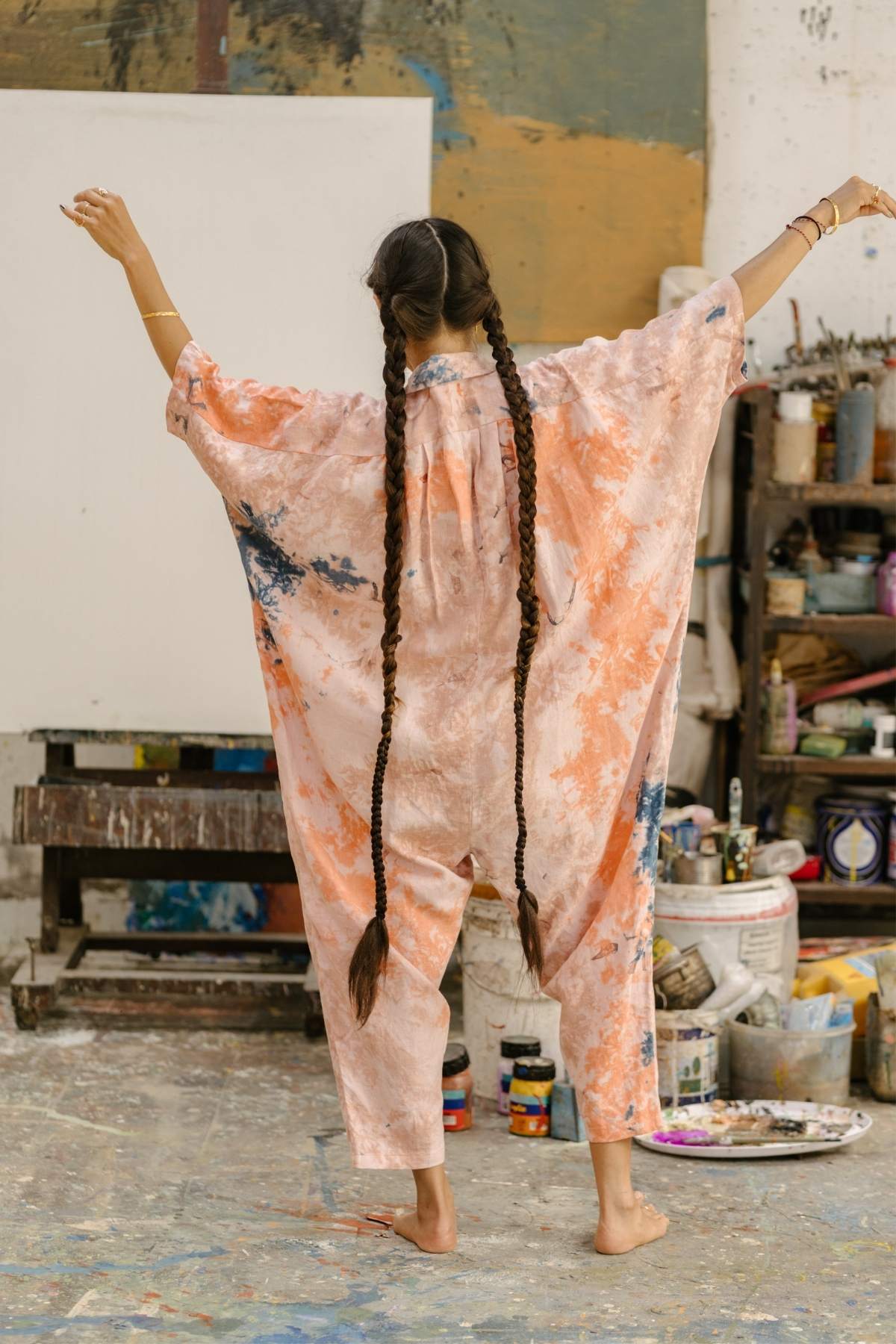
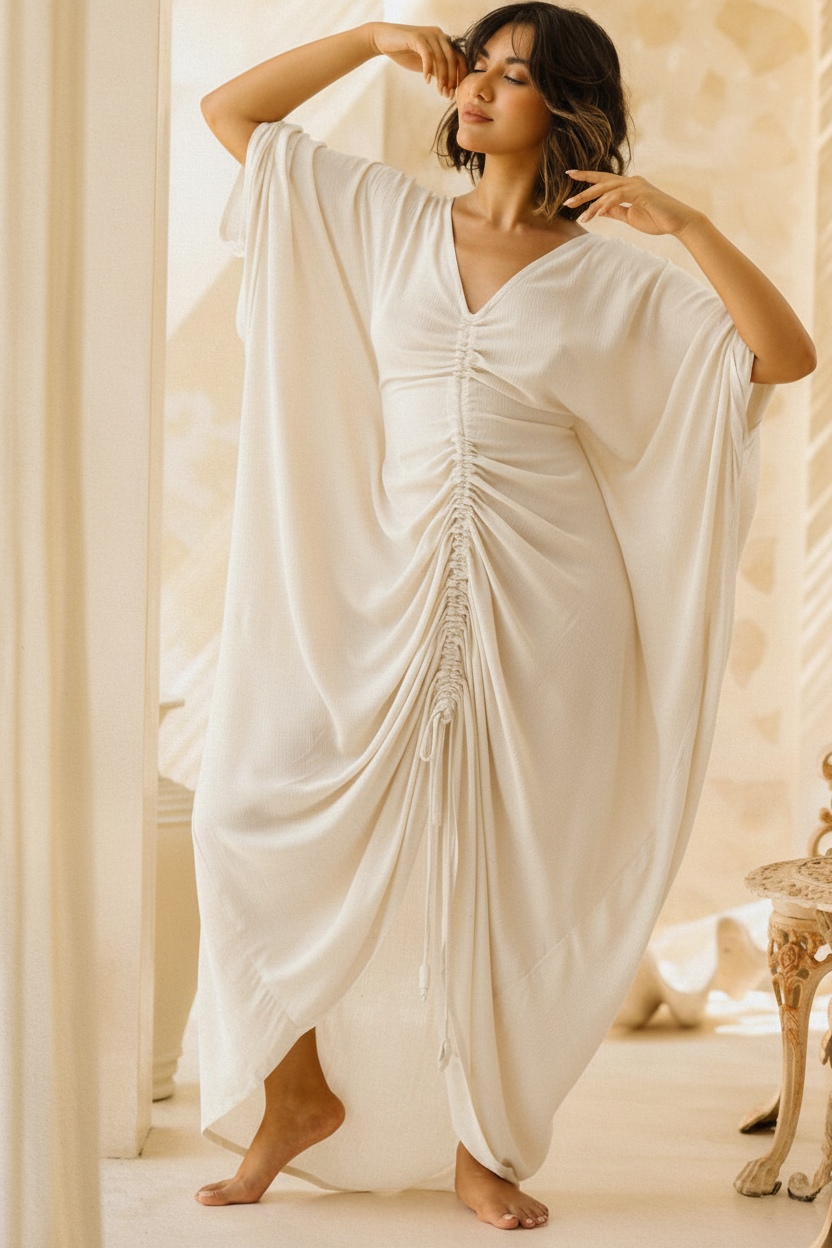
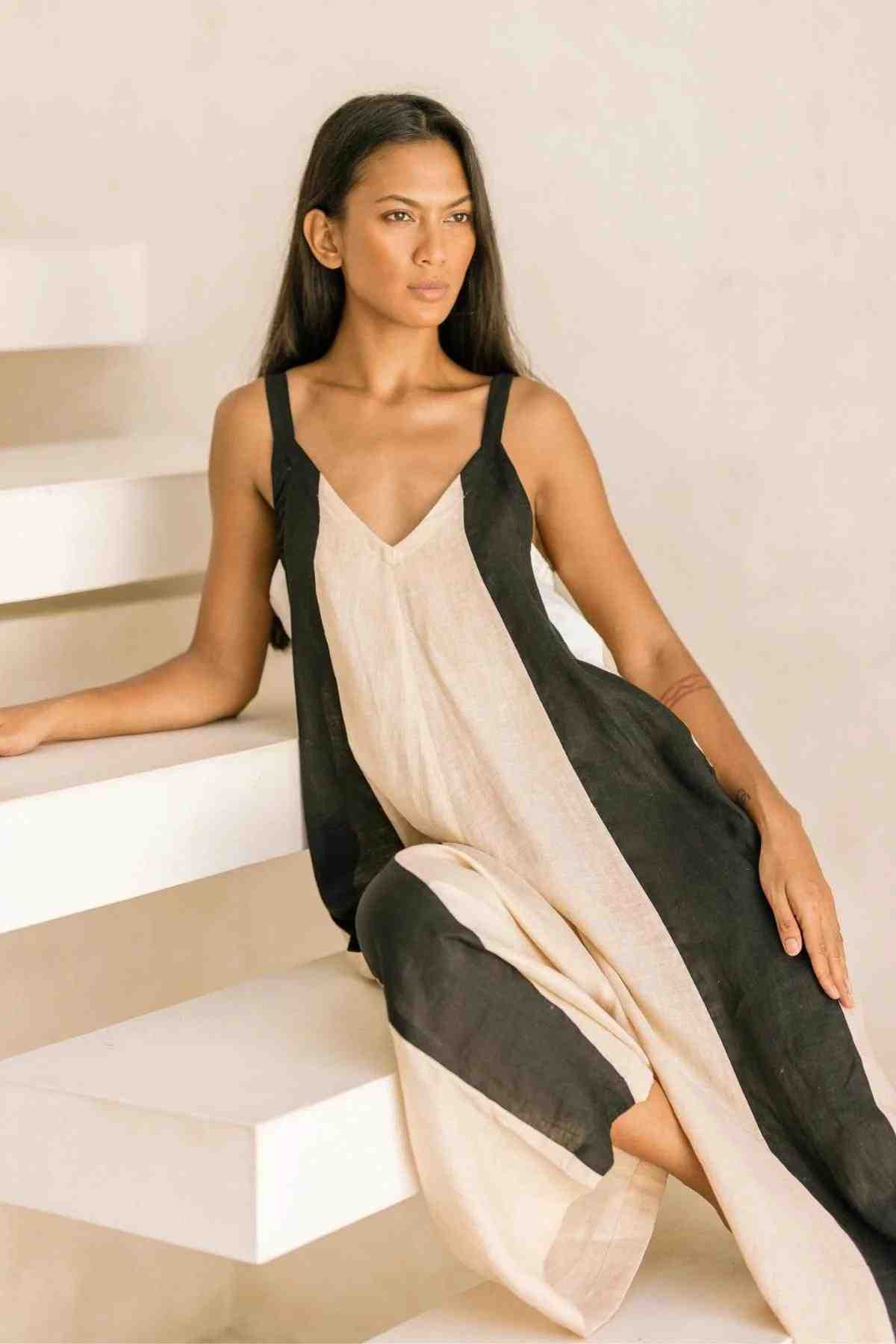
If this conversation moved something in you, our Cha Dao Tea Collection was created with exactly this in mind — clothing designed to be worn in ceremony, in stillness, in the unhurried hours that matter most.

The Muse-Letter
Dress for the woman you are becoming.
Every week from Bali — astrology, slow fashion, and the conversations that matter.
Unsubscribe any time. No spam, ever.





Leave a comment
This site is protected by hCaptcha and the hCaptcha Privacy Policy and Terms of Service apply.