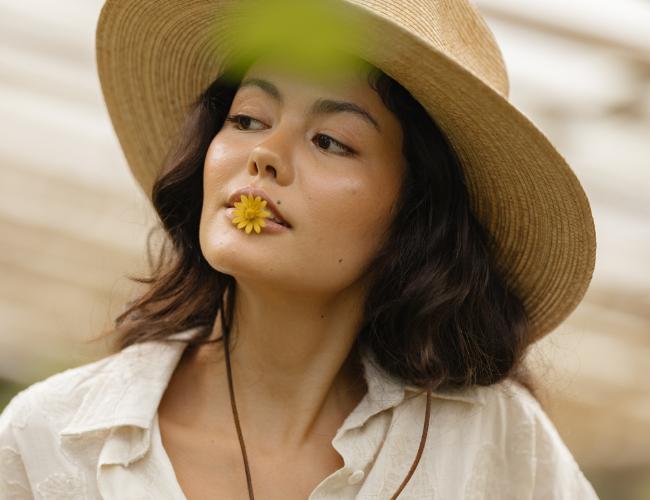
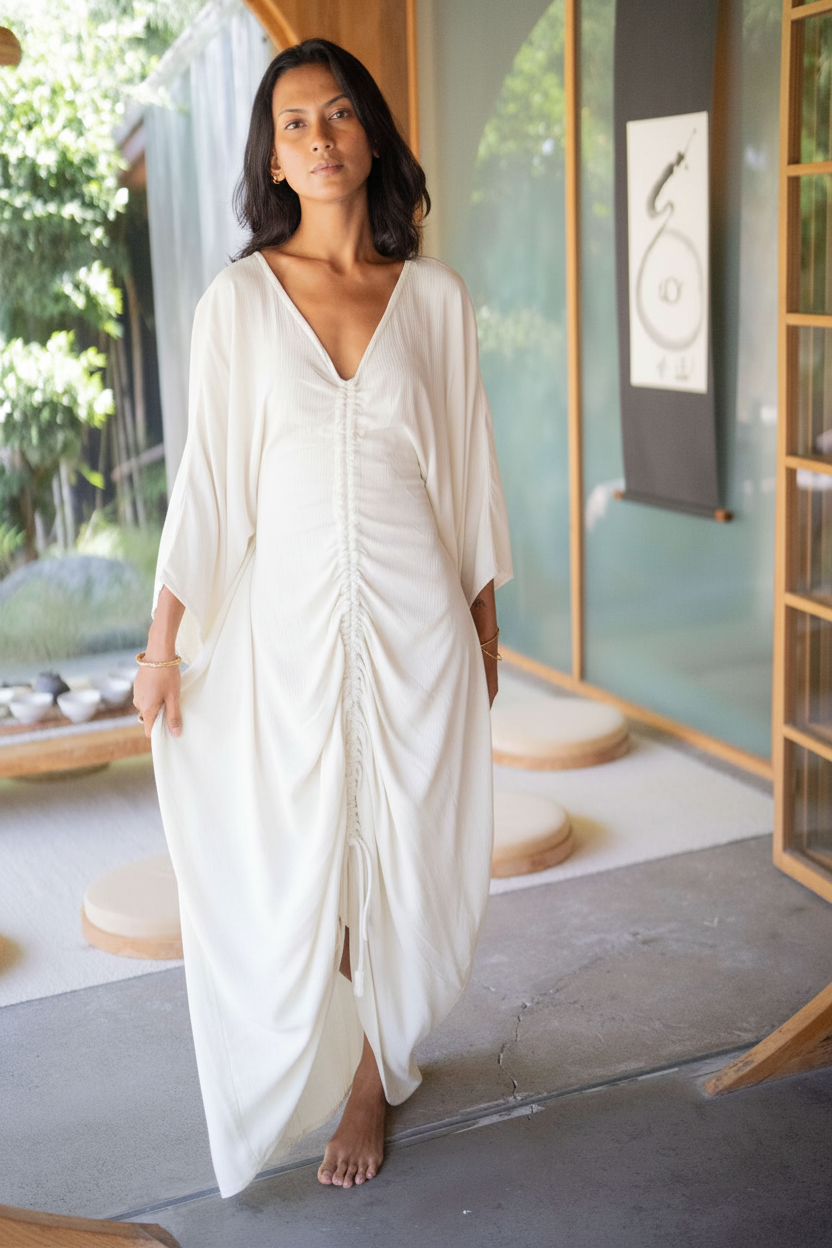
What It Really Means to Be a Slow Fashion Brand From Bali
Slow fashion is a phrase that has traveled a long way from where it started. It began as a direct response to fast fashion, a counter-movement, a refusal. And that origin is still important. But at its most developed, slow fashion is not defined by what it refuses. It is defined by what it insists on.

At Myrah Penaloza, we have been making clothing in Bali since the beginning. Not because Bali was a trend, not because the island was fashionable, but because this is where we live and where the conditions for making the way we believe in actually exist. The artisan families, the natural fabrics, the botanical dyeing traditions, the culture of craft as devotion rather than craft as production. Bali did not give us a brand story. It gave us a way of working.
This is what we mean when we call ourselves a slow fashion brand from Bali. Not the aesthetic. The ethic.
What Slow Fashion Actually Means in Practice
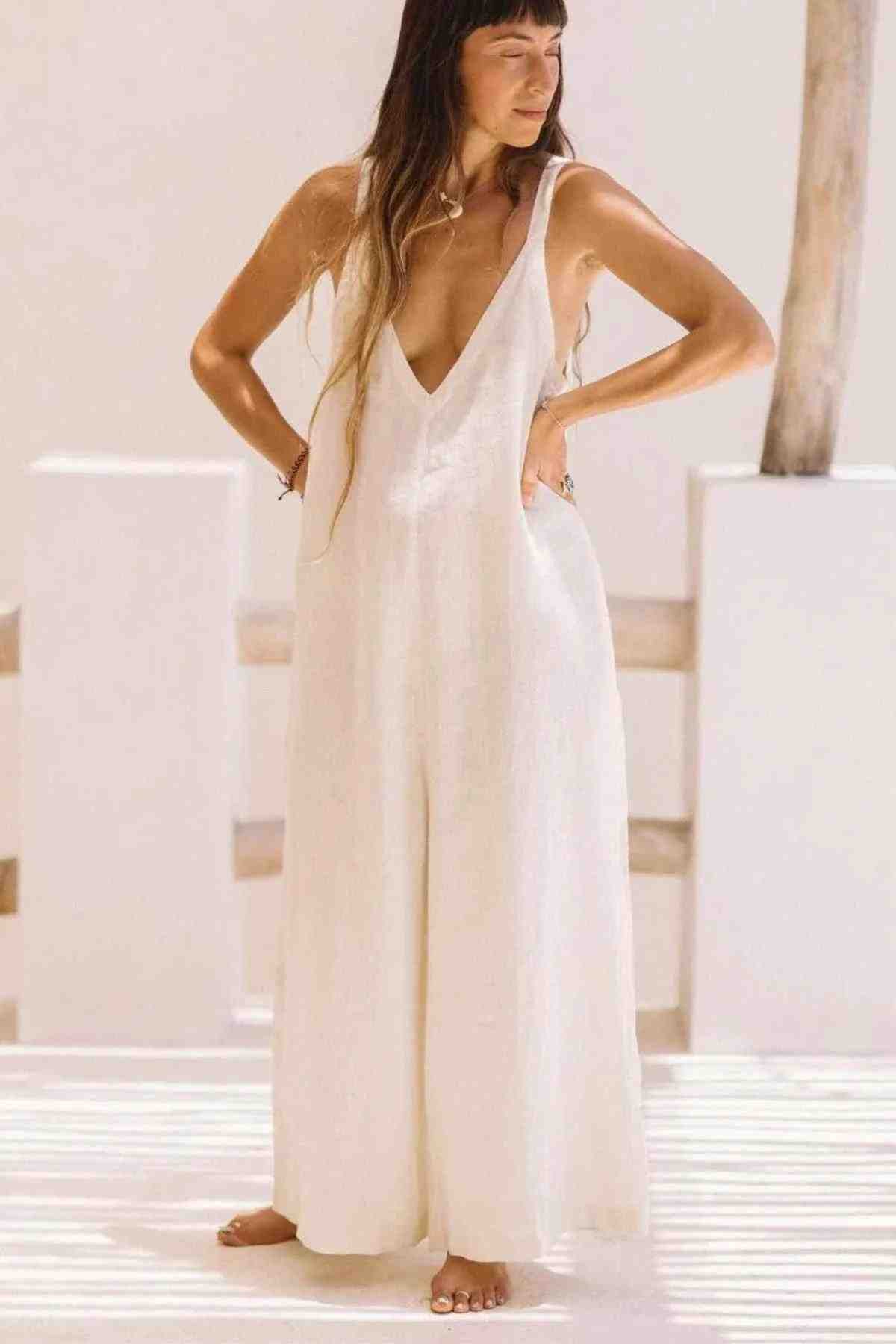
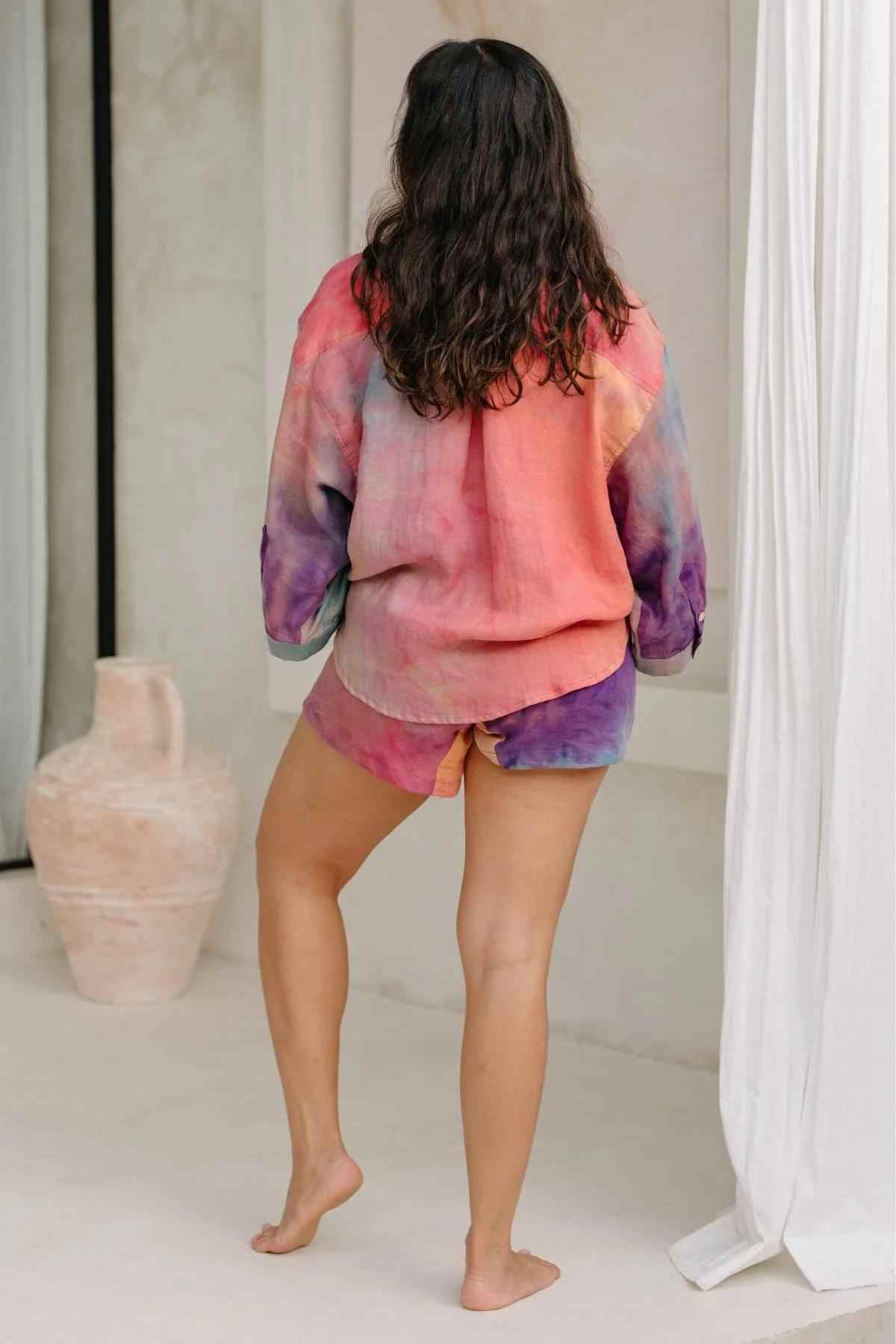
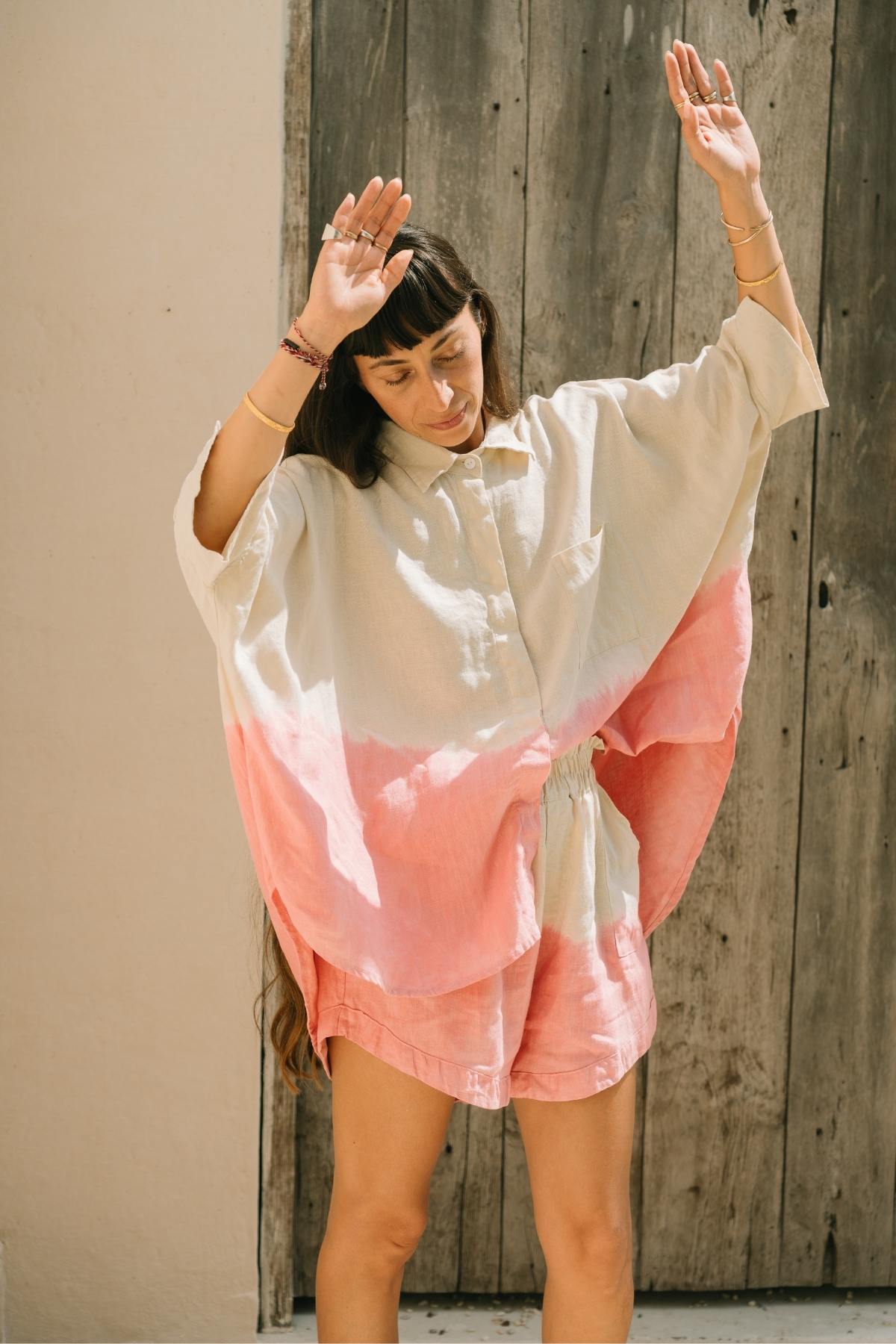
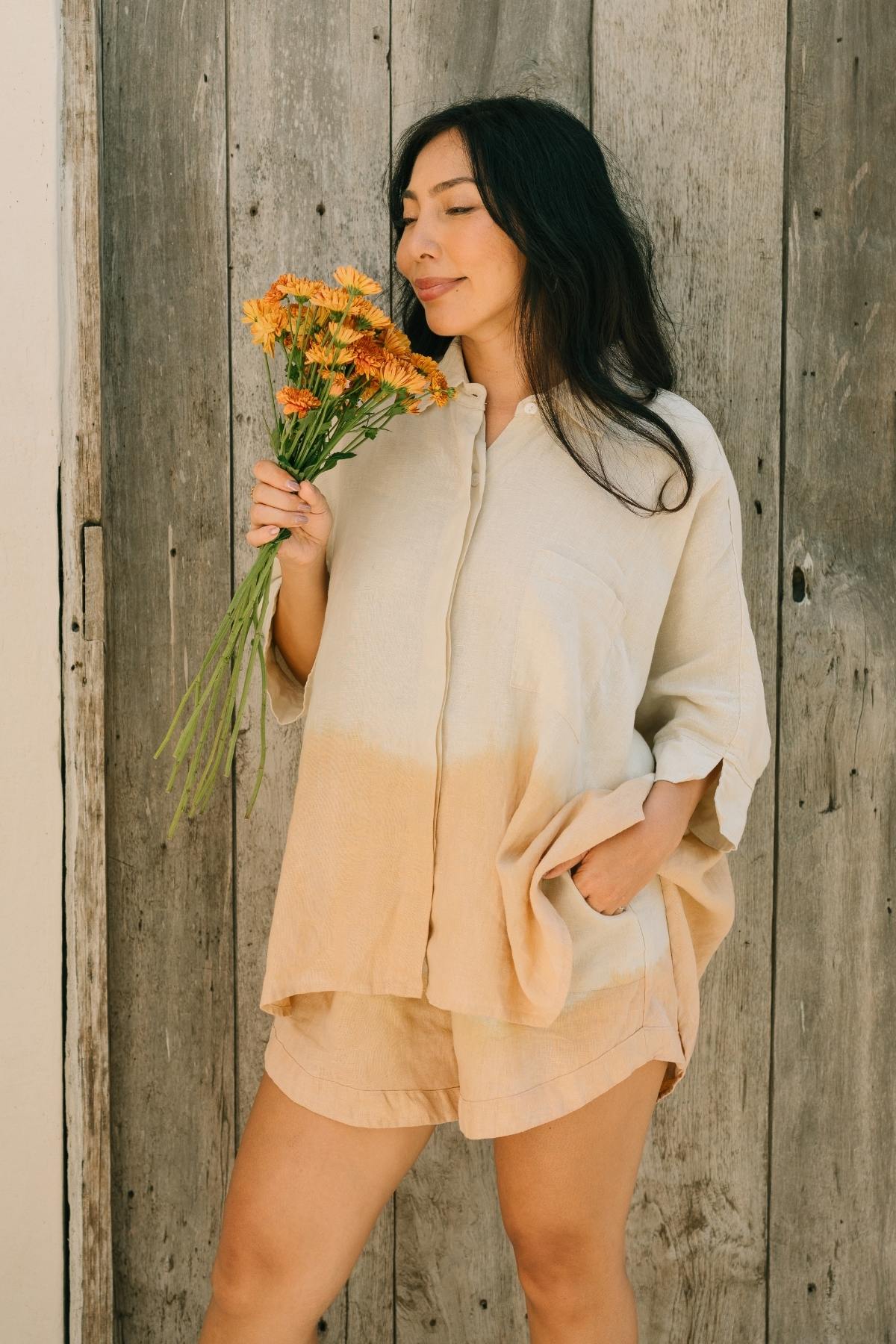
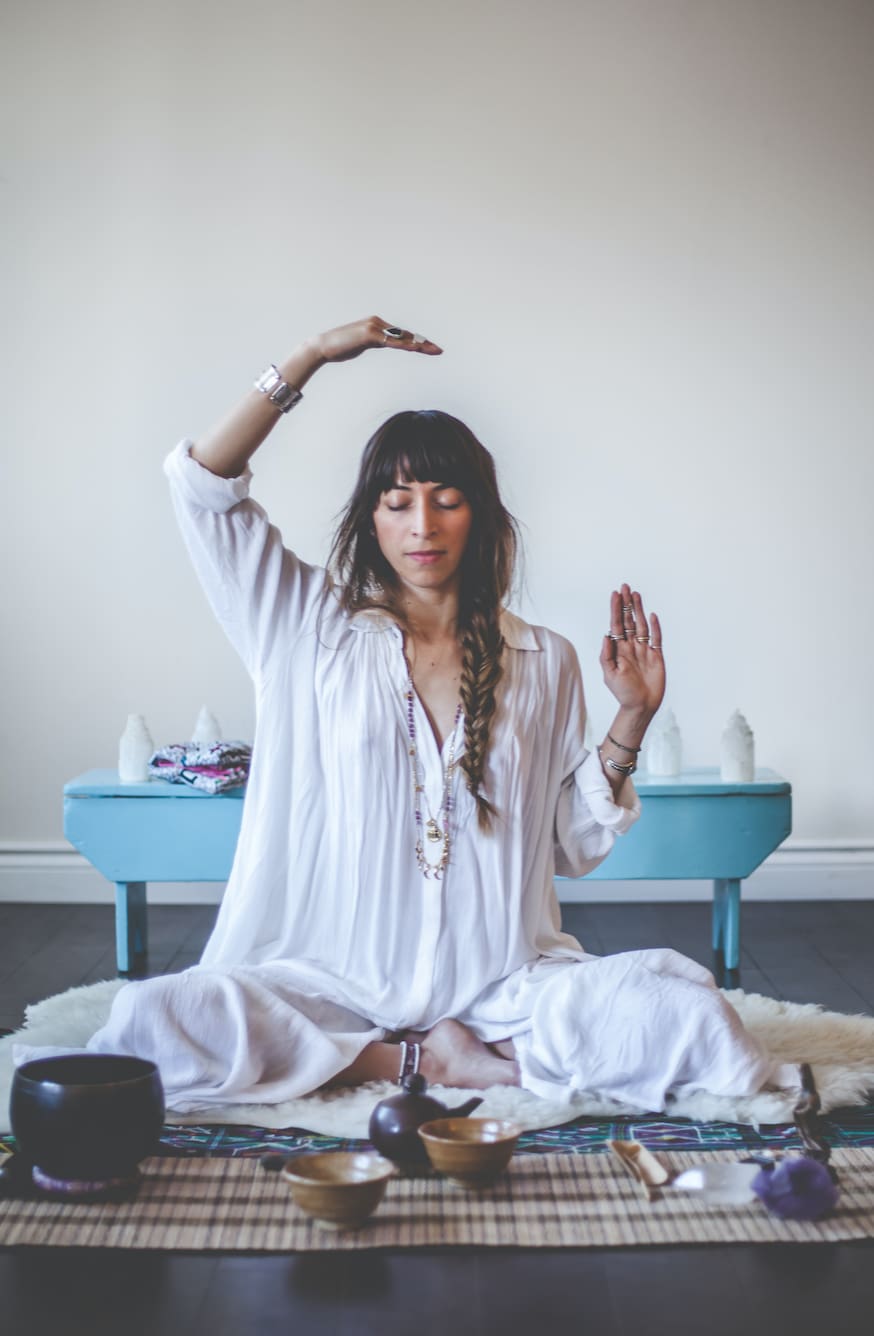
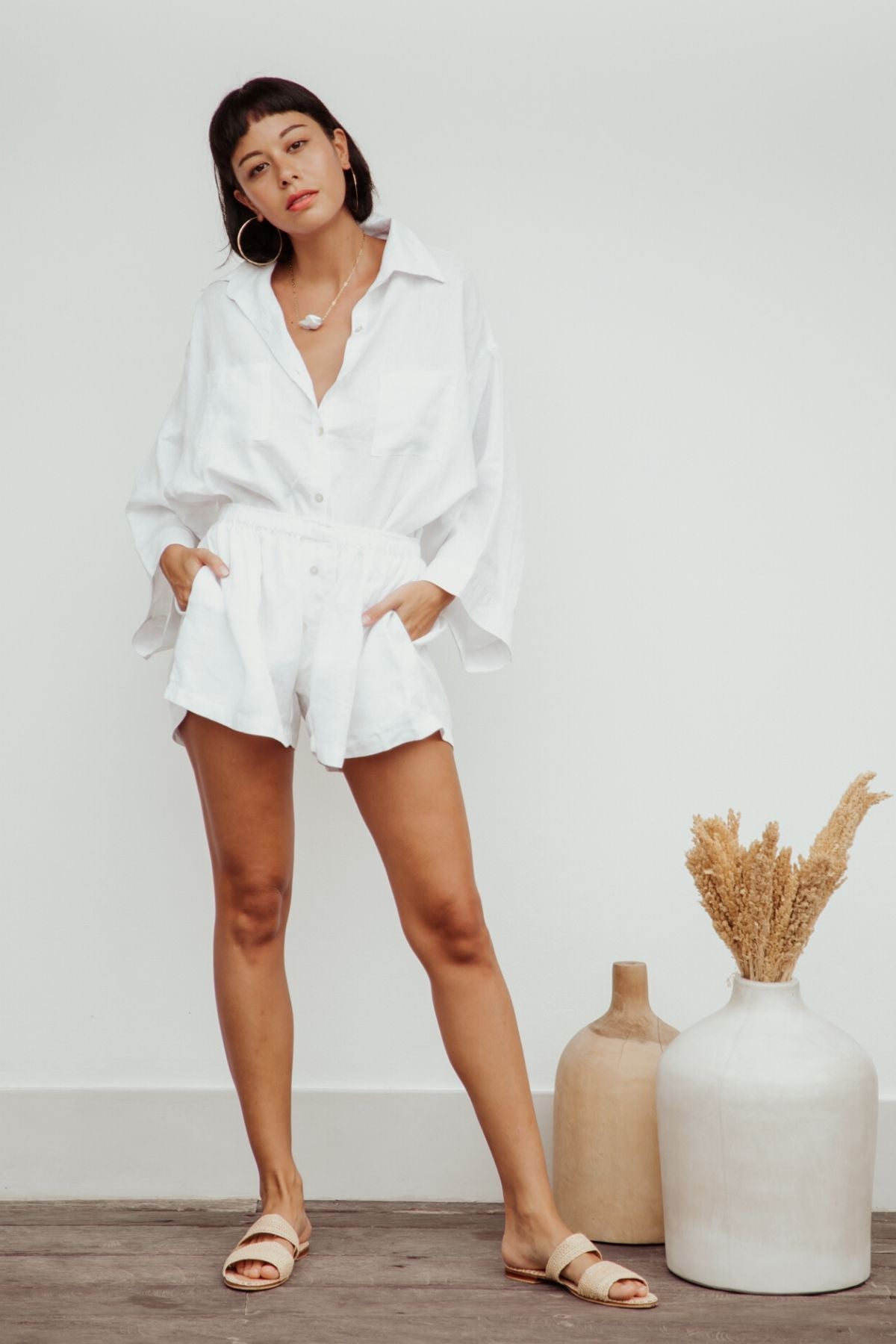
There is a version of slow fashion that is entirely aesthetic. Linen, earth tones, a Bali backdrop, a woman standing in golden light holding a basket. It looks beautiful. It may or may not mean anything.
The slow fashion that has substance looks different from the inside.
It means producing in small batches because that is the only scale at which genuine craft is possible. It means that when a style sells out, it may not return, because we are not manufacturing product. We are making garments. The distinction matters. A manufactured product can be reproduced indefinitely. A made garment has a run that is tied to the time and capacity and attention of the people who made it.
It means paying living wages, not minimum wages. Not the wage that is legally sufficient. The wage that allows dignity. In over a decade of working with Balinese artisan families, we have never paid less than this. It is not a policy we revisit. It is a foundation.
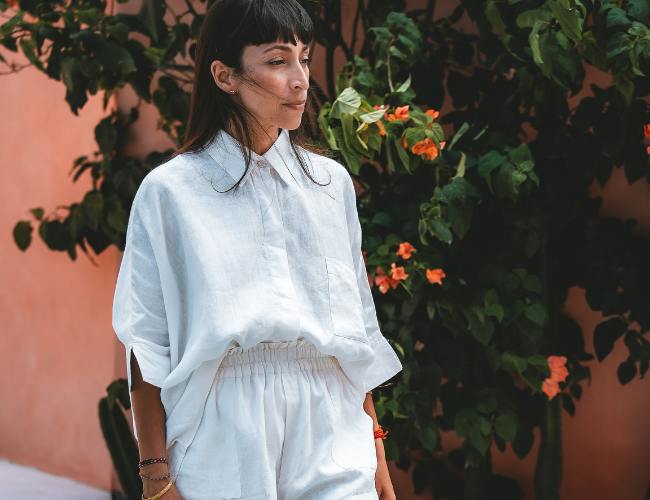
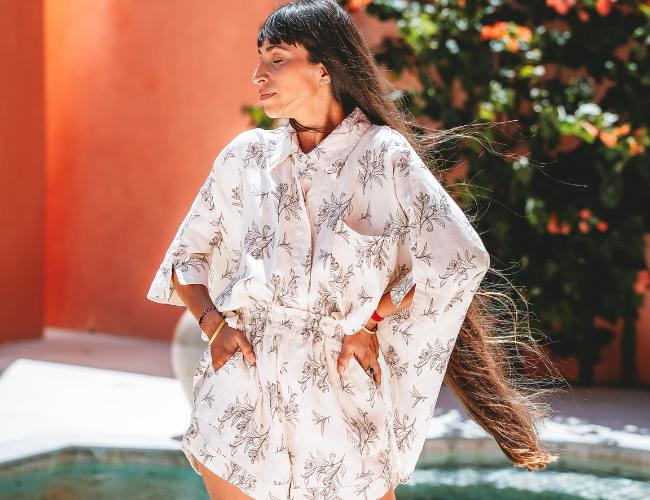
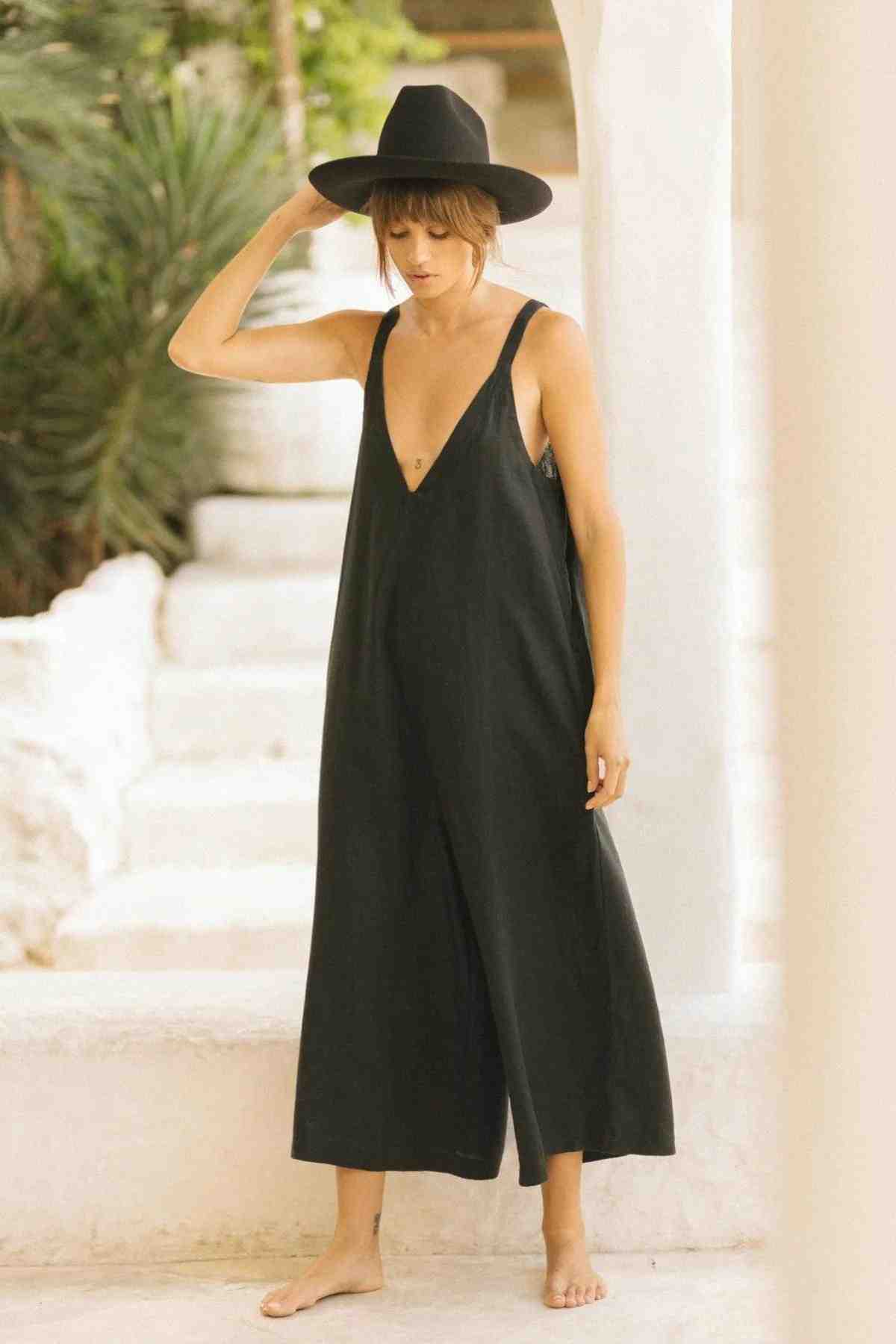
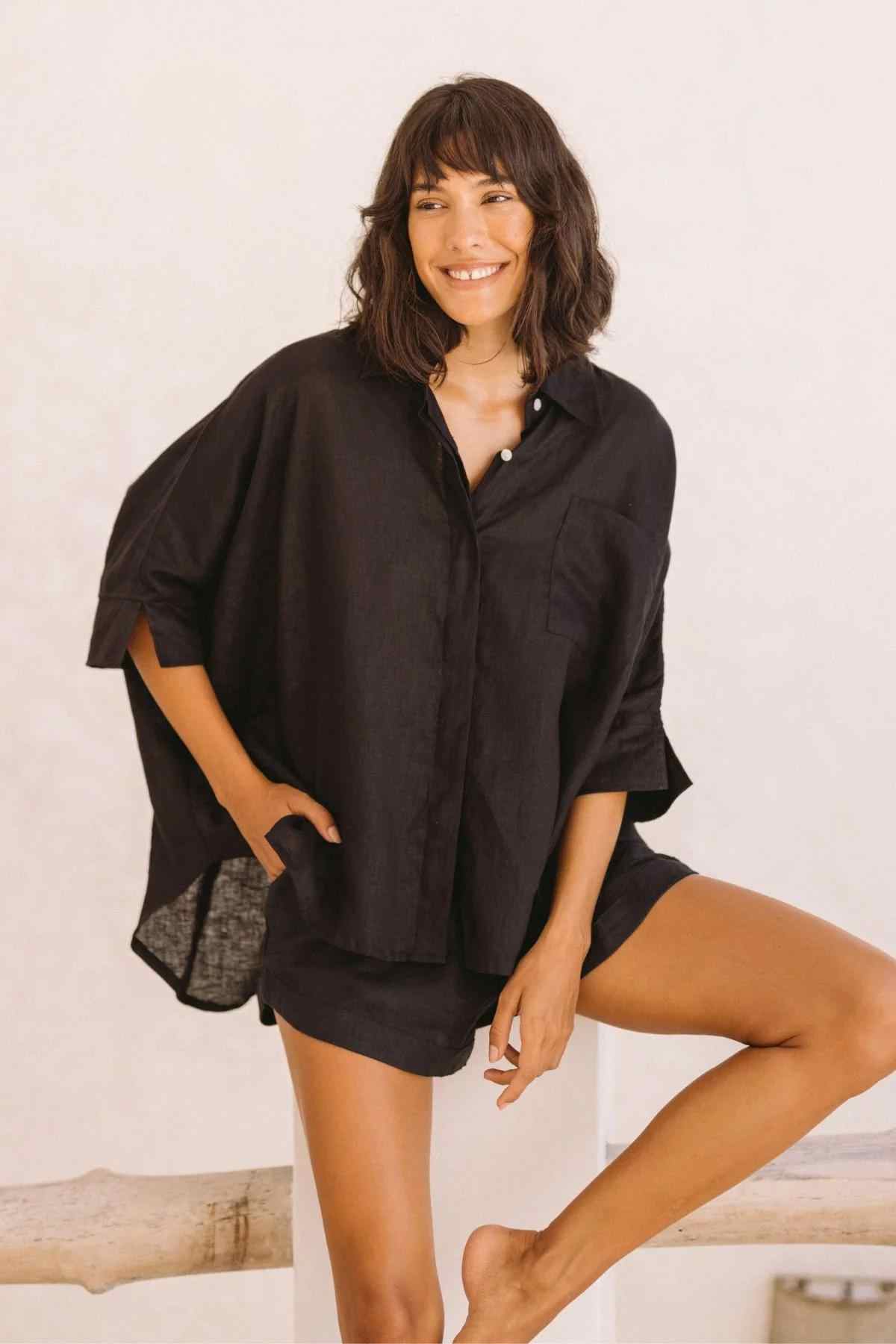
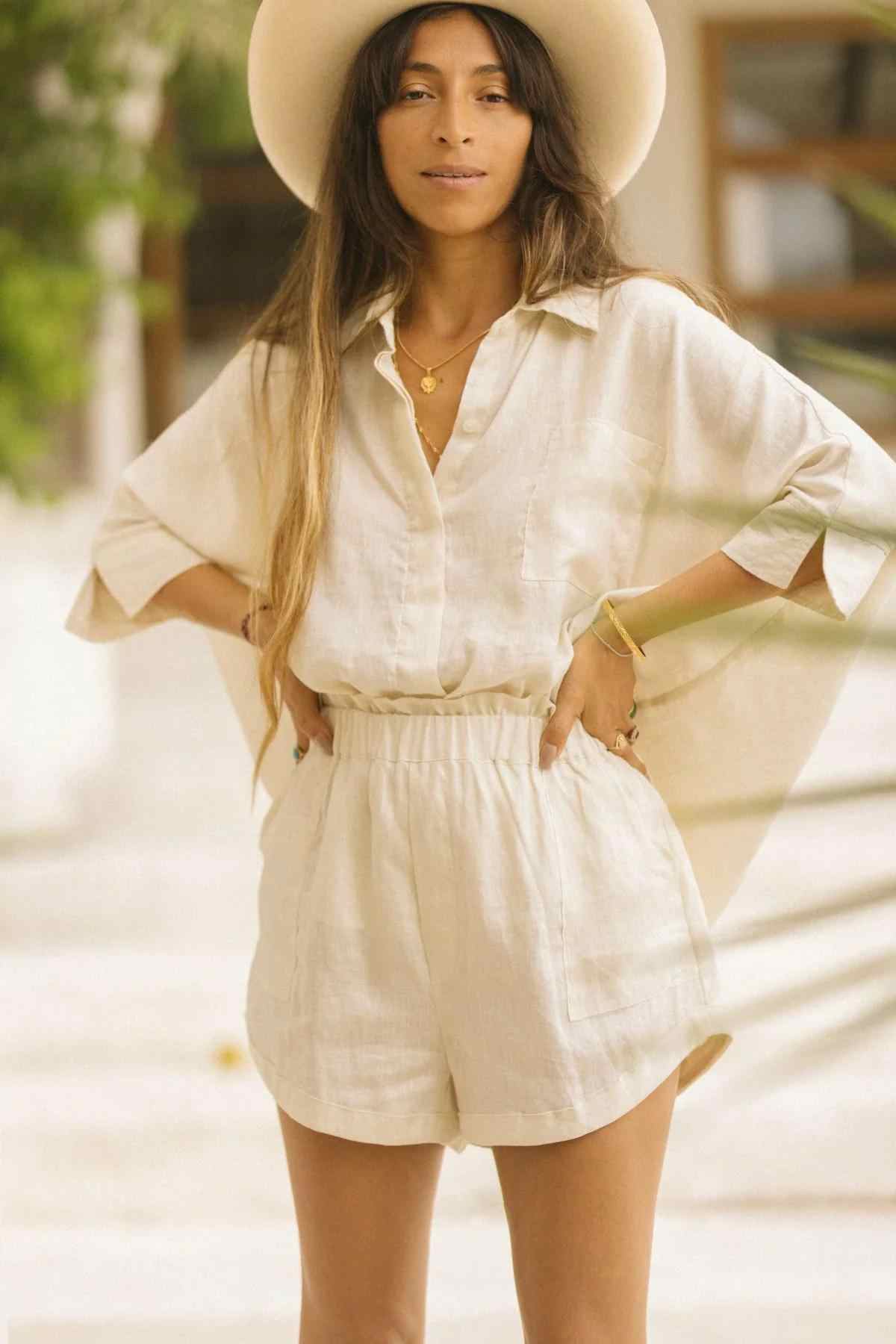
It means using natural fabrics only and never polyester or synthetic blends. Not because we are opposed to technology, but because synthetic fabrics do not decompose, they shed microplastics with every wash, and they do not feel, on the skin, the way linen and cotton and silk feel. We know this because we wear what we make.
And it means packaging that has been plastic-free since 2020, because the logic of making a garment with care and then wrapping it in single-use plastic has never made sense to us.
Why Bali Is One of the Last Places Where Slow Fashion Is Still Structurally Possible
This is something people do not often think about when they talk about slow fashion. It is not just a set of values. It requires a specific infrastructure to actually exist.
Most of the world has lost that infrastructure. The artisan networks, the generational knowledge of technique, the culture of making as a way of life rather than a job, these things were dismantled by industrialisation in most countries over the course of the twentieth century. What was lost cannot be easily rebuilt. You cannot create a master craftsperson in a training programme. The knowledge lives in the hands and it takes years to develop.
Bali still has this. Not everywhere on the island, not in all industries, but in specific craft traditions and among specific communities. The batik makers, the silversmiths, the textile weavers of the highlands, the clothing artisans who learned their skills from their families, these people exist here. And working with them directly, as we do, means we have access to a quality of making that is genuinely rare in the world right now.
This is not romantic. It is structural. And it is one of the reasons we make in Bali rather than moving production to a lower-cost country. The cost we would lose access to is not just price. It is craft.
The Three Cultures That Made This Brand
Myrah Penaloza was founded by a Mexican designer and an Indian co-founder, working from Bali. This is not incidental to the brand. It is the brand.
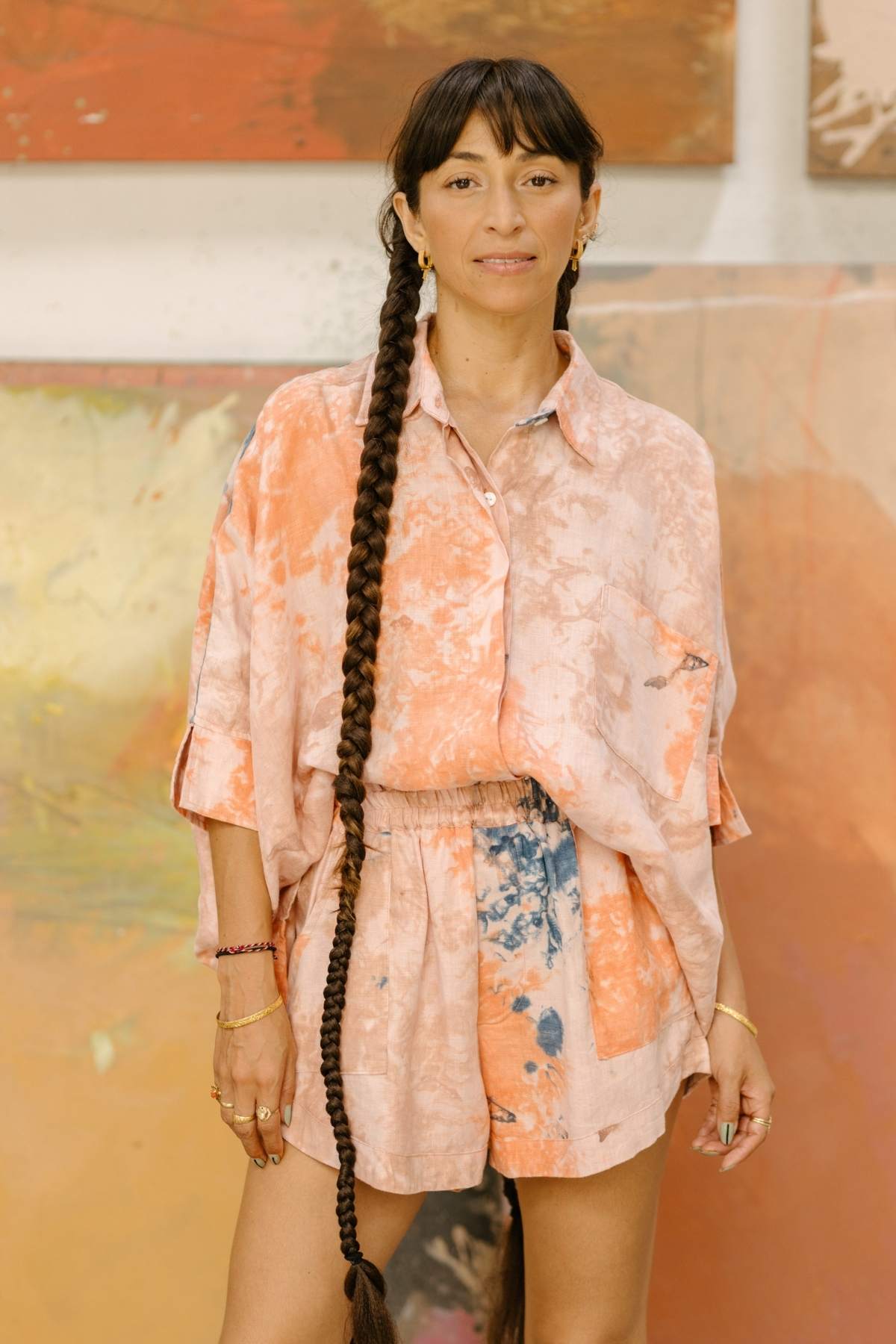
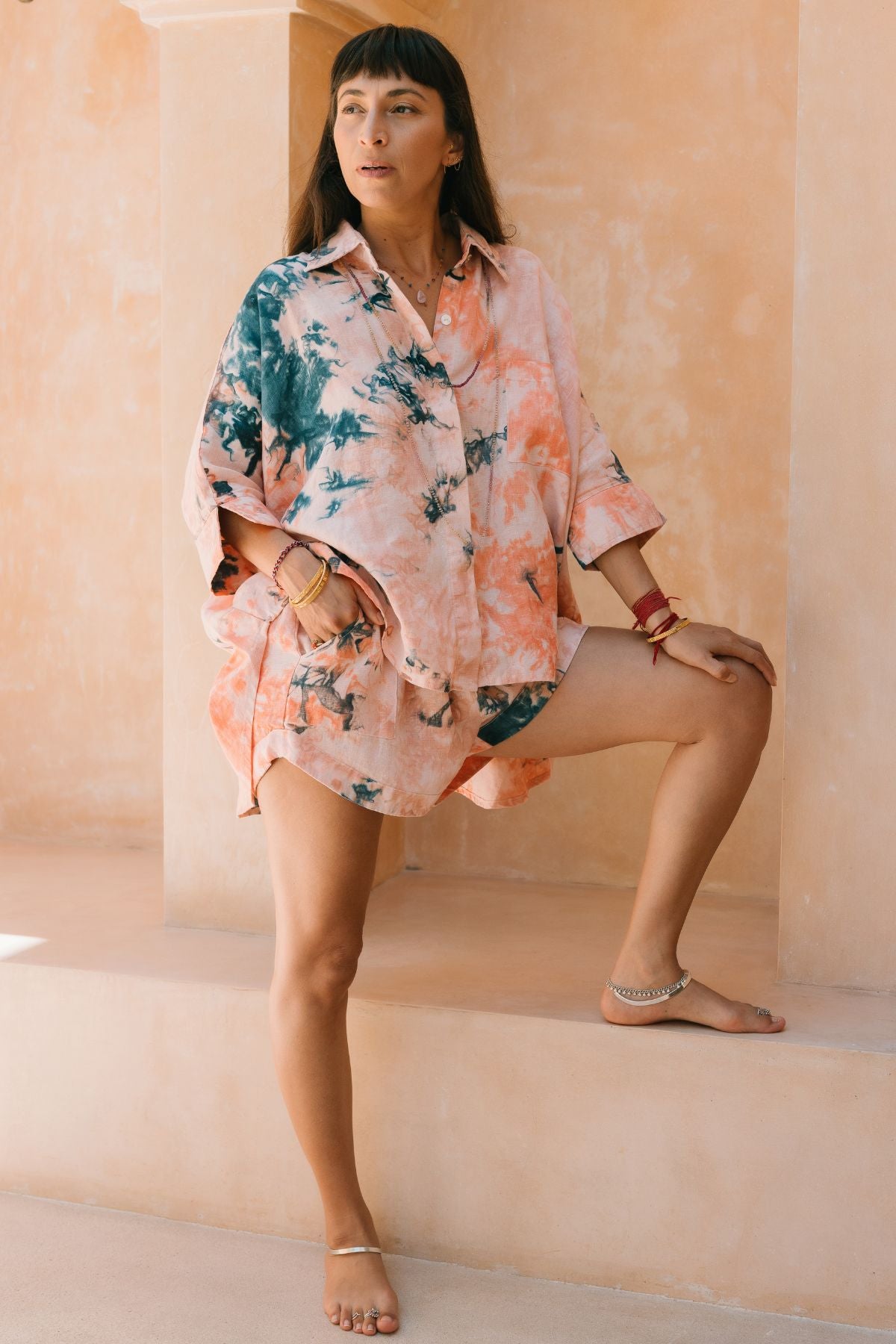
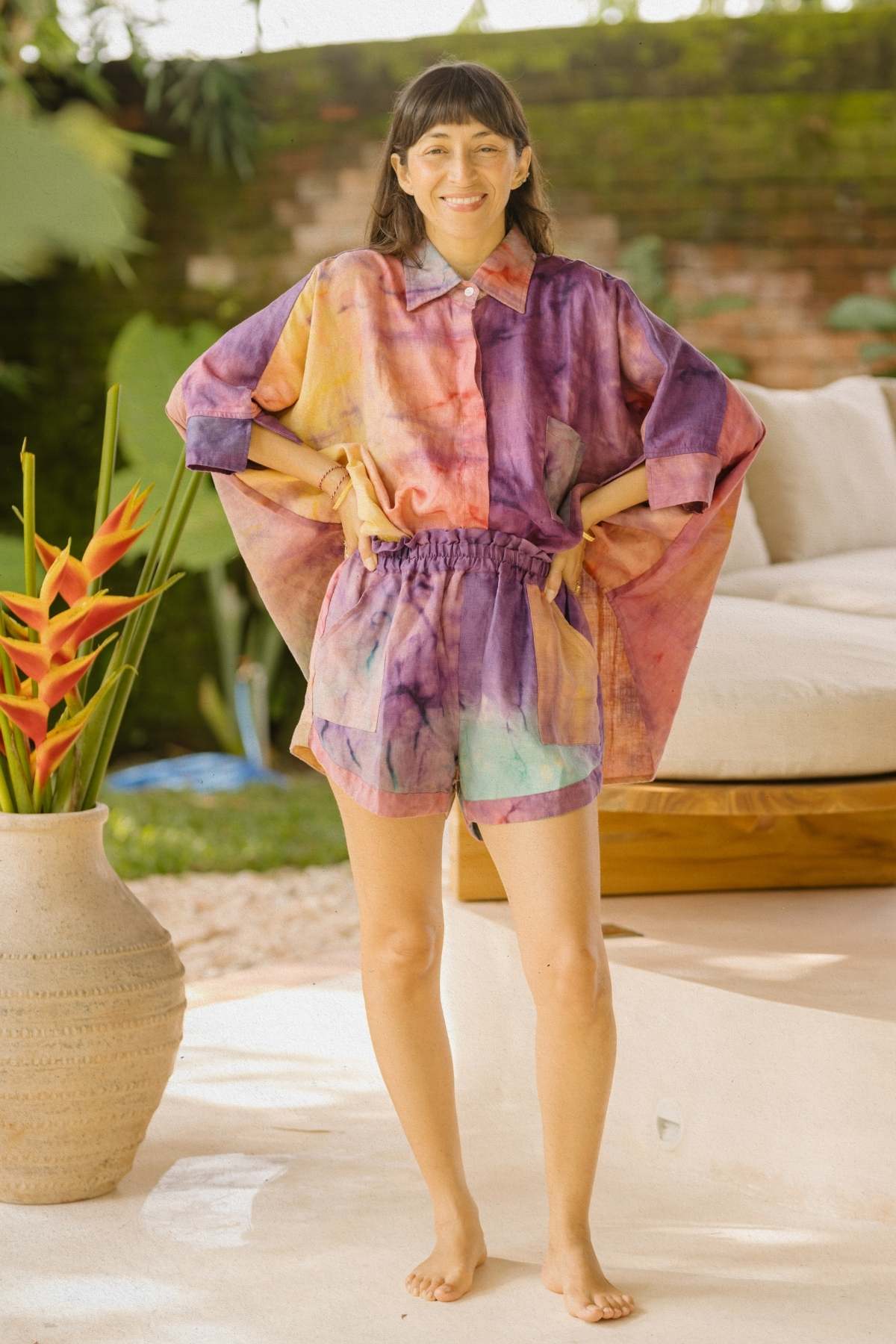
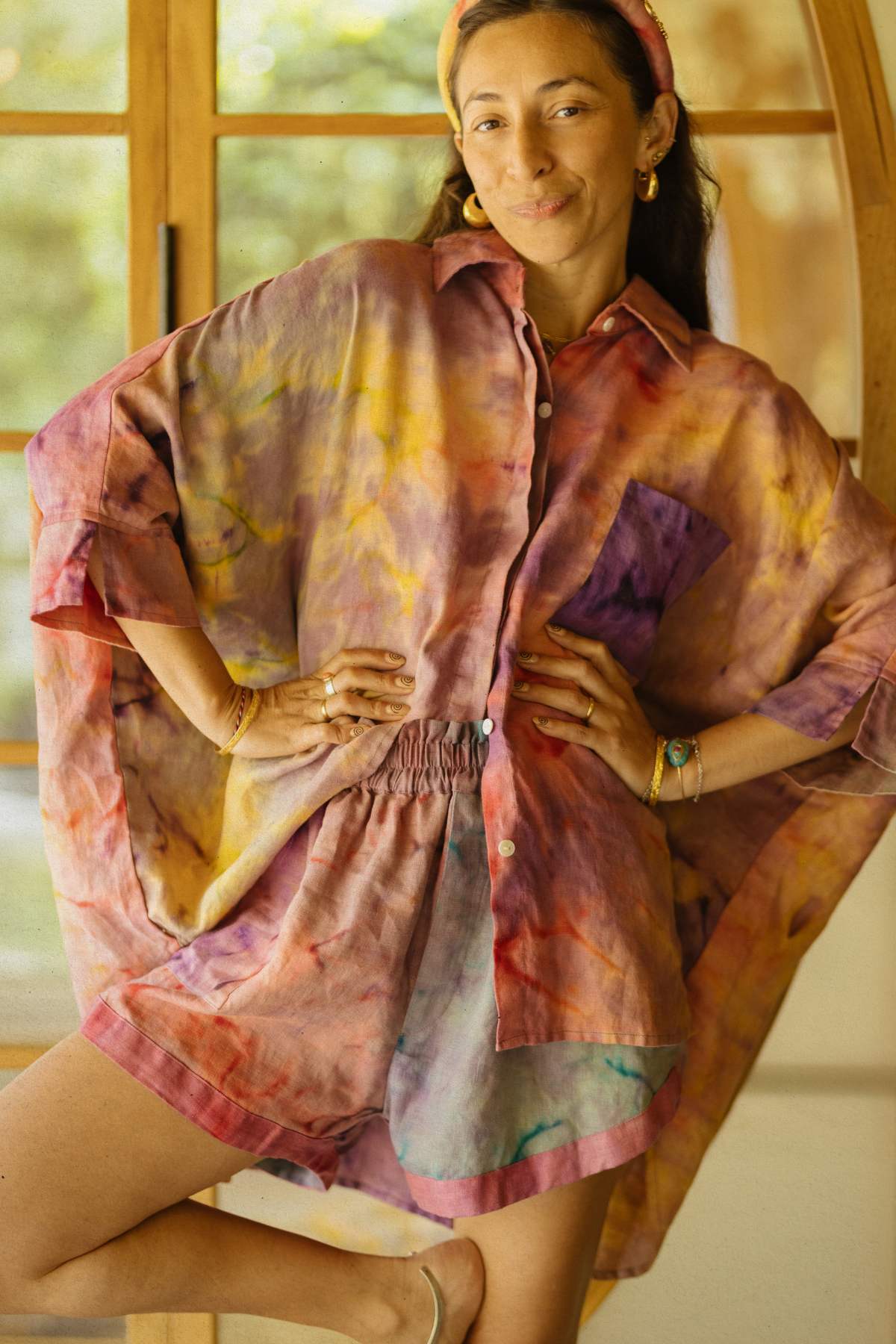
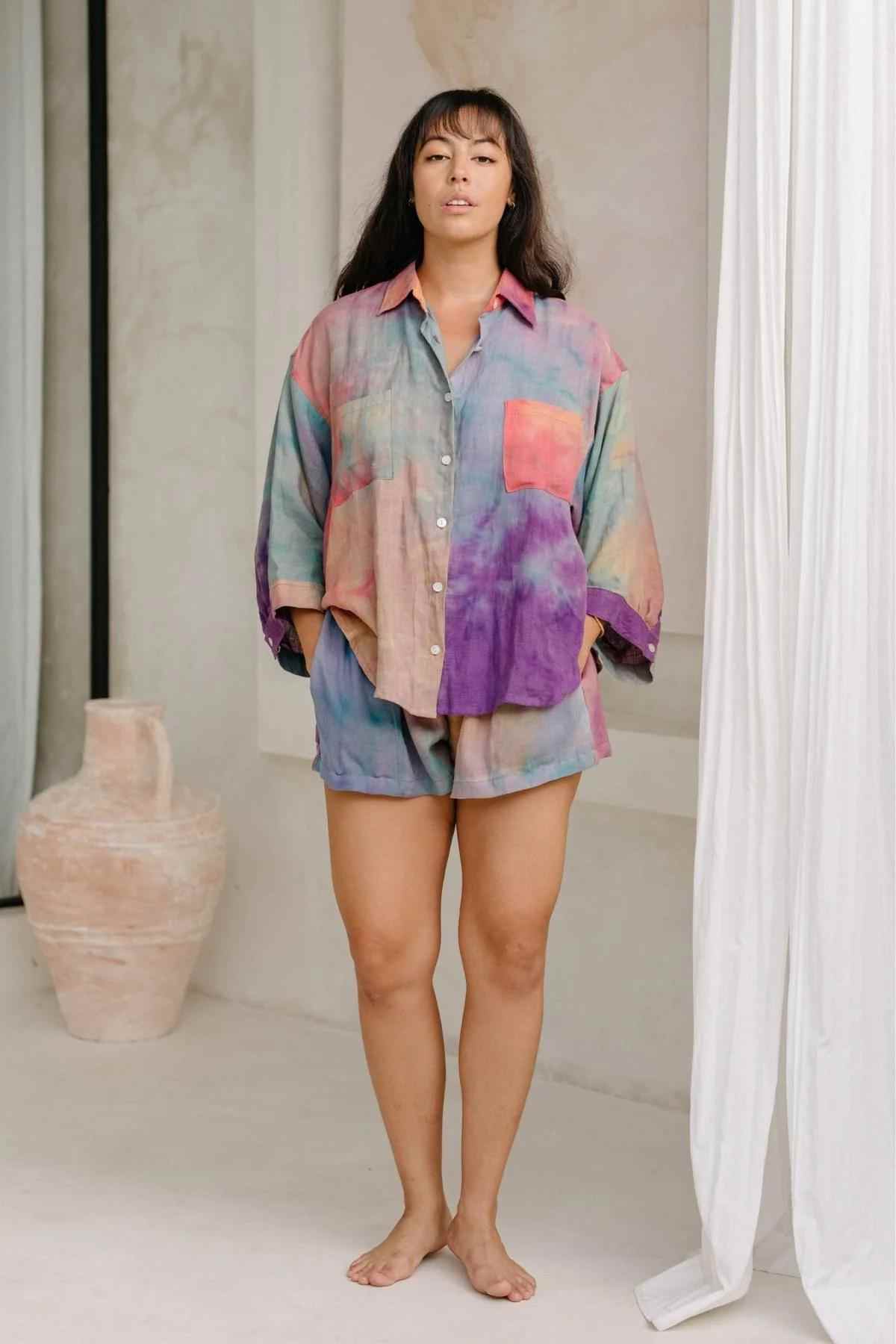
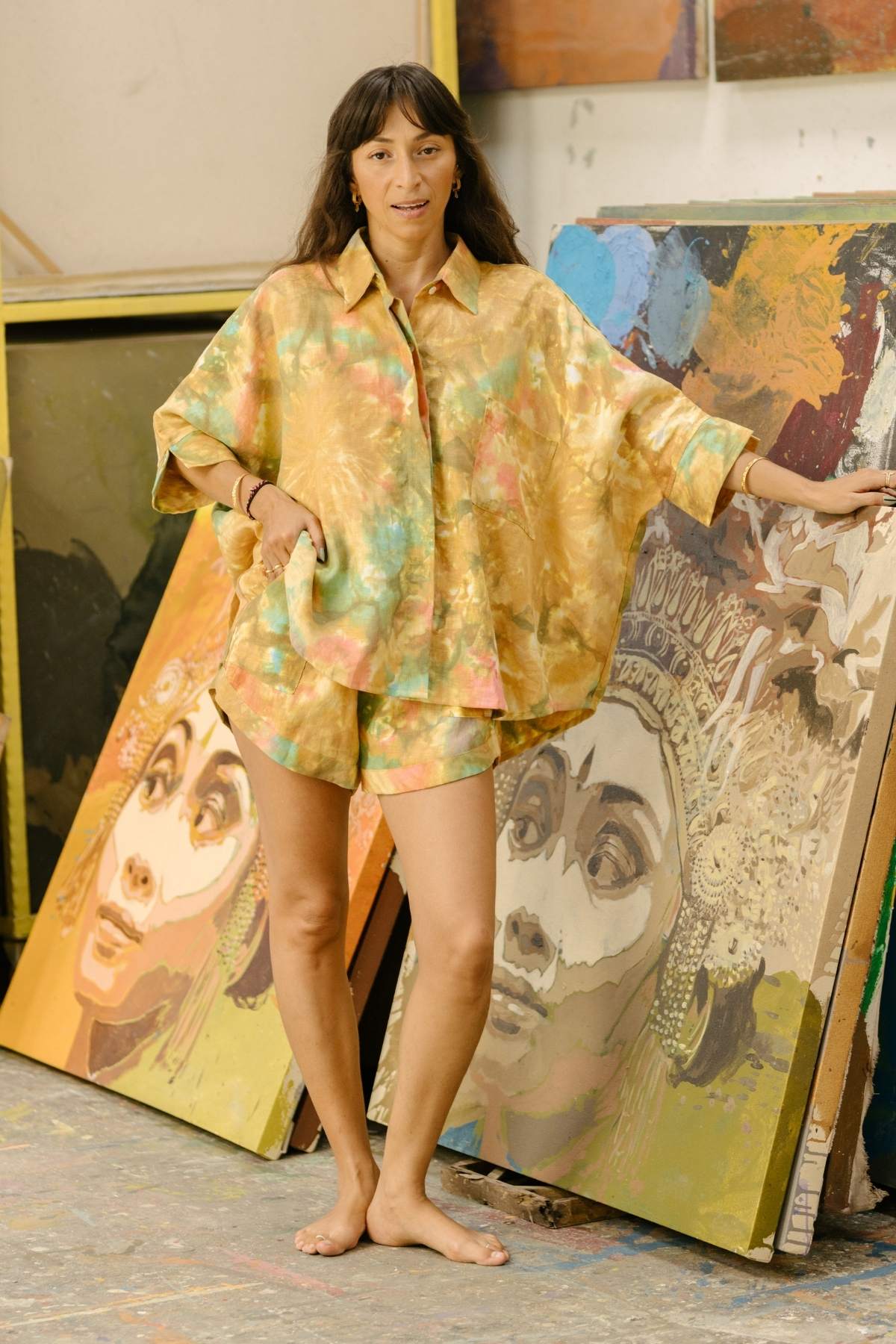
Mexico taught us that color is prayer. Mexican textile tradition is one of the most sophisticated in the world, and it carries within it a relationship to clothing as ceremony, as identity, as cultural continuity, that most of the fashion industry has never thought about. Our botanical dyeing practice, our relationship to color as meaning rather than trend, comes from this lineage.
India taught us that craft is devotion. The Indian textile tradition, the handloom weaving, the block printing, the embroidery traditions that take years to master, these are not decorative arts. They are spiritual practices. The idea that how you make something is inseparable from what you are making is something the Indian tradition has understood for millennia. It shapes how we think about every garment we produce.
Bali taught us that every act done with intention becomes ceremony. The Balinese relationship to offering, to daily devotional practice, to the idea that beauty is not a luxury but a necessity, this is woven into the culture in a way that is felt immediately when you arrive and never fully leaves you when you go. Our artisan families bring this to their work. We try to honor it in ours.
The intersection of these three traditions is what makes Myrah Penaloza unlike any other slow fashion brand in Bali. We are not Bali-made with a Western brand on top. We are genuinely the product of three cultures, and the garments carry that, in ways you can feel even if you cannot name them.
What Slow Fashion From Bali Gives the Woman Who Wears It
There is a particular kind of customer who finds us, and the way she finds us is almost always the same. She was not looking for a brand. She was looking for something real.
She has been buying fast fashion, or she has been buying from brands that use the language of slow fashion without the substance, and at some point, something shifts. She starts to ask different questions. Not just what does this cost but what did it cost to make. Not just does this look good but does this feel right. Not just is this on trend but is this true.
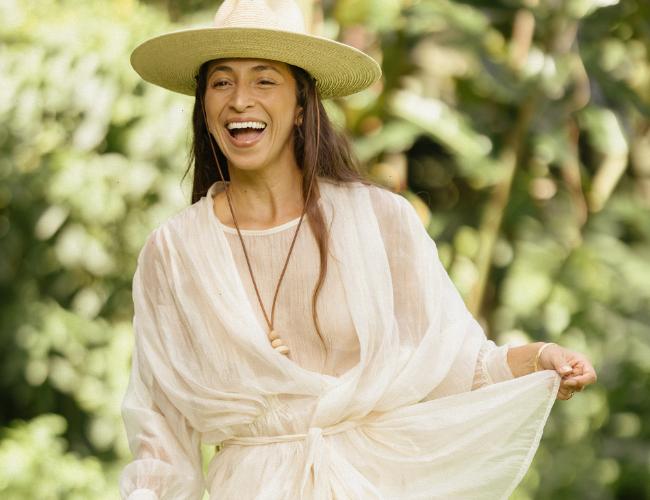
When she finds clothing that is genuinely made by hand, by skilled people who are fairly paid, from natural fabrics that breathe and move and age beautifully, something in her recognises it. She is not converting to a movement. She is returning to something she already knew.
This is who we make for. The woman who is returning to herself. And slow fashion from Bali, done honestly, is one of the most direct paths we know back to that.
We do not make clothes to keep up with the world. We make them to remind you the world can wait.

|
A Piece for This Threshold The Virgo Moon Kaftan I have watched women put on the Virgo Moon Kaftan and visibly change. Not perform. Change. Pure linen, handcrafted in Bali, in a silhouette that asks nothing of you and gives you everything. This is what slow fashion at its best feels like. Shop New Arrivals → |
|
The Muse-Letter Dress for the woman you’re becoming. Every week from Bali. Astrology, ceremony, new arrivals, and the stories behind what we make. Join the Muse-LetterUnsubscribe any time. No spam, ever. |



Leave a comment
This site is protected by hCaptcha and the hCaptcha Privacy Policy and Terms of Service apply.