



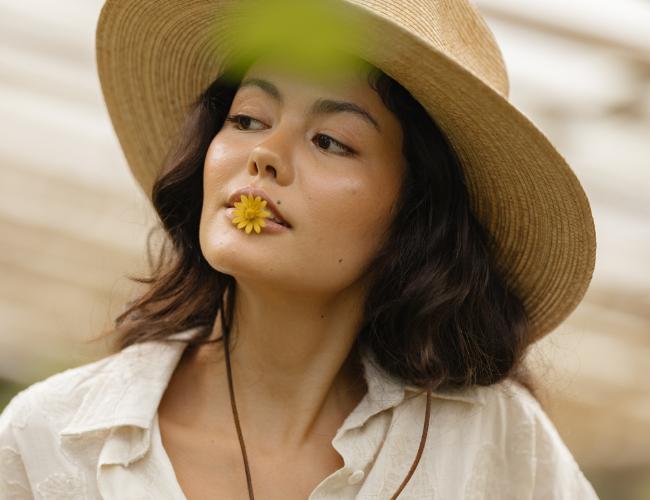

The Best Natural Hair Oils for Growth, Shine and Scalp Health: Bali's Timeless Beauty Secret
Your hair is telling you something. Not about your genetics or your styling tools. It is about what it is missing. And in Bali, where women have been using plant-based oils for centuries, the answer has always been the same: feed the scalp, and the rest follows.
Natural hair oils are having a global moment, but in the villages of Bali they were never a trend. They are ritual. Passed from grandmother to daughter, applied at dusk, massaged in slowly. The results speak for themselves: thick, luminous hair that grows with intention and holds its health through heat, humidity, and everything the tropics can throw at it. Here is what actually works, and why.

Why Natural Hair Oils Work Better Than Synthetic Treatments
Most commercial hair treatments work on the surface. They coat the hair shaft with silicones, add temporary shine, and wash out in three days. Natural oils work differently: their molecular structure allows them to penetrate the hair shaft and reach the cortex, the layer where real moisture lives. Cold-pressed, unrefined oils are especially effective because the heat treatment that produces refined oils destroys many of the fatty acids and antioxidants responsible for the benefits.
Natural oils also address the scalp, not just the strand. A healthy scalp is the foundation of healthy hair growth. Many of the scalp conditions that slow growth, including dryness, inflammation, and fungal imbalance, are directly addressed by specific plant oils. This is why consistent oil treatment produces visible changes in hair texture and density over time, not just cosmetic shine.
The Best Natural Hair Oils for Growth and Scalp Health
Coconut oil is the queen of Balinese hair care and for good reason. Lauric acid, its primary fatty acid, has a uniquely small molecular weight that allows it to penetrate the hair cortex rather than simply coating it. Studies have shown it reduces protein loss in both damaged and undamaged hair. Use it as a pre-wash treatment: apply to dry hair from root to tip, leave for a minimum of thirty minutes (overnight is better), then wash out. For fine hair, focus it on the scalp only.
Castor oil is the growth oil. Rich in ricinoleic acid, it increases scalp circulation and has antimicrobial properties that keep the follicle environment healthy. It is thick, so mix it with a lighter carrier (coconut or jojoba) at a ratio of 1:3 before applying. Massage into the scalp for five minutes. The massage itself is as important as the oil, as it stimulates blood flow to the follicles.
Argan oil is best used as a finishing treatment on damp or dry hair. High in vitamin E and oleic acid, it smooths the cuticle, controls frizz in humid climates, and adds the kind of shine that does not look oily. In Bali, where humidity is a constant companion, argan oil is the final step in every good hair ritual.
Rosemary-infused oil has now been studied in peer-reviewed research that compares it favourably to minoxidil for hair growth, with far fewer side effects. You can make your own by steeping dried rosemary in warm coconut or jojoba oil for several weeks, or buy a pre-made version. Apply to the scalp three times a week and massage in for five minutes.
Jojoba oil is technically a liquid wax, not an oil, which is why it mimics the scalp's natural sebum more closely than any other plant extract. It is the ideal daily scalp treatment for those with a dry or flaking scalp, applied in a few drops directly to the roots between washes.
The Balinese Hair Ritual: How to Apply Oils Correctly
The application matters as much as the oil itself. In Bali, hair oiling is not rushed. Begin by warming a small amount of oil between your palms. Warmth opens the cuticle and allows deeper penetration. Section the hair and apply the oil directly to the scalp using your fingertips, not a brush. Massage in slow, circular movements for at least five minutes, working from the temples to the crown to the nape. Then distribute any remaining oil through the lengths with your hands.
The ideal frequency depends on your hair type. Fine or oily hair benefits from scalp-only application once or twice a week. Thick, coarse, or dry hair can handle full-length treatment two to three times a week. The key is consistency: one treatment does little. Eight weeks of consistent treatment begins to change the hair you grow.
Natural Hair Oils in Humidity: The Bali Approach
One of the most common questions I receive is whether oils make hair frizzy in humidity. Used correctly, the opposite is true. Heavy oils used too generously, or applied to hair that has not been properly cleansed, will weigh hair down and attract humidity. But a small amount of argan or jojoba oil applied to damp hair after washing creates a light seal around the cuticle that actually keeps humidity out. In Bali, this is the difference between hair that falls flat by midday and hair that holds its shape through an afternoon rainstorm.
The best rule: less than you think, more often than you imagine. A few drops of finishing oil on damp hair, every wash day. A dedicated scalp treatment twice a week. The ritual compounds over time.
Hair care is self-care with receipts. When you tend to your hair with intention, with the right oils, the right touch, and the right consistency, it responds. Not overnight. Over months. And what grows is not just stronger hair. It is the discipline of returning to yourself, again and again, in small and nourishing ways.
With love from Bali,
Myrah.
|
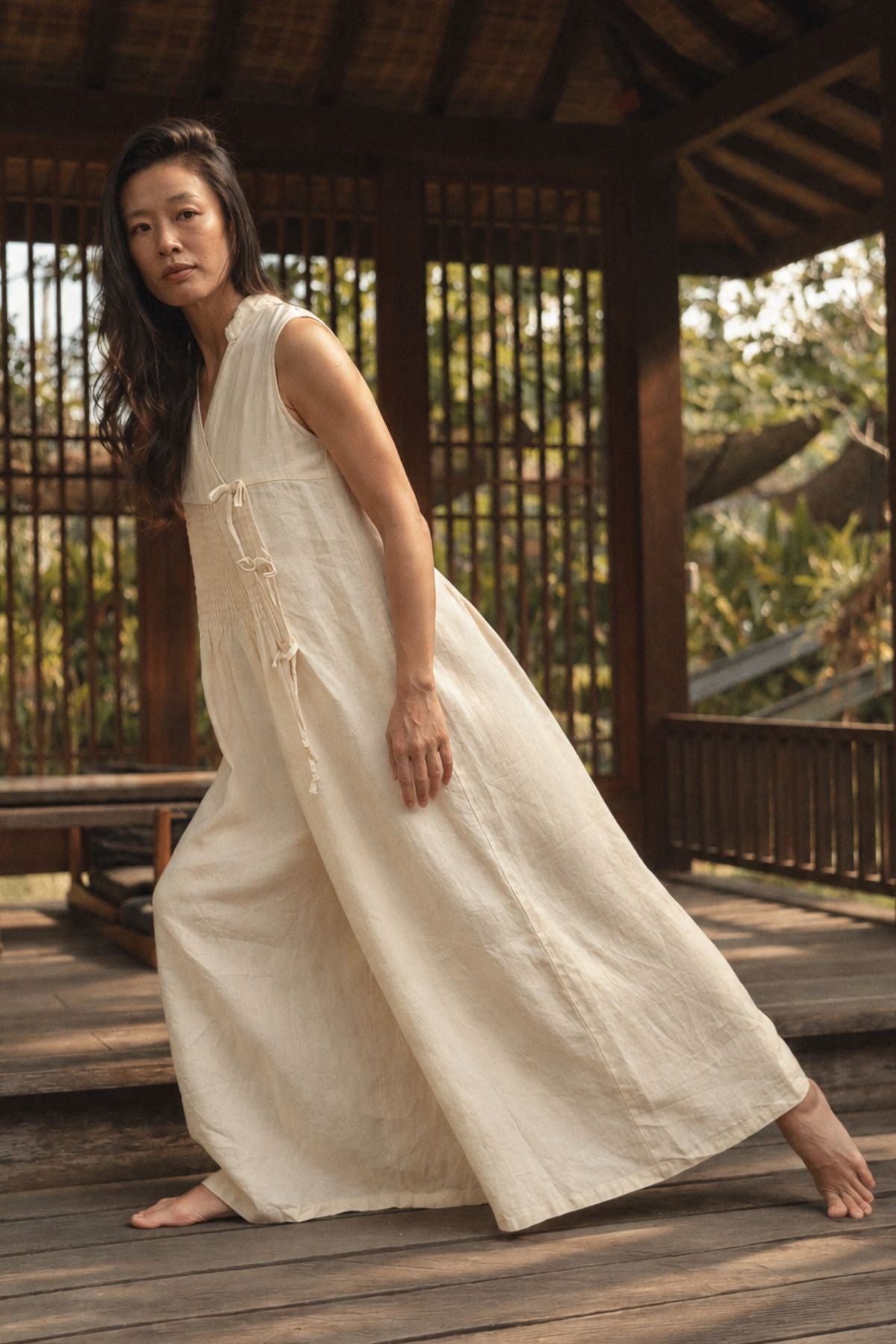
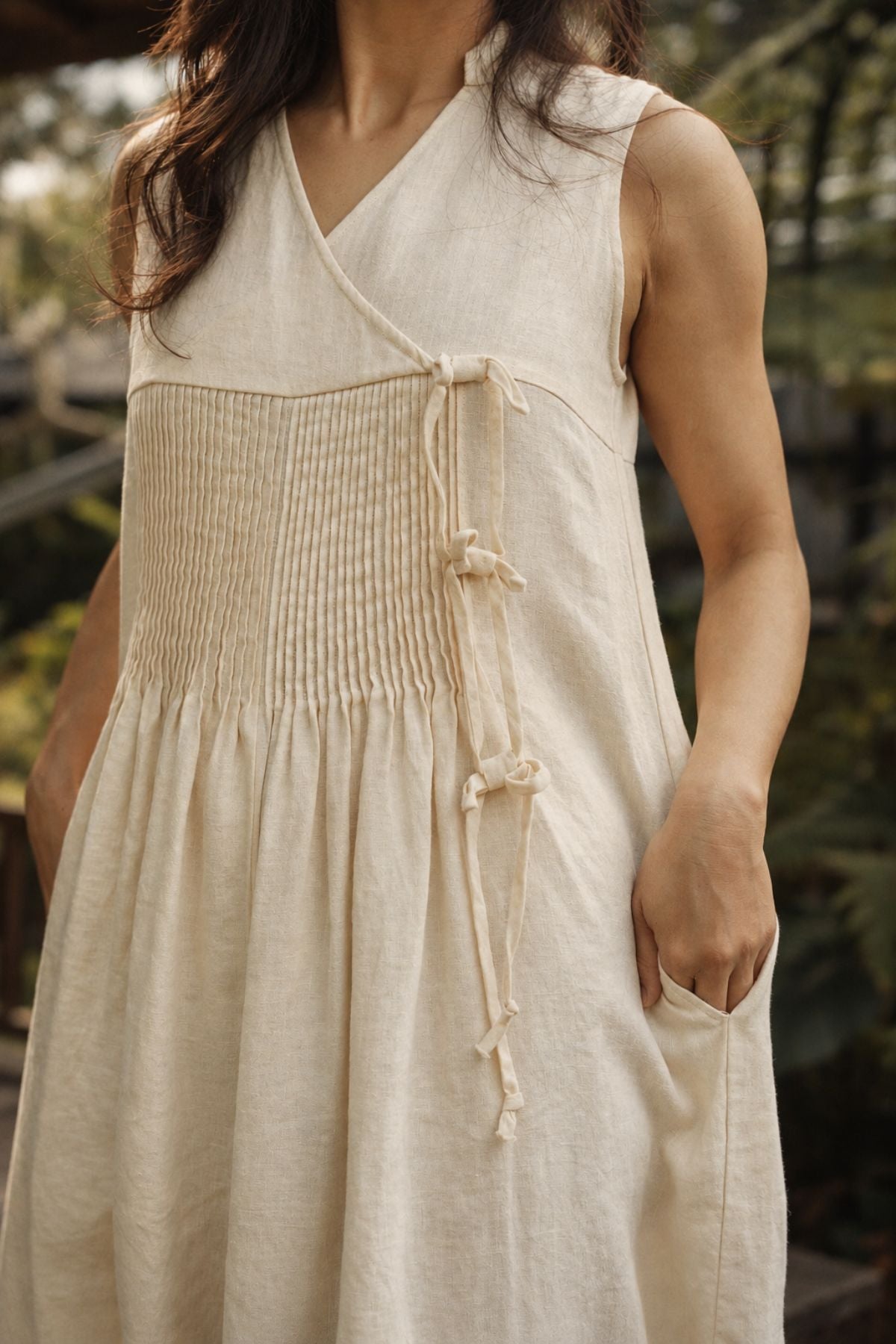
A Piece for This Threshold Virgo Rising Gown. Long sleeves in Bali heat that somehow, completely work. Made from the softest fabric, in three earthy tones. The gown for the woman who has arrived. |

|
The Muse-Letter Dress for the woman you're becoming. Every week from Bali. Astrology, slow living, sacred feminine, and the pieces we make by hand. A letter, not a sales pitch. Unsubscribe any time. No spam, ever. |















Leave a comment
This site is protected by hCaptcha and the hCaptcha Privacy Policy and Terms of Service apply.