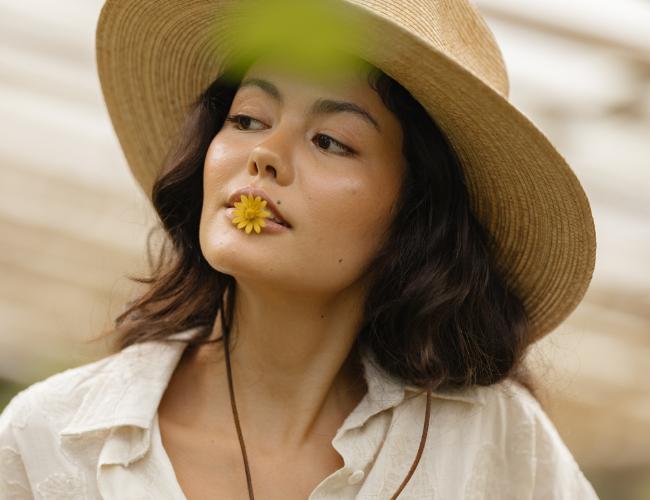
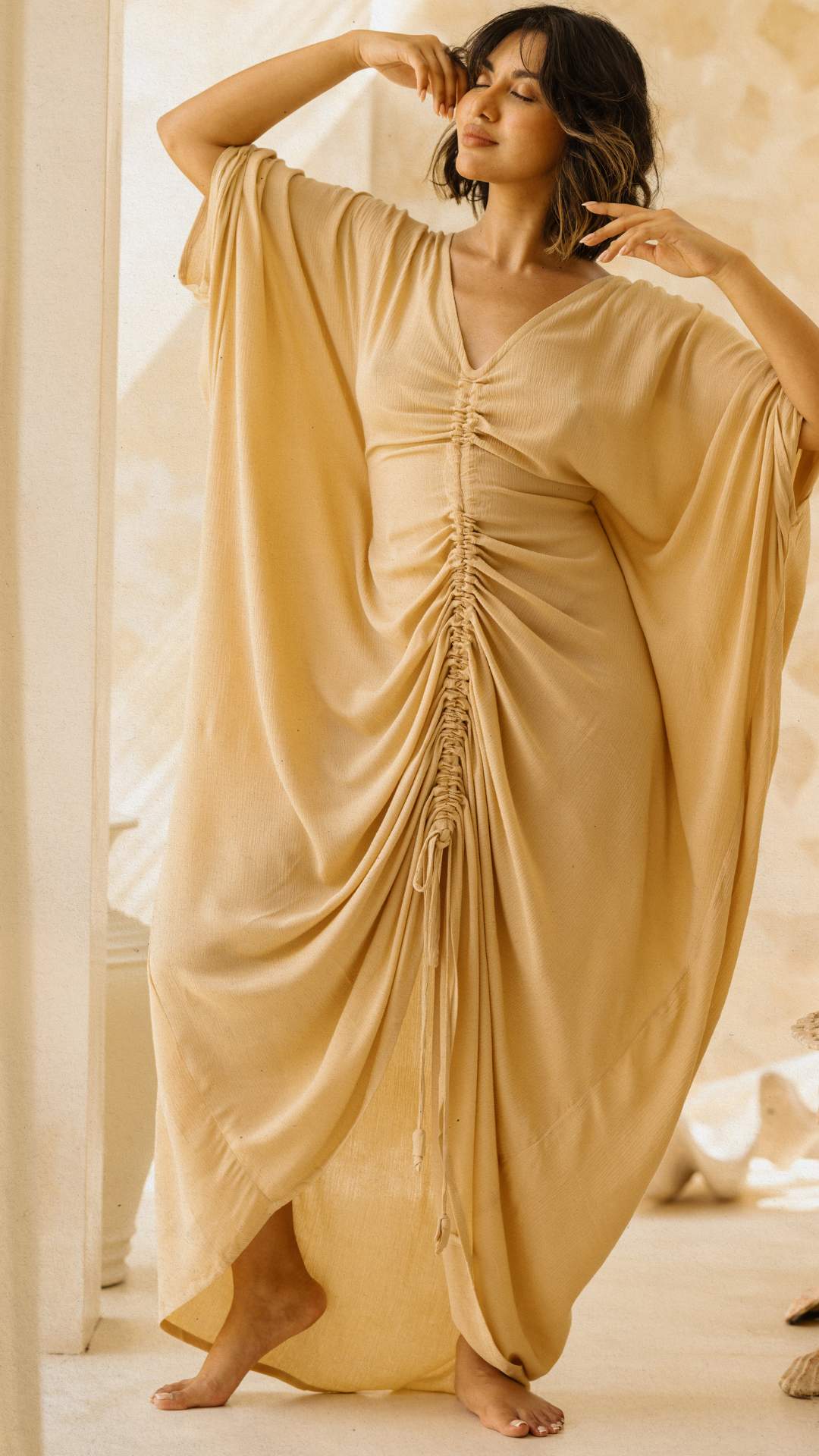
Where Slow Fashion Is Going: What the Most Important Shift in Fashion Actually Looks Like
Slow fashion is not having a moment.
This is an important distinction. Slow fashion is not a trend that arrived and will pass. It is a structural response to a structural problem, and the problem is not going away.
The problem is this: the fashion industry is one of the largest contributors to environmental degradation on the planet. The water use, the chemical runoff, the carbon emissions, the textile waste, the human labor exploitation, all of it is documented, all of it worsens under the pressure of a model that requires constant volume growth to function. Slow fashion is not a correction to that model. It is a different model entirely.

What Is Actually Changing in the Consumer
The most significant shift in fashion right now is not in the products. It is in the people buying them.
A growing proportion of women, particularly in the 28 to 50 demographic that makes up most of our community, are making purchasing decisions based on values alignment rather than price or trend. They are asking questions that previous generations of fashion consumers did not consistently ask: who made this? From what? Under what conditions? What happens to it when I am done with it?
These questions change the entire relationship between brand and customer. A brand that can answer them honestly, with specificity rather than marketing language, earns a different kind of loyalty than one that cannot. The customer who bought because of a value story and later discovered it was a marketing story does not come back. The customer who bought because of a value story that turned out to be completely true tends to become an advocate.
Where Slow Fashion Is Going: Three Directions
The first direction is toward greater transparency. Not the transparency of the sustainability report buried in a brand's website footer, but the kind that makes the supply chain present in the shopping experience itself. Faces, names, stories of the people who made the piece. A live sense of where things come from and what they cost to make honestly.
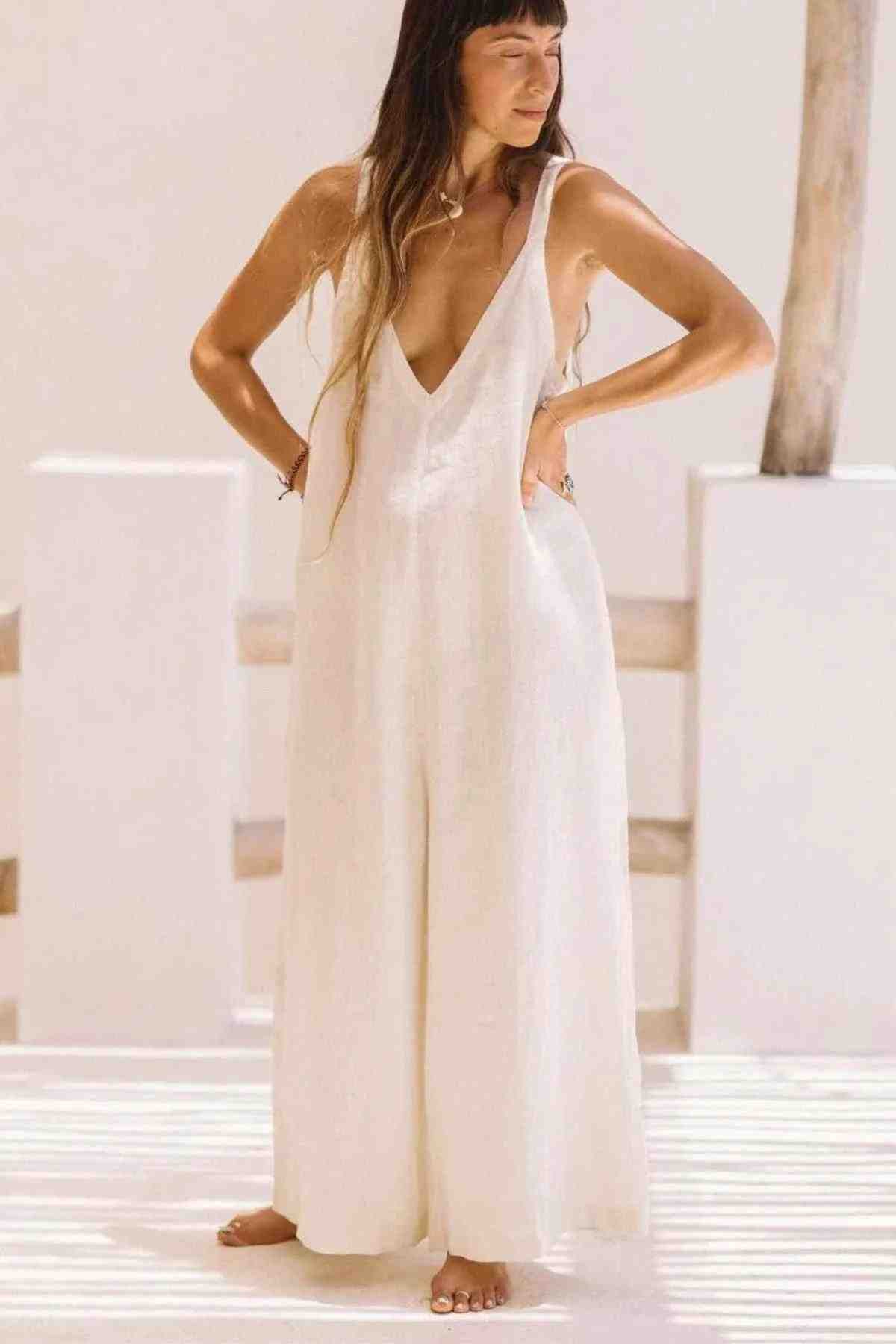
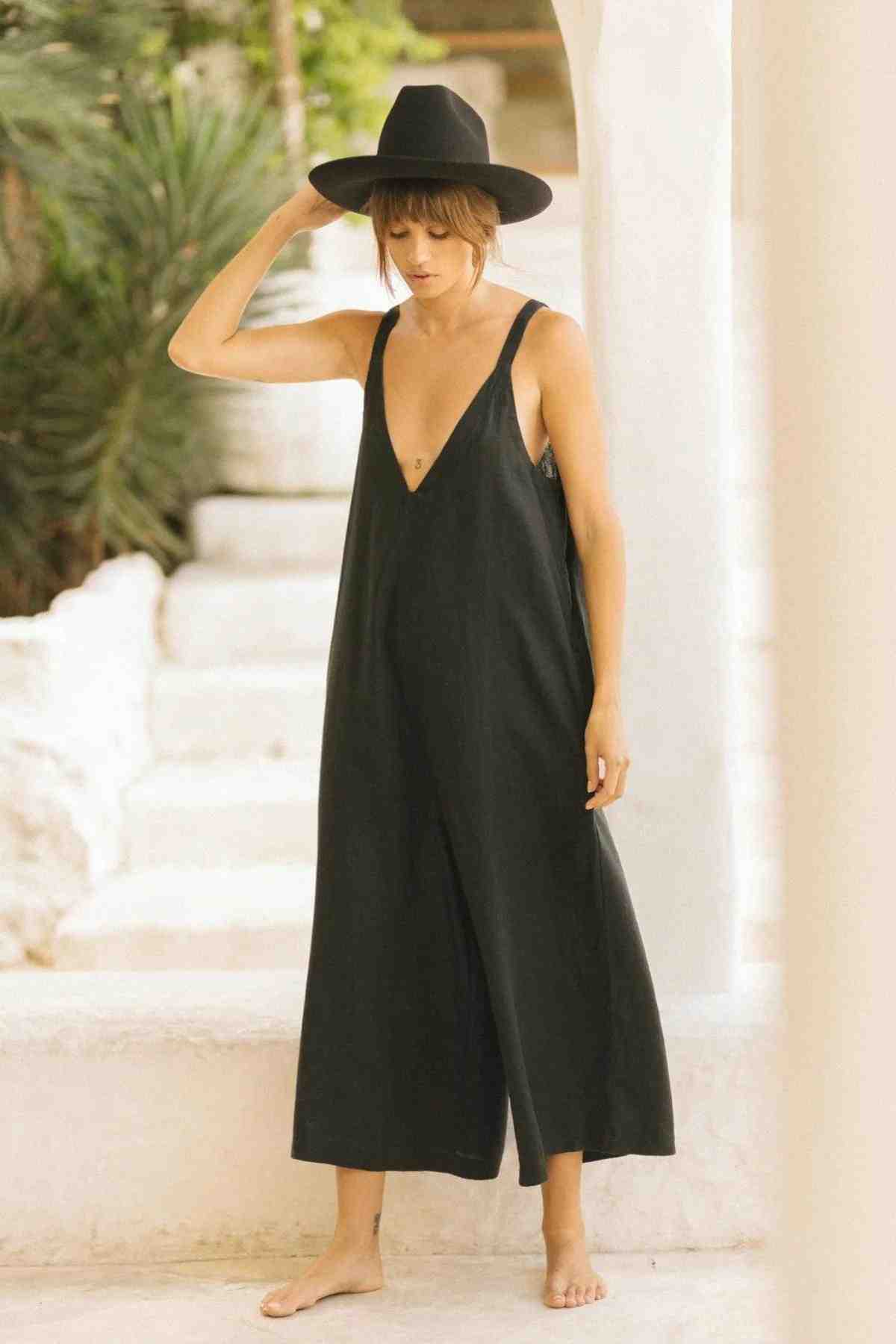
The second direction is toward repair, resale, and circularity. The brands that will win in the next decade are the ones that think about the full lifecycle of the garment, not just the point of sale. A linen piece made well and cared for properly should last ten to fifteen years. Building loyalty around that lifecycle, rather than around the next purchase, is where the most interesting business models are developing.
The third direction is toward the maker as the brand's center of gravity. The most compelling slow fashion brands are not product companies. They are relationships between a maker's vision and a community of women who share that vision. The product is what the relationship produces. This is why founder-voice brands tend to outperform faceless brands in the conscious fashion space. The woman is the brand. The values are the product. The garment is the most tangible expression of both.
What We Are Building Toward
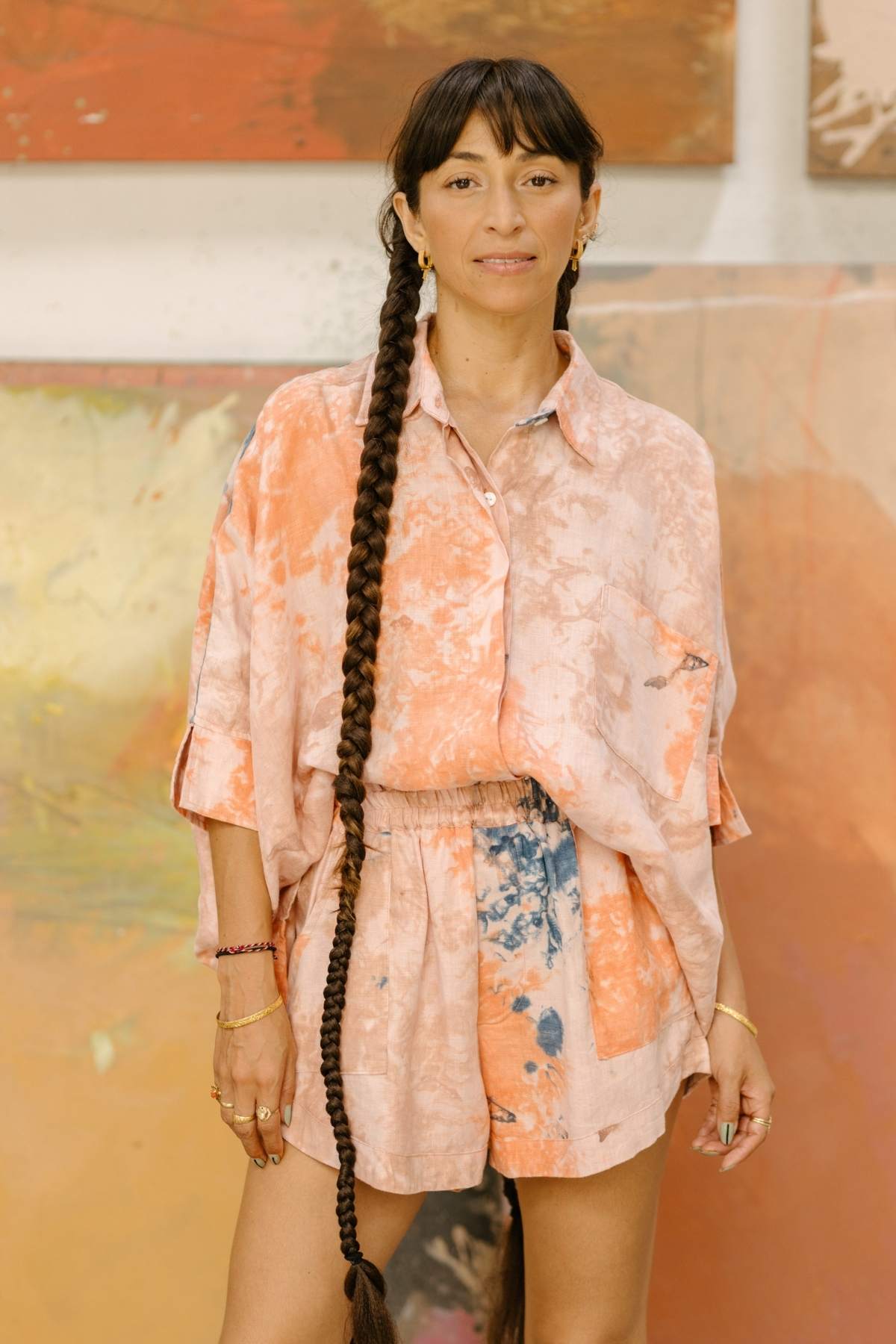
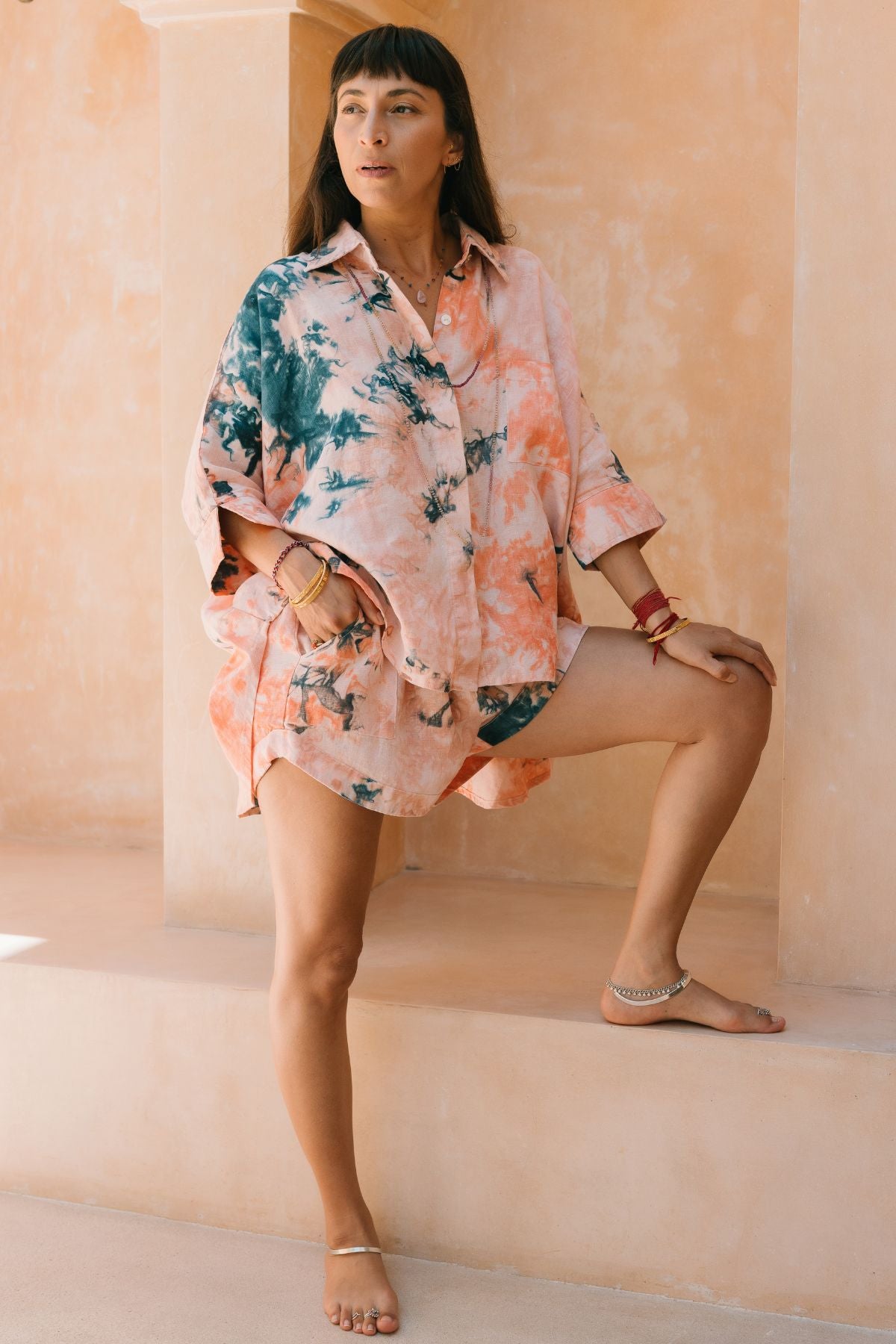
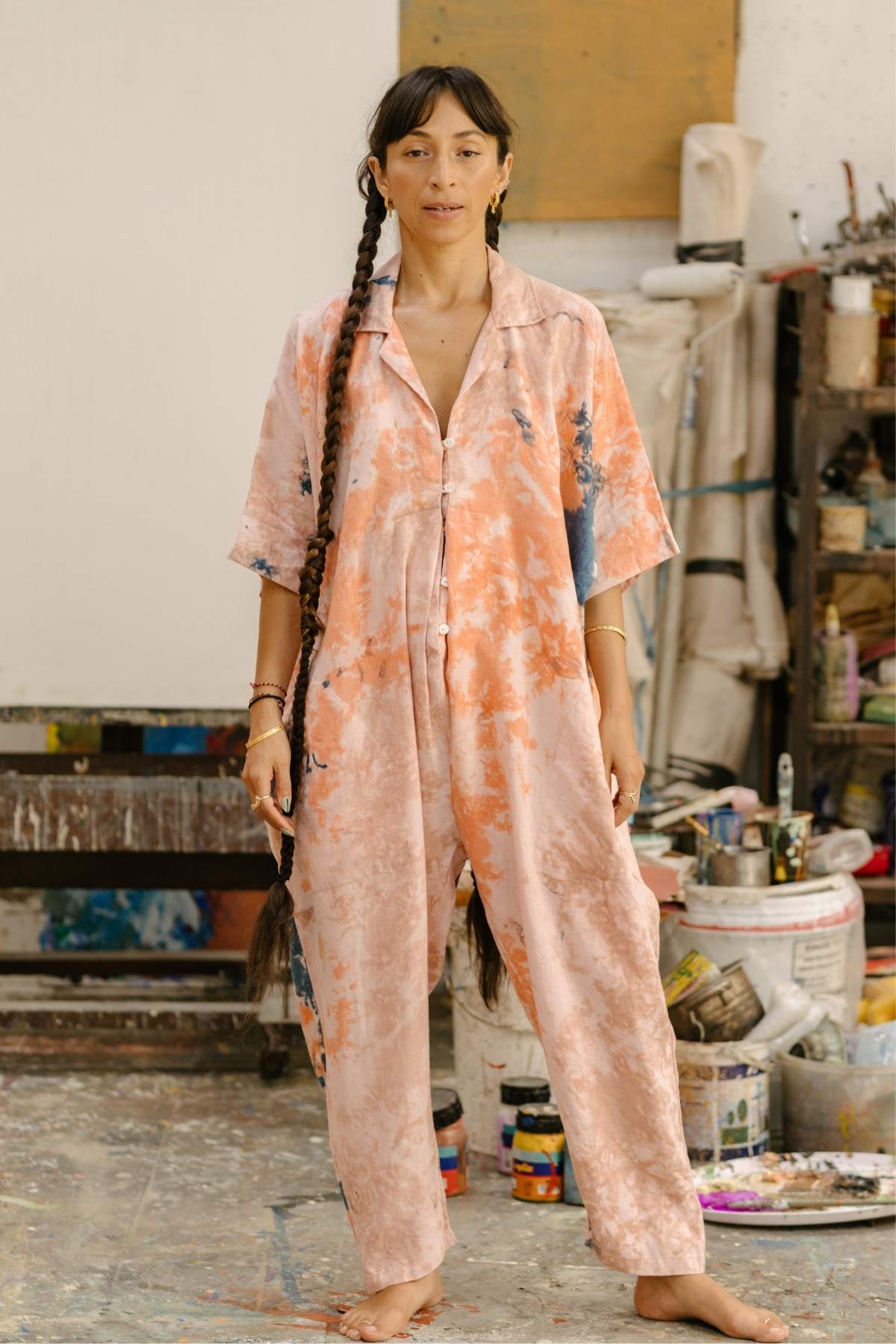
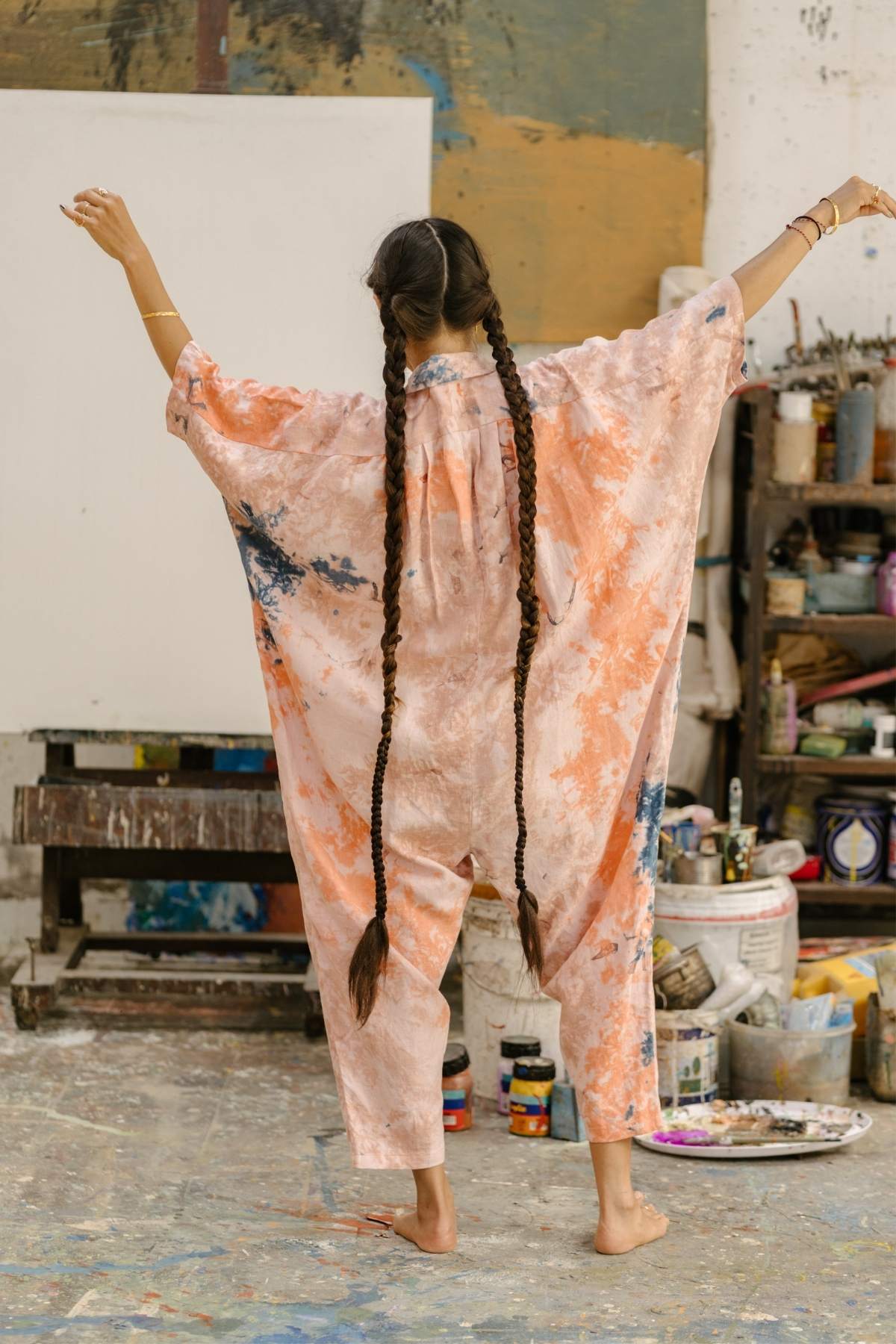
We are not trying to be the biggest slow fashion brand. We are trying to be the most honest one. Honest about the limitation of small-batch production. Honest about the timeline for handmade pieces. Honest about what botanical dye can and cannot produce in terms of color consistency. Honest about the price, which reflects the actual cost of making things the way we make them and not a penny more.
The women who find us and understand what we are tend to become the most loyal customers we encounter in any segment. Because they were not looking for a product. They were looking for a brand they could trust completely. That is a rarer and more valuable thing than any trend can produce.
Slow fashion is going toward more of this. More honesty. More specificity. More genuine relationship between maker and wearer. Not the aesthetic. The ethics. Not the look. The structure. That is where this is going and that is the direction we are already in.
Slow fashion is not a trend. It is what happens when the people making clothing and the people wearing it stop pretending the gap between them does not exist, and start building something honest across it instead.
With love from Bali,
Myrah.
|
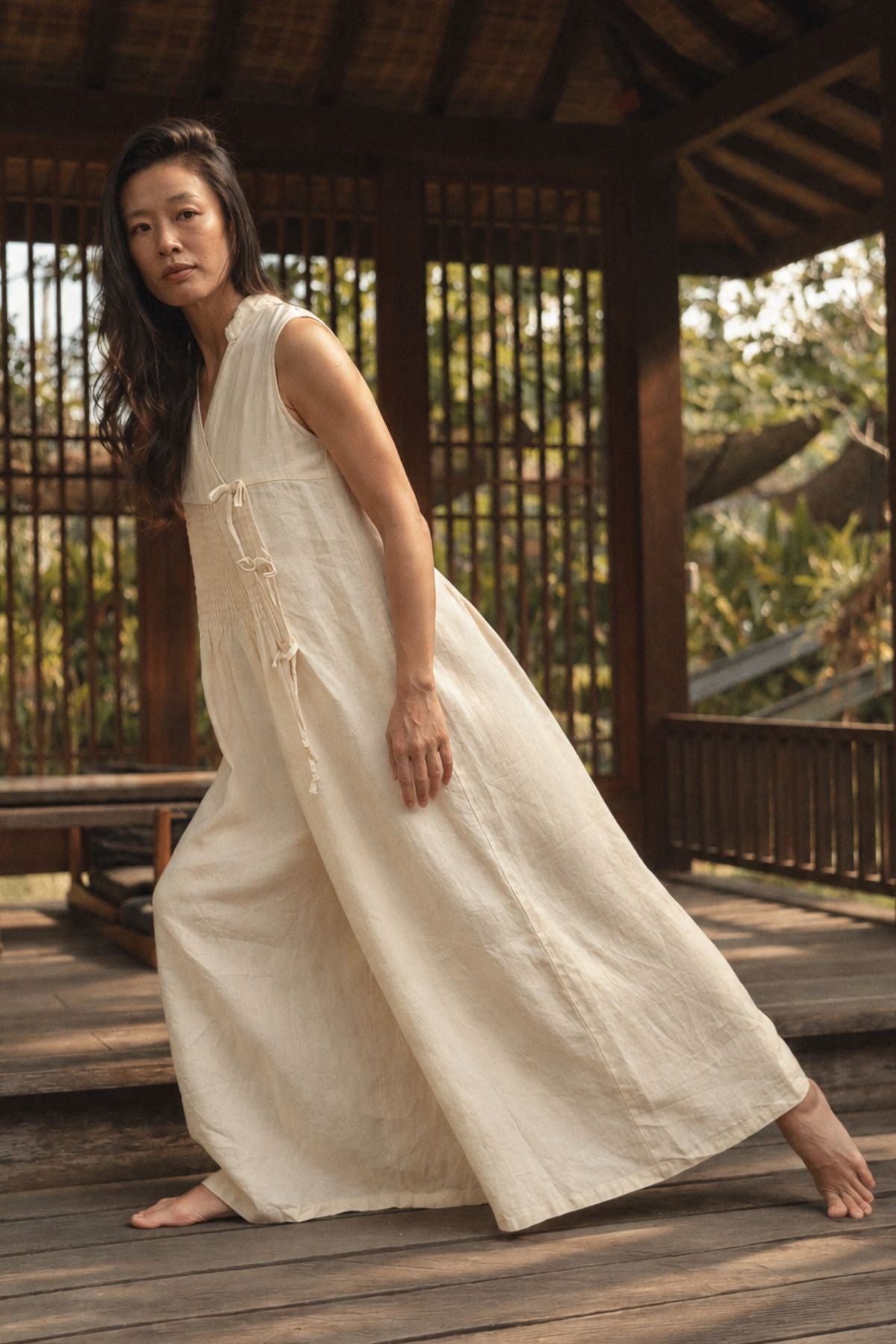
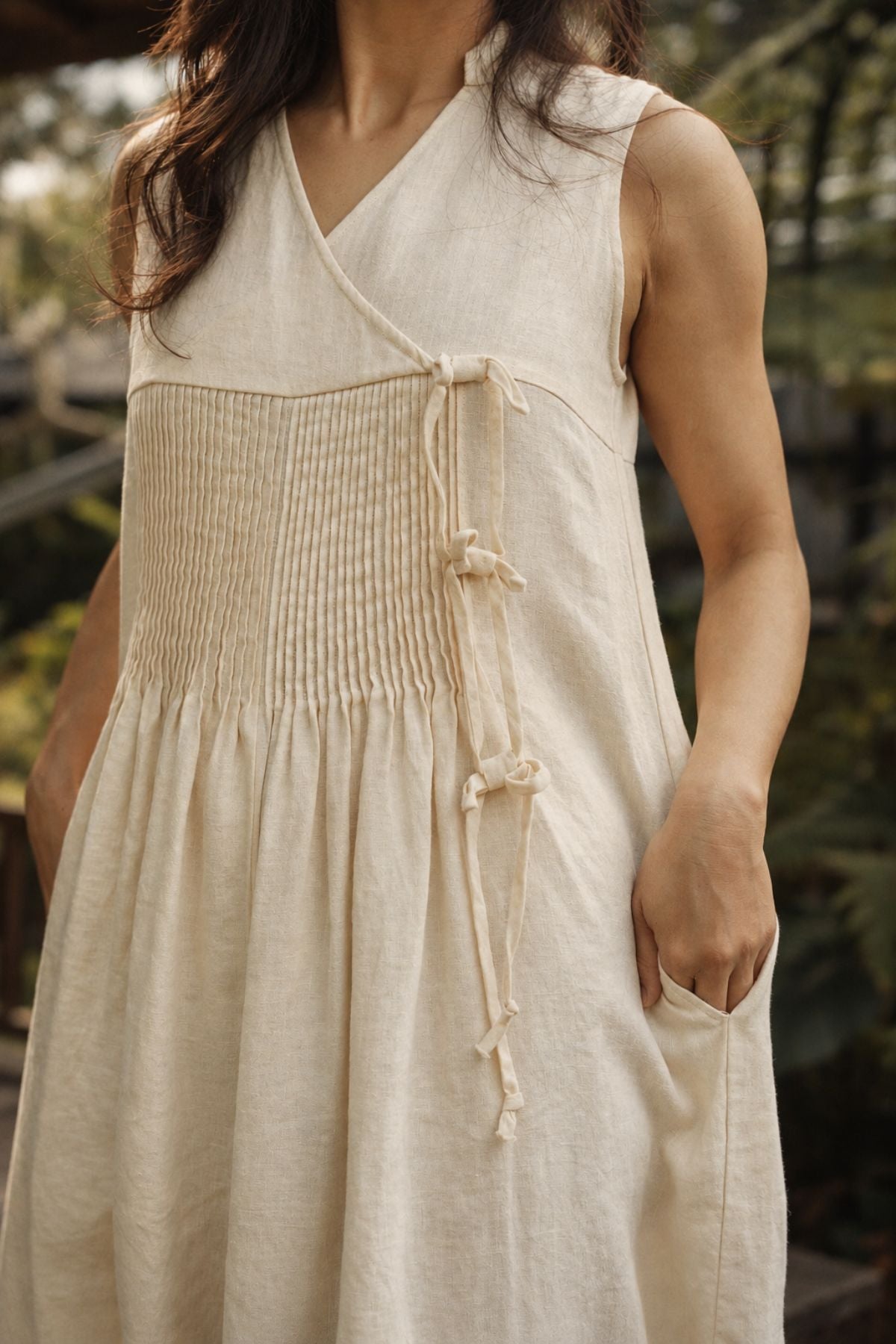
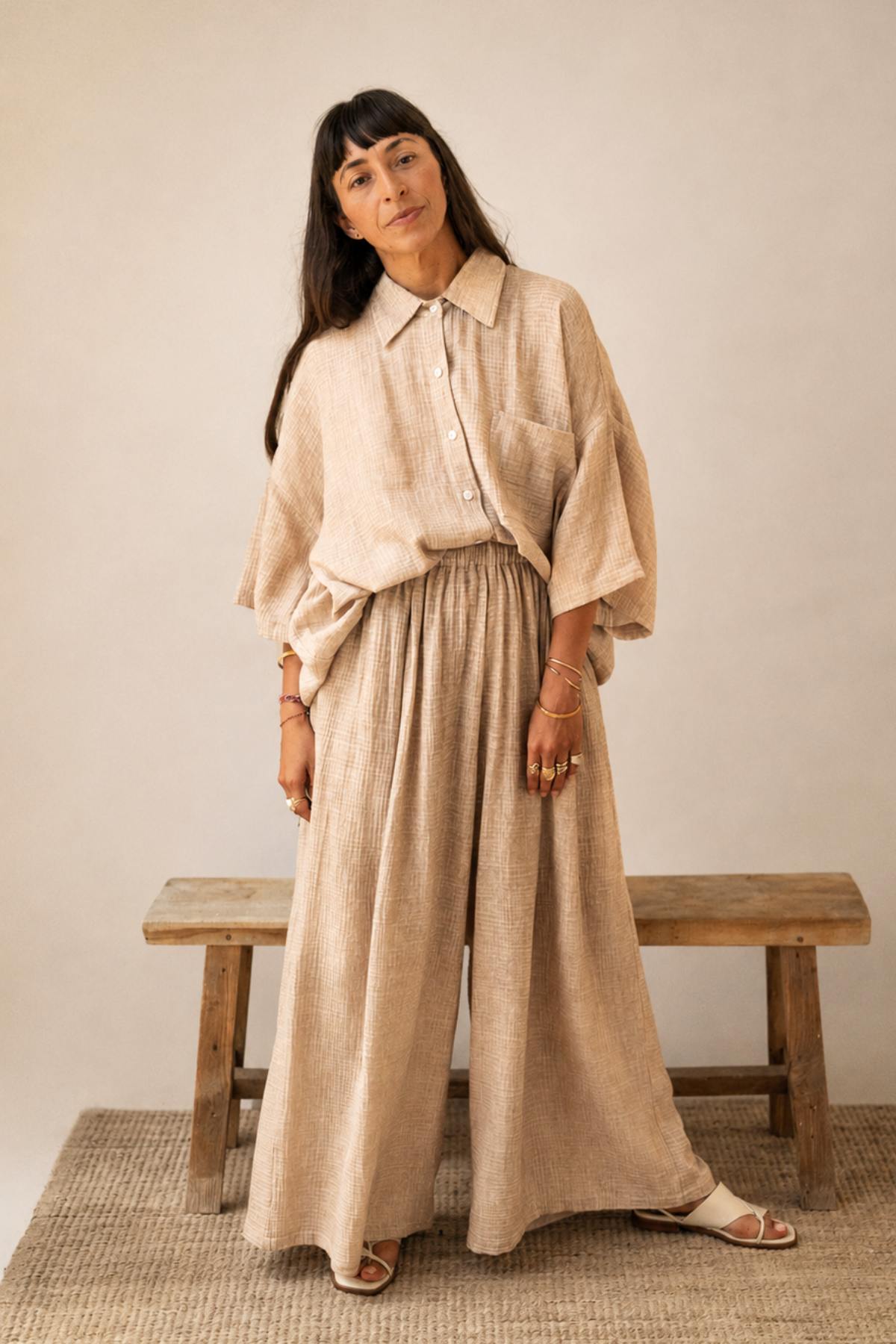
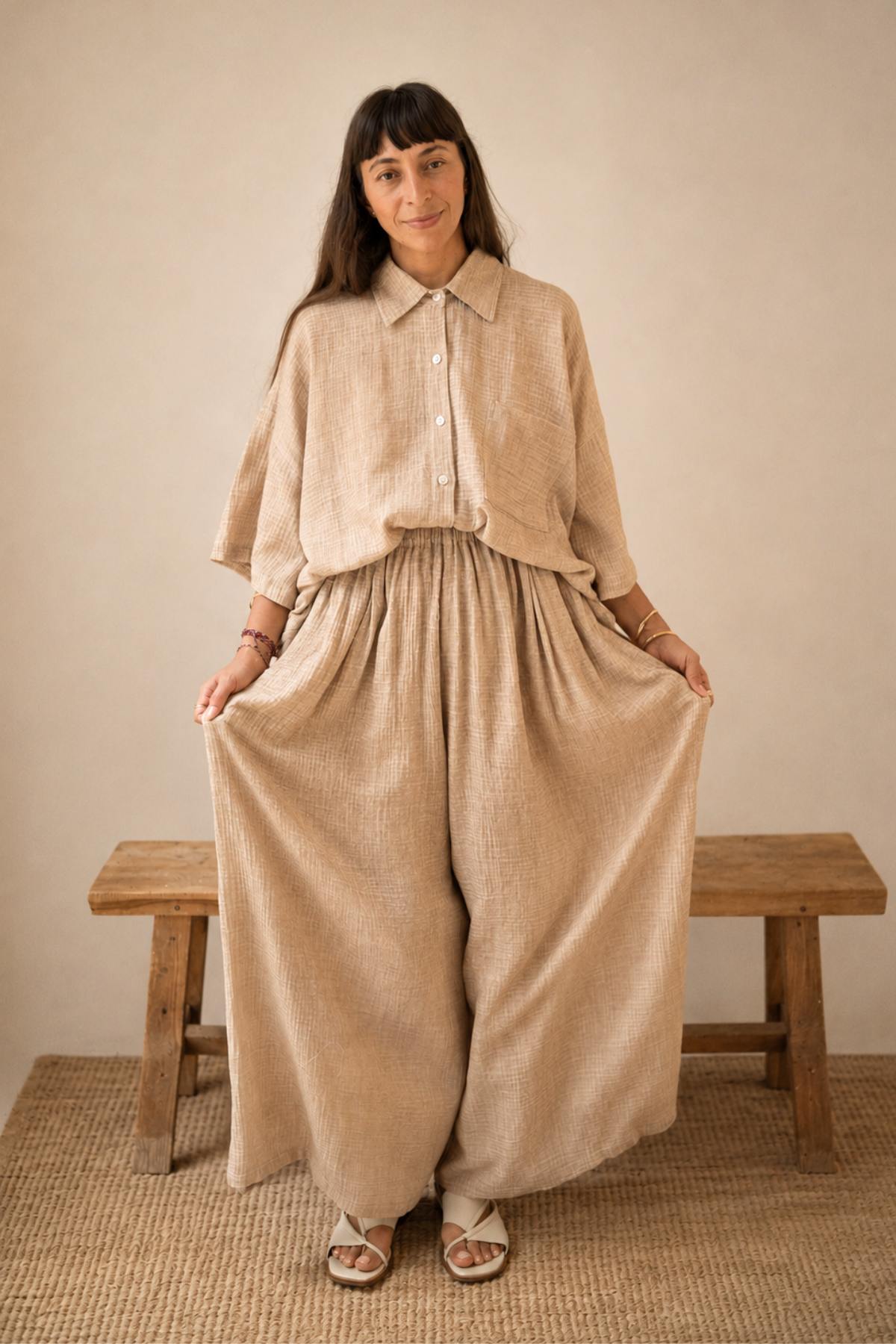
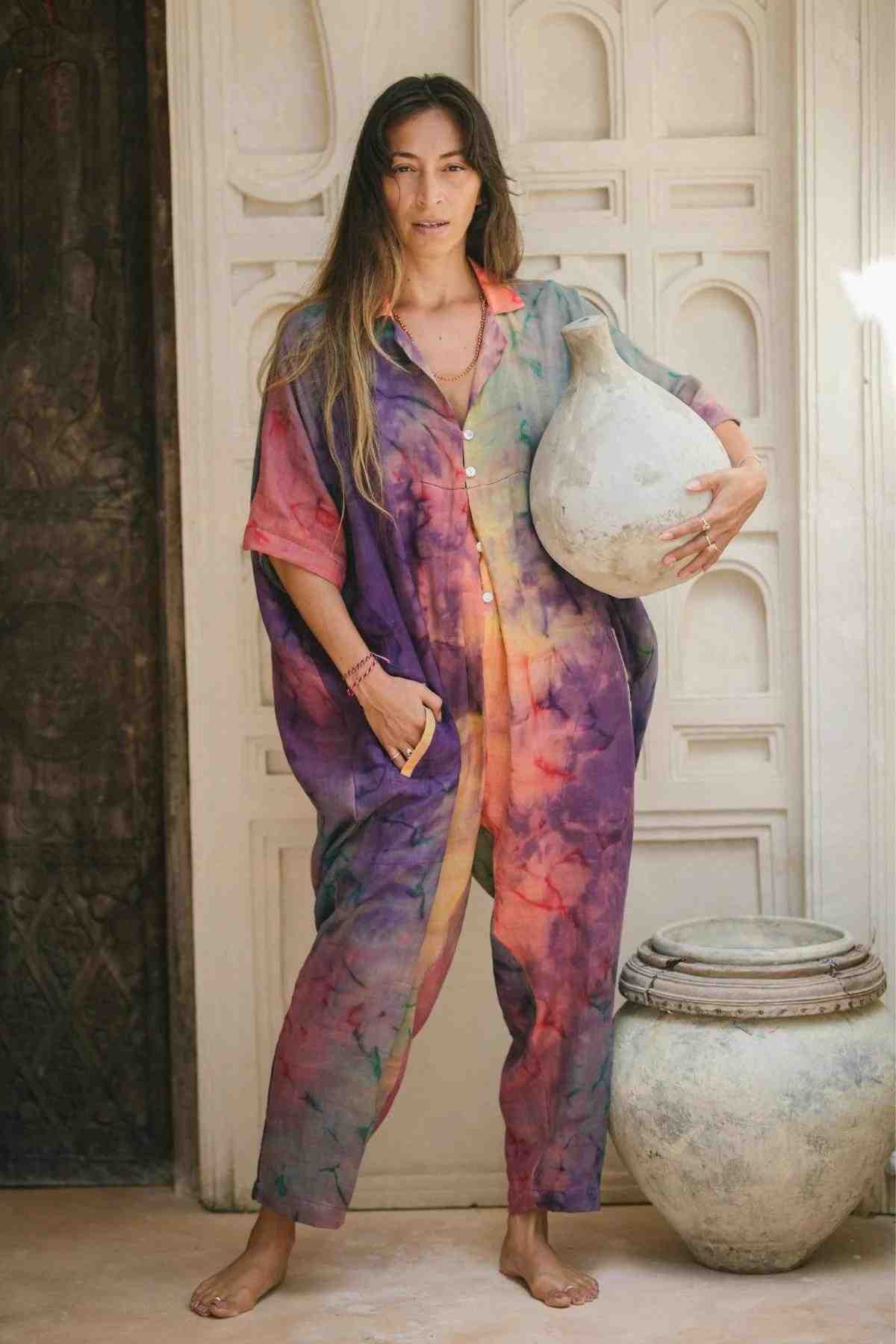
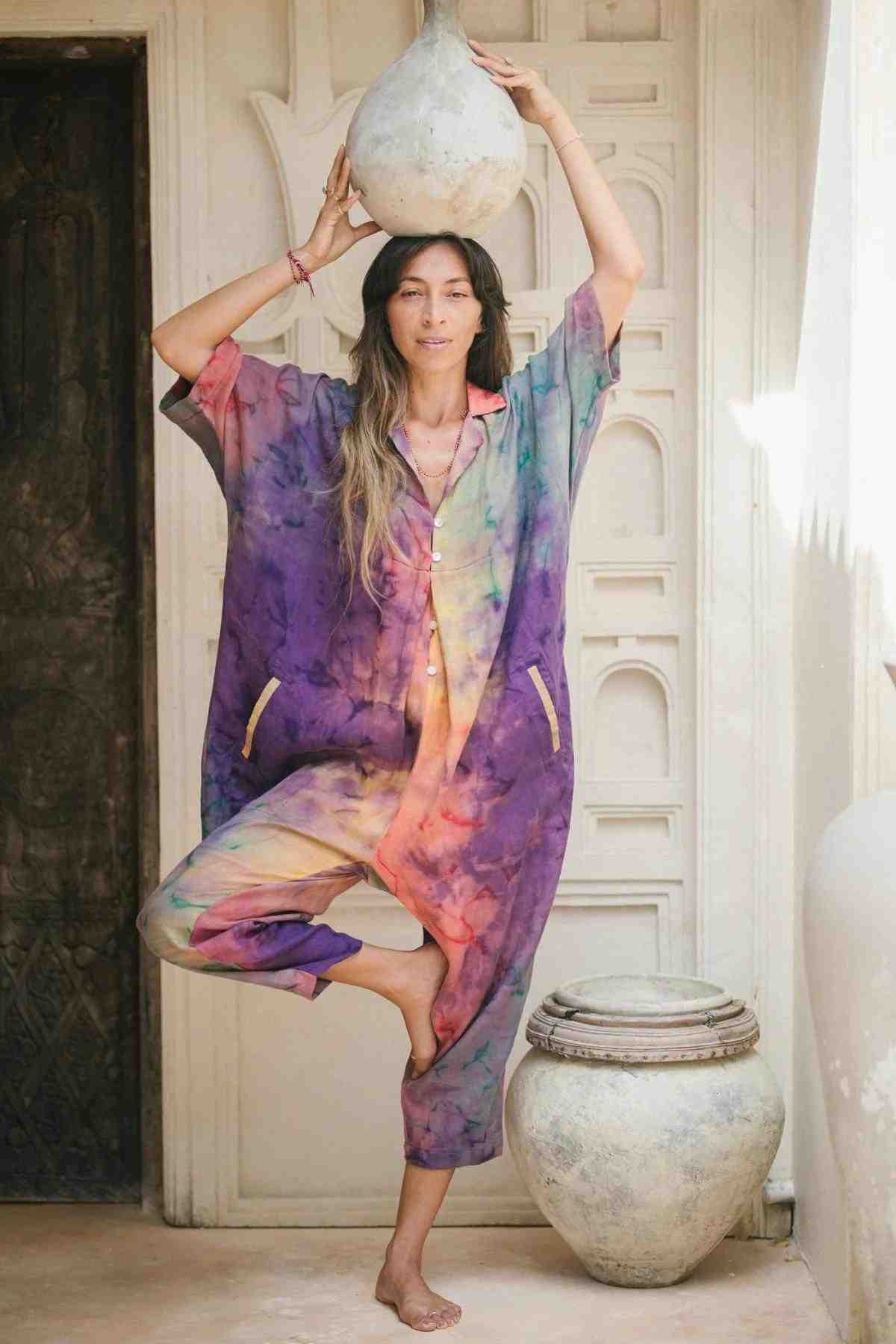
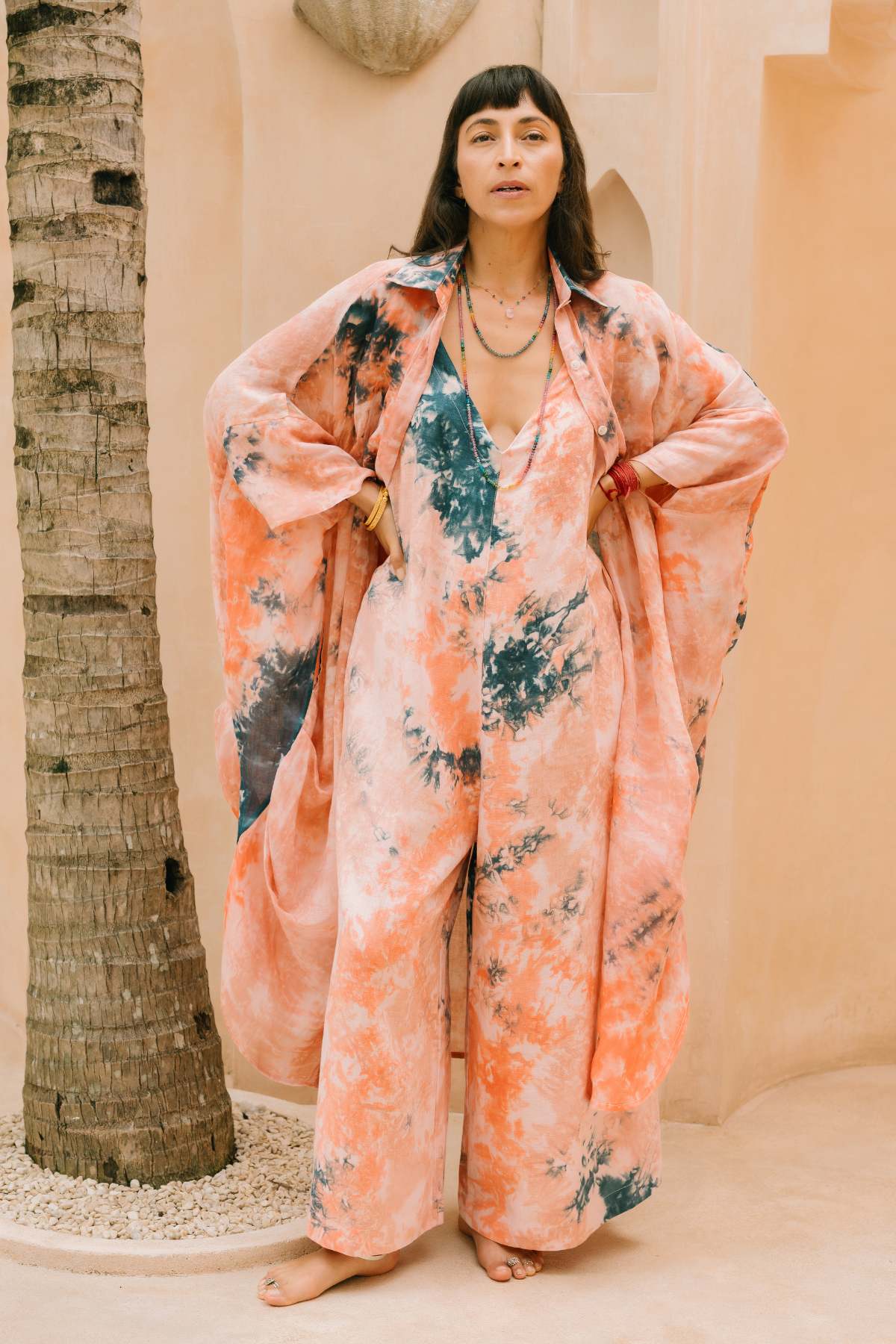
A Piece for This Threshold The Virgo Moon Kaftan. The slow fashion piece that outlasts every trend because it was never part of one. Made slowly in Bali. Pure linen. For the long term. |

|
The Muse-Letter Dress for the woman you’re becoming. Every week from Bali. Astrology, slow living, sacred feminine, and the pieces we make by hand. A letter, not a sales pitch. Unsubscribe any time. No spam, ever. |


Leave a comment
This site is protected by hCaptcha and the hCaptcha Privacy Policy and Terms of Service apply.