


Dressing the Sacred Feminine, What It Means to Wear Your Practice
Sacred feminine fashion isn't a trend you can buy off a rack — it's a way of getting dressed that treats your body, your ritual, and your intention as one continuous act. If you've ever felt the difference between throwing on clothes and putting on a practice, you already understand the distinction this article is about to make precise.
Search interest in "dressing the sacred feminine" and "sacred feminine style" has been climbing quietly for the last year, alongside cyclical living, moon-phase rituals, and slow fashion — three movements that, on the surface, look like separate corners of the internet but are really the same conversation wearing different clothes. Women are asking not just what to wear, but what their clothing is doing to them while they wear it. This is our answer, built from years of designing for that exact question in a Bali workshop.
What "Dressing the Sacred Feminine" Actually Means
The phrase gets used loosely, so let's define it properly. Dressing the sacred feminine means choosing clothing as an extension of an inner practice — meditation, yoga, cyclical awareness, ancestral reverence — rather than as a costume for how you want to be perceived. It's the difference between dressing for an audience and dressing for an altar, even if that altar is just your own bathroom mirror at 6am.
This isn't new. Sacred dress has existed across nearly every culture: the wrapped cloth of a temple visit, the specific weight of fabric chosen for mourning, the colors reserved for fertility rites or coming-of-age ceremonies. What's new is applying that intentionality to everyday Western dressing — not saving the sacred for special occasions, but asking what it would mean to treat a Tuesday morning with the same reverence.
The Practical Difference Between Sacred and Ordinary Dressing
In practice, sacred feminine dressing tends to share a few qualities, whether the woman practicing it calls it that or not.
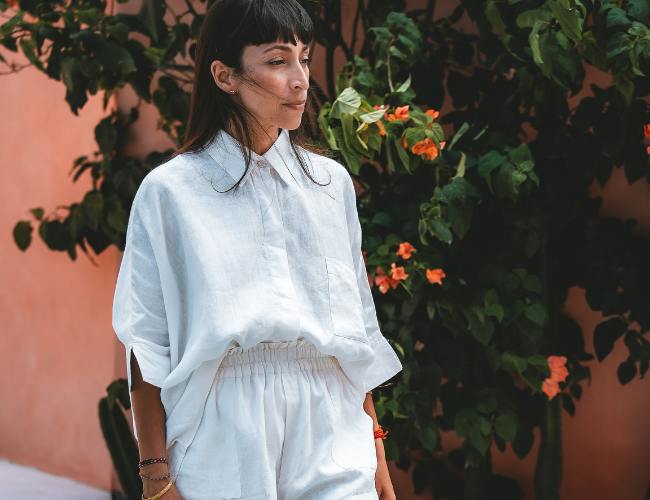
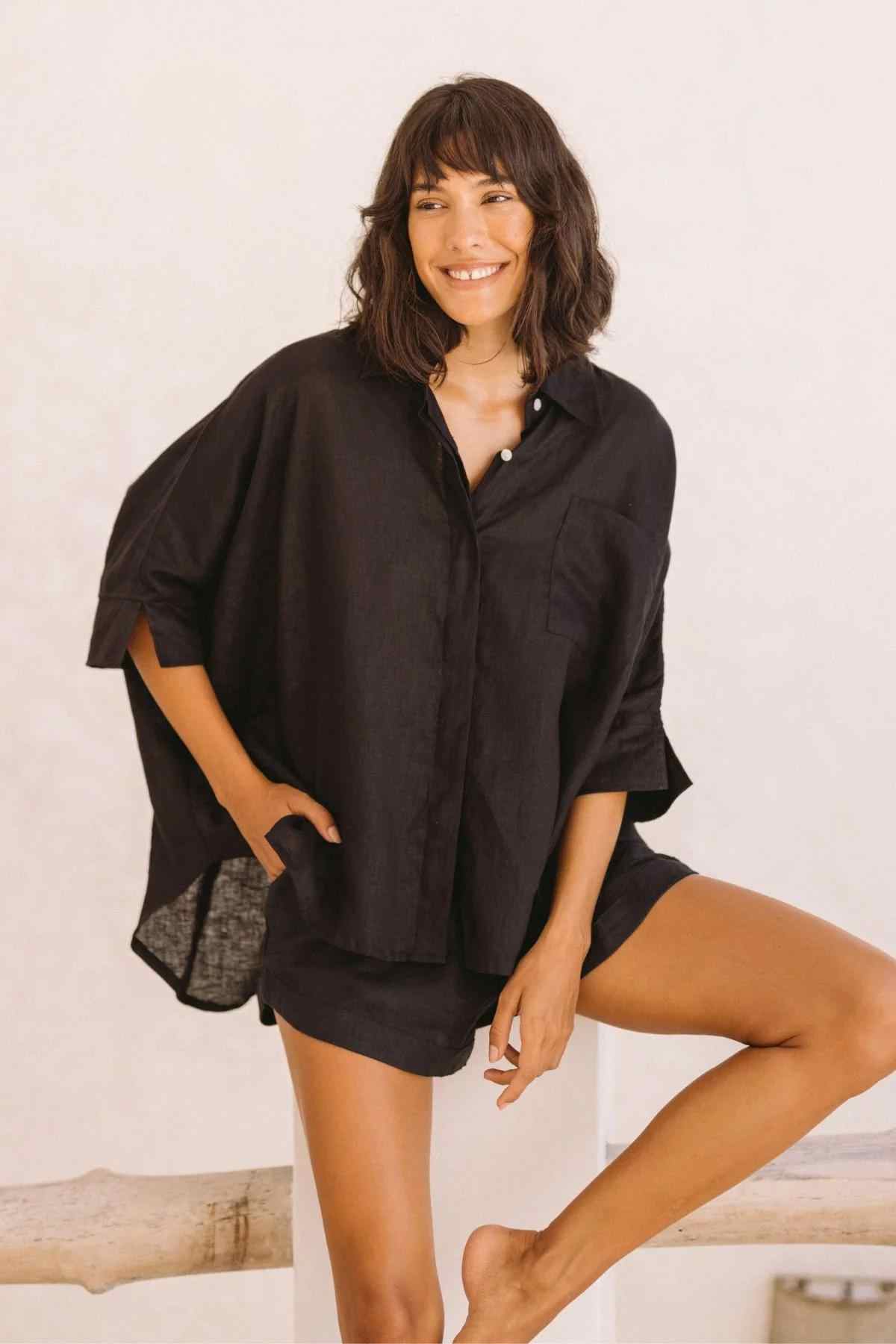
Natural fiber, always. Linen, cotton, silk — fabrics that breathe, that soften with wear rather than degrade, and that don't trap the static charge synthetic fibers do. If you practice any kind of energy work, this one isn't superstition; it's simply comfort at a cellular level.
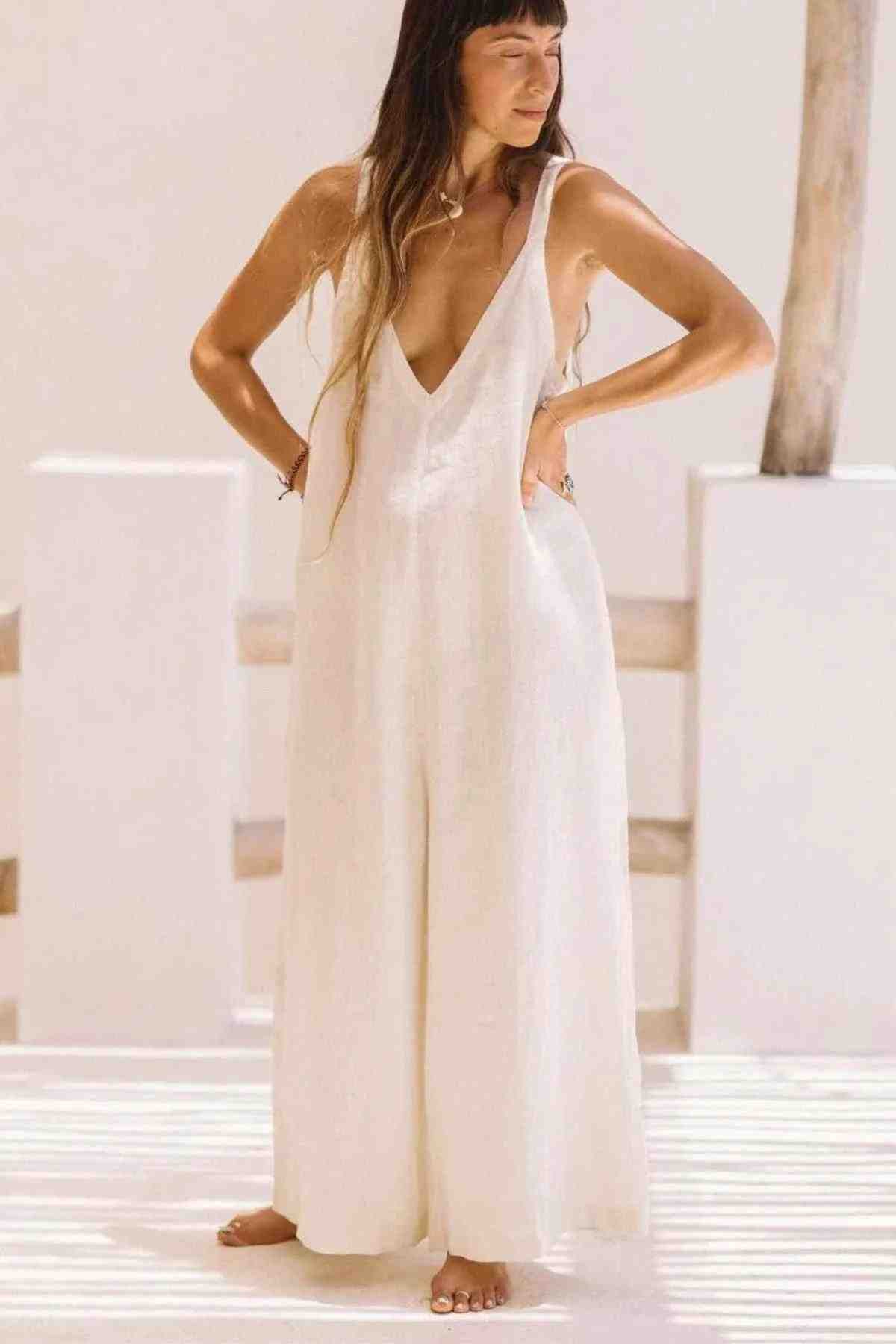
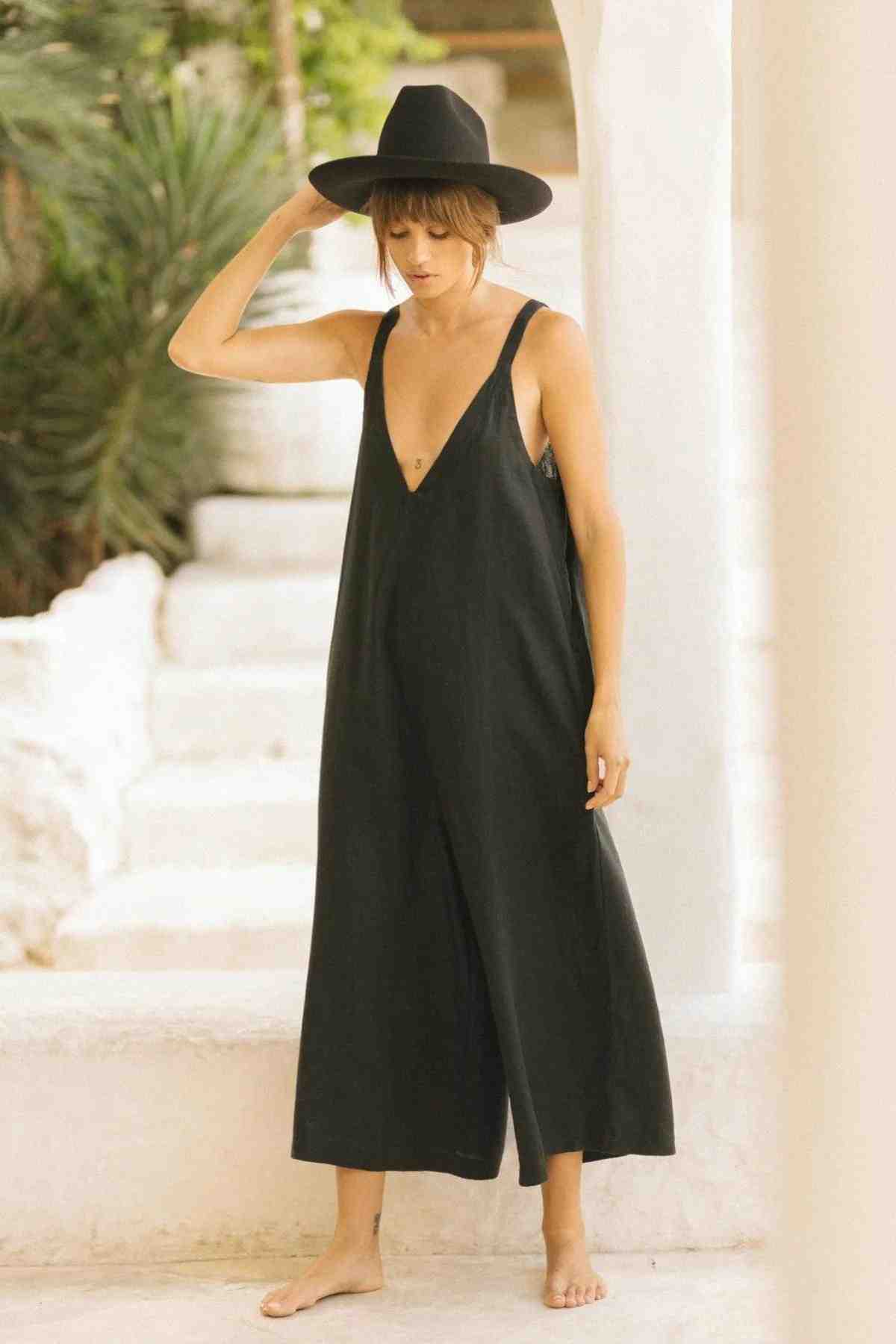
Fit that allows movement without exposure. Sacred dressing rarely means restriction. Think of the ease built into a kaftan, a wide-leg pant, a wrap dress that moves with a body in prayer position, in child's pose, in the simple act of sitting cross-legged on a floor.
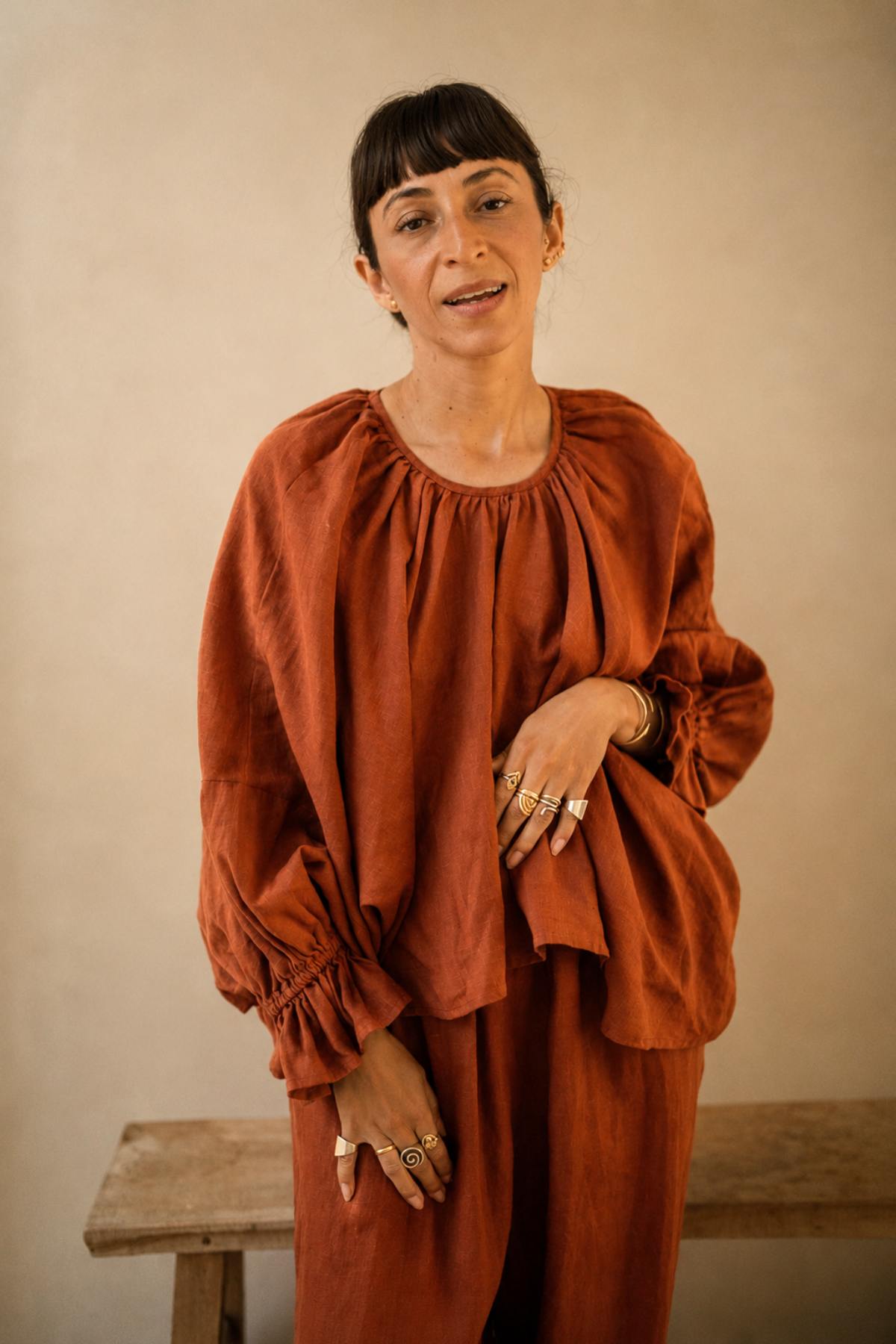
Color chosen on purpose. Many women dressing this way build a small, considered palette — earth tones for grounding, white for clarity, deep reds or ochres for the fierce, rooted kind of femininity. It's not about following a color-of-the-day chart; it's about noticing what a color does to your nervous system before you put it on.
Pieces with a story, not just a price tag. Handmade, small-batch, or passed-down pieces carry a different weight than something mass-produced. Knowing who made your clothing — and often, what they were thinking about while they made it — changes how it sits on your skin.
How to Start Dressing Your Practice, Even If You're New to This
You don't need a closet overhaul. Start with one piece that does double duty — something you'd wear to a yoga class and also to a dinner that matters. Notice how your posture changes in it. Notice whether you stand differently. That's the entire practice, distilled: paying attention to what your clothing asks of your body, and choosing pieces that ask for more presence, not less.
If you already have a moon-phase or cyclical living practice, let your dressing follow the same rhythm. Looser, softer pieces during the inward, low-energy days of your cycle or the waning moon. Structured, grounded pieces during the outward, high-energy days. This isn't rigid rule-following — it's simply dressing in agreement with where your body already is.
Sacred Feminine Fashion for Different Practices
What "dressing your practice" looks like will shift depending on what the practice actually is, and it's worth being specific rather than treating sacred feminine style as one single aesthetic.
For a yoga or movement practice, look for pieces that transition off the mat without a full outfit change — a soft pant or wrap skirt you can pull over leggings, made in a fiber that won't cling with sweat.
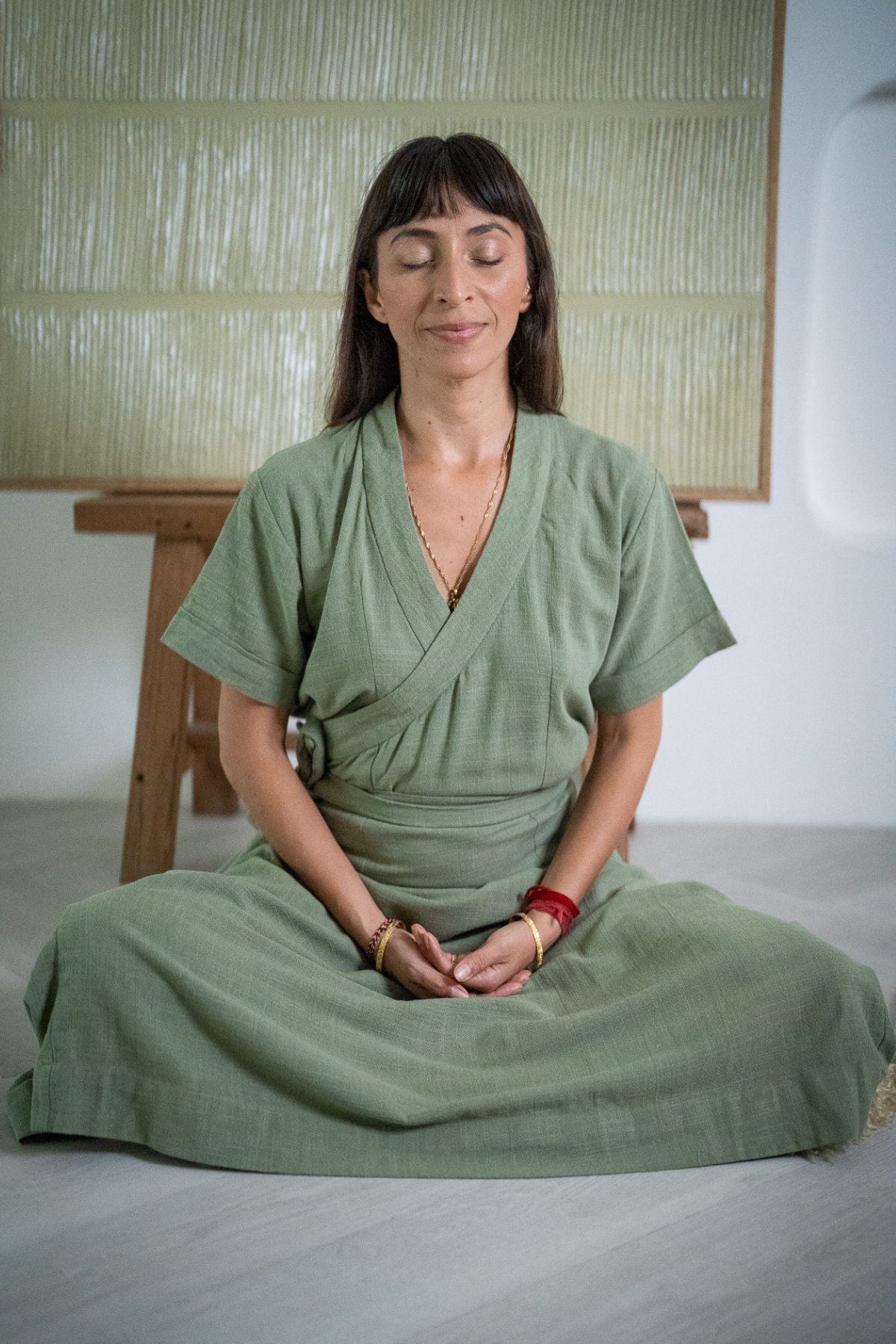
For meditation or altar work, many women keep one dedicated piece — a robe, a shawl, a specific color — worn only for that purpose. The repetition itself becomes part of the ritual; your nervous system learns to drop into stillness the moment the fabric touches your shoulders.
For cyclical or moon-based living, build toward a small rotating wardrobe rather than one outfit: something structured for the assertive, outward days, something loose and forgiving for the inward, bleeding, or new-moon days. The goal isn't more clothing — it's clothing that stops fighting your body's actual rhythm.
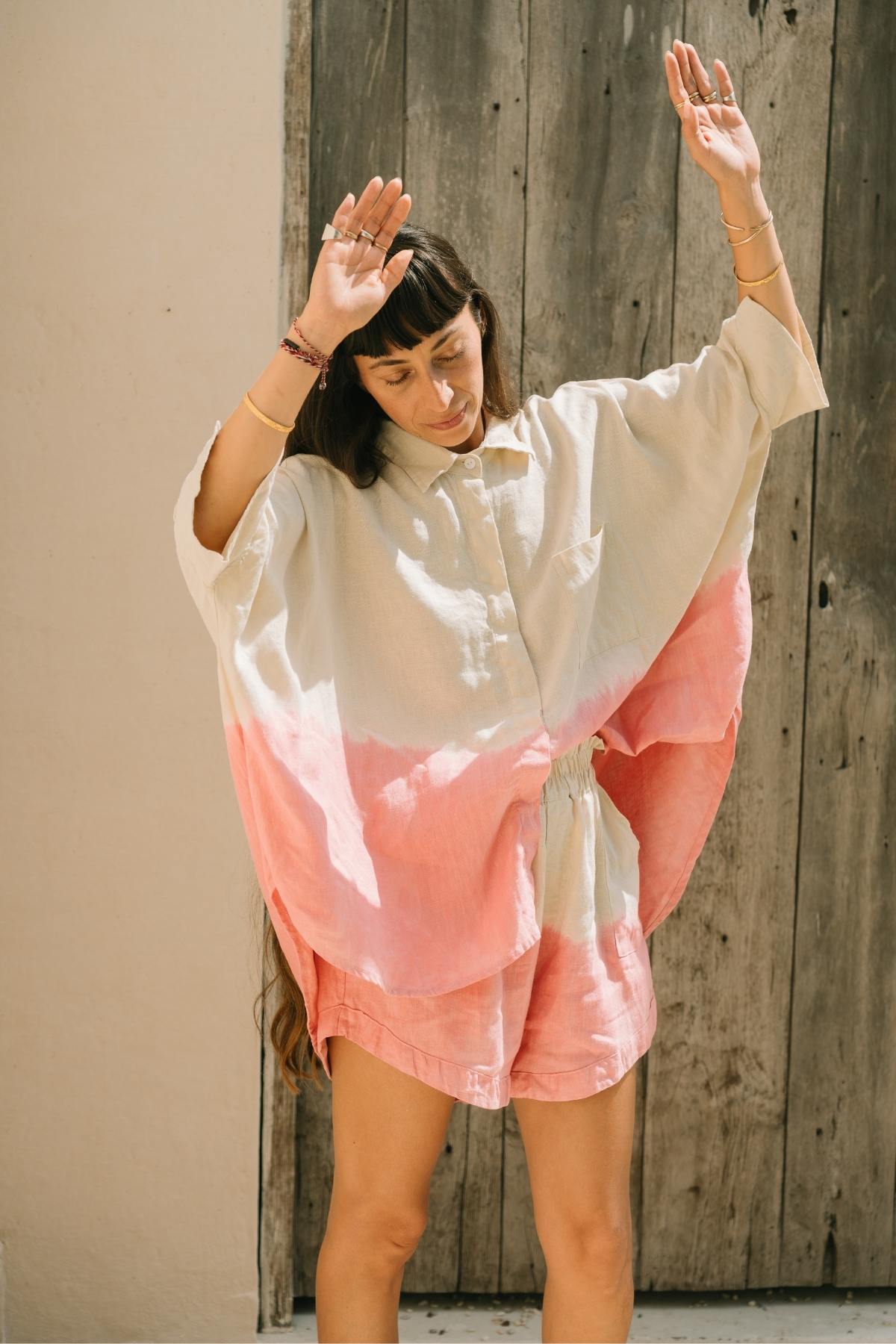
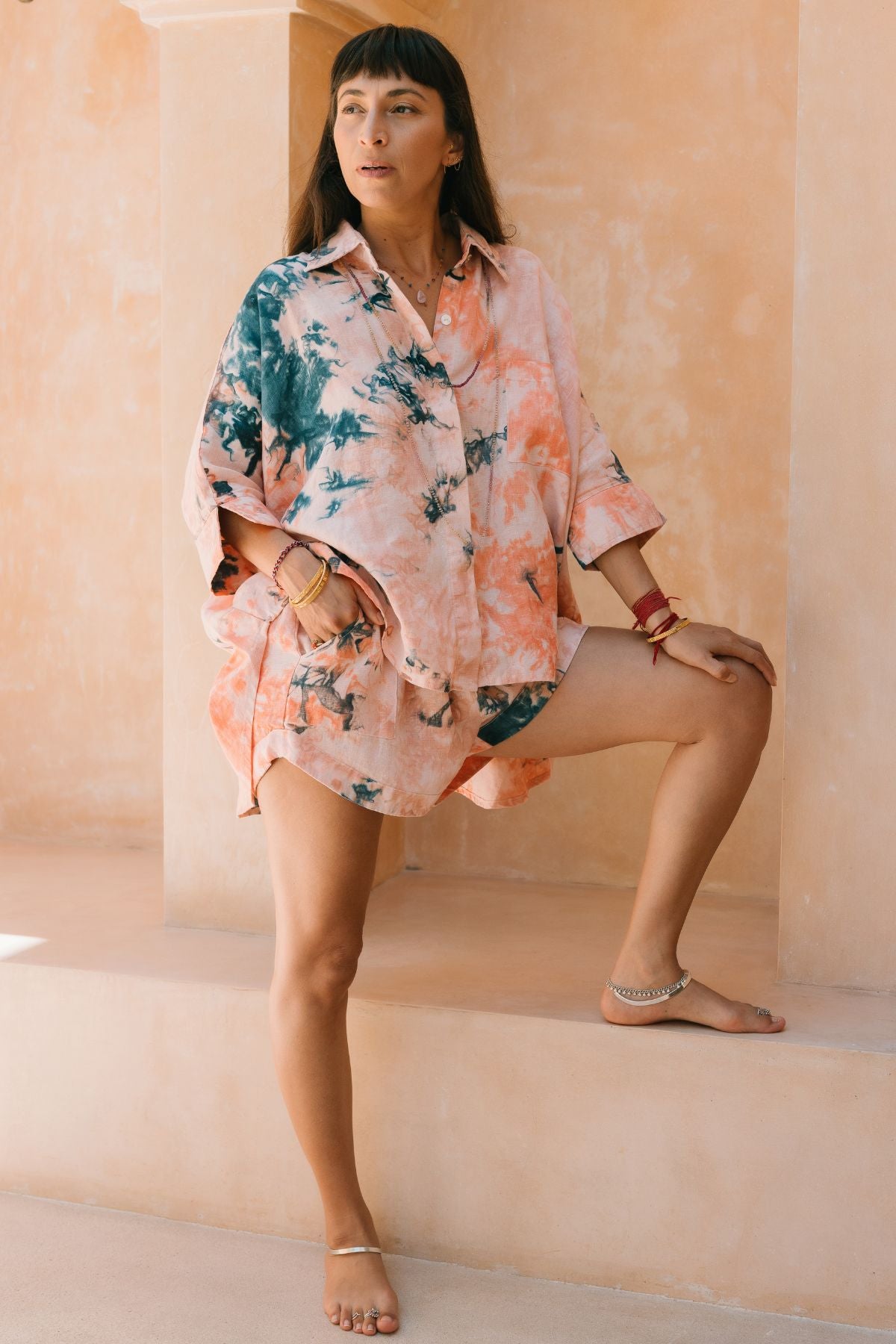
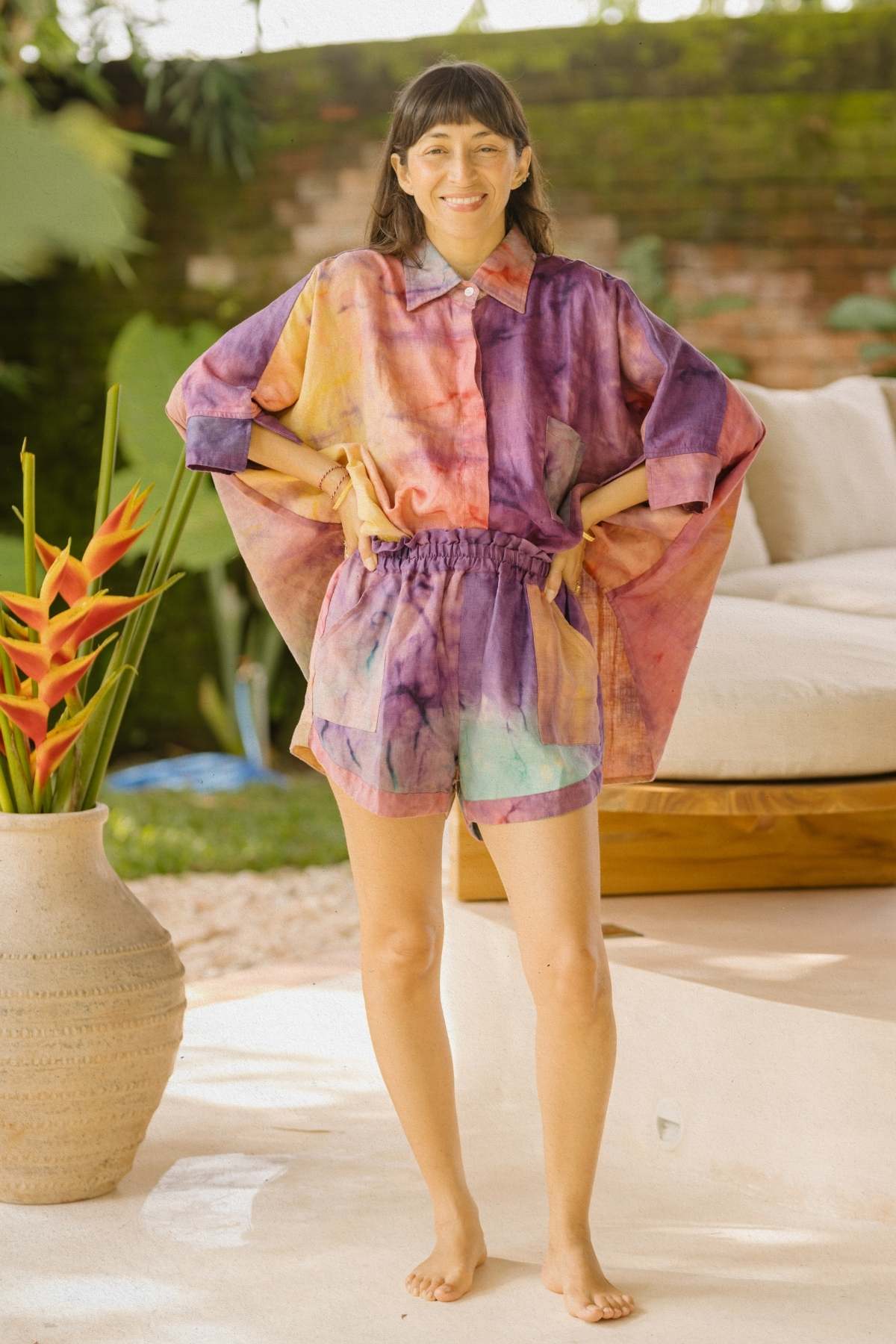
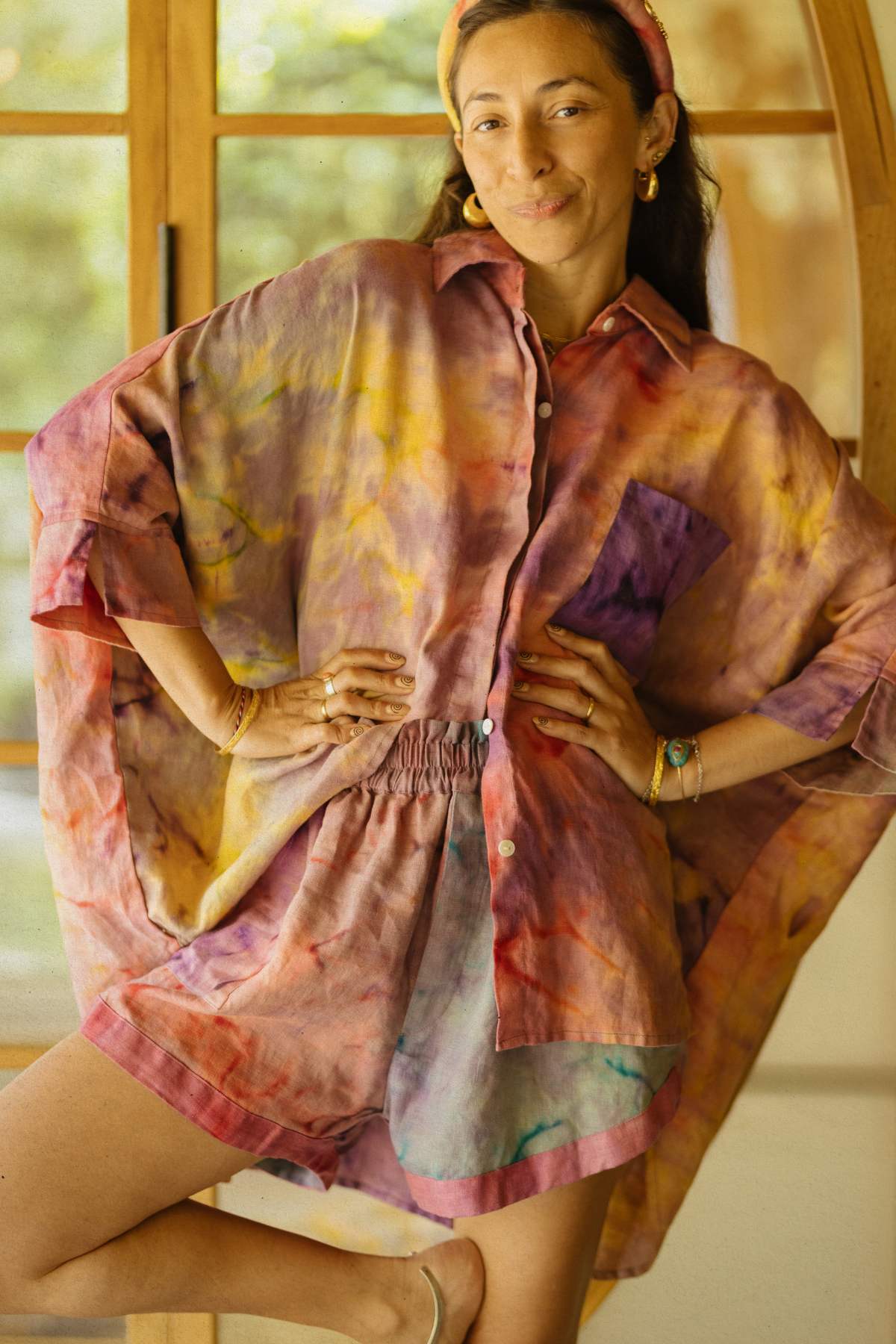
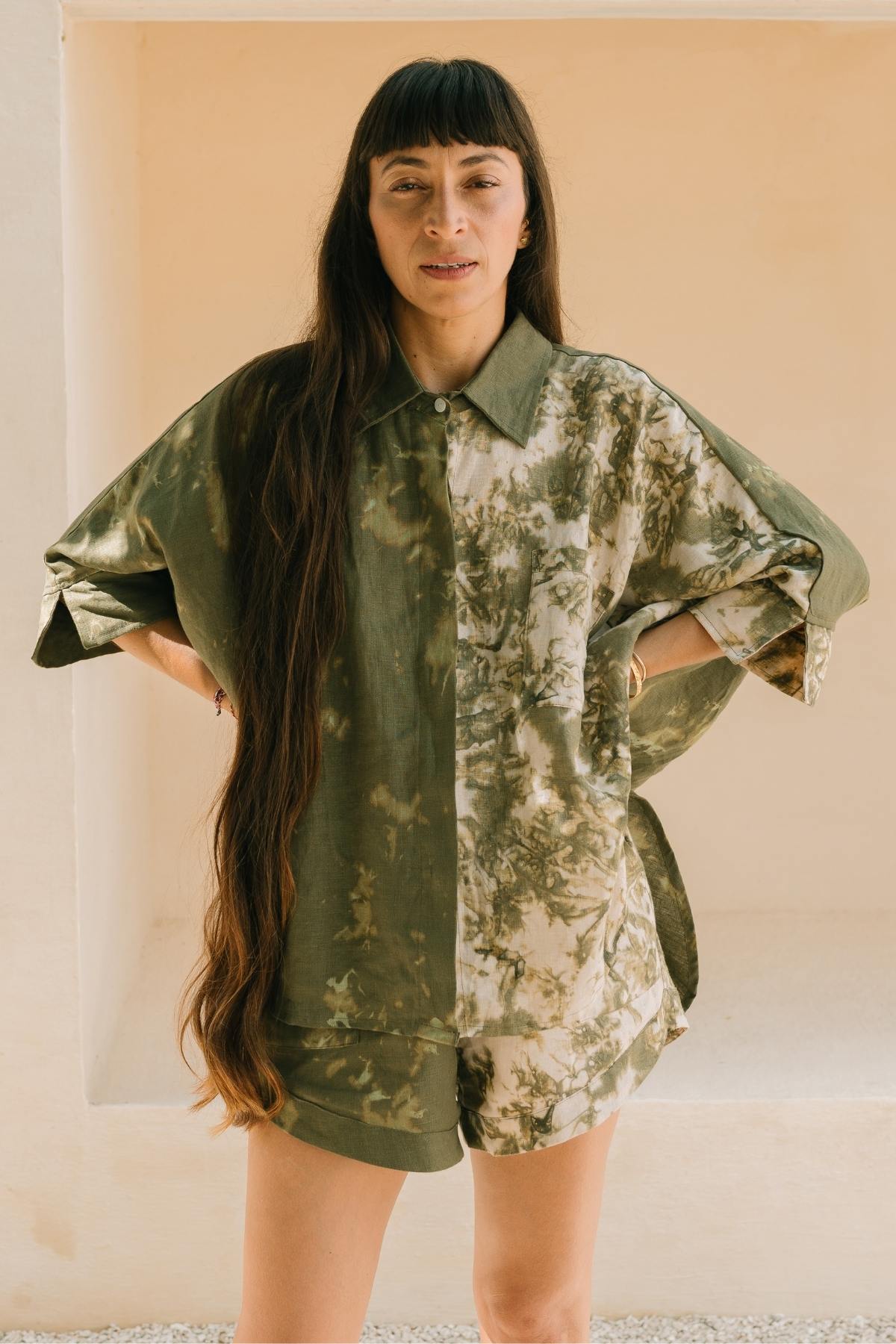
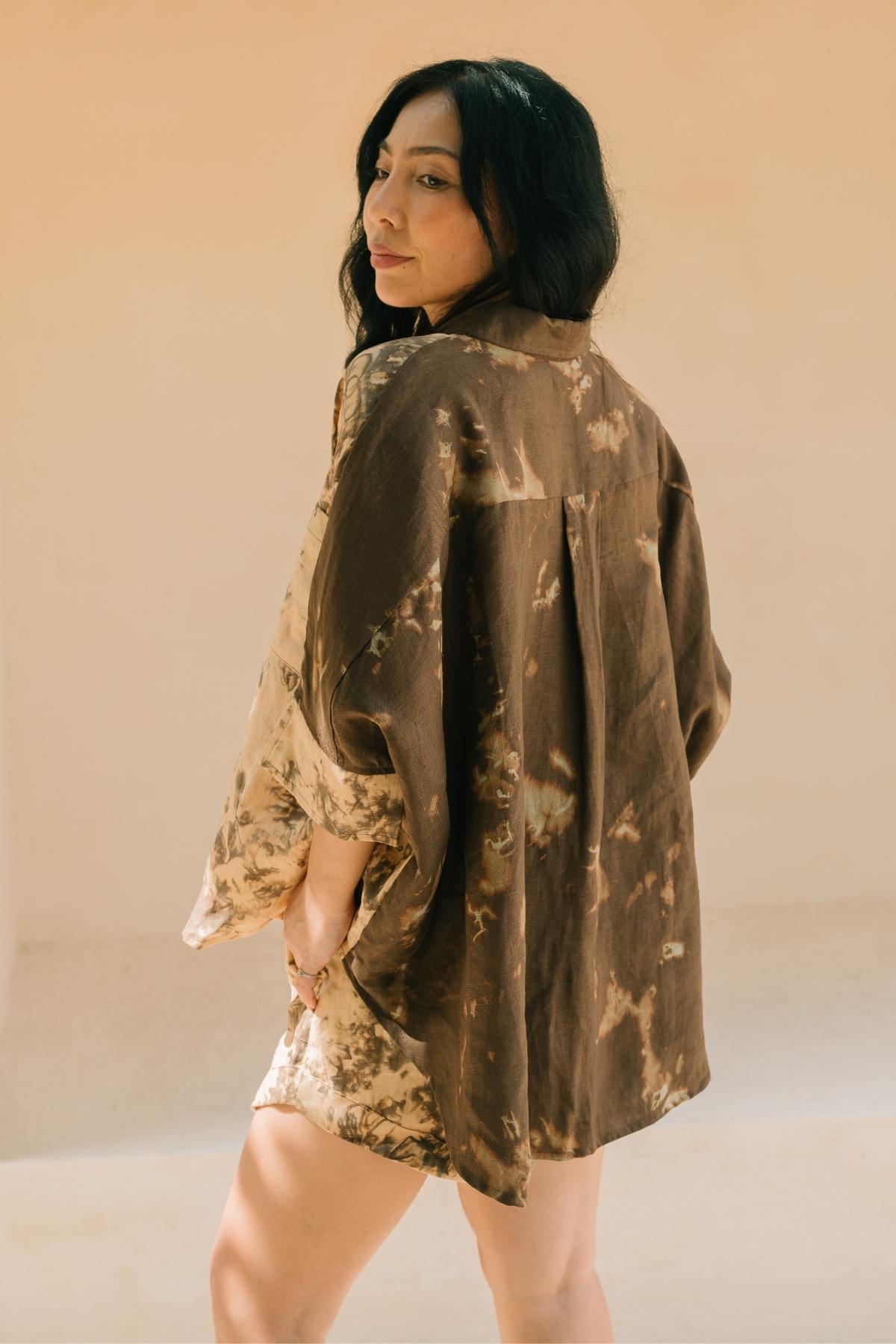
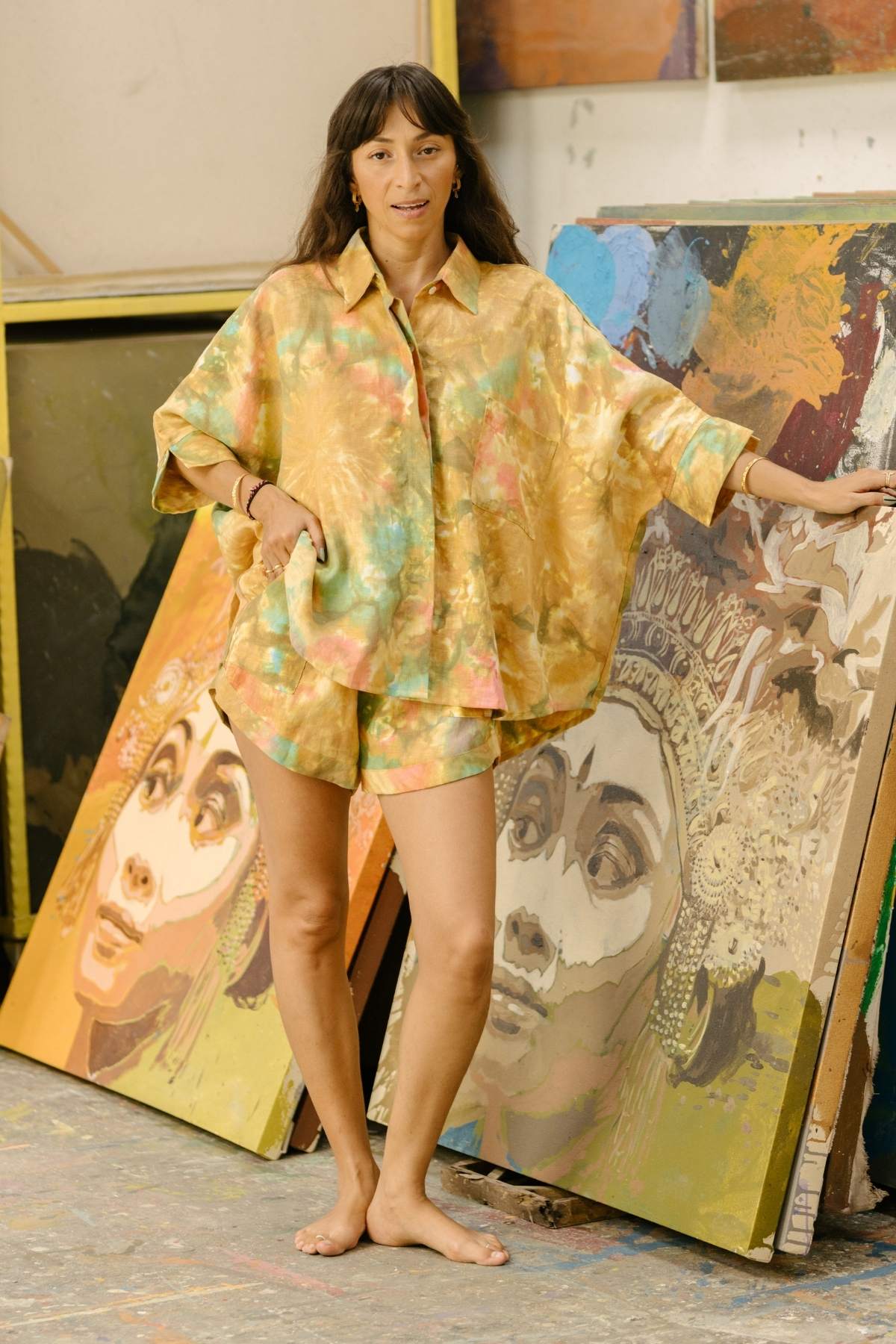
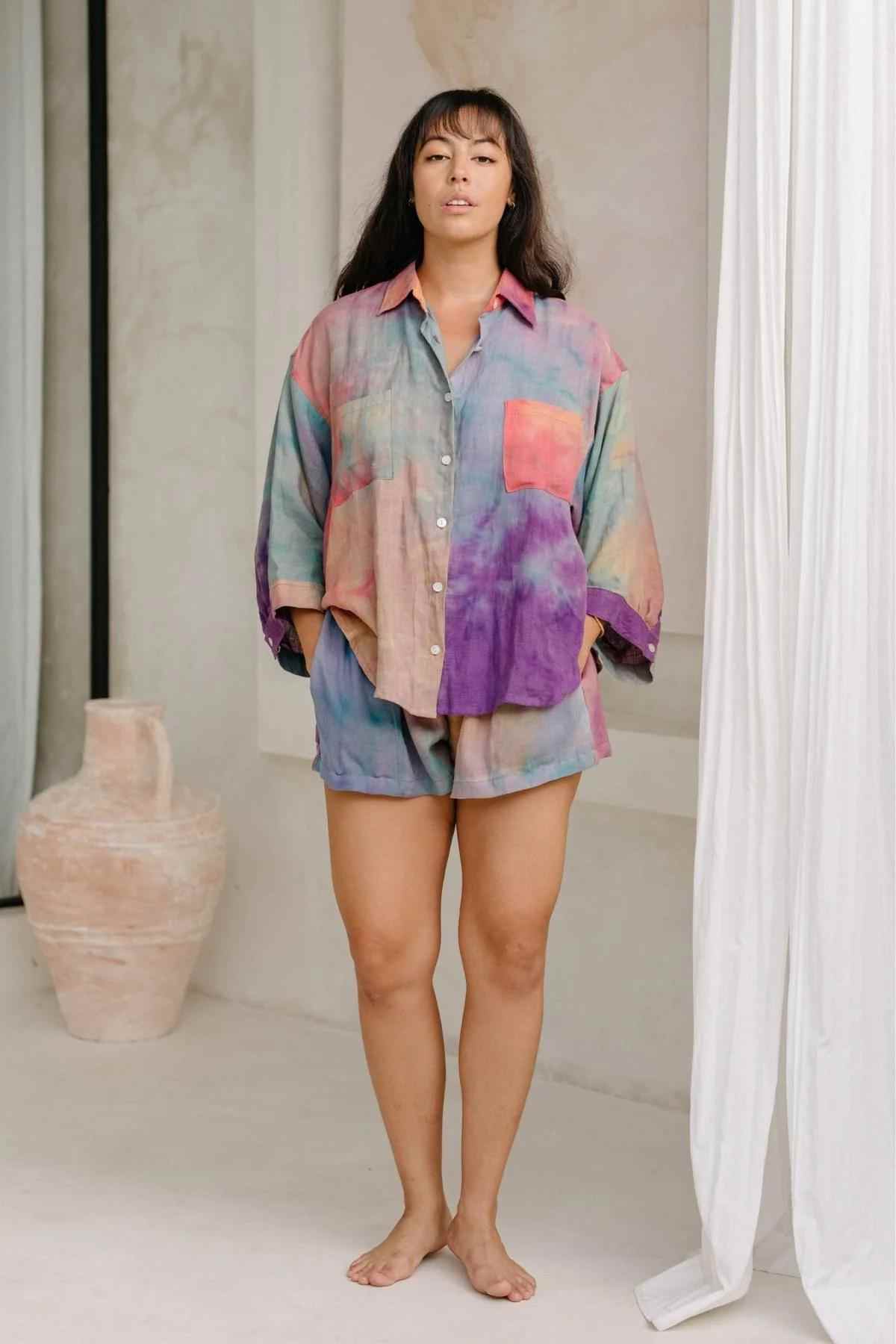
For ancestral or lineage-based practice, sacred dressing often means seeking out handmade or heritage techniques — batik, hand-dyeing, embroidery passed through generations of women — so that the garment itself carries a lineage, not just a label.
Sacred Feminine Fashion Is a Practice, Not a Purchase
It would be easy for a clothing brand to tell you that buying the right dress solves this. It doesn't. The practice is in the noticing — the pause before you get dressed, the question of what you're actually preparing your body for that day. The clothing is simply a tool that makes the noticing easier, the way a good yoga mat doesn't make you flexible but does make the stretching more honest.
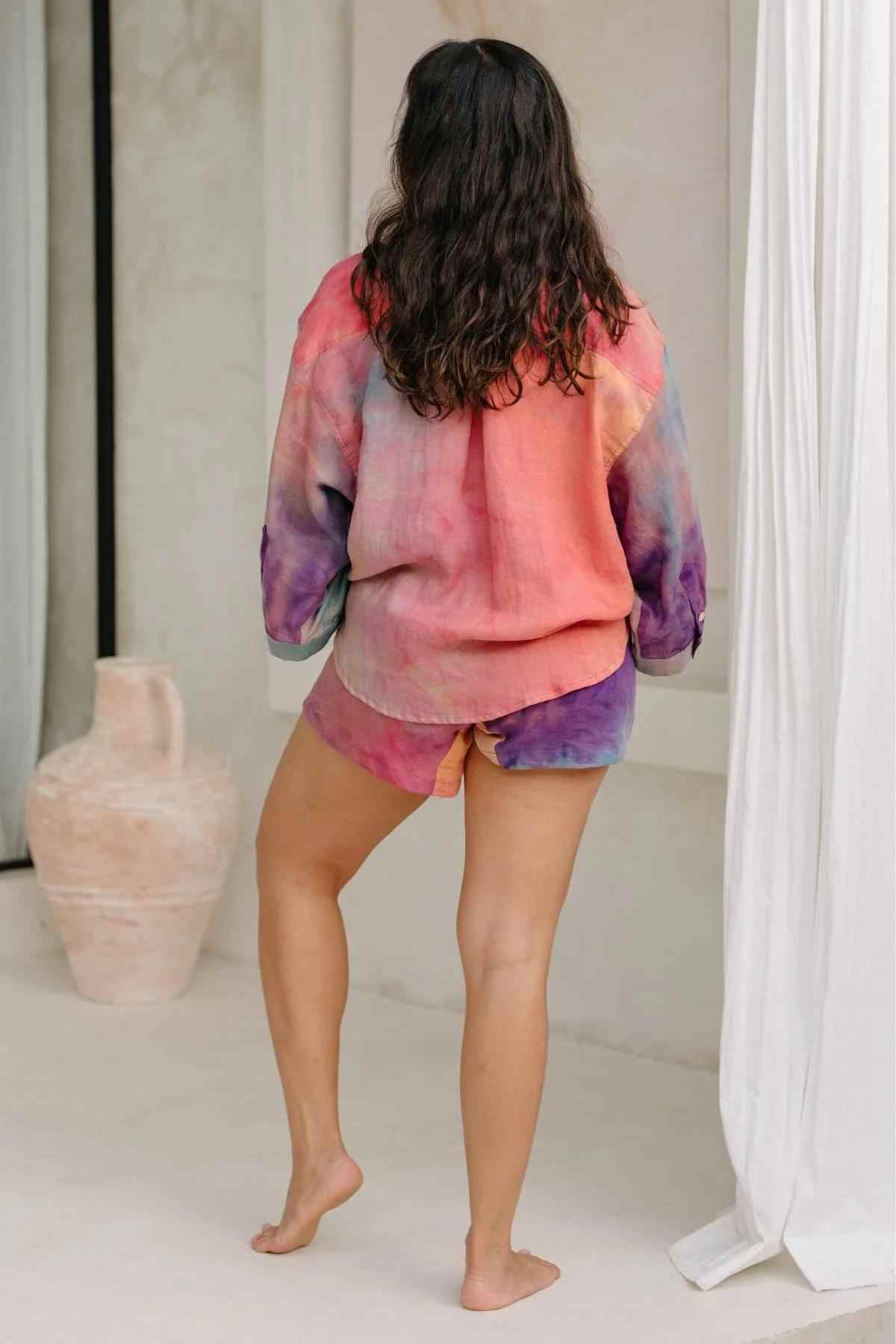
What we can offer, from this workshop in Bali, are pieces made with that pause already built in — cut for movement, dyed and stitched by hand, designed for women who are done getting dressed on autopilot.
The sacred was never somewhere else. It was always in the fabric against your skin, waiting for you to notice.
With love from Bali,
Myrah.
|
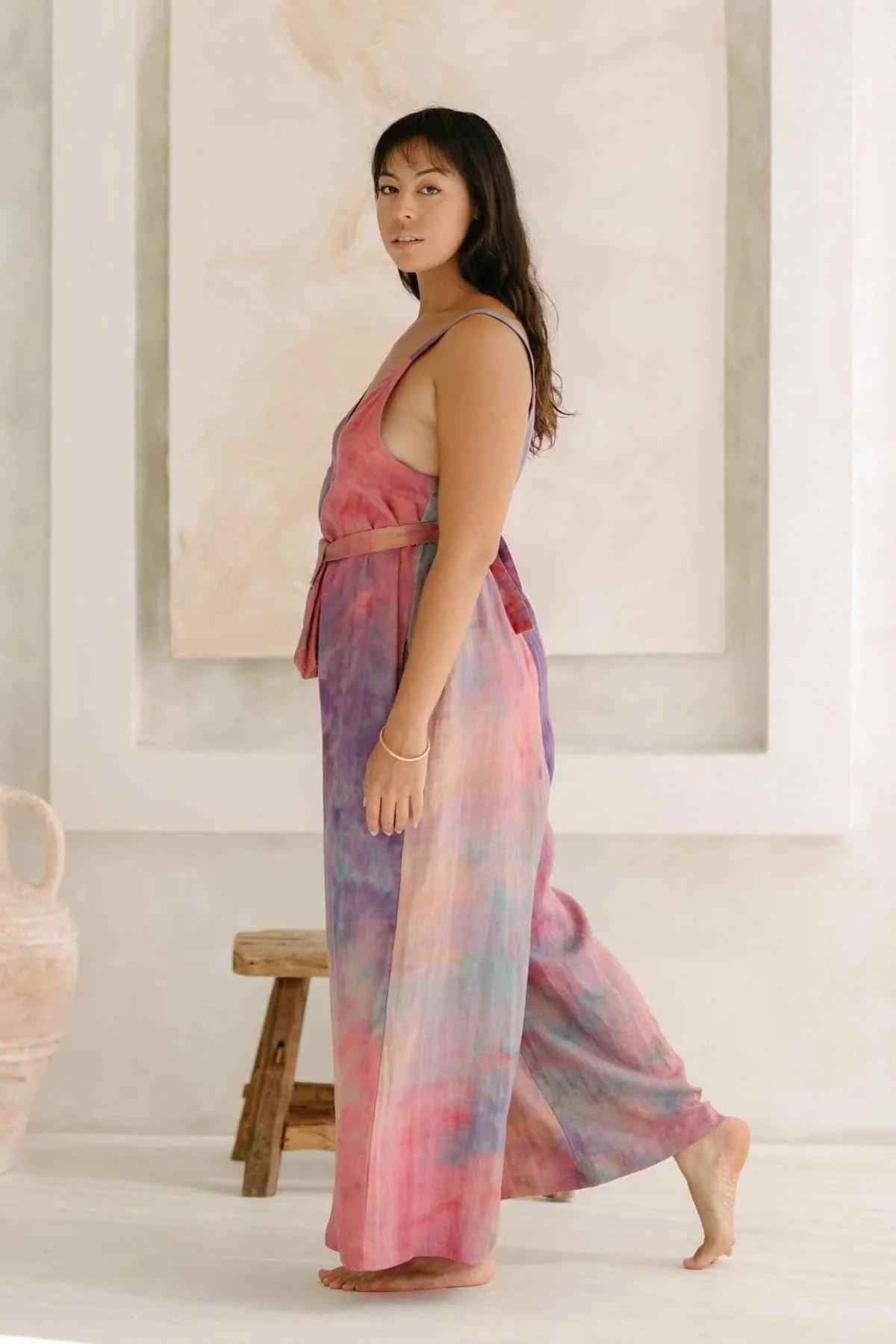
A Piece for This Threshold Anusara Set. Named for the yogic path of flowing with grace, the Anusara Set is cut wide and easy through the leg, gathered soft at the ankle — a piece built to move with you through practice, prayer, and the ordinary sacred of an unremarkable Tuesday. |
|
The Muse-Letter Dress for the woman you're becoming. Every week from Bali. Astrology, slow living, sacred feminine, and the pieces we make by hand. A letter, not a sales pitch. Unsubscribe any time. No spam, ever. |





Leave a comment
This site is protected by hCaptcha and the hCaptcha Privacy Policy and Terms of Service apply.