Why Bali Is Where We Make Everything: On Islands, Intention, and the Slow Business
People often ask why we make everything in Bali.
The short answer is: because we live here. The longer answer is: because Bali is the only place where what we make could exist in the way it exists.
Bali is not a manufacturing location in the conventional sense. There is no industrial infrastructure for fashion here. There are no factories with hundreds of workers and standardized output. What there is instead is a culture of skilled handcraft that runs so deep it is inseparable from the religious life of the island. And that culture, when it is the ground your supply chain grows from, produces a quality of making that cannot be replicated anywhere else.

The Making Culture of Bali: What It Actually Means
In Balinese Hinduism, the act of creating something with your hands is not work. It is offering. The gamelan musician who practices for years before playing in a temple ceremony. The woman who carves the elaborate coconut shell offerings left at every threshold each morning. The weaver working a traditional pattern that has been in her family for generations. They are all performing the same essential act: bringing beauty into form as a gift to the divine.
Our artisan families bring this understanding to every piece they make for us. We did not teach it to them. We inherited it. When you work in Bali, you inherit the culture of the people you work with. And that culture, of making as devotion rather than making as production, is the most genuinely quality-focused environment either of us has encountered anywhere in the world.
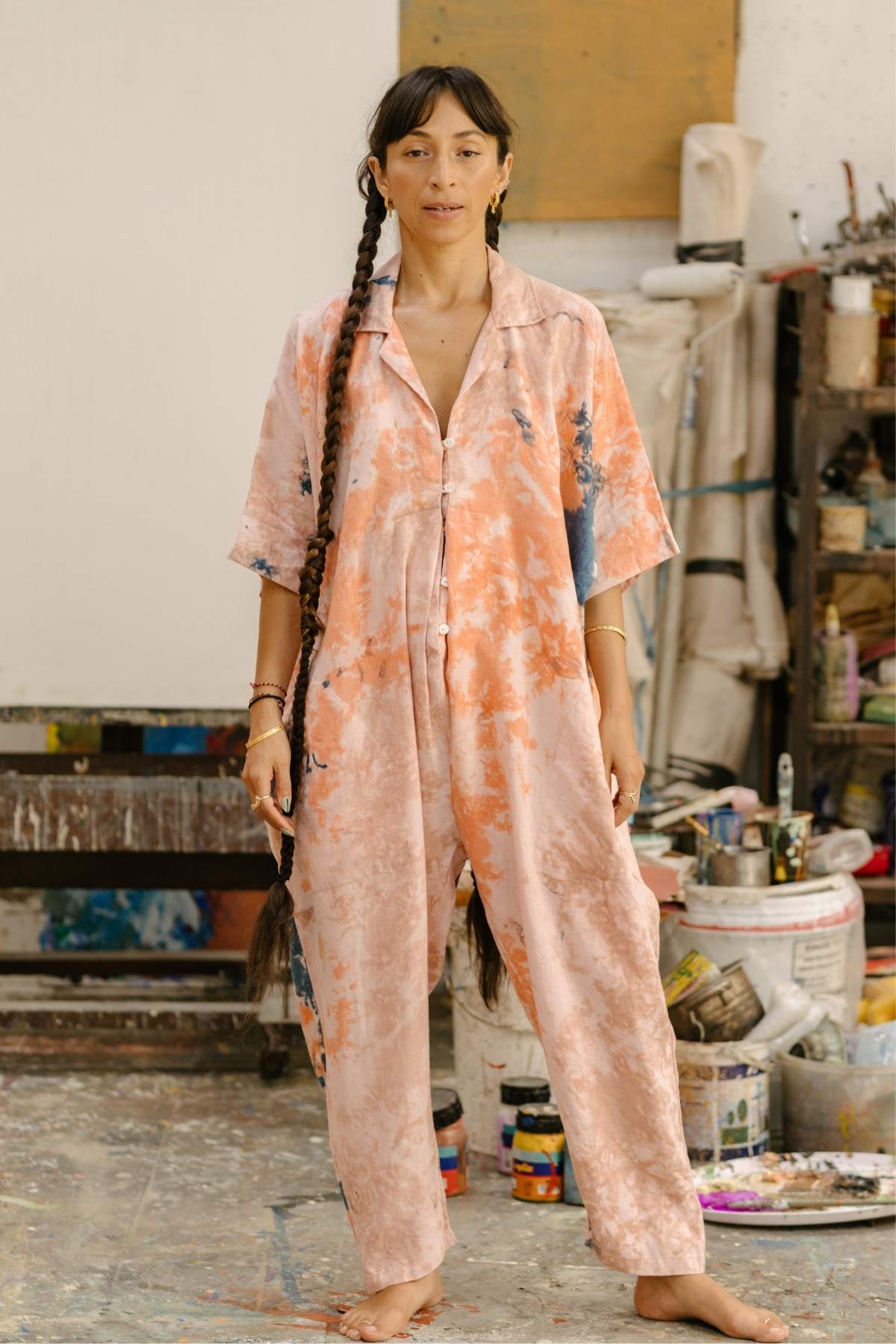
This is not a beautiful story layered over a conventional supply chain. It is the actual mechanism. The reason our seams hold differently, our cuts fall differently, our pieces age differently, is that they were made by people who understand making as a sacred act. That understanding is not metaphorical. It is structural.
What Slow Business Actually Requires
Building a business slowly, in Bali, in the slow fashion sector, is not a romantic exercise. It requires patience that is genuinely tested. The supply chain does not move at the speed that e-commerce expects. Our artisan families cannot produce at the volume that scale demands. Every season we make choices about what we can offer rather than what the market could absorb.
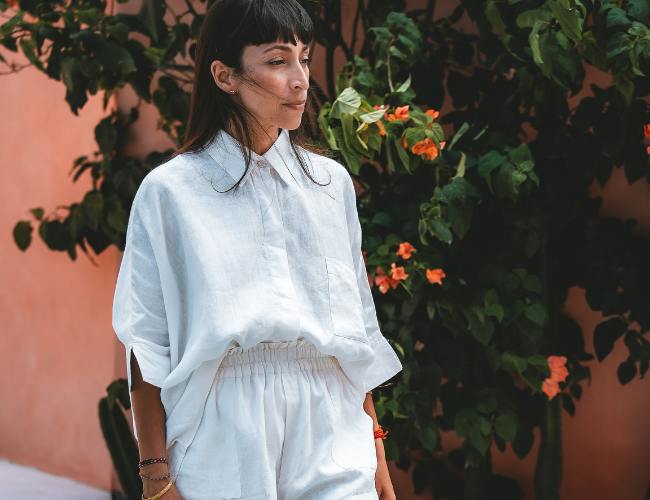
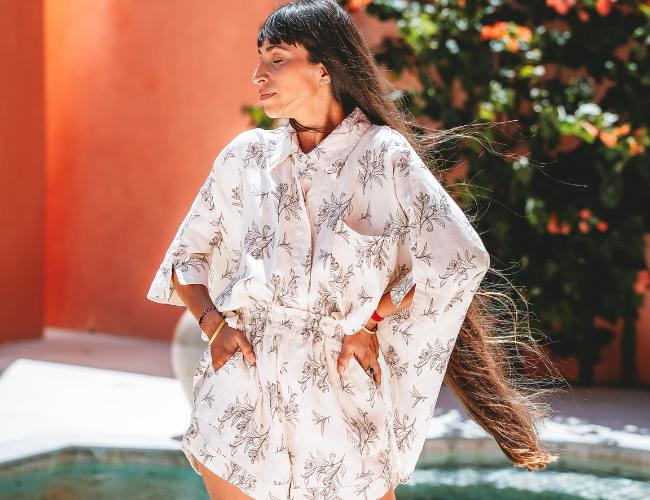
Those constraints are not limitations to be overcome. They are the product. The thing that makes a Myrah Penaloza piece what it is, is inseparable from the slowness of how it was made. Remove the slowness and you remove the thing. You are left with a garment that looks similar and is structurally different, in ways the wearer will eventually feel even if she cannot articulate them.
The constraint is the value. What you cannot automate is what the customer can feel. This is the paradox at the heart of slow fashion as a business model, and it is why we have held it even when growth seemed to demand otherwise.
Growing Into More of Ourselves
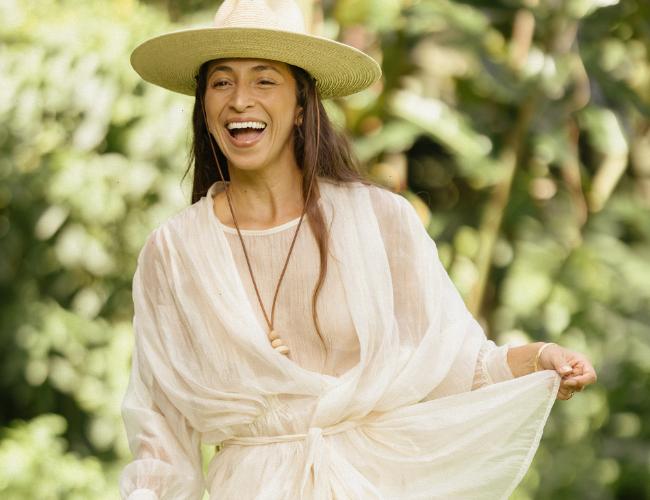
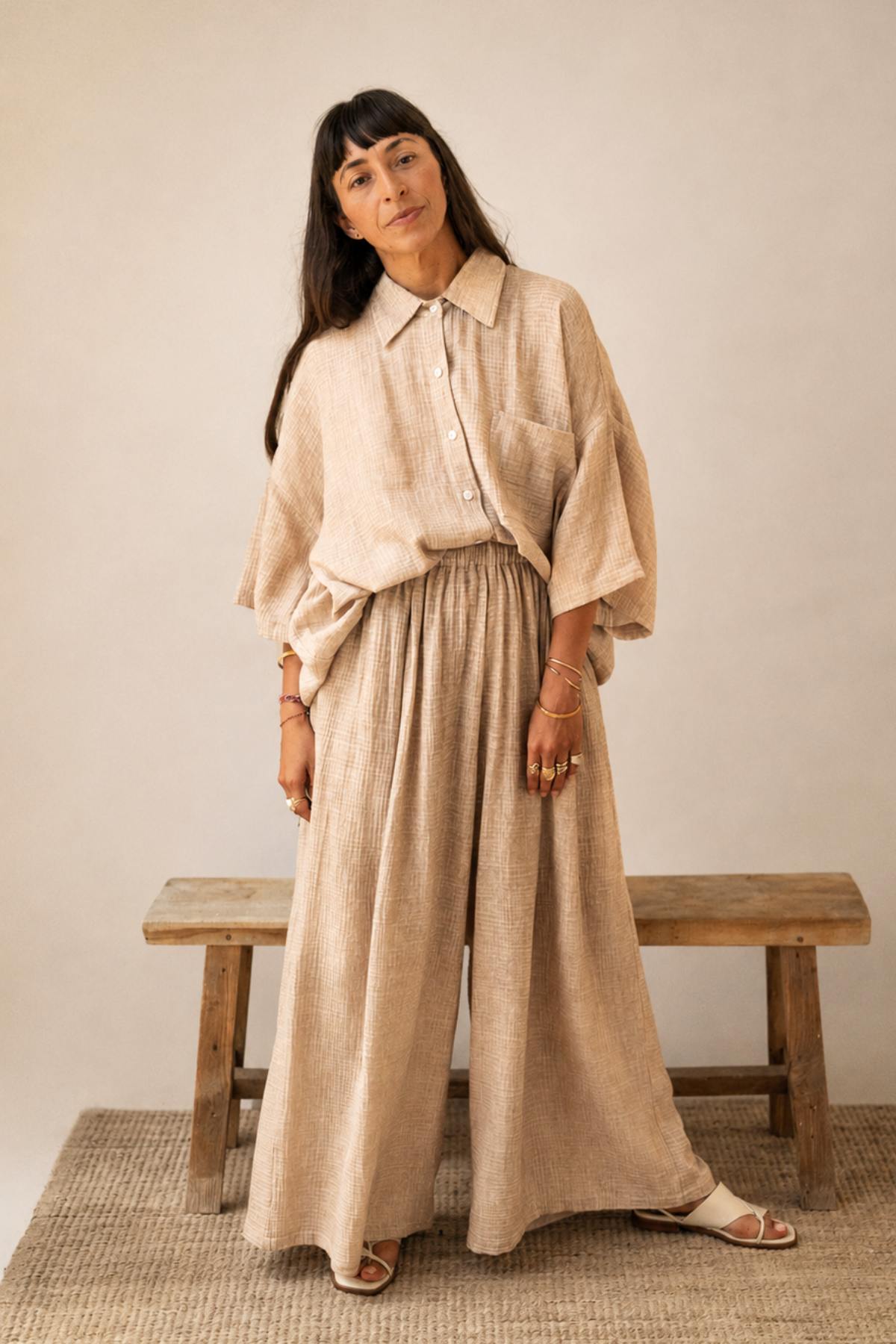
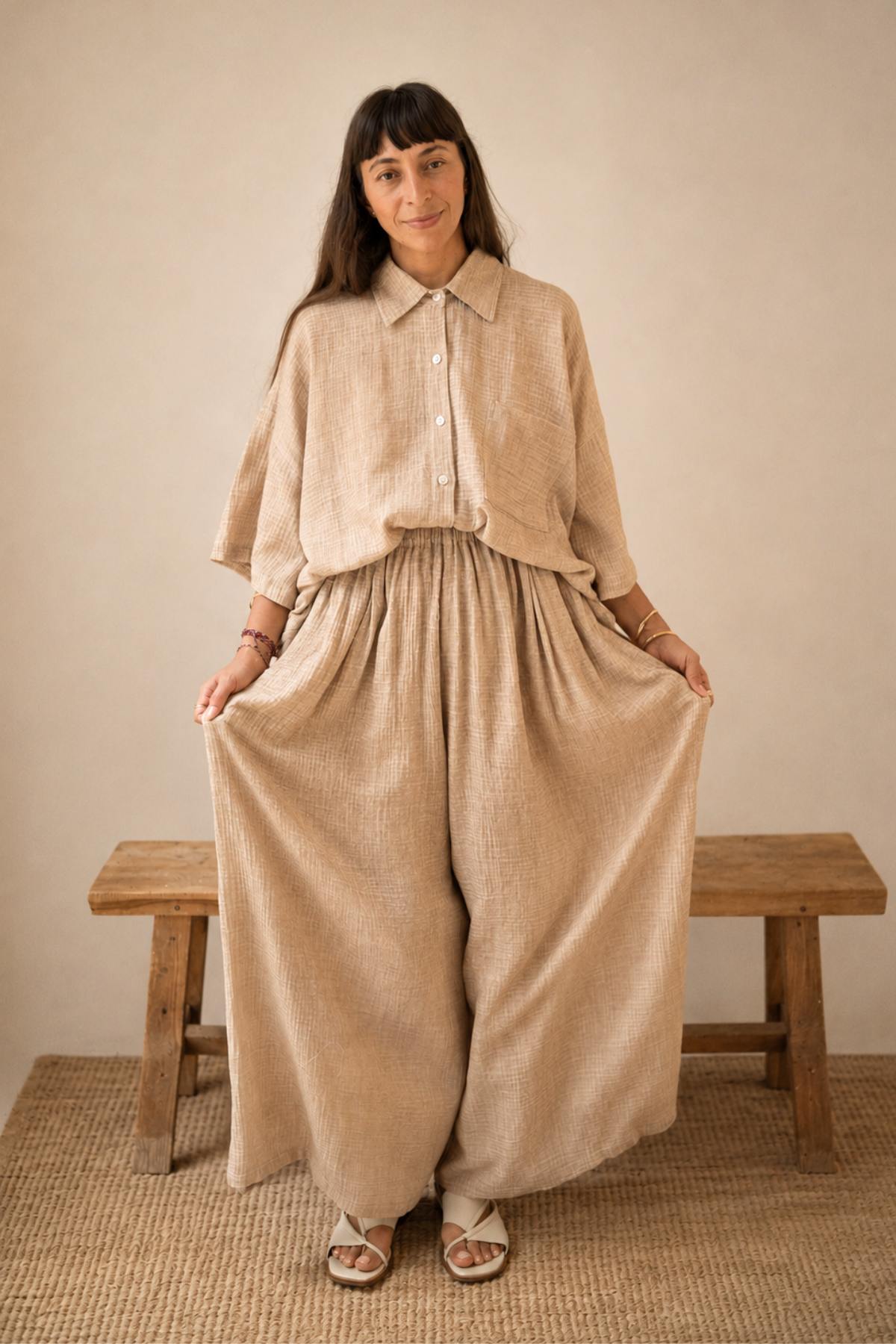
We are not trying to grow into a fast company. We are trying to grow slowly, into more of ourselves, in the way that a linen garment grows into more of itself with every wash. Softer. More characterful. More deeply what it was always meant to be.
The goal for the next phase of this brand is not scale in the conventional sense. It is depth. More of the world discovering what the women who have been with us for years already know. More access to the pieces, through better storytelling, better search presence, and eventually more physical locations in the places where our community gathers. But always at the pace the making allows. Always with the thirty families still at the center. Always with the understanding that the speed of growth is limited by the speed of craft, and that this limit is not a problem. It is the whole point.
We are not trying to grow into a fast company. We are trying to become, slowly, more of what we already are. That is the only kind of growth that does not require us to stop being ourselves to achieve it.
With love from Bali,
Myrah.
|
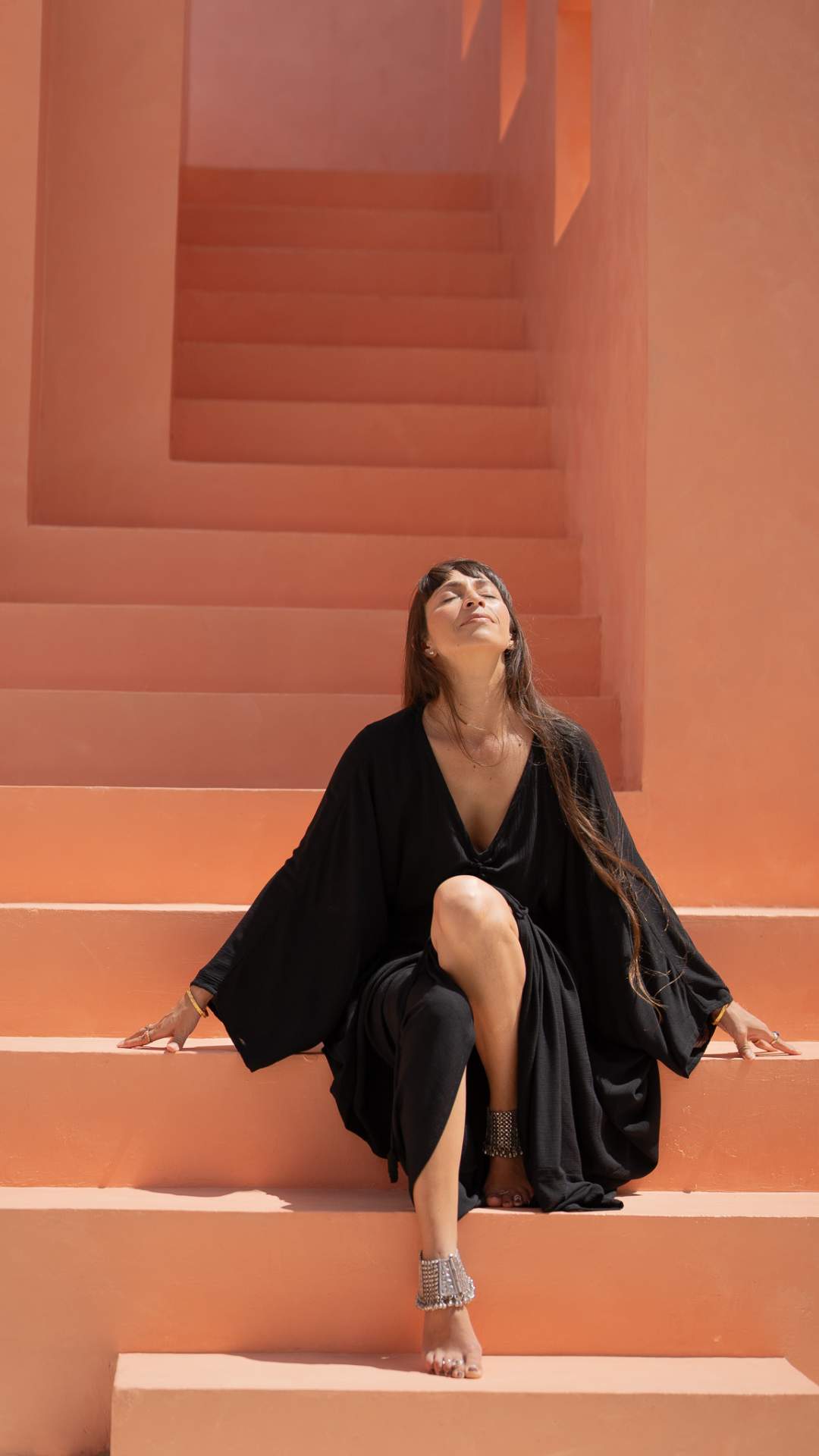
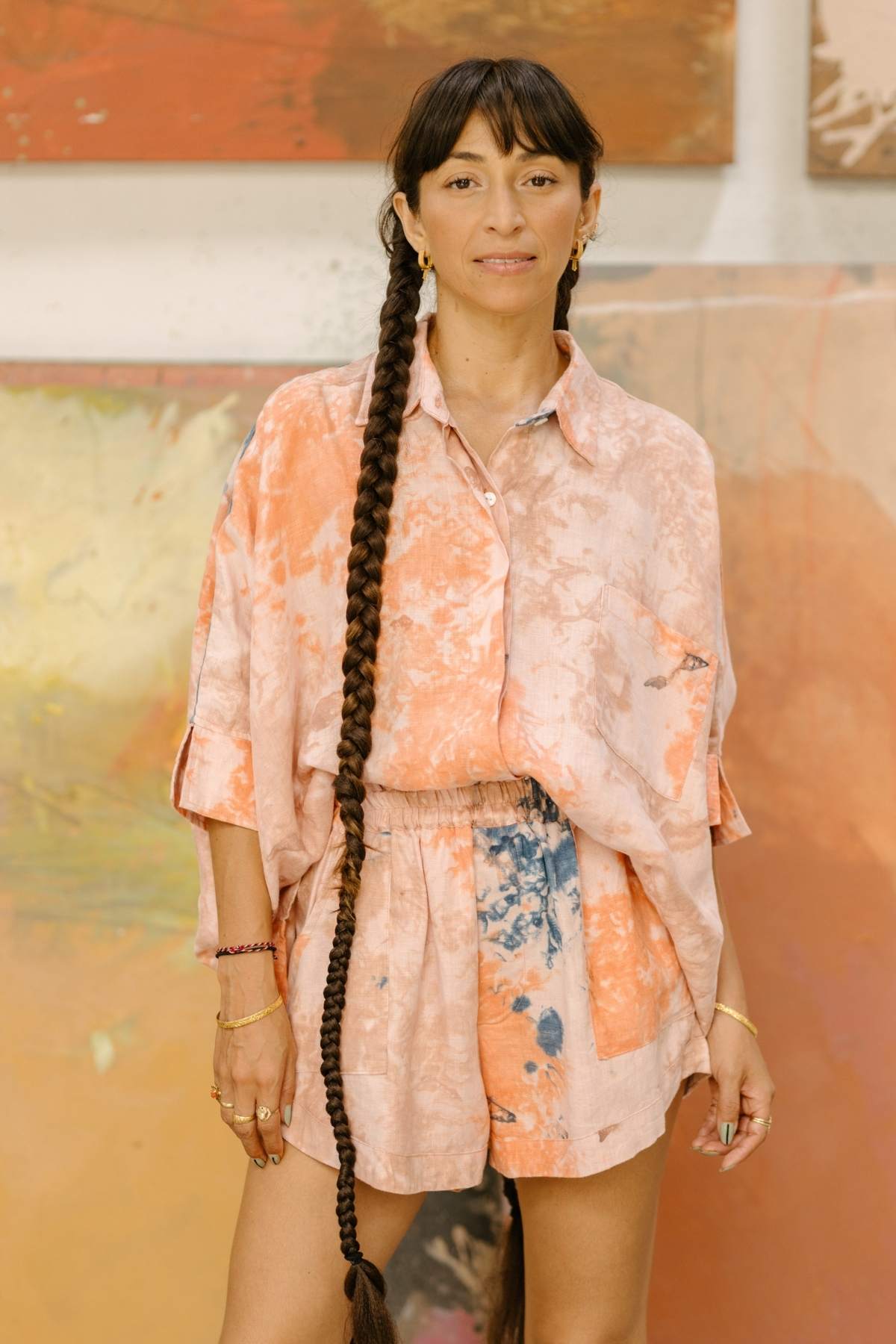
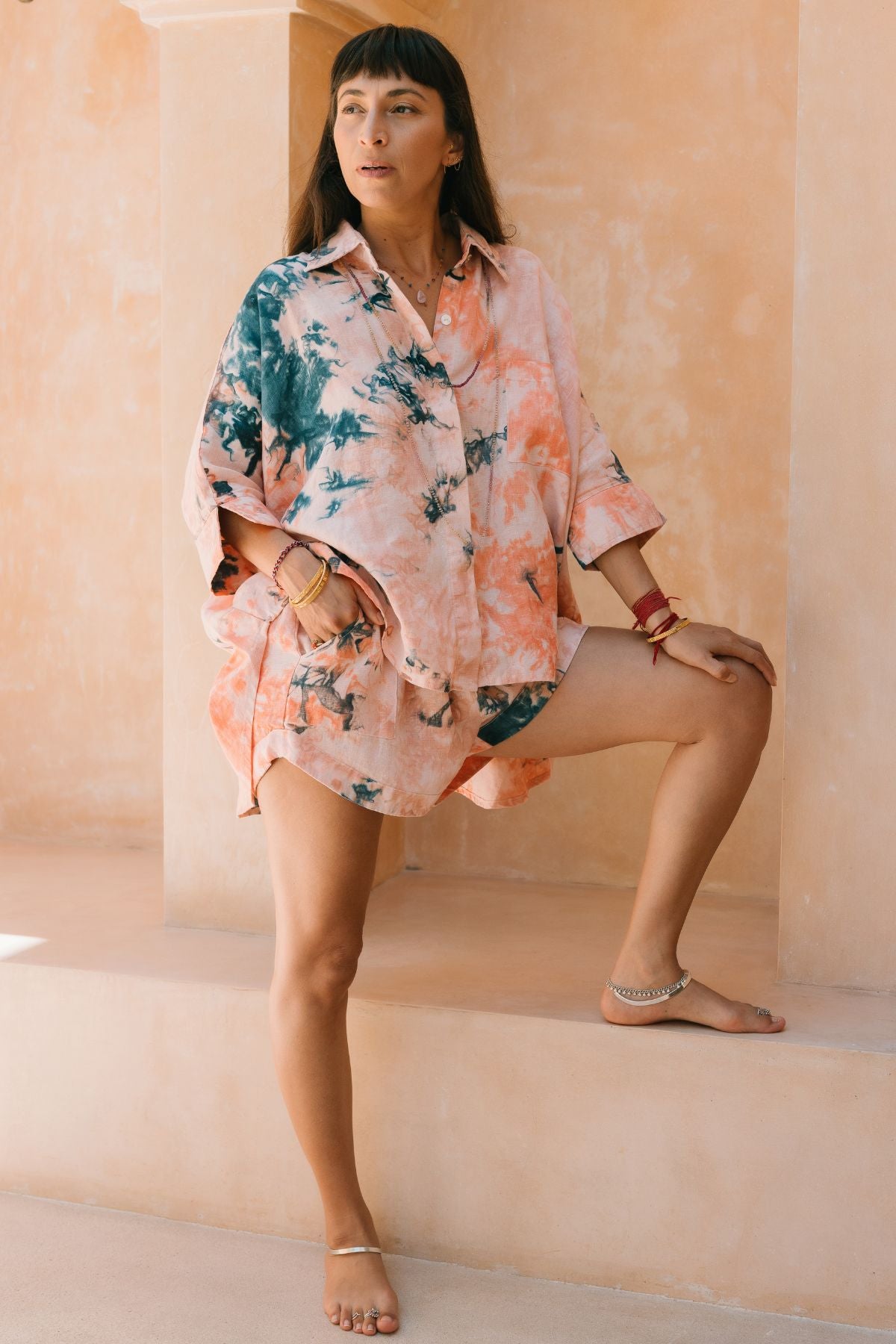
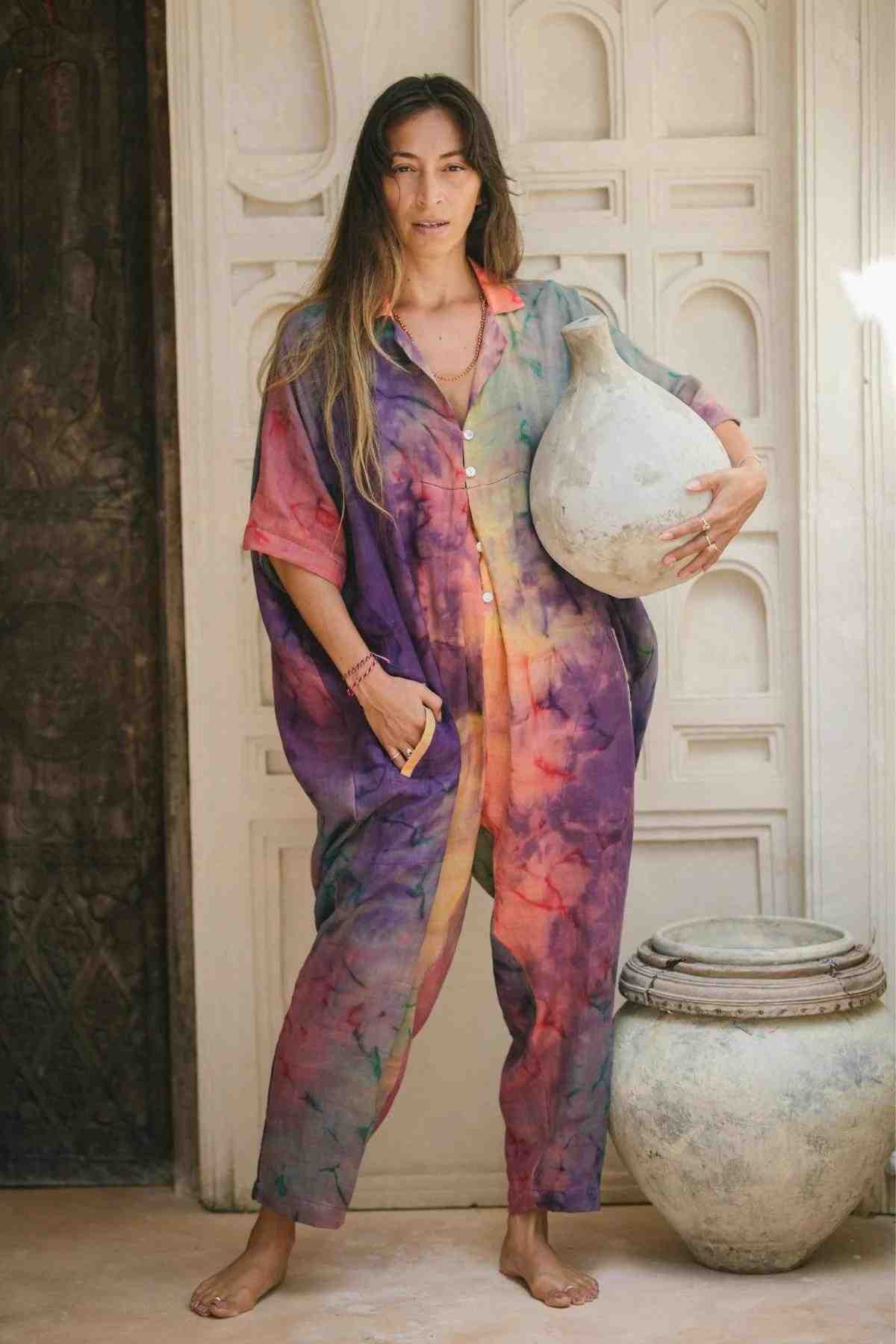
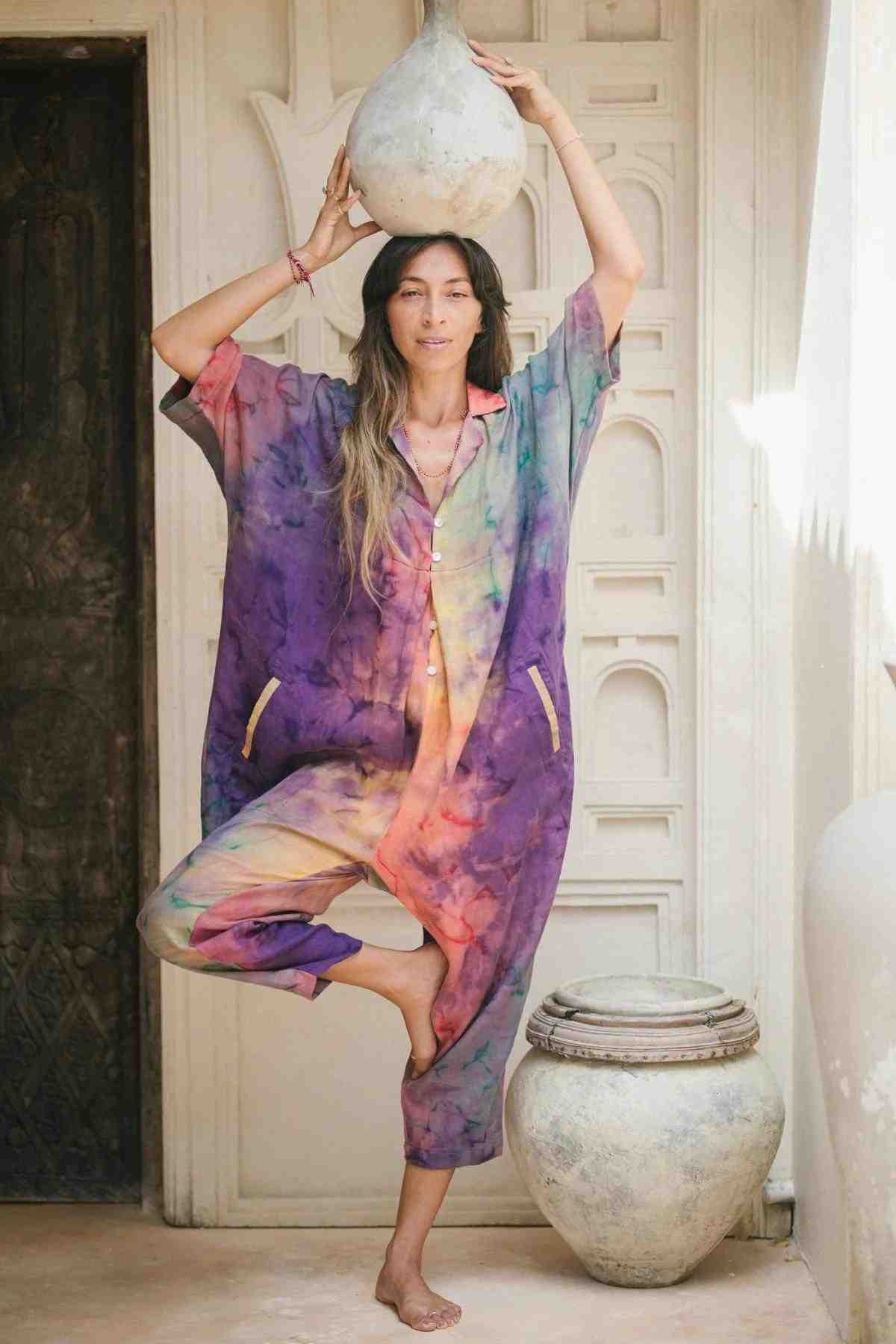
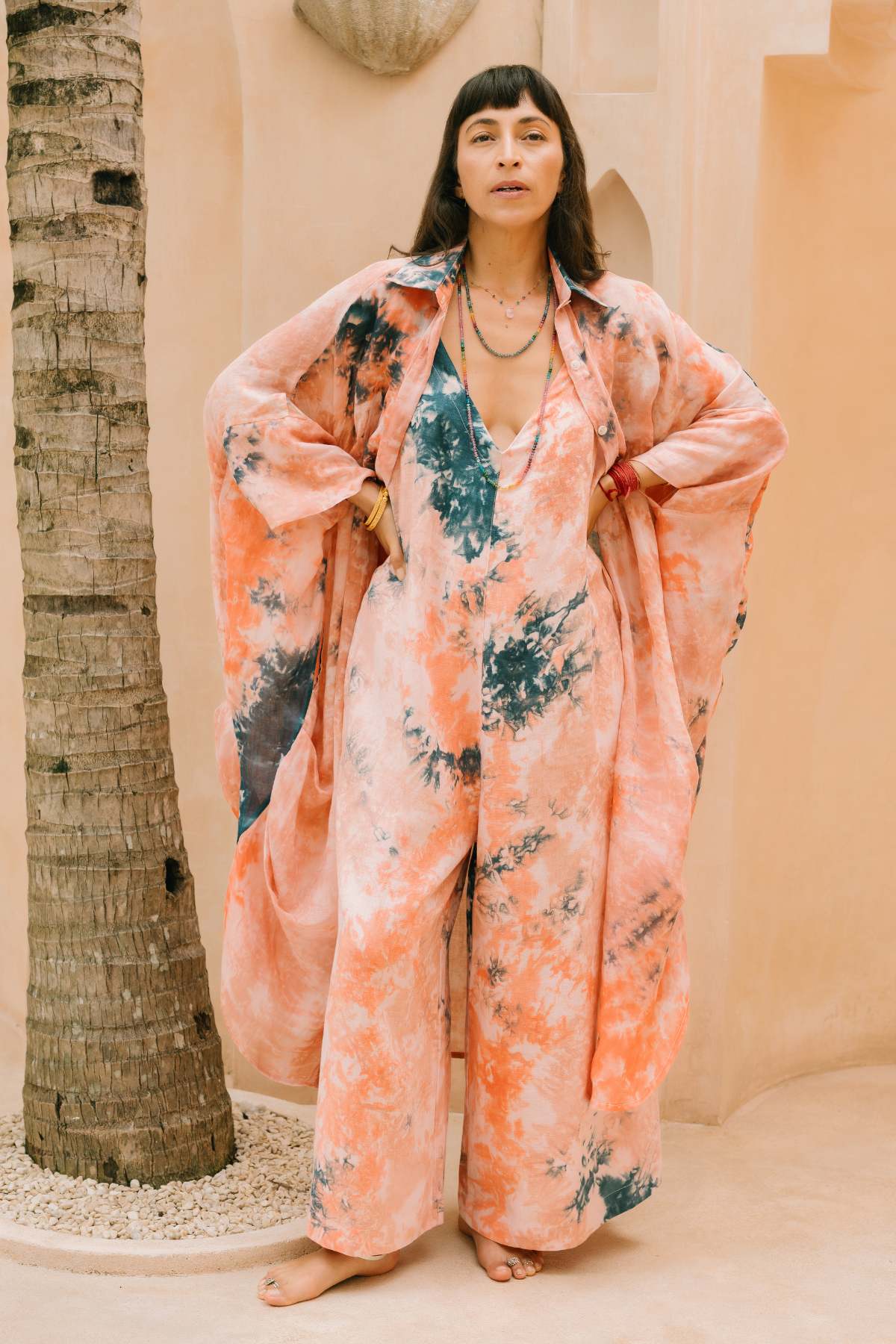
A Piece for This Threshold The Virgo Moon Kaftan. Made slowly in Bali by hands that understand what they are making. Worth every day it took. This is what the slow business produces at its best. |

|
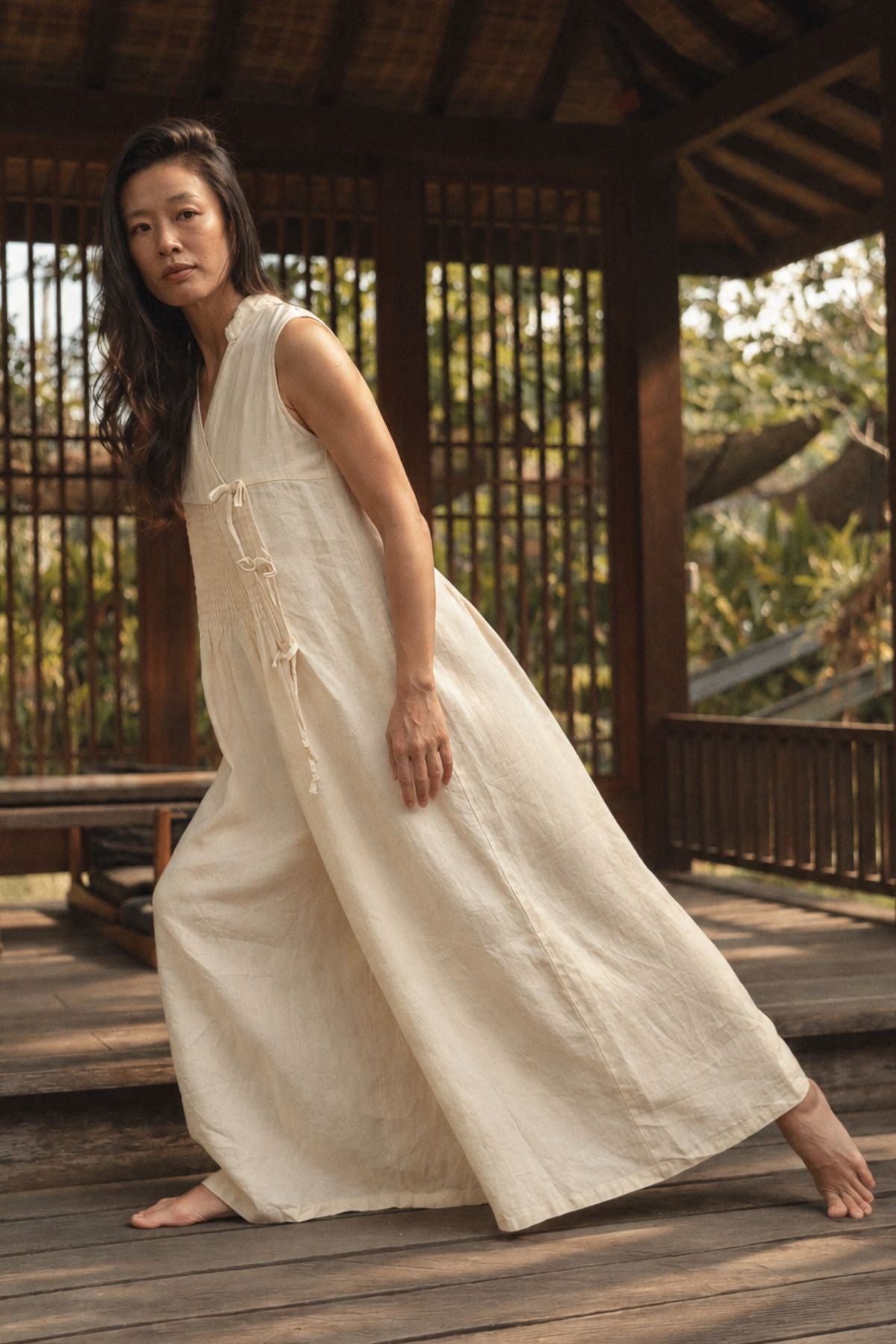
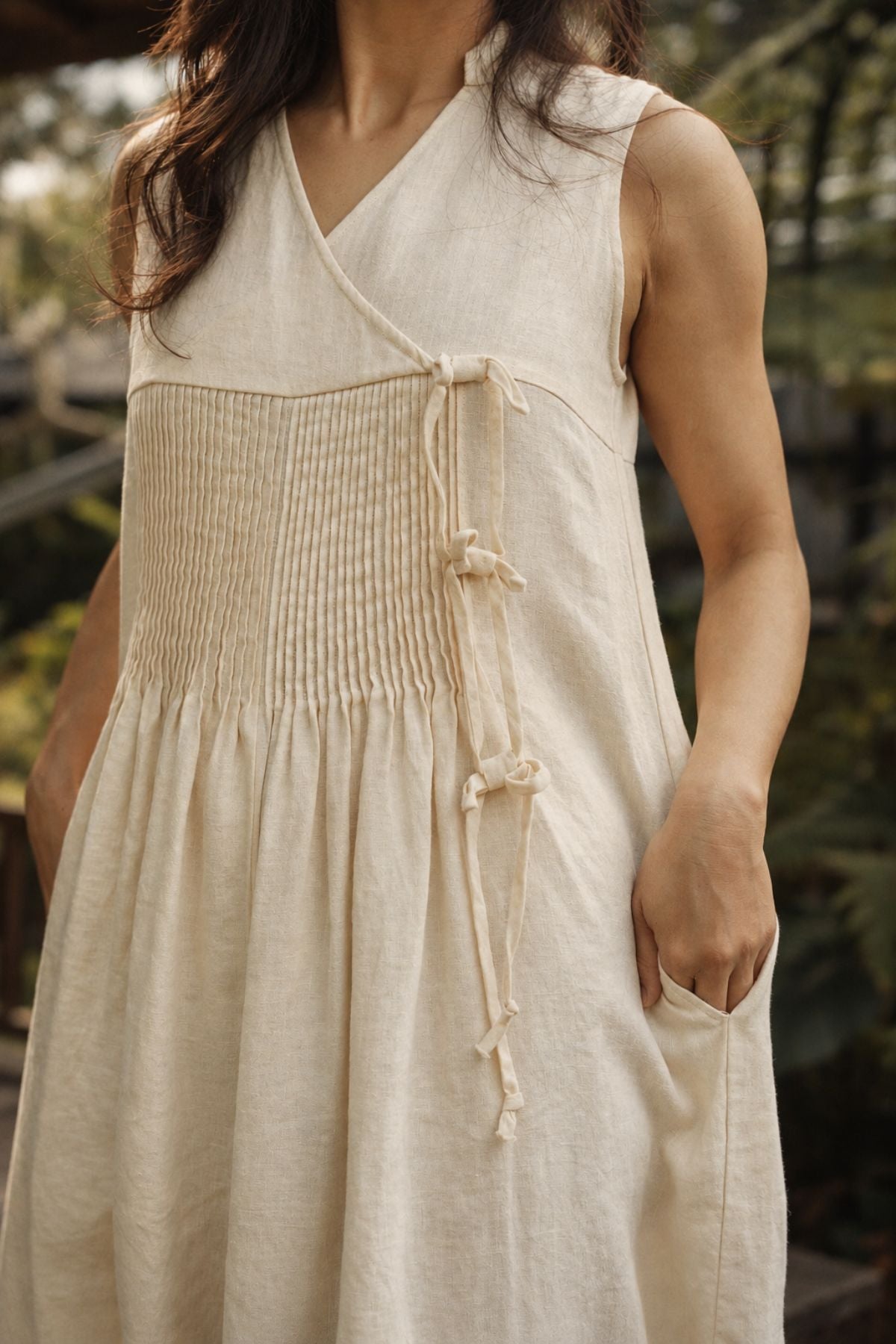
The Muse-Letter Dress for the woman you’re becoming. Every week from Bali. Astrology, slow living, sacred feminine, and the pieces we make by hand. A letter, not a sales pitch. Unsubscribe any time. No spam, ever. |


Leave a comment
This site is protected by hCaptcha and the hCaptcha Privacy Policy and Terms of Service apply.