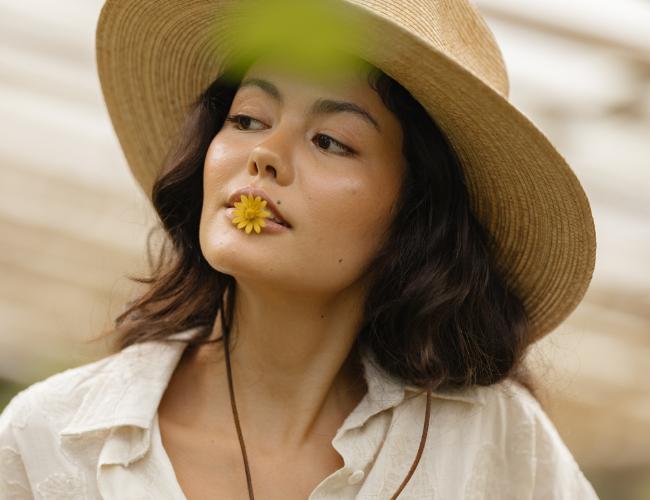
A Guide to Conscious Fashion in Bali: Where to Shop and Why It Matters
Bali sells you linen on every corner. Almost none of it is actually conscious fashion.
Walk through Canggu or Ubud and you will find "eco" printed on more hang-tags than you can count, most of them attached to garments cut from synthetic-linen blends, dyed with conventional chemical dyes, and sewn in volume by workers paid far below a living wage. Conscious fashion in Bali is real, and it is some of the most beautiful, thoughtfully made clothing in the world, but finding it means knowing what you're actually looking for, and where.

Why Bali Became Ground Zero for Conscious Fashion
Bali's relationship with textiles goes back centuries, long before the word "sustainable" existed as a marketing term. Handwoven ikat, batik dyed with wax-resist techniques passed down through families, and natural dyeing using indigo, turmeric, and mangosteen rind are traditions rooted in Balinese and broader Indonesian craft, not aesthetics borrowed for a look. When the island became a magnet for designers and small ateliers over the last two decades, many of them arrived specifically to work alongside these existing skills rather than import fast fashion's factory model.
That history is why Bali can genuinely support a slow, conscious fashion economy where other tourist destinations can only imitate one. The looms, the dye masters, and the seamstresses who do this work at a human pace already existed here. The conscious fashion brands worth supporting are the ones who partner with that existing ecosystem instead of building around it.
What "Conscious Fashion" Actually Means Here (And What It Doesn't)
The term gets stretched to cover almost anything in Bali's markets, so it helps to be specific. Conscious fashion, in the way that actually matters, means natural and low-impact fibers such as linen, organic cotton, and hemp; dye processes that don't dump chemical runoff into rivers that Balinese communities depend on; small-batch or made-to-order production instead of speculative overstock; and fair, transparent pay for the artisans doing the weaving, dyeing, and sewing.
What it doesn't mean is a stamped "eco-friendly" tag on a rack of a thousand identical polyester-linen blend dresses. It doesn't mean a brand that photographs its factory once for a homepage and never mentions it again. If a brand can't tell you where a piece was made, what it's made of, or who made it, the word "conscious" on the label is doing more work than the product is.
Where to shop conscious fashion in Bali, neighborhood by neighborhood
Ubud remains the island's deepest well of textile heritage. This is where you'll find weaving cooperatives and natural-dye studios that have operated for generations, alongside newer ateliers that trained directly under those same artisans. It's worth visiting a workshop in person here if you can, watching a hand-dye process change the way you value a garment permanently.
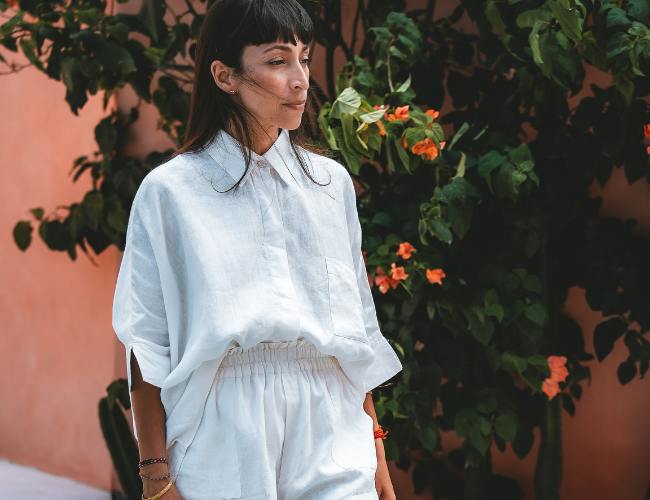
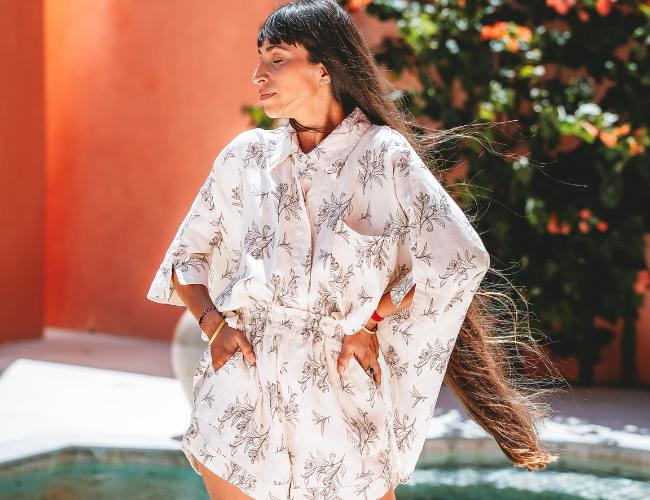
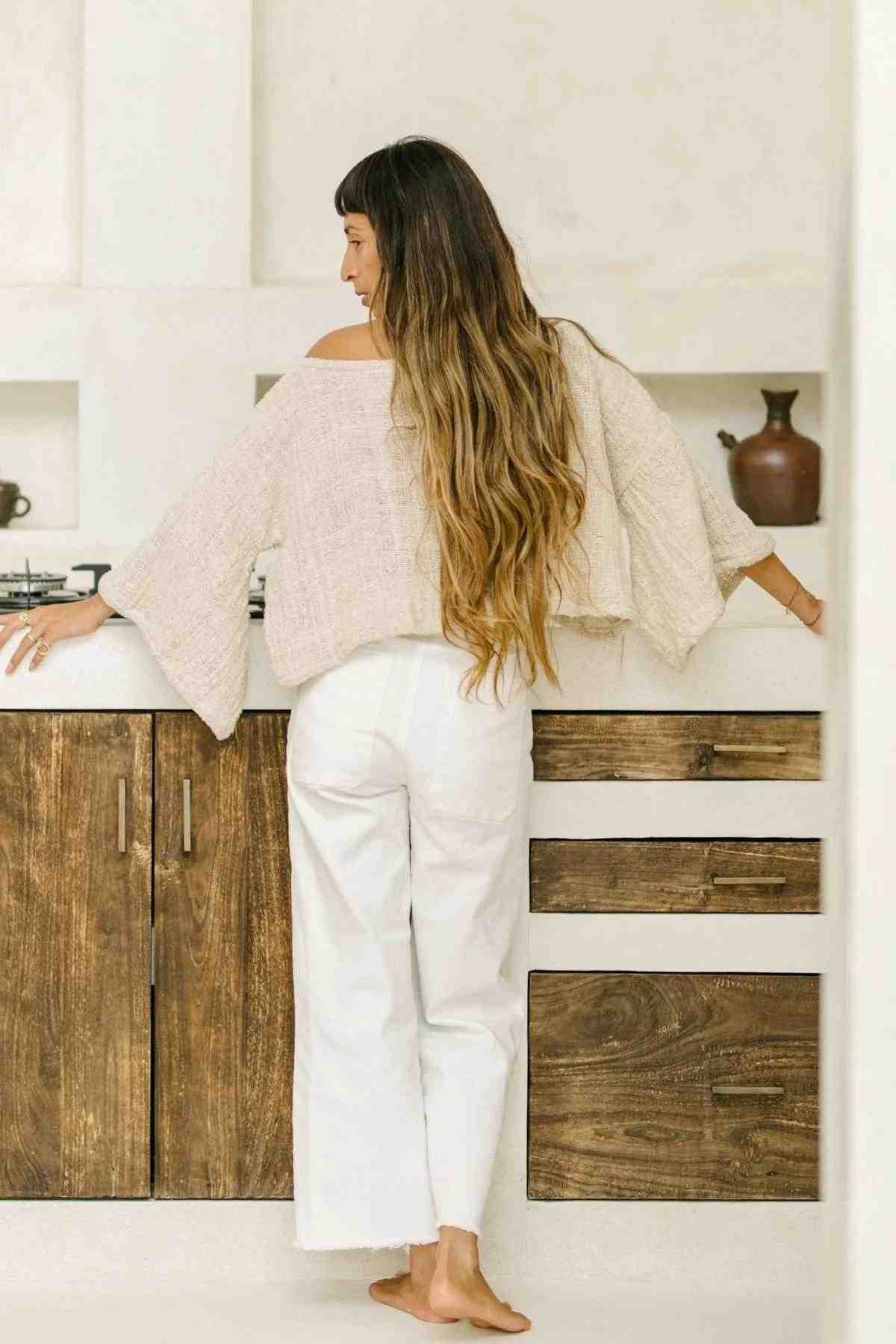
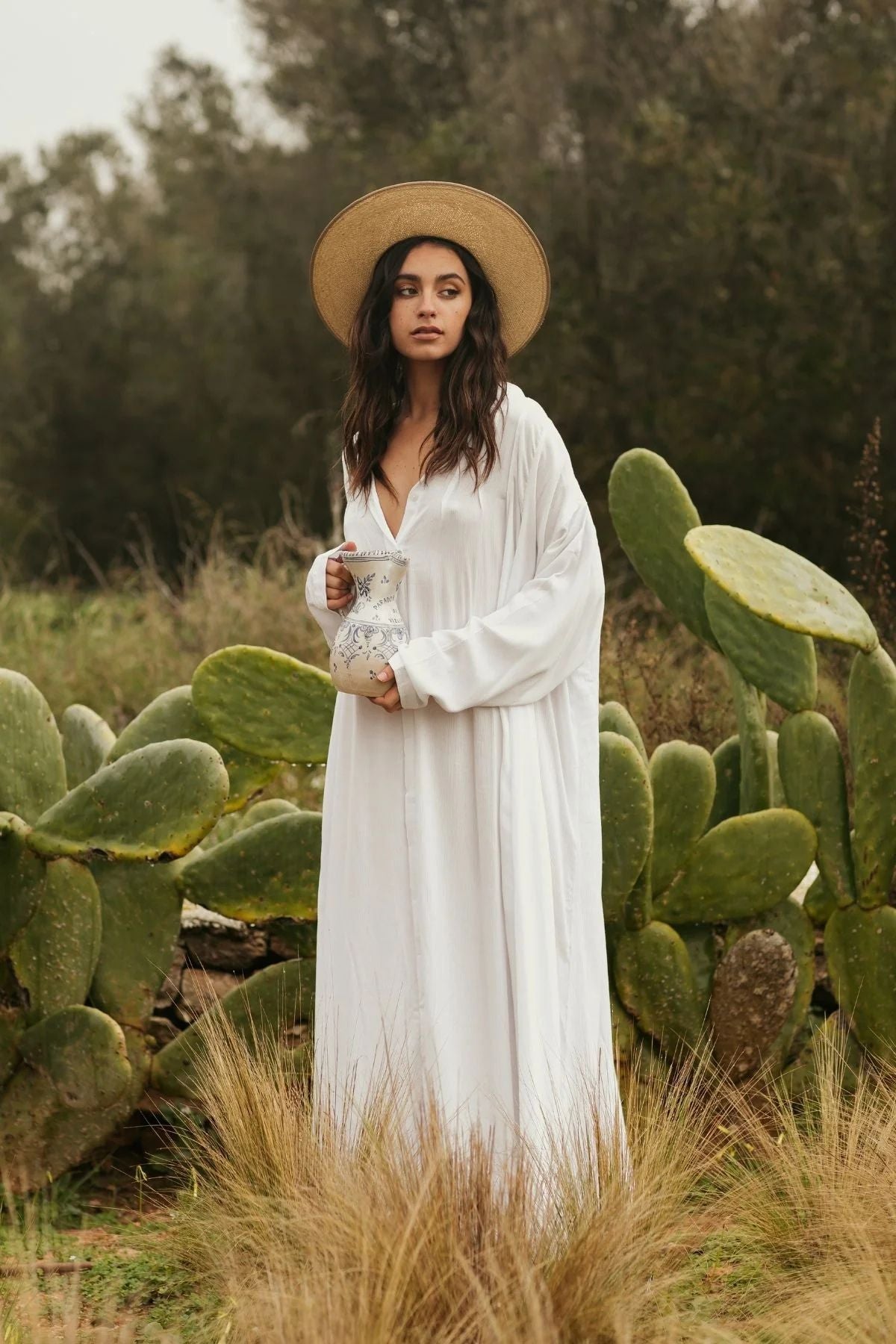
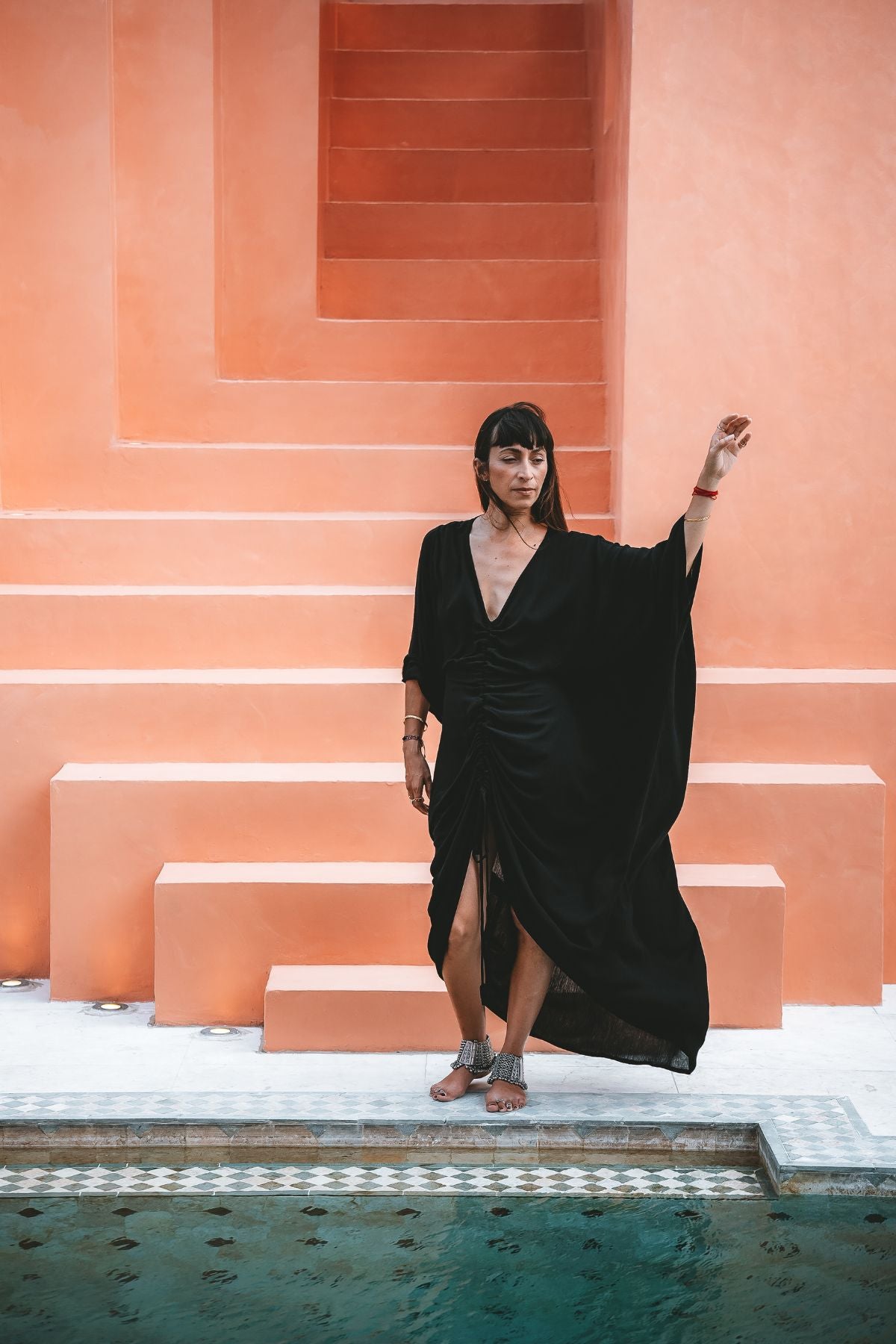
Canggu and Pererenan have become home to a newer wave of independent, women-led labels working in linen and organic cotton, often producing in small batches out of local studios rather than overseas factories. This is where slow fashion meets a more contemporary silhouette, resort pieces, ceremonial sets, and everyday linen built for the way people actually live here, not just how they photograph on vacation.
Seminyak carries more of the polished, boutique-gallery version of conscious fashion, higher price points, curated multi-brand stores, and pieces that lean more editorial. It's a good place to see conscious design at its most refined, though it's also where you'll want to ask the most questions before buying, since a beautiful storefront doesn't guarantee an ethical supply chain behind it.
How to Spot Greenwashing Before You Buy
A few questions separate genuine conscious fashion from a well-styled imitation. Ask what the fabric actually is, "linen-look" and "eco-blend" are phrases designed to sound like linen and cotton without being either. Ask where and by whom the piece was made; a brand doing this well will answer specifically, often by name. Ask whether the collection is made to order or produced speculatively in bulk, overproduction is one of fashion's most damaging habits, conscious label or not. And trust the price a little: garments made slowly, from real natural fiber, by fairly paid hands, rarely cost the same as something mass-produced.
None of this is about being precious or exclusionary. It's about spending your money in a way that actually reaches the hands that made what you're wearing, which, in a place like Bali, are often the same hands that have been doing this work for generations.
The most conscious thing you can wear is something you can trace back to a person, not just a label.
With love from Bali,
Myrah.
|
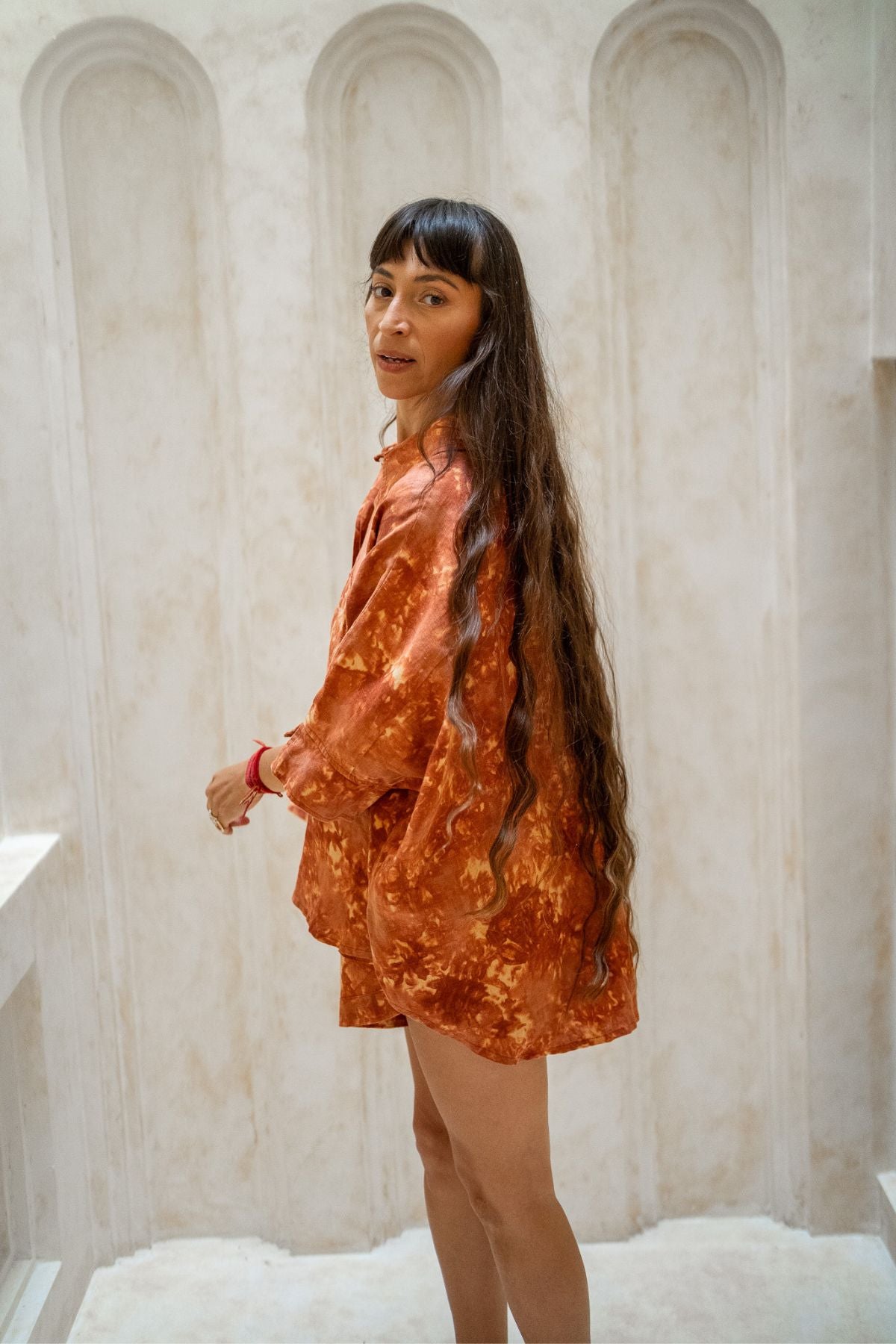
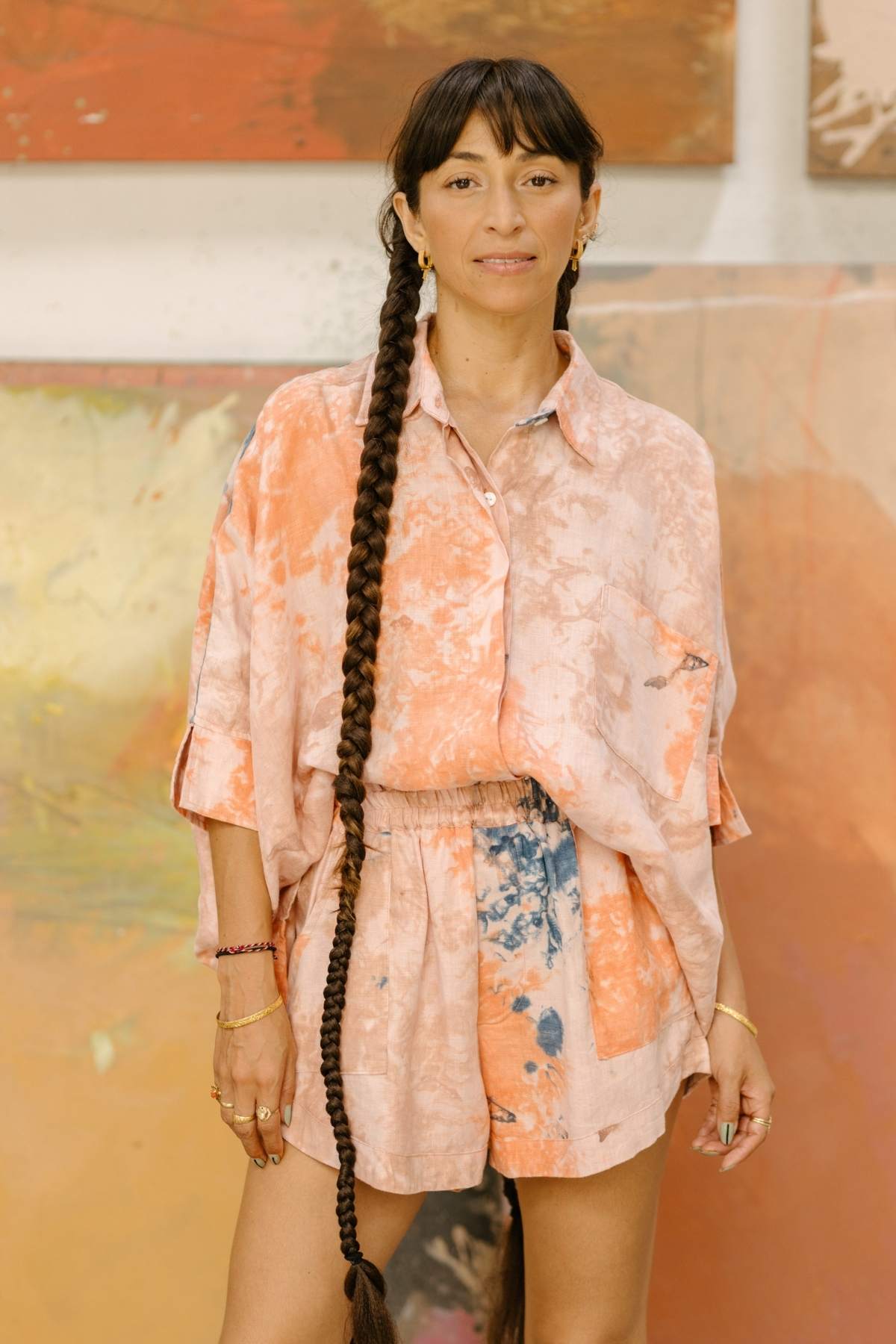
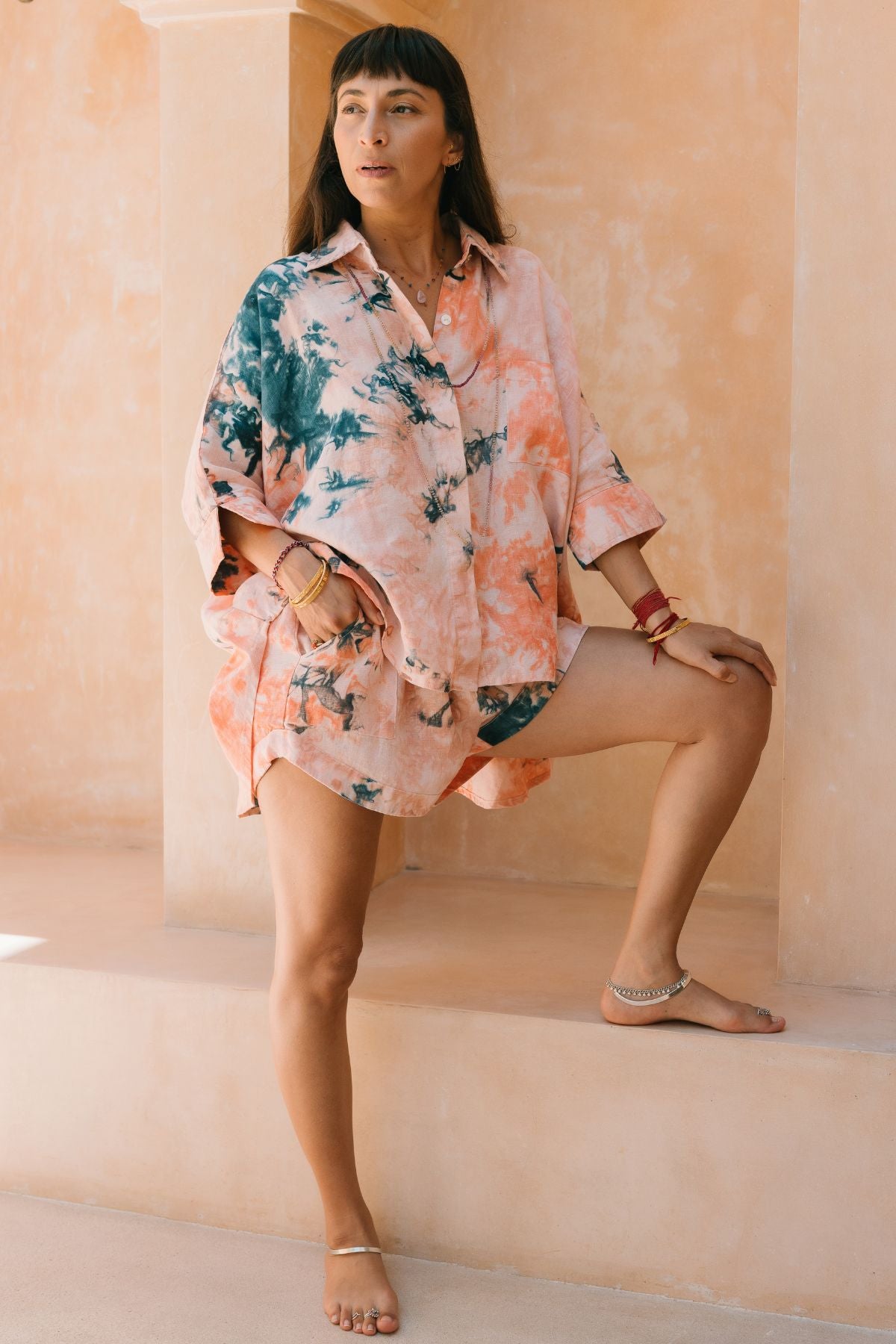
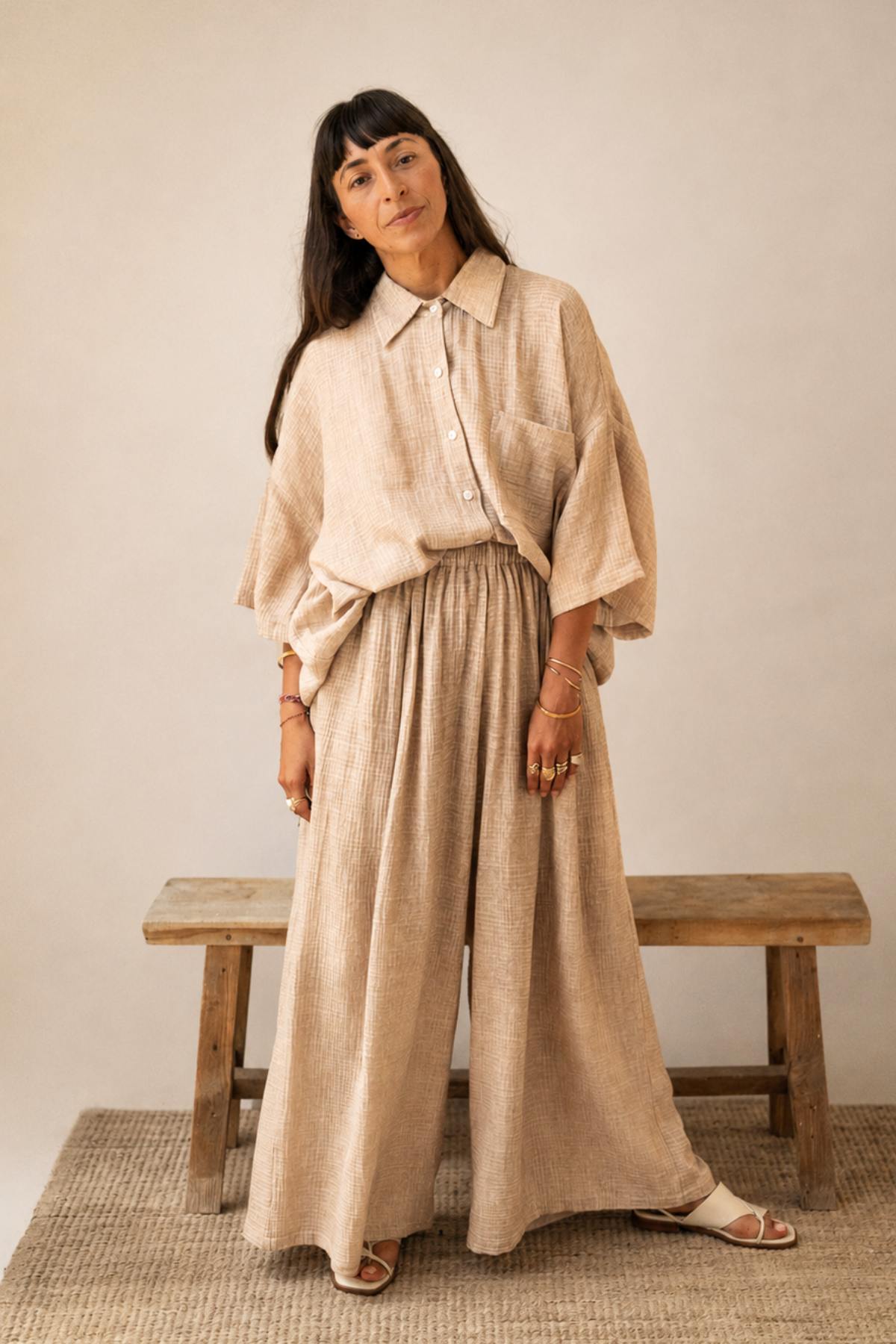
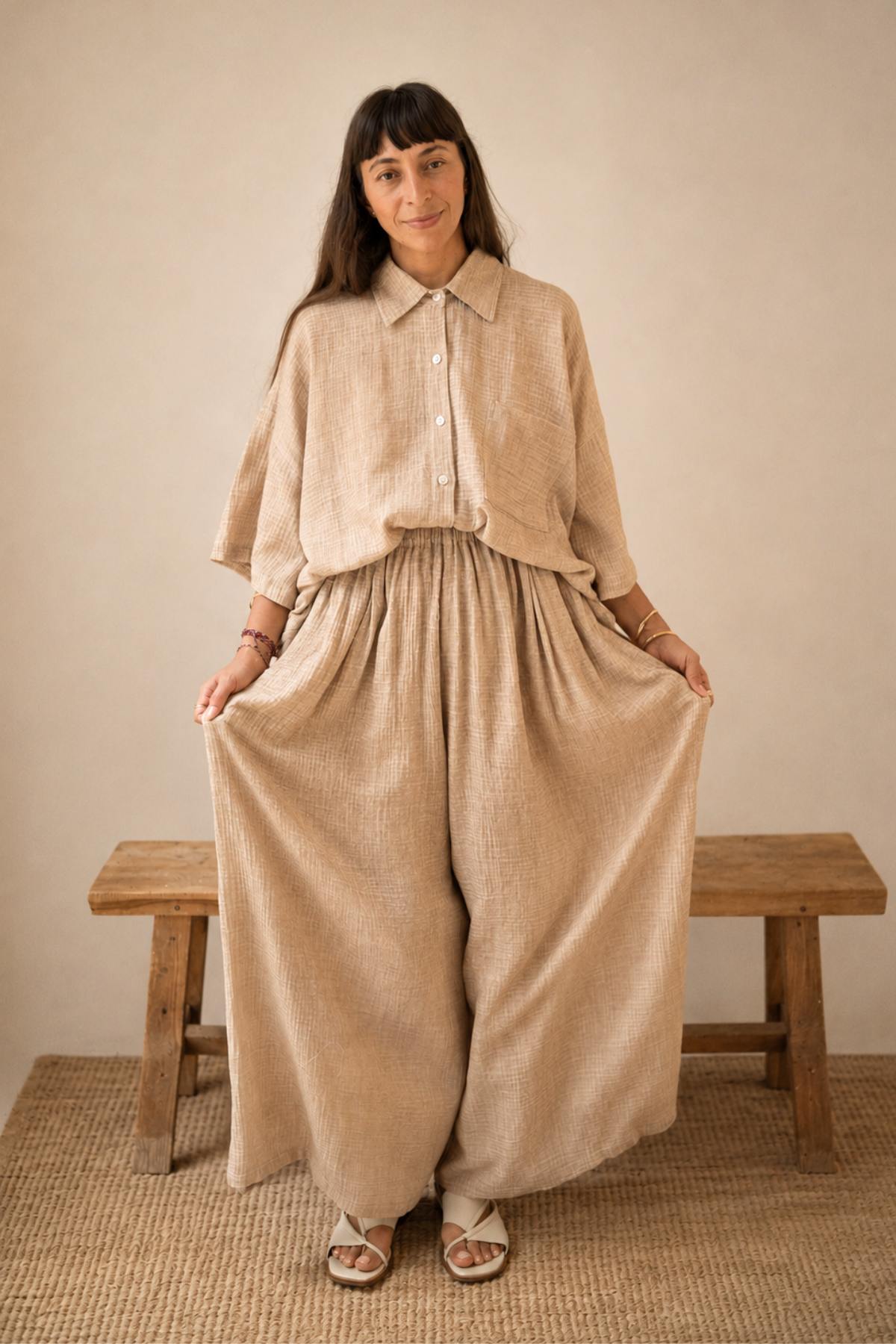
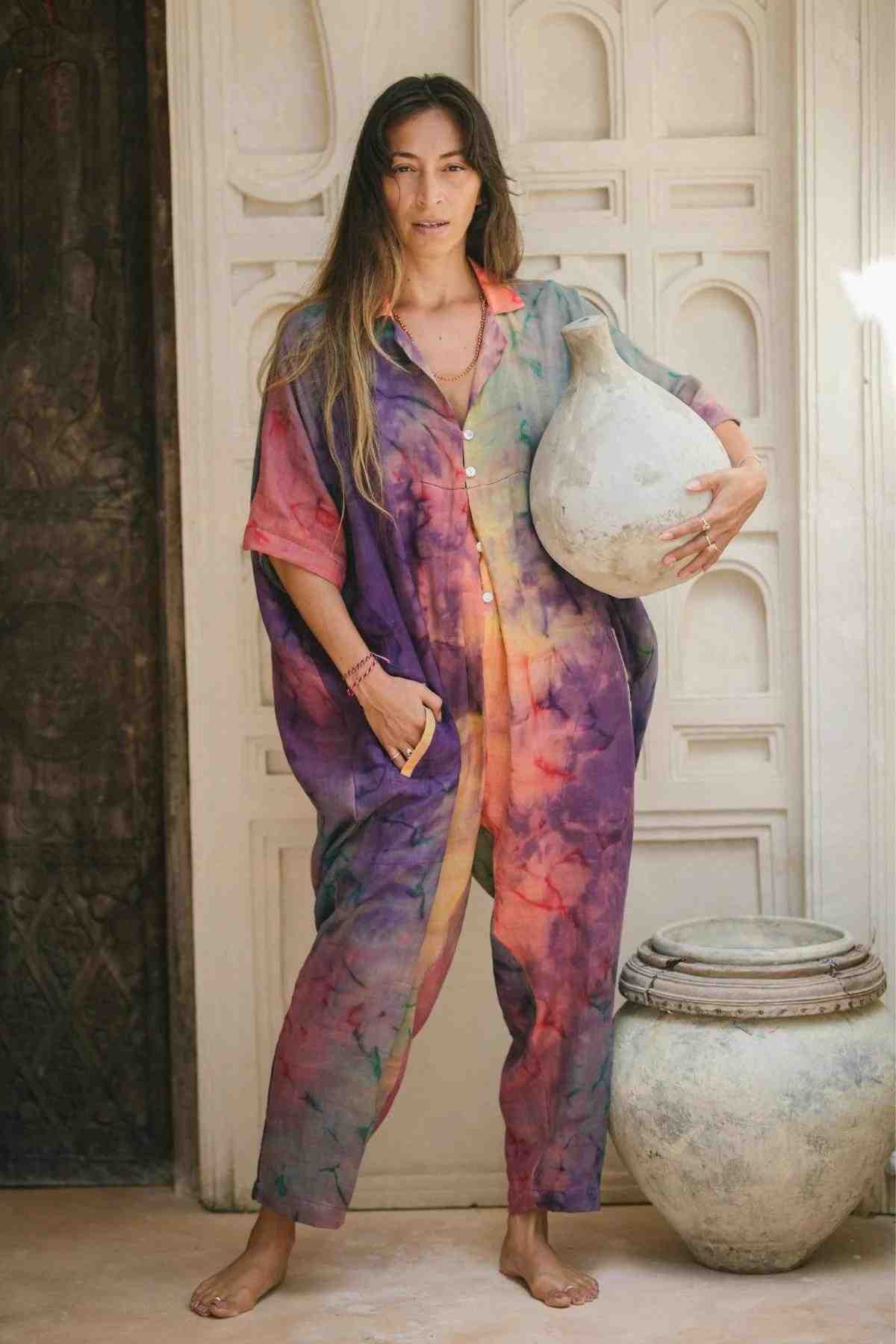
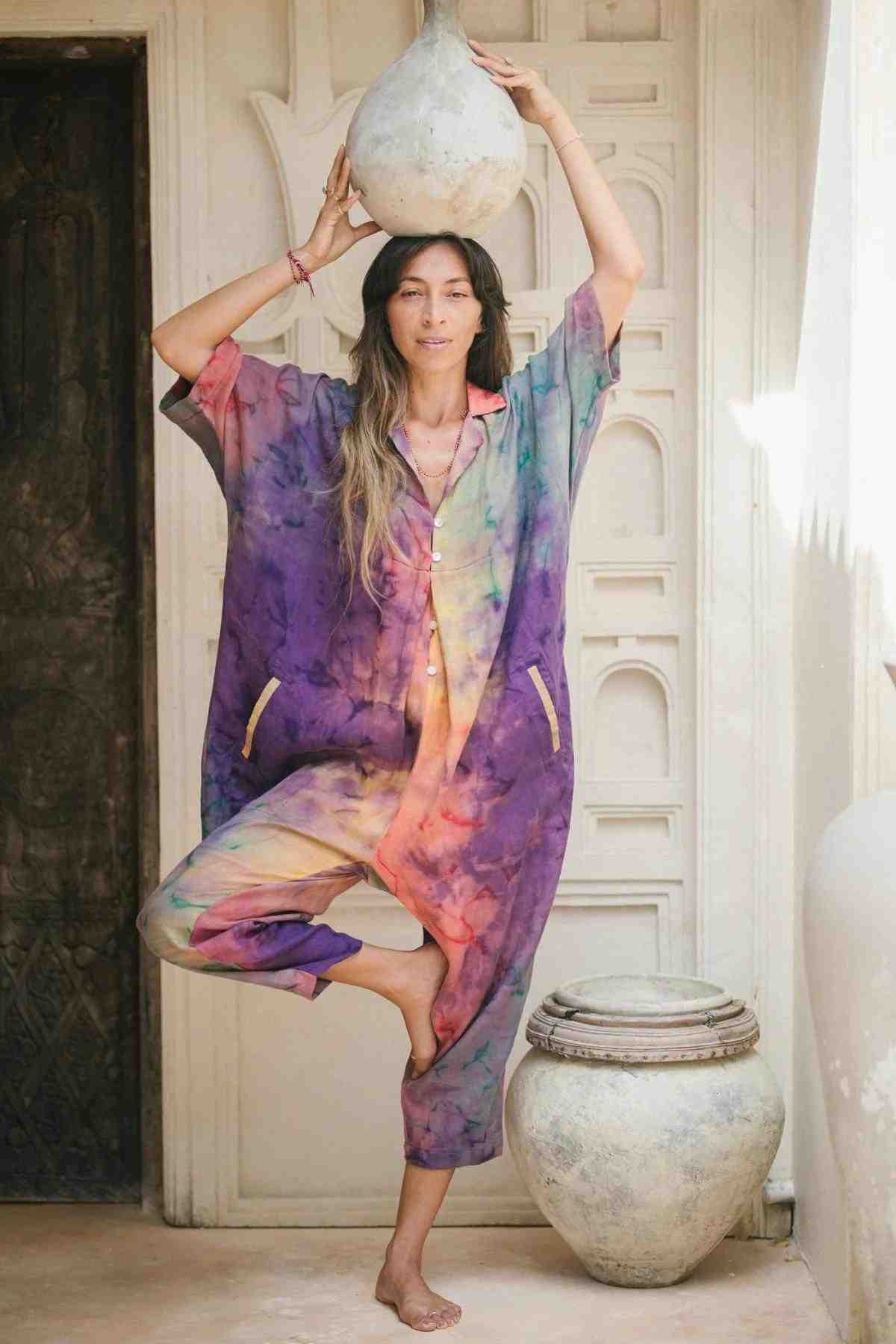
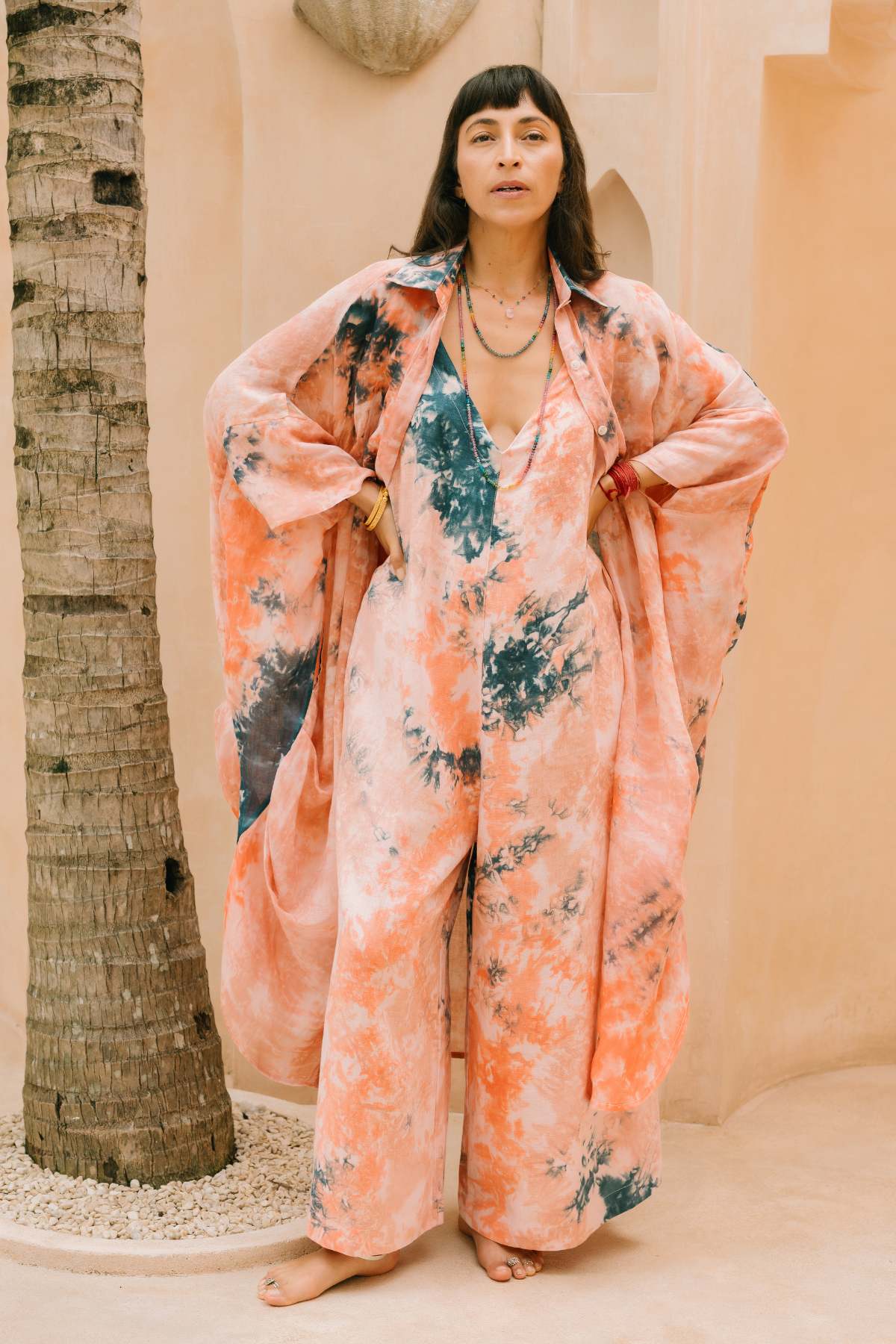
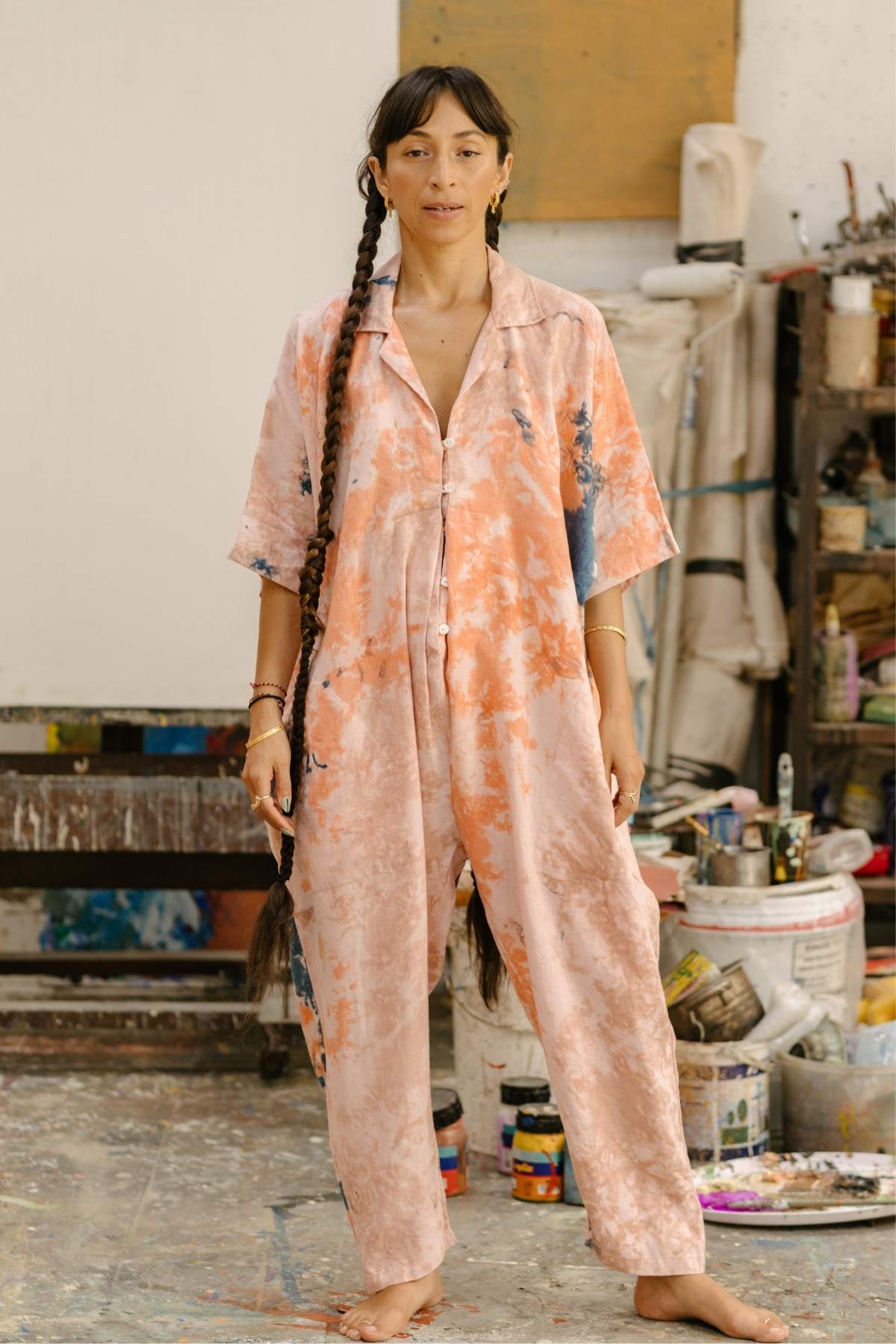
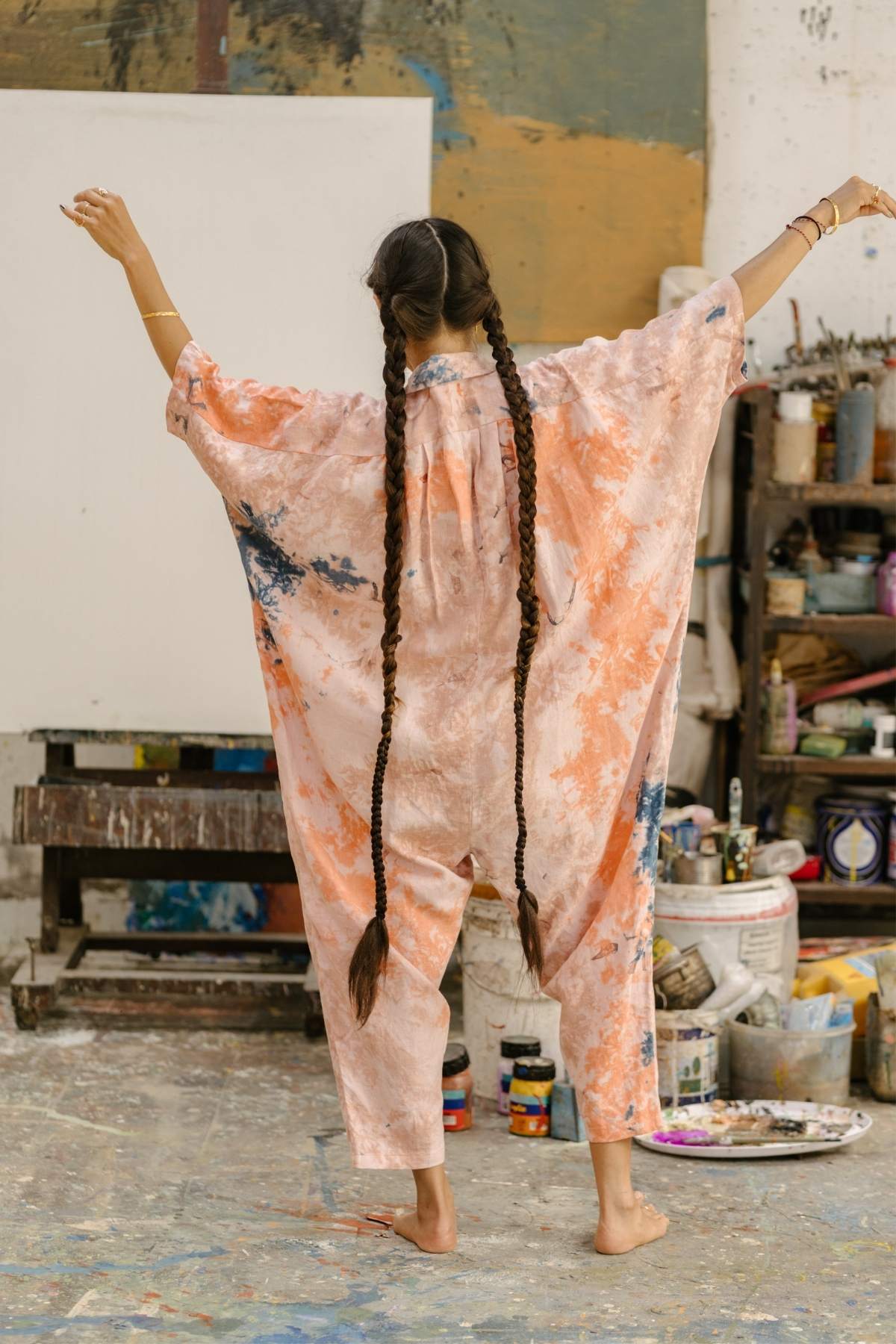
A Piece for This Threshold Devi Sukha Linen Set. Handmade in small batches from 100% linen, dyed and sewn by the same hands, season after season. A set built to be traced back to who made it, not just worn, but known. |

|
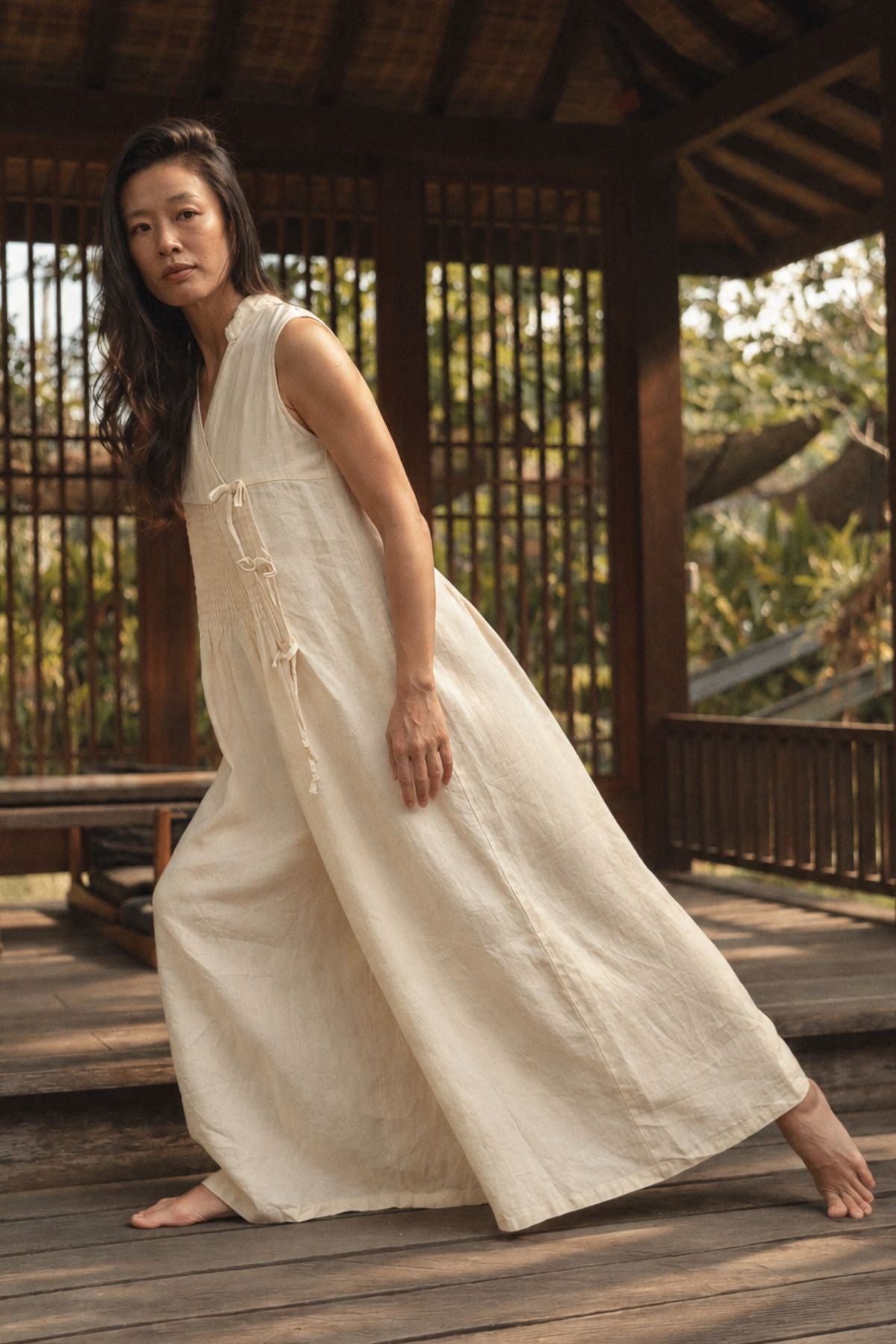
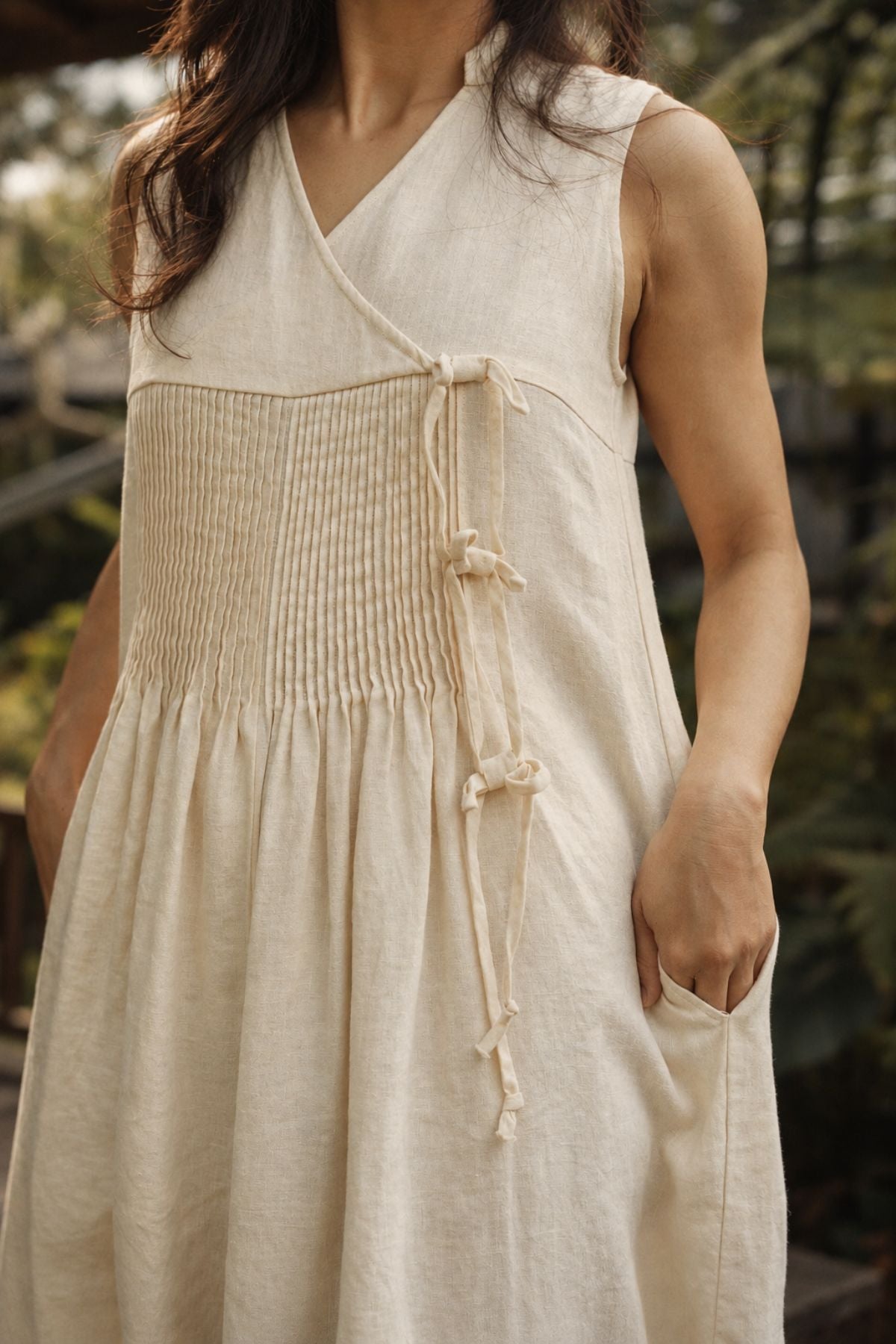
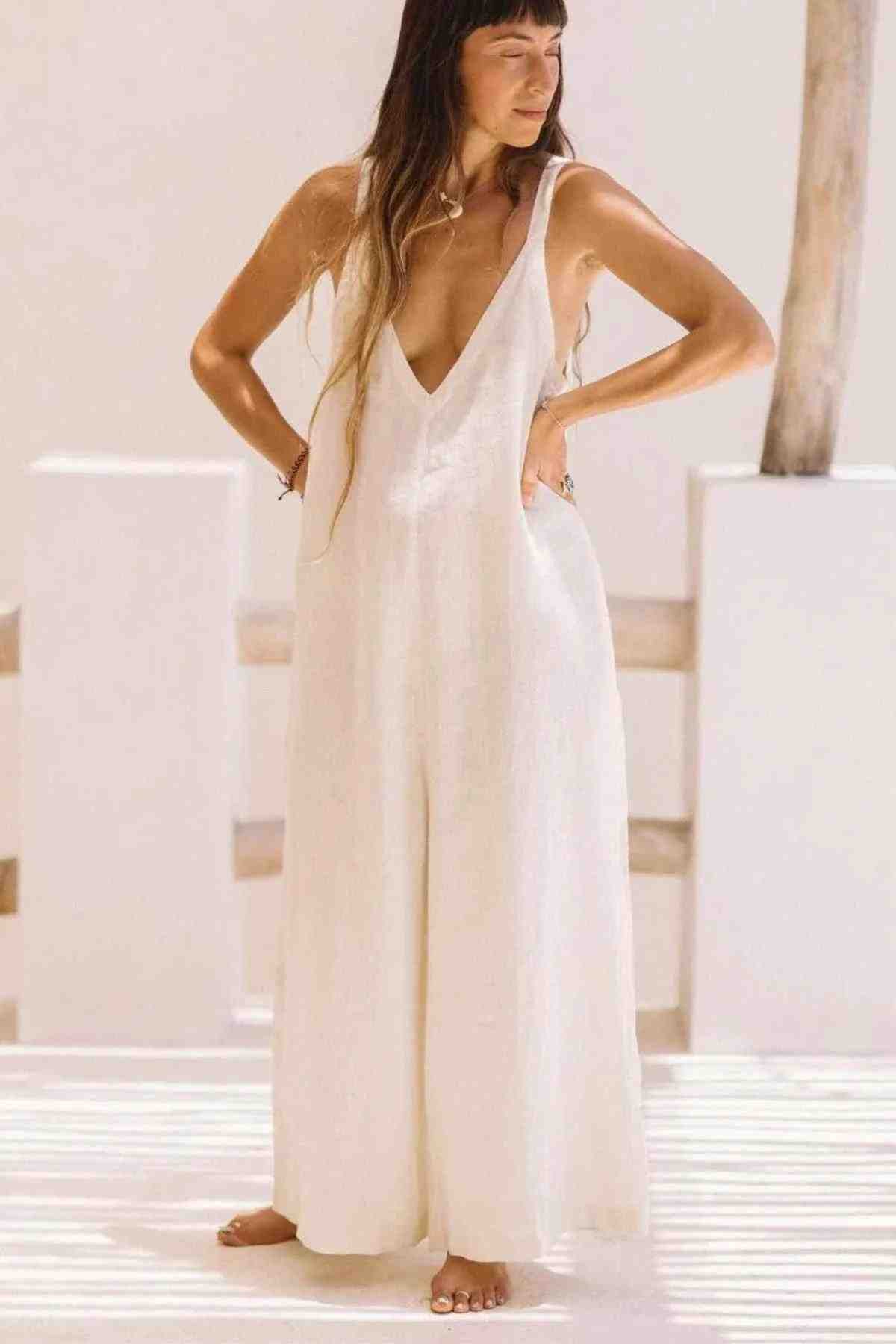
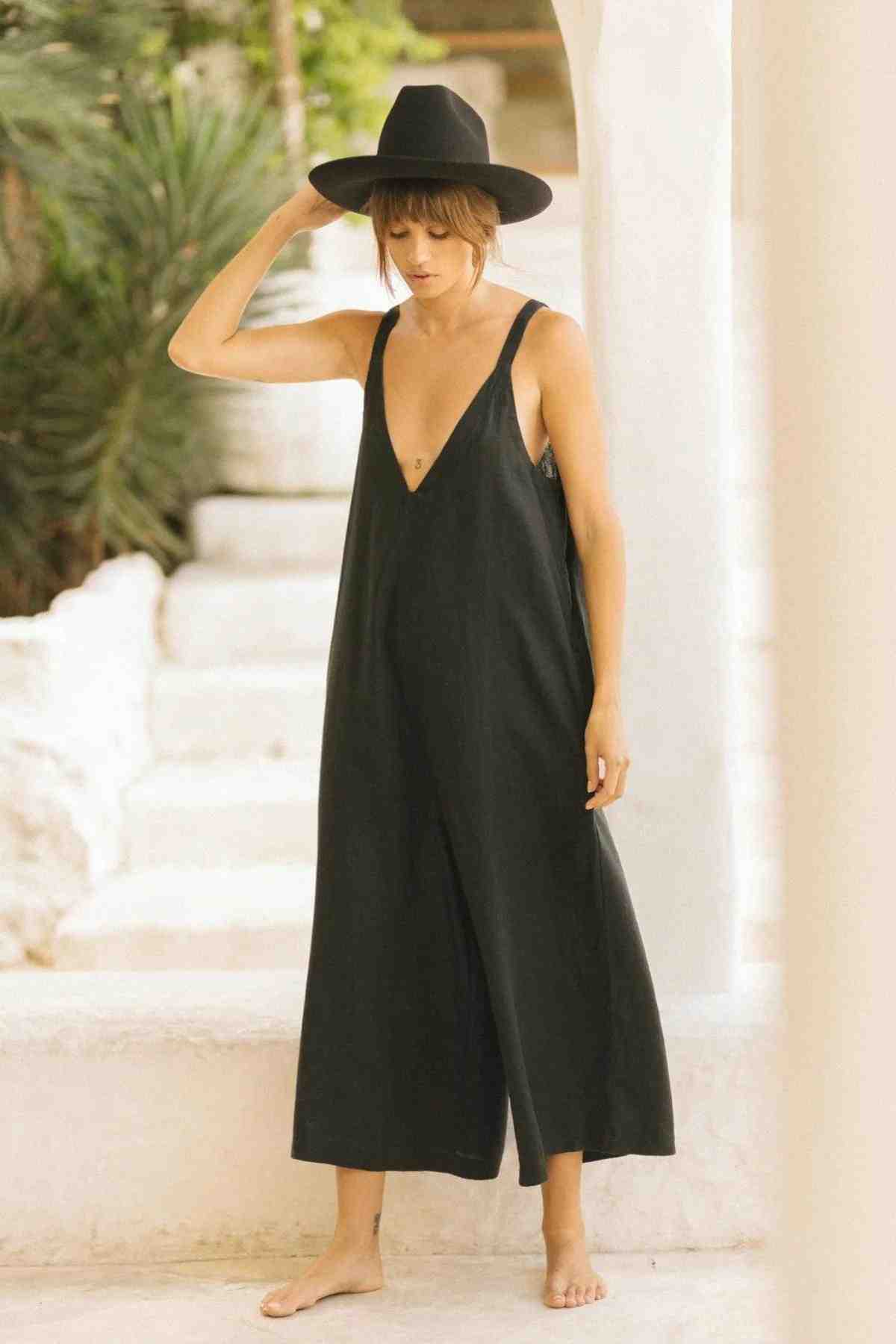
The Muse-Letter Dress for the woman you're becoming. Every week from Bali. Astrology, slow living, sacred feminine, and the pieces we make by hand. A letter, not a sales pitch. Unsubscribe any time. No spam, ever. |


Leave a comment
This site is protected by hCaptcha and the hCaptcha Privacy Policy and Terms of Service apply.