

What Linen Actually Does to the Body (And Why We Build Our Collection Around It)
I have watched women walk into our studio in Bali in synthetic fabrics, tight from heat, slightly breathless from it, and walk out wearing linen. The change is immediate. Not a performance of ease. Actual ease.

That is the thing about linen that no product description has ever fully captured. It does not just look effortless. It makes effort smaller. It takes the friction out of a humid afternoon and gives you back the version of yourself who was supposed to show up.
I have been making clothing from linen for years now, in a climate that tests every fabric. Bali does not forgive synthetic blends. It does not let you pretend you are comfortable when you are not. What it does do is teach you very quickly which materials belong here, which ones work with the body rather than against it.
Linen belongs here.
What linen actually does to the body
Linen comes from flax. Flax fibers are hollow, which means air moves through the fabric the way it moves through a room with open windows rather than a room with the conditioning running. You feel the difference immediately when you put it on.
The fabric breathes in the truest sense. Heat escapes. Air circulates. Your skin stays closer to its own temperature rather than trapped inside a microclimate of someone else's making.
It also absorbs moisture without holding onto it. In a warm climate, that matters more than most people realise before they move somewhere like Bali. A fabric that can take in perspiration and release it quickly is not a small thing. It is the difference between a dress that becomes uncomfortable by ten in the morning and one you are still glad you chose at four in the afternoon.
And then there is the weight of it. Or more accurately, the lack of it. Quality linen skims rather than clings. It moves when you move. It settles when you are still. There is a quality of presence to it that cheaper fabrics never quite manage.
Is linen good for your skin
This is one of the questions I get asked most, and the honest answer is: it depends on what you mean by good.
Linen will not treat a skin condition. It is not medicine. But if what you mean is whether linen is kinder to your skin than most fabrics, whether it creates less friction, less heat, less of that airless sealed feeling that leaves you uncomfortable by midday, then yes. Genuinely yes.
The breathability does the work. A fabric that allows airflow reduces the conditions that make skin feel hot, irritated, or oversensitive in warm weather. Women who run warmer, who find themselves perpetually overdressed in whatever the room dictates, often find linen to be the first fabric that does not seem to work against them.
There is also something less quantifiable that I have noticed over years of watching women wear these pieces. When the fabric feels right against the skin, when there is no friction, no pulling, no awareness of discomfort, the whole body settles differently. She stands differently. She moves differently. Something releases that she may not have known she was holding.
I do not think that is nothing.
Why linen performs in heat and humidity
Most natural fibers do better than synthetic ones in warm climates. But linen does better than most natural fibers.
Cotton is loved, and I use cotton in some of our pieces, but it absorbs moisture and holds it. In a humid climate, that can feel heavy by afternoon. Silk is beautiful, but it is more delicate than it appears and can feel airless against the skin in direct heat. Bamboo rayon is close, and we use it too, but linen has a structural integrity that nothing else quite matches.
It is also stronger than it looks. Flax fibers are among the most durable natural fibers available, which is why a good linen piece does not just feel better than cheaper alternatives. It lasts longer. It deepens with every wash. It becomes more itself over time rather than less.
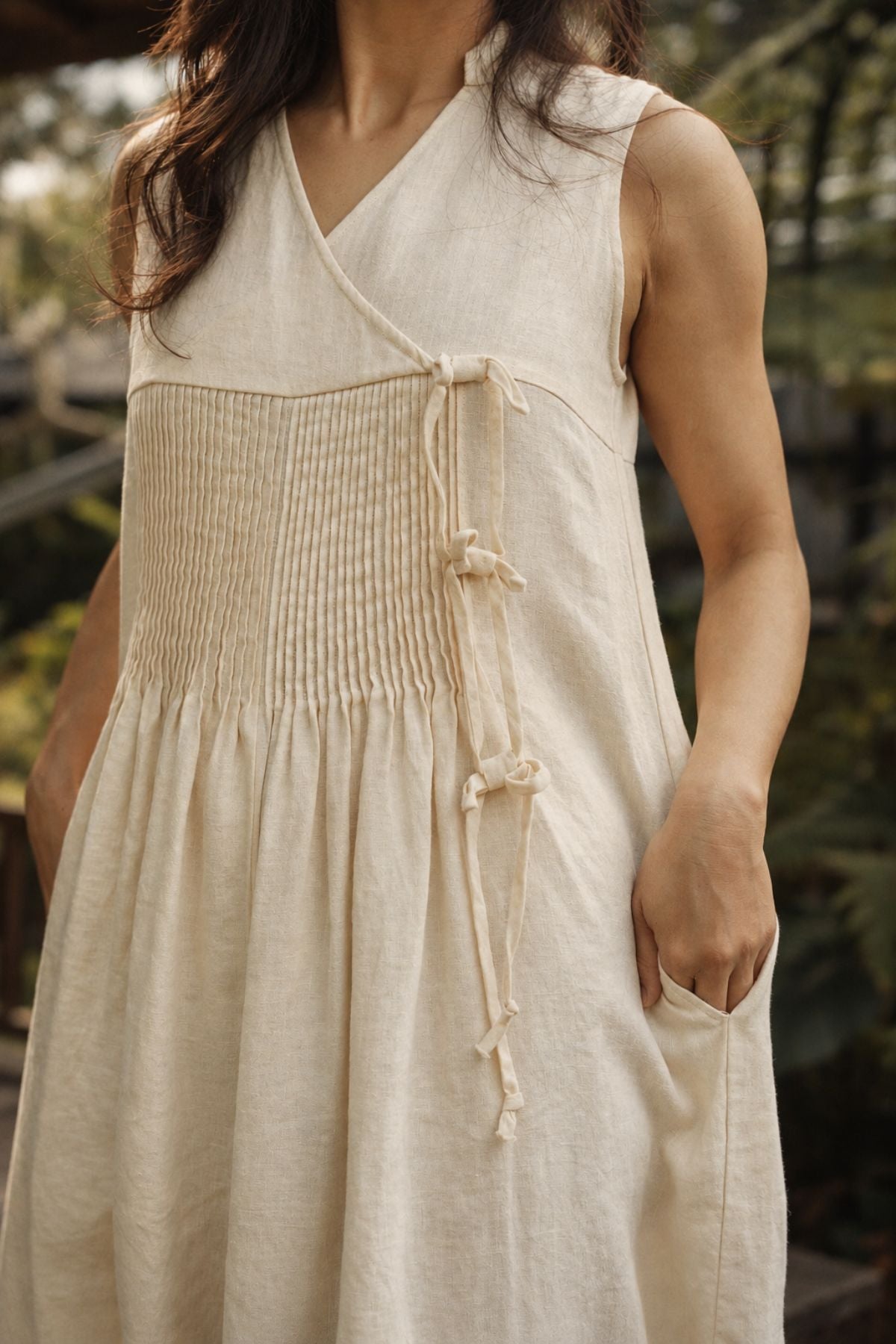
In Bali, where our artisan families hand-stitch every piece in their homes and in small workshops they own themselves, we feel that durability in the making. The fabric handles well. It holds its shape. It rewards the care that goes into constructing it.
The look of linen: why the texture is not a flaw
Somewhere along the way, linen developed a reputation for wrinkling as though that were a problem to be solved.
It is not a problem. It is the point.
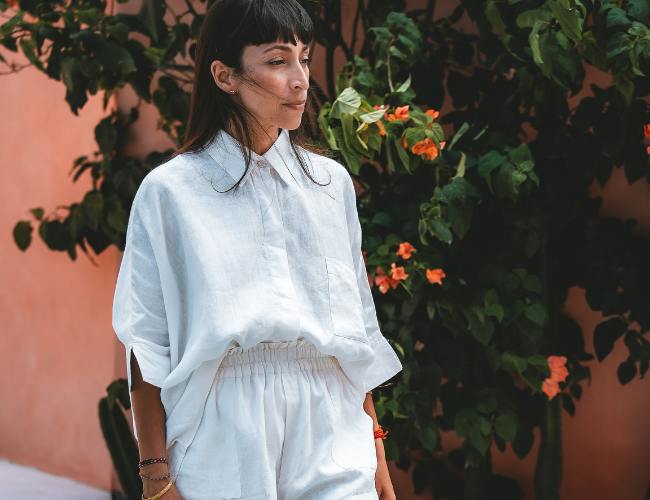
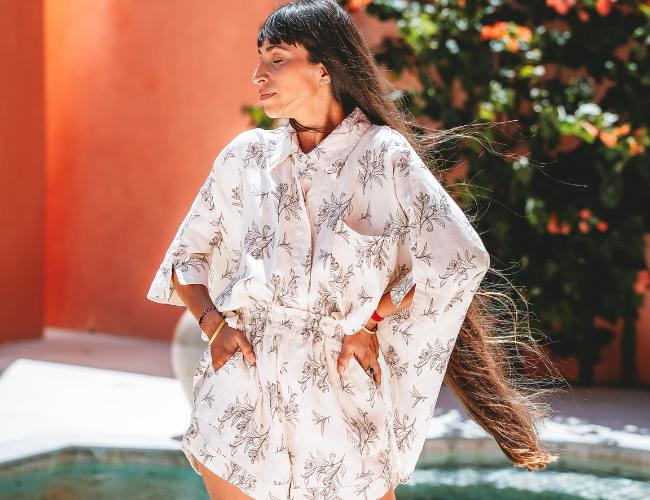
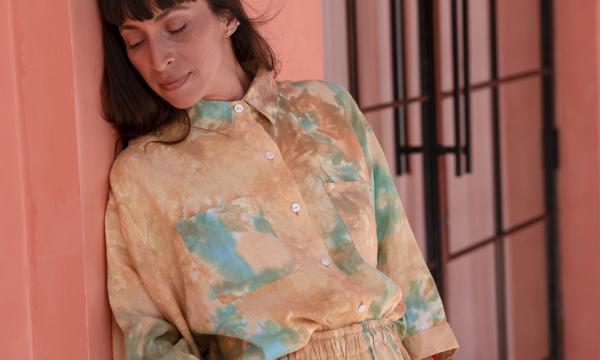
The way linen creases is part of its visual language. It catches light softly, in a way that woven or knit synthetics never do. It drapes with an organic quality that reads as deliberate rather than accidental. A woman in linen looks like she chose her ease on purpose, which is a very different thing from looking underdressed.
Editorial fashion has understood this for years. The texture is what makes it interesting in photographs, what gives it depth in person, what makes it feel like clothing rather than a garment. It has the quality of something that was made slowly and worn with intention, because it was.
Linen and the decision to dress with intention
The broader shift I have watched in the women who find their way to this brand is a shift away from dressing for appearance toward dressing for experience. Not how does this look in a photo, but how does this feel across a whole day. Not what does this signal to other people, but what does this do for me.
Linen is a natural home for that kind of thinking. It is a material with a long history, a clear origin, and a straightforward relationship with the body. It does not try to be something it is not. It does not perform breathability while trapping heat. It does not promise ease while making you work.
Choosing linen is, in a quiet way, choosing honesty in your wardrobe. A material that does what it says. That performs across years rather than seasons. That asks you to care for it with the same intentionality it brings to caring for you.
That is what we try to make at Myrah Penaloza. Not clothing that looks sustainable. Clothing that is. Handcrafted in Bali by families who are paid a real living wage, in natural fibers chosen for how they behave against a real body in a real climate, in small batches that make you the last link in a chain of care that starts with a flax plant and ends at your door.
When you put on one of our linen pieces, I want you to feel that chain. The weight of intention that went into it. And then I want you to feel nothing at all, except the particular ease of wearing something that was made for a body like yours, in a climate like this, on a day that deserves better than friction.
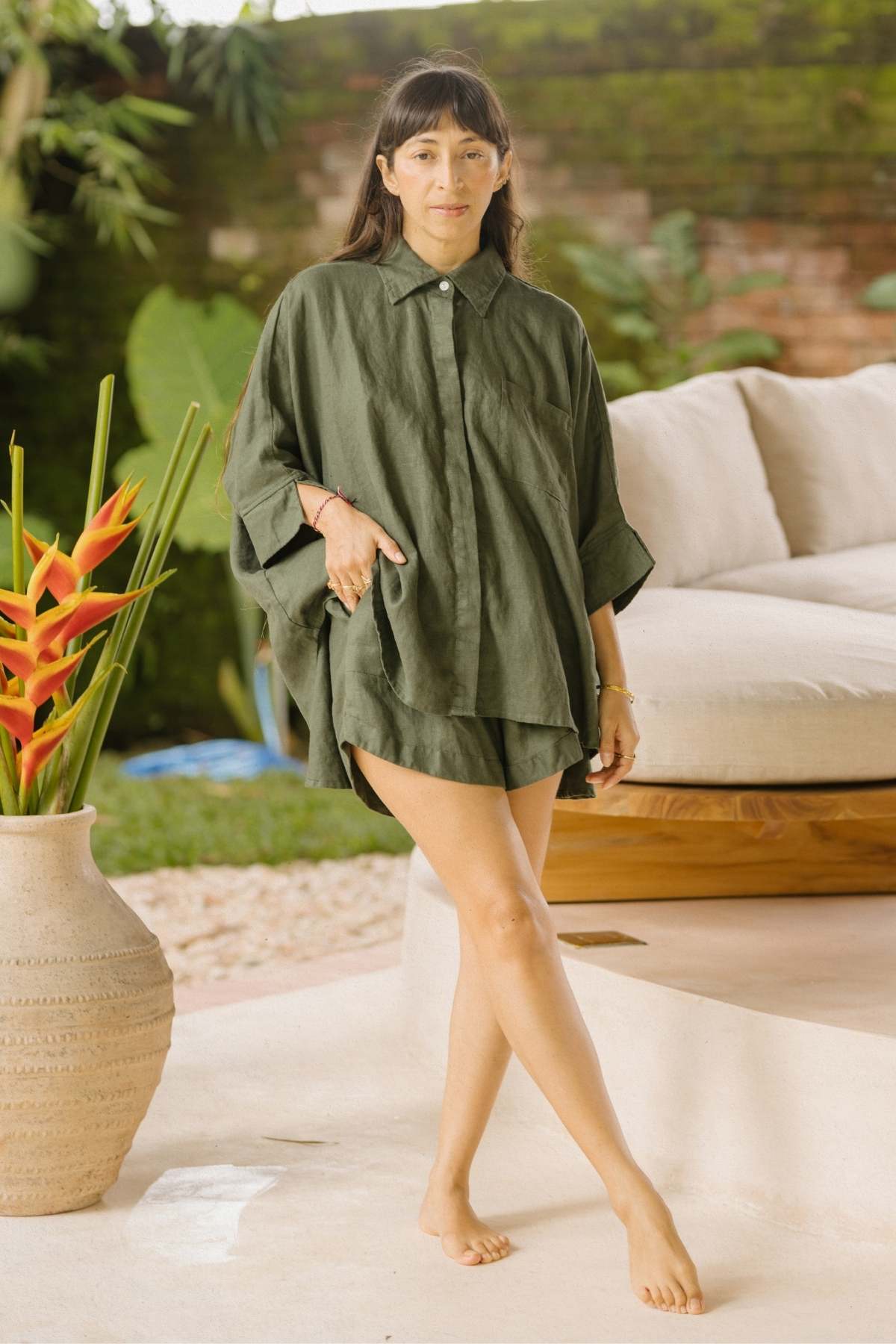
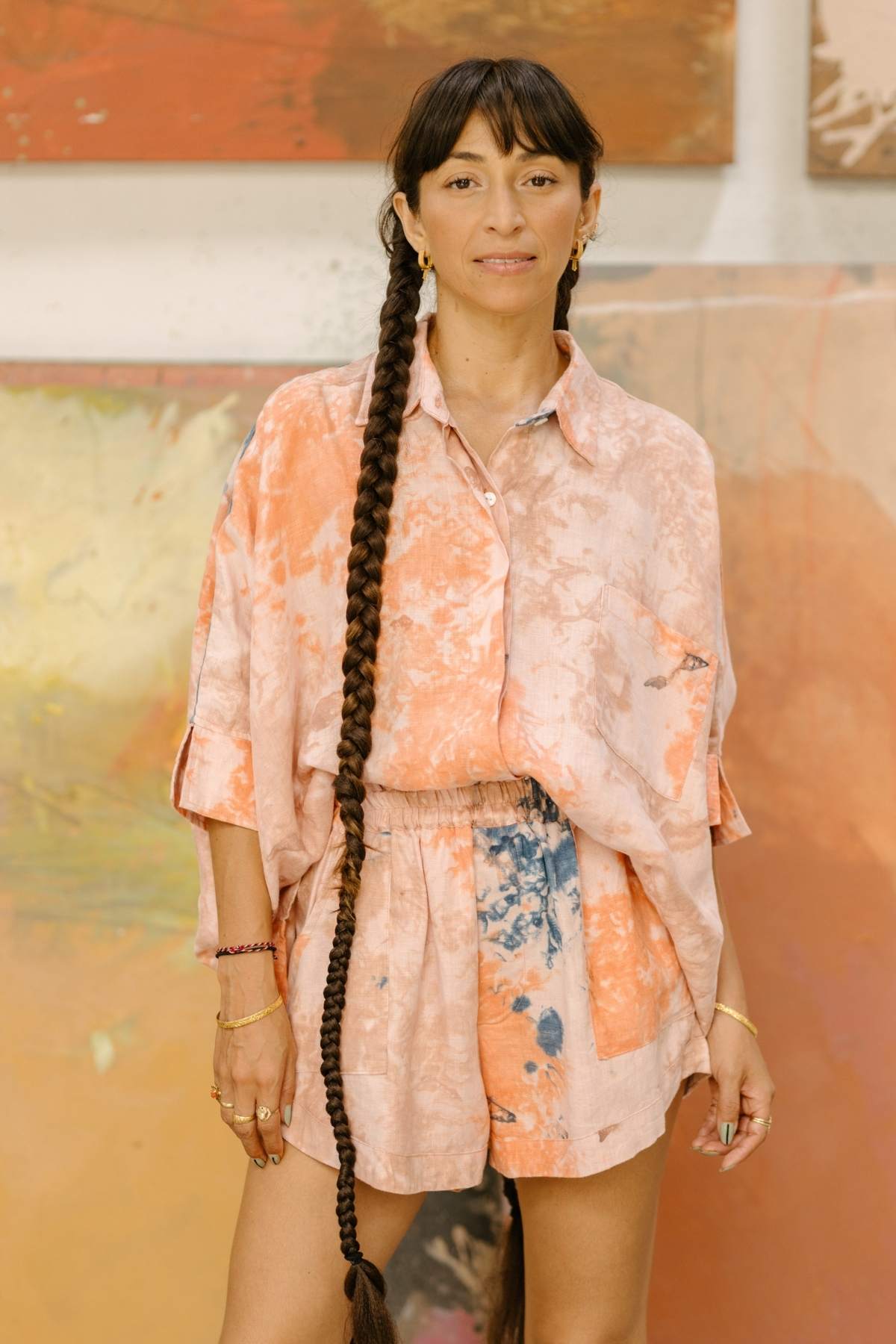
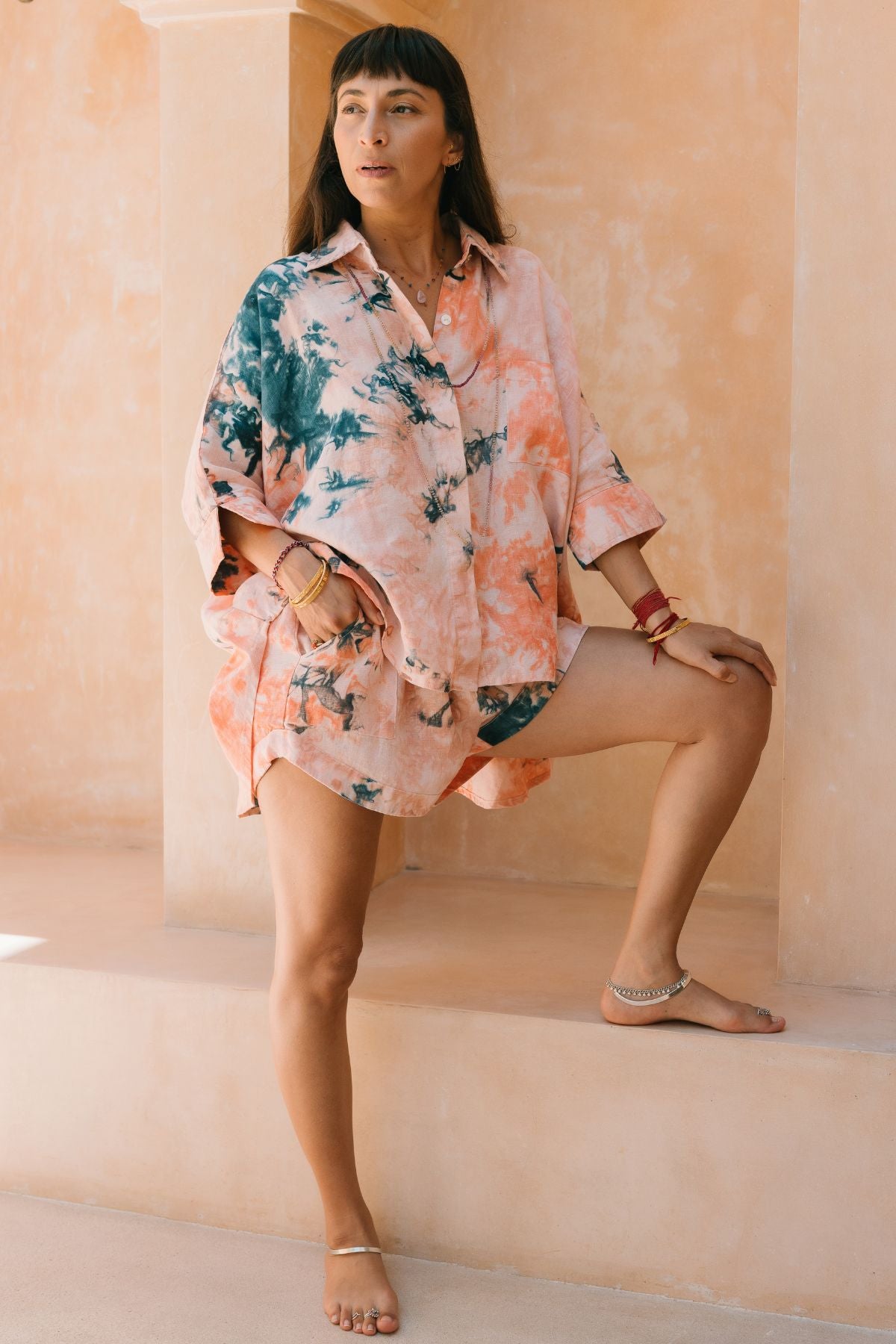
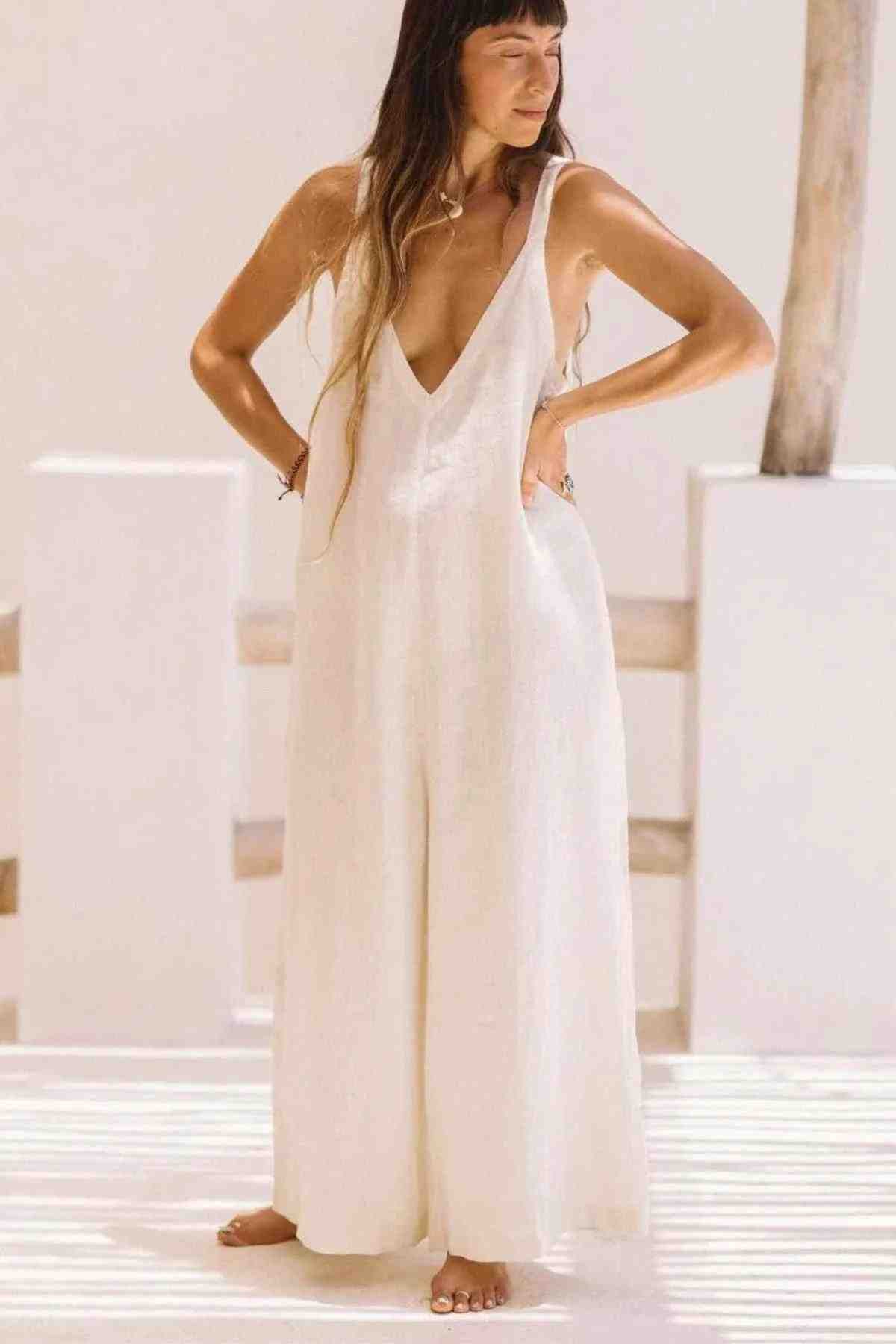
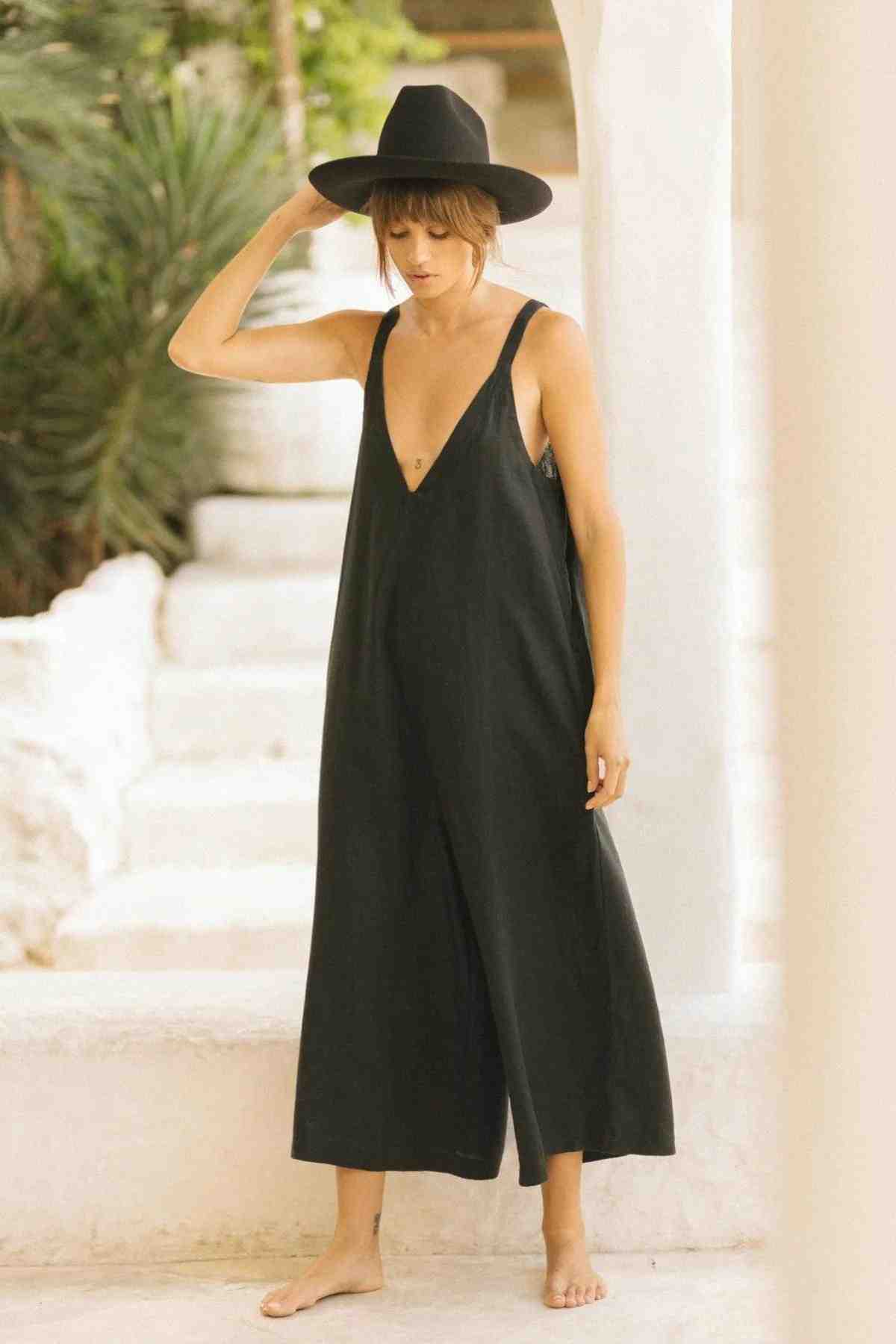
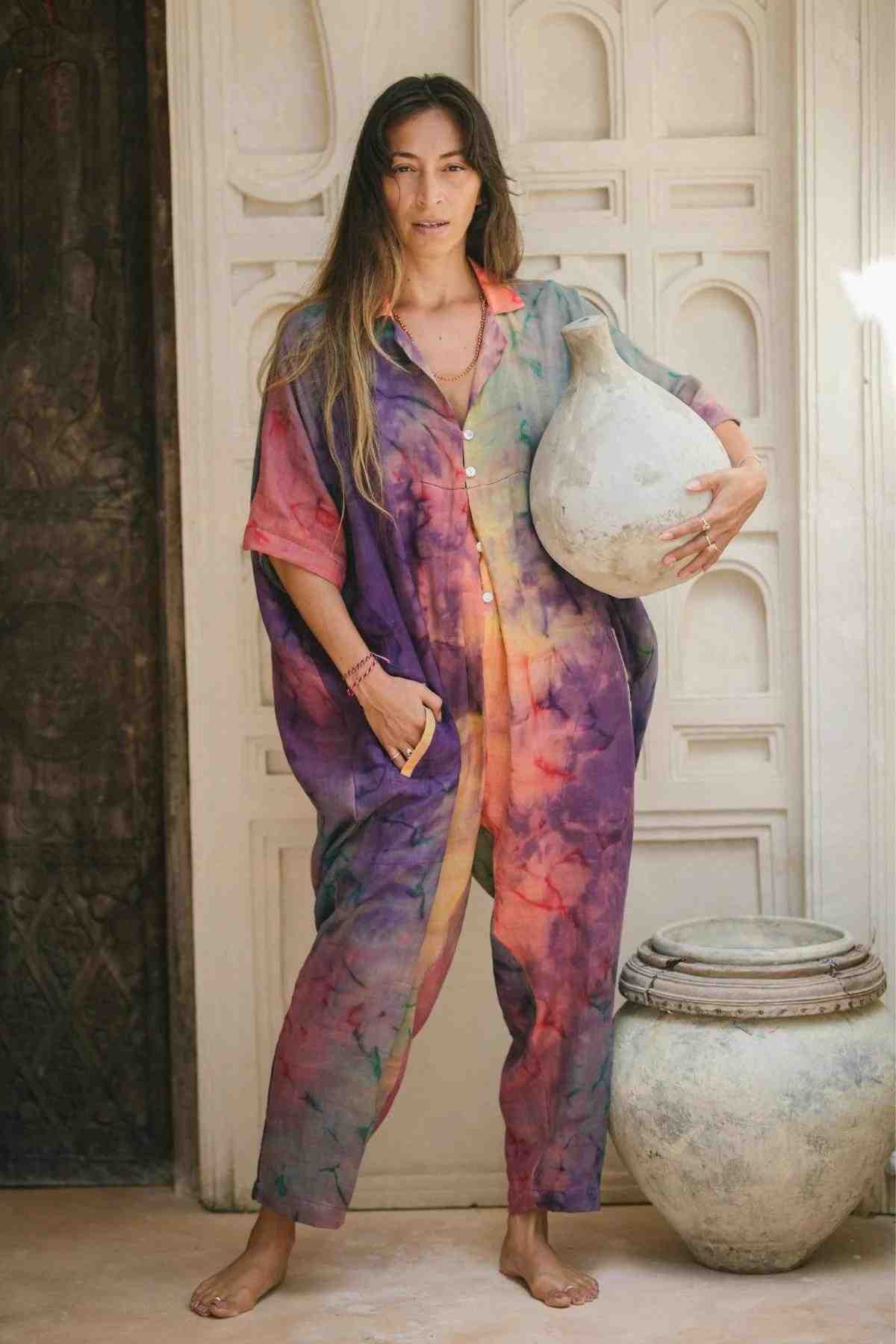
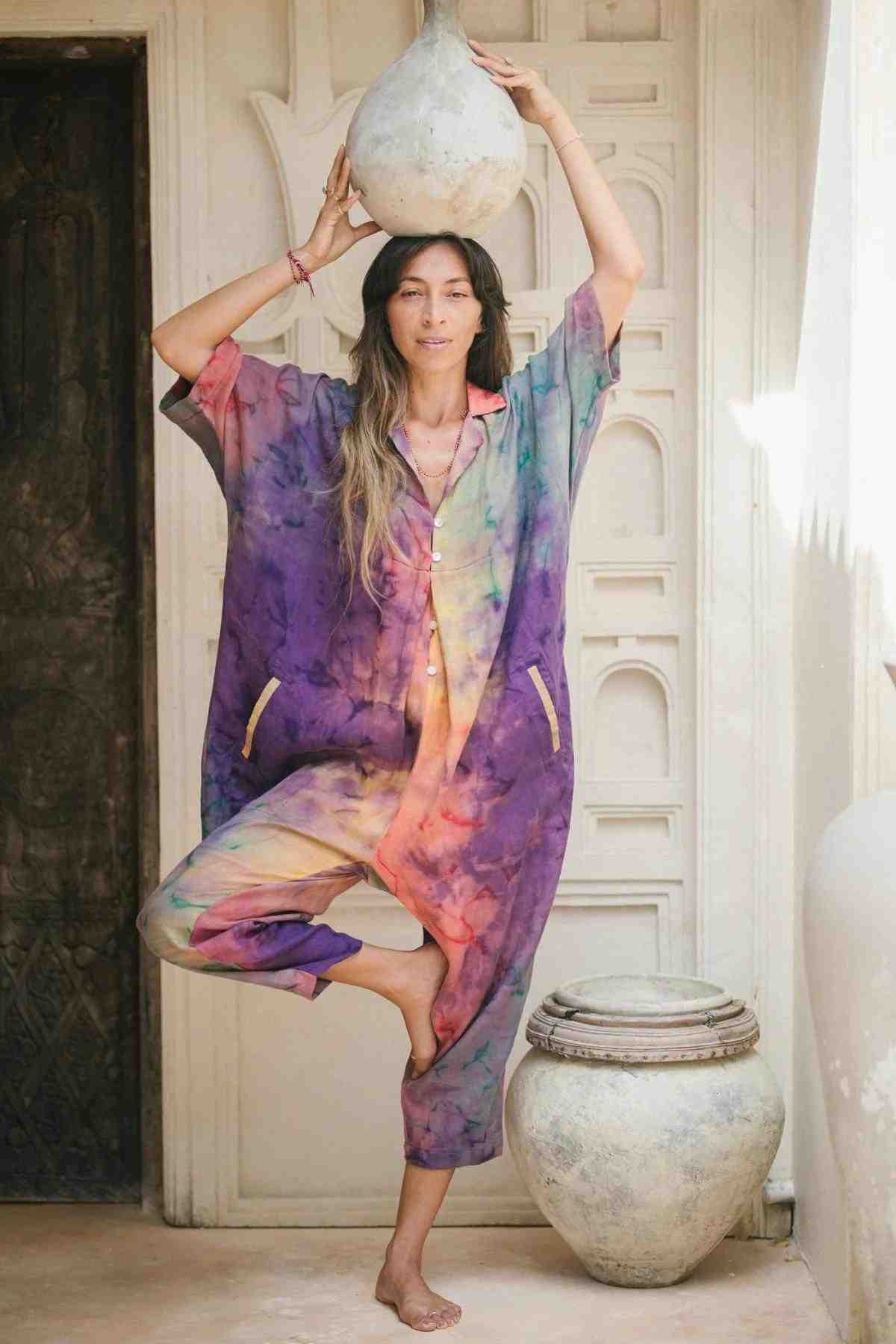
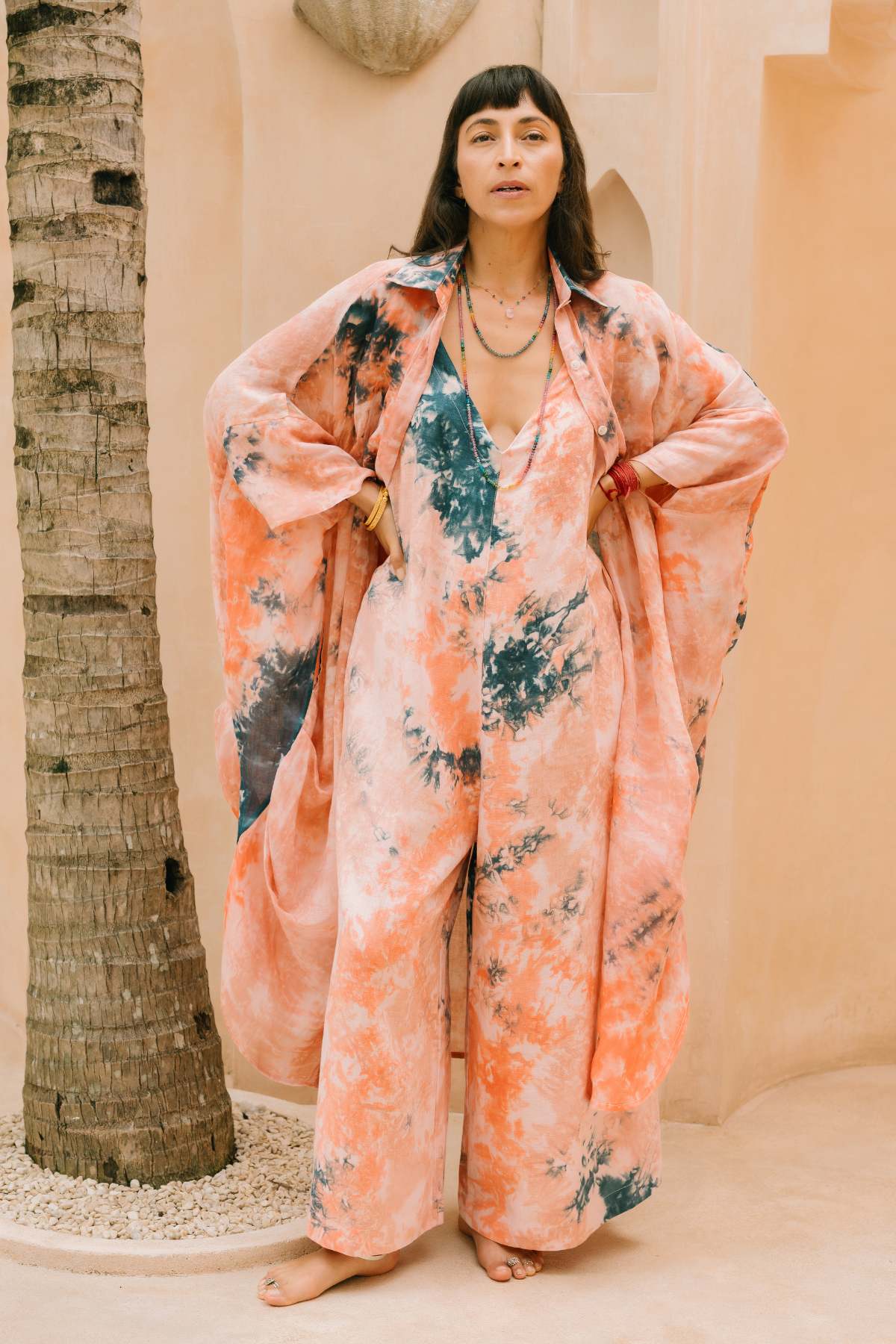
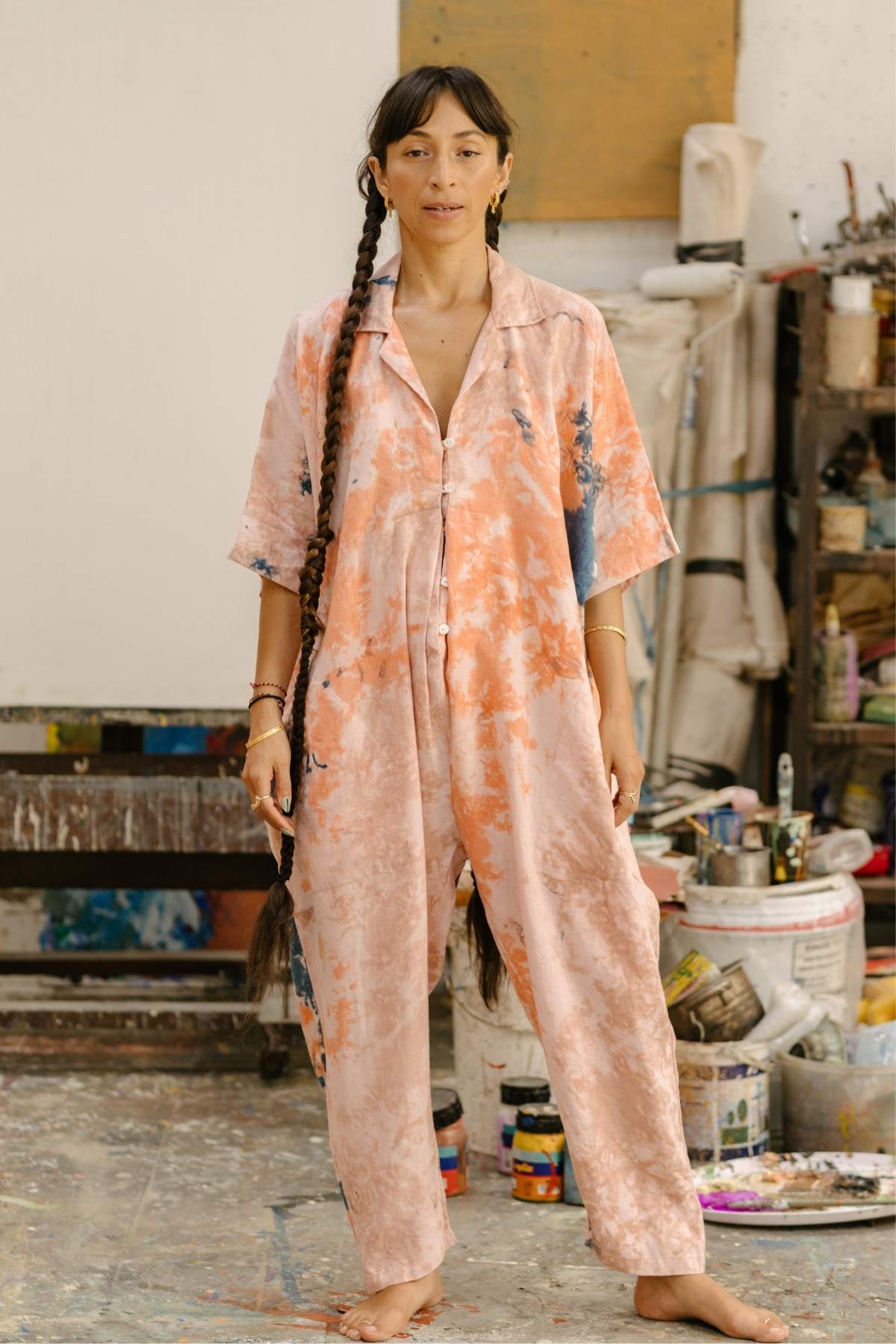
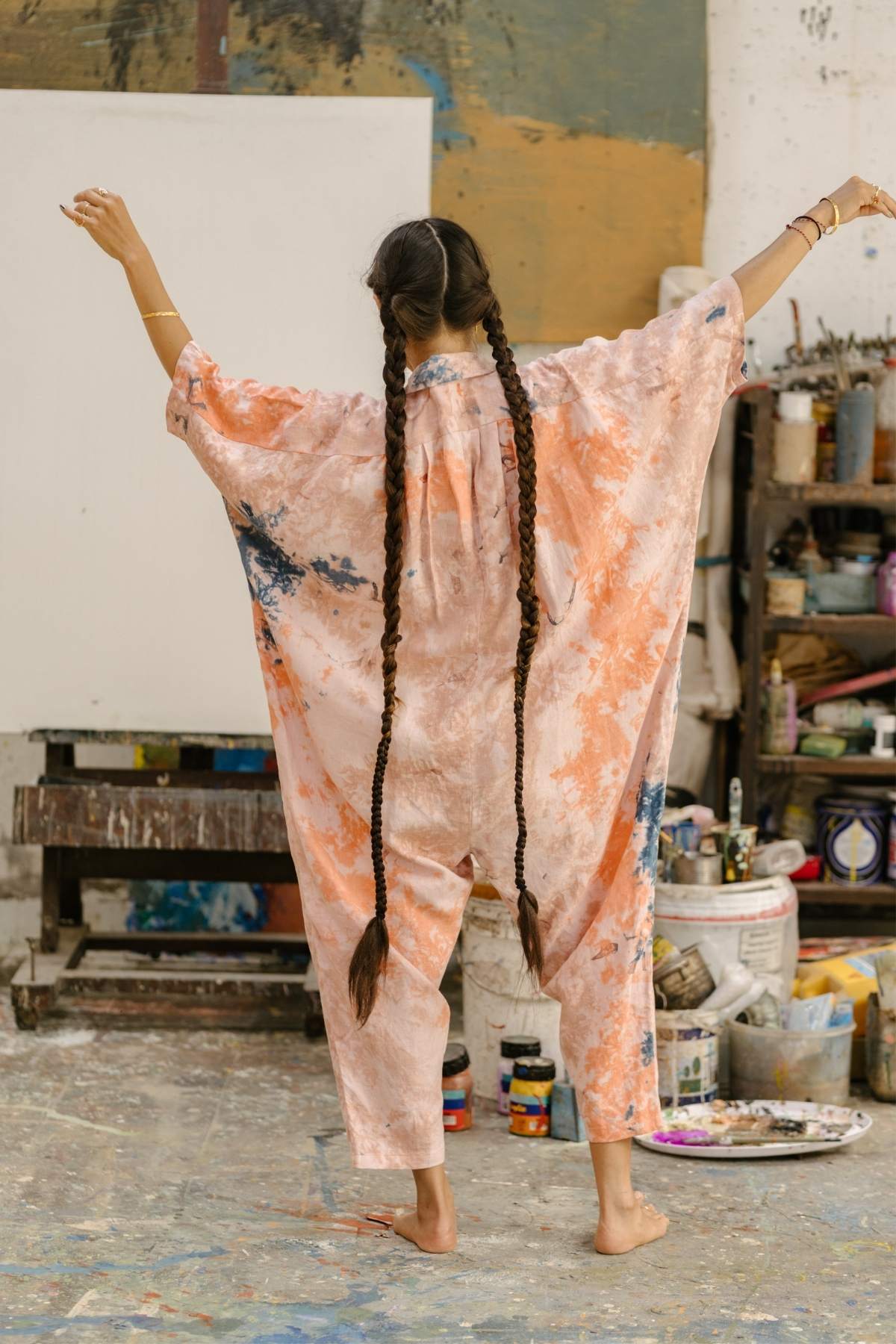
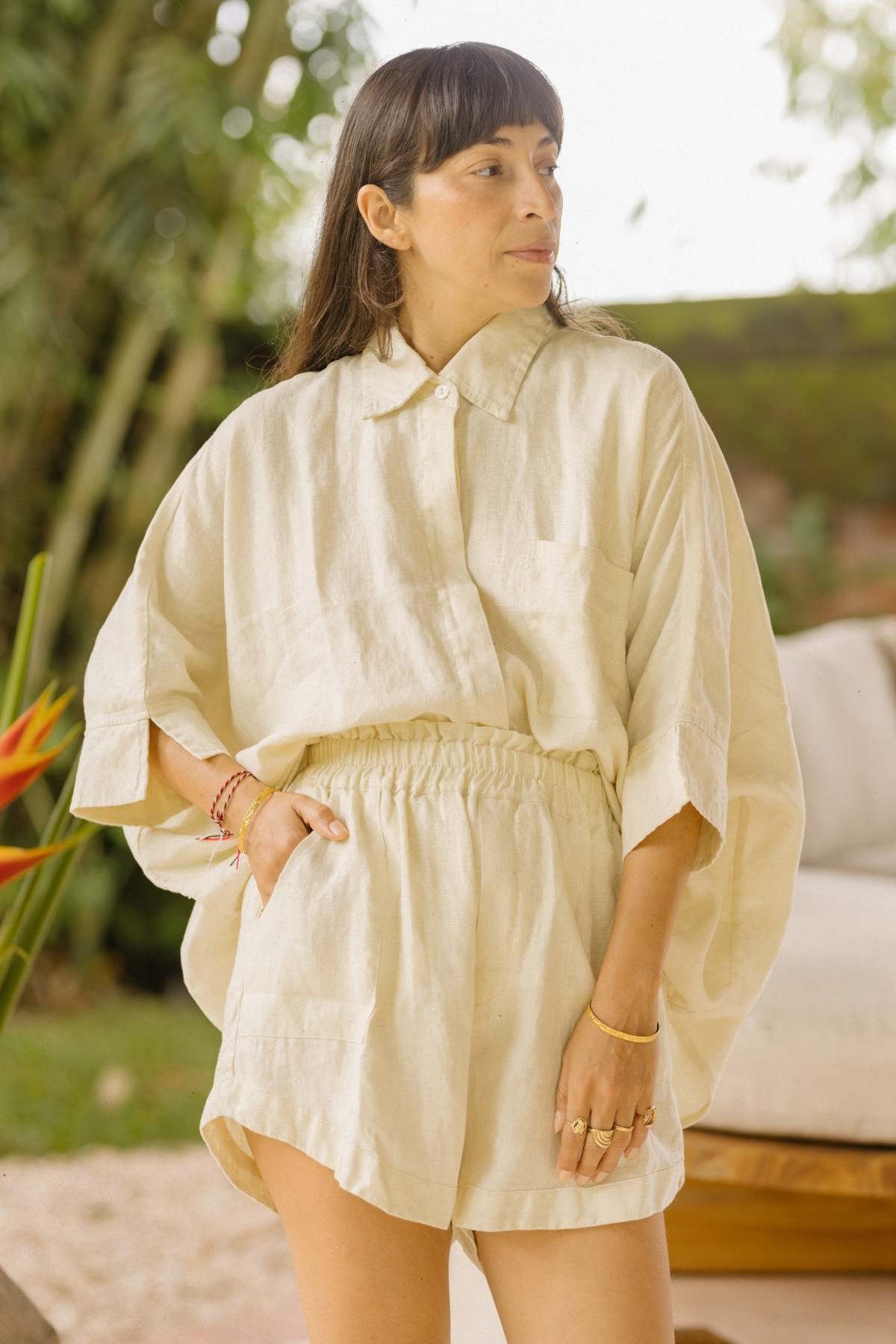
Our linen playsuits and rompers are where that ease lives most completely: one piece, put on once, done.
A Piece for This Threshold
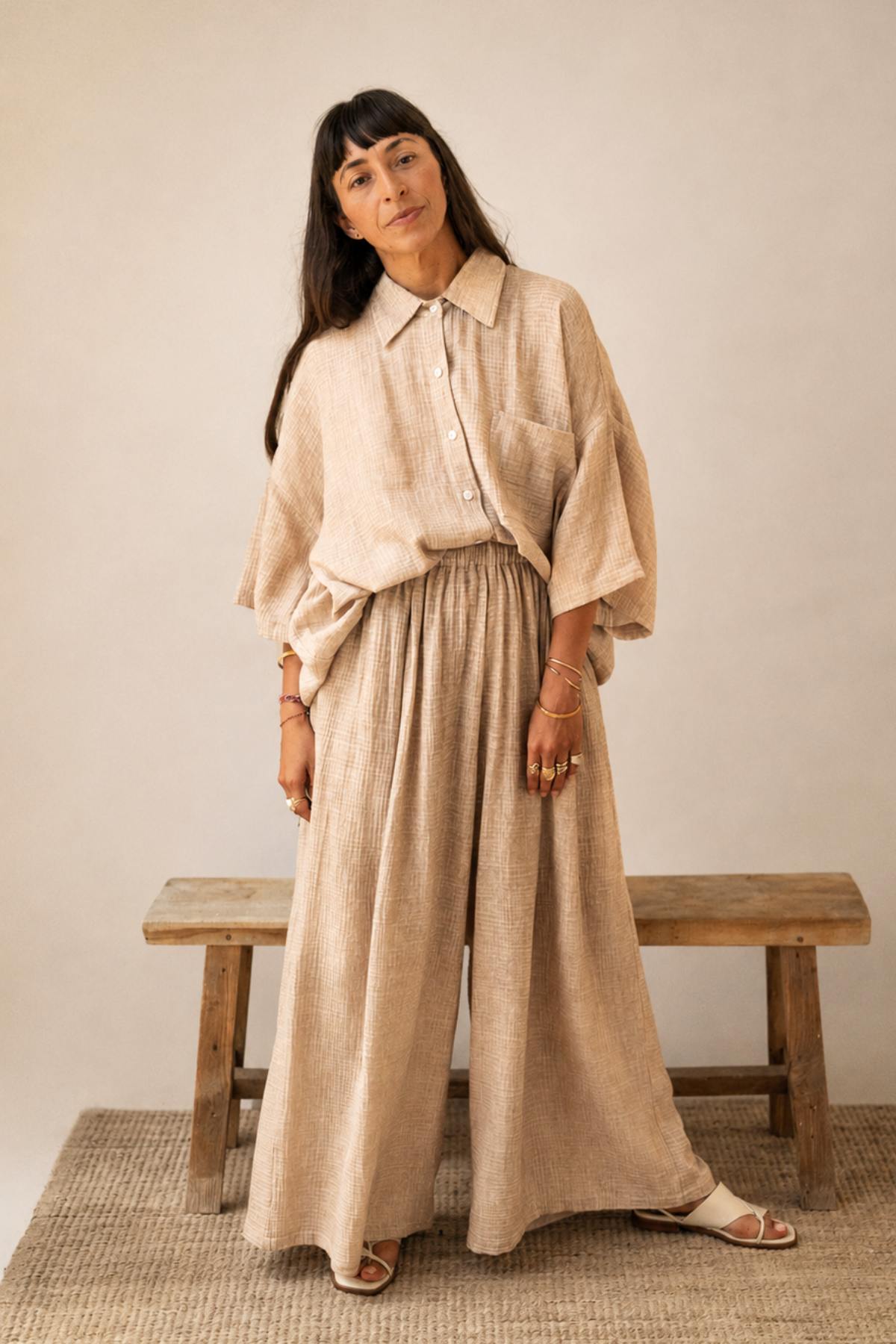
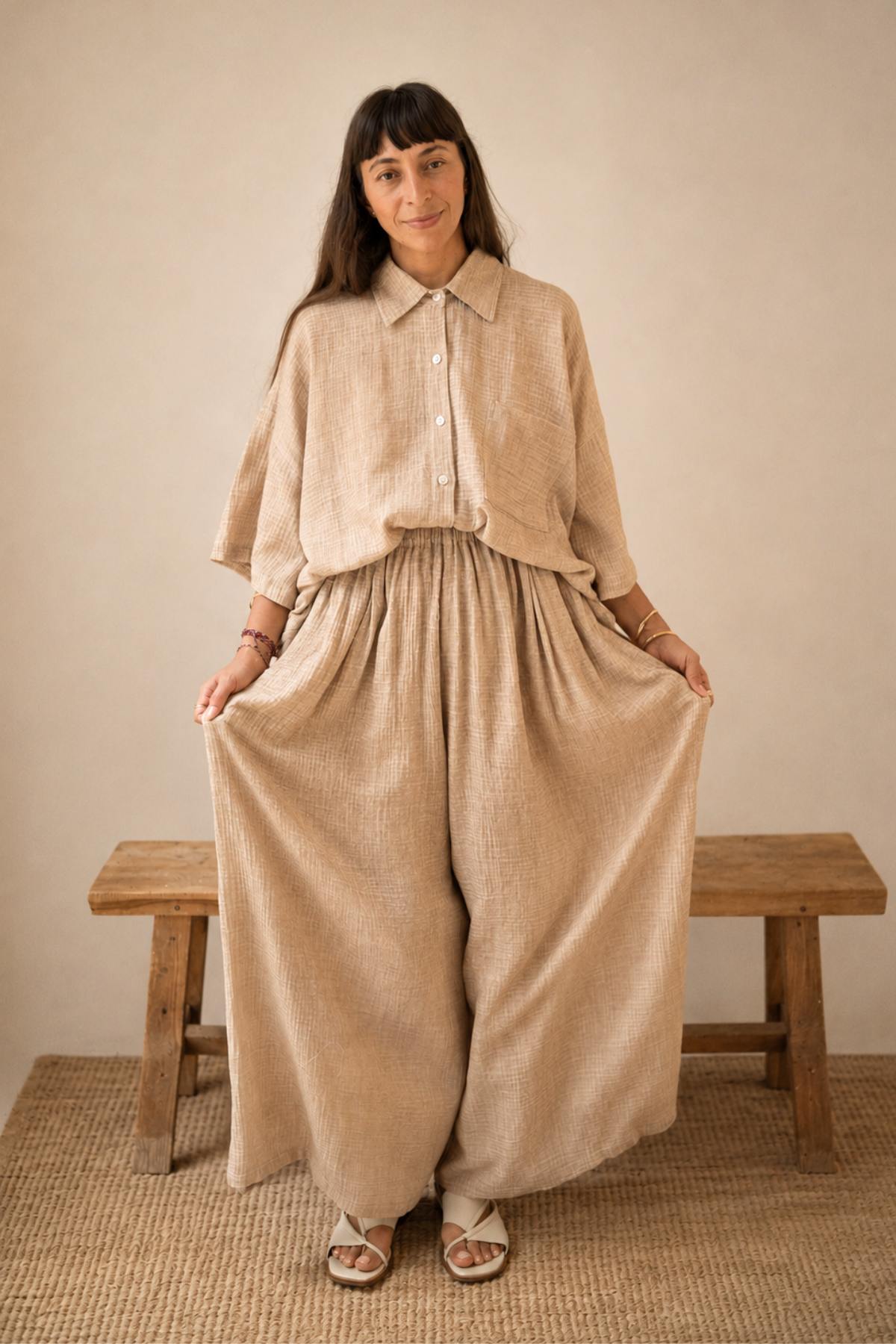
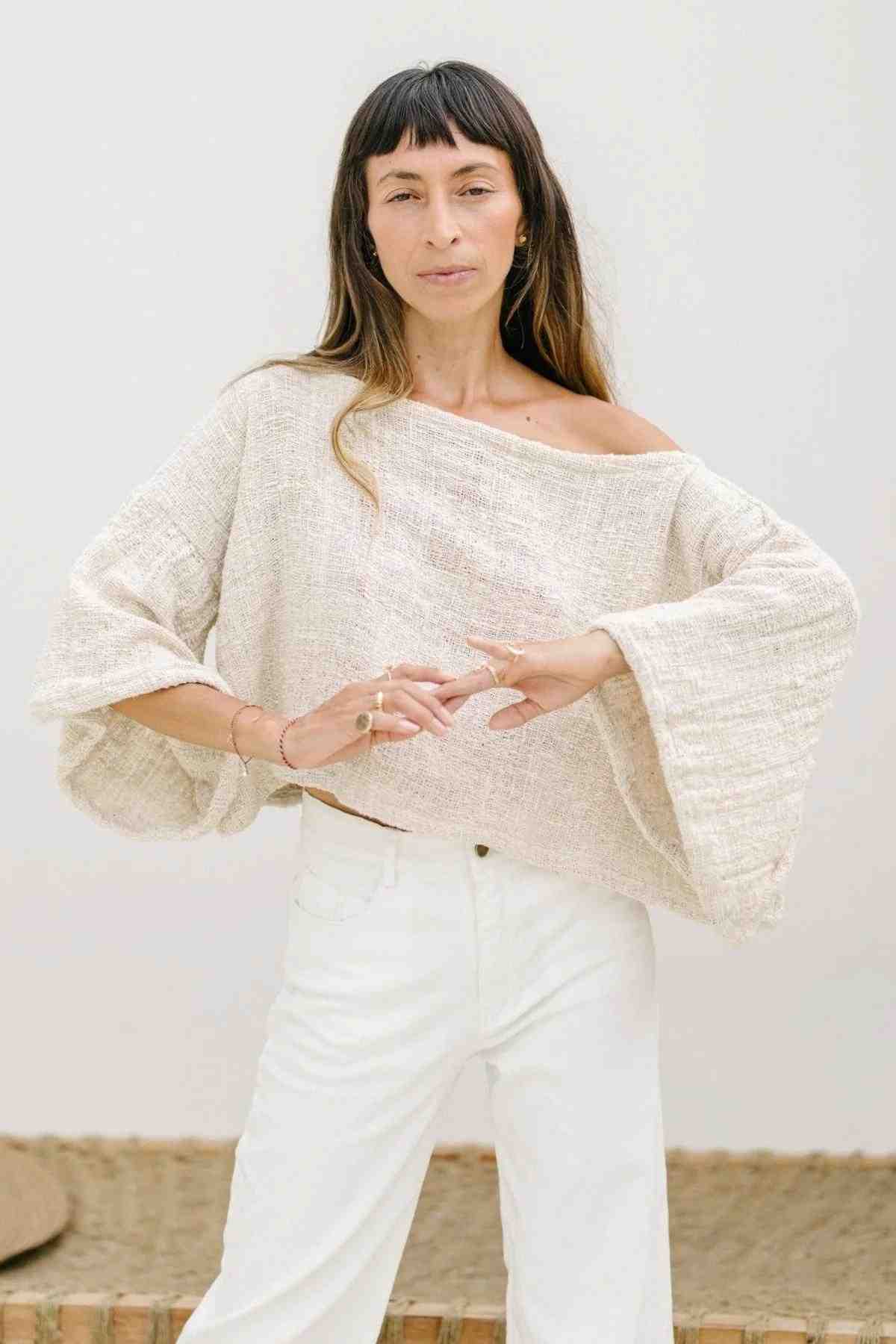
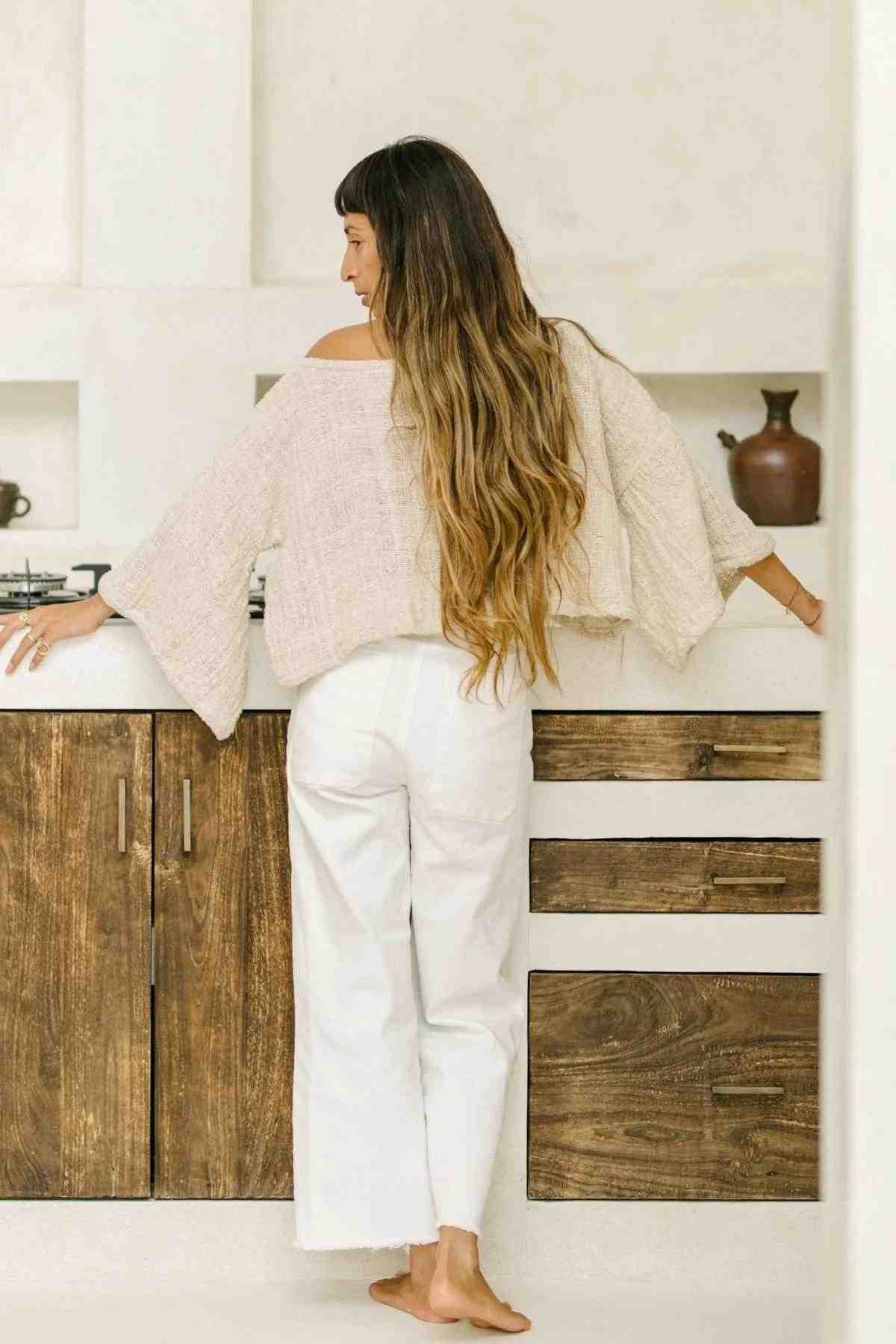
If you are ready to feel the difference, the linen pieces below are where we would start. Each one handcrafted in Bali, in small batches, by families who have made this their practice.

The Muse-Letter
Dress for the woman
you're becoming.
Every week from Bali, the cosmic weather, the threshold you're standing on, and one piece made by hand for the woman who is ready.
Join the Muse-Letter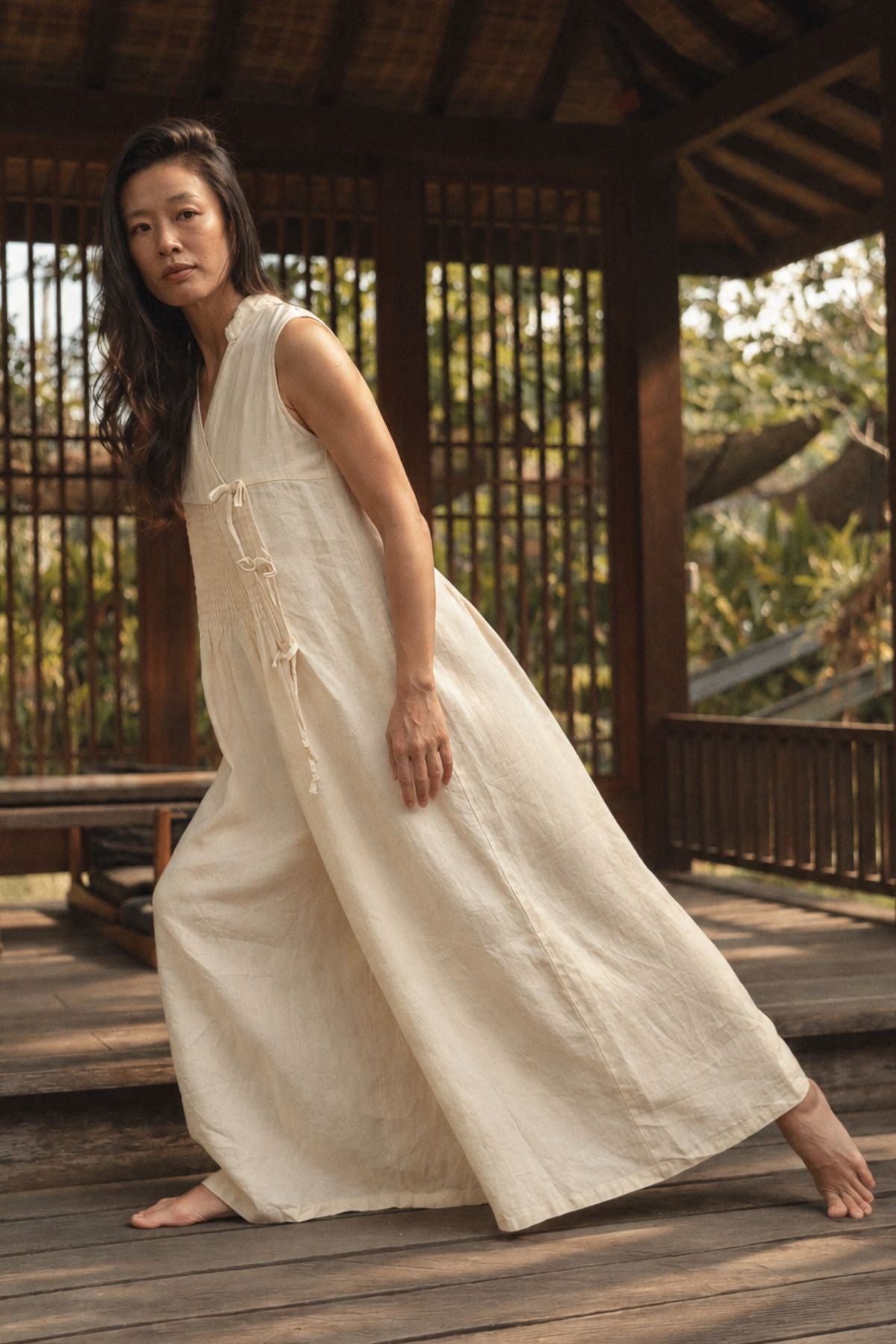


Leave a comment
This site is protected by hCaptcha and the hCaptcha Privacy Policy and Terms of Service apply.