Slow Fashion Brands in Bali: What Makes Them Different
The term slow fashion is used broadly enough now that it has started to lose its meaning. It is applied to clothing that is simply produced in smaller quantities, to brands that use natural fibres without particularly caring how or where they are made, to any fashion label that wants to distance itself from the worst associations of fast fashion without fundamentally changing how it operates.
Slow fashion from Bali, at least from the brands that are doing it properly, means something more specific. And the differences are worth understanding before you spend your money.

The production model is genuinely different
Fast fashion works by producing enormous quantities of garments in advance of demand, using predictive modelling and aggressive pricing to move inventory. The garments are designed to sell quickly, not to last. The production is contracted to the cheapest available supplier, which in practice means whoever can produce the most units at the lowest cost per unit, regardless of what that requires in terms of labour conditions or environmental impact.
Slow fashion from Bali, done properly, inverts most of this. Production runs are small — sometimes a single piece, sometimes a run of twenty. Garments are made to order or in batches sized to actual demand. The artisan families who make the clothing are paid directly and fairly. The materials are natural, often locally sourced, and chosen for longevity rather than visual impact in a photograph.
The result is a garment that costs more to produce and more to buy. That cost difference is not markup. It is the actual cost of making clothing the right way.
The craft is not decorative
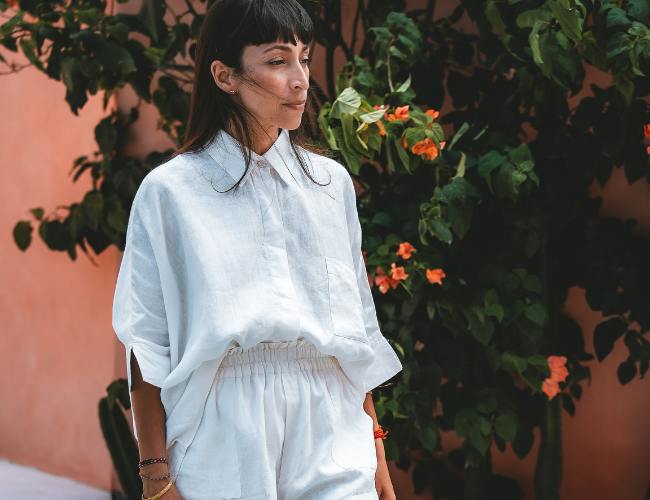
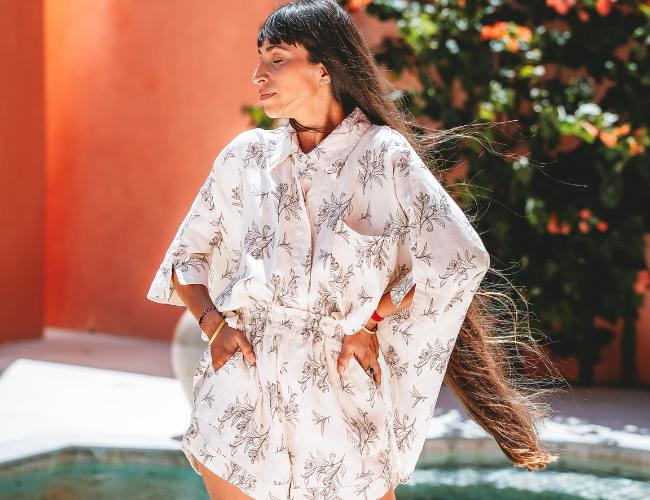
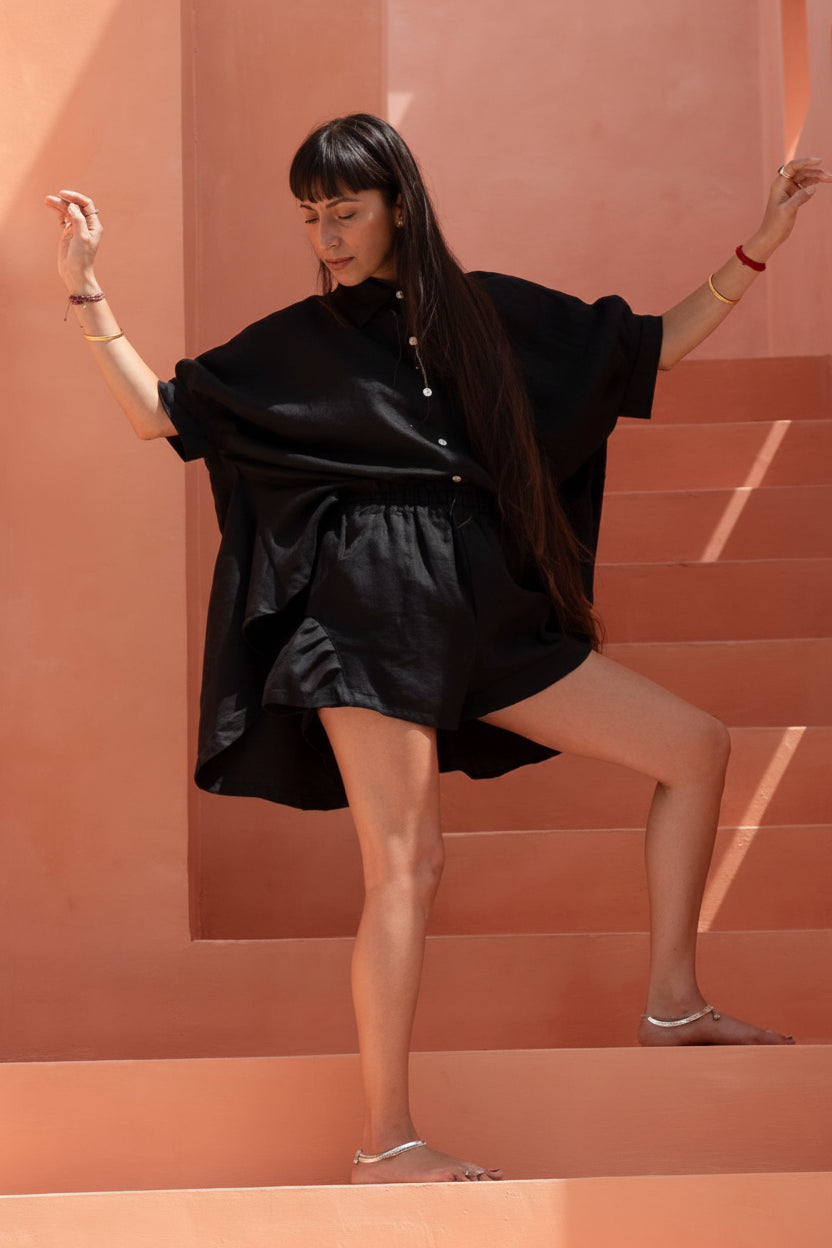
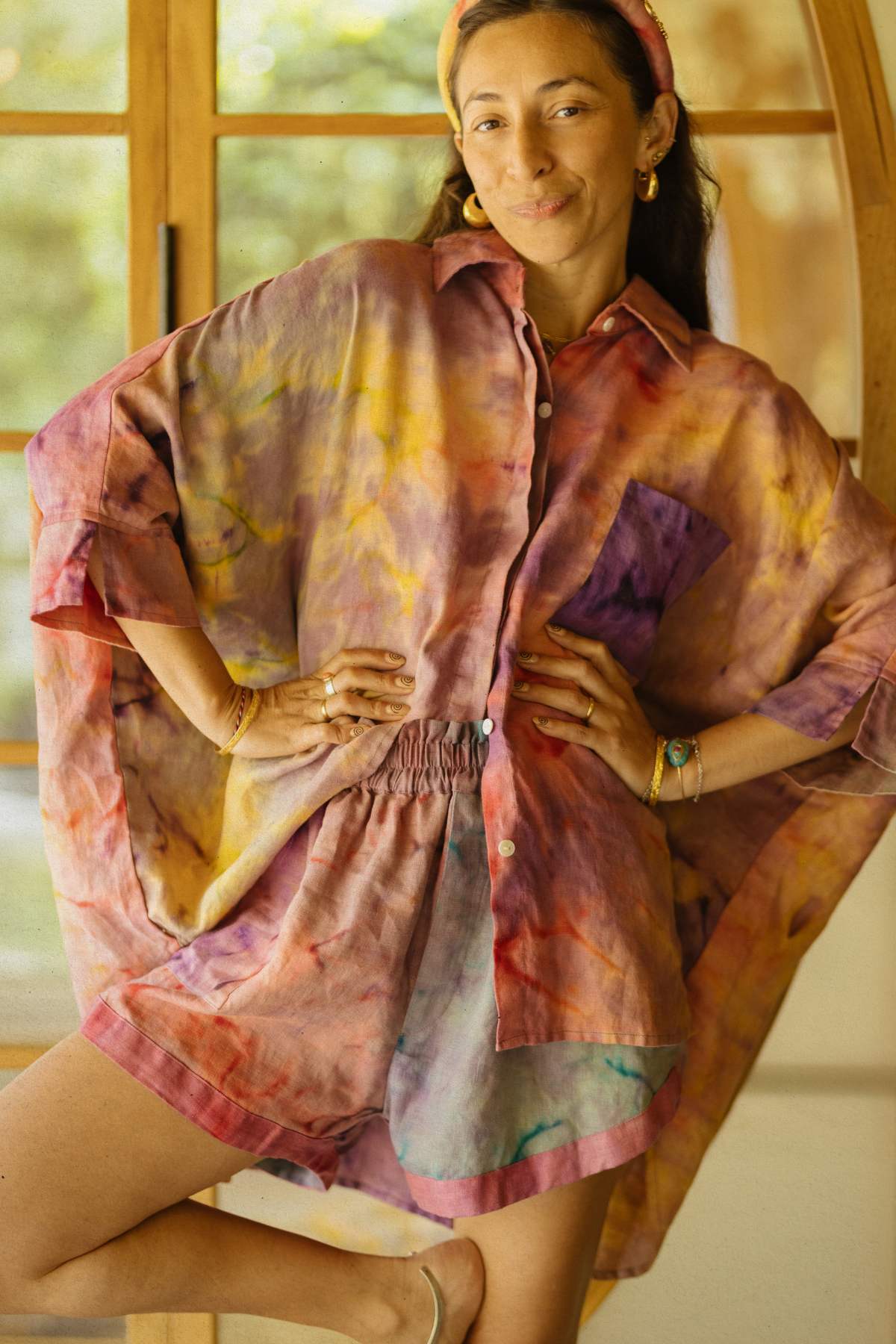
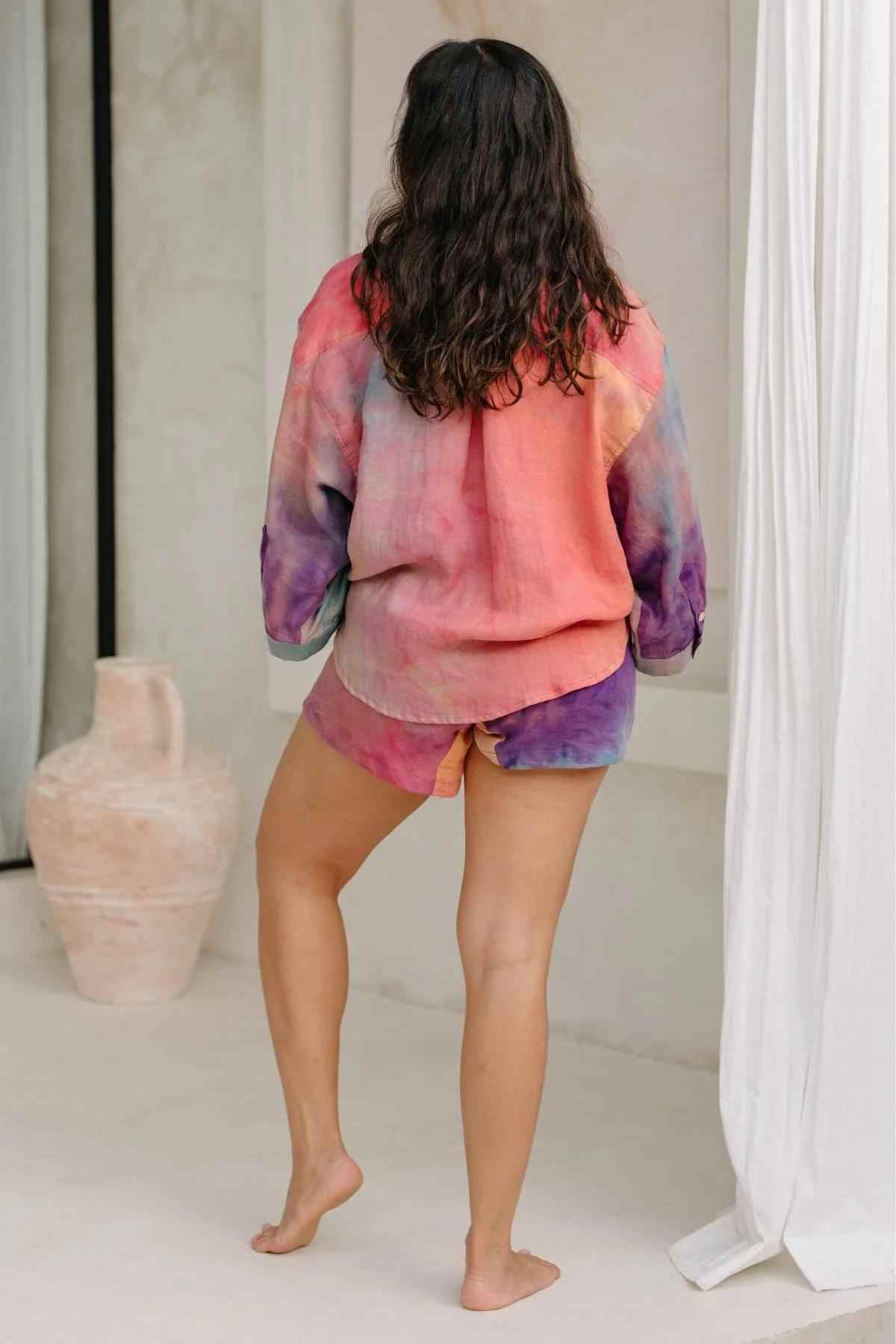
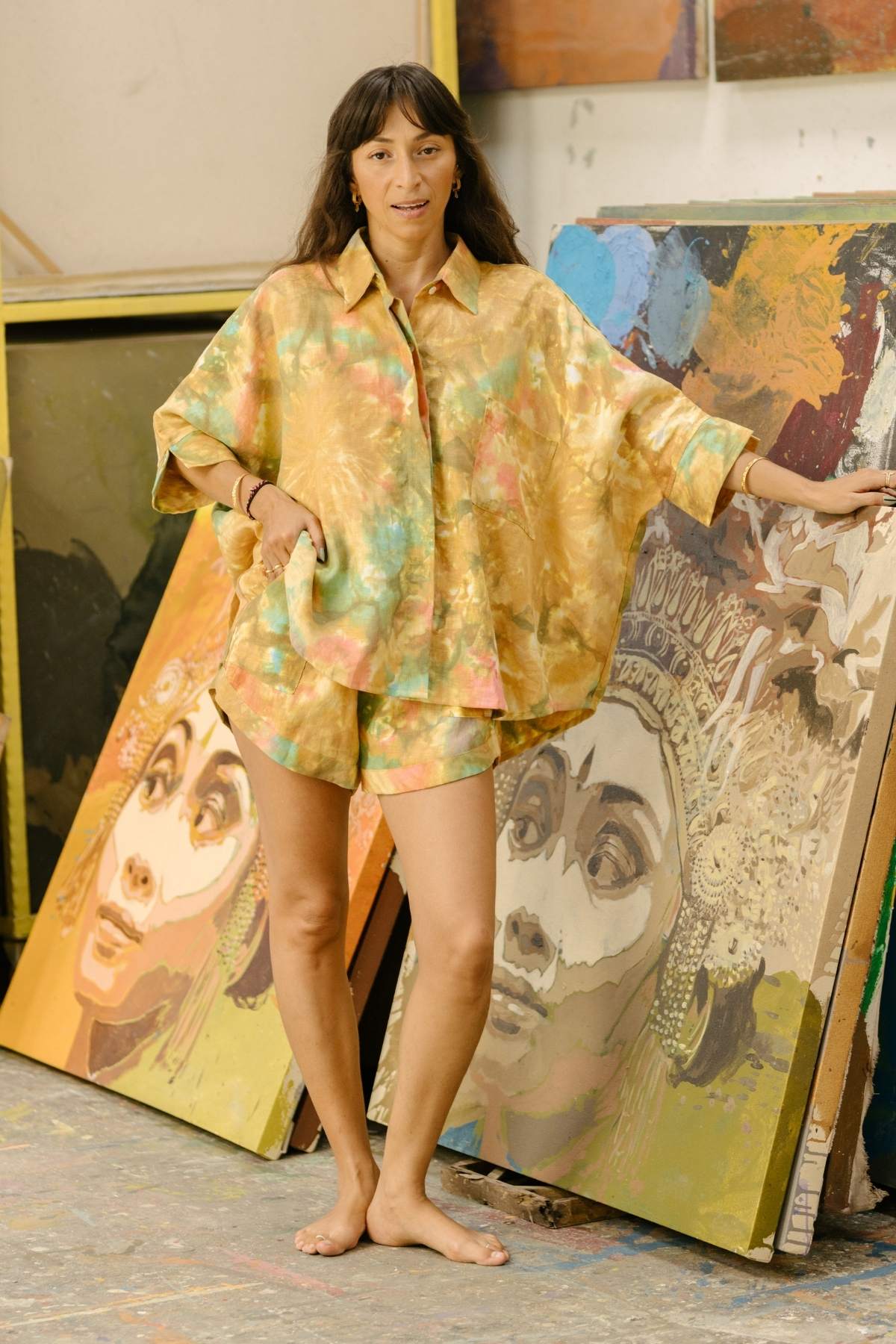
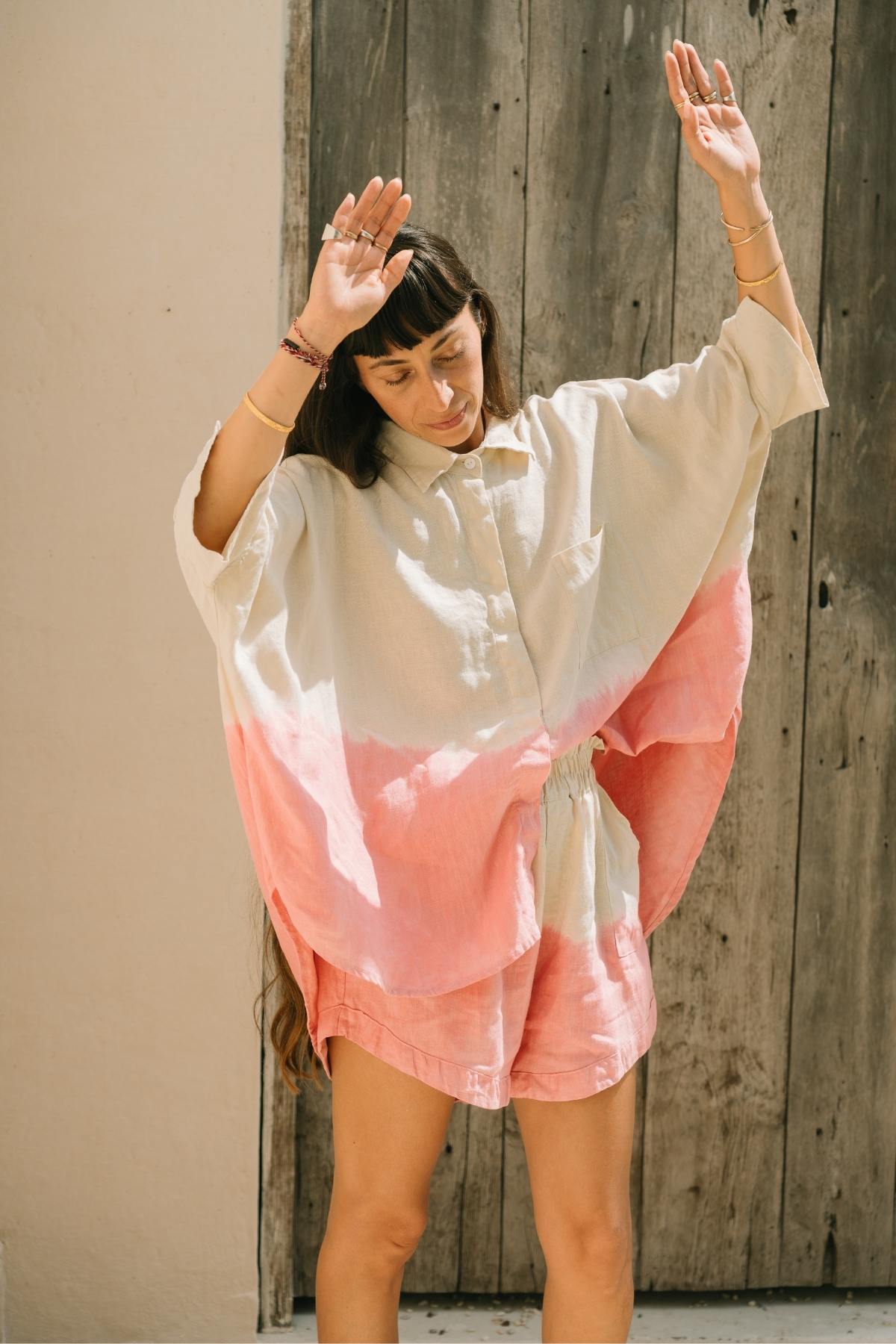
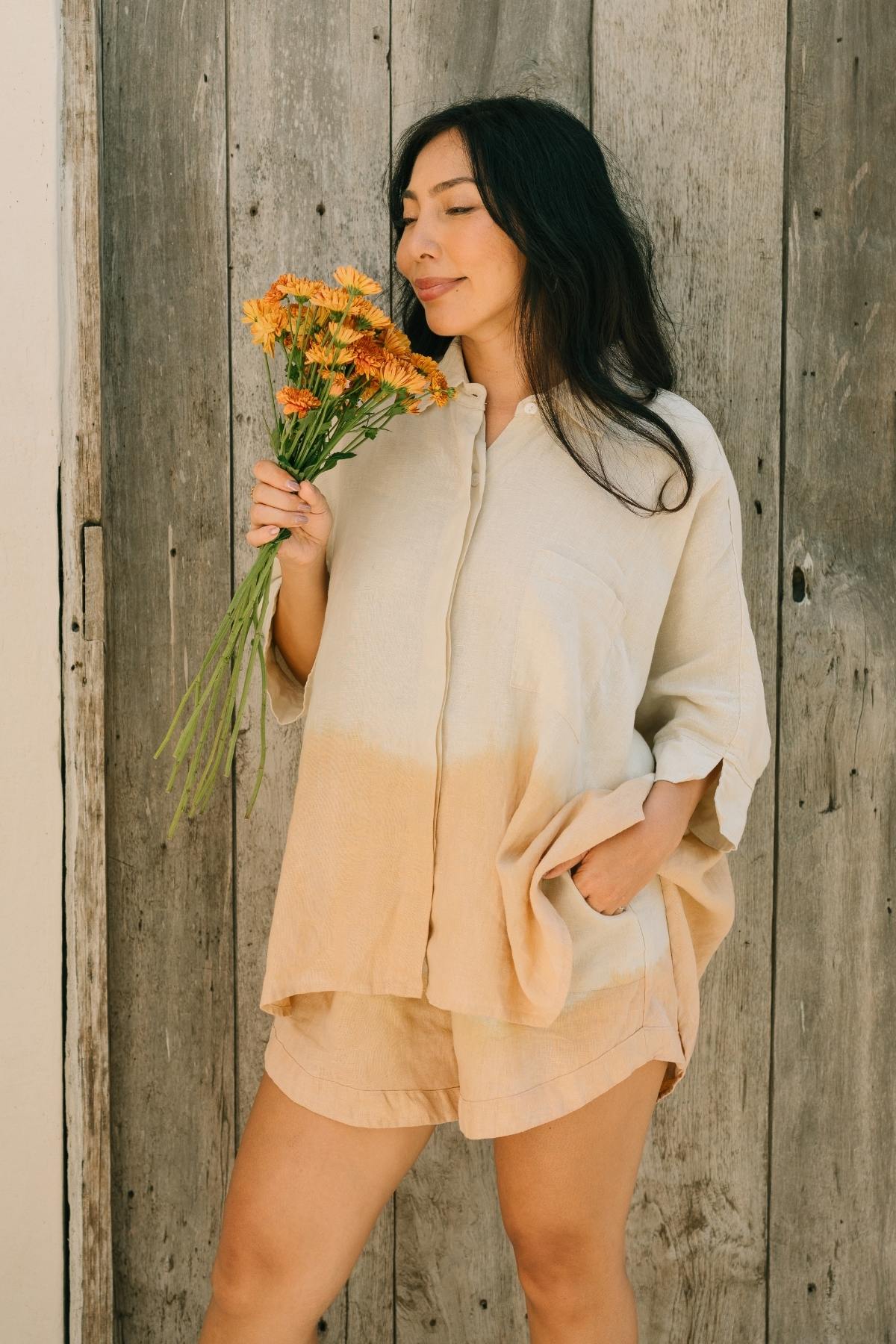
When a Myrah Penaloza garment is described as handcrafted, that is a literal description of how it is made. The fabric is cut by hand. The seams are sewn by hand. The botanical dyeing, where applicable, is done by hand over multiple days by artisans who have spent years developing the skill to produce consistent results from a process that is inherently variable.
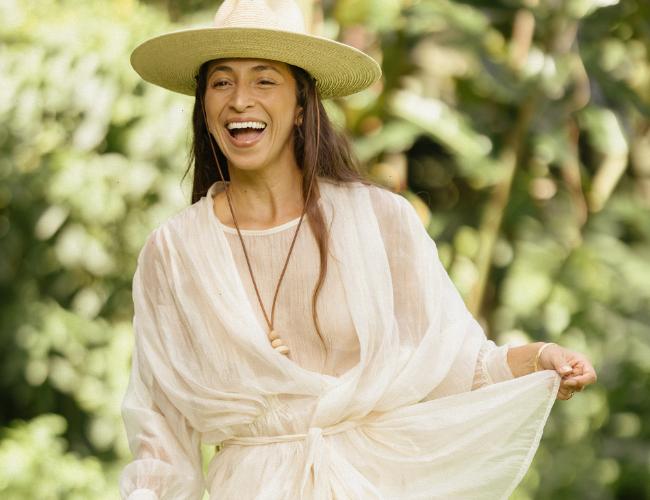
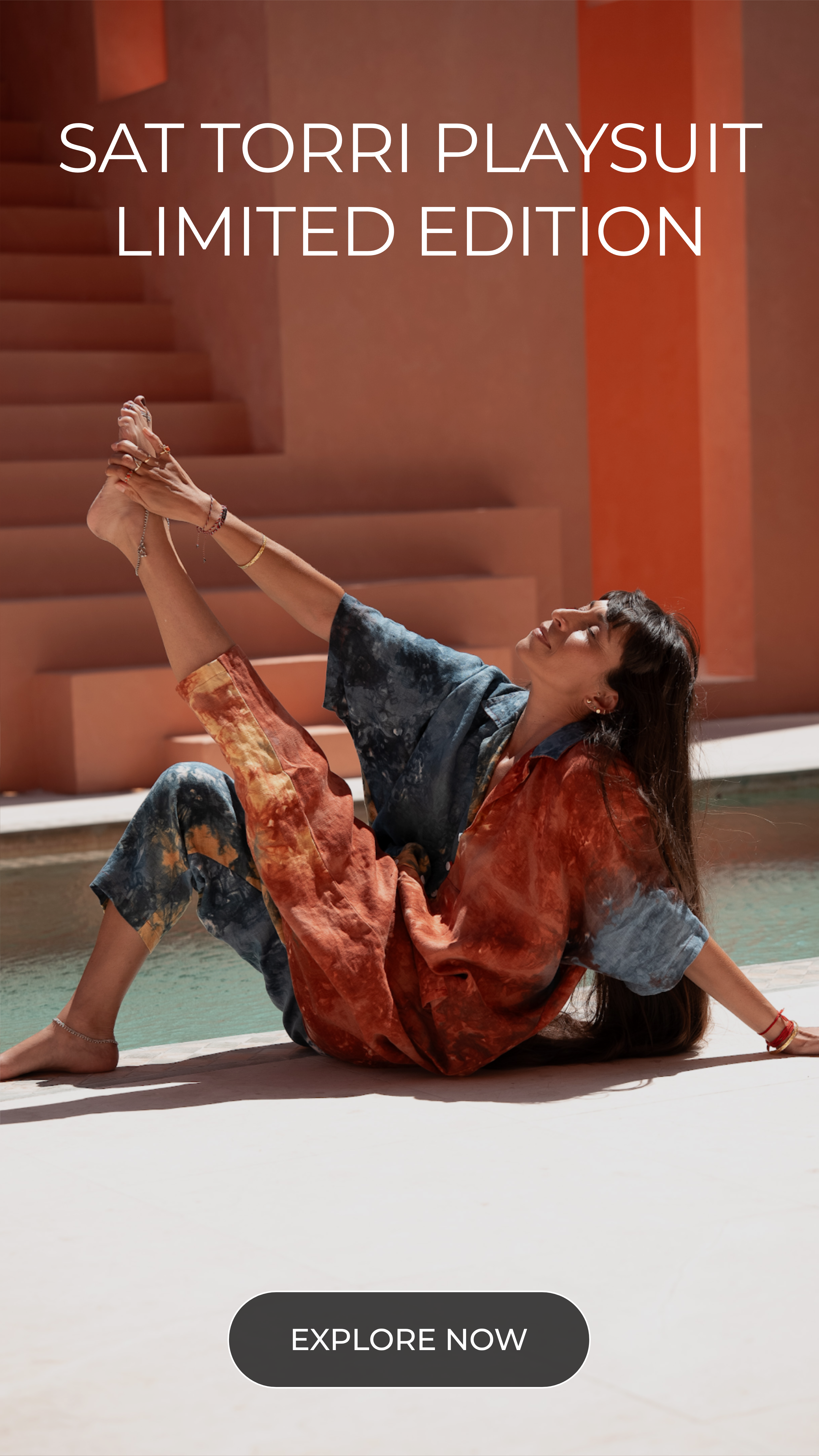
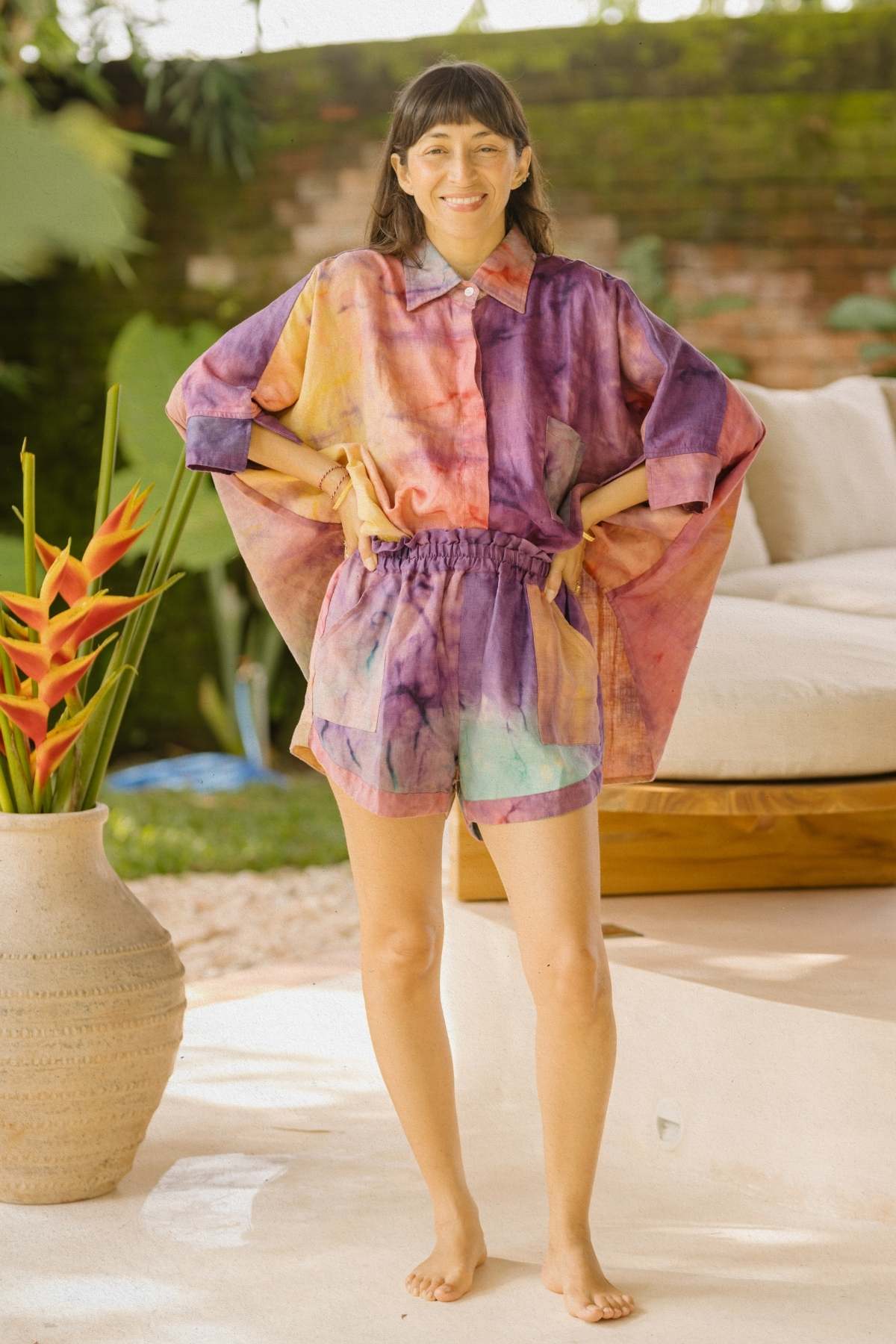
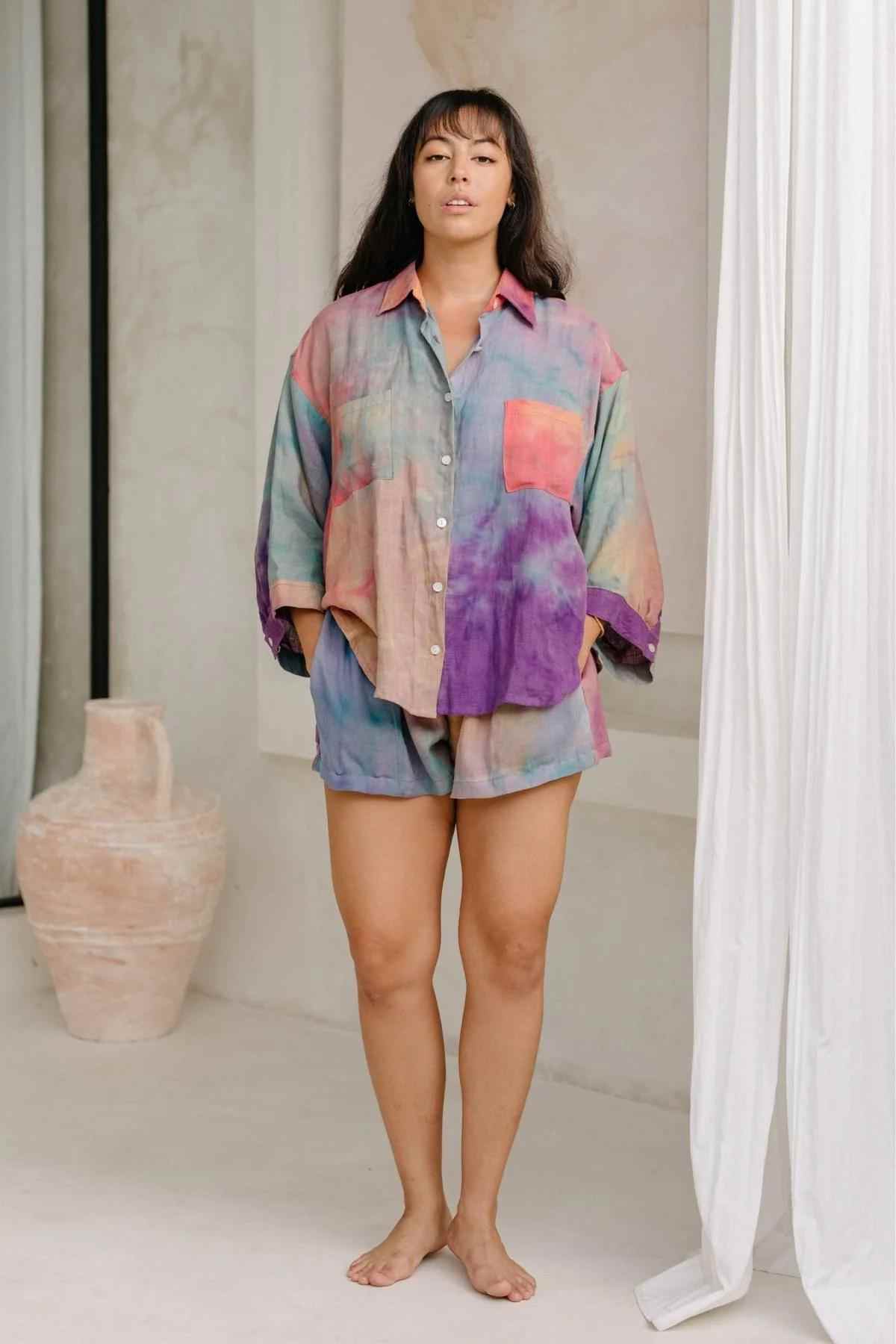
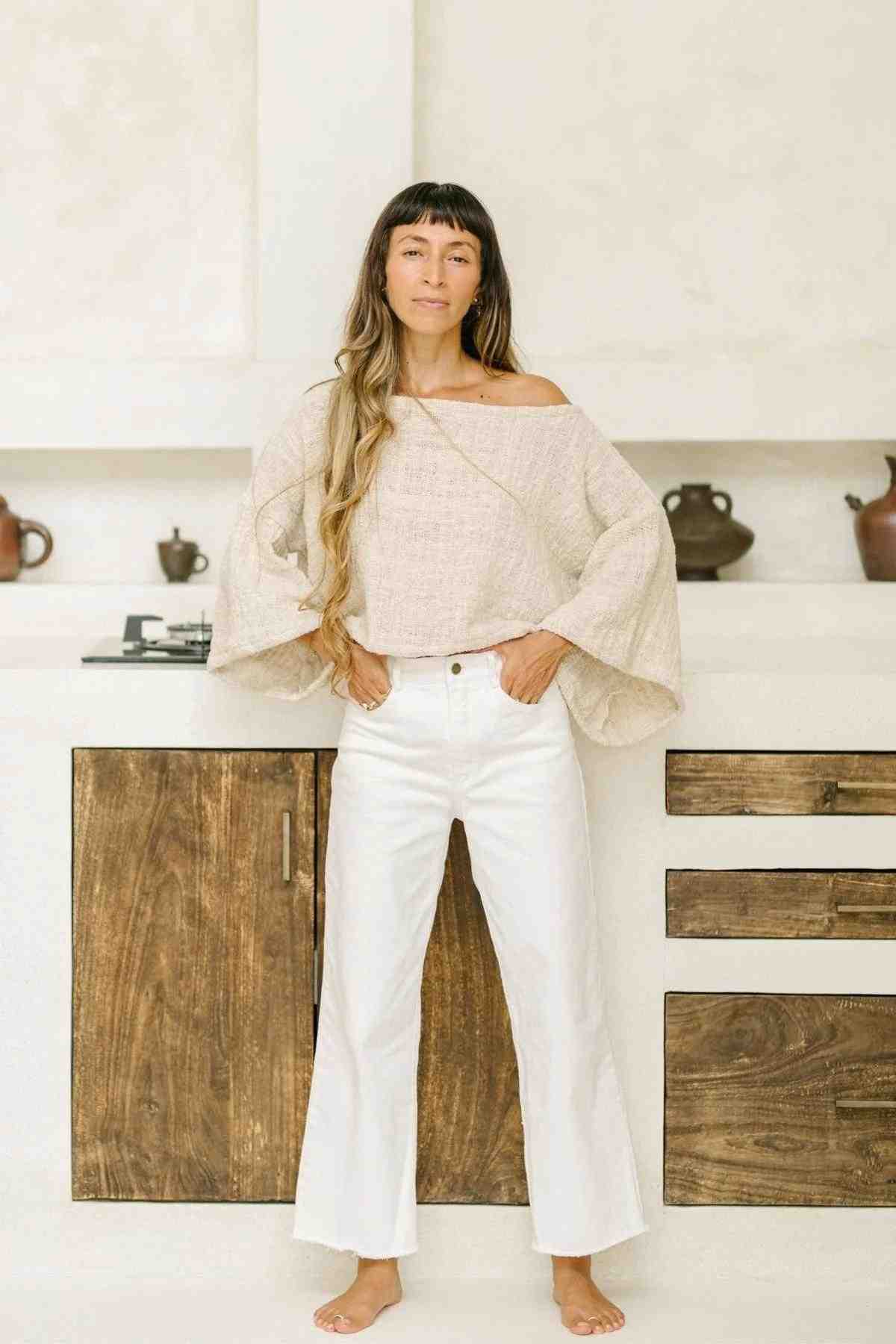
The Tumanggal cotton used in the Spirit Top is hand-woven on a traditional backstrap loom, a few centimetres at a time. The botanical dyeing used in the Rainbeau and Sat Torri colorways takes five to seven days of repeated submersion, drying, and re-submersion before the fabric reaches the depth of colour that defines the finished piece.
This is craft in the oldest sense of the word. It produces garments that look and feel different from anything made by machine, and that carry a quality of attention that only human hands can provide.
The relationship with makers is direct
One of the structural problems with global fashion supply chains is the distance between the brand and the people who make its products. Most fashion labels have limited visibility into the conditions under which their garments are made, because the production is contracted through intermediaries who contract to other intermediaries.
Bali-based slow fashion brands that are doing this properly work directly with the artisan families who make their clothing. There is no intermediary. The relationship is direct, ongoing, and built over years. When a garment from this collection is described as made by artisan families in Bali, that means Myrah Penaloza knows those families. She has worked with them for years. She understands their capacity, their skill, and what they need to be paid to do this work sustainably.
The garments are designed to last
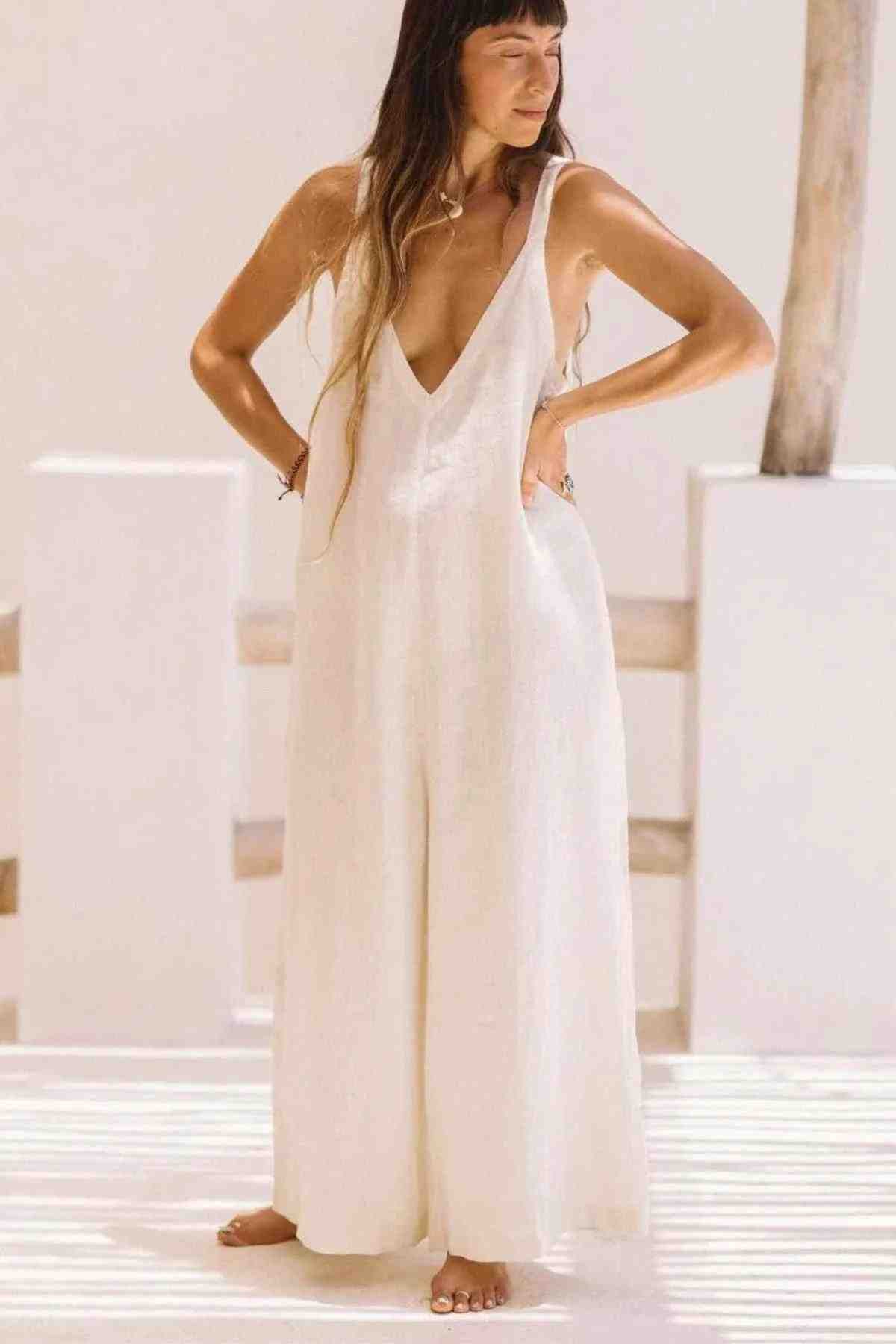
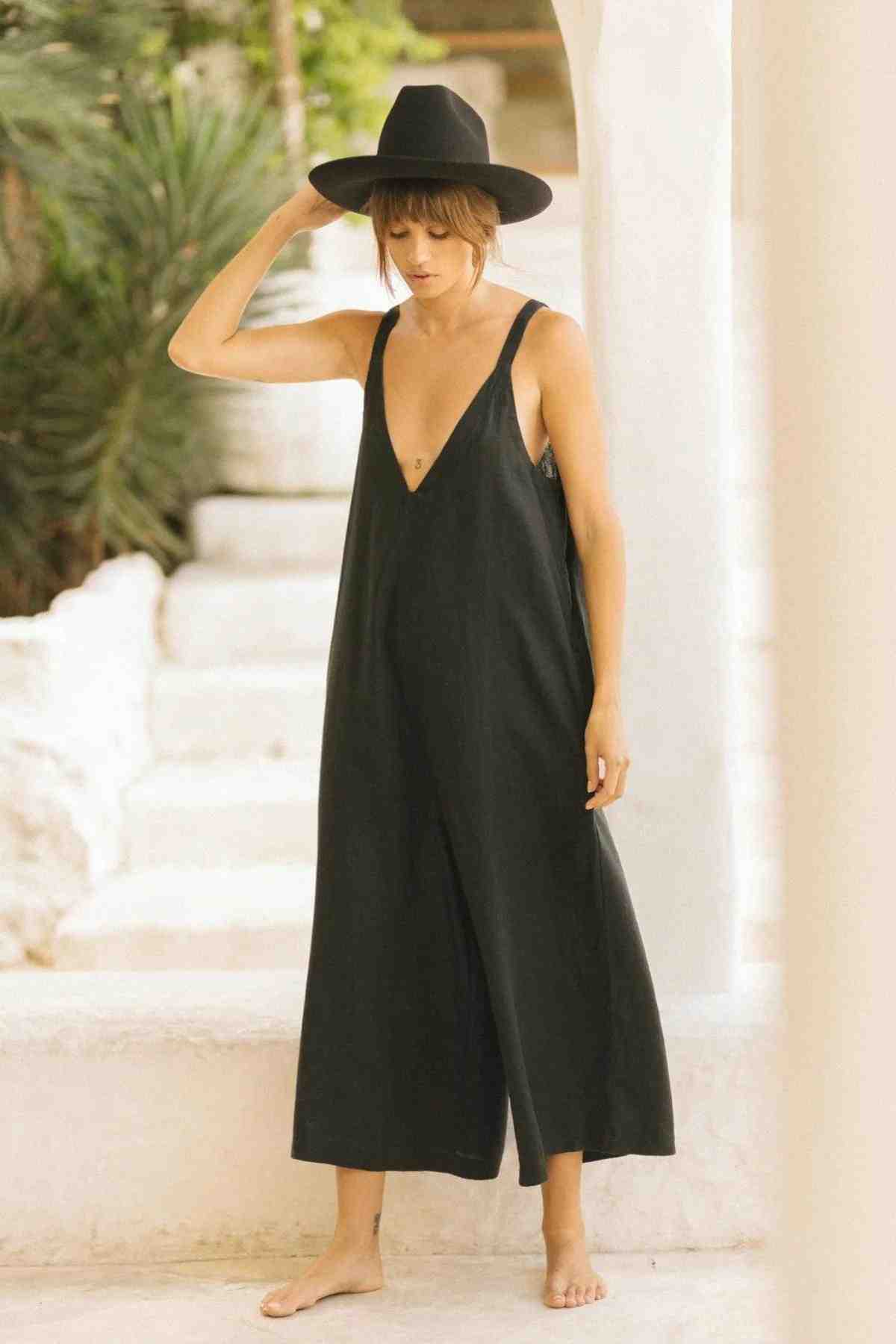
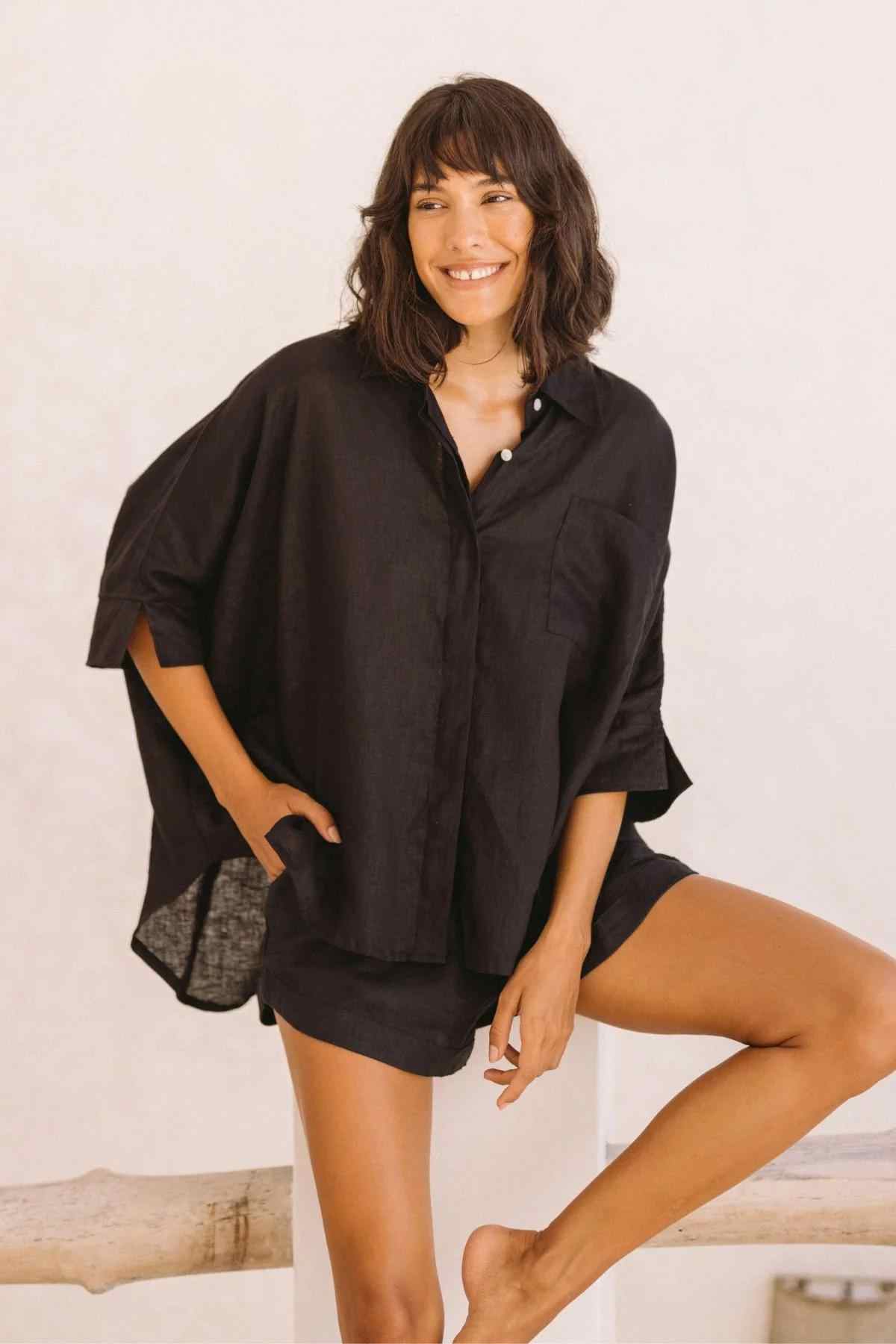
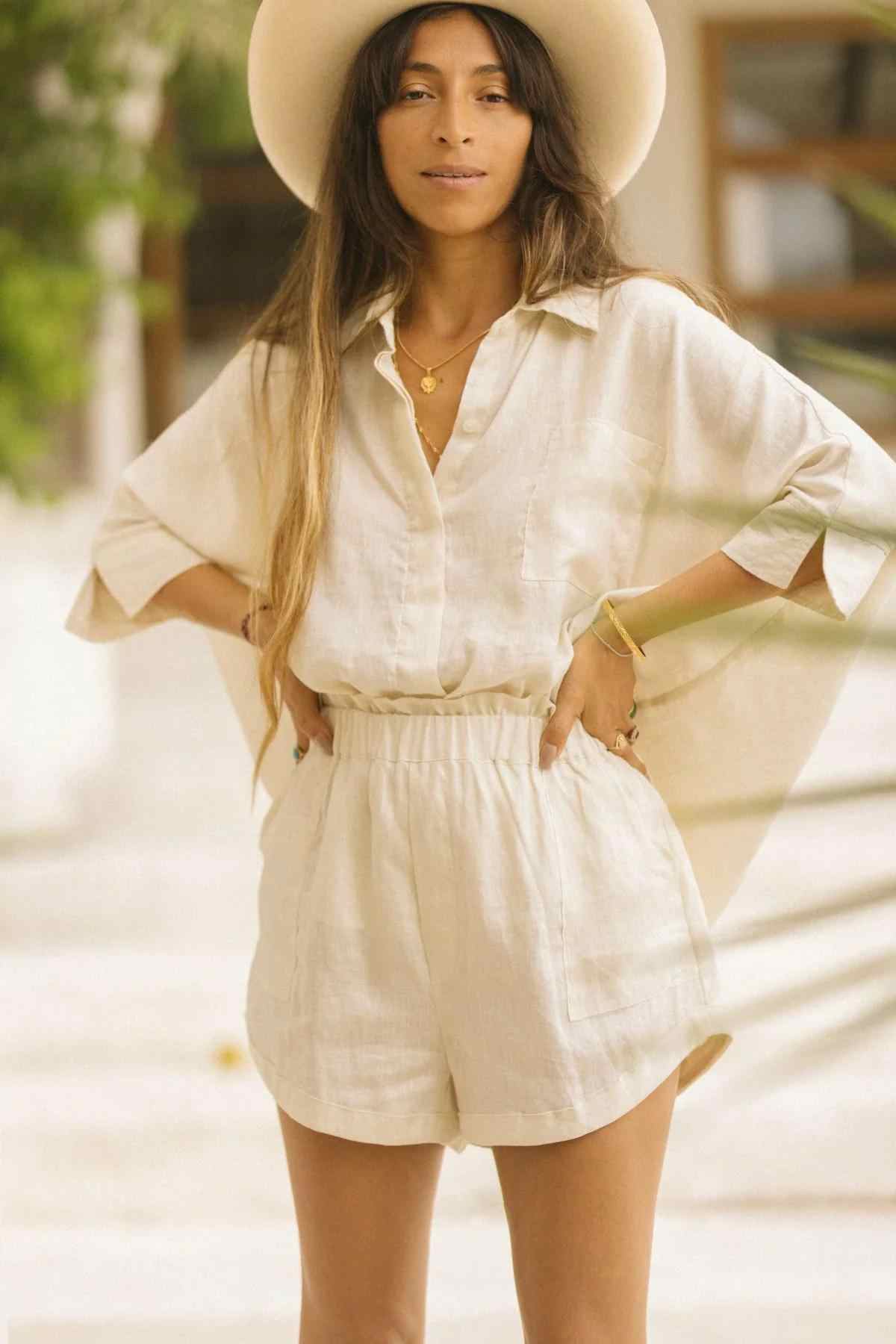
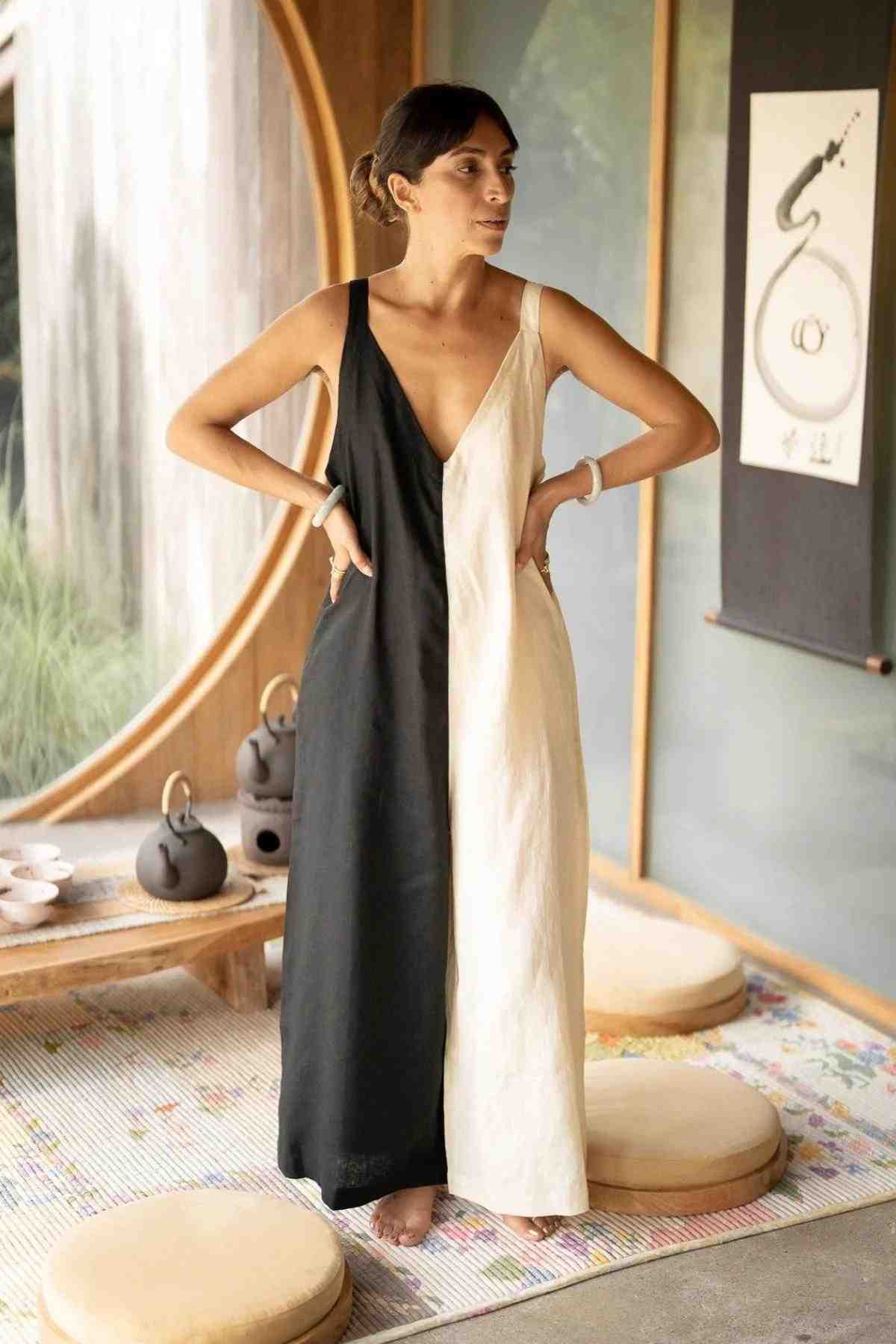
A garment designed to last is designed differently from one designed to sell. Stonewashed linen is pre-washed not because it looks better in a photograph but because the pre-washing process removes the stiffness that would otherwise wash out unevenly over the first few months of wear. Seam allowances are generous. The silhouettes are deliberately generous in fit, which means they accommodate body changes over time without becoming unwearable.
The test of a slow fashion garment is not how it looks in the first month. It is how it looks in the third year. The linen playsuits and kaftans and gowns in this collection are made to pass that test.
To go deeper into what makes linen the foundation of everything we make, read The Art of Linen: Why Natural Linen Is the Fabric of Intentional Living. For a complete guide to choosing a linen playsuit or romper, read What Is a Linen Playsuit?. And to see how botanical dyeing and slow craft come together in a single piece, read about the Ramie Botanical Origami Gown.
Start Here
the pieces most loved by women who have found this collection and never left it.


The Muse-Letter
Dress for the woman
you're becoming.
Every week, from Bali — the cosmic weather, the threshold you’re standing on, and one piece made by hand for the woman who is ready.
Join the Muse-Letter



Leave a comment
This site is protected by hCaptcha and the hCaptcha Privacy Policy and Terms of Service apply.