Slow Fashion in Bali: How and Why We Make What We Make
Sustainable fashion is a phrase that has been used so much it has started to mean almost nothing. Brands use it to describe recycled polyester. Retailers use it to describe a line that is slightly less harmful than their main collection. It has become a marketing term, and marketing terms have a way of emptying words of the thing that made them worth saying in the first place.
So we are not going to call this sustainable fashion. We are going to tell you how we make things, and why, and let you decide what to call it.
In this letter
- Why Bali
- The linen: European Flax and why it matters
- Botanical dyeing: the process and the philosophy
- Small batch making: what it means in practice
- What slow fashion actually looks like
- On certifications
- Questions we are often asked
Why Bali
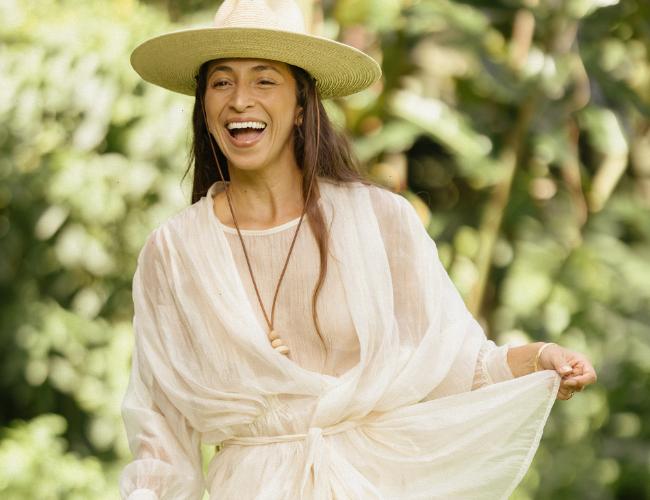
Making things slowly makes sense in Bali in a way that it does not make sense in most places. The island has its own relationship with time. It has ceremonies that require stopping everything and being present. It has a tradition of craft that is passed between hands, not between machines. The women who sew the garments here have been sewing since they were children. The hands that cut the linen have learned to read the fabric before they touch the scissors.
Myrah arrived in Bali and understood that the island was the only place where the collection she was imagining could actually be made. Not because Bali is cheaper, though it is often misunderstood that way. Because the relationship between maker and material here is still one of care. The garments are handled by people who understand what they are holding.
The studio is small. The team is small. The production runs are small. This is not a limitation. It is the whole point.

The linen: European Flax and why it matters
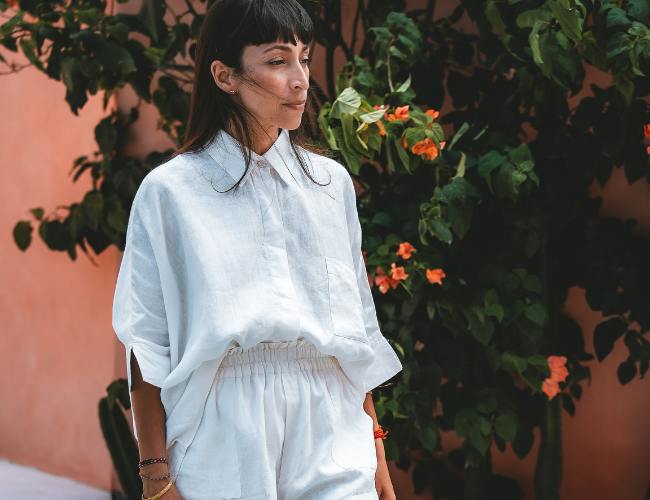
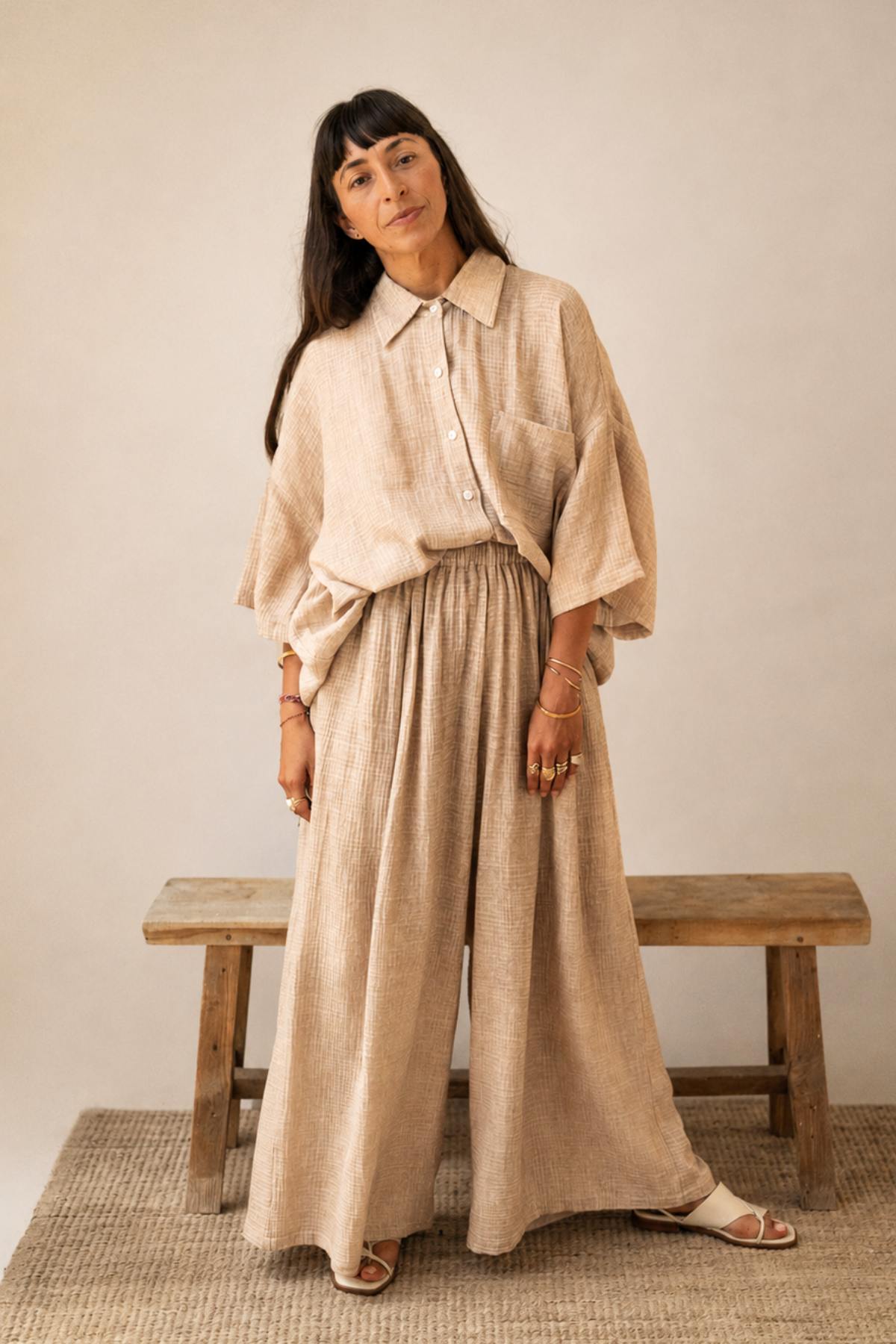
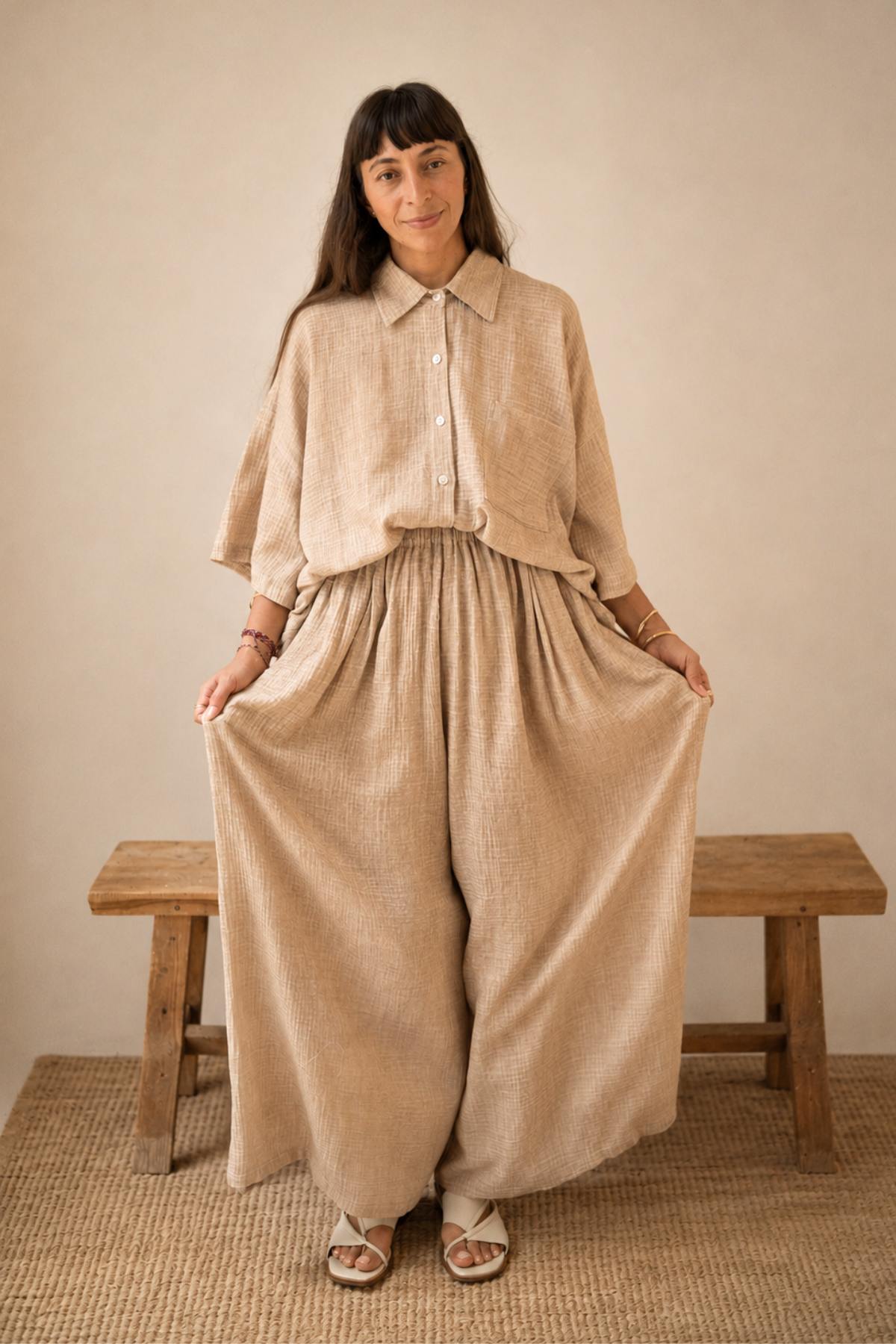
All of the linen in the Myrah Penaloza collection comes from European Flax. This is a specific thing, not a general claim. European Flax linen is grown in Northern France, Belgium, and the Netherlands, in a climate that produces the longest and strongest flax fibres in the world. It is rain-fed rather than irrigated. It uses no pesticides that are not already present in the regional agricultural standard. The entire plant is used in harvest, which means there is no significant waste.
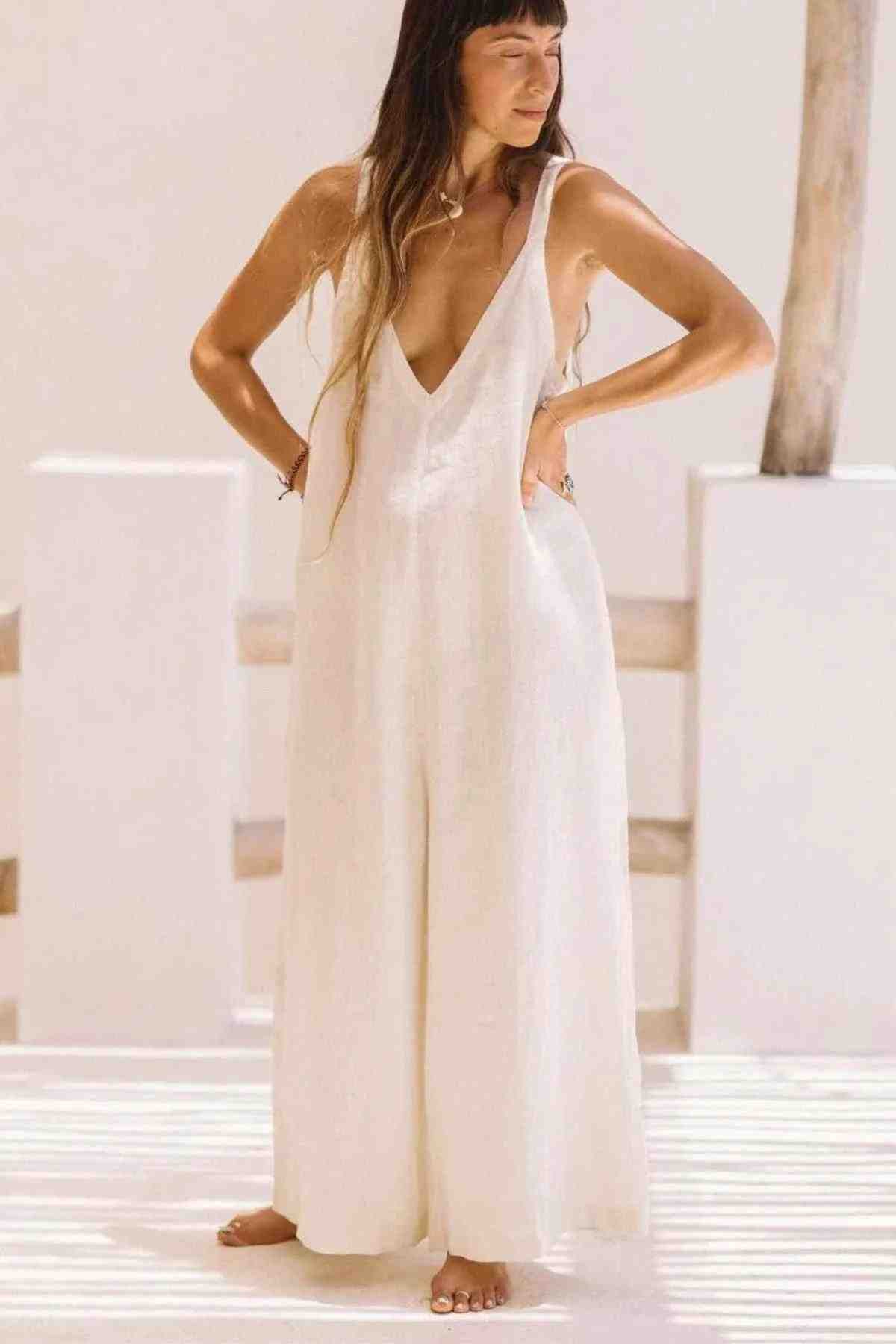
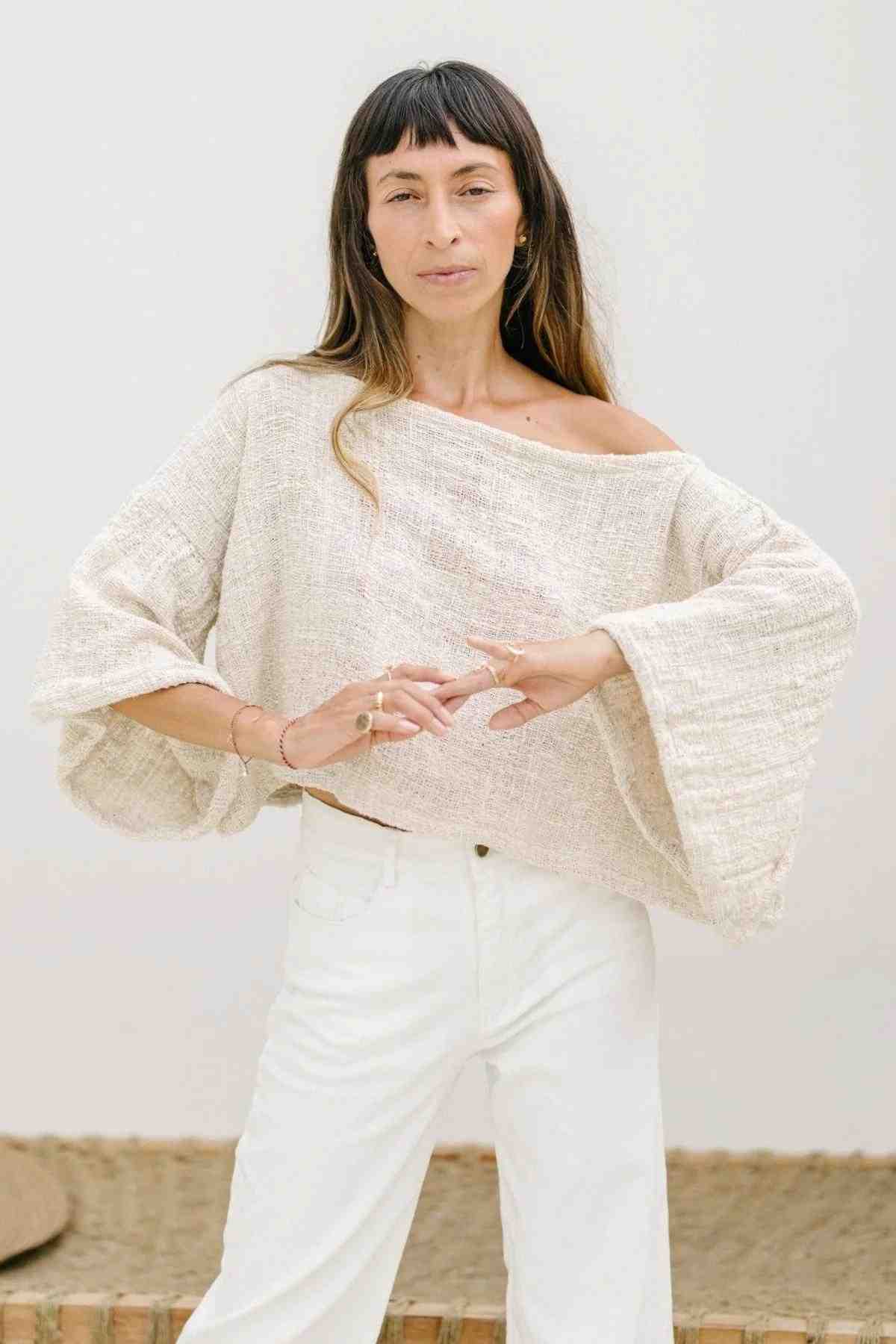
French linen specifically is the benchmark for quality in natural fibre fabric. It has a weight and a texture that distinguish it from linen grown elsewhere. It softens with washing without losing its structure. It breathes in a way that cheaper linen blends do not. After ten washes it is better than it was when it arrived. After fifty it is extraordinary.
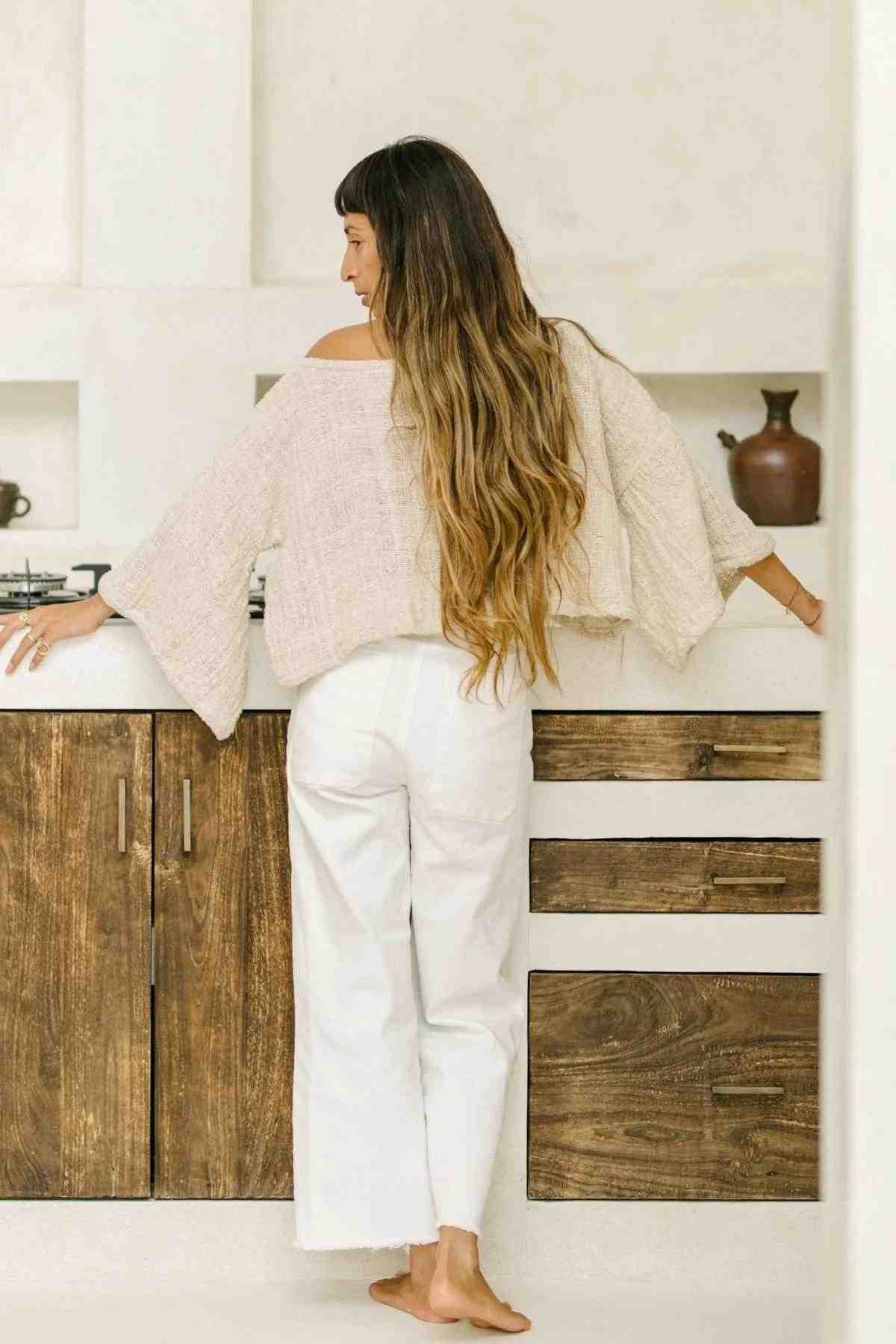
We stonewash our linen before cutting. This means the fabric has already gone through the softening process before it becomes a garment. The piece you receive has already done its breaking-in. It is already at its most breathable and its most comfortable. What happens next is only improvement.

Botanical dyeing: the process and the philosophy
Synthetic dyes are fast. They produce consistent, reliable colour. They do not change between batches and they do not shift in the light. For an industry built on volume and speed, they are the obvious choice.
Botanical dyeing is none of those things, which is exactly why we do it.
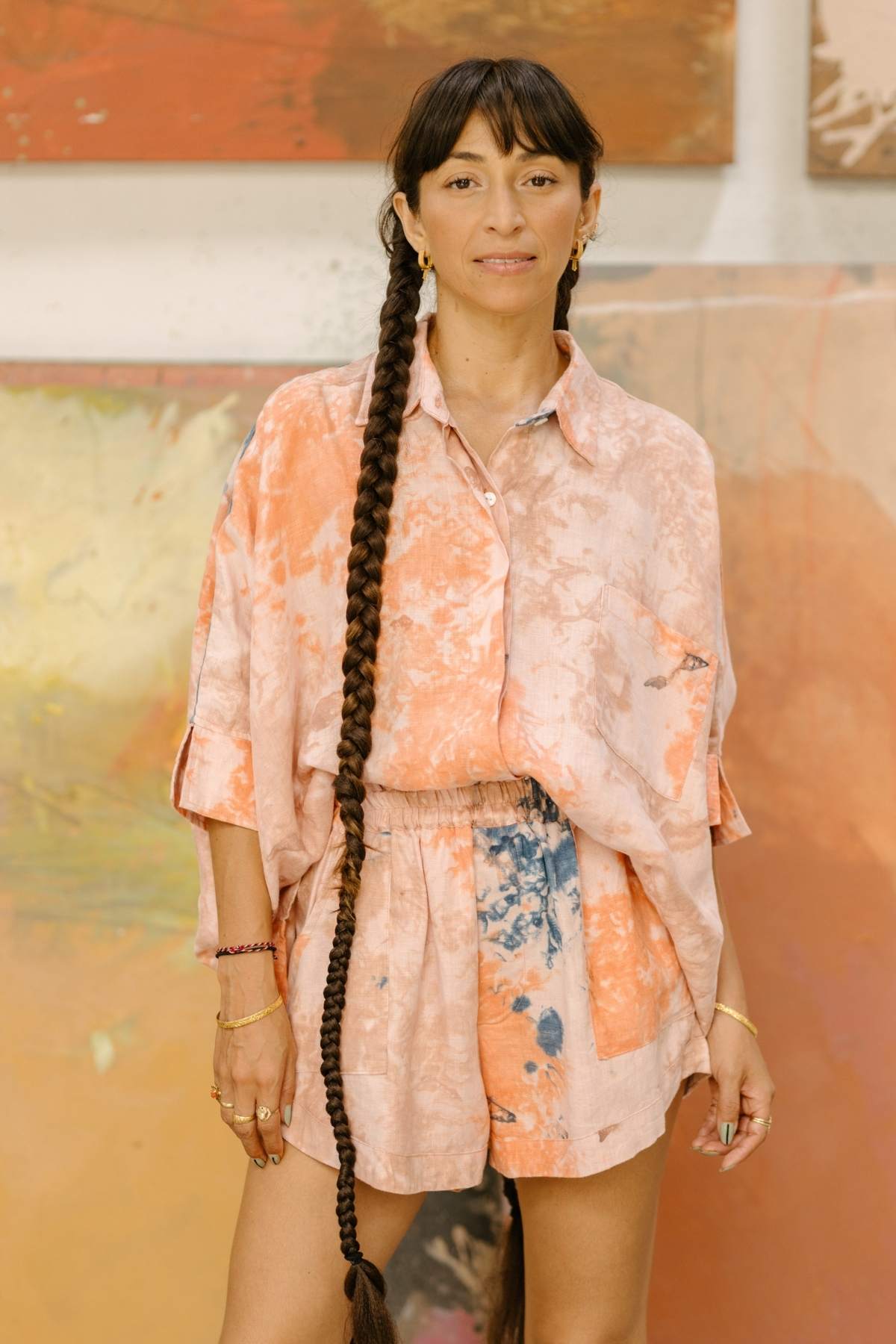
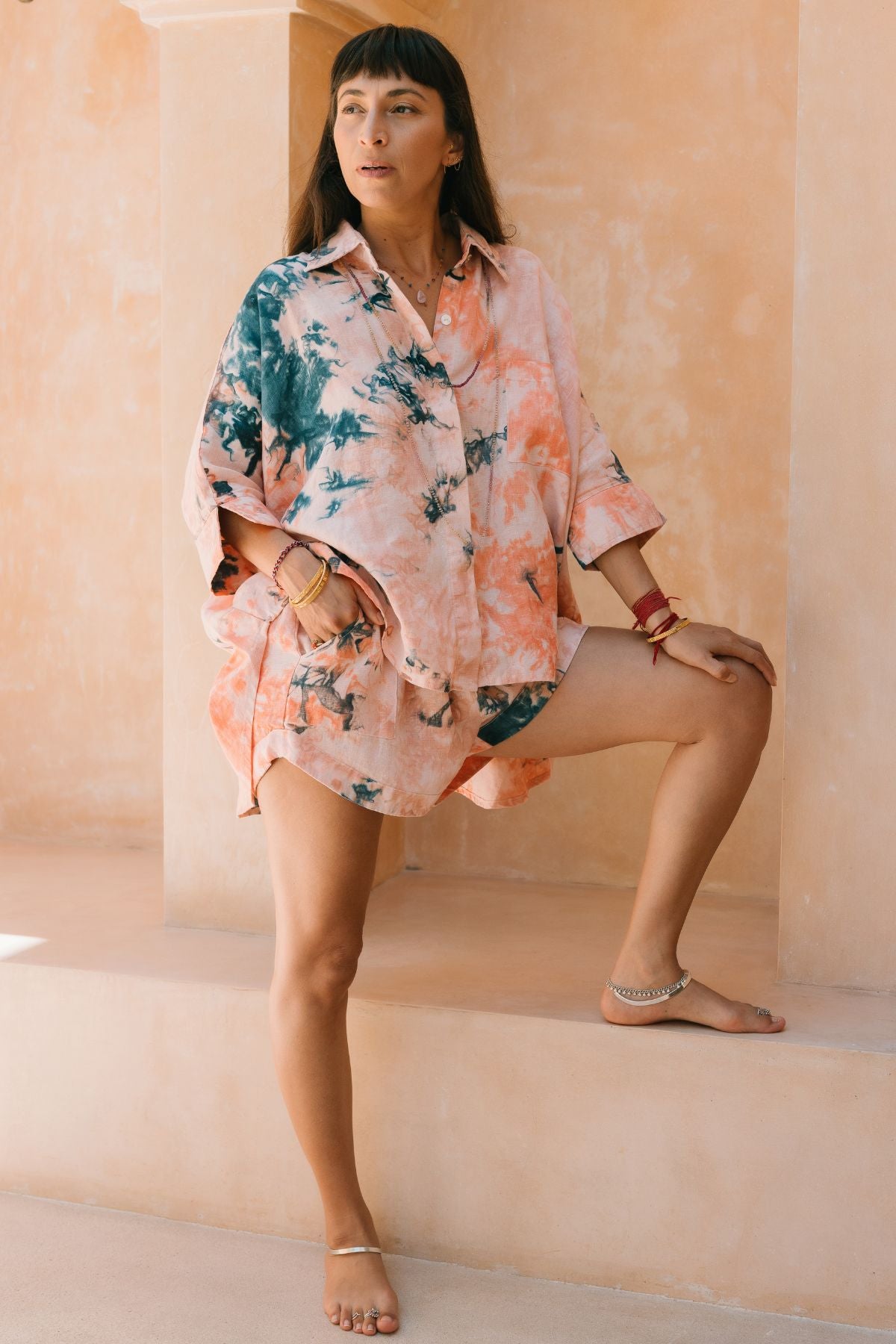
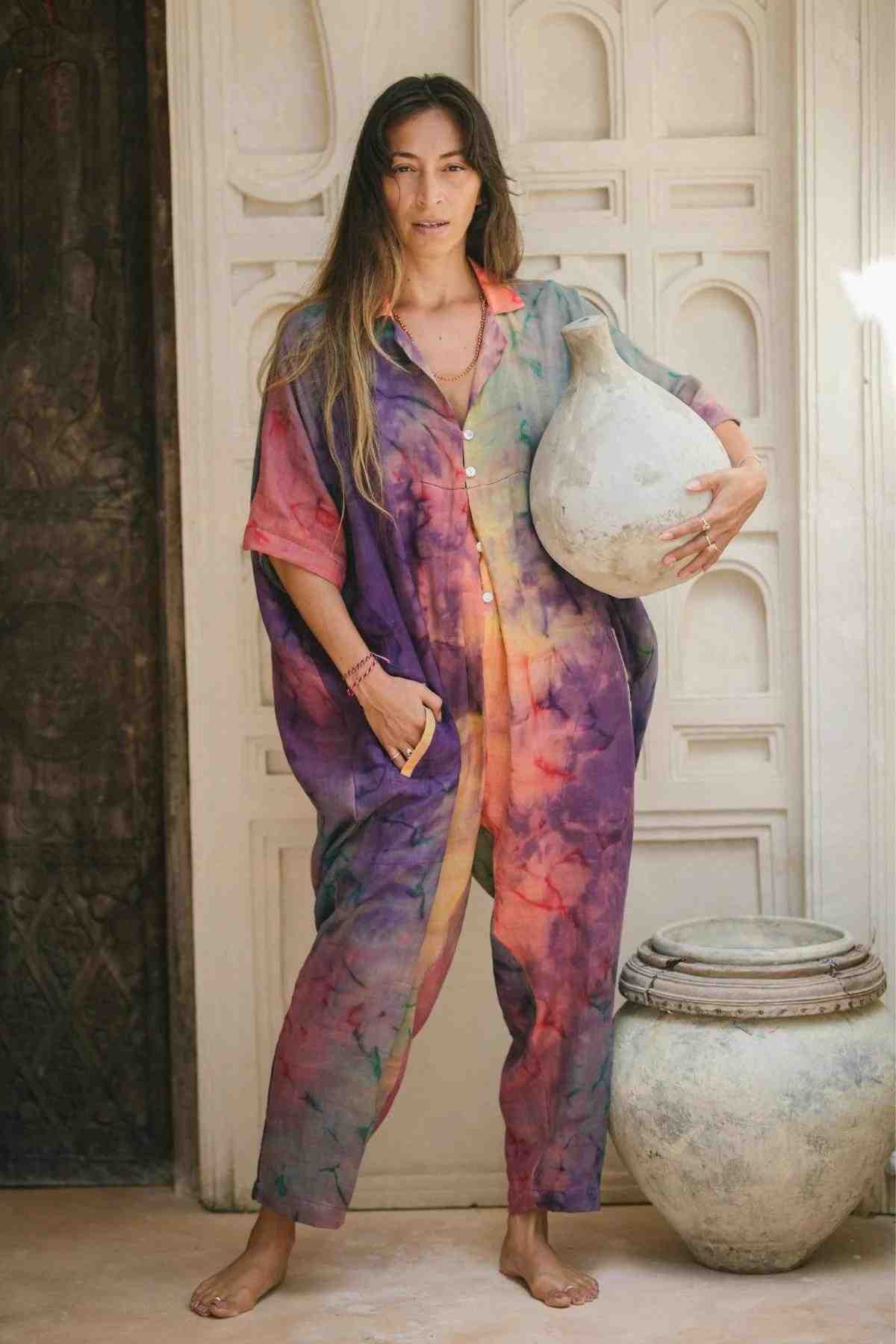
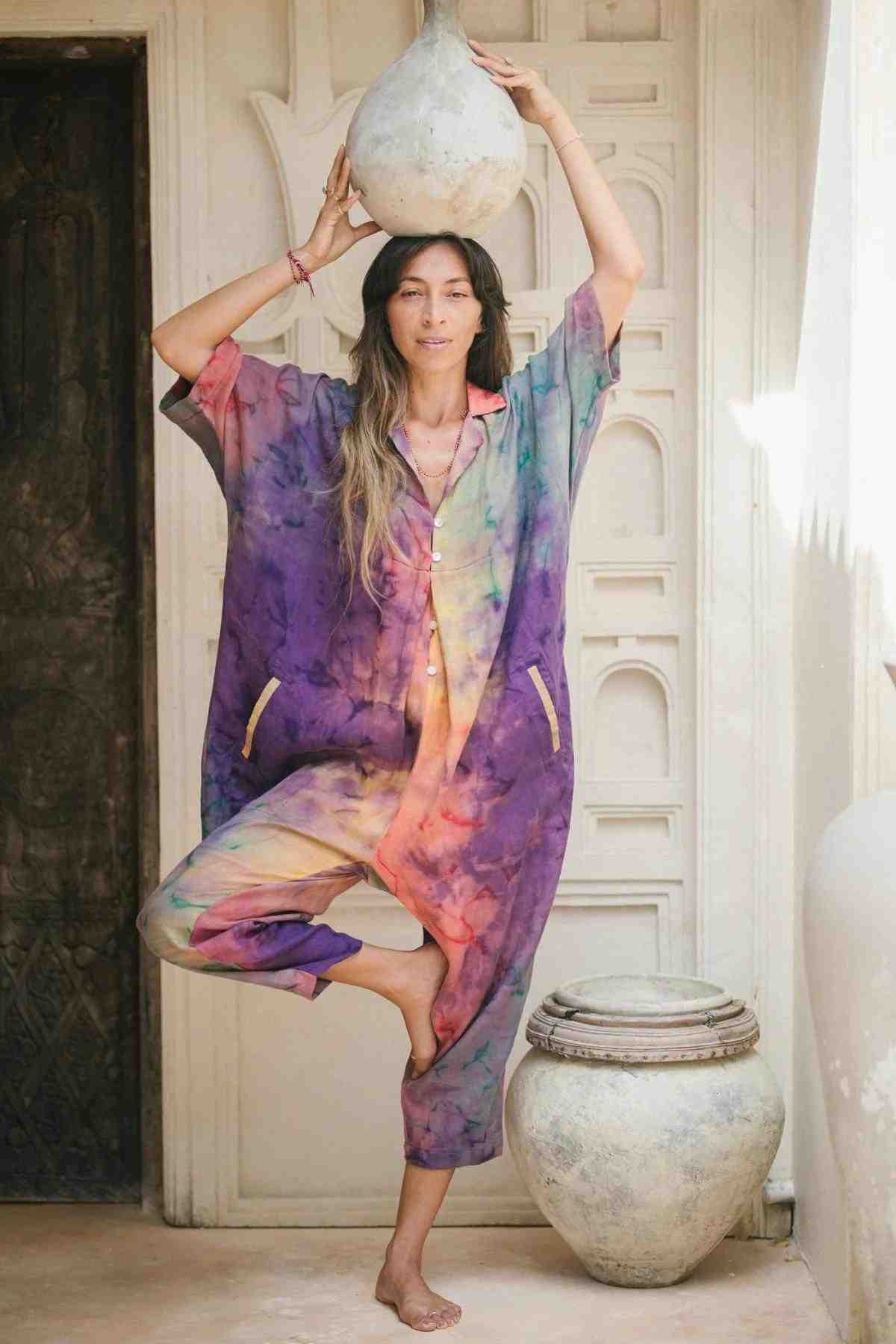
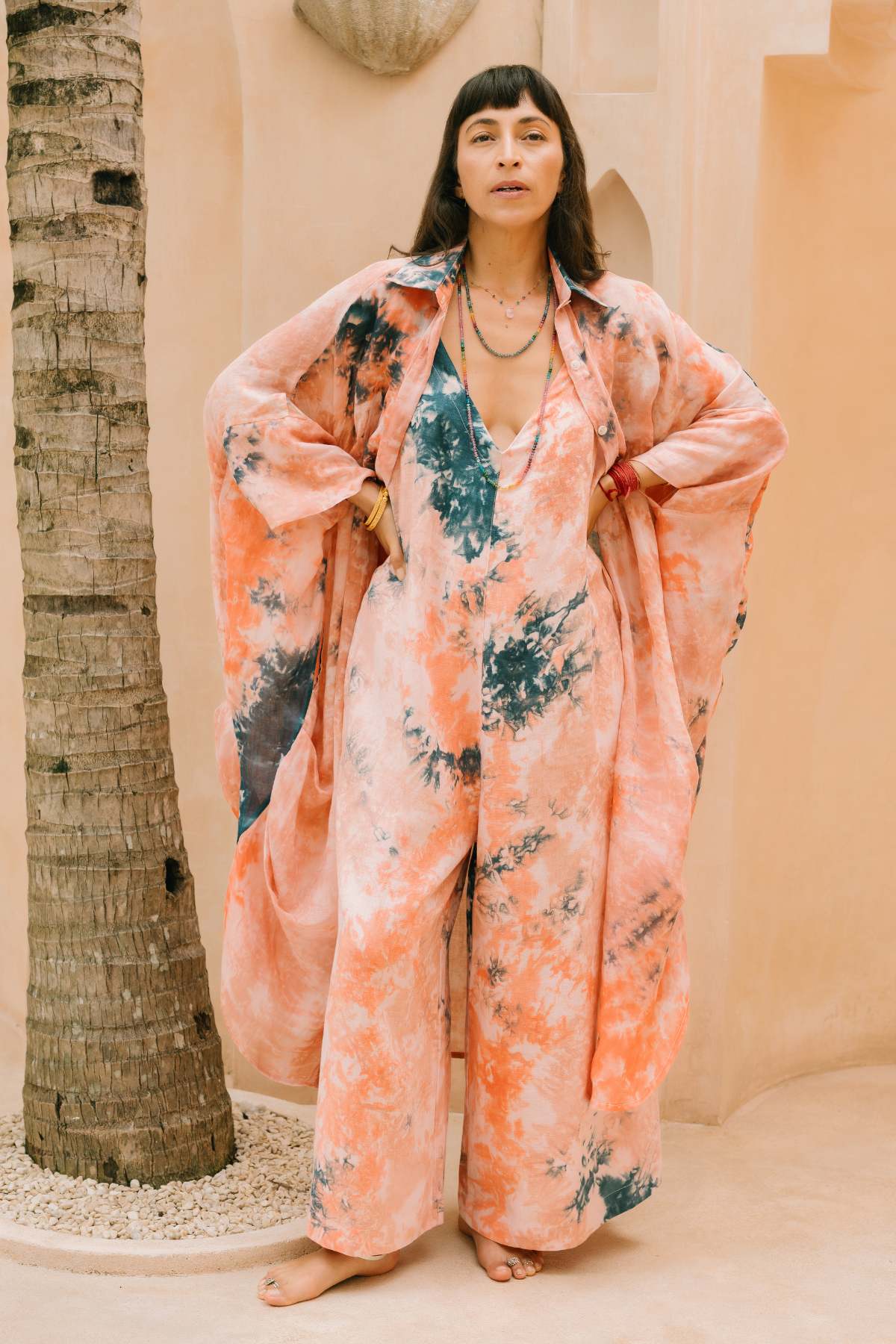
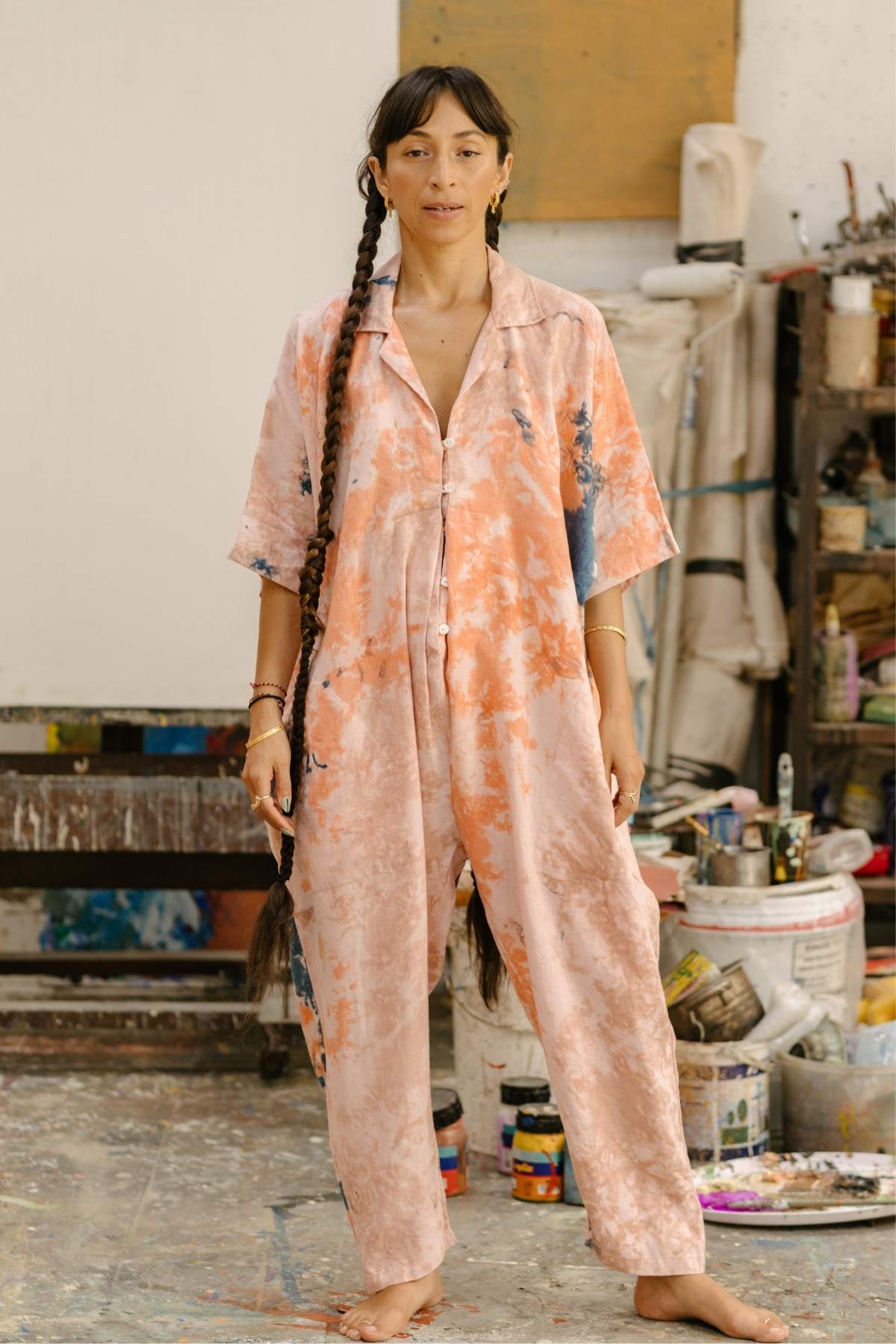
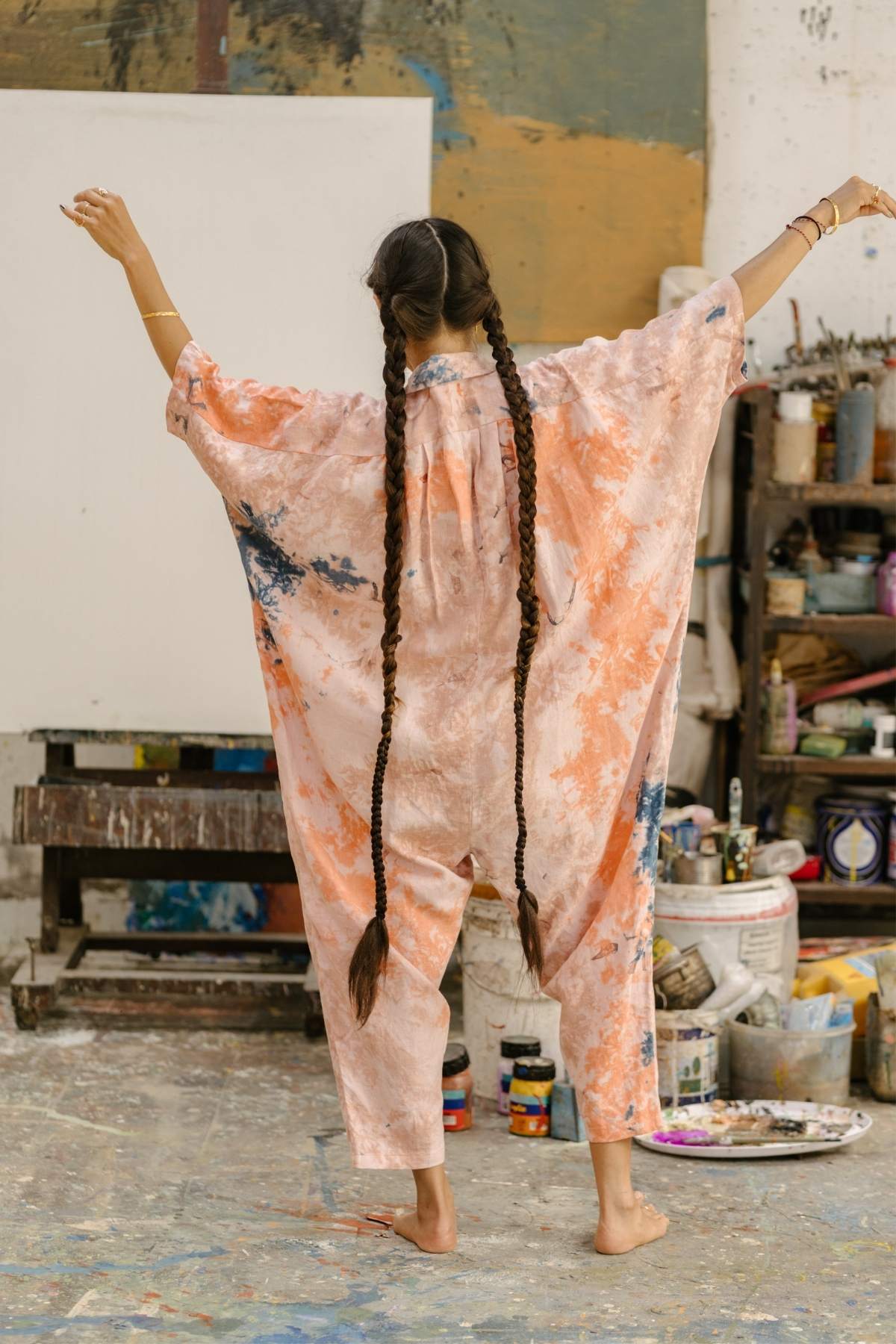
Turmeric botanical dyeing uses the root of the Curcuma longa plant as the dye source. The process takes days. The colour builds slowly in the fabric, which is why it looks so different from anything synthetic. No two pieces dye exactly the same way. The uptake varies with the weave, the water, the ambient temperature, and the hand doing the work. What you receive when you order a botanically dyed piece is one that will never be exactly replicated.
On linen, turmeric produces a warm gold that shifts in different light conditions. Golden in full sun. Amber in shade. Something close to bronze by candlelight. It is one of the oldest natural dyes in Bali and South Asia. The roots of the practice run deeper than fashion as a category.
The Uluwatu Sunset and Golden Sunset dyes in the Botanical Nidra collection take five to seven days to build per piece. We do not rush this. The colour that comes from that time is not available any other way.

Small batch making: what it means in practice
When we say small batch, we mean it in the most literal sense. We do not pre-produce inventory and store it in a warehouse. Most pieces are made to order. When you place an order, the linen is cut. The piece is sewn. It is checked. It is packed. It takes three to six weeks to leave Bali because that is how long making something well actually takes when it is done by hand, in small numbers, by a team that knows the work.
This is uncomfortable for customers who are used to two-day shipping. We understand. We also believe that the experience of waiting for something made specifically for you is different from receiving something that was sitting in a warehouse with a thousand identical pieces. The piece that arrives after five weeks carries a different relationship to the person receiving it. It was made because you asked for it. That is a different kind of object.
Small batch also means that when a piece sells out, it is often gone. We do not restock infinitely. Some pieces return in new colorways. Some do not return at all. The collection is alive in the sense that it changes, grows, and lets things go. This is by design.
What slow fashion actually looks like
Slow fashion, as a practice, is not primarily about the materials. It starts there, but it does not end there. It is about the relationship between the maker and the made thing. Between the person who wears something and the object they are wearing. Between the decision to buy and the understanding of what that decision means.
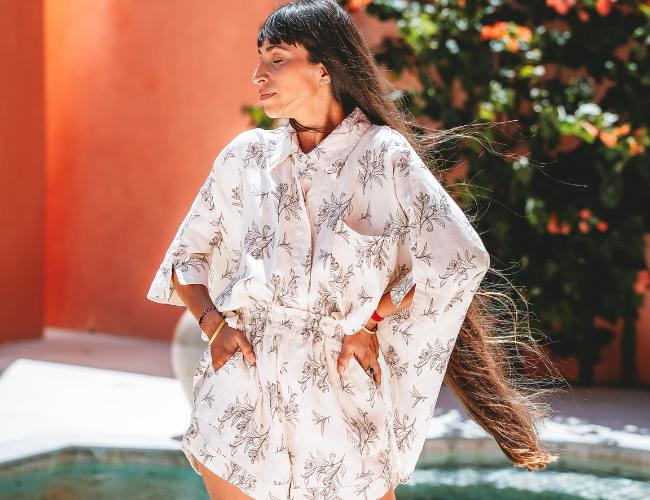
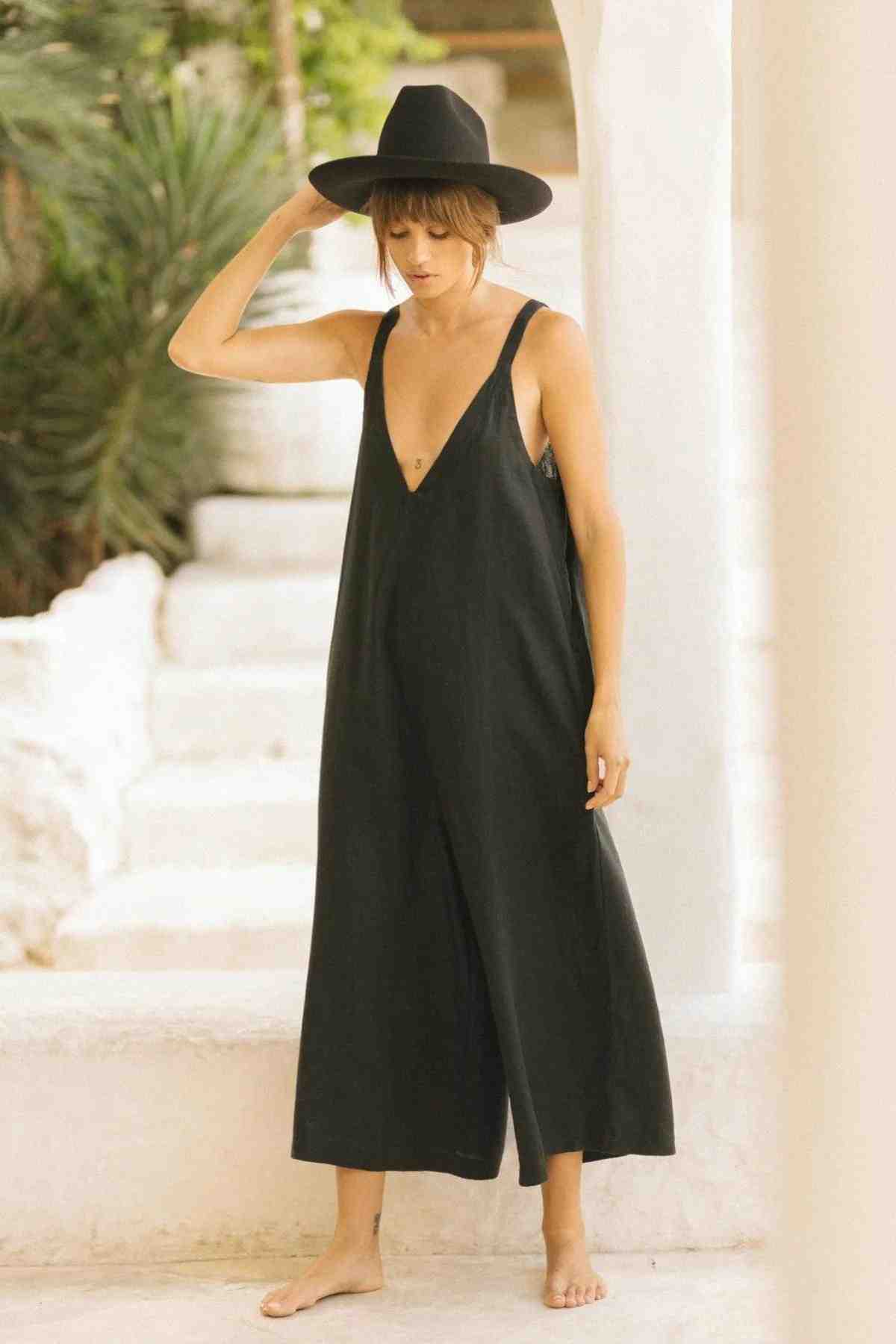
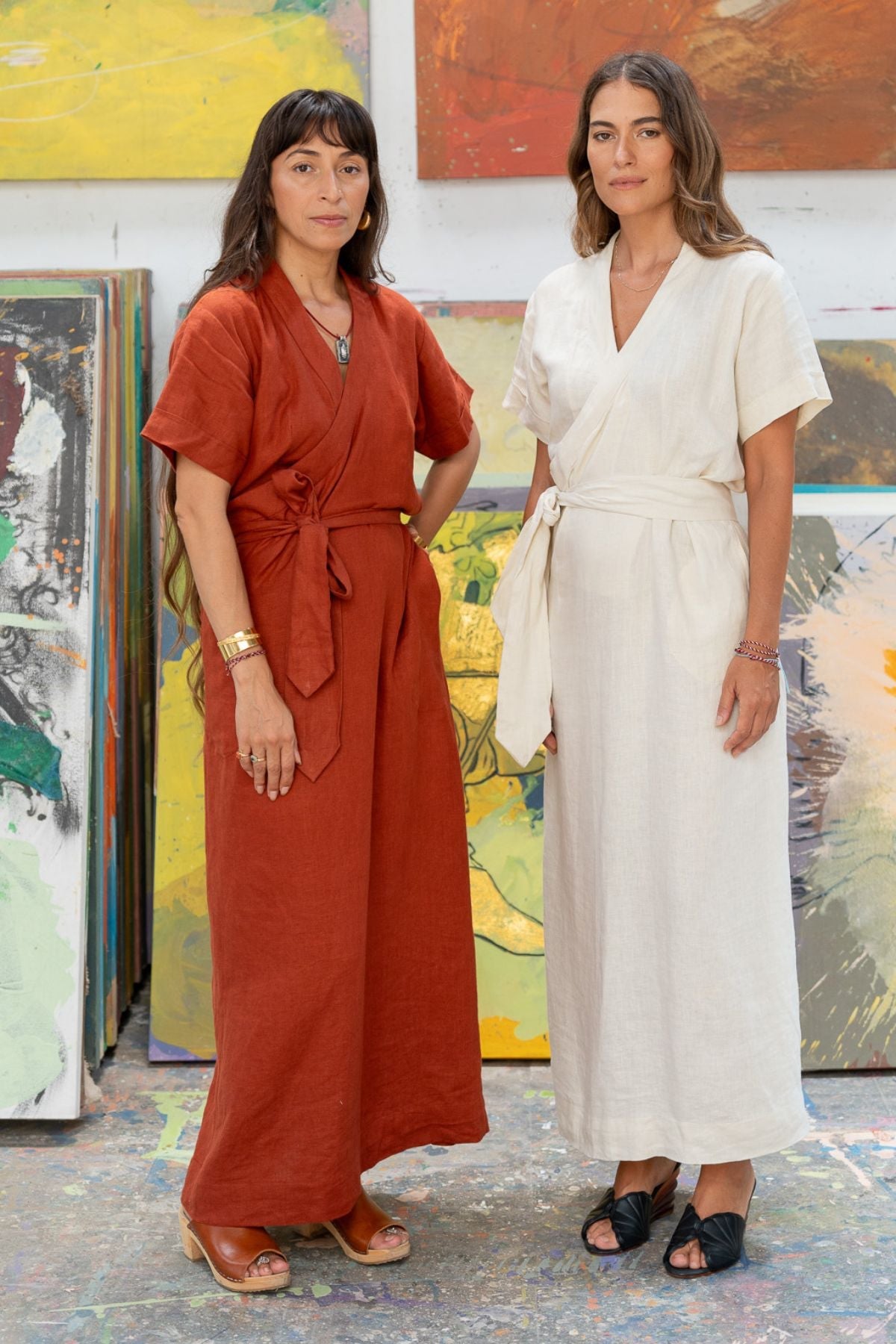
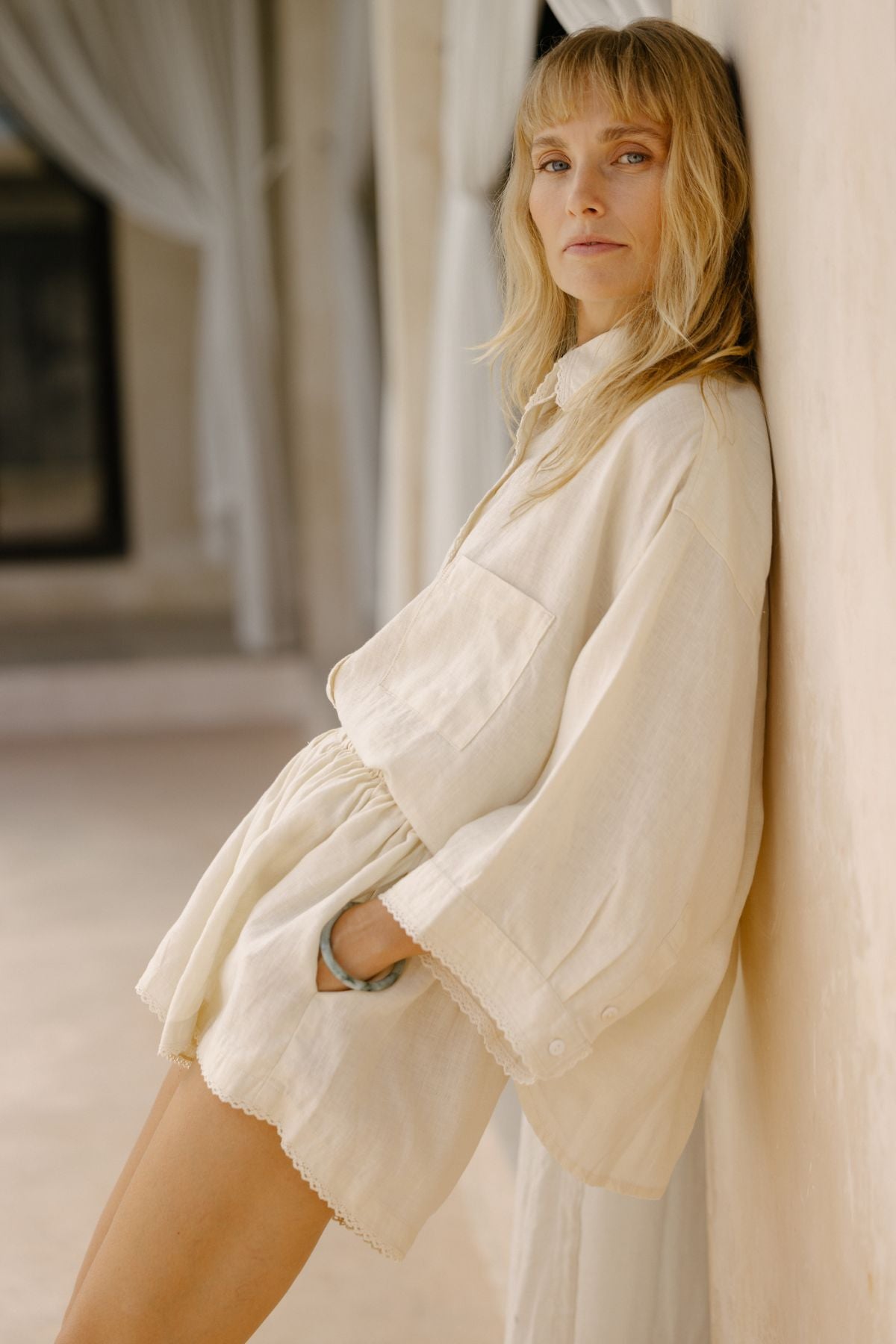
We make garments that are designed to last. Not in the sense that they are constructed to survive wear. In the sense that they are designed to remain desirable beyond the season. The Dharma Gown will be as right in ten years as it is today. The Kuan Yin Playsuit does not reference a trend. It references something older and less temporary than fashion.
Slow fashion means buying less and choosing more deliberately. It means owning four pieces of linen that you reach for every day rather than forty pieces that rotate through your wardrobe and your guilt in equal measure. It means understanding the provenance of what you wear, not as a moral exercise, but because that knowledge changes how you relate to the object.
We are not perfect. No brand is. But these are the questions we keep asking ourselves, and we will keep asking them.

On certifications
We are OEKO-TEX certified on our linen. OEKO-TEX Standard 100 is an independent certification that tests every component of a textile, including threads, buttons, and prints, for harmful substances. It is one of the more rigorous certifications available for fabric, and it applies to the finished garment rather than just the raw material.
Our lighter linen colorways carry European Flax certification, which verifies the traceability of the fibre from field to fabric. This means the linen in those pieces can be traced to its origin in Northern Europe, and that the agricultural practices at origin meet European standards.
We mention these not as marketing claims but as verifiable facts. The certifications exist. They can be checked. We think that matters.
Questions we are often asked
How is Myrah Penaloza different from other linen brands?
A few things distinguish us. We use European Flax linen specifically, which is a higher-quality fibre than linen sourced from other regions. We stonewash before cutting, so the garment arrives already at its softest. We make in small batches in Bali, which means the pieces are handled by people who know the work rather than processed through a high-volume factory. And several pieces in the collection use botanical dyeing, which produces colour that cannot be replicated by synthetic processes. These are not claims. They are the specifics of how we work.
What does made to order mean for shipping times?
Made to order means your piece is cut and sewn after you place your order. Every piece ships three to six weeks after you order. Silk and botanically dyed pieces sit toward the longer end, because the dyeing process itself takes five to seven days before the garment can be constructed. If you have a date in mind, note it in your order or contact us and we will tell you honestly whether the timeline works.
Is Bali a responsible place to make clothing?
This is a fair question and we take it seriously. Bali has a genuine tradition of textile craft, and the women who work in our studio are skilled artisans, not low-wage assembly workers. The decision to make in Bali was not primarily a cost decision. It was a decision about craft, about the relationship between maker and material, and about the kind of objects we wanted to produce. We pay fairly by local and international standards. We work with a small team that has been with the studio for years. We are not a fast fashion brand that outsources to Bali for cost reduction; we are a brand that makes in Bali because this is where the work is done well.
How do you care for botanical-dyed pieces?
Botanical dyes are natural, which means they respond to light and washing differently from synthetic dyes. Wash in cold water, by hand or on a delicate machine cycle. Avoid direct sunlight for extended periods when drying. The colour will develop and deepen slightly over the first several washes, which is the natural behaviour of botanical dye on linen. Do not use bleach or harsh detergents. The piece will change over time; this is appropriate and expected. A botanically dyed piece that has been worn and washed a hundred times carries a history that a new piece does not.
What is the environmental impact of linen compared to cotton?
Linen from European Flax uses significantly less water than conventionally grown cotton. Flax is naturally resistant to most pests, which reduces pesticide use. The entire flax plant is used after harvest, minimising agricultural waste. European Flax specifically is rain-fed rather than irrigated, which makes it one of the lowest-impact natural fibres available. Cotton, particularly conventionally grown cotton, requires large amounts of water and pesticides. The comparison is not close. Linen, and specifically European Flax linen, is among the most environmentally responsible natural fibre options in fashion.
The Myrah Penaloza Collection
European Flax linen. Botanical dyes. Made in Bali, by hand, in small batches. The collection is available online, made to order, and ships worldwide.
Explore the Collection →Made to order. Ships in 3 to 6 weeks.


Leave a comment
This site is protected by hCaptcha and the hCaptcha Privacy Policy and Terms of Service apply.