

Embrace Eco-Chic: Exploring the Latest Natural Fabric Clothing Trends for 2026
Hey everyone! So, 2026 is almost here, and it looks like our closets are getting a serious eco-makeover. We're talking about clothes that feel good on your skin and are good for the planet too. Forget fast fashion; the real style is in natural fabrics. These trends are all about looking great while making choices that matter. Let's check out what's hot in natural fabric clothing trends this year and how you can get in on it.
Key Takeaways
- The demand for sustainable clothing is growing fast, with more people looking for clothes that are kind to the environment.
- Natural fabrics like organic cotton, linen, and hemp are leading the way in 2026 for comfort and eco-friendliness.
- Traditional textiles such as Tussar silk and Kota Doria offer luxurious, ethically made options that support craftsmanship.
- New materials like Tencel and recycled fabrics are making fashion more sustainable by reducing waste and using fewer resources.
- Building a stylish, eco-friendly wardrobe means choosing versatile natural fabrics and supporting brands that are transparent about their practices.
The Rise Of Eco-Conscious Wardrobes
Why Sustainable Ethnic Fashion Matters
The fashion world is changing, and fast. More and more people are thinking about where their clothes come from and how they're made. This is especially true when it comes to ethnic fashion. It's not just about looking good anymore; it's about feeling good about your choices. Sustainable ethnic fashion respects traditional craftsmanship and the environment, offering a way to wear beautiful, culturally rich clothing without harming the planet. It's about preserving heritage while embracing a greener future. Think about it: these garments often carry stories and traditions, and making them sustainably means those stories can continue for generations.
Consumer Trends Driving Sustainable Choices
People are definitely paying more attention these days. We're seeing a big shift towards wanting clothes that are made ethically and with the environment in mind. It’s not just a niche thing anymore; it’s becoming mainstream. Consumers are asking questions, demanding transparency from brands, and actively seeking out options that align with their values. This means looking for natural fabrics, fair labor practices, and brands that are open about their production processes. It’s a powerful movement, and brands are listening.
Here’s what’s really driving this change:
- Increased Awareness: More information is available about the environmental impact of fast fashion.
- Ethical Concerns: People are more aware of labor conditions in the garment industry.
- Desire for Quality: Consumers are moving away from disposable clothing towards pieces that last.
- Health Consciousness: Natural fabrics are often seen as better for the skin.
The idea that you have to sacrifice style for sustainability is really outdated. Today's eco-conscious consumer wants both – fashion-forward designs and a clear conscience. It's about making smart choices that benefit both personal style and the planet.
The Growing Demand For Natural Fabric Clothing Trends
Because of these shifts, there's a huge surge in demand for clothing made from natural fabrics. Forget those synthetic materials that feel plasticky and don't breathe. Everyone's looking for the comfort and breathability of cotton, linen, hemp, and silk. These fabrics not only feel great against the skin but also have a much lower environmental impact. They are biodegradable, renewable, and often require less energy and water to produce compared to their synthetic counterparts. This trend is reshaping the entire fashion landscape, pushing designers and brands to prioritize natural fibers in their collections. You can find these beautiful materials in everything from everyday basics to more elaborate pieces, making it easier than ever to build an eco-friendly wardrobe. Check out some of the amazing eco-conscious fashion brands leading the way.
Key Natural Fabrics Defining 2026 Trends
3
As we look towards 2026, the fashion world is really leaning into fabrics that feel good and do good. It's not just about how clothes look anymore; it's about what they're made of and how they impact our planet. This shift means natural fibers are taking center stage, offering a blend of comfort, style, and sustainability that's hard to beat.
Organic Cotton: A Staple For Comfort And Sustainability
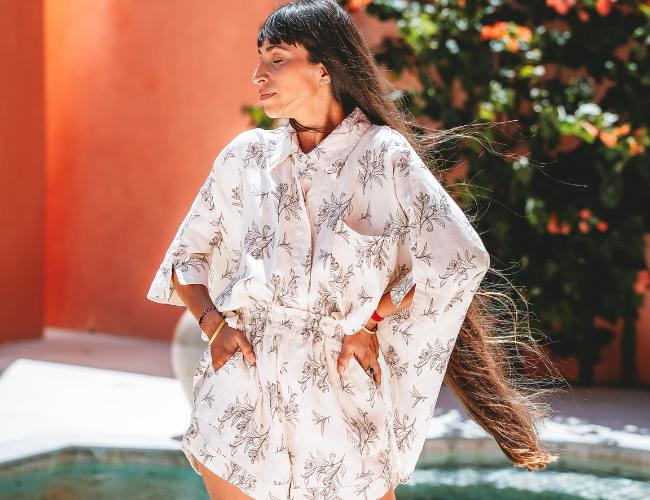
Organic cotton is practically a superhero in the fabric world, and it's only getting more popular. Unlike conventional cotton, it's grown without those harsh synthetic pesticides and fertilizers. This means it's kinder to the soil, the water, and the farmers who grow it. Plus, for us wearing it, that often translates to a softer feel and is less likely to cause skin irritation. For 2026, expect to see organic cotton showing up in everything from your everyday tees and comfy loungewear to more structured pieces like shirts and light jackets. It's the go-to for anyone wanting that classic cotton comfort but with a cleaner conscience.
Linen And Linen-Cotton Blends: Breathable Elegance
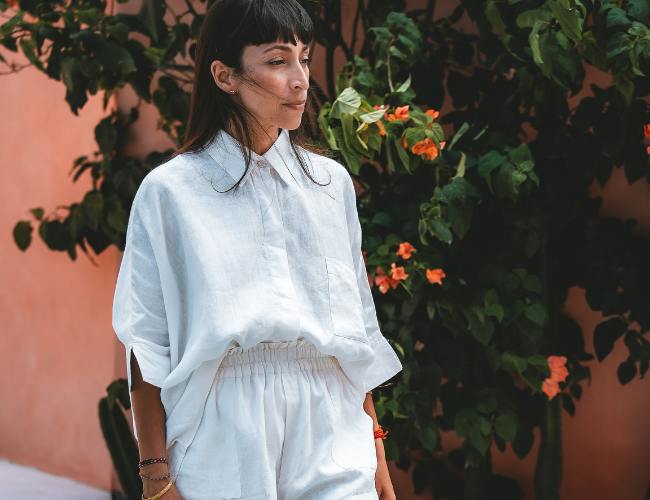
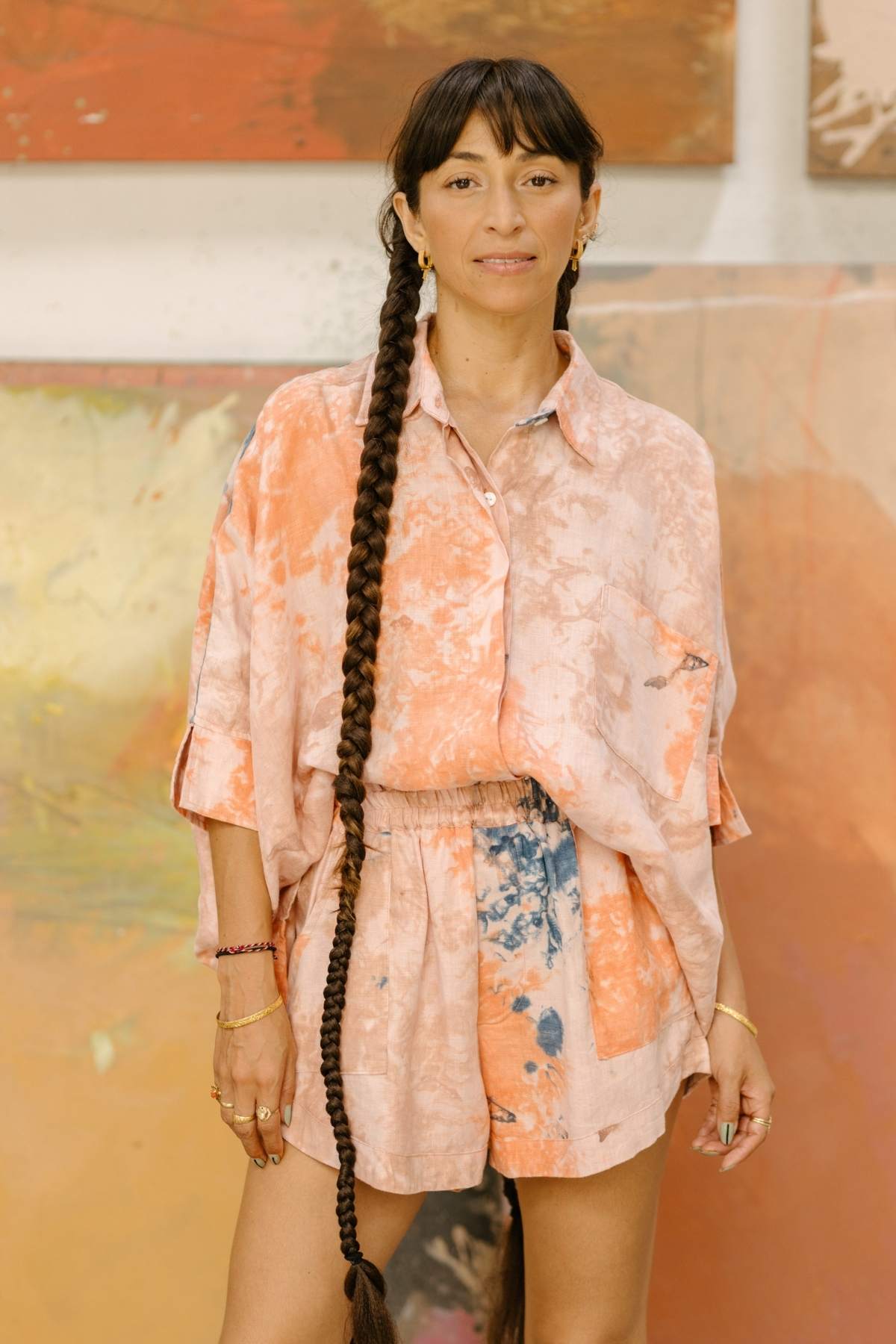
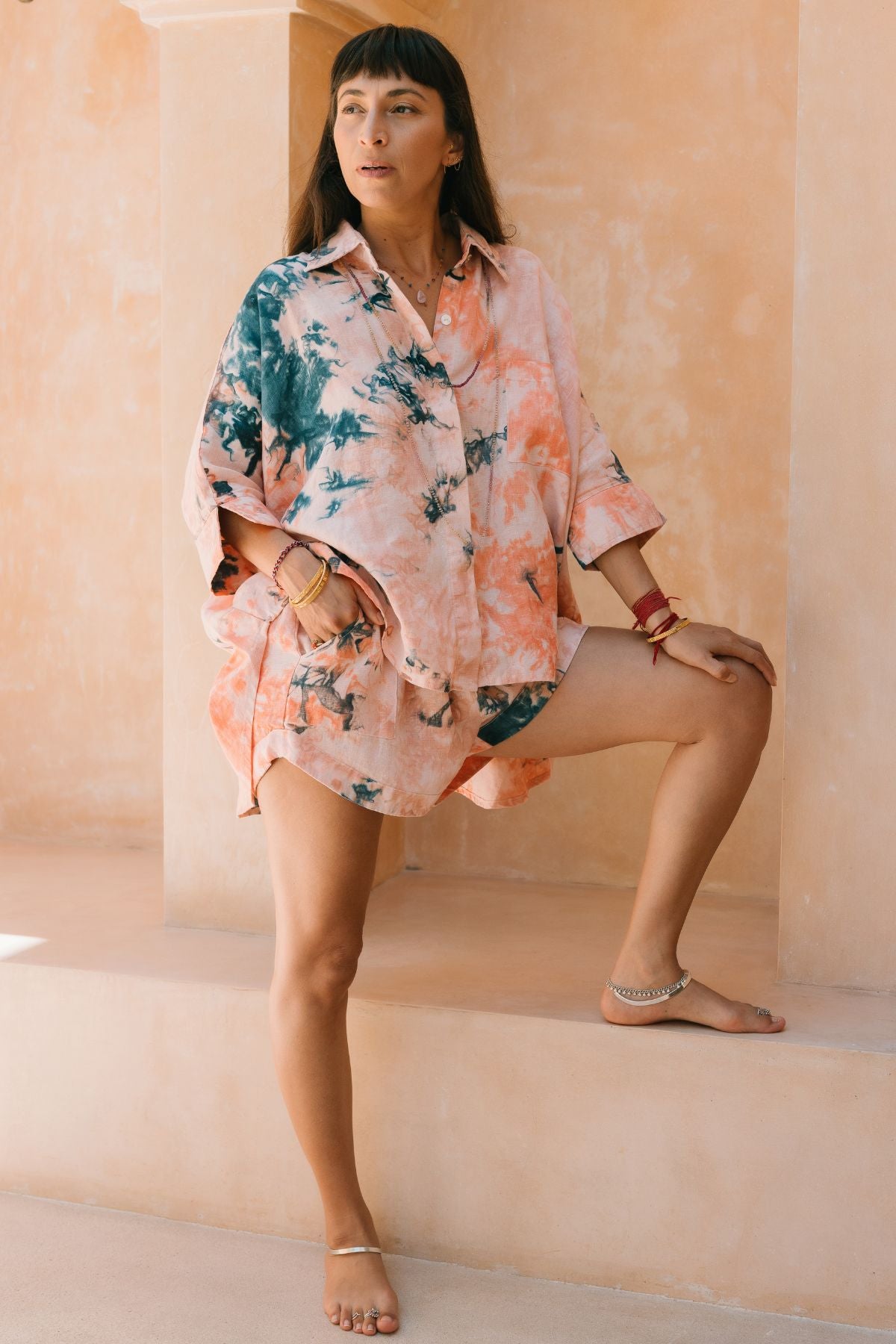
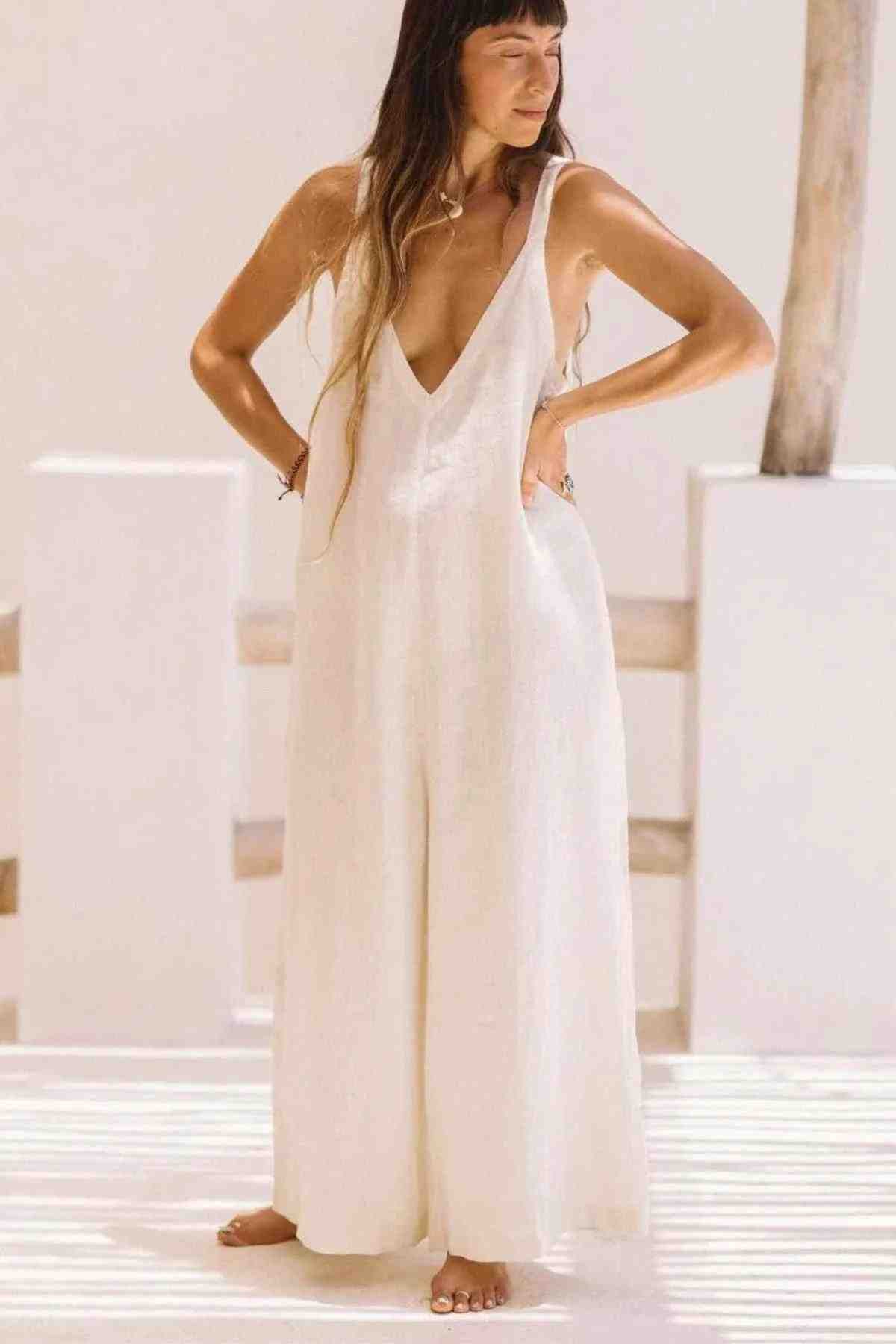
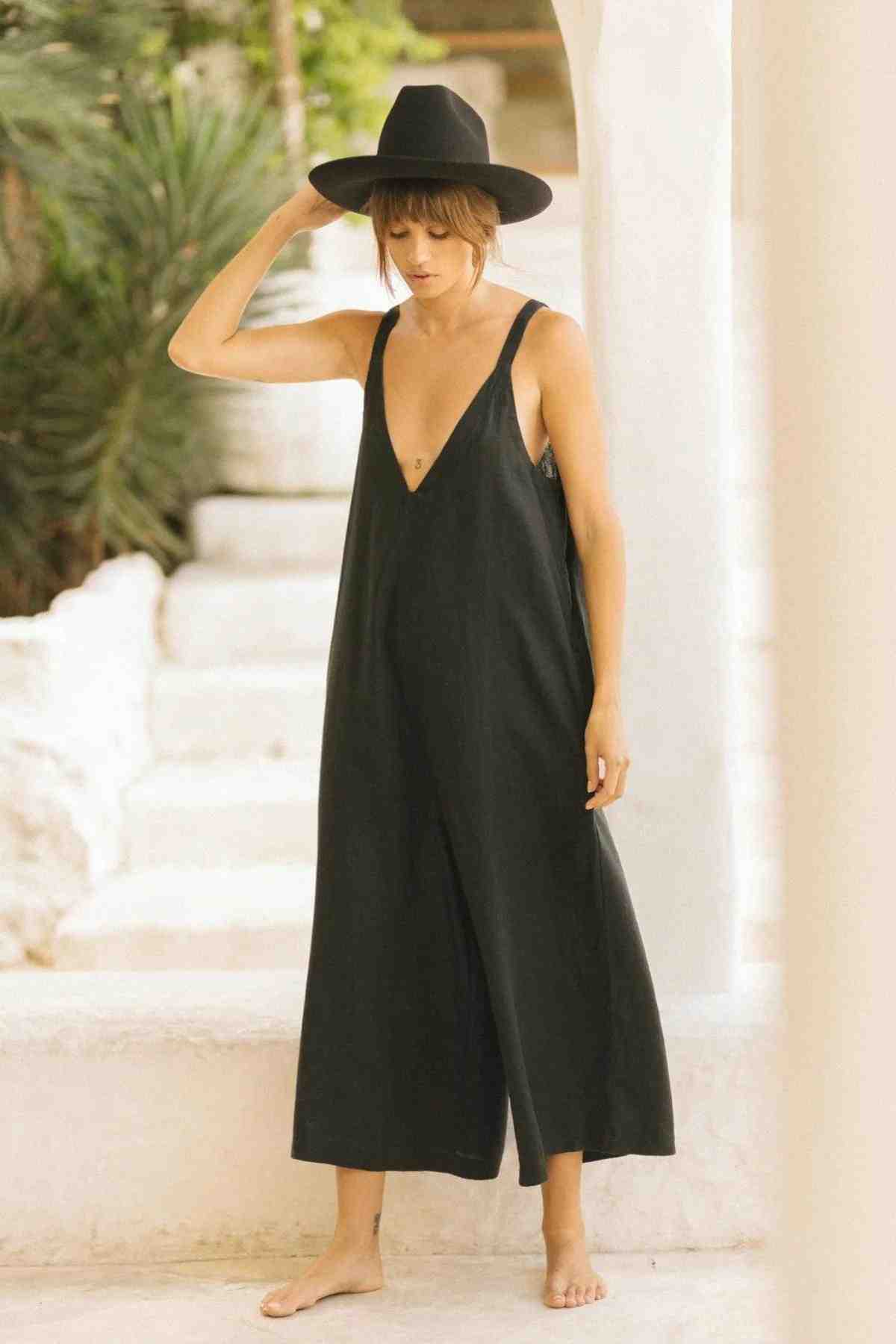
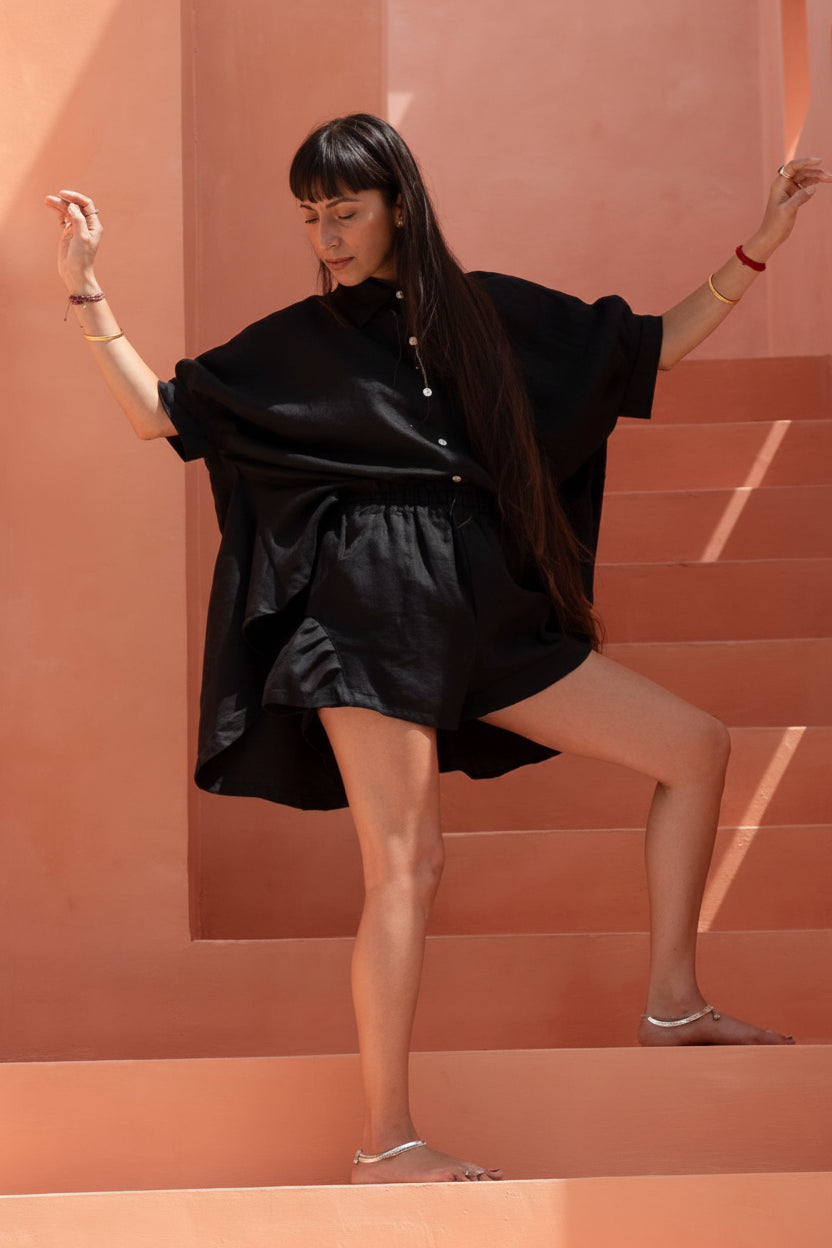
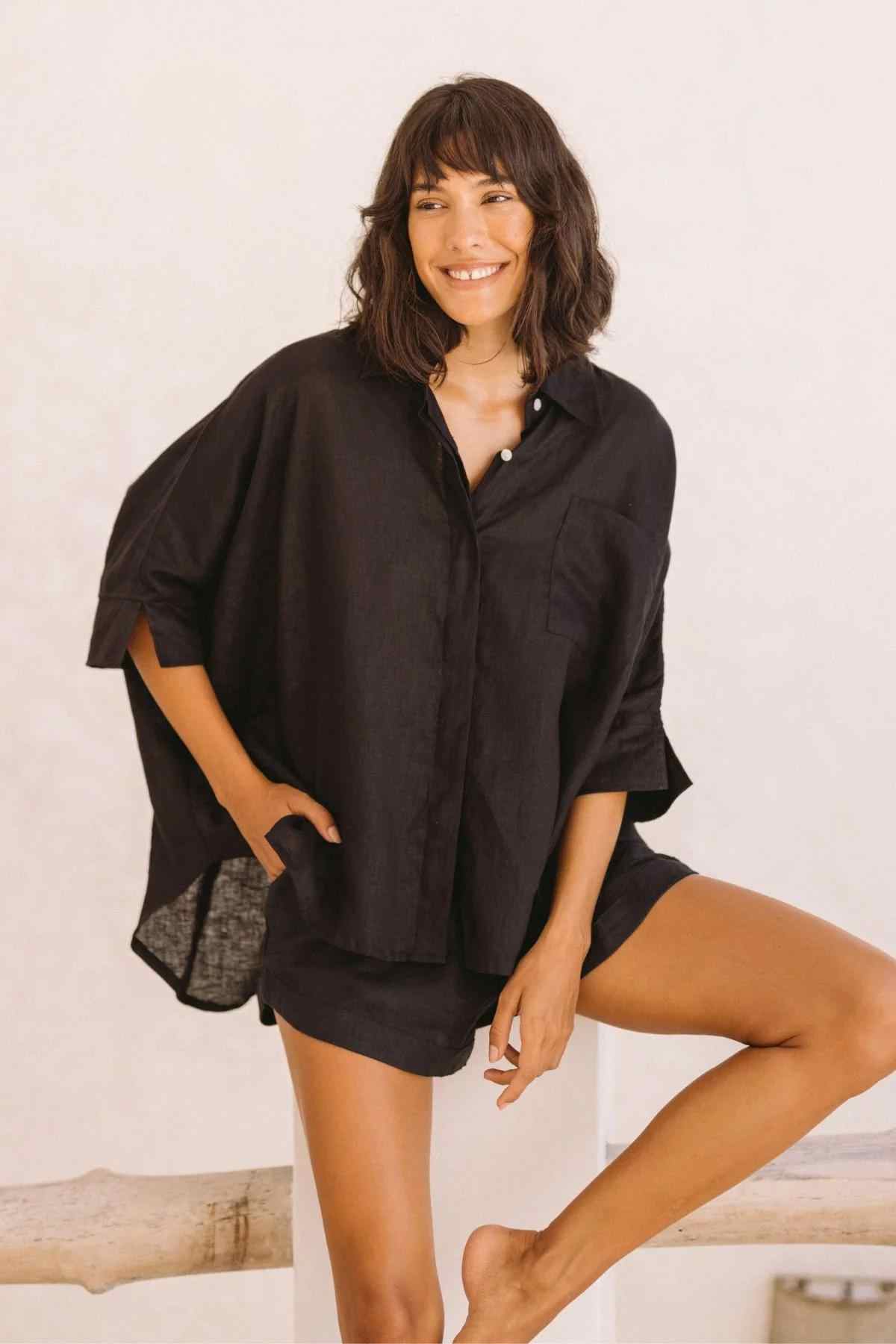
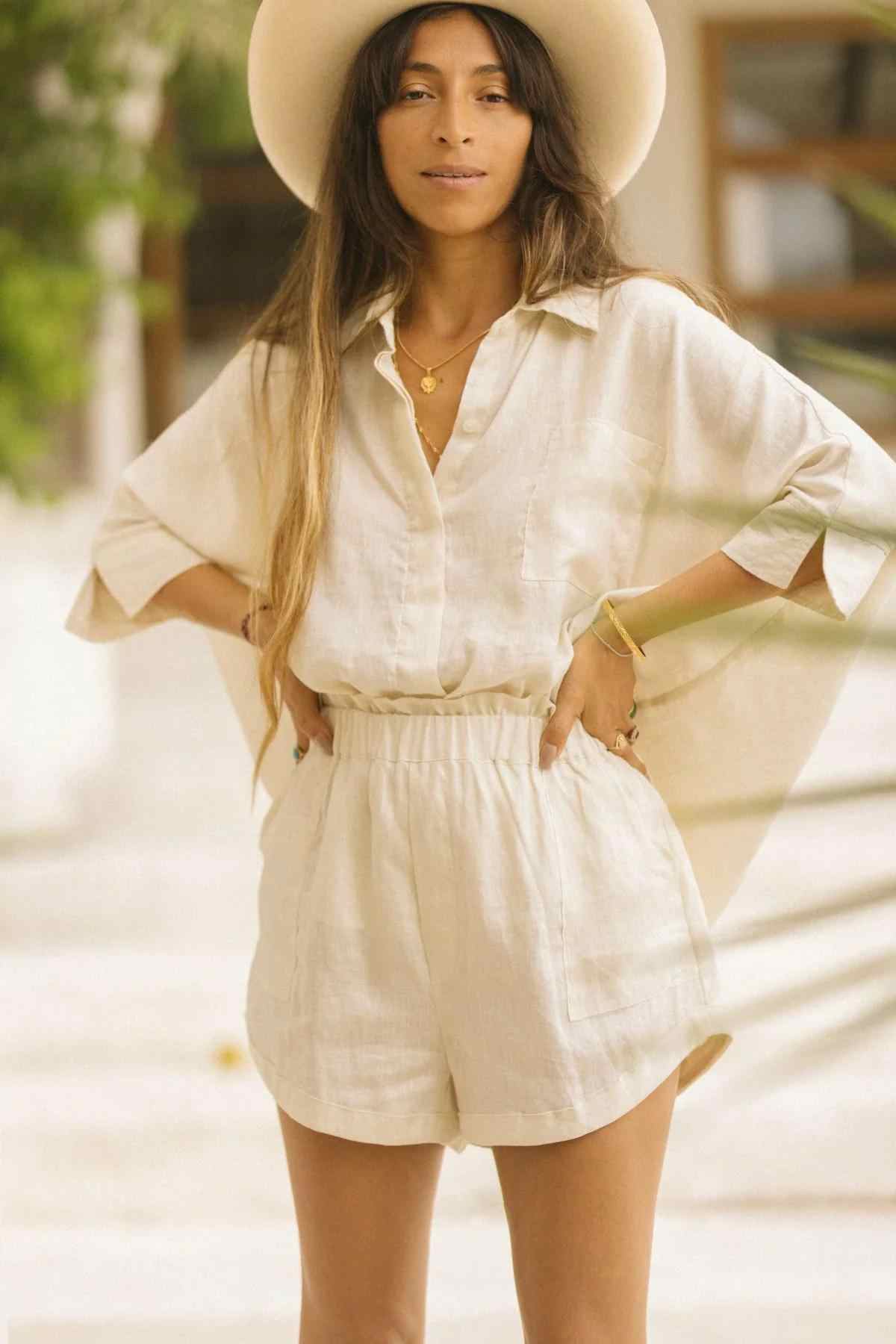
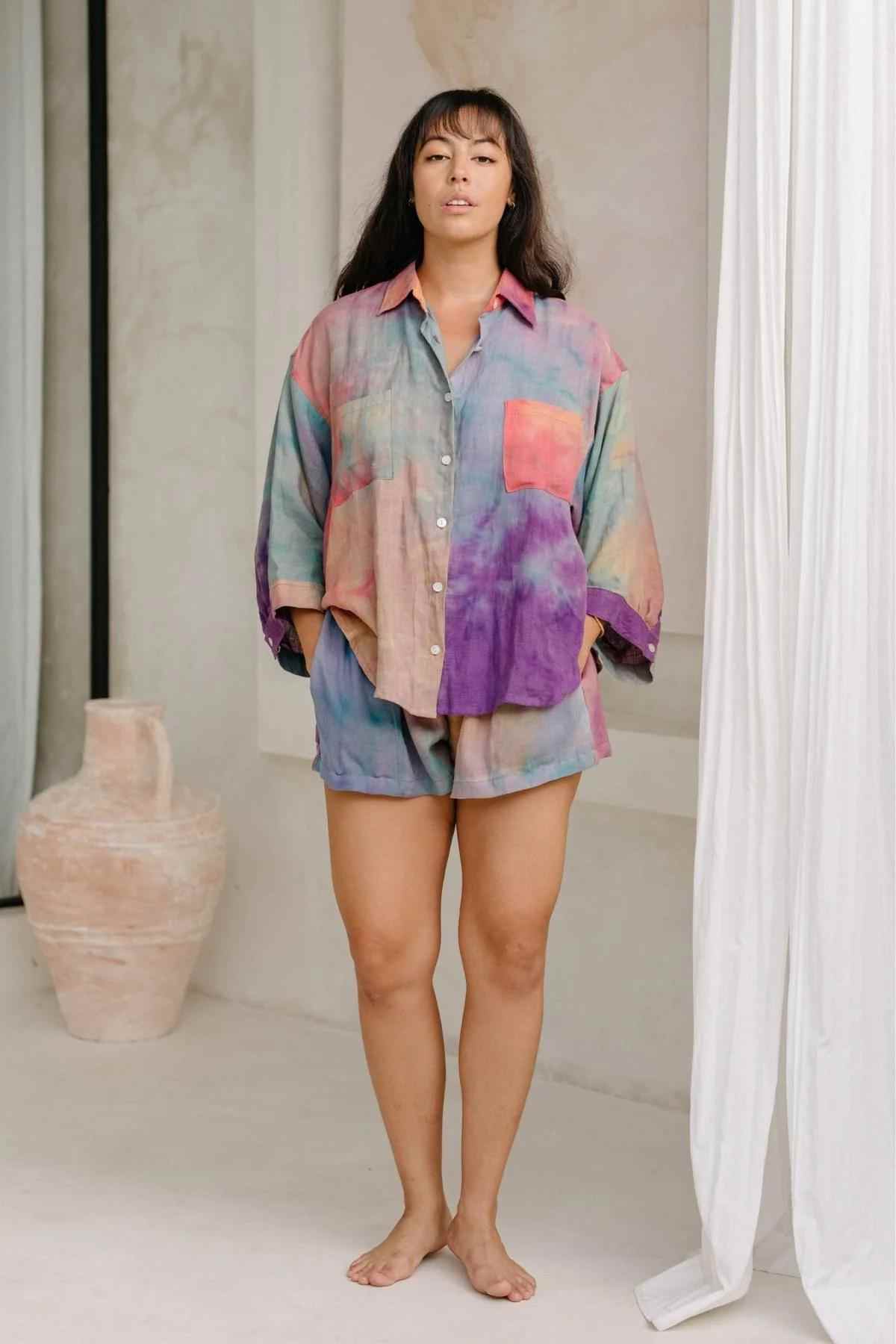
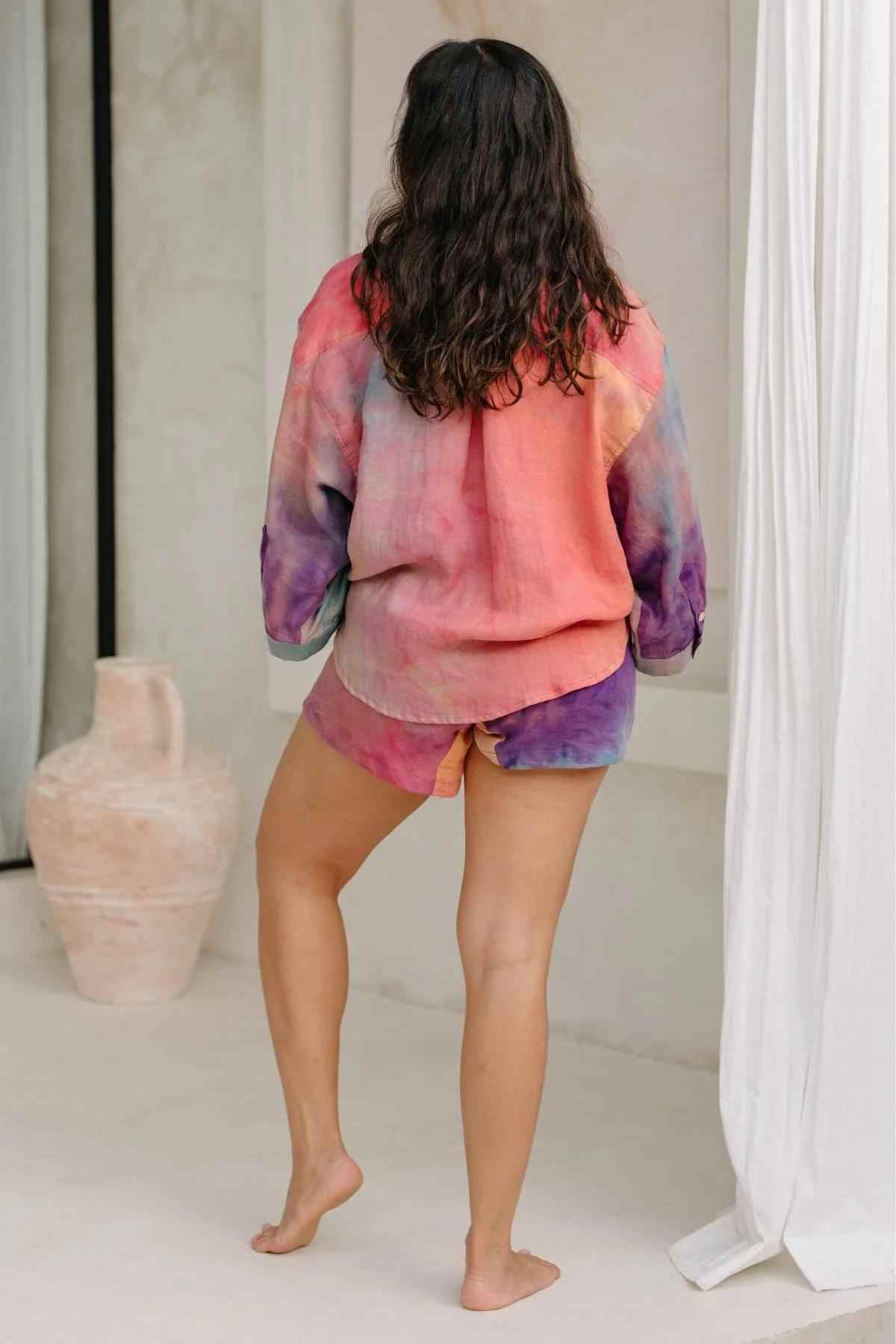
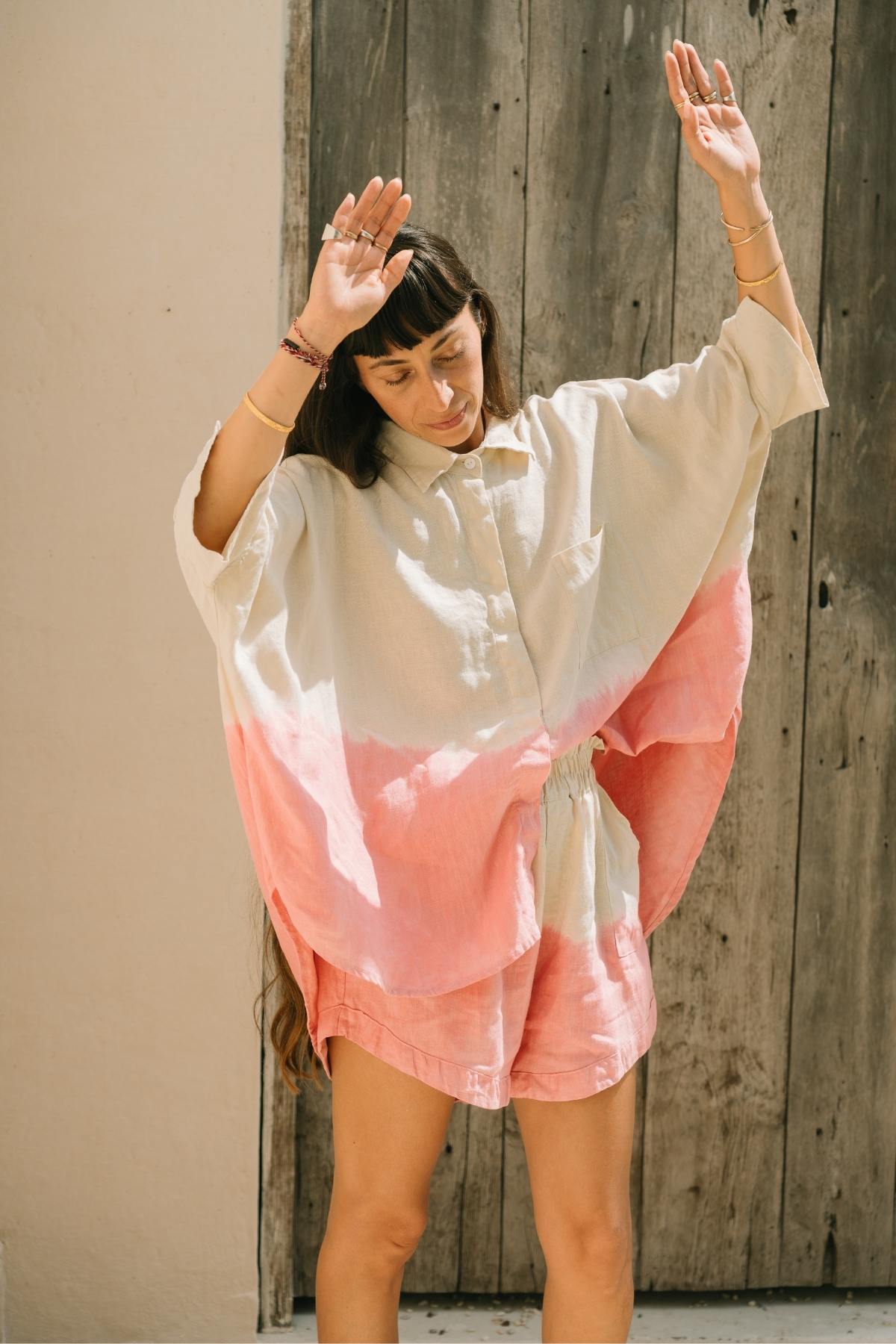
Linen has always had a reputation for being a bit fancy, and that's not changing. Made from the flax plant, it's incredibly strong and gets softer with every wash. Its natural breathability makes it perfect for warmer weather, keeping you cool when things heat up. For 2026, linen is showing up in flowy dresses, relaxed trousers, and chic blouses. Blending linen with cotton is also a smart move. It keeps that lovely linen texture and breathability but adds a bit more softness and makes the fabric less prone to wrinkling – a win-win for looking put-together without a lot of fuss.
Hemp: The Durable And Eco-Friendly Powerhouse
Hemp is the fabric that just keeps giving. It grows quickly, needs very little water, and actually helps improve soil health, making it a truly sustainable choice. Historically, hemp was known for its toughness, and that translates into clothing that's built to last. In 2026, hemp is moving beyond just workwear. Designers are using it for everything from sturdy denim alternatives and casual shirts to more refined pieces. It has a natural texture that adds character, and like linen, it softens beautifully over time. It's a fantastic option for anyone looking for long-lasting, eco-friendly garments that get better with age.
The focus on natural fabrics in 2026 isn't just a fleeting trend; it's a reflection of a deeper desire for connection to nature and a more responsible approach to consumption. These materials offer a tangible way to make more mindful choices in our daily lives, starting with what we wear.
Exploring Luxurious And Traditional Natural Textiles
Tussar Silk And Wild Silks: Ethical Luxury
When we talk about luxury in natural fabrics, Tussar silk and other wild silks really stand out. These aren't your typical farmed silks. They're often harvested in a way that's kinder to the environment and the silkworms, which feels good to know when you're wearing them. The result is a fabric with a beautiful, natural texture and a subtle sheen that just screams elegance. It's perfect for those special occasions, like weddings or festivals, where you want to look and feel amazing. Choosing Tussar silk means you're supporting practices that are better for the planet and helping to keep traditional Indian silk weaving alive.
Kota Doria: Lightweight Handwoven Charm
Kota Doria is something else entirely. It's a handwoven fabric from India, and you can spot it by its unique square-check pattern. It's incredibly lightweight, which makes it super comfortable, especially in warmer weather. Because it's handwoven, it uses way less energy compared to factory-made fabrics. This makes it a really smart choice if you're trying to be more eco-friendly. It's great for sarees, dupattas, or even just a breezy top. It has this airy quality that's just lovely.
Handloom Cotton And Mulmul: Preserving Craftsmanship
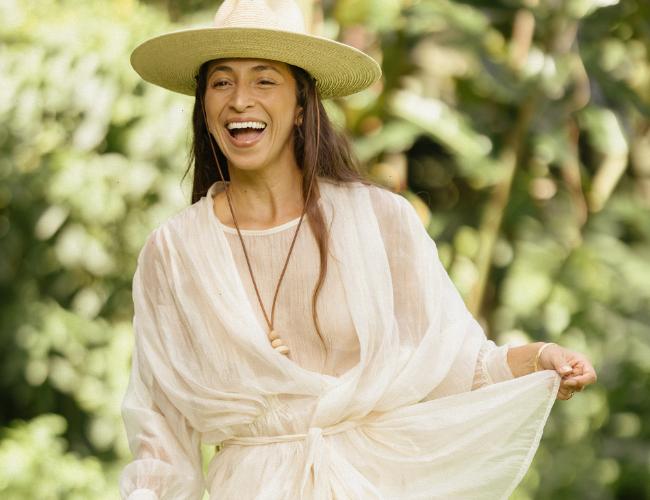
Handloom cotton and mulmul (a type of fine muslin) are all about celebrating traditional craftsmanship. These fabrics are made on handlooms, which means they require skilled artisans and a lot of care. This process not only results in beautiful, high-quality textiles but also supports the livelihoods of weavers. Mulmul, in particular, is known for being incredibly soft and breathable, making it a dream to wear. When you choose handloom, you're not just getting a piece of clothing; you're getting a piece of history and supporting a craft that's been passed down through generations. It’s a way to wear something truly special and unique.
The beauty of these traditional textiles lies not just in their aesthetic appeal but in the story they tell. Each thread, each weave, represents a connection to heritage and a commitment to sustainable practices that have been honed over centuries. Embracing them is a conscious choice to value artistry and environmental responsibility.
Innovations In Sustainable Material Choices

It feels like every week there's something new popping up in the world of eco-friendly fabrics. The fashion industry is really trying to catch up, and honestly, it's pretty exciting to see. We're moving beyond just organic cotton and linen, though those are still great, of course. The focus now is on materials that are not only better for the planet but also feel amazing to wear and look good.
Tencel: Biodegradable and Soft
Okay, so Tencel, also known as Lyocell, is kind of a big deal. It's made from wood pulp, usually from eucalyptus trees that are grown sustainably. The process to turn that wood into fiber uses a closed-loop system, meaning most of the water and solvents are reused. This significantly cuts down on waste and pollution. It's super soft, drapes really nicely, and is surprisingly breathable, making it a fantastic choice for everything from flowy dresses to comfy tees. It feels luxurious without the heavy environmental cost.
Recycled and Upcycled Fabrics: Closing the Loop
This is where things get really interesting. We're talking about taking old clothes, plastic bottles, or even industrial scraps and turning them into new textiles. It's all about giving materials a second life and keeping them out of landfills. Think about old denim being shredded and re-spun into new jeans, or plastic bottles becoming polyester for activewear. It's not just about reducing waste; it's about rethinking our entire consumption cycle. It's a bit like magic, honestly, turning trash into treasure.
Bio-Based Fibers for a Greener Future
Beyond wood pulp and recycled materials, scientists are looking at all sorts of plants and even algae to create new fibers. These bio-based options are often biodegradable and require fewer resources to grow compared to conventional cotton, for example. We're seeing more and more research into materials derived from things like agricultural waste or even seaweed. The goal is to create fabrics that can return to the earth naturally at the end of their life. It's a big step towards a truly circular fashion economy.
The drive for innovation in materials is pushing fashion towards a future where style and sustainability aren't opposing forces, but rather, two sides of the same coin. Consumers are increasingly aware and demanding better options, and thankfully, the industry is starting to respond with genuinely creative solutions.
Integrating Natural Fabrics Into Everyday Style
Versatile Styles for Daily Casual and Urban Commuting
Making natural fabrics a part of your daily life is easier than you might think. Forget the idea that eco-friendly means sacrificing style or practicality. Think about a crisp organic cotton shirt – it’s breathable for those warmer days and looks sharp enough for a casual office or a weekend outing. Linen blends are fantastic for trousers or skirts, offering that cool, airy feel that’s perfect for city commutes, especially as the weather warms up. They wrinkle a bit, sure, but that's part of their charm, a sign of their natural origin. You can easily pair these with a simple, well-made Tencel tee for a look that’s both comfortable and put-together. The key is choosing pieces that work hard for you, transitioning effortlessly from your morning commute to evening plans.
Elevating Ethnic Wear With Sustainable Textiles
Ethnic wear has always had a special place in many wardrobes, and embracing natural fabrics takes it to another level. Imagine a handloom cotton kurta, perhaps with intricate block prints. The texture and slight imperfections of handloom fabrics tell a story of craftsmanship that mass-produced items just can't replicate. For something a bit more special, consider a Tussar silk dupatta or a skirt made from Kota Doria. These fabrics have a natural sheen and drape beautifully, adding a touch of understated luxury. They feel good against the skin and carry a sense of tradition. It’s about appreciating the artistry and the natural beauty of the materials themselves.
Creating a Timeless and Eco-Friendly Wardrobe
Building a wardrobe that lasts and respects the planet involves a shift in how we think about clothing. It’s less about chasing fleeting trends and more about investing in quality pieces made from natural, sustainable materials. Think about classic silhouettes in organic cotton, linen, or hemp that you can wear year after year. These fabrics age gracefully, often becoming softer and more comfortable with time. Instead of buying multiple fast-fashion items, focus on a few well-chosen pieces that can be mixed and matched. This approach not only reduces waste but also cultivates a personal style that feels authentic and enduring.
- Focus on natural fibers: Prioritize cotton, linen, hemp, silk, and Tencel.
- Invest in quality construction: Look for durable seams and finishes that will withstand wear.
- Choose versatile colors and styles: Opt for pieces that can be dressed up or down and suit various occasions.
- Care for your garments: Follow washing instructions to prolong the life of your natural fabrics.
Navigating The World Of Sustainable Fashion
Tips For Choosing Truly Sustainable Ethnic Wear
So, you're ready to fill your closet with some awesome eco-friendly threads, but where do you even start? It can feel a bit overwhelming with all the buzzwords out there. The key is to do a little homework before you buy. Think of it like checking the ingredients on your food – you want to know what you're really getting.
Here are a few pointers to help you pick out the good stuff:
- Look beyond the label: Don't just take a brand's word for it. See if they talk about where their materials come from and how the clothes are made. Do they mention fair wages for the people sewing your clothes? That's a good sign.
- Seek out certifications: Certifications are like a stamp of approval from independent groups. Things like GOTS (Global Organic Textile Standard) for organic fabrics or Fair Trade mean they've met some pretty strict rules.
- Consider the whole picture: Is the brand thinking about the environment from start to finish? This includes how they use water, energy, and what happens to the clothes when you're done with them.
Making smart choices about your clothing can feel like a small step, but when we all do it, it adds up. It's about supporting a better way of doing things in the fashion world.
Identifying And Verifying Ethical Brands
Figuring out if a brand is truly ethical can be tricky. Some companies might say they're green, but it's not always the whole story. We've all heard of 'greenwashing,' right? It's when brands make themselves sound more eco-friendly than they actually are.
Here’s how you can be a savvy shopper:
- Check their website: Most genuinely ethical brands are pretty open about their practices. Look for sections on sustainability, ethics, or their supply chain. Do they share details about their factories and materials?
- Use online resources: There are some great tools out there. Websites and apps like Good On You can give you a quick rating on brands based on their environmental and social impact. The Fashion Transparency Index is another good one to see how open brands are about their operations.
- Ask questions: If you're really curious, don't be afraid to reach out to the brand directly. A company that cares about its ethics will usually be happy to answer your questions.
The Future Of Natural Fabric Clothing Trends
Looking ahead, it's clear that natural fabrics are more than just a passing trend; they're becoming the foundation of a more thoughtful approach to fashion. We're seeing a real shift towards clothes that feel good on our skin and are kinder to the planet. Expect to see even more innovation in how we use materials like organic cotton, linen, and hemp, making them even more accessible and stylish.
- Circular fashion: Brands are getting better at designing clothes that can be reused or recycled, meaning less waste ends up in landfills.
- Material innovation: Scientists and designers are constantly finding new ways to create fabrics from plants and even waste products, opening up a whole new world of eco-friendly options.
- Transparency is key: As consumers, we're demanding more information, and brands are responding by being more open about their production processes. This helps us all make better choices.
It feels like we're moving towards a future where looking good and doing good go hand-in-hand, and honestly, that's a pretty exciting prospect for our wardrobes.
Wrapping It Up: Style That Feels Good
So, as we wrap up our look at the natural fabric trends for 2026, it's pretty clear that looking good and doing good are totally going hand-in-hand. We've seen how materials like organic cotton, linen, and even recycled textiles aren't just better for the planet, they're also making some seriously stylish statements. It’s not about ditching your favorite looks, but about making smarter choices that feel great to wear and even better for the world around us. This year, let's all try to fill our closets with pieces that tell a positive story, one natural fiber at a time.
Frequently Asked Questions
What does "eco-chic" mean in fashion?
Eco-chic means looking stylish and fashionable while also caring about the environment. It's about choosing clothes made in ways that are good for the planet, like using natural fabrics and avoiding harmful chemicals. Think of it as being trendy and responsible at the same time!
Why are natural fabrics like cotton and linen becoming more popular?
Natural fabrics are popular because they are better for the environment. They often need less water and fewer chemicals to grow compared to synthetic materials. Plus, they feel great to wear – they're usually soft, breathable, and comfortable, making them perfect for everyday clothes.
What is the difference between regular cotton and organic cotton?
Regular cotton can be grown using lots of pesticides and water, which can harm the environment. Organic cotton, on the other hand, is grown without these harmful chemicals and usually uses much less water. It's a healthier choice for both you and the planet.
What are some examples of 'ethnic wear' made from sustainable fabrics?
Ethnic wear like kurtas, sarees, and lehengas can be beautifully made from sustainable fabrics. Think of soft organic cotton kurtas for daily wear, elegant linen-blend sarees for special occasions, or even luxurious Tussar silk outfits. These choices blend tradition with eco-friendly practices.
How can I tell if a clothing brand is truly sustainable?
It can be tricky! Look for brands that are open about how their clothes are made. Check if they have certifications like GOTS (for organic textiles) or OEKO-TEX (meaning the fabric is tested for harmful substances). Also, see if they use natural dyes and mention their efforts to reduce waste.
What are 'recycled' or 'upcycled' fabrics?
Recycled fabrics are made from old materials, like plastic bottles or fabric scraps, that are given a new life. Upcycled fabrics are similar, often taking old garments and transforming them into something new and stylish. This helps reduce waste that would otherwise end up in landfills.




Leave a comment
This site is protected by hCaptcha and the hCaptcha Privacy Policy and Terms of Service apply.