
Botanical Dye Clothing: What Natural Dyeing Is and Why It Matters
Color, before it became a fashion decision, was a spiritual one.
Across every ancient textile tradition, the process of dyeing cloth was understood as something more than pigment applied to fiber. It was alchemy. The plant was summoned. The dye bath was prepared with intention. The cloth was submerged and transformed. What emerged was not just colored. It was changed.

Botanical dyeing, the practice of extracting color from plants, roots, bark, flowers, and minerals to dye natural textiles, is one of the oldest crafts on earth. It is also one of the most honest things a garment can carry. When you wear botanically dyed clothing, you are wearing something that came from the ground. Something that will, eventually, return to it.
What Is Botanical Dyeing and How Does It Work
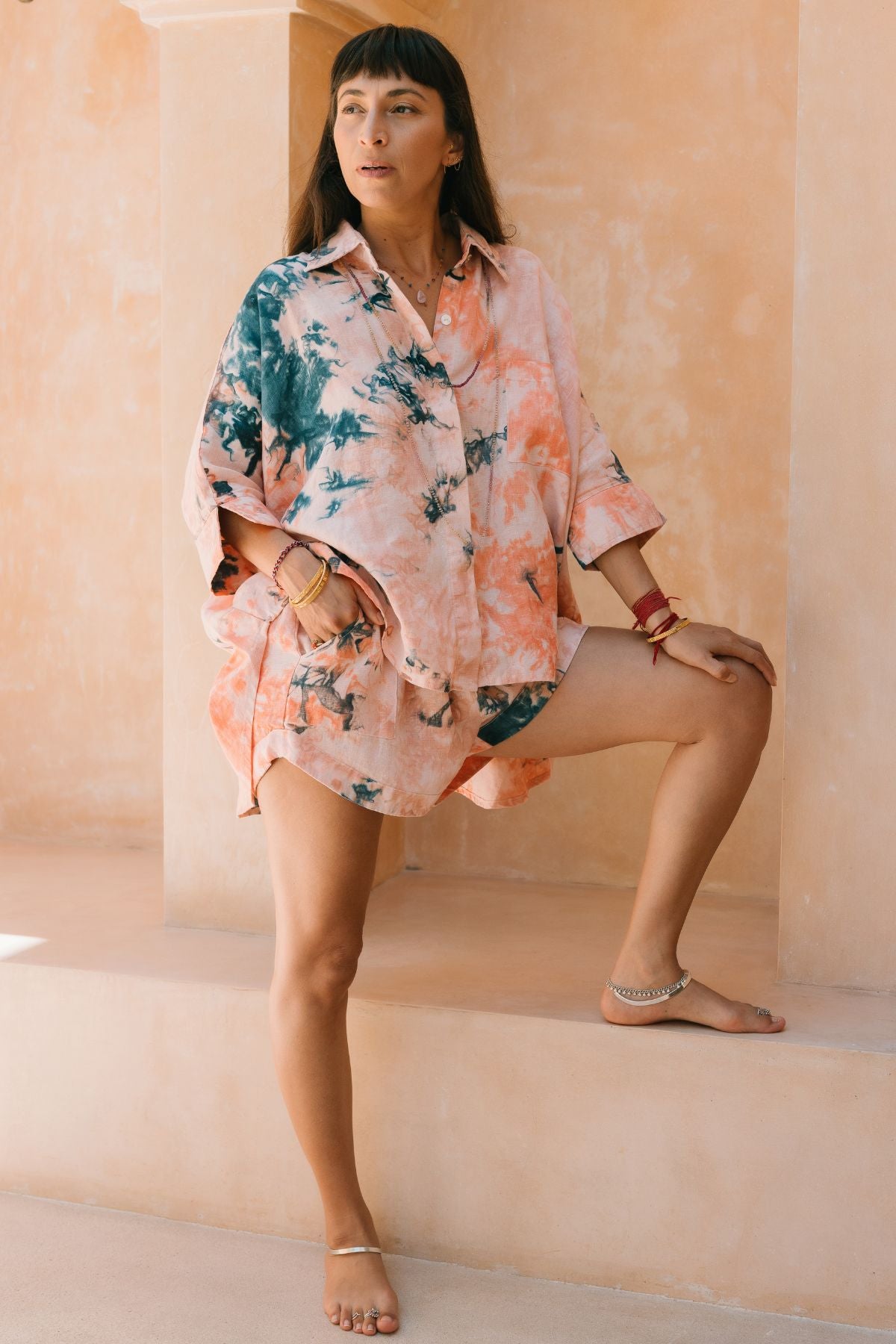
Botanical dyeing, sometimes called natural dyeing, is the process of coloring fiber or cloth using pigments extracted from natural sources rather than synthetic chemicals. The dye sources are as varied as the plant world itself: turmeric for warm golden yellows, indigo for the full range of blues from sky to midnight, madder root for terracotta and rust and rose, pomegranate rind for soft ochres, tannin-rich bark and leaves for the warm neutrals that have no synthetic equivalent.
The process begins with the mordant, a mineral compound that helps the dye bond to the fiber and determines how the color develops and how long it lasts. Different mordants produce different results from the same dye bath. Alum gives clarity and brightness. Iron deepens and saddens color, pulling it toward shadow. Copper shifts it toward green. The mordant is not a technical afterthought. It is a creative decision.
The fiber is then immersed in the dye bath, sometimes for hours, sometimes overnight. Temperature, time, the chemistry of the water, the condition of the plant material, all of these variables influence the final color. This is why no two batches of botanically dyed cloth are ever exactly the same. The process is controlled but it is not mechanical. It responds to conditions. It is, in the deepest sense, alive.
Why Botanical Dye Clothing Is Different From Synthetic
The synthetic dye industry emerged in the mid-nineteenth century and within decades had displaced most of the world's natural dyeing traditions. Synthetic dyes are cheaper, faster, more consistent, and available in any color imaginable. From a manufacturing perspective, they make perfect sense.
From almost every other perspective, they are a problem.
Synthetic dyes are among the most significant sources of water pollution in the fashion industry. The wastewater from synthetic dyeing operations in major textile manufacturing countries has contaminated rivers and groundwater on a scale that is only now being fully documented. The chemicals involved are not benign. Many are carcinogenic. The communities living downstream from large-scale synthetic dyeing operations carry the cost of the industry's convenience.
Botanical dyes do not carry this cost. The process uses plant material, water, and mineral mordants. The wastewater, while not entirely inert, is categorically different from synthetic dye effluent. It does not persist in water systems in the same way. It does not accumulate in the food chain. And the plant material itself, the spent dye bath, can often be composted or returned to the earth.
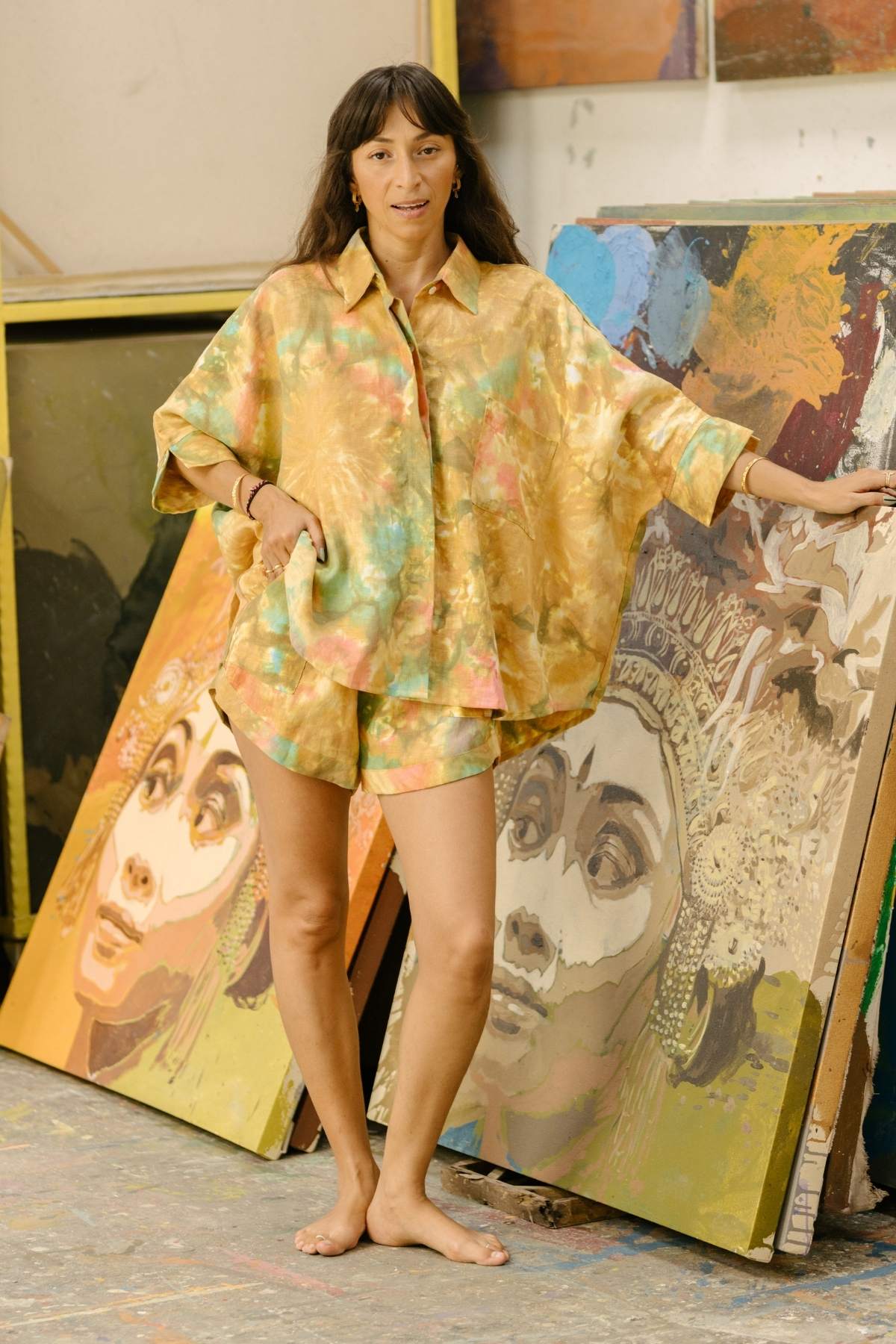
There is also what botanical dyeing gives that synthetic cannot replicate: depth. The quality of color achieved through botanical dyeing has a warmth and complexity that synthetic color, for all its precision, simply does not produce. Botanically dyed cloth looks different in different light. It ages differently. It fades in ways that are beautiful rather than simply diminished. A botanically dyed linen garment worn for years develops a patina that is uniquely its own.
Rainbeau: Our Signature Botanical Colorway
At Myrah Penaloza, botanical dyeing is not a finishing technique. It is one of the foundations of how we work.
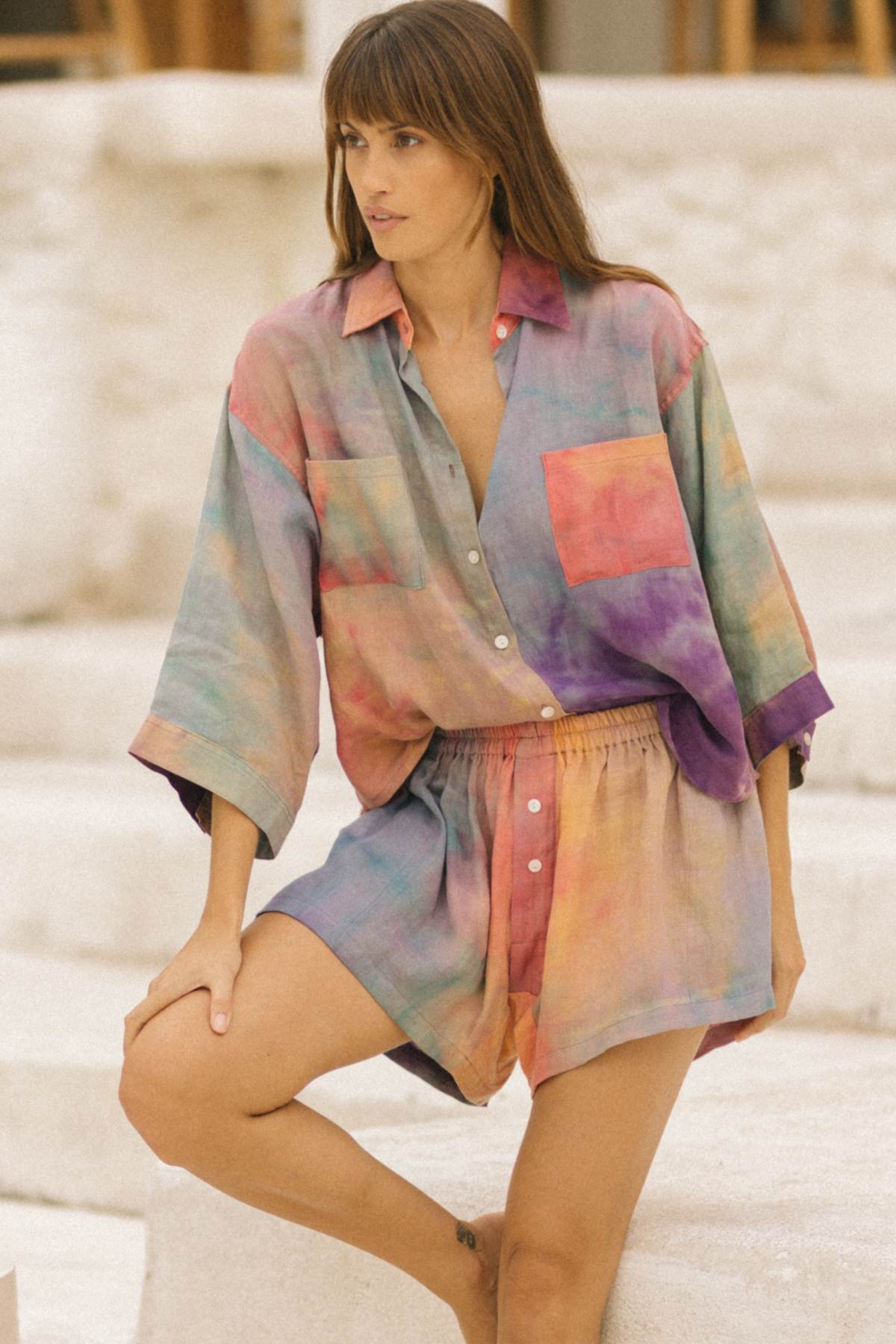
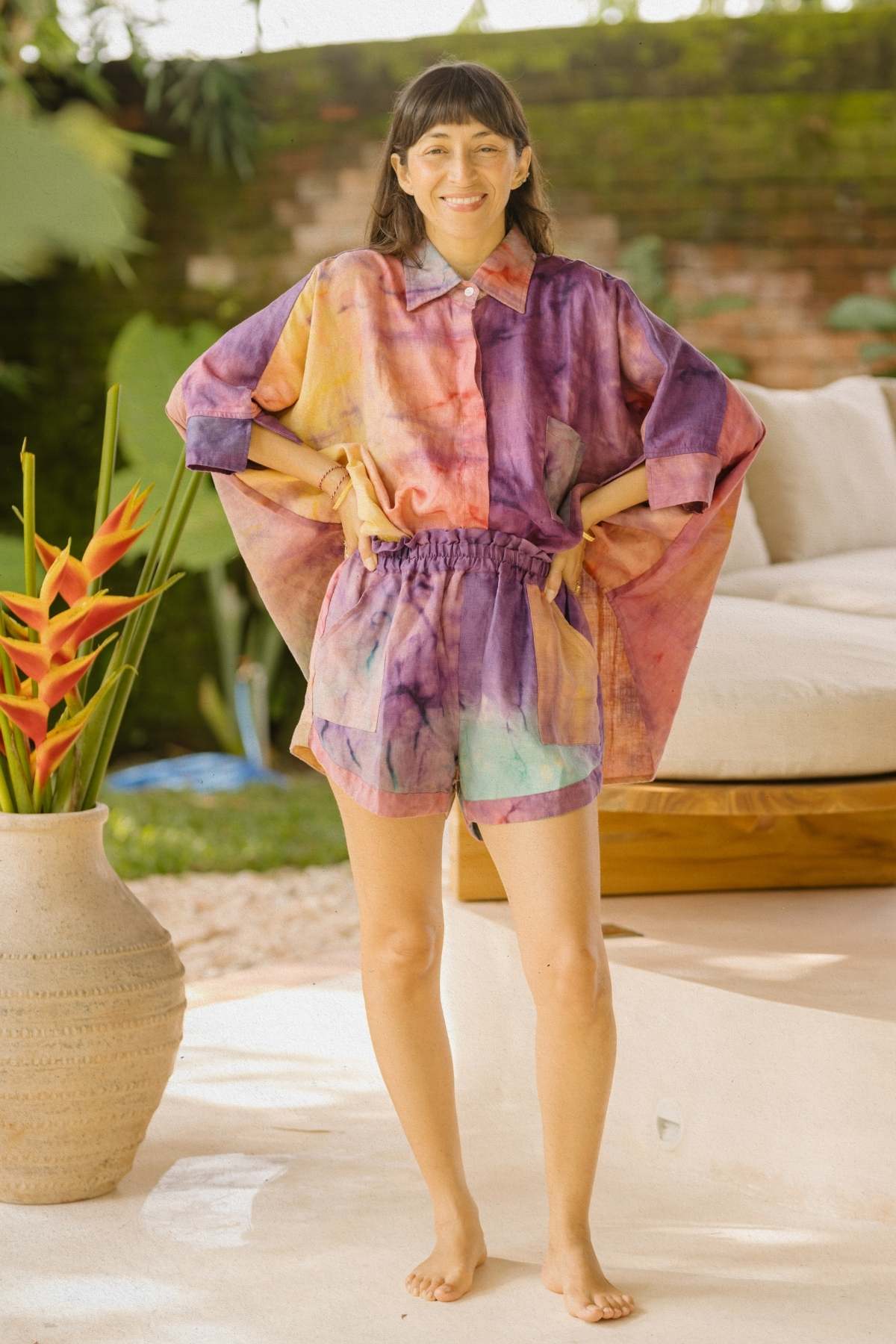
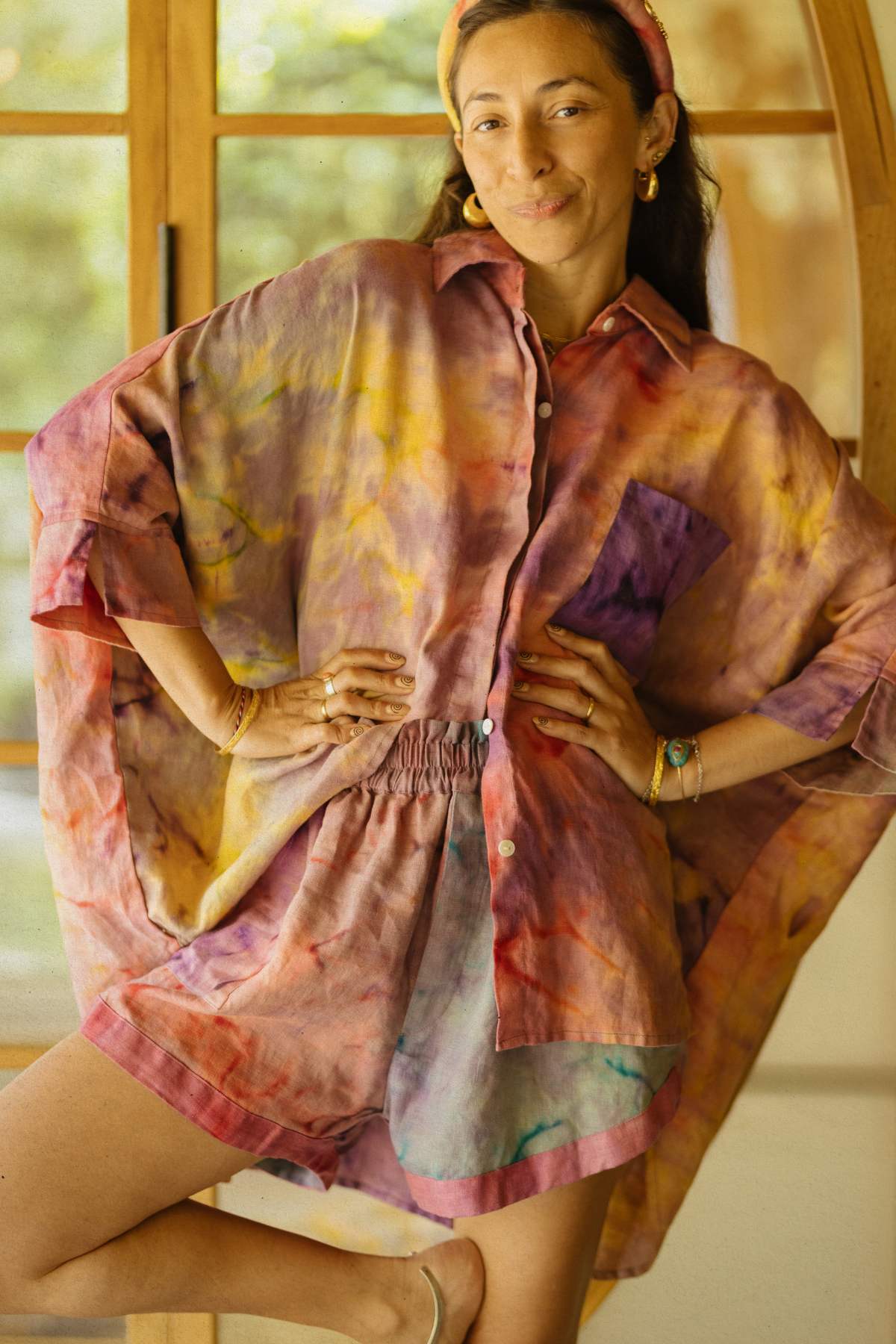
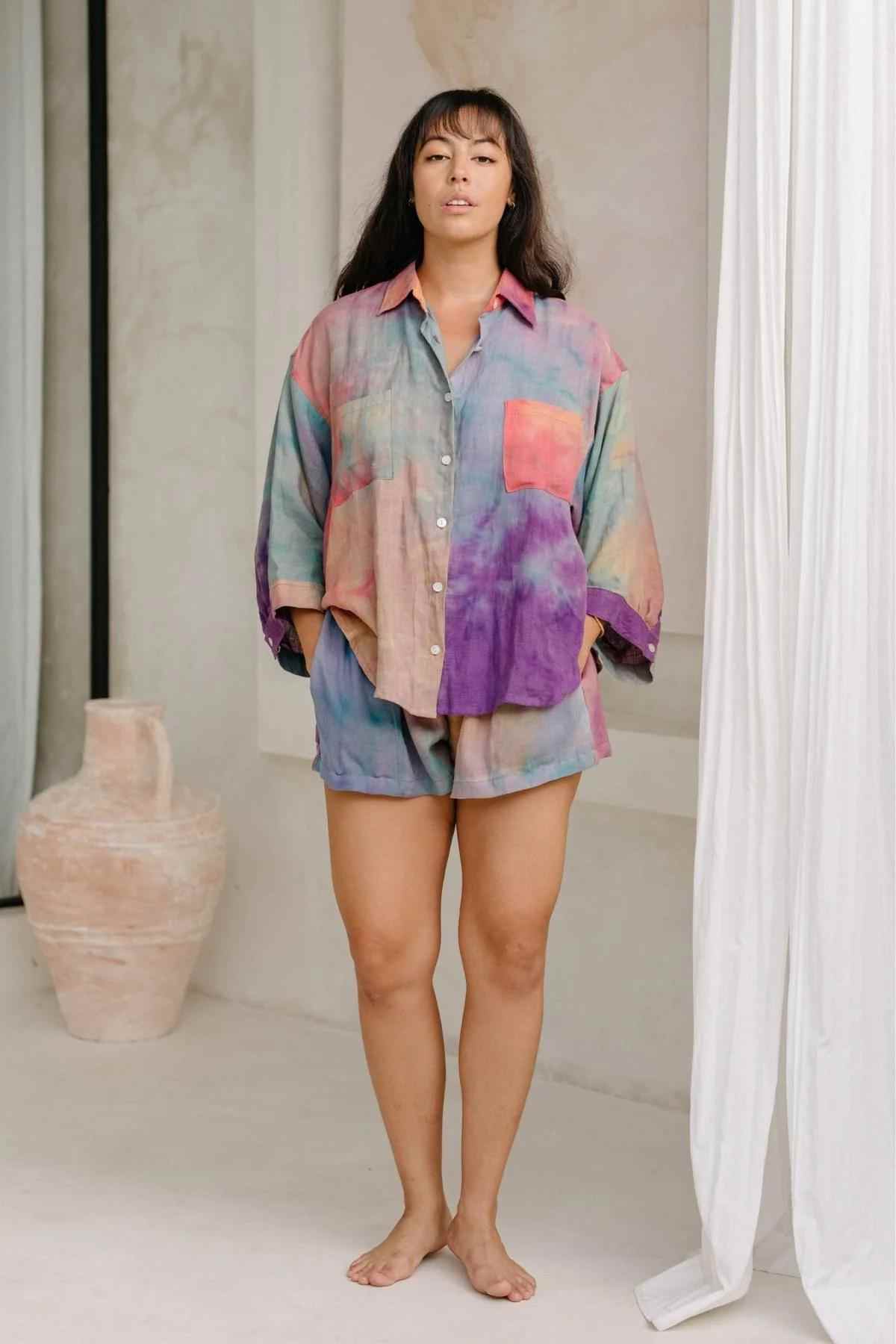
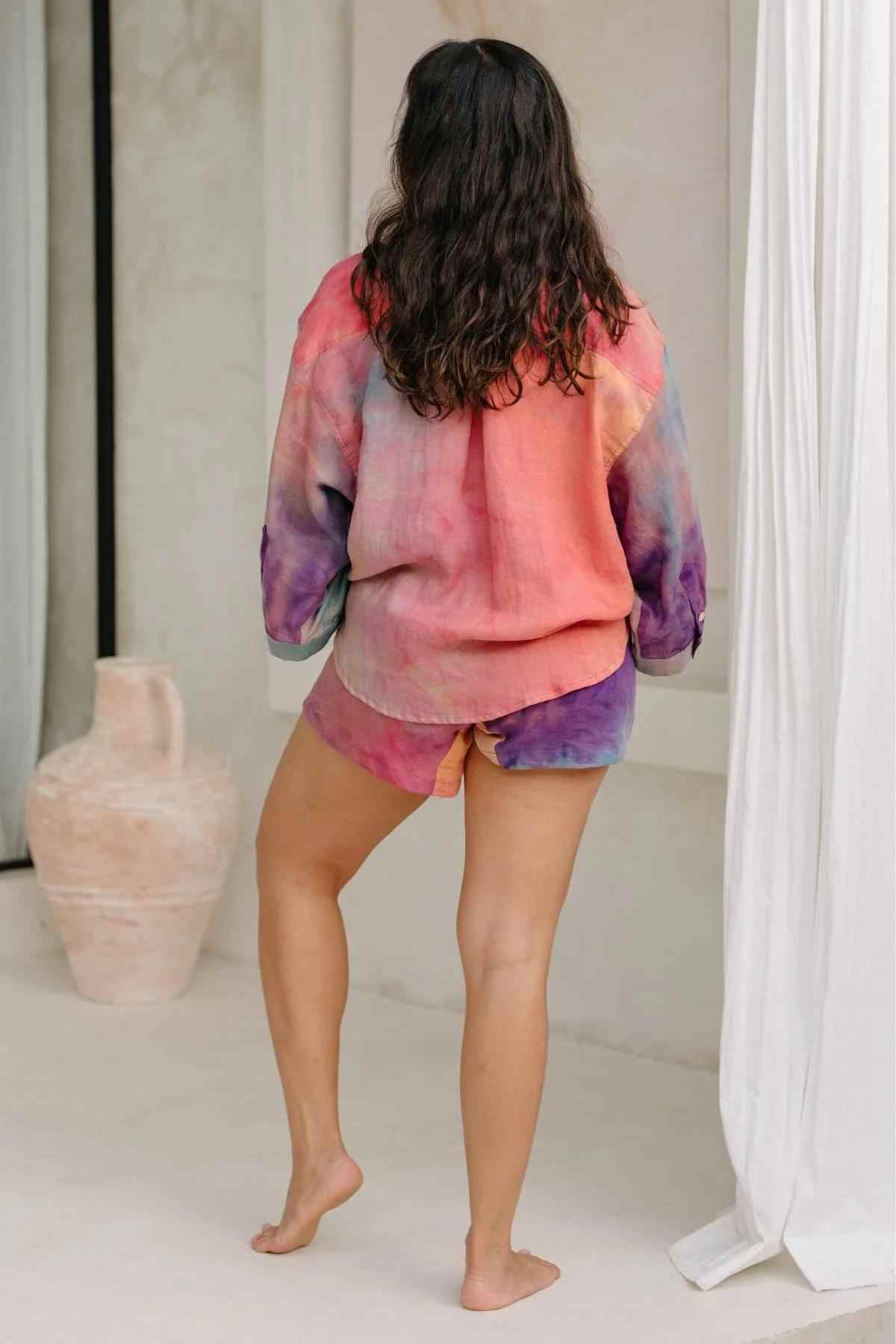
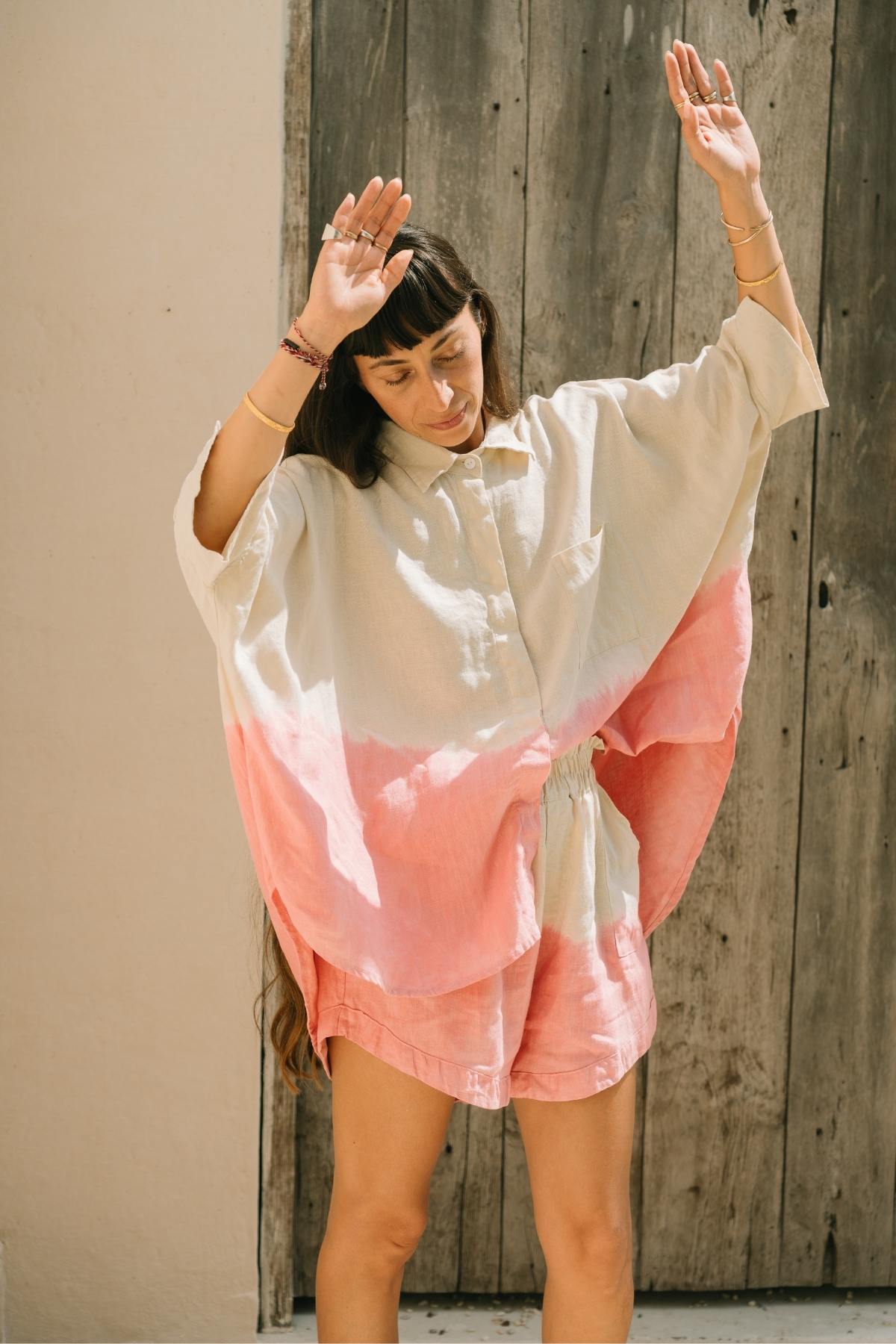
Our signature colorway is Rainbeau. It is not a fixed color. It is a botanical dye process applied to natural linen and cotton that produces a range of warm, shifting tones, from soft blush to deep botanical rose, with undertones that move depending on the light and the specific run of the dye bath. No two batches of Rainbeau are exactly alike. This is not a flaw in the process. It is the most honest thing we can tell you about how it is made.
Rainbeau has become the most recognized colorway in the Myrah Penaloza range for a reason that goes beyond aesthetics. Women who find it describe something similar: a feeling of recognition, not just of a color they like, but of something that feels true. We think this is what botanical color does. It carries the energy of the plant it came from. It has not been stripped of that by a chemical process. You can feel the difference, even if you cannot name it.
Beyond Rainbeau, we work with turmeric, indigo, native Balinese botanicals, and other plant sources that shift seasonally depending on what is available. Our dyeing practice is rooted in the Balinese landscape and responds to it. When the season changes, the dye palette can change with it.
How to Care for Botanical Dye Clothing
Botanical dye clothing requires slightly more care than synthetically dyed garments, and it rewards that care generously.
Wash in cold water. Heat accelerates fading in all dyed textiles, but botanical dyes are particularly sensitive to high temperatures. Cold water washes extend the life of the color significantly.
Use a gentle, pH-neutral detergent. Alkaline detergents can shift botanical colors, particularly indigo, toward green or grey over time. A mild, pH-neutral soap is the right choice for natural dye textiles.
Avoid direct sunlight for drying. Dry your botanically dyed garments in shade or indirect light. Extended exposure to direct sunlight will fade the color faster than necessary. Shade-dried linen also tends to feel softer.
Expect and embrace the evolution. Botanical dye clothing will shift over time. This is not failure. It is the natural behavior of color that came from a living source. The garment is not degrading. It is developing a history that is uniquely yours.
Store away from light. Long-term storage in direct light will fade botanical colors. A cool, dark drawer or wardrobe is ideal.
Why We Will Never Switch to Synthetic Dyes
We are sometimes asked whether we plan to expand into more synthetic colorways, particularly as we grow and demand for certain pieces increases. The answer is no, and it is not complicated.
Synthetic dyes would allow us to produce more, more consistently, in more colors, more quickly. They would also require us to become a different kind of company. The environmental cost, the loss of the craft, the disconnection from the plant world that botanical dyeing maintains, these are not acceptable tradeoffs for us at any scale.
The reason we botanical dye is the same reason we make in small batches, pay living wages, and use natural fabrics only. It is not a marketing decision. It is what we believe clothing should be, and we are not willing to compromise it for growth.
When something sells out and cannot be exactly replicated because the next dye batch will be slightly different, that is not a problem we are trying to solve. It is the nature of working honestly with natural materials. It is the whole point.
The color in your garment came from the earth. It will return there. In between, it is yours.

|
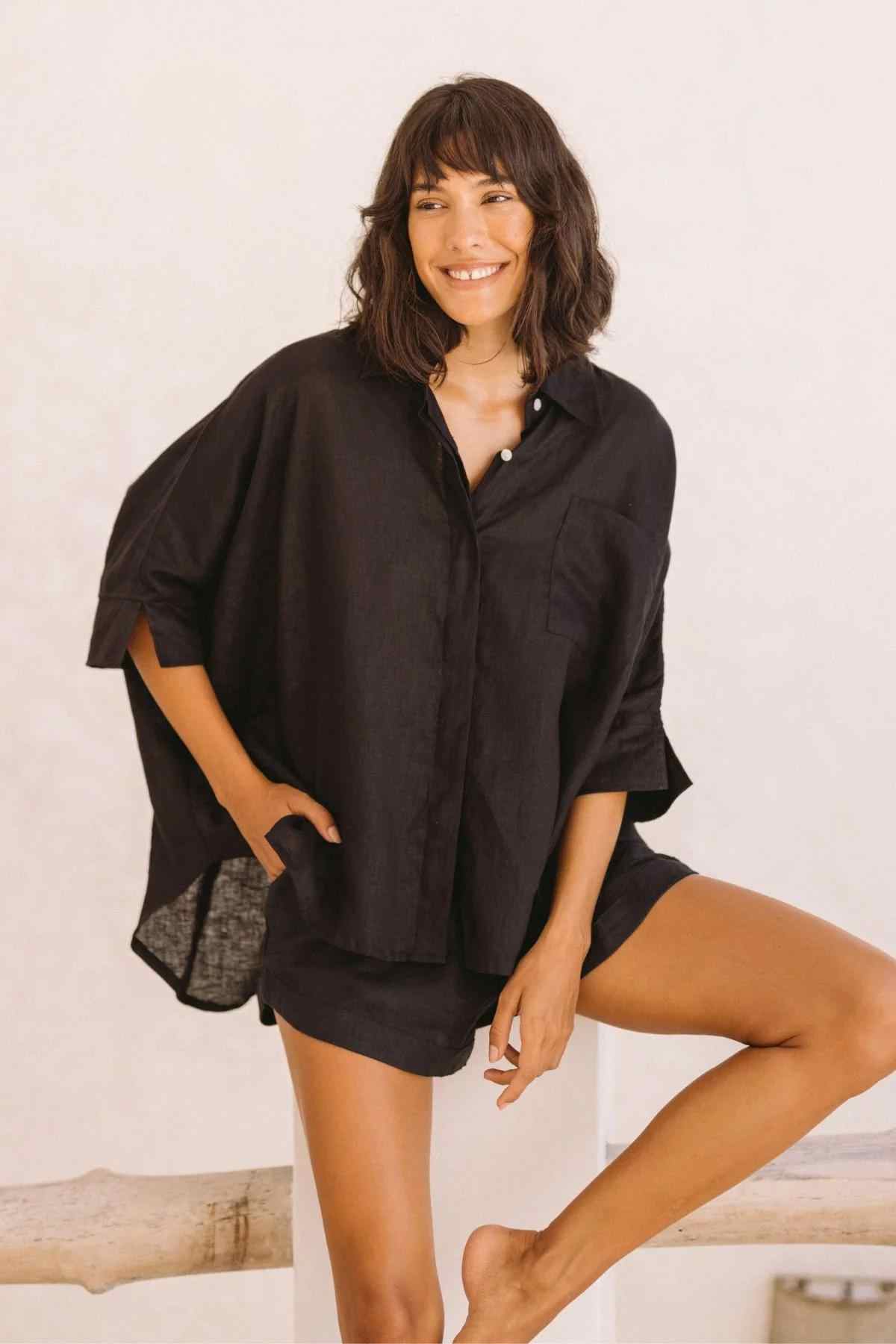
A Piece for This Threshold The Rainbeau Linen Suka Set Rainbeau: the colour of the sky the morning after everything broke open. Botanically dyed, no two exactly alike, handcrafted in Bali by the families who have made with us since the beginning. This is what it looks like when color comes from the earth. Shop New Arrivals → |
|
The Muse-Letter Dress for the woman you’re becoming. Every week from Bali. Astrology, ceremony, new arrivals, and the stories behind what we make. Join the Muse-LetterUnsubscribe any time. No spam, ever. |









Leave a comment
This site is protected by hCaptcha and the hCaptcha Privacy Policy and Terms of Service apply.